
What's a UAV? Explore Drone Technology
If you are asking what's a UAV, you are probably not asking as a hobbyist. You are likely looking at a real job. A roof inspection that should not require ladders. A survey that needs current site data before crews move in. A utility asset that must be checked without putting a person next to a live hazard.
That is the right context for the question.
In professional use, a UAV is not just a flying camera. It is a work tool with a defined job, a planned flight, a payload, a pilot decision chain, and a set of records that may matter later to a client, insurer, or regulator. New operators often focus on the aircraft first. Experienced operators focus on the operation.
That distinction matters because the aircraft is only one part of what makes drone work safe, legal, and profitable.
From Hobby to Heavy Industry The Rise of the UAV
A site superintendent needs progress photos before the concrete crew arrives. A utility manager wants a close inspection of a pole line without sending a technician into the hazard zone. An agronomy team needs current field data while the crop window is still open. In each case, the aircraft is only the visible part of the job, but it is the part that usually gets all the attention first.
A UAV is an Unmanned Aerial Vehicle. The definition is simple. It is the aircraft itself, flown remotely or through onboard autonomy.
The industry around that aircraft is not simple. UAVs began in military use for missions that put pilots into unnecessary risk, then expanded into commercial and civil work across inspection, surveying, emergency response, agriculture, logistics, and public safety, as outlined in the Wikipedia overview of unmanned aerial vehicles. That shift explains why professional drone work now sits closer to field operations, maintenance, and compliance than to consumer electronics.
For working operators, that change matters every day. The purchase decision is no longer about whether a drone can fly. It is about whether the aircraft can produce usable data, fit the site conditions, stay within the rules, and support a repeatable service.
A professional UAV earns its place when it helps a team:
- Collect field data faster: Capture imagery, mapping inputs, inspection photos, and progress records without repeated manual site walks.
- Reduce exposure to risk: Check roofs, towers, facades, stockpiles, or remote terrain without sending personnel into the first layer of danger.
- Produce consistent outputs: Use the same aircraft and payload setup to deliver repeatable results across recurring jobs.
- Expand service capability: Start with visual capture, then add thermal inspections, mapping, volumetrics, or routine asset monitoring as the operation matures.
I have seen the same pattern across construction, utilities, and inspection work. Teams that treat the UAV as operational equipment usually build better workflows and fewer failure points. Teams that treat it as a flying camera often hit the same problems early. Poor planning, inconsistent data capture, weak maintenance habits, and gaps in documentation.
That is also why terminology matters more than it seems. A practical guide to UAVs and drones in professional operations helps frame the aircraft in its real operating context, not as a standalone gadget.
The better question is not only what the aircraft is called. It is what responsibility comes with putting one into professional use.
Understanding the Difference Between UAV and UAS
A site crew can own a capable aircraft and still run a weak drone operation.
That gap usually starts with terminology. A UAV is the aircraft itself. A UAS is the full operating system around it: aircraft, controller, communications link, software, pilot, operating procedures, maintenance records, and mission planning. If any one of those pieces fails, the job can still go wrong even when the aircraft flies perfectly.
The race car comparison fits here. The UAV is the vehicle on the track. The UAS includes the radios, telemetry, setup, maintenance routine, and the person making decisions under pressure. That broader view is the one professionals need, because clients, regulators, and insurers judge the whole system, not just the airframe.
Why the distinction matters
The Schmidt Ocean explanation of UAV terminology highlights this for solo operators, who are simultaneously the pilot, ground control station, and system manager, which means they carry responsibility for the entire UAS, not only the aircraft.
In practice, that changes how you assess risk. Airworthiness matters, but so do pre-flight checks, battery records, firmware control, crew roles, site permissions, and post-flight documentation. An aircraft can be ready to launch while the operation around it is still poorly controlled.
A useful starting point is this guide to UAV and drone terminology, which frames the aircraft in its operating context rather than as a standalone tool.
The mindset professionals adopt early
New operators often buy the aircraft first and build the process later. I have seen that sequence create the same avoidable problems across inspection, survey, and construction work. Flights happen before procedures are settled. Data arrives without a clear naming standard. Maintenance records live in different places. Small gaps pile up until a routine mission starts consuming too much time or exposing the team to preventable risk.
A better sequence is simpler.
-
Define the service Be clear about the output. Inspection imagery, orthomosaics, thermal evidence, progress reporting, emergency support, and volumetric data all place different demands on the operation.
-
Set up the system that delivers it Build the planning, checklists, maintenance routine, permissions process, data handling, and recordkeeping around that service.
-
Select the aircraft that fits the system The UAV should support the workflow you already need to run.
That same system view also shapes procurement and maintenance decisions. Material choices, repairability, and parts availability affect uptime and cost over the life of the aircraft. Teams exploring custom builds or specialized airframes often look at developments in UAV 3D printing for that reason. The aircraft is only one part of the operating model, but it still needs to fit the support structure behind it.
Where operators get caught out
The failures are usually ordinary. Batteries are in service without clear cycle tracking. Firmware gets updated without checking how it affects procedures or payload compatibility. Client briefs leave out airspace limits or data requirements. Test flights and revenue flights end up logged the same way, which creates confusion later during audits or incident reviews.
These are UAS failures. Teams that understand that early build safer, cleaner, more efficient operations from the start.
Anatomy of a Professional UAV
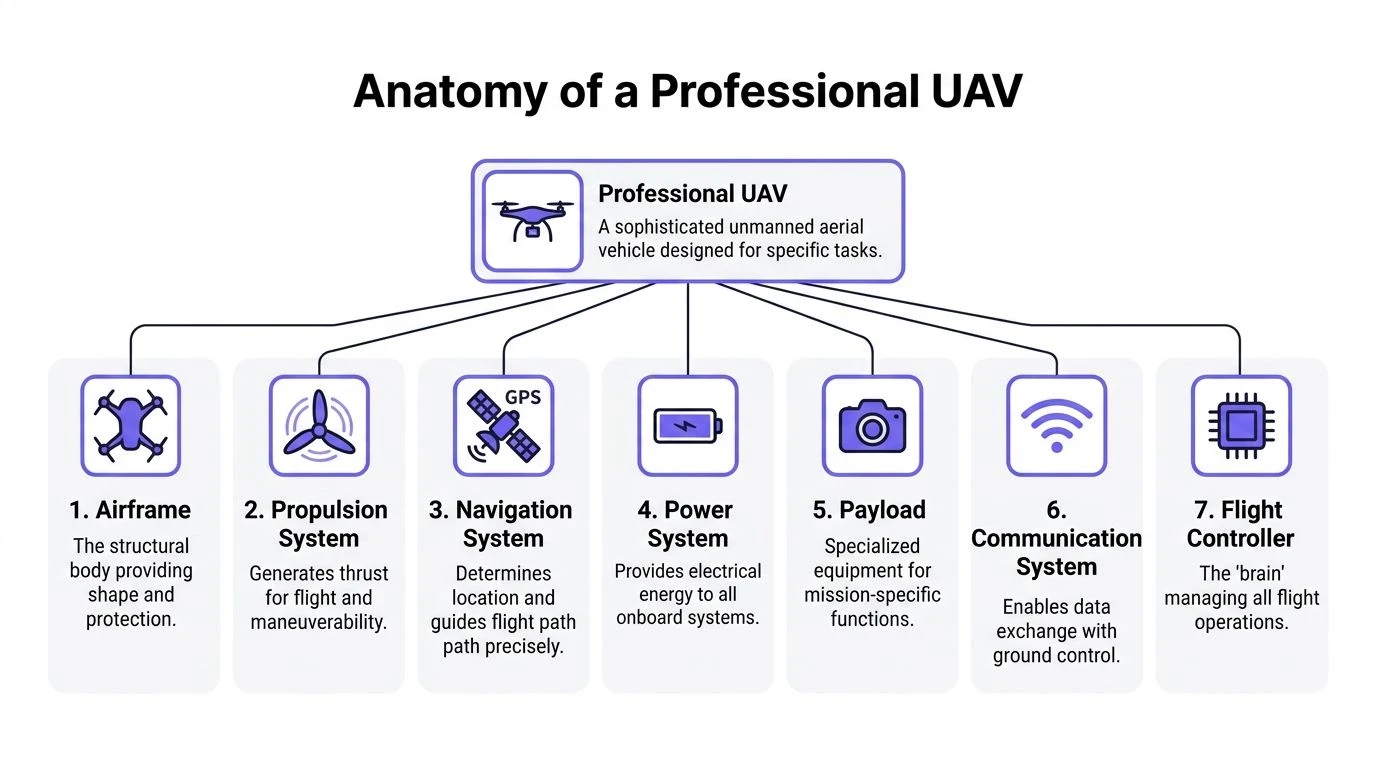
A professional UAV is a stack of connected parts. If one part is weak, the mission suffers.
To understand the aircraft, consider it a field vehicle. You need structure, power, control, navigation, communications, and the tool that does the work.
The main components that matter
Airframe
The airframe is the body of the aircraft. It holds everything together and protects core systems.
Airframe design affects portability, durability, payload mounting, and how the aircraft behaves in wind. A compact folding airframe is useful for mobile site work. A larger frame may be better when the payload is more demanding.
Propulsion system
This includes motors, propellers, and electronic speed control. It is what keeps the aircraft in the air and gives you maneuverability.
Rotor count is not a cosmetic choice. The Coptrz guide to business UAV selection notes that rotor count directly affects stability and redundancy. More rotors improve fault tolerance, and octocopters offer stronger stability for heavy payloads up to 10 to 15 kg in enterprise models.
Flight controller and navigation
The flight controller is the aircraft's brain. It interprets pilot inputs and onboard sensor data, then stabilizes and directs flight.
Navigation layers on top of that. GPS and related positioning systems help the aircraft hold position, follow routes, and return safely when configured properly. Reliable positioning is especially important for repeat inspections and structured mapping work.
The systems operators often underestimate
A lot of new professionals focus on cameras and ignore the support systems that make missions repeatable.
Experienced teams pay closer attention to these aspects:
-
Power system Batteries define sortie planning. Endurance, charging workflow, storage discipline, and battery health affect the workday more than most buyers expect.
-
Communication system Command link quality and signal resilience matter. If your operating environment is congested or obstructed, a good aircraft can still become a poor tool.
-
Payload integration The payload is the business end of the aircraft. Camera, thermal unit, LiDAR, spotlight, speaker, or multispectral sensor. Mounting, balance, and software compatibility all matter.
If the payload, power system, and airframe are mismatched, the aircraft may still fly well but fail commercially.
Why build quality matters
Professionals should also pay attention to repairability and manufacturing methods. Lightweight structural parts, custom mounts, and replacement components can shape turnaround time and field resilience. This is one reason UAV 3D printing is worth understanding. It shows how manufacturers and specialist teams think about weight, geometry, and part iteration in practical airframe design.
A professional UAV is never just "the drone." It is a set of engineering choices that affect safety, data quality, and job economics.
Choosing the Right Aircraft for the Job
Buying the wrong aircraft is one of the costliest mistakes in commercial drone work. The problem is rarely total incompatibility. It is the quieter issue of partial fit. The aircraft can do the job, but not well enough, fast enough, or consistently enough to make the work efficient.
That is where many operators run into the payload-capability mismatch described in the Aerial Precision discussion of UAV selection gaps. The missing link is not just knowing that drones carry payloads. It is knowing how payload decisions affect flight time, range, compliance, scheduling, and deliverables.
The three main aircraft categories
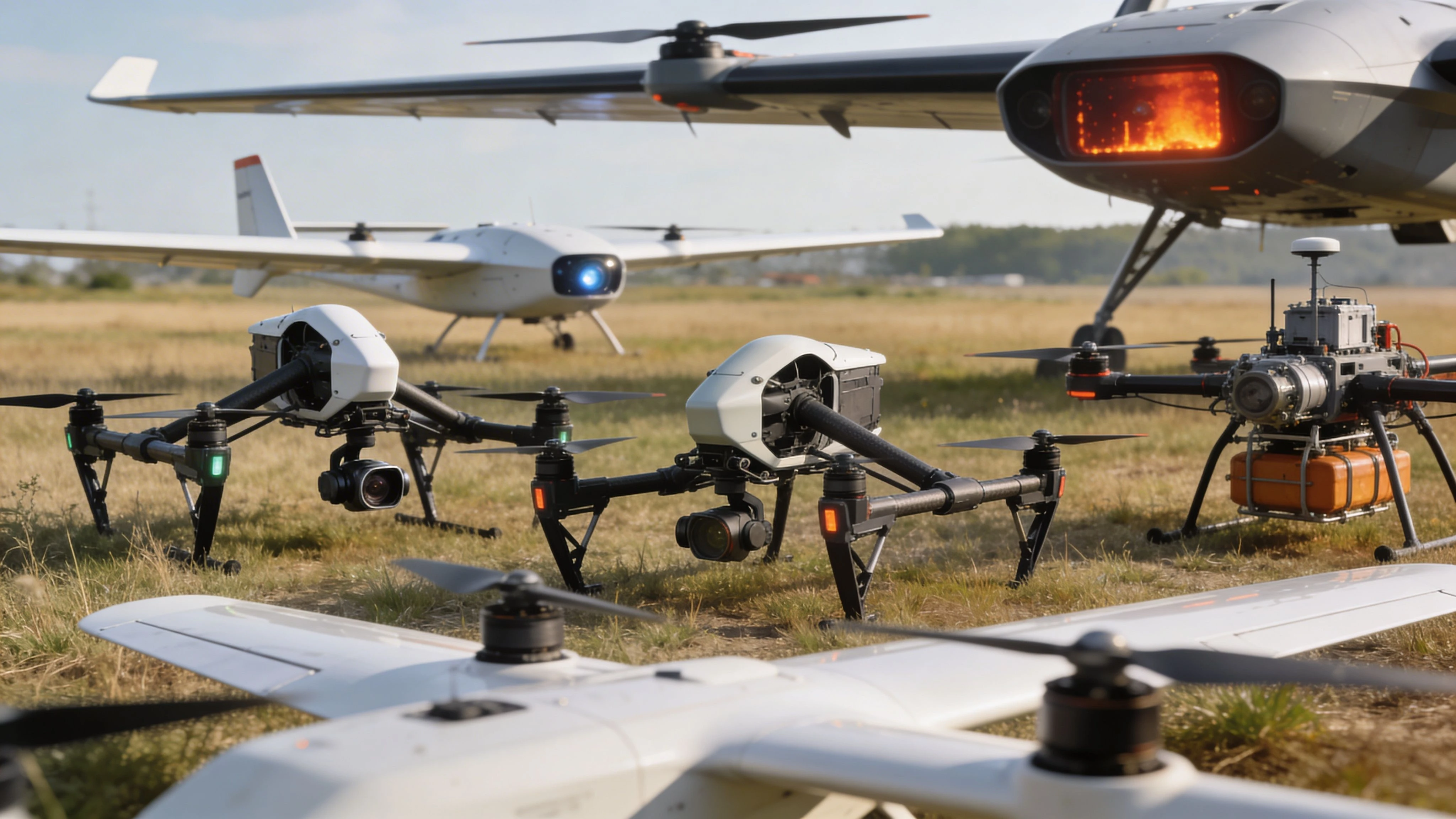
Multirotor
This is the default choice for many commercial teams.
Multirotors are strong when the job needs hover precision, close inspection passes, vertical takeoff, and operation in tighter spaces. They suit facade work, roof inspection, media capture, and utility checks where controlled positioning matters more than long-distance coverage.
Their main limitation is endurance. Add a heavier payload and the mission window tightens.
Fixed-wing
Fixed-wing aircraft are built for coverage and endurance.
They make sense when you need to survey large areas, map corridors, or cover ground efficiently. The trade-off is operational complexity. They generally need more launch and recovery planning, and they do not hover over a target like a multirotor.
Hybrid VTOL
Hybrid vertical takeoff and landing aircraft try to combine the strengths of both categories.
They are useful when you need fixed-wing style area coverage but do not have the luxury of a runway or clean launch area. The trade-off is complexity, cost, and maintenance burden.
A practical selection framework
Use the mission, not the catalog, to drive the purchase.
| Job requirement | Usually points toward | Main trade-off |
|---|---|---|
| Close visual inspection | Multirotor | Shorter endurance |
| Large-area mapping | Fixed-wing | Less hover capability |
| Remote sites with limited launch space | Hybrid VTOL | More system complexity |
| Heavy sensor package | Larger multirotor or specialist platform | Higher cost and tighter planning |
If you are comparing current options, this roundup at https://blog.dronedesk.io/uav-for-sale/ can help frame the market from a buyer's point of view.
What works in the field
Operators make better decisions when they write down the client output before choosing the aircraft.
That means asking:
- What is the deliverable. Orthomosaic, thermal report, inspection visuals, 3D model, or progress record?
- How much hover time is needed. Minutes matter if the task is detail-heavy.
- What payload is essential. Nice-to-have sensors often become dead weight.
- What site constraints exist. Urban space, weather exposure, launch area, and nearby hazards can quickly eliminate certain aircraft types.
The best aircraft is not the most advanced one. It is the one that completes the mission cleanly, repeatedly, and without forcing awkward compromises into the rest of your operation.
How UAVs Are Transforming Industries
The value of UAVs becomes obvious when you stop looking at the aircraft and look at the job that gets done.
Across industries, the strongest use cases share the same pattern. The drone replaces slow access, improves the quality of visible evidence, and gives decision-makers current information without sending people into the first layer of risk.
Construction and surveying
On active sites, UAVs help teams document progress, monitor change, and capture current visual records before the site shifts again.
A surveyor may use a drone mission to gather aerial coverage for terrain context and site review. A project manager may use repeat flights to compare progress across phases. A contractor may use aerial imagery to communicate clearly with a client who is not on site every day.
The point is not only speed. It is consistency. The same route, similar angle sets, and disciplined flight planning create records that are easier to compare over time.
Utilities and infrastructure
Infrastructure work rewards aircraft that can hold position and inspect from difficult angles.
Utility inspections, roof assessments, facade checks, and asset reviews all benefit from a stable aircraft carrying the right payload. Teams can inspect hard-to-reach areas without lifts, lane closures, or sending personnel into immediate proximity with the structure.
In practice, what matters most is not seeing the asset. It is collecting useful evidence. That means clear framing, repeatability, and enough flight discipline that the client can act on the output.
The commercial value of a UAV mission comes from decision-ready data, not from the flight itself.
Agriculture and land management
Agricultural operations use UAVs to look at fields from a perspective ground teams cannot get on foot.
That can support crop monitoring, field condition review, drainage assessment, and targeted follow-up work. For land managers, the usefulness often comes from being able to review broad areas quickly, then direct people only to the parts that need attention.
Here, aircraft choice and payload choice start to matter sharply. The wrong platform can still fly the field and still produce weak business value.
Public safety and emergency support
Emergency teams and support crews use UAVs when speed and visibility matter.
An aircraft can help with scene overview, route checks, visual confirmation of hazards, and support for incident command. In these environments, the discipline of the operator becomes as important as the hardware. Flights must stay purposeful, coordinated, and easy to interpret by the rest of the team.
That is the larger pattern across sectors. UAVs are not transforming industries because they fly. They are transforming work because they let teams see, verify, document, and decide with less friction.
Flying Safely and Legally
A pilot arrives on site with a charged aircraft, a clear task, and a client waiting. The mission still goes wrong if the airspace check was rushed, the sensor settings were skipped, or the pilot is unsure what the aircraft will do after a mode change. That is why safe operations come from the full UAS, not the UAV alone.
The safety features that matter in real operations
The NASA Phase II handling qualities study found that UAVs need Level 1 handling on the Cooper-Harper scale for precise control. It also found that 40% of simulated losses of control were tied to inadequate state initialization. For a working operator, that means one thing: know the aircraft state before takeoff, know what each flight mode does, and have an abort path planned before the mission starts.
Verifiable mode changes matter for the same reason. If the aircraft switches behavior and the pilot has to interpret it in real time, the operation is already behind. Good teams set up aircraft behavior so it is predictable, brief the response before launch, and confirm that return, hover, or land actions match the site risk.
Safe UAV operations depend on predictable aircraft behavior, disciplined pilot actions, and a repeatable process around both.
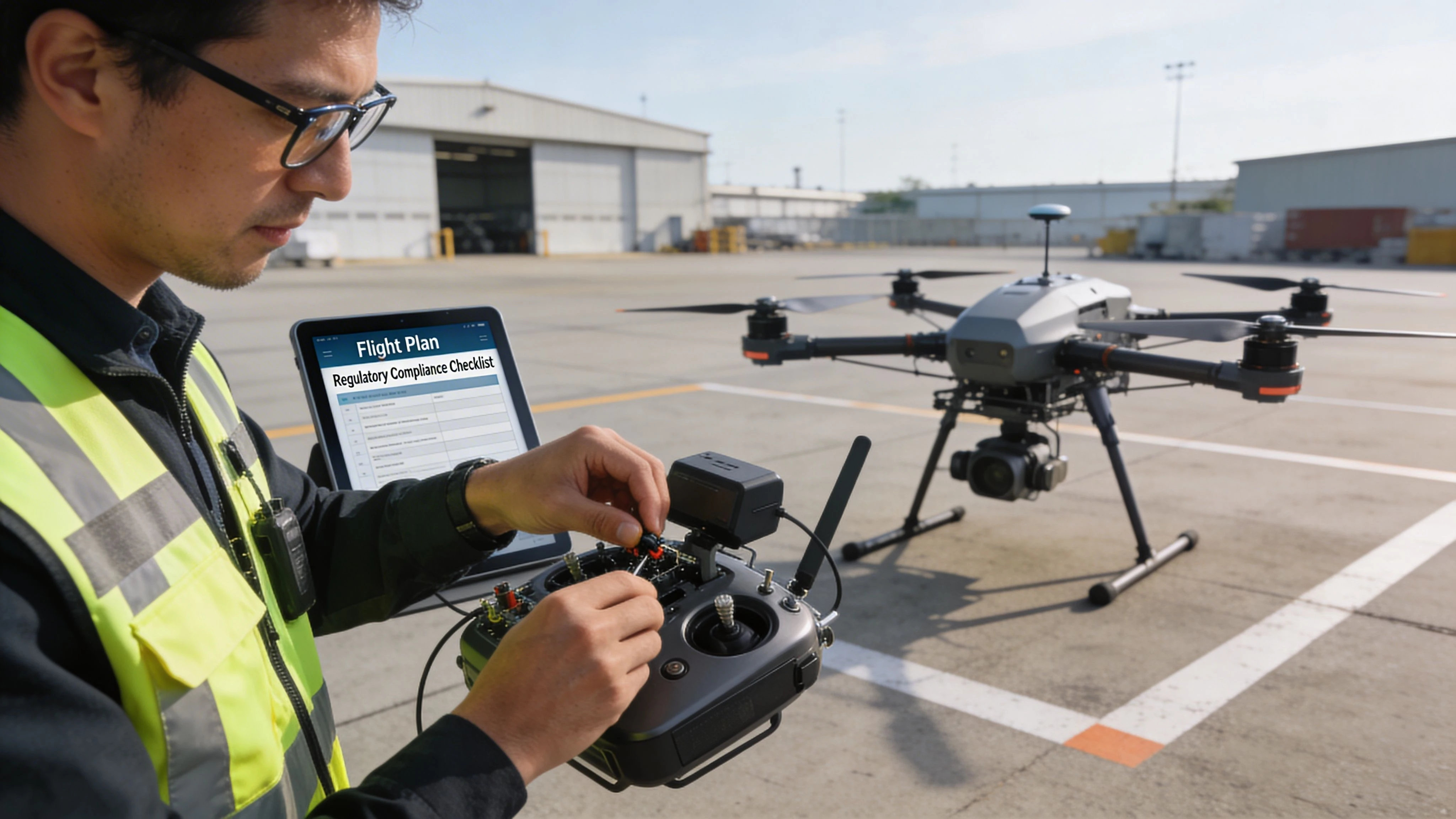
A practical pre-flight discipline
Airspace and site review
Start with the operating area, not the aircraft. Check airspace restrictions, nearby structures, people, vehicles, weather exposure, and any activity that could change during the flight, including emergency response or temporary restrictions.
This should be complete before batteries are installed and before the client assumes the aircraft is about to launch.
Aircraft and payload readiness
Confirm airframe condition, propeller condition, battery status, controller readiness, firmware suitability, and payload security. If the mission depends on a camera, thermal sensor, or mapping payload, verify settings on the ground.
A mission can be flown safely and still fail the job if the sensor setup is wrong.
Failsafe behavior
Set return-to-home logic, loss-link behavior, geofencing, and altitude limits for the actual site. Then brief the abort path. If the aircraft reacts unexpectedly, the operator should already know the next action, not start searching through menus.
Teams that want a cleaner way to standardize these checks usually benefit from a drone operations platform that centralizes planning, logging, and fleet control.
What does not work
Familiarity causes a lot of preventable mistakes. Operators flying the same model every week can stop treating each mission as its own operation with its own hazards, permissions, and data requirements.
That shows up in small assumptions:
- The site will be quiet because it usually is
- The battery set is probably fine
- The client only needs quick visuals
- The aircraft's default settings will be good enough
Those shortcuts create incidents, weak deliverables, or both.
The legal side is part of the job
Professional flight work includes compliance before, during, and after the mission. Under FAA, EASA, or another national framework, the details vary, but the operator still needs to confirm pilot qualifications, aircraft registration where required, airspace permissions, operating limits, and mission records.
Treating compliance as separate from flight operations is one of the fastest ways to build an unreliable program. The aircraft may be airworthy, but the operation is still incomplete if approvals, documentation, or site controls are missing.
Streamlining Your Drone Operations with a Management Platform
Once you understand the difference between the aircraft and the whole operating system, one problem becomes obvious. Spreadsheets, chat threads, handwritten notes, and memory do not scale well.
They also fail in uneven ways.
One team member updates maintenance but not flight logs. A pilot plans a job but does not capture a clear site record. A client asks for past mission detail and the files exist, but not in one place. None of that means the pilot cannot fly. It means the operation is harder to trust.
What a management platform should solve
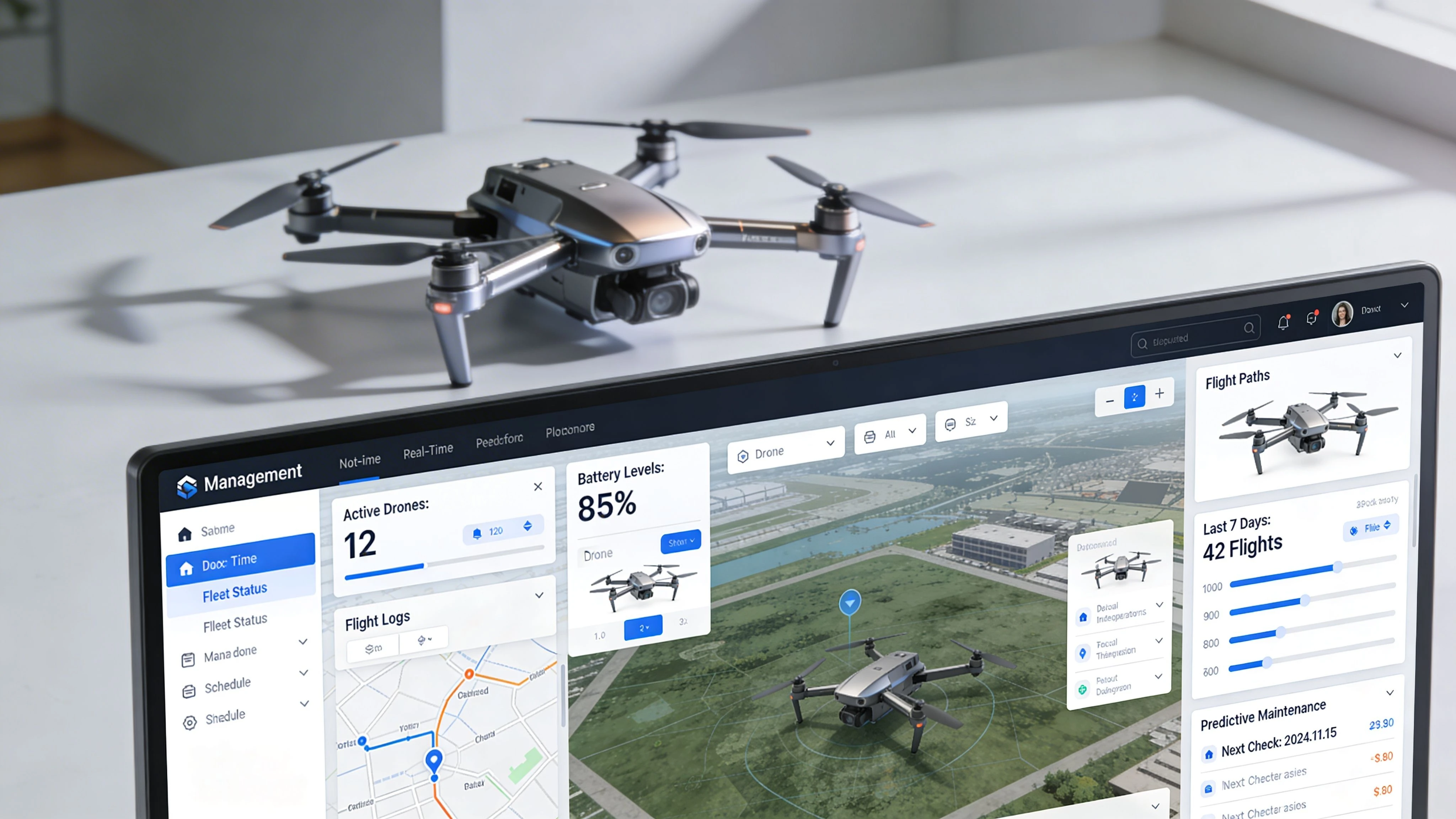
The point of a drone operations platform is not to add another app. It is to centralize the parts of the UAS that are easy to neglect.
A useful platform should help operators handle:
-
Fleet records Maintenance status, aircraft details, battery history, and asset visibility.
-
Flight planning Site planning, airspace awareness, and mission preparation in one workflow.
-
Operational logging Flights, pilot activity, and mission records captured consistently.
-
Team coordination Clear assignment of who is flying, who approved what, and who owns follow-up.
-
Client reporting Outputs that are easier to package and explain after the mission ends.
Why this matters more than many teams expect
The difference between a small operator and a durable operator is often administrative discipline.
Pilots tend to enjoy the flight side. Businesses survive on repeatability. That means recordkeeping, maintenance visibility, and job planning that do not depend on one person's memory.
For teams evaluating software specifically for this side of the business, https://blog.dronedesk.io/best-drone-operations-platform/ is a practical place to compare what matters operationally.
What works versus what does not
What works is one shared system for planning, logs, and asset oversight.
What does not work is splitting critical information across too many disconnected tools. The failure usually appears later. During an audit, after an incident, when a client asks for evidence, or when a growing team realizes every pilot has been recording things differently.
A management platform helps close the gap between flying a UAV and running a UAS. That gap is where many promising drone businesses stall.
Your Next Steps in Professional UAV Operations
If someone asks what's a uav, the short answer is easy. It is an unmanned aircraft.
The useful answer is broader. In professional work, the aircraft only earns its keep when it is part of a disciplined system. That means choosing the right platform for the job, understanding the difference between UAV and UAS, flying with clear safety procedures, and keeping operations organized enough to stand up to client, insurer, and regulatory scrutiny.
The operators who last in this industry do not just become better pilots. They become better managers of risk, assets, data, and process.
Start there. Define the service you want to deliver. Match the aircraft to that service. Build procedures before you scale. Treat every mission as part of a larger operating system, because that is what it is.
If you want to run more professional, compliant, and organized drone operations, Dronedesk gives you a practical way to manage the full operational picture, from planning and logging to fleet oversight and reporting. It is built for pilots and teams who need more than a flight app. It helps you manage the whole system behind the aircraft.
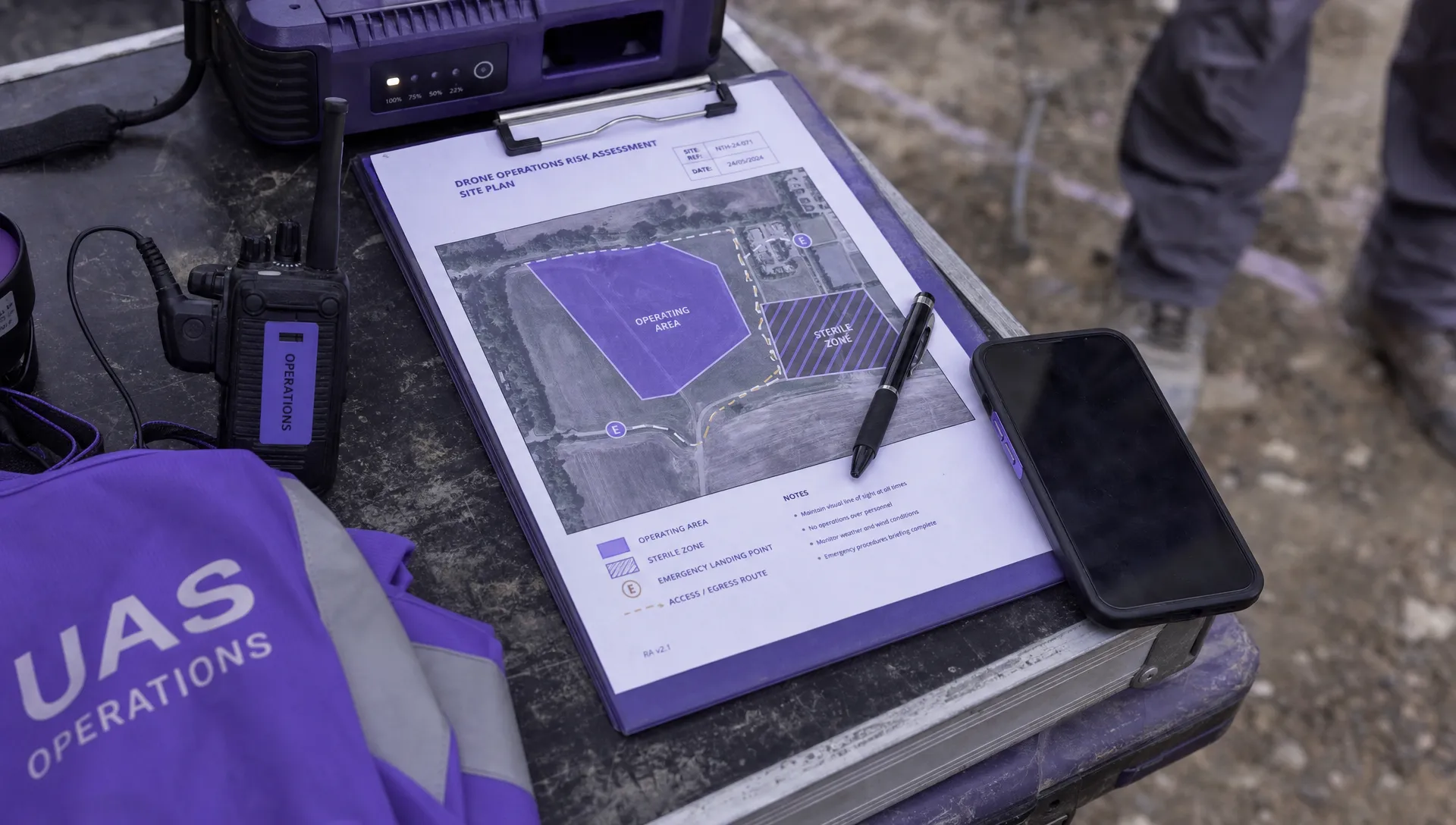 Drone Risk Assessment Controls That Work in the Field →
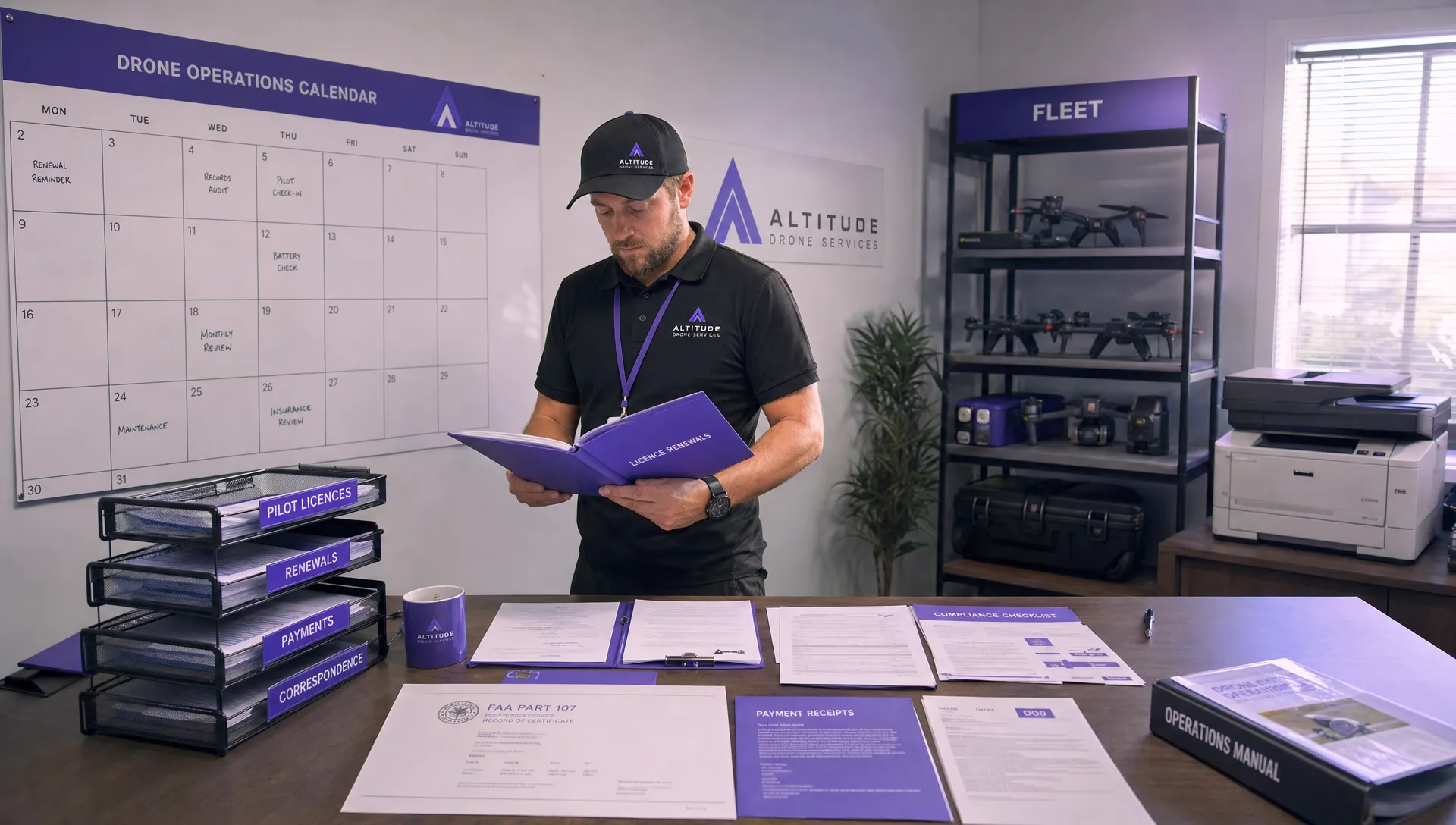 FAA Drone License Costs Beyond the Knowledge Test →
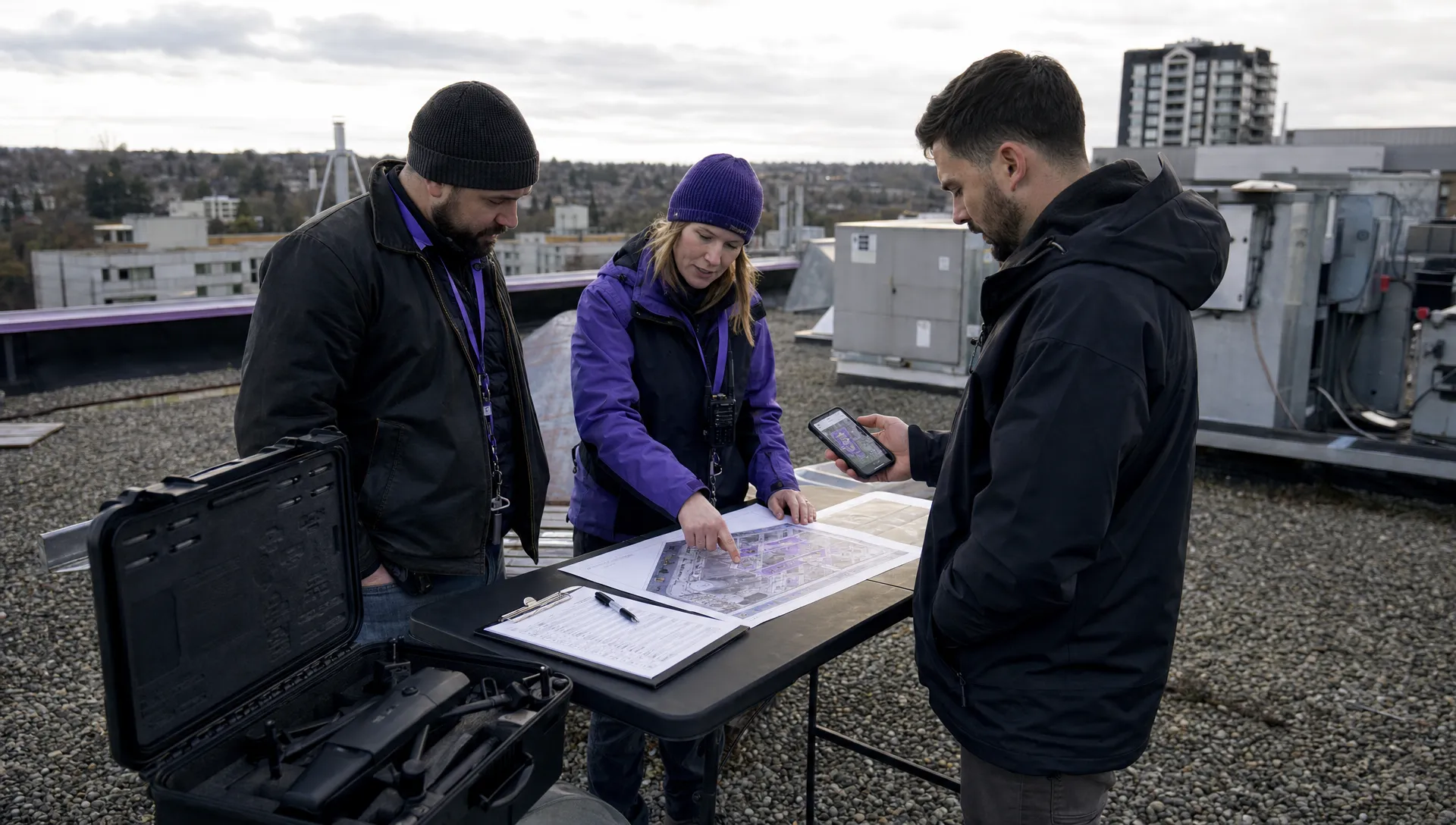 Drone Part 107 Operations: When a Waiver May Be Needed →
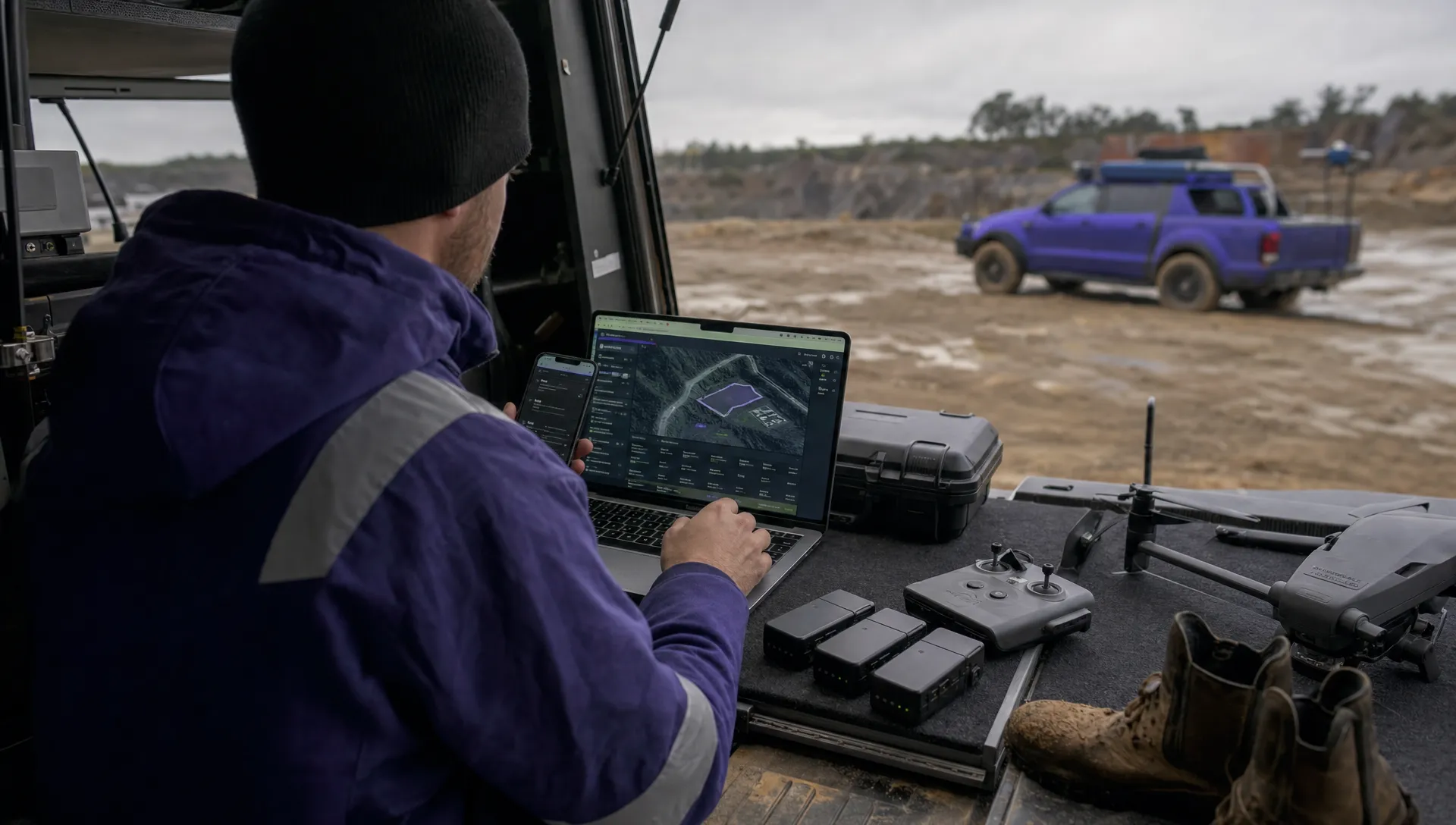 Drone Operating Rules for Managing Contractors and Employees →
 BVLOS Drone Requirements for Building a Safety Case →
 Drone Pilot Test Mistakes That Cost Candidates Marks →
 FAA 107 License vs Part 107 Certificate: What’s the Difference? →
 Drone Airport Rules: A Field Checklist for Site Assessments →
 FAA Part 107 Record-Keeping Rules for Commercial Teams →
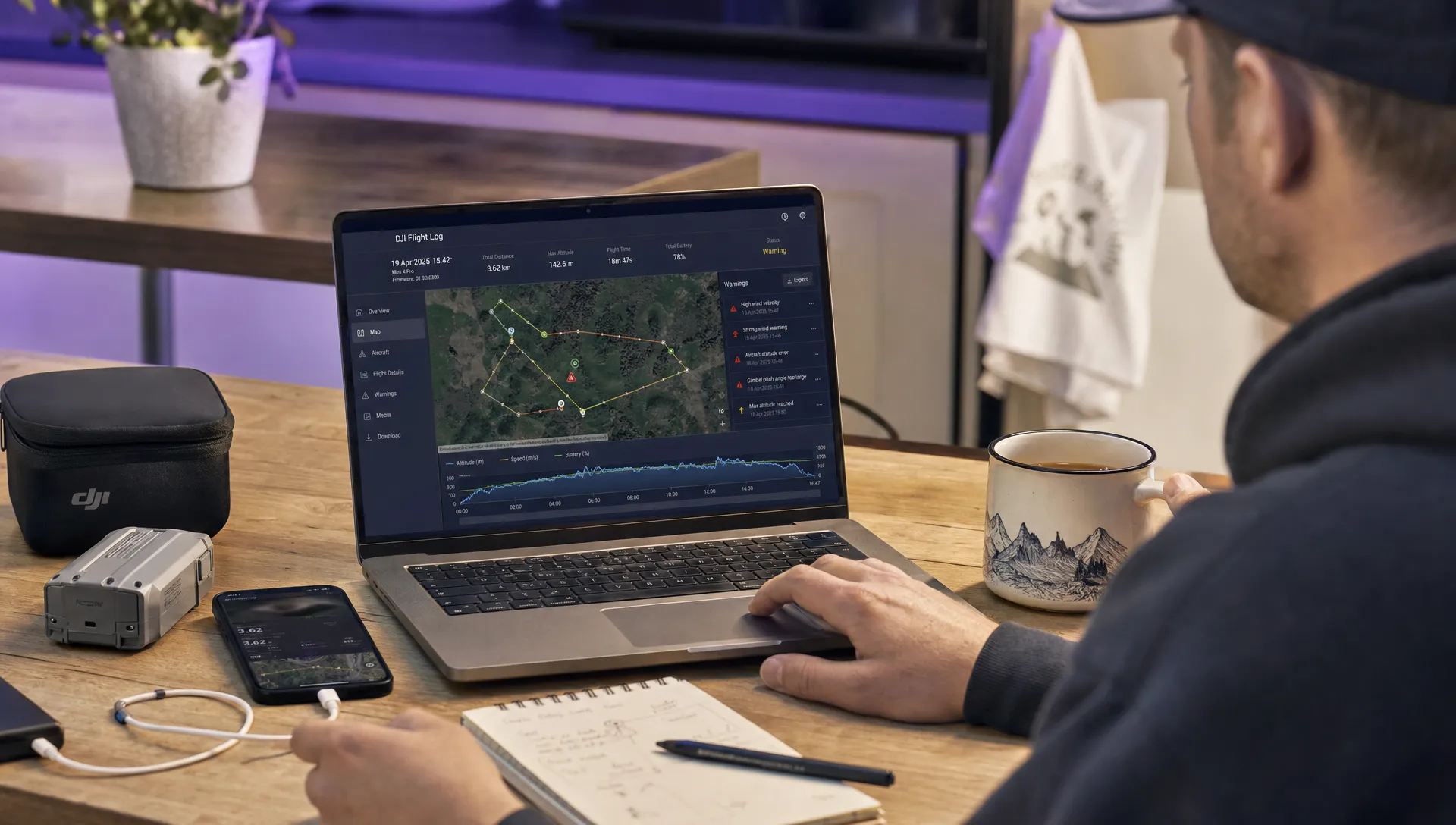 How to Review a DJI Flight Log After an Unexpected Event →