
Find the Best Drone Operations Platform for Your Business
Think of a drone operations platform as the central nervous system for your entire drone business. It's a single piece of software that finally lets you ditch the clunky spreadsheets, multiple apps, and manual compliance checklists you've been wrestling with. This is the mission control that turns a collection of individual flights into a coordinated, professional, and scalable operation.
What Is a Drone Operations Platform

At its heart, a drone operations platform is a unified dashboard built to solve the biggest administrative headaches drone pros face every day. Without one, you're probably juggling a mess of disconnected tools: one app for flight logging, another for weather checks, spreadsheets for fleet maintenance, and a mountain of paperwork for risk assessments. This piecemeal approach isn't just inefficient; it's a recipe for costly mistakes and compliance nightmares.
The platform pulls everything together, acting as a single source of truth for your business. This creates a seamless workflow that covers the entire lifecycle of a drone mission, from the first client call to the final report you hand over.
From Chaos to Cohesion
Picture a pilot gearing up for a survey mission. The old way involves checking half a dozen different websites and apps for airspace restrictions, weather forecasts, and ground hazards. It's a manual, error-prone grind. A drone operations platform automates this whole dance, pulling real-time data into one comprehensive pre-flight check. This simple shift takes your business from a reactive, manual process to a proactive, automated one.
So, what problems do these platforms actually solve?
- Compliance and Risk Mitigation: They automatically generate risk assessments and make sure every flight sticks to local aviation regulations, protecting you from hefty fines and legal trouble.
- Administrative Overload: All that tedious paperwork—like logging flight hours and tracking equipment maintenance—is automated, freeing up your time to focus on flying and growing the business.
- Data Fragmentation: All your mission data, pilot records, and client information are kept in one secure, easily accessible spot. No more hunting through different folders and apps.
A robust drone operations platform doesn't just organize your business; it professionalizes it. It provides the structure needed to manage complex jobs, ensure safety, and build client trust by demonstrating a solid commitment to standardized, compliant procedures.
The Growing Need for Centralized Management
The demand for these systems is blowing up, driven by the expanding use of drones in logistics, public safety, and surveillance. The drone software market is projected to grow from an estimated USD 16 billion in 2025 to USD 42.51 billion by 2029, a clear sign of the massive industry shift toward more sophisticated management tools. You can dig into more insights on this rapid market expansion over at ResearchAndMarkets.com.
This growth highlights a critical point: as the industry matures, so must the tools we use to manage it. A dedicated platform is no longer a nice-to-have; it's an essential foundation for any serious drone business. It lets you manage everything from a single drone to a massive fleet, giving you that crucial top-down view of your operations needed for smart decision-making.
Our guide on UAS fleet management systems offers a deeper dive into this topic. Ultimately, finding the best drone operations platform is a huge step toward building a resilient and profitable business.
How To Evaluate The Core Features Of Any Platform
Picking the right drone operations platform is about more than just ticking boxes on a feature list. You need to know how those features will actually save you time, cut costs, and keep you out of trouble with the regulators. The best systems are built on five core pillars that all work together to create a smooth, professional workflow.
This infographic lays out the essential building blocks that make up a top-tier platform.

As you can see, things like scalability, safety compliance, and solid data analytics aren't just add-ons. They're the foundation of any serious, growing drone business.
Flight Planning and Logging
At the most basic level, a drone platform has to nail flight planning and logging. Think of it as your pilot's logbook and mission briefing room all rolled into one smart system. Doing this stuff manually is just asking for mistakes and missed details, which can become a massive headache during an audit or if an incident occurs.
The best platforms automate this completely. They let you map out missions with precise waypoints, altitudes, and camera settings. Once the flight's done, logs sync up automatically from your controller app, capturing all the critical data like flight time, distance, and battery health without you lifting a finger.
Compliance and Risk Management
This is, without a doubt, the most important job of any drone management software. Keeping up with the tangled web of airspace rules is a full-time job in itself, and one slip-up can lead to huge fines or even losing your license. A great platform acts as your digital compliance officer, always working in the background.
Think about the old way: jumping between multiple apps and websites to check for Temporary Flight Restrictions (TFRs), controlled airspace, and local advisories. It’s slow, tedious, and leaves way too much room for error.
A modern platform bakes real-time airspace intelligence right into the mission planning stage. It automatically flags potential hazards, spits out site-specific risk assessments from templates you can tweak, and makes sure every flight plan is legal. It turns compliance from a chore into a seamless, background process.
This automated system doesn't just shave hours of admin off every project; it builds a rock-solid paper trail that proves your due diligence to both clients and aviation authorities.
Fleet and Equipment Management
Your drones, batteries, and sensors are expensive assets. Keeping them healthy and tracking their use is key to avoiding costly—and dangerous—equipment failures. Trying to manage this with a spreadsheet is a recipe for disaster. It’s far too easy to miss a critical battery cycle count or an overdue airframe inspection.
An integrated fleet management module puts an end to that chaos by creating one central inventory for all your gear.
- Automated Maintenance Alerts: The system keeps tabs on flight hours and battery cycles, giving you a heads-up when it's time for maintenance.
- Detailed Equipment History: Every flight an asset is used on gets logged, giving you a complete history of its use and service life.
- Cost Tracking: You can even assign costs to your equipment to get a clearer picture of job profitability and the total cost of ownership.
Just imagine a battery giving out mid-flight because it was past its recommended cycle limit. That's a scenario you can completely avoid with a system that automates health monitoring, protecting your investment and your reputation for safety.
Data and Analytics
Every single drone flight creates a ton of data, but raw data is pretty useless on its own. A powerful drone operations platform turns all those flight logs and project details into real business intelligence. It gives you dashboards and reports that provide a bird's-eye view of your entire operation.
This lets you answer some crucial business questions:
- Who is my busiest pilot?
- Which drone in my fleet has logged the most hours?
- What’s my average profit margin per project?
By digging into these numbers, you can spot trends, assign your resources more effectively, and make smart decisions that fuel your growth. The data stops being just a record of what happened and becomes a tool to predict future success.
A clear overview of these core features shows how they connect to deliver real business value.
Core Features of Leading Drone Operations Platforms
| Feature Category | Key Functionality | Primary Business Benefit |
|---|---|---|
| Flight Planning & Logging | Automated flight log sync, detailed mission planning with waypoints and parameters, pre-flight checks. | Saves significant administrative time, reduces human error, and creates an accurate, auditable flight record. |
| Compliance & Risk | Real-time airspace checks (TFRs, controlled zones), customizable risk assessment templates, digital compliance trail. | Ensures regulatory adherence, minimizes legal risks and fines, and demonstrates professionalism to clients. |
| Fleet & Equipment | Centralized asset inventory, automated maintenance alerts based on usage, detailed service history tracking. | Prevents costly equipment failures, extends asset lifespan, and enhances operational safety and reliability. |
| Data & Analytics | Performance dashboards, pilot and equipment usage reports, profitability analysis per project. | Provides actionable insights for resource optimization, informs strategic business decisions, and helps track growth. |
| Project & Client | Central hub for client info, job briefs, deliverables, and invoicing, linking all operational data to specific projects. | Streamlines workflow from quote to invoice, improves client communication, and ensures no details are missed. |
Ultimately, a platform that integrates these functions seamlessly is what separates the hobbyist tools from the professional-grade systems.
Project and Client Management
Finally, the best drone operations platforms bring it all home with solid project management tools. It becomes the central hub for every bit of client information, from the initial quote and job brief right through to the final deliverables and invoice. This guarantees nothing slips through the cracks. For a deeper look into this, check out our guide on five features to look for in a modern drone management platform.
This all-in-one approach means that every piece of the puzzle—flight plans, risk assessments, flight logs, and equipment used—is automatically tied to the right client and project. It creates a complete, auditable record for every job, which not only makes you look more professional but also makes communicating with clients a breeze from start to finish.
How to Choose the Right Drone Operations Platform

Picking the right drone operations platform isn't about chasing the longest feature list. It's about finding software that slots into your business like a true partner, armed with the tools you actually need to solve your specific challenges. It's a strategic decision that needs to account for not just what you're doing today, but where your business is heading.
Think of it like buying a vehicle for your business. A slick sports car looks great on paper, but it’s completely useless if you're hauling construction gear. The same logic applies here; the "best" platform is the one that fits the reality of your day-to-day operations.
Define Your Primary Use Cases
Before you even think about watching a single demo, you need to get brutally honest about what you need this software to do. A cinematic videographer's workflow is worlds apart from an agricultural surveyor's or a public safety team's.
Start by mapping out your core services:
- Surveying and Mapping: Are you all about precise flight planning, handling elevation data, and needing smooth integrations with photogrammetry software like Pix4D?
- Inspections: Do you spend your days capturing high-res imagery of assets like cell towers or bridges? If so, you'll need powerful asset management and annotation tools.
- Cinematography: Is your work built around creative shot lists, collaborating with clients, and juggling massive media files?
Nailing this down first cuts through the marketing fluff. It helps you zero in on platforms that nail the features critical to your income, so you don't get sidetracked by flashy extras you’ll never touch.
Prioritize Critical Integrations
A drone operations platform can't be an island. To be truly effective, it has to talk to the other software you already use every day. Without proper integrations, you're just creating frustrating data silos and condemning yourself to endless manual data entry, which defeats the whole point of the system.
Take a look at your current workflow and pinpoint those must-have connections:
- Accounting Software: Can it fire off project data or invoices to systems like QuickBooks or Xero to make billing less of a headache?
- Client Relationship Management (CRM): Does it sync client info with your CRM, keeping all your customer data in one reliable place?
- Data Processing Tools: Can you hand off your captured data to specialized analysis software without a clunky export-import dance?
These integrations are the bridges that transform a decent platform into the central hub of your entire operation.
Choosing a drone operations platform is a long-term strategic decision. Frame your choice not just for the business you have today, but for the one you aim to build in five years. Scalability is the difference between a tool you grow with and one you outgrow.
Evaluate Scalability and Future Growth
The solo pilot of today could be running a team of ten in a few years. The best drone operations platform is one that can scale with you, saving you from a painful migration down the road. Scalability isn’t just about adding more pilots; it's about how the software handles the growing complexity of your business.
When talking to providers, ask them how their system supports growth. Does it have multi-user roles with different permission levels? Can it manage a large fleet with complex maintenance schedules? A platform that scales gracefully will support your ambition, not hold it back.
Never Underestimate User Experience and Support
Finally, don't forget the human element. The most feature-packed software on the planet is worthless if it's a nightmare to use or if you can't get help when you're stuck. If the user experience (UX) is clunky and counterintuitive, your team simply won't use it.
It’s like having a high-performance engine. The power is incredible, but it’s useless without a clear dashboard and a good mechanic on call when something breaks.
During your evaluation, really pay attention to the interface. Is it clean? Does it make sense? Can you find what you need without a map? And just as important, what’s their customer support like? Look for platforms with responsive, knowledgeable support. A quick, helpful reply can save you hours of stress when you're up against a project deadline. This blend of a smooth UX and solid support is often what makes or breaks long-term satisfaction.
A Look At Streamlined Operations With Dronedesk
It’s one thing to talk about features in theory, but seeing a top-tier platform in action is what makes it all click. To bring these ideas to life, let's walk through a real-world scenario using Dronedesk, following a job from the first client call all the way to the final report. This is how the best drone operations platform can turn a mountain of admin into a smooth, efficient process.
Picture this: a new client calls, and they need an urgent roof inspection on a commercial building. The old way meant juggling spreadsheets, digging through manual checklists, and jumping between different apps. With Dronedesk, that entire headache becomes a single, connected workflow managed from one dashboard.
Kicking Off a New Project
First things first, you create a new job in the system. All the client's details, the property location, and the scope of work go into one central record. This isn't just a digital folder—it's a living project file that automatically links to every flight log, risk assessment, and piece of gear you use on that job.
This unified approach immediately gets rid of fragmented information. No more cross-referencing documents or wondering if the pilot has the latest brief. It's all right there, accessible to anyone on the team who needs it.
That’s the beauty of a centralized hub, a concept we explore more in our guide on how Dronedesk cuts drone admin time in half.
Building the Mission Plan
With the job logged, it's time to plan the actual mission. Using the built-in flight planning tool, you can map out your flight path directly on a satellite view of the property. Dronedesk automatically pulls in critical airspace data, flagging nearby airports, controlled zones, and any ground hazards.
Take a look at the flight planning interface below. You can see how airspace layers and risk assessments are integrated right into the map.
What you’re seeing is safety and compliance being woven directly into your workflow, not treated as a boring, separate task you have to do later.
From there, the system generates a site-specific risk assessment using a pre-loaded template that you can tweak in seconds. This turns what used to be hours of manual checks and paperwork into just a few clicks, making sure every single flight is planned with safety and compliance front and centre.
Assigning Resources and Logging the Flight
Once the plan is locked in, you assign a pilot and the equipment for the job—a specific drone, batteries, and camera. The platform keeps track of every asset, giving you a complete history of which drone flew when and who was in command. That level of detail is gold for both maintenance and accountability.
After the pilot completes the inspection, their flight logs are automatically synced from their controller app.
The real magic here is that manual data entry is completely eliminated. Flight times, distances, and battery data flow straight into the system and attach themselves to the right project and client. You get a perfect, auditable trail without any extra work.
This seamless flow is why the drone industry is leaning so heavily on advanced software. The global drone software market, valued at USD 9.25 billion in 2024, is expected to skyrocket to USD 35.76 billion by 2035. This boom is driven by the need for tools that automate complex jobs like flight management and data processing. You can dig deeper into this growth with market intelligence reports by Spherical Insights.
Generating Reports and Delivering Value
With all the mission data logged, creating a comprehensive client report is as simple as a few clicks. The platform pulls all the relevant information together into a professional document, including:
- Project Details: Client name, site location, and job scope.
- Compliance Documentation: The completed risk assessment and airspace checks.
- Flight Logs: Detailed records of every mission flight.
- Team and Equipment: The pilot and assets used for the job.
This isn't just a data dump; it’s a polished, professional deliverable that shows you’re serious about safety and procedure. It builds trust with your clients and puts you miles ahead of competitors who are still fumbling with scattered documents. This complete, end-to-end management is what defines a truly great drone operations platform.
The Future of Drone Operations Management
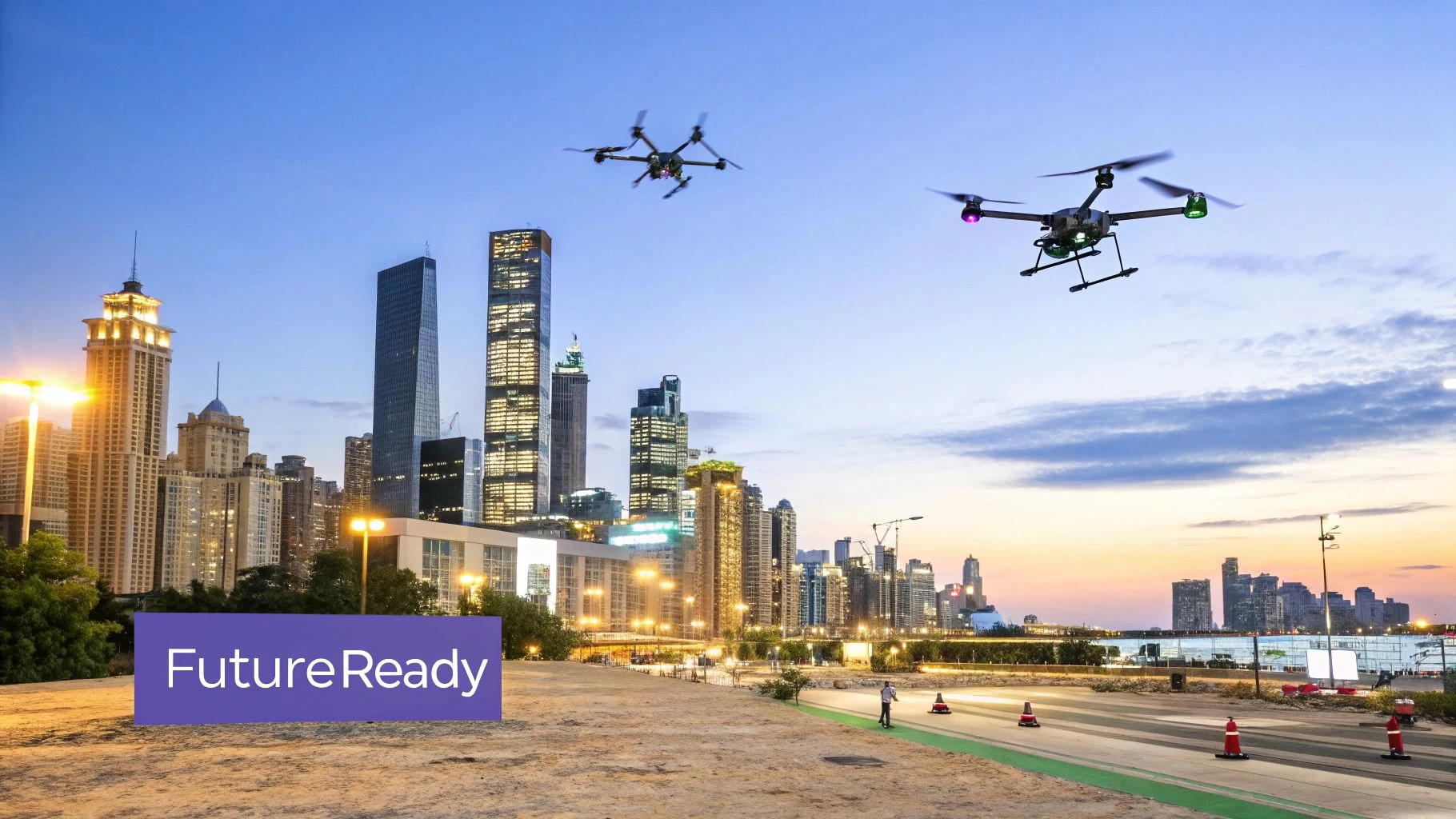
Picking a drone operations platform isn't just about fixing today's admin problems; it's a bet on your business's future. The drone industry moves incredibly fast, and the software that powers it has to keep up. The best drone operations platform is one that not only works for you right now but is also built for what's coming next.
We're seeing a clear shift away from manual control and toward intelligent automation. This change is driven by some serious tech advancements that are rewriting the rules for drone service providers. Getting a handle on these trends is the key to making a smart investment in your operational software.
AI and Automation Taking the Controls
Artificial intelligence and automation aren't just fancy terms anymore—they're becoming the bedrock of modern drone operations. The next wave of management platforms will do a lot more than just handle checklists and log flights. They're evolving into proactive partners for your business.
Think of it less like a digital filing cabinet and more like an intelligent co-pilot. This shift shows up in a few powerful ways:
- Predictive Maintenance: Instead of you tracking flight hours on a spreadsheet, the platform’s AI will analyze equipment use, battery health, and component stress. The goal? To predict failures before they happen, saving you from expensive downtime and boosting safety.
- AI-Optimized Flight Paths: For big, complex jobs like large-scale surveys or infrastructure inspections, AI can crunch the numbers to find the most efficient flight paths. This means maximum data capture with minimum flight time and battery use.
- Automated Data Analysis: Tomorrow's platforms will increasingly use AI to do the first pass on data analysis. It might automatically flag a crack in an inspection photo or identify a stressed area in an agricultural survey, seriously cutting down your post-flight processing time.
Deeper Enterprise Integrations
As drones become a core part of how larger businesses operate, the software has to play nice with other systems. Standalone platforms are quickly becoming a thing of the past. The future is all about deep, meaningful connections with the other software that businesses use every day.
This means your drone operations platform will become a central hub, speaking the same language as your other essential tools. Imagine a workflow where a completed inspection mission automatically updates an asset's status in your company’s Enterprise Resource Planning (ERP) system. This kind of connection breaks down data silos and turns drone insights into immediate, actionable intelligence for the whole organization.
The next frontier isn't just about managing drones; it's about weaving drone-derived data into the very fabric of enterprise decision-making. A platform's ability to connect with other systems will directly determine its long-term value.
The Rise of Autonomous Fleets
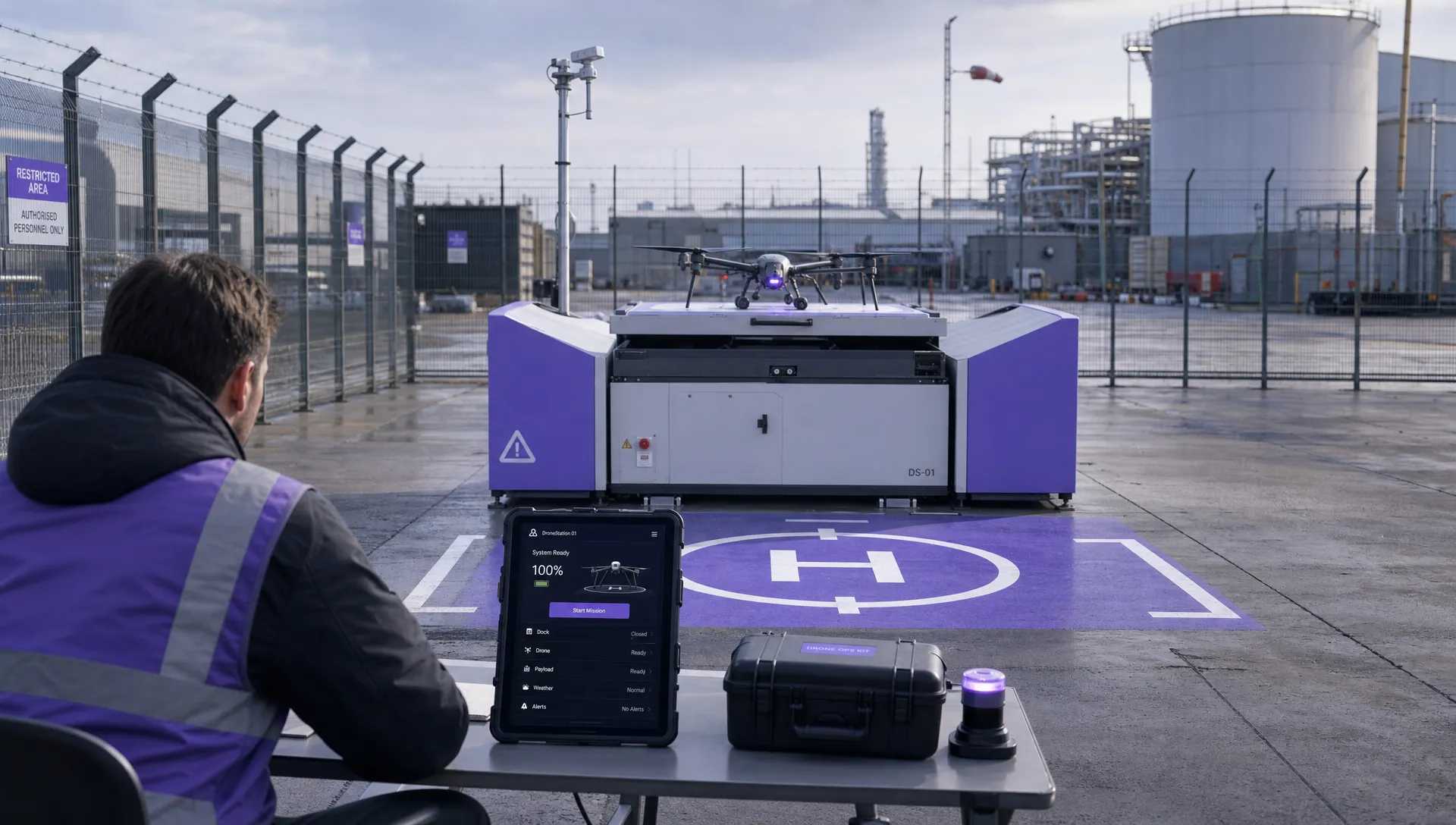
Maybe the most exciting development on the horizon is the move toward fully autonomous systems, especially "drone-in-a-box" solutions. These are self-contained units that can deploy, fly, and recharge a drone with zero human intervention on-site. It's a massive shift toward automated, persistent monitoring for industries like security, construction, and energy.
Managing a fleet of these autonomous drones requires a whole new level of software smarts. The best drone operations platform of the future will be the command center for these automated fleets, scheduling missions, monitoring system health, and processing a constant stream of data from remote sites.
This is exactly why having an adaptable software backbone is so critical. The drone inspection and monitoring market is projected to explode from USD 15.2 billion in 2025 to USD 61.5 billion by 2035, and the tech behind it will only get more automated. You can dig into these projections from Future Market Insights. A solid platform ensures you're ready to manage these next-gen operations and stay ahead of the curve.
Got Questions? We've Got Answers.
Jumping into the world of drone software can feel a bit like learning a new language. You've got questions, and that's a good sign—it means you're thinking like a business owner. Let's tackle some of the most common things operators ask when they're looking for the right platform.
How Much Is This Going to Cost Me?
There’s no single price tag. The cost of a drone operations platform can swing wildly depending on what you need, how many users are on your team, and the size of your drone fleet.
For a solo pilot just starting out, you might find free or low-cost plans that cover the basics. For a small but growing business that needs the full suite of compliance and project management tools, you're likely looking at a monthly subscription somewhere between $50 and $200.
If you're running a larger enterprise with multiple teams, the price can climb into the hundreds per month. These plans usually come with all the bells and whistles, like advanced analytics, API access, and a dedicated support team. The real question isn't the cost, but the return. When you factor in the hours saved on paperwork, the peace of mind from solid compliance, and the overall boost in efficiency, the subscription often pays for itself many times over.
Can These Platforms Handle International Compliance?
Many of the top-tier platforms are built with global operations in mind. They’re designed to talk to various international aviation authorities, whether it's the FAA in the US, EASA across Europe, or the CAA here in the UK. This means they can serve up location-specific airspace data and automated compliance checklists that match the local rules.
But—and this is a big but—you absolutely must check which countries a platform officially supports before you sign up. Some are very US-focused, while others have deeper integrations for European or UK regulations. The last thing you want is a compliance gap, so make sure your chosen platform covers all the regions where you fly.
Will I Still Need to Use Other Apps?
Yes, most likely. Think of an all-in-one drone operations platform as your mission control center, not your post-production studio. It's built to streamline everything from planning and compliance to logging flights and managing clients, but it won't process your data for you.
Your operations platform is there to manage the mission, not to crunch the data. It handles everything up to the point of data capture, but the specialized work of turning raw imagery into valuable insights still happens in dedicated software.
For example, you’ll still need your photogrammetry software like Pix4D or Agisoft Metashape to stitch your aerial photos into 3D models or detailed orthomosaic maps. The best operations platforms know this. They don't try to replace these tools; instead, they integrate with them. This creates a smooth workflow, letting you hand off data from the field to the processing suite without missing a beat.
Is It a Headache to Migrate My Existing Data?
It shouldn't be. Any platform provider worth their salt knows you’re not starting from scratch. You've got flight logs, equipment records, and client histories, and they want to make it as painless as possible for you to bring that data over.
Most good platforms offer data import tools that let you upload spreadsheets (like CSV files) or other digital records. Some even provide personal onboarding support to walk you through the migration, making sure all your historical data lands in the right place. Before you commit, always ask about their data import process. A company that has thought this through is a company that understands the real-world needs of a drone operator. A smooth migration can save you a mountain of time and frustration right from day one.
Ready to see how a platform built for operators can transform your workflow? Dronedesk brings all these critical functions into one simple dashboard, cutting your admin time in half and making sure every single flight is safe, compliant, and professional.
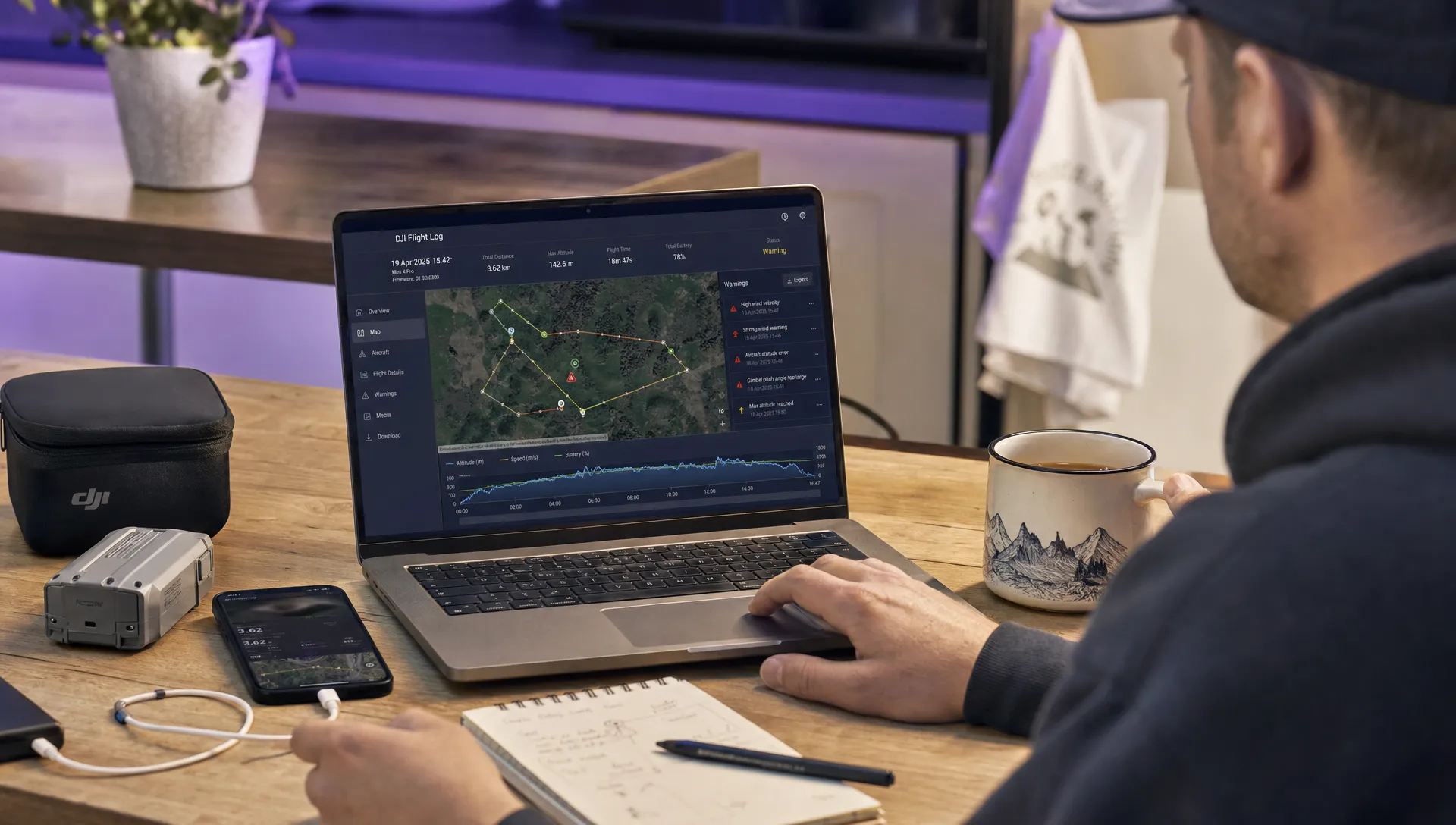 How to Review a DJI Flight Log After an Unexpected Event →
 Drone Laws Around the World: A Pre-Flight Research Framework →
 How to Compare Drone Survey Services for Complex Sites →
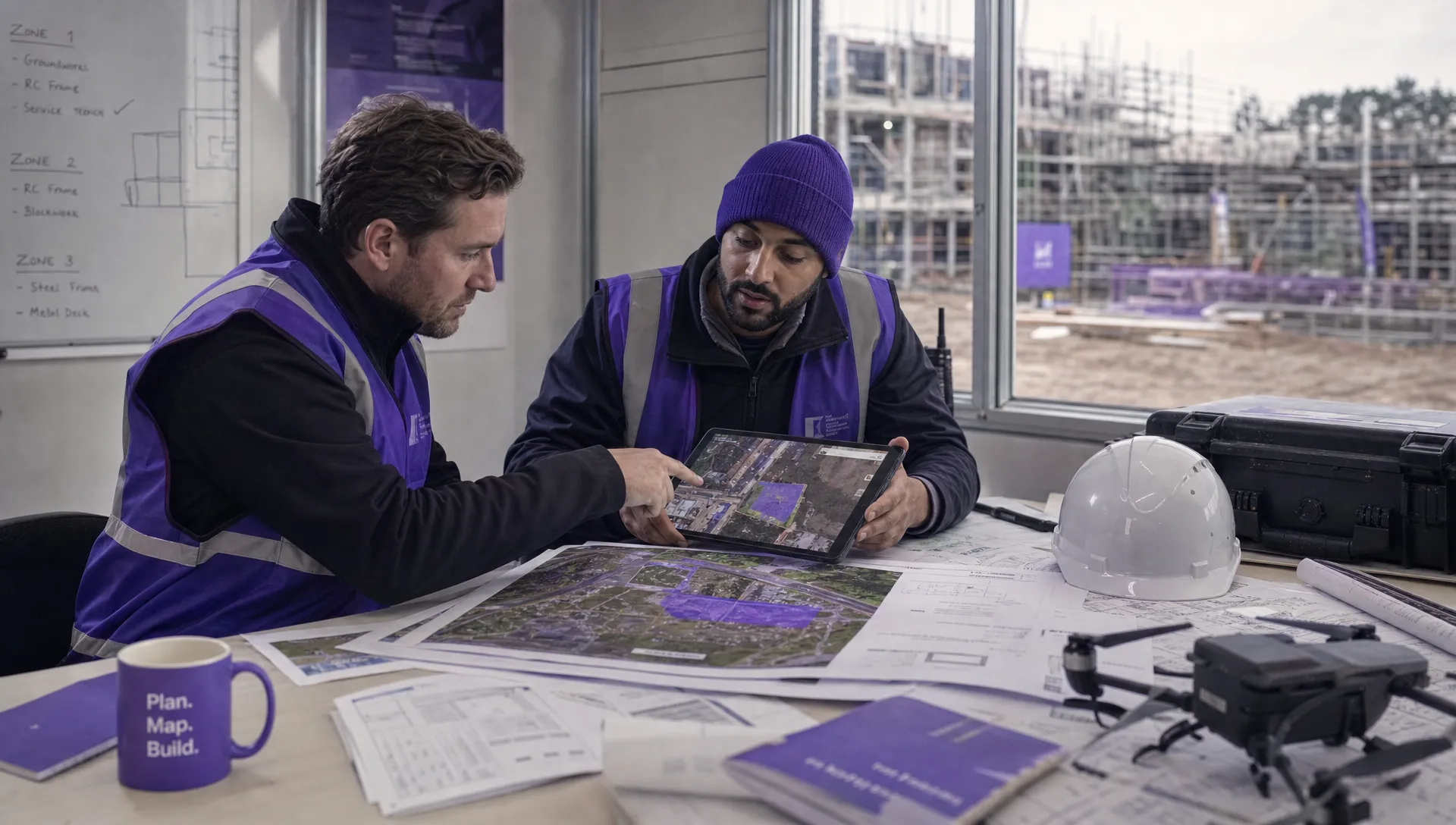 How to Start a Drone Mapping Business With a Clear Workflow →
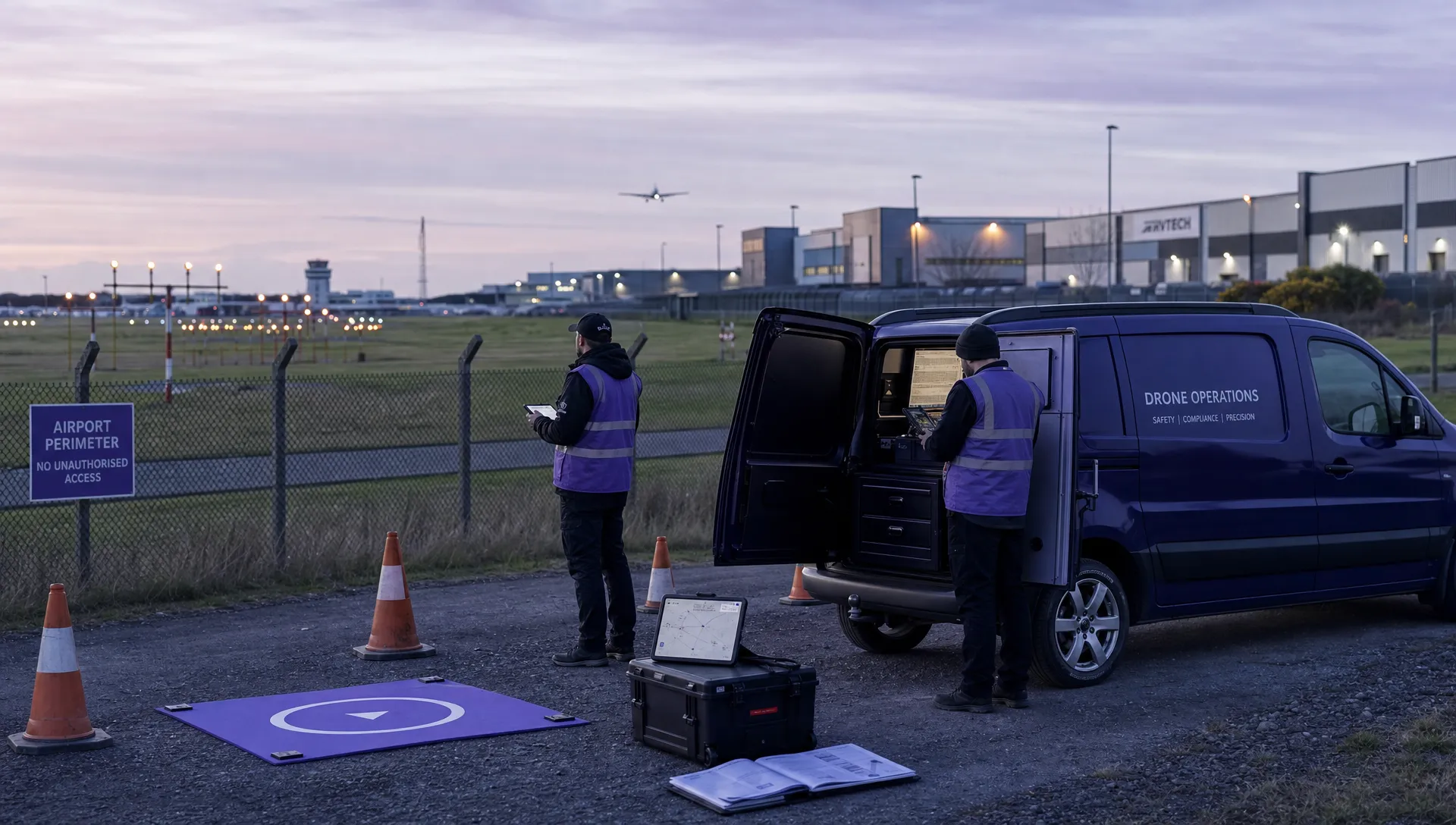 Class C Airspace Drone Rules for Commercial Flights →
 How to Create a Drone Job Pack for Every Mission →
 FAA Small UAS Rule: Key Requirements for Operators →
 How to Build a Drone Pilot Flight Log That Is Audit Ready →
 FAA Drone Licence Requirements for Commercial Pilots →
 FAA BVLOS Waivers Granted: What Successful Cases Show →