
From Pain Points to Productivity - Solving Drone Fleet Management Challenges with SaaS
Managing a modern drone fleet often feels like you're trying to conduct an orchestra where every musician has different sheet music. The parts everyone sees—flying missions and capturing incredible data—are just the beginning. Lurking beneath the surface is a sea of administrative tasks quietly eating up time and money, turning a high-tech operation into a frustrating grind of paperwork and manual tracking.
The Hidden Struggle of Managing a Drone Fleet
The promise of drone technology is huge, but the day-to-day reality can be a lot less glamorous. For many teams, it’s a classic "death by a thousand cuts" scenario, where small, nagging issues pile up to create major bottlenecks.
This isn’t just a gut feeling; it’s a measurable drag on your entire operation. One of the biggest culprits is the administrative load that steals precious flight time from your pilots. In fact, some reports show that regulatory compliance and manual logging can gobble up as much as 40% of a drone team's operational hours. It’s no surprise that regulatory hurdles have been the top industry challenge for three years straight, which tells you just how badly smarter workflows are needed.
From Juggling Spreadsheets to Seeking Solutions
The real problem is a lack of a central hub. Without a single, unified system, managers are left wrestling with a messy collection of tools that simply don't talk to each other. This chaotic, patchwork approach leads to a few persistent headaches:
- Scattered Asset Data: Trying to track drone maintenance schedules, battery health, and pilot certifications across a dozen different spreadsheets is just asking for trouble.
- Manual Flight Logs: Pilots can spend hours after a mission just keying in flight data. It's tedious, prone to mistakes, and a huge compliance risk.
- Disjointed Communication: When your team coordinates missions through a random mix of texts, emails, and phone calls, misunderstandings and scheduling conflicts are bound to happen.
This struggle isn't unique to the drone world. The challenges of managing a drone fleet line up almost perfectly with broader IT Asset Management best practices, where having a centralized, automated system is the only way to scale effectively.
This guide is all about solving these drone fleet management challenges with SaaS (Software as a Service), giving you a clear path from daily frustrations to real, sustained productivity. By creating that single source of truth, you can finally leave the administrative chaos behind and get back to what actually matters—growing your business.
Pinpointing Your Biggest Operational Headaches
Before you can fix a problem, you have to be able to name it. For most drone teams, the daily grind isn’t some huge, dramatic failure. It’s a death by a thousand cuts—a constant series of small, energy-sapping frustrations that keep you from getting ahead. These little frictions pile up, slam the brakes on growth, and turn a high-tech job into a low-tech administrative nightmare.
Let's put a name to the specific pain points that are probably holding your drone program back. Once you shine a light on them, you'll see a much clearer path to fixing them with a dedicated software solution. It’s all about moving from just reacting to problems to getting ahead of them for good.
The Endless Cycle of Compliance Nightmares
For any professional drone operator, compliance isn't just a box to tick; it’s a constant, looming presence. Manually trying to track pilot certifications, equipment maintenance logs, and individual flight hours is a recipe for serious stress. One missed license renewal or an unlogged battery cycle could ground your whole operation. Worse, it could lead to thousands in fines during an audit.
This manual mess turns every flight into a paperwork drill. Pilots finish a mission and instead of prepping for the next one, they’re stuck plugging data into spreadsheets. When it’s time to generate a report for the authorities, it’s a mad scramble to pull numbers from scattered documents, just hoping nothing critical was missed. It’s a high-stakes, low-reward chore that absolutely kills productivity.
Asset and Data Chaos
Where's the data from last Tuesday's site survey? Which pilot has drone #7? How many cycles are on battery #12? If finding the answers means digging through a shared drive, squinting at a whiteboard, or making five phone calls, you're drowning in asset and data chaos.
This lack of organization is way more than a simple annoyance; it’s a direct hit to your bottom line. Wasting billable hours hunting through dozens of SD cards for a specific file is maddening. Tracking $10,000+ drones on an outdated spreadsheet is just asking for trouble, leading to double-booked gear or, even worse, lost equipment. Without a central, live inventory, you can’t accurately plan for maintenance, which seriously increases the risk of an in-field failure.
This chaos is a classic sign of an operation that has outgrown its tools. It’s that tipping point where informal systems finally break down, and getting a single source of truth becomes non-negotiable for survival.
The Frustrating Scheduling Puzzle
Coordinating a team of pilots, a fleet of drones, and a packed client schedule can feel like solving a Rubik's Cube in the dark. You're trying to juggle pilot availability, maintenance downtime, and those inevitable last-minute client requests. Conflicts are pretty much guaranteed.
A straightforward project can turn into a logistical headache in minutes. You might accidentally assign a pilot who isn't certified for a specific aircraft or schedule a drone that's grounded for a critical firmware update. All the back-and-forth communication over texts and emails just leads to confusion, delays, and a seriously frustrated team. Every minute spent untangling these scheduling knots is a minute you're not flying missions and bringing in revenue.
To see just how big the difference is, let's compare the old way of doing things with a more modern, centralized approach.
Manual Drone Management vs Centralized SaaS
The table below breaks down the daily struggles of manual methods against the productivity gains you get from a purpose-built software platform. It's a clear picture of moving from friction to flow.
| Operational Task | The Manual Method (Pain Point) | The SaaS Solution (Productivity Gain) |
|---|---|---|
| Flight Logging | Pilots manually enter data into spreadsheets after each flight, risking errors and delays. | Flight data syncs automatically from the drone, creating instant, audit-ready logs. |
| Asset Tracking | Managers use a shared document to track drone locations and maintenance needs. | A live dashboard shows the status and location of every drone, battery, and piece of gear. |
| Team Scheduling | Coordination happens via group texts and emails, leading to double bookings and confusion. | A centralized calendar shows pilot availability, certifications, and equipment assignments in one view. |
| Reporting | Compiling monthly reports requires manually pulling data from multiple disconnected sources. | Generate comprehensive compliance, financial, and operational reports with a single click. |
As you can see, each of these pain points chips away at your team's effectiveness. They create friction, introduce unnecessary risk, and stop your business from reaching its true potential. Recognizing them is the first step toward building a drone operation that's more productive, buttoned-up, and ready to scale.
How SaaS Brings Sanity to Your Drone Operations
Ever tried to manage a complex project using a dozen different spreadsheets, calendars, and email chains? It’s chaos. That's what running a drone operation without a central system feels like—scattered data, conflicting schedules, and pilots all working from different information. A drone management SaaS platform steps in to act as your single command center, bringing all those moving parts together.
Think of it as the digital headquarters for your entire drone program. It's one cloud-based dashboard that pulls your fleet, team, and project data into a single, accessible view. No more digging through files or chasing down pilots for flight logs. Everything you need is right there, in real time, turning operational friction into a smooth, productive workflow.
From Disconnected Tools to a Unified Dashboard
The real headache with manual management is that your tools are siloed. Your scheduling calendar doesn't know a drone is grounded for maintenance, and your flight logs live in a completely separate universe from your client reports. This disconnect is where things fall through the cracks for growing drone teams.
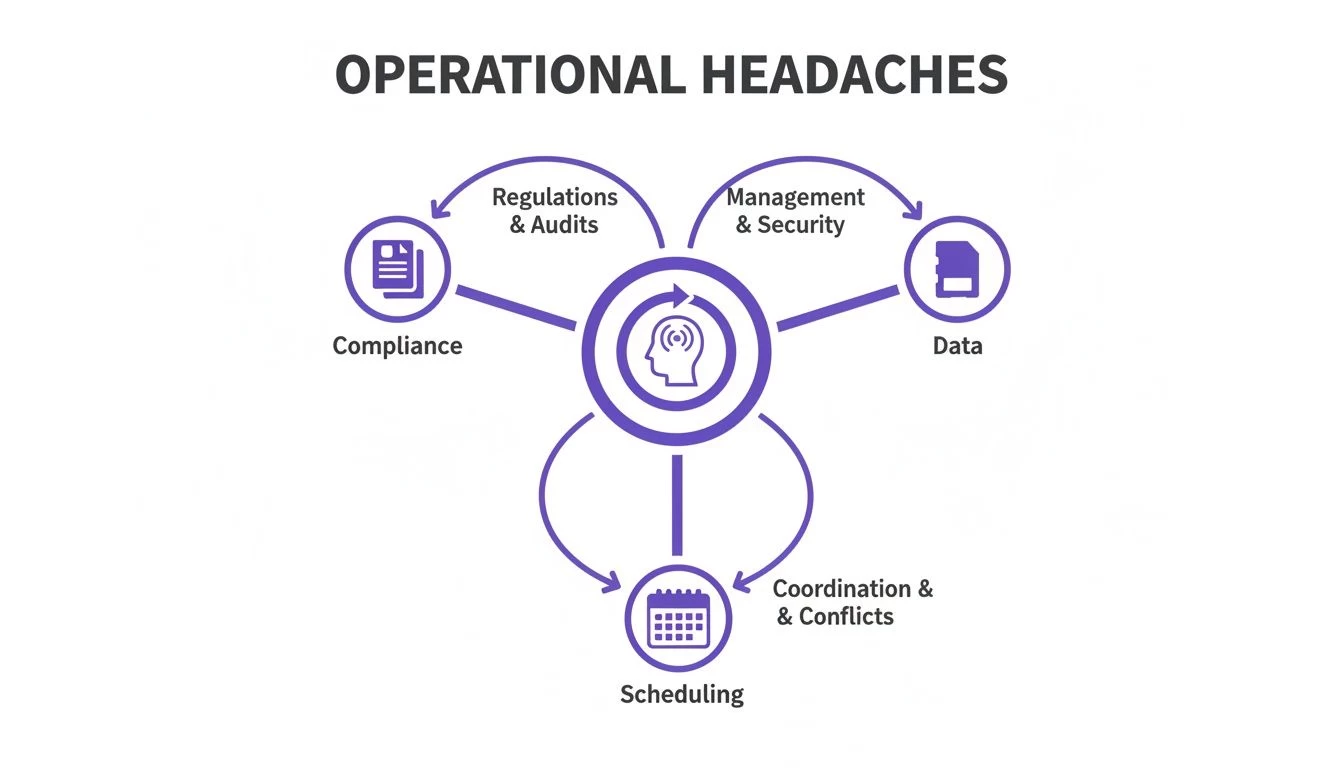
This is where the pain really sets in—juggling compliance, data, and scheduling with separate, non-communicating systems. A proper SaaS platform solves this by creating an integrated ecosystem. Information flows logically from one task to the next, connecting the dots for you.
A centralized platform doesn't just store your data; it makes your data work for you. When a flight log automatically triggers a maintenance reminder, you stop putting out fires and start preventing them.
This connectivity is more important than ever. Even with a dominant player in the commercial drone market, most teams run mixed fleets with no native way to sync data. A good SaaS solution bridges this gap, integrating directly with popular hardware to automatically pull in flight plans, logs, and telemetry. This simple automation turns a jumbled mess into a streamlined process, enabling real-time asset tracking and reporting that gives you a crystal-clear view of your operations.
Connecting Features to Pain Points
The lightbulb moment happens when you see exactly how specific SaaS features solve your biggest day-to-day problems. This isn't about adding another piece of software; it's about replacing a clunky, inefficient toolkit with one smart system.
Here’s a practical look at how it works:
- Compliance Nightmares Solved: Instead of manually tracking pilot licenses and flight hours in a spreadsheet, the system does it for you. Automated flight logging captures every detail, and the platform sends you alerts for upcoming renewals. You're always audit-ready.
- Asset and Data Chaos Tamed: Forget hunting for SD cards after a mission. Flight data gets uploaded and automatically linked to the right project and client. A live fleet dashboard shows you the status, location, and maintenance history of every drone and battery at a glance.
- Scheduling Puzzles Simplified: A single calendar displays pilot availability, equipment assignments, and project deadlines all in one place. You can see instantly who's qualified for a job and which drones are free, preventing double-bookings and last-minute scrambles.
If you want to dig deeper, our guide on the benefits of a UAS fleet management system offers more context on building a rock-solid operation. By bringing these core functions under one roof, you create a positive ripple effect that touches every part of your business.
The Power of a Single Source of Truth
At the end of the day, centralizing your operations gives you a solid foundation to grow on. When everyone—from the pilot in the field to the manager in the office—is working from the same real-time information, efficiency just skyrockets.
Decisions get made faster and with more confidence because they’re based on live data, not last week's spreadsheet. This "single source of truth" cuts down on human error, improves team collaboration, and frees up countless hours that used to be wasted on administrative busywork. It’s the clearest path from operational headaches to real, sustainable productivity.
Key SaaS Features That Boost Productivity
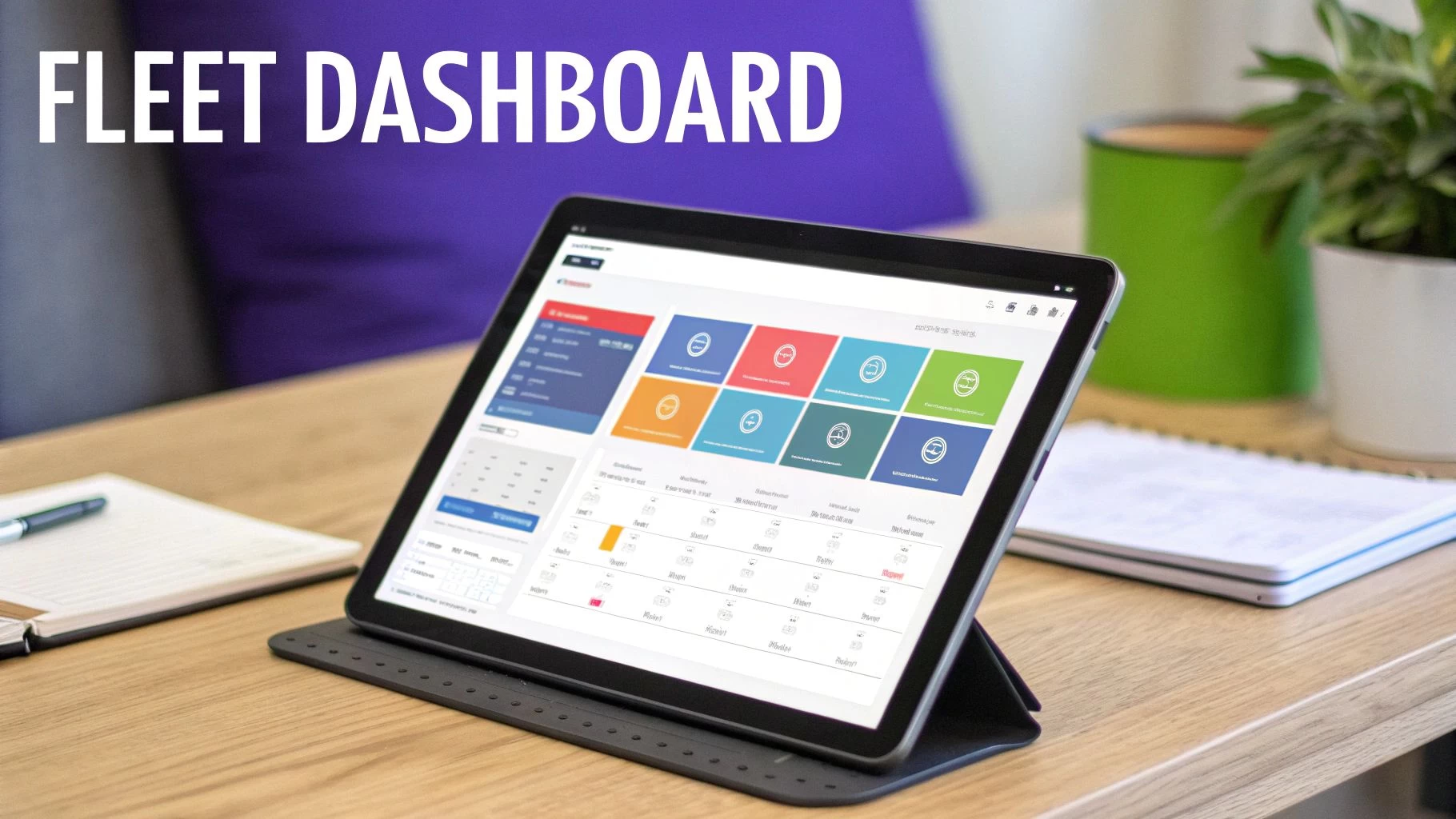
It’s one thing to talk about a central hub, but it’s another to see how the right tools can actually fix your day-to-day headaches. A proper drone management SaaS platform isn't just a place to dump files. It’s an active partner, with features built specifically to target the biggest time sinks and risk factors in any drone operation.
Think of it like a mechanic's workshop. A single wrench is useful, but a full set of specialized tools lets you rebuild an entire engine. In the same way, these SaaS features work together to overhaul your entire workflow, shifting you from constantly putting out fires to driving predictable growth. Let’s look at the core components that make a real difference to your productivity and your bottom line.
Unified Fleet Dashboard A Single Pane of Glass
Trying to fly a plane with a dozen different gauges scattered around the cockpit, none of them talking to each other? That’s what managing a drone fleet with spreadsheets feels like. A unified fleet dashboard pulls everything into one intuitive screen—your single pane of glass for total operational awareness.
This is about much more than just seeing where your drones are. A truly useful dashboard serves up live, actionable intelligence on every piece of equipment.
- Real-Time Status: Instantly see which drones are in the air, which are charging, and which are grounded for maintenance.
- Maintenance Intelligence: Automatically track flight hours and battery cycles, so you get predictive alerts before a part fails or needs service.
- Equipment History: Pull up a complete log for any drone, battery, or controller to spot recurring problems or prove you’ve done your due diligence.
Before, a manager might burn an hour every morning checking paper logs and calling pilots for updates. With a unified dashboard, that same manager gets a full picture in less than five minutes, freeing them up to focus on strategy instead of chasing down basic information.
Automated Compliance and Logging
For most drone teams, compliance paperwork is the silent killer of productivity. The mind-numbing manual slog of logging every flight, tracking pilot certifications, and compiling reports is not just slow—it’s a minefield for human error. One wrong number or a forgotten entry can turn into a massive headache during an audit.
SaaS platforms completely demolish this bottleneck with automation. By syncing directly with your drones, the system captures flight data automatically and accurately.
Automated logging transforms compliance from a reactive, stressful chore into a proactive, background process. The system does the heavy lifting, ensuring your records are always complete, accurate, and ready for inspection at a moment's notice.
This is a complete game-changer. What used to take a pilot 30 minutes of manual data entry after a long day now happens in seconds, without them lifting a finger. When the aviation authority requests a report on your last 100 flights, you can generate a perfect, audit-ready document with a single click instead of spending days piecing it together from scattered files.
Integrated Airspace Intelligence
In professional drone operations, flying blind simply isn't an option. Manually checking a handful of different apps and websites for TFRs, controlled airspace, and local advisories is inefficient and incredibly risky. Missing a single warning can lead to a dangerous incursion, eye-watering fines, and serious damage to your company’s reputation.
Modern SaaS platforms solve this by baking comprehensive airspace intelligence right into the mission planning workflow.
Before and After Integrated Airspace Intelligence
| Manual Method (High Risk) | Integrated SaaS (Low Risk) |
|---|---|
| Pilot checks three different apps for TFRs, NOTAMs, and airport proximity. | The platform displays all airspace data on a single map layer during flight planning. |
| High potential for missing a last-minute restriction issued after the initial check. | Live data feeds provide real-time alerts for any changes or emerging hazards. |
| Risk of human error in interpreting complex airspace boundaries. | Clear, color-coded visuals and automated warnings prevent accidental incursions. |
This integration turns safety planning from a multi-step research project into a quick, visual confirmation. It slashes mission planning time while drastically cutting the risk of a costly compliance violation.
Streamlined Client and Project Management
At the end of the day, your drone operation is a business. Managing the client-facing side is just as critical as managing the fleet itself. When you’re juggling quotes, invoices, mission briefs, and data deliverables across emails and separate accounting software, important details are bound to fall through the cracks.
A solid drone management platform brings client and project management tools under the same roof, connecting field operations to the front office. This creates one smooth process from the first call to the final payment.
- Centralized Project Hub: All mission plans, flight logs, captured data, and client messages are kept in one neat project folder.
- From Quote to Invoice: Build professional quotes, track project milestones, and generate invoices—all from the same system.
- Secure Data Delivery: Forget clunky file-sharing links. Share high-res images and data with clients through a secure, branded portal.
This all-in-one approach means less time bogged down in admin and more time focused on delivering great service. The result is a more professional operation that runs smoother, gets paid faster, and builds stronger client relationships.
Making a Smooth Transition to a SaaS Platform
Switching to new software can feel like a massive project, but bringing a drone management platform into your workflow should make life simpler, not add another layer of complexity. Getting it right comes down to having a clear, structured plan. If you break the process down into bite-sized pieces, you can move your operations over with confidence and start seeing the payoff almost immediately.
The trick is to avoid trying to do everything at once. Think of it as a focused upgrade. Start with whatever is causing you the most grief right now and build out from there. A smooth switch is all about good prep, clear communication with your team, and starting small to prove the system works.
First, Figure Out What You Actually Need
Before you even think about moving a single file, take a step back and identify what a new system has to do for your business. Every drone operation is different, and the features that are essential for you will depend on the size and complexity of your team. This bit of self-assessment is key to making sure you pick and set up a system that solves your real-world problems.
Start by asking yourself a few simple questions:
- For Solo Operators: Will automated flight logging and one-click compliance reports save me the most time? Do I just need a straightforward way to manage clients and send invoices?
- For Small Teams: Is a central calendar our top priority for stopping pilots from double-booking drones? Do we need a live dashboard to see who's got which drone and when it's due for its next service?
- For Large Enterprises: Is tight security with role-based access control a deal-breaker? Do we need powerful reporting tools to dig into fleet-wide performance and ROI?
Answering these questions helps you zero in on what truly matters during setup, getting you to the good stuff faster.
Getting Your Data Across Seamlessly
The idea of moving years of records—all your drones, pilots, clients, and past jobs—is often what stops people in their tracks. The good news is that modern SaaS platforms are built to make this as painless as possible. The goal is simple: get all your historical info into the new system so it becomes your one source of truth from day one.
A successful data migration isn't just about moving files; it's about giving your new platform the context it needs to start working for you immediately. Clean, well-organized data is the foundation of an efficient system.
Most platforms provide simple tools for this, like CSV import templates. You can usually export your existing spreadsheets covering fleet assets, pilot tickets, and client details, then upload them straight in. It's well worth your time to follow good practices for this process. For a deeper dive, check out our guide on data integration best practices for drone operations to make sure it's a clean transfer.
Getting Your Team On Board
Even the most powerful software is useless if your team doesn't know how to use it—or worse, doesn't want to. A successful launch is all about good onboarding that builds confidence and shows everyone what's in it for them.
Kick things off by showing your team how the platform solves their biggest daily headaches. For pilots, that might be how automated logging saves them 30 minutes of paperwork after every single flight. For managers, it's the instant overview they get from the fleet dashboard.
The single best strategy is to start with a pilot project. Pick one upcoming, relatively simple job and run it from start to finish inside the new platform. This low-stakes test lets the team learn the ropes in a real-world scenario, proves the platform's value right away, and builds momentum for rolling it out to everyone. It’s the perfect way to prove the system works before you flip the switch on your entire operation.
Measuring the ROI of Your New Workflow
Bringing new software into the fold is an investment. And like any good investment, you’ve got to prove it's actually paying off. So, how do you show that tackling your drone fleet management headaches with a SaaS platform is genuinely worth it? The answer is to track tangible results, look past the subscription fee, and calculate your return on investment (ROI) based on the real value it creates.
It’s all about translating that newfound efficiency into actual dollars and cents. The goal here is to build a clear, data-backed business case showing exactly how your new, smoother workflow is boosting the bottom line. This isn't just about feeling more organized; it's about measuring concrete gains.
Key Performance Indicators to Track
To get a real handle on your ROI, you need to monitor the right Key Performance Indicators (KPIs). Think of these metrics as your proof points, painting a clear before-and-after picture of your operational health. A good place to start is by focusing on a few high-impact areas where automation and centralization really move the needle.
- Reduction in Administrative Hours: Track the time your pilots and managers sink into manual logging, compliance paperwork, and scheduling. A 50% reduction in this non-billable time is a common—and powerful—metric to aim for.
- Increase in Billable Flight Time: With less time spent on paperwork, your pilots can be out there flying more missions. Measure the increase in flights per week or month to quantify the new revenue-generating activity.
- Improved Asset Utilization: A central dashboard stops expensive gear from gathering dust. Track how often each drone is deployed to make sure you’re squeezing every drop of value from your biggest assets.
For a deeper dive, our post on essential operational efficiency metrics can help you pinpoint even more KPIs to watch. Every metric you track adds another solid layer of proof to your business case.
A Simple Framework for Calculating ROI
Figuring out ROI doesn't have to be some dark art. It boils down to a simple comparison: how much value are you getting versus how much are you spending? The value comes from two main places: time saved and new opportunities created.
Your ROI is the sum of cost savings from reduced admin time plus the new revenue generated from increased capacity, all divided by the cost of the software. It’s a powerful formula that turns efficiency into a hard financial number.
Let's look at a real-world example. A surveying company was spending 10 hours every week on mission planning and compliance paperwork. After they brought in a SaaS platform, they slashed that time in half, freeing up 20 hours a month. This extra capacity allowed them to take on two additional projects each month, directly pumping up their revenue.
By adding up both the hours saved and the new business won, they could clearly show that the platform paid for itself many times over. This is how you shift from seeing software as a cost to recognizing it as a critical engine for growth, proving that the journey from pain points to productivity is not only possible but highly profitable.
Your Questions Answered
Jumping into a new system always brings up a few questions. Let's tackle some of the most common ones we hear about adopting a drone management platform, clearing things up so you can see the value for your own operation, no matter the size.
Is This Kind of Software Hard to Set Up?
Not in the slightest. Modern platforms are designed for drone pros, not IT wizards. Getting started is usually a simple, guided process where you add your drones, pilots, and other gear.
Many systems even sync data directly from major manufacturers like DJI, which handles a lot of the technical heavy lifting for you. Honestly, if you can run a social media page for your business, you've got all the skills you need to get a professional drone management platform up and running smoothly.
How Secure Is My Client and Flight Data?
Data security is a massive priority for any reputable SaaS provider. They rely on powerful cloud infrastructure with end-to-end encryption, which is almost always far more secure than keeping sensitive flight logs and client details on a local computer.
Think about it: a local hard drive can fail, get stolen, or be lost. Professional platforms are upfront about their security measures, giving you the confidence that your business and client information is protected by enterprise-grade security.
Is a SaaS Platform Really Worth It For a Solo Pilot?
Absolutely. While big teams see huge efficiency gains, solo operators often get the biggest benefit in pure time savings. As a one-person show, you're juggling everything—pilot, admin, sales, and accounts.
A good platform automates the tedious, non-billable stuff that eats up your day, like logging flights and creating compliance reports. This frees you up to focus on what actually brings in money: flying more missions, delighting clients, and turning your solo operation into a thriving business.
Ready to stop juggling spreadsheets and start running a streamlined, professional drone operation? Dronedesk gives you all the tools you need to boost productivity, nail compliance, and grow your business. Discover how Dronedesk can solve your drone fleet management challenges today.
 How to Evaluate a Free Drone Logbook Before Using It →
 FAA Part 107 Test: How to Master Airspace Questions →
 Drone Risk Assessment Controls That Work in the Field →
 FAA Drone License Costs Beyond the Knowledge Test →
 Drone Part 107 Operations: When a Waiver May Be Needed →
 Drone Operating Rules for Managing Contractors and Employees →
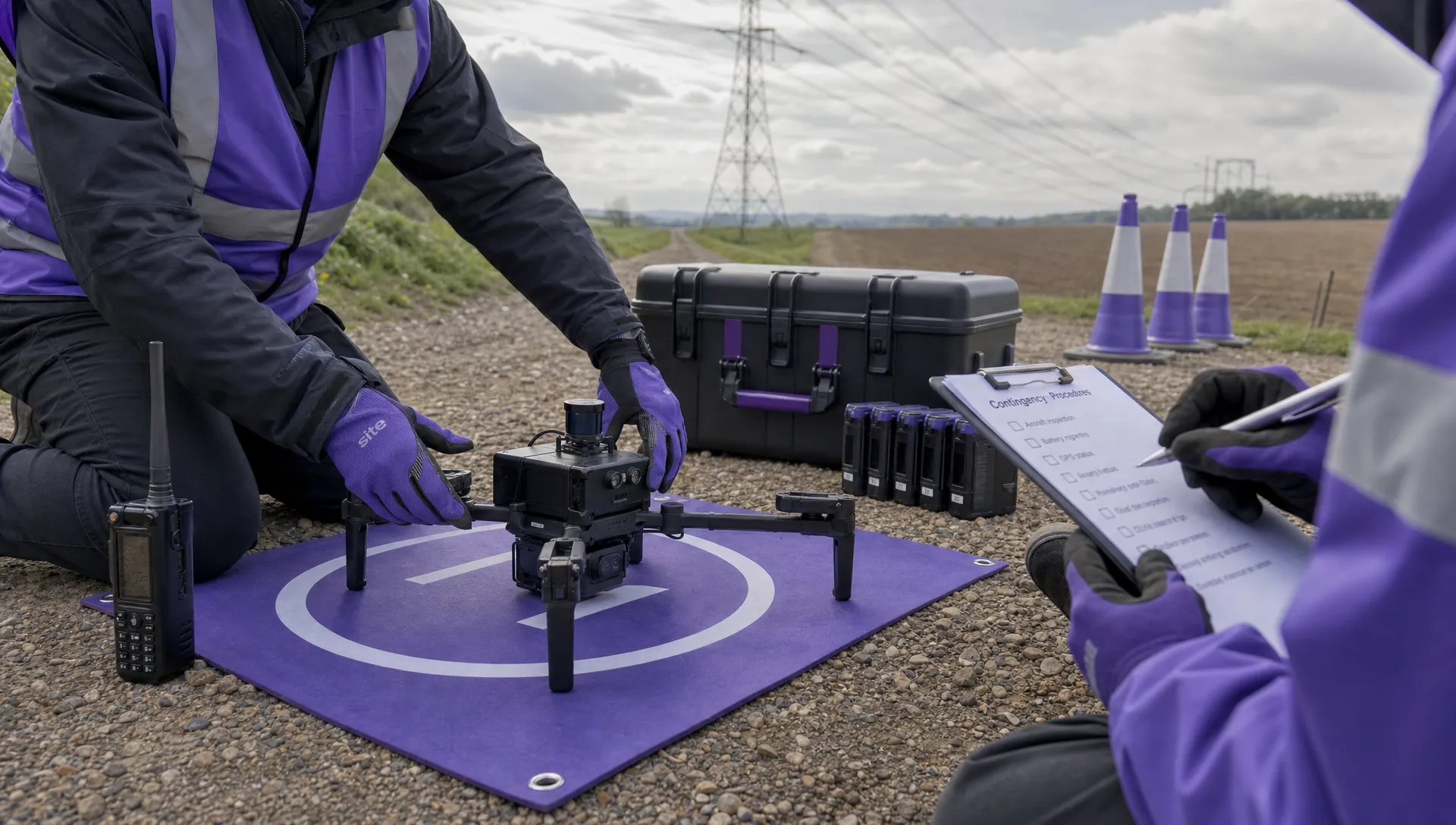 BVLOS Drone Requirements for Building a Safety Case →
 Drone Pilot Test Mistakes That Cost Candidates Marks →
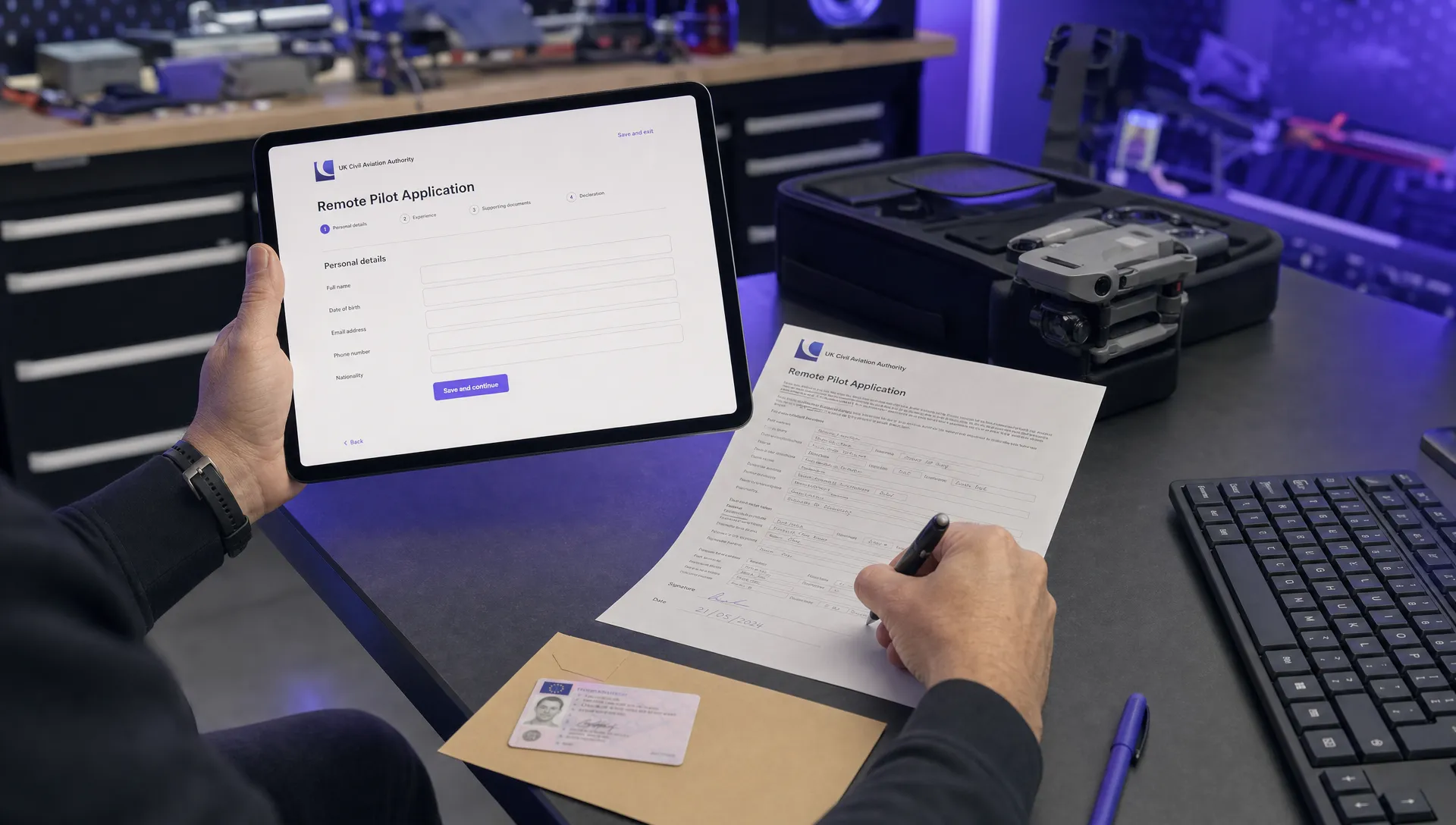 FAA 107 License vs Part 107 Certificate: What’s the Difference? →
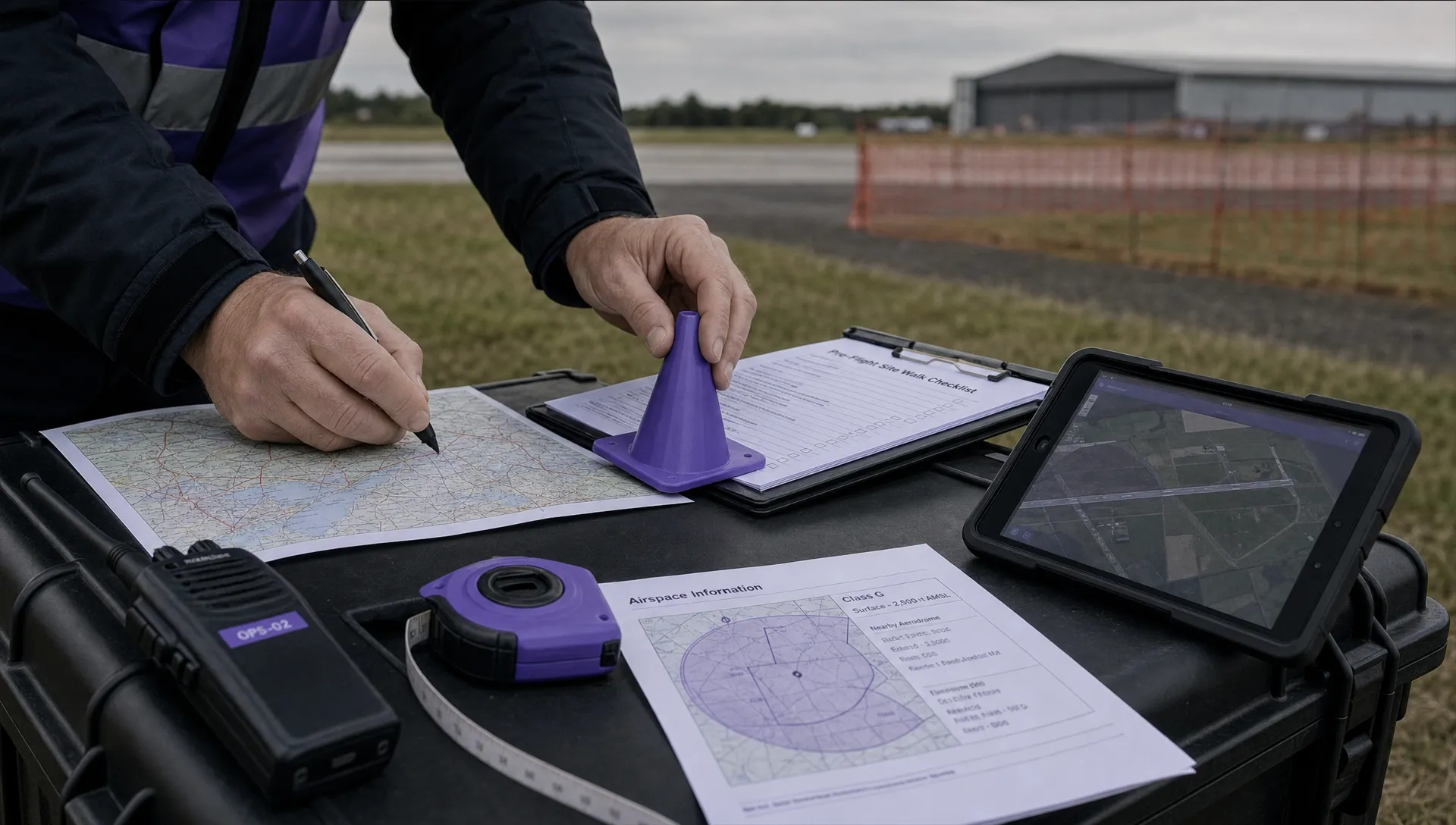 Drone Airport Rules: A Field Checklist for Site Assessments →