
A Guide to Professional Aerial Drone Services
So, what exactly are aerial drone services? At their heart, they're professional operations that use unmanned aerial vehicles (UAVs) to gather data, capture images, or get a job done from the air. This goes way beyond just flying a drone; it’s a sophisticated blend of expert piloting, advanced sensor technology, and sharp data analysis that gives businesses real, actionable intelligence.
What Are Aerial Drone Services

Think of it like a multi-tool that can inspect a skyscraper, map a thousand-acre farm, or grab stunning cinematic shots for a film—all without the pilot ever leaving the ground. That’s the core of modern aerial drone services. These operations have exploded from a niche hobby into a critical asset for countless industries.
The real magic isn't just in the drone itself. It's in the whole ecosystem built around it: the professional expertise, the watertight safety protocols, and the operational management needed to turn raw aerial data into smart business decisions. This guide will walk you through how to tap into that potential through professional, compliant, and well-managed service delivery.
From Hobbyist Flying to Commercial Powerhouse
The jump from recreational flying to a full-blown professional sector has been incredibly quick. This boom is driven by huge leaps in drone tech, tiny yet powerful sensors, and smart software that can chew through massive amounts of aerial data. To really get a handle on today's services, it helps to look back at their roots in aerial photography.
This rapid expansion has lit a fire under the market. The global drone services market is proof of this incredible growth, expanding from what was once a tiny industry. In fact, projections show the market value could rocket to as high as USD 261.32 billion by 2034, showing just how deeply drones are becoming embedded in mainstream business operations.
At its core, an aerial drone service is a data collection engine. Whether that data is a stunning 4K video for a real estate listing or a complex 3D model of a construction site, the goal is always to provide a perspective that is otherwise impossible, dangerous, or too expensive to obtain.
The Key Components of a Professional Service
A professional drone service is defined by a lot more than just good kit. It’s a careful mix of several critical elements that guarantee safety, reliability, and valuable results for clients.
Here are the key pillars of any professional service:
- Certified and Experienced Pilots: We’re talking about operators who are legally certified by aviation authorities (like the CAA or FAA) and have logged serious flight time.
- Regulatory Compliance: This means having a rock-solid understanding of airspace rules, privacy laws, and local regulations to make sure every single flight is above board.
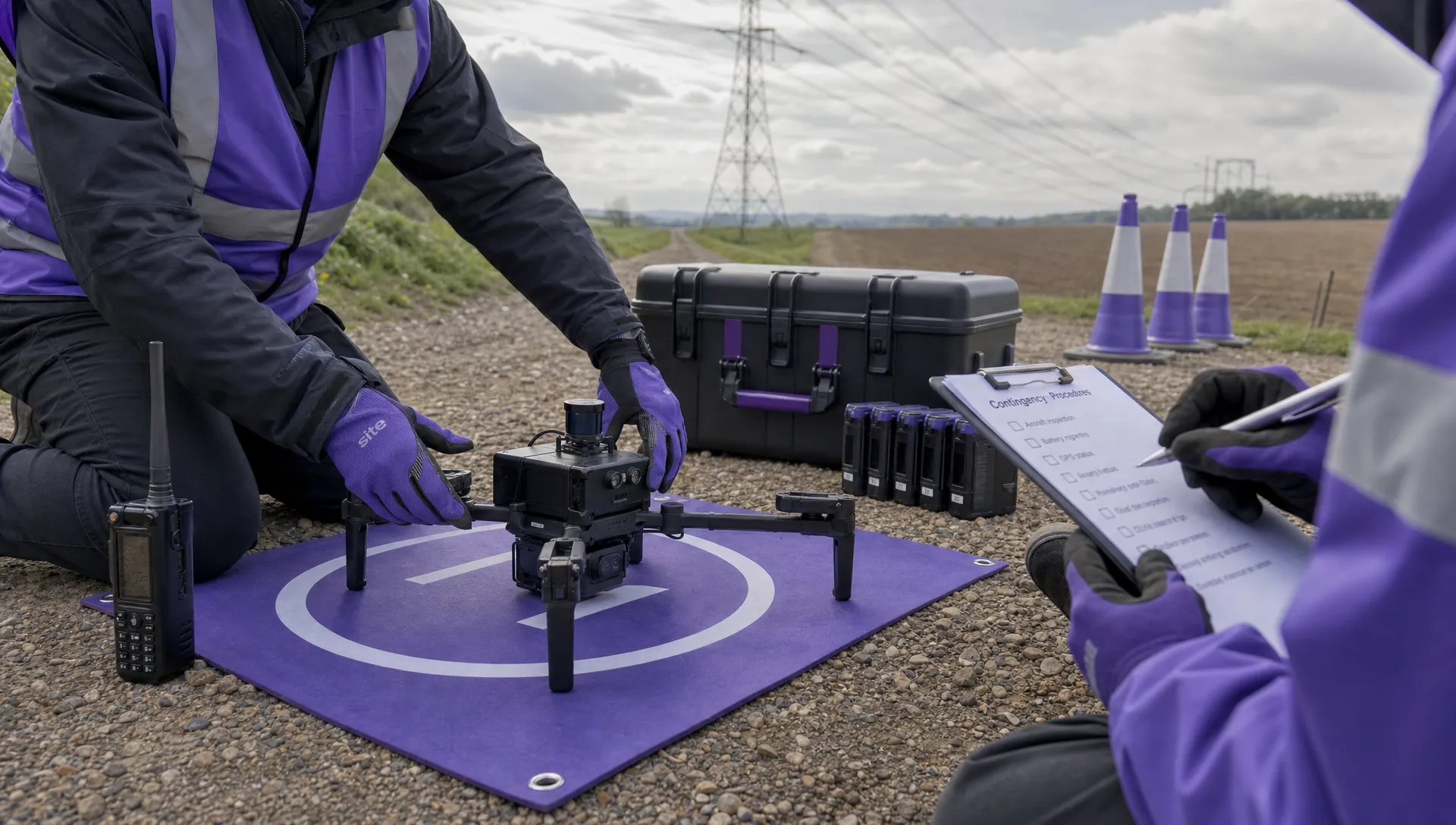
- Robust Safety Protocols: It's all about implementing detailed pre-flight checklists, on-site risk assessments, and emergency plans to shut down any potential hazards.
- Specialized Equipment: Using the right tool for the job. This could mean deploying a drone with a specific payload—like thermal cameras, LiDAR sensors, or high-resolution cameras—to meet the client's needs.
- Data Processing Expertise: The skill to take that raw aerial data and turn it into polished, genuinely useful deliverables, like detailed inspection reports, accurate maps, or slick, edited video footage.
What Kinds of Drone Services Are Out There?

The real magic of aerial drone services lies in just how incredibly versatile they are. This isn't a one-size-fits-all game. Think of professional drone operations less as a single tool and more like an airborne Swiss Army knife—a whole collection of specialized attachments, each built to solve a specific problem for a specific industry.
At a high level, you can split these services into two big buckets: jobs that are all about capturing visual data (what we can see), and jobs that are focused on technical data analysis (what we can't). Getting your head around this difference is the key to understanding how drones deliver such targeted, high-impact results, turning huge, complicated problems into clear, data-driven solutions.
Visually Driven Drone Services
This is the side of the industry most people are familiar with. It’s all about using high-resolution cameras to grab stunning photos and videos, offering a perspective you just can’t get from the ground. Fundamentally, these services are about storytelling, marketing, and good old-fashioned visual documentation.
Aerial Photography and Videography
This is the bread and butter of visual drone work. It’s about capturing top-quality still images and cinematic video for a huge range of clients. The goal here is simple: create knockout visuals that are impossible to get with your feet on the ground.
- Real Estate: Agents use dramatic aerial shots to show off a property's true scale, location, and best features. A killer drone video can make a listing pop in a crowded market and often leads to a faster sale.
- Marketing and Advertising: Brands are always looking for that high-production feel. Sweeping aerial views in commercials and promotional content give them exactly that, adding a touch of class and dynamism.
- Events: From weddings and festivals to big sporting events, drones are perfect for capturing the scale and energy of a live gathering from a truly unique angle.
Progress Monitoring for Construction
On a busy construction site, seeing the big picture isn't just helpful—it's essential. Drones give project managers a consistent, regular bird's-eye view of how a project is developing. It's an incredibly powerful tool for keeping everyone on the same page.
Operators will fly the same pre-programmed route every week or month, snapping photos that can be layered on top of each other to create a visual timeline. This lets managers track progress against the blueprints, spot potential delays before they become big problems, and keep investors happy with clear, undeniable proof of milestones being hit. It’s proactive oversight that helps keep projects on time and on budget.
Technically Focused Drone Services
Now we move beyond what the eye can see. Technical aerial drone services use specialized sensors to collect data that’s often invisible. This raw data is then crunched into detailed reports, 3D models, and analytical maps that fuel critical business decisions.
Thermal Imaging and Inspections
Imagine being able to see heat. That’s exactly what a thermal drone does. Outfitted with thermographic cameras, these UAVs can spot tiny temperature differences on a surface, revealing problems that are completely hidden from view.
A classic example is inspecting a solar farm. A drone can fly over thousands of panels and instantly pinpoint defective cells or bad connections that show up as "hot spots." A task that would take a ground crew days can be done in a matter of hours. This same tech is used to find heat loss in buildings, detect moisture trapped under roofing, and monitor heavy equipment for signs of overheating.
Thermal inspections are a perfect illustration of how drones make the invisible visible. They don't just see a roof; they see the precise point where insulation is failing, turning abstract data into an actionable repair plan.
LiDAR Scanning and 3D Modeling
LiDAR stands for Light Detection and Ranging, a fancy term for a remote sensing method that uses pulsed laser light to measure distances with mind-boggling precision. Stick a LiDAR sensor on a drone, and you can scan an entire landscape or structure, creating a dense "point cloud" of data points.
This point cloud is then transformed into a hyper-accurate 3D model. Architects and engineers rely on these models for site planning, while surveyors use them to create incredibly detailed topographic maps. If you're curious about which sectors are getting the most out of this tech, you can explore the many different applications for drones in our detailed guide.
Multispectral Analysis in Agriculture
Just like thermal cameras see heat, multispectral sensors are designed to see different wavelengths of light that we can't. This is a game-changer in agriculture, where these sensors can gauge crop health with uncanny accuracy.
By analyzing how plants reflect different types of light, a drone can identify areas of stress from pests, disease, or a lack of water long before a farmer would notice anything wrong on the ground. This enables precision agriculture—applying fertilizer or water only where it's needed. It saves a fortune on resources, reduces environmental impact, and seriously boosts crop yields.
Comparison of Key Aerial Drone Services
To help you see how these different services stack up, here’s a quick-glance table breaking down their primary uses, what they deliver, and which industries rely on them most.
| Service Type | Primary Application | Common Deliverables | Key Industries |
|---|---|---|---|
| Aerial Photography | Marketing and visual documentation | High-resolution photos, 4K video | Real Estate, Marketing, Events |
| Thermal Inspection | Detecting temperature anomalies | Thermal maps, inspection reports | Energy, Construction, Roofing |
| LiDAR Scanning | Creating precise 3D maps and models | 3D point clouds, topographic surveys | Surveying, Construction, Mining |
| Multispectral Analysis | Assessing crop and vegetation health | NDVI maps, plant health reports | Agriculture, Forestry, Environmental |
This table neatly summarizes how each service offers a unique value proposition, from creating beautiful marketing materials to providing critical data for infrastructure and agriculture.
Getting to Grips with Drone Regulations and Safety
Behind every great drone flight is a solid foundation of safety and a healthy respect for the rules. Flying a drone commercially isn't the same as messing about with a toy in the park; it's a professional aviation activity, and it comes with some serious responsibilities. It’s best to think of these regulations not as a headache, but as the very framework that makes professional aerial drone services possible in the first place.
Aviation authorities, like the Federal Aviation Administration (FAA) in the US or the Civil Aviation Authority (CAA) in the UK, are the ones who set the rules of the sky. Their job is to safely integrate drones into the airspace without causing problems for other aircraft or, just as importantly, people on the ground. For any serious operator, knowing these rules inside and out isn't optional.
This isn't just about ticking boxes to avoid a fine. It’s about protecting people, property, and your own hard-earned reputation. Every flight has its risks, and a structured, professional approach to safety is what separates a pro from a cowboy.
The Non-Negotiables of Drone Compliance
To fly legally, every drone service provider has to meet a few core requirements. These are the absolute basics, and if you’re looking to hire someone, you should check these without a second thought.
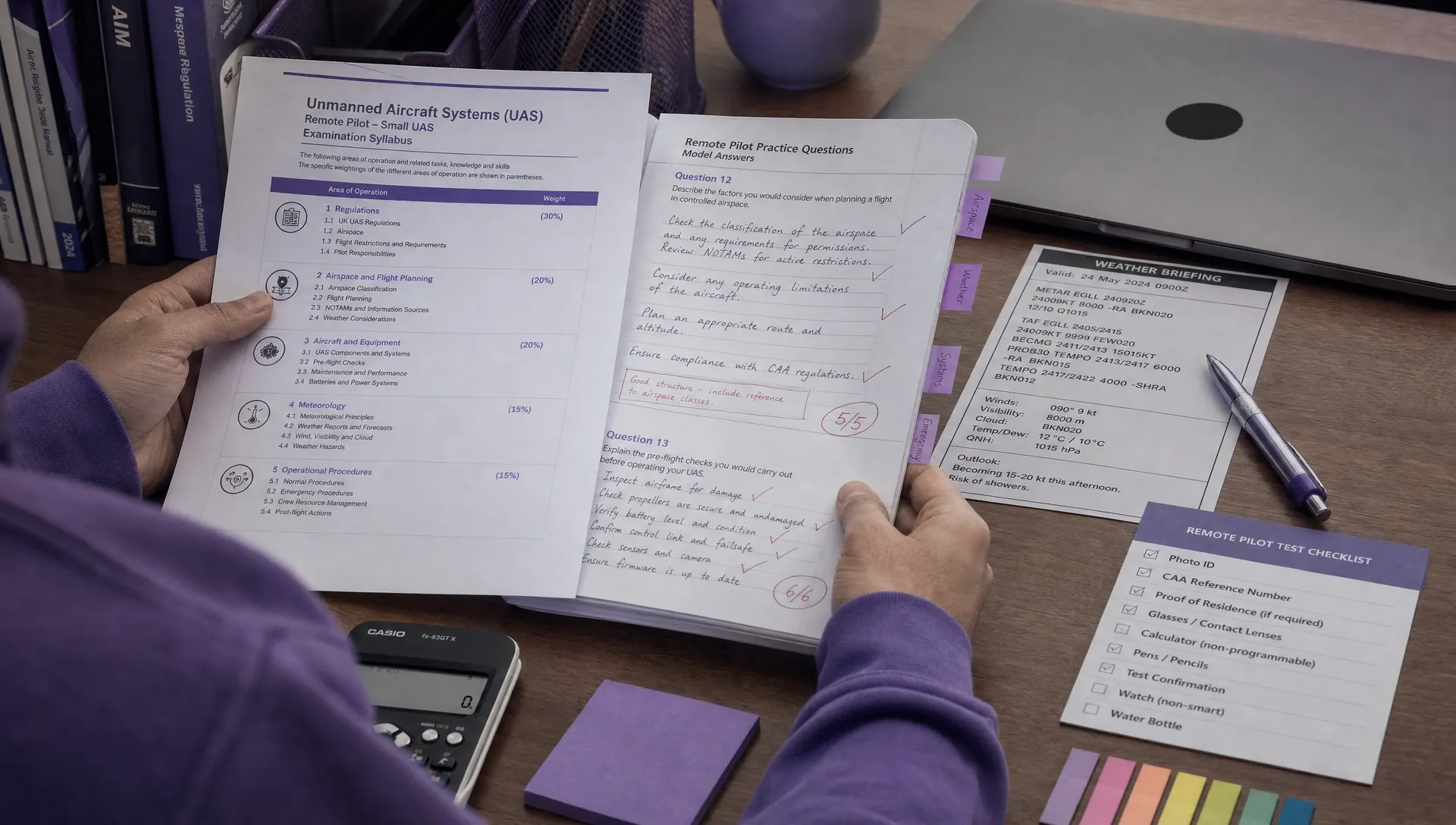
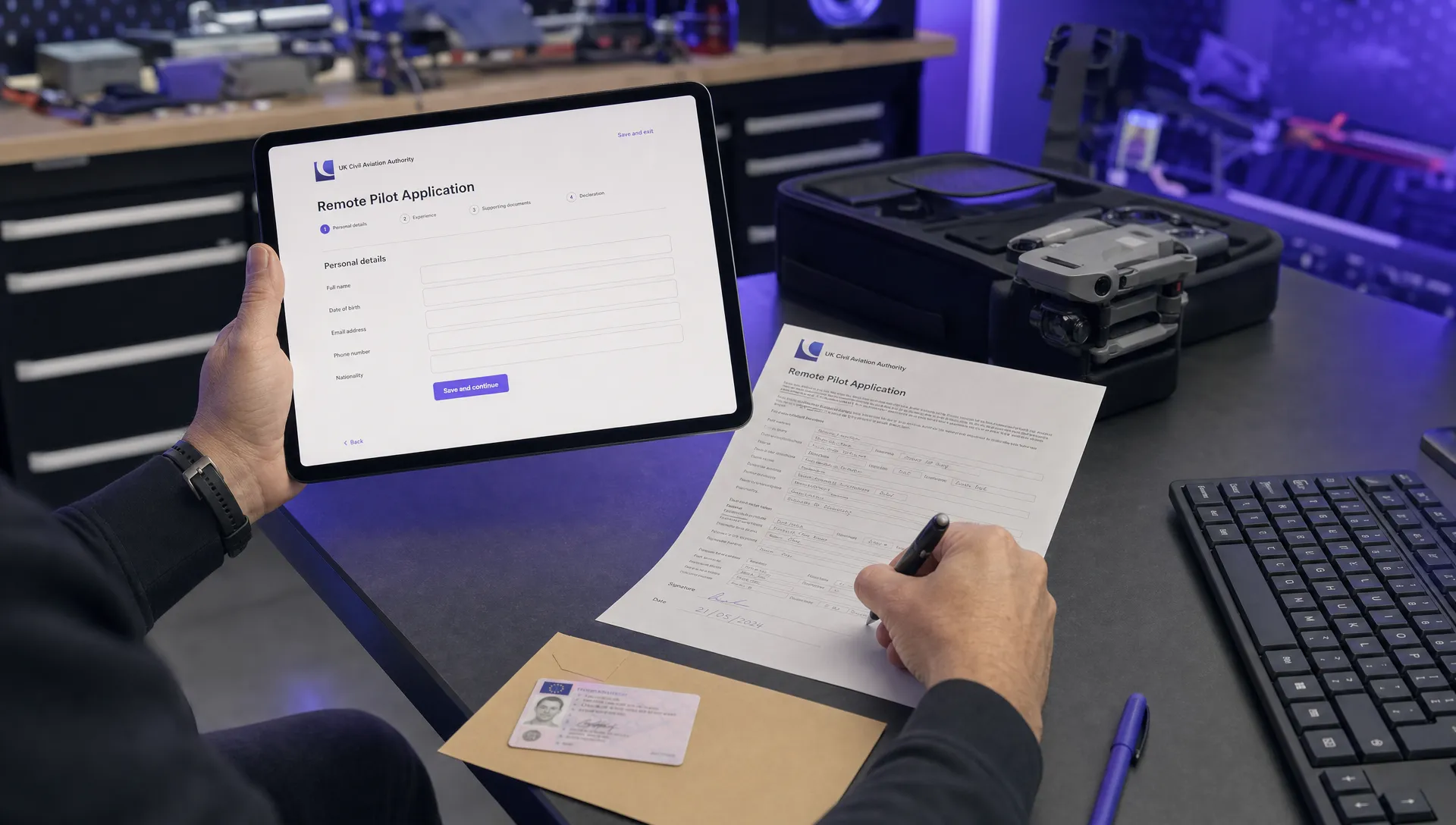
- Pilot Certification: Professional pilots have to be certified. In the U.S., that means getting a Part 107 Remote Pilot Certificate from the FAA, which involves passing a proper aeronautical knowledge exam. Over in the UK, pilots need an Operator ID and often an Operational Authorisation for anything beyond the most basic flights.
- Aircraft Registration: Just like your car, a commercial drone needs to be registered with the national aviation authority. This gives the drone a unique ID number, so it's always traceable and accountable.
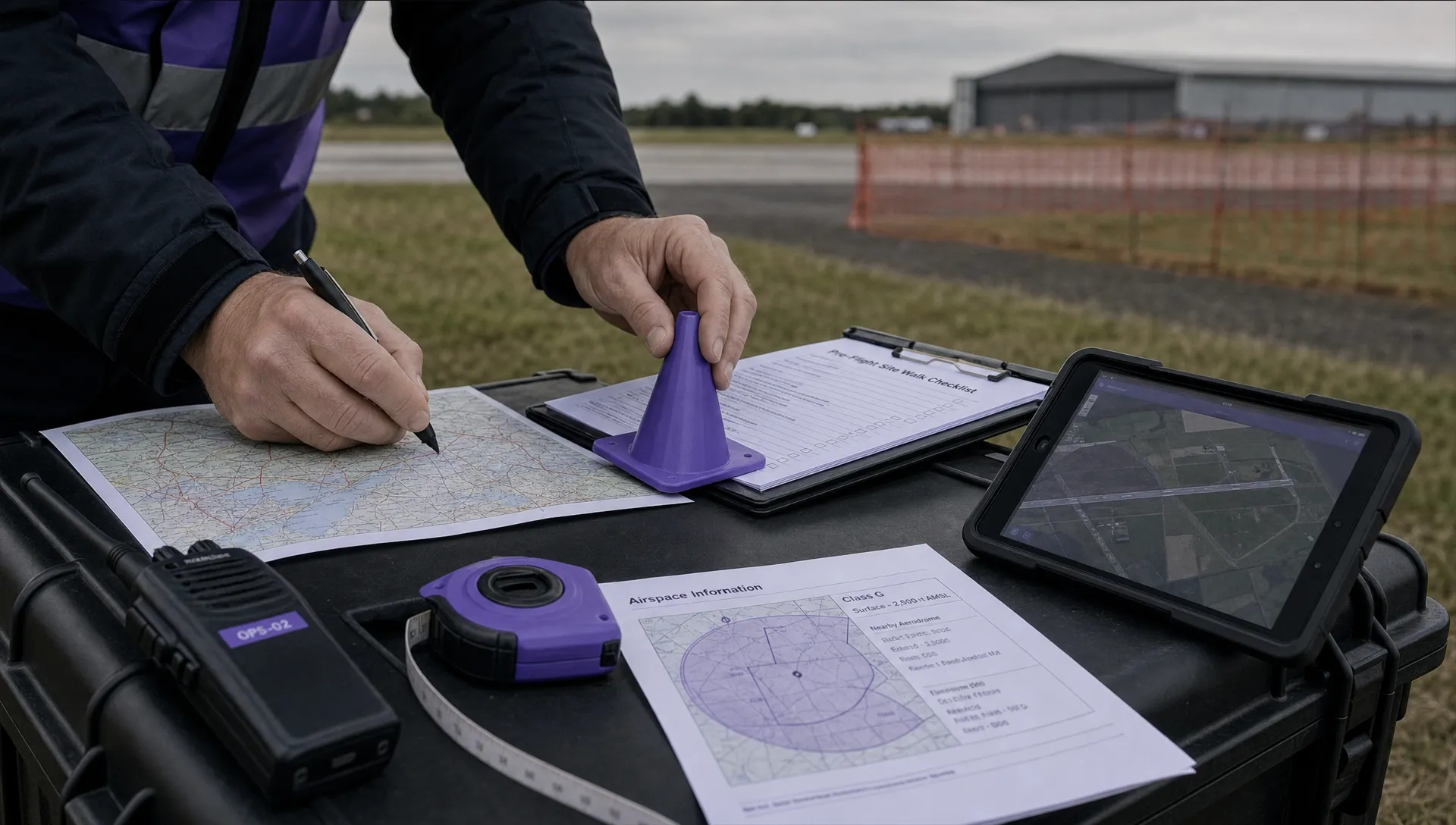
- Airspace Awareness: A pilot must know where they can and can’t fly. That means understanding different airspace classes—like the no-go zones around airports—and always checking for temporary flight restrictions (TFRs) before a single prop starts spinning.
These are the building blocks of any legal drone operation. For a much deeper look into the specifics, our commercial drone compliance guide breaks it all down.
More Than Rules: Building a Culture of Safety
Compliance tells you what you have to do, but a true safety culture is all about how you do it. It's an active mindset that’s baked into every single part of the job, from the first phone call with a client to handing over the final files. It’s about having repeatable, reliable procedures that stamp out risk and lead to predictable, safe outcomes every time.
A robust safety culture isn't some dusty manual on a shelf; it's built on practical, everyday habits that become second nature.
A safety-first mindset transforms risk from something to be feared into something to be managed. It's the difference between hoping for a safe flight and planning for one.
This proactive approach involves a few critical steps that should be standard procedure for any drone pro worth their salt.
Essential On-Site Safety Checks
Long before a drone even thinks about taking off, a whole series of checks and assessments has to happen. These are designed to spot and deal with any hazards that are specific to that particular location on that particular day.
- Pre-Flight Checklists: Every time, without fail. A pilot runs through a systematic check of the drone itself. Are the props damaged? Are the batteries fully charged and secure? Do all the systems boot up correctly?
- Site-Specific Risk Assessments: The pilot needs to get their eyes on the operating area and evaluate it for potential dangers. This means spotting things like power lines or tall trees, checking the ground conditions for a safe takeoff spot, looking at the weather forecast, and noting any people, animals, or property nearby that could be at risk.
- Emergency Procedures: Every pilot needs a clear, rehearsed plan for when things go wrong. What do you do if you lose signal? What's the plan for a system failure or if a curious member of the public wanders into your flight zone? Having a practiced plan is what allows a pilot to make smart, calm decisions under pressure.
Ultimately, it’s these regulations and safety protocols that unlock the amazing potential of aerial drone services. They provide the structure and the confidence that businesses need to use this technology safely and effectively, ensuring every mission is professional and responsible from takeoff to landing.
Mastering the Drone Mission Workflow
A professional drone operation is a lot less about spontaneous flying and a lot more like a well-rehearsed stage play. Every single step is carefully planned, double-checked, and executed with precision to guarantee a safe and successful mission. This structured process, what we call the mission workflow, is the real difference-maker between a reliable aerial drone service and an amateur with a drone. It’s a repeatable system that ensures quality from the moment the phone rings to the final data delivery.
You can really break this workflow down into four distinct phases. Each stage builds on the one before it, creating a solid foundation for safety, compliance, and ultimately, a happy client. By getting this lifecycle down to a fine art, operators can build a scalable business that consistently delivers professional results.
This simple visual nails the core safety mindset for any professional job: Check, Assess, Fly.

What this really highlights is that the actual time in the air is just one small piece of a much bigger safety puzzle that starts long before the props even start spinning.
Phase 1: Project Scoping and Quoting
The mission doesn’t kick off in an open field; it starts with a conversation. The whole point of this first phase is to get inside the client's head, fully understand their goals, and translate that into a clear, actionable plan. This is where you set expectations and lay the groundwork for a smooth project.
You need to get clear answers to a few key questions:
- What does the client actually want? Are they after slick, high-res photos for a real estate listing, a detailed thermal report on a solar farm, or a full-blown 3D model of a construction site?
- What are the specific deliverables? The client needs to know exactly what they're getting. Is it a folder of raw video files, a polished promotional video, or a technical survey map with precise measurements?
- What’s the site like? Getting a handle on the location, potential hazards, and any airspace restrictions is absolutely essential for putting together an accurate quote and a realistic plan.
Once you’ve got the scope locked down, you can create a detailed quote that clearly outlines the services, what you'll deliver, the timeline, and the costs. Being transparent like this builds trust right from the get-go.
Phase 2: Pre-Flight Planning and Risk Assessment
This is, without a doubt, the most critical phase for safety and compliance. Once the contract is signed, the operator dives into meticulous planning. Think of it as the pilot’s homework—it involves digging into every single variable that could affect the flight.
A proper pre-flight plan covers a few key areas:
- Airspace Analysis: You’re checking for everything—airport proximity, controlled airspace, Temporary Flight Restrictions (TFRs), and any local bylaws that might throw a wrench in the works.
- Weather Monitoring: This isn't just a quick glance at a weather app. It's analysing current and forecasted conditions like wind speed, precipitation, and visibility to find a safe window to fly.
- Site Risk Assessment: This involves creating a formal document that identifies on-site hazards (power lines, public footpaths, even wildlife) and details exactly how you plan to manage those risks.
This planning stage is the absolute bedrock of a professional operation. It's where you solve problems before they even have a chance to happen, making sure the on-site execution is as smooth and predictable as it can be.
Phase 3: On-Site Data Acquisition
With all the prep work done, it's finally time to get the job done. But when a pilot arrives on-site, they don’t just launch the drone. The on-site workflow kicks off with another round of checks, validating the pre-flight plan against the reality on the ground.
The pilot will do a final walk-through of the area, establish a safe launch and recovery zone, and run through an exhaustive pre-flight checklist for the aircraft itself. During the flight, the focus is all on executing the plan and capturing the required data with precision. For a deeper dive on this, check out our guide on professional drone data collection methods.
Phase 4: Post-Flight Data Processing and Reporting
The job isn't done when the drone touches down. The final phase is all about turning that raw data you captured into the polished deliverable the client is paying for. The complexity here can vary wildly depending on the service.
For a photography gig, this might mean culling the best shots, editing, and colour-grading the images. For a major surveying mission, it could involve processing thousands of images through photogrammetry software to generate centimetre-accurate maps and 3D models. This last step is where the true value of aerial drone services really shines, transforming raw information into genuinely useful business intelligence.
How to Choose the Right Drone Service Provider
Picking the right professional for your aerial drone services can feel a bit like navigating a minefield. The market is flooded with operators of all skill levels, and it's not always easy to spot the difference between a seasoned pro and someone who just flies on weekends. Getting this choice right is about more than just pretty pictures; it’s about making sure your project gets done safely, legally, and to a high standard.
You've got to think of it like hiring any other skilled tradesperson. You wouldn’t let an electrician touch your wiring without seeing their license, or hire an architect who couldn't show you a portfolio of their work, right? The same logic absolutely applies here. Vetting a drone provider means checking their credentials, understanding their safety culture, and making sure they have the right gear for your specific job.
Your Vetting Checklist for Drone Professionals
Before you even think about signing a contract, you need to do a little homework. Any true professional will expect these questions and have all their paperwork ready to go. That kind of transparency is the first sign you're dealing with a reliable and trustworthy operator. Use this list to methodically size up any potential provider.
Start with the absolute must-haves:
- Licensing and Certification: First thing's first, ask to see their commercial drone pilot certification. In the UK, this is a CAA Operational Authorisation; in the U.S., it's the FAA Part 107 certificate. This isn't just a nice-to-have, it's a legal requirement. No certificate, no conversation.
- Aviation Liability Insurance: Your standard business insurance won't cover a drone. The provider needs to have specialised drone liability insurance. Ask them for a certificate of insurance (COI) to prove their coverage is active and has a high enough limit to cover any potential risks on your project.
- Relevant Portfolio: A pilot might be fantastic, but are they fantastic at your kind of project? Look through their past work to find examples similar to what you need. Someone who shoots slick real estate videos might not be the best fit for a highly technical LiDAR survey, and vice versa.
Getting these basics out of the way early helps you quickly weed out the amateurs and the non-compliant operators. Then you can focus your attention on the real professionals who can actually deliver what your project needs.
Key Questions to Ask Potential Providers
Once you have a shortlist of providers who tick all the essential boxes, it's time to dig a little deeper into how they actually operate. The way they answer these questions will tell you a lot about their experience, professionalism, and commitment to safety.
A prepared client always asks better questions. Here are a few to get you started:
- Can you walk me through your pre-flight planning process? A pro will talk you through their airspace analysis, how they check the weather, and the creation of a site-specific risk assessment.
- How do you handle unexpected problems on-site? This could be anything from a sudden downpour to a nosy member of the public. Their answer will reveal how well they can think on their feet while keeping safety as the top priority.
- What specific drone and sensor will you use for my project? They should be able to explain exactly why a particular piece of kit—like a 20-megapixel camera for crisp photos or a thermal sensor for inspections—is the best tool for the job.
- What are your protocols for data security and delivery? It's important to know how they'll handle your project's data and what format you'll receive the final files in. This avoids any nasty surprises down the line.
Choosing the right provider isn't about finding the cheapest quote; it's an investment in reliability, safety, and high-quality data. A good partner protects your interests, minimises risk, and delivers results that give you a real return.
At the end of the day, by asking these direct questions and verifying their credentials, you're putting yourself in the driver's seat. This careful vetting process is the best way to ensure your project is in capable hands from the moment the drone takes off to the final delivery.
Got Questions? We’ve Got Answers.
As you start exploring drone services, either as a client or a budding operator, a lot of questions pop up. It’s totally normal. In this final section, we’ll tackle some of the most common ones we hear, giving you clear, straight-to-the-point answers to help you navigate this exciting industry.
The idea here is to clear up any lingering confusion and leave you with solid, practical info. It all comes back to the core principles: safety, compliance, and professionalism. Let’s get into it.
So, What’s the Price Tag on Drone Services?
This is a bit like asking, "How much does a car cost?" There’s no single answer. The price of aerial drone services varies wildly because every job is different.
A few big things will move the needle on a quote:
- The Complexity of the Job: Snapping a few aerial photos of a house is one thing. A multi-day survey of a sprawling construction site with active machinery is another beast entirely.
- The Gear Required: The drone and sensor are huge factors. A mission needing a high-end thermal or LiDAR sensor is going to cost a lot more than one using a standard high-res camera.
- The Risks Involved: Flying in a busy city centre or over critical infrastructure means way more planning, paperwork, and insurance. That’s baked into the cost.
- What You Get at the End: Raw video files are cheaper than a polished, fully edited marketing video or a detailed inspection report with annotated thermal data.
A quick real estate photoshoot might only be a few hundred pounds, but a major industrial inspection could easily run into the thousands. Any operator worth their salt will give you a detailed, project-specific quote after a proper chat about what you need.
What Legal Boxes Do Drone Operators Need to Tick?
The legal side of commercial drone operations is strict and absolutely not up for negotiation. These rules exist to keep people on the ground and other aircraft in the sky safe, and they change depending on where you are.
In the United Kingdom, for instance, operators need an Operator ID from the Civil Aviation Authority (CAA) and must fly according to the Drone Code. For anything beyond the most basic flights, they'll usually need an Operational Authorisation, which is a much more involved process.
Over in the United States, commercial pilots must have a current FAA Part 107 certificate, which means passing a serious aeronautical knowledge test. Their drones also have to be registered with the FAA.
A true pro will never get defensive if you ask to see their credentials. They should be able to show you proof of their certification and insurance without a moment's hesitation. It’s a sign you’re dealing with someone who takes their responsibilities seriously.
What’s the Deal with Insurance for Drone Services?
Your standard business liability policy won't touch aviation with a ten-foot pole. That’s why specialised aviation liability insurance is a must-have for any legitimate commercial drone operator. It's one of the clearest dividing lines between a professional and a hobbyist.
This insurance is specifically designed to cover damage to property or, in a worst-case scenario, injury to people. Operators can get annual policies for their day-to-day work or even on-demand coverage for a single, higher-risk job.
If you’re hiring a service, always—and I mean always—ask for their certificate of insurance (COI) before they launch a drone. This little piece of paper confirms they have the right coverage for your project, protecting your assets and giving you peace of mind that you’re working with a responsible professional.
How Long Can a Drone Actually Stay in the Air?
Flight time is a big deal in the field, and it really depends on the drone, what it's carrying, and what the weather is doing. Most professional drones can fly for somewhere between 25 and 45 minutes on a single battery in perfect conditions.
But "perfect conditions" rarely happen in the real world. Strong winds, freezing temperatures, or aggressive flying can slash that time dramatically. A drone battling a 20-mph headwind burns through its battery way faster than one hovering in calm air.
This is why you’ll always see pros show up to a job with a stack of fully charged batteries. They land, swap a fresh one in, and get right back to it. This ensures they can get the job done efficiently without being hamstrung by a single battery’s limit.
How Do Platforms like Dronedesk Actually Help Run a Drone Business?
Think of a drone operations platform as the mission control for a modern drone business. Instead of drowning in a sea of spreadsheets, paper checklists, and a dozen different apps, a platform pulls the entire workflow into one smart, organised system.
For example, a platform keeps all your client info and project details in one central spot. It lets you track your entire fleet of drones, log maintenance, and manage your team’s pilot licences so you’re always compliant and ready to fly.
Mission planning gets a massive upgrade with built-in airspace intelligence and automated risk assessments. These tools help pilots spot potential hazards and generate the necessary safety reports in just a few clicks. By automating the boring admin stuff like flight logging and compliance paperwork, an operations platform frees up an incredible amount of time, reduces human error, and helps operators deliver a safer, more professional service every single time.
Ready to stop juggling paperwork and start running an efficient, compliant, and professional drone operation? Dronedesk is the end-to-end solution built to manage your clients, fleet, team, and missions with total confidence. Join thousands of pilots who trust Dronedesk to save time, fly safer, and grow their business.
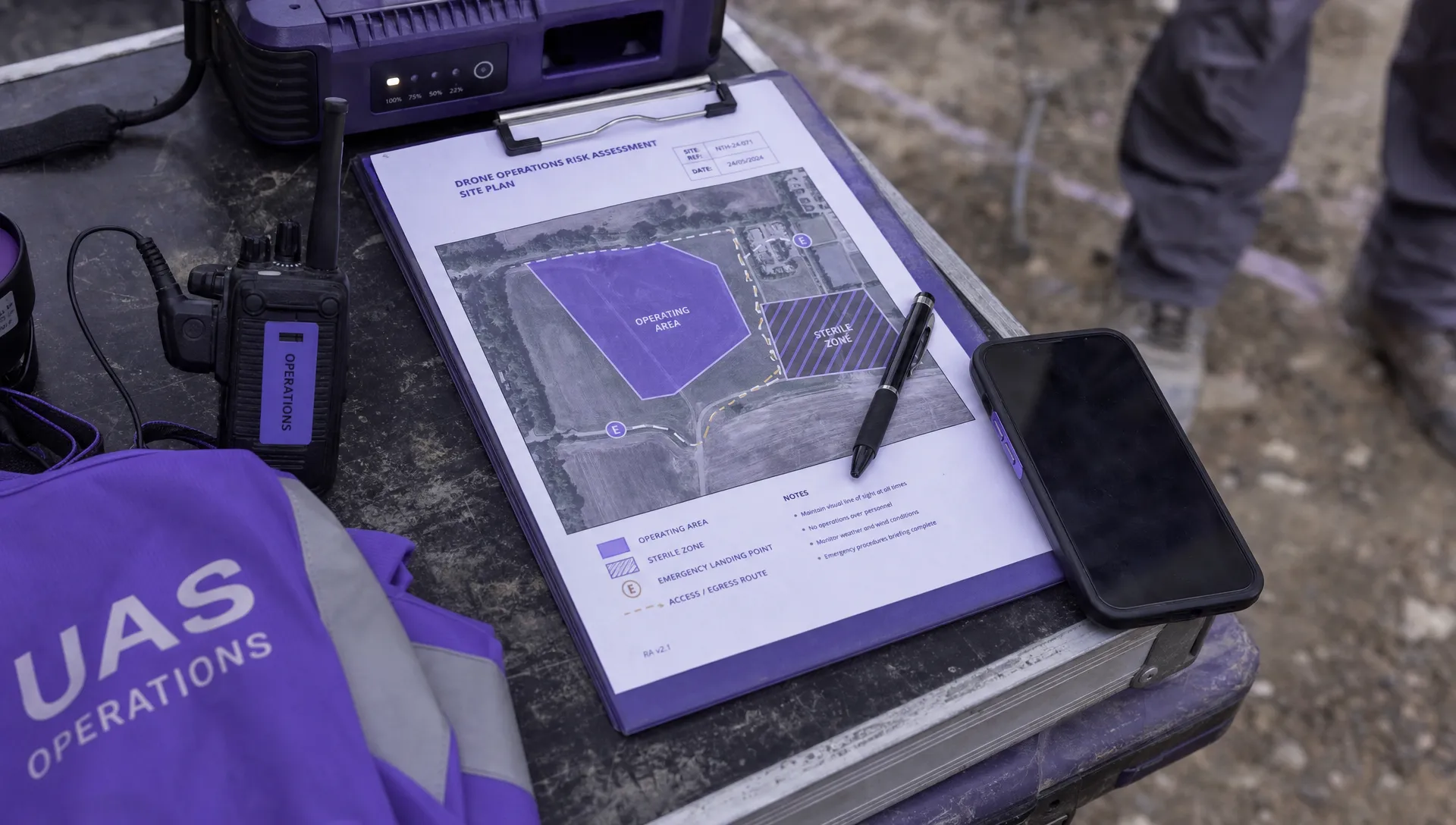 Drone Risk Assessment Controls That Work in the Field →
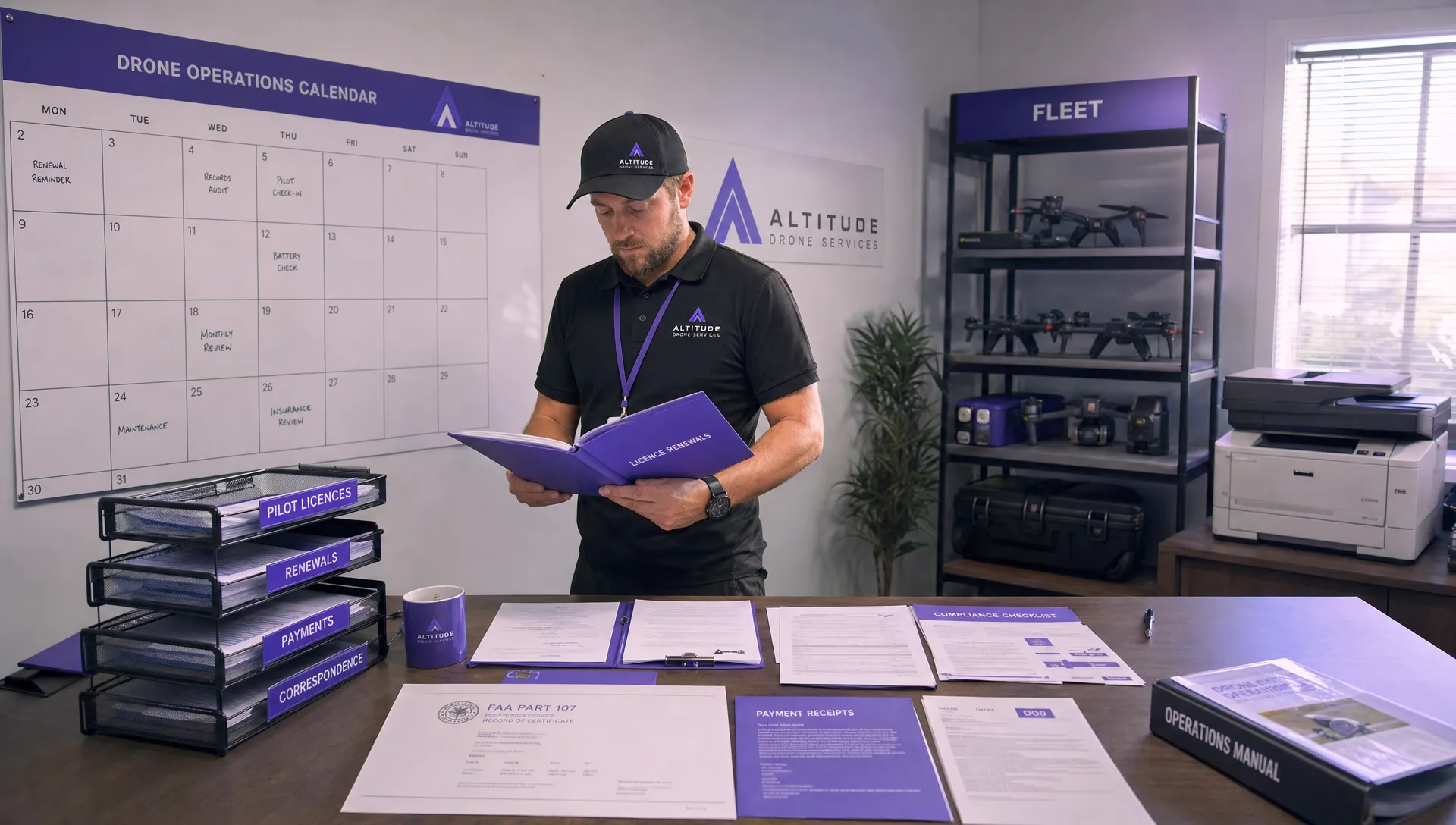 FAA Drone License Costs Beyond the Knowledge Test →
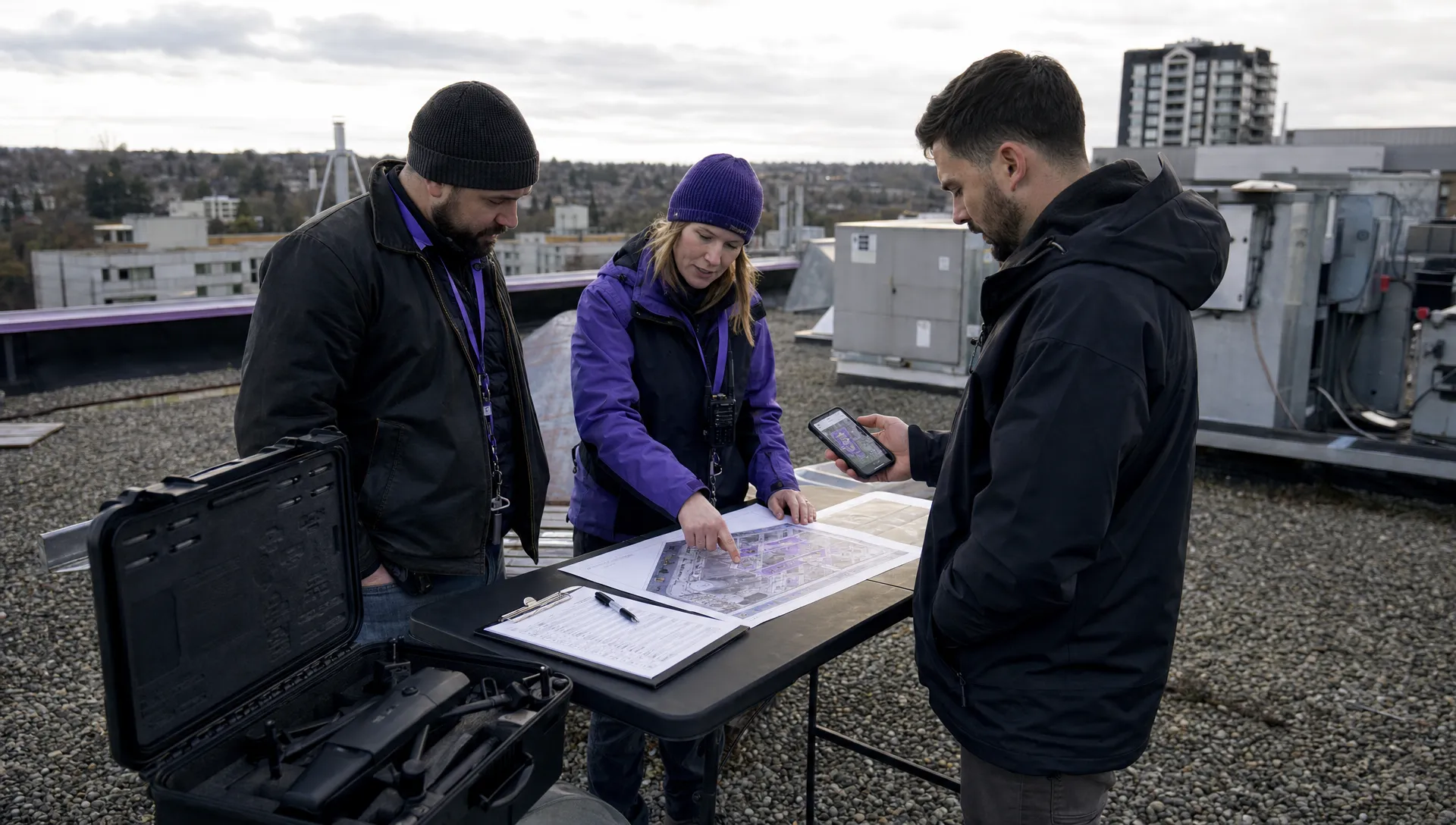 Drone Part 107 Operations: When a Waiver May Be Needed →
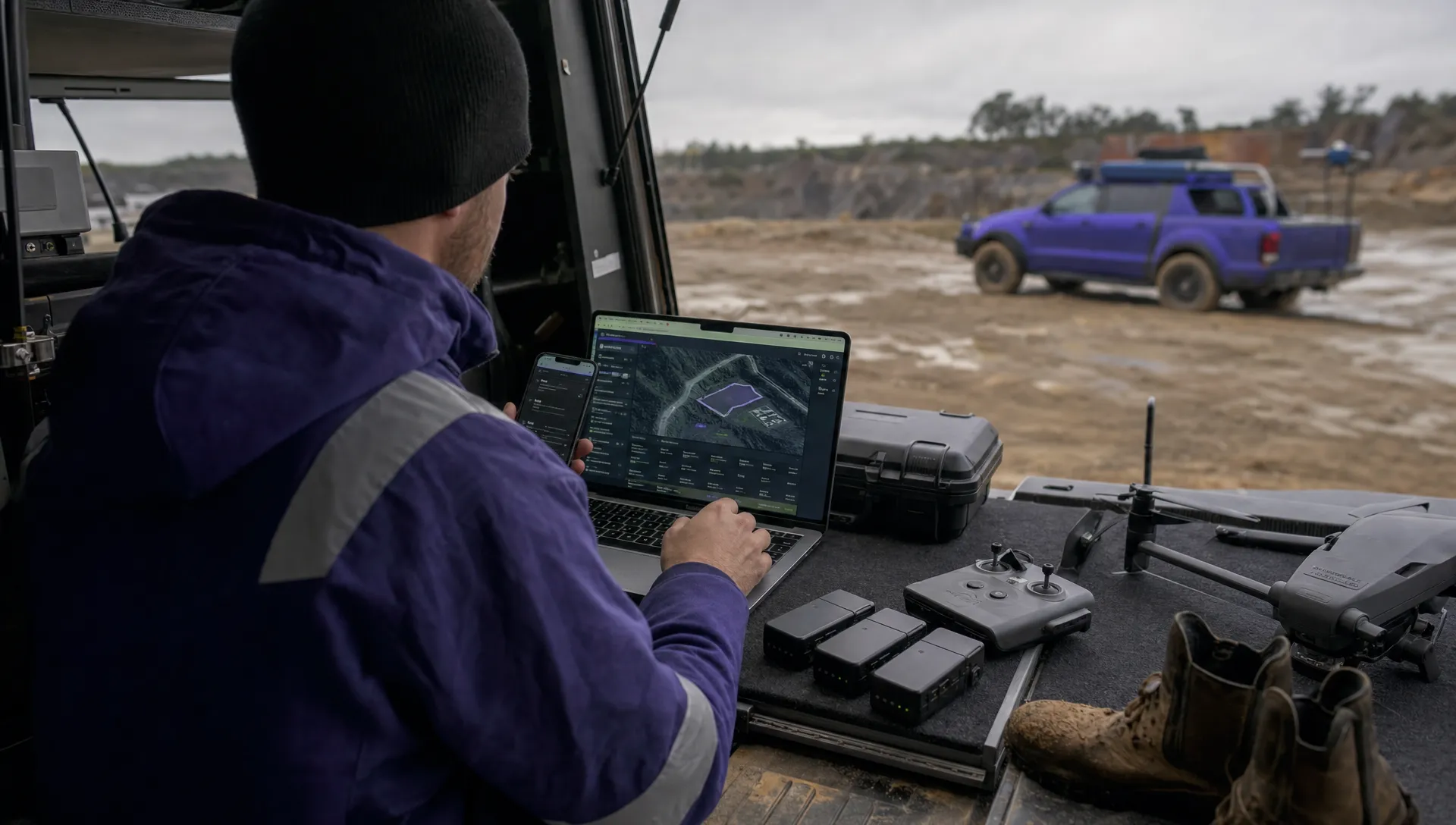 Drone Operating Rules for Managing Contractors and Employees →
 BVLOS Drone Requirements for Building a Safety Case →
 Drone Pilot Test Mistakes That Cost Candidates Marks →
 FAA 107 License vs Part 107 Certificate: What’s the Difference? →
 Drone Airport Rules: A Field Checklist for Site Assessments →
 FAA Part 107 Record-Keeping Rules for Commercial Teams →
 How to Review a DJI Flight Log After an Unexpected Event →