
Drone Control Software: What It Does and Who Needs It
Ask a drone pilot what “control” means and they may talk about sticks, waypoints, camera settings and aircraft telemetry. Ask an operations manager and they may talk about permissions, risk assessments, checklists, pilot competency, fleet readiness and audit trails.
Both are right.
Drone control software is a broad term. It can mean the app that directly controls an aircraft in flight, but for commercial teams it increasingly means the software that controls the whole operation around the aircraft. That includes planning, compliance, records, people, assets, clients and reporting.
If you run occasional recreational flights, the manufacturer’s flight app and official guidance may be enough. If you are being paid, managing pilots, inspecting critical infrastructure or responding to emergencies, operational control becomes a business-critical requirement.
What is drone control software?
Drone control software is any digital tool that helps you manage, command or coordinate drone activity. In practice, the market falls into four overlapping categories.
| Software type | What it controls | Typical users |
|---|---|---|
| Flight control apps | Aircraft movement, camera settings, waypoints and telemetry | Pilots flying the drone on site |
| Mission planning tools | Flight paths, survey grids, mapping patterns and repeatable routes | Surveyors, mappers, inspection teams |
| Operations management platforms | Jobs, pilots, aircraft, risk assessments, checklists, logs and compliance records | Commercial operators, enterprises, emergency services |
| Data processing platforms | Images, maps, 3D models, point clouds and inspection outputs | Survey companies, construction teams, asset owners |
The important point is that no single category does everything. A mapping company may use one tool to fly a survey grid, another to process photogrammetry, and a separate operations platform to prove the job was planned, risk assessed, flown by a qualified pilot and properly logged.
For commercial operators, “control” is not only about keeping the aircraft stable. It is about keeping the operation safe, repeatable, compliant and profitable.
What drone control software actually does
The exact feature set depends on the product, but most serious drone operations need software support across the same core workflow: before the flight, during the flight and after the flight.
1. It centralises flight planning
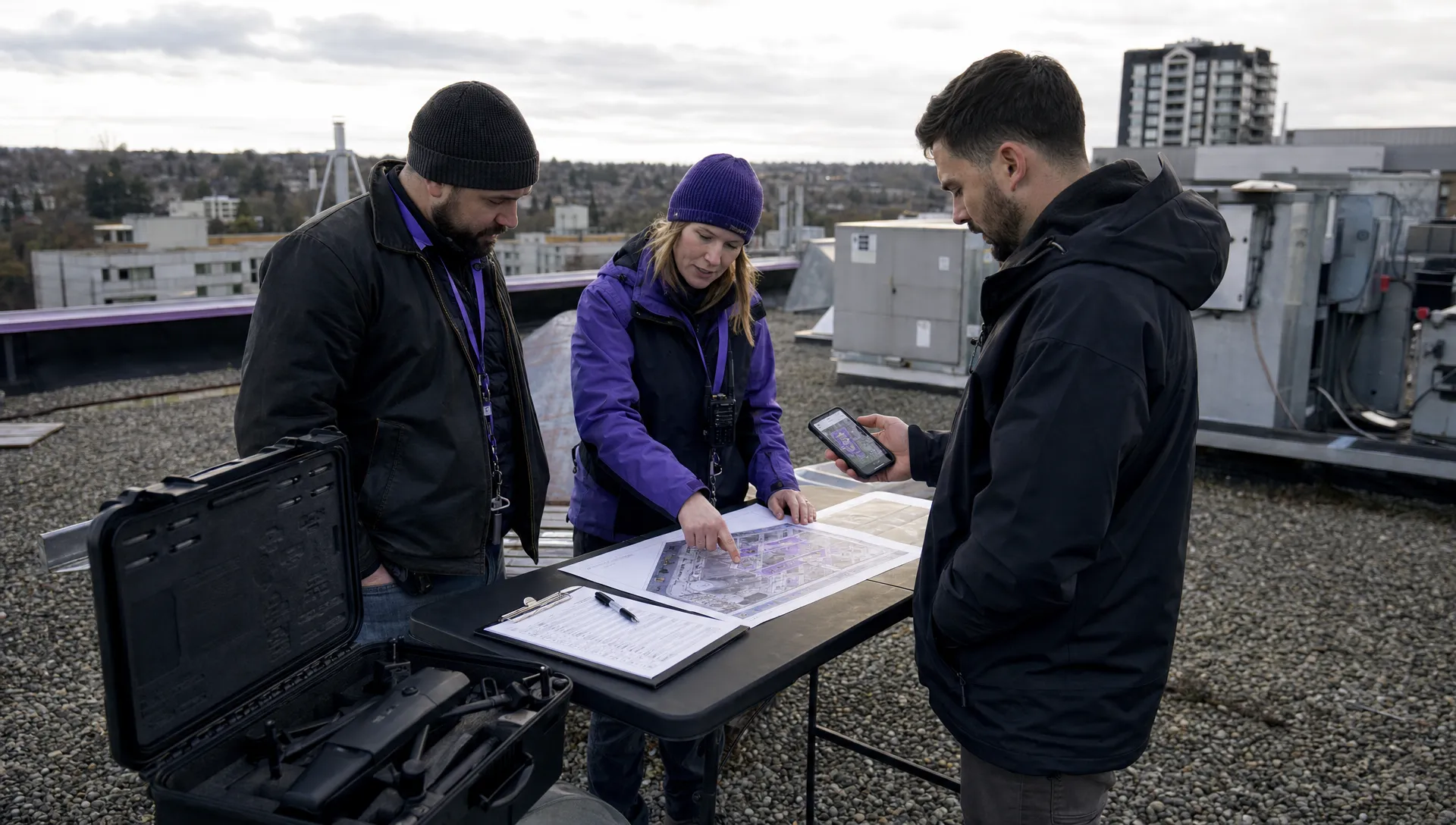
Good planning is the foundation of safe drone work. Before a flight, operators need to understand the site, airspace, nearby hazards, operational constraints, access requirements, client expectations and the purpose of the mission.
Drone control software can bring planning information into a structured workflow so teams are not copying details between email, spreadsheets, PDFs and map tools. This is especially useful when jobs repeat across many sites, such as utility inspections, roof surveys, quarry mapping or emergency service deployments.
For UK operators, planning should sit alongside current regulatory guidance from the Civil Aviation Authority. Software does not replace the operator’s legal responsibilities, but it can make it easier to follow a consistent process and keep evidence of the decisions made.
2. It improves airspace and site awareness
A commercial drone job rarely happens in isolation. The site may be close to controlled airspace, roads, railways, schools, prisons, power infrastructure, built-up areas or sensitive locations. The pilot may also need to consider temporary restrictions, local constraints and ground risks.
This is where airspace intelligence and proximity intelligence become valuable. Rather than relying on memory or scattered checks, operators can use software to identify relevant constraints during planning. That does not remove the need for professional judgement, but it gives teams a stronger starting point.
For higher-risk environments, such as utilities, emergency response and infrastructure inspection, this visibility can be the difference between a smooth job and a delayed, reworked or cancelled mission.
3. It standardises risk assessments
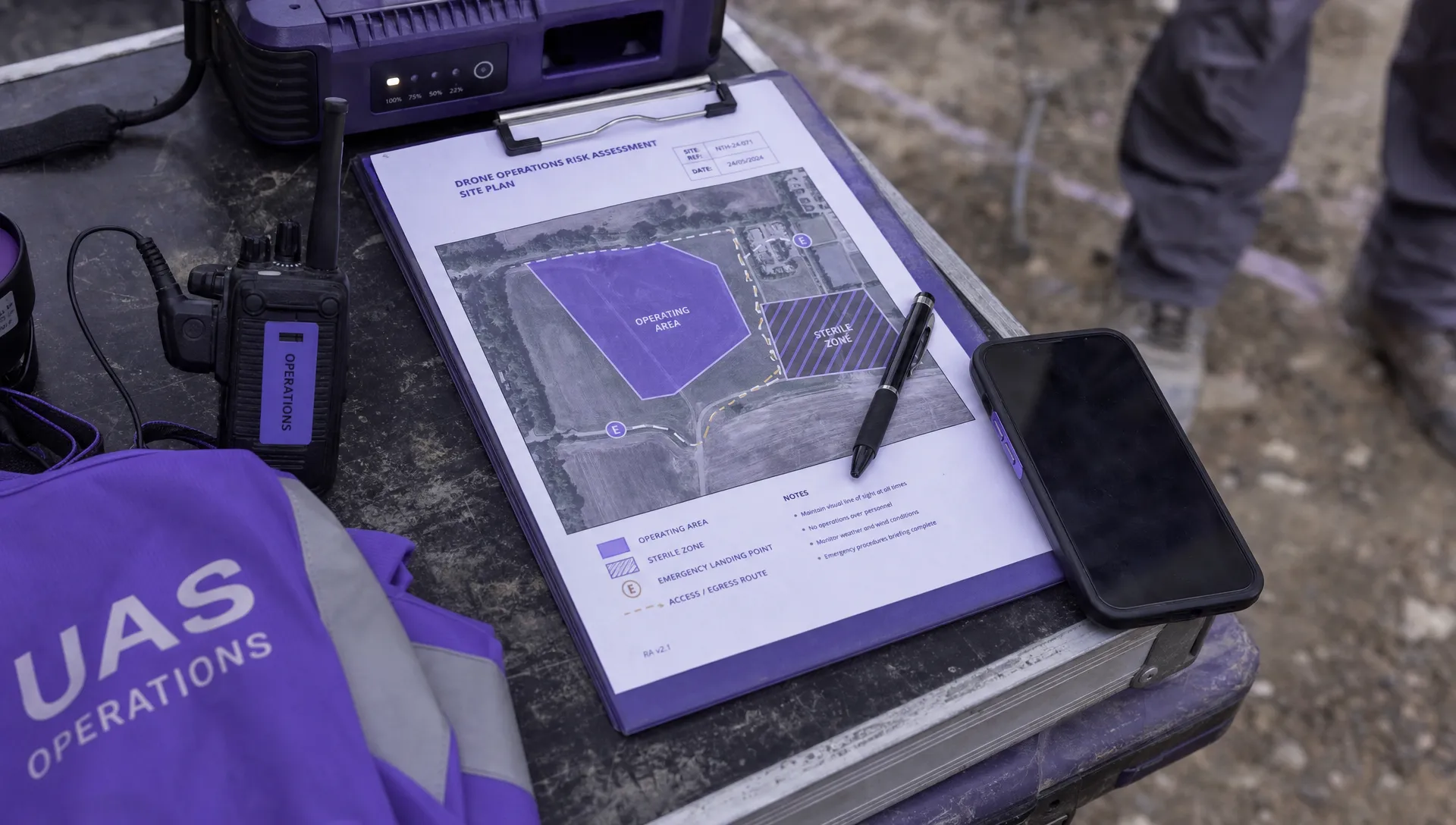
Risk assessment is one of the clearest reasons commercial teams move beyond generic documents. A template stored on a laptop may work for one pilot, but it quickly becomes fragile when you add more people, sites and clients.
Drone control software helps operators create a repeatable risk assessment process. It can ensure that the right hazards are considered, the right mitigations are documented and the final record is attached to the job. For teams working under strict internal procedures or client audit requirements, standardisation matters.
The strongest systems do not make risk assessment a tick-box exercise. They help pilots think clearly, apply the operator’s procedures and produce evidence that the planning was completed properly.
4. It manages checklists and operational procedures
Checklists are simple, but they are powerful. They reduce reliance on memory, especially when pilots are under time pressure, working in poor weather or responding to an incident.
Configurable checklists allow operators to align software with their own procedures. That might include pre-deployment checks, aircraft checks, battery checks, site briefings, take-off checks, post-flight actions and maintenance follow-up.
For emergency services, checklists can support rapid deployment without losing operational discipline. For survey companies, they help deliver consistent work across crews. For enterprises, they make procedures easier to enforce across a growing team.
5. It keeps fleet and team records under control
As soon as you manage more than one aircraft or more than one pilot, operational complexity increases. You need to know which drones are available, which batteries or payloads are in use, which pilots are assigned, and whether training or competency records are current.
Fleet management and team management features give operators a single place to manage these records. This is particularly important for organisations with multiple sites, shift patterns or specialist payloads.
Without software, teams often fall back on spreadsheets. Spreadsheets are flexible, but they are easy to duplicate, overwrite or forget. They also struggle to provide a live operational picture when pilots are working in the field.
6. It captures flight logs and reporting data
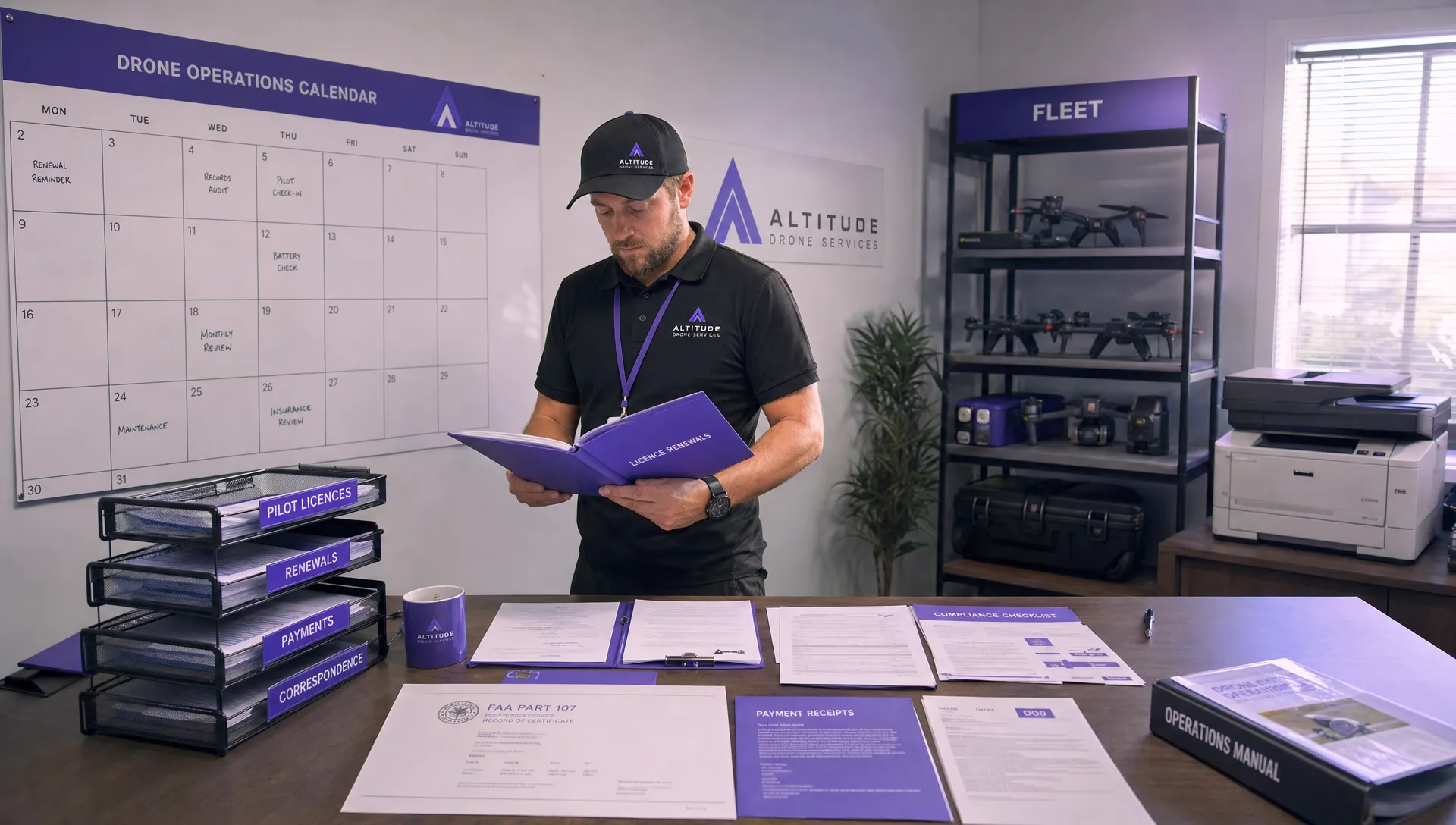
After the flight, the work is not finished. Operators may need to log flight details, record outcomes, update maintenance records, export reports, support client documentation or prepare for an audit.
Flight logging software creates a structured record of what happened. Over time, those logs become valuable operational data. They can help answer questions such as:
- Which aircraft are being used most often?
- How many flights are being completed per month?
- Which clients or sites create the most workload?
- Are maintenance and record-keeping processes being followed consistently?
- Can the business produce evidence quickly when a client, regulator or internal auditor asks for it?
For growing drone programmes, reporting is not just an admin benefit. It helps leaders understand capacity, performance and risk.
7. It connects commercial admin with flight operations
Drone work is both an aviation activity and a service business. A job often starts with a client enquiry, quote or internal request. It may end with a report, invoice, compliance pack or asset inspection deliverable.
That is why operational control increasingly overlaps with business administration. Client management, job records and reporting can reduce duplicate data entry and help teams maintain a clearer picture of work in progress.
This pattern is not unique to drones. Regulated sectors often use specialist platforms to simplify complex admin, just as travel companies may use eVisa services for travel businesses to streamline border-crossing administration. Drone teams face a similar challenge: the operational task may be highly skilled, but the surrounding paperwork must also be accurate, timely and repeatable.
Who needs drone control software?
Not every pilot needs a full operations platform. The need depends on risk, scale, commercial pressure and record-keeping requirements.
Solo commercial drone operators
A solo operator can often manage early jobs with a manufacturer flight app, a calendar, documents and spreadsheets. The problem is that admin grows quickly. Client details, site notes, risk assessments, insurance evidence, flight logs and equipment records can become scattered across folders and inboxes.
Drone control software is useful for solo operators when they want to look more professional, save repetitive admin, respond faster to enquiries and keep clean records without building a home-made system.
It is especially helpful for operators working with demanding clients, such as construction firms, broadcasters, estate teams, public sector organisations or insurers. These clients may want evidence that the job has been planned properly before anyone arrives on site.
Survey and inspection companies
Survey companies usually need more than basic flight control. They need repeatable planning, consistent field workflows and reliable records across many jobs.
A survey business may fly roof inspections one day, land surveys the next and infrastructure assets the day after. Each mission may involve different pilots, payloads, access arrangements and deliverables. The more jobs the business completes, the harder it becomes to manage everything manually.
For these teams, drone control software helps create a standard operating rhythm. It supports job planning, pilot assignment, risk assessment, flight logging and reporting, while specialist mapping or inspection tools handle the data outputs.
Utility and infrastructure companies
Utilities, telecoms, rail, highways and energy organisations often operate at a different level of complexity. They may need to inspect thousands of assets, coordinate multiple pilots, work near critical infrastructure and satisfy strict internal governance.
In this environment, operational control is about consistency and oversight. Managers need to know who is flying, where they are flying, what asset is being inspected, which aircraft is being used and whether the correct process has been followed.
Drone control software becomes essential when drone operations are no longer a small innovation project and become part of business-as-usual asset management.
Emergency services and public safety teams
Emergency services need speed, but not at the expense of accountability. Police, fire and rescue, search and rescue, and other public safety teams may deploy drones in time-sensitive situations where conditions change quickly.
Software can support pre-planned scenarios, team coordination, aircraft readiness, flight records and incident documentation. The value is not only faster admin. It is the ability to maintain a reliable operational record when decisions may later be reviewed.
For emergency teams, the best software is simple enough to use under pressure and structured enough to preserve the audit trail.
Agriculture, quarrying, mining and specialist operations
Agricultural spraying, quarry mapping, mining inspections, environmental monitoring and other specialist uses often involve additional operational constraints. These may include site-specific hazards, specialist payloads, permissions, repeat visits and detailed records.
In these sectors, drone control software helps translate complex procedures into repeatable workflows. It also makes it easier for managers to oversee activity across multiple sites, contractors or internal teams.
When spreadsheets are no longer enough
Spreadsheets are often the first system for a new drone operation. They are cheap, familiar and flexible. But they are not designed for live operational control.
You have probably outgrown spreadsheets if any of these statements feel familiar:
- Flight plans, risk assessments and logs are stored in different places.
- Only one person knows where the latest version of a document is.
- Pilots are duplicating admin for similar jobs.
- Managers cannot easily see aircraft, pilot or job status.
- Client documentation takes too long to assemble.
- Audit requests create stress because evidence is scattered.
- Growth would require hiring admin support before hiring more pilots.
The tipping point is not always fleet size. A two-pilot team doing complex work may need better software sooner than a larger team doing simple, low-risk work.
How to choose the right drone control software
Choosing software is easier when you separate aircraft control from operational control. Start by identifying where your biggest bottleneck is.
| Requirement | Why it matters | What to look for |
|---|---|---|
| Flight planning | Reduces missed steps before deployment | Site-based planning, airspace context, reusable workflows |
| Risk assessments | Supports safer, more consistent decisions | Structured templates, job-specific hazards, clear outputs |
| Checklists | Keeps procedures consistent in the field | Configurable pre-flight and post-flight checklists |
| Fleet management | Tracks aircraft and equipment readiness | Aircraft records, maintenance visibility, asset history |
| Team management | Supports multi-pilot coordination | Pilot records, roles, assignments and competency visibility |
| Flight logging | Creates an operational evidence base | Easy logging, searchable records and exportable reports |
| Reporting | Helps managers understand performance | Data reporting across jobs, aircraft, pilots and clients |
| Usability | Drives adoption by pilots and managers | Clear interface, minimal duplicate entry, field-friendly workflows |
Also consider how the software fits with the tools you already use. A drone survey company may still need photogrammetry software. A DJI-heavy fleet may still use DJI flight apps. An enterprise may need internal security review before rolling out any new platform.
The goal is not to replace every tool. The goal is to create a reliable operational backbone.
Where Dronedesk fits
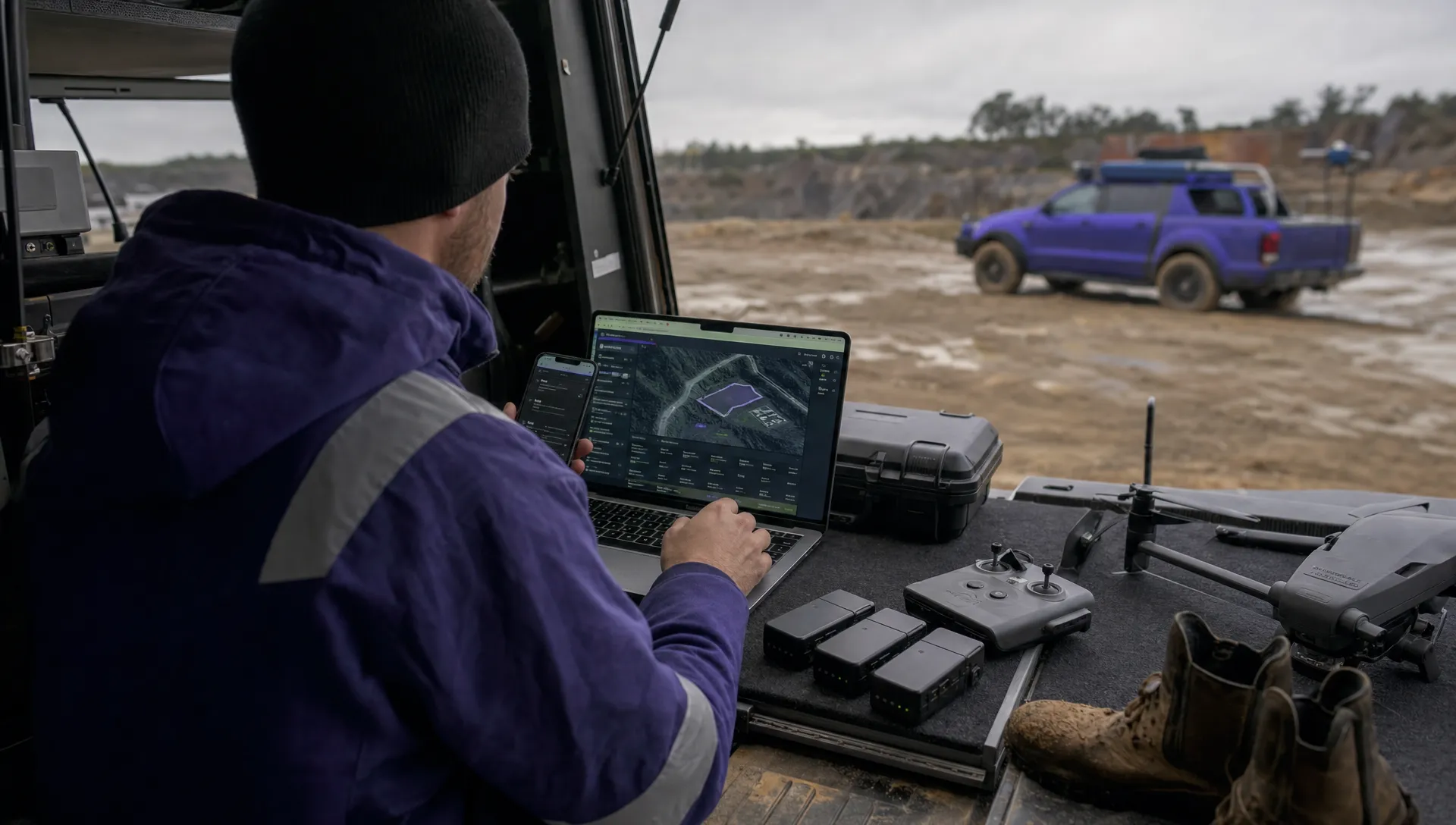
Dronedesk is an all-in-one web platform for drone operators. It is not a stick-level aircraft controller, and it is not a photogrammetry processing engine. It sits around the flight to help operators manage the work that makes commercial drone activity safe, productive and compliant.
According to the Dronedesk features page, the platform includes client management, fleet management, team management, airspace intelligence, proximity intelligence, flight planning, flight logging, data reporting, configurable checklists and risk assessments.
That makes it relevant for operators who want to bring operational admin into one place rather than stitching together spreadsheets, generic forms, shared folders and separate planning documents.
Dronedesk also publishes customer survey information, including feedback on time saved and user satisfaction, on its customer satisfaction survey page. If you are building a business case for operations management software, that kind of evidence can help compare the cost of software with the hidden cost of manual admin.
The real value: operational confidence
The best drone control software does not make pilots less responsible. It gives them a better system to work within.
For a pilot, that can mean less duplicated paperwork and a clearer plan before arriving on site. For an operations manager, it can mean better visibility across people, aircraft and jobs. For a client, it can mean more professional documentation and greater confidence that the work is being handled properly.
For regulated or safety-critical organisations, the value goes further. Drone software can help preserve the evidence behind operational decisions, making it easier to demonstrate that flights were planned, assessed, executed and recorded in line with the organisation’s procedures.
That is why drone control software is becoming less of a nice-to-have and more of a foundation for serious drone operations.
Frequently Asked Questions
Is drone control software the same as a drone flight app? Not always. A flight app directly controls the aircraft, camera and mission path. Drone control software can also refer to operations management tools that control planning, risk assessments, checklists, logs, pilots, fleet records and compliance workflows.
Do I need drone control software if I only fly one drone? If you fly recreationally and infrequently, probably not beyond the required safety and regulatory tools. If you fly commercially, even as a solo operator, software can help you manage clients, planning documents, risk assessments and flight logs more professionally.
Can drone control software replace pilot judgement? No. Software supports decision-making, but the operator and remote pilot remain responsible for safe and compliant operations. Treat software as a structured workflow and evidence system, not an autopilot for legal responsibility.
What is the difference between drone control software and drone mapping software? Drone mapping software usually focuses on capturing or processing data for maps, models and survey outputs. Drone control or operations software focuses on the operational workflow around the job, including planning, risk, people, assets, logs and reporting.
Who benefits most from an operations management platform like Dronedesk? Commercial operators, survey companies, utility teams, emergency services and organisations managing multiple pilots or repeated jobs tend to benefit most. The more important compliance, consistency and record-keeping become, the stronger the case for a dedicated platform.
Take control of your drone operations
If your drone work is growing, the question is not only “Can we fly the mission?” It is “Can we plan it, evidence it, repeat it and manage it without drowning in admin?”
Dronedesk helps drone operators bring flight planning, risk assessments, checklists, fleet records, team management, flight logging and reporting into one operational workspace.
Explore Dronedesk to see how it can support safer, simpler and more organised drone operations.
 Drone Risk Assessment Controls That Work in the Field →
 FAA Drone License Costs Beyond the Knowledge Test →
 Drone Part 107 Operations: When a Waiver May Be Needed →
 Drone Operating Rules for Managing Contractors and Employees →
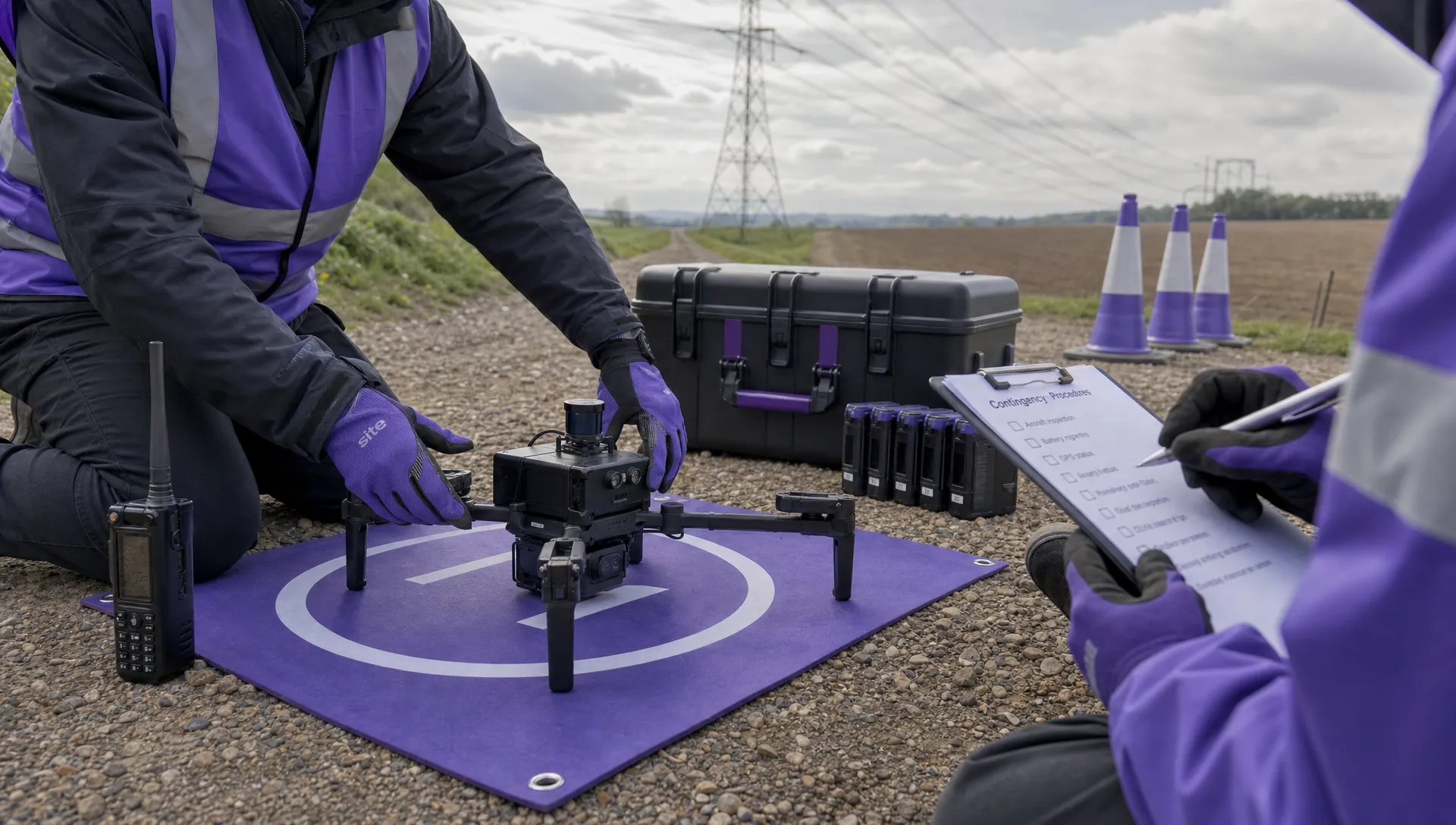 BVLOS Drone Requirements for Building a Safety Case →
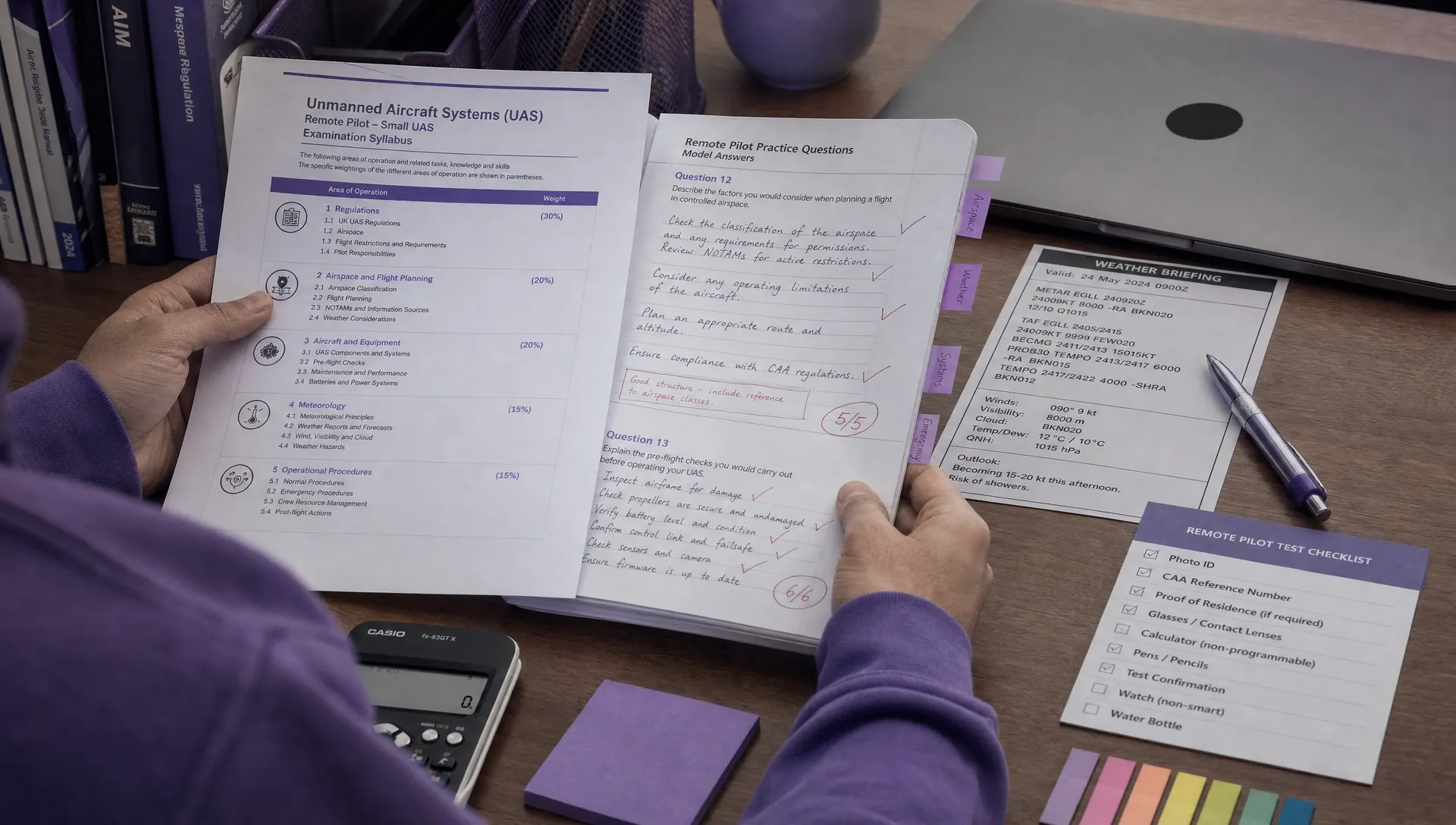 Drone Pilot Test Mistakes That Cost Candidates Marks →
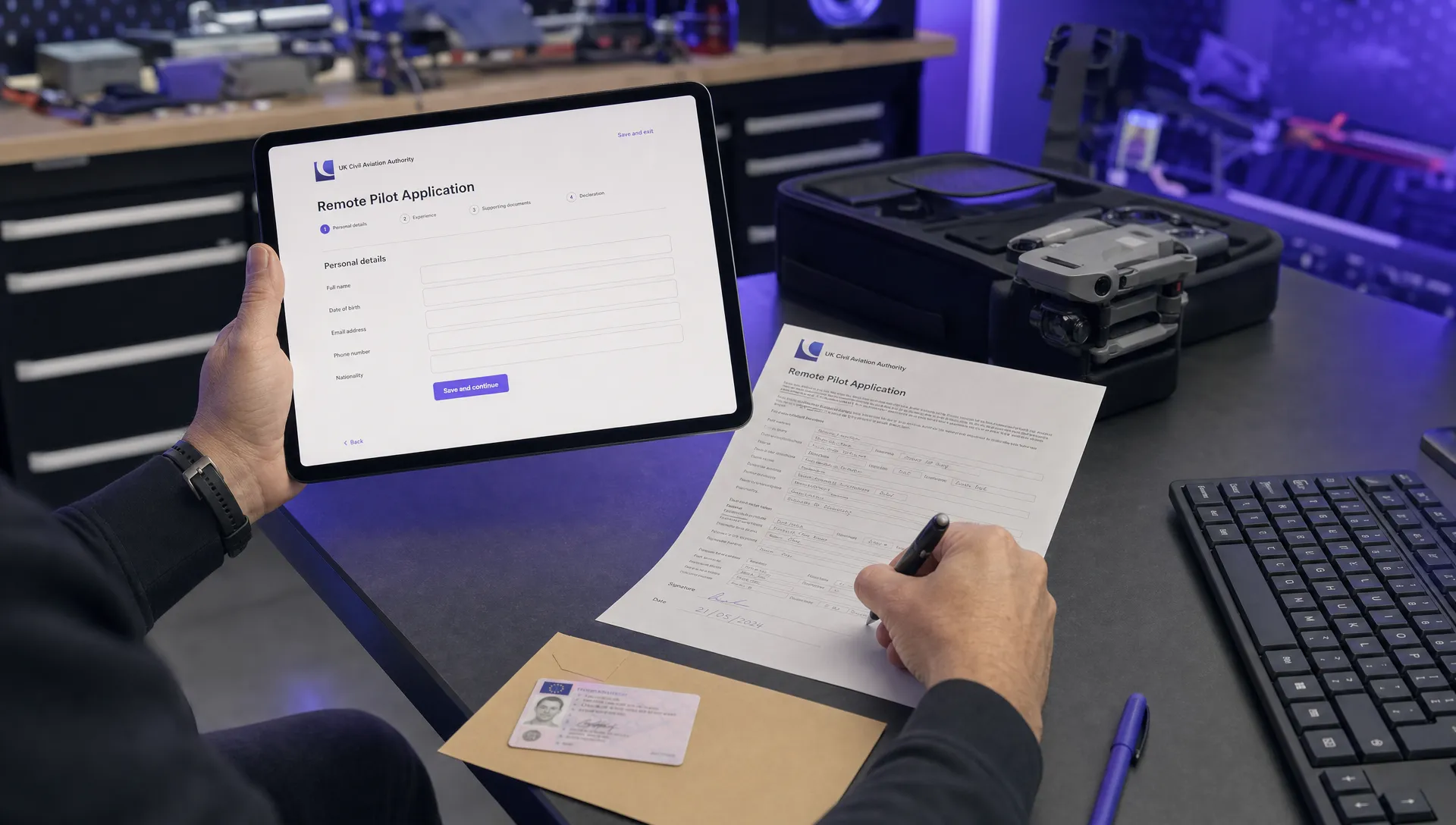 FAA 107 License vs Part 107 Certificate: What’s the Difference? →
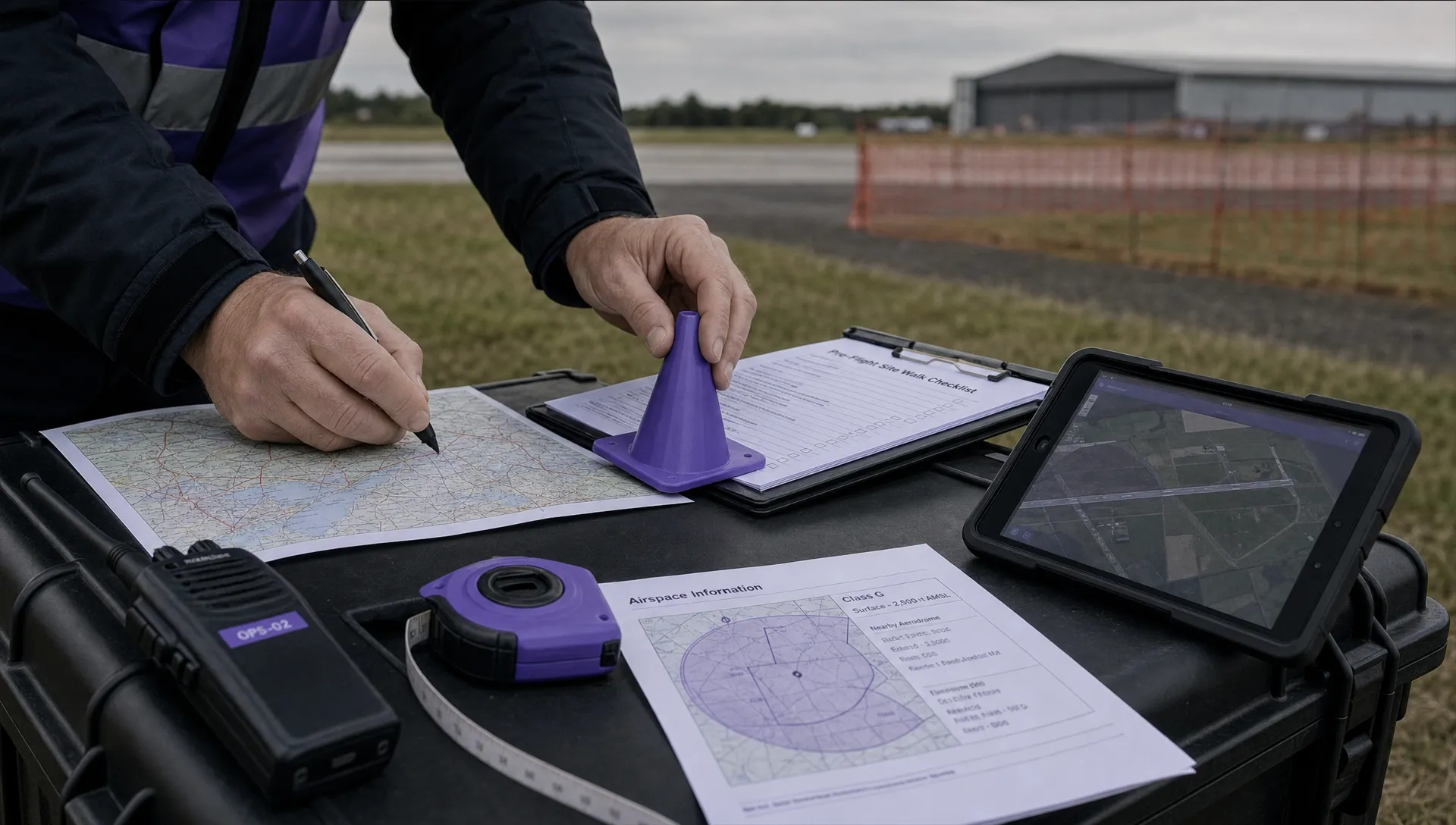 Drone Airport Rules: A Field Checklist for Site Assessments →
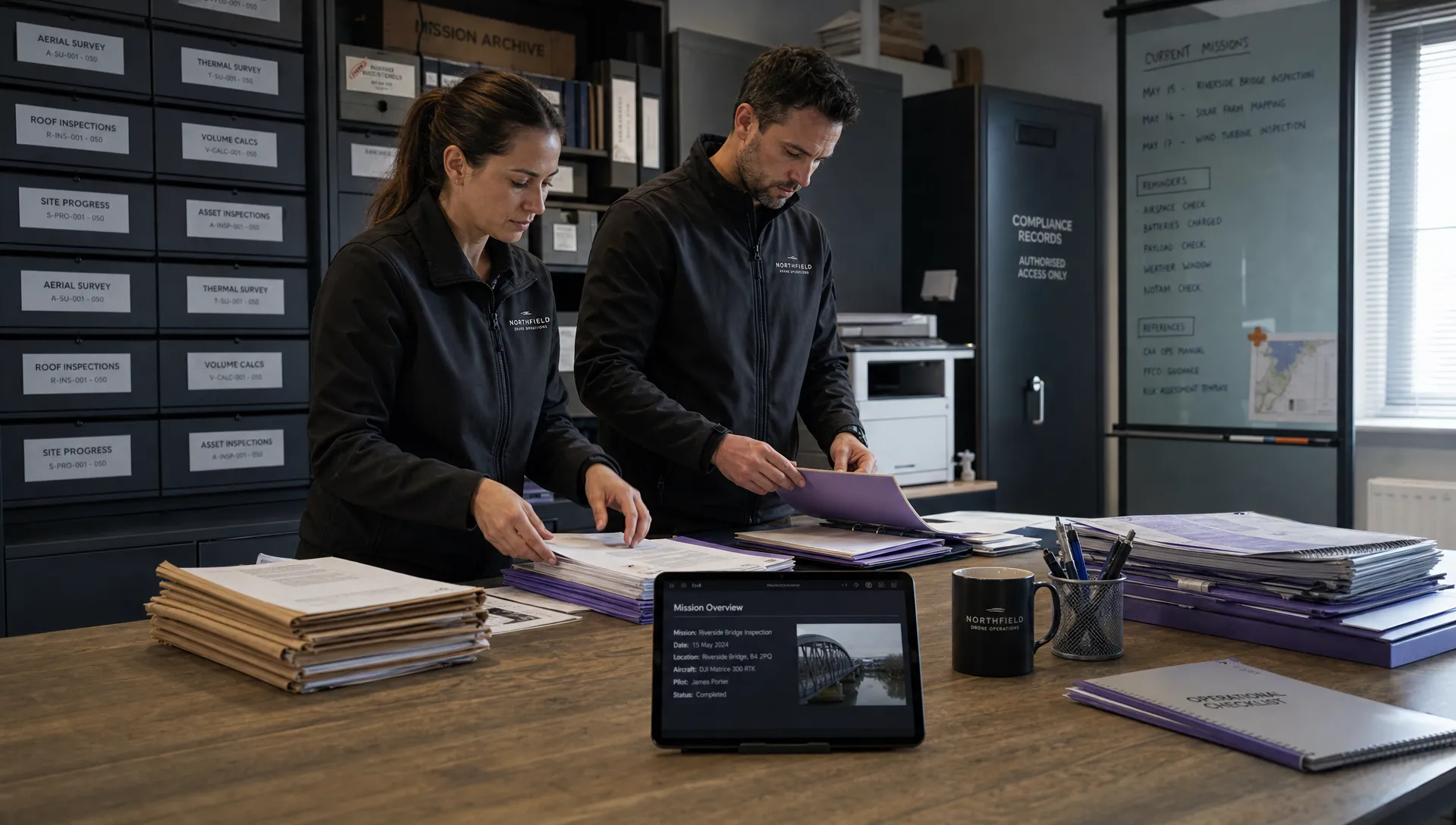 FAA Part 107 Record-Keeping Rules for Commercial Teams →
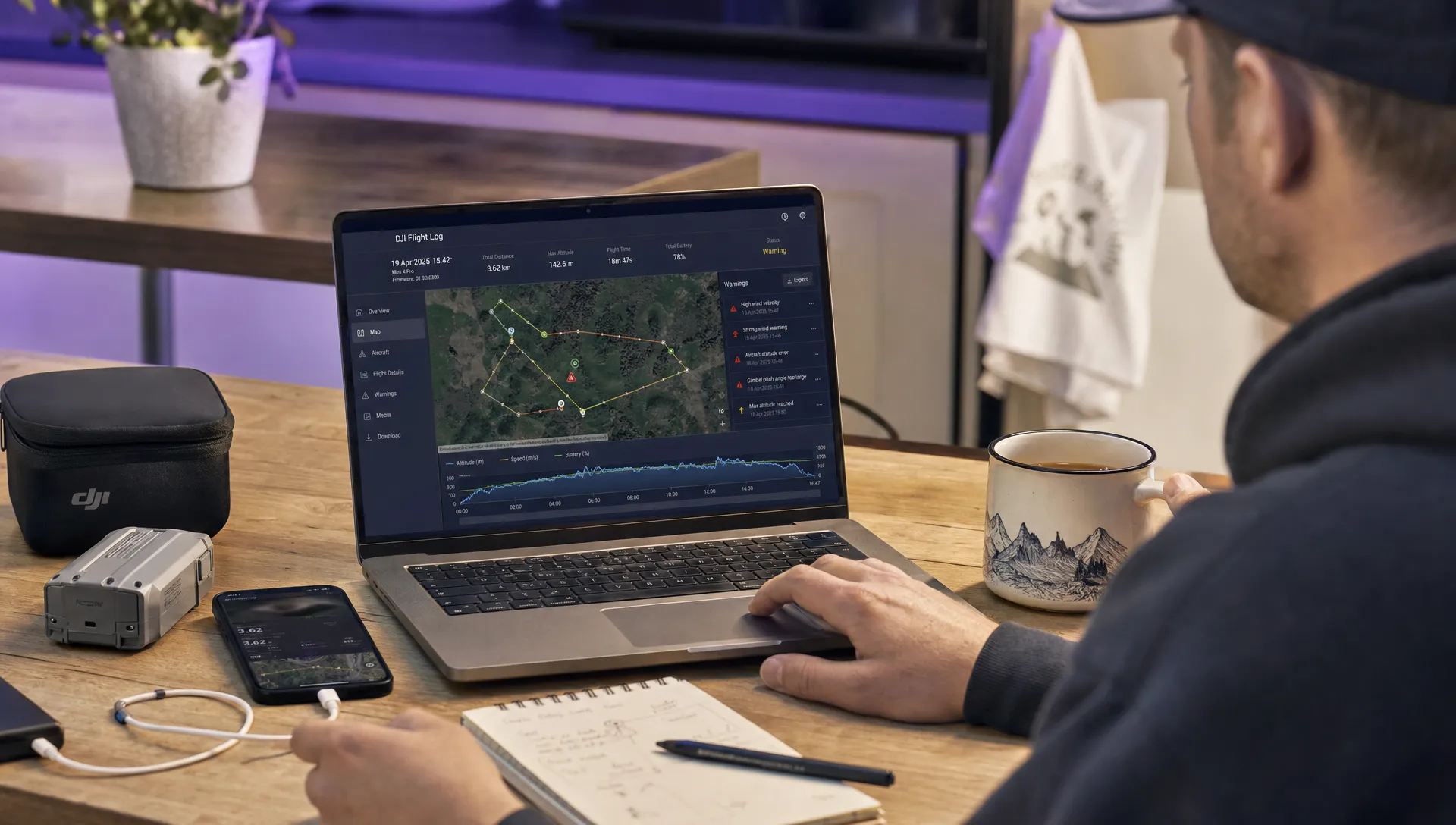 How to Review a DJI Flight Log After an Unexpected Event →