
Ultimate Commercial Drone Compliance Guide | Stay Legally Safe
Trying to get your head around commercial drone regulations can feel like you're learning a new language, one filled with acronyms and legalese. But it doesn't have to be that complicated. At its core, compliance is all about safety and predictability.
Think of it this way: your success as a commercial drone pilot hinges on mastering just three key areas. Get these right, and you’ll have a solid foundation for running a safe, professional, and—most importantly—legal operation. It’s a lot like getting a special driver's license, but for the sky.
Your First Flight Into Drone Regulations
The rules aren't there to trip you up; they exist to create a clear framework that keeps everyone safe. Just like a new driver has to learn the rules of the road, a commercial drone pilot has to understand the rules of the sky. This ensures you’re not getting in the way of other aircraft and that you’re respecting the safety and privacy of people on the ground.
It all boils down to one simple question: are you flying your drone to make money or support a business in any way? If the answer is yes, you're a commercial operator. That distinction is huge. It moves you out of the hobbyist world and into a professional one, which naturally comes with more responsibility and a higher standard of knowledge.
The Three Pillars Of Drone Compliance
To make things easier, we can break down the entire regulatory landscape into three fundamental pillars. If you can get a handle on these, you'll be set up for success from day one. This guide will dig into each of these, but for now, here's the big picture.
- Pilot Certification: This one's all about you. To fly commercially, you need to pass an aeronautical knowledge test to get your Remote Pilot Certificate from the Federal Aviation Administration (FAA). This certificate, which falls under Part 107 rules, is your official license to operate.
- Aircraft Registration: Next up is your gear. Any drone you use for work needs to be registered with the FAA. It's a straightforward process that assigns your drone a unique ID number, kind of like a license plate for a car.
- Operational Rules: These are the "rules of the sky" you have to follow every single time you fly. They cover everything from how high you can fly and what weather is acceptable to exactly where and when you're allowed to operate.
By thinking about compliance in terms of these three pillars, you can turn a mountain of confusing regulations into a simple, step-by-step checklist. It’s the best way to build a sustainable drone business.
Getting this framework locked in is your most important first step. It gives you the context for everything else that follows, from studying for your test to logging your first paid flight. With this roadmap in hand, you can move forward with confidence, knowing exactly what you need to do to build a successful career.
How to Become a Certified Remote Pilot
If you're serious about flying drones for work, getting your Remote Pilot Certificate is your first real step. Think of it as the drone pilot’s equivalent of a driver's license—it's the FAA's way of knowing you’ve got the essential knowledge to fly safely and legally in the National Airspace System. This certificate, which falls under the FAA's Part 107 rules, is an absolute must-have for any commercial operation.
The path to certification isn't designed to be some impossible maze. It's a straightforward process meant to give every commercial pilot a shared foundation in aeronautical principles. Let's walk through it, step by step.
Confirming Your Eligibility
Before you crack open a study guide, you need to make sure you tick a few boxes for the FAA. The requirements are simple and strict, but thankfully, the list is short.
To be eligible for the aeronautical knowledge test, you must:
- Be at least 16 years old.
- Be able to read, speak, write, and understand English.
- Be physically and mentally fit to fly a drone safely.
That's it. If you meet these three criteria, you’re cleared for takeoff on the next phase: preparing for the exam.
The image below gives you a quick visual of the drone registration process, which is another key piece of the compliance puzzle.

This graphic really drives home how much of drone management has moved online, allowing operators to handle critical tasks like registration right from their computer.
Preparing for the Aeronautical Knowledge Test
The Part 107 knowledge test is the main event. It's a 60-question, multiple-choice exam, and you'll need to score at least 70% to pass.
Don’t think of this as just another test. You're learning the language of aviation—the same concepts that pilots of crewed aircraft use daily. This common ground is what keeps our skies safe for everyone.
Passing the Part 107 test isn't about memorizing answers. It's about building a safety-first instinct. What you learn here will guide every flight you ever make.
You'll need to get a solid handle on a few key areas:
- Regulations: The nitty-gritty of Part 107 rules, from operational limits to flight restrictions.
- Airspace: Learning to read sectional charts and identify different airspace classes (like B, C, D, and G) is crucial.
- Weather: Understanding how things like wind, density altitude, and fog can impact your drone's performance.
- Loading and Performance: Knowing how to calculate your drone's weight and balance to stay within its operational limits.
- Operations: Mastering everything from pre-flight checks and emergency procedures to crew resource management.
There's no shortage of resources to help you get ready. You'll find tons of online courses, FAA study guides, and practice tests. The best approach? Commit to a study plan and stick with it.
Scheduling Your Exam and Getting Your Certificate
Once you're feeling confident, it's time to book your exam. You have to take the test in person at an FAA-approved Knowledge Testing Center. A quick search on the FAA's website will point you to their official provider, where you can find a center near you and schedule a time.
After you pass (and you will!), the last step is to fill out your application for a Remote Pilot Certificate through the FAA's online IACRA (Integrated Airman Certification and Rating Application) portal.
Here’s how that final stretch looks:
- Get an FAA Tracking Number (FTN): First, you'll need to create an account in IACRA to get your unique number.
- Schedule and Pass the Test: Book your slot at a testing center. Don't forget to bring a government-issued photo ID.
- Complete Form 8710-13: Head back into IACRA, log in, and fill out the official application form for your certificate.
- Security Vetting: The Transportation Security Administration (TSA) runs a quick background check.
- Receive Your Certificate: Once you're cleared, you’ll get an email with a temporary certificate you can use right away. The official plastic card will show up in the mail a few weeks later.
Work through these steps, and that's it—you're officially a certified remote pilot, ready to operate professionally and safely.
Registering Your Commercial Drone With the FAA
Getting your Remote Pilot Certificate is all about you, the pilot. Drone registration, on the other hand, is all about the aircraft.
Think of it this way: your Part 107 certificate is your driver's license, and registering your drone is like getting the license plate for your car. They're two separate, equally important steps you absolutely have to take for any legal commercial flight.
Any drone you plan to fly for work that weighs 0.55 pounds (250 grams) or more must be registered with the Federal Aviation Administration. This isn't just a friendly suggestion—it's a federal requirement that helps the FAA keep track of every aircraft in the sky, ensuring accountability and safety for everyone.
This registration process directly links a specific drone to you, the owner. It’s a foundational piece of the compliance puzzle, making sure every drone flying commercially is accounted for.
The Official FAA DroneZone Registration Process
The good news is that the FAA has made this process pretty simple through its official portal, FAA DroneZone. It's critical that you only use the official government site. You'll find plenty of third-party services out there that will happily take your money for doing something you can easily do yourself.
Here's the breakdown of how to get it done:
- Create a Part 107 Account: Head over to the FAA DroneZone website and set up an account specifically for Part 107 operations. Be careful here—don't accidentally select the recreational flyer option, as the rules are completely different.
- Enter Your Drone’s Details: You'll need to provide some basic information about your drone, including its make, model, and, most importantly, its unique serial number.
- Pay the Registration Fee: The fee is just $5 per drone, and it keeps you covered for three years. It's a small price to pay to stay on the right side of the law.
- Get Your Registration Number: Once you've paid, the FAA will issue a unique registration number for that specific drone.
This registration number is now your drone's official identity. You must have it clearly displayed on the outside of your aircraft before you even think about taking off for a commercial job.
That brings us to the final, crucial step: labeling your drone. The number has to be easy to read and accessible without needing any tools. Most pilots just use a simple label maker to create a durable, weather-resistant sticker and slap it on the main body of the drone. Done.
Recreational vs. Commercial Registration Differences
One of the most common slip-ups for new pilots is registering their drone under the recreational rules instead of Part 107. Both registrations happen on the DroneZone portal, which is where the confusion comes in, but they are not the same. Getting this wrong can land you in hot water with compliance.
Let’s clear things up. The table below breaks down the key differences to make sure you stay on the right track.
Drone Registration Recreational vs Commercial
This comparison shows the key differences in registration requirements for recreational flyers versus certified commercial operators.
| Requirement | Recreational Flyers | Commercial Operators (Part 107) |
|---|---|---|
| Registration Type | One number covers all drones you own. | Each individual drone must be registered separately. |
| Information Needed | Pilot's name and address. | Drone's make, model, and serial number for each aircraft. |
| Labeling | Display the single registration number on all drones. | Each drone must be labeled with its own unique number. |
| Cost | $5 covers all drones for three years. | $5 per drone for three years. |
As you can see, the distinction is huge, especially as your drone fleet starts to grow. Under Part 107, if you own five drones, you’ll need to manage five separate registrations and five unique numbers.
This system is also the backbone for newer regulations. To get a better handle on this, you can learn more about how FAA Remote ID works in our detailed guide. Getting your registration right from the start lays the proper groundwork for every other aspect of commercial drone compliance.
Mastering the Key Rules of the Sky
Alright, you've got your pilot certificate in hand and your drone is registered. The theory is done. Now comes the fun part: putting it all into practice. This is where you master the fundamental rules that govern every single commercial flight you’ll ever make.
Think of this less like memorizing a dry rulebook and more like building the instincts of a professional pilot. It's about understanding not just what the rules are, but why they exist. These regulations are the common language that keeps everyone from hobbyists to airline pilots safe in our shared skies. Let's break down what these critical rules actually mean for your day-to-day operations.
Maintaining Visual Line of Sight
The absolute number one rule of drone flight is Visual Line-of-Sight (VLOS). To put it simply, either you or a dedicated visual observer has to be able to see your drone with your own eyes at all times. This is non-negotiable and the very foundation of safe flying.
It’s just like driving a car. You wouldn't take your eyes off the road for a few miles, right? The same logic applies here. Keeping your drone in sight is your primary way to see and avoid other aircraft, spot obstacles like trees or power lines, and react to any unexpected hazards that pop up. It’s your best defense against a collision.
It's this focus on blending safety with technology that has helped the commercial drone market grow so quickly—it's expected to hit $33.04 billion in 2025. You can dig into the numbers in the latest market analysis on Grand View Research.
Respecting Altitude and Airspace Boundaries
Next up are altitude limits, another cornerstone of your daily flight discipline. Under Part 107, your general ceiling is 400 feet above ground level (AGL).
That 400-foot limit isn’t just an arbitrary number; it's a crucial safety buffer. It keeps your drone well clear of most crewed aircraft, which usually fly at 500 feet and higher. Sticking to this rule is a straightforward but incredibly effective way to prevent mid-air conflicts and stay safely in your designated operational zone.
There is one key exception, though:
- Flying Near Structures: If you're inspecting a tall structure like a cell tower or a skyscraper, you can fly higher than 400 feet AGL. The rule allows you to operate within a 400-foot radius of the structure, up to 400 feet above its highest point.
"The 400-foot rule isn't just a number; it's a boundary that separates small unmanned aircraft from the world of traditional aviation. Respecting it is the first step toward being a responsible member of the aviation community."
Navigating Flights Near Airports with LAANC
Flying near an airport adds another layer of planning because you'll likely be in controlled airspace (like Class B, C, or D). This doesn't mean these areas are off-limits, but you absolutely have to get permission first. Luckily, what used to be a headache is now a breeze thanks to the Low Altitude Authorization and Notification Capability (LAANC) system.
LAANC is an automated system that gives drone pilots authorization to fly in controlled airspace in near real-time. It completely changes the game. Here's how simple it is:
- Use a LAANC-Enabled App: Plenty of great third-party apps, like those from Aloft or the FAA's own B4UFLY, have LAANC built right in.
- Submit Your Flight Plan: In the app, you just draw your flight area on a map, enter your maximum altitude, and set the flight time.
- Receive Instant Approval: If your request is within the pre-approved altitude ceilings shown on the FAA's facility maps, you'll get an authorization back in seconds, usually via text or an in-app notification.
This system is fantastic. It turns what was once a weeks-long manual waiver process into an instant, automated approval. This opens up countless job opportunities in and around urban areas that used to be a logistical nightmare to access.
Flying Over People and Moving Vehicles
One of the most rigid parts of Part 107 involves flying over people. These rules are all about protecting those on the ground from injury if a drone fails. For most of your standard operations, the rule is crystal clear: you cannot operate a small unmanned aircraft over a human being unless they are directly involved in the flight operation.
The same goes for flying over moving vehicles. This rule is in place to prevent a driver from being distracted by a drone overhead or, worse, having a drone fall onto a busy road and cause an accident.
That said, the FAA has introduced newer rules for Operations Over People and Moving Vehicles. These rules create different categories for drones based on their potential to cause injury. To fly under these expanded permissions, your drone needs to meet specific safety standards for its category, and the manufacturer has to declare it as compliant. While this is a more advanced topic for any commercial drone compliance guide, the best practice for everyday flying is simple: just don't fly directly over people who aren't part of your crew.
Keeping Your Records Straight for FAA Compliance
Let's be honest, your job as a commercial drone pilot doesn't end when the rotors stop spinning. In fact, what you do after a flight is just as important for staying on the right side of the FAA. Solid, meticulous record-keeping is the absolute backbone of any professional drone operation, but it's an area far too many pilots ignore until they're in hot water.
Think of your records as your business's official story. They're undeniable proof of your professionalism, your commitment to safety, and your adherence to the rules. If the FAA ever comes knocking for an inspection or needs documents after an incident, these records will be your first and best line of defense. This isn't just about dodging fines; it’s about building a business that clients and regulators can trust.
With the global commercial drone fleet hitting around 2.8 million units in 2024, you can bet that regulators are paying closer attention than ever. They want to see proof that you're operating by the book. This explosive growth in the industry really drives home the need for having your documentation locked down.
The Three Core Pillars of Drone Record-Keeping
To build an audit-proof system, you need to focus on three key types of records. Each one tells a critical part of your operational story, and together they create a complete, professional picture of your activities.
- Flight Logs: This is the big one, the absolute baseline. For every single commercial flight, you need to log the essential details: date, time, location, flight duration, which drone you used, and who was the remote pilot in command.
- Maintenance and Repair Histories: Drones are aircraft, plain and simple. Just like any other aircraft, they need regular care. You must keep a detailed history for every drone in your fleet that tracks all maintenance, inspections, repairs, and part swaps. This is how you prove your birds are airworthy.
- Incident Reports: When things go wrong—and sometimes they do—you have to document it. This covers everything from a minor gear malfunction to a more serious accident. Be sure to log any FAA-reportable incidents, but it's also smart practice to document internal safety events for your own review.
Meticulous record-keeping transforms you from just a drone pilot into a professional aviation manager. It’s the single most effective way to demonstrate a culture of safety and accountability within your operations.
Making Documentation Effortless with Digital Tools
Sure, you could try tracking all this in a paper notebook, but that gets messy and inefficient fast, especially as your business grows. Thankfully, we live in an age where digital tools have made this whole process a heck of a lot easier.
Modern drone management platforms are built to automate most of this grunt work. They can log your flight data automatically, ping you with maintenance reminders, and give you standardized templates for filling out incident reports. Getting one of these tools integrated into your workflow is a game-changer. If you're juggling multiple aircraft and clients, checking out a solid guide to commercial drone management can give you some great strategies for scaling up without the chaos.
At the end of the day, a well-organized record-keeping system does more than just keep the FAA happy. It builds confidence with your clients, protects you from liability, and gives you a goldmine of data you can use to make your operations better and safer over time. It's a non-negotiable part of being a true pro in this industry.
What to Expect From Future Drone Regulations
The world of drone compliance never stands still. Just when you feel like you've mastered today's rules, regulators are already sketching out the blueprint for tomorrow's technology. For anyone building a commercial drone operation, staying ahead of these changes isn't just smart—it's essential for long-term survival.
Think of the current regulatory landscape as a quiet, single-lane country road. It works for now, but as more and more drones take to the sky, that road needs to evolve into a multi-lane, managed highway system. That’s the core idea driving future regulations: safely integrating thousands, potentially millions, of unmanned aircraft into the national airspace without causing chaos for existing air traffic.
Two major developments are paving the way for this future, and getting your head around them now will put you in a great position for what comes next.
The Rise of Digital License Plates and Traffic Control
The first big shift is the widespread rollout of Remote ID. In simple terms, this is a digital license plate for your drone. While in flight, it broadcasts basic identification and location data, allowing authorities to see who's flying in their airspace, much like a police officer can run a license plate on a car. It’s a foundational piece of the puzzle for accountability and safety.
Building directly on that foundation is the development of Unmanned Aircraft System Traffic Management (UTM).
UTM is the FAA's vision for a sky-based traffic control system designed specifically for low-altitude drone operations. Instead of people in a control tower, a highly automated, digital network will manage flight paths, deconflict traffic, and feed real-time airspace info directly to operators.
This kind of system is absolutely critical for unlocking more advanced and valuable drone operations, such as:
- Beyond Visual Line-of-Sight (BVLOS) Flights: Imagine conducting long-distance pipeline inspections or mapping vast agricultural areas without needing to keep the drone in sight. UTM makes that possible.
- Autonomous Drone Deliveries: Managing swarms of delivery drones in busy urban areas requires a sophisticated, automated traffic management system to keep everything running smoothly and safely.
- Advanced Air Mobility: This system lays the groundwork for the next generation of larger unmanned aircraft, including things like air taxis and heavy-lift cargo drones.
Understanding the market readiness for these changes is a big deal, and we dive deeper into the business side of things in our article on drones and regulatory compliance opportunities.
A Global Perspective on Drone Compliance
The future of compliance isn't just a local affair; it's going global. International agreements are starting to influence how drone technology is developed, regulated, and shared across borders.
For instance, the Wassenaar Arrangement, which includes 42 nations, recently updated its export controls to cover drone software and counter-drone systems. This move signals a clear trend toward tighter regulations and greater scrutiny worldwide, creating new challenges for manufacturers and operators who work internationally. As a commercial pilot, keeping an eye on these global standards will become increasingly important, especially if your work takes you abroad or involves using equipment from other countries.
Frequently Asked Drone Compliance Questions
Even when you feel like you've got a handle on the main regulations, certain real-world scenarios can still leave you scratching your head. This section cuts through the noise on some of the most common questions we see, giving you clear, direct answers to help you navigate those tricky situations.
Think of this as your quick-reference guide for those "what if" moments. Getting these details right is what separates the pros from the amateurs and keeps your compliance record spotless.
Can I Post Drone Videos on YouTube Without a Part 107 Certificate?
This one comes up all the time. The short answer is a hard no—if you plan to monetize that content in any way, you absolutely need your certificate.
The FAA considers any flight that supports a business or generates revenue a commercial operation. That includes posting videos on ad-supported platforms like YouTube. The key factor here is your intent. If the purpose of the flight isn't purely for your own personal enjoyment, you must be certified under Part 107. This rule applies whether you're using drone photos to sell a house or providing aerial shots for a local charity event.
What Is the Difference Between a Part 107 Certificate and Drone Registration?
It's easy to get these two mixed up, but they are completely separate requirements, and you need both as a commercial operator.
- Part 107 Certificate: Think of this as your pilot's license. It certifies that you, the remote pilot, have the aeronautical knowledge to fly safely.
- Drone Registration: This is for the aircraft itself. It's just like a license plate for a car, linking a specific drone to its owner.
So, to be clear: you, the pilot, must be certified. And every single drone you fly for commercial jobs must be individually registered with the FAA, with its unique registration number displayed clearly on the aircraft.
Can I Legally Fly My Drone Over My Neighbor's House?
This is where federal rules and local laws can get tangled. The FAA governs the airspace, so from their perspective, you can fly over private property as long as you're following all other Part 107 rules (like staying within your visual line of sight and not flying directly over people).
But here’s the thing: just because the FAA says you can doesn't mean you should. Buzzing low over someone's backyard without their permission is a surefire way to cause privacy issues and could land you in hot water with state or local laws covering trespass or nuisance.
The best practice is simple: always get permission before flying over someone else’s private property. It’s a matter of professional courtesy and common sense that will save you a world of headaches.
Simplify your operations and stay audit-ready with Dronedesk. Our all-in-one platform handles everything from flight planning and record-keeping to client management, so you can focus on flying safely and growing your business. Discover how Dronedesk can save you time and ensure compliance.
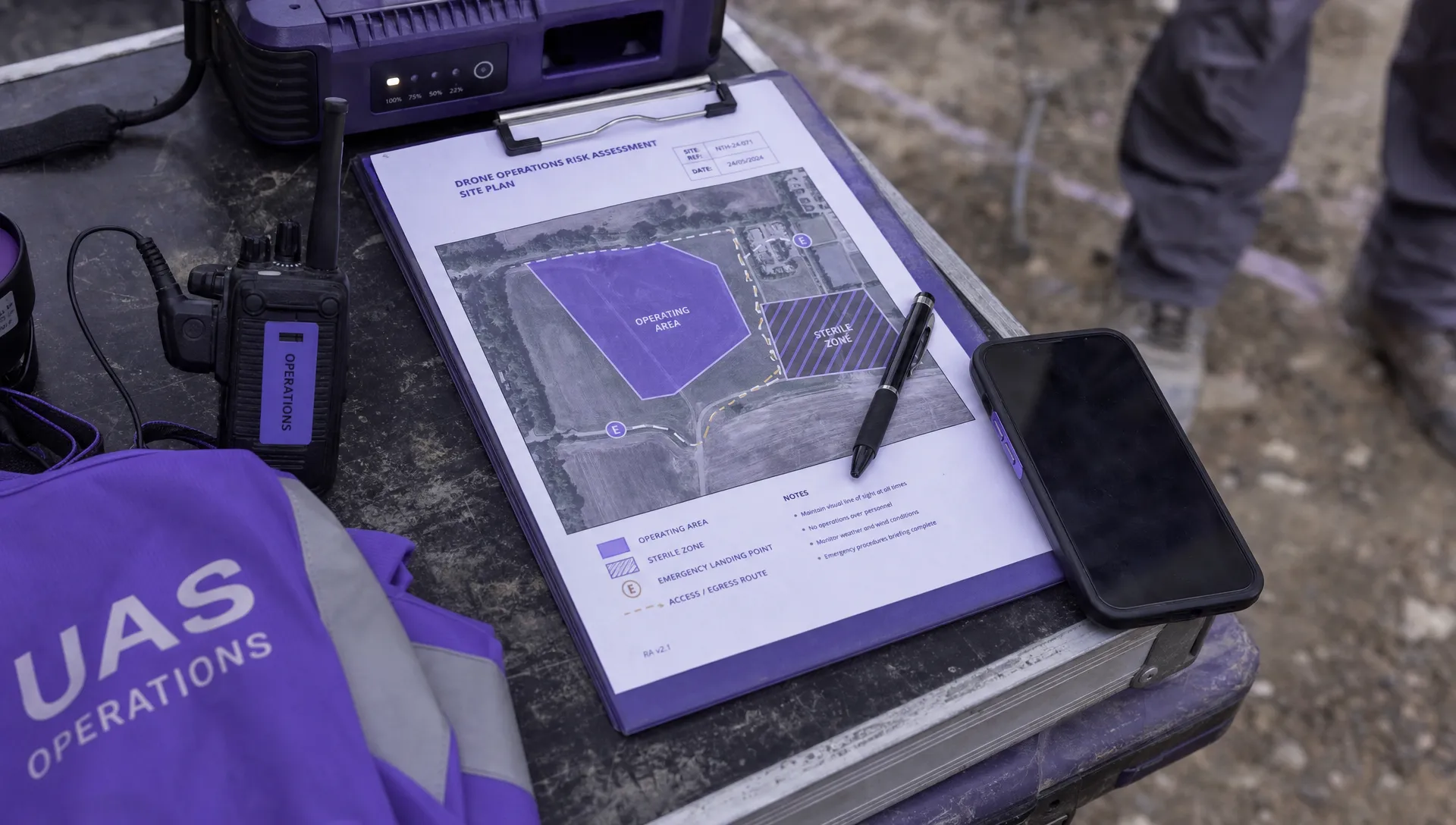 Drone Risk Assessment Controls That Work in the Field →
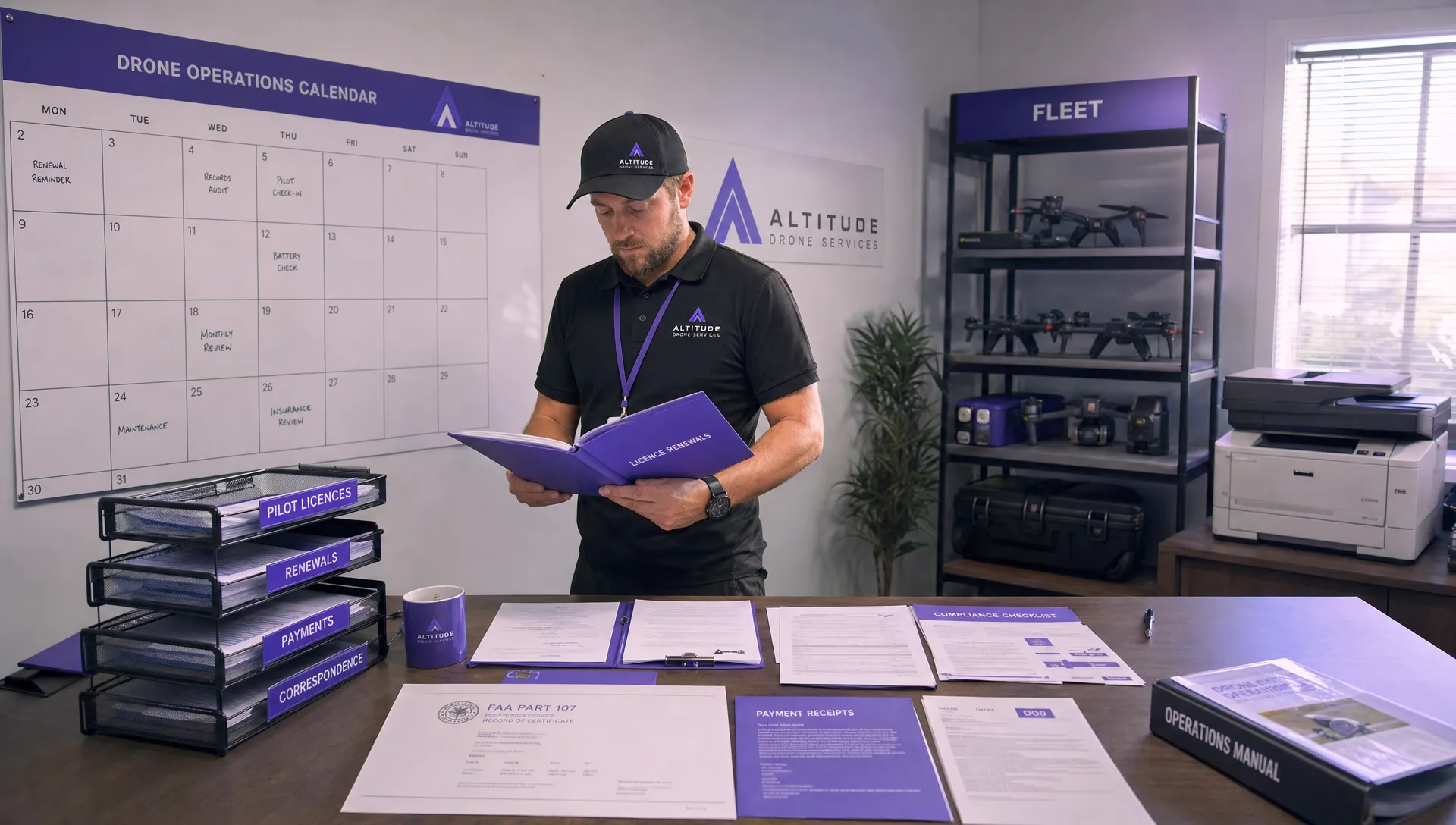 FAA Drone License Costs Beyond the Knowledge Test →
 Drone Part 107 Operations: When a Waiver May Be Needed →
 Drone Operating Rules for Managing Contractors and Employees →
 BVLOS Drone Requirements for Building a Safety Case →
 Drone Pilot Test Mistakes That Cost Candidates Marks →
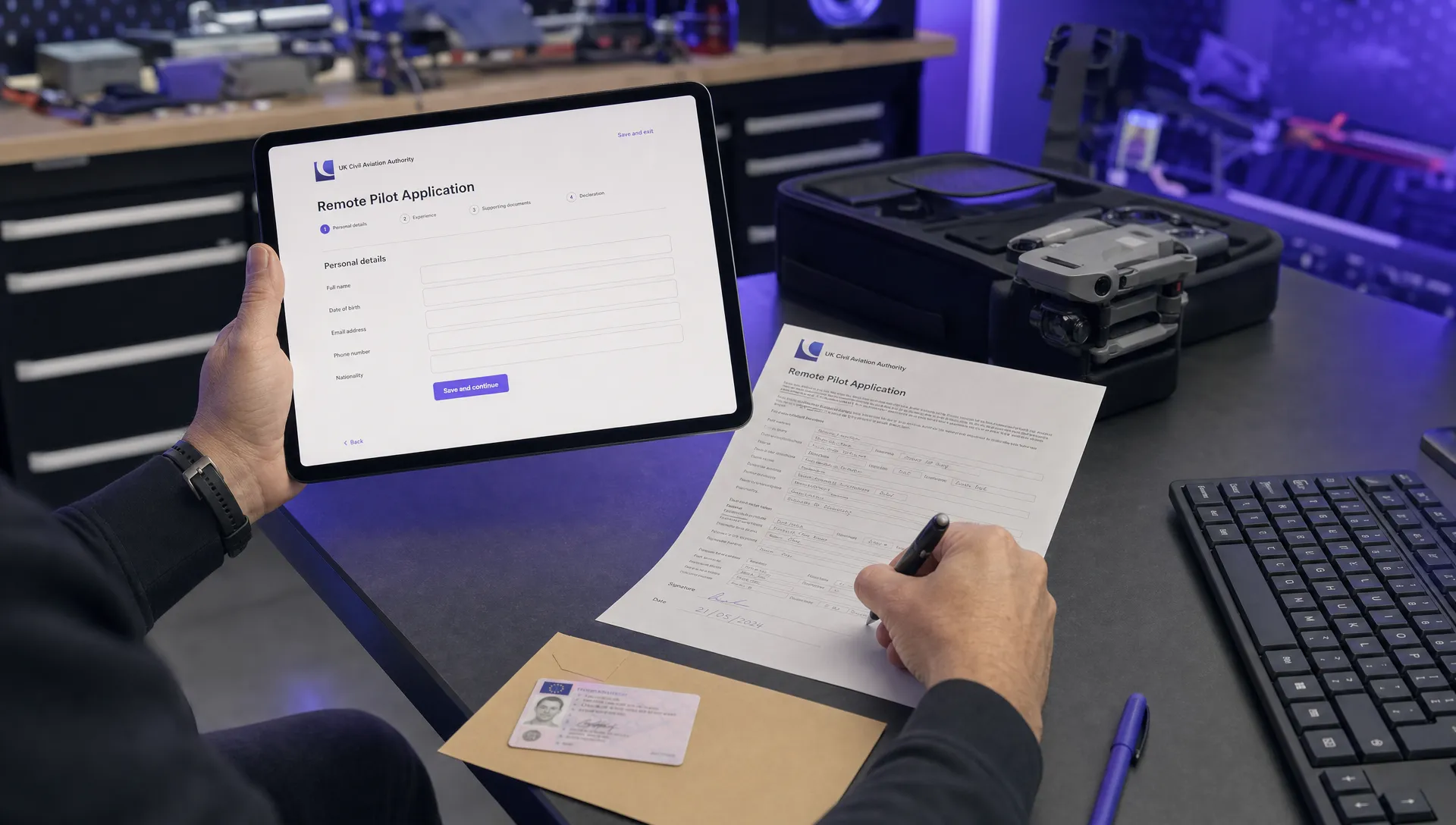 FAA 107 License vs Part 107 Certificate: What’s the Difference? →
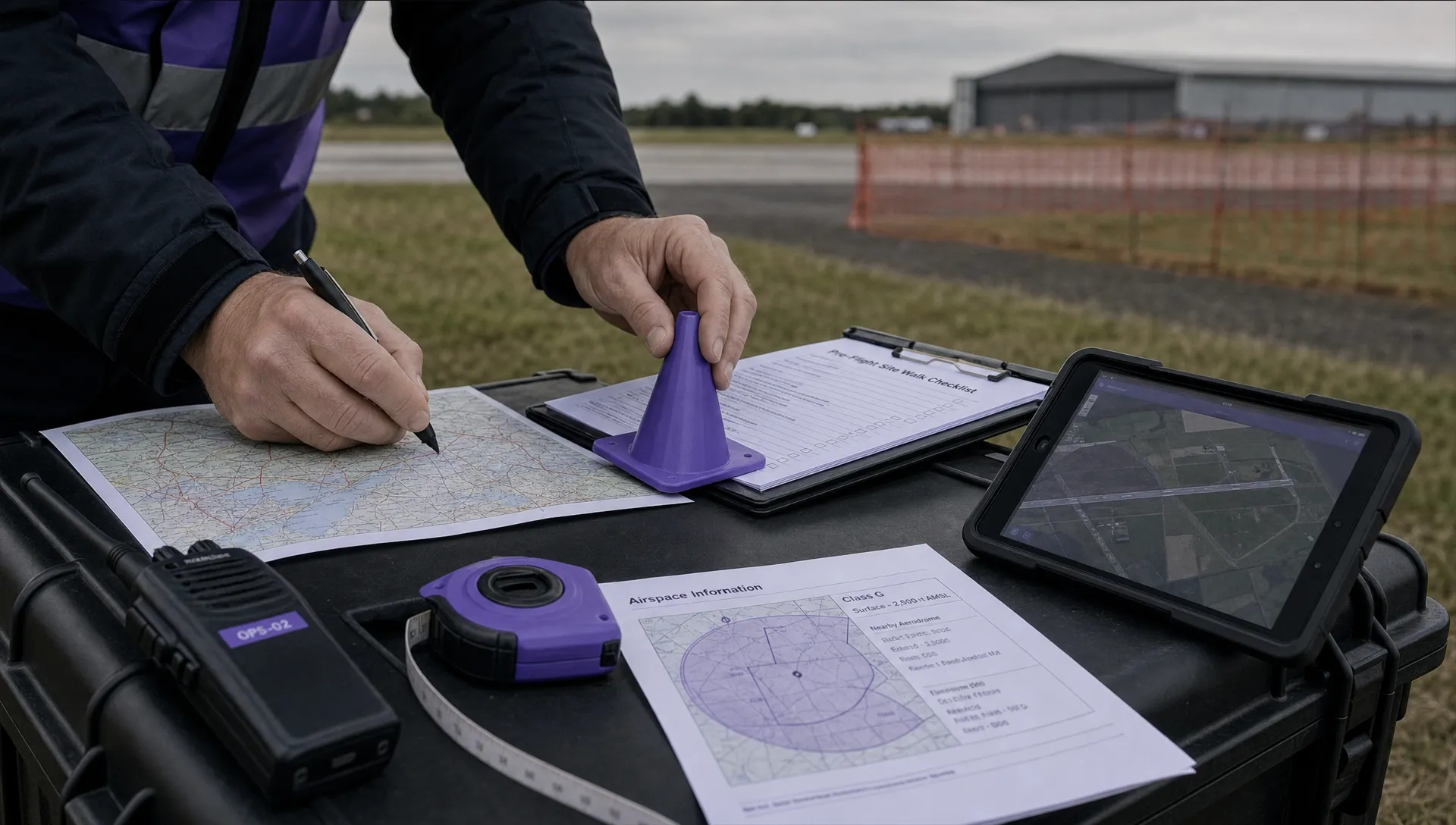 Drone Airport Rules: A Field Checklist for Site Assessments →
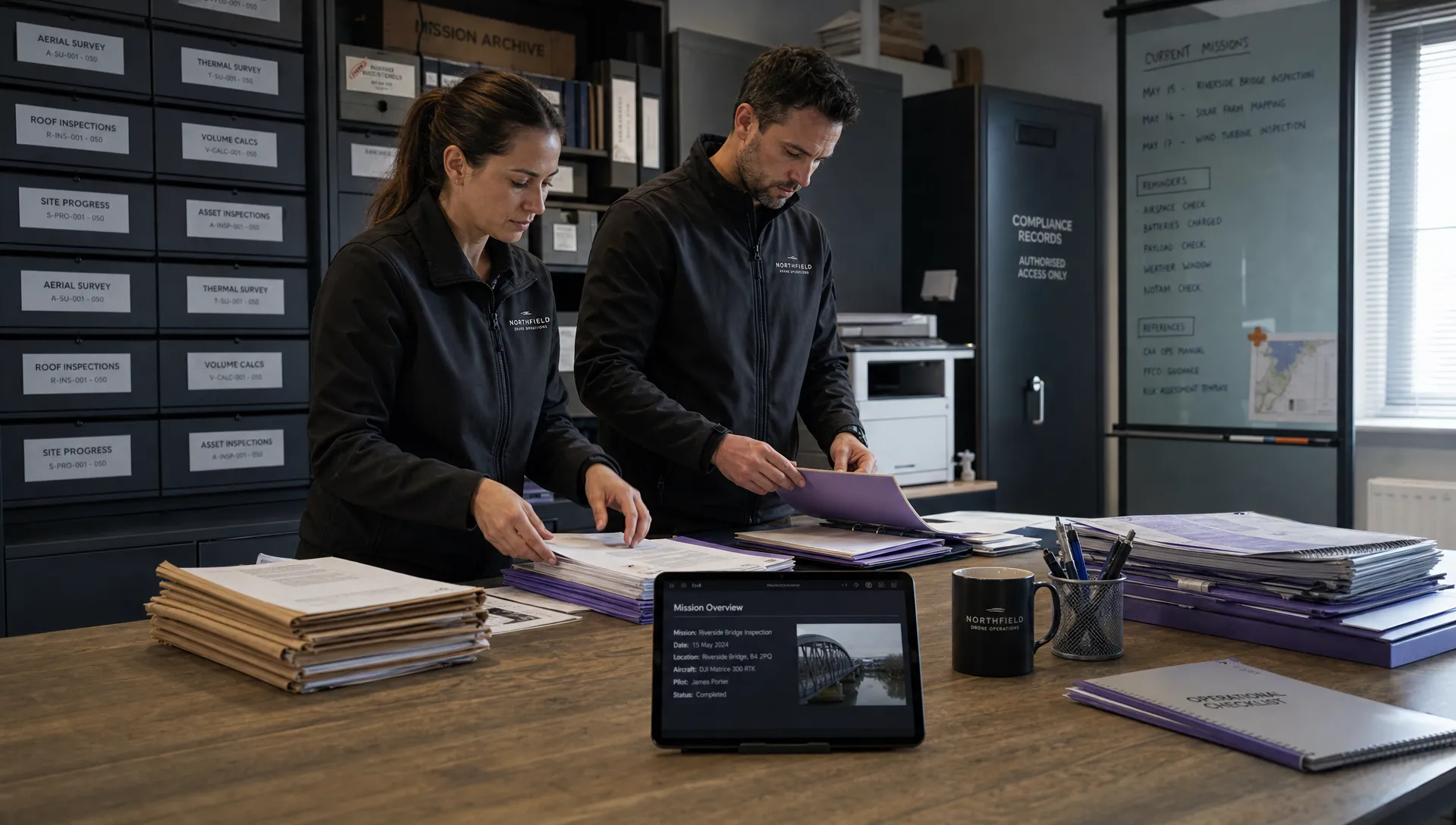 FAA Part 107 Record-Keeping Rules for Commercial Teams →
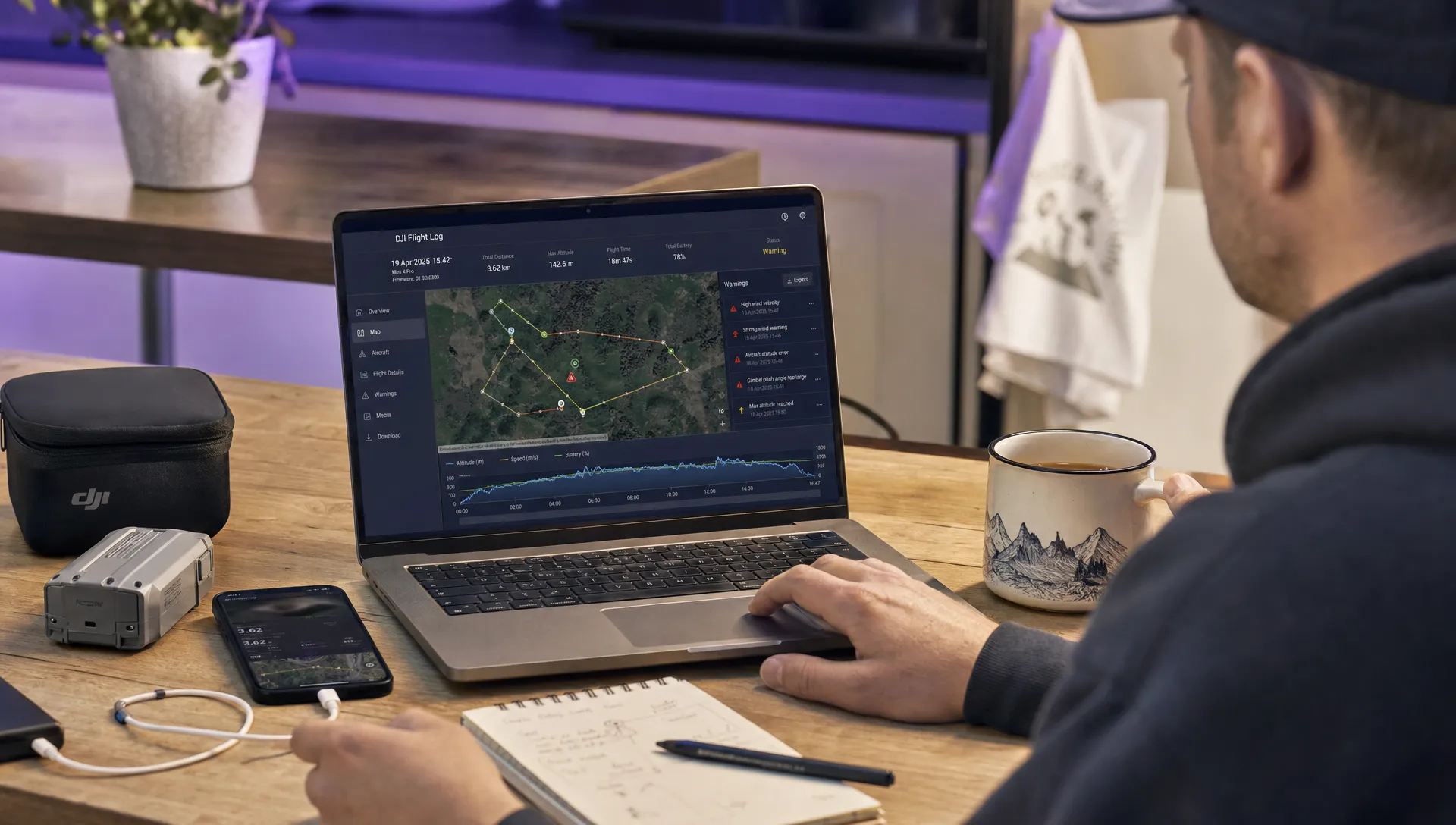 How to Review a DJI Flight Log After an Unexpected Event →