
Navigating Special Use Airspace a Pilot's Guide
Think of the sky as a massive, invisible highway system. Most of the time, it’s wide open for everyone to travel through. But just like our roads on the ground, some sections occasionally get cordoned off for special events or hazardous work. This is the basic idea behind Special Use Airspace (SUA).
SUA is a designated slice of the sky where normal flight rules don't apply, all to keep regular air traffic safely away from potentially dangerous or sensitive activities.
What Are These Invisible Boundaries?
These aren't just random no-fly zones. They're carefully planned and mapped areas designed to separate civilian aircraft—including your drone—from high-stakes operations. Understanding SUA isn’t about memorizing a dry rulebook; it's about seeing the logic behind each designation to keep everyone safe up there.
A Highway Analogy for SUA
Let's circle back to that highway analogy. It’s a great way to wrap your head around the different types of SUA you'll encounter. Each one is like a different kind of road closure or special lane:
- Restricted Areas: Imagine a major road is completely shut down for a big construction project. You can't just drive through; you need explicit permission from the foreman (the controlling agency). Inside, activities like military live-fire exercises pose a very real, direct danger to anyone who wanders in.
- Military Operations Areas (MOAs): Picture a high-performance race track built right alongside the main highway. You could technically drive through the adjacent area, but you'd need to be on high alert for incredibly fast-moving traffic. It’s always a good idea to check in with air traffic control before even thinking about entering.
- Prohibited Areas: This is the equivalent of a top-secret government facility with all roads leading to it permanently blocked. No detours, no exceptions. Entry is strictly forbidden, period.
Getting a handle on this framework is non-negotiable for drone pilots. It turns what looks like a confusing jumble of lines and circles on a map into a clear, navigable guide for your flights.
For a deeper dive into how these zones are actually drawn on the maps you'll be using, our guide on how to read aeronautical charts is the perfect next step. Learning to read these "road signs" in the sky is the key to planning safer, and fully compliant, missions.
The Six Types of Special Use Airspace
Not all off-limits airspace is created equal. Think about driving: a residential street, a multi-lane highway, and a closed-off construction zone all have different rules and purposes. It's the same in the sky. Each category of special use airspace (SUA) comes with its own set of rules, potential hazards, and procedures for entry. Getting these distinctions right is absolutely fundamental to safe flight planning.
This diagram shows a simple breakdown of how airspace is organized. You have your general airspace for everyday traffic, and then you have special use airspace, which is carved out for specific, controlled activities.

As you can see, SUA is a distinct zone set apart from the standard sky. It's designated for activities that just can't mix with regular air traffic. Let’s break down the six main types you'll run into.
Prohibited And Restricted Areas
Prohibited Areas (P-###) are the most straightforward of the bunch: stay out, no exceptions. Think of them as permanent "No Trespassing" zones established over highly sensitive locations like the White House or Camp David for national security. On a chart, you'll see them marked with a blue border and a "P" followed by a number (like P-40).
Restricted Areas (R-###) are a small step down in severity but are every bit as important. These zones are where activities hazardous to aircraft take place—things like artillery firing, aerial gunnery, or even missile testing. Unlike Prohibited Areas, you can sometimes get permission to fly through, but only if the area is inactive (or "cold") or you have explicit clearance from the agency in charge.
The real difference here is permanence versus condition. A Prohibited Area is always off-limits, period. A Restricted Area might be accessible, but you absolutely have to check its status and get permission before you even think about entering.
Warning Areas And MOAs
Warning Areas (W-###) are basically Restricted Areas that happen to be over international waters. Since the U.S. doesn't have total jurisdiction over these areas, it can't legally "restrict" them. Instead, it "warns" pilots of the potential danger. These areas start three nautical miles off the coast and extend outward.
Military Operations Areas (MOAs) are designed to keep certain military training activities separate from IFR (Instrument Flight Rules) traffic. We're talking about abrupt aerobatic maneuvers, high-speed climbs, and formation training. VFR (Visual Flight Rules) pilots can technically fly through an active MOA without clearance, but it's a terrible idea. It’s like wandering onto a field while a pro football team is running live drills—you’re just asking for trouble. Always contact air traffic control for advisories first.
Alert Areas And Controlled Firing Areas
Alert Areas (A-###) are marked on charts to let you know you're flying into a space with a high volume of pilot training or other unusual aerial activity. You don't need permission to enter, but you need to be extra vigilant. Instructors and student pilots are often laser-focused on their maneuvers, so the responsibility is on you to see and avoid them.
Finally, we have Controlled Firing Areas (CFAs), which are the sneakiest of them all. These areas contain hazardous activities, but they operate under a special rule: all operations must stop immediately if a spotter (in the air or on the ground) sees an aircraft approaching. Because of this built-in safety measure, CFAs are not depicted on aeronautical charts. You won't see them coming, which is a powerful reminder to always keep your head on a swivel and watch for other traffic.
To help you keep these straight, here's a quick reference table.
Quick Reference Guide to Special Use Airspace Types
This table breaks down the six main SUA categories, giving you a quick look at what to expect, whether you can enter, and what hazards to watch out for.
| SUA Type | Can I Enter VFR? | ATC Clearance Required? | Primary Hazard | Chart Depiction |
|---|---|---|---|---|
| Prohibited | No | No (Entry Forbidden) | National Security | Blue Line with "P-###" |
| Restricted | With permission | Yes, from controlling agency | Live Firing, Missiles | Blue Line with "R-###" |
| Warning | With caution | Not required, but advised | Similar to Restricted Areas | Blue Line with "W-###" |
| MOA | Yes, with extreme caution | Not required, but advised | Abrupt Military Maneuvers | Magenta Line with name |
| Alert | Yes | No | High Volume of Training | Magenta Line with "A-###" |
| CFA | Yes | No | Unguided Projectiles | Not Depicted |
Think of this table as your cheat sheet. When you're planning a flight and see one of these areas on your chart (except for CFAs, of course), a quick glance here can remind you of the rules of the road.
Special use airspace is a critical national resource. In the U.S. alone, the FAA and the Department of Defense manage over 110 designated military operations areas (MOAs), not to mention countless restricted and warning areas that cover millions of cubic miles of sky. If you want to dive deeper, you can learn more about the extensive network of military special use airspace and its management.
How to Safely Plan Your Flight Around SUA

Knowing what a Military Operations Area (MOA) looks like on a chart is one thing. Actually understanding how to safely navigate around or through it is another skill entirely. Properly handling special use airspace (SUA) comes down to a methodical pre-flight routine and a serious commitment to situational awareness once you're in the air. This process is what separates the pros from the amateurs.
The single most critical question you have to answer before every flight is whether a specific chunk of SUA is "hot" (active) or "cold" (inactive). Flying through a cold Restricted Area is perfectly fine. Flying through a hot one? That's a major safety violation. This status isn't set in stone; it can change daily, which is why your pre-flight diligence is so crucial.
Your Pre-Flight Checklist for SUA
Before you even think about powering up your drone, a thorough airspace review is mandatory. This is more than just glancing at a map. You need to gather real-time intelligence to build a complete picture of your operational environment. Think of yourself as a detective, piecing together clues to ensure a safe mission.
Your pre-flight investigation should always cover these bases:
-
Decode Your Sectional Chart: Kick things off with your VFR sectional chart, whether it's paper or digital. Pinpoint the SUA along your planned route and dig into the details printed in the chart's margins. This is where you'll find vital info like the SUA's defined altitudes, standard operating times, and the controlling agency’s radio frequency.
-
Check NOTAMs: Notices to Airmen are non-negotiable. This is where you'll find the official, up-to-the-minute schedule for SUA activation. A NOTAM might state that R-2501 will be active from 1000 to 1400 local time, giving you a clear window to avoid.
-
Contact Flight Service: The final ground-based verification step is to get a briefing from a Flight Service Station (FSS). You can call 1-800-WX-BRIEF and speak directly to a specialist. Tell them your route, and they will provide you with all relevant SUA status updates, along with any active TFRs.
The ultimate goal of pre-flight planning is to eliminate surprises. By checking charts, NOTAMs, and Flight Service, you ensure you have the most accurate, up-to-date information before your wheels leave the ground.
In-Flight Verification and Communication
Your job isn't over once you take off. Conditions can change on a dime, and keeping the lines of communication open is key to navigating special use airspace without incident. The best practice is to always use flight following services from Air Traffic Control (ATC).
As you approach an MOA or Restricted Area, get on the radio and contact the controlling agency using the frequency listed on your chart. A simple, professional call can give you instant clarity. For example: "Albuquerque Center, Drone 123, 10 miles west of the Willard MOA, request status." ATC will let you know if the area is hot and if any other traffic is a factor. This kind of proactive communication shows you're a professional and is your best defense against conflict.
To see how these checks can fit right into your workflow, take a look at our guide on effective drone flight planning tools with NOTAMs.
The Future of Special Use Airspace

The whole concept of special use airspace (SUA) is going through a massive shake-up. For decades, when pilots thought of SUA, they pictured military jets and high-altitude training exercises. But today, the definition is expanding fast to make room for a completely new generation of aircraft—everything from delivery drones and urban air taxis to commercial rockets.
This evolution isn't just a "nice to have"; it's critical for letting innovation flourish while keeping our increasingly busy skies safe.
Think of it like this: our airspace is a highway system. As new kinds of vehicles like autonomous trucks or high-speed trains are developed for our roads, we have to create dedicated lanes and infrastructure to support them. Regulators are doing the exact same thing in the sky. They're designing new types of SUA to handle the unique flight paths of uncrewed aircraft, ensuring they don't get in the way of traditional air traffic. The lines on our charts are becoming more dynamic than ever before.
Creating Sandboxes in the Sky
To safely test and roll out these new technologies, aviation authorities are getting creative by setting up innovative airspace zones. These areas are essentially "sandboxes"—controlled environments where companies can conduct advanced R&D, test prototypes, and fine-tune operational procedures without any risk to the public. These zones are quickly becoming the primary hubs for the next era of aviation.
New Zealand is a great example of this forward-thinking approach. The Civil Aviation Authority there recently granted the Tāwhaki National Aerospace Centre permanent Special Use Airspace. This area is specifically carved out for things like drone testing and rocket launches. Activation is announced via NOTAM 24 hours ahead of time, and it will be permanently marked on aviation charts by November 2025. It's well worth it to explore more about this pioneering airspace designation to see how regulators are adapting.
This shift from temporary, military-focused zones to permanent, research-oriented airspace signals a fundamental change in how we manage our skies. It’s a proactive step to build a regulatory framework that supports, rather than stifles, technological progress.
What This Means for Today’s Pilots
For drone operators and traditional pilots alike, this evolution brings both opportunities and new responsibilities. As a more diverse fleet of aircraft starts sharing the skies, you can expect to see new symbols, procedures, and chart notations popping up. Staying current with these changes is going to be more important than ever.
The bottom line is that the future of special use airspace is collaborative and dynamic. It's no longer just a simple tool for keeping different types of aircraft apart. Instead, it's becoming a flexible, integrated system designed to manage a whole spectrum of aerial operations, from the smallest delivery drone to the largest commercial rocket.
How SUA Management Impacts Flight Efficiency
Special Use Airspace isn't just a coloured box on a flight chart; it represents a real-world tug-of-war between vital military operations and the efficiency of everyday civilian air traffic. The way this airspace gets managed has a direct, measurable impact on everything from airline performance and fuel consumption to hitting wider environmental targets. When massive chunks of sky are permanently cordoned off, the ripple effects are felt across the entire aviation network.
Rigidly scheduled or permanently blocked-off SUAs often force commercial and cargo flights onto much longer, less direct routes. Picture a major motorway being closed every day from 9 to 5, regardless of whether any roadwork is actually happening. It shunts all the traffic onto slower, winding back roads, adding time and burning more fuel for everyone. The exact same thing happens in the sky, driving up operational costs for airlines and increasing carbon emissions.
The Flexible Use of Airspace Model
To tackle these kinds of inefficiencies head-on, many air navigation service providers, especially in Europe, have embraced a strategy known as the Flexible Use of Airspace (FUA). This concept completely moves away from the old idea of permanently segregated airspace. Instead, it treats the sky as a single, finite resource that should be allocated dynamically based on who needs it, right now.
Under the FUA model, military airspace isn't permanently locked down. It’s "activated" when needed for specific missions and then immediately handed back to civilian control the moment those activities are finished. This dynamic approach opens up more direct routing options for commercial flights, and the benefits are huge:
- Shorter Flight Paths: Aircraft get to fly more direct routes, which reduces the overall distance of the flight.
- Reduced Fuel Burn: Shorter routes mean less fuel is burned on every single trip.
- Lower Emissions: Burning less fuel shrinks the carbon footprint, helping airlines meet their sustainability goals.
- Improved On-Time Performance: More efficient routing helps slash delays caused by airspace congestion.
This smarter approach recognises that the public has high expectations for both punctuality and environmental responsibility. According to the NATS Aviation Index 2025, a massive 63% of UK travellers said on-time performance was their top priority, while 56% pointed to emissions reduction. Efficient airspace management is absolutely critical to meeting both of these demands. You can discover more insights from the 2025 public survey to see how these priorities are shaping air traffic strategies.
Connecting Management to Tangible Outcomes
The link between intelligent SUA scheduling and real-world results is crystal clear. By releasing inactive military airspace, air traffic controllers can straighten out flight paths, cut down on airborne holding patterns, and create a much more fluid, efficient system.
This doesn't just save airlines millions in fuel costs every year; it also directly contributes to a quieter and cleaner environment for everyone. For drone operators on the ground, having access to advanced data is essential for planning flights around these dynamic zones. You can explore how modern platforms provide Dronedesk airspace intelligence to help navigate these complexities.
Ultimately, smarter management of special use airspace is a vital piece of the puzzle in building a more sustainable and punctual future for aviation worldwide.
A Few Common Questions About Special Use Airspace
Even when you feel like you've got a handle on the rules, the real world has a way of throwing curveballs. Let's tackle some of the most common questions that pop up for both crewed and remote pilots when dealing with special use airspace.
Can Drone Operators Just Ignore SUA?
In a word: no. Absolutely not. The FAA's rules on special use airspace don't distinguish between a Boeing 747 and a DJI Mavic. Every aircraft, including your drone (UAS), has to abide by the same set of regulations. As the remote pilot in command, it's 100% your responsibility to make sure your flight path is clear of any active SUA.
Think about it. Flying a drone into a "hot" MOA or a Restricted Area is incredibly dangerous. Military jets in these zones are often flying at blistering speeds and hugging the terrain, making a small drone completely invisible until it's too late. An incursion isn't just a slap on the wrist from the FAA; it's a direct, catastrophic risk to the lives of pilots in crewed aircraft.
This is why you should always, always use a flight planning app that shows SUA boundaries clearly on its maps, like the FAA's own B4UFLY. It's non-negotiable for maintaining situational awareness.
We all share the same sky. A drone operator's duty to avoid restricted zones is every bit as serious as a commercial airline pilot's. Meticulous pre-flight planning isn't just a good idea—it's essential for every single flight.
What Happens If I Accidentally Enter a Restricted Area?
Flying into an active Restricted Area without permission is a serious safety breach. The fallout can be pretty severe, from an official FAA pilot deviation on your record to having your pilot certificate suspended or even completely revoked.
But more importantly, you’re putting people in immediate, life-threatening danger. These areas are restricted for good reason—they’re often home to hazardous activities like live-fire exercises, artillery practice, or even missile tests.
If you ever find yourself in this situation, here’s what you do:
- Exit Immediately: Don't hesitate. Turn around and fly out of the area using the shortest, most direct route you can.
- Contact ATC: Get on the radio right away. Contact the controlling agency or the nearest Air Traffic Control frequency. Be clear about your position and what happened.
- Follow Instructions: Do exactly what ATC tells you to do. No questions asked.
Of course, the best way to handle this nightmare scenario is to make sure it never happens in the first place. That all comes down to careful pre-flight planning and staying vigilant while you're in the air.
How Do I Know If an MOA Is Active?
Figuring out if a Military Operations Area is "hot" (active) or "cold" (inactive) is a crucial pre-flight check. You can never just assume an MOA is cold, even if it's outside its normal scheduled times. Always, always verify its current status.
Your first stop should be your VFR Sectional Chart. In the margins, you'll find the MOA’s usual operating hours, its altitude limits, and the radio frequency for the agency that controls it.
But for the most up-to-the-minute info, you need to get a pre-flight briefing from a Flight Service Station (FSS). Once you’re airborne, the most reliable method is to contact the controlling ATC agency directly on the frequency listed on your chart and simply ask for the status of the MOA.
Planning safe, compliant flights around complex airspace is exactly what Dronedesk was built for. Our platform provides advanced airspace intelligence, making your pre-flight checks simpler and giving you a complete, clear picture of your operating environment. Spend less time on admin and more time flying with confidence.
See how Dronedesk can transform your drone operations at https://dronedesk.io.
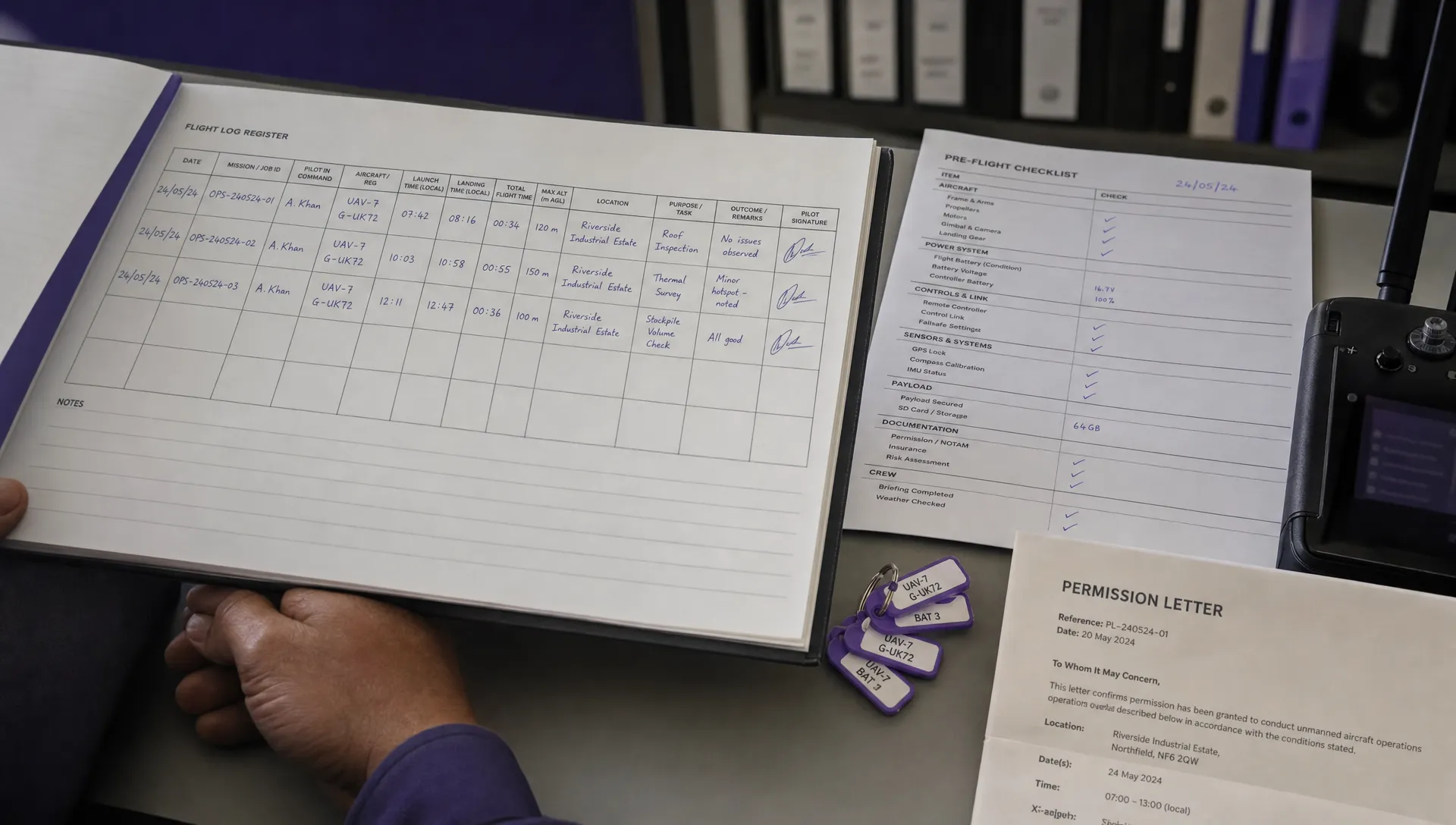 How to Build a Drone Pilot Flight Log That Is Audit Ready →
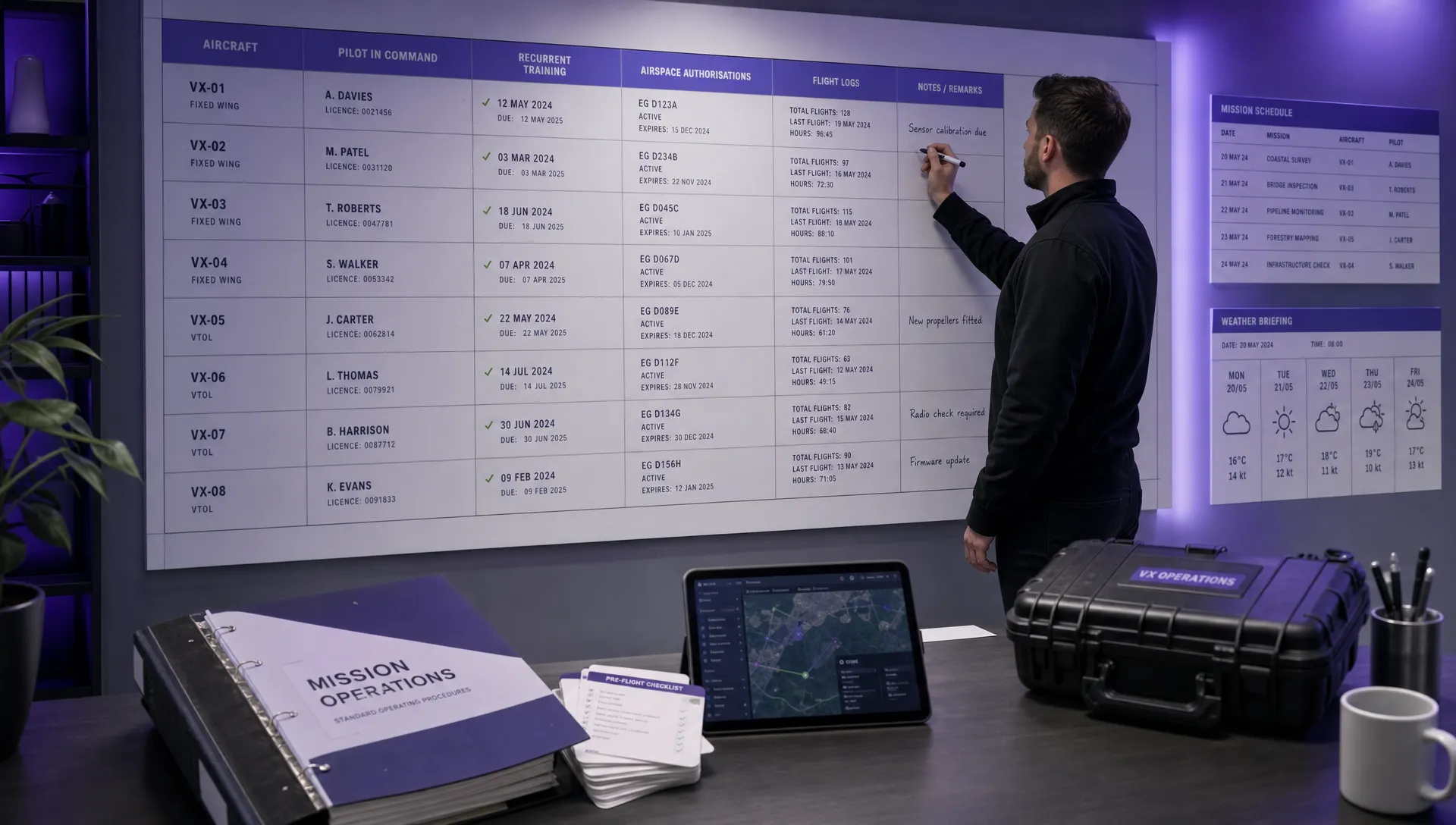 FAA Drone Licence Requirements for Commercial Pilots →
 FAA BVLOS Waivers Granted: What Successful Cases Show →
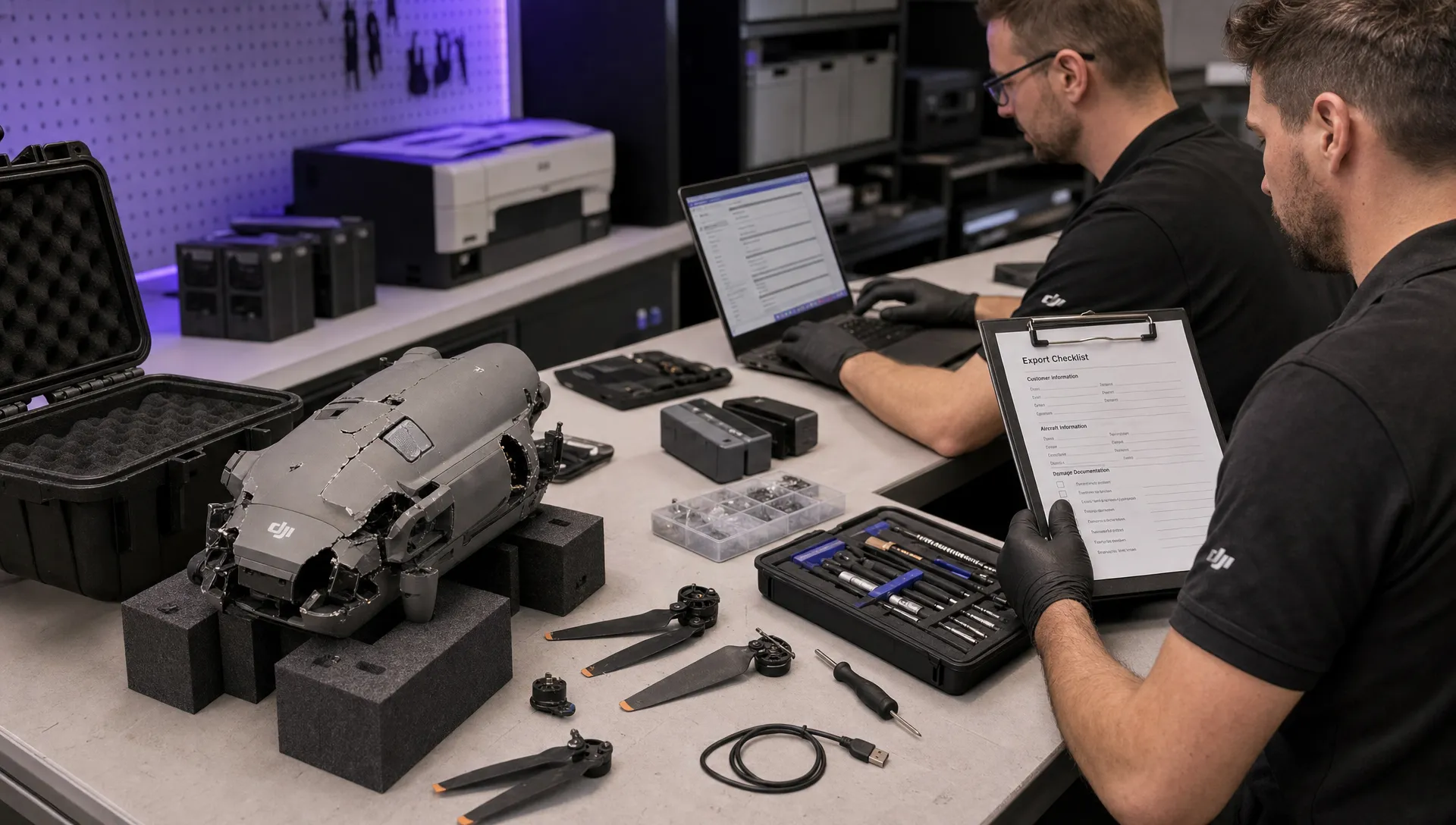 How to Export DJI Flight Logs for Incident Reviews →
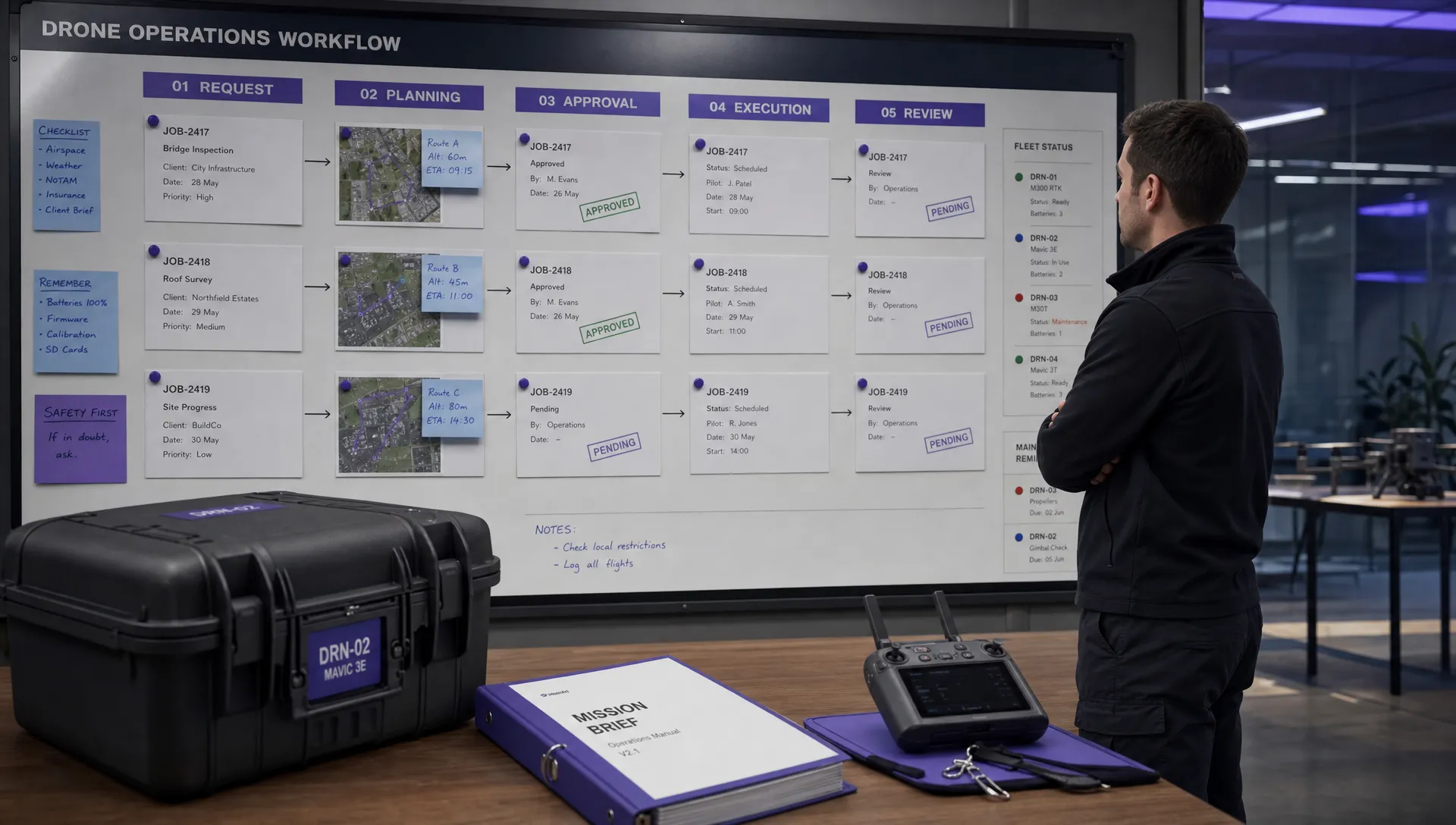 Drone Safety and Legal Duties for Business Operations →
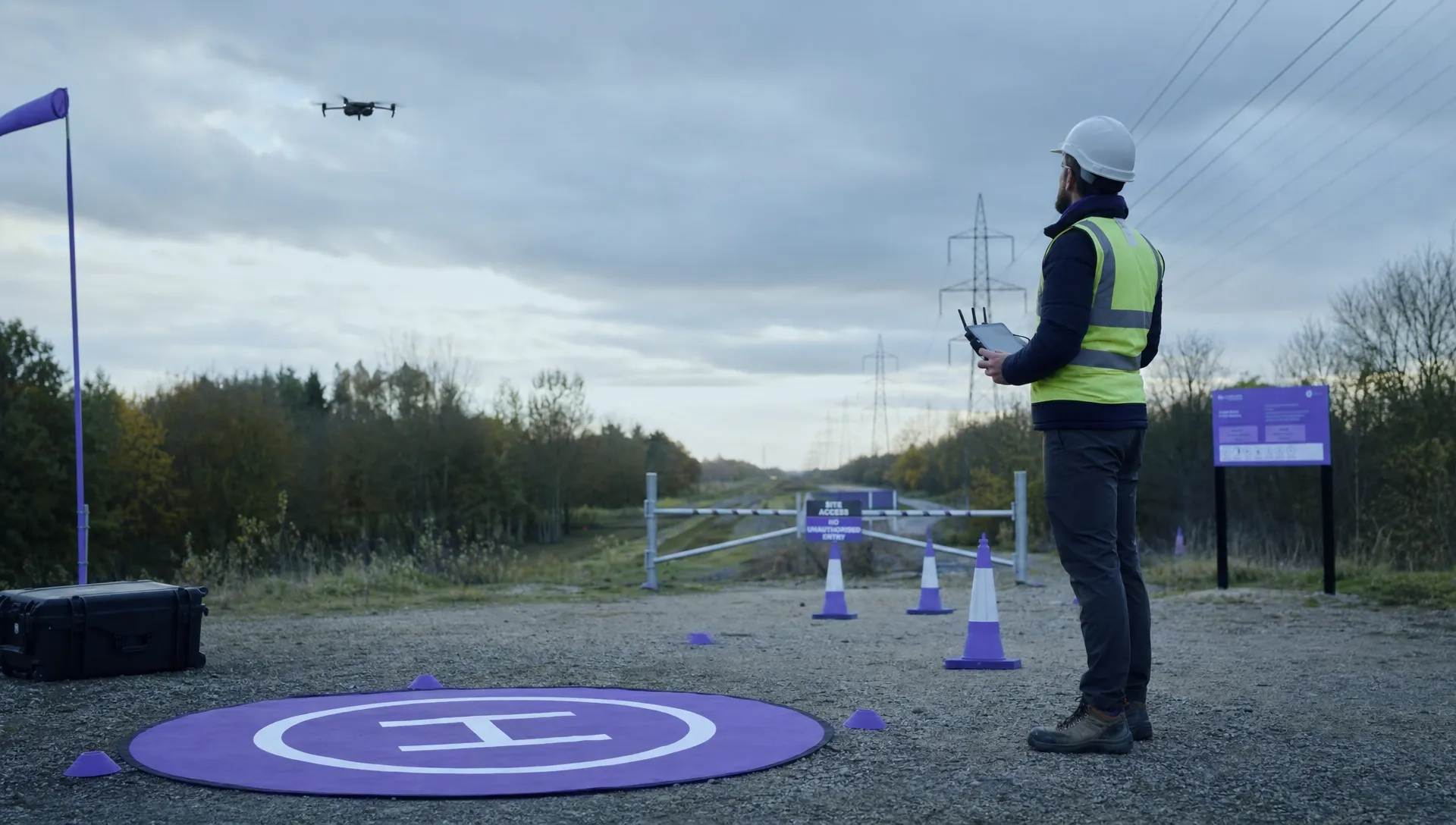 EASA Drone Regulations: Open, Specific and Certified Categories →
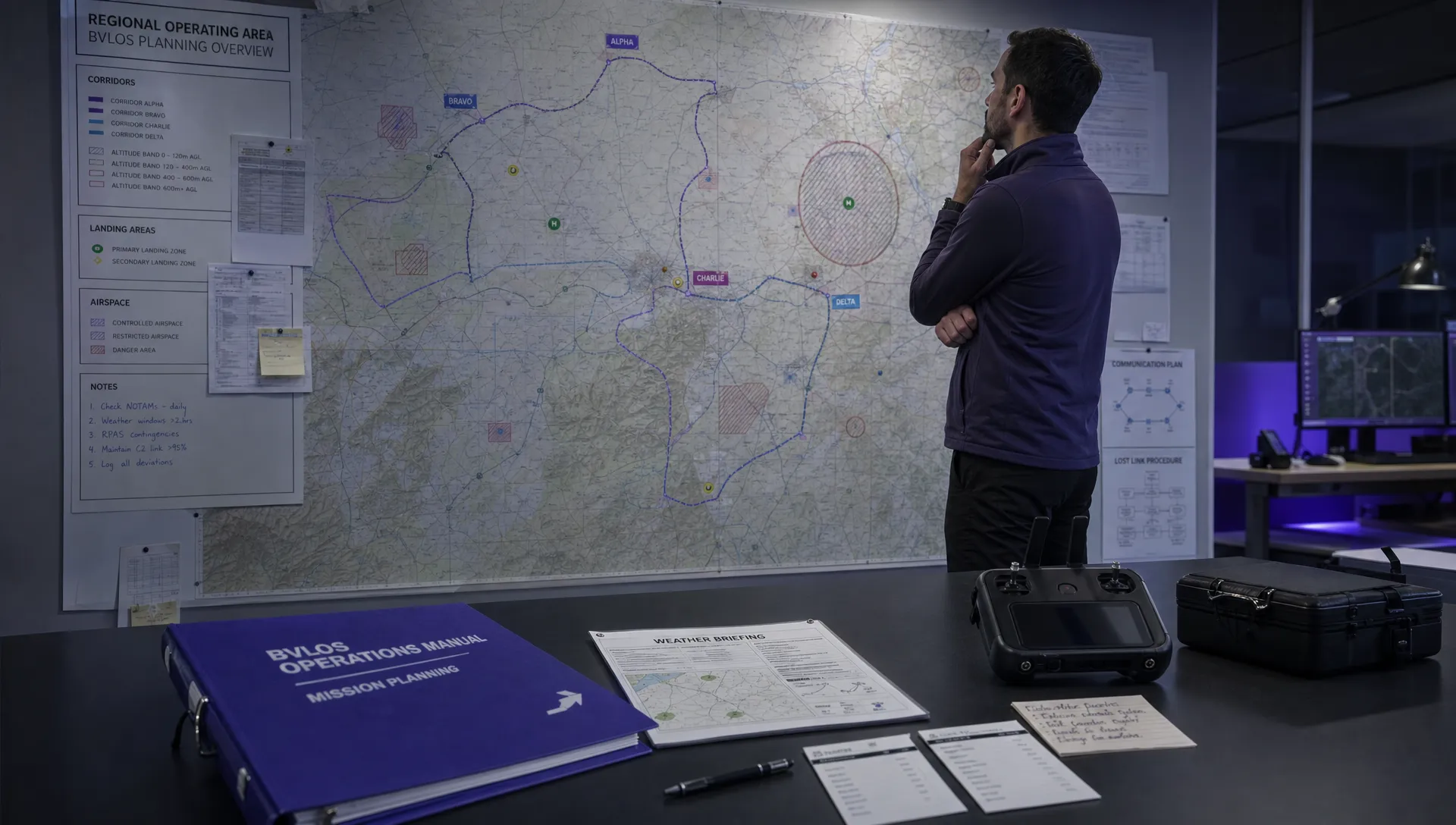 What the BVLOS ARC Report Means for UAS Operators →
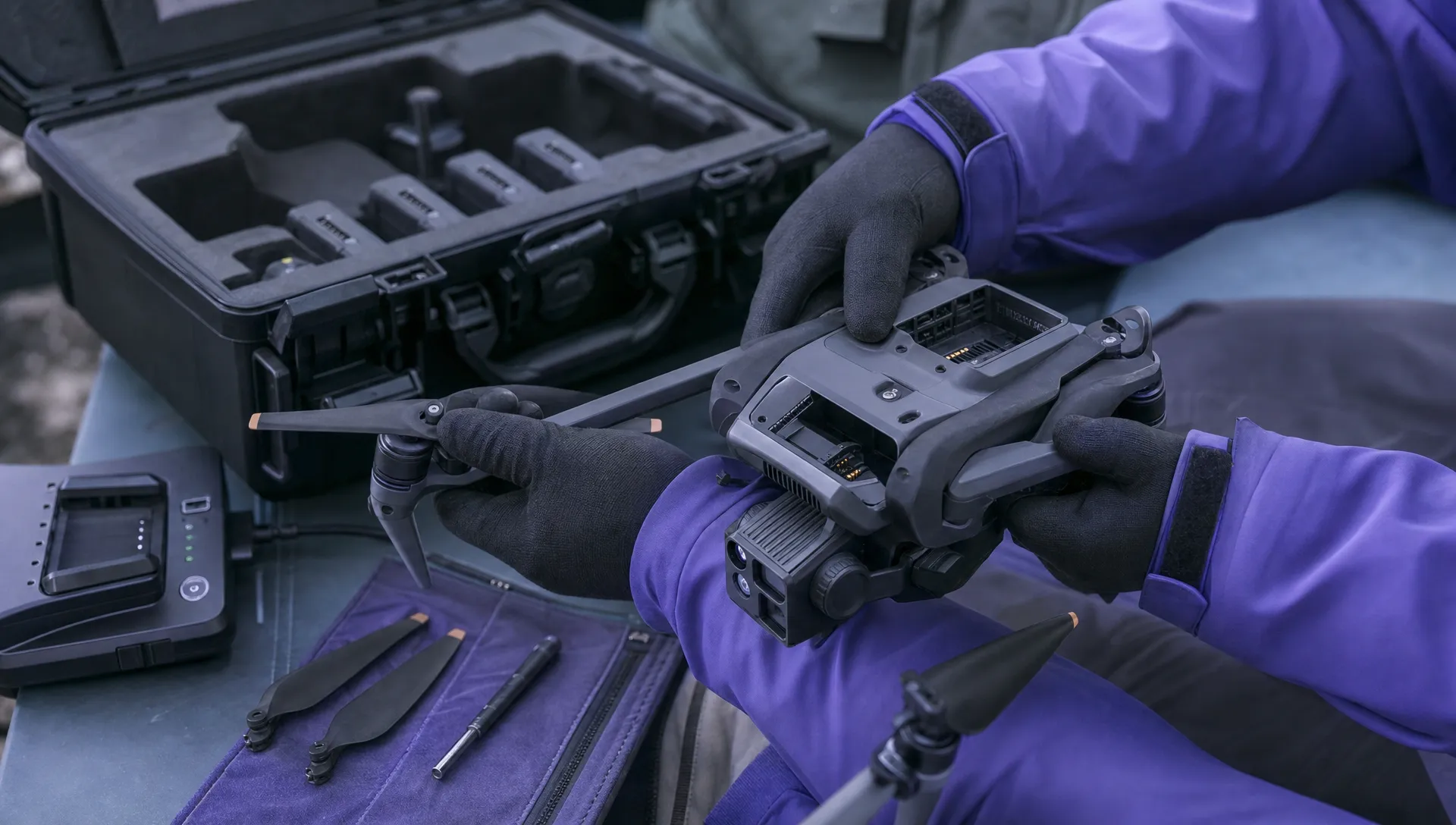 Free Drone Pre-Flight Checklist for Commercial Missions →
 Contingency Volume and Flight Risk Buffer Explained →
 FAA Policy Changes That Commercial Drone Teams Should Track →