
Commercial Drone Services: How to Scale Without Chaos
Scaling commercial drone services is rarely just about buying another aircraft or hiring another pilot. The real pressure appears in the gaps between jobs: inconsistent risk assessments, missing battery records, duplicated client details, unclear pilot availability, scattered flight logs, and a growing pile of admin that slows the team down just when demand is rising.
For drone operators, survey companies, utilities and emergency services, growth has to be controlled. You need enough structure to protect safety and compliance, but not so much process that every deployment becomes slow and bureaucratic.
The answer is to build an operating system for your drone business before the complexity gets out of hand. That means standard workflows, clear responsibilities, reliable records and the right tools to keep every job visible from enquiry to flight log.
Why commercial drone services become chaotic as they grow
A single pilot can often manage work with a calendar, a few templates and a folder of documents. That stops working once you add more clients, aircraft, pilots, sites, operating conditions and service lines.
The main scaling challenge is coordination. A drone operation is not one task, it is a chain of linked decisions. Someone has to qualify the job, confirm the client requirement, check airspace, assess ground risk, assign a competent pilot, ensure the aircraft is serviceable, brief the team, fly safely, log the flight, store evidence and report back.
When that chain is managed manually, small issues compound quickly. A missed maintenance note becomes a last-minute aircraft swap. A duplicated client record becomes confusion about site access. A risk assessment copied from an old job fails to reflect a new hazard. None of these problems may look serious in isolation, but together they create operational drag.
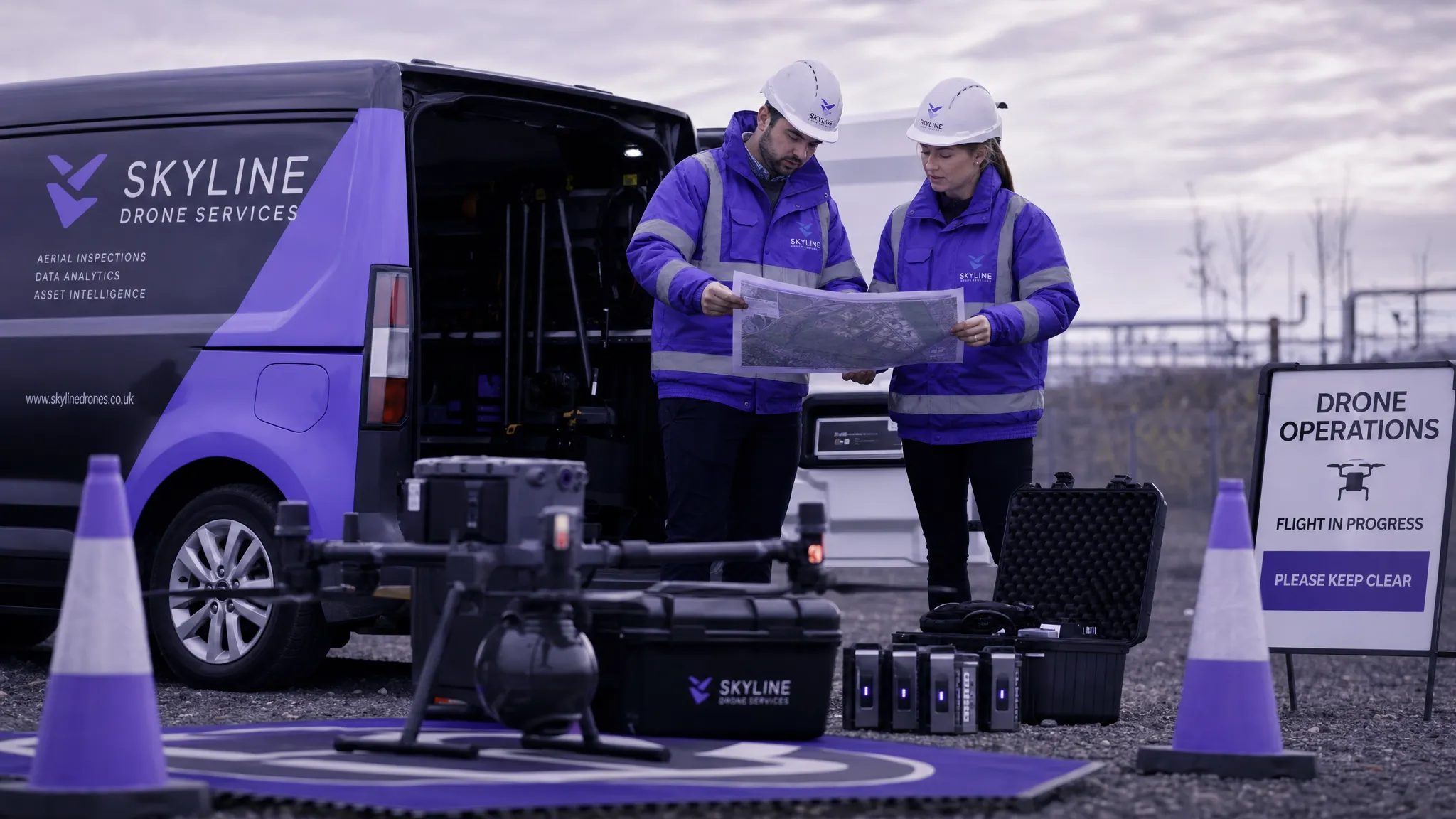
Common signs that your commercial drone services are outgrowing informal processes include:
- Pilots using different versions of checklists or risk assessment templates.
- Flight logs arriving late, incomplete or in different formats.
- Managers struggling to see which aircraft, batteries or sensors are available.
- Job planning depending on one experienced person who holds too much knowledge.
- Client communication becoming inconsistent as workload increases.
- Compliance evidence taking longer to find than it should.
At this stage, growth does not simply add revenue. It adds risk, overhead and frustration unless the business model matures with it.
Build a repeatable operating model before adding capacity
Many drone businesses try to scale by adding more pilots first. That may increase availability, but it can also multiply inconsistency. A better approach is to define how the operation should work, then add people and assets into that model.
Start by separating your commercial drone services into clear service lines. For example, a surveying company may handle topographic mapping, progress monitoring and roof inspections. A utility operator may run corridor inspections, emergency response flights and asset condition surveys. Each service line has different planning requirements, data outputs, hazards, equipment needs and client expectations.
Once each service line is defined, create a standard job pathway. The aim is not to remove professional judgement. It is to make sure experienced judgement is applied consistently.
| Scaling pressure | What can go wrong | Scalable control |
|---|---|---|
| More pilots | Different planning standards | Shared procedures, role definitions and competency records |
| More aircraft | Poor visibility of availability or serviceability | Central fleet records and maintenance tracking |
| More sites | Inconsistent hazard identification | Structured site review and risk assessment process |
| More clients | Lost context and duplicated admin | Centralised client and job management |
| More flights | Incomplete evidence trail | Standard flight logging and reporting |
| More urgent work | Rushed go/no-go decisions | Pre-agreed deployment criteria and checklists |
This kind of structure is especially important for emergency services and utility teams, where short-notice deployment is common. The faster the job moves, the more important it becomes that the fundamentals are already in place.
Standardise the workflow from enquiry to close-out
A scalable drone operation is built around a predictable workflow. Every organisation will adapt the details, but most commercial drone services need five core stages.
1. Job intake and qualification
The first stage is deciding whether the work is suitable, profitable and operationally realistic. Capture the client, site, requested outputs, deadline, operating environment, access constraints and any special permissions or stakeholder requirements.
This is also where you should identify whether the job fits your current permissions, insurance, equipment and pilot competencies. In the UK, drone operators must follow the relevant Civil Aviation Authority drone rules, and commercial intent alone is not the only factor. The operating category, aircraft, location and risk profile all matter.
A clear intake process prevents your team from accepting work that later becomes expensive, non-compliant or impossible to deliver safely.
2. Planning and risk assessment
Planning should be thorough enough to support safe operations, but efficient enough to avoid unnecessary delay. That means using current site information, checking airspace, understanding proximity hazards, assessing ground risk, identifying control measures and documenting the decision to proceed or not.
For repeat clients or recurring sites, templates can help, but they should never become copy-and-paste paperwork. Conditions change. Temporary restrictions, public access, construction activity, weather, electromagnetic interference and third-party operations can all affect the risk picture.
If risk assessments are becoming a bottleneck, the answer is usually better structure, not weaker assessment. A well-designed process helps pilots consider the right issues in the right order.
For a deeper look at this area, Dronedesk has a dedicated guide on building a drone flight risk assessment that works.
3. Resource allocation
As your workload grows, resource allocation becomes a real operational discipline. You need to know which pilots are available, which aircraft are suitable, which payloads are required, and whether supporting equipment such as batteries, landing pads, signage, PPE and chargers is ready.
This is where many teams discover that a spreadsheet is no longer enough. It may show that a drone exists, but not whether it is serviceable, assigned, awaiting maintenance, missing a document or already needed for another job.
Good resource planning reduces last-minute substitutions and helps managers protect the margin on each job. Sending the wrong pilot, aircraft or sensor to site can quickly turn a profitable booking into a loss-making one.
4. On-site execution
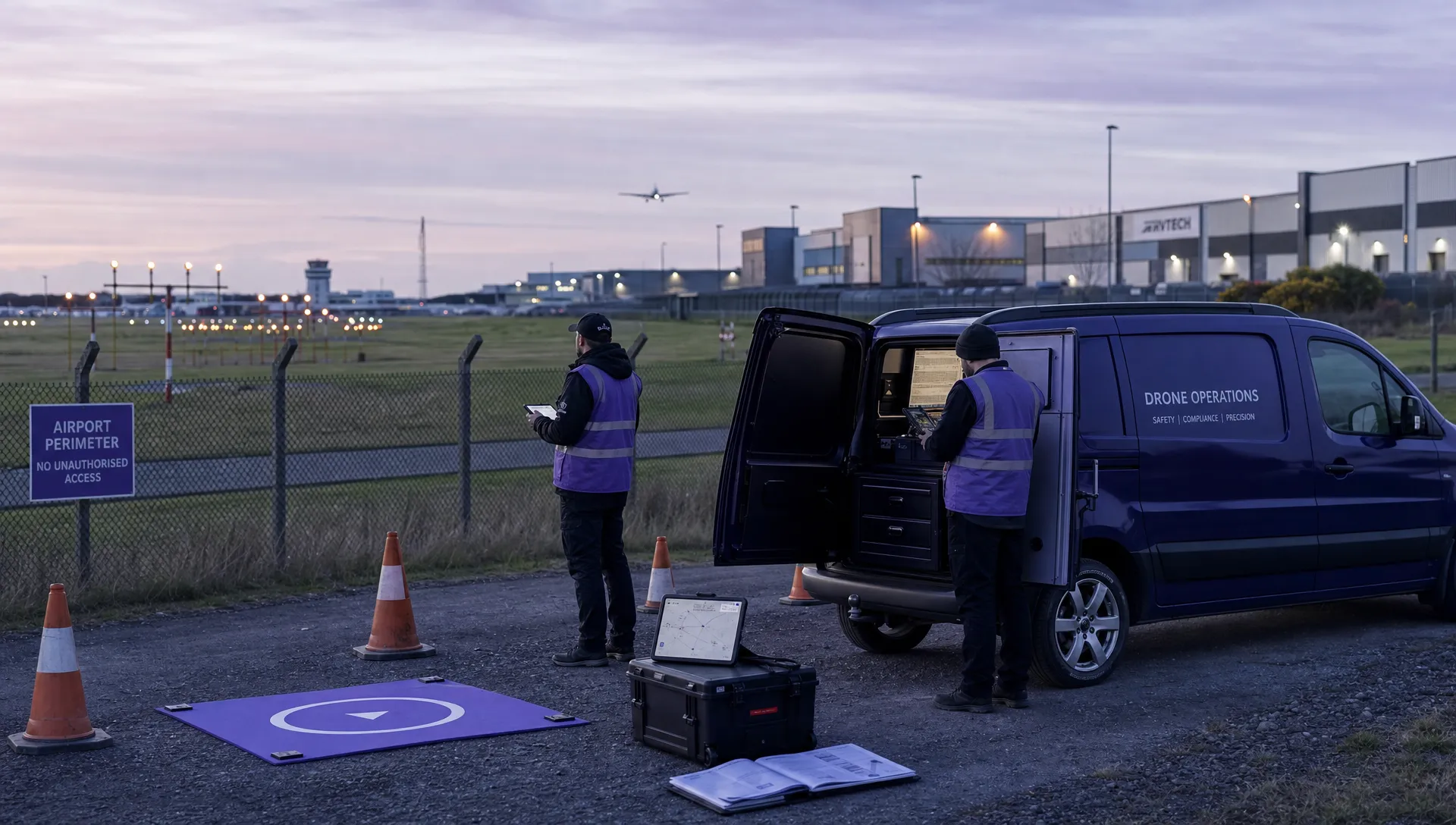
On-site execution should feel familiar to every pilot in your organisation. Pre-flight checks, dynamic risk review, site briefing, cordon decisions, communication protocols, emergency actions and post-flight checks all need to be consistent.
This does not mean every flight is identical. A confined urban roof inspection is different from a rural utility survey. But the operational rhythm should be recognisable across the team. Consistency makes supervision easier, supports training and helps newer pilots adopt the standards expected by the organisation.
For emergency services, the same principle applies under pressure. A search and rescue deployment may not allow long planning windows, but it still benefits from clear checklists, fast access to previous records and a shared understanding of what must be captured before, during and after the flight.
5. Flight logging, reporting and close-out
The job is not finished when the aircraft lands. Flight logs, defects, incidents, battery use, pilot notes, client deliverables and internal records all need to be completed while the details are still fresh.
Close-out is often where scaling problems become visible. If pilots delay their logs, managers lose oversight. If reports are inconsistent, clients lose confidence. If records are hard to retrieve, audits and internal reviews become painful.
Standard close-out processes also support continuous improvement. When you can review flight history, issues, resource use and job outcomes, you can improve pricing, training, maintenance planning and client delivery.
Keep compliance visible, not hidden in folders
Compliance is not a document storage problem. It is an operational visibility problem.
If authorisations, pilot competencies, aircraft details, checklists, risk assessments and flight logs sit in disconnected folders, managers may only discover gaps when they are already under pressure. Scaling commercial drone services requires compliance information to be easy to find, easy to update and connected to day-to-day operations.
That matters because accountability does not disappear when work is delegated. If a business operates multiple pilots and aircraft, it needs confidence that the right person is flying the right aircraft under the right conditions with the right documentation.
A practical compliance system should answer questions such as:
- Who is responsible for approving this flight?
- Is the assigned pilot competent for this type of operation?
- Is the aircraft serviceable and appropriate for the task?
- Has the site-specific risk assessment been completed and reviewed?
- Are the required checklists available and used?
- Can we retrieve the flight record and supporting evidence later?
The goal is not paperwork for its own sake. The goal is operational control.
Make data part of your scaling strategy
Drone businesses often think of data as the client deliverable: maps, models, images, thermal outputs or inspection reports. But your operational data is just as valuable.
Your internal records can show which types of jobs are most profitable, which assets are underused, which sites create repeated delays, which pilots need further support and which clients generate predictable repeat work. Without structured records, those insights stay anecdotal.
At a minimum, growing operators should track:
| Data area | Why it matters |
|---|---|
| Client and site history | Speeds up repeat planning and improves relationship management |
| Pilot allocation | Helps balance workload and match competency to task |
| Aircraft and battery use | Supports maintenance planning and asset utilisation |
| Risk assessment outcomes | Reveals recurring hazards and control measures |
| Flight logs | Provides operational evidence and performance history |
| Defects and incidents | Supports safety improvement and accountability |
| Job profitability inputs | Helps refine pricing and resource planning |
Over time, this information helps you move from reactive management to proactive planning. You can see when you need another aircraft, when to train additional pilots, which clients deserve account development and which work types are becoming too costly to service.
Protect margins as demand increases
Growth can hide weak margins. A busy drone operation may look successful while quietly losing money through travel time, rework, poor scheduling, underpriced risk, inefficient handovers or duplicated admin.
To scale profitably, review your pricing and delivery model regularly. A simple roof inspection, a complex infrastructure survey and a short-notice emergency support flight should not be treated as variations of the same job. They carry different planning burdens, equipment requirements, risk profiles and reporting demands.
Margins are also affected by how well you group work. If two sites are near each other, scheduling them intelligently can reduce travel time. If a repeat client has standard output requirements, templates can improve efficiency. If a pilot regularly handles a certain asset type, their familiarity may improve both quality and speed.
For survey companies and utilities, the biggest gains often come from repeatable delivery packages. Define what is included, what is excluded, what the client must provide, how data will be delivered and how changes are charged. The clearer the scope, the less operational friction you create later.
Use technology to coordinate the operation, not just store documents
Many teams begin with generic tools: spreadsheets, shared drives, calendars, email templates and messaging apps. These can work at small scale, but they were not designed specifically for drone operations.
A dedicated operations platform helps bring the moving parts together. Dronedesk, for example, is an all-in-one web platform for drone operators that supports client management, fleet management, team management, airspace intelligence, proximity intelligence, flight planning, flight logging, data reporting, configurable checklists and risk assessments. You can review the platform’s capabilities on the Dronedesk features page.
The important point is not simply having software. It is having a shared operational environment where planning, compliance, people, assets and records are connected. That reduces the risk of information being trapped in individual inboxes or duplicated across multiple systems.
For organisations already managing multiple drones, the next step is often to formalise fleet processes. Dronedesk’s drone fleet management guide explores this in more detail.
Create a 90-day plan to scale with control
If your operation is already busy, a full transformation can feel unrealistic. A 90-day plan is a more practical way to regain control without pausing delivery.
| Timeframe | Focus | Outcome |
|---|---|---|
| Days 1 to 30 | Map your current workflow and identify failure points | Clear view of where delays, duplication and compliance gaps occur |
| Days 31 to 60 | Standardise templates, responsibilities and job stages | More consistent planning, execution and close-out |
| Days 61 to 90 | Centralise records and improve reporting | Better oversight of clients, pilots, assets, flights and risks |
During the first month, do not start by buying equipment. Start by documenting how work really happens. Compare the official process with the actual process pilots and managers follow under pressure.
During the second month, standardise the essentials. Focus on job intake, risk assessment, checklists, pilot assignment, aircraft readiness and flight logging. Keep the process simple enough that people will actually use it.
During the third month, improve visibility. Bring records into a central place, decide what managers need to review, and create a regular rhythm for checking operational performance. This might include weekly job reviews, monthly fleet checks and periodic safety reviews.
Know when to hire, train or subcontract
Scaling does not always mean hiring full-time staff immediately. Depending on workload, geography and specialism, you may combine employed pilots, trained internal staff and trusted subcontractors.
The key is to apply the same standards regardless of employment model. If subcontractors represent your brand, they should follow your procedures, use agreed checklists, provide required records and understand your client expectations.
Training is equally important. A pilot who is technically competent may still need support with client communication, site management, data capture standards or documentation. As your commercial drone services mature, your training should cover the whole job lifecycle, not only flight skills.
This is particularly relevant for utilities and emergency services, where drone operations may sit inside a wider organisational structure. Pilots need to understand not only aviation safety, but also the operational priorities of the teams they support.
The real goal: predictable, safe and profitable delivery
Scaling commercial drone services without chaos means building a business that can deliver repeatedly under changing conditions. The strongest operators do not rely on heroic effort or memory. They rely on systems that make good practice easier to follow.
That means clear job intake, consistent risk assessment, visible fleet status, competent teams, structured flight logging, reliable reporting and a culture where compliance supports delivery rather than slowing it down.
More drones and more pilots can help you grow, but only if your operating model is ready for them. Put the structure in place first, and scaling becomes far less chaotic.
Frequently Asked Questions
What is the biggest challenge when scaling commercial drone services? The biggest challenge is usually operational coordination. As jobs, pilots, aircraft and clients increase, informal processes become unreliable. Without standard workflows and central records, compliance, scheduling and reporting can quickly become difficult to manage.
Do commercial drone operators need specialist software? Not every small operator needs specialist software on day one, but growing teams often outgrow spreadsheets and shared folders. Dedicated drone operations software can help connect planning, fleet records, pilot management, risk assessments, checklists and flight logs in one place.
How can drone companies maintain compliance while growing? They should standardise procedures, keep records current, assign clear responsibilities and make compliance information easy to access. Risk assessments, pilot competencies, aircraft status, checklists and flight logs should be part of daily operations, not stored separately and reviewed only when there is a problem.
How do you improve profitability in commercial drone services? Profitability improves when operators price for complexity, reduce duplicated admin, schedule resources efficiently, standardise repeat work and track the true cost of delivery. Reviewing job history and resource use helps identify which services and clients are most sustainable.
Where does Dronedesk fit into a growing drone operation? Dronedesk supports drone operators with client management, fleet management, team management, airspace and proximity intelligence, flight planning, flight logging, data reporting, configurable checklists and risk assessments. It is designed to help operators manage the administrative and operational side of drone work in one platform.
Ready to bring more structure to your drone operations? Explore Dronedesk’s features and see how an all-in-one platform can help you manage clients, teams, fleets, planning, risk assessments, checklists and flight records with greater control.
 BVLOS Drone Requirements for Building a Safety Case →
 Drone Pilot Test Mistakes That Cost Candidates Marks →
 FAA 107 License vs Part 107 Certificate: What’s the Difference? →
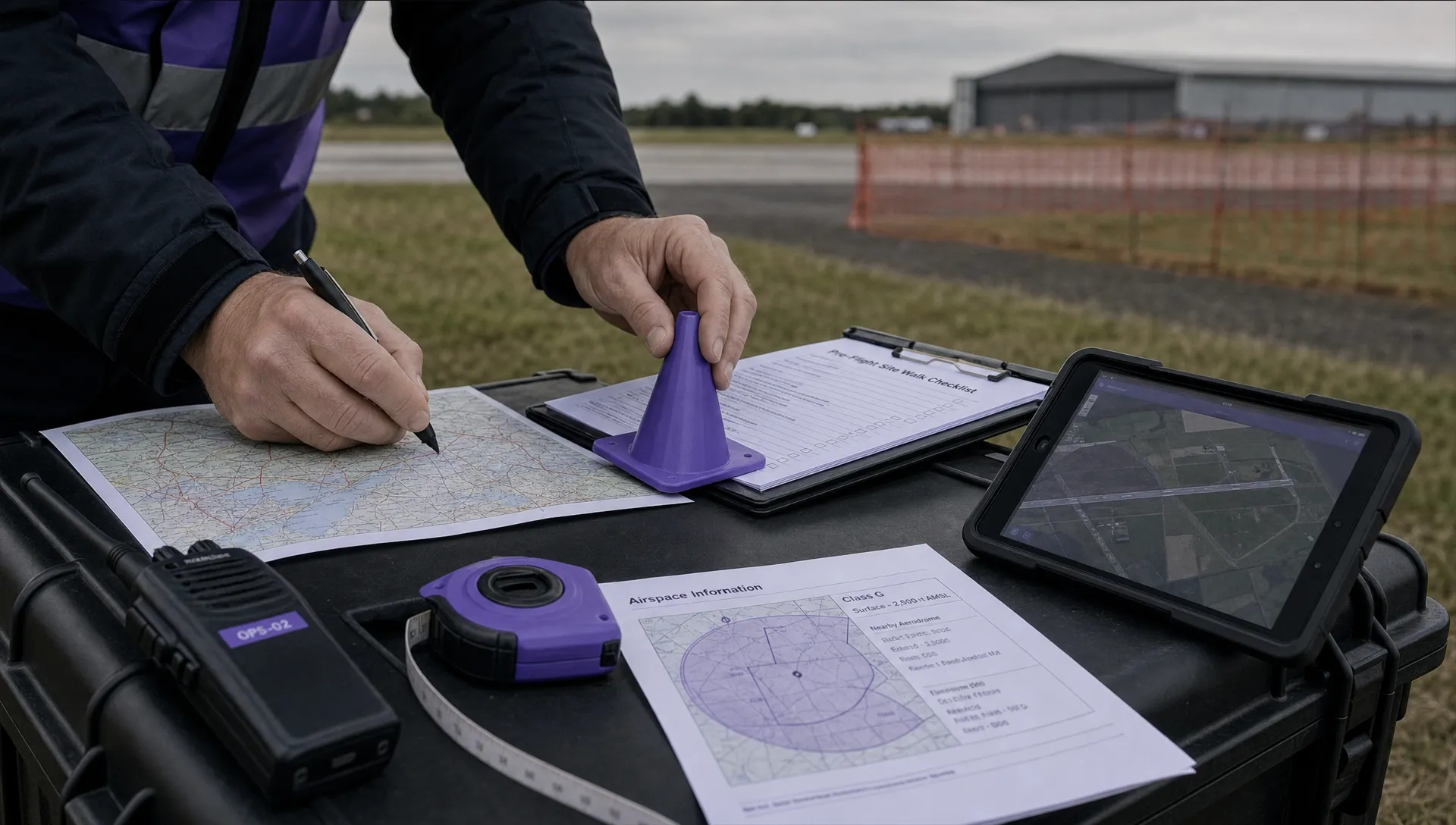 Drone Airport Rules: A Field Checklist for Site Assessments →
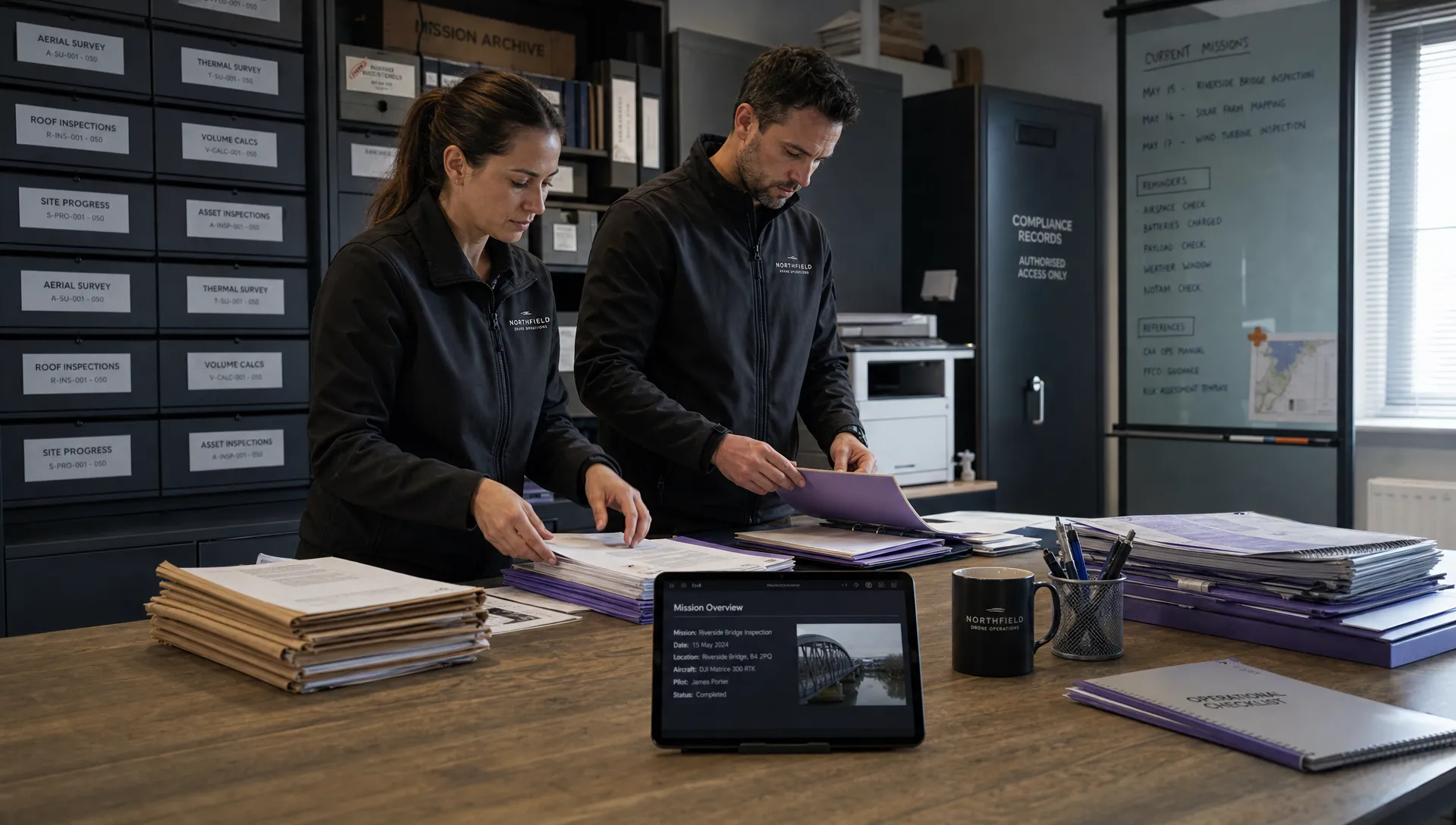 FAA Part 107 Record-Keeping Rules for Commercial Teams →
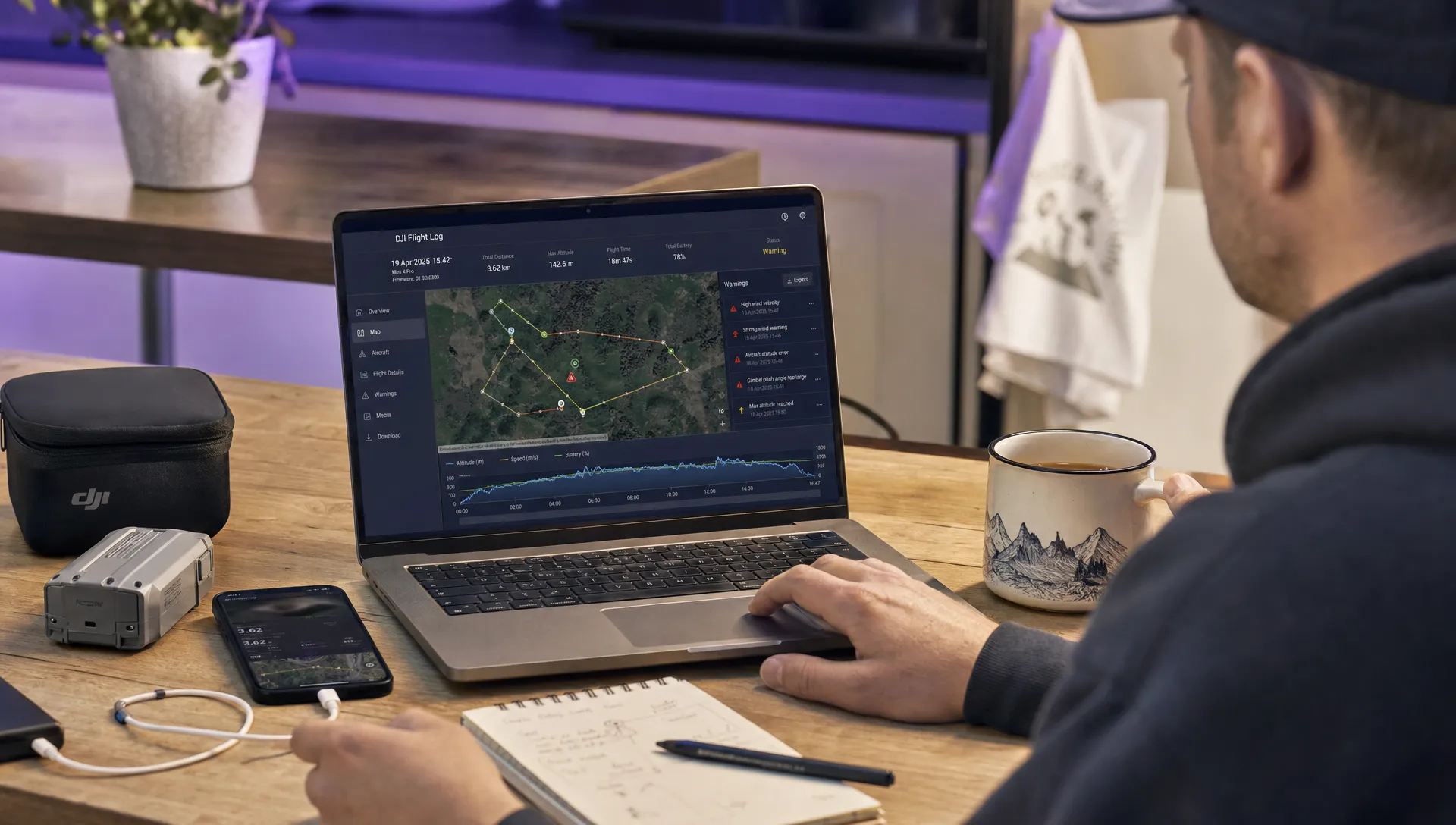 How to Review a DJI Flight Log After an Unexpected Event →
 Drone Laws Around the World: A Pre-Flight Research Framework →
 How to Compare Drone Survey Services for Complex Sites →
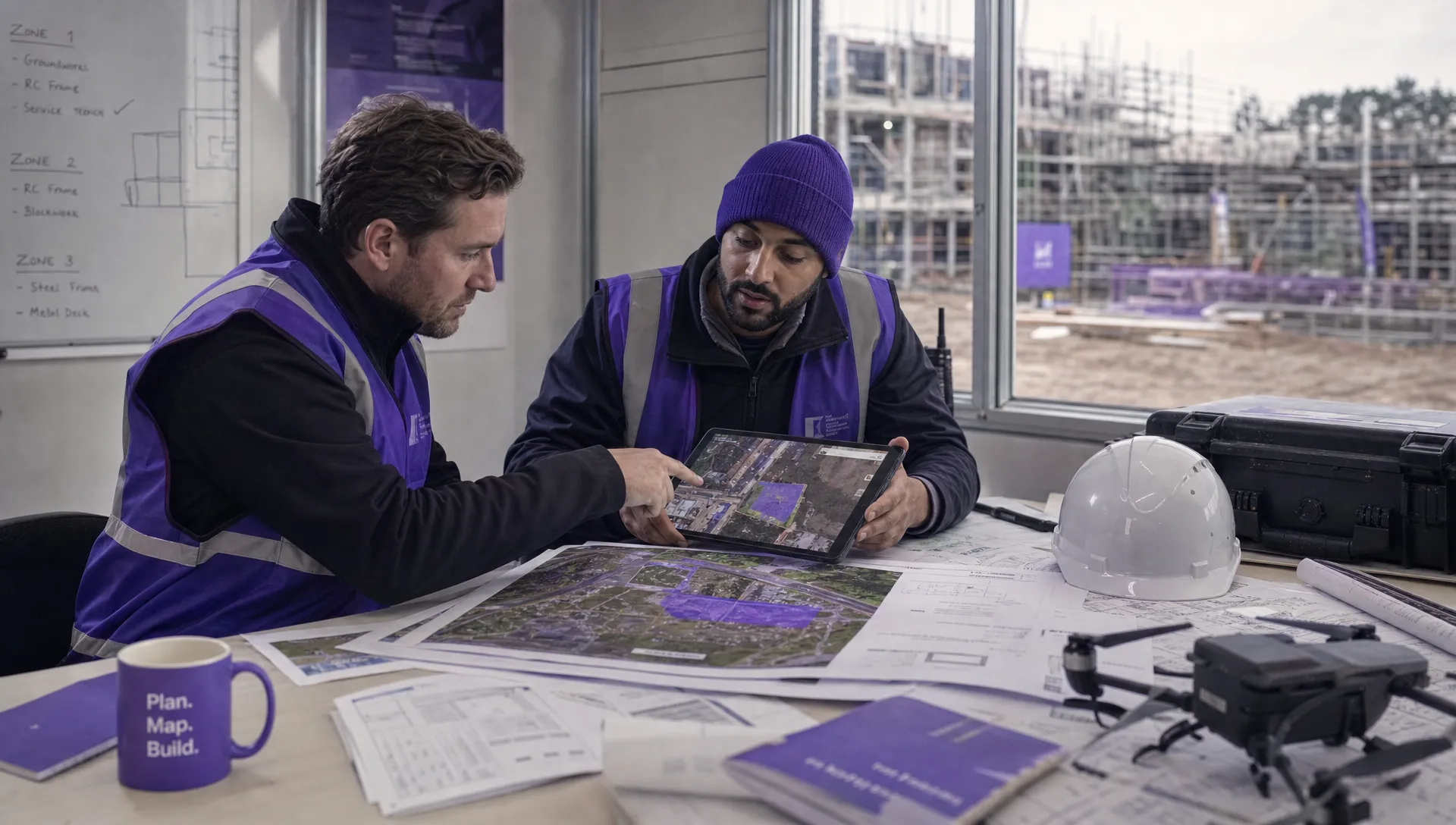 How to Start a Drone Mapping Business With a Clear Workflow →
 Class C Airspace Drone Rules for Commercial Flights →