
BVLOS Meaning Explained for Commercial Drone Teams
BVLOS meaning is simple on paper: Beyond Visual Line of Sight. For commercial drone teams, it means operating an unmanned aircraft when the remote pilot, or the appointed crew supporting that pilot, cannot maintain continuous unaided visual contact with the aircraft.
In practice, BVLOS is much more than flying further away. It changes how you plan, evidence, authorise and control an operation. A camera feed, telemetry screen or map can improve situational awareness, but it does not automatically make an operation VLOS. The core issue is whether the crew can see the aircraft and its surrounding airspace well enough to avoid collisions and respond to hazards.
For survey companies, utilities and emergency services, BVLOS can unlock valuable operating models such as longer linear inspections, wider search areas and repeatable patrols over remote assets. But it also brings a higher compliance burden, more technical assurance requirements and a stronger need for disciplined operational records.
BVLOS meaning in plain English
BVLOS stands for Beyond Visual Line of Sight. A drone operation is BVLOS when the aircraft is flown beyond the distance or conditions where the remote pilot can directly see it with unaided vision.
Unaided vision generally means normal eyesight, with corrective glasses or contact lenses if needed. It does not mean relying on binoculars, first-person-view goggles, a live video downlink, an app map or a tracking display to know where the drone is.
BVLOS can happen because the drone is physically too far away, but distance is not the only factor. A drone may also become BVLOS if terrain, buildings, trees, smoke, darkness, weather or another obstruction prevents the pilot from seeing it continuously. That means a flight can become BVLOS even if it is not especially long range.
The important distinction is this: BVLOS is about the crew’s ability to maintain direct visual awareness of the aircraft and the airspace around it, not simply about how far the drone travels.
VLOS vs EVLOS vs BVLOS
Commercial drone teams often use VLOS, EVLOS and BVLOS in the same planning conversations, but they mean different things operationally.
| Term | Meaning | Typical use | Key implication |
|---|---|---|---|
| VLOS | Visual Line of Sight | Standard commercial flights where the pilot can see the aircraft directly | The pilot remains responsible for maintaining visual awareness and avoiding hazards |
| EVLOS | Extended Visual Line of Sight | Operations where trained observers help maintain visual contact beyond the pilot’s own view | Requires defined observer roles, communication procedures and handover points |
| BVLOS | Beyond Visual Line of Sight | Operations where the aircraft is not continuously visible to the pilot or supporting crew | Requires stronger risk controls, regulatory approval and evidence that the operation can remain safe without direct visual contact |
EVLOS is sometimes misunderstood as a stepping stone to BVLOS. It can be, but only if the observer system is properly designed. If an observer can see the drone and communicate effectively with the pilot, the operation may remain within an extended visual line of sight concept. If nobody in the operating crew can maintain direct visual contact, it is BVLOS.
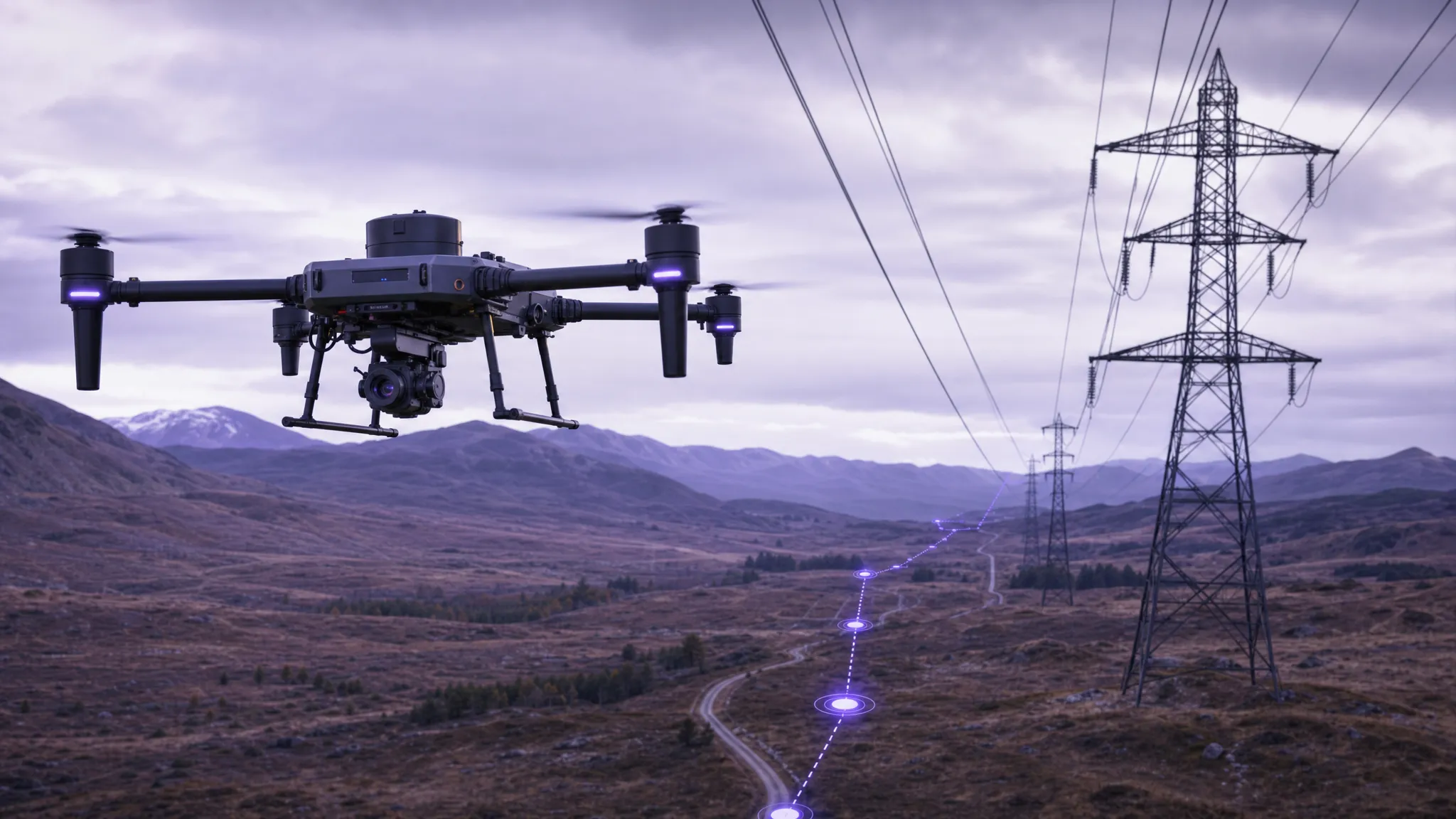
Why BVLOS matters for commercial drone teams
BVLOS matters because many high-value drone use cases are limited by visual range. A pilot standing in one location can only cover so much ground while keeping the aircraft in sight. That limitation can make some commercial missions inefficient or impractical.
For utility companies, BVLOS can support inspection concepts for power lines, pipelines, rail corridors, reservoirs and remote infrastructure. Rather than repeatedly relocating teams along a route, a suitably authorised operation may cover longer stretches with a more consistent flight profile.
For survey companies, BVLOS can help with large-area mapping, environmental monitoring, quarry surveys, coastal work and remote land assessments where operating within visual range would require multiple take-off points.
For emergency services, BVLOS concepts can be relevant to search and rescue, flood response, wildfire monitoring, major incident overwatch and hard-to-access locations. The value is not simply range, but the ability to put sensors where people cannot safely or quickly go.
For drone operators serving commercial clients, BVLOS can become a differentiator, but only when the business has the operational maturity to support it. Regulators and clients will want evidence that the team can manage risk, control the aircraft, maintain separation from other airspace users and document decisions consistently.
What BVLOS is not
BVLOS is often surrounded by marketing language, so it helps to separate the term from common assumptions.
BVLOS is not automatically autonomous. A BVLOS flight may include automated route following, but automation does not remove the need for operational oversight, contingency planning and regulatory compliance.
BVLOS is not just long-range flying. If the pilot loses direct visual contact because of terrain or structures, the operation may be BVLOS even at a relatively short distance.
BVLOS is not solved by a better camera. A high-resolution live feed helps with payload tasks, but it does not provide the same external visual awareness as seeing the aircraft in context with other airspace users, obstacles and weather.
BVLOS is not a single approval that makes every mission possible. Permissions are normally tied to an operating concept, aircraft, crew competence, location type, risk mitigations and procedures.
The regulatory picture in the UK, EU and beyond
Regulation varies by jurisdiction, but the direction is broadly consistent: BVLOS operations require a stronger safety case than routine VLOS flights.
In the UK, commercial drone operators should start with the UK Civil Aviation Authority drone guidance. BVLOS operations will typically sit outside basic low-risk operating concepts and require appropriate authorisation for the specific operation being proposed. The exact route depends on factors such as aircraft type, location, operating altitude, airspace, ground risk and the mitigations available.
In the EU, the EASA civil drones framework uses risk-based categories, with many more complex operations assessed under the Specific category. Operators may need to develop an operational risk assessment, often using a methodology such as SORA, depending on the nature of the operation.
In the United States, BVLOS has been a major regulatory focus for several years. The FAA BVLOS Aviation Rulemaking Committee report helped shape industry discussion around scalable BVLOS operations, detect-and-avoid requirements and operator responsibilities.
The practical point for commercial teams is simple: do not treat BVLOS as a paperwork afterthought. Start with the current rules in your jurisdiction, then build the operating model and evidence around those requirements.
What changes when you move from VLOS to BVLOS?
The biggest change is that the pilot can no longer rely on direct sight as the primary safety barrier. That affects almost every part of the operation.
The risk assessment becomes central
For VLOS work, a competent pilot can often identify and manage many hazards visually on site. In BVLOS, you need to prove in advance that the operation can remain safe without that visual layer.
A BVLOS risk assessment usually needs to consider air risk, ground risk, communication loss, navigation error, weather changes, emergency landing options, third-party activity and failure modes. It should also explain which mitigations reduce each risk and how the crew will verify that those mitigations are in place before launch.
Detect and avoid becomes a key question
When the pilot cannot see the drone, the operation needs another way to manage conflict with other airspace users. Depending on the mission and regulatory environment, this may involve strategic deconfliction, airspace restrictions, observers, electronic conspicuity, detect-and-avoid systems, procedural controls or a combination of measures.
There is no universal answer. A rural infrastructure inspection in segregated or restricted airspace has a different risk profile from a flight near complex urban airspace. The safety case must fit the actual operating environment.
Command and control link performance matters more
BVLOS operations depend heavily on reliable command and control. Teams need to understand link coverage, redundancy, lost-link behaviour, return-to-home logic, emergency termination options and how the aircraft behaves when communications degrade.
It is not enough to know that a system worked during a test flight. Commercial teams should record assumptions, test results, limitations and contingency procedures so the operation is repeatable and auditable.
Crew roles become more formal
BVLOS is rarely just a pilot and a drone. Depending on the operation, the team may include mission commanders, payload operators, visual observers, airspace monitors, safety managers, client representatives and incident command staff.
Each person needs to understand their role before the aircraft launches. Communication protocols, decision authority, abort criteria and emergency escalation routes should be clear enough that the crew can act quickly under pressure.
Records become evidence
For routine operations, logs are useful. For BVLOS, logs can become part of the evidence that your organisation is operating safely and consistently.
Flight plans, risk assessments, checklists, maintenance records, crew competence records, client requirements, site notes, weather decisions and post-flight logs all help demonstrate operational control. If something changes between planning and execution, the record should show what changed, who made the decision and why it remained safe to continue.
A practical BVLOS readiness checklist
Before investing heavily in BVLOS capability, commercial drone teams should test whether the organisation is ready for the operational discipline involved.
- Define the use case clearly: A corridor inspection, emergency search pattern, offshore survey or site security patrol will each require a different operating concept.
- Map the air and ground risk: Identify other airspace users, controlled airspace, population exposure, roads, railways, sensitive sites and emergency landing areas.
- Choose the aircraft around the mission: Endurance, command link performance, redundancy, payload, maintenance requirements and manufacturer support all matter.
- Document detect-and-avoid assumptions: Explain how the operation will prevent conflict when the pilot cannot see the aircraft.
- Formalise crew roles and communications: Define who monitors what, who can stop the flight and how the team handles abnormal situations.
- Build robust checklists: Include pre-flight, launch, in-flight, contingency, recovery and post-flight checks tailored to the BVLOS concept.
- Keep complete records: Make sure plans, risk assessments, logs and lessons learned are easy to retrieve and review.
This checklist is not a substitute for regulatory guidance, but it is a useful way to identify gaps before they become blockers in an authorisation process.
How operations management supports BVLOS preparation
BVLOS capability is not created by software alone. It requires competent people, suitable aircraft, a strong safety case and the right authorisation. However, operations management software can play an important supporting role because it helps teams organise the evidence around complex missions.
Dronedesk’s features include client management, fleet management, team management, airspace intelligence, proximity intelligence, flight planning, flight logging, data reporting, configurable checklists and risk assessments. For teams preparing for more advanced operations, these capabilities can help keep planning information, aircraft details, crew responsibilities, checklists and post-flight records in a consistent operational workflow.
That matters because BVLOS is not only judged at the moment of flight. It is judged by the quality of the planning, the suitability of the mitigations, the competence of the team and the traceability of the records. A scattered mix of spreadsheets, email threads and paper forms can make that harder to demonstrate, especially as a team grows.
If your organisation is expanding beyond simple jobs, it is also worth reviewing the wider foundations of drone fleet management. BVLOS readiness often exposes weaknesses in fleet records, maintenance tracking, pilot documentation and repeatable job processes long before the first BVLOS authorisation is granted.
Common BVLOS use cases by sector
| Sector | BVLOS opportunity | Main operational challenge |
|---|---|---|
| Utilities | Power line, pipeline, water network and telecoms infrastructure inspection | Long routes, mixed terrain, asset proximity and airspace coordination |
| Surveying | Large-area mapping, environmental surveys and remote land assessment | Data quality, route planning, endurance and ground risk management |
| Emergency services | Search areas, flood monitoring, wildfire support and major incident overwatch | Time pressure, dynamic airspace, multi-agency coordination and evidence capture |
| Security and resilience | Remote perimeter checks, asset patrols and incident verification | Repeatability, privacy, escalation procedures and operational control |
These use cases are attractive because they match the strengths of drones: rapid access, repeatable sensor capture and reduced need to send people into hazardous or hard-to-reach areas. The challenge is proving that the operation can be conducted safely without the pilot maintaining direct visual contact.
The commercial takeaway
Understanding BVLOS meaning is the easy part. Building a BVLOS-capable operation is the real work.
For commercial teams, the best approach is to treat BVLOS as an operating model, not a flight mode. Start with a specific use case, understand the regulatory route, define the risks, select suitable technology and build a record-keeping process that can stand up to scrutiny.
The teams that succeed with BVLOS are unlikely to be the ones that simply buy the longest-range aircraft. They will be the ones that can show a regulator, client or internal safety team exactly how the mission is planned, controlled, monitored, documented and improved over time.
Frequently Asked Questions
What does BVLOS mean in drone operations? BVLOS means Beyond Visual Line of Sight. It describes a drone operation where the remote pilot or supporting crew cannot maintain continuous unaided visual contact with the aircraft.
Does a live camera feed count as visual line of sight? No. A live camera feed can support situational awareness, but it does not normally count as unaided visual contact with the aircraft. VLOS is about seeing the drone itself and understanding its position relative to hazards and other airspace users.
Is BVLOS legal in the UK? BVLOS can be possible in the UK, but it requires the correct regulatory route and authorisation from the Civil Aviation Authority for the specific operation. Operators should check current CAA guidance before planning BVLOS work.
What is the difference between EVLOS and BVLOS? EVLOS uses trained observers to extend the area in which the aircraft remains under direct visual observation. BVLOS applies when the aircraft is not continuously visible to the pilot or supporting crew.
Do commercial drone teams need special software for BVLOS? No software grants BVLOS approval by itself. However, operations management software can help teams organise flight planning, risk assessments, checklists, fleet records, team information and flight logs, all of which may support a stronger operational process.
Build a stronger foundation for advanced drone operations
If BVLOS is on your roadmap, start by tightening the operational basics: planning, risk assessment, checklists, fleet records, crew management and post-flight evidence.
Dronedesk brings core drone operations management tasks into one platform, including flight planning, flight logging, airspace and proximity intelligence, configurable checklists, risk assessments, data reporting, and client, fleet and team management. Explore the Dronedesk features to see how it can support more organised, auditable commercial drone operations.
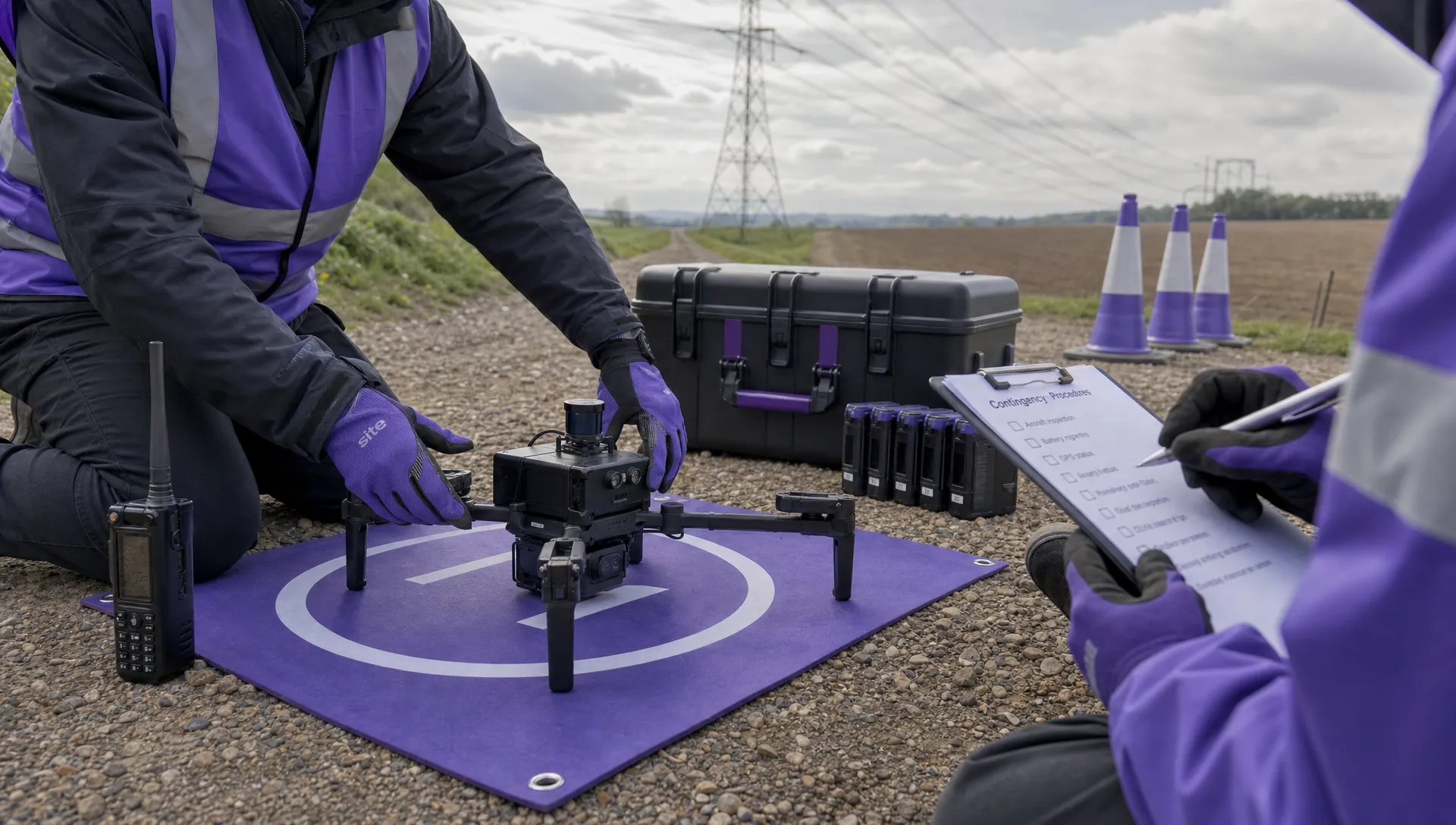 BVLOS Drone Requirements for Building a Safety Case →
 Drone Pilot Test Mistakes That Cost Candidates Marks →
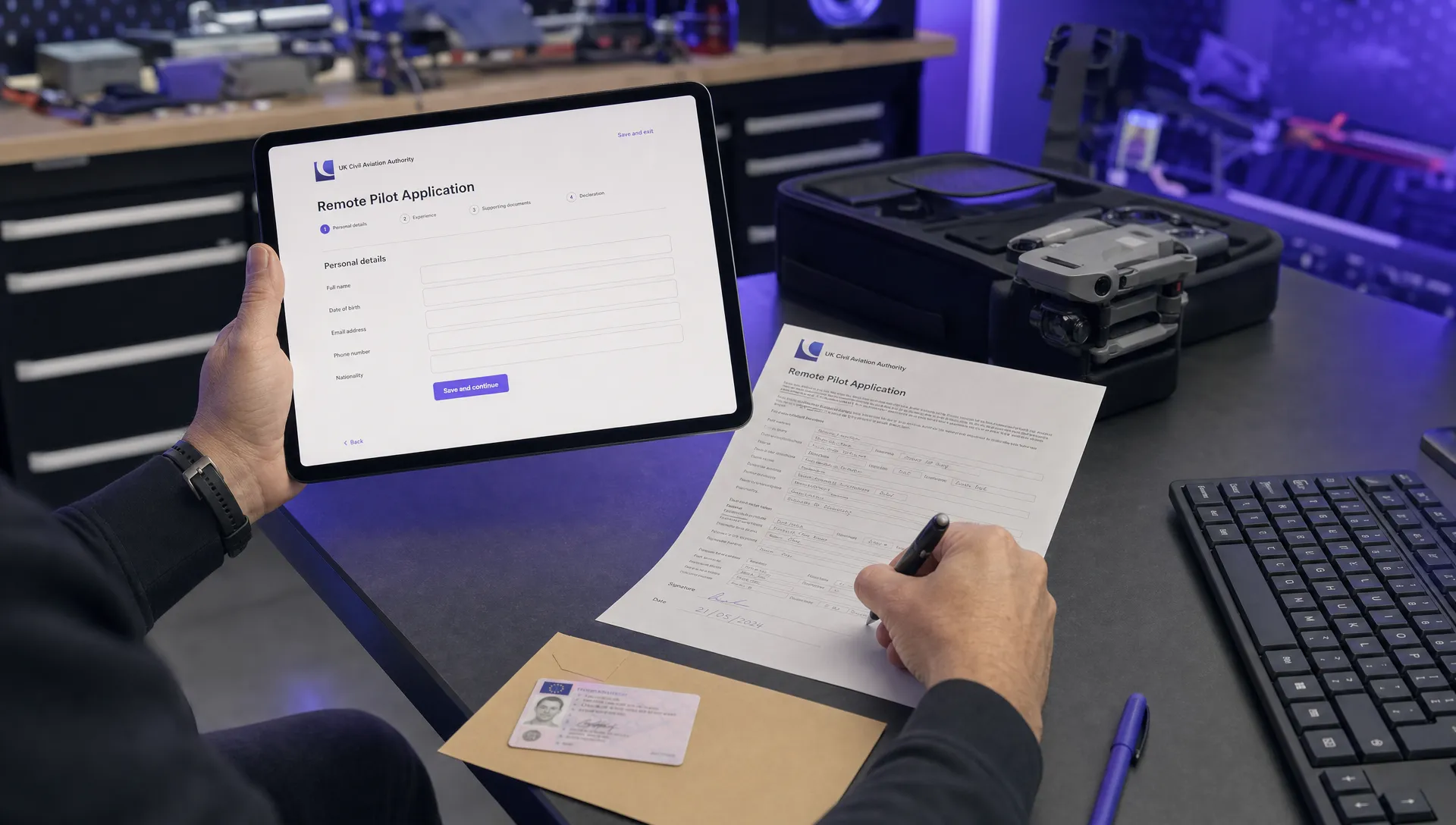 FAA 107 License vs Part 107 Certificate: What’s the Difference? →
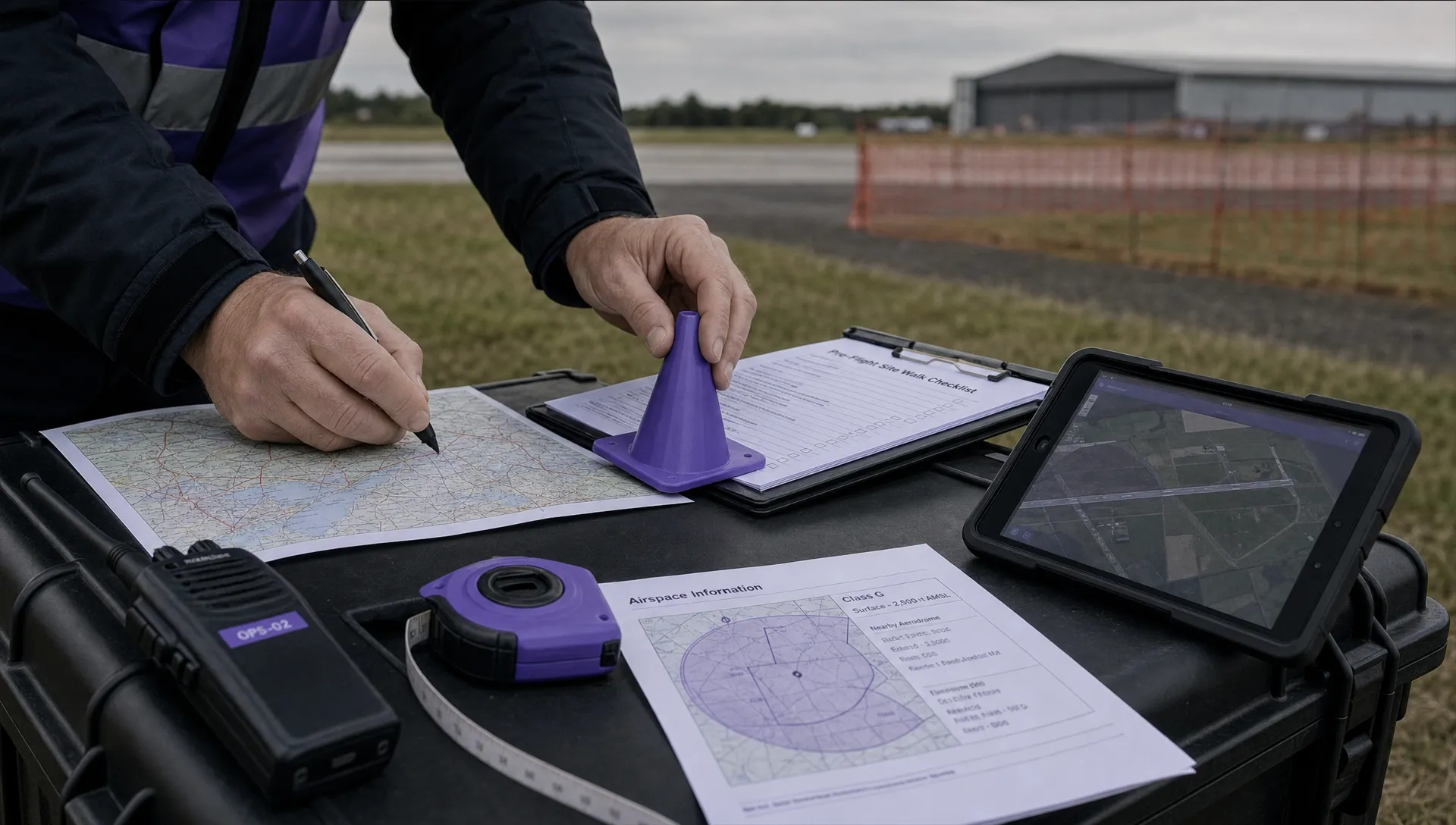 Drone Airport Rules: A Field Checklist for Site Assessments →
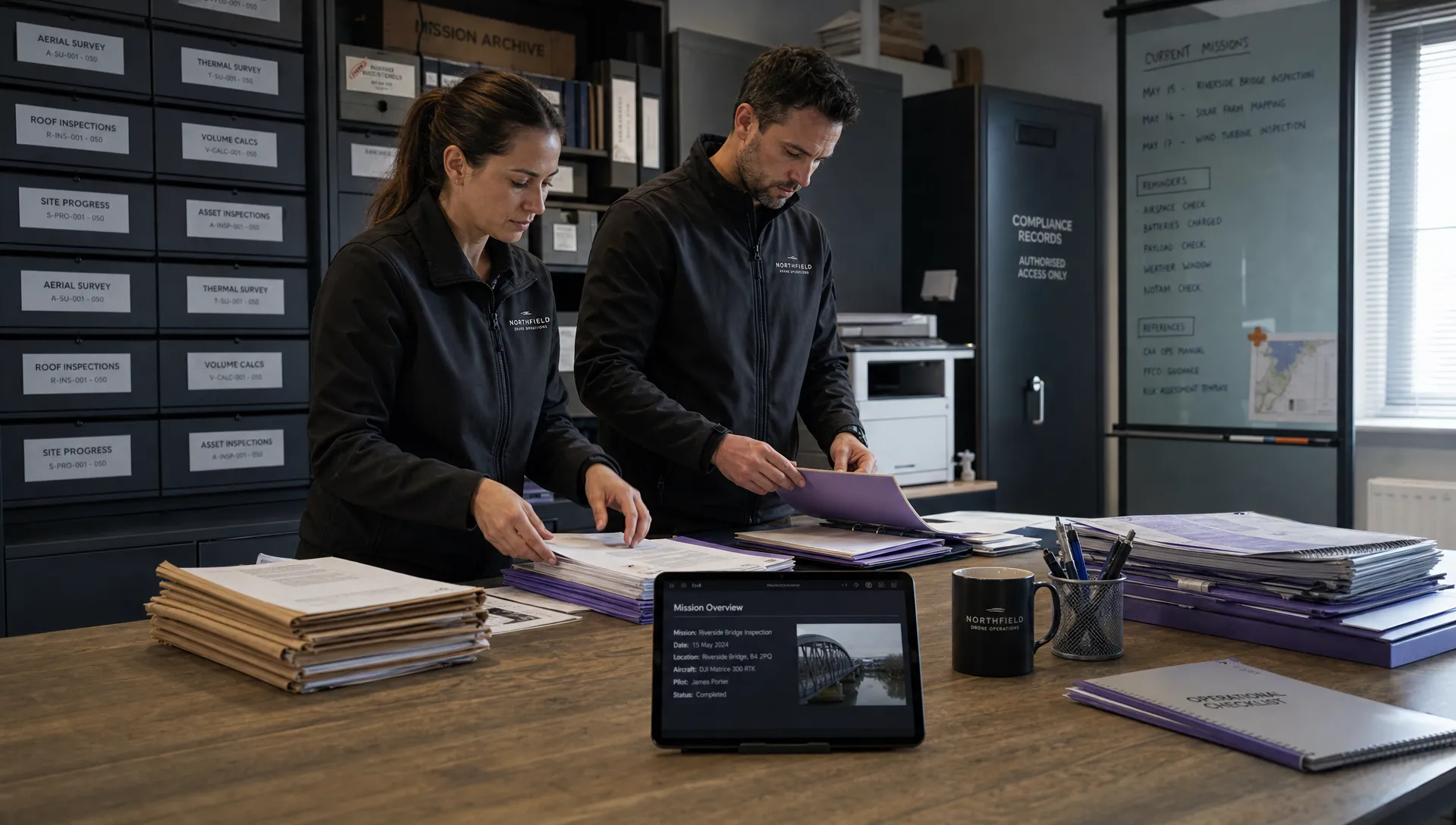 FAA Part 107 Record-Keeping Rules for Commercial Teams →
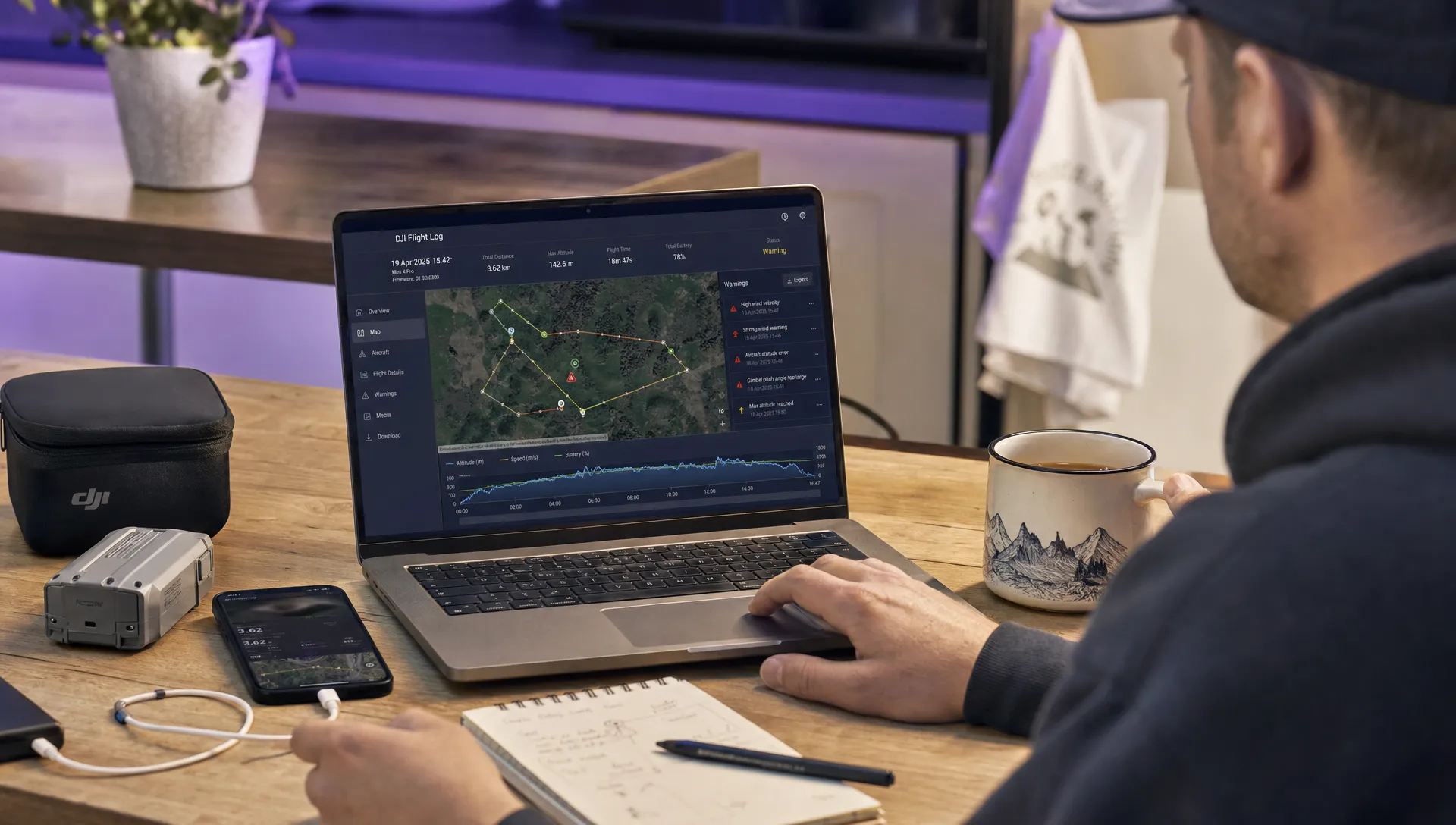 How to Review a DJI Flight Log After an Unexpected Event →
 Drone Laws Around the World: A Pre-Flight Research Framework →
 How to Compare Drone Survey Services for Complex Sites →
 How to Start a Drone Mapping Business With a Clear Workflow →
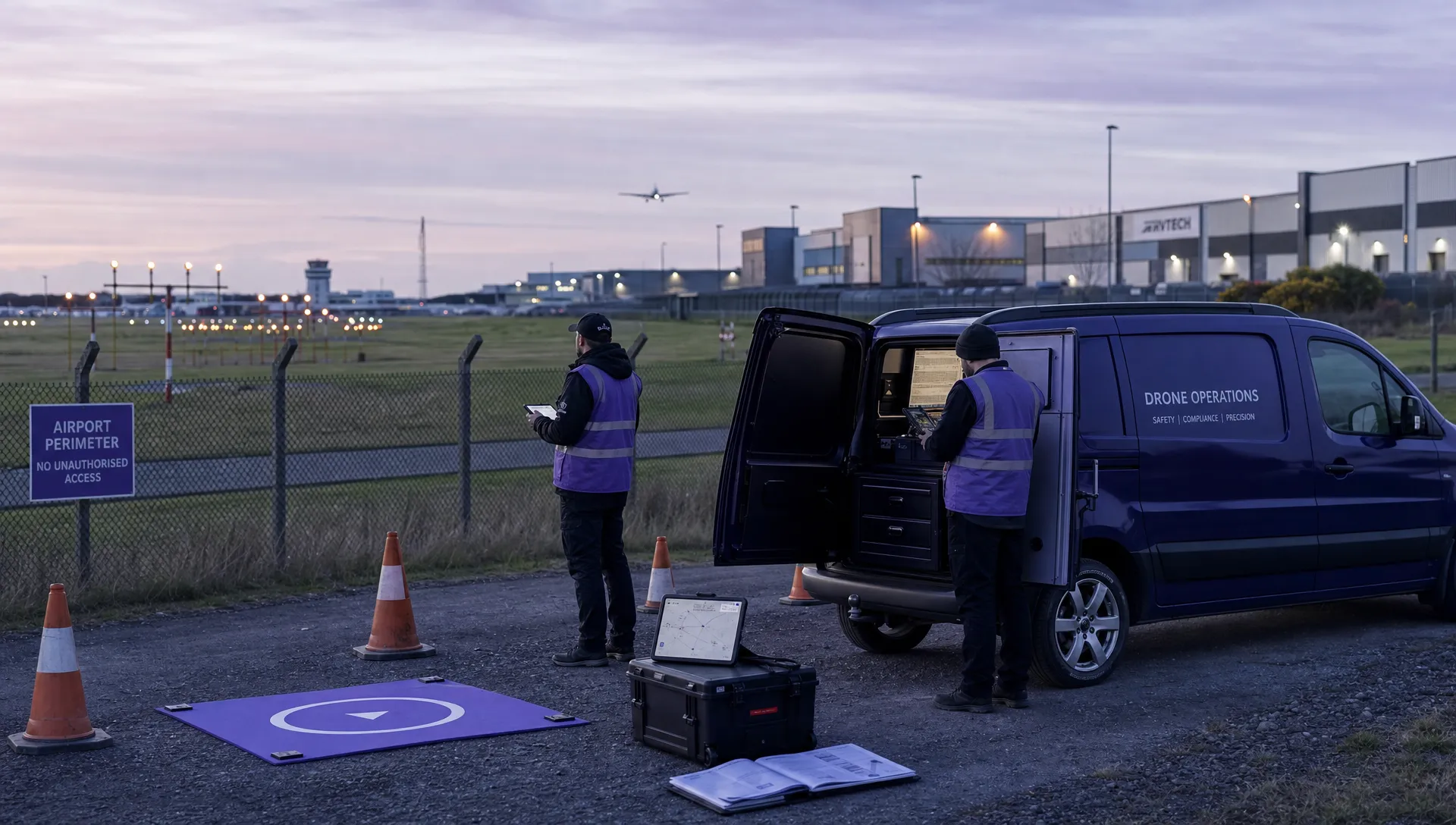 Class C Airspace Drone Rules for Commercial Flights →