
Drone Testing Checklist Before Commercial Deployment
A drone can pass a normal pre-flight check and still fail commercially. The airframe might fly, but the payload may not produce usable data, the battery may underperform in cold conditions, the crew may be unclear on emergency roles, or the test evidence may be too thin to satisfy a client, insurer or regulator.
That is why drone testing before commercial deployment needs to go beyond “does it take off?”. It should prove that the aircraft, payload, software, crew, procedures and records are ready for the specific job you intend to deliver.
For drone operators, survey companies, utility teams and emergency services, a structured testing checklist reduces surprises on client sites and helps demonstrate professional control of the operation.
What drone testing should prove before deployment
Commercial deployment means using the drone system in a real operational environment, often with client expectations, regulatory duties, public exposure and commercial consequences attached. A test flight is not just practice. It is a controlled validation event.
Your testing process should prove four things:
- The aircraft and payload are technically fit for the mission.
- The crew can operate the system safely and consistently.
- The data output meets the required standard.
- The documentation is complete enough to support compliance, audit and learning.
In the UK, your test plan should sit alongside your operations manual, risk assessment process, relevant authorisations and the latest CAA drone guidance. It does not replace regulatory compliance. It provides evidence that your operation is ready to perform within it.
Set the scope before you start testing
The most common mistake in drone testing is starting with the aircraft instead of the mission. A drone that is ready for a short roof inspection may not be ready for a long linear infrastructure survey, a night-time public safety deployment or a high-accuracy mapping project.
Before the first test flight, define exactly what “ready” means for the deployment.
| Test area | Example acceptance criteria before deployment |
|---|---|
| Regulatory readiness | Correct operating category, permissions, site access and insurance evidence are confirmed where applicable. |
| Aircraft readiness | Aircraft, controller, payload and batteries are identified, maintained and configured for the mission. |
| Crew readiness | Remote pilots and supporting crew understand roles, procedures, limits and emergency actions. |
| Data readiness | Imagery, video, thermal, LiDAR or mapping outputs meet the client’s required quality standard. |
| Safety readiness | Risk assessment, contingency plans, communications and emergency contacts are tested and recorded. |
| Record readiness | Test plan, checklists, logs, defects, corrective actions and sign-off are stored in a retrievable format. |
For survey companies, acceptance criteria may include ground sample distance, overlap, positional accuracy and file naming. For utilities, it may include safe stand-off distances, asset coverage, defect visibility and data security. For emergency services, it may include deployment speed, crew coordination, thermal visibility and live decision support.
Pre-test compliance and documentation checklist
A technical test is only useful if the operation is lawful, authorised and properly documented. Before any test flight, confirm the administrative and operational foundations are in place.
Use this checklist before moving to the field:
- Confirm the operating category or authorisation that applies to the test activity.
- Review the latest site restrictions, controlled airspace, NOTAMs and local constraints.
- Check that the test location is suitable for the manoeuvres and emergency drills you intend to perform.
- Confirm landowner or site permission where required.
- Verify pilot competency, currency and familiarity with the aircraft type.
- Confirm insurance and client-specific documentation where applicable.
- Prepare a site-specific risk assessment and emergency response plan.
- Record aircraft serial numbers, payload identifiers, battery IDs and software versions.
- Brief the crew on test objectives, abort criteria and communication protocols.
The CAA Drone and Model Aircraft Code is a useful baseline for operational responsibilities, but commercial operators should always check the rules and permissions that apply to their specific operation.
Aircraft, payload and software testing checklist
The aircraft should be treated as a complete system. Testing the drone without testing the controller, payload, apps, batteries, data storage and communications link leaves gaps that can surface during the real job.
| Component | What to test | Evidence to record |
|---|---|---|
| Airframe | Cracks, fasteners, landing gear, arms, vibration, contamination and weather sealing. | Inspection checklist, defect notes and photos if needed. |
| Propellers and motors | Propeller condition, correct fitment, motor sound, free movement and abnormal heat. | Inspection result and replacement record if changed. |
| Batteries | Cycle count, cell balance, charging behaviour, swelling, temperature and endurance. | Battery ID, state of health, flight time and landing percentage. |
| Controller and link | Signal strength, antennas, screen visibility, latency, control response and backup procedures. | Link observations and any loss-of-signal events. |
| GNSS and compass | Satellite acquisition, compass calibration status, home point accuracy and positioning stability. | App screenshots or log notes where appropriate. |
| RTK or PPK equipment | Base station, correction source, fix status, coordinate system and logging. | Correction status, coordinate reference system and data file checks. |
| Camera or sensor | Focus, exposure, gimbal movement, trigger timing, calibration and storage. | Sample files, calibration record and payload settings. |
| Flight app and firmware | Version compatibility, settings, geofence behaviour, mission upload and release notes. | Software version record and configuration notes. |
| Data storage | Card speed, available capacity, folder structure, backup process and file integrity. | Storage ID, sample transfer result and backup location. |
Do not assume a firmware update, replacement propeller or new payload mount is harmless. Any change that affects aircraft behaviour, data capture or crew workflow should trigger a proportionate retest.
Battery and endurance validation
Battery testing deserves special attention because manufacturer endurance figures rarely match real-world commercial conditions. Payload weight, wind, cold temperatures, repeated climbs, hovering and reserve requirements all reduce useful flight time.
A practical endurance test should replicate the deployment profile as closely as possible. If you will be flying a mapping grid, test a representative grid. If you will be inspecting pylons, test the hover time, repositioning and climb profile. If the mission is likely to involve cold starts or long standby periods, include those conditions in your planning.
Record the take-off percentage, landing percentage, flight duration, payload fitted, temperature, wind conditions and any battery warnings. Over time, this helps you build realistic planning assumptions rather than relying on optimistic published figures.
For commercial work, the key question is not “how long can it fly?”. It is “how long can it fly while maintaining a safe reserve, stable performance and useful data quality?”.
Controlled flight testing sequence
Flight testing should progress gradually. Start with low-risk checks, then expand the envelope only when the previous stage is satisfactory.
- Ground power-on test: Confirm the controller, aircraft, payload, app, GNSS, memory card and battery status before arming the motors.
- Low hover test: Lift into a stable hover in a controlled area and observe drift, vibration, gimbal stability, telemetry and control response.
- Manual manoeuvre test: Fly slow forward, backward, lateral, yaw and climb movements to confirm predictable handling.
- Mission profile test: Fly a representative route, grid, orbit, inspection path or search pattern using the same settings intended for deployment.
- Payload capture test: Capture sample images, video, thermal data or other sensor output and check it before leaving the site.
- Failsafe and contingency test: Validate return-to-home settings, low-battery behaviour and lost-link procedures only in a safe, controlled environment.
- Abort test: Practise stopping the mission, regaining manual control and landing safely at an agreed point.
Failsafe testing needs judgement. Do not create unnecessary risk by deliberately provoking hazardous situations. Where possible, use simulation, controlled settings or low-risk environments that are within your authorisation and risk assessment.
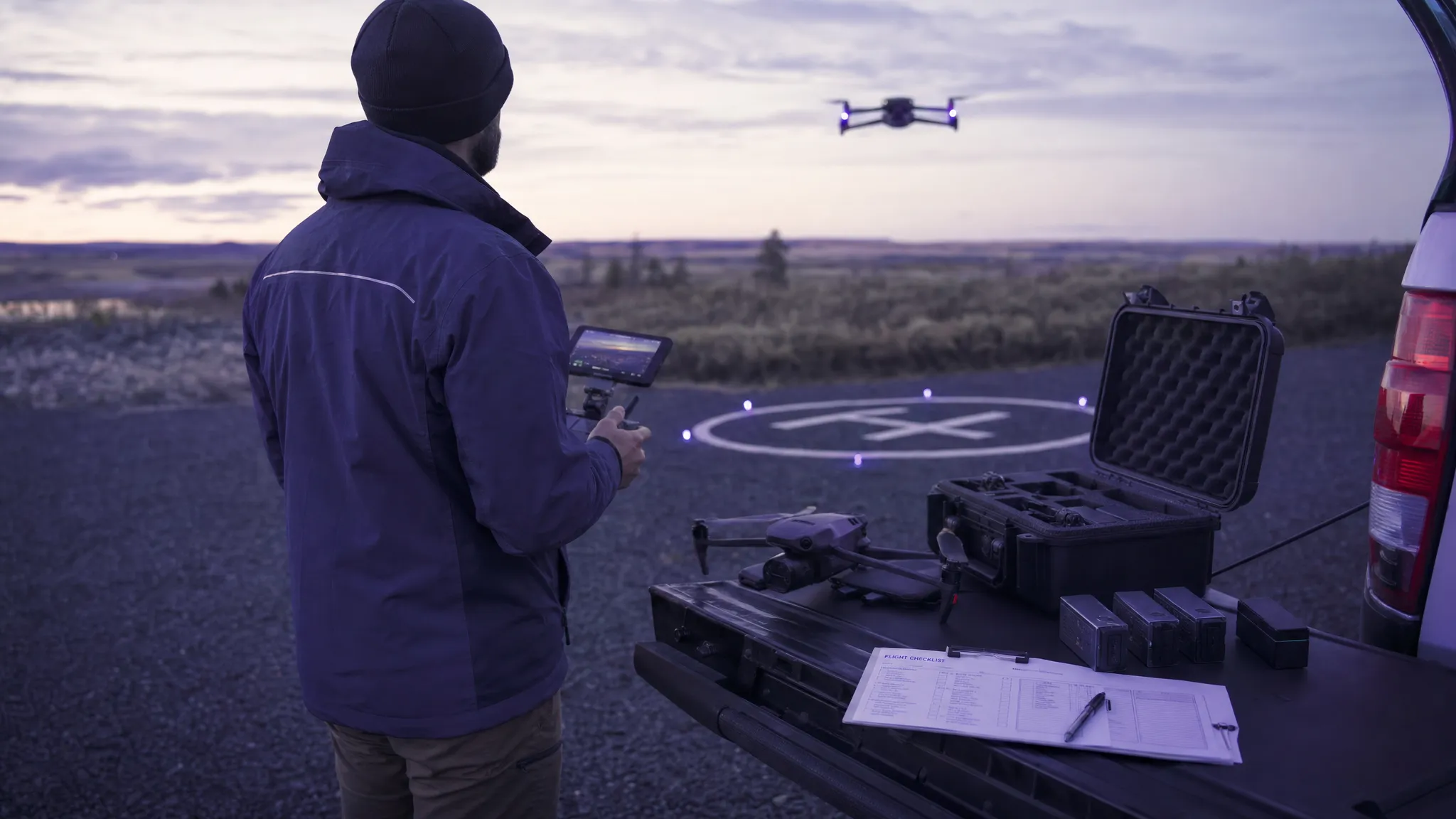
Data quality testing for commercial deliverables
For many commercial drone operations, the aircraft is only the delivery mechanism. The real product is data. If the data is blurred, incomplete, inaccurately referenced or poorly organised, the mission has failed even if the flight was safe.
Data testing should reflect the deliverable you are selling or providing.
| Operation type | Data quality checks before deployment |
|---|---|
| Topographic or land survey | Ground control or check point workflow, overlap, image sharpness, coordinate system, processing compatibility and accuracy tolerance. |
| Construction progress capture | Consistent altitude, repeatable viewpoints, clear site coverage, date stamping and organised file structure. |
| Utility inspection | Asset visibility, defect resolution, safe stand-off distance, zoom quality, thermal settings where used and naming conventions. |
| Emergency services | Thermal contrast, live view usability, mapping or search pattern coverage, rapid data sharing process and night or low-light performance where relevant. |
| Roof or building inspection | Close detail visibility, gimbal angles, obstacle clearance, lighting, image completeness and client reporting requirements. |
Always inspect sample data during the test, not days later. A quick field review can reveal focus errors, exposure problems, incorrect thermal palettes, missing RTK fixes or the wrong mission settings before the commercial deployment is at risk.
Survey companies should be especially strict about processing tests. A mission can appear successful in the field but fail later because images do not align, overlap is insufficient, ground control was mislabelled or the wrong coordinate reference system was used.
Crew readiness and communications testing
Commercial drone testing is also a people test. The best aircraft setup will not compensate for a crew that is unclear about roles, terminology or decision authority.
Before deployment, run a short operational rehearsal. The remote pilot, visual observers, payload operator, incident commander or site contact should understand who makes the go or no-go decision, who monitors airspace, who speaks to the client and who initiates emergency actions.
Communications should be tested under realistic conditions. For utility sites, that may mean noisy substations, long linear assets or poor mobile coverage. For emergency services, it may mean working alongside other responders with competing radio traffic. For survey teams, it may mean maintaining contact across a large site without distracting the remote pilot.
A good crew test confirms:
- The briefing format is understood and repeatable.
- Crew members use clear, standard terminology.
- Visual observers know their scan areas and escalation triggers.
- The pilot can stop the mission without hesitation if conditions change.
- The team can manage visitors, vehicles, livestock, bystanders or other site activity.
- Emergency contacts and landing alternatives are known before take-off.
If the crew cannot explain the plan clearly before the test, the operation is not ready for commercial deployment.
Emergency and contingency testing
Contingency planning should not exist only as a document. It needs to be rehearsed enough that people respond calmly when something changes.
Test the scenarios that are credible for your operation. These may include deteriorating weather, unexpected people entering the operating area, loss of visual line of sight risk, low battery warning, GNSS instability, payload malfunction, poor data capture, nearby aircraft activity, client pressure to continue, or a change in emergency service priorities.
The point is not to rehearse every possible failure. It is to confirm that the team can recognise a problem, communicate it, choose the safest option and record what happened.
For higher-risk or more complex operations, link your testing to a formal risk assessment. Dronedesk has a practical guide on building a drone flight risk assessment that works, which is a useful companion to this checklist.
Cybersecurity and data handling checks
Commercial drone data may include critical infrastructure, private property, police activity, accident scenes, sensitive mapping outputs or personally identifiable information. Testing should therefore include how data is stored, transferred and protected.
Before deployment, check user access to flight apps and cloud tools, confirm that only authorised crew can access project data, test the backup process and verify that files can be transferred without corruption. If the client requires a particular naming convention, storage location or deletion policy, test that workflow before the job.
This is particularly important for utility companies and emergency services, where data handling may be as sensitive as the flight itself.
Post-test review and deployment decision
A test is incomplete until someone reviews the evidence and makes a deployment decision. Avoid vague conclusions such as “seemed fine”. Use a clear status model.
| Status | Meaning | Deployment decision |
|---|---|---|
| Green | All critical checks passed, minor observations do not affect safety or deliverables. | Ready for deployment. |
| Amber | Some issues found, but mitigations are documented and accepted by the accountable person. | Deploy only if mitigations are in place. |
| Red | Safety, compliance, aircraft reliability or data quality issue remains unresolved. | Do not deploy commercially. |
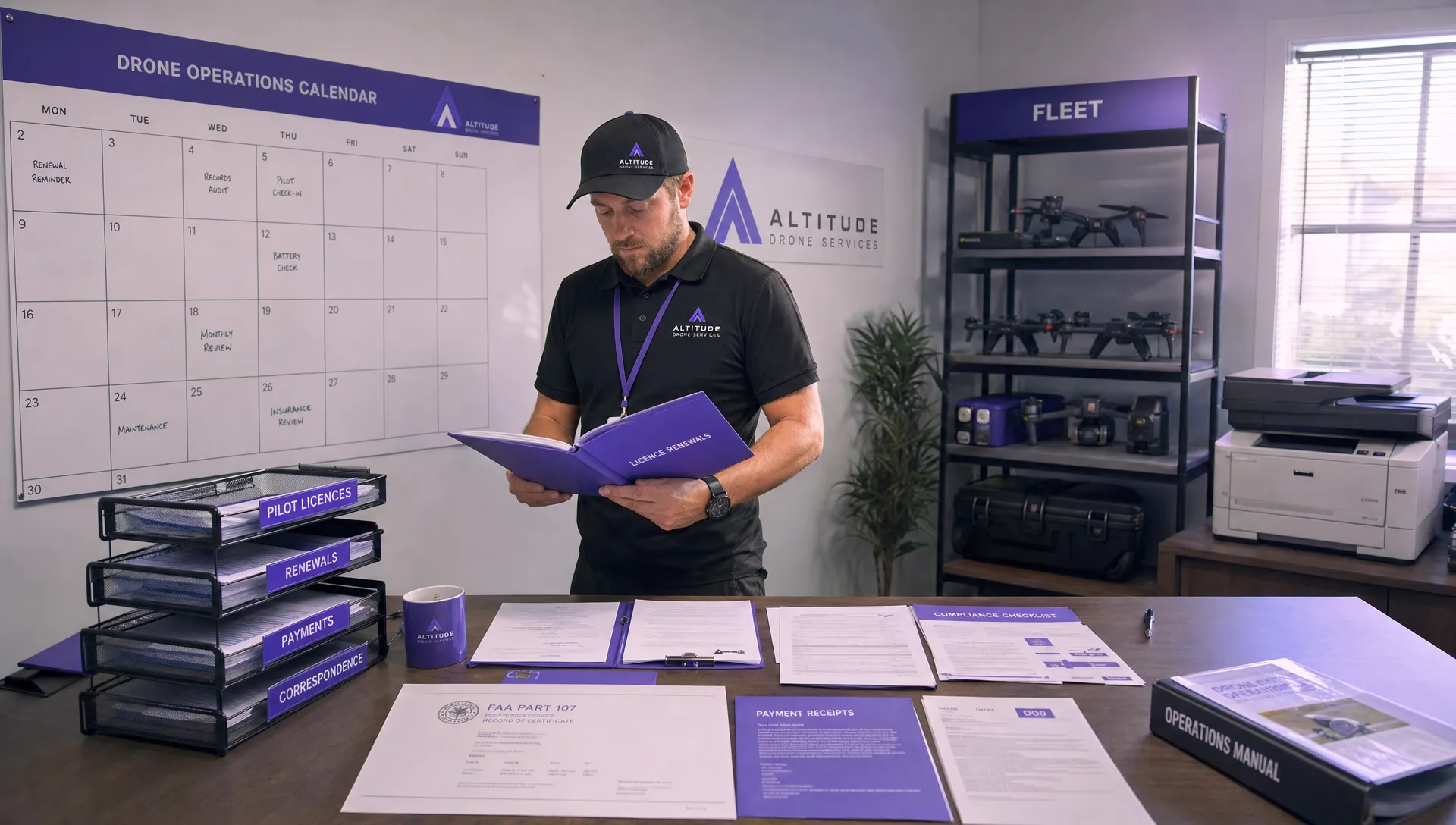
Your test evidence pack should include the test plan, crew details, location, weather, aircraft and payload IDs, battery records, software versions, risk assessment, flight logs, data samples, defects, corrective actions and final sign-off.
For growing operators, this evidence becomes part of fleet management. It helps you understand which aircraft are reliable, which batteries are ageing, which payloads need recalibration and which crews need further training. If you are scaling beyond a handful of aircraft, see Dronedesk’s guide to drone fleet management.
Example one-day drone testing schedule
The exact schedule will vary by aircraft type, mission and risk level, but a structured day helps keep the process disciplined.
| Phase | Activity | Output |
|---|---|---|
| Morning briefing | Confirm objectives, scope, risk assessment, crew roles and abort criteria. | Signed briefing record. |
| Ground checks | Inspect aircraft, payloads, batteries, controller, software, storage and documentation. | Completed technical checklist. |
| Basic flight test | Hover, manual control, telemetry, link quality and landing behaviour. | Flight log and observations. |
| Mission simulation | Fly representative route, grid, inspection path or search pattern. | Mission log and performance notes. |
| Data review | Check imagery, video, thermal, mapping or inspection outputs. | Sample data and quality notes. |
| Contingency rehearsal | Practise abort, return-to-home logic and communication procedures. | Emergency response observations. |
| Final review | Record defects, mitigations and deployment decision. | Green, amber or red sign-off. |
Do not compress the review stage. Many deployment failures are preventable because the warning signs were present during testing, but nobody stopped to analyse them.
When to repeat drone testing
Drone testing is not a one-off event. Repeat it whenever a meaningful variable changes.
Retest before commercial deployment when you introduce a new aircraft, new payload, new firmware, new mission planning app, new pilot, new operating environment or new client deliverable. Retest after a crash, hard landing, major repair, sensor recalibration, battery issue or unexplained flight behaviour.
You should also retest when moving into more demanding conditions, such as night operations, congested areas, remote utility corridors, maritime environments, emergency response scenarios or jobs with tighter data accuracy requirements.
The level of testing should be proportionate. A minor app update may need a short validation flight. A new aircraft and payload combination may need a full operational readiness test.
How Dronedesk supports a commercial testing workflow
A checklist is only useful if it becomes part of your everyday operating system. Spreadsheets, paper forms and disconnected folders can work for a small team, but they become harder to manage as pilots, aircraft, clients and jobs increase.
Dronedesk is an all-in-one platform for drone operations management and flight planning. Its features include client management, fleet management, team management, airspace intelligence, proximity intelligence, flight planning, flight logging, data reporting, configurable checklists and risk assessments.
For drone testing, that means you can standardise the checks your team performs, keep flight planning and risk assessment in the same operational workflow, and maintain records against the people, aircraft and jobs involved. That is especially valuable for operators who need to show clients, internal stakeholders or auditors that commercial deployment decisions are based on evidence rather than habit.
Frequently asked questions
How is drone testing different from a pre-flight checklist? A pre-flight checklist confirms that the aircraft and crew are ready for a specific flight. Drone testing before commercial deployment goes further by validating the aircraft, payload, software, data quality, emergency procedures, crew workflow and documentation against the intended mission.
How often should commercial drone operators carry out testing? Test before first deployment, after significant changes and whenever mission risk increases. New aircraft, payloads, firmware, pilots, repairs, unusual environments and higher-accuracy deliverables should all trigger proportionate retesting.
Should every firmware update be tested before client work? Yes, at least in a proportionate way. Firmware can affect flight behaviour, battery management, geofencing, payload control, mission planning or data capture. A short validation flight is often enough for minor updates, but major changes need more structured testing.
What records should be kept from a drone test? Keep the test plan, date, location, crew, aircraft and payload IDs, battery details, software versions, weather, checklist results, risk assessment, flight logs, sample data, defects, corrective actions and deployment sign-off.
Do survey drones need extra testing before commercial deployment? Yes. Survey operations should test not only the flight but also the data workflow. Image overlap, ground control, coordinate systems, RTK or PPK status, processing compatibility and accuracy checks should be validated before client delivery.
Can emergency services shorten drone testing because deployments are urgent? Emergency services can use pre-planned scenarios, standardised checklists and regular readiness drills to speed up deployment. The key is to test and document the system before the emergency, rather than discovering issues during a live incident.
Make testing part of every professional deployment
Commercial drone work depends on trust. Clients, regulators, colleagues and the public need confidence that your drone operation is controlled, documented and fit for purpose.
A structured drone testing checklist helps you make better go or no-go decisions before the pressure of a live job. If you want to bring flight planning, risk assessments, configurable checklists, fleet records and flight logging into one workflow, explore Dronedesk and build a more consistent process for commercial deployment.
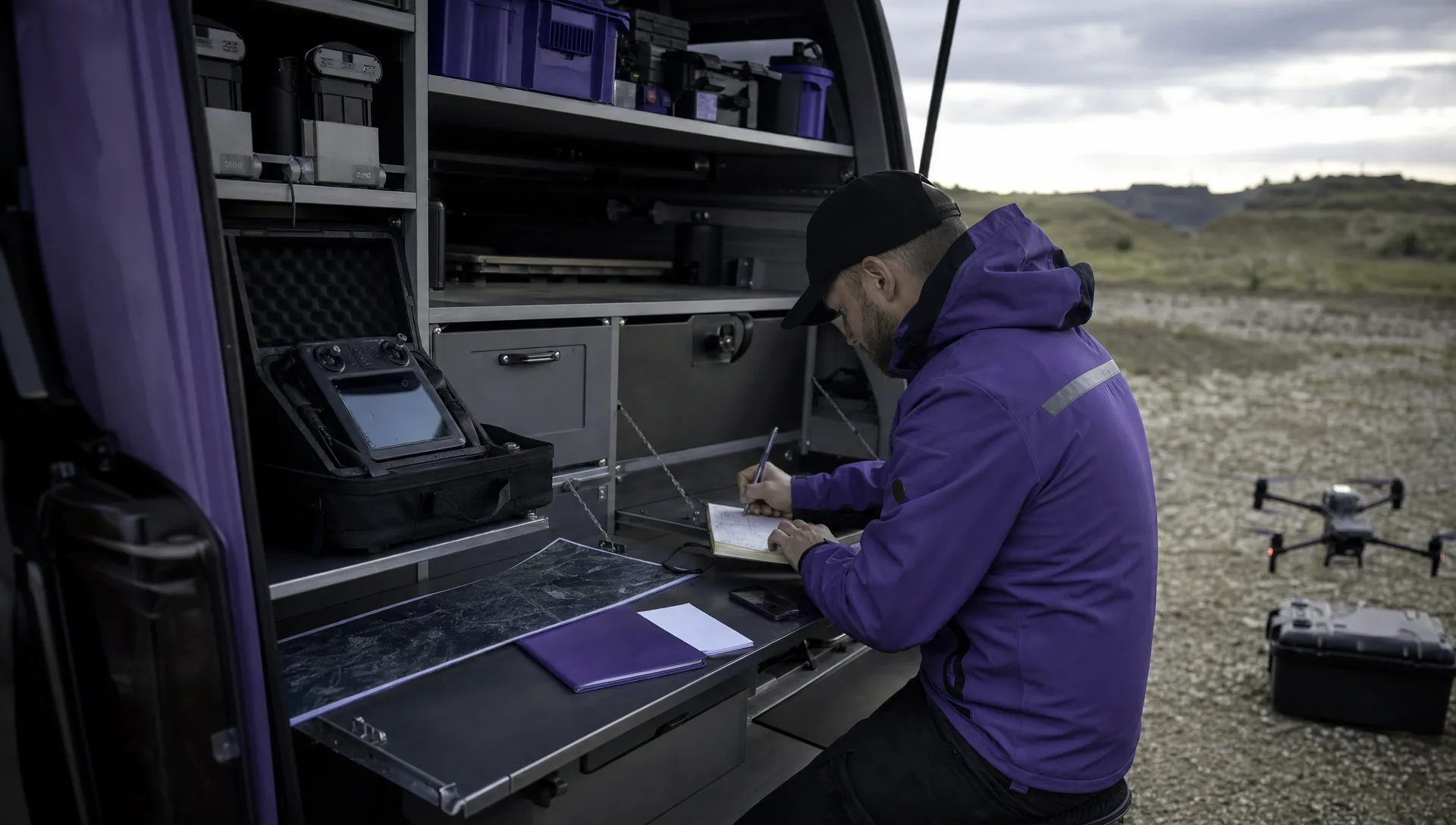 How to Evaluate a Free Drone Logbook Before Using It →
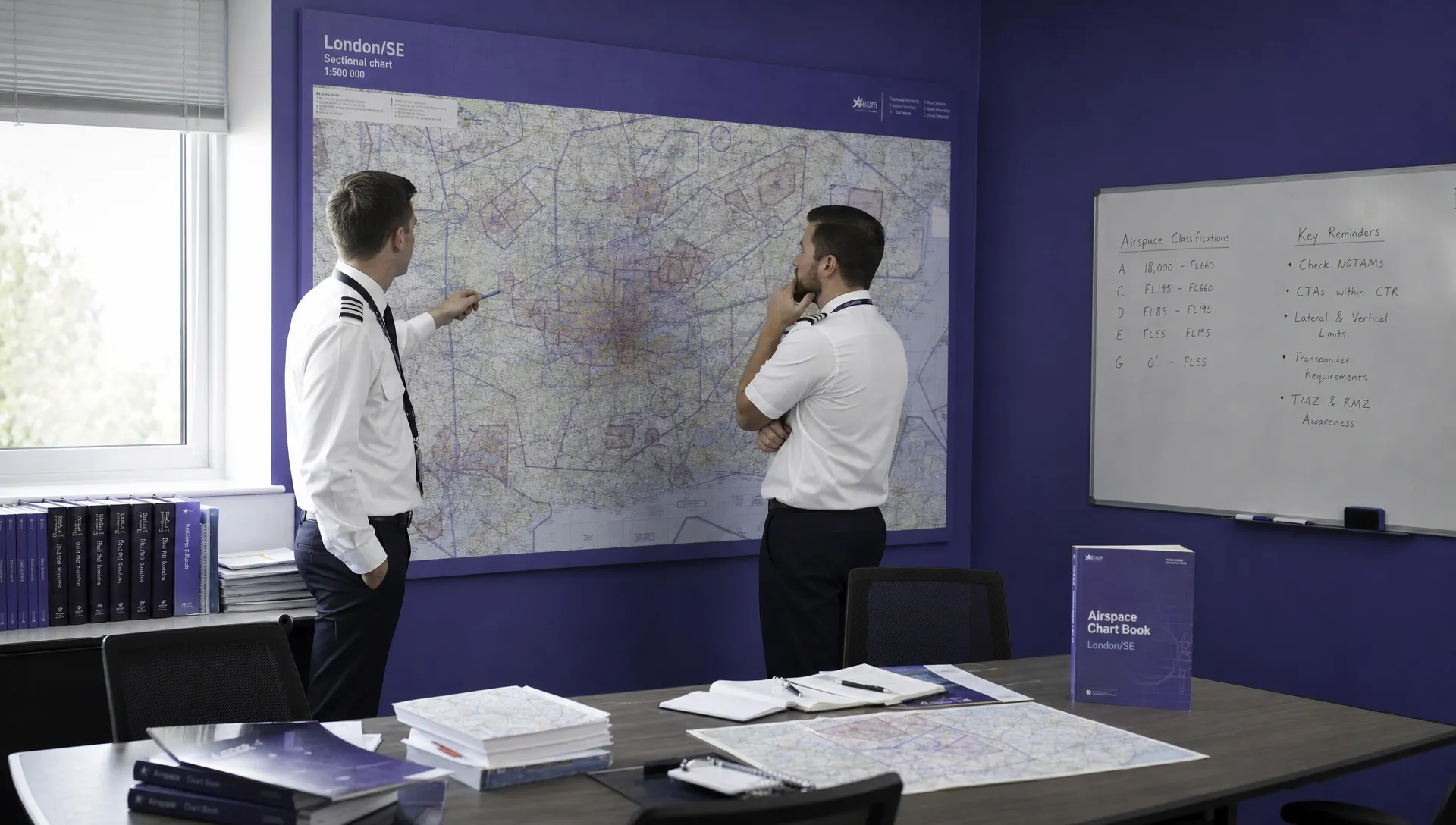 FAA Part 107 Test: How to Master Airspace Questions →
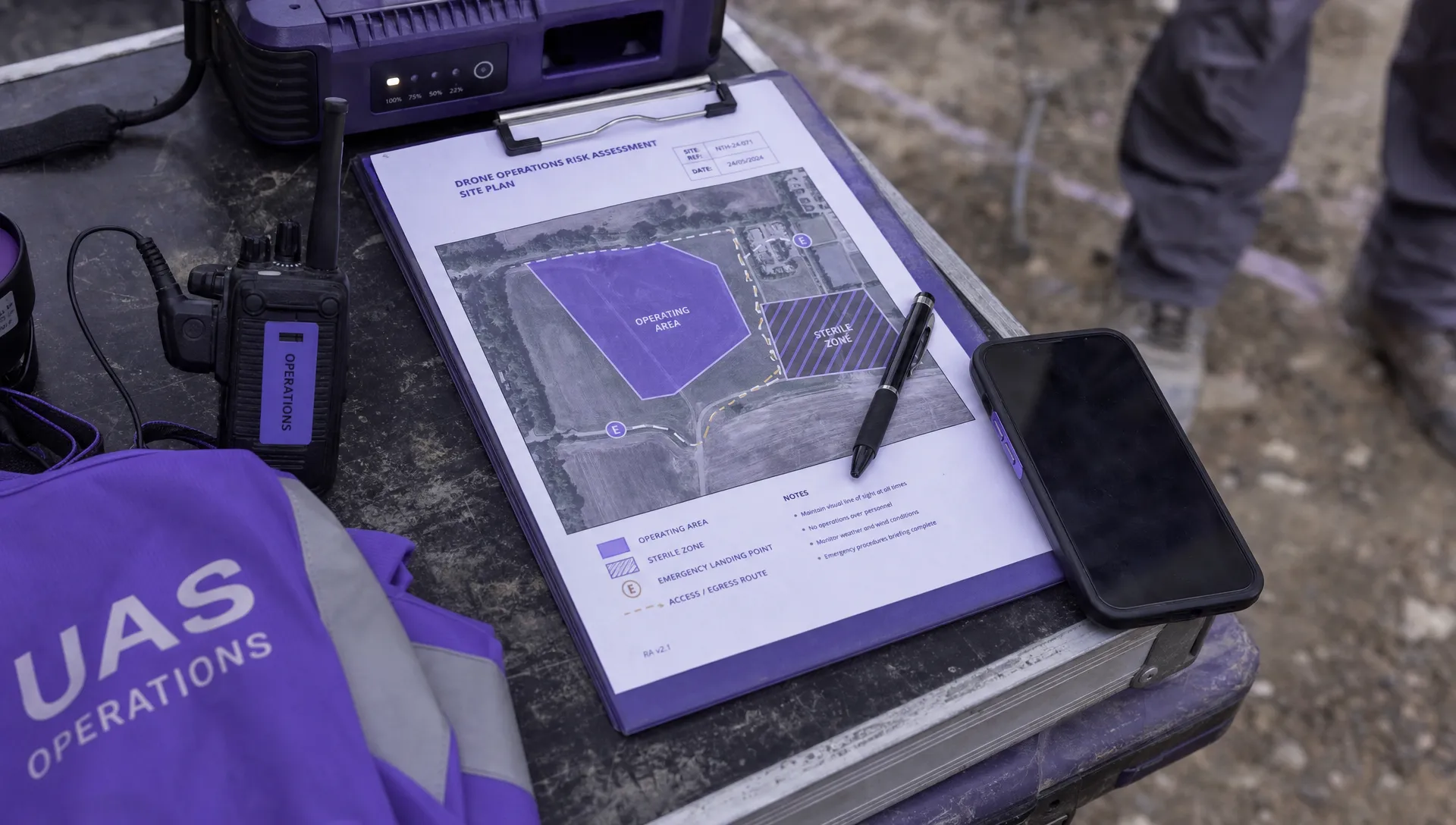 Drone Risk Assessment Controls That Work in the Field →
 FAA Drone License Costs Beyond the Knowledge Test →
 Drone Part 107 Operations: When a Waiver May Be Needed →
 Drone Operating Rules for Managing Contractors and Employees →
 BVLOS Drone Requirements for Building a Safety Case →
 Drone Pilot Test Mistakes That Cost Candidates Marks →
 FAA 107 License vs Part 107 Certificate: What’s the Difference? →
 Drone Airport Rules: A Field Checklist for Site Assessments →