
Choose the Best SORA Compliance Software for Drone Safety
Trying to make sense of drone regulations can feel like putting together a complex jigsaw puzzle, but without the picture on the box to guide you. That's where SORA, or the Specific Operations Risk Assessment, comes in. It's the internationally recognized playbook for safely pulling off advanced drone flights. To handle this, specialized SORA compliance software exists to automate the tricky bits, helping pilots prove their missions are safe and get the green light from regulators.
Decoding SORA and Its Critical Role in Drone Flights
Think of standard drone rules like getting your basic driver's license. It lets you drive a car under simple, everyday conditions. But what happens when you need to drive an oversized truck through a packed city center during rush hour? You’d need a special permit and a detailed plan to prove you can handle it without causing chaos. SORA is the drone world’s equivalent of that special permit.
It’s a structured process for flights that fall into the ‘Specific’ category—in other words, operations that go beyond the basic rules. These are often missions with higher potential risks, like:
- Flying Beyond Visual Line of Sight (BVLOS) to inspect a pipeline.
- Operating a drone over a populated area for an aerial photoshoot.
- Flying near an airport or within controlled airspace.
The Problem SORA Solves
Before SORA came along, risk assessments were all over the place. They were often inconsistent, subjective, and took a ton of time to complete. Every operator had to build their safety case from scratch, and regulators were stuck trying to evaluate dozens of different, non-standard formats. This created huge bottlenecks, slowed down innovation, and left the door wide open for human error.
SORA swaps this messy, manual approach for a clear, repeatable, and data-driven method. It creates a common language for risk, ensuring an operator in Spain and a regulator in Germany are on the same page, using the same principles to evaluate safety. This finally gives everyone a predictable path for getting complex missions approved.
SORA isn't a barrier; it's an enabler. It provides a logical, step-by-step process for drone operators to demonstrate that they have identified all potential risks and implemented effective mitigation measures to ensure a safe operation for everyone.
This move toward structured, data-heavy compliance isn't just happening in the drone industry. The global need for regulatory tools is exploding. The compliance software market was valued at USD 52.85 billion in 2024 and is projected to more than triple to USD 175.6 billion by 2033, which shows just how vital these tools have become across the board.
Why Software Is Becoming Essential
The SORA process is a beast. It involves ten distinct steps, complex calculations for Ground Risk Class (GRC) and Air Risk Class (ARC), and a mountain of documentation. As you can see in the EASA framework overview below, the 'Specific' category is designed for those middle-ground operations with moderate risk that need prior authorization.

This image really highlights where SORA fits into the regulatory picture—it’s the bridge between simple, open-category flights and the highly regulated, certified ones. To navigate this middle ground, doing things by hand just doesn't cut it anymore. This is where dedicated SORA compliance software becomes a non-negotiable tool, turning a headache of paperwork into a smooth, manageable digital workflow.
Once you get the core ideas, you can really see the value of these tools. To round out your knowledge of the bigger picture, including country-specific rules, check out an essential guide to drone laws and compliance. And for a deeper dive into the nitty-gritty of the process itself, our guide on https://blog.dronedesk.io/sora-flight-planning/ is the perfect next step.
Essential Features of SORA Compliance Software
Good SORA compliance software is more than just a fancy calculator; it’s your intelligent co-pilot for the entire safety management process. It takes what is an incredibly complex, manual slog and turns it into a guided, automated workflow. The right platform gives you the confidence that every single risk has been spotted, assessed, and properly dealt with, moving beyond basic number-crunching to become the command center for your advanced drone ops.
This shift to smarter digital tools isn't unique to drones—it's happening across every regulated industry out there. In fact, the compliance management software market is expected to jump from USD 52.85 billion in 2024 to USD 60.49 billion in 2025. That's some serious growth, all driven by the critical need for solid regulatory tools. You can get a better sense of this trend by checking out this compliance management software market overview.
For drone operators, this means you need to look for software with features that actually help you, not just a list of technical specs. The goal is to find a solution that genuinely lightens your workload while making your safety case stronger.
Automated Risk Modeling and Calculation
At its heart, the SORA process is all about figuring out your Ground Risk Class (GRC) and Air Risk Class (ARC). Doing this by hand is a painstaking job of cross-referencing charts, poring over population density maps, and trying to make sense of airspace classifications. It's slow, tedious, and a minefield for human error.
Modern SORA software automates this whole dance. You just plug in your operational details—drone specs, flight path, altitude—and the platform’s algorithms do the heavy lifting in seconds.
This feature is a total game-changer. Here’s why:
- Saves a Ton of Time: It turns a multi-hour headache into a task that takes just a few minutes. That frees up your team to focus on flying, not paperwork.
- Boosts Accuracy: Automation gets rid of the risk of a slip-up in your calculations, ensuring your GRC and ARC values are spot-on and defensible.
- Gives Instant Feedback: You can tweak your flight plans and instantly see how those changes impact your risk profile. This makes for much more dynamic and efficient planning.
This breakdown shows how all the essential parts of a complete SORA compliance solution fit together.

As you can see, a solid system is built on a foundation of regulatory mapping, automated workflows, and real-time monitoring. Each piece plays a critical role in making your operation safer and more compliant.
A good SORA compliance tool should simplify complexity without sacrificing detail. The table below breaks down the must-have features and explains exactly how they benefit your day-to-day operations.
Table: Essential Features in SORA Compliance Software
| Feature | Description | Primary Benefit |
|---|---|---|
| Automated Risk Modeling | Instantly calculates Ground Risk Class (GRC) and Air Risk Class (ARC) based on operational inputs. | Reduces manual calculation time from hours to minutes and eliminates human error, ensuring accurate risk assessment. |
| Mitigation Suggestions | Recommends relevant mitigations and Operational Safety Objectives (OSOs) based on the calculated SAIL. | Guides you to the most effective safety measures, saving you from having to research them from scratch. |
| OSO Management & Tracking | Provides a centralized dashboard to manage the 24 OSOs, track their status, and link supporting evidence. | Creates a clear, auditable trail of compliance, making it easy to prove your safety measures are in place and effective. |
| Automated Report Generation | Compiles all data (ConOps, GRC/ARC, mitigations, evidence) into a submission-ready PDF report with a single click. | Saves countless hours on document formatting and ensures your application is professional, complete, and consistent. |
| Regulatory Library | Maintains an up-to-date database of national and international drone regulations, accessible within the platform. | Keeps you informed of regulatory changes and ensures your safety case is always aligned with the latest legal requirements. |
These core features work together to transform a daunting regulatory requirement into a manageable and integrated part of your operational planning.
Dynamic Mitigation and OSO Tracking
Spotting risks is just step one. The real substance of a SORA application is showing how you’re going to control them. This is where Operational Safety Objectives (OSOs) and mitigation measures take center stage. A top-tier software solution won't just suggest relevant mitigations based on your risk levels; it will also help you track their implementation.
Think of it as a dynamic safety checklist. The software shows you the 24 possible OSOs and helps you pinpoint the ones required for your mission's Specific Assurance and Integrity Level (SAIL). It then acts as a living document where you can upload evidence—pilot training certificates, maintenance logs, or emergency drill records—to prove you’ve met each objective.
The best SORA platforms transform compliance from a static, one-time report into a dynamic, ongoing process. They provide a clear, auditable trail that proves your commitment to safety, not just on paper, but in practice.
Automated Report Generation
After all that hard work, everything has to be compiled into a polished, professional report for the National Aviation Authority (NAA). Creating this document manually can be a nightmare of copy-pasting, formatting headaches, and version control chaos. That's why the ability to automatically generate submission-ready reports is a non-negotiable feature.
With a single click, the platform should pull all your data—the ConOps, GRC/ARC figures, chosen mitigations, and OSO evidence—into a standardized, regulator-friendly format. This guarantees consistency, professionalism, and completeness, seriously boosting your chances of getting a quick and successful approval. It doesn't just save time; it presents your safety case in the most coherent and persuasive way possible.
How to Choose the Right SORA Software

Picking the right SORA compliance software is a lot like choosing a vehicle for a critical mission—the best choice depends entirely on what you need to do. With more options popping up, it's easy to get tangled in marketing hype and endless feature lists. This guide will give you a practical way to cut through the noise and make a smart decision for your drone operations.
The trick is to look past the shiny brochures and focus on what actually matters. You need a platform that feels intuitive, not one that requires a week of training. It has to play nice with the tools you already use, and you need to know there’s responsive support on the other end of the line. The goal is to find a solution that becomes a genuine asset, not just another line item on your monthly expenses.
Evaluate the User Experience and Interface
Let's be honest, even the most powerful software is useless if your team dreads using it. A clean, logical user interface isn't a "nice-to-have"; it's essential. The software should walk you through the SORA process step-by-step, turning a complex assessment into something that feels manageable.
Before you even think about committing, insist on a live demo or a free trial. See how quickly you can get the hang of the basic workflow. Can you plug in your Concept of Operations (ConOps), figure out your risk classes, and locate the necessary Operational Safety Objectives (OSOs) without reaching for the user manual every five minutes? The less time you spend wrestling with the software, the more time you have for actual mission planning.
A great SORA platform doesn't just present data; it tells a story. It should visually guide you from initial risk assessment to final report generation, making the entire compliance journey clear and auditable for both you and the regulators.
Scrutinize Integration Capabilities
Your SORA software can't be an island. To be truly efficient, it needs to connect with the other systems you rely on for managing your drone operations. Manually entering data is a recipe for mistakes and wasted hours, which makes seamless integration a game-changer.
Look for platforms that can:
- Sync with your Fleet Management: The software should be able to pull aircraft details, maintenance logs, and pilot certifications directly into the SORA workflow.
- Integrate with Flight Planning: Connecting to your flight planning tools to automatically import mission details like flight paths and operational areas is a huge time-saver.
- Provide API Access: A solid Application Programming Interface (API) is crucial for creating custom links to your own internal systems or other third-party software.
These integrations elevate the software from a simple calculator to the command center for your safety and compliance. It’s also worth looking into how AI and automation are revolutionising drone operations, as these connected systems are often the foundation.
Ask the Right Questions Before You Buy
When you're vetting vendors, you need to do your homework to make sure the software meets your operational and safety standards. Using a solid technical due diligence checklist can give you a good framework. Here are a few must-ask questions:
- How often do you update the SORA methodology? Regulations are always changing. Your software needs to stay current with the latest from bodies like EASA and JARUS.
- What are your data security protocols? You'll be trusting this platform with sensitive operational data. Make sure the vendor has robust security, like end-to-end encryption and secure data centers.
- What does your customer support actually look like? When you’re up against a submission deadline, you need quick, expert help. Ask about response times, support hours, and how you can get in touch (phone, email, live chat).
- Is the pricing model transparent? Nobody likes surprise fees. Get a clear breakdown of what’s included in each plan and ask about any hidden costs for extra users, features, or premium support.
The global market for compliance software is booming as regulations get more complex. It was valued at around $2.5 billion in 2023 and is expected to hit $5.8 billion by 2032. This growth gives you more choices, but it also makes it critical to pick a stable, reliable partner. By carefully looking at these key areas, you can choose a SORA solution that truly fits your budget, team size, and operational needs.
Integrating SORA Software Into Your Daily Workflow

A powerful tool is only as good as the team that uses it. Just buying SORA compliance software won’t move the needle; the real magic happens when you weave it into the very fabric of your daily operations. This is how you turn it from a simple compliance checkbox into the central hub for your safety management.
The goal is to make it an indispensable part of your workflow, not just another program to log into. Making that transition takes a solid plan, starting with the basics like migrating your data and then moving on to training and making the software work for you.
Kicking Off With Data Migration and Setup
The first practical step is to get all your operational data into the software. A good SORA platform will make this a breeze, letting you quickly upload or sync details about your pilots, aircraft, and all the gear that goes with them. Think of it like loading your toolbox before a big job; having everything in one place from the get-go is key.
This initial setup should cover:
- Pilot Profiles: Logging every pilot’s certifications, training records, and flight hours.
- Aircraft Details: Adding your drone models, registration numbers, and, crucially, their maintenance schedules.
- Equipment Logs: Cataloguing everything from batteries and payloads to ground stations and other critical gear.
Getting this information into the system right away ensures that every risk assessment you run is built on a foundation of accurate, current data. It's a non-negotiable first step.
Customizing Workflows for Your Team
Let’s be honest, no two drone operations are the same. That's why the ability to customize workflows in your SORA software is so important for getting your team on board. The platform needs to adapt to your process, not force you into a new one. This means setting up checklists, approval chains, and report templates that mirror how your team already gets things done.
A small survey team might have a simple workflow: one pilot plans, gets approval, and flies the mission. But a larger enterprise could have a multi-stage process involving a safety manager, an operations lead, and even a client liaison. The software must be flexible enough to handle both scenarios, which is a cornerstone of effective drone operations management.
The most successful integrations happen when the software feels like a natural extension of the team's existing habits. It should reduce friction, not add new steps, making compliance the path of least resistance.
Building Team Confidence Through Training
People naturally resist change, and that's the biggest hurdle you'll face when rolling out a new tool. Good training is your secret weapon. But don't just focus on which buttons to click; you need to build confidence by showing your team why this software makes their lives better. Demonstrate how it saves them time, slashes tedious paperwork, and ultimately makes their missions safer.
A solid training session might look something like this:
- SORA Fundamentals: A quick refresher on the "why" behind the whole SORA process.
- Guided Walkthrough: Create a mock SORA assessment from scratch, walking them through every step.
- Real-World Scenarios: Apply the software to a few of your past missions or one that's coming up soon.
- Q&A Session: Open the floor to address any specific questions and concerns from the team.
This approach helps your pilots see the software as a helpful co-pilot rather than just more admin. That shift in perspective is what encourages everyone to actually use it, ensuring you get the most out of your investment. A well-trained team is a compliant and efficient team.
Putting SORA Software to the Test: From Theory to Flight Line
Theory is one thing, but the real measure of any tool is how it stands up to the pressures of a real-world job. This is where SORA compliance software really earns its keep—tackling complex missions that would otherwise bury an operator in a mountain of paperwork and uncertainty.
Let's walk through three different scenarios. Each one throws a unique set of challenges into the mix, from keeping people safe on the ground to weaving through crowded city skies. By breaking these missions down, you'll see exactly how the software's features cut through the red tape, turning potential showstoppers into approved, manageable operations.
Scenario 1: Agricultural Drone Near a Residential Area
Picture this: an agricultural services company needs to spray a huge field using a heavy-lift drone. The catch? The field is right next to a quiet residential neighborhood. For any aviation authority, that’s a huge red flag. Ground risk is the number one concern here. One wrong move, one system failure, and you’re looking at serious consequences for people and property.
The SORA process immediately flags a high initial Ground Risk Class (GRC). The operator has to prove, without a doubt, that they have solid measures in place to keep that drone from ever crossing into the populated area.
How SORA Software Gets it Done:
- Geofencing Validation: Inside the software, the operator can map out the precise flight area and set a rock-solid geofence. They can then upload flight logs from previous jobs to demonstrate just how reliable their geofencing system is. This provides concrete evidence for the M1 mitigation, proving the drone will be contained.
- Smarter Buffer Zones: Instead of just guessing, the platform automatically calculates the exact buffer zone needed between the field and the houses. It uses the drone’s specs and potential failure modes to come up with a number that's data-driven and far more defensible.
- Bulletproof Contingency Plans: The operator uses the software’s structured workflow to build out their emergency response plan. It details exactly what happens if the drone loses its connection or has a glitch. This ticks a major box for a key Operational Safety Objective (OSO).
By leaning on the software, the operator builds a powerful safety case that systematically brings that high GRC down to an acceptable level. The final report clearly shows that while the initial risk was high, the layers of mitigation make the whole operation safe, paving the way for a much faster approval.
Scenario 2: BVLOS Skyscraper Inspection
Next up, a drone firm has landed a contract to inspect the entire facade of a skyscraper in a busy city center. This job demands flying Beyond Visual Line of Sight (BVLOS), and the airspace is buzzing with potential helicopter traffic. Here, you're juggling significant risks on both the ground and in the air.
The SORA assessment doesn't pull any punches: a high GRC because they’re flying over people, and a high Air Risk Class (ARC) thanks to the urban airspace. This means the operator is facing a high Specific Assurance and Integrity Level (SAIL), which demands incredibly robust safety measures.
How SORA Software Gets it Done:
- Live Airspace Analysis: The software plugs directly into live airspace data, flagging helicopter routes, temporary flight restrictions, and any other potential conflicts. This lets the team strategically schedule the mission for when the skies are quietest—a smart mitigation tactic.
- Documenting Tactical Mitigations: The drone is fitted with an ADS-B transponder to see and be seen. The operator simply uploads the device’s spec sheets and maintenance logs into the OSO management module. This creates an auditable trail, providing solid proof of their M2 tactical mitigation for avoiding other aircraft.
- Automated SAIL Checklist: With the high GRC and ARC, the software instantly calculates a high SAIL (let's say SAIL IV). It then spits out a specific checklist of every single OSO required. This becomes the operator's roadmap, guiding them through the huge amount of documentation needed for such a high-stakes mission.
Trying to tackle a SAIL IV application manually is a monumental task. The SORA software gives the entire process a logical structure, making sure nothing gets missed and presenting the entire safety case in a format that regulators can easily understand and approve.
SORA software acts as an intelligent guide, transforming a complex web of risks and regulations into a clear, step-by-step path to compliance. It ensures every potential hazard is identified, addressed, and documented.
Scenario 3: Long-Range Pipeline Survey
An energy company needs to inspect a 50-kilometer stretch of pipeline snaking through remote forests and over hilly terrain. This kind of long-range BVLOS flight introduces its own set of headaches, mainly proving you can maintain command and control over such a huge distance and figuring out what to do if you have to land in the middle of nowhere.
The big SORA hurdles here are convincing the authorities that the command-and-control (C2) link is reliable and that the contingency plans for a lost link are solid, especially over such tricky and inaccessible ground.
How SORA Software Gets it Done:
- Building a Solid ConOps: The operator uses the software’s templates to put together a detailed Concept of Operations (ConOps). This document lays out everything about their satellite-based C2 link, backed up by performance data and reliability stats, which satisfies a critical OSO.
- Mapping Out Emergency Plans: The platform helps map out pre-planned emergency landing spots all along the 50-kilometer route. The operator can upload all the necessary paperwork for each site—like landowner permissions and access details—directly into the system.
- One-Click Report Generation: After all the data is in, the software does the heavy lifting. With a single click, it pulls everything together—the flight path, C2 link evidence, emergency plans, and risk assessments—into one professional, cohesive report. This saves dozens of hours of cutting, pasting, and formatting.
For sprawling, linear missions like this, SORA compliance software provides the framework needed to manage and document risk across a massive operational area. It's what makes these complex BVLOS operations not just possible, but safe and approvable.
Frequently Asked Questions About SORA Software
Stepping into the world of SORA software can bring up a lot of questions. As drone tech and the rules around it keep shifting, it’s only natural to wonder exactly how these tools fit into your day-to-day operations. Here, we'll tackle the most common queries head-on, giving you a clear picture of what the software does, who it’s for, and how it keeps up.
Getting straight answers is the only way to feel confident before you put your time and money into a new platform. Let's dig into the practical stuff that really matters to operators like you.
Can SORA Software Guarantee My Flight Gets Approved?
This is the big one, and the honest answer is no, it can't. SORA compliance software doesn't automatically guarantee approval from your National Aviation Authority (NAA). Think of it less as a magic button and more as an expert consultant who helps you build an iron-clad safety case. The final say always belongs to the regulator.
What the software does guarantee is that you're submitting a professional, structured, and error-free report that's far more likely to get a thumbs-up. It methodically walks you through every required step, ensuring nothing is missed. Incomplete or sloppy manual applications are one of the biggest reasons for delays and rejections, and that’s precisely the problem this software is built to solve. It massively boosts your chances of a smooth, timely approval.
Who Is This Software Designed For?
Simply put, SORA compliance software is for any drone operator planning missions in the ‘Specific’ category. That covers a surprisingly wide range of pilots, from one-person outfits to massive corporate drone programs.
Here’s a quick look at who benefits the most:
- Solo Drone Operators and Small Teams: For smaller setups, the software is a game-changer. It saves a ton of time and gives you the specialist knowledge you need to handle complex applications without having to hire a full-time compliance expert.
- Enterprise Drone Programs: Big companies rely on this software to keep their safety procedures consistent across multiple teams. It creates a standardized, auditable record for both internal check-ups and official reviews.
- Specialized Service Providers: If you’re in the business of surveying, infrastructure inspection, or aerial cinematography, this software is your ticket to efficiently securing approvals for advanced jobs like BVLOS or flights over people.
Basically, if your operations need a SORA, dedicated software will make your life a whole lot easier and your applications a whole lot stronger.
How Does The Software Stay Current With Changing Regulations?
The rulebook for drones is constantly being rewritten. Regulations from bodies like EASA and JARUS are always evolving, and a huge part of any good SORA software’s job is to keep up. This is what really separates a professional tool from a static checklist you downloaded once.
A great SORA platform is like a living regulatory library. The provider's team is always monitoring for updates and baking them right into the software's logic. This ensures your risk assessments are always built on the latest standards.
So how do they do it? It usually comes down to a few key things:
- Dedicated Regulatory Teams: The best vendors have experts on staff whose entire job is to track changes from aviation authorities all over the world.
- Regular Software Updates: The platform gets updated frequently to reflect new SORA versions, improved mitigation tactics, and fresh guidance from the powers that be.
- Direct User Communication: Good providers will let you know when big regulatory shifts happen and explain exactly how the software has been adjusted to keep you compliant.
This constant behind-the-scenes work means you can trust your safety case is built on a solid, current foundation. It takes the headache of tracking all those complex changes off your plate and ensures you stay compliant for the long haul, not just for one flight.
Ready to take control of your drone compliance? Dronedesk simplifies the entire SORA process, from flight planning to final report generation, giving you the confidence to tackle any mission. Discover how thousands of pilots are saving time and ensuring safety at https://dronedesk.io.
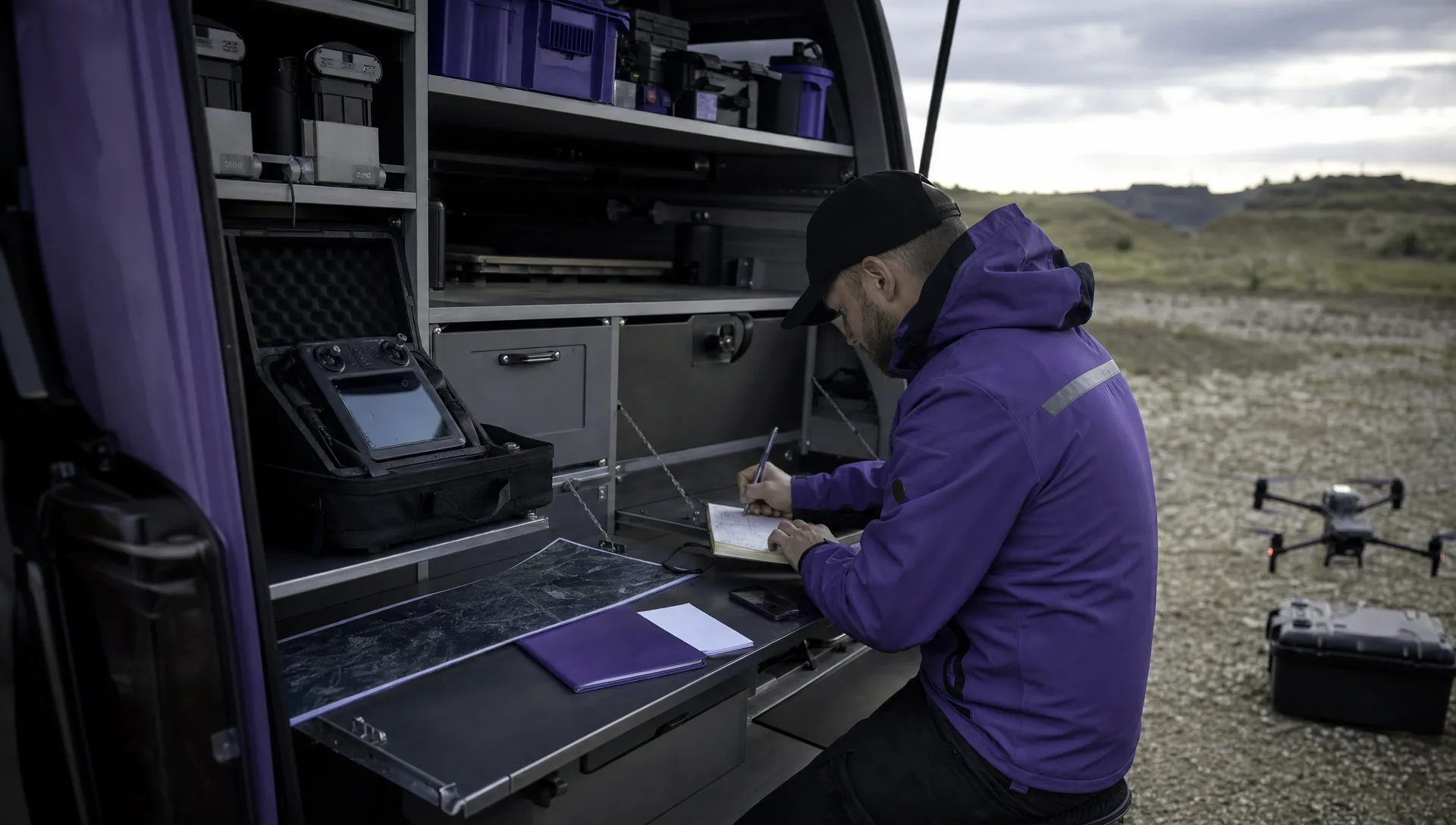 How to Evaluate a Free Drone Logbook Before Using It →
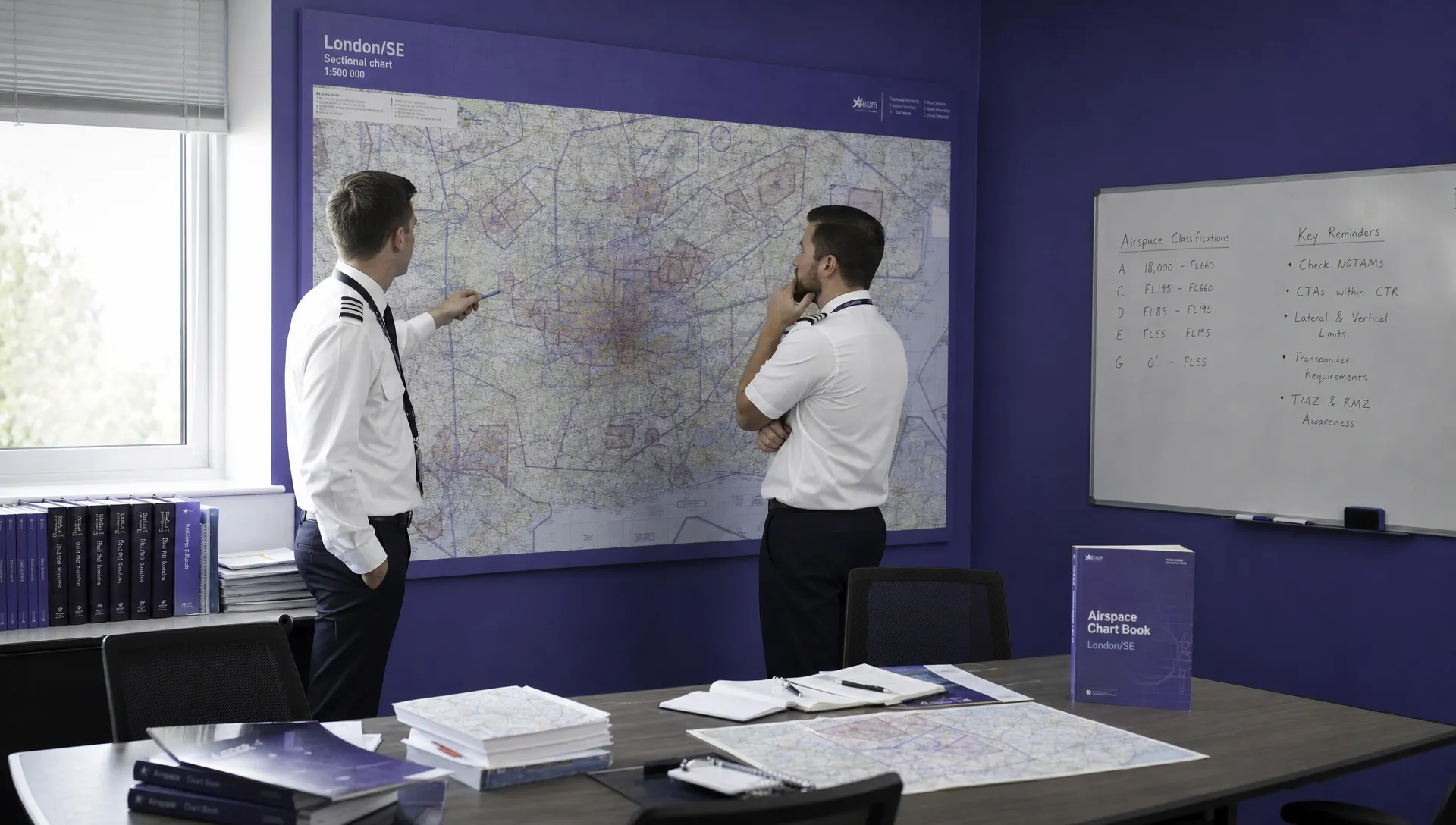 FAA Part 107 Test: How to Master Airspace Questions →
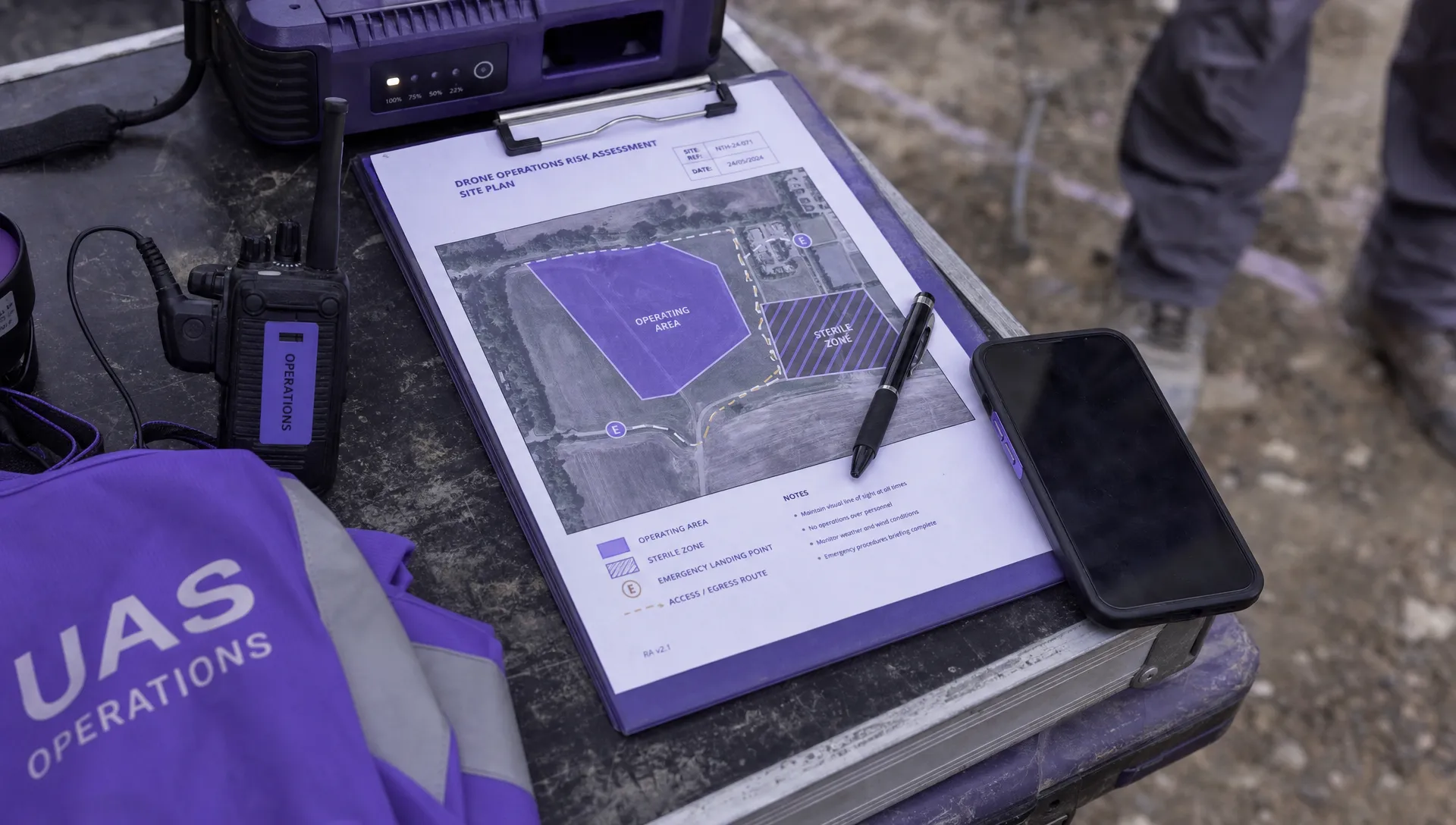 Drone Risk Assessment Controls That Work in the Field →
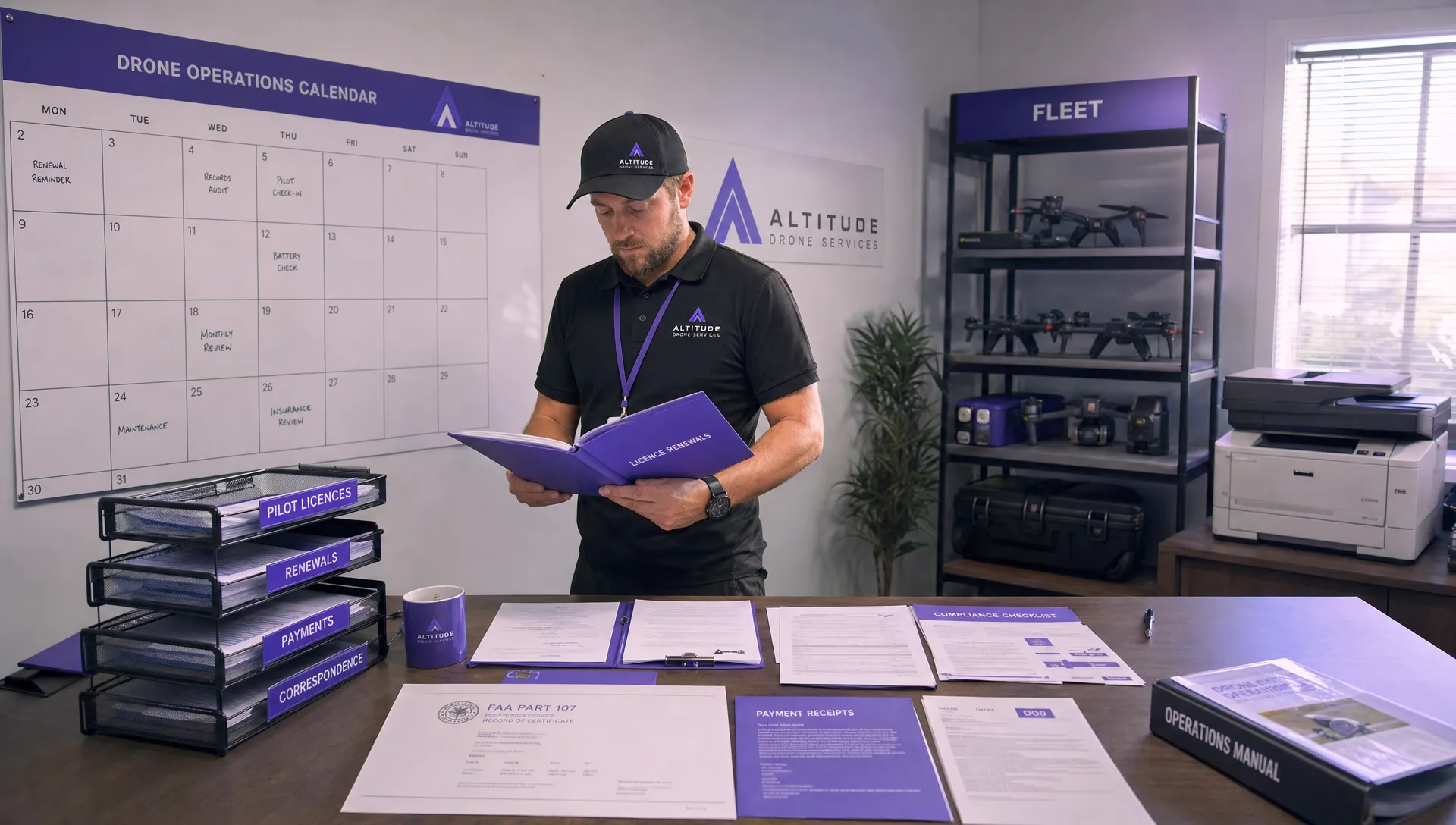 FAA Drone License Costs Beyond the Knowledge Test →
 Drone Part 107 Operations: When a Waiver May Be Needed →
 Drone Operating Rules for Managing Contractors and Employees →
 BVLOS Drone Requirements for Building a Safety Case →
 Drone Pilot Test Mistakes That Cost Candidates Marks →
 FAA 107 License vs Part 107 Certificate: What’s the Difference? →
 Drone Airport Rules: A Field Checklist for Site Assessments →