
A Guide to Reliable Fleet Services for Drone Operations
When you hear "reliable fleet services," don't think about some vague corporate buzzword. Think of it as the central nervous system for your entire drone business—the system that turns chaos into predictability. It’s what separates the pros from the hobbyists.
It’s about moving beyond reactive, fire-fighting mode and into proactive, confident management. Every drone is mission-ready, and every flight is safe and compliant.
What Are Reliable Fleet Services for Drones
Ever had that sinking feeling when a last-minute job comes in, but you're not sure if your go-to drone has the latest firmware? Or you're scrambling to find a pilot's training certificate for a pre-flight check? That’s the chaos we're talking about. It’s stressful, unprofessional, and frankly, bad for business.
Reliable fleet services aren't just a piece of software you buy off the shelf. It’s a complete operational mindset, supported by solid processes and tools, that gives you the structure to run predictable, safe, and scalable drone operations. It’s the difference between hoping a job goes well and knowing it will.
This isn't just a nice-to-have anymore. The FAA predicts the commercial drone fleet in the US will blow past 1.11 million units by 2029. Trying to manage that kind of scale on spreadsheets and memory alone is a recipe for disaster. This is where platforms like Dronedesk come in, providing the tools for asset tracking, flight logging, and compliance reporting needed to handle this growth. To get a real sense of where things are headed, you can explore the full FAA aerospace forecast.
The Three Pillars of Drone Reliability
True operational reliability stands on three core pillars. If one is shaky, the whole structure is at risk of toppling over. They all work together to build a dependable, professional service that keeps clients coming back.
Reliability isn't about having the most expensive drones; it's about having the most dependable processes. It’s the difference between a hobbyist and a professional drone service provider.
This concept map shows how these pillars—Operational Uptime, Regulatory Compliance, and Data Integrity—interconnect to form the foundation of a truly reliable service.
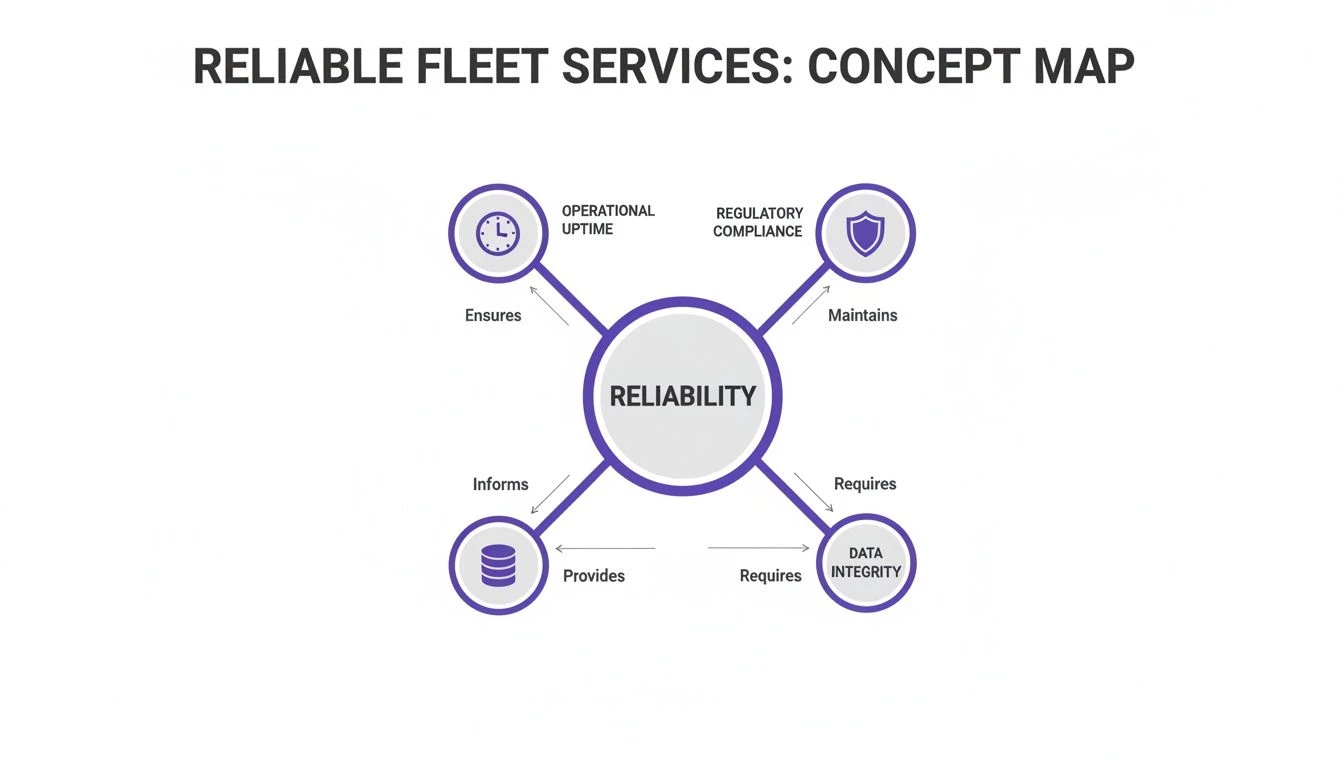
As you can see, you can't just focus on one area and expect success. It’s about creating a balance between all three. Let's break down what each one really means for your day-to-day work.
A solid drone fleet management system is built on these three essential components. Each pillar supports the others to create a foundation of trust and professionalism for your clients and your team.
The Three Pillars of Drone Fleet Reliability
| Pillar | What It Means for Your Operation | Key Objective |
|---|---|---|
| Operational Uptime | Your drones are ready to fly whenever a job comes in. No last-minute surprises from dead batteries, overdue maintenance, or outdated firmware. | Maximize the availability of your equipment to ensure you never have to turn down work due to unpreparedness. |
| Regulatory Compliance | All flights, pilots, and equipment meet local and national aviation laws. Think valid pilot certs, proper airspace authorisations, and airtight risk assessments. | Protect your business from fines, legal trouble, and reputational damage by always operating by the book. |
| Data Integrity | Your flight logs, maintenance records, and client reports are accurate, secure, and easy to find. This isn't just admin—it's your proof of professionalism. | Maintain accurate and accessible records to prove compliance, analyse performance, and build client trust. |
By building your operations around these three pillars, you create a service that’s not just effective, but consistently dependable.
The Building Blocks of a Reliable Drone Program
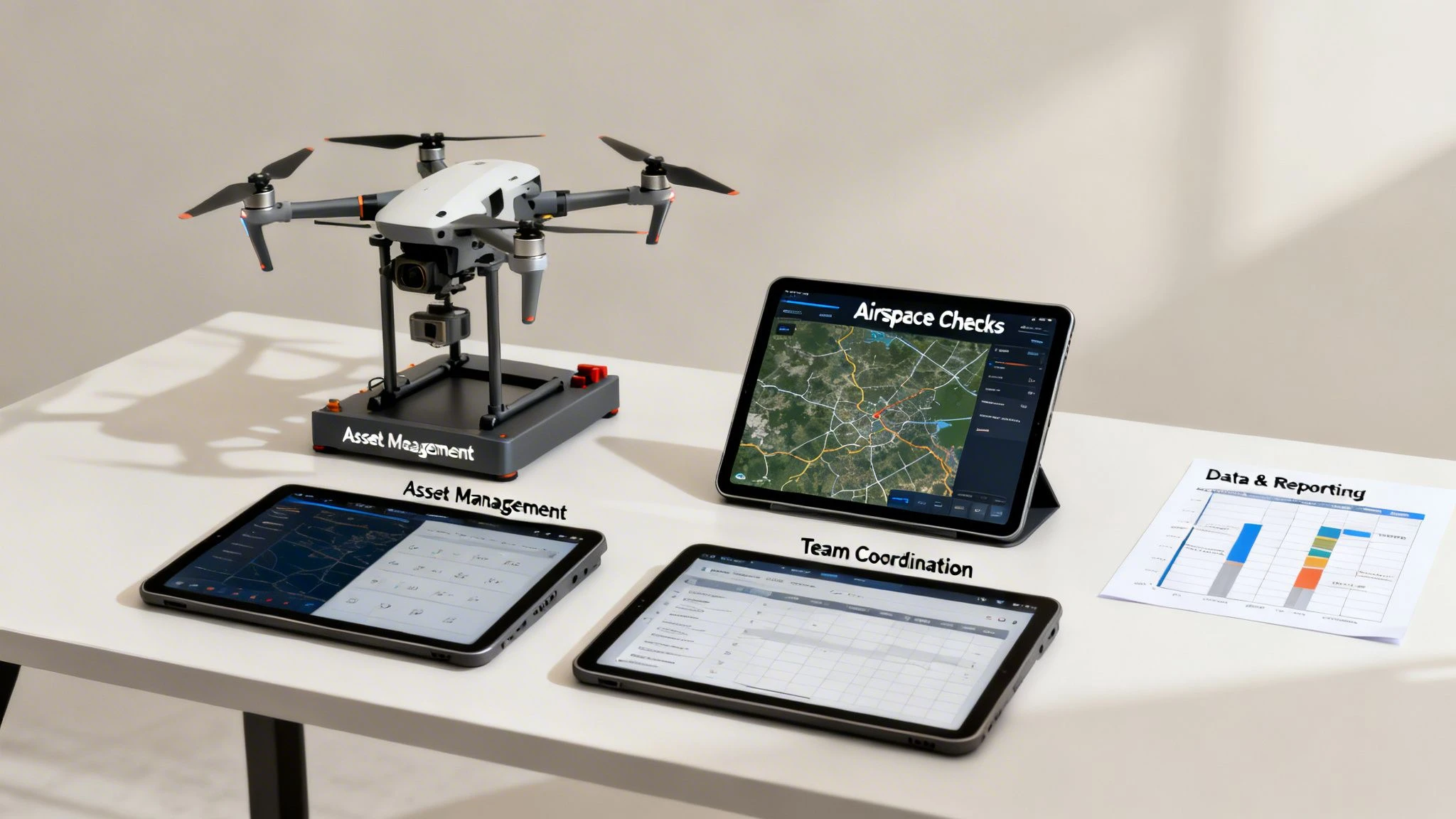
To run a drone operation you can count on, you need more than a few good pilots and some top-spec drones. You need a rock-solid foundation. If you just collect hardware without a system to manage it, you're not building a fleet—you're just hoarding equipment.
A truly reliable program is built on a few core pillars that all work together. Get these right, and you'll have a framework for safety, efficiency, and the kind of professionalism that wins bigger contracts. Let's break them down.
Smart Asset and Maintenance Management
Ever had that sinking feeling? You show up for a critical inspection, only to realise your main bird is grounded because you forgot a simple battery calibration. It’s not just embarrassing; it’s a direct hit to your bottom line and your reputation. This is where smart asset management saves the day.
It's about having a live, central view of everything you own—drones, batteries, controllers, the lot. More importantly, it means getting ahead of maintenance by scheduling it based on actual use, like flight hours or battery cycles, not just guesswork.
A grounded drone is more than a piece of hardware; it's a non-earning asset. Effective maintenance management turns potential liabilities back into revenue-generating tools.
Preventative maintenance is what separates the pros from the amateurs. When you track component health and service history, you can fix small problems before they scrub a whole mission. For more on this, check out our strategies for managing assets across different sites in our guide to enterprise drone maintenance for multiple locations.
Automated Compliance and Airspace Intelligence
Let's be honest, keeping up with aviation regulations is a headache. Flying without real-time airspace data is like driving with your eyes closed. You might get lucky for a bit, but sooner or later, you're going to hit something. Manual checks are slow, easy to mess up, and can’t keep pace with things like last-minute TFRs.
This is all about making sure every single flight is safe and legal. It boils down to a few key things:
- Automated Airspace Checks: Spotting controlled airspace, local advisories, and hazards before you even think about leaving the office.
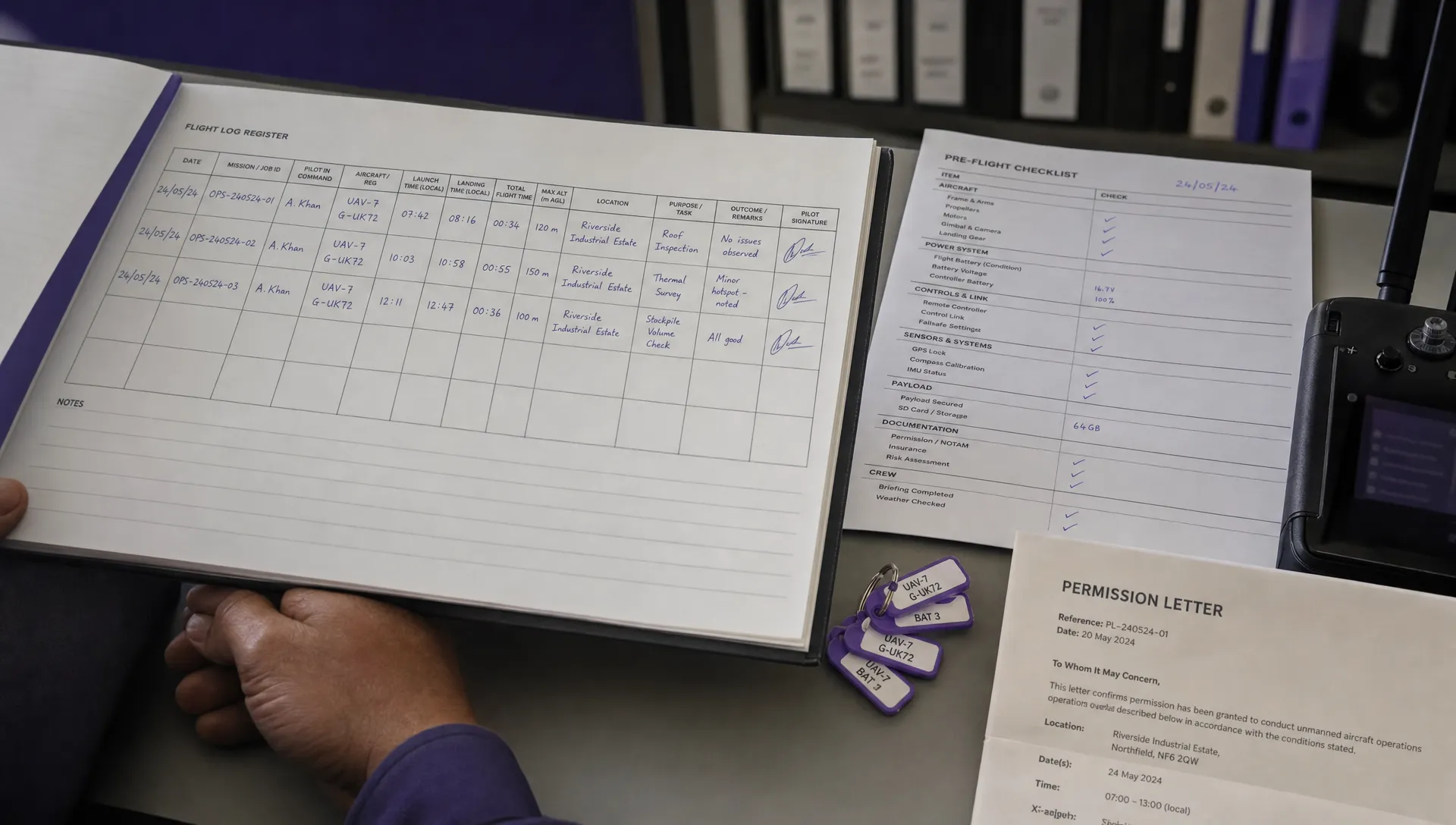
- Digital Pre-Flight Checklists: Making safety procedures standard practice and creating a paper trail that proves you did your due diligence.
- Centralized Pilot Records: Keeping tabs on who's certified, current, and trained for a specific job.
Automating your compliance doesn't just keep you out of trouble with the authorities; it builds a culture of safety that clients really notice and respect.
Centralized Team and Pilot Coordination
As your operation gets bigger, poor communication becomes your worst enemy. Trying to run a team with a jumble of emails, texts, and phone calls is a recipe for disaster. Details get missed, pilots show up at the wrong site, and everyone gets frustrated.
A central coordination system is your mission control. It makes sure everyone—from the person who took the client's call to the pilot in the field—is working from the same playbook. It’s that single source of truth that kills confusion and helps your team operate like a well-oiled machine.
Of course, no program can run reliably without the cash to back it up. Just like in other fleet-based industries, having secure funding to keep a fleet moving is essential for maintaining your gear and providing consistent service.
Actionable Data and Reporting
Finally, a reliable drone service runs on data. Every flight produces a goldmine of information about how your gear is performing, how efficient your pilots are, and which jobs are actually making you money. If you aren't capturing and analysing it, you're flying blind from a business perspective.
This is about turning raw flight logs into real answers. It helps you tackle the big questions: Which drones are my workhorses? Are my maintenance costs creeping up? How much time are my pilots wasting on admin instead of flying?
The global UAV market is on a rocket ship, projected to grow from USD 26.12 billion in 2025 to USD 40.56 billion by 2030. In an industry this hot, poor logistics can lead to 20-30% downtime. Smart platforms like Dronedesk use analytics to help operators slash those costs and stay in the game. Discover more market insights on this rapid growth.
Measuring What Matters in Fleet Reliability
There’s an old saying in business: if you can't measure it, you can't improve it. This couldn't be more true for drone operations. To get from a good operation to a genuinely great one, you have to move past gut feelings and start tracking the numbers that tell the real story.
This isn't about getting lost in spreadsheets or drowning in data. It’s about picking a handful of key performance indicators (KPIs) that act as a health check for your business. Think of them as the vital signs that show you where you're strong and, more importantly, where you're leaving money on the table.
Defining Your Core Operational KPIs
Picture your drone fleet as a high-performance engine. A few critical gauges tell you everything about its health and efficiency. For a drone business, those gauges are your KPIs.
A Drone Utilization Rate, for instance, is a brutally honest measure of efficiency. It answers a simple question: are your expensive drones out there making you money, or are they just collecting dust? A low rate might point to problems with your sales pipeline, scheduling, or even your maintenance routine.
Then there's the Mean Time Between Failures (MTBF). This gives you a hard number on how dependable your gear actually is in the real world. Tracking this helps you predict when components might fail, letting you get ahead of issues before they ground a mission and damage your reputation with a client. Having a solid quality assurance framework is the bedrock for this, ensuring your drones perform as expected and boosting your MTBF.
Safety and Compliance Metrics
Reliability isn't just about keeping the drones in the air; it's about professionalism and safety. These KPIs are non-negotiable for managing risk and proving you run a tight ship—something big corporate clients will absolutely demand.
- Flight Documentation Completion Rate: This tracks how often your team completes pre-flight checklists, risk assessments, and post-flight logs. The only acceptable target here is 100%. Anything less suggests a weak safety culture and leaves you exposed.
- Near-Miss Incidents: Nobody wants to have incidents, but tracking the close calls is a smart, proactive safety strategy. It helps you spot and fix hazards in your procedures or training before they turn into a real accident.
- Pilot and Equipment Currency: This metric is simple: are all your pilots’ certifications up to date, and is all your equipment within its service schedule? It's a foundational KPI for staying on the right side of the regulations.
We've pulled together a table of the most essential KPIs you should be tracking to get a clear picture of your fleet's reliability.
Essential KPIs for Drone Fleet Reliability
| KPI | What It Measures | Why It's Important |
|---|---|---|
| Drone Utilization Rate | The percentage of time your drones are actively being used for billable work versus sitting idle. | A direct indicator of your operational efficiency and return on investment. Low rates can signal issues in sales, scheduling, or asset management. |
| Mean Time Between Failures (MTBF) | The average time that passes between one equipment failure and the next. | Measures the real-world reliability of your hardware. A higher MTBF means more dependable equipment and fewer mission-critical failures. |
| Flight Documentation Completion | The percentage of flights with fully completed pre-flight, in-flight, and post-flight documentation. | Demonstrates a strong safety culture, ensures compliance, and creates an audit trail. Aim for 100%. |
| Near-Miss Incidents | The number of reported near-misses or safety observations over a specific period. | A proactive safety metric that helps you identify and mitigate risks before they lead to an actual incident. |
| Maintenance Turnaround Time | The average time it takes to complete repairs or routine maintenance on an asset and return it to service. | Measures the efficiency of your maintenance workflow. Faster turnarounds mean less downtime and higher availability. |
Keeping these numbers in your sights gives you the power to make smart, data-driven decisions instead of just guessing.
If you're looking for a deeper dive into the numbers and what they mean, check out our detailed guide on drone operational efficiency metrics.
This dashboard from a fleet management platform shows how all these critical numbers can be brought together, turning raw data into something you can actually use.
By laying out data like total flights, pilot hours, and asset utilization in a clean, visual format, you can spot trends in seconds. Trying to pull this all together manually is a massive time-sink and full of potential for errors. This is where a platform like Dronedesk becomes indispensable, automatically tracking and visualizing these KPIs for you. It frees you up to focus on what the data actually means for your business, not just on collecting it.
How Management Software Transforms Fleet Reliability
Trying to manage a professional drone operation with spreadsheets and text messages is like trying to run an orchestra where every musician is reading from different sheet music. It’s chaos. Manual logs get forgotten, vital compliance details fall through the cracks, and you're constantly pulled away from flying to fight administrative fires.
This is the all-too-common "before" picture for many drone businesses. You're drowning in manual data entry, guessing at compliance, and wasting hours trying to piece together scattered information. A single surprise equipment failure or a missed airspace check can wreck an entire project, costing you time, money, and your client's trust.
The Shift from Chaos to Control
Now, imagine the "after" picture. Instead of a jumble of files and apps, you have one central dashboard. This is where dedicated fleet management software comes in, creating a huge shift from reactive problem-solving to proactive, automated reliability.
A central platform becomes the single source of truth for your entire operation. Every bit of data—from drone maintenance schedules and pilot certifications to flight logs—lives in one, easy-to-access place. This change alone completely overhauls how you manage risk and stay efficient.
Take automated DJI flight logging, for example. This feature instantly gets rid of the tedious and error-prone job of manually recording flight data. Not only does it save a massive amount of time, but it also guarantees your logs are 100% accurate for any compliance or reporting needs.
A Tale of Two Realities
Let's compare these two worlds with a common scenario: a last-minute request for a property survey.
The "Before" Reality (Manual Mayhem):
- The Scramble: You desperately check your calendar, texts, and emails to see if a pilot is even available.
- The Guesswork: You call a pilot who thinks their drone is good to go but isn't sure when the batteries were last cycled. They do a quick, manual airspace check on a separate app, hoping they haven't missed anything.
- The Risk: The job gets done, but the pre-flight checklist was rushed, the maintenance history is a mystery, and the flight log might get forgotten. You’ve just introduced a load of unnecessary risk and have a weak paper trail to show for it.
The "After" Reality (Integrated Software):
- Instant Visibility: You glance at the team calendar in your management platform and immediately see which pilot is free.
- Total Confidence: You assign the job. The pilot sees the drone's status is "Ready to Fly" because its automated service log confirms all maintenance is current. The platform’s built-in airspace intelligence has already flagged any restrictions for the job site.
- Complete Control: The pilot runs through a digital pre-flight checklist, flies the mission, and the flight data syncs automatically. The entire workflow is documented, compliant, and completely professional.
This is what that control looks like. A dashboard view, like this one from Dronedesk, can give you total operational awareness from a single screen.
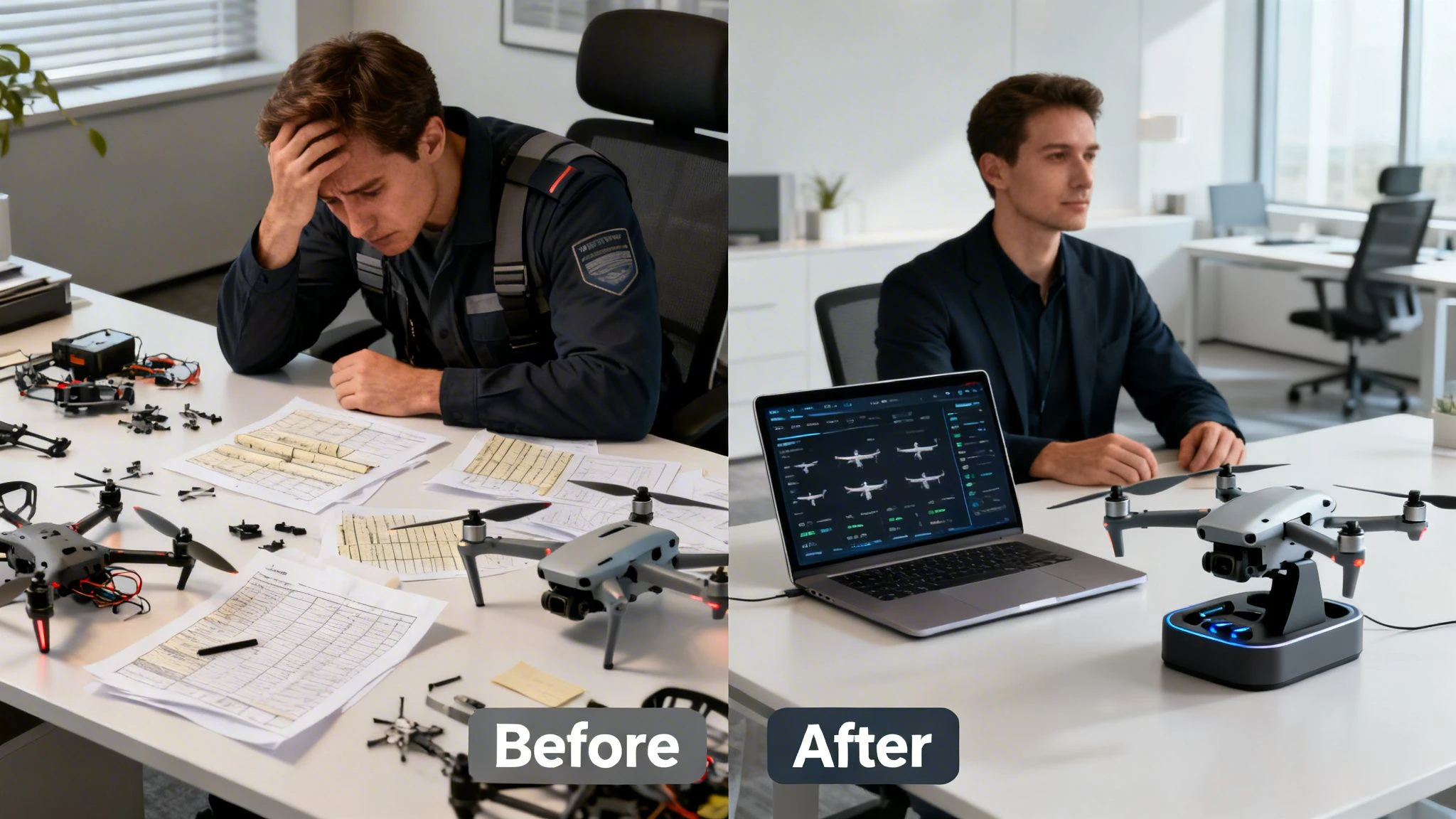
Here, everything from upcoming jobs to team activity and fleet status is right there at a glance. It’s a game-changer for managing day-to-day operations.
Making Reliability an Automated Outcome
Good software doesn't just make things easier; it changes the very nature of reliable fleet services. It turns reliability from a daily battle into something that happens automatically.
For a solo pilot, this means getting hours back from admin work to focus on growing the business. For a large enterprise, it provides the total visibility needed to manage risk and scale operations with confidence.
By automating routine checks and centralizing data, management software builds a framework where compliance and preparedness are the default, not the exception.
This kind of system ensures every flight you conduct is just as safe and professional as the last. To see how these features come together in a real-world tool, you might want to learn more about what a complete UAS fleet management system can do for your workflow.
Ultimately, it’s about building a business that clients trust and that you can be proud to run.
Theory is one thing, but what does reliable fleet services actually look like on the ground? It's not a one-size-fits-all solution. The way a solo pilot handles a job is worlds apart from how a large enterprise manages compliance across hundreds of assets.
Let’s run through a common project—a commercial property survey—and see how it plays out for three different types of operators. We'll break down how each one uses specific workflows to deliver predictable, professional, and safe results, turning abstract concepts into real-world wins.
The Solo Operator Workflow: Professional and Efficient
When you're a solo operator, you are the business. You’re the pilot, the sales team, the admin, and the bookkeeper all rolled into one. Your biggest challenge is juggling it all while looking like a well-oiled machine to your clients.
Imagine a call comes in for a commercial roof inspection. Here’s how you nail it with a reliable system in place:
- Job Creation: You get off the phone and immediately create the job in a platform like Dronedesk. All the client details and project specs go in one place. No more scattered notes.
- Automated Checks: The system instantly runs the checks for you—airspace, weather, and ground hazards. You get a clear go/no-go without jumping between five different apps and websites.
- Asset Status: You assign your go-to drone. A quick look at your fleet dashboard confirms its maintenance is current, and all your batteries are charged and ready to fly. Peace of mind.
- Field Execution: Once on-site, you run through a digital pre-flight checklist on your phone. After landing, your flight logs sync automatically. A perfect, untouchable record with zero manual data entry.
- Client Reporting: Back at the office, you generate a professional report that includes not just the survey data, but also the flight logs and a link to your risk assessment. This is how you prove your professionalism and build rock-solid client trust.
For the solo pilot, reliability is all about smart automation. It lets you do the work of an entire team, freeing you up to focus on what you do best: flying the mission and getting great results.
The Small Drone Team Workflow: Collaborative and Standardized
As your team grows to 2-5 pilots, the game changes. The main challenge isn't just individual efficiency anymore; it's about team-wide consistency. You have to make sure every pilot operates to the exact same high standard, whether they're a veteran or just finished their first month.
Let's look at that same commercial property survey, but this time through the lens of a small team:
- Job Assignment: The ops manager creates the job and assigns it to an available pilot. They can see at a glance who is qualified and closest to the site because that info is tracked right in the system.
- Standardized Planning: The pilot opens the job and uses a pre-built project template. This automatically loads the company's standard risk assessment and flight plan, ensuring everyone follows the same procedure every single time.
- Shared Visibility: The whole team can see the job on a shared calendar. The manager can track progress in real-time without having to constantly call or text for updates.
- Consistent Data Capture: The flight data is logged automatically and tied directly to the project, the pilot, and the specific drone used. This creates a clean, uniform dataset for every single job your team flies.
For a small team, standardization is the secret to scaling up. When everyone follows the same playbook, you slash errors, make collaboration seamless, and guarantee the client gets the same top-tier service, no matter which pilot shows up on the day.
This approach builds a solid foundation, allowing the team to take on more complex work without the whole process falling apart.
The Enterprise Fleet Workflow: Scalable and Compliant
At the enterprise level, the conversation shifts to large-scale risk management, regulatory compliance, and data security. When you have dozens or even hundreds of drones and pilots spread across different regions, you need absolute visibility and ironclad control to protect the business.
Here’s the enterprise take on that property survey:
- Centralized Dispatch: A regional manager gets the survey request and dispatches a local, certified pilot through the central fleet management platform.
- Role-Based Access: The pilot assigned to the mission only sees the information they need to see. They use company-mandated digital checklists and are physically prevented from flying a drone that the system has flagged for maintenance.
- Compliance Auditing: Every flight log, pilot certification, and maintenance record is automatically logged and filed away in a secure, auditable database. When the regulators come knocking, pulling a complete report is a matter of a few clicks.
- Performance Analytics: Data from this one flight feeds into a bigger picture. Managers are tracking high-level KPIs like Drone Utilization Rate and Maintenance Turnaround Time across the entire fleet. This helps them spot trends, optimize how resources are used, and make smarter business decisions.
For an enterprise, reliable fleet services are really about building a system of governance. It’s a framework that ensures every single operation, no matter where it is, sticks to the company's strict safety and compliance standards, protecting both the brand's reputation and the bottom line.
Your Action Plan for Achieving Fleet Reliability
Alright, we've talked a lot about the 'what' and 'why' of fleet reliability. Now it's time to get your hands dirty. This is your practical roadmap for turning those ideas into action.
Think of this as your punch list for taking your drone operation from just 'getting by' to genuinely reliable. Each step builds on the last, giving you real, tangible results that make your business stronger, safer, and ultimately, more profitable.
The Foundational Checklist
First things first. You need to get your house in order. These initial steps are all about creating a single source of truth and establishing basic controls. This is the bedrock of any reliable drone fleet.
- Centralize Your Asset Inventory: Get everything—every drone, battery, controller, and sensor—into one digital list. You need serial numbers, purchase dates, and current status. No more guessing games.
- Implement Digital Pre-Flight Checklists: Ditch the paper. A mandatory digital checklist ensures no steps get skipped and, just as importantly, creates an automatic audit trail for every single mission.
- Establish a Maintenance Schedule: Stop reacting to problems and start preventing them. Set up service reminders based on flight hours or calendar dates. Your gear should always be ready to fly when you are.
A reliable operation isn't built on heroic, last-minute saves. It's built on the quiet, consistent execution of boring, everyday processes that prevent problems from ever happening.
Process Improvement and Optimization
With a solid foundation in place, you can start refining your processes to be safer and more efficient. This is where you'll really start to see the big returns on your effort.
- Standardize Your Mission Planning: Build templates for your most common jobs. Include your standard risk assessments, airspace checks, and even client communication steps to ensure you're consistent on every project.
- Schedule Quarterly KPI Reviews: You can't improve what you don't measure. Put a recurring event in your calendar to review key metrics like your Drone Utilization Rate and Maintenance Turnaround Time. This helps you spot trends and make decisions based on data, not just gut feelings.
- Automate Your Flight Logging: Get a system that automatically syncs your flight data. This simple step wipes out manual entry errors, saves you countless hours of admin, and ensures your logs are always 100% accurate and compliant.
Following this systematic approach turns reliability from a lofty goal into a daily habit. By putting these steps into practice, you’re not just improving safety and efficiency—you're building a serious competitive advantage. A partner like Dronedesk gives you the integrated tools to manage this whole action plan, helping you build a future-proof drone business that clients will trust time and time again.
Your Top Questions, Answered
We get a lot of questions about what it really takes to run a reliable drone operation. Let's tackle some of the most common ones head-on.
Can I Really Manage Fleet Reliability Without Pricey Software?
Look, if you’re a solo pilot with just one or two drones, you can try to get by with spreadsheets. But let's be honest, it’s a risky and inefficient way to operate. The chance of a simple mistake when logging maintenance, checking airspace, or recording flight details is huge. That approach just doesn't fly as you start to grow.
A proper platform automates these critical tasks, saving you hours of admin and ensuring nothing gets missed. The investment usually pays for itself quickly, not just in time saved, but in major risks avoided. Plus, it gives you that professional edge that’s essential for landing bigger, better-paying contracts.
How Long Does It Take to Get a Fleet Management System Up and Running?
This really depends on the size of your operation. If you're a one-person show, you can be completely set up in an afternoon—just import your gear and you’re ready to plan your first job.
For a larger team, it might take a few days to a week. You'll need to get all your pilots onboarded, set your standard team procedures, and maybe import some existing client data. The trick is to start by getting your core information centralized, then you can roll out the more advanced features as you get more comfortable.
One of the most important numbers to watch is Operational Uptime. This metric tells you the percentage of time your drones are actually ready to fly a mission. If that number is low, it’s a massive red flag for problems with your maintenance, logistics, or equipment health—all things that directly threaten your income.
Keeping an eye on uptime helps you find and fix the root causes of problems before they cost you a job. It's a powerful pulse check for the health of your entire operation.
How Does Being "Reliable" Actually Help Me Win More Clients?
At the end of the day, reliable fleet services are all about looking professional and being trustworthy. Imagine being able to instantly show a potential client your detailed maintenance records, pilot certifications, and a full mission plan complete with risk assessments. It screams competence and shows a serious commitment to safety and quality.
This level of organisation isn't just a "nice-to-have"; it's often a deal-breaker for high-value corporate and government contracts. When you can produce this documentation on demand, you gain a massive advantage over competitors still fumbling with spreadsheets and scattered files. It proves you're a serious business partner, not just another pilot with a drone.
Ready to go from chaotic to controlled? Dronedesk gives you the all-in-one platform to automate compliance, simplify management, and build the kind of reliable service that wins clients. Start your free trial today and see the difference for yourself.
 How to Build a Drone Pilot Flight Log That Is Audit Ready →
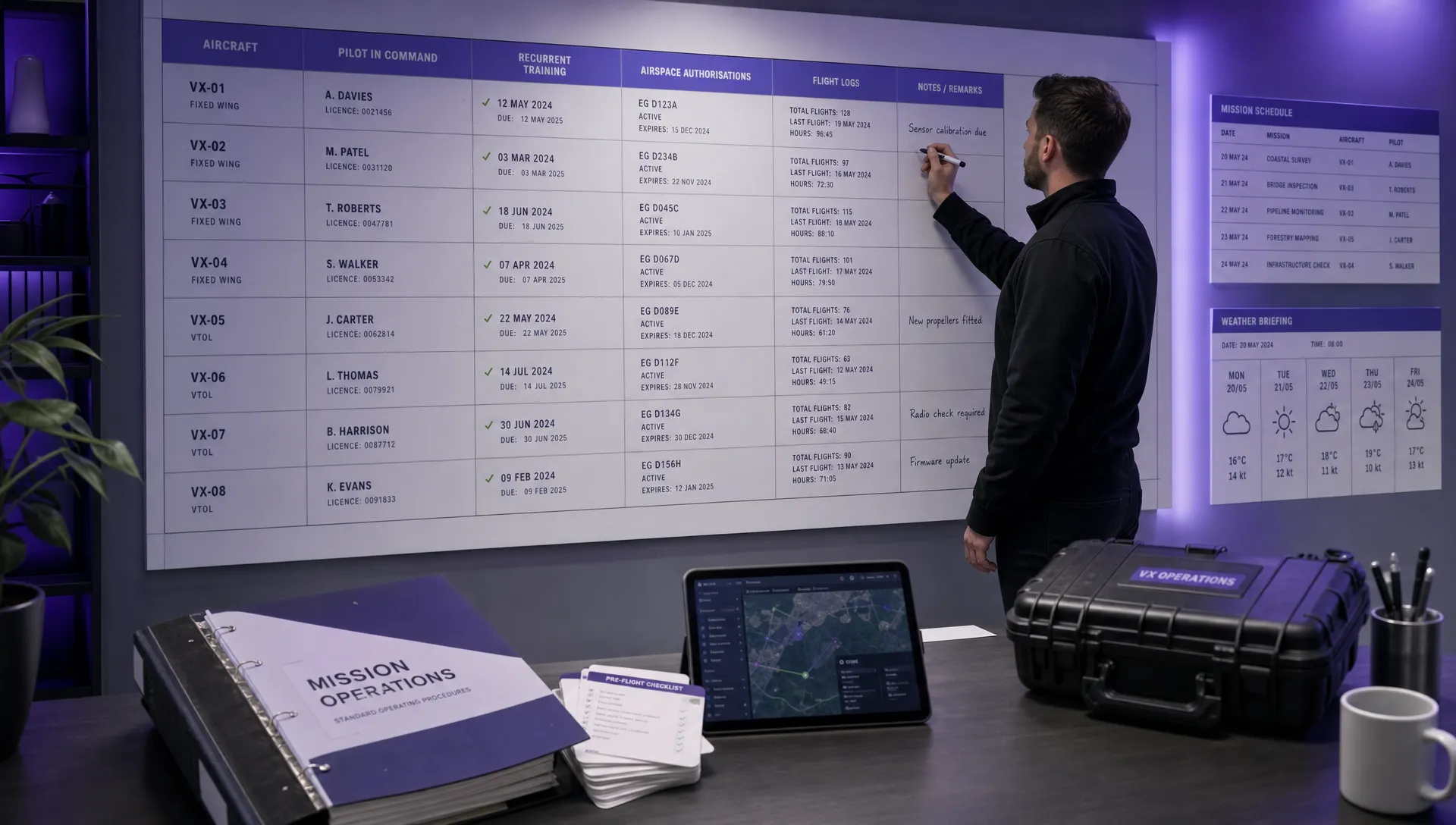 FAA Drone Licence Requirements for Commercial Pilots →
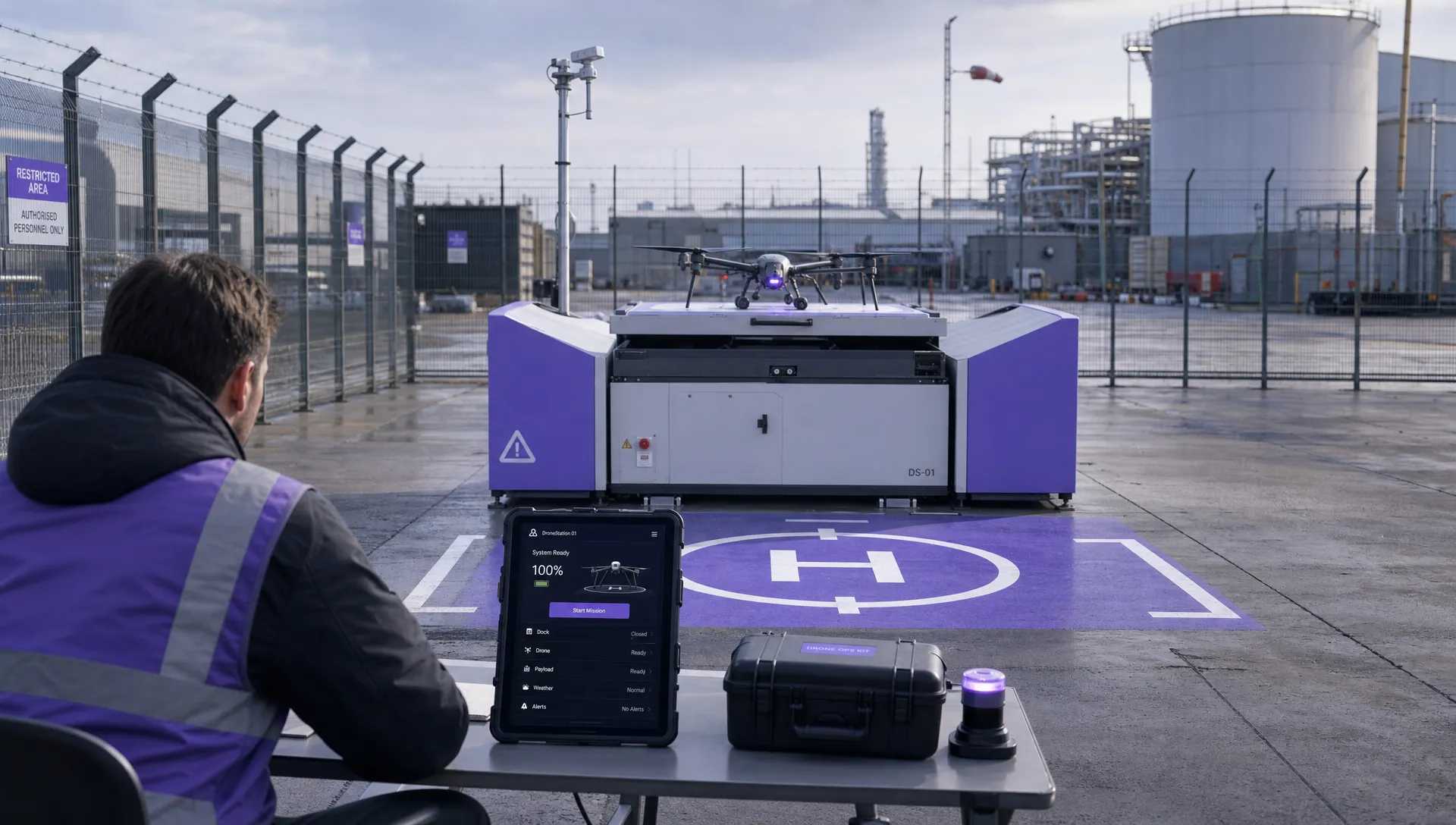 FAA BVLOS Waivers Granted: What Successful Cases Show →
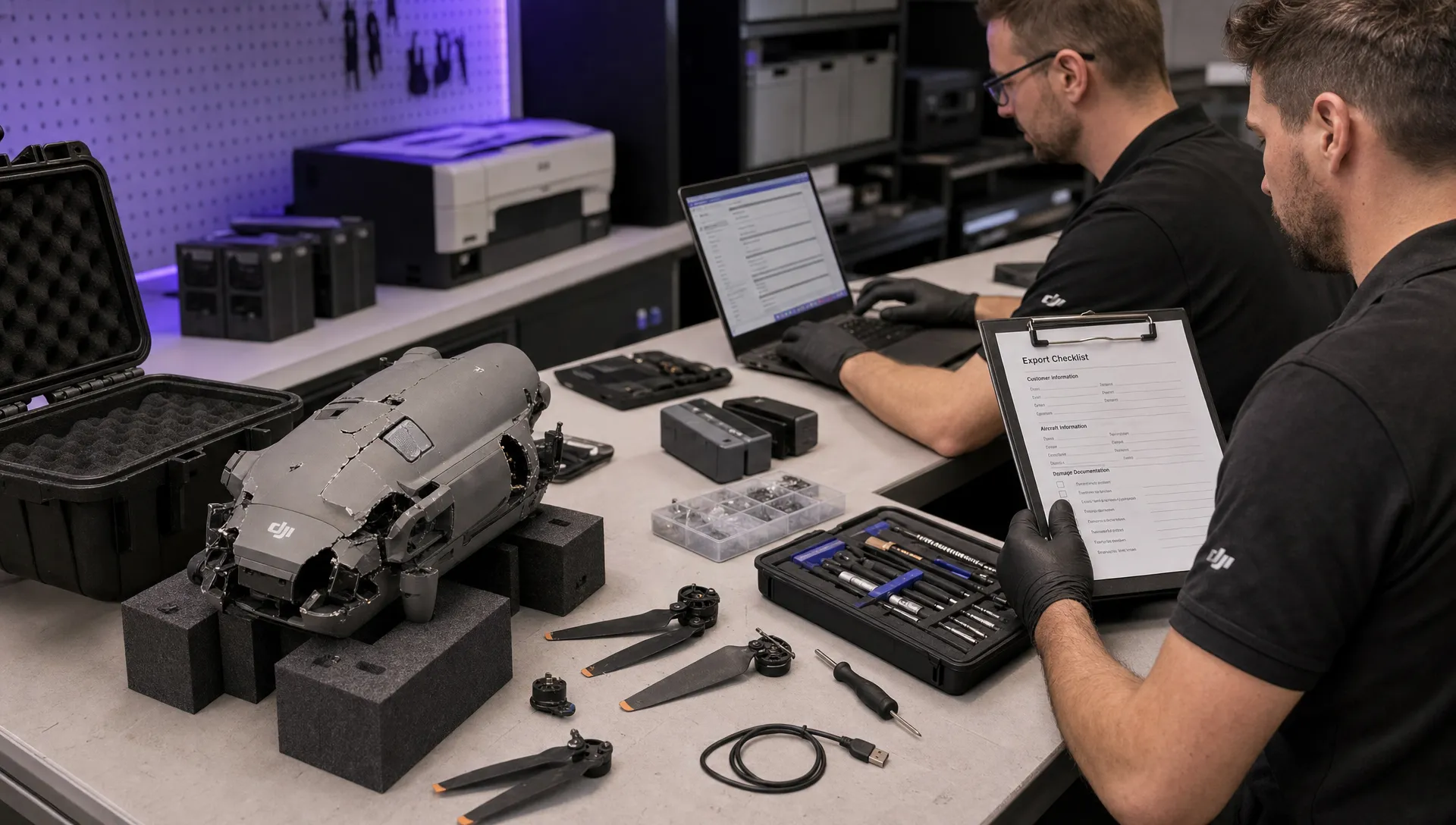 How to Export DJI Flight Logs for Incident Reviews →
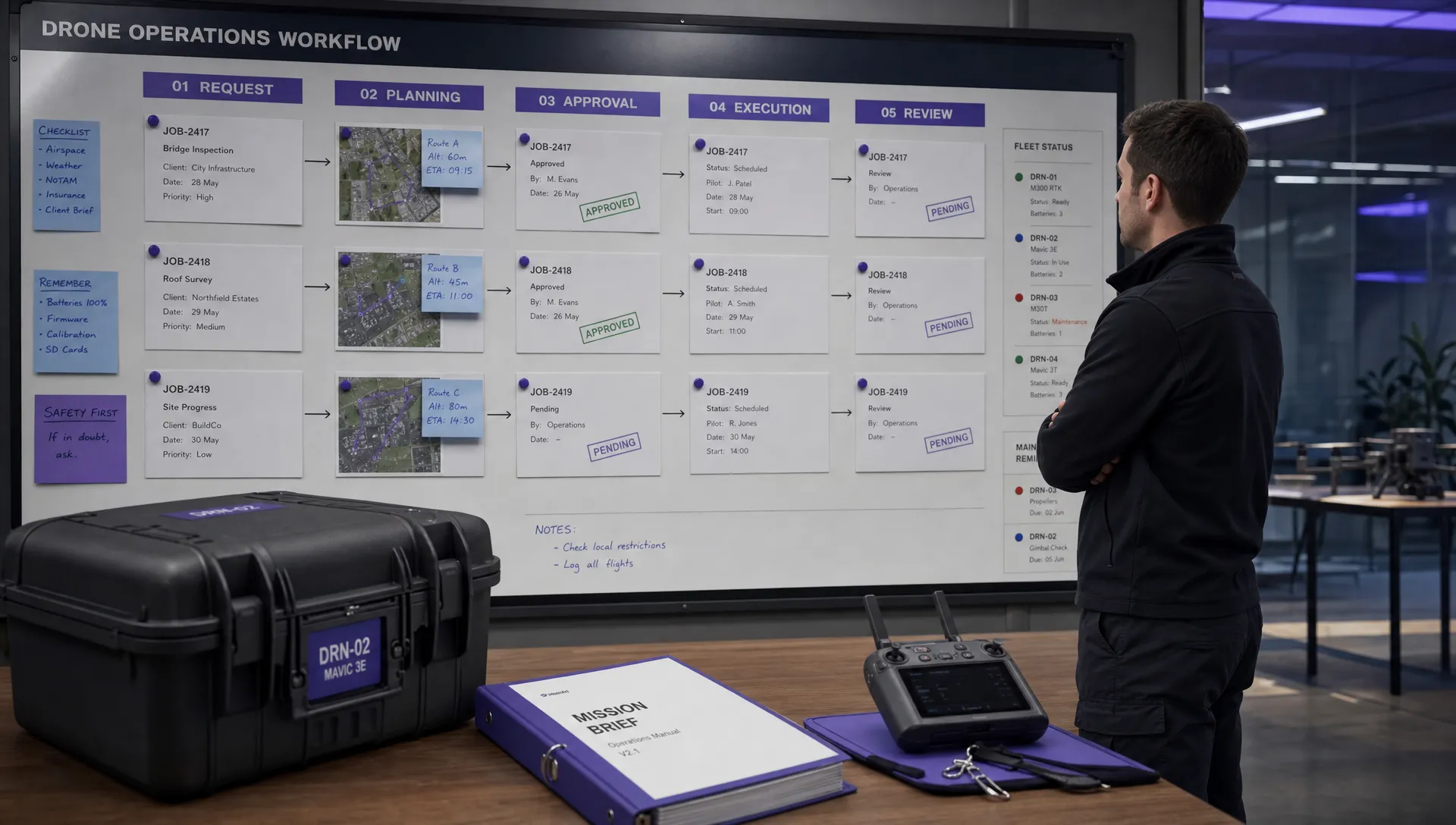 Drone Safety and Legal Duties for Business Operations →
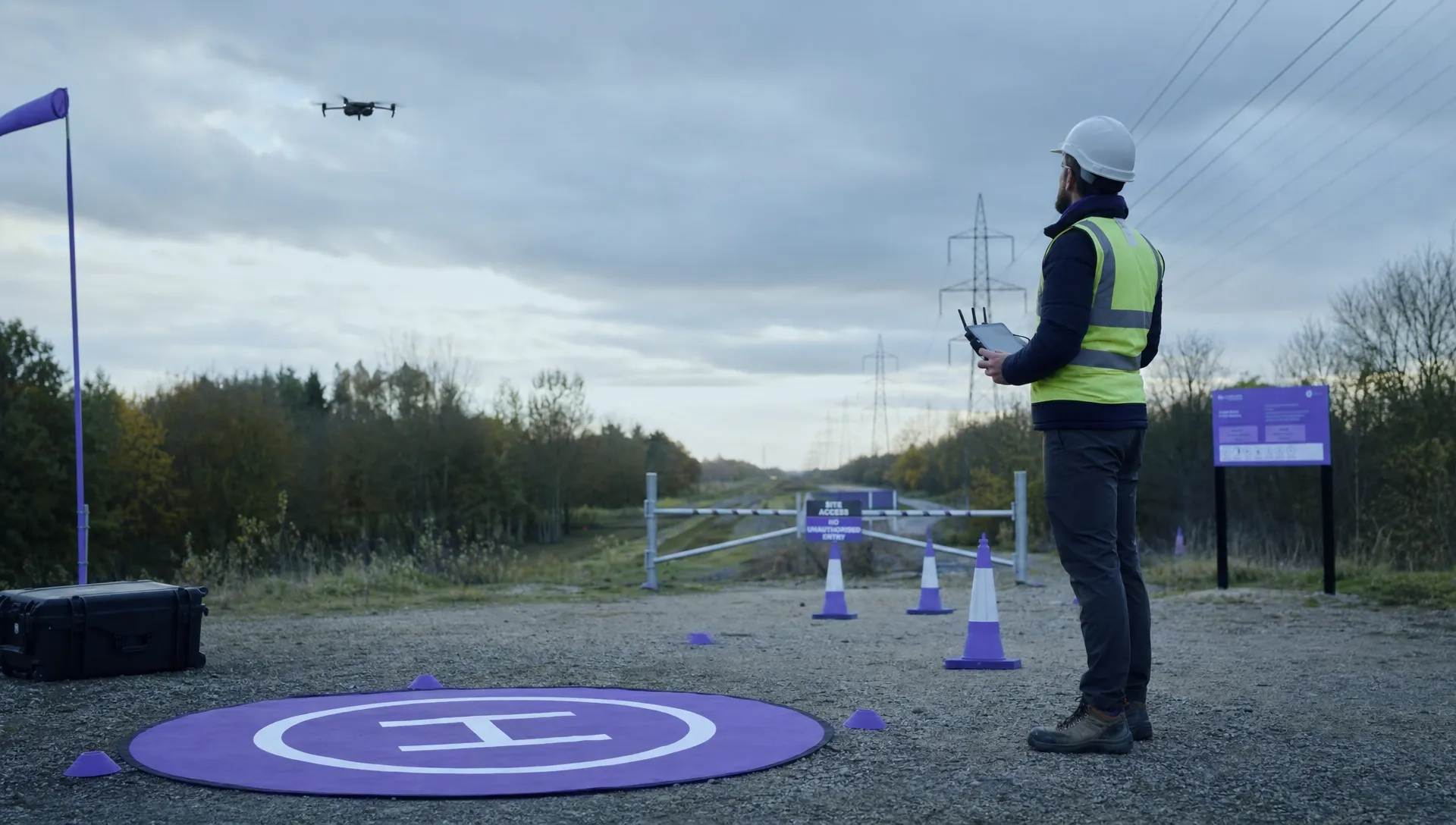 EASA Drone Regulations: Open, Specific and Certified Categories →
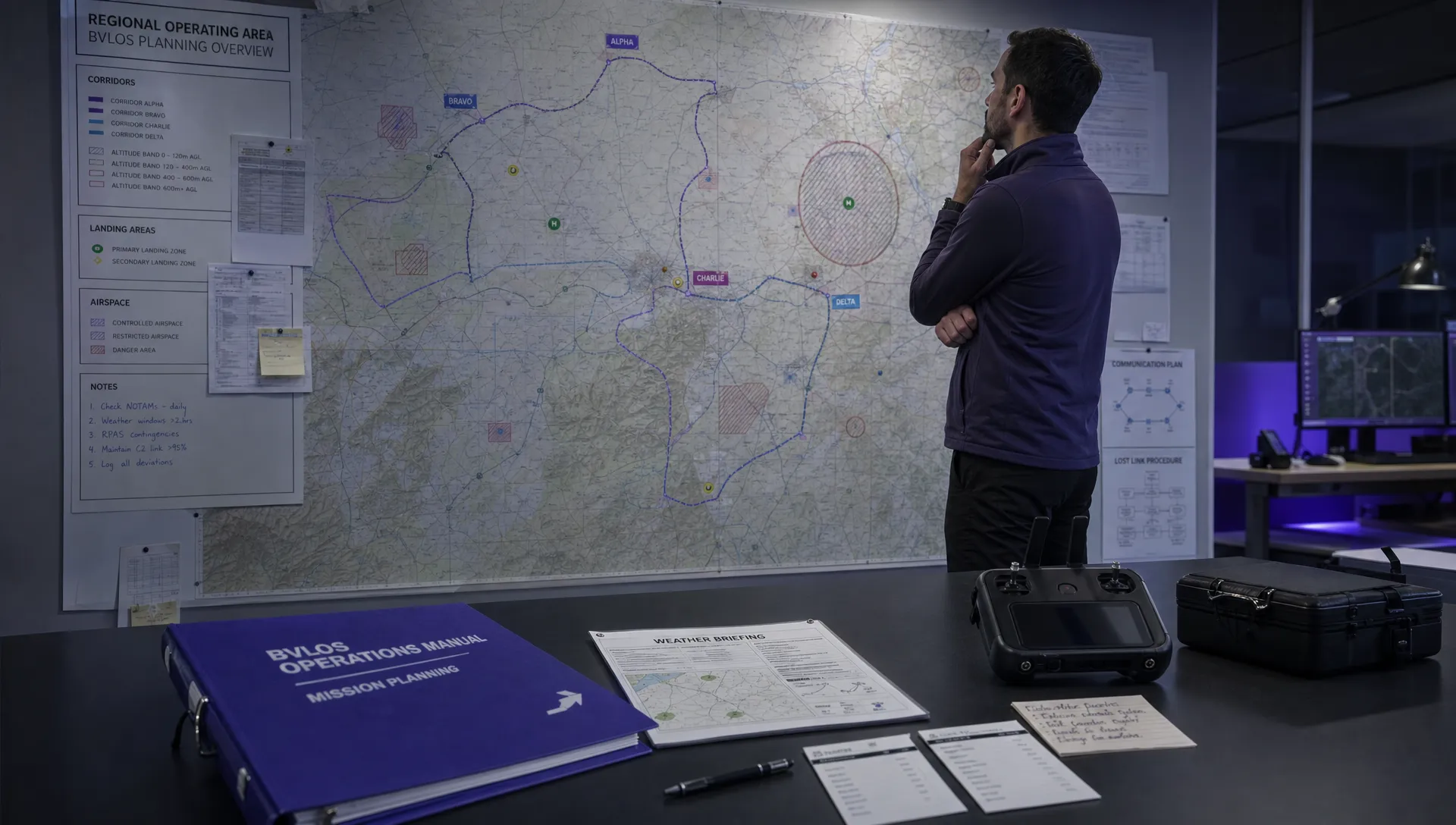 What the BVLOS ARC Report Means for UAS Operators →
 Free Drone Pre-Flight Checklist for Commercial Missions →
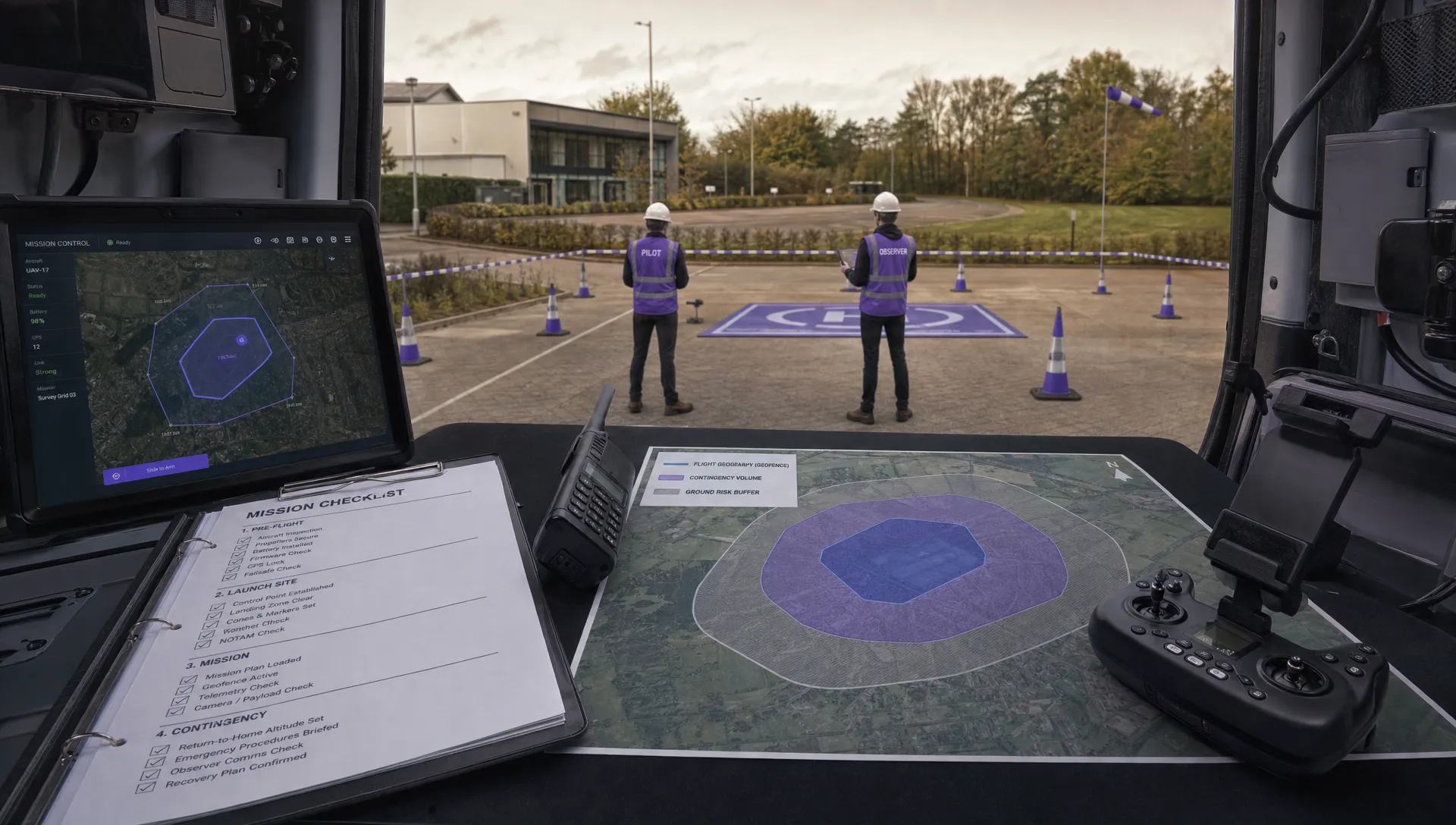 Contingency Volume and Flight Risk Buffer Explained →
 FAA Policy Changes That Commercial Drone Teams Should Track →