
FAA BVLOS Waivers Granted: What Successful Cases Show
BVLOS is no longer a speculative concept in the United States. The FAA has granted waivers, exemptions and operating approvals for real beyond visual line of sight missions, including utility inspections, railway monitoring, automated site patrols and package delivery. The pattern is clear: successful applicants do not simply ask to fly further. They prove that their operation remains predictable, controlled and defensible when the remote pilot cannot see the aircraft.
For drone operators, survey companies, utilities and emergency services, the useful question is not only "who has been approved?" It is "what did those approvals have in common, and how can we build our own operation around the same safety logic?"
This article looks at publicly known FAA BVLOS waivers granted and related authorisations, then turns them into practical lessons for teams planning more advanced operations.
What FAA BVLOS waivers granted actually mean
Under Part 107, the normal rule is simple: the remote pilot in command or a visual observer must be able to see the drone throughout the flight. BVLOS breaks that assumption. Instead of relying mainly on human eyesight, the applicant has to explain how they will maintain situational awareness, avoid other aircraft, protect people on the ground and respond to failures.
The FAA’s Part 107 waiver guidance makes the core test clear: the applicant must show the proposed operation can be conducted safely under the terms of a waiver. For BVLOS, that usually means asking to waive 14 CFR 107.31, the visual line of sight requirement, and sometimes associated rules depending on the mission.
There is an important distinction here. Not every widely reported BVLOS approval is technically a Part 107 waiver. Some operations involve exemptions, Part 135 air carrier certification, public aircraft operations, research programmes or other FAA authorisations. From an operator’s perspective, though, they all reveal the same regulatory mindset: the FAA grants operational freedom when the safety case is specific, tested and limited enough to inspect.
If you are still building the foundation, Dronedesk has a useful primer on what BVLOS drones are and why they matter. This article goes a step further and focuses on the approval patterns behind successful cases.
The cases that shaped FAA confidence
Publicly known BVLOS approvals vary widely, from railway corridors to drone-in-a-box systems. The FAA does not publish every operational detail, so the lessons below are drawn from public announcements, FAA materials and the safety themes repeated across successful applications.
| Publicly known approval or programme | Operation type | What made the case stronger | Lesson for operators |
|---|---|---|---|
| BNSF Railway Pathfinder programme | Rail infrastructure inspection | Linear routes, defined corridors and a major infrastructure use case | BVLOS is easier to justify when the aircraft follows a predictable route over a controlled or sparsely populated area |
| Xcel Energy BVLOS utility inspections | Power line inspection | Critical infrastructure need, repeatable inspection routes and operational controls | Utilities can build a strong case by proving the route, hazards and emergency options are understood in detail |
| American Robotics Scout approval | Automated industrial site operations | Fixed operating areas, automated system controls and no routine need for an onsite pilot | Automation is more persuasive when the environment is constrained and repeatable |
| Wing and Zipline delivery approvals | Package delivery beyond visual line of sight | Mature procedures, aircraft specific mitigations and airspace coordination | Delivery approvals show the FAA can accept BVLOS, but only with disciplined operating systems and clear boundaries |
| Percepto industrial BVLOS approvals | Remote inspection and monitoring of industrial sites | Known sites, repeatable missions and site based risk controls | Industrial BVLOS often starts with a limited geography before expanding to broader permissions |
These cases are different, but none of them looks like a vague request for open-ended BVLOS. They are built around bounded missions: inspect this corridor, monitor this site, serve this delivery area or fly this defined route network.
That is the first lesson. The FAA is not approving ambition. It is approving a controlled operating model.
Lesson 1: Successful BVLOS applications start with a narrow ConOps
A strong concept of operations, usually called a ConOps, describes exactly what will happen before, during and after the flight. In weaker applications, the ConOps reads like a business plan. In stronger applications, it reads like an operating manual.
A persuasive BVLOS ConOps usually defines:
- The aircraft, payload and software configuration
- The operating area, including launch points, recovery points and boundaries
- Normal flight profiles, altitudes, speeds and route geometry
- Who is involved, what each person does and how they communicate
- The airspace environment, including nearby airports, heliports and known traffic patterns
- Ground risk, including roads, buildings, gatherings and sensitive sites
- Lost link, flyaway, emergency landing and termination procedures
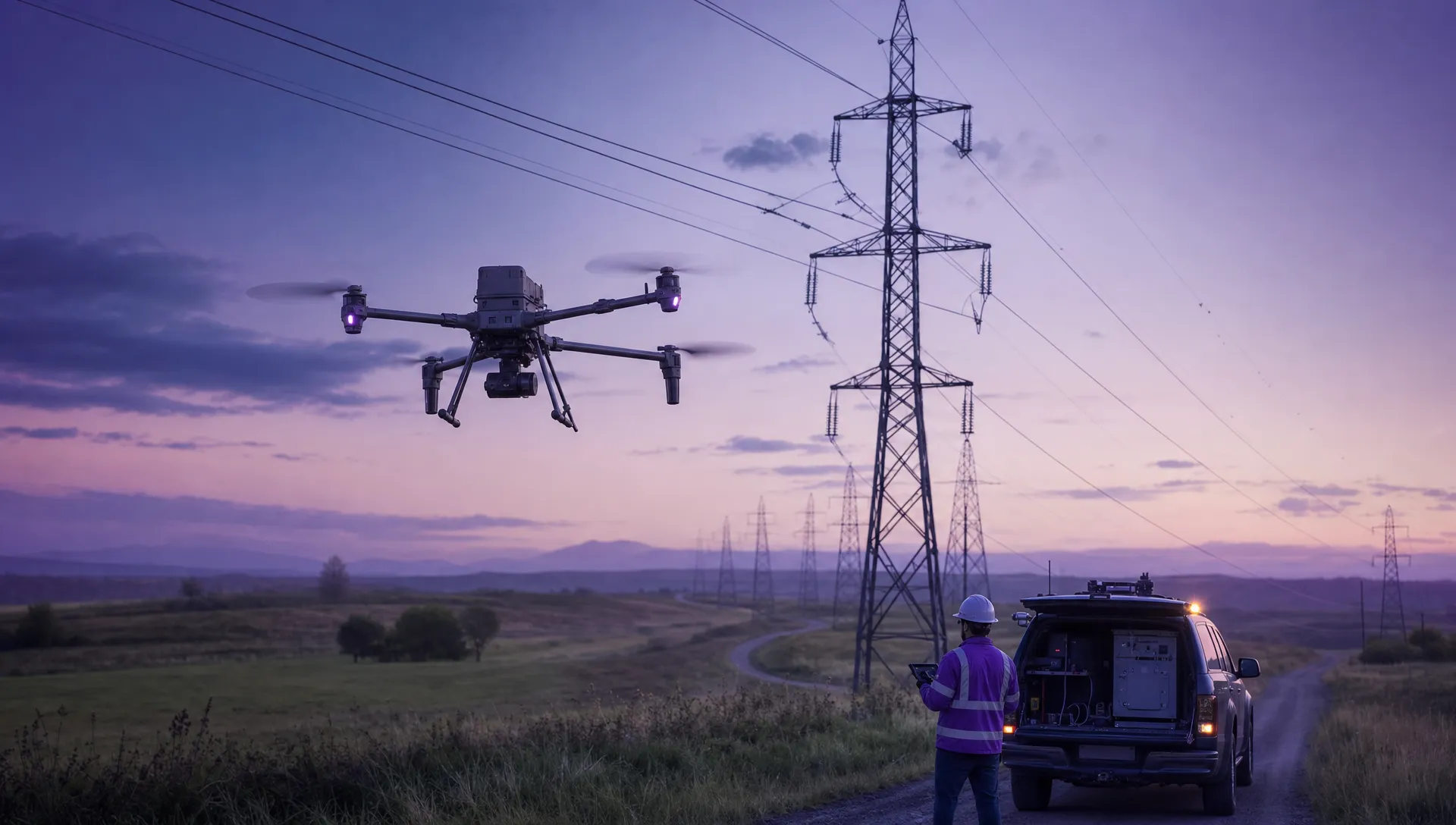
This is why railway, utility and industrial site cases are often compelling. A power line corridor, rail corridor or fenced industrial site gives the FAA something concrete to assess. The applicant can map the route, identify likely conflict points and show how the drone will remain contained if something goes wrong.
For survey companies, this does not mean BVLOS is impossible outside infrastructure corridors. It does mean the first approval is more likely if the operating area is small, rural, repeatable and supported by strong airspace analysis. A request to conduct occasional BVLOS surveys anywhere in a state is far harder to justify than a request to inspect a defined set of assets under defined conditions.
Lesson 2: Air risk is the centre of the argument
The hardest BVLOS question is simple: if the remote pilot cannot see the drone, how will the operation avoid other aircraft?
The FAA’s 2022 BVLOS Aviation Rulemaking Committee final report highlights the importance of detect and avoid, right of way rules, command and control reliability and scalable regulatory structures. Even where a granted waiver predates or sits outside that report, the same concerns appear repeatedly.
Successful applicants tend to address air risk through layers rather than a single mitigation. Those layers can include strategic route planning, altitude limits, operating away from known traffic routes, airspace coordination, visual observers in selected locations, ground based surveillance, onboard detect and avoid technology or procedural deconfliction.
The strongest strategy depends on the mission. A rural utility inspection may rely heavily on route selection, low altitude operation and procedural controls. A delivery network in a busier area may need more advanced detect and avoid capability, tighter airspace coordination and robust fleet monitoring. An emergency services drone as first responder programme may need dispatch rules that account for police, fire, air ambulance and media helicopter activity.
The important point is that "we will be careful" is not a mitigation. The FAA needs to see how traffic is detected, how decisions are made, who is responsible and what happens if the system loses a key source of awareness.
Lesson 3: Ground risk must be designed out, not explained away
BVLOS flights often cover more distance, which increases the chance of crossing roads, buildings or people who are not involved in the operation. Successful cases reduce that exposure before relying on procedures.
That is one reason infrastructure corridors are attractive. They often run through rural or semi-controlled areas, follow predictable paths and provide logical emergency landing options. Industrial sites can also work well because access is managed, workers can be briefed and operating boundaries are known.
Ground risk planning should be practical. It should answer questions such as where the aircraft can safely land, what happens if the planned landing area is blocked and how the operation avoids sustained flight over people or moving vehicles unless specifically authorised. A good risk assessment also considers seasonal changes, temporary works, events, school routes, livestock and emergency access roads.
For a deeper operational framework, Dronedesk’s guide on building a drone flight risk assessment that works is a useful companion to the waiver preparation process. A BVLOS safety case is essentially a risk assessment under regulatory scrutiny.
Lesson 4: Automation helps only when it is controlled
Some of the most significant FAA BVLOS approvals involve automated or remote operations. American Robotics, for example, became known for an approval allowing automated drone operations without a human operator physically onsite. Percepto has also publicised FAA BVLOS approvals for automated industrial inspection use cases.
These approvals do not mean the FAA is relaxed about autonomy. They show the opposite. Automation is acceptable when it is bounded by clear technical and procedural controls.
A drone-in-a-box system at a fixed site can be easier to assess than a manually flown aircraft operating in new locations every week. The box, launch area, flight routes, geofences, weather limits and recovery procedures can all be defined and tested. The aircraft can be maintained in a known configuration. The remote operator can follow repeatable workflows.
For operators considering automation, the lesson is to avoid treating it as a shortcut. The waiver case needs to explain what the system does automatically, what the human still supervises, how alerts are handled and what failure modes have been tested. It should also show how software updates, maintenance and configuration changes are controlled, because a safety case can quickly become outdated if the aircraft or operating system changes without review.
Lesson 5: The best cases create an audit trail before asking for scale
BVLOS approvals are rarely the first step in a drone programme. They usually come after an operator has already built a record of safe VLOS or extended visual line of sight work, documented procedures and near miss management. The FAA is more likely to trust an applicant that can show how it plans, flies, logs and improves.
This matters for every target sector.
Survey companies should treat routine VLOS projects as evidence gathering. Consistent logs, site assessments, aircraft reliability records and crew training records can all support the next stage.
Utilities should document route hazards, outage response needs, inspection benefits, crew workflows and coordination with asset owners. The operational case becomes stronger when the safety case is connected to a repeatable infrastructure requirement.
Emergency services should record dispatch criteria, airspace coordination procedures, crew roles, command structure and post-flight review processes. A public safety BVLOS request needs to show urgency, but urgency alone will not replace risk controls.
This is where operational administration becomes more than paperwork. Dronedesk’s drone operations management features bring client management, fleet management, team management, airspace intelligence, proximity intelligence, flight planning, configurable checklists, risk assessments, flight logging and data reporting into one web platform. Software will not win a waiver by itself, but a consistent operating record can make the evidence behind a waiver easier to manage and defend.
What the FAA seems to reward in successful BVLOS cases
Across FAA BVLOS waivers granted and related approvals, the strongest applications tend to share the same characteristics. They are not necessarily the biggest companies, although well resourced applicants often have an advantage. They are the applicants that make the regulator’s job easier.
| FAA concern | Weak answer | Stronger answer |
|---|---|---|
| Operating area | "We need BVLOS across many sites" | "We will operate in these mapped areas, under these conditions, with these boundaries" |
| Air traffic conflict | "The drone is small and flies low" | "Here is how we identify, avoid and respond to crewed aircraft" |
| Ground risk | "The area is usually quiet" | "Here are population, road, access and emergency landing controls" |
| Crew responsibility | "Our pilots are trained" | "Here are the defined roles, communication steps and decision authorities" |
| System failure | "The aircraft has return to home" | "Here are tested responses for lost link, navigation errors, weather changes and containment breaches" |
| Safety record | "We have experience" | "Here are our logs, maintenance records, incident reviews and corrective actions" |
The difference is evidence. A successful applicant does not ask the FAA to accept a claim. It provides enough operational detail for the FAA to test the claim.
Common mistakes that weaken BVLOS waiver applications
Many BVLOS requests fail because they are too broad. Operators naturally want flexibility, but flexibility is difficult for a regulator to approve when the operation removes visual line of sight. The more variables in the request, the more safety assumptions the FAA has to accept.
Another common mistake is relying on equipment specifications without explaining operational use. A detect and avoid sensor, ADS-B receiver, parachute, geofence or command link does not speak for itself. The application has to explain what the technology detects, what it does not detect, how alerts are interpreted, what the pilot does next and how false positives or failures are handled.
Applicants also underestimate the importance of people. BVLOS is often discussed as a technology problem, but approvals are just as dependent on training, handovers, authority and communications. If the remote pilot, mission commander, visual observer, maintenance lead and client representative all have overlapping responsibilities, the safety case becomes harder to trust.
Finally, some applications treat the waiver as a one-off document rather than part of a safety management system. The FAA wants confidence that the operator will continue to manage risk after approval, not only during the application.
How different operators can apply these lessons
A utility company planning BVLOS inspections should start with a limited set of assets, preferably routes with low air and ground risk. Build a route library, define launch and recovery options, identify nearby aviation activity and record repeat VLOS missions before expanding the request.
A survey company should avoid asking for broad geographic freedom too soon. A stronger first application may focus on a specific rural site type, such as quarry surveys, agricultural mapping or environmental monitoring, with clear site selection criteria and weather limits.
An emergency service should build BVLOS planning around dispatch discipline. Define which incidents justify launch, how the drone will avoid helicopters and temporary flight restrictions, who can approve continuation and how the operation will be terminated if airspace becomes complex.
A drone service provider working for multiple clients should standardise its internal documentation. The aircraft may be the same from job to job, but the risk picture changes with each site. Repeatable templates for airspace checks, proximity checks, client briefings, maintenance checks and post-flight reviews make it easier to prove operational maturity.
A practical preparation checklist
Before applying, operators should be able to answer the following questions in plain language and with supporting evidence:
- What exact rule or rules need to be waived or otherwise authorised?
- What is the smallest useful operating area for the first approval?
- How will the drone detect or avoid crewed aircraft when the pilot cannot see it?
- What people, roads and property could be affected on the ground?
- What happens after lost link, degraded GPS, low battery, unexpected weather or a route deviation?
- Who has authority to launch, continue, pause or terminate the mission?
- What previous flight logs, maintenance records and training records support the application?
- How will the operation be reviewed and improved after approval?
If those answers are vague, the operation is probably not ready for a BVLOS application. If they are specific, documented and tested, the safety case is moving in the same direction as successful FAA approvals.
Frequently Asked Questions
Are FAA BVLOS waivers granted only to large companies? No. Large companies often have more resources for testing, legal support and engineering evidence, but the FAA’s core concern is operational safety. Smaller operators can improve their chances by starting with a narrow, well documented mission and a strong safety record.
Is a Part 107 BVLOS waiver the same as Part 135 approval? No. A Part 107 waiver allows certain small UAS rules to be waived for a defined operation. Part 135 applies to air carrier operations, commonly associated with package delivery. Both can involve BVLOS, but they are different regulatory pathways.
What is the biggest reason BVLOS waiver applications fail? Overly broad requests are a common problem. If the operating area, aircraft, procedures, crew roles or mitigations are not clearly defined, the FAA has too much uncertainty to assess.
Do I need detect and avoid technology for BVLOS? Not always in the same form, but you need a credible method for avoiding other aircraft. Depending on the environment, that may involve technology, procedural controls, observers, airspace coordination or a combination of mitigations.
Can emergency services get BVLOS approval faster because missions are urgent? Urgency can support the operational need, but it does not remove the safety requirement. Public safety applicants still need clear dispatch rules, airspace procedures, training records and contingency plans.
Turning BVLOS ambition into an approvable operation
The strongest message from FAA BVLOS waivers granted is that approval follows discipline. Successful cases are narrow before they are broad, documented before they are scaled and supported by evidence rather than optimism.
If your organisation is preparing for more advanced operations, start by tightening the basics: risk assessments, airspace reviews, checklists, flight logs, team roles and post-flight reporting. Dronedesk can help you manage those operational building blocks in one place, so your BVLOS planning is based on a clearer, more consistent record of how you actually fly.
 FAA Part 107 Test: How to Master Airspace Questions →
 Drone Risk Assessment Controls That Work in the Field →
 FAA Drone License Costs Beyond the Knowledge Test →
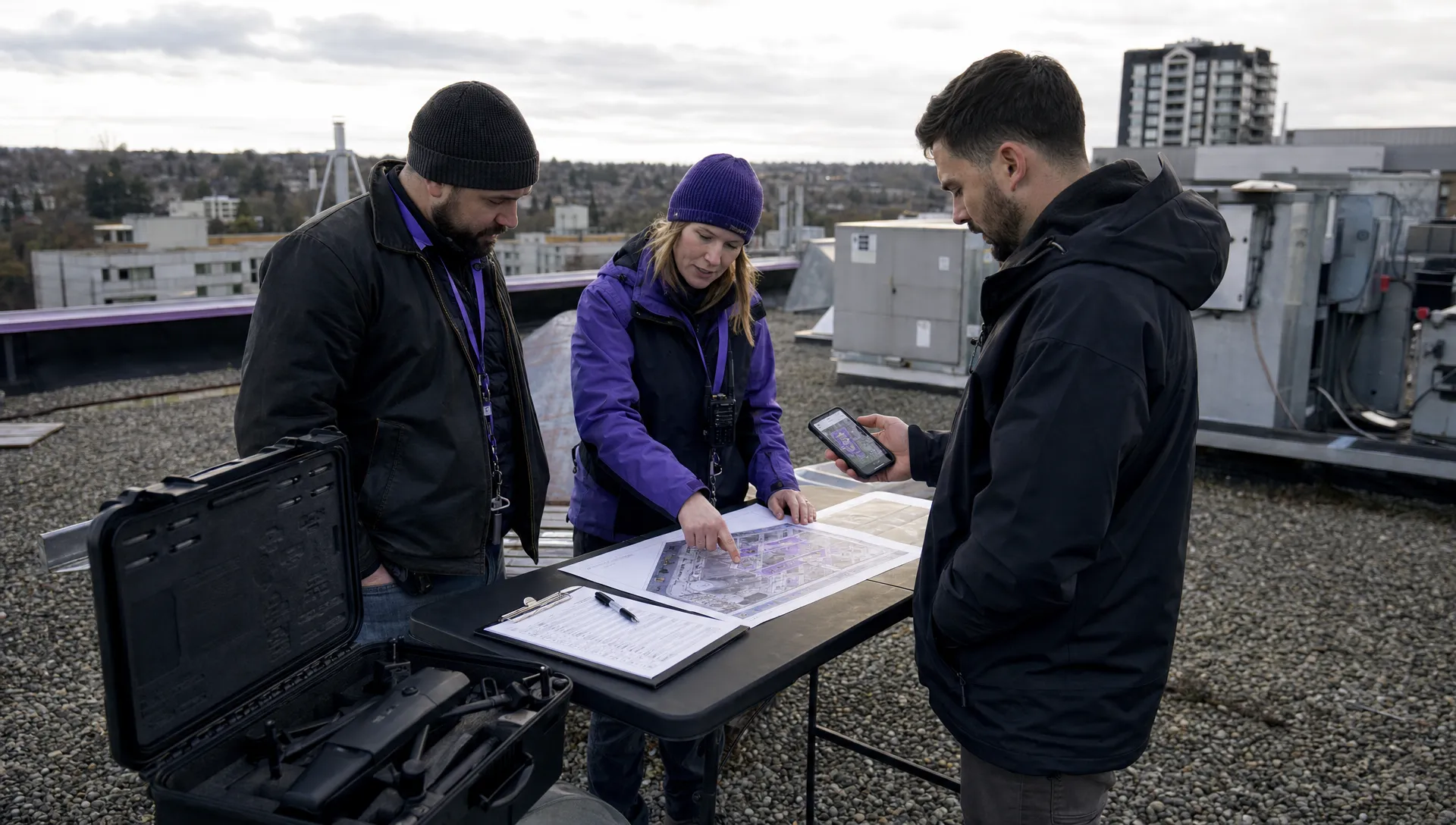 Drone Part 107 Operations: When a Waiver May Be Needed →
 Drone Operating Rules for Managing Contractors and Employees →
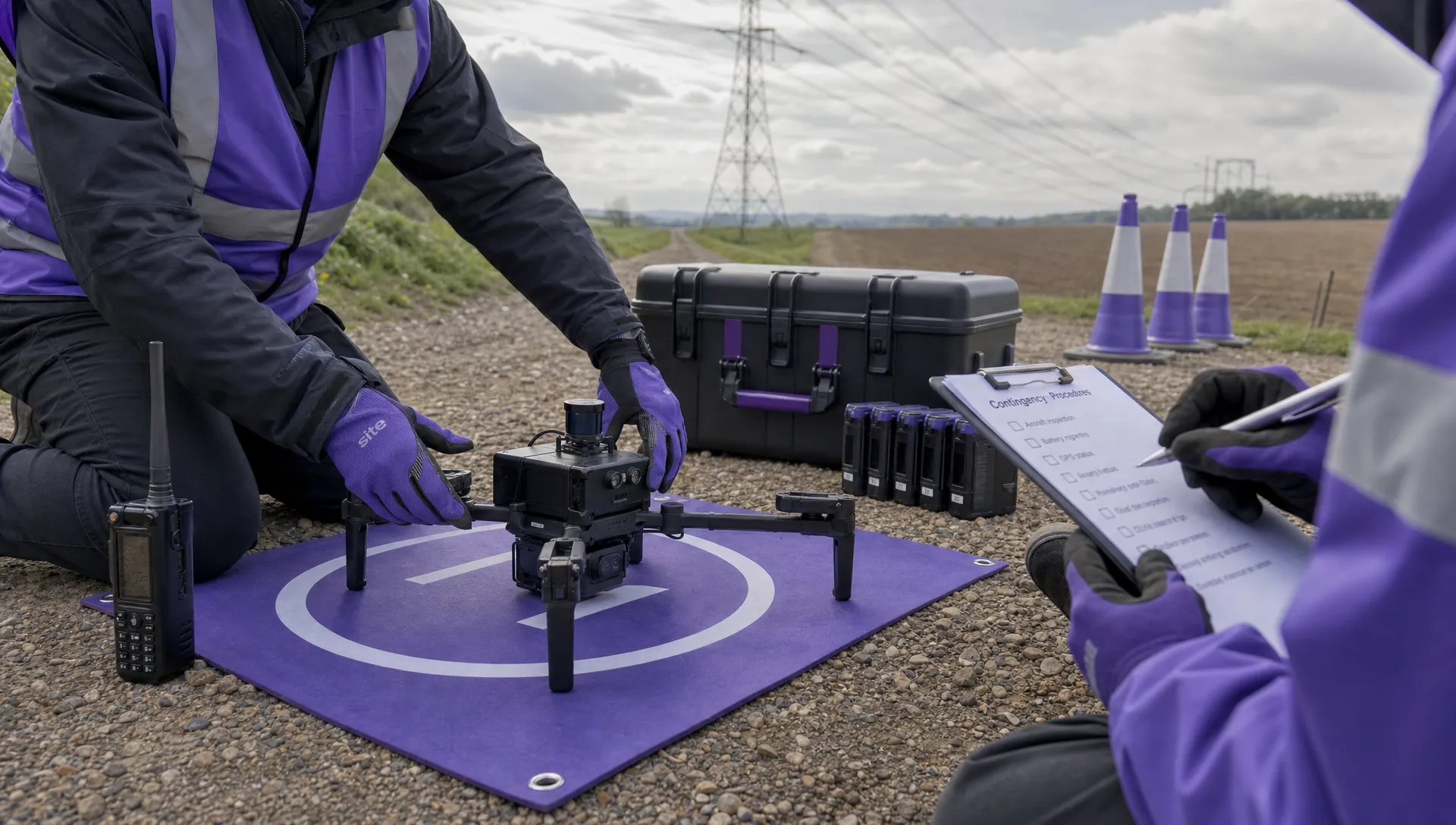 BVLOS Drone Requirements for Building a Safety Case →
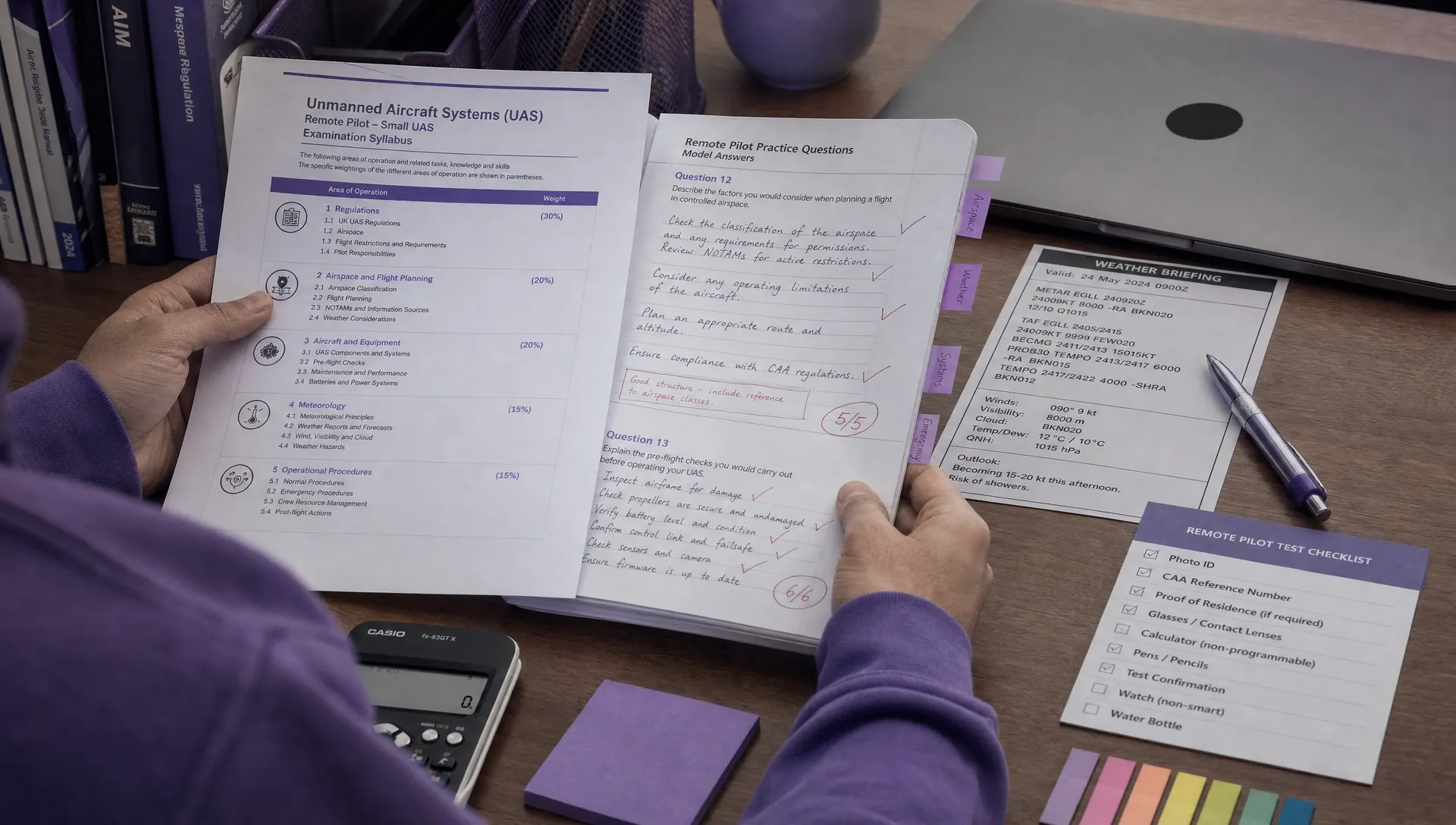 Drone Pilot Test Mistakes That Cost Candidates Marks →
 FAA 107 License vs Part 107 Certificate: What’s the Difference? →
 Drone Airport Rules: A Field Checklist for Site Assessments →
 FAA Part 107 Record-Keeping Rules for Commercial Teams →