
A Pilots Guide to Common Problems With Drones
Look past the slick aerial footage and the impressive spec sheets for a moment. Running a professional drone operation is a serious business, and it’s riddled with potential pitfalls that can ground a mission in an instant. The most common problems with drones aren't just minor annoyances; they're critical risks that span everything from sudden equipment failures and battery meltdowns to a bewildering maze of airspace rules and tricky public perceptions.
Navigating the Challenges of Professional Drone Operations
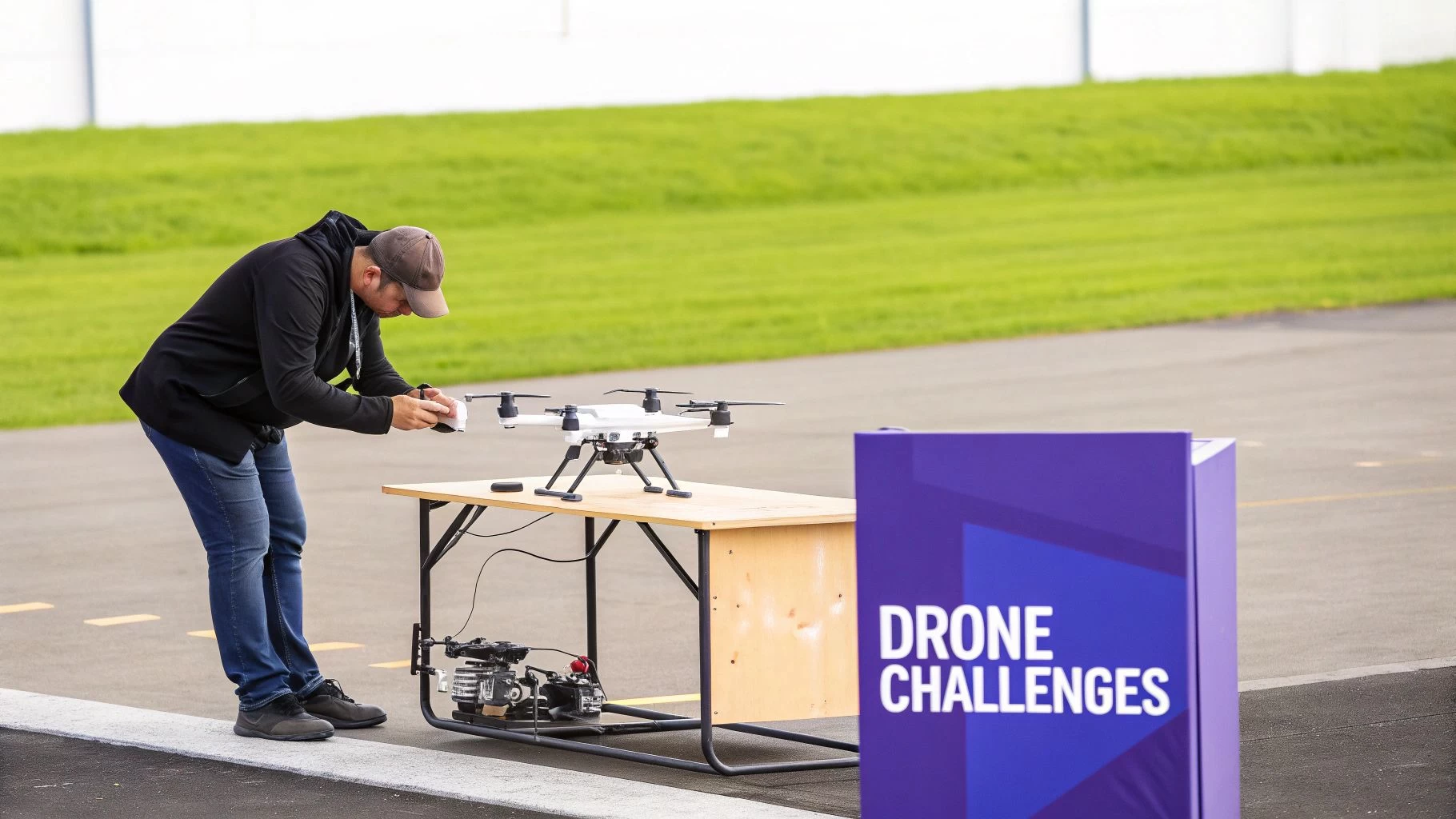
So many pilots get into this field because they love to fly, but they quickly learn that the real challenge isn't in the sky—it's on the ground, in the office. Think of it this way: professional drone work is a lot more like running a small airline than it is like just flying a single plane. Your success hinges less on your stick skills and more on airtight planning, obsessive maintenance routines, and flawless regulatory compliance. If you skimp on these fundamentals, you’re baking risk into every single flight.
This guide is designed to get you past the hobbyist mindset and squarely into the professional leagues. We're going to dig into the real problems with drones that commercial pilots wrestle with every day, giving you a clear-eyed view of what can go wrong and, more importantly, a practical roadmap for getting it right.
The Most Common Headaches in Drone Operations
To get a handle on the challenges, it helps to break them down into a few key areas. Each one brings its own brand of trouble, and each demands its own set of solutions.
- Technical Failures & Maintenance Nightmares: This is where the hardware lets you down. We're talking about everything from a motor suddenly burning out or a GPS signal vanishing mid-flight to the slow-burn threat of component wear that leads to a catastrophic failure if you aren't tracking it.
- The Regulatory & Airspace Maze: The sky isn't a free-for-all. You have to constantly navigate a complex map of no-fly zones, temporary flight restrictions (TFRs), and various classes of controlled airspace. This requires constant vigilance and access to real-time information.
- On-Site Safety & Public Perception: A single incident can cause serious harm, not to mention a public relations disaster that could tarnish your reputation for good. This bucket includes the obvious stuff, like avoiding collisions, but also the softer skills of managing public privacy concerns before they become complaints.
- Scaling Pains & Data Overload: As your business grows, the manual spreadsheets you used for logging flights, tracking gear, and managing client data will start to crack. This is where costly errors and compliance gaps begin to creep in.
If you start seeing these challenges not as random strokes of bad luck but as predictable risks, you can make a powerful mental shift. You move from constantly reacting to problems to proactively managing them before they ever happen.
Consider this guide your operational pre-flight check. We’re going to dissect each of these problem areas and show you how a systematic approach, supported by smart management tools like Dronedesk, can dramatically reduce your risk, slash the administrative headaches, and help you build a safer, more profitable business.
Quick Guide to Solving Common Drone Problems
To get started, here’s a high-level look at the most frequent issues pilots face and the core strategies for heading them off. Think of this as your cheat sheet for building a more resilient drone operation from day one.
| Problem Area | Common Issue | Primary Solution |
|---|---|---|
| Technical & Maintenance | Sudden component failure or battery degradation. | Implement a strict pre-flight checklist and a scheduled maintenance program. |
| Regulatory & Airspace | Inadvertently flying in restricted airspace. | Use real-time airspace intelligence and automated compliance checks before flight. |
| Safety & Collisions | Mid-air collision with obstacles or other aircraft. | Conduct thorough on-site risk assessments and maintain visual line of sight. |
| Privacy & Public Perception | Complaints from the public about being filmed. | Communicate proactively with people on the ground and have a clear data privacy policy. |
| Operational Scaling | Manual flight logging becomes overwhelming. | Adopt a centralized drone management platform to automate logging and reporting. |
This table simplifies complex issues, but it highlights a central theme: preparation is everything. The most successful operators are the ones who anticipate problems and build systems to prevent them, ensuring every flight is as safe and efficient as possible.
Solving Technical Failures and Maintenance Headaches
Nothing grounds a drone mission faster than an unexpected technical problem. We often get caught up in the amazing things these machines can do, but at the end of the day, they're complex pieces of equipment with plenty of things that can go wrong. The most common problems with drones almost always trace back to a few key parts, any one of which can end a flight and put your entire investment on the line.
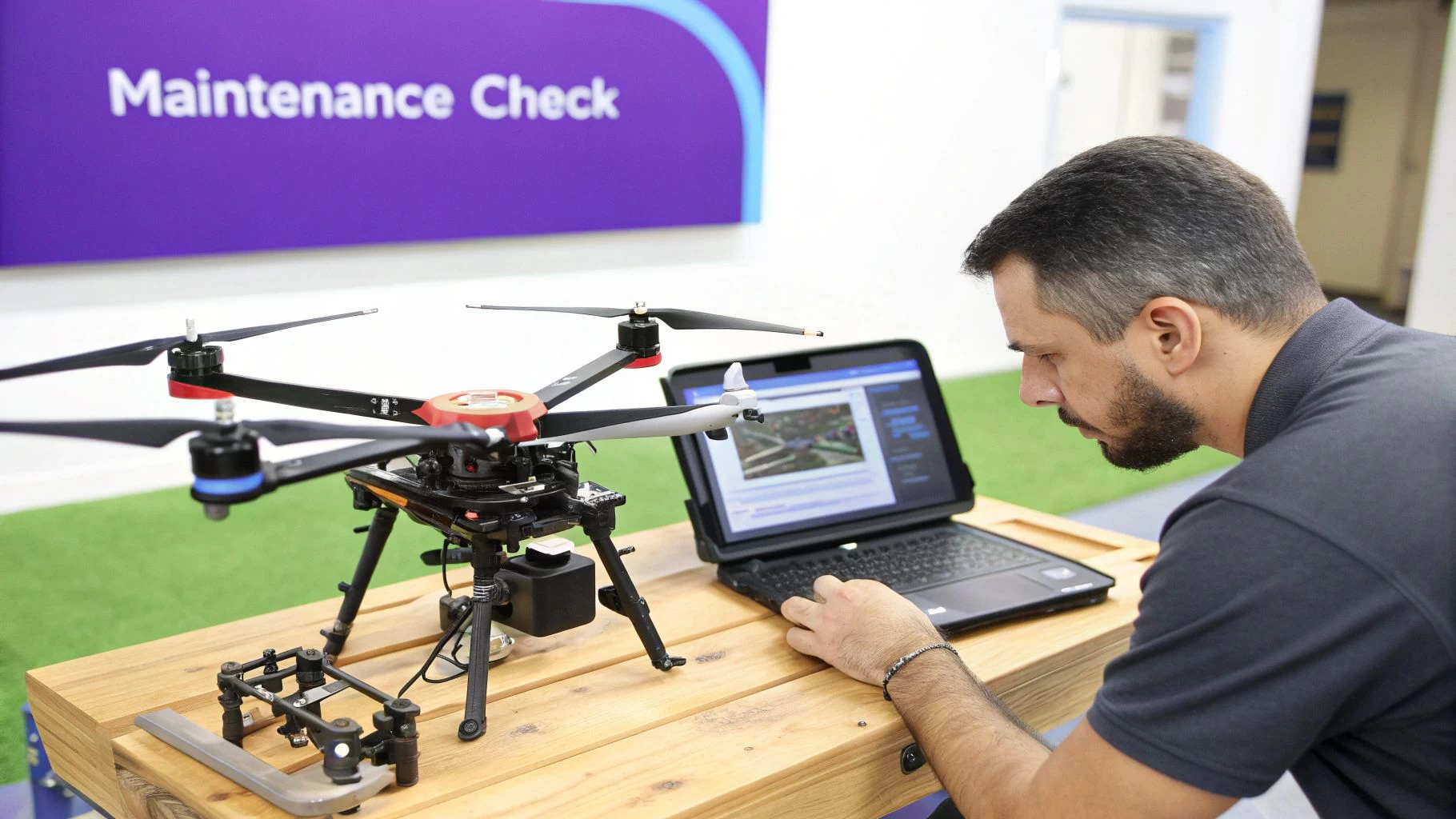
Picture this: you're halfway through a high-stakes wind turbine inspection. Suddenly, a motor gives out because of a worn-out bearing that nobody noticed. The drone wobbles, loses stability, and crashes. That's a failed mission and a very expensive repair bill. This kind of thing isn't just bad luck; it's what happens when small but critical maintenance tasks get ignored.
These failures can pop up for all sorts of reasons. It could be something external, like signal interference messing with the GPS, or something as simple as wear and tear on a propeller. We also see issues with buggy firmware, controller disconnects, and aging batteries turning a normal flight into a genuine emergency.
Identifying Common Failure Points
If you want to get ahead of these problems, you have to know where to look. Think of your drone like a car—you wouldn't drive 50,000 miles without an oil change or checking the tires, right? The same logic applies here. For a deeper dive, exploring effective maintenance problem solving strategies can give you a solid framework.
Here are the usual suspects when a drone fails in the field:
- Motors and Propellers: These are the workhorses. Constant use wears down bearings and can cause tiny, hard-to-see cracks in props. If one fails mid-air, it’s game over.
- Batteries: LiPo batteries lose their punch over time. A poorly maintained battery doesn't just shorten your flight time; it can die unexpectedly, causing your drone to drop out of the sky.
- GPS and Compass: These are your drone's eyes and ears for navigation. Get too close to power lines or large metal structures, and magnetic interference can send it flying off course.
- Firmware and Software: A glitchy software update can introduce all kinds of gremlins, from random controller disconnects to a total loss of control.
A robust maintenance program isn't an expense; it's an insurance policy against catastrophic failure. By meticulously tracking component health and service history, you shift from hoping a problem won't happen to ensuring it doesn't.
Building a Bulletproof Maintenance System
The answer is to stop reacting and start planning with a systematic approach to maintenance. This means having ironclad pre-flight and post-flight inspection routines. And I don't mean just a quick once-over. This should be a detailed process where you log the condition of every critical part. A great starting point is building a workflow around our guide to creating a https://blog.dronedesk.io/preventive-maintenance-schedule-template/.
This is where a dedicated fleet management system like Dronedesk becomes your command center. Instead of trying to keep track of everything with scattered spreadsheets or just relying on memory, you can manage the entire lifecycle of your equipment in one place.
How Dronedesk Transforms Maintenance
Using a platform like Dronedesk turns your maintenance protocol from a tedious chore into a real strategic advantage. It gives you the structure to professionalize your entire operation and make sure nothing ever falls through the cracks.
Here’s how it helps:
- Automated Component Logging: Dronedesk automatically tracks flight hours for every drone, battery, and major component. You get precise, data-driven alerts when a part is getting close to its manufacturer-recommended service life. No more guesswork.
- Centralised Checklists: You can build and assign standard pre-flight and post-flight checklists for every pilot and aircraft. This ensures every inspection is done the same way, every single time, no matter who is flying.
- Defect Reporting and Resolution: If a pilot finds an issue, they can log it in the system right then and there. This automatically flags the aircraft as unfit for service until the problem is fixed and documented, which stops an unsafe drone from ever getting into the air.
By automating these tedious but vital tasks, you slash the admin time for your team and, more importantly, drastically reduce the risk of a technical failure. It’s a systematic approach that ensures your fleet is always ready, reliable, and safe.
Navigating Complex Airspace and Regulatory Rules
Of all the potential headaches that come with flying drones, accidentally breaking airspace rules is one of the quickest ways to find yourself in hot water. The sky above us isn't just empty space—it’s a complex, invisible highway system with strict rules of the road. One wrong move can lead to hefty fines, losing your license, or even facing criminal charges.
It’s a lot like driving a car. You wouldn't merge onto a motorway without knowing the speed limit or what the road signs mean. In the same way, any professional drone pilot has to be an expert on the rules of the sky to fly safely and legally.
But here’s the catch: these rules are far more complicated than simple road signs. You're dealing with a messy combination of permanent no-fly zones (NFZs), temporary flight restrictions (TFRs) that pop up with little notice, and different classes of controlled airspace, each requiring special permission to enter.
The Hidden Dangers of Manual Compliance Checks
Trying to keep track of all this manually is a recipe for disaster. It means bouncing between various government websites, deciphering aviation charts, and cross-referencing third-party apps just to get a clear picture. This isn't just a massive time sink; it’s a process loaded with the potential for human error.
It’s frighteningly easy to miss a last-minute TFR for a VIP visit or misjudge the boundary of controlled airspace around a small local airport. The consequences of these mistakes are serious, putting both manned aircraft and people on the ground at risk.
Drone incursions near airports are a huge safety threat, and the numbers are climbing fast. The FAA saw a 45% jump in reported drone incidents near airports between 2020 and 2022, with over 100 reports coming in every month. Even more alarming, over 60% of close calls between drones and aircraft happened within 200 feet of airports, and more than one in five occurred within a terrifying 50 feet. You can read more about the growing dangers of uncrewed aviation on commercialuavnews.com.
Automating Safety with Integrated Airspace Intelligence
This is where modern flight planning software becomes an absolute non-negotiable for any serious commercial drone operation. Instead of trying to piece everything together yourself, a platform with built-in airspace intelligence gives you a single, clear, and up-to-the-minute view of every restriction and hazard in your mission area.
The goal is to eliminate guesswork entirely. Automated compliance checks transform a complex, high-stakes research task into a simple, reliable step in your pre-flight workflow, making safety the default standard for every mission.
This automated approach does more than just tell you where you can't fly; it actually helps you get permission to fly in restricted areas when you need it. For example, systems like LAANC (Low Altitude Authorization and Notification Capability) are built right into platforms like Dronedesk. This lets pilots request and receive near-instant authorization to fly in controlled airspace. You can dive deeper into the specifics of managing airspace for drones in our detailed guide.
How Dronedesk Simplifies Airspace Management
A comprehensive platform like Dronedesk is built specifically to take the administrative pain and operational risk out of regulatory compliance. It pulls all the necessary airspace data into one intuitive place, so you always have the full picture before your drone’s rotors even start spinning.
Here’s how it helps you sidestep common airspace problems:
- Unified Airspace View: Dronedesk lays out all the critical data—controlled airspace, TFRs, and ground hazards like schools or hospitals—on a single, easy-to-understand map.
- Automated LAANC Authorizations: You can submit LAANC requests directly from your flight plan in Dronedesk, often getting approval in seconds instead of fighting with separate government websites.
- Comprehensive Risk Assessments: The platform makes identifying and mitigating airspace risks a standard part of your pre-flight checklist, creating a solid paper trail of your due diligence.
- Clear Flight Logging: Every flight plan, along with its airspace checks and risk assessments, is automatically logged and saved. This gives you an invaluable record for any compliance audits or incident investigations down the line.
By relying on an integrated system, you're swapping manual uncertainty for automated confidence. This doesn't just keep you out of legal trouble; it shows clients you're a true professional, cementing your reputation as a safe and reliable operator.
Managing On-Site Safety and Public Perception
So far, we've talked about technical glitches and regulatory hoops. But honestly, some of the most visible—and damaging—drone problems happen right on the ground, in full view of your clients and the public. One bad day on-site can lead to physical harm, wrecked property, and a PR headache that kills client trust and stains your reputation for years.
This is where the job gets tricky. You're not just a pilot; you're managing physical safety and public opinion at the same time.
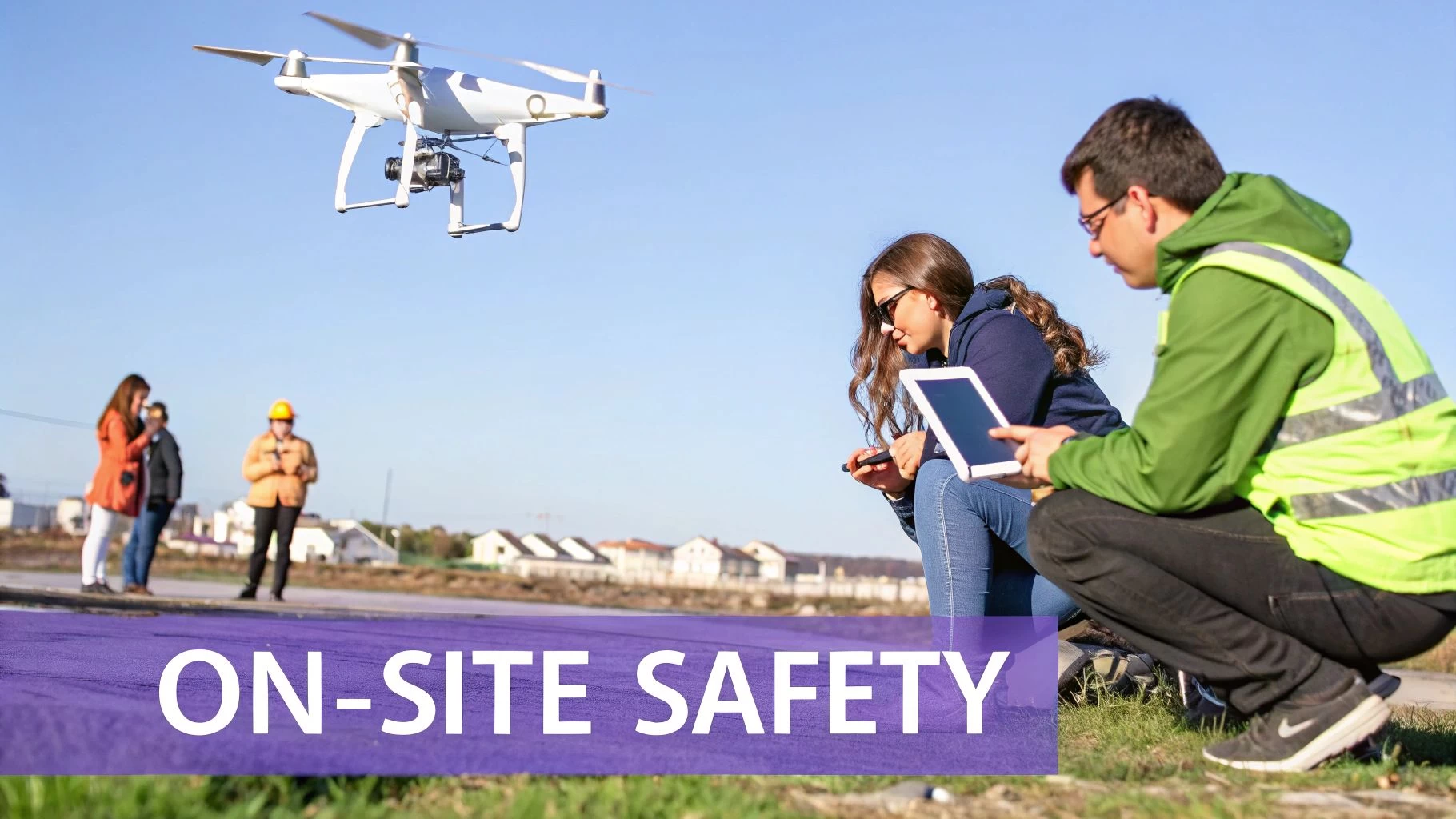
What causes these safety failures? It can be anything from simple pilot error and spotty training to things you can't control, like a sudden gust of wind or a territorial bird. Bumping into a building is expensive, but an incident involving a person can be absolutely catastrophic.
Unfortunately, injuries are a real and growing risk. Between 2015 and 2020, an estimated 4,250 drone-related injuries were treated in U.S. emergency rooms alone. That number is a stark reminder of the physical dangers our equipment can pose, especially as more people start flying. You can find more eye-opening insights in these drone statistics and their implications for pilot safety.
Mitigating Physical Risks on Site
Staying accident-free isn't about crossing your fingers and hoping for the best. It’s about meticulous planning and a professional attitude from start to finish. A solid on-site safety protocol is your best defense, turning what could be a chaotic scene into a controlled, professional operation.
Before you even think about launching, every professional pilot needs to lock down the operational area. This is way more than just picking a spot to take off. It means setting up a proper safety buffer and making sure everyone on the site knows what's happening.
A non-negotiable on-site safety checklist must include:
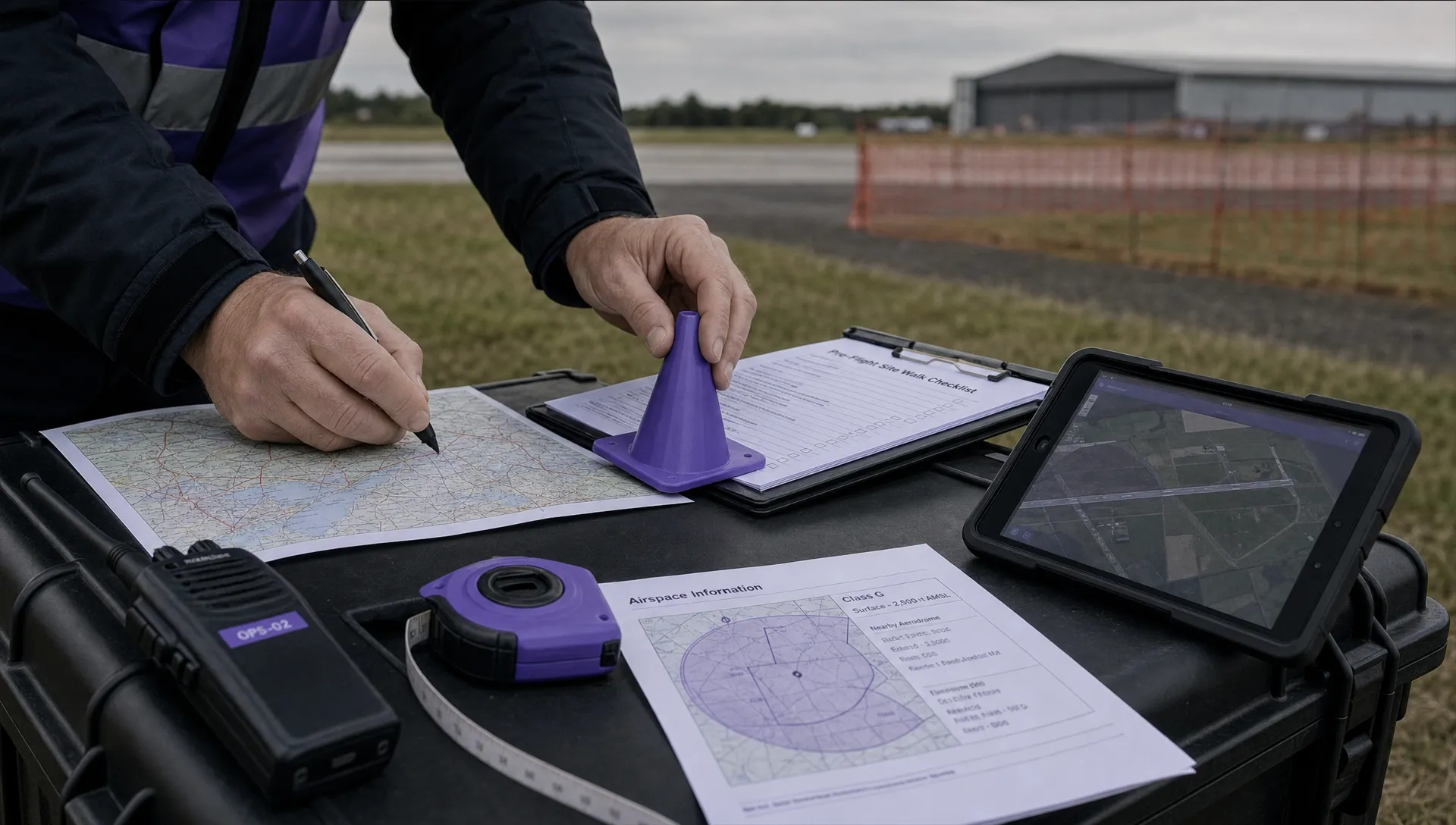
- Site Survey: Walk the site first. Identify every potential hazard—power lines, trees, antennas, you name it—before the mission starts.
- Establish a Cordon: Use cones, tape, or signs to clearly mark off the flight area. This tells unauthorized people exactly where they shouldn't be.
- Crew Briefing: Get your team together. Make sure everyone, including visual observers, knows their specific roles, what to do in an emergency, and how you'll communicate.
- Public Notification: If you're in a public space, put up signs. Let people know a drone operation is underway so they aren't caught by surprise.
The ultimate goal is to control every variable you possibly can. A detailed, documented risk assessment isn't just paperwork—it's a critical thinking tool that forces you to anticipate what could go wrong and plan how to prevent it.
Navigating Public Perception and Privacy
While keeping people safe is job number one, how the public sees your operation is just as vital for your long-term success. The mere sight of a drone can make people nervous, especially if you're near homes or private property. They immediately worry about being filmed without permission, which can quickly lead to complaints, arguments, and a deep sense of distrust.
The antidote is simple: proactive communication and transparency. When people understand what you're doing and why, that anxiety often melts away and turns into genuine curiosity.
To build that trust and manage public perception on the fly:
- Be Visible and Approachable: Wear a high-vis vest. Look like a professional who's in charge, and be ready to politely answer any questions.
- Provide Clear Information: If someone asks, tell them the purpose of the flight. Let them know you're a licensed professional who follows the rules.
- Respect Privacy: Don't fly directly over private property without explicit permission. Make a conscious effort to angle your camera to capture only what's necessary for the job.
- Document Everything: Your best defense against a baseless complaint is a perfect record. Meticulous flight logs and job plans prove you did everything by the book.
This is where a platform like Dronedesk becomes essential. It’s designed to bake this level of professionalism directly into your workflow. By helping you create detailed job plans complete with risk assessments, site contacts, and flight objectives, you build an ironclad record of your due diligence.
This documentation doesn't just keep your team safe. It proves your commitment to responsible flying, which is exactly how you build unshakable trust with both your clients and the public.
7. Grappling with Growth: Operational and Data Hurdles
When a drone operation expands from one pilot to a full team, a whole new set of problems bubbles to the surface. The simple spreadsheet that once tracked flight logs or the paper checklist taped to a drone case simply can't keep up with multiple pilots, aircraft, and projects.
This is the scaling challenge in a nutshell.
All of a sudden, you're dealing with inconsistent pre-flight checks because every pilot has their own "way" of doing things. You start losing track of maintenance schedules, which is a massive safety risk. Just trying to manage client data and keep compliance paperwork straight across dozens or hundreds of missions turns into a logistical nightmare.
Trying to manage a growing fleet with manual methods is like running a busy restaurant using sticky notes. It might work for a day or two, but eventually, an order gets lost, a critical ingredient is forgotten, and the whole kitchen grinds to a halt. In our world, those breakdowns lead to expensive mistakes, dangerous compliance gaps, and an incredible amount of wasted time on admin.
Why Manual Systems Crumble Under Pressure
When you lean on manual processes, you’re basically building your business on a foundation full of weak spots. And those weak spots multiply with every new pilot you hire and every new drone you add to the fleet. These aren't just small annoyances; they are serious bottlenecks that can stunt your company's growth and eat into your profits.
Here’s where manual systems typically fall apart:
- Inconsistent Procedures: Without a single, enforced standard, pilots often run pre-flight checks from memory. This inevitably leads to missed steps and wildly different safety standards across the team.
- Scattered Data: Information ends up everywhere—on different pilots' laptops, in personal cloud storage, scribbled in paper logbooks. Trying to find a specific flight log or maintenance record feels less like management and more like a forensic investigation.
- Compliance Blind Spots: Manually tracking pilot licenses, aircraft registrations, and battery health is a recipe for human error. An expired certificate or an overdue service check can easily slip through the cracks until it's far too late.
This kind of chaos makes it impossible to get a clear, real-time picture of your operation's health and compliance.
Think of an operational management platform as the central nervous system for your drone business. It pulls everything together, replacing fragmented, manual tasks with a single source of truth so everyone is working from the same playbook.
Building a Scalable and Efficient Operation
Making the jump to a dedicated platform like Dronedesk is the move that separates a drone pilot from a professional drone business. It introduces the structure and discipline you absolutely need to scale safely and efficiently, getting rid of the administrative headaches that hold so many great companies back.
A centralized system directly tackles these data management problems by standardizing and automating the workflows that matter most. If you ever face a critical data loss from a device failure, you might need to turn to professional data recovery services to retrieve the information. But the real goal is to prevent that data from being scattered and vulnerable in the first place. For a deeper dive into this, check out our guide on planning drone data analysis.
Here’s how a unified solution like Dronedesk helps you overcome these scaling challenges:
- Standardized Team Management: You can create and assign universal checklists for every pilot and aircraft. This ensures every single pre-flight and post-flight inspection is done to the exact same high standard, every time, with no exceptions.
- Centralized Asset Tracking: Get a single, live dashboard showing the status of your entire fleet. The platform automatically logs flight hours for each drone, battery, and key component, proactively flagging anything that’s coming up for maintenance.
- Automated Data and Reporting: Everything from flight logs and pilot hours to client project files and compliance reports gets captured and organized automatically. This turns your data pipeline into a well-oiled machine, making audits and client handovers simple and error-free.
By stepping away from manual methods, you replace chaos with clarity. This doesn't just cut down on risk—it frees up your team to focus on what they do best: flying missions and delivering amazing results for your clients. That's how you build a business that's ready for sustainable growth.
We’ve spent this guide breaking down the most common headaches drone operators face—from unexpected technical glitches and regulatory minefields to safety scares and operational snags. But there’s a common thread tying them all together: these issues are hardly ever just bad luck. More often than not, they’re predictable challenges that demand a professional, systematic approach.
True success isn't about crossing your fingers and hoping for the best. It's about building an operation so robust that it spots and neutralizes these problems before they ever get off the ground.
Getting out of a purely reactive mode is the single biggest leap you can make for your drone business. Instead of scrambling to fix things when a battery dies mid-flight or a last-minute airspace check reveals a restriction, a proactive strategy weaves safety and compliance into the fabric of your daily work. This shift turns potential disasters into proof of your professionalism, giving you a serious advantage in a crowded market.
From Chaos to Control: Mastering Your Workflow
Making this leap from reactive to proactive isn't just a change in attitude; it requires the right systems to back you up. Real operational control means finally ditching the scattered spreadsheets, paper checklists, and sticky notes. It’s about building a single, go-to hub for your entire operation. This flowchart shows just how quickly manual, disconnected methods create bottlenecks that cripple your core functions.
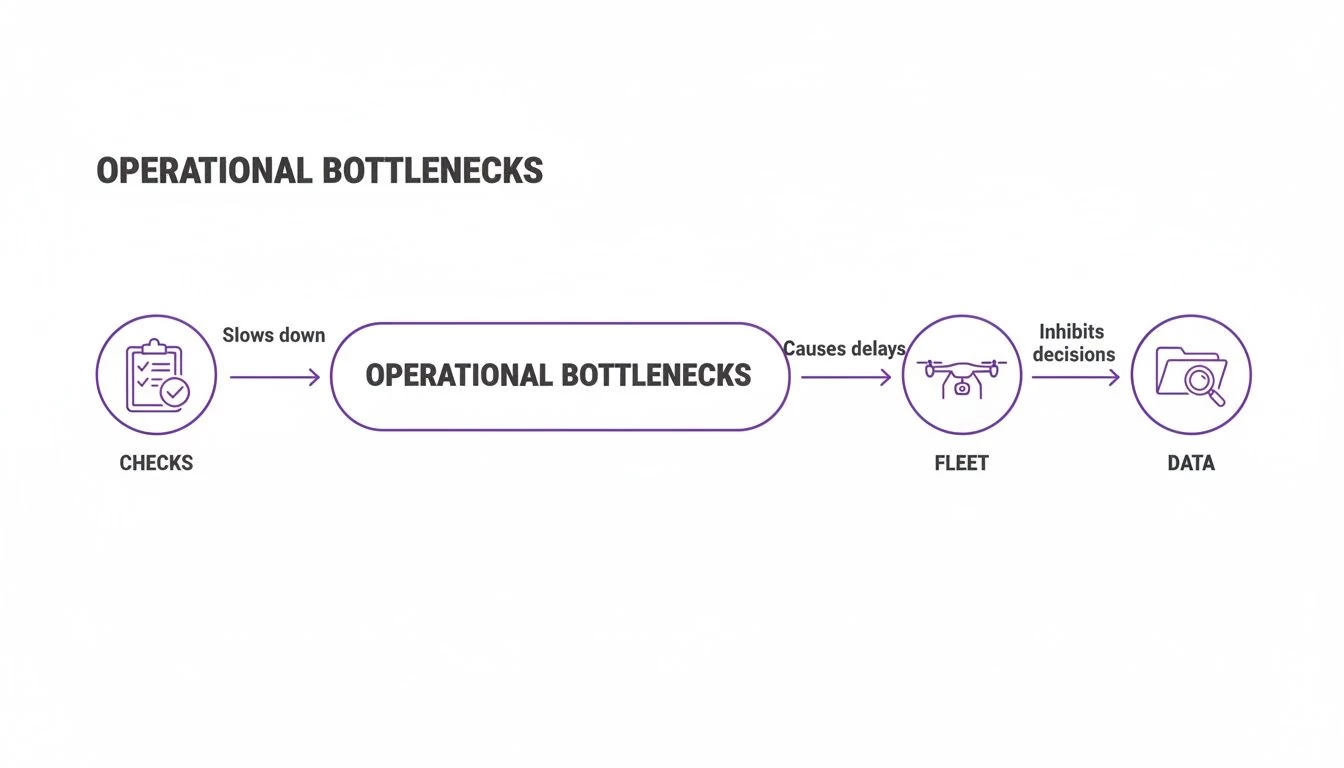
As you can see, inconsistent checks, messy fleet management, and disorganized data create a domino effect of inefficiency and risk. Each bottleneck makes the next one worse, grinding your ability to operate safely and grow your business to a halt.
Professionalism in the drone world is all about the process. It's the documented, undeniable proof that you've done your homework, thought through the risks, and taken every reasonable step to fly a safe, legal, and successful mission.
This is precisely where a dedicated drone management platform like Dronedesk comes in. It gives you the structure you need to formalize your processes and manage everything—from booking new clients and planning flights to tracking maintenance and coordinating your team. By bringing all these critical jobs under one roof, you stamp out the guesswork and human error that are inevitable with manual systems.
Bringing a tool like Dronedesk into your workflow is more than just buying software; it's a commitment to a higher standard. It gives you the power to build a safer, more compliant, and ultimately more profitable drone business. Stop putting out fires and start preventing them.
Answering Your Most Pressing Questions
Even the most seasoned pilots run into issues. The key is knowing what to expect and how to handle it before you're in the middle of a tricky situation. Let's tackle some of the most common questions that come up in the field.
What's the Real Reason Most Drones Crash?
It’s easy to blame the tech, but the truth is, the single biggest cause of drone crashes is pilot error. That's a wide net, I know. It covers everything from misjudging the distance to a tree branch, to panicking in a sudden gust of wind, or simply losing sight of the aircraft for a split second.
Drill down a bit further, and you’ll find that a lot of these mistakes start long before takeoff. Rushing through pre-flight checks or skipping a proper site survey is a recipe for disaster. That's when you miss the power line you didn't see on the map or fail to account for that new cell tower.
How Do I Stop My Drone from Flying Away?
Ah, the dreaded "flyaway." There's nothing quite like the feeling of watching your expensive gear drift off on its own. It's a pilot's worst nightmare, and it's usually caused by one of two things: GPS signal loss or compass interference.
To avoid this gut-wrenching scenario, be patient on takeoff. Always wait for your drone to confirm a solid GPS lock with plenty of satellites. Just as important, take a good look around you. Launching near big metal buildings, high-voltage power lines, or anything that creates strong magnetic fields can throw your compass into a spin, leading to completely unpredictable flight.
A non-negotiable part of your pre-flight routine should be setting your Return to Home (RTH) altitude. Make sure it’s high enough to clear every single obstacle in the area—trees, buildings, everything. Think of it as your ultimate safety net if that connection ever drops.
What Do I Do with a Puffy Drone Battery?
If you see a battery that looks swollen, puffy, or has any physical damage, the answer is simple: stop using it immediately. A swollen LiPo battery is a ticking time bomb—a serious fire risk that signals a dangerous internal failure. Don't even think about charging it or putting it back in a drone.
The only thing to do is to dispose of it safely, following your local guidelines for hazardous waste. To keep this from happening, get into a good battery habit. Store them in a cool, dry spot, don’t leave them sitting at full charge for days on end, and retire any battery that's been in a hard crash. A little bit of discipline here goes a long way toward safety.
Ready to stop putting out fires and start preventing them? Dronedesk gives you the framework to run your operations like a pro, making every flight safer and more compliant. Learn how Dronedesk builds resilience into your workflow and take control of your drone business today.
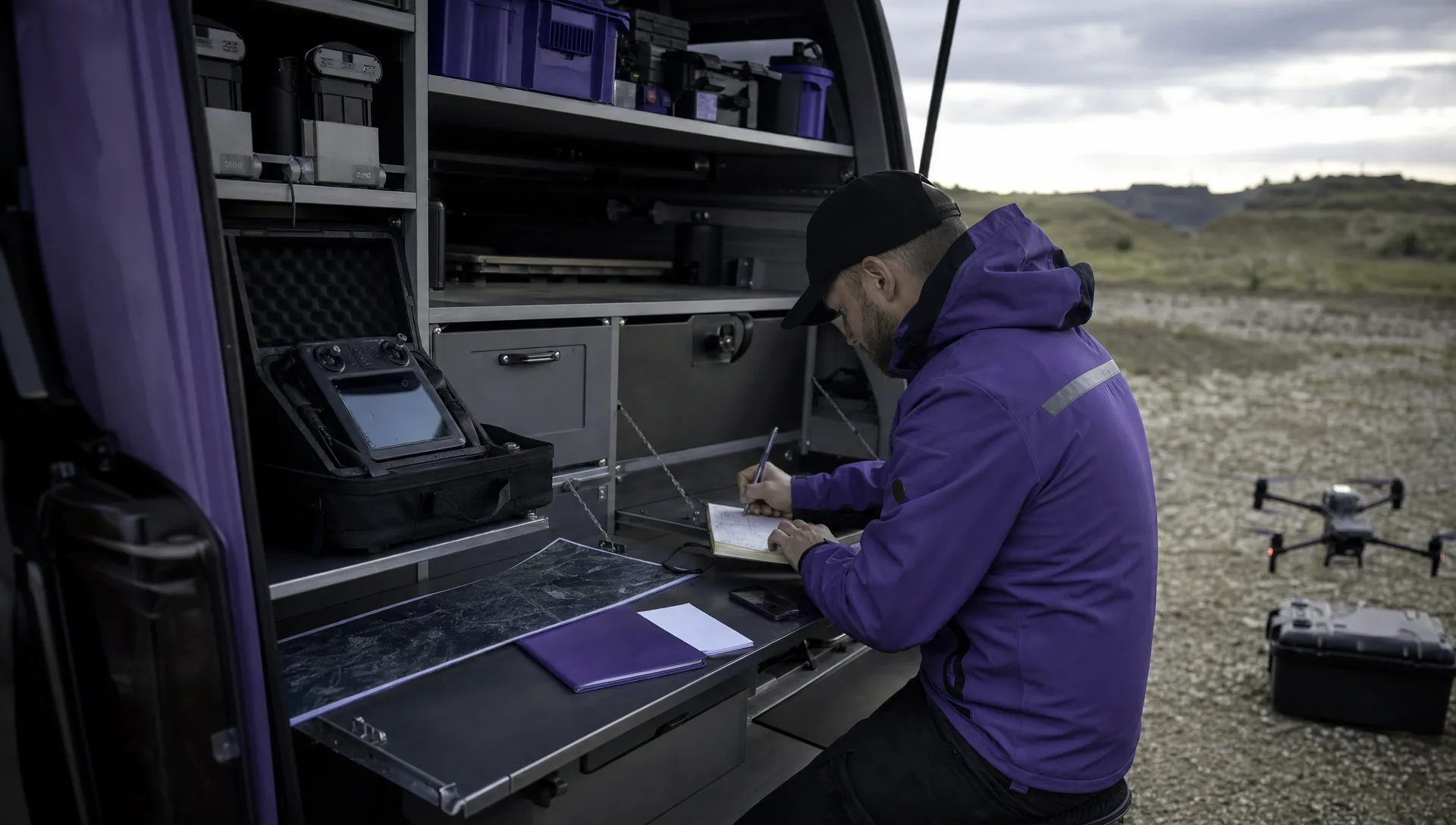 How to Evaluate a Free Drone Logbook Before Using It →
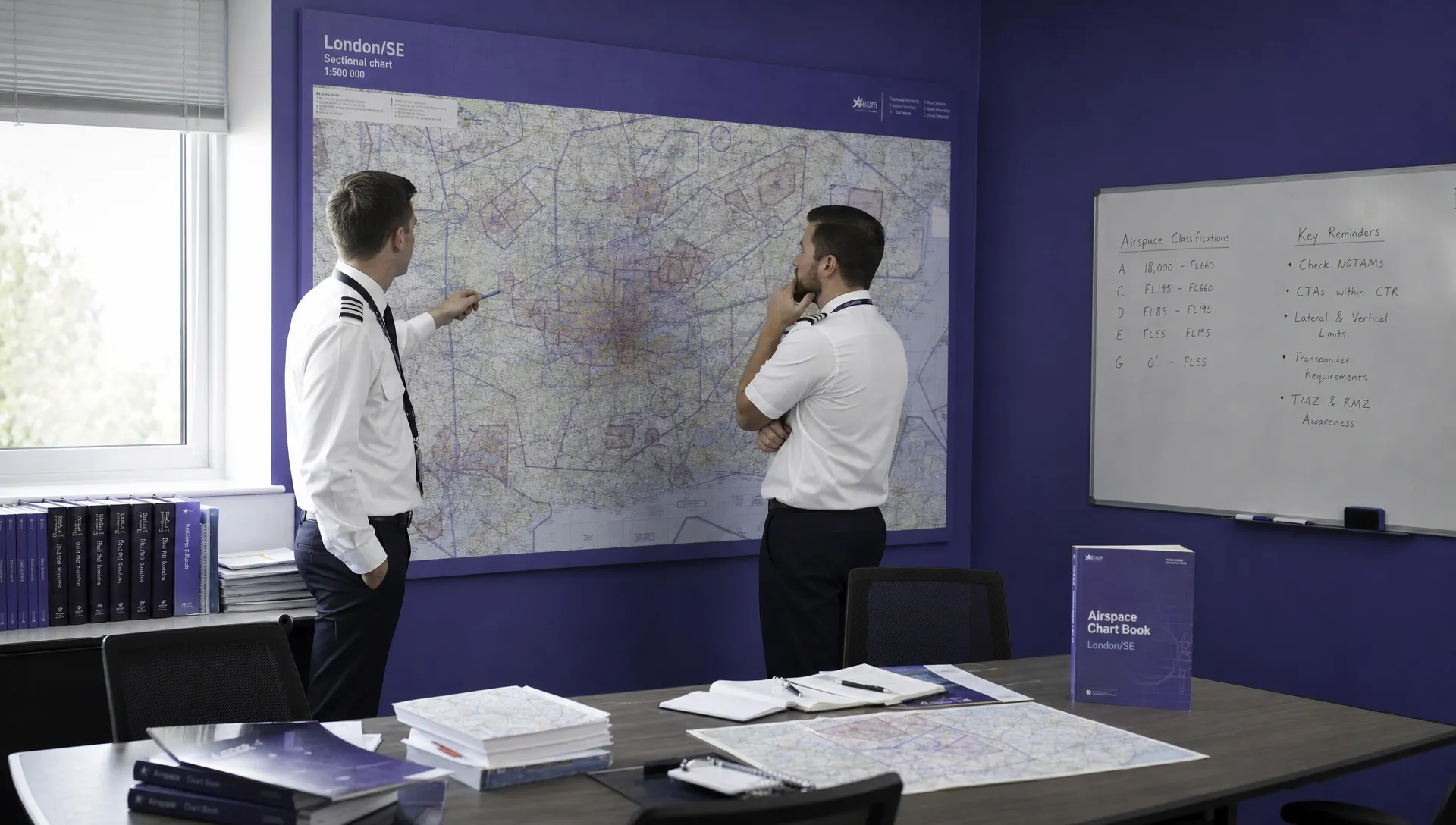 FAA Part 107 Test: How to Master Airspace Questions →
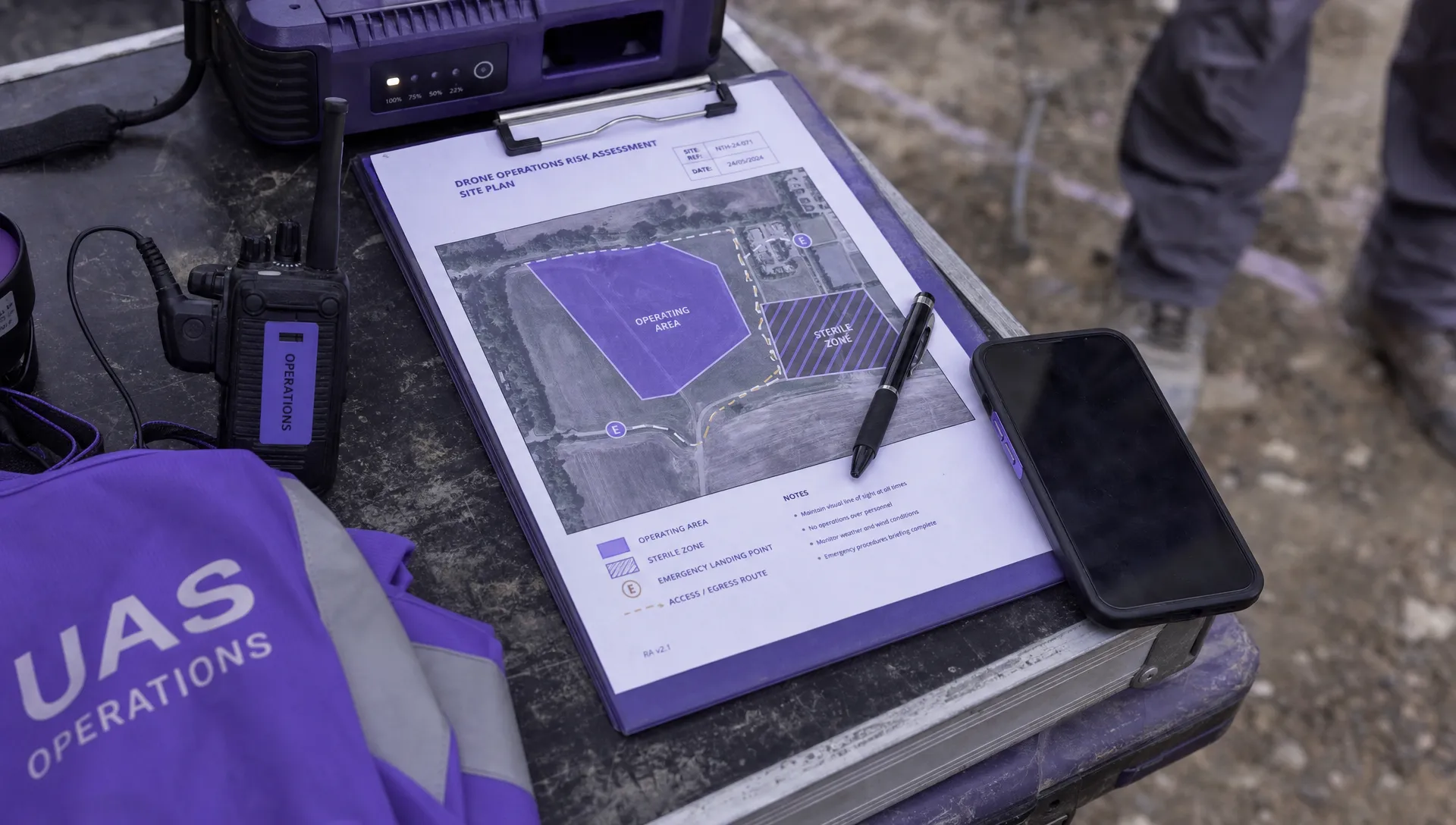 Drone Risk Assessment Controls That Work in the Field →
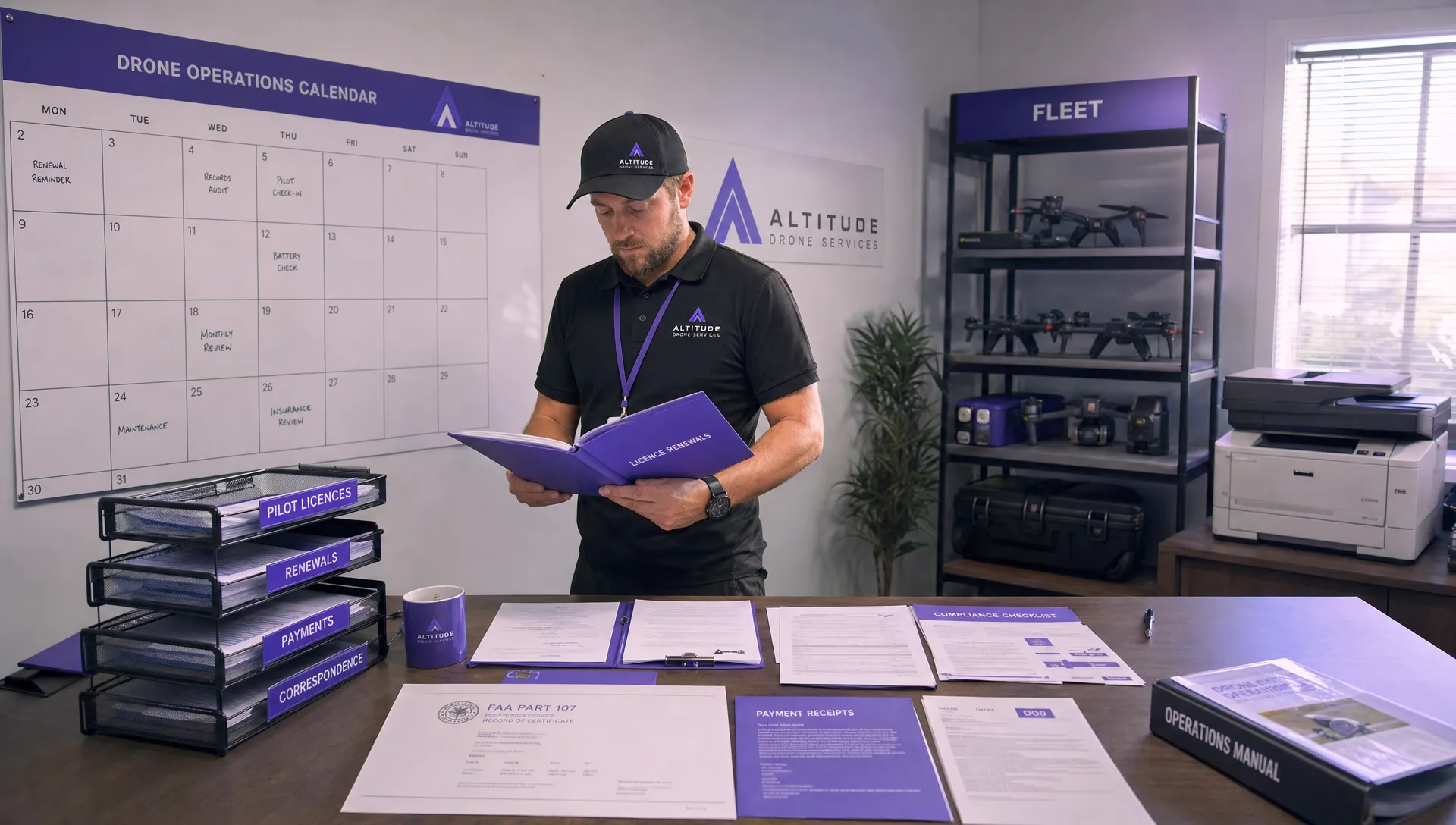 FAA Drone License Costs Beyond the Knowledge Test →
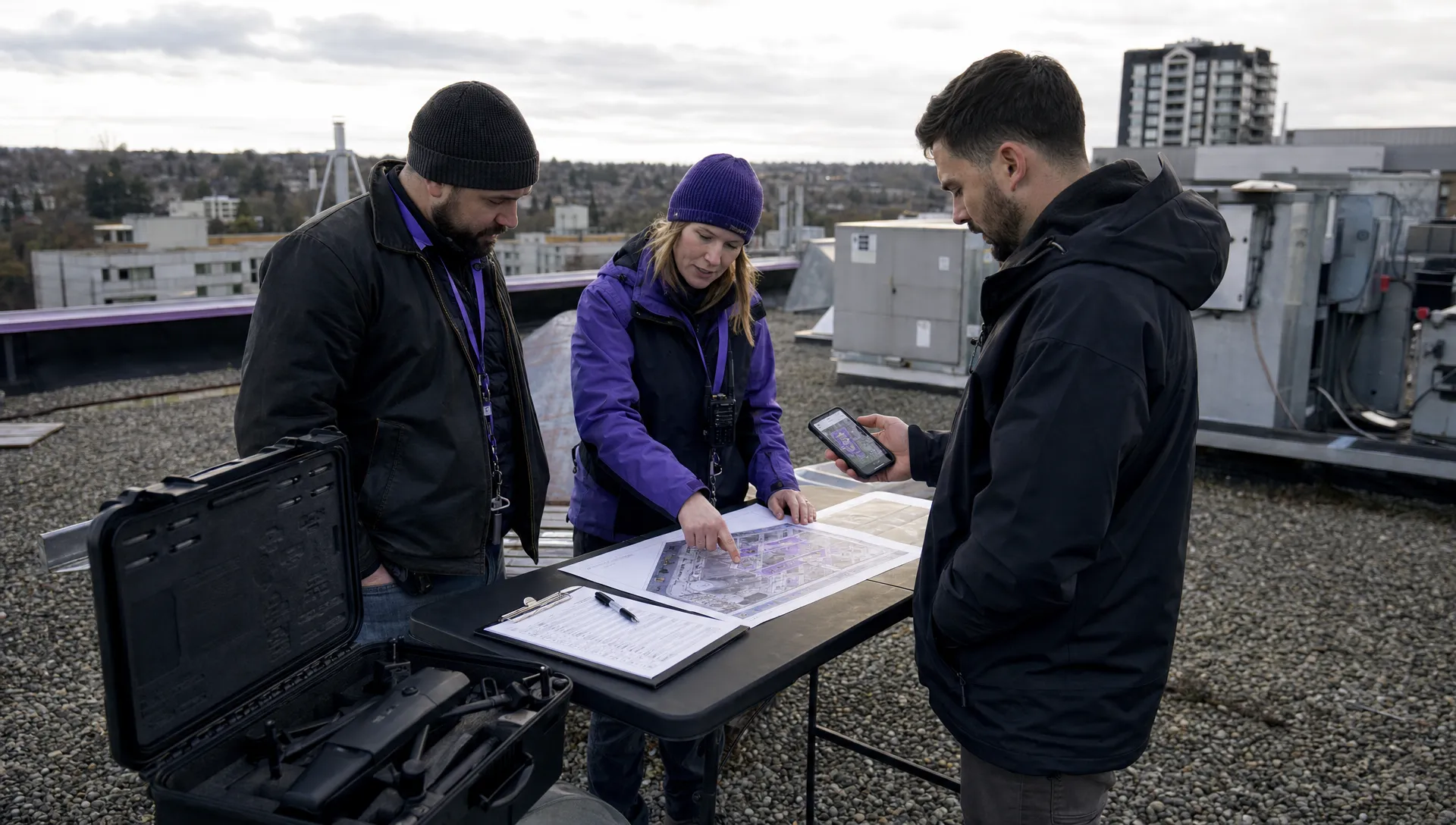 Drone Part 107 Operations: When a Waiver May Be Needed →
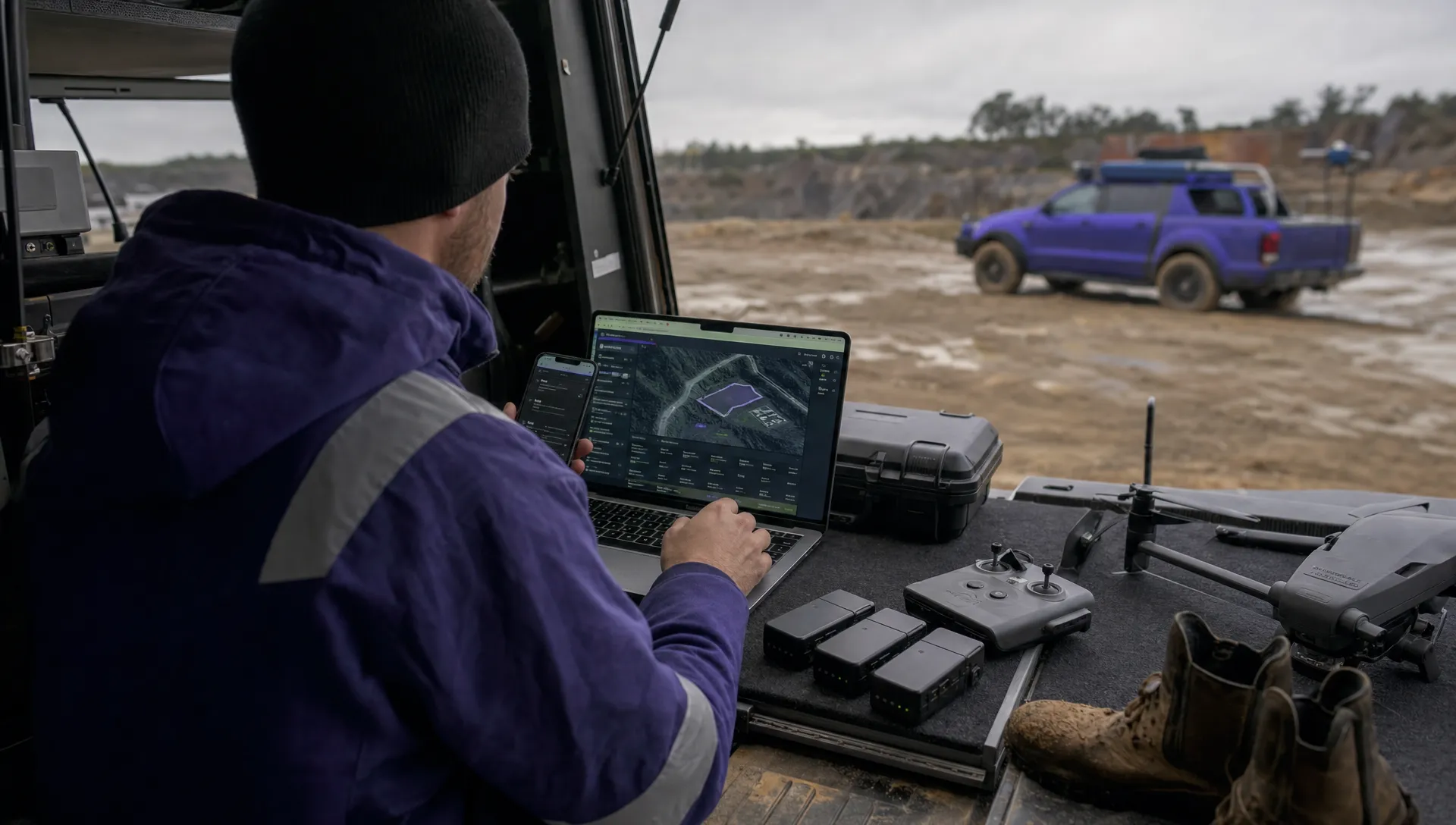 Drone Operating Rules for Managing Contractors and Employees →
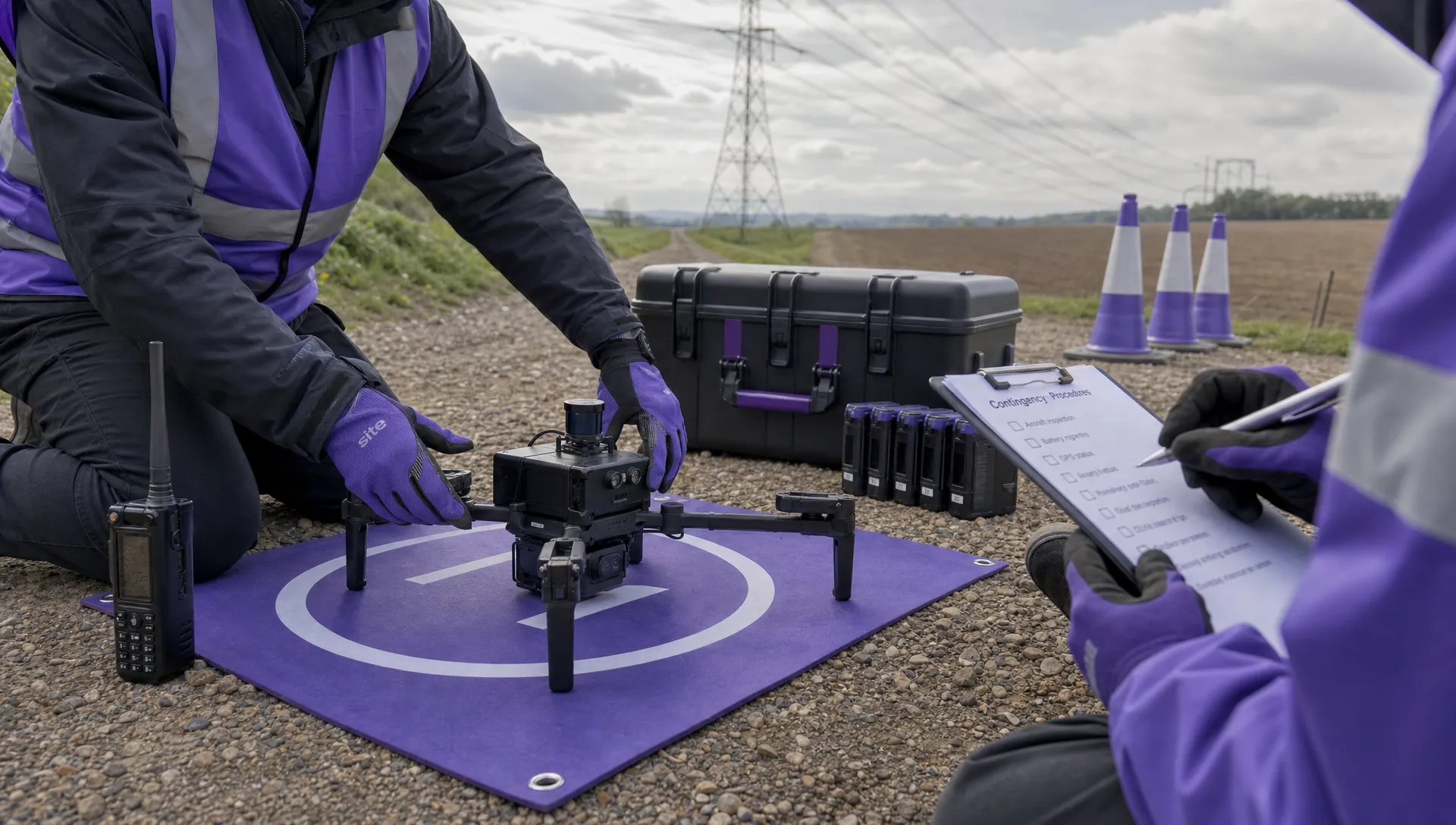 BVLOS Drone Requirements for Building a Safety Case →
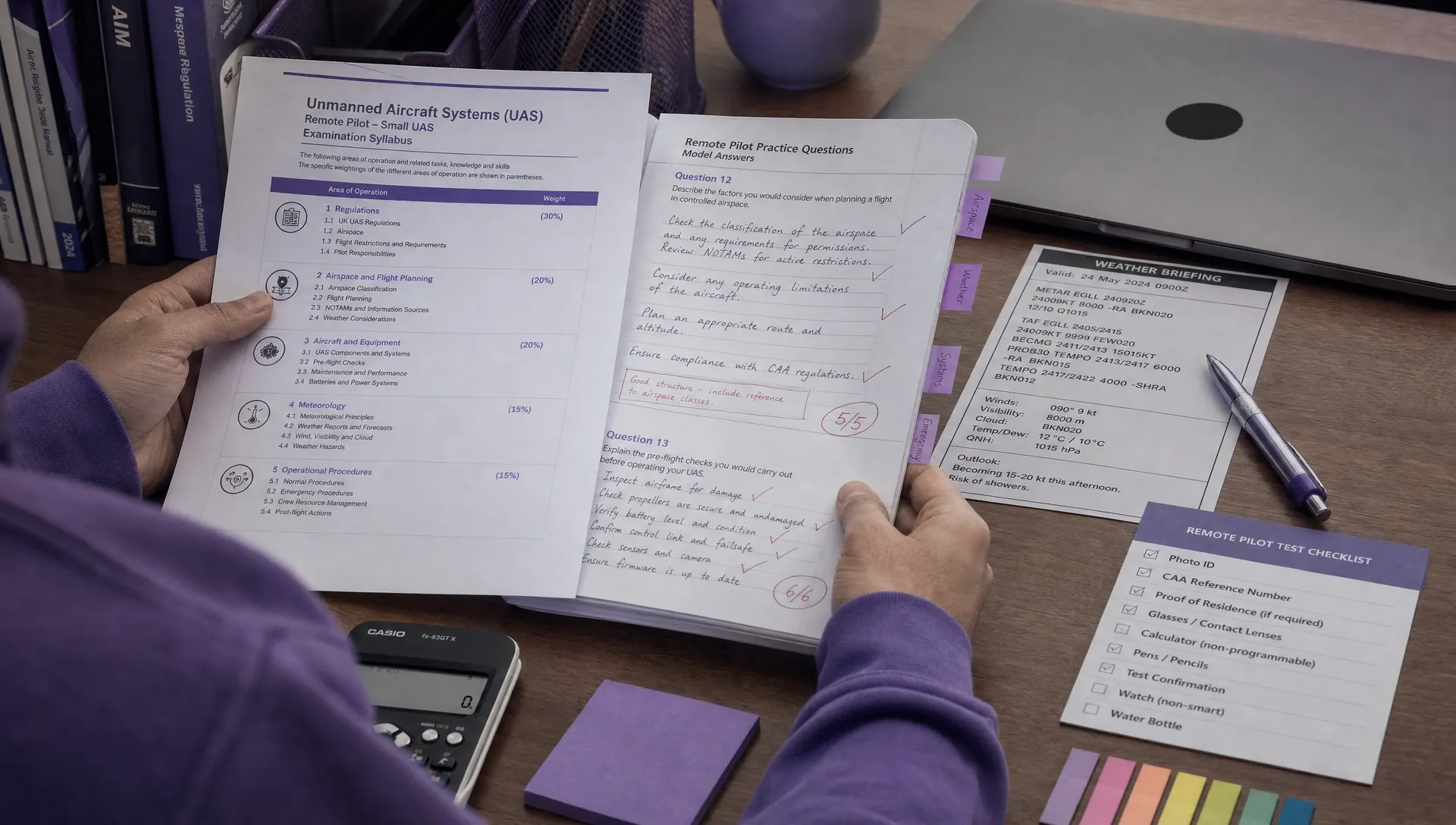 Drone Pilot Test Mistakes That Cost Candidates Marks →
 FAA 107 License vs Part 107 Certificate: What’s the Difference? →
 Drone Airport Rules: A Field Checklist for Site Assessments →