
FAA Part 107 Licence Cost: What Drone Pilots Pay in 2026
If you want to fly drones commercially in the United States, the first number most pilots look for is the FAA Part 107 licence cost. The short answer for 2026 is simple: most new pilots should budget at least $175 for the FAA aeronautical knowledge test, plus $5 per drone for FAA registration.
That is the bare minimum, not the full business cost. If you add a paid prep course, a retake, Remote ID equipment, insurance, operating procedures, checklists and flight logging tools, the realistic first-year budget can be much higher.
The FAA does not technically issue a “licence” in the way many people describe it. Under Part 107, you apply for a Remote Pilot Certificate. However, because many operators search for “FAA Part 107 licence cost” or “FAA Part 107 license cost”, this guide uses both the common wording and the official terminology.
All costs below are in US dollars and reflect typical 2026 pricing. Always check the latest fees before booking, especially for testing centres and third-party services.
Quick answer: what does Part 107 cost in 2026?
For a new drone pilot who is not already a certificated manned-aircraft pilot, the minimum cost is usually:
| Cost item | Required? | Typical 2026 cost | Notes |
|---|---|---|---|
| FAA Unmanned Aircraft General - Small knowledge test | Yes, for most new pilots | $175 | Paid to an FAA-authorised testing provider |
| IACRA certificate application | Yes | $0 | The FAA application itself is free |
| TSA security vetting | Yes | $0 separate fee | Completed as part of the certification process |
| FAA recurrent online training | Required every 24 calendar months to stay current | $0 | No testing centre fee for recurrent training |
| Drone registration | Yes for Part 107 aircraft | $5 per drone | Valid for three years via FAA DroneZone |
| Retake if you fail | Only if needed | $175 per retake | You must wait before retesting |
| Prep course or study materials | Optional | $0 to $350+ | Free FAA resources are available |
| Remote ID compliance | Usually required | $0 if built in, often $50 to $300 for a module | Depends on your drone and operation |
| Insurance | Not an FAA licence fee, but often needed commercially | Varies widely | Client contracts may require it |
So, if you self-study, pass first time and register one drone, your hard FAA-related starting cost is commonly about $180.

What the FAA actually charges for Part 107
The main compulsory cost is the aeronautical knowledge test, also known as the Unmanned Aircraft General - Small (UAG) exam. You take it at an FAA-approved knowledge testing centre.
The FAA’s commercial drone operator guidance explains the certification route, eligibility requirements and operating rules. In practical terms, the process for most first-time commercial drone pilots is:
Pass the UAG knowledge test, apply through IACRA, complete TSA security vetting, then receive your Remote Pilot Certificate once approved.
The FAA does not charge a separate application fee through IACRA. TSA vetting is also not billed separately to the applicant in the normal Part 107 process. That is why the test fee is the number most people focus on.
What is included in the Part 107 knowledge test fee?
The test fee pays for your exam sitting at an authorised test centre. It does not buy a course, a drone, insurance, flight planning software or business documentation.
The UAG test is designed to check whether you understand the rules and aeronautical knowledge needed to operate safely in the National Airspace System. It typically covers areas such as:
- Part 107 operating rules and limitations
- Airspace classifications and authorisations
- Weather sources and weather effects
- Loading, performance and emergency procedures
- Crew resource management
- Radio communication procedures
- Airport operations
- Maintenance and pre-flight inspection
The test is not a practical flying assessment. You do not have to demonstrate manoeuvres with a drone at the test centre. That said, passing the exam is only the regulatory starting point. Commercial clients will still expect safe, professional operations.
What happens if you fail the Part 107 test?
If you fail the knowledge test, you pay again to retake it. At the typical 2026 test fee, that means another $175.
You also need to wait before taking the exam again. This is where a cheap approach can become more expensive. Self-study is perfectly possible, but if you are consistently scoring poorly on practice tests, a structured course may cost less than a failed attempt.
For example:
| Scenario | Approximate cost |
|---|---|
| Pass first time and register one drone | $180 |
| Fail once, retake and register one drone | $355 |
| Buy a $200 prep course, pass first time and register one drone | $380 |
| Buy a $200 prep course, fail once, retake and register one drone | $555 |
A paid course is not mandatory. Many disciplined learners pass using free FAA materials and practice resources. But if you are new to aviation charts, airspace, weather and regulatory language, paying for good instruction can reduce the risk of retesting.
Is Part 107 renewal free?
Your Remote Pilot Certificate does not expire in the same way a short-term licence might. However, to continue exercising Part 107 privileges, you must keep your aeronautical knowledge current.
For most remote pilots, recurrent training is completed online and is free. You no longer have to return to a testing centre every two years just to stay current.
The key point for budgeting is this: the initial exam costs money, but recurrent Part 107 training does not usually carry a test centre fee.
You should still budget time for recurrent training and record keeping. For commercial operators, proving that pilots are current is part of running a professional operation.
Do existing manned-aircraft pilots pay the same?
Not always. If you already hold a Part 61 pilot certificate and meet the FAA’s flight review requirements, you may be able to complete the required online training route instead of taking the UAG knowledge test.
That can reduce your certification cost significantly because there may be no Part 107 knowledge test fee. You still need to complete the correct FAA process, apply through IACRA and register any drones used under Part 107.
If you use a designee or instructor for identity verification or paperwork support, they may charge for their time. If you go through an FAA Flight Standards District Office, there may be no fee, but availability and process details can vary.
Drone registration: small cost, big compliance issue
Part 107 pilots must register their drones with the FAA. Registration is handled through FAA DroneZone and is currently $5 per aircraft for three years.
This is separate from your Remote Pilot Certificate. A certified pilot flying an unregistered aircraft for commercial work can still be non-compliant.
Be careful with unofficial registration websites that charge extra for a simple process. Use the official FAA DroneZone portal unless you have a specific reason to work through a trusted service provider.
Remote ID costs in 2026
Remote ID is now a normal part of commercial drone compliance in the US. The FAA describes Remote ID as a digital licence plate for drones, allowing identification information to be broadcast during flight. You can read the official overview on the FAA Remote ID page.
Your cost depends on your aircraft:
| Drone situation | Likely cost impact |
|---|---|
| Newer drone with Standard Remote ID built in | $0 additional hardware cost |
| Older drone needing a broadcast module | Often $50 to $300 |
| Operation in an FAA-recognised identification area | May avoid module cost, but limits where you can fly |
| Replacing an older aircraft for commercial work | Potentially much higher than the licence cost |
Remote ID is not technically part of the Part 107 certificate fee, but it is part of the real cost of operating legally in 2026.
The hidden costs commercial drone pilots forget
The certificate gets you through the regulatory door. It does not, by itself, make you ready for paid work.
If you are flying for survey companies, utilities, emergency services, construction teams, property clients or infrastructure owners, you will likely need more than a certificate number. Clients often expect evidence of safe planning, suitable insurance, maintenance records, risk assessments, pilot currency and clear flight logs.
Commercial drone work can support a wide range of industries. Aerial imagery may help document roofs, yards, logistics sites, stock areas and warehouse operations, including businesses handling bulk pallets and liquidation inventory where site visibility and asset documentation can matter.
Common non-FAA costs include:
- Insurance. Commercial liability insurance varies by aircraft, use case, location, coverage level and claims history.
- Training beyond the test. Mapping, thermography, night operations, emergency response and utility inspection may require specialist training.
- Software. Flight planning, risk assessments, checklists, client records, fleet management and flight logging all need a reliable system as you scale.
- Equipment. Batteries, chargers, cases, tablets, landing pads, cones, lights, Remote ID modules and spare propellers add up quickly.
- Local permissions. Some parks, controlled sites, landowners or public agencies may require permits or written authorisation.
- Business setup. Company formation, accounting, marketing, data storage and cyber security are business costs, not FAA costs.
For a solo pilot doing occasional property shoots, these may remain modest. For a utility inspection team, emergency services unit or survey company, the operational overhead can exceed the certification cost many times over.
Realistic 2026 budgets by pilot type
The table below separates hard FAA-related costs from the broader first-year commercial budget.
| Pilot type | Hard FAA-related starting cost | What can increase the budget |
|---|---|---|
| New solo pilot, self-study, one drone | About $180 | Insurance, paid apps, accessories, Remote ID module |
| New pilot using a paid prep course | About $330 to $530+ | Course price, retakes, extra study materials |
| Pilot who fails once | About $355 before optional extras | Retake fee, more training time |
| Existing eligible Part 61 pilot | Potentially $0 for the test route, plus drone registration | Verification process, aircraft registration, business tools |
| Small company certifying five new pilots | About $875 in test fees, plus drone registrations | Team training, insurance, operations management, internal SOPs |
| Established inspection or survey operation | Certification fees are a small line item | Fleet management, compliance records, client reporting, specialist sensors |
The important takeaway is that Part 107 is inexpensive compared with the cost of operating badly. A missed authorisation, poor risk assessment, expired registration, incomplete log or unclear maintenance record can cost far more than the exam.
Is a paid Part 107 course worth it?
A paid course is worth considering if you are new to aviation or want a structured path to passing quickly. The UAG exam uses aviation concepts that may feel unfamiliar if you come from photography, surveying, construction or emergency services rather than aviation.
Free materials can be enough if you are comfortable building your own study plan. Paid courses are most useful when they provide updated practice questions, clear explanations, chart-reading exercises and support if you get stuck.
A sensible decision rule is this: if a course meaningfully improves your chance of passing first time, it may be cheaper than one failed exam and a delayed start to paid work.
How to reduce your Part 107 costs without cutting corners
You do not need to overspend to become a certified commercial drone pilot. You do need to avoid false economies.
- Use official FAA sources first. Start with FAA guidance so you understand the actual requirements before buying third-party products.
- Avoid unofficial registration markups. Register through FAA DroneZone and pay the official fee.
- Take practice tests before booking. If your scores are inconsistent, keep studying before paying for the exam.
- Check Remote ID before buying used drones. A cheap aircraft may become less cheap if you need extra hardware or replacement equipment.
- Keep clean records from day one. Good records help with client confidence, internal accountability and future audits.
- Match tools to your operation. A hobby-style workflow may work for one pilot, but it rarely scales well across teams, fleets and repeat clients.
Cutting costs should never mean skipping planning, flying without authorisation or neglecting maintenance. The licence is only one part of a safe commercial operation.
From certificate cost to operational readiness
For professional operators, the better question is not only “What does Part 107 cost?” It is “What will it cost us to run a safe, compliant and efficient drone operation after certification?”
That matters especially for teams working around infrastructure, utilities, emergency incidents, construction sites, quarries, public safety operations or high-volume surveying. These environments create more admin, more stakeholders and more need for consistent procedures.
A robust operation usually needs:
| Operational need | Why it matters |
|---|---|
| Client and job records | Keeps commercial work organised and traceable |
| Fleet records | Helps track aircraft, batteries, maintenance and readiness |
| Team records | Supports pilot management and accountability |
| Airspace and proximity checks | Helps identify constraints before flight |
| Risk assessments and checklists | Standardises safety-critical decisions |
| Flight logging | Creates evidence of what happened, where and when |
| Reporting | Helps managers understand activity and maintain oversight |
This is where the cost conversation moves beyond the FAA fee. Passing Part 107 allows you to operate commercially. Running a professional drone operation requires systems that make safe work repeatable.
Frequently Asked Questions
How much is the FAA Part 107 licence cost in 2026? Most new pilots pay about $175 for the FAA knowledge test. If you self-study, pass first time and register one drone, the basic starting cost is commonly about $180.
Is the FAA Remote Pilot Certificate application free? Yes. The IACRA application does not usually carry a separate FAA fee. The main cost for most new pilots is the knowledge test taken at an authorised testing centre.
Do I have to pay to renew Part 107? Recurrent training is normally free online. You must stay current every 24 calendar months, but you generally do not pay another testing centre fee for recurrent training.
What if I fail the Part 107 exam? You need to retake the test and pay the test fee again. At typical 2026 pricing, that means another $175, plus the delay before you can retest.
Does Part 107 include drone registration? No. Your Remote Pilot Certificate and your drone registration are separate. Part 107 aircraft must be registered through FAA DroneZone, currently at $5 per aircraft for three years.
Do I need Part 107 for recreational flying? Not if you are flying strictly for recreation and meet the recreational flyer rules. If the flight has a commercial or non-recreational purpose, Part 107 usually applies.
How much should a commercial drone business budget beyond the licence? It depends on the work. Insurance, Remote ID, specialist training, equipment, flight planning, risk assessments, logging and client reporting can all exceed the initial certification cost.
Make Part 107 operations easier to manage
Once you have your Remote Pilot Certificate, the real work is planning safe flights, keeping records organised and proving your operation is under control.
Dronedesk is an all-in-one web platform for drone operations management. According to the Dronedesk features page, it brings together client management, fleet management, team management, airspace intelligence, proximity intelligence, flight planning, flight logging, data reporting, configurable checklists and risk assessments.
If you are building a commercial drone operation in 2026, the FAA fee is only the starting point. The right operational system helps you turn certification into consistent, professional delivery. You can also review Dronedesk’s published customer satisfaction survey for user feedback on time-saving and satisfaction.
 Drone Airspace Rules: How to Document Your Site Checks →
 How to Evaluate a Free Drone Logbook Before Using It →
 FAA Part 107 Test: How to Master Airspace Questions →
 Drone Risk Assessment Controls That Work in the Field →
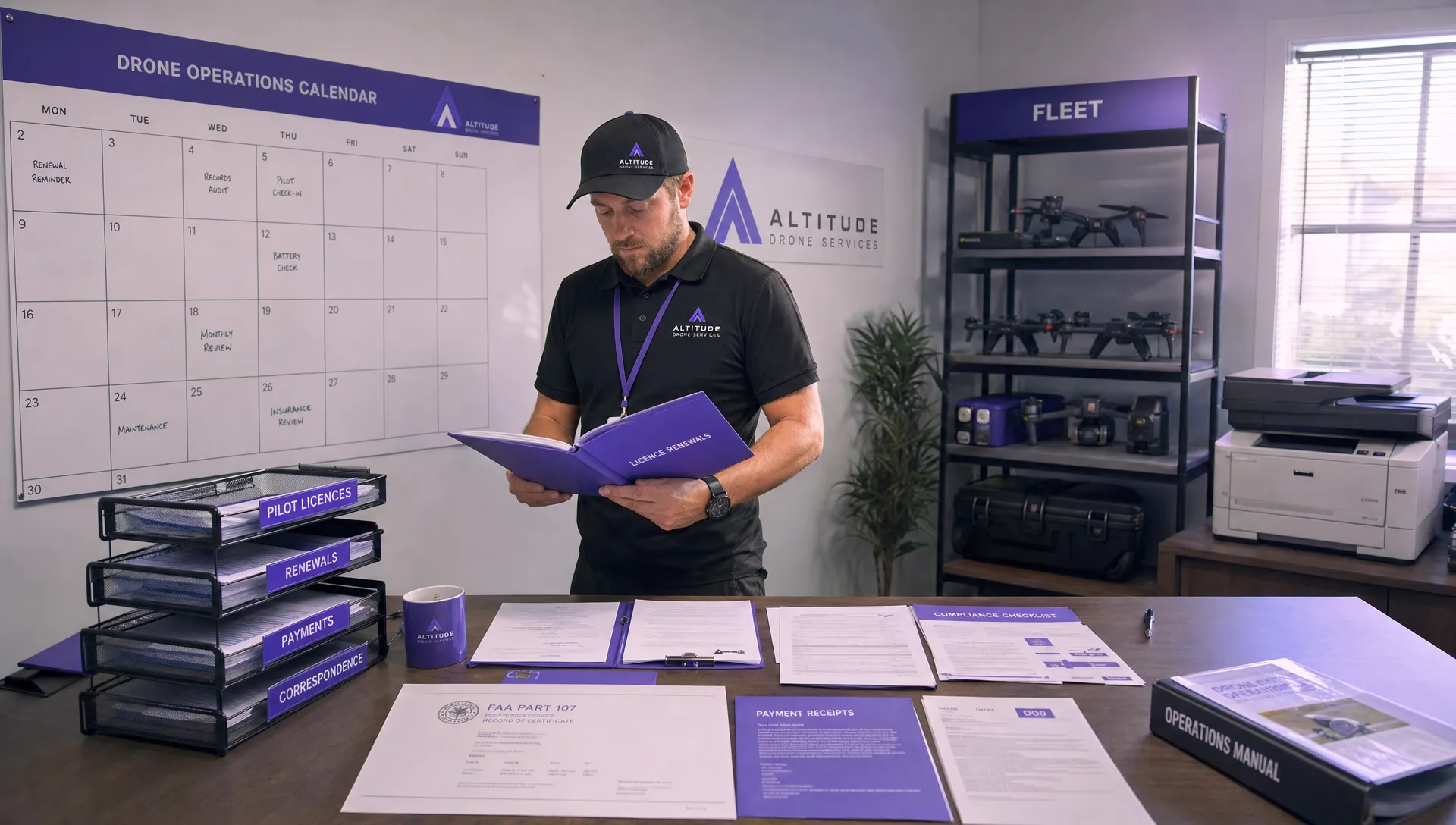 FAA Drone License Costs Beyond the Knowledge Test →
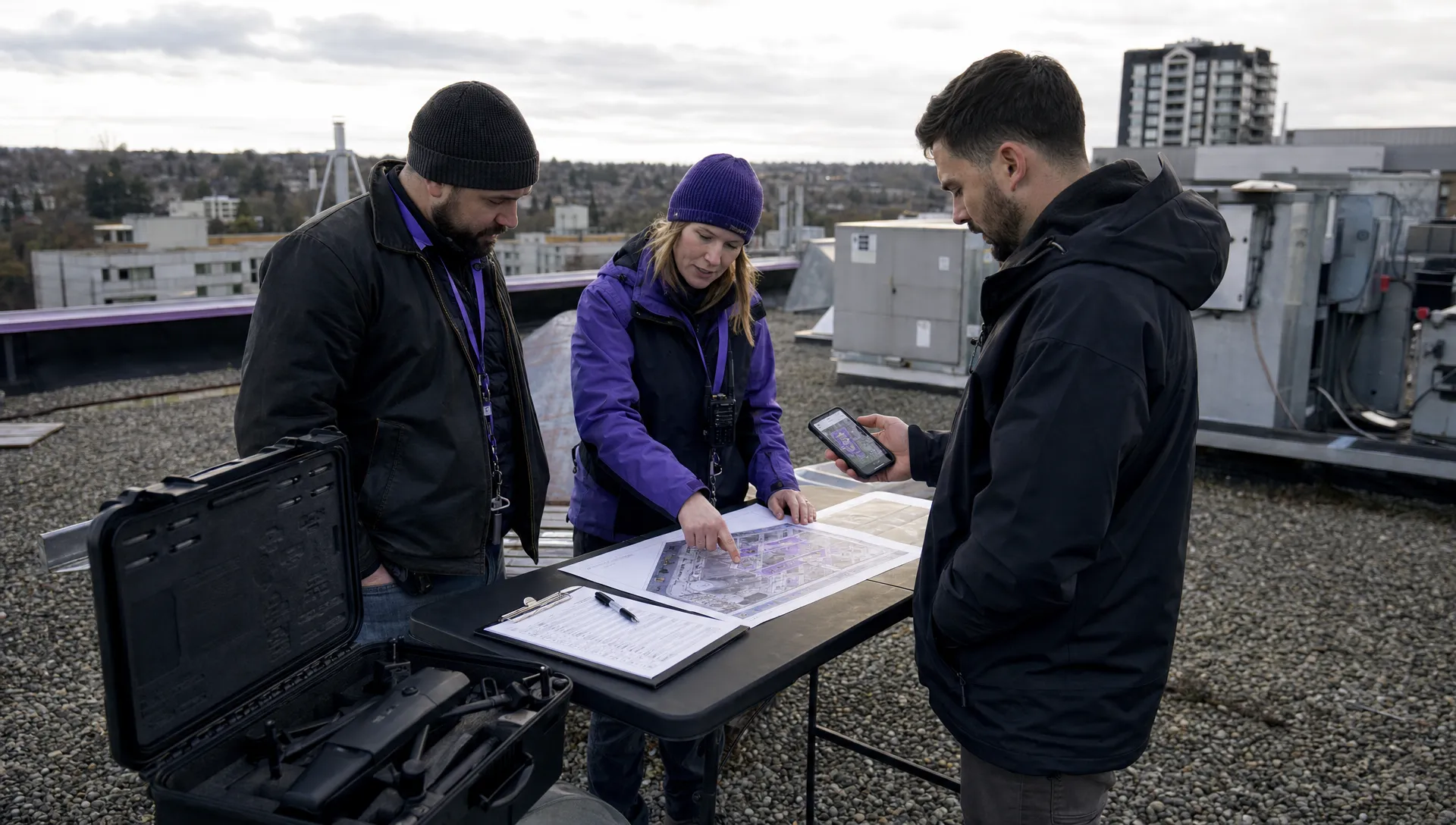 Drone Part 107 Operations: When a Waiver May Be Needed →
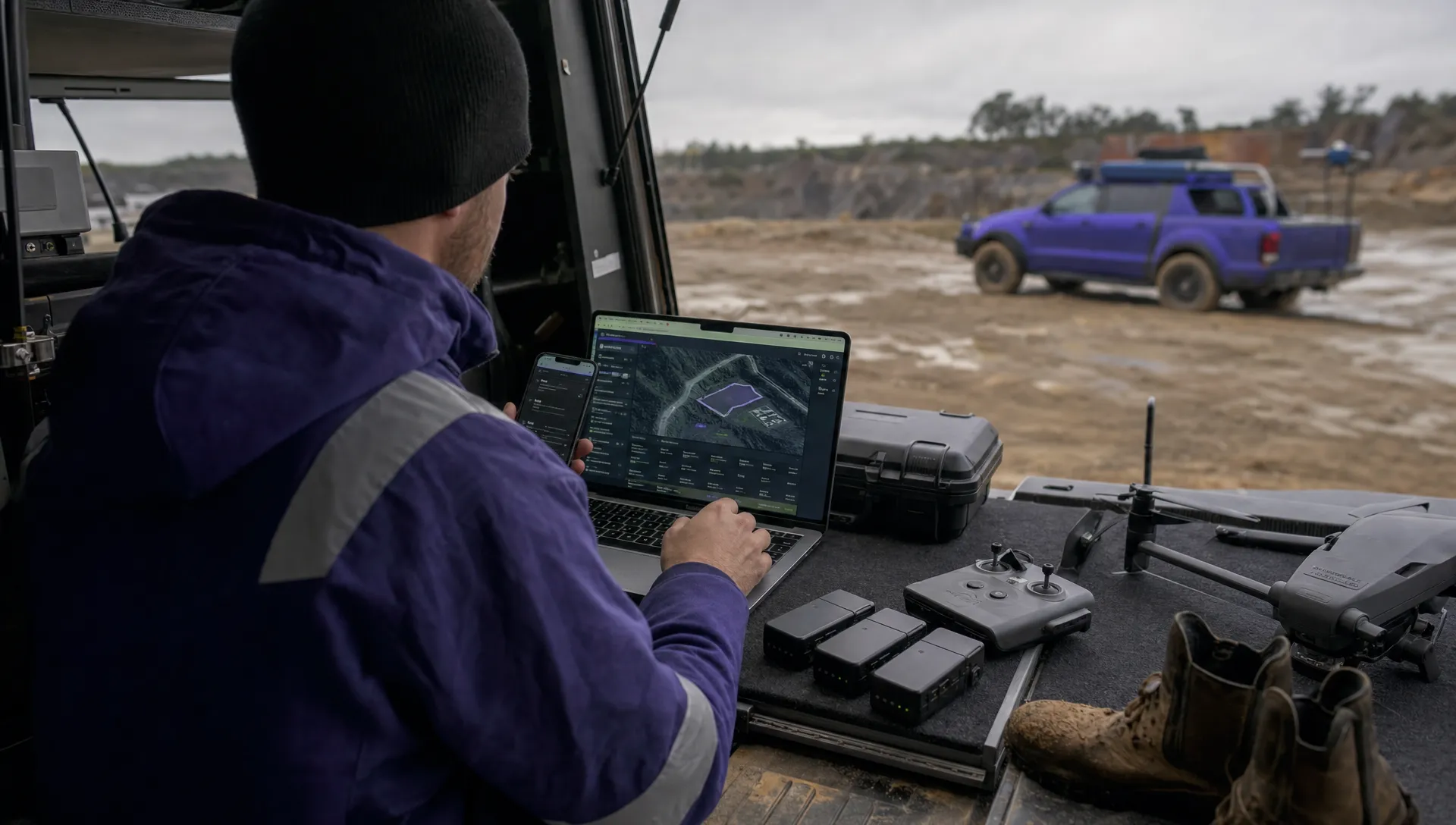 Drone Operating Rules for Managing Contractors and Employees →
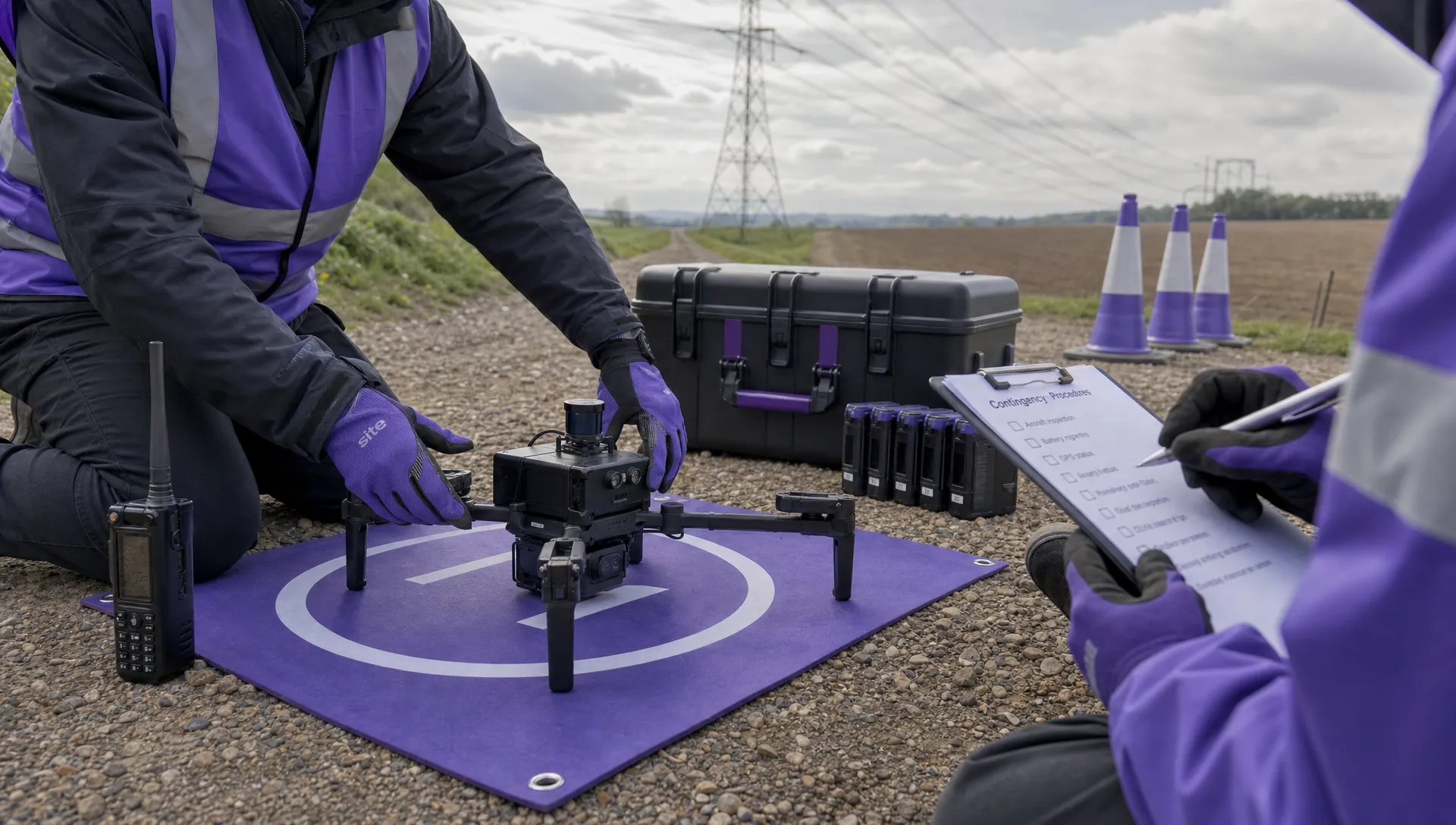 BVLOS Drone Requirements for Building a Safety Case →
 Drone Pilot Test Mistakes That Cost Candidates Marks →
 FAA 107 License vs Part 107 Certificate: What’s the Difference? →