
Your Ultimate Guide to Pilot Logbook Digital Transformation
If you’ve ever found yourself buried under a mountain of paperwork after a long day of flying, you’re not alone. The shift to a digital pilot logbook is more than just a convenience—it's a massive operational upgrade that replaces clumsy, error-prone paper logs with a smart, automated platform.
Why Your Paper Logbook Is Grounding Your Operations
Picture this: you've just wrapped up a complex aerial survey. Now comes the "fun" part. You spend the next hour meticulously logging flight times, battery cycles, and maintenance notes into a physical logbook. Every single manual entry is an opportunity for something to go wrong—a forgotten detail, a misplaced decimal, or a simple typo.
Over weeks and months, these tiny inaccuracies can snowball into major compliance headaches, turning a routine audit into a full-blown crisis. That administrative drag is a constant drain on your productivity.
The real problem with paper logs is that they're completely disconnected from the rest of your operation. They treat critical flight data as isolated entries rather than part of a bigger picture. This old-school approach creates a few key problems:
- Human Error is Unavoidable: Manual data entry will always lead to mistakes, whether it's in flight times, maintenance records, or pilot currency tracking.
- Administration Sucks Up Time: Pilots and managers burn valuable hours on paperwork and report-building instead of focusing on flying or growing the business.
- Zero Real-Time Visibility: A paper logbook can't give you an instant snapshot of your fleet's health, pilot readiness, or overall operational status.
- Audits are a Nightmare: Pulling together data for regulators or clients from paper records is a slow, painful process that often means digging through multiple folders and spreadsheets.
We're not just talking about swapping paper for a screen. This is about transforming a passive record-keeping chore into an active, intelligent management tool. A modern digital pilot logbook becomes the central source of truth for your entire operation.
Platforms like Dronedesk are at the forefront of this shift, offering an integrated system that handles everything from flight data and pilot credentials to equipment health and maintenance schedules.
This guide will walk you through everything you need to know, from the legal side of things and core features to actually putting it all into practice. Whether you’re a one-person show or running a large team, getting your head around this change is the first step to unlocking a whole new level of efficiency and safety.
What Exactly Is a Digital Pilot Logbook?
Let’s get one thing straight: a digital pilot logbook isn’t just a glorified spreadsheet. Thinking of it that way is like calling a modern GPS nothing more than a digital paper map. Sure, a paper map shows you the roads, but a GPS actively guides you, reroutes for traffic, and tells you exactly when you’ll arrive. It's a living, breathing tool.
That’s the real difference here. A proper digital logbook takes the old, static flight entry and turns it into the central nervous system for your entire drone operation. It’s not just about passively recording what’s already happened; it’s about actively managing what’s happening now and what needs to happen next. This leap from simple record-keeping to active operational management is what truly defines a modern system.
More Than Just Flight Entries
A true digital logbook pulls together all the scattered pieces of your operation into one place, creating a single source of truth. Forget juggling separate spreadsheets for maintenance, binders for pilot certs, and a mess of flight apps. It brings everything together.
- Automated Flight Data: It hooks directly into platforms like DJI to automatically pull in flight times, routes, and crucial telemetry data. No more manual entry.
- Pilot Currency and Records: It keeps a running tally of pilot hours, tracks certifications, and sends you a heads-up before anything expires.
- Equipment Health: It logs every flight against your drones, batteries, and other gear, giving you a crystal-clear picture of component life and overall fleet readiness.
- Maintenance Schedules: It connects flight hours directly to your maintenance plans, triggering service reminders and building a rock-solid, auditable history of all work done.
This infographic really nails the difference between clinging to the old manual way and embracing the efficiency of a modern digital logbook.
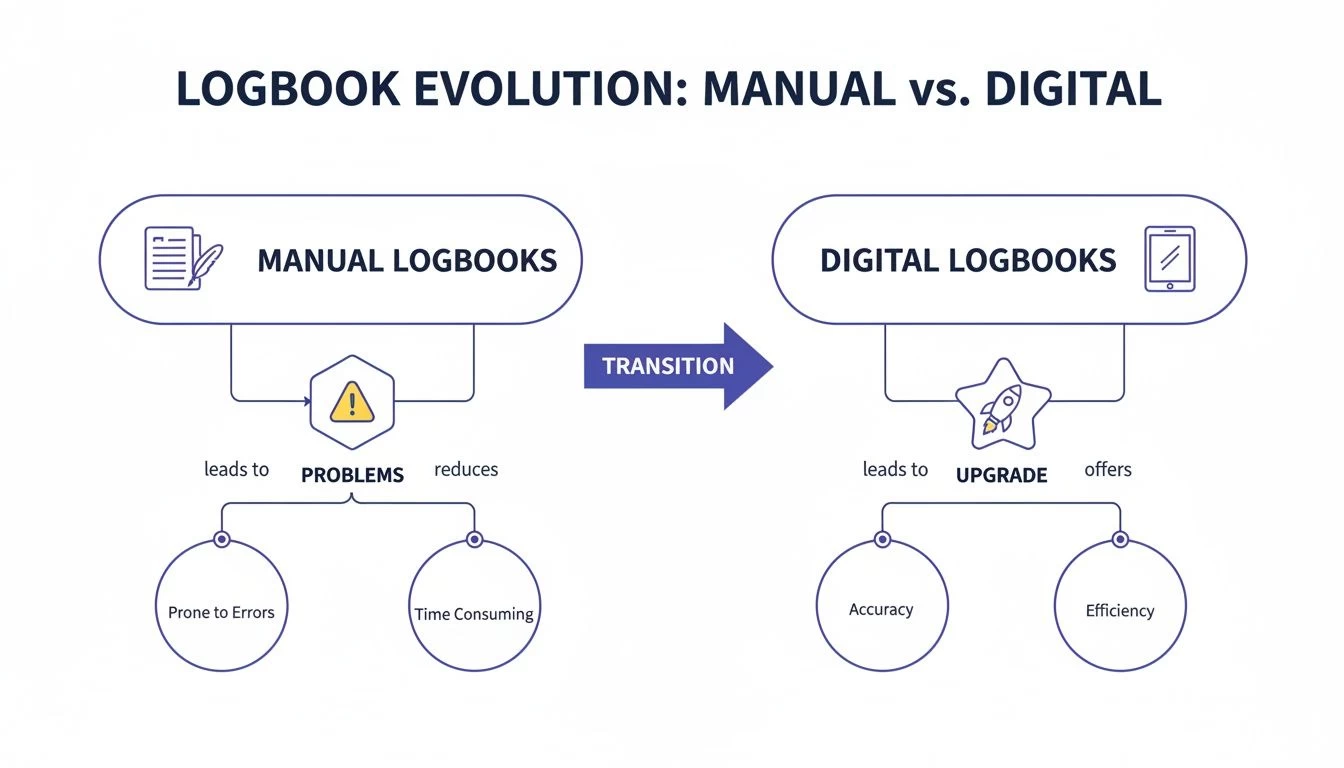
As you can see, it’s all about swapping the risks and time-suck of manual entry for the reliability of automated, connected data.
Paper vs Digital Pilot Logbook: A Direct Comparison
To really spell it out, let's put the old-school paper logbook head-to-head with a modern digital platform like Dronedesk. The differences in day-to-day usability and long-term value are stark.
| Feature | Paper Logbook | Digital Logbook (like Dronedesk) |
|---|---|---|
| Data Entry | Manual and repetitive. Prone to human error, forgotten entries, and typos. | Automated. Syncs with flight apps for accurate, instant data capture. |
| Accessibility | Physical book. Can be lost, damaged, or left behind. One person at a time. | Cloud-based. Accessible anywhere, anytime, by anyone on the team with the right permissions. |
| Compliance | Tedious to audit. Requires manually compiling hours and maintenance records. | Effortless. Generates instant, audit-ready reports for pilot currency, maintenance, and flight history. |
| Maintenance | Relies on memory or separate spreadsheets to track usage and schedule service. | Integrated. Automatically links flight hours to maintenance schedules and sends proactive alerts. |
| Team Management | Impossible. Each pilot has their own separate log, no central oversight. | Centralised. Provides a complete overview of the entire team’s activity and fleet status in one dashboard. |
| Data Security | Vulnerable to physical loss, fire, or water damage. No backup. | Secure. Data is encrypted and backed up in the cloud, protecting it from loss or unauthorised access. |
| Efficiency | Time-consuming. Requires significant administrative effort after every flight. | Highly efficient. Frees up hours of admin time, allowing pilots to focus on flying. |
This isn't just about convenience; it's about building a more resilient, professional, and scalable operation from the ground up.
The Power of Automation and Integration
The secret sauce of a quality digital pilot logbook is its knack for slashing human error and giving you back countless hours. By automating the data capture, it completely removes the chore of typing in flight details after a long day in the field. This creates a transparent, easily auditable trail—something that’s absolutely essential for staying compliant and keeping clients happy.
This isn't some niche trend, either. It’s a huge industry shift. The global electronic logbook market was valued at $1.42 billion and is forecast to hit $3.87 billion by 2033. This boom is being driven by tougher regulations and the simple, undeniable need for businesses to run more efficiently.
This growth is just one piece of the industry's wider move toward smarter, more connected systems. If you want to understand the technology that makes these platforms tick, looking into the world of React Native app development offers some great insights. The core ideas behind building robust, data-first applications are exactly what give these logbooks their power.
At the end of the day, a digital logbook is so much more than a tool for logging flights. It's an intelligent platform that gives you real oversight, bolsters safety, and makes your entire operation more efficient. It’s the foundation for any drone business that wants to scale and stay compliant.
Navigating the Legality of Digital Logbooks
Let's tackle the big question right away. It's one of the first things pilots ask when thinking about making the switch: is a pilot logbook digital format even legal? The answer is a clear and simple yes, but with a crucial catch—it has to meet specific standards.
This isn’t some regulatory grey area. Major aviation authorities across the globe, like the FAA in the US, the CAA in the UK, EASA in Europe, and CASA in Australia, have all given the green light to electronic records. The bottom line is that your digital logbook must be a reliable and accurate system of record. The responsibility to keep it that way falls squarely on you, the pilot.
That means your everyday notes app or a simple spreadsheet just won't cut it. A compliant digital logbook has to be built from the ground up with aviation rules in mind.
The Standard for Digital Acceptance
Think about the difference between scribbling your signature on a piece of paper versus using a legally binding e-signature. The handwritten one feels familiar, sure, but its authenticity can be a pain to prove. A proper electronic signature, on the other hand, comes with cryptographic security, a timestamp, and an unchangeable audit trail, making it far more secure and verifiable.
A compliant digital logbook works on that same principle. It needs features that guarantee your flight records are trustworthy and haven't been tampered with.
A compliant digital logbook must be a "reliable record which is protected from alteration." This means the system has to prevent casual or unauthorized changes and keep a clear, auditable history of every single entry. It’s less like a notebook and more like a secure, verifiable database.
Here’s what the authorities are looking for:
- Data Integrity: The system has to make sure flight records are accurate and can't be easily changed after the fact. If you do need to make a correction, it should be tracked, leaving a transparent history.
- Security and Access Control: Your data needs to be locked down from anyone who shouldn't see it. This means secure logins and, just as importantly, solid backups so you don’t lose everything if your computer dies.
- Reliable Record Production: You must be able to pull up a clean, accurate, and complete copy of your logbook whenever an inspector asks for it. This could be a PDF export, a printout, or even direct access for an auditor.
A robust platform like Dronedesk is built to tick all these boxes and then some, giving you a secure, cloud-based home for your flight data where it’s always protected.
Why Digital Often Exceeds Paper Standards
A traditional paper logbook gets the job done, but let's be honest, it’s fragile. Pages get lost, ink fades, and the whole thing could be destroyed in a fire or flood. Worse, changes can be made without leaving a trace, which can really compromise its integrity during an audit.
A well-designed pilot logbook digital system turns those weaknesses into strengths.
- Immutable Audit Trails: Every entry, every edit, every deletion is time-stamped and logged. This creates a perfect, unbroken chain of custody for your data, making it incredibly easy to defend during a regulatory inspection.
- Automated Backups: With a cloud-based platform, your data is automatically backed up across multiple secure servers. This pretty much eliminates the risk of losing your entire flight history because you misplaced a single book.
- Standardized Reporting: Need to generate a report for an insurance renewal, a new job, or an FAA audit? It becomes a one-click task. The system pulls all the necessary data into a clean, professional format that everyone accepts.
If you want to get into the nitty-gritty of how these systems work, you can explore the core components of an electronic pilot logbook. Getting to know the tech behind it helps build confidence in its legal standing.
Ultimately, moving to a digital system isn't about finding loopholes; it's about using a better, more reliable way to follow the rules. When you choose a platform designed for compliance, you’re not just meeting the minimum requirements—you’re creating a more secure and professional record of your entire flying career.
Essential Features of a Modern Digital Logbook
A modern digital pilot logbook is so much more than just a replacement for your old paper binder; it's the command center for your entire drone operation. Sure, logging flight time is the bare minimum, but the real power comes from the advanced features that kill off tedious admin, boost safety, and give you a crystal-clear view of everything that's happening.
This is what turns a static record into an active, intelligent partner for your business.
The single biggest time-saver? Automatic flight data synchronization. Instead of squinting at your controller and manually typing in flight times, locations, and telemetry after every single mission, the system just does it for you. This is an absolute game-changer for pilots using DJI drones, since platforms like Dronedesk can pull that data straight from the DJI flight app.
Think about it. A typical drone pilot might spend 10-15 minutes per flight on administrative logging. If you're flying multiple times a day, that adds up to hours of wasted productivity every week. Auto-sync makes that whole problem disappear, making sure every second of flight time is logged with perfect accuracy while you focus on the next job.
Total Fleet and Pilot Management
Beyond just one pilot's flights, a proper digital logbook should give you a bird's-eye view of your entire fleet. It’s not just about racking up hours on one drone; it's about tracking the health, status, and history of every single asset you own, right down to the batteries.
This means you get:
- Aircraft and Equipment Tracking: Every flight is automatically recorded against the specific drone and components used, building up a precise usage history without you lifting a finger.
- Battery Health Monitoring: The system keeps tabs on the charge cycles for every battery, so you can see performance dropping off and know exactly when it’s time for a replacement before it fails on a job.
- Pilot Currency and Credentials: It automatically tracks pilot flight hours and certificate expiry dates, sending you alerts to make sure your team is always compliant and ready to fly.
This Dronedesk dashboard gives you a sense of how all your fleet's information can be pulled together in one clean, simple view.

Having this data all in one place allows managers to spot equipment usage patterns and make sure pilots are maintaining their required flight frequency to stay current.
Integrated Maintenance and Proactive Alerts
One of the most powerful features is integrated maintenance scheduling. A smart digital logbook connects the dots between the hours your drones are flying and their service needs. Forget about juggling separate spreadsheets or setting calendar reminders; the system uses live flight data to automatically trigger maintenance alerts.
It’s a bit like the service light in your car. It doesn't just pop on after a set number of months; it illuminates based on how many miles you’ve actually driven. An intelligent logbook does the same thing for your drones, basing maintenance schedules on real-world usage.
This proactive approach is key to preventing expensive equipment failures in the field. For example, you can set a rule to trigger a detailed inspection every 50 flight hours. The second a drone hits that mark, the system flags it and logs the pending task for you. This creates a complete, auditable maintenance history—something that's non-negotiable for regulatory compliance and operational safety.
There are many great pilot logbook apps out there, but the best ones make this process absolutely seamless.
This shift towards integrated systems is a huge trend in aviation. The wider electronic flight bag (EFB) market, which covers these logbook solutions, is valued at $3.03 billion and is projected to hit $4.38 billion by 2030. That growth is being driven by the clear demand for connected solutions that link flight documentation with maintenance tracking—a need felt by everyone from solo operators to major airlines. You can learn more about the EFB market's projected growth on Mordor Intelligence.
Ultimately, all the essential features of a modern pilot logbook digital platform work together. Automatic data sync feeds into fleet management, which then drives proactive maintenance. This smooth, connected flow of information is what takes the tool from being a simple log to an indispensable asset for any serious drone operation.
How Digital Logbooks Scale with Your Operations
A top-tier digital pilot logbook isn't a static, one-size-fits-all tool. Think of it as a dynamic system designed to grow right alongside your ambitions. Whether you’re a freelance photographer just starting out or you're managing a multinational inspection fleet, its value multiplies as your operational complexity increases. The right platform adapts to what you need, giving you the right tools at the right time.
This ability to scale is what elevates a simple logging app into a core business asset. It meets you where you are today and paves a clear path for where you want to be tomorrow, making sure your admin capabilities never lag behind your operational growth.
For the Solo Operator
As a freelance pilot, your most valuable resource is time. Every minute you spend wrestling with paperwork is a minute you're not flying, marketing, or looking after clients. A digital logbook essentially acts as your personal operations manager, automating the tedious tasks that eat into your day.
Picture this: a solo real estate photographer knocks out three aerial shoots in a single day. Instead of spending the evening manually keying in flight times and battery cycles, the data syncs automatically. Better yet, that logged flight data can be instantly attached to a client report and invoice, slashing billing time from hours down to minutes.
For the solo professional, a digital logbook is more than a compliance tool—it's a productivity engine. It streamlines client reporting, automates currency tracking, and provides the professional, auditable records that help you win bigger contracts.
For the Small Team
When you grow from one pilot to a small team, a whole new set of challenges pops up. Suddenly, you need visibility into what multiple pilots are doing, shared access to your fleet's status, and a way to standardize safety protocols for everyone. This is where collaborative features become absolutely essential.
A digital pilot logbook system gives a small inspection firm a single, centralized dashboard. The lead pilot can see which drones are in service, which are due for maintenance, and whether every team member is current on their certifications without having to ask.
Key benefits for small teams include:
- Shared Fleet Visibility: Everyone on the team sees the real-time status and flight history of every aircraft and battery. No more scheduling conflicts or double-bookings.
- Standardized Workflows: You can build checklists and risk assessments directly into the platform, ensuring every pilot follows the exact same safety procedures on every single job.
- Centralized Compliance: The operations manager can generate one report showing the currency and flight hours for the entire team, making audits a breeze.
For the Large Enterprise
At the enterprise level, the game changes. It's all about control, oversight, and using data to optimize a massive operation. A powerful digital platform provides the robust tools needed for corporate governance and strategic fleet management. For a large firm, it's not just about logging flights; it's about managing a complex aviation department.
The benefits here are magnified:
- Centralized Oversight: From a single dashboard, executives can monitor the performance and compliance of hundreds of pilots and assets across different regions.
- Ironclad Audit Trails: Every single action is logged, creating an unchangeable record that satisfies the most stringent corporate governance and regulatory demands.
- Advanced Data Analytics: Flight data can be crunched to identify trends, optimize how the fleet is used, slash operational costs, and improve safety outcomes across the board.
This move toward digital record-keeping isn't unique to drones. The logbook software market for vehicles, for example, is projected to grow from $1.72 billion to $2.63 billion by 2029, driven by the exact same needs for regulatory compliance and fleet transparency. You can dig into this parallel market growth at Research and Markets.
Ultimately, a platform like Dronedesk is built from the ground up to scale. You can learn more about how Dronedesk supports scaling operations in our detailed guide. It provides the streamlined efficiency a solo pilot needs while offering the deep, enterprise-grade features that large organizations demand, making sure it’s the right tool at every stage of your growth.
Making a Smooth Transition to a Digital System
Making the leap from paper logs to a digital system can feel like a massive job, but it doesn't have to be a headache. If you break the process down into simple, manageable steps, you can get your entire flight history moved over without losing your mind. This roadmap will help you get organized, ensure everything is accurate, and set you up for success in the long run.
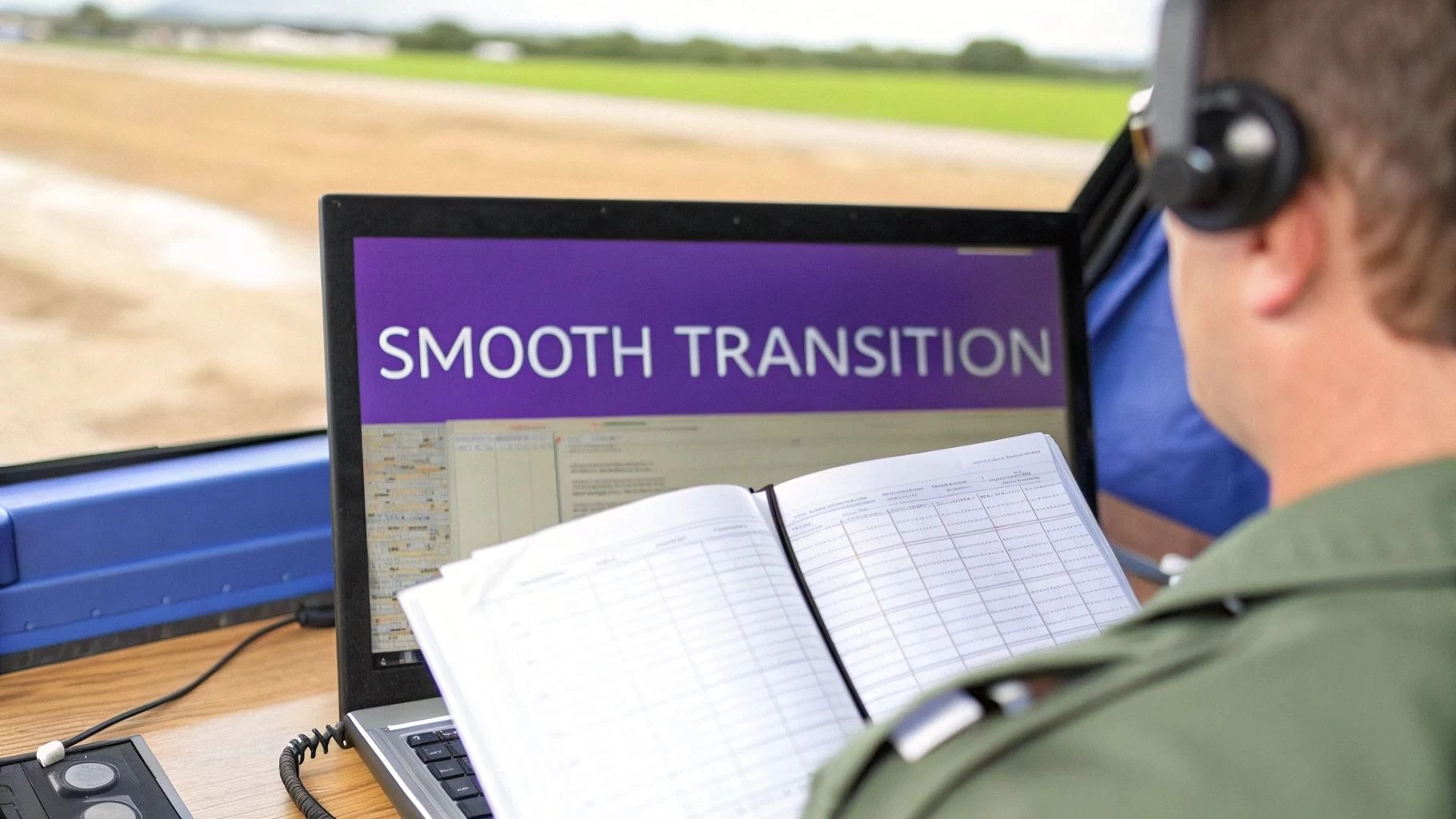
The first big question is always about historical flight data. Good news: you don't need to manually transcribe every single flight from your past, especially if you've been flying for years. The smart move is to create accurate summary entries instead. This approach saves a ton of time while still capturing the crucial totals you need for insurance, currency, and any regulatory reporting.
A Simple Four-Step Migration Plan
A bit of structure goes a long way in preventing data loss and minimizing disruption. Follow these steps for a clean switch to your new pilot logbook digital platform.
- Choose a Timeframe: First, decide how far back you want to log individual flights. Many pilots just start fresh from today. Others prefer to go back 12 months to have a full year of detailed data for insurance renewal periods.
- Create Summary Entries: For all your flying time before that start date, create consolidated entries. You can group them by aircraft type—for instance, one entry for all your Cessna 172 time—to capture your total hours accurately.
- Set Up Profiles: With your history logged, it's time to build out your profiles. Add each pilot and every piece of equipment in your fleet, including aircraft registration numbers, pilot certificate details, and anything else that's relevant.
- Integrate and Train: This is where the magic happens. Connect your new system to flight apps like DJI to get flight data syncing automatically. If you're running a team, hold a quick training session to walk everyone through the new workflow for logging flights and finding what they need.
Tips for a Flawless Transition
A few simple checks can save you from big problems later. Always double-check your summary totals before you finalize them; a simple typo can create compliance issues down the line. It’s also smart to keep your paper logbook handy for a few months as a backup, just until you're completely comfortable with the new digital setup.
While you're upgrading your systems, it might be a good time to look at your field hardware, too. There are plenty of reliable and budget-friendly refurbished phones for work that can handle the job without breaking the bank.
The goal here isn't just to copy your paper records onto a screen. It's to build a foundation for a more efficient, compliant, and data-driven operation. Taking the time to set it up right pays off almost immediately.
By adopting a platform like Dronedesk, you’re doing more than just logging flights—you’re future-proofing your entire operation. The move unlocks serious efficiency gains, strengthens your safety protocols, and makes sure you’re always audit-ready. This is how you position yourself to scale your business, backed by a powerful and reliable system of record.
Frequently Asked Questions
Switching to a new system always brings up a few questions. When you're thinking about a digital pilot logbook, you want to know it can handle your flight history, work without a hitch in the field, and, most importantly, keep your data safe. Let's tackle the most common questions pilots ask.
How Do I Transfer My Old Paper Logbook Entries?
The idea of manually typing in years of flights is enough to put anyone off. But don't worry, you don't have to. The best way to handle this is to create a few summary entries that capture your total hours. It's a massive time-saver and keeps your totals spot-on for currency and reporting.
For instance, you could create one entry for "Total Cessna 172 time" with all the flight hours you racked up before you went digital. This gets your historical data into the new system in minutes, not weeks.
What Happens if I Lose Internet Access?
This is a big one. What if you're out in the sticks with no signal? Any professional-grade digital logbook is built to work offline. You can log flights and fill in all the details on your device, even if you're completely off-grid.
As soon as your device finds an internet connection again, the app will automatically sync your new flights to the cloud. This way, no data ever gets lost, and your records are updated across all your devices the moment you're back online.
The ability to work offline is non-negotiable for any serious operational tool. Your logbook must function seamlessly in the field, with or without an internet connection, ensuring your workflow is never interrupted.
How Secure Is My Flight Data in the Cloud?
Data security is a top priority, and any reputable logbook provider will treat it that way. Your flight data is typically locked down with multiple layers of security, including end-to-end encryption while it's in transit and while it's stored on secure servers.
It's a lot like digital banking. The platforms use similar, heavy-duty security protocols to shield your information from anyone who shouldn't see it. Plus, cloud systems mean automatic backups, so your entire flight history is safe from a lost, stolen, or broken device—a peace of mind a paper logbook just can't offer.
Can I Export My Data for Audits or Records?
Absolutely. One of the main jobs of a compliant digital logbook is to generate clean, professional, and audit-ready reports with just a few clicks. Whether you need a full flight history for a regulator, a summary for an insurance application, or just a personal copy, exporting your data is simple.
Most systems let you create PDFs or other standard files that are accepted everywhere by aviation authorities and employers. It turns compliance reporting from a headache into a straightforward, stress-free task.
Ready to transform your flight operations with a system that saves time, ensures compliance, and scales with your business? Discover how Dronedesk can become the central command hub for your entire drone operation. Explore Dronedesk today and see the difference for yourself.
 BVLOS Drone Requirements for Building a Safety Case →
 Drone Pilot Test Mistakes That Cost Candidates Marks →
 FAA 107 License vs Part 107 Certificate: What’s the Difference? →
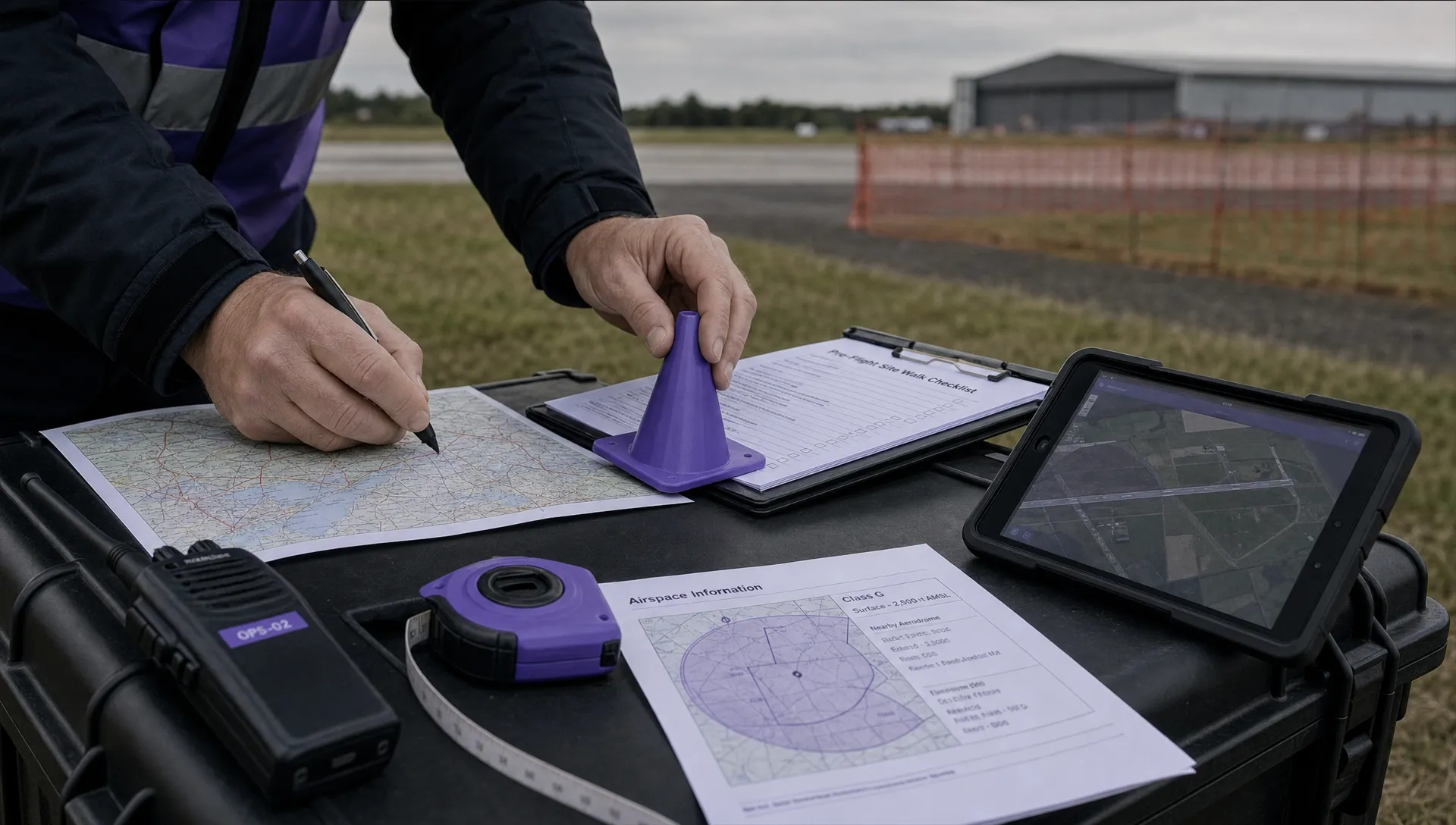 Drone Airport Rules: A Field Checklist for Site Assessments →
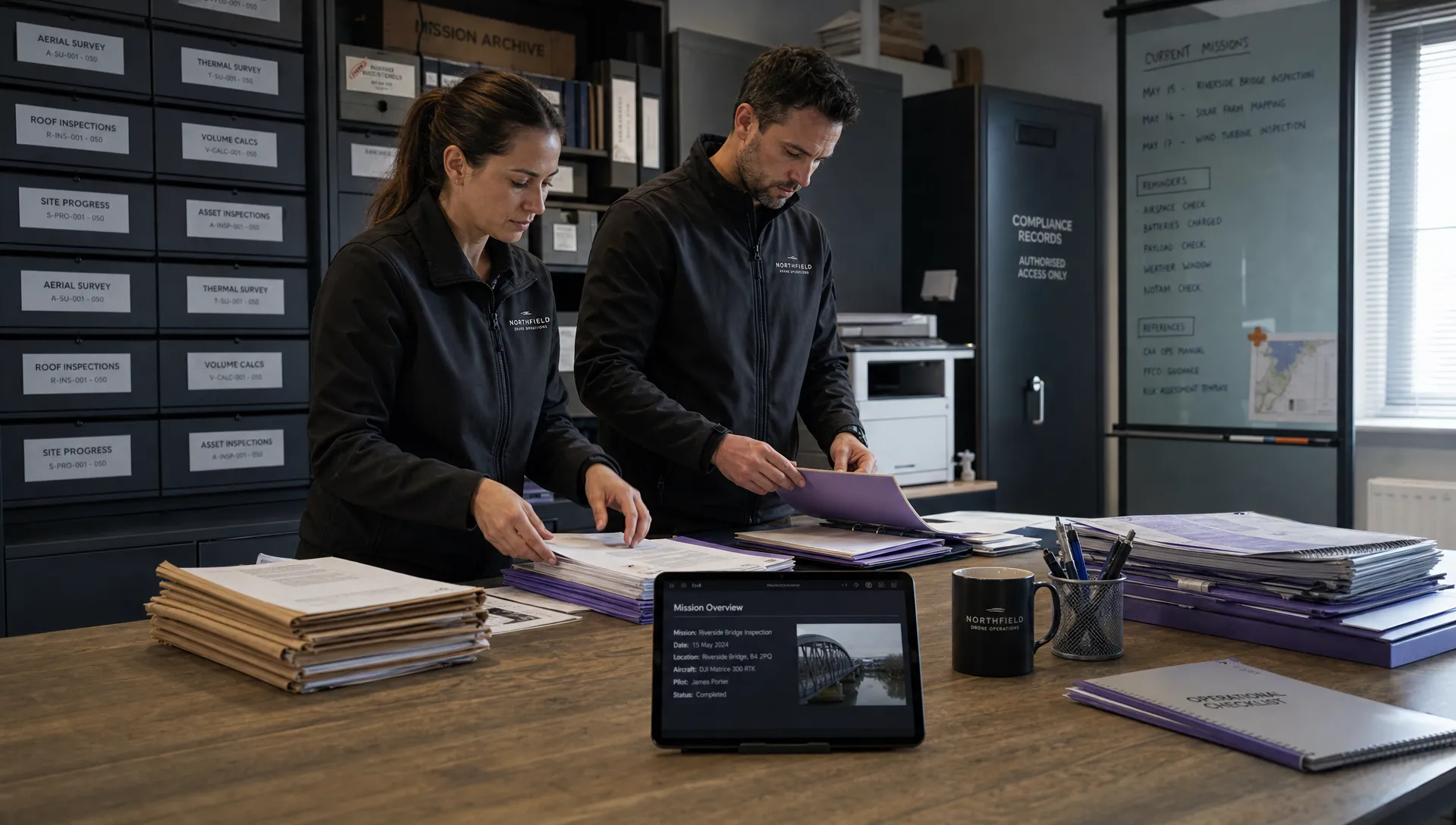 FAA Part 107 Record-Keeping Rules for Commercial Teams →
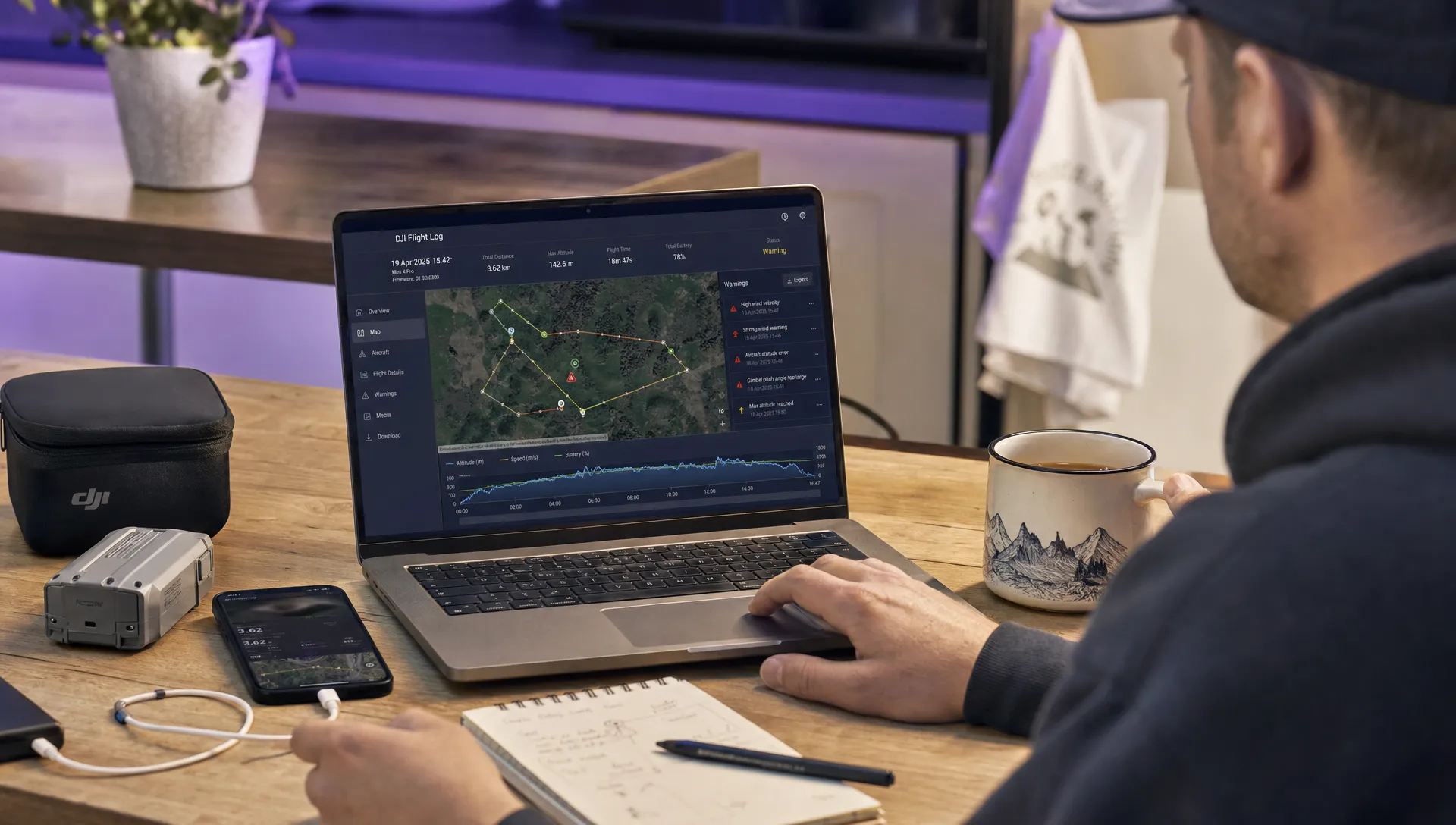 How to Review a DJI Flight Log After an Unexpected Event →
 Drone Laws Around the World: A Pre-Flight Research Framework →
 How to Compare Drone Survey Services for Complex Sites →
 How to Start a Drone Mapping Business With a Clear Workflow →
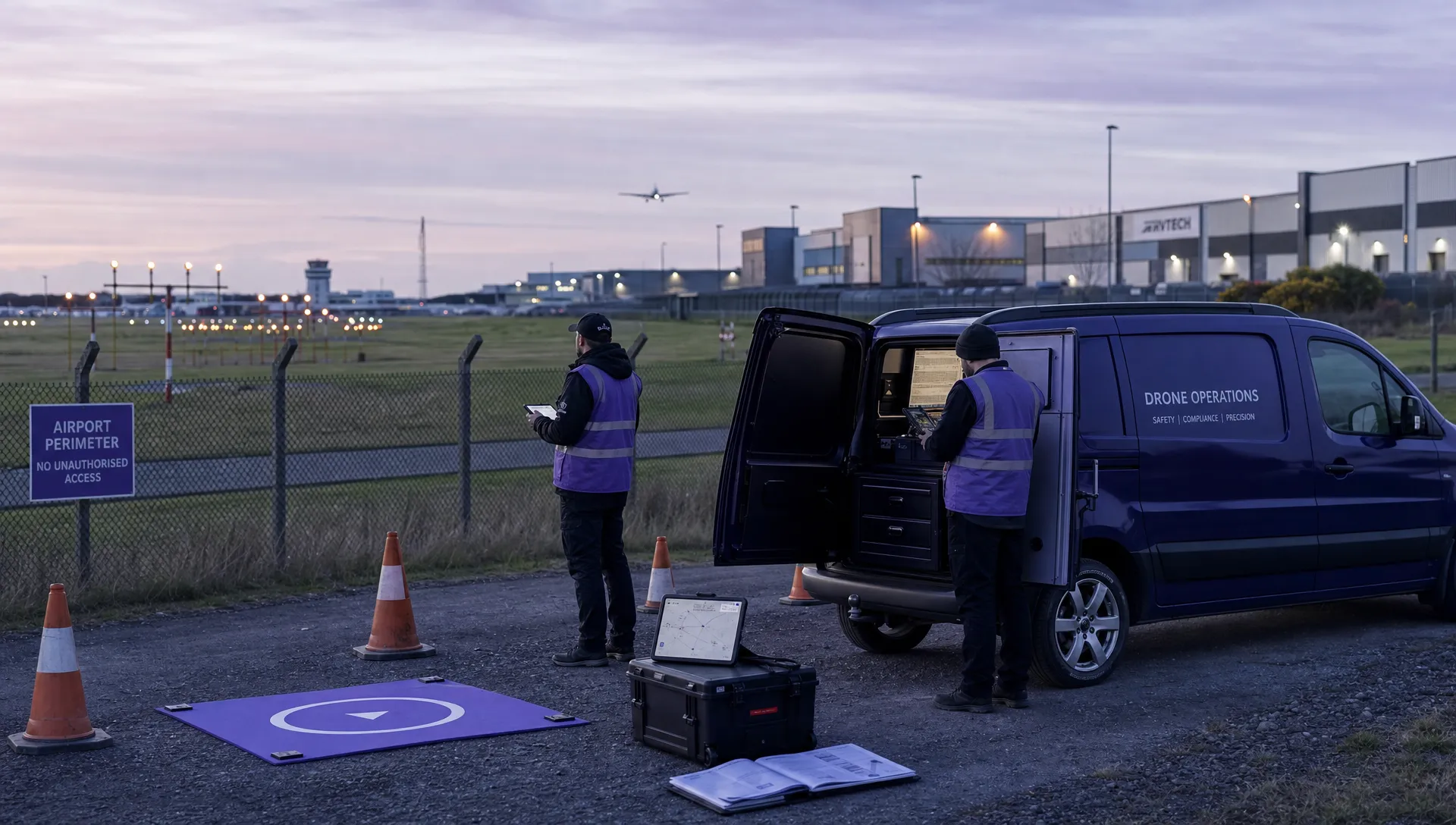 Class C Airspace Drone Rules for Commercial Flights →