
Your Ultimate Electronic Pilot Logbook Guide
Think of an electronic pilot logbook as the digital command center for your entire flying career. It’s far more than just a replacement for that old paper book you’ve been carefully filling out. It’s a smart application that automates your calculations, backs up your precious flight history to the cloud, and generates professional reports in seconds.
What was once a manual chore becomes a slick, data-driven process.
Why Pilots Are Moving from Paper to Digital Logbooks

Making the switch from paper to a digital logbook is like trading in a crumpled paper map for a live GPS. It isn't just about swapping paper for pixels. It’s a massive upgrade in how you manage, protect, and use your flight records to move your career forward.
At the heart of this shift is the simple need for better efficiency, pinpoint accuracy, and rock-solid security. Modern aviation—whether you’re flying a Cessna or a commercial drone—demands more than just a basic list of flight times. An electronic pilot logbook acts as a complete data hub, giving you powerful tools that paper just can't compete with.
This move is picking up speed as aviation authorities all over the world increasingly recognize and accept electronic records as official.
The Driving Forces Behind Digital Adoption
The move to digital logging isn't just a fleeting trend; it’s a direct response to the real-world demands of the industry. Pilots and operators are making the change for a few very practical reasons:
- Unmatched Efficiency: Forget pulling out the calculator. Automated totals for Pilot-in-Command (PIC), night hours, and cross-country time completely eliminate tedious manual math and the risk of errors.
- Guaranteed Accuracy: With direct data imports from aircraft avionics, GPS devices, or drone flight controllers, every single entry is precise and verified. No more guesswork.
- Enhanced Security: Your entire flight history, backed up safely in the cloud. It’s protected from being lost in a move, stolen from your car, or ruined by a coffee spill—a disaster that could wipe out years of work with a single paper logbook.
A digital logbook turns static flight data into an active asset. It becomes a tool for tracking currency, managing endorsements, and preparing for checkrides or interviews with professional, error-free reports.
This reliance on digital systems is creating a huge market. The global electronic logbook sector hit USD 3.9 billion and is expected to climb to USD 10.4 billion by 2033, driven by digitalization and tough regulatory standards. For a deeper dive into these numbers, you can check out the market analysis from DataIntelo.
Paper vs Electronic Logbooks at a Glance
To really see the difference, it helps to put the two side-by-side. The contrast is pretty stark once you break down the day-to-day realities of using each.
| Feature | Paper Logbook | Electronic Pilot Logbook |
|---|---|---|
| Data Entry | Fully manual, repetitive, and prone to handwriting errors. | Automated imports and quick-fill entries save significant time. |
| Calculations | Requires manual addition for totals, currency, and limits. | Instant, error-free calculations for all flight time categories. |
| Security & Backup | Vulnerable to physical loss, theft, or damage. No backup. | Secure cloud backups protect data against any physical loss. |
| Reporting | Time-consuming to create custom reports for interviews or resumes. | Generates professional, customized reports in seconds. |
| Accessibility | Limited to wherever the physical book is located. | Accessible anytime, anywhere via phone, tablet, or computer. |
| Compliance Tracking | Manual tracking of currency and regulatory requirements. | Automatic alerts for expiring certificates and upcoming deadlines. |
| Cost | Low initial cost for the book itself. | Subscription-based, but saves countless hours of admin work. |
As you can see, while paper has a certain old-school charm, an electronic logbook is built for the demands of a modern aviation career.
From Solo Aviators to Commercial Drone Teams
The perks of going digital apply to everyone. For a solo pilot, it means less time buried in paperwork and more time focused on flying. For a commercial drone team, it’s a game-changer for standardizing records, ensuring every pilot is compliant, and generating detailed operational reports for clients.
Platforms like Dronedesk show organizations exactly how automated flight logging and reporting can save drone teams hours every week. It’s a clear evolution from just keeping records to actively managing your career and operations.
Why Every Modern Pilot Needs One

Making the jump to a digital logbook isn't just about swapping paper for a screen. It’s a fundamental shift in how you manage your entire flying career. You’re trading a static, vulnerable document for a tool that’s dynamic, secure, and genuinely smart. The benefits aren't some far-off promise; they’re immediate and they touch every part of a pilot's professional life.
It all really comes down to three things that fix the biggest headaches of old-school logging: getting your time back, guaranteeing your records are spot-on, and giving you total peace of mind.
Reclaim Your Most Valuable Asset: Time
Remember all those hours spent hunched over a paper logbook, calculator in hand? Manually adding up flight times, double-checking your math, and cross-referencing totals is a soul-crushing chore. An electronic pilot logbook makes that whole process obsolete.
Think of it as your tireless personal assistant. It instantly crunches the numbers on everything that matters—PIC and SIC time, night hours, cross-country legs—without you lifting a finger. This kind of automation is a lifesaver when you need to pull reports for a job application, an insurance renewal, or a checkride. What used to take hours of painstaking work now just takes a few clicks.
Imagine a recruiter asks for a detailed breakdown of your experience. With a digital logbook, you can instantly generate a professional, error-free report. You look organised, prepared, and ready to go.
Ensure Flawless Data Accuracy
Let’s be honest, manual data entry is a recipe for mistakes. A single typo or a misremembered flight time can throw off your totals, creating discrepancies that are a nightmare to track down and fix later. These little errors pile up over time and can seriously undermine the integrity of your flight records.
An electronic logbook sidesteps this problem by talking directly to your flight's data sources.
- Direct Imports: Many platforms can pull data from your aircraft's avionics, GPS units, or even drone flight controllers like DJI.
- Reduced Human Error: When the data comes straight from the source, the chance of a manual mistake drops to virtually zero.
- Consistent Formatting: Every entry is neat, tidy, and follows the same format, making your records incredibly easy for an auditor or employer to review.
This level of precision means you can be completely confident in your records. They’ll stand up to scrutiny at every stage of your career.
An electronic pilot logbook transforms your flight history from a simple list of entries into a reliable, verifiable database. It’s the single source of truth for your entire career, built on precision and data integrity.
Secure Your Career with Digital Peace of Mind
This might be the biggest advantage of all: security. Your paper logbook is a single point of failure. If it gets lost, stolen, or destroyed in a house fire, decades of hard-earned flight history could be gone in an instant. The fallout from that kind of loss can be devastating, setting a pilot’s career back years.
With an electronic logbook, your records are protected by serious, cloud-based security. Your data is constantly backed up and synced across all your devices, making it totally immune to physical loss or damage. This digital safety net provides incredible peace of mind, knowing the foundation of your career is safe, secure, and always accessible. The growth of the electronic logbook software market is directly linked to this drive for better efficiency and moving away from old paper-based systems. You can read more about this industry-wide shift in the market research from Archive Market Research.
Ultimately, switching to an electronic logbook is about more than just logging flights. It's an investment in a system that respects your time, guarantees your accuracy, and safeguards your professional future.
Meeting FAA and EASA Digital Log Rules
Let's tackle the first question on every pilot's mind before they go digital: "Is an electronic pilot logbook even legal?" The answer is a clear, confident yes. But it's crucial to understand what makes a digital record compliant with the major aviation authorities like the Federal Aviation Administration (FAA) and the European Union Aviation Safety Agency (EASA).
You'll notice these organizations don't endorse specific brands or apps. What they do is provide a clear framework of rules that any logbook—whether it's paper or digital—has to follow. The best software out there is built from the ground up to meet, and often exceed, these exact standards, ensuring your records are always ready for inspection.
What Regulators Really Care About
When it comes down to it, regulators just want a "reliable record." The FAA and EASA have very similar requirements that boil down to a few key principles: accuracy, permanence, and accessibility. They care less about the medium and more about the integrity of the data inside.
An electronic pilot logbook naturally shines in these areas. By its very design, it offers a level of structure and security that a paper book just can't compete with. The trick is making sure the software you pick can produce a record that will satisfy an inspector during a ramp check or a potential employer during an interview.
This means your logbook must, at a minimum, contain these specific data fields:
- Date of flight
- Total flight time
- Aircraft make and model
- Aircraft identification (tail number)
- Departure and arrival points
- Type of piloting time (e.g., PIC, SIC)
- Conditions of flight (e.g., night, instrument)
Decoding the FAA's Digital Stance
The FAA gives us clear guidance on what makes an electronic record acceptable. Their Advisory Circular (AC) 120-78A is the go-to document. While it's a bit of a dense read, the message is straightforward: a digital system is fine as long as it provides a complete, accurate, and readable record.
The FAA states that a pilot's logbook, whether electronic or paper, must be "a reliable record of a pilot's flight time." An electronic system is acceptable if it is designed to prevent alteration, is accessible, and can be accurately reproduced in a physical format upon request.
That last part is key. Your chosen platform must let you print a hard copy of your flight records that an official can review and sign. The ability to export a clean, organized, and unalterable PDF isn't a nice-to-have; for FAA compliance, it's non-negotiable.
EASA Requirements Across Europe
Over in Europe, EASA's regulations, laid out in FCL.050, echo many of the same principles. They explicitly permit logbooks to be kept in an electronic format, so long as they contain all the required data and can be made "readily available at the request of a competent authority."
This accessibility is huge. Whether you're in Sweden or Spain, your national aviation authority needs to be able to inspect your records without a hassle. This is where dedicated EASA compliance software becomes a massive advantage, as these systems are built with European regulations in mind from day one. The software ensures all the necessary data fields are there and generates reports in a format that EASA inspectors are used to seeing.
Staying current is everything for pilots, and digital logbooks make managing things like Biennial Flight Review (BFR) requirements and other ongoing compliance checks far simpler. In the end, a quality electronic pilot logbook isn't just about convenience; it's a powerful compliance tool built for the modern aviator, giving you total confidence that your records will stand up to any official scrutiny, anywhere in the world.
Choosing the Right Logbook Features
Picking an electronic pilot logbook isn't just about grabbing the first app you see; it's about investing in a tool that will manage your entire flying career. They're not all built the same. Some are little more than digital notepads, while others are full-blown command centers handling everything from flight data to regulatory compliance.
The trick is to find a platform that matches what you actually do. A student pilot logging their first hours has completely different needs than a commercial drone team managing a whole fleet of aircraft. If you can tell the difference between the core, must-have features and the fancy add-ons, you'll find the perfect fit without paying for a bunch of stuff you'll never touch.
Foundational Features for Every Pilot
No matter what you fly, your logbook has to nail the basics. These are the non-negotiables, the absolute foundation of any solid digital record-keeping system. Think of them like the essential instruments in your cockpit—you wouldn't fly without them.
Here's your checklist for the core stuff:
- Automatic Flight Time Calculations: The software has to do the math for you, instantly and accurately. Totals for Pilot-in-Command (PIC), Second-in-Command (SIC), night, cross-country—all of it. This isn't just a time-saver; it prevents the silly mistakes that creep in with manual calculations.
- Customizable Data Fields: Your flying is unique, right? Whether you're logging specific helicopter time or tracking battery cycles for your drone missions, you need the flexibility to add and label your own fields. It’s the only way to get a complete picture.
- Powerful Reporting and Filtering: Can you pull up a professional-looking report for a job interview in just a couple of clicks? Your logbook should let you filter flights by date, aircraft, or even weather conditions, then spit out a clean, printable summary.
- Currency and Endorsement Tracking: A good logbook is proactive. It should be your second brain, keeping an eye on your 90-day landing currency, instrument proficiency, and all those looming expiration dates for ratings and medicals. And it should warn you before they expire.
Advanced Capabilities and Integrations
Once you've got the essentials locked down, you can start looking at the features that really separate the good logbooks from the great ones. These are the things that save you serious time and give you a much deeper understanding of your operations.
Integrations are the real game-changer here. When your logbook can automatically pull data from other systems, you practically eliminate manual data entry. It’s like putting your admin work on autopilot.
An integrated electronic pilot logbook creates a single source of truth. By automatically pulling in data from airline schedules, GPS tracks, or drone flight controllers, it builds a rich, error-free record of your flying with almost no effort on your part.
Think about how these advanced connections could work for you:
- Airline Schedule Syncing: For airline pilots, this is a lifesaver. Importing a full month's roster from a service like AIMS or CrewTrac can log dozens of flights in a matter of seconds.
- GPS and Avionics Imports: Being able to upload a
.gpxfile from a GPS device gives your log entries a verifiable layer of data, confirming your exact flight path and times. - Drone Controller Sync (e.g., DJI): This is absolutely critical for commercial drone operators. A platform like Dronedesk that syncs directly with DJI controllers automatically grabs detailed flight logs—telemetry, battery usage, mission details—ensuring your records are complete and compliant every single time.
Essential vs Advanced Logbook Features
To make it easier to figure out what you really need, let's break down the must-have features versus the more advanced, nice-to-have options. This should help you decide where to focus your attention.
| Feature Category | Essential Feature | Advanced (Nice-to-Have) Feature |
|---|---|---|
| Data Logging | Manual entry with automatic time calculations. | Direct data import from GPS, avionics, or drone controllers. |
| Reporting | Basic export to PDF for printing and signing. | Customizable report builder with advanced filtering and analytics. |
| Compliance | Manual tracking of currency and certificate expirations. | Automated alerts and predictive currency tracking. |
| Integrations | Standalone application with no external connections. | Syncs with airline schedules, calendars, and operational software. |
| Customization | Pre-set fields for standard flight logging. | Fully customizable fields, layouts, and data entry forms. |
At the end of the day, the right logbook is one that can grow with you. Start by making sure it gets the fundamentals right, but keep an eye on the advanced features and integrations that will be there to support you as your flying career or business gets more complex.
How to Make the Switch Smoothly
Moving to an electronic pilot logbook isn’t like flipping a switch; it’s more about adopting a smarter, more efficient workflow. It’s a pretty straightforward process, but getting it right hinges on having a clear plan that fits what you actually do.
Whether you're a solo pilot, a flight school instructor, or managing a big commercial drone team, the goal is the same: make the changeover as painless as possible so you can start seeing the benefits right away.
I find it helps to think about the switch in a few phases. First, you’ve got to get your past flight history into the system. Next, you build a new habit of logging everything digitally. Finally, you start digging into the advanced features to really make that data work for you.
This diagram breaks down the key features you'll run into, starting from the basics and moving up to the more powerful integrations.

You start with the essentials, like having your hours calculated automatically. Then you can move on to the cool stuff, like deep analytics and syncing with other tools. Before you know it, you’ve built an interconnected data hub for your entire operation.
For Individual Pilots and Students
If you’re flying solo, your main objective is to create one single, trustworthy digital record of your entire flying career. The first big hurdle? That old paper logbook sitting on your shelf.
- Digitize Your History: You’ve got a couple of choices here. You can manually type in every single flight—it’s a grind, but you’ll know it’s accurate. Some services will transcribe it for you, or you could just enter summary totals to get the ball rolling quickly.
- Build a Daily Habit: Consistency is everything. Make it a post-flight ritual to sync your flight data or tap in the details on your phone before you’ve even packed up your gear.
- Log More Than Just Hours: This is where digital really shines. Start tracking expenses for your tax return, attach photos from your flights, or jot down notes about a tricky maneuver you nailed.
For Flight Schools and Instructors
For a flight school, making the switch is all about standardization and having better oversight. You want a unified system that works for every student and every instructor, no exceptions.
The first step is to pick one platform and get everyone on it. This stops data from getting scattered across a half-dozen different apps. A standardized logbook also makes instructor endorsements a breeze—they can be signed digitally right in the app, creating a clean, verifiable training record.
A centralized digital system gives a Chief Flight Instructor a real-time view of student progress. They can track training milestones, spot where someone might be struggling, and ensure the whole school is compliant without having to chase down a single paper log.
This shift to digital isn’t just happening in aviation. Look at the commercial transport industry and their Electronic Logging Devices (ELDs). That market was projected to be worth USD 9.832 billion by 2025. With 20 million units made in 2023 alone, it’s clear that industries everywhere are choosing digital, compliant record-keeping. You can get more details on this trend from the full market research on ELDs.
For Commercial Drone Teams
When you're running a commercial drone team, an electronic pilot logbook becomes a vital piece of a much larger operational puzzle. It’s less about one pilot's hours and more about the nitty-gritty of every mission, team-wide compliance, and the health of your entire fleet.
Here, your focus should be on integration and automation. You'll want a platform like Dronedesk that can automatically sync with your drones (like DJI models) to pull in detailed telemetry, track battery cycles, and log payload info without anyone having to lift a finger.
Your game plan should look something like this:
- Fleet Integration: Get every single aircraft into the system. Start tracking maintenance schedules, component life, and service history from day one.
- Team-Wide Compliance: Use the platform as your command center to monitor pilot currency, check certifications, and manage who is assigned to what project.
- Automated Reporting: Generate slick operational reports for clients or for your own internal reviews. It's an easy way to show your professionalism and find ways to work smarter.
By tailoring your approach like this, you can make sure your move to a digital system is not just easy, but a genuine step up for your entire operation.
Logging for Professional Drone Operations

When you move into professional drone operations, you quickly realize it's a completely different world from traditional aviation—and your data logging needs are far more complex. A standard pilot logbook, the kind designed for manned aircraft, just doesn't cut it. It simply lacks the right fields to capture the mission-critical information that a professional Unmanned Aircraft System (UAS) operator has to track.
Trying to cram drone-specific data into a generic logbook is like using a car's maintenance schedule for a helicopter. You’re missing the point entirely. You need a system built from the ground up for the unique demands of UAS, where details like battery health and payload performance are just as crucial as flight time.
This is where a proper electronic pilot logbook built for drones comes in, giving you the specialized fields you need for safety, compliance, and operational excellence. For professional teams, this is where the real value lies.
Beyond Basic Flight Time
For drone pros, logging is about so much more than just how long the aircraft was in the air. A robust system tracks a wealth of data that directly impacts your safety, maintenance schedules, and ultimately, your profitability. Think of it as creating a complete digital history of every single operation.
Key drone-specific data points include:
- Battery Cycle Tracking: This is huge. Monitoring the number of charge cycles for every battery is essential for preventing in-flight failures and getting the most out of your expensive equipment.
- Payload Information: Logging which cameras, sensors, or other gear were used on a flight is vital for client reports, troubleshooting, and post-mission analysis.
- Mission and Project Details: Tying flights to specific clients, projects, or job types gives you invaluable data for business intelligence and proves your operational history.
- Automated Flight Data Sync: Integrating directly with platforms like DJI automatically pulls in precise telemetry. This ensures every log is complete and accurate without you having to lift a finger.
A professional drone logbook isn't just a record of flights; it's an operational database. It provides the detailed insights needed for predictive maintenance, proving compliance to regulators, and demonstrating professionalism to clients.
You just can't manage this level of detail with a pen-and-paper logbook. For a deeper dive into the specifics, check out our professional's guide to mastering the drone flight logbook.
An Automated Workflow in Action
Picture a typical survey mission. An integrated system like Dronedesk automates the entire process. Before the drone even leaves the ground, the pilot runs through digital pre-flight checklists linked directly to that specific aircraft and its components.
During the flight, the system automatically syncs with the drone's controller, capturing every detail. By the time the drone lands, the flight log is already filled out with precise flight times, telemetry data, and battery information. The pilot just has to link the mission to a client project, and the record is complete.
This kind of automated workflow does way more than just save time. It creates a solid, auditable trail for every flight you conduct. This data becomes a powerful tool for analyzing your team's efficiency, planning maintenance before something breaks, and giving clients detailed, professional reports that build trust and justify your rates.
Common Questions About Digital Logbooks
Making the jump to an electronic pilot logbook always brings up a few practical questions. As pilots, we're hardwired to be meticulous, so it's only natural to want the full picture before swapping out a core piece of our professional kit. Here are some of the most common queries we see.
The biggest worry, hands down, is data security. What happens if the app's parent company goes belly-up? Or if their servers go down? These are completely valid concerns, which is why picking a platform with a solid export function is non-negotiable.
You have to be able to download a complete backup of your entire logbook in a universal format like CSV or JSON. This is your insurance policy; it guarantees that no matter what, you own your data and can take it with you to another system if you ever need to.
Can I Use It For Official Purposes?
You absolutely can. As long as your digital logbook can generate a clean, printable version of your records that includes all the required details—flight times, aircraft info, endorsements, the lot—it’s considered a valid legal record by authorities like the FAA and EASA.
The crucial part is your ability to produce a reliable, unalterable record on demand. Think of that export feature as your bridge back to the physical world. It gives an inspector or a potential employer the tangible proof they need to see and sign off on.
How Do I Transfer My Old Paper Logs?
The thought of transferring years—or even decades—of paper records can feel like a monumental task, but you've got a few ways to tackle it without losing your mind.
- Manual Entry: This gives you total control and ensures every detail is perfect, but it's a serious time commitment. It's a great option if you actually want to take a trip down memory lane and re-familiarize yourself with your flight history.
- Summary Totals: A much quicker route is to create a single, simple entry that just summarizes your total flight hours up to the day you make the switch.
- Transcription Services: Some logbook providers offer services where their team will digitize your paper logs for you for a fee, saving you the headache altogether.
Your logbook is the definitive record of your career. Choosing a digital system that protects this data with secure backups and versatile export options isn't just a feature—it's essential risk management for any modern pilot.
Ultimately, the right method depends on how much of that old detail you really want to carry over. Whichever path you choose, the security and sheer efficiency you'll gain from that point forward are well worth the initial effort.
Ready to streamline your drone operations with a logbook built for professionals? Join thousands of pilots who trust Dronedesk to manage everything from flight logging to fleet compliance. Get started with Dronedesk today!
 Drone Part 107 Operations: When a Waiver May Be Needed →
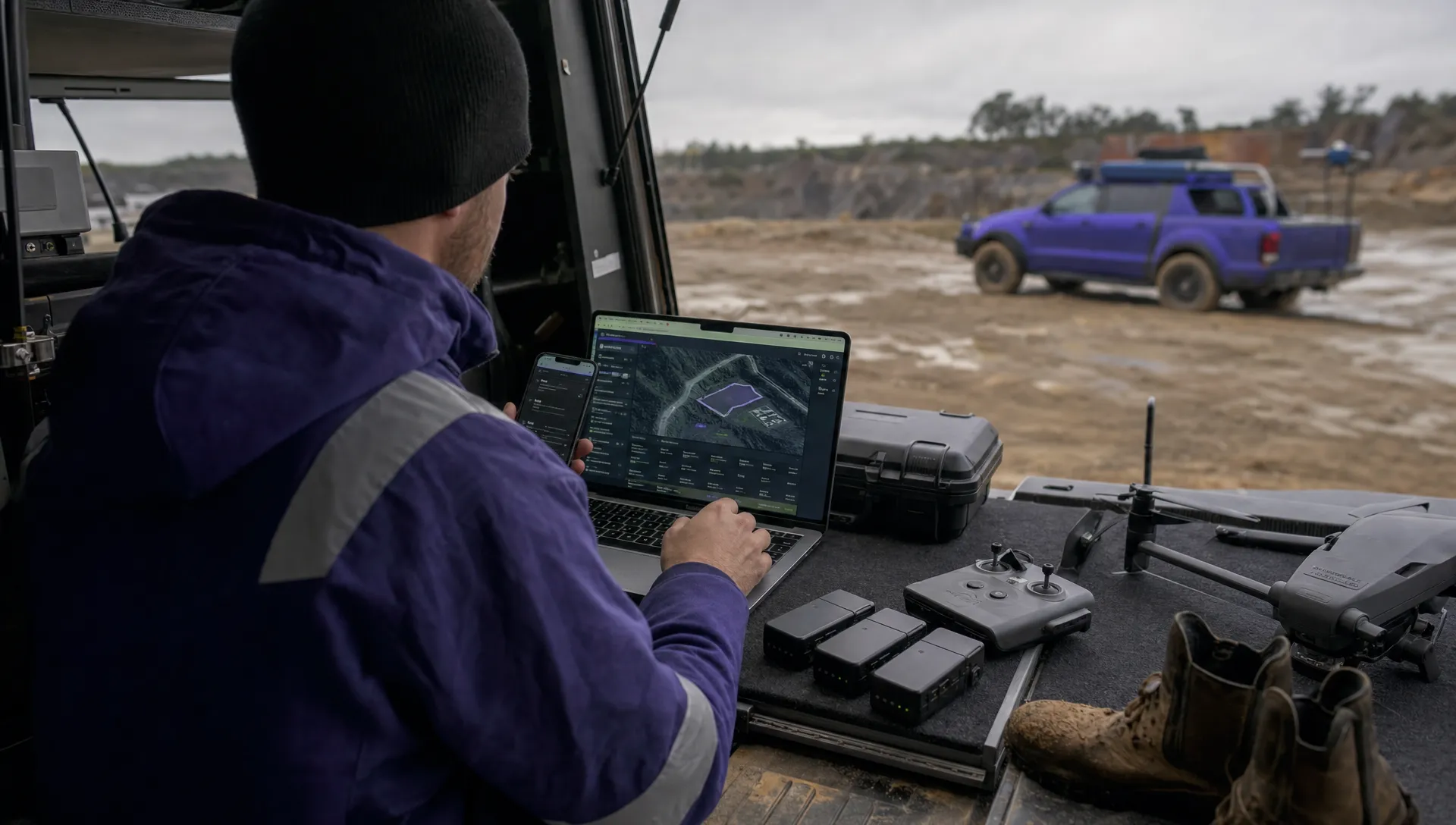 Drone Operating Rules for Managing Contractors and Employees →
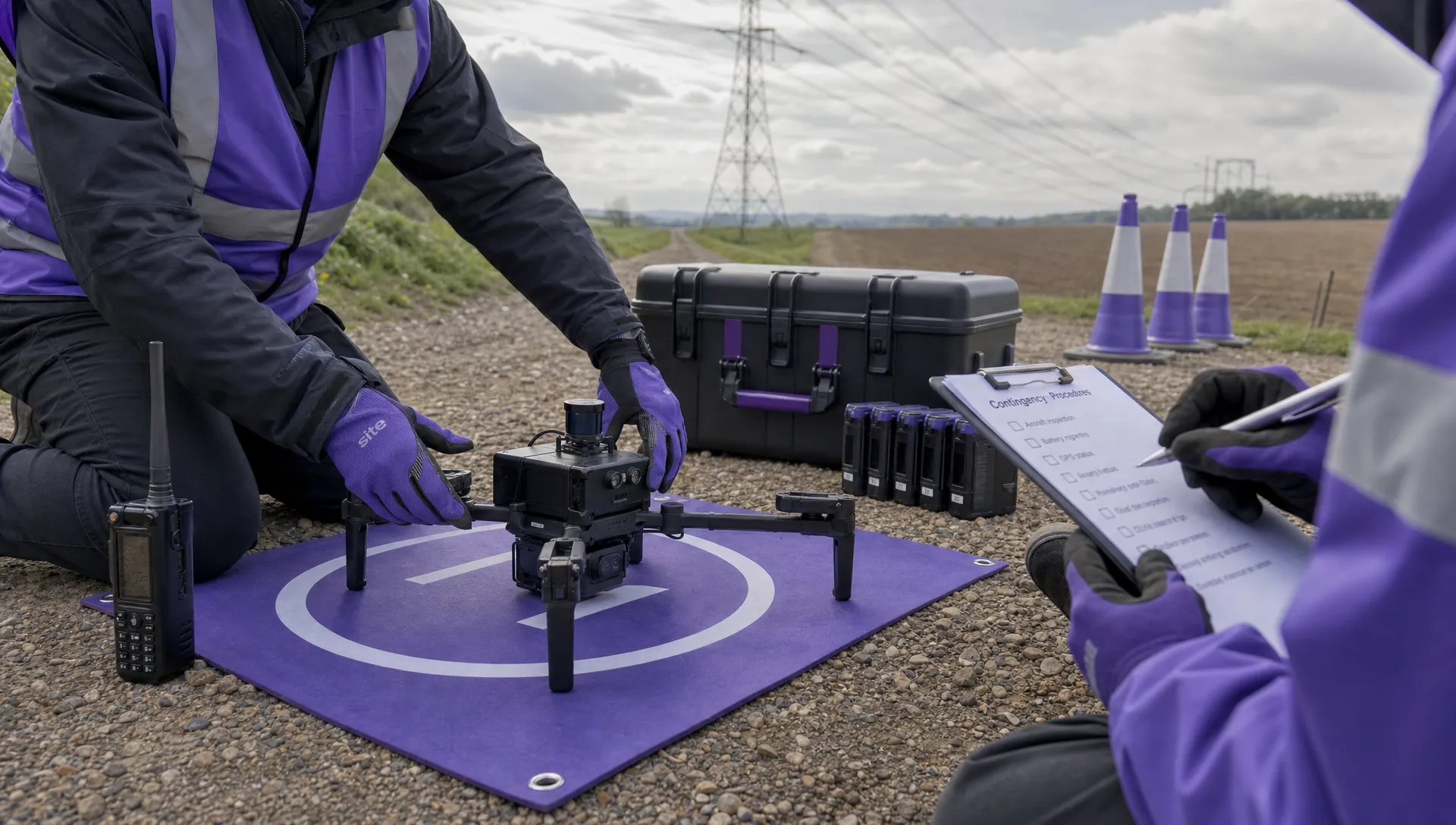 BVLOS Drone Requirements for Building a Safety Case →
 Drone Pilot Test Mistakes That Cost Candidates Marks →
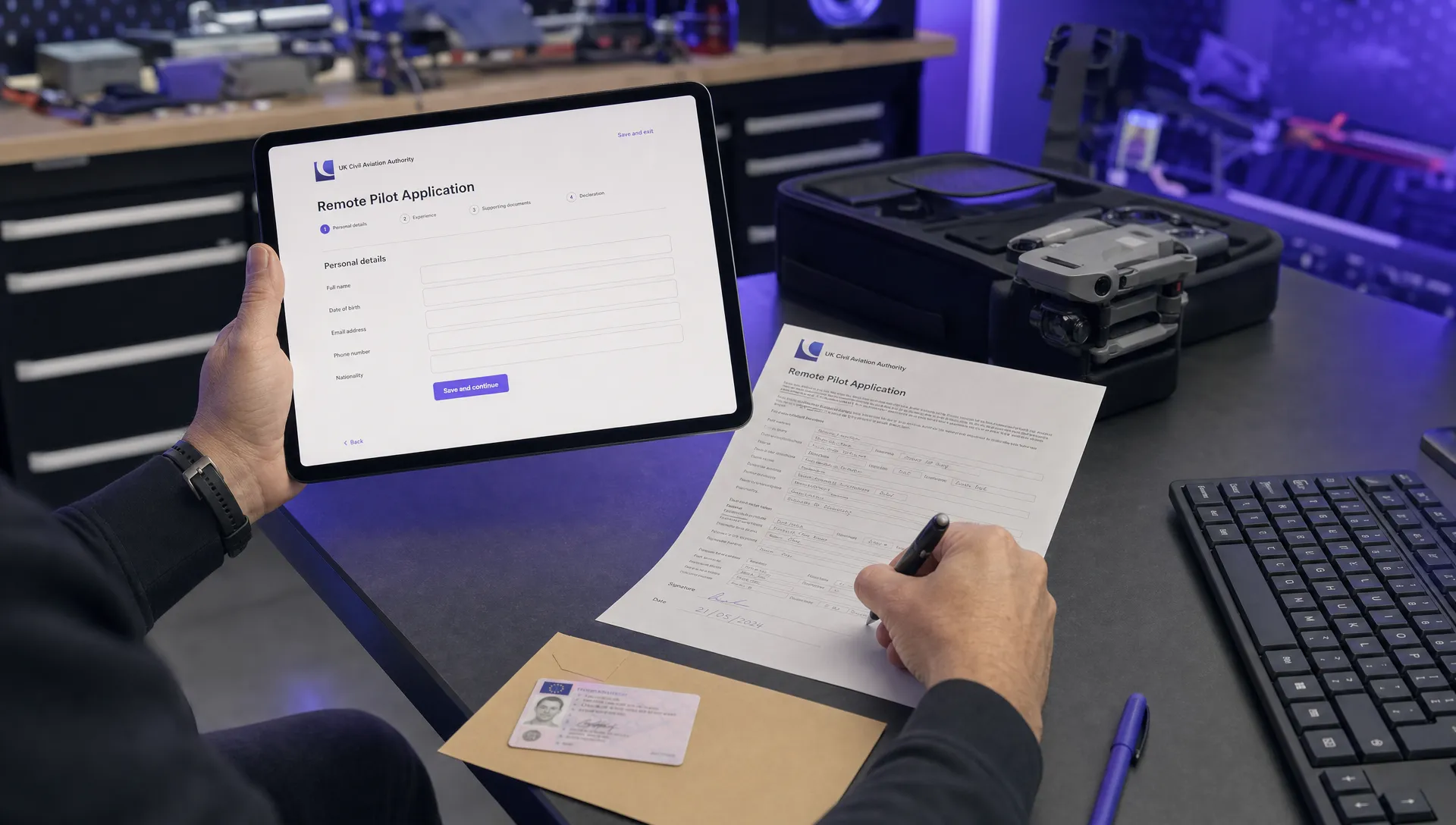 FAA 107 License vs Part 107 Certificate: What’s the Difference? →
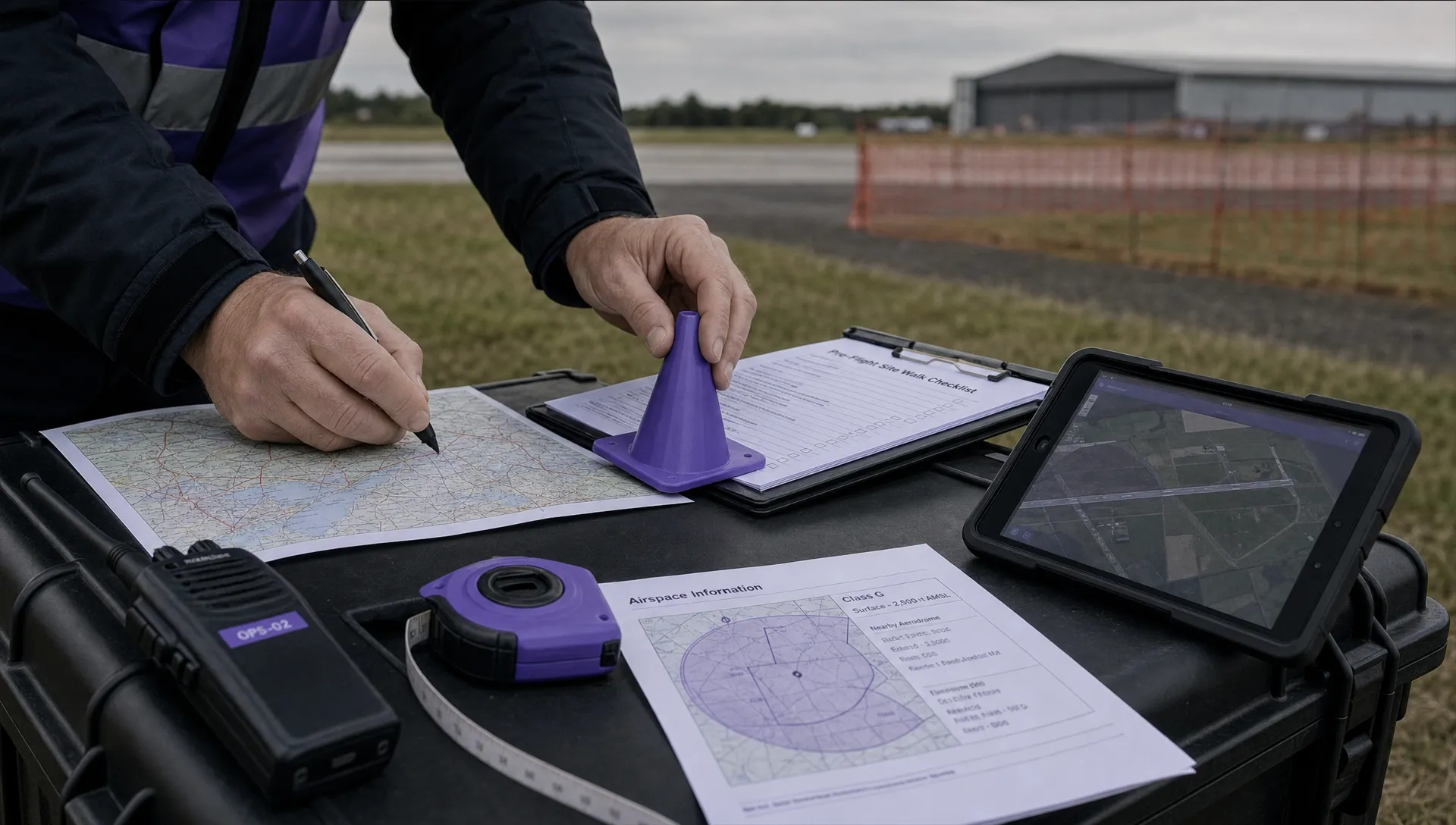 Drone Airport Rules: A Field Checklist for Site Assessments →
 FAA Part 107 Record-Keeping Rules for Commercial Teams →
 How to Review a DJI Flight Log After an Unexpected Event →
 Drone Laws Around the World: A Pre-Flight Research Framework →
 How to Compare Drone Survey Services for Complex Sites →