
How to Manage Multiple Projects Simultaneously - Strategies for Drone Operators
If you're going to effectively manage a slate of different projects, you need a real system, not just a glorified to-do list. It's about building a solid framework that handles everything from the first client call to the final handover—covering intake, scheduling, who's doing what, and how you're tracking it all. Get this right, and you can turn a chaotic workflow into a smooth, scalable operation.
The Modern Challenge for Drone Operators
Juggling a constant stream of projects is the new normal for any serious drone service provider. One day it's an agricultural survey with NDVI sensors; the next, you're flying a thermal inspection on a high-rise. Each mission is a unique cocktail of client demands, airspace rules, and gear requirements.
Without a robust system, it's dangerously easy for critical details to get missed. That's how deadlines get blown, compliance issues pop up, and clients end up unhappy.
This guide is a real-world playbook for taming that complexity. We'll break down the five pillars of multi-project management that top drone operators rely on to turn potential chaos into a streamlined, profitable system. This isn't just about getting organized—it's about laying a foundation that lets your business grow without the wheels coming off.
Adopting a Multi-Project Mindset
This isn't just a drone industry problem. Across the board, managing multiple projects is the standard. Recent surveys found that 59% of project managers are overseeing between two and five projects at once, with only about 15% focused on a single project. This reality demands disciplined prioritization and the right tools to keep your team from burning out. You can dig into more project management statistics for 2025 to see the bigger picture.
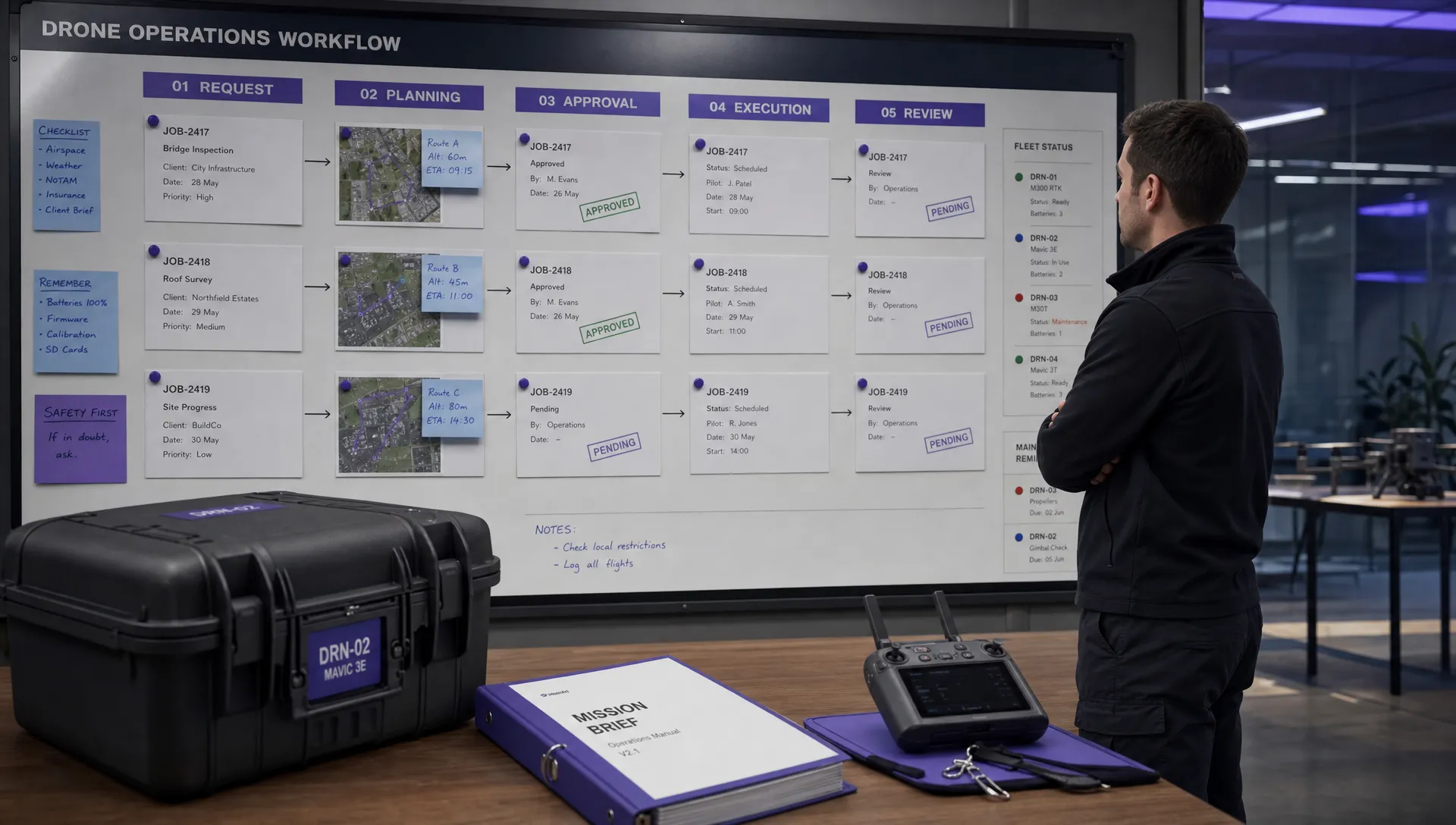
This five-pillar process flow gives you a visual on the core strategies we're about to unpack.

As you can see, it's a cycle. It starts with getting everything under control and ends with tracking that feeds right back into how you plan the next job.
The Five Pillars of Effective Drone Project Management
To really get a handle on managing multiple projects, you need to master five key areas. Think of these as the essential components of your operational engine.
Here’s a quick overview of the five pillars we'll be diving into. Each one is designed to solve a specific challenge that every growing drone business faces.
| Pillar | Challenge It Solves | Key Outcome |
|---|---|---|
| Centralized Mission Control | Scattered information and missed details across projects. | A single, reliable source of truth for every job. |
| Intelligent Prioritization | Deciding what's urgent vs. what's important. | A clear, logical schedule that maximizes value. |
| Strategic Resource Allocation | Pilot burnout, equipment conflicts, and scheduling bottlenecks. | The right team and gear on the right job, every time. |
| Seamless Team Communication | Misunderstandings, delays, and duplicated work. | An informed and aligned team, from field to office. |
| Real-Time Progress Tracking | Flying blind on project status and potential risks. | Data-driven decisions and proactive problem-solving. |
By building your workflow around these pillars, you create a system that’s not just about preventing errors but actively making your business more efficient and profitable.
It’s the difference between constantly fighting fires and confidently steering your operations toward growth. Mastering these five pillars is how you make that leap.
Building Your Mission Control Center
Let's be honest, chaos in multi-project management almost always starts in the same place: scattered information. When project details are strewn across random emails, text messages, spreadsheets, and sticky notes, you’re not really managing projects—you’re just reacting to whatever comes in.
The first, most critical step in juggling multiple jobs is to build a single source of truth.
Think of this as your digital mission control. It's one central hub where every new job request is captured, documented, and stored in a standardized way. This isn't just about being tidy; it's the foundation for everything else, from accurate quoting to flawless execution in the field. Without it, you're building your entire operational workflow on shaky ground.
Designing Your Standardized Intake System
To create this central hub, you need a system for capturing information consistently. A standardized project intake form is your best friend here. It ensures you get all the critical details you need upfront, preventing that endless back-and-forth with the client later on.
Your intake form should be more than just a contact sheet. It’s a comprehensive mission brief that captures every variable. For a drone business, this means collecting specific, technical data that will directly impact planning and resource allocation.
Here are the absolute essentials your intake form must include:
- Client & Site Information: This covers the client’s name, contact details, the physical address of the operation, and any specific site access instructions.
- Mission Objectives: What does the client actually want? Is it a 2D orthomosaic map, a 3D model, a thermal inspection of a roof, or just raw video footage? Get specific.
- Required Deliverables: Define the final output. This could be high-resolution JPEGs, a detailed PDF report, raw data files, or processed point clouds.
- Airspace & Location Data: Capture precise GPS coordinates or a KML file. Note any known airspace restrictions, nearby airports, or potential ground hazards.
- Proposed Timeline & Deadlines: Get the client’s ideal start date and the absolute final delivery deadline.
This structured approach forces clarity from the very beginning. It kills the guesswork and ensures that both you and your client are perfectly aligned on the project scope before a single drone takes flight. This is the core principle behind building an effective centralized drone operations hub.
Automating Intake for Efficiency
Manually filling out a PDF or spreadsheet for every new lead is better than nothing, but it just doesn't scale. As your business grows, you'll find yourself drowning in admin instead of flying missions. This is where a dedicated platform like Dronedesk becomes a game-changer.
Instead of a clunky manual process, you can create a digital intake system that automates data collection. When a new lead comes in, the information is instantly populated into a new project file, creating a complete, standardized record from day one.
A single source of truth isn’t a luxury; it’s a necessity for scalability. It transforms project intake from a chaotic administrative burden into a streamlined, repeatable process that feeds directly into your scheduling and planning workflows.
This automated system is your mission control. Every project, from a quick real estate shoot to a multi-week construction survey, lives in the same place, documented in the same format. This consistency is what allows you to accurately scope work, schedule your fleet, and manage your team without letting critical details slip through the cracks. It’s the essential first pillar for successfully managing a busy project pipeline.
Prioritizing Missions and Scheduling Your Fleet
Okay, so your intake system is humming along. You've gone from sticky notes and scattered emails to a proper project pipeline. Fantastic. But now for the real juggling act: deciding which job comes first. When you've got multiple clients with different deadlines, varying project complexities, and maybe a few "urgent" requests all clamouring for attention, a simple first-in, first-out system will quickly lead to chaos. You need a smarter way to prioritize missions and schedule your fleet.
This is where the magic happens. It's the shift from just gathering information to making strategic moves. You're now looking at the entire board—all your potential jobs—and making calls that maximize your crew's time, hit the most important deadlines, and keep the business healthy. This isn't just about avoiding double-booking a pilot; it's about building a flexible, dynamic schedule that can handle last-minute opportunities and the inevitable curveballs.

Visualizing Your Workflow with Kanban Boards
For many drone operators, the most straightforward and effective tool for seeing everything at once is a Kanban board. If you've never used one, think of it as a digital whiteboard with columns representing the stages of a project. Its power is in its simplicity. You get an immediate, at-a-glance snapshot of what's on your plate.
A typical Kanban setup for a drone business might look something like this:
- New Leads: Every new inquiry before it's been scoped out.
- Scoping & Quoting: Projects you're actively defining requirements for and putting proposals together.
- Pre-Flight Planning: The job is a go. You're now doing risk assessments, checking airspace, and assigning pilots.
- In Field: Boots on the ground (or rotors in the air). Missions currently being flown.
- Data Processing: The post-flight grind—stitching orthomosaics, building 3D models, or editing video.
- Client Review: Deliverables are out the door and you're waiting for the thumbs-up.
- Completed: Job's done, invoice is sent. Time for a cuppa.
As you drag project "cards" from left to right, you can instantly spot where the logjams are. Is your "Data Processing" column starting to look crowded? That’s your cue. You might need to beef up your processing power or build more post-flight time into your schedule.
Scheduling Complex Missions with Gantt Charts
Kanban boards are brilliant for visualizing your workflow, but they're not so great when you're dealing with complex jobs that have tangled tasks and hard deadlines. That’s where Gantt charts shine. A Gantt chart gives you a timeline-based view, showing you precisely what needs to happen and when.
Picture this: you've landed a multi-day construction monitoring contract. You need to fly on Monday, Wednesday, and Friday. A Gantt chart lets you block out those specific days for a particular pilot and drone. So, when a high-value real estate shoot pops up for Tuesday, a quick look at the chart tells you if you've got the bandwidth without causing a scheduling nightmare. If you want to dive deeper into organizing your timelines, there are some great project scheduling techniques that can be adapted to different operational needs.
A Gantt chart turns your schedule from a simple to-do list into a strategic map of your resources over time. It’s the key to not over-committing your team and making sure your best assets are always where they need to be.
The Importance of Strong Governance
Having the right tools is one thing, but using them within a clear framework is what really makes a difference. This idea of portfolio governance—basically, the rules you use to oversee all your projects—is what separates a smooth operation from one that's constantly putting out fires.
And the data supports this. Poor oversight is a recipe for project failure. For instance, public-sector IT projects blow past their deadlines in a staggering 81% of cases, compared to around 52% in the private sector. It's a stark reminder of how weak prioritization can create massive risk.
For your drone business, this means having crystal-clear criteria for which jobs get priority. Do you prioritize based on revenue? The importance of the client relationship? Strategic value? Answering these questions helps you make consistent, smart scheduling decisions. Platforms like Dronedesk bring all of this together, letting you manage both a Kanban-style workflow and a detailed Gantt schedule from a single dashboard. It gives you that high-level view you need to make the right call, every time.
Optimizing Resources and Team Communication

Alright, your projects are prioritized and you've got them sketched out on the calendar. The next big hurdle is allocating your most valuable assets: your people and your equipment. How do you decide who flies which mission? Which drone is the right tool for the job?
Making these calls on the fly is a classic recipe for creating bottlenecks, burning out your best pilots, and sending mismatched gear to a site. If you want to successfully juggle multiple projects, you need a solid, repeatable system for resource allocation.
This goes way beyond just checking who’s free on a Tuesday. It’s about strategically matching the right pilot skills and the right drone technology to each mission’s specific needs. Getting this right every time is what drives operational efficiency, ensures you stay compliant, and delivers the best possible results to your clients.
Build Your Central Resource Pool
The first move is to create a central inventory of all your resources. Think of it as your master command center, giving you a complete picture of your operational capabilities at a glance. This isn’t just a simple spreadsheet with names and drone models; it should be a dynamic database tracking qualifications, equipment specs, and availability.
Your resource pool needs to capture the critical details for both your team and your tech.
- For Pilots: Track their certifications (like A2 CofC or GVC), specialized skills (thermal imaging, LiDAR operation), and total flight hours.
- For Drones & Equipment: Log each drone’s capabilities (thermal, multispectral), payload capacity, and maintenance schedule. Don't forget to include essential gear like batteries, sensors, and ground control stations.
Having this centralized view is absolutely foundational. When a new agricultural survey pops up that requires a GVC-certified pilot and a multispectral sensor, you can instantly see who and what is available instead of scrambling to figure it out.
Match the Right Assets to the Mission
With a clear inventory of your resources, allocation becomes less of a headache and more of a strategic matching game. This is where you can remove the guesswork and standardize your deployment process for good.
Here's a look at how to structure this with a simple matrix.
Drone Fleet and Pilot Allocation Matrix
This matrix is a straightforward way to align project requirements with the specific drones and pilot qualifications in your arsenal. It helps ensure you’re always deploying the most effective and compliant combination for every job.
| Project Type | Required Drone Capability | Required Pilot Certification | Example Drone Model |
|---|---|---|---|
| Roof Inspection | High-Resolution RGB & Thermal | A2 CofC (minimum) | DJI Mavic 3 Thermal |
| Construction Survey | RTK/PPK for accuracy | GVC Recommended | DJI Matrice 300 RTK |
| Real Estate Video | 4K/60fps Video, Obstacle Avoidance | A2 CofC | DJI Air 3 |
| Agricultural Mapping | Multispectral Sensor | GVC for complex sites | DJI Phantom 4 Multispectral |
This kind of matrix isn't just a document you create once and forget about. It becomes a living part of your daily project management, directly impacting the safety, efficiency, and quality of your final deliverables.
The goal is to make resource allocation a deliberate, data-driven decision, not a last-minute scramble. When the right assets are on the right job, you prevent costly mistakes and ensure every mission is set up for success from the start.
Establish Clear Communication Protocols
Even with the perfect drone and pilot assigned, a project can still go off the rails if communication breaks down. When your team is spread out across multiple sites, a centralized communication hub isn't a nice-to-have, it's a non-negotiable. It’s the only way to kill the "who was supposed to do what?" confusion and keep everyone on the same page.
This is where dedicated project management tools become a total game-changer. In fact, nearly 80% of organizations report better internal communication after adopting PM software. It's a direct fix for the most common points of failure: poor visibility and weak stakeholder alignment.
To make it work, you need to define roles and responsibilities with absolute clarity.
- Define Key Roles: For every single mission, designate a Project Lead who handles client communication and a Pilot in Command (PIC) who owns on-site operations and safety.
- Create Project-Specific Channels: Use a platform like Dronedesk to set up dedicated workspaces for each project. All mission files, risk assessments, and flight logs live in one place, easily accessible to the entire assigned team.
- Set Up Automated Alerts: Configure automatic notifications for key milestones. Think alerts for when a pre-flight checklist is done, flight logs are uploaded, or a project status changes. This keeps the whole team in the loop without blowing up their inboxes.
A structured communication system like this ensures information flows seamlessly from the office to the field and back again. It means less time stuck in meetings and more time delivering great results. To further streamline your operations, you might even consider bringing on a Project Manager Virtual Assistant to handle the administrative and coordination tasks.
Keeping a Lid on Risk and an Eye on Progress
When you've got multiple drones, pilots, and job sites all active on the same day, your ability to manage risk and track everything in real-time is what separates the pros from the amateurs. This isn't just about ticking boxes; it's about embedding a rock-solid safety culture and maintaining a live, data-driven view of your entire operation. Flying blind simply isn't an option when deadlines, client happiness, and safety are all on the line.
Juggling several projects at once boils down to two things: being proactive about risk and being ready to solve problems on the fly. You need a system that bakes safety protocols in before takeoff and gives you a clear picture of how each project is doing while the mission is live. This dual focus ensures every flight is compliant and every project stays on course.
Standardizing Your Safety Protocols
Consistency is your best friend when it comes to managing risk across multiple projects. You can't have different pilots following different safety rules—it's a recipe for disaster. This is why standardized pre-flight checklists and risk assessment method statements (RAMS) for every single mission are non-negotiable.
These aren't just tedious paperwork. They are structured workflows that force your team to systematically spot and deal with potential hazards before a drone even gets off the ground.
A solid pre-flight process must always cover:
- Airspace Check: Looking for temporary flight restrictions (TFRs), nearby airports, and any controlled airspace.
- Weather Assessment: Checking wind speed, rain, and visibility against your operational limits.
- Equipment Health: Confirming battery levels, propeller condition, and sensor calibration.
- Site Hazard Scan: Identifying ground-level risks like power lines, public access areas, and other obstacles.
This is where a platform like Dronedesk becomes indispensable. It lets you build these checklists and RAMS templates right into the project workflow. Pilots have to complete and digitally sign these safety docs before they can fly, creating a perfect audit trail that proves you've done your due diligence on every job.
Standardized safety isn't about creating more red tape; it’s about taking human error out of the picture. When safety protocols are just part of the workflow, they become second nature for your whole team.
Your Live Mission Dashboard
Once your safety processes are dialed in, the next big challenge is keeping tabs on all your active projects. What you need is a central dashboard that gives you a real-time status update on every mission. This is how you move from reactive chaos to proactive control.
This is where you'll track the key performance indicators (KPIs) that scream "all good" or "Houston, we have a problem." For a deeper look into building a solid framework, it's worth exploring effective project risk management strategies. A live dashboard brings those ideas to life, feeding you the data to make smart decisions, fast.
Your dashboard should be set up to monitor the metrics that matter for drone ops, including:
- Total Flight Hours Logged: Tracking against planned hours helps you monitor pilot workload and equipment use.
- Data Processing Times: Keep an eye out for bottlenecks in your post-flight workflow that could hold up final delivery.
- Budget vs. Actuals: Are you staying profitable? Compare actual costs against your quote.
- Compliance Status: A quick check to confirm all permits and risk assessments are completed and filed.
To really get into the weeds on this, understanding how to use flight data monitoring software can show you how to turn raw flight logs into smart business insights. This live view is your early warning system. It helps you spot a potential snag—like a delayed airspace permit for one project or a failing battery on another—and jump in before it creates a domino effect across your entire schedule.
By combining rigorous, standardized risk management with real-time progress tracking, you create a powerful system for managing a full slate of projects. You build a foundation of safety and compliance while gaining the operational awareness needed to steer every single project toward a successful, on-time finish.
Still Have Questions? Let's Talk Through Them

Even with the best system in the world, the reality of juggling multiple projects means you’re going to run into some tricky situations. In the field, things rarely go exactly to plan.
So, let's dive into some of the most common "what if" scenarios and practical headaches that drone operators deal with every single day.
What Do You Do When an Urgent, High-Priority Project Pops Up?
It’s the classic scenario. Your week is perfectly mapped out, and then a major client calls with a lucrative, last-minute job that they need now. The key isn't to panic; it's to have a process.
First thing's first: assess the new project's actual requirements. Does it demand a specific pilot or a piece of gear that’s already booked for another job? Pull up your Gantt chart to get a clear visual of your schedule. You need to see where you have genuine flexibility versus non-negotiable deadlines.
This is all about making a data-driven decision, not just a gut call. You might need to:
- Reassign a less critical task: Can another pilot on the team handle a simpler inspection that was on the books?
- Negotiate a new deadline: Get on the phone with the client from a lower-priority project. You’d be surprised how often a small delay is perfectly acceptable, especially if you’re upfront about the situation.
- Call in a contractor: If you have a network of trusted freelance pilots, this is exactly the moment to bring them in.
A visual overview of your entire project pipeline is a non-negotiable here. It lets you see the immediate ripple effects of slotting in a new job, allowing you to make strategic trade-offs instead of just guessing and hoping for the best.
How Can I Actually Track Profitability Across All My Jobs?
Tracking profitability is about so much more than just sending the final invoice. To really understand if a project was a financial win, you have to stack your initial quote against every single cost you incurred along the way. Meticulous record-keeping is your superpower here.
For every single project, you should be tracking:
- Pilot and Crew Hours: This includes everything—planning, travel time, on-site operations, and post-flight data processing.
- Equipment Usage: Make a note of which drones and sensors were used and for how long.
- Travel and Site Expenses: Don’t forget to account for mileage, any accommodation, and site-specific fees.
- Software and Processing Costs: This includes any platform subscriptions or per-project processing charges you might have.
Using a platform that ties your job quotes directly to your flight logs and expense tracking makes this whole process painless. It lets you pull up a profit and loss report for every mission, giving you crystal-clear insight into which types of jobs are making you the most money. That data is pure gold when it comes to tightening up your future quotes.
How Can a Solo Operator Possibly Manage Multiple Projects?
For the solo operator, the challenge is dialed up to eleven. You're the planner, pilot, data processor, and salesperson, all rolled into one. The secret isn't working harder; it's working smarter through ruthless efficiency and automation. You simply don't have the luxury of time for manual, repetitive tasks.
Your number one priority has to be a centralized management system. A tool like Dronedesk basically becomes your virtual operations manager. It can automate everything from your client intake and quoting right through to your pre-flight checklists and flight logging. This frees up your brainpower to focus on what matters: flying missions and delivering amazing results for your clients.
Solo operators should also lean into these habits:
- Time-Block Aggressively: Carve out specific blocks in your day for different functions. For example, mornings are for flying on-site, afternoons are for processing data, and the end of the day is for client comms and planning tomorrow.
- Template Everything: Create standardized templates for your quotes, risk assessments, and client reports. The consistency will save you an incredible amount of time in the long run.
- Be Brutally Realistic: Don’t overcommit yourself. It’s far better to deliver an exceptional result on three projects than to do a mediocre job on five.
By building a system for your workflow, even a one-person drone business can punch well above its weight, successfully managing multiple projects and competing with much larger teams.
Ready to stop juggling and start managing your drone projects with confidence? Dronedesk brings all your operations into one clear, streamlined platform. Get the control and clarity you need to scale your business. See exactly how it works at https://dronedesk.io.
 How to Start a Drone Mapping Business With a Clear Workflow →
 Class C Airspace Drone Rules for Commercial Flights →
 How to Create a Drone Job Pack for Every Mission →
 FAA Small UAS Rule: Key Requirements for Operators →
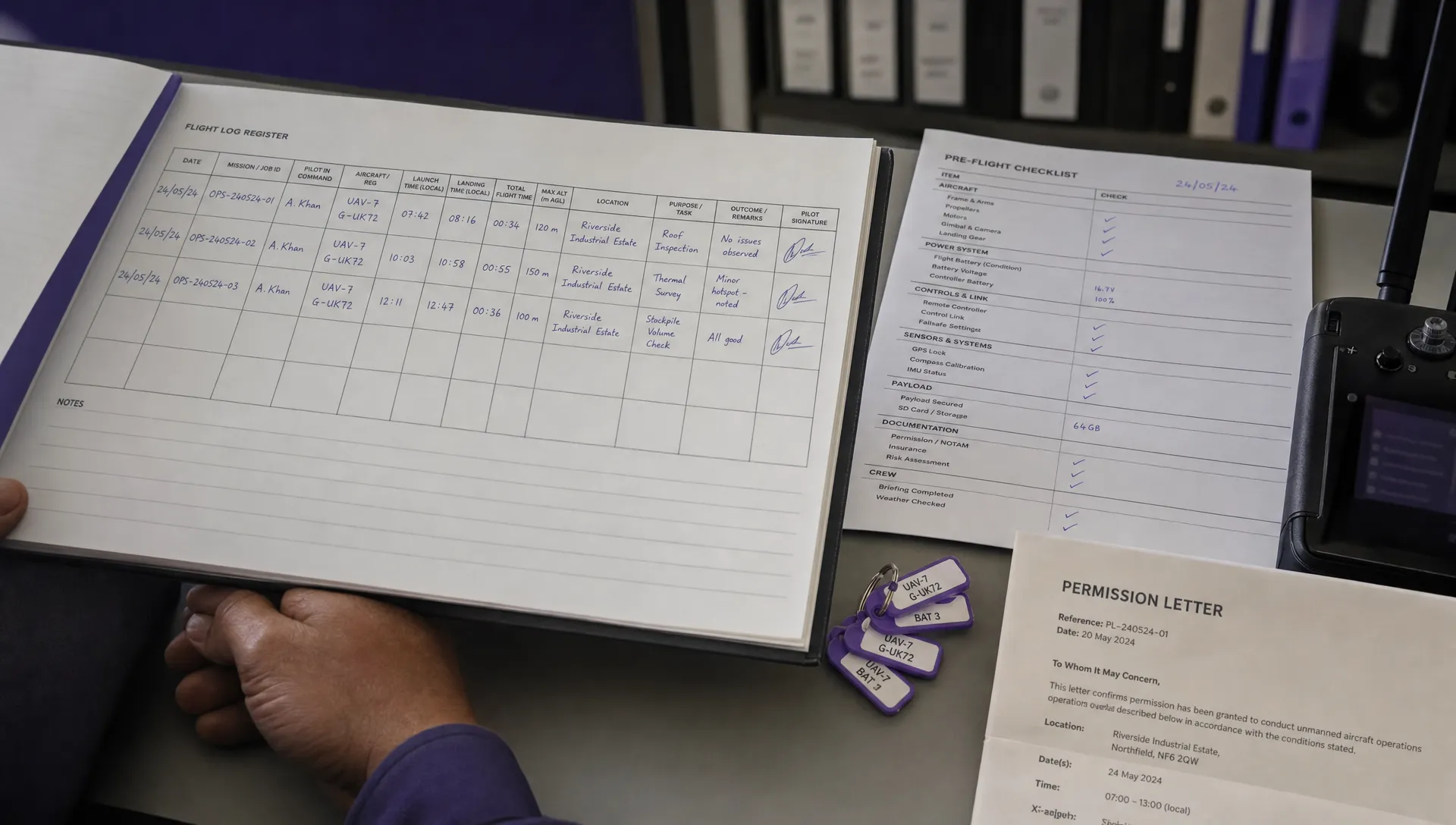 How to Build a Drone Pilot Flight Log That Is Audit Ready →
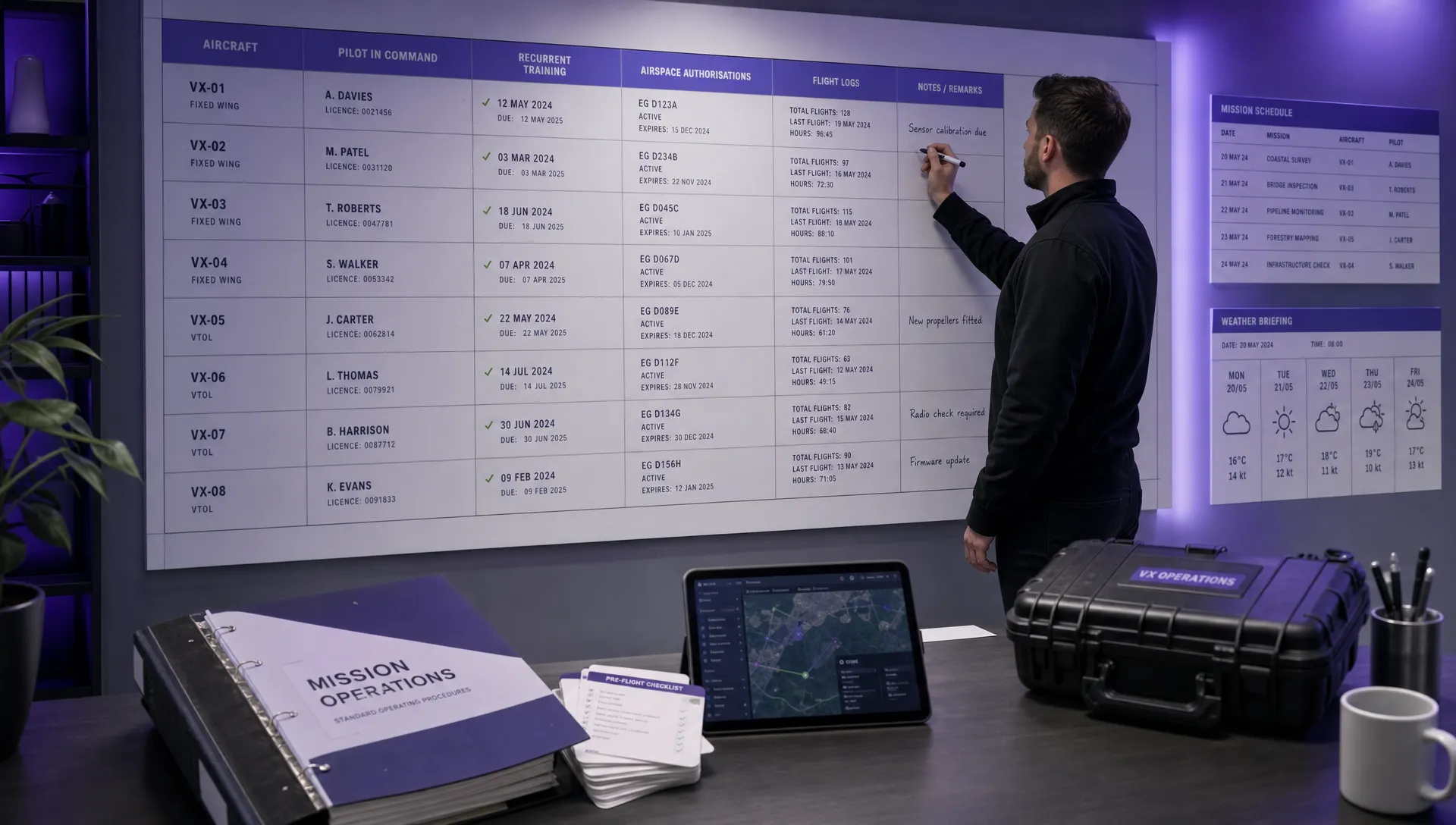 FAA Drone Licence Requirements for Commercial Pilots →
 FAA BVLOS Waivers Granted: What Successful Cases Show →
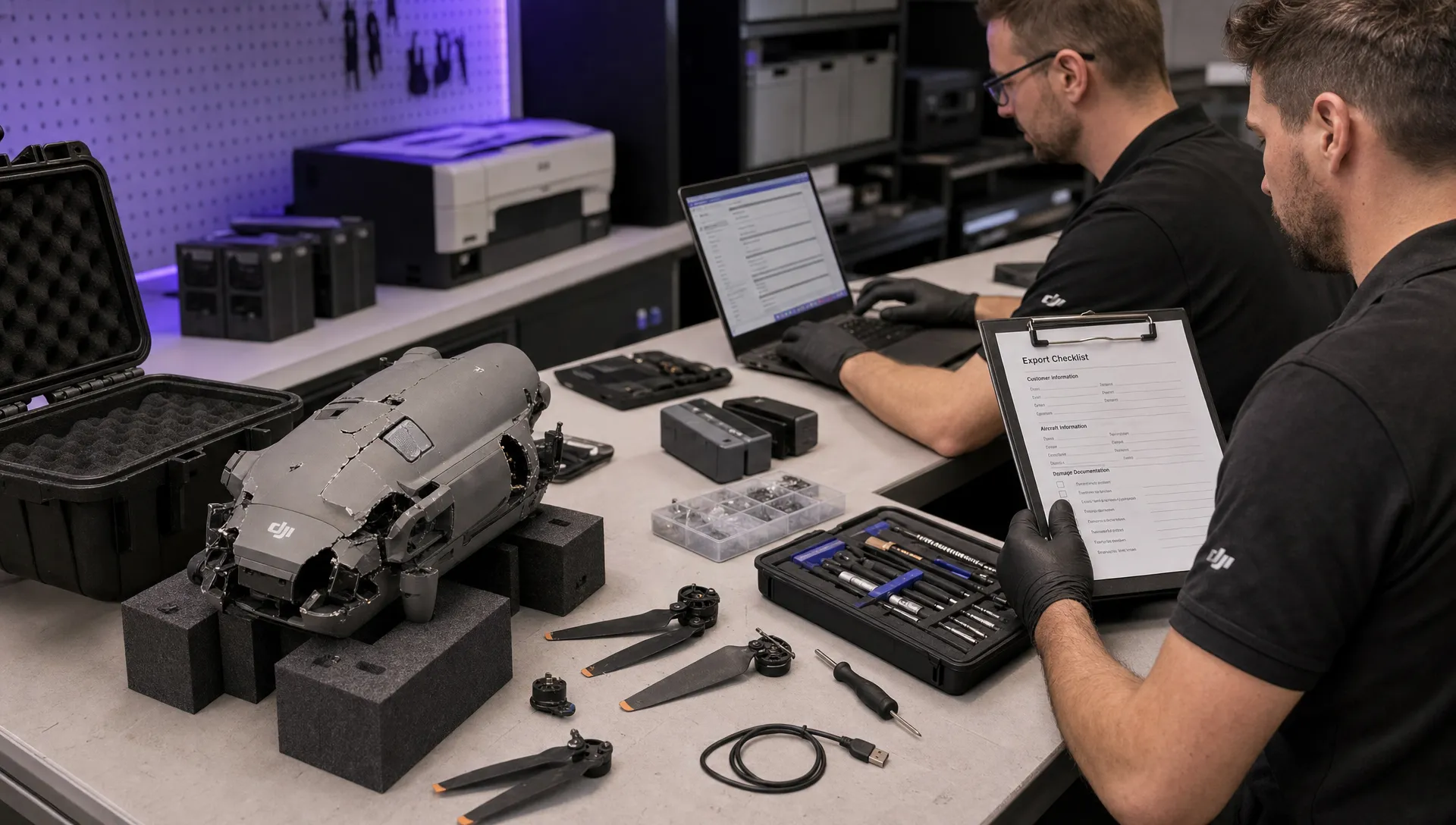 How to Export DJI Flight Logs for Incident Reviews →
 Drone Safety and Legal Duties for Business Operations →
 EASA Drone Regulations: Open, Specific and Certified Categories →