
Commercial Drone Pilot Licence Options Explained
If you have searched for a commercial drone pilot license, the UK answer is more nuanced than a single certificate. The Civil Aviation Authority (CAA) does not issue one universal licence that lets you fly any drone, anywhere, for any paid job.
Instead, your route depends on the risk of the operation: where you fly, how close you are to uninvolved people, what aircraft you use, whether you stay within visual line of sight, and how your organisation controls safety.
For drone operators, survey companies, utilities and emergency services, that distinction matters. A low-risk roof photo shoot, a linear infrastructure inspection, a search and rescue deployment and a heavy-lift agricultural job can all sit in very different regulatory categories.
This guide explains the main UK commercial drone pilot licence options, what each one is for, and how to choose the right route for your operation in 2026.
First, there is no separate UK licence just because the flight is commercial
Under the current UK framework, the word commercial is not the deciding factor. The CAA regulates drone operations primarily by risk category, not by whether you are being paid.
That means a paid job may be possible in the Open category if it meets the Open category rules. Equally, an unpaid flight may need Specific category authorisation if it is higher risk.
The three main categories are explained by the UK CAA drone rules and categories:
| Category | Typical risk level | What it means in practice |
|---|---|---|
| Open | Lower risk | No CAA Operational Authorisation required, but strict limits apply. Flights must stay within the category rules. |
| Specific | Medium risk | Requires an Operational Authorisation or other CAA approval because the operation exceeds Open category limits. |
| Certified | Higher risk | Applies to the most complex or high-risk operations, such as certain passenger, dangerous goods or very high-risk flights. |
For many professional operators, the real choice is between staying within the Open category, getting an A2 Certificate of Competency for more flexible Open category work, or building a Specific category operation using a GVC and Operational Authorisation.
The essentials: Flyer ID, Operator ID and insurance
Before looking at A2 CofC or GVC training, separate the basic legal requirements from pilot competency qualifications.
A Flyer ID is linked to the person flying the drone. An Operator ID is linked to the person or organisation responsible for the drone. In a sole trader business, that may be the same person. In a utility, police unit or survey company, the operator is often the organisation, while individual pilots hold their own competency evidence.
In the UK, you normally need an Operator ID if your drone has a camera, unless it is a toy. A Flyer ID is required for many drones, particularly those weighing 250g or more. The safest starting point is to check the latest CAA Drone and Model Aircraft Code, because the rules can vary by aircraft type and weight.
Commercial and non-recreational operators also need to pay close attention to insurance. In many commercial scenarios, you will need third-party liability cover that meets the relevant aviation insurance requirements. This is not a training certificate, but it is a practical requirement for operating professionally and for winning work with larger clients.
Option 1: Open category flying with basic competency
The Open category is the simplest route for low-risk drone work. You do not apply to the CAA for an Operational Authorisation, provided every part of the operation fits within the Open category rules.
Open category flights must generally remain within visual line of sight, stay below the applicable height limit, avoid restricted airspace unless permission is obtained, and follow the correct separation rules for the drone and subcategory.
This can suit some commercial work, including simple property imagery, low-risk land surveys, progress photography on controlled sites, or basic inspections where you can maintain safe distances from people and property.
However, Open category flying is not a shortcut around professional planning. If you are being paid, clients will still expect evidence that you checked airspace, assessed site hazards, briefed the pilot, managed privacy considerations and logged the flight properly.
For very small drones, Open category operations can be surprisingly capable. But once you need to fly close to uninvolved people, work in complex urban areas, coordinate several pilots, or inspect critical infrastructure, you may quickly move beyond what Open category is designed to support.
Option 2: A2 Certificate of Competency, often called A2 CofC
The A2 Certificate of Competency is a remote pilot qualification for certain Open category operations. It is not a full commercial drone licence and it does not give you permission to ignore Open category limits.
Its value is that it demonstrates additional pilot competency and can allow more flexibility in the A2 subcategory when using eligible aircraft and following the required operating conditions.
A2 CofC is often a good fit for operators who want to carry out lower-risk commercial work but need more confidence and credibility than the basic online test provides. For example, it may suit photographers, estate marketing pilots, small inspection providers and early-stage survey businesses that can plan work around Open category limits.
The important limitation is that A2 CofC does not authorise Specific category operations. If the job requires flying outside the Open category, the A2 CofC alone is not enough.
| A2 CofC is useful when | A2 CofC is not enough when |
|---|---|
| You can remain within Open category rules | The operation exceeds Open category limits |
| You need a recognised competency certificate for lower-risk work | You need an Operational Authorisation |
| You fly eligible aircraft in suitable environments | You require BVLOS, complex urban work or unusual risk controls |
| You want a practical stepping stone before GVC | The client requires an operator-level CAA authorisation |
If you are deciding between A2 CofC and GVC, ask one question first: can your intended jobs consistently remain inside the Open category? If yes, A2 CofC may be enough. If not, look at the Specific category.
Option 3: GVC plus Operational Authorisation
The General Visual Line of Sight Certificate, known as the GVC, is the route many UK professional drone operators associate with commercial work.
Strictly speaking, the GVC is not itself permission to fly. It is a pilot competency qualification commonly used as part of an application for a CAA Operational Authorisation in the Specific category.
An Operational Authorisation belongs to the UAS operator, not just the individual pilot. It sets out what the operator is approved to do, under what conditions, with what procedures and risk controls.
This is the route to consider if your commercial operation cannot reliably stay inside the Open category. It is common for established operators, inspection teams, public safety units and larger organisations because it creates a formal operating framework.
A GVC and Operational Authorisation route usually involves:
- Pilot theory training and assessment through a recognised provider.
- A practical flight assessment.
- An operations manual that explains how your organisation manages drone safety.
- Risk assessment processes, maintenance records and pilot competency records.
- A CAA application for the relevant Operational Authorisation.
The CAA may assess applications using standard scenarios or pre-defined risk assessments where available, or require a more detailed safety case for unusual operations.
For many commercial teams, this is where the work becomes operational rather than just personal. You are no longer proving only that a pilot can fly. You are proving that the organisation can manage repeated drone operations safely, consistently and audibly.
Option 4: Specific category operations beyond standard permissions
Some operations go beyond standard Specific category use cases. Examples can include complex industrial sites, difficult urban environments, flights involving higher-risk aircraft, operations close to sensitive infrastructure, or beyond visual line of sight activity.
BVLOS is especially important for utilities, rail, highways, environmental monitoring and emergency services. The business case can be strong, but the regulatory burden is higher because the pilot cannot rely on direct visual observation in the same way.
These operations usually require a more detailed operational safety case. You may need stronger detect and avoid arrangements, communications procedures, airspace coordination, crew training, contingency planning and documented safety assurance.
If your organisation is heading this way, think less in terms of a pilot licence and more in terms of an aviation-grade operating system. The regulator will want to understand how the whole operation is controlled, not just whether the remote pilot has attended a course.
This is also where internal project governance matters. Drone operations may be one part of a wider inspection, maintenance or emergency response programme. Some teams use a specialist drone operations platform for aviation compliance, while coordinating wider work packages in tools such as Kanbanchi for Google Workspace project management when they need visual boards, timelines and task tracking alongside their existing Google environment.
Option 5: Certified category operations
The Certified category is for the highest-risk drone operations. Most conventional commercial drone service providers will not start here.
It may apply where the risk profile becomes closer to crewed aviation, such as certain operations involving carriage of people, dangerous goods or flights that present a very high risk to people on the ground.
Certified category requirements can include aircraft certification, operator certification and remote pilot licensing arrangements that are more formal than those used in Open or Specific category work.
For most survey, media, construction, utility and emergency services drone programmes, the practical pathway is usually Open category for low-risk work and Specific category for more capable operations. Certified category becomes relevant only when the concept of operations demands it.
What happened to PfCO?
Many UK operators still use the term PfCO, short for Permission for Commercial Operations. It was the old UK framework for commercial drone work.
PfCO is no longer the current route for new applications. It has effectively been replaced by the current category-based system, especially Operational Authorisation in the Specific category.
If a client asks whether you have a PfCO, they may simply be using old terminology. In practice, they usually want evidence that you are properly authorised, insured, competent and operating under documented procedures.
A clear response is to explain your current CAA status, such as your Open category basis for lower-risk work or your Operational Authorisation for Specific category work.
Which route fits common commercial drone jobs?
The right licence or authorisation route depends on the operation, not the job title. The table below gives a practical starting point, but every flight still needs its own assessment.
| Commercial use case | Likely route to consider | Key considerations |
|---|---|---|
| Estate photography with a sub-250g camera drone | Open category | Operator ID, airspace checks, privacy, client permission and safe separation. |
| Construction progress imagery on a controlled site | Open or Specific | Site control, uninvolved people, aircraft weight and proximity to buildings. |
| Roof or façade inspections in a town centre | Often Specific | Close proximity to people and property may exceed Open category limits. |
| Topographic survey of rural land | Open or Specific | Depends on aircraft, people nearby, airspace and survey pattern. |
| Utility corridor inspection | Often Specific | Linear infrastructure, access control, airspace complexity and possible BVLOS ambitions. |
| Emergency services deployment | Often Specific | Rapid tasking, public proximity, command structure, evidence and audit trail. |
| Agricultural spraying or heavy-lift work | Specific or higher | Aircraft mass, payload, dropping or dispensing, environmental controls and additional permissions. |
For professional operators, the question is rarely, what certificate can I get fastest? A better question is, what authorisation model supports the work I want to sell safely and repeatedly?
How to choose the right route
Start by defining your concept of operations. That means describing the jobs you actually intend to carry out, the aircraft you will use, the places you will fly, the people who may be affected, and the procedures you will follow when something changes.
Then test that concept against the Open category. If you can complete the work legally and safely within Open category limits, you may not need an Operational Authorisation. If you need extra flexibility, A2 CofC may be the right competency upgrade.
If your work repeatedly pushes beyond Open category limits, plan for the Specific category. That usually means GVC training, an operations manual, formal risk assessments, maintenance processes, pilot records and a CAA application.
Larger organisations should also think about scalability. A single pilot can sometimes keep records manually for a small number of flights. A team managing multiple aircraft, pilots, clients, sites and repeat inspections needs stronger administration. That is not just a productivity issue. It is how you prove that your procedures are being followed.
The paperwork matters as much as the certificate
A commercial drone pilot licence option gets you only part of the way. The quality of your operational records is what clients, auditors and regulators will look for when they want evidence of control.
For a professional drone operation, your records should normally show:
- Who planned, authorised and flew the mission.
- Which aircraft and batteries were used.
- What airspace, weather and site hazards were reviewed.
- Which risk assessment and checklist applied.
- What permissions or notifications were required.
- What happened during the flight and whether any issues occurred.
This is where a dedicated drone operations platform can help. Dronedesk’s features bring together client management, fleet management, team management, airspace intelligence, proximity intelligence, flight planning, flight logging, reporting, configurable checklists and risk assessments in one web platform.
For operators moving from ad hoc jobs to repeatable commercial work, that centralised approach helps keep the operational evidence in one place. It does not replace CAA approval, training or professional judgement, but it can make the admin side of safe, compliant operations far easier to manage.
Common mistakes when choosing a commercial drone pilot route
One common mistake is assuming that paid work always requires a GVC. It does not. Some paid work can be carried out in the Open category if every rule is met.
The opposite mistake is assuming that a small drone automatically makes every job low risk. A lightweight aircraft can reduce risk, but location, people, airspace, privacy and emergency procedures still matter.
Another mistake is treating A2 CofC as a substitute for Operational Authorisation. It is not. A2 CofC is an Open category competency certificate, while Operational Authorisation is an operator-level permission for Specific category work.
Finally, many growing teams focus on getting the certificate but underinvest in record keeping. That may work for occasional jobs, but it becomes fragile when you add more pilots, more aircraft, more sites and more demanding clients.
Frequently Asked Questions
Do I need a commercial drone pilot licence in the UK? Not in the old sense of one universal commercial licence. UK drone rules are based mainly on operational risk. You may be able to fly paid jobs in the Open category, or you may need Specific category Operational Authorisation for higher-risk work.
Is the A2 CofC enough for commercial drone work? It can be enough for some commercial work if the flight remains within Open category rules and the aircraft and operating environment are suitable. It is not enough for operations that require Specific category authorisation.
Is a GVC the same as an Operational Authorisation? No. The GVC is a remote pilot competency qualification. An Operational Authorisation is issued to the UAS operator by the CAA and sets out what operations are permitted and under what conditions.
Can I still use the term PfCO with clients? You can explain it if clients use the old term, but PfCO is no longer the current application route. It is better to describe your current CAA status accurately, such as Open category operations or Specific category Operational Authorisation.
Do emergency services need the same drone qualifications? Emergency services still need to operate within the UK regulatory framework, although their procedures, permissions and operational requirements may differ from commercial service providers. They should maintain clear pilot competency, authorisation, planning and flight records.
What is the best route for a new drone business? If your planned work is low risk, start by understanding the Open category and consider A2 CofC if it gives you the flexibility you need. If your business model depends on more complex sites, closer proximity to people or repeat industrial work, plan for GVC and Operational Authorisation.
Build your operation around the work you want to win
The best commercial drone pilot licence option is the one that matches your real operating model. For occasional low-risk work, Open category flying with the right registration, insurance and planning may be sufficient. For serious inspection, survey, utility or emergency services operations, Specific category authorisation and robust operational management are often the more scalable route.
Whichever path you choose, do not treat the certificate as the finish line. Safe commercial drone work depends on planning, risk assessment, checklists, maintenance, crew competency and accurate flight records.
If you are building or scaling a professional drone operation, Dronedesk can help you manage the operational admin behind every flight, from planning and risk assessments to fleet, team and flight logging workflows. Explore the platform at Dronedesk.
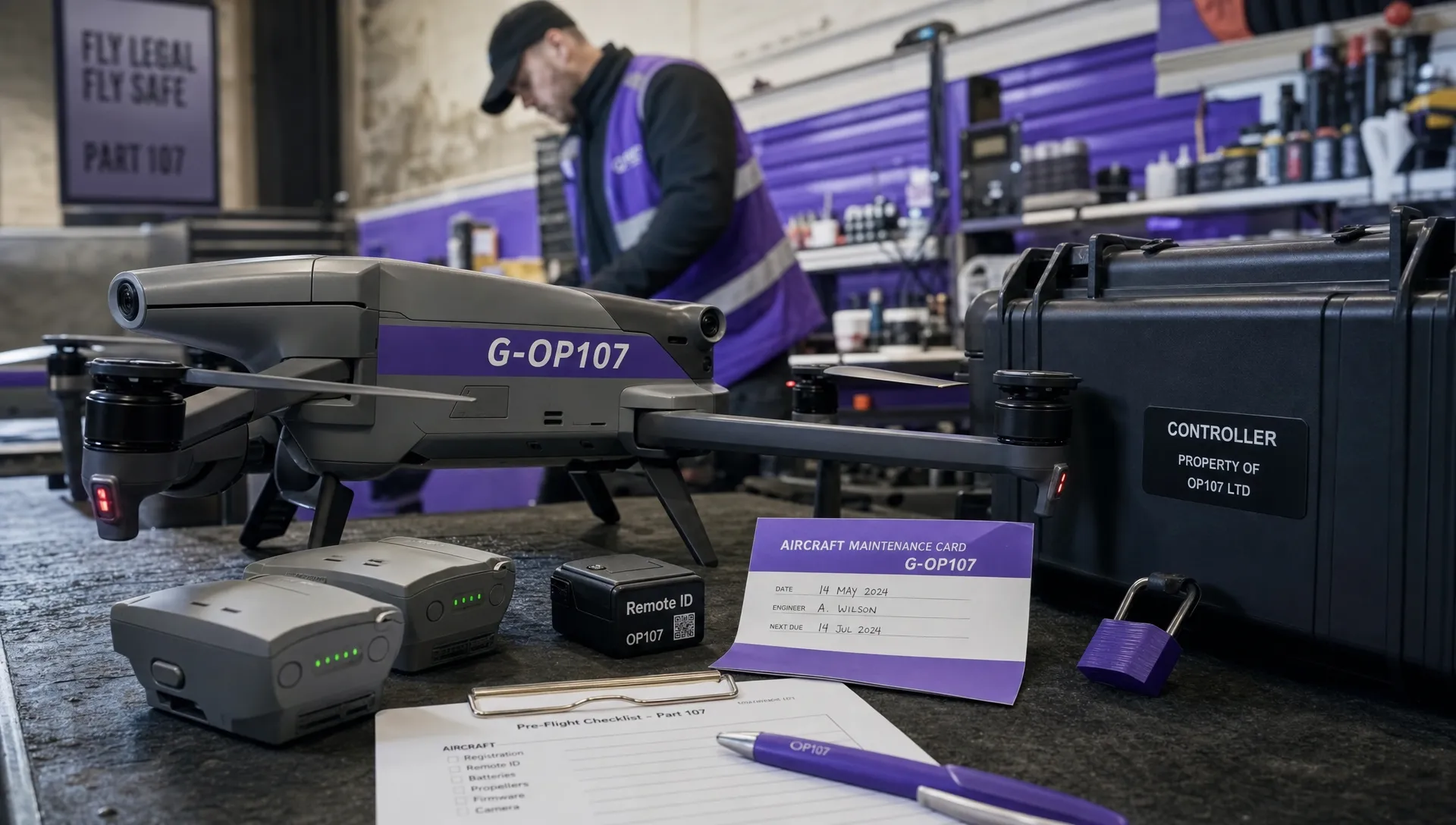 FAA Small UAS Rule: Key Requirements for Operators →
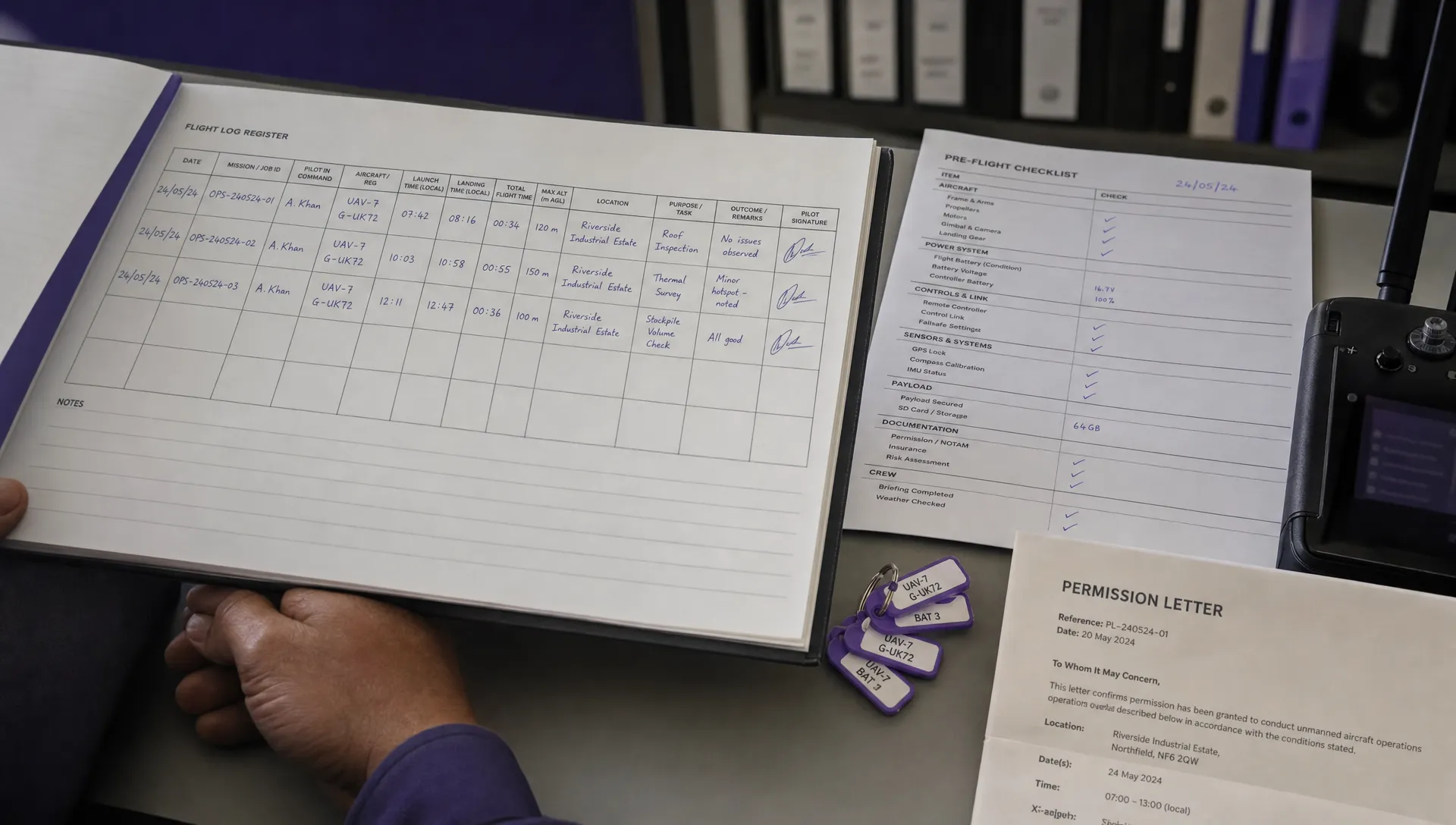 How to Build a Drone Pilot Flight Log That Is Audit Ready →
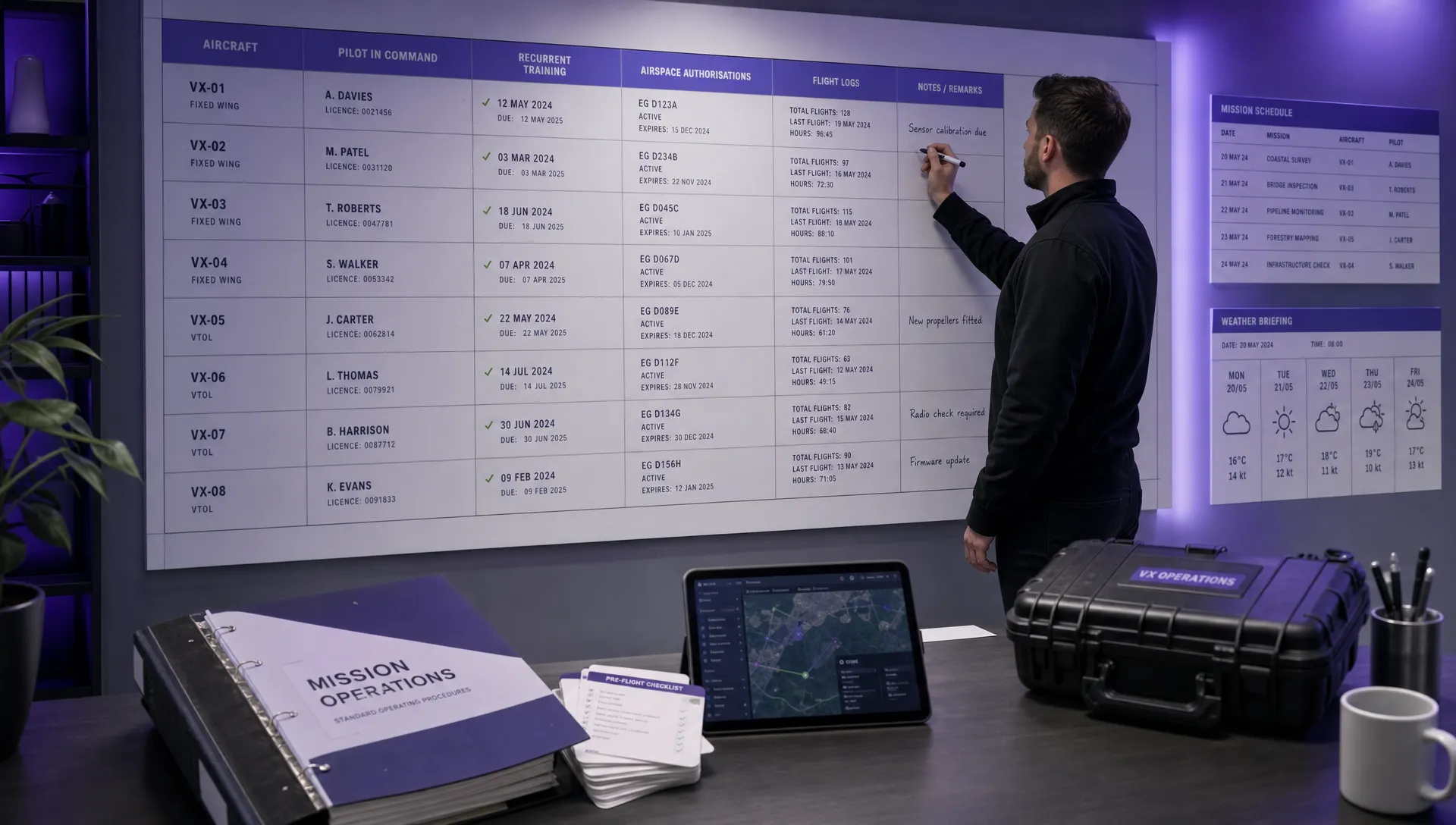 FAA Drone Licence Requirements for Commercial Pilots →
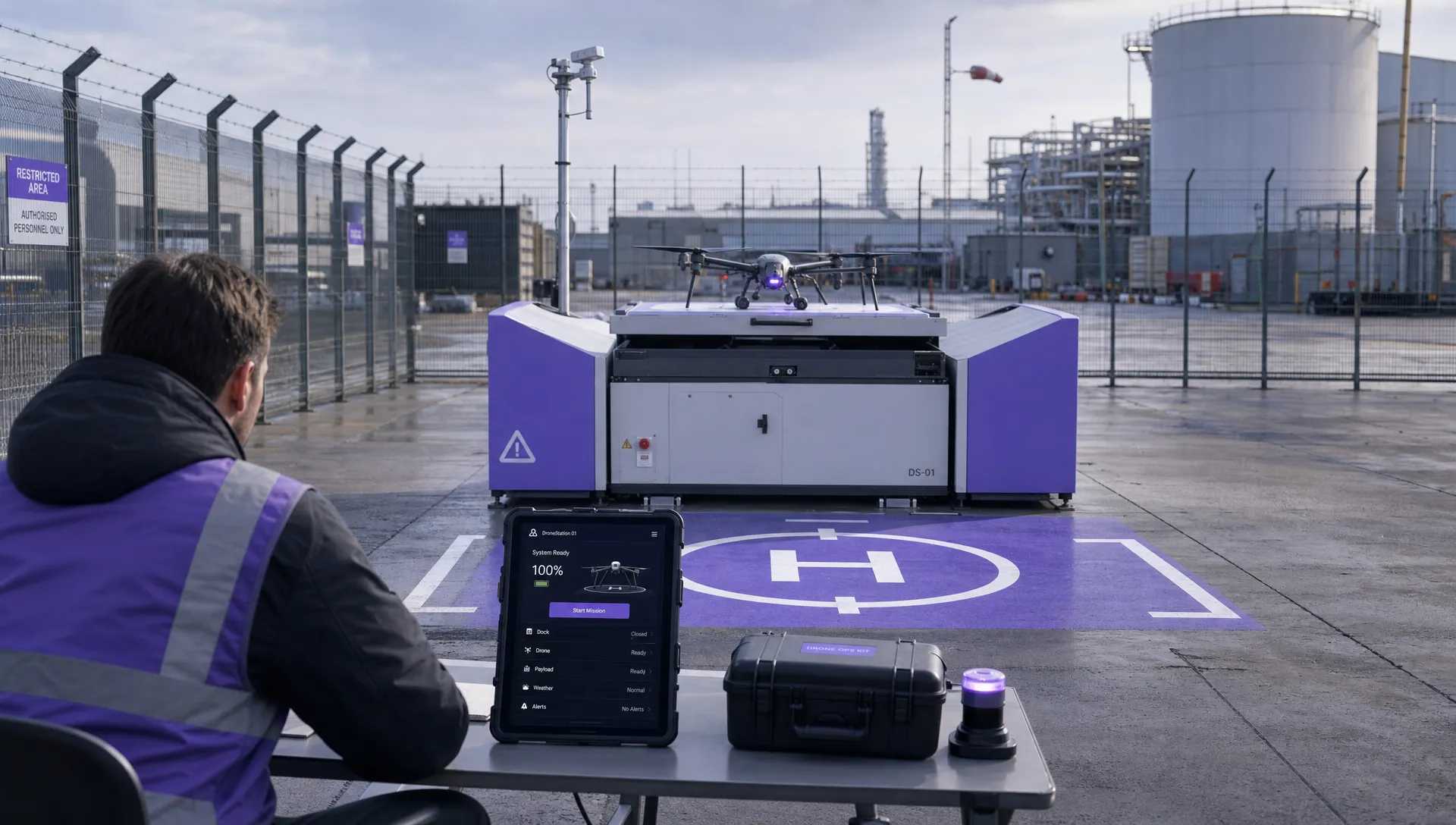 FAA BVLOS Waivers Granted: What Successful Cases Show →
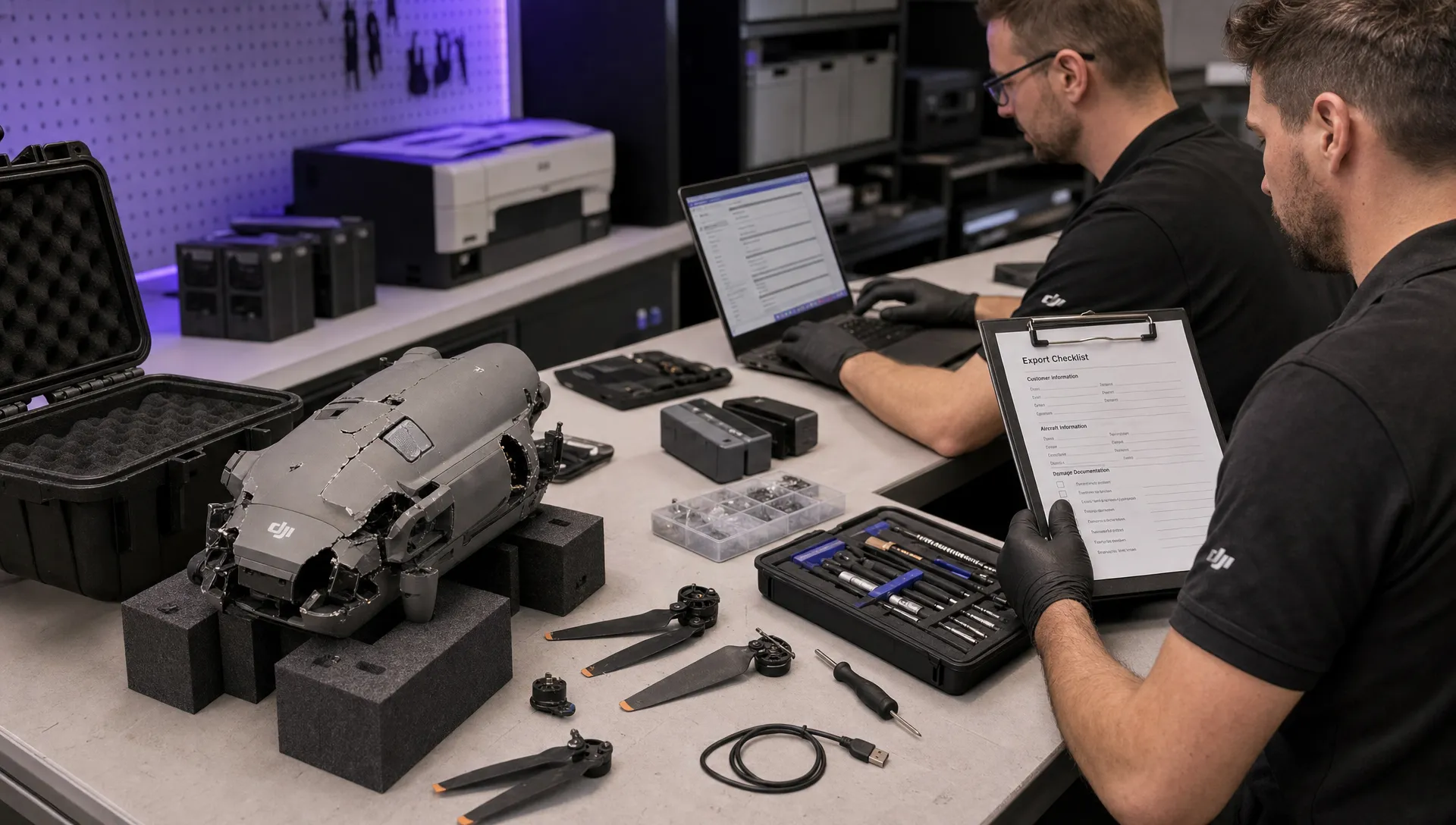 How to Export DJI Flight Logs for Incident Reviews →
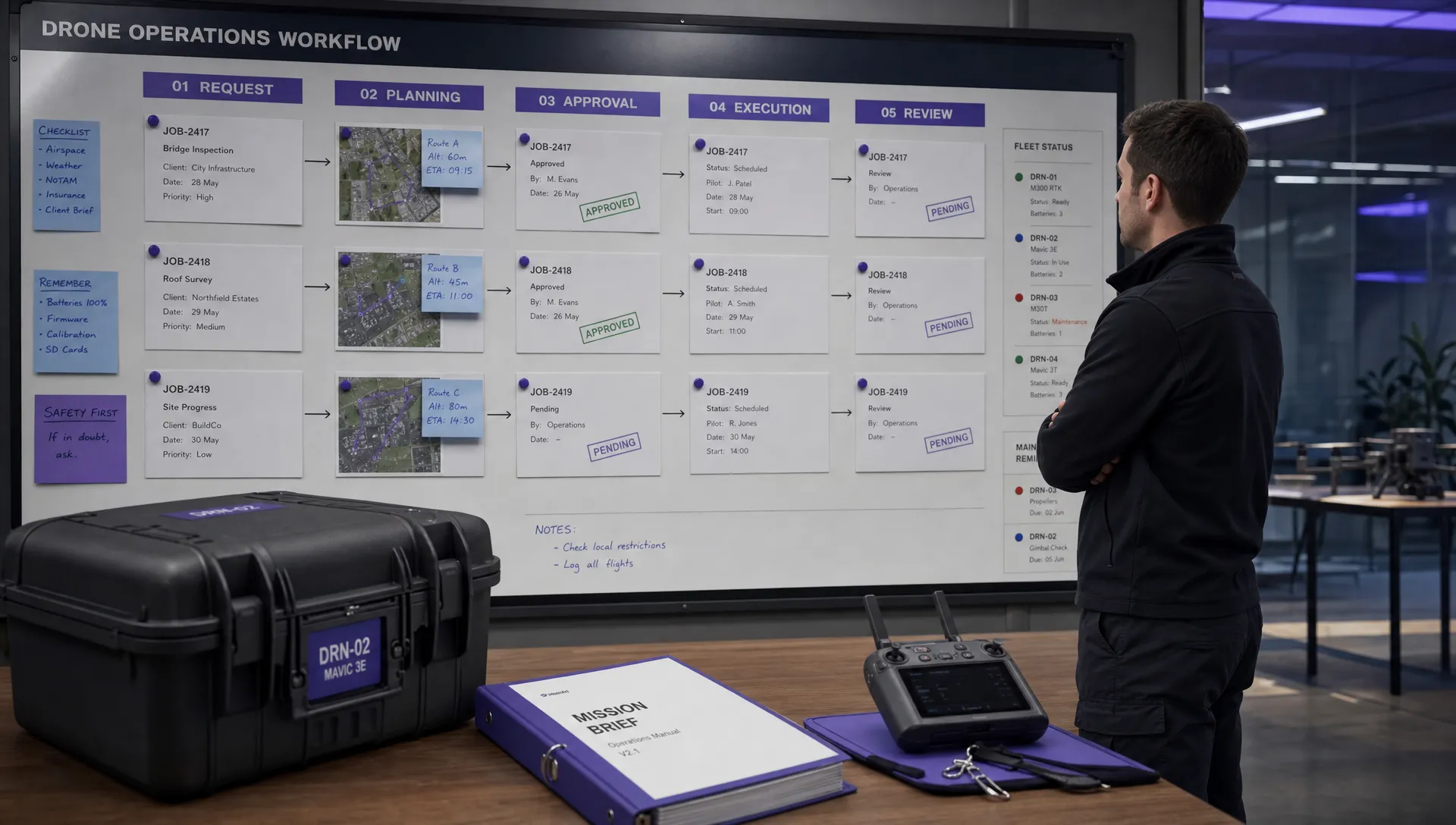 Drone Safety and Legal Duties for Business Operations →
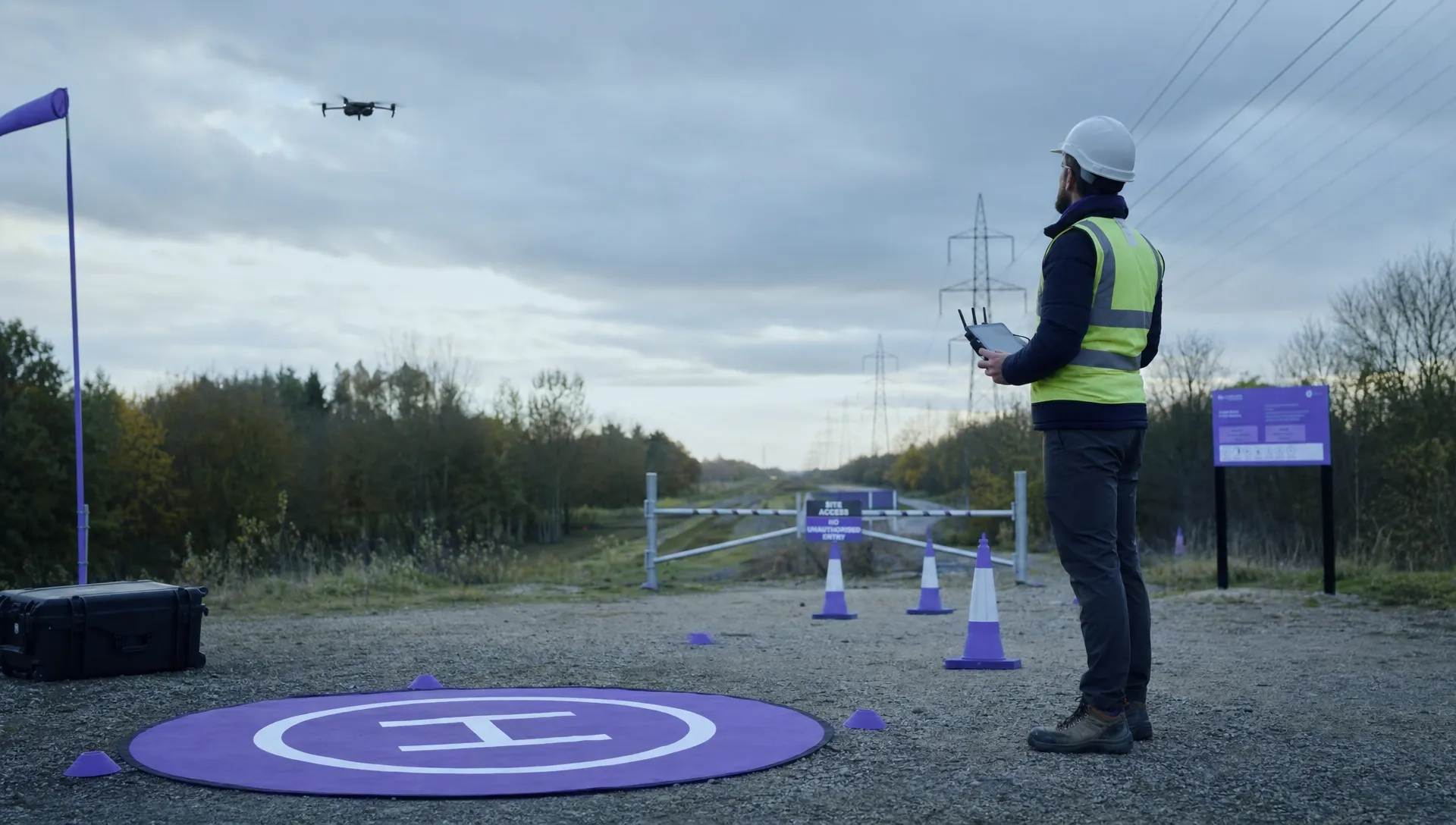 EASA Drone Regulations: Open, Specific and Certified Categories →
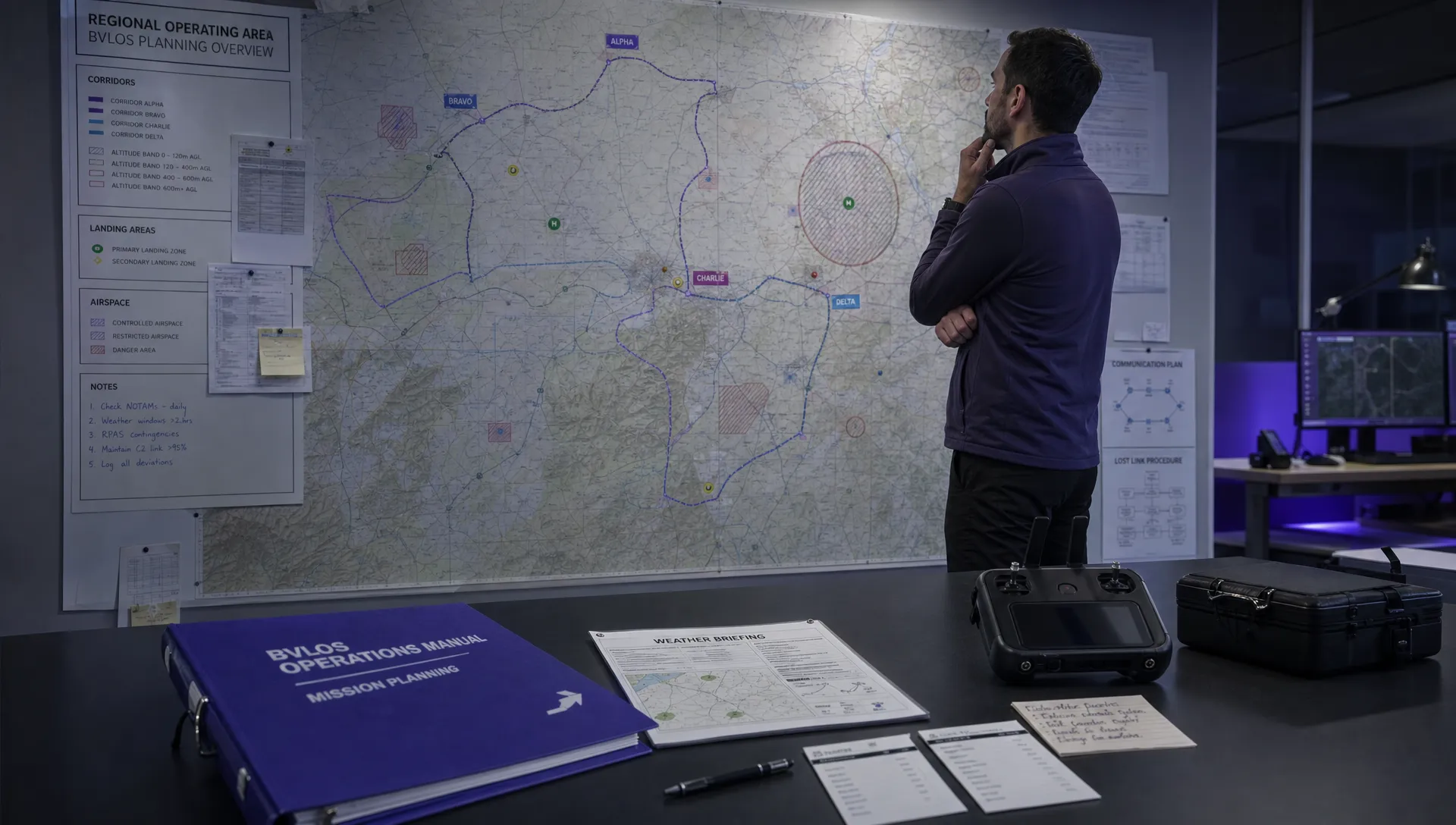 What the BVLOS ARC Report Means for UAS Operators →
 Free Drone Pre-Flight Checklist for Commercial Missions →
 Contingency Volume and Flight Risk Buffer Explained →