
How SaaS Platforms Like Dronedesk Are Simplifying Drone Compliance in 2025
So, how exactly do SaaS platforms like Dronedesk make drone compliance easier in 2025? Think of them as your digital co-pilot. They take the tangled mess of risk assessments, airspace checks, flight logs, and regulatory reports and pull it all into a single, straightforward dashboard. What was once a major operational headache becomes a simple, repeatable process.
Your Digital Co-Pilot For Drone Compliance
Let’s be honest. For many professional drone operators, the job can feel less like flying and more like filing endless paperwork. The old-school manual approach to compliance is a minefield of potential mistakes, from forgotten checklists to overlooked airspace restrictions. Every single mission comes with a mountain of admin that can ground even the most experienced pilots before they even take off.
This is exactly where dedicated SaaS platforms come into the picture, acting as a central brain for your entire operation. It’s more than just another bit of software; it's a complete system built to take the administrative weight off your shoulders. This frees you up to focus on what you actually do best—capturing incredible visuals, gathering critical data, or completing a complex inspection—not wrestling with paperwork.
From Manual Chaos To Automated Confidence
At its heart, a platform like Dronedesk is designed to turn regulatory complexity into simple, automated workflows. Instead of juggling spreadsheets, half a dozen websites for weather and airspace, and paper logbooks, everything you need is integrated in one place. This shift is absolutely crucial for making sure every flight is safe, legal, and efficient right from the planning stage.
The real value here is in creating a solid system of record. Every flight plan, risk assessment, and maintenance update is automatically documented. This builds a perfect audit trail that proves your commitment to safety and professionalism to clients and regulators alike.
This is becoming more and more important as regulations evolve. For example, as agencies like the FAA continue to expand allowances for Beyond Visual Line of Sight (BVLOS) flights in 2025, the demand for smart compliance tools is only going to grow. These advanced operations require meticulous management to meet tough safety standards—a task made infinitely easier with automated systems. You can read more about how the drone industry is adapting over on Flying Magazine.
To really see the difference, let’s break down the key tasks that these platforms handle. The table below shows a clear before-and-after picture, contrasting the cumbersome manual methods with the efficiency of a SaaS solution.
How SaaS Platforms Streamline Drone Compliance
| Compliance Task | Traditional Manual Process | Simplified SaaS Approach |
|---|---|---|
| Airspace Checks | Manually checking multiple aviation charts and websites (e.g., FAA, local authorities). | Integrated, real-time airspace maps with automated alerts for restrictions and NOTAMs. |
| Risk Assessments | Filling out generic templates or spreadsheets for each mission; prone to being overlooked or incomplete. | Dynamic, location-aware risk assessment templates that pre-populate known hazards. |
| Flight Logging | Manually recording flight times, locations, and incidents in a paper or digital logbook. | Automated logging of flight data directly from the drone or controller app. |
| Maintenance Tracking | Using calendars or spreadsheets to track service intervals and component usage. | Centralized asset management with automated reminders for scheduled maintenance. |
| Team Management | Juggling emails and texts to track pilot certifications and currency. | A team dashboard showing pilot qualifications, expiry dates, and flight histories at a glance. |
| Regulatory Reporting | Compiling data from various sources to create reports for aviation authorities or clients. | One-click generation of comprehensive compliance reports and audit-ready documentation. |
As you can see, the SaaS approach doesn't just save time—it builds a robust, reliable system that minimizes human error and boosts operational safety.
Visualizing The SaaS Advantage
The infographic below really drives home the divide between outdated manual methods and the slick efficiency of a modern SaaS platform.

With high adoption rates and significant time savings, it's clear the industry is making a decisive shift toward these powerful tools. A well-designed platform dashboard gives you an at-a-glance overview of your entire operation, so you always know what’s going on.
The Dronedesk interface, for example, shows how critical information can be organized for quick, intuitive access.
This clean layout helps pilots and managers instantly see job statuses, upcoming flights, and any compliance alerts, turning what used to be a flood of complex data into clear, actionable insights.
Automating Your Pre-Flight and In-Field Workflow

Let’s be honest, solid drone compliance is all about the prep work you do before the props even start spinning. Instead of wasting hours flipping between different websites, paper forms, and spreadsheets, a dedicated SaaS platform like Dronedesk brings the whole pre-flight and in-field process under one roof. It turns what feels like a regulatory headache into a simple, repeatable checklist.
Imagine you're planning a survey near a tricky, sensitive area. The old-school way would mean checking aviation charts, then jumping over to a NOTAM (Notice to Air Missions) database, then checking multiple weather forecasts, and finally cross-referencing ground hazard maps. With a proper software solution, it’s all integrated. The platform layers this information onto a single map, instantly flagging potential conflicts.
This integration is exactly how SaaS platforms are making drone compliance manageable in 2025. It's not just about saving a bit of time; it's about slashing the risk of human error that can lead to expensive fines or, far worse, a safety incident.
Instant Risk Assessments and Documentation
One of the biggest time-sinks in pre-flight planning is creating a Risk Assessment Method Statement (RAMS). This document is absolutely vital for proving you’ve thought through all the potential hazards and have a plan to deal with them.
A platform like Dronedesk can automatically generate a location-aware RAMS document based on your flight plan. It pulls in known ground and air hazards for you, giving you a solid starting point that you can then tweak for the specific mission.
This automated approach transforms a complex, multi-hour chore into something you can knock out in minutes. In fact, users report saving an average of 51 minutes of planning time per job after switching to Dronedesk. That's a huge efficiency gain.
This means you can go from confirming a job to being flight-ready faster than ever, all while producing a much stronger, more professional set of documents for your clients and your own records.
Managing Your Team and Equipment
Compliance isn't just about the flight itself. It extends to your pilots and your gear. A drone grounded because of an expired pilot certificate or overdue maintenance is a lost opportunity, plain and simple.
SaaS platforms give you a central dashboard to keep an eye on your entire operation.
- Pilot Certifications: Keep track of pilot licenses and qualifications, with automatic alerts for upcoming expiry dates. This ensures you always have a qualified pilot assigned to the right job.
- Drone Maintenance Schedules: Every flight is logged, automatically tracking component usage and sending you reminders for scheduled maintenance or firmware updates. This helps prevent equipment failure and keeps your service history pristine.
- Flight Logs and Audit Trails: Every single action—from the initial plan to the post-flight review—is logged automatically. In 2024 alone, Dronedesk users logged over 500,000 flight minutes, creating a massive, verifiable library of compliance data.
This kind of comprehensive oversight helps you spot and fix compliance gaps before they become real problems. Instead of just reacting to issues, you can proactively manage your team and fleet, making sure everyone and everything is ready for safe deployment at a moment's notice. The system acts as a digital safety net, making sure no crucial detail ever gets missed.
Securing Your Flight Data and Client Privacy

With every single flight generating gigabytes of sensitive imagery and operational logs, robust security has moved from a "nice-to-have" to a non-negotiable. It's the absolute bedrock of a professional drone business in 2025.
Let's be honest, how a SaaS platform like Dronedesk handles your data is just as critical as how it simplifies your compliance paperwork. Protecting your flight plans, client details, and captured footage is fundamental to building a business people can trust.
Think of your operations platform as a digital safe. You wouldn’t keep valuables in a flimsy box, and the same logic applies to your business data. The best platforms are built with security woven into their DNA, using multiple layers of protection to guard your information. This is what gives your clients peace of mind when they hire you for a sensitive inspection or a private event. They aren't just trusting you with the flight; they're trusting you with the data it creates.
Building a Digital Fortress Around Your Data
So, what does this "digital fortress" actually look like in practice? It's a combination of foundational security practices and a commitment to internationally recognized standards. A professional drone management platform will give you a multi-layered defense.
Here are the key security measures you should expect:
- End-to-End Encryption: This essentially scrambles your data as it travels between your device and the platform's servers. It makes the information completely unreadable to anyone trying to intercept it.
- Secure Cloud Infrastructure: Top-tier platforms partner with major cloud providers (think Amazon Web Services, Google Cloud) known for their world-class physical and digital security. Your data isn't just sitting on some server in a back room; it's in a highly protected environment.
- Access Controls: This is about giving you granular control. You decide exactly who on your team can view or edit specific jobs, client information, or flight logs. Not everyone needs to see everything.
This layered approach is designed to keep your data confidential and secure from the moment a mission is planned to the final report delivery. For any serious operator, this is simply non-negotiable.
This intense focus on security is a direct response to the industry's explosive growth. As the market expands, so does the sheer volume of valuable—and vulnerable—data. A platform that puts security first is essential for building a sustainable, professional operation.
The Importance of Proven Security Standards
To back up their security claims, many top-tier platforms go through the wringer of independent security certifications. Adhering to standards like ISO 27001 or renewing certifications like Cyber Essentials, as Dronedesk does, isn't just about ticking a box. It's a public declaration that the platform has passed rigorous, independent audits of its security practices.
This need for better data protection is fueled by staggering market growth. After being valued at over $73 billion in 2024, the global drone market is projected to soar past $163 billion by 2030. This rapid expansion is precisely why operators need advanced, secure tools to manage an ever-increasing amount of sensitive flight data. You can review the latest drone market analysis to get a better handle on these industry trends and what they mean for data security.
Ultimately, choosing a platform with proven security credentials is a powerful statement of professionalism. It shows your clients you take their privacy seriously, and it protects your own business from the massive financial and reputational fallout of a data breach.
Choosing the Right Compliance Platform for Your Operations
Picking the right drone compliance software isn't a one-size-fits-all kind of deal. The best platform for you hinges entirely on the unique scale, complexity, and specific needs of your drone business. Getting this choice right is a serious investment in your company's efficiency, safety, and future growth.
Think of it like choosing a vehicle. A solo landscape photographer doesn’t need a fleet of articulated lorries, and a major logistics firm can't run its entire operation from the back of a hatchback. Your software should be a perfect match for your operational reality, giving you the tools you need without drowning you in features you'll never touch.
Define Your Core Requirements
Before you even start looking at fancy dashboards and feature lists, you need to get crystal clear on your non-negotiables. It all starts with asking a few basic questions about your business. This quick self-assessment will be your compass, pointing you toward a solution that genuinely clicks with your workflow.
Start by thinking about these key areas:
- Scalability: Can the platform grow with you? A system that’s great for a solo pilot needs a clear path to support a team of ten, a hundred, or more, without forcing you to rip everything up and start again.
- Regulatory Support: Does it have your back where you fly? Make sure the platform provides current compliance info for your country's authority, whether that's the CAA in the UK, the FAA in the US, or EASA in Europe.
- Integration Capabilities: How well does it play with others? The ability to connect with your accounting software, CRM, or even specialised flight planning apps like Dronelink can save you countless hours of mind-numbing admin.
And as you're weighing up options, it's a good idea to incorporate software license management best practices for 2025 to make sure you're getting real value from your subscription.
All-in-One Platforms vs. Specialized Apps
The drone software world basically breaks down into two camps: comprehensive, all-in-one platforms and specialised, single-purpose tools. Each has its pros and cons, and the right choice really depends on whether you prioritise integrated power or laser-focused functionality.
An all-in-one platform like Dronedesk is designed to be the central nervous system for your whole business, handling everything from the first client call to the final invoice. On the flip side, a specialised app might only do one thing—like airspace intelligence or pilot logbooks—but do it incredibly well.
Here's the catch: while specialised apps can be great at what they do, they often create "data silos." Your flight logs are in one app, your risk assessments are in another, and your client records live somewhere else entirely. This forces you to constantly jump between tools and manually piece everything together.
To get a better sense of the trade-offs, let's compare the two approaches. The table below highlights what you gain and lose with each, helping you decide what’s most important for your day-to-day operations. If you want to get really granular, you can also check out a direct feature-by-feature breakdown, like this comparison between Dronedesk and other platforms.
Feature Comparison of Drone Management Software
This table breaks down the key differences between all-in-one platforms and using multiple specialized tools, helping you see which model best aligns with your operational needs.
| Feature | All-in-One Platforms (e.g., Dronedesk) | Specialized Tools (e.g., Airspace-Only App) |
|---|---|---|
| Workflow | A unified, end-to-end process from job planning to invoicing in one system. | Requires juggling multiple apps, which can be inefficient and lead to errors. |
| Data | Centralized data provides a complete operational overview and powerful reporting. | Data is fragmented across different systems, making holistic analysis difficult. |
| Simplicity | One interface to learn and manage for the entire team. | The team must learn, manage, and pay for several different software subscriptions. |
| Cost | Often more cost-effective with a single, predictable subscription fee. | Costs can quickly add up as you subscribe to multiple specialized services. |
Ultimately, choosing an all-in-one system often brings a level of simplicity and cost-effectiveness that’s hard to beat, especially as your operations grow and become more complex.
The Future of Proactive Compliance with AI and 5G

While today’s SaaS platforms have done a great job of automating the rules we have now, the real leap forward is shifting from reactive checklists to truly proactive, predictive compliance. The future of simplifying drone compliance in 2025 and beyond will be built on two powerful technologies working together: Artificial Intelligence (AI) and the widespread rollout of 5G connectivity.
Think of it like this. Current compliance software is like using a very detailed, up-to-the-minute map to plan a long drive. It's fantastic, but you’re still the one interpreting the map and making all the decisions. The next wave of tools will be more like a smart GPS that not only charts the best route but also predicts traffic jams, suggests detours in real-time, and automatically re-routes you before you ever see a brake light.
Predictive Risk Assessment with AI
AI is about to become much more than just a tool for automating simple tasks. Soon, AI engines baked into platforms like Dronedesk will act as genuine predictive partners for drone operators. By crunching massive datasets—historical flight logs, city-wide weather patterns, public event schedules, and more—these systems will start flagging potential hazards before you even think about scheduling a mission.
Imagine an AI that sees your proposed flight path and instantly cross-references it with data from thousands of similar flights. It might spot a pattern of unpredictable high winds in a specific urban canyon in the afternoon or flag an area notorious for GPS signal drop-outs. This completely changes the conversation from, “Is this flight compliant right now?” to “What’s the chance of a compliance issue popping up mid-flight?”
This shift toward predictive analytics is what will unlock more complex operations. By spotting and mitigating risks before they happen, operators can build the rock-solid safety cases needed for advanced missions, paving the way for a future where autonomous drone fleets are a commercial reality.
Seamless Connectivity with 5G and UTM
The other half of this puzzle is connectivity. The ongoing expansion of 5G networks delivers the low-latency, high-bandwidth connection that drones need to talk instantly and reliably with their management platforms and the broader air traffic ecosystem. This isn't just about uploading your footage faster; it's about enabling a live, breathing, interconnected airspace.
This super-fast, stable link is the key to plugging into Unified Traffic Management (UTM) systems. A UTM is basically air traffic control for low-altitude airspace, designed to manage drones, air taxis, and other uncrewed aircraft. With 5G, your drone can constantly broadcast its position and intentions to the UTM, which in turn feeds it real-time traffic warnings and deconfliction commands.
- Real-Time Data Sync: Drones can stream telemetry and sensor data directly to the cloud, giving you a live operational dashboard.
- Dynamic Airspace Awareness: Your platform gets instant alerts from the UTM about other aircraft, pop-up flight restrictions, or developing emergency situations.
- Beyond Visual Line of Sight (BVLOS): This constant, reliable communication is the technical bedrock that makes complex BVLOS operations safely scalable in crowded skies.
As these technologies mature, compliance will become an invisible, proactive layer of your operations. This is where you can explore how AI and automation are changing the game for drone operations in 2025 in more detail. The end goal is a system where your platform doesn't just help you follow the rules—it anticipates and resolves potential conflicts for you, ensuring every flight is as safe and efficient as it can possibly be.
Common Questions About Drone Compliance Software
Switching over to a new software system always kicks up a few practical questions. As you look at how platforms like Dronedesk are making drone compliance easier in 2025, it's totally normal to wonder what that really means for your day-to-day operations.
Let's dig into some of the most common questions we hear from pilots and business owners.
Is This Software Difficult For My Team to Learn?
This is probably the number one concern, and a fair one. But you can relax. Think less like the clunky, old-school enterprise software of the past and more like the intuitive apps you use on your phone every day.
Most modern drone management platforms, Dronedesk included, are built around a clean, simple user experience. Thanks to guided checklists, easy-to-read dashboards, and logical workflows, most pilots and team members are up and running with very little training—often in just a few hours. The whole point is to cut down on your workload, not to give you a new one.
Will a SaaS Platform Work for My Small Operation?
Absolutely. In fact, you could argue these systems are even more essential for a one-person business.
They’re built to be scalable, with flexible pricing and features that provide massive value whether you're a solo pilot or a bigger company.
When you're a small operation, time is your most precious resource. A solid SaaS platform automates the mind-numbing admin tasks that chew up your day. This frees you up to do what actually makes you money: flying missions, finding clients, and growing your business.
How Does the Software Stay Updated with Regulations?
This is easily one of the biggest reasons to use a dedicated compliance platform. The software provider shoulders the burden of tracking regulatory changes from bodies like the FAA, EASA, and CAA.
Updates are pushed out to the platform automatically, making sure your risk assessments, airspace data, and pre-flight checklists are always current. You no longer have to burn hours trying to decipher dense new legislation; the platform does the heavy lifting.
This dynamic approach lets you operate with confidence, knowing your workflows are in line with the latest rules. Worried about how regulations like Remote ID affect your business? These requirements are baked right into the platform. You can find out more about how FAA Remote ID isn't just red tape and can be a real benefit.
Can I Access My Data and Logs While Offline?
Yes, and this is a must-have feature for any kind of field work. The best platforms offer robust offline functionality, built specifically for those missions in remote spots with dodgy or non-existent internet.
You can sync all your mission-critical data before you even head to the site. This lets you run through your pre-flight checks, complete risk assessments, and log all your flight details completely offline. As soon as you're back online, all that new data syncs right back to the cloud. Your records stay complete and your workflow is never broken, no matter where the job takes you.
Ready to see how much time you could save on every flight? Dronedesk brings all your compliance, planning, and management tools into one simple, powerful platform. Start your free trial today and transform your operations.
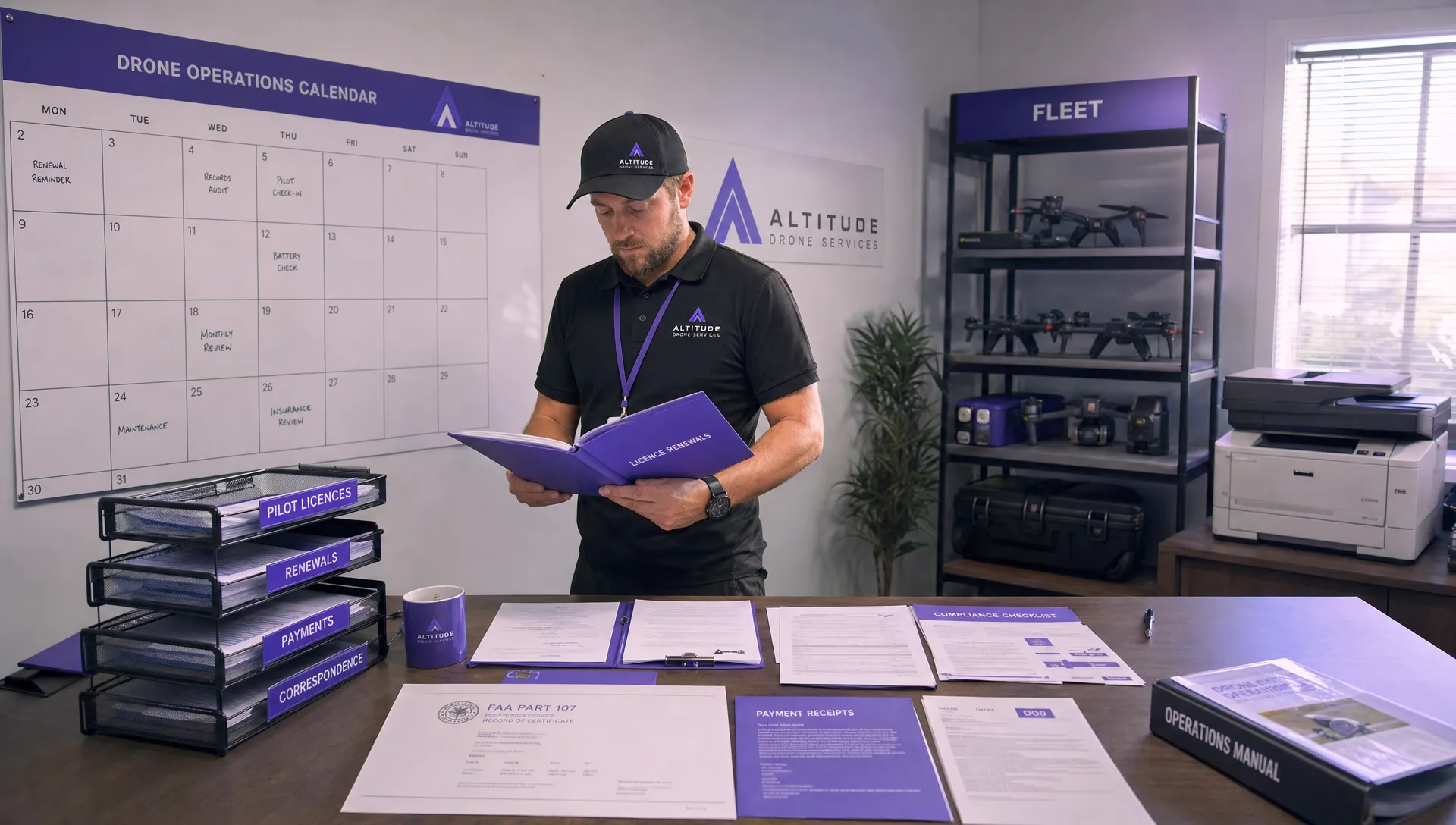 FAA Drone License Costs Beyond the Knowledge Test →
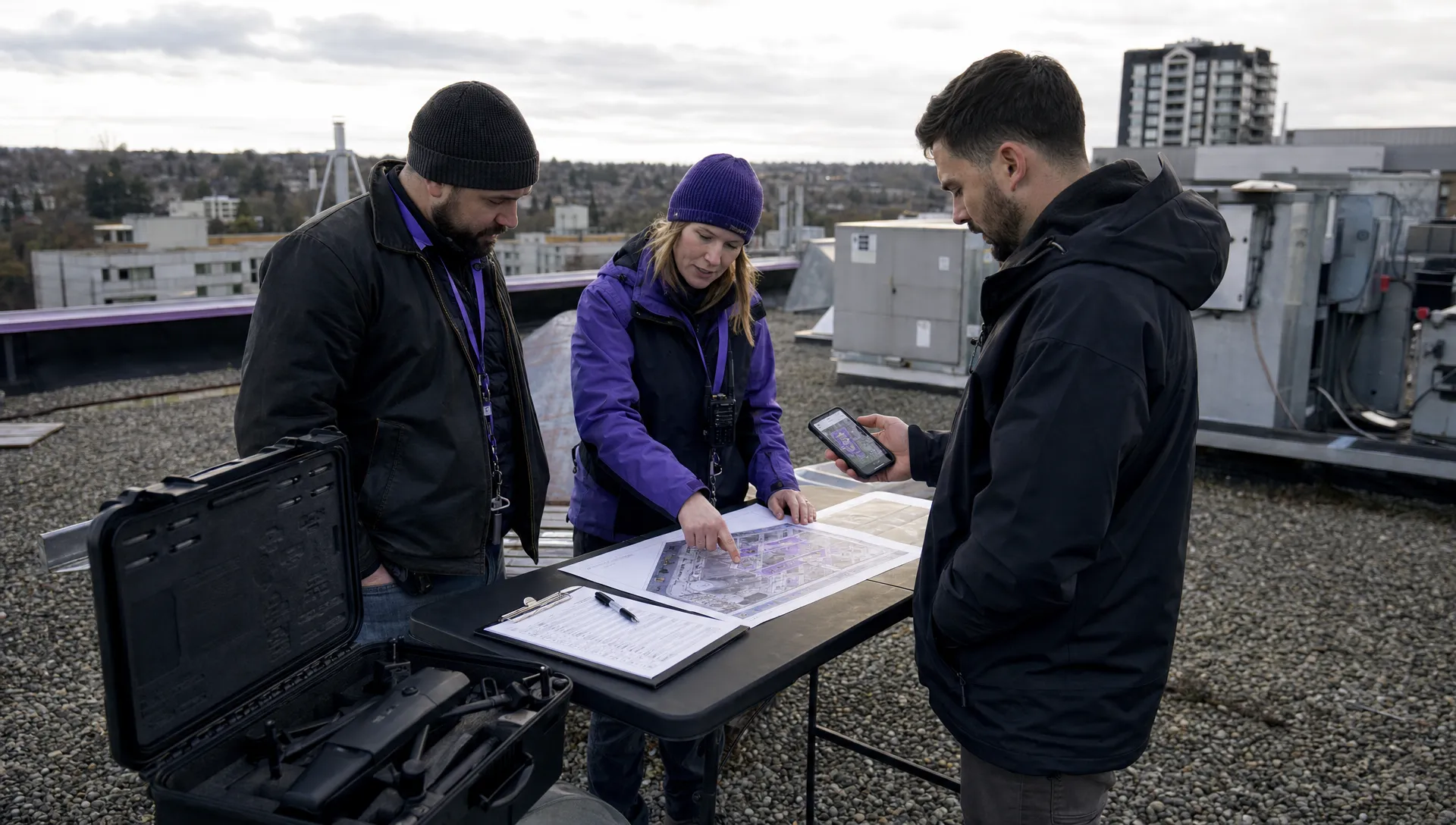 Drone Part 107 Operations: When a Waiver May Be Needed →
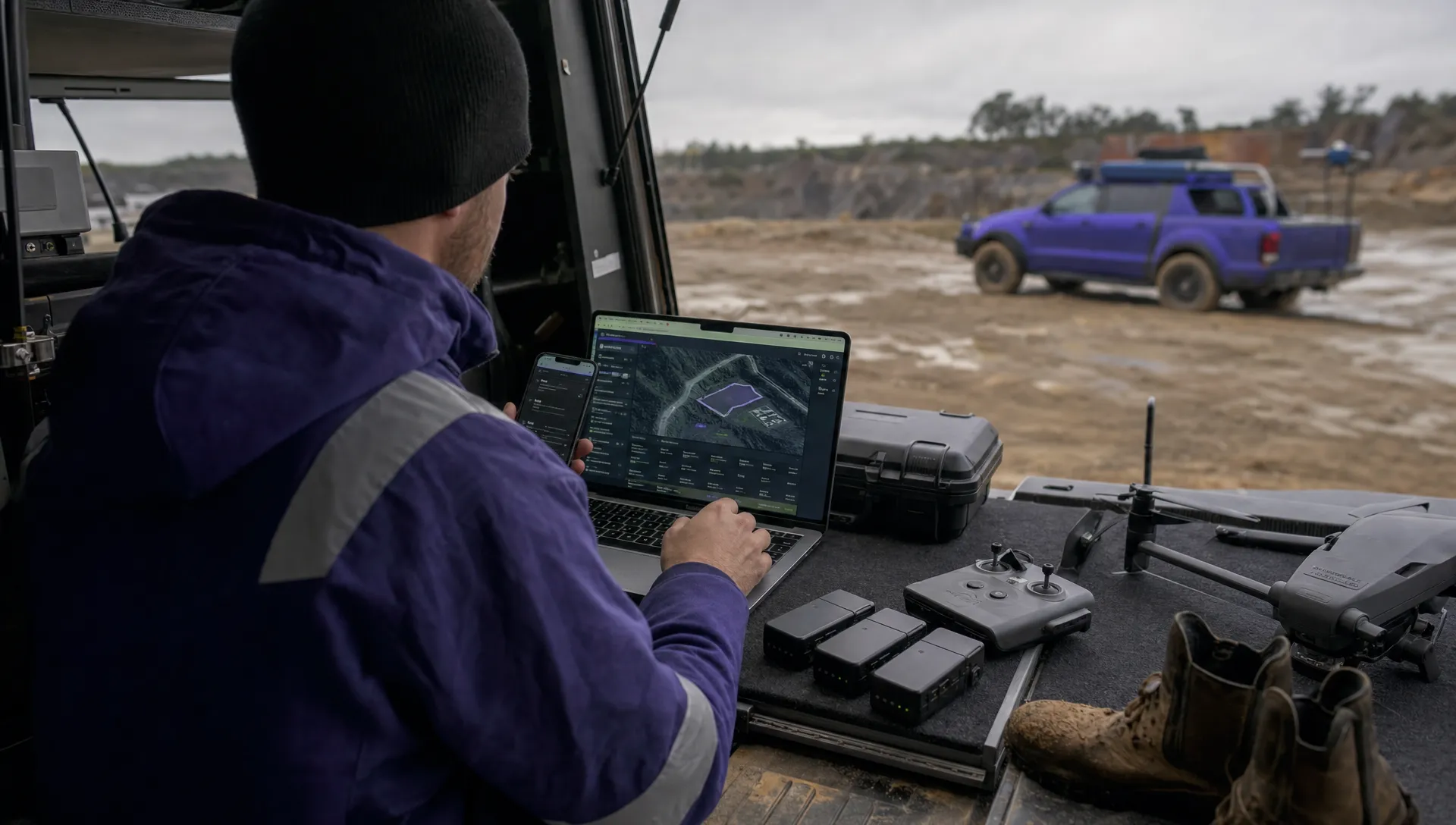 Drone Operating Rules for Managing Contractors and Employees →
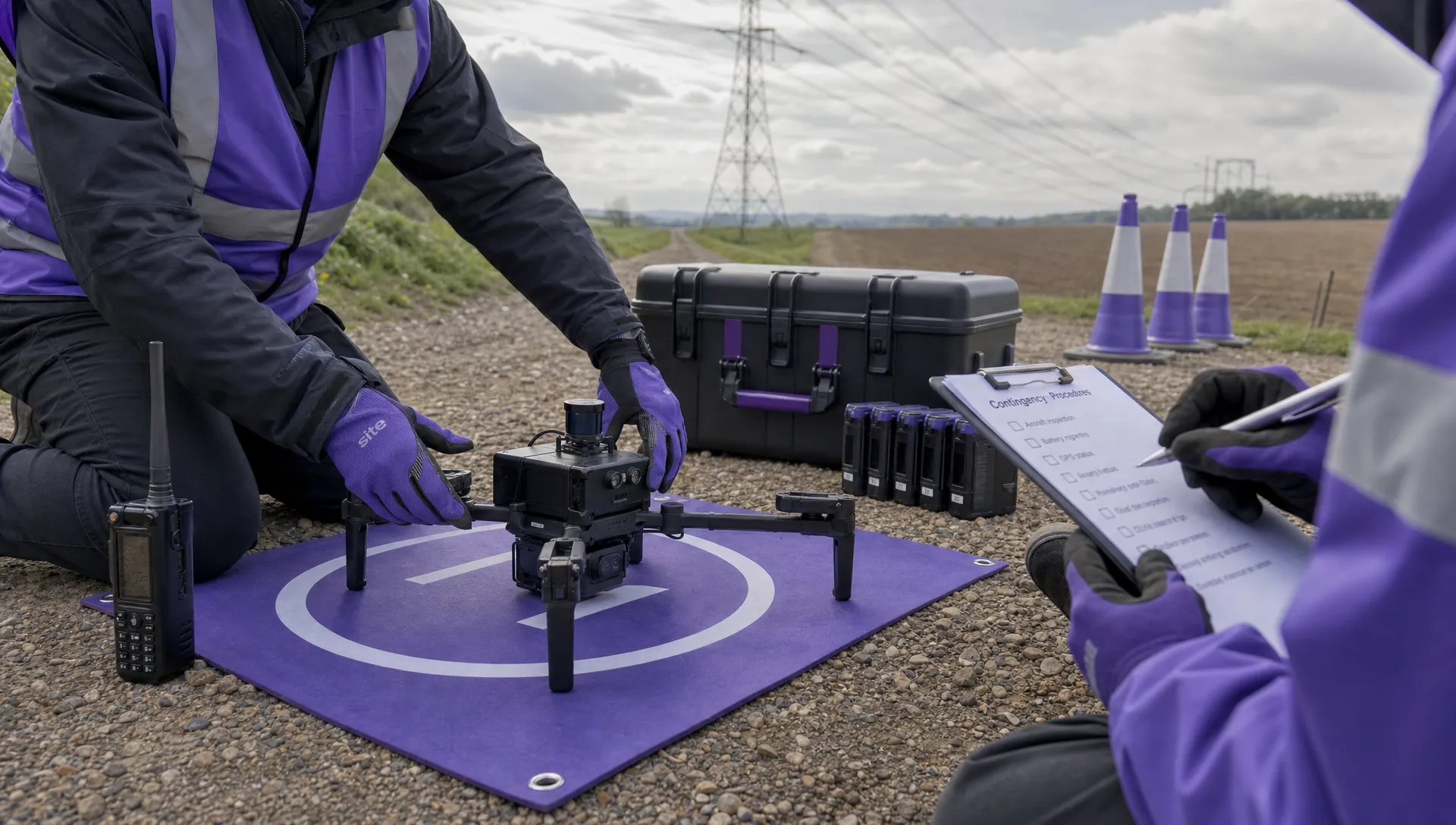 BVLOS Drone Requirements for Building a Safety Case →
 Drone Pilot Test Mistakes That Cost Candidates Marks →
 FAA 107 License vs Part 107 Certificate: What’s the Difference? →
 Drone Airport Rules: A Field Checklist for Site Assessments →
 FAA Part 107 Record-Keeping Rules for Commercial Teams →
 How to Review a DJI Flight Log After an Unexpected Event →
 Drone Laws Around the World: A Pre-Flight Research Framework →