
How AI and Automation Are Changing Drone Operations in 2025
The Drone Revolution: Taking Flight with AI
Discover how AI and automation are changing the game for drone operations in 2025. This listicle reveals eight key advancements impacting drone professionals like you. Learn how these technologies are revolutionizing everything from flight path optimization and predictive maintenance to multi-drone operations and regulatory compliance. Whether you're a solo operator or manage an enterprise fleet, understanding how AI and automation are reshaping drone operations is crucial for staying competitive and unlocking new possibilities.
1. Autonomous Swarm Intelligence for Multi-Drone Operations
In 2025, the landscape of drone operations is rapidly evolving thanks to advancements in artificial intelligence and automation. One of the most impactful developments is autonomous swarm intelligence, which allows multiple drones to operate collectively as a coordinated unit, much like a swarm of bees. This sophisticated technology leverages advanced AI algorithms, enabling these drone swarms to make real-time decisions without direct human intervention. How AI and Automation Are Changing the Game for Drone Operations in 2025 is largely defined by this ability to coordinate multiple unmanned aerial vehicles (UAVs) efficiently and effectively.
Instead of relying on a central command system, these swarms employ distributed intelligence. Each drone contributes to the overall decision-making process while maintaining a degree of individual autonomy. This distributed approach is crucial for adapting to dynamic environments. Machine learning allows the swarm to adjust flight patterns, share sensor data amongst its members, and optimize mission outcomes through collaborative behavior. Imagine a search and rescue operation where a swarm of drones autonomously covers a vast disaster zone, sharing real-time information to pinpoint survivors quickly and efficiently – this is the power of swarm intelligence.
Several key features enable this level of coordination: real-time inter-drone communication protocols, distributed decision-making algorithms, dynamic task allocation and load balancing, collision avoidance through predictive modeling, self-healing network capabilities (in case of individual drone failures), and the emergence of complex behavior patterns for challenging missions. This allows for a level of flexibility and resilience previously impossible with individually piloted drones.
The benefits of autonomous swarm intelligence are substantial, leading to dramatically increased operational efficiency, reduced human oversight requirements, and enhanced mission resilience through redundancy. Swarms can cover vast areas simultaneously, and through optimized resource allocation, significantly reduce operational costs. Think of applications like large-scale infrastructure inspections, precision agriculture across expansive farms, or even synchronized light shows – all benefiting immensely from this technology.
However, this revolutionary technology faces challenges. Complex regulatory approval processes, high initial development and deployment costs, cybersecurity vulnerabilities inherent in networked systems, the potential for cascading failures, and limited public acceptance of autonomous swarms are all factors hindering widespread adoption.
Examples of autonomous swarm intelligence in action are already emerging. Intel's breathtaking drone light shows, featuring over 1,000 synchronized drones, showcase the potential for coordinated action. Amazon's Prime Air delivery network pilot programs explore the future of logistics. The US Military's DARPA Gremlins program investigates reusable drone swarms for military applications. Even agricultural practices are evolving with China's use of swarm spraying operations. And, critically, search and rescue operations in disaster zones are becoming more efficient and effective through the deployment of coordinated drone teams.
Learn more about Autonomous Swarm Intelligence for Multi-Drone Operations
For those looking to implement swarm technology, several practical tips are crucial. Start with small swarm sizes (3-5 drones) before scaling upwards. Implement robust fail-safe mechanisms for individual drone failures to prevent cascading issues. Ensure absolute compliance with local airspace regulations. Invest in secure communication protocols to mitigate cybersecurity risks. And, most importantly, test extensively in controlled environments before venturing into field deployment.
Companies like Intel Corporation, DARPA (Defense Advanced Research Projects Agency), Amazon Prime Air, DJI Enterprise, and Skydio have been instrumental in popularizing and advancing this technology. Their ongoing research and development efforts continue to push the boundaries of what's possible with autonomous drone swarms.
The following infographic visualizes the core concepts behind autonomous drone swarms, focusing on how Swarm Intelligence connects to Distributed Decision-Making, Real-Time Communication, and Emergent Behavior.

As the infographic illustrates, Swarm Intelligence is the central concept, facilitated by the interconnectedness of real-time communication for data sharing, distributed decision-making for autonomous actions, and emergent behavior for complex task completion. This interconnectedness is key to the effectiveness and adaptability of drone swarms. By understanding these fundamental principles, we can better appreciate the power and potential of autonomous swarm intelligence in reshaping the future of drone operations.
2. Computer Vision and Object Recognition at the Edge
In 2025, the integration of Artificial Intelligence (AI) and automation is revolutionizing drone operations, and one of the most impactful advancements is computer vision and object recognition at the edge. This technology empowers drones to perceive and interpret their surroundings in real-time, mimicking human vision but with enhanced capabilities. By processing visual data directly onboard the drone, rather than relying on a connection to the cloud, edge computing enables immediate decision-making and autonomous actions, significantly changing the game for drone operations. How AI and automation are changing the game for drone operations in 2025 is directly influenced by this ability to process data onboard.

This capability relies on powerful edge AI processors integrated into the drone's hardware. These processors run sophisticated deep learning models optimized specifically for drone platforms, enabling them to analyze high-resolution imagery from onboard cameras. These models are trained to identify and classify objects, track moving targets, and even understand complex scenes, all without the need for an internet connection. The combination of high-resolution cameras with specialized AI chips like NVIDIA's Jetson platform, Intel's Movidius chips, or Qualcomm's Snapdragon Flight allows drones to process complex visual information locally and react instantly to changing environments. This is particularly important in scenarios where network connectivity is unreliable or unavailable, such as remote inspections, search and rescue missions, or operations in disaster-stricken areas.
The benefits of edge-based computer vision are numerous. Real-time object detection and classification enable drones to autonomously avoid obstacles, track specific subjects, and even identify potential threats. Facial recognition and person tracking capabilities open up possibilities for security applications, while thermal and multispectral imaging analysis facilitates detailed inspections of infrastructure and environmental monitoring. The reduced latency afforded by edge processing allows for immediate responses to visual threats or targets, critical for applications like security surveillance or emergency response. Furthermore, processing data locally minimizes data transmission costs, enhances privacy and security, and reduces reliance on potentially vulnerable cloud infrastructure.
Several examples highlight the successful implementation of this technology. Skydio's drones leverage edge computing for advanced obstacle avoidance and subject tracking, enabling fully autonomous flight in complex environments. Parrot's ANAFI AI utilizes computer vision for industrial inspections, allowing operators to quickly identify defects and anomalies. Autel's EVO series also incorporates advanced computer vision for enhanced flight control and image capture. Beyond commercial applications, law enforcement agencies are exploring the use of facial recognition drones for security purposes, while conservationists employ the technology to track endangered species in remote areas.
However, the implementation of computer vision at the edge also comes with its challenges. Higher hardware costs associated with integrating powerful processors and specialized cameras can be a barrier to entry. Edge processing, while offering low latency, still has limitations in processing power compared to cloud-based solutions. The intensive computing required for computer vision can also significantly drain drone batteries, impacting flight time. Finally, ensuring the accuracy of AI models on smaller, less powerful edge chips requires careful optimization and regular software updates.
For those looking to leverage the power of computer vision at the edge, several tips can ensure successful implementation. Choosing processors specifically optimized for computer vision workloads, like those mentioned above, is crucial. Regularly updating AI models with new data improves their accuracy and adaptability. Balancing the need for processing power with battery life requirements is essential for maximizing mission effectiveness. Training models on diverse datasets representing various real-world scenarios ensures better generalization and performance in different environments. Finally, implementing multiple redundant vision systems can enhance reliability and safety in critical applications.
Computer vision at the edge is transforming drone operations, enabling a new era of autonomy and intelligent decision-making in the air. As AI technology continues to evolve, its integration with drone platforms will only deepen, further unlocking the potential of these versatile machines in a wide range of industries and applications.
3. Predictive Maintenance Using IoT Sensors and Machine Learning
Predictive maintenance, powered by the convergence of IoT sensors and machine learning, is revolutionizing how drone operations are managed in 2025 and beyond. This cutting-edge approach represents a significant shift from traditional reactive maintenance, where repairs are performed only after a failure occurs, and even from preventative maintenance, which relies on fixed schedules regardless of actual component condition. Predictive maintenance, as a key component of how AI and automation are changing the game for drone operations in 2025, leverages real-time data analysis to anticipate potential problems before they arise, maximizing drone uptime, minimizing operational disruptions, and significantly enhancing safety.
At its core, predictive maintenance involves equipping drones with an array of IoT (Internet of Things) sensors that continuously monitor various aspects of the aircraft’s health and performance. These sensors collect data on critical components, such as motor performance (vibration, temperature, RPM), battery health (voltage, current, temperature), structural stress (strain gauges), and environmental conditions (temperature, humidity, wind speed). This rich stream of data is then transmitted wirelessly to a central processing unit, often cloud-based, where machine learning algorithms come into play.
These algorithms analyze the incoming data, identifying patterns and trends that can indicate the early stages of component degradation or impending failure. By learning from historical data and comparing it with real-time performance metrics, the system can predict potential issues with remarkable accuracy. For example, a slight increase in motor vibration, coupled with a subtle rise in temperature, might be an early warning sign of bearing wear. Predictive maintenance systems flag such anomalies, enabling operators to address the issue proactively before it escalates into a catastrophic failure.
The benefits of this proactive approach are multifaceted. Predictive maintenance leads to a significant reduction in unexpected failures, which can be costly, time-consuming, and potentially dangerous, particularly in critical applications like search and rescue or infrastructure inspection. By optimizing maintenance schedules based on actual need rather than arbitrary intervals, organizations can lower maintenance costs and extend the operational lifespan of their drones. Furthermore, proactive maintenance enhances safety by mitigating the risks associated with in-flight failures. This reduces downtime and operational disruptions, ensuring that drones are available when needed.
Several industries are already leveraging the power of predictive maintenance to transform their drone operations. UPS, for instance, utilizes predictive maintenance to optimize the performance and reliability of its delivery drone fleets. Energy companies are deploying this technology to monitor the health of drones used for inspecting power lines and pipelines. Emergency services are maintaining search and rescue drone fleets with predictive maintenance, ensuring they are always ready to respond to emergencies. Agricultural companies are maximizing the uptime of their spraying drones through predictive maintenance, while construction firms are maintaining surveying drone operations with similar technology.
However, implementing predictive maintenance is not without its challenges. The initial investment in sensor infrastructure and data analytics platforms can be substantial. Interpreting the complex data generated by these systems requires specialized technical expertise. There's also the risk of false positives, leading to unnecessary maintenance and wasted resources. Reliable data transmission is crucial, as interruptions can compromise the system's effectiveness.
For those considering implementing predictive maintenance, several key tips can contribute to a successful deployment:
- Implement comprehensive sensor coverage: Focus on critical components that are most prone to failure.
- Establish baseline performance metrics: Collect data on healthy drones to establish a benchmark for comparison.
- Use cloud-based analytics: Leverage cloud platforms for powerful data processing and storage capabilities.
- Train maintenance staff: Equip your team with the skills to interpret predictive system outputs and perform necessary maintenance.
- Integrate with existing fleet management workflows: Seamless integration streamlines operations and maximizes efficiency.
Platforms like FlightHorizon by DroneDeploy, IBM Watson IoT, Microsoft Azure IoT, General Electric Digital, and Honeywell Connected Aircraft are leading the way in providing robust solutions for predictive maintenance in the drone industry. These platforms offer advanced analytics, data visualization tools, and integration capabilities that empower organizations to harness the full potential of this transformative technology. By embracing predictive maintenance, drone operators can unlock new levels of efficiency, reliability, and safety, ensuring they are well-equipped to meet the evolving demands of the drone landscape in 2025 and beyond.
4. AI-Powered Flight Path Optimization and Dynamic Routing
In 2025, the integration of Artificial Intelligence (AI) is revolutionizing drone operations, and one of the most significant advancements lies in AI-powered flight path optimization and dynamic routing. This technology is changing the game by enabling drones to fly smarter, not just faster. Sophisticated AI algorithms continuously analyze and adjust flight paths in real-time, taking into account a multitude of factors that impact efficiency and safety. These factors include real-time weather patterns, air traffic density, designated no-fly zones, and the specific objectives of the mission. Rather than relying on pre-programmed routes, AI empowers drones to adapt on the fly, ensuring optimal performance and minimizing risks. This dynamic approach represents a significant leap forward from traditional, static flight planning methods.

These AI systems utilize machine learning to constantly learn from historical flight data. This learning process allows them to predict potential challenges and proactively adapt to changing conditions, ensuring optimal efficiency, safety, and regulatory compliance. Furthermore, this technology seamlessly integrates with existing air traffic management systems and weather services, providing a comprehensive platform for intelligent route planning. This interconnectedness allows for a more holistic view of the airspace and enhances the drone's ability to navigate safely and efficiently.
Features of AI-powered flight path optimization include real-time weather integration and adaptation, dynamic obstacle avoidance and rerouting, multi-objective optimization (balancing time, energy consumption, and safety), integration with air traffic control systems, automated compliance with regulatory restrictions, and the continuous learning from historical flight performance data. These features combine to create a robust system capable of handling the complexities of modern airspace.
The benefits of this technology are substantial. AI-powered route optimization leads to significant fuel/battery savings, translating to reduced flight times and lower operational costs. Enhanced safety is achieved through intelligent routing that proactively avoids hazardous situations. Automatic regulatory compliance streamlines operations and minimizes the risk of penalties. Ultimately, these advantages contribute to improved mission success rates, making drone operations more reliable and predictable.
However, there are also challenges associated with this technology. A primary concern is the dependency on reliable real-time data feeds. Any disruption in these feeds can compromise the system's ability to function optimally. Computational complexity for large-scale drone operations also presents a hurdle. Managing and processing the vast amounts of data required for numerous drones can be demanding. Furthermore, potential conflicts with traditional air traffic must be carefully addressed to ensure seamless integration into existing airspace. The need for robust backup systems is paramount in case of AI failure, and navigating the regulatory approval processes for these advanced systems can be challenging.
Several successful implementations of AI-driven flight path optimization already exist. Wing, Alphabet's drone delivery subsidiary, leverages this technology to optimize its delivery network in Australia. NASA's UTM (Unmanned Aircraft System Traffic Management) project is exploring the use of AI for safe and efficient drone traffic management. FedEx is researching route optimization for package delivery, and military organizations are incorporating these systems into tactical mission planning. Even emergency medical supply delivery is being optimized through AI-powered routing.
For those looking to implement AI-powered flight path optimization, several key tips can ensure success. Integrating multiple data sources provides a comprehensive understanding of the operational environment. Implementing fail-safe manual override capabilities is crucial for maintaining control in unexpected situations. Thorough testing of algorithms in simulation environments is essential before real-world deployment. Collaboration with aviation authorities is vital for smooth airspace integration. Finally, using historical performance data to continuously refine the optimization models ensures ongoing improvement and adaptability. By following these guidelines, operators can effectively harness the power of AI to transform their drone operations.
5. Automated Compliance and Regulatory Integration Systems
Navigating the complex web of drone regulations can be a significant hurdle for drone operators of all sizes, from solo enthusiasts to large enterprise fleets. As drone technology continues to advance and airspace becomes increasingly congested, ensuring compliance becomes even more critical. This is where AI and automation are revolutionizing the game in 2025, specifically through automated compliance and regulatory integration systems. These advanced systems are drastically simplifying how drone operators maintain compliance, allowing them to focus on their core mission instead of getting bogged down in regulatory minutiae. They are poised to become essential tools as we continue to see increased integration of drones into various industries and airspace.
Automated compliance systems leverage AI to dynamically interpret and apply the often-confusing and ever-changing tapestry of regulations governing drone operations. These systems interface directly with official government databases and airspace management systems, providing real-time updates on temporary flight restrictions, no-fly zones, and other crucial airspace information. They also automate the often-tedious process of permit and authorization requests, eliminating the potential for human error and significantly reducing the administrative burden on drone operators.
Imagine planning a drone survey in a new location. Instead of manually poring over regulations, identifying restricted areas, and submitting permit applications, an automated compliance system can handle it all. The system automatically checks for any current restrictions, applies for necessary permits, and even adjusts the drone's flight parameters in real-time to ensure continuous compliance throughout the operation. This level of automation not only streamlines operations but also drastically reduces the risk of costly penalties associated with non-compliance.
Features such as real-time regulatory database updates, automated flight restriction enforcement, dynamic no-fly zone monitoring, and automated permit/authorization requests are at the core of these systems. The ability to automatically generate compliance documentation and harmonize regulations across multiple jurisdictions further simplifies operations, particularly for organizations working across regional or national borders. The benefits are significant: minimized human error in compliance management, reduced legal risks and penalties, streamlined operations across multiple regions, automatic adaptation to regulatory changes, and comprehensive audit trails for accountability.
Several platforms are leading the way in automated compliance solutions. AirMap, now part of Verizon, offers a comprehensive airspace management platform. Similarly, Boeing subsidiary Skyward provides drone operations management tools that include compliance features. Other key players include Altitude Angel, DroneDeploy, and Unifly, who are all actively developing and refining automated compliance systems. Examples of practical implementation include the European U-Space initiative, the FAA's LAANC (Low Altitude Authorization and Notification Capability) in the United States, and Transport Canada’s automated approval system, demonstrating the global adoption of these technologies.
Learn more about Automated Compliance and Regulatory Integration Systems to delve deeper into this topic.
While these systems offer tremendous advantages, it's essential to be aware of the potential challenges. Integrating multiple regulatory systems can be complex, and there's always the risk of system failures leading to unintentional violations. The development costs for comprehensive coverage can be high, particularly for smaller operators. Additionally, these systems are inherently dependent on the availability and reliability of government systems. Finally, the rapid pace of regulatory change can sometimes pose a challenge for keeping these systems completely up-to-date.
To mitigate these risks, drone operators should consider partnering with established airspace management providers, maintaining backup manual compliance procedures as a failsafe, and regularly auditing system accuracy against current regulations. Establishing strong relationships with regulatory authorities is also beneficial, as is implementing comprehensive logging practices for compliance verification.
In conclusion, automated compliance and regulatory integration systems are proving to be a game-changer for drone operations in 2025. By leveraging AI and automation, these systems empower drone operators of all levels to navigate the complexities of regulatory compliance with ease, ensuring safe and legal operations while freeing up valuable time and resources to focus on the task at hand. As how AI and automation are changing the game for drone operations in 2025 becomes more evident, embracing these tools will be critical for success in the increasingly competitive drone landscape.
6. Intelligent Battery Management and Power Optimization
In 2025, the landscape of drone operations is undergoing a significant transformation, and intelligent battery management powered by AI and automation plays a crucial role. This technology is no longer a futuristic concept but a vital component for maximizing efficiency, extending operational range, and enhancing the overall reliability of drone missions. This intelligent approach to power management is changing the game for drone operations by addressing one of the most significant limitations of unmanned aerial vehicles: battery life. It deserves its place on this list because it directly impacts the feasibility and profitability of many drone-based applications.
AI-driven battery management systems go far beyond simply monitoring charge levels. They leverage predictive analytics and intelligent load balancing to optimize power consumption in real-time. These sophisticated systems continuously monitor battery health, predict remaining flight time with increasing accuracy, and dynamically adjust drone operations to maximize efficiency. Advanced algorithms take into account a multitude of factors, including payload weight, wind speed and direction, ambient temperature, and the specific mission requirements, to optimize power distribution and extend operational range significantly.
How It Works:
These intelligent systems work by collecting and analyzing data from various sensors within the drone and its battery. These sensors monitor parameters such as voltage, current, temperature, and individual cell health. This data is fed into sophisticated AI algorithms that use machine learning models trained on vast datasets of real-world flight data. The algorithms can then predict remaining flight time based on current conditions and anticipated demands. Further, these systems can dynamically adjust power allocation to different drone subsystems based on mission needs. For example, during a critical phase of a mission, more power can be directed to the flight control systems while non-essential functions are throttled.
Features and Benefits:
Intelligent battery management systems come packed with features that contribute to improved drone operations:
- Real-time battery health monitoring: Continuous monitoring provides early warnings of potential battery issues, allowing for preventative maintenance and avoiding costly failures mid-flight.
- Predictive flight time calculations: Accurate flight time predictions enable better mission planning and reduce the risk of aborted missions due to unexpected battery depletion.
- Dynamic power allocation optimization: This feature allows the drone to adapt to changing conditions and prioritize power usage for critical systems, maximizing efficiency and extending operational range.
- Automatic charging schedule management: Streamlines charging operations and optimizes charging cycles for improved battery longevity.
- Temperature and environmental compensation: The system adjusts power usage based on environmental factors like temperature, ensuring optimal performance in varying conditions.
- Integration with mission planning systems: Seamless integration allows for optimized flight plans that consider battery life and charging requirements.
Examples of Successful Implementation:
- DJI's intelligent battery systems already incorporate many of these features, providing users with improved flight times and reliability.
- Companies like Tesla, known for their advanced battery technology in electric vehicles, are adapting their expertise for drone applications, pushing the boundaries of battery performance and longevity.
- Military drones utilize sophisticated power management systems to enable extended surveillance and reconnaissance missions.
- Commercial inspection drones benefit from optimized endurance, allowing them to cover larger areas and collect more data on a single charge.
- Emergency response drones equipped with smart power management can operate longer in critical situations, providing vital support during search and rescue operations.
Pros and Cons:
Pros: Extended flight times, reduced battery replacement costs, improved mission reliability, automatic safety margin management, optimized charging cycles for battery longevity.
Cons: Increased system complexity, higher initial hardware costs, the potential for a single point of failure if not implemented with redundancy, the need for specialized technical support, and dependency on accurate sensor data.
Actionable Tips:
- Implement redundant battery monitoring systems to mitigate the risk of a single point of failure.
- Calibrate algorithms with real-world flight data specific to your operational environment for optimal performance.
- Plan charging infrastructure strategically to support extended operations and minimize downtime.
- Monitor battery performance trends over time to identify potential issues and optimize maintenance schedules.
- Integrate with weather forecasting services to provide the system with more accurate environmental data for improved flight time predictions.
When and Why to Use This Approach:
Intelligent battery management is beneficial for virtually any drone operation, but it becomes particularly crucial for:
- Long-range missions: Maximizing flight time is essential for covering large distances efficiently.
- Payload-intensive operations: Heavier payloads require more power, making intelligent management crucial for extending flight time.
- Time-sensitive missions: Accurate flight time predictions and reliable power management are essential for meeting critical deadlines.
- BVLOS (Beyond Visual Line of Sight) operations: Reliable power management is paramount for ensuring safe and successful BVLOS flights.
By adopting intelligent battery management and power optimization strategies, drone operators can unlock the full potential of their unmanned aerial systems in 2025 and beyond. As AI and automation continue to advance, we can expect even more sophisticated power management solutions to emerge, further revolutionizing the drone industry.
7. Advanced Sensor Fusion and Environmental Awareness
In 2025, the game-changer for drone operations isn't just about automated flight paths; it's about how AI empowers drones to truly understand and react to their surroundings. Advanced sensor fusion and environmental awareness are transforming how drones perceive the world, enabling them to operate safely and efficiently in increasingly complex environments. This crucial development is significantly impacting how AI and automation are changing the game for drone operations in 2025, offering unparalleled levels of autonomy and reliability.
Essentially, this technology mimics and enhances the human pilot's situational awareness. Imagine a drone that can not only "see" obstacles but also "understand" the difference between a bird, a power line, and a sudden gust of wind. That's the power of sensor fusion. Sophisticated AI systems combine data from a multitude of sensors – LiDAR, cameras, radar, GPS, barometric pressure sensors, and even environmental sensors measuring things like air temperature and humidity – to create a comprehensive and dynamic understanding of the drone's environment. Instead of relying on individual sensor inputs, these systems use machine learning algorithms to interpret the combined data, painting a much richer and more accurate picture of the drone's surroundings. This enables drones to operate safely in challenging conditions such as poor weather, low visibility, or the complex, obstacle-filled landscapes of urban environments.
This technology goes beyond simple obstacle avoidance. It's about creating 360-degree awareness and enabling predictive hazard detection. For example, by analyzing wind patterns and correlating them with visual data, a drone can anticipate gusts of wind and adjust its flight path proactively. This level of environmental awareness is crucial for everything from autonomous navigation in urban canyons to complex industrial inspections in challenging weather conditions.
Several key features drive this transformative capability:
- Multi-sensor data integration and processing: The core of this technology lies in seamlessly integrating and processing data from diverse sensors.
- Real-time environmental hazard detection: AI algorithms identify and classify potential hazards in real-time, enabling rapid responses.
- Adaptive sensor selection based on conditions: The system can dynamically prioritize different sensors based on the prevailing conditions, optimizing performance and power consumption. For example, in dense fog, radar data might be prioritized over visual data.
- Predictive collision avoidance: The system doesn’t just react to obstacles; it predicts their trajectories and proactively adjusts the drone’s flight path.
- Weather pattern recognition and adaptation: Drones can recognize and adapt to changing weather patterns, enhancing safety and operational flexibility.
- Ground truth validation through sensor correlation: Data from different sensors are cross-referenced to validate accuracy and build a robust understanding of the environment.
The benefits are substantial: enhanced safety in challenging environments, improved navigation accuracy, reduced pilot workload (allowing for greater focus on mission objectives), better decision-making in complex scenarios, and, importantly, increased operational weather windows. Imagine drone delivery services no longer grounded by light rain or fog.
However, there are challenges to overcome. High hardware and integration costs, increased power consumption due to the multiple sensors and processing requirements, and complex calibration requirements are all factors that need consideration. Potential sensor conflicts also need to be addressed through sophisticated algorithms. Furthermore, data processing latency can be a challenge, especially for time-critical applications. Learn more about Advanced Sensor Fusion and Environmental Awareness.
Companies like Skydio are already demonstrating the power of this technology with their 360-degree obstacle avoidance system. Military drones are leveraging sensor fusion to operate effectively in GPS-denied environments. Industrial inspection drones are navigating complex facilities with greater safety and efficiency. And search and rescue operations are benefiting from drones capable of flying in adverse weather conditions. Even autonomous delivery drones are using this technology to safely navigate the complexities of urban environments. Velodyne's LiDAR technology, NVIDIA's processing platforms, and Bosch's sensor technology are all contributing to the rapid advancement of this field. Lockheed Martin’s advancements in this area demonstrate the potential for even more sophisticated applications in the future.
For those looking to leverage this technology, some key tips include:
- Invest in high-quality sensor calibration: Accurate calibration is crucial for reliable data fusion.
- Implement sensor redundancy for critical applications: Redundancy ensures continued operation even in the event of a sensor failure.
- Regularly update fusion algorithms with field data: Continuous improvement of algorithms through real-world data is essential.
- Test extensively in target environmental conditions: Thorough testing is vital for ensuring reliability and safety.
- Plan for sensor degradation and failure modes: Developing strategies for handling sensor degradation and failures is essential for robust operation.
Advanced sensor fusion and environmental awareness are not just incremental improvements; they represent a paradigm shift in drone capabilities. By empowering drones to perceive and understand the world around them with greater acuity, this technology unlocks new levels of autonomy, safety, and operational efficiency, truly changing the game for drone operations in 2025 and beyond.
8. Machine Learning-Based Mission Planning and Execution
In 2025, the integration of artificial intelligence (AI) and machine learning is revolutionizing drone operations, particularly in the realm of mission planning and execution. This transformative technology, which sits at the heart of how AI and automation are changing the game for drone operations in 2025, empowers autonomous systems to learn from historical mission data, enabling them to automatically plan and execute complex drone operations with minimal human intervention. This shift marks a significant advancement in efficiency, safety, and scalability for a wide range of drone applications.
These intelligent systems meticulously analyze past missions, considering factors such as environmental conditions, flight paths, obstacles encountered, and mission outcomes. By recognizing patterns and correlations within this data, the AI continuously refines its planning algorithms, optimizing for various parameters like flight time, energy consumption, and risk mitigation. This adaptability is crucial, as it allows the technology to tailor strategies to specific use cases, learning optimal approaches for different mission types and environments. For instance, a drone tasked with agricultural spraying will develop a different flight pattern and dispensing strategy compared to one conducting a search and rescue operation.
The real-time adaptation capabilities of these systems are truly groundbreaking. They incorporate live feedback from the drone's sensors and surroundings, enabling dynamic mission adjustments. Should unforeseen obstacles or changes in weather conditions arise mid-flight, the AI can recalculate the optimal path, ensuring mission continuity and safety. This responsiveness significantly reduces the reliance on constant human monitoring and control, freeing up operators to focus on higher-level decision-making.
The features driving this revolution include automated mission planning from high-level objectives, historical data analysis for pattern recognition, real-time mission adaptation and replanning, multi-drone coordination and task assignment, and performance optimization through reinforcement learning. These systems can also integrate with existing enterprise systems, streamlining workflows and data management. Imagine a scenario where a utility company needs to inspect hundreds of miles of power lines. With AI-powered mission planning, the operator can simply define the area of interest and the desired inspection parameters. The system then automatically generates optimal flight paths for multiple drones, assigns tasks, and coordinates their movements to ensure complete coverage, all while minimizing flight time and maximizing efficiency.
The advantages of this technology are numerous. It dramatically reduces planning time and the need for extensive human resources, leading to significant cost savings. Improved mission success rates are another key benefit, as the AI’s ability to analyze vast datasets and adapt to changing conditions leads to more robust and reliable operations. The system's continuous performance optimization through machine learning ensures ongoing improvements in efficiency and effectiveness. Moreover, the technology is highly scalable, enabling seamless management of large and complex drone operations. Finally, it reduces the training requirements for operators, making sophisticated drone technology accessible to a wider range of users.
However, there are also challenges to consider. These systems require substantial historical data for effective training. Furthermore, the potential for unexpected AI decisions, coupled with the difficulty in explaining AI reasoning (often referred to as the "black box" problem), necessitates careful human oversight and intervention capabilities. The computational requirements for complex missions can also be significant, requiring powerful hardware and software. Even with automation streamlining many processes, legal considerations for drone usage still require meticulous attention, much like managing complex legal documentation. AI is also transforming how legal documents are processed and analyzed, improving efficiency and accuracy for legal professionals. Resources like AI for legal documents from Whisperit’s “Top AI for Legal Documents in 2025 | Boost Your Legal Workflow” can offer valuable insights into this evolving field.
For those looking to implement machine learning-based mission planning and execution, several tips are crucial. Start with well-defined, repeatable mission types to facilitate data collection and algorithm training. Maintain comprehensive mission databases for training and continuous improvement. Implement robust human oversight, especially for critical decisions, and leverage simulation environments for algorithm development and testing. Finally, establish clear success metrics to track progress and refine the system over time. Companies like DroneDeploy, Pix4D, PrecisionHawk, and senseFly have been pioneers in bringing these capabilities to market.
By carefully considering the pros, cons, and implementation tips, organizations can harness the power of AI and automation to transform their drone operations in 2025 and beyond.
8 Trends Impacting Drone Operations in 2025
| Trend Title | Implementation Complexity 🔄 | Resource Requirements ⚡ | Expected Outcomes 📊 | Ideal Use Cases 💡 | Key Advantages ⭐ |
|---|---|---|---|---|---|
| Autonomous Swarm Intelligence for Multi-Drone Operations | High due to distributed AI and communication networks | High hardware and software investment; secure networks | Increased operational efficiency and mission resilience | Large-area coverage, search & rescue, military missions | Reduced human oversight, cost optimization, resilience |
| Computer Vision and Object Recognition at the Edge | Moderate to high with edge AI hardware integration | Specialized AI chips, high-res cameras, and GPU acceleration | Real-time object detection and low latency processing | Industrial inspection, security, wildlife monitoring | Operates offline, enhanced privacy, immediate response |
| Predictive Maintenance Using IoT Sensors and Machine Learning | Moderate complexity in sensor integration and data analytics | Investment in IoT sensors and cloud analytics infrastructure | Reduced unexpected failures and maintenance costs | Fleet maintenance, industrial inspections, emergency services | Extended drone lifespan, lower downtime, improved safety |
| AI-Powered Flight Path Optimization and Dynamic Routing | High complexity with multiple real-time data integrations | Requires real-time data feeds and computational power | Optimized flight efficiency, reduced costs and risks | Delivery logistics, tactical missions, emergency supplies | Saves energy/time, automatic compliance, improved safety |
| Automated Compliance and Regulatory Integration Systems | High complexity integrating multiple regulations worldwide | Advanced software development and government data integration | Error-free compliance and streamlined multi-region operations | Commercial and public operations in regulated airspaces | Reduces legal risks, automates permits, ensures compliance |
| Intelligent Battery Management and Power Optimization | Moderate complexity with advanced energy algorithms | Hardware sensors and predictive analytics software | Extended flight time and optimized power consumption | Long-endurance missions, commercial and military drones | Longer battery life, cost reduction, mission reliability |
| Advanced Sensor Fusion and Environmental Awareness | High complexity with multi-sensor data processing | High-cost sensors and integration platforms | Improved safety and navigation in complex environments | Urban navigation, adverse weather operations, inspection | Enhanced situational awareness, hazard prediction |
| Machine Learning-Based Mission Planning and Execution | Moderate to high complexity with AI model training | Data collection infrastructure and processing power | Automated mission planning, improved success rates | Agriculture, infrastructure inspection, search & rescue | Reduced operator workload, continuous improvement |
Navigating the Future of Drone Operations
As we've explored, AI and automation are fundamentally changing the game for drone operations in 2025. From autonomous swarm intelligence enabling complex multi-drone missions to AI-powered flight path optimization and predictive maintenance, the advancements discussed – including computer vision, automated compliance systems, intelligent battery management, and advanced sensor fusion – offer unprecedented opportunities for increased efficiency, safety, and innovative applications. Mastering these concepts is no longer a luxury, but a necessity for staying competitive and unlocking the full potential of drone technology. These advancements empower drone professionals, from solo operators to enterprise teams, to achieve more with less effort, reduce operational risks, and open doors to entirely new service offerings, ultimately transforming industries like photography, surveying, utility inspection, and beyond. How AI and automation are changing the game for drone operations in 2025 is a question with far-reaching implications, and embracing these changes is key to future success.
Ready to integrate these cutting-edge advancements into your drone operations? Dronedesk provides a centralized platform to manage your fleet, plan missions, and leverage the power of AI and automation for a seamless and efficient workflow. Explore the future of drone operations today and visit Dronedesk to learn more.
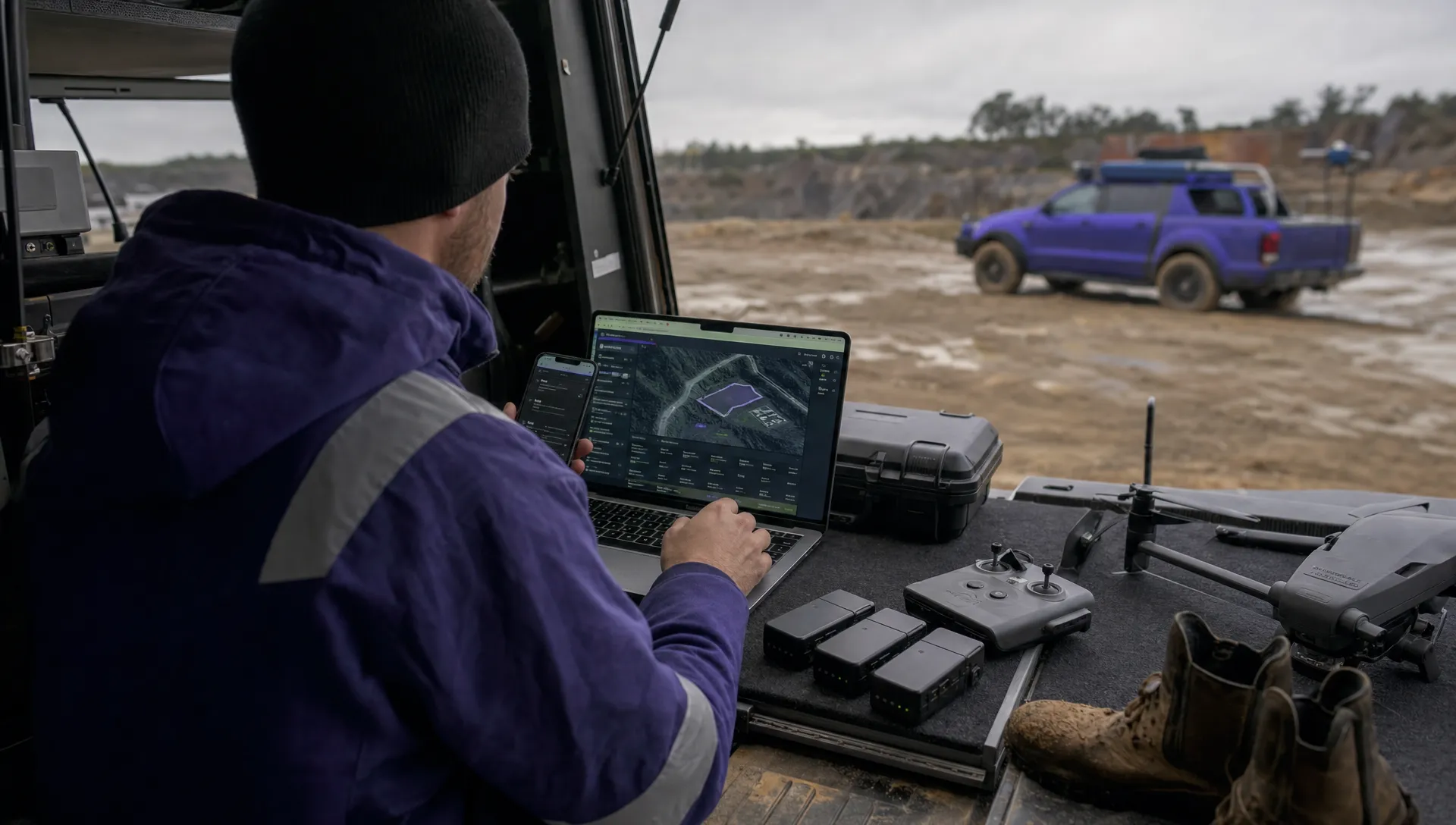 Drone Operating Rules for Managing Contractors and Employees →
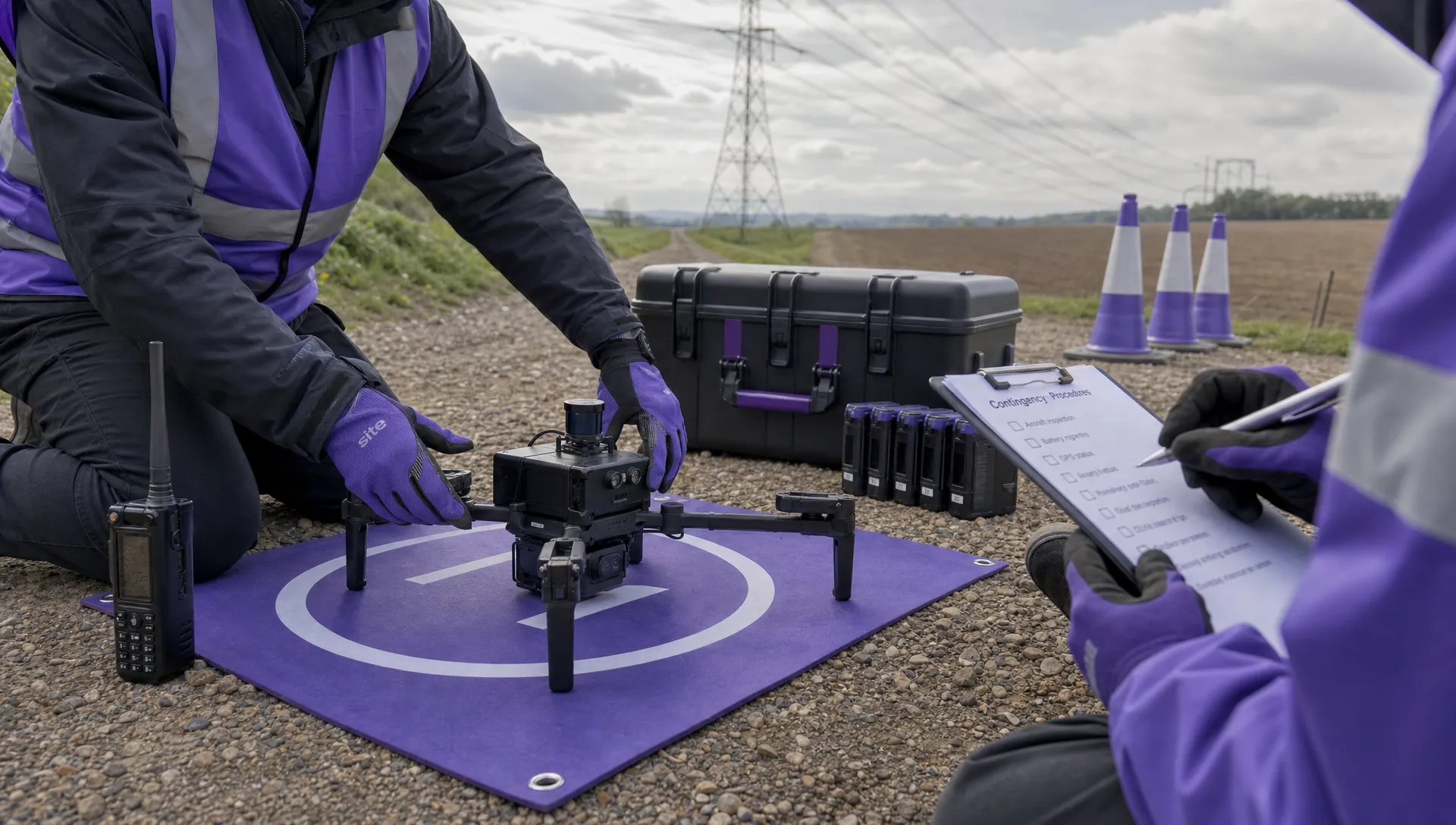 BVLOS Drone Requirements for Building a Safety Case →
 Drone Pilot Test Mistakes That Cost Candidates Marks →
 FAA 107 License vs Part 107 Certificate: What’s the Difference? →
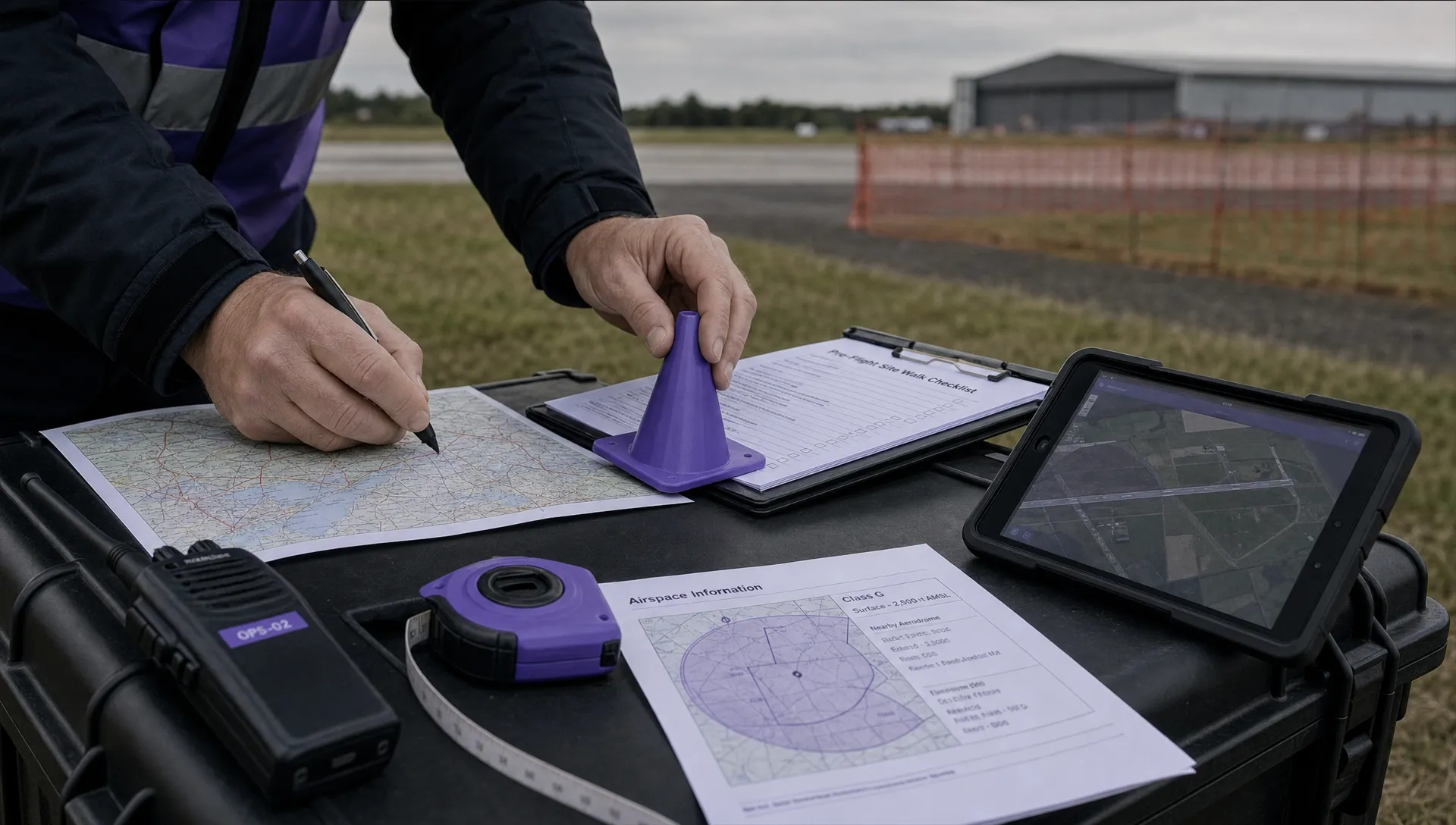 Drone Airport Rules: A Field Checklist for Site Assessments →
 FAA Part 107 Record-Keeping Rules for Commercial Teams →
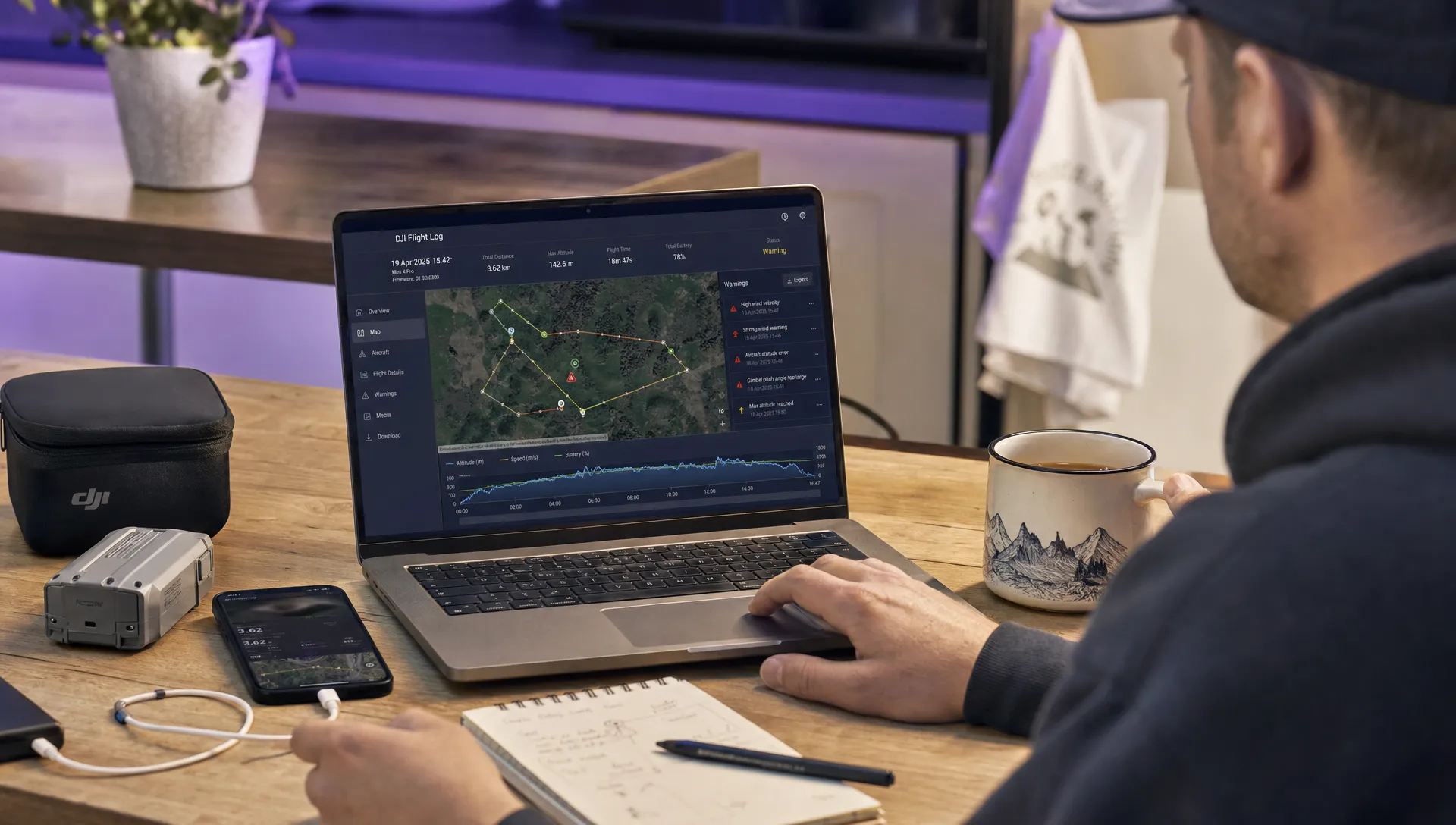 How to Review a DJI Flight Log After an Unexpected Event →
 Drone Laws Around the World: A Pre-Flight Research Framework →
 How to Compare Drone Survey Services for Complex Sites →
 How to Start a Drone Mapping Business With a Clear Workflow →