
Elevate Flight Records with the electronic logbook for pilots
An electronic logbook for pilots is simply a digital app used to record flight hours and keep track of your entire career as an aviator. It's designed to replace the old-school paper logbooks with a smarter, automated, and much more secure system. The whole point is to make record-keeping easier, keep you compliant, and give you instant access to your complete flight history.
From Paper Trails To Digital Precision

Remember swapping a bulky paper map for a sleek GPS unit? That’s pretty much the leap pilots are making when they ditch paper logbooks for electronic ones. This change is about more than just convenience—it’s a major shift from static, handwritten entries to dynamic, intelligent data.
A traditional logbook is a historical document, plain and simple. It’s often filled with manual calculations and scribbled notes that are begging for errors. An electronic logbook for pilots, however, is a living, breathing record of your career that automates the boring stuff, tracks your currency, and pulls out insights that used to be buried deep in pages of ink.
The Core Concept Explained
Think of a digital logbook less like a notebook and more like a personal assistant for your flying career. It gets the context of what you’re flying, whether you're a seasoned airline captain logging thousands of hours or a commercial drone operator managing complex missions. This technology turns the tedious chore of logging hours into just another seamless part of your workflow.
Instead of spending an afternoon manually adding up flight times for a checkride or a job application, you can spit out a professional, error-free report in seconds. That kind of digital precision brings a few immediate wins:
- Instant Clarity: Need to find a specific flight, endorsement, or time in a particular aircraft? A quick search brings it right up.
- Unwavering Accuracy: Automated calculations for total time, night hours, and cross-country legs mean you can finally say goodbye to common math mistakes.
- Career Insights: You can actually see your progress, track experience in different aircraft, and easily get your numbers ready for interviews or audits.
An electronic logbook moves your most valuable career asset—your flight history—from a vulnerable paper document to a secure, accessible, and intelligent digital format. It’s your personal flight data command center.
This whole journey from physical records to precise digital data isn't unique to aviation. It's happening across almost every regulated field. For a parallel, look at the medical documentation guidelines and the shift from paper to digital, where accuracy and instant access have become just as critical.
A New Foundation for Modern Aviation
Moving from paper to pixels really sets the stage for a more connected and efficient way of managing our flying lives. For individual pilots, it means less time buried in paperwork and more time focused on the actual flying. For drone operators, it’s a robust system for managing complex operations, which you can read more about in our guide to flying log books.
https://blog.dronedesk.io/flying-log-books/
This shift isn't just about logging flights anymore. It’s about building a reliable, verifiable, and genuinely useful record of your professional journey in the skies.
Why Modern Pilots Are Ditching Paper Logbooks

Making the jump to a digital logbook isn’t just about keeping up with the times; it’s a fundamental upgrade to your entire career as a pilot. That classic paper logbook, once a mandatory item in every flight bag, now feels like a bundle of potential errors, lost hours, and late-night administrative headaches. Today’s pilots are switching for good reason, and it all comes down to three things: efficiency, compliance, and safety.
Think about the last time you had to prep for a job interview or a checkride. Instead of spending an evening hunched over a desk with a calculator, manually adding up columns of flight hours, what if you could generate a perfect, professional report in seconds? That’s the immediate, real-world payoff of an electronic logbook for pilots. It turns one of the most tedious parts of the job into a simple, automated task.
Gaining Unbeatable Efficiency
The biggest win when you go digital is the sheer amount of time you get back. We all know manual logging is a slow, repetitive grind that’s just asking for human error. An electronic system puts the most time-sucking parts of record-keeping on autopilot, so you can focus on what you’re actually paid to do—fly.
As a core part of modern Electronic Flight Bags (EFBs), the electronic logbook has completely changed the game, cutting down on paperwork and admin time. For many pilots, this switch leads to a 30% reduction in documentation time. Why? Because EFBs often sync data directly from the aircraft, which helps eliminate the kind of mistakes that used to show up in 15-20% of manual logs during FAA audits. You can find more on the Electronic Flight Bag market here.
This boost in efficiency isn't magic; it comes from a few key features:
- Automated Calculations: Total flight time, night hours, cross-country legs, and time-in-type are all crunched instantly and without errors. No more second-guessing your math.
- Instant Reporting: With a single click, you can generate comprehensive, professionally formatted reports for job applications, insurance renewals, or regulatory checks.
- Smart Autofill: Many systems get to know your flying patterns, pre-filling common routes, aircraft, and crew info to make new entries even faster.
Ensuring Bulletproof Compliance
For any professional pilot, compliance isn’t just important—it’s the bedrock of your career. Regulatory bodies like the FAA, EASA, and CAA have non-negotiable rules for logging and presenting flight time. A paper logbook, with its smudged ink, loose pages, or questionable entries, can quickly become a liability.
An electronic logbook, on the other hand, creates a clean, legible, and reliable record. It’s designed to ensure every single entry meets regulatory standards, giving you an audit-proof history you can count on. That digital precision provides peace of mind during ramp checks, audits, or any other official review.
By digitizing your flight records, you're not just organizing them; you're safeguarding them. A cloud-backed electronic logbook protects your most valuable professional asset—your flight history—from loss, damage, or theft.
To really see the difference, a side-by-side comparison makes it crystal clear why making the switch is such a no-brainer.
Paper Logbook vs Electronic Logbook A Head-to-Head Comparison
| Feature | Paper Logbook | Electronic Logbook |
|---|---|---|
| Data Entry | Manual, slow, and prone to error. | Automated and fast with minimal errors. |
| Calculations | Requires manual tallying. | Instant and consistently accurate. |
| Reporting | Time-consuming to create reports. | Generates professional reports in seconds. |
| Backup | Vulnerable to physical loss or damage. | Securely backed up in the cloud. |
| Accessibility | Limited to the physical book. | Accessible anywhere on multiple devices. |
| Compliance | Harder to prove and verify. | Creates a clear, audit-proof trail. |
As you can see, the advantages of a digital system aren't just minor conveniences; they are significant improvements across the board that impact every aspect of a pilot's professional life.
Enhancing Pilot Safety
Finally, a well-kept electronic logbook is a direct contributor to pilot safety. By making it effortless to track flight and duty times with pinpoint accuracy, it becomes a powerful tool for managing fatigue. You can set up alerts for duty limits, helping ensure you are always well-rested and fit to fly. This isn't just about ticking a regulatory box; it's about actively managing your personal well-being and the safety of every single flight.
Essential Features of a Drone Pilot Logbook

For a commercial drone operator, an electronic logbook for pilots has to be more than just a place to jot down flight hours. It needs to be the central nervous system of your entire operation, linking your flights, gear, and business goals all in one place. While a traditional logbook is all about a pilot's personal time in the air, a drone-specific version has to step up and become a full-blown asset and operations management tool.
Sure, the basics are a given—logging flight duration, location, and who was flying. But the real magic is in the features built specifically for the grind of commercial drone work. These are the things that elevate a simple digital notebook into a powerhouse platform that actually drives efficiency and makes you more money.
Automated Flight Data Syncing
Let's be honest: manually typing in flight data after every mission is a drag. Worse, it’s a surefire way to introduce errors and burn precious time. That’s why the single most important feature for any modern drone logbook is automated flight data syncing. This allows your logbook to talk directly to your drone’s flight controller, especially common systems like DJI.
Think of it as a smart receipt for every flight. Instead of you trying to remember and key in all the details, the logbook automatically pulls in the hard data:
- Exact flight paths and telemetry.
- Pinpoint-accurate takeoff and landing coordinates.
- Flight duration, right down to the second.
- Maximum altitude and distance from home.
This direct hook-up takes all the guesswork out of the equation and guarantees every entry is a perfect, verifiable record. It turns a boring admin task into something that just happens in the background, letting you focus on the actual mission.
Comprehensive Asset and Fleet Management
A professional drone op is about more than just the drone itself. You've got batteries, controllers, gimbals, pricey sensors, and a whole host of other gear that needs to be tracked. A proper electronic logbook gives you a central inventory to manage the entire lifecycle of these assets.
This goes way beyond just making a list of what you own. It means tracking crucial usage stats for every single component. For instance, you can monitor the charge cycles on each battery, which is a massive indicator of its health and whether it can be trusted on a critical job. A good logbook will tie each flight to the specific drone and batteries used, building a detailed operational history for every piece of hardware.
A drone-centric electronic logbook isn't just a record of your past flights; it's a predictive maintenance engine for your future operations. By tracking usage, it helps you anticipate issues before they lead to costly downtime or mission failure.
This level of detail is absolutely essential for keeping your fleet safe and reliable. It lets you schedule maintenance based on actual wear and tear, not just a date on the calendar, ensuring your equipment is always ready to fly.
Intelligent Maintenance Scheduling
Building on asset management, intelligent maintenance scheduling is the feature that actively stops equipment from failing. Instead of relying on a spreadsheet or a mess of sticky notes, the logbook uses the flight data it's already collecting to trigger maintenance alerts.
For example, you could set a rule to perform a detailed inspection on a drone after every 50 hours of flight time. The logbook automatically tallies the hours for that aircraft and shoots you a notification when you're getting close. This proactive approach is vital for safety and compliance, creating a clear, auditable trail of every maintenance action you've taken. Checking out different pilot logbook apps can help you see which platforms have the most advanced tools for your scale of operations.
Project and Client-Based Logging
Finally, to really understand if your drone operations are making money, your logbook needs to connect flights to business outcomes. The ability to tag each flight to a specific client, project, or job number is a game-changer for any commercial operator.
This one simple function unlocks powerful business insights. By linking flight hours, equipment usage, and pilot time to a specific project, you can accurately figure out the cost of goods sold (COGS) for every job you do. This data is critical for:
- Figuring Out Profitability: Instantly see which clients or job types are your biggest moneymakers.
- Proving ROI: Hand stakeholders or clients detailed reports showing exactly what resources were used on their projects.
- Smarter Quoting: Use your historical data to build more accurate and competitive quotes for future work.
This is how your electronic logbook stops being just a compliance tool and becomes a strategic business asset that puts more money in your pocket.
Integrating Your Logbook for Seamless Operations
A standalone electronic logbook is a huge leap from paper, but plugging it into your other systems? That's a total game-changer.
Think of it like a smart home where your lights, thermostat, and security system all talk to each other. When your electronic logbook for pilots connects with your other operational tools, it creates a powerful, unified workflow. It cuts out wasted time and makes sure everyone is working from the same script.
This connected ecosystem is the secret to unlocking real operational efficiency. Instead of manually punching flight data into one app, mission details into another, and client info into a third, an integrated system creates a single source of truth. Data just flows automatically, slashing admin tasks and the risk of human error.
The Power of a Connected Workflow
Let's paint a picture for a drone operator. You plan a mission in a platform like Dronedesk, which automatically pulls in airspace data and weather forecasts. When you fly that mission with your DJI drone, the flight data syncs straight back to the platform and logs itself. At the end of the day, that logged flight is already tied to the right client and project, letting you spit out an accurate report or invoice with a single click.
This smooth process—from planning to flight to reporting—is what integration makes possible. It turns your logbook from a simple record-keeping tool into the command center of your entire business. This isn't just a minor convenience; it's a fundamental shift that lets you scale your business, whether you're a solo pilot or managing a massive fleet.
To really get the most out of your setup, your electronic logbook has to play nice with other aviation tools. You can learn more about the importance of integrations in digital platforms to see how this connectivity creates value in all sorts of industries.
Eliminating Redundant Data Entry for Good
The move to electronic logbooks, often as part of a wider Electronic Flight Bag (EFB), has taken off for this very reason. With portable devices now dominating 60-70% of the market, the efficiency gains are impossible to ignore. Studies show pilots can wrap up their logs up to 40% faster with integrated systems, as real-time data syncing crushes the discrepancies that used to plague a quarter of all flights before digitization.
This automation is what frees up pilots and operations managers from the soul-crushing drudgery of entering the same data over and over. The hours you save can be poured back into things that actually grow your business, like drumming up new clients, building relationships, or getting advanced training.
An integrated electronic logbook acts as your digital co-pilot for operations management. It ensures that data entered once is automatically populated everywhere it's needed, creating a frictionless workflow that saves time, reduces errors, and provides a clear view of your entire operation.
For drone pros, this means linking platforms like Dronedesk directly to their flight controllers. This direct connection automates the logging of critical telemetry, turning every flight into a rich dataset. You can then use that data for maintenance scheduling, profitability analysis, and compliance reporting—all without any extra manual work.
Creating a Single Source of Truth
At the end of the day, the goal of integration is to build a single, reliable source of information for your entire operation. When your logbook, flight planning software, and client management tools are all in sync, you have a complete and accurate picture of your business at all times. This isn't just about organizing data; it's about making smarter business decisions.
This level of connectivity makes sure that everyone—from the pilot in the field to the manager in the office—is looking at the same up-to-date information. Getting the principles behind this right is crucial, which is why we've put together a guide on data integration best practices to help you build a solid, efficient system.
This unified approach is what allows a solo operator to manage jobs with the polish of a large enterprise, and what helps large teams maintain consistency and compliance across hundreds of missions. It’s the bedrock of any modern, scalable, and successful aviation or drone business.
Navigating Aviation Regulations with Confidence
For any professional pilot, compliance isn’t just a box-ticking exercise—it’s the very foundation of your license and livelihood. In a field governed by exacting standards from authorities like the FAA, EASA, and CAA, your logbook is the definitive proof of your qualifications and currency. An electronic logbook for pilots takes this crucial record from a source of anxiety and turns it into your strongest compliance tool.
Imagine you're facing a ramp check or a formal audit. Instead of scrambling for a paper logbook and hoping your handwriting is legible, you can generate a clean, detailed, and audit-ready report in seconds. This is more than just convenient; it's about presenting an undeniable, professional record that ticks every box for flight time, location, aircraft specifics, and endorsements.
Building an Audit-Proof Digital Record
The real power of a quality electronic logbook is its integrity. Paper can be lost, damaged, or even altered. A digital record, on the other hand, is built to be tamper-evident. Every single entry is timestamped and stored securely, creating a crystal-clear chronological history that holds up under the tightest scrutiny. This digital proof is your best defense when an inspector comes calling.
Regulatory bodies have been moving in this direction for years. A huge step was the FAA's 2007 policy green-lighting Electronic Flight Bags (EFBs), which drove adoption in U.S. airlines from just 10% to over 90% by 2020. That shift didn't just make operations smoother; it established a new benchmark for compliance. Over in Europe, EASA's 2011 certification rules, which now influence a 30% global market share, further cemented the role of digital logs. You can dig into more stats about the rise of the Electronic Flight Bag Market on stellarmr.com.
The graphic below shows just how elegantly a modern electronic logbook fits into the entire flight workflow, from the first planning stages to the final report.

This isn't a clunky, multi-step process. It's a seamless loop where each phase naturally flows into the next, ensuring compliance is baked into your operations from the start, not bolted on as an afterthought.
Proactive Safety and Airspace Awareness
The best electronic logbooks don't just passively record what you've done—they actively help you fly smarter and safer. Top-tier platforms integrate with real-time airspace data, a massive advantage for both traditional pilots and drone operators. Your logbook suddenly becomes a proactive safety tool that helps you navigate complex skies with total confidence.
Here’s what that looks like in the real world:
- Verifying Compliance: Your logged flight path can be instantly overlaid on airspace maps, giving you undeniable proof that you operated well clear of restricted zones or Temporary Flight Restrictions (TFRs).
- Advisory Awareness: The system can automatically flag flights that took place near areas with specific advisories, demonstrating you were aware of and compliant with local conditions.
- Automated Cross-Referencing: Forget manually checking your flight path against charts after landing. The system does it for you, adding a powerful layer of validation to every entry in your logbook.
Your electronic logbook becomes more than just a history of your flights; it serves as a verifiable testament to your professionalism, airmanship, and unwavering commitment to regulatory standards.
At the end of the day, this level of detail brings incredible peace of mind. You're no longer just logging hours to meet a minimum. You're building a rich, data-backed history that proves you are a safe, compliant, and responsible pilot, ready for any opportunity or regulatory review that comes your way.
Don't Let Your Flight History Hold You Back
The thought of moving decades of flight time from a dog-eared paper logbook to a screen can be daunting. It's a valid concern; that history is your professional life's work, and nobody wants to risk losing it or spending weeks manually typing it all in. But here's the good news: modern electronic logbooks for pilots are built for this exact scenario, and the process is far less painful than you might imagine.
You don't need to re-log every single cross-country flight you took back in the day. The trick is to use "catch-up" entries. Think of them as bulk summaries that capture your total flight hours, time-in-type, or hours on a specific aircraft. This way, you can get your digital record perfectly up to date in a handful of entries, not thousands.
A Few Practical Ways to Get it Done
Already have your logs in a spreadsheet? You're way ahead of the game. Most quality electronic logbooks have a data import feature. They'll give you a template, you copy and paste your data into it, upload the file, and voilà—your entire flight history populates your new digital logbook. It’s that simple.
For those of us coming from a long line of paper logbooks, here are a few ways people tackle the migration:
- Go Aircraft by Aircraft: Create a single summary entry for each type of aircraft you've ever flown, tallying up the total hours for each.
- Summarize by Year: Log one entry for each year you’ve been flying, capturing the total time and any major milestones or checkrides.
- Start Fresh, Backfill Later: The easiest method by far. Just start logging all your new flights digitally from today. Then, when you have a spare moment, you can go back and add in the summary entries for your historical time.
The objective isn't to create a perfect one-to-one digital copy of your paper past. It's about getting your crucial totals and qualifications into the system so you have an accurate, up-to-date record moving forward.
Your Logbook Is Your Asset—Keep It That Way
Once you’ve got your data in, there's one last, crucial thing to consider: ownership. Your flight history is your resume, your proof of experience, and your career passport. You need to be sure you can always take it with you. Before you commit to any platform, dig into their export options. Can you get a complete copy of your logbook out, easily and in a usable format?
An electronic logbook that doesn't let you easily export your data is a deal-breaker, full stop. Your flight history belongs to you, and you should have the freedom to download it for a job application, provide it for a regulatory audit, or even move it to a different platform if you ever want to. You should never be locked in.
This portability is what transforms your logbook from a static document stuck in a binder into a living, dynamic, and protected professional asset that’s ready for whatever comes next in your career.
Answering Your Top Questions
Making the leap from a trusty paper logbook to a digital one naturally brings up a few questions. For many pilots, that paper record is a career-defining document, so it's smart to have concerns about compliance, data security, and just how much of a headache it'll be to get started.
Let's tackle the most common questions head-on.
Are Electronic Logbooks Accepted By Aviation Authorities Like The FAA?
This is usually the first—and most important—question on every pilot's mind. The answer is a clear and simple yes.
Aviation authorities all over the world, including heavyweights like the FAA in the US and EASA in Europe, absolutely accept electronic logbooks as official records. The key condition, however, is that they must meet strict criteria for accuracy, integrity, and security.
Reputable logbook platforms are built from the ground up to meet these standards. They're designed to ensure your flight records are audit-proof and fully compliant, whether you're facing a checkride, applying for a new type rating, or interviewing for your dream job. The goal is to use a system that creates a reliable, unalterable record of your entire flight history.
What Happens If I Lose My Device Or Have No Internet?
This is where digital logbooks really shine and show their biggest advantage over paper. Your priceless flight data isn't just sitting on your phone or tablet, vulnerable to a single point of failure. It’s securely stored and backed up in the cloud.
If your device gets lost, stolen, or dropped in a puddle, you don't lose a thing. Just log into your account from a new phone, tablet, or computer, and every single flight hour will be right there waiting for you. Many platforms also have excellent offline capabilities, letting you log flights even when you're in the middle of nowhere without a signal. Once you’re back online, everything syncs up automatically.
Think of a cloud-based logbook like a bank vault for your flight hours. Your physical device is just the key; the asset itself is protected off-site, accessible whenever you need it.
This setup protects your career history from theft, damage, or simple hardware failure, offering a level of peace of mind a paper logbook just can't match.
How Hard Is It To Digitize My Old Paper Logbooks?
Getting decades of flight time from paper into a digital format sounds daunting, but it's much more manageable than you might think. It does take some upfront effort, but modern platforms are designed to make this migration as painless as possible.
You've got a few options, depending on how detailed you want to be:
- Manual Entry: You can go line-by-line, which is perfect if you want to capture every note and detail from your past flights.
- Summary Entries: A popular and much faster method is to create summary entries. For example, you can create a single log entry for "Total Piston Time Before 2024" to bring your totals up to date.
- Spreadsheet Import: If you've been keeping a parallel record in a spreadsheet, most services let you import a CSV file directly. This is often the quickest way to get everything in.
Sure, it's a one-time project. But the long-term payoff—instant searchability, automatic calculations, and ironclad security—is well worth the effort.
Ready to see how an integrated Dronedesk logbook can transform your operations? Our platform combines flight logging with comprehensive mission planning and fleet management to save you time and keep you compliant. Explore Dronedesk today and take control of your drone business.
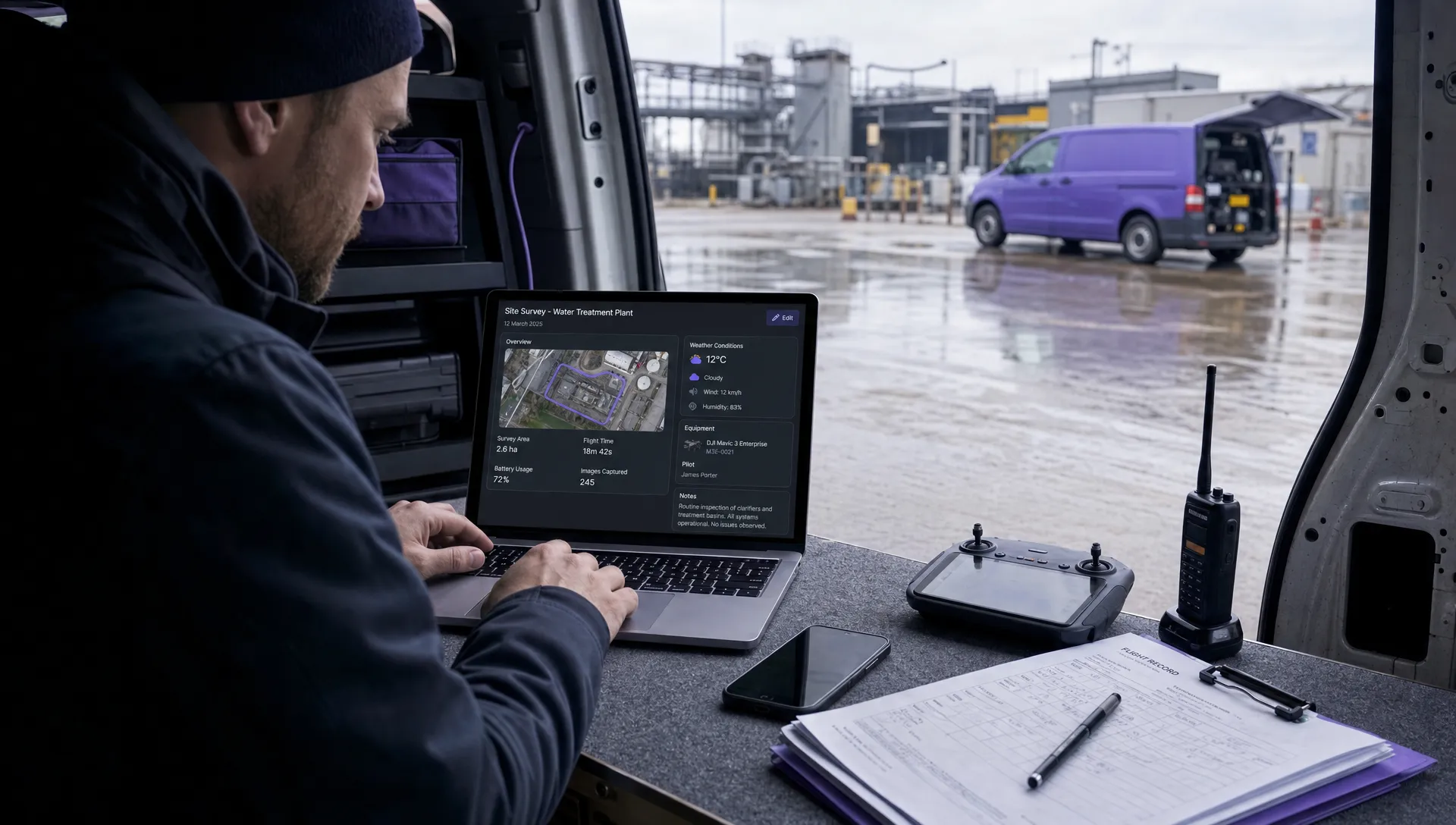 Drone Airspace Rules: How to Document Your Site Checks →
 How to Evaluate a Free Drone Logbook Before Using It →
 FAA Part 107 Test: How to Master Airspace Questions →
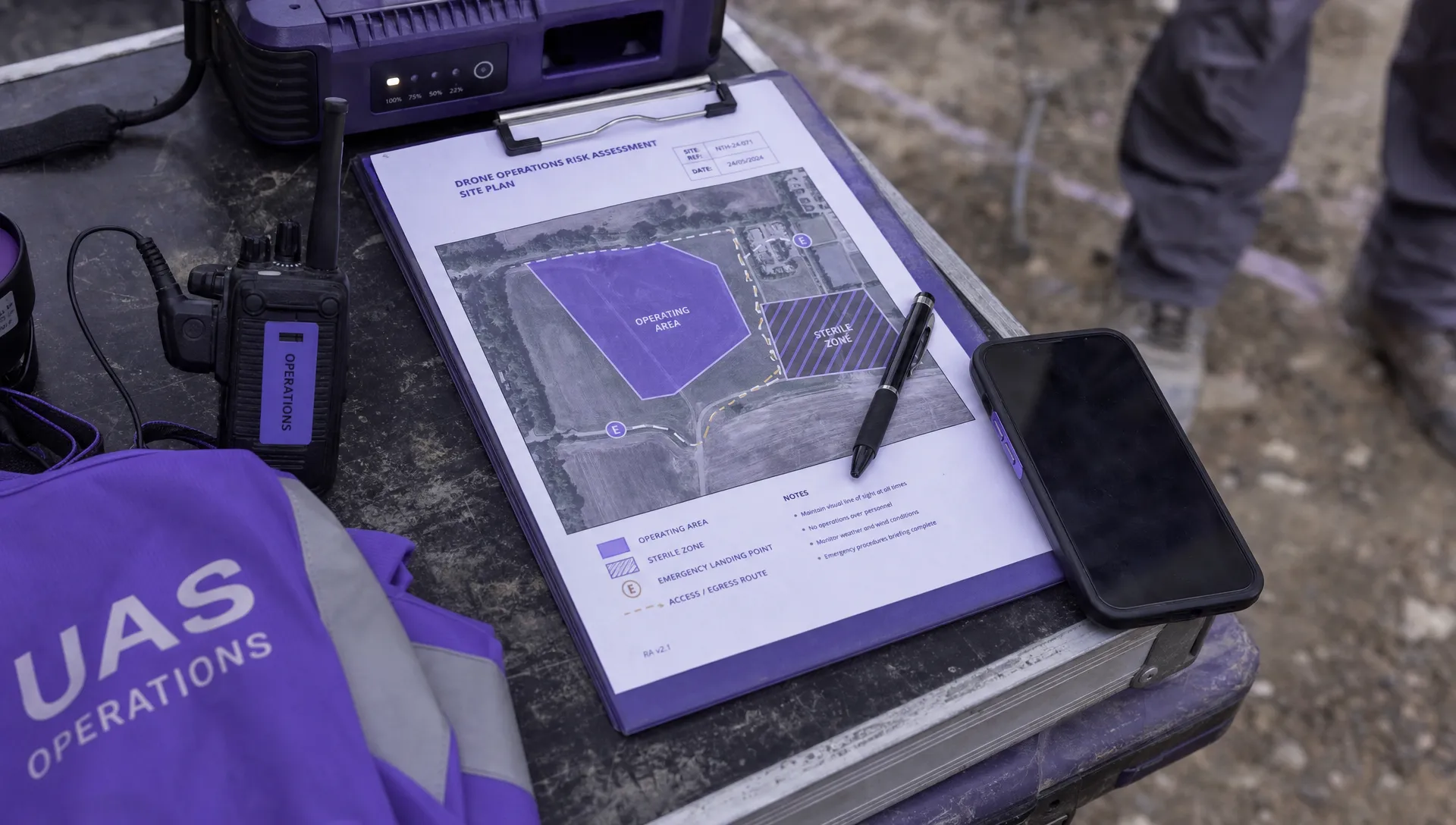 Drone Risk Assessment Controls That Work in the Field →
 FAA Drone License Costs Beyond the Knowledge Test →
 Drone Part 107 Operations: When a Waiver May Be Needed →
 Drone Operating Rules for Managing Contractors and Employees →
 BVLOS Drone Requirements for Building a Safety Case →
 Drone Pilot Test Mistakes That Cost Candidates Marks →
 FAA 107 License vs Part 107 Certificate: What’s the Difference? →