
A Pilot's Guide to Drone Navigation Software
Think of drone navigation software as the invisible co-pilot sitting in the cockpit of every unmanned aerial vehicle. It's the brains of the operation, taking a pilot's commands and blending them with a constant stream of real-time data to pull off a safe, pinpoint-accurate flight. This is way more than just a GPS map; it's an intelligent system that’s always working to figure out exactly where the drone is, and what’s around it.
The Brains Behind the Blades
Drone navigation software is the foundational tech that makes everything possible, from a simple aerial photo shoot to a complex, fully automated survey mission. Without it, a drone is just a fancy paperweight—a collection of parts with no way to follow instructions, know its own position, or move safely through the world. It’s the digital bridge between what you want the drone to do and what it actually does.
Imagine you're directing a film and your drone is the star camera operator. You don't just nudge it in a general direction and hope for the best. You give it a script. The navigation software is what reads that script—your flight plan—and makes sure the drone hits every mark perfectly, avoids bumping into the scenery, and delivers a flawless shot every time.
This software is what elevates a drone from a remote-controlled gadget into a serious professional tool for data collection, inspections, and surveying. It's the key that unlocks autonomy and real operational efficiency.
Core Functions of Drone Navigation Software
To really get what this software does, it helps to break it down into a few critical jobs. These are the core functions that make professional drone work not just possible, but reliable and safe.
Let's take a quick look at its main responsibilities.
Core Functions of Drone Navigation Software
| Core Function | What It Does | Benefit for the Operator |
|---|---|---|
| Situational Awareness | Continuously crunches data from sensors like GNSS and IMUs. | Keeps a rock-solid, precise lock on the drone's location, altitude, and orientation. |
| Mission Execution | Turns high-level plans (like waypoint routes or survey grids) into low-level flight commands for the motors. | You can focus on the mission's goals, not the tiny details of flying the drone. |
| Safety Management | Monitors battery levels, signal strength, and potential hazards, automatically triggering fail-safes. | Provides a safety net, protecting your drone, your payload, and people on the ground. |
Understanding these functions is the first step, but a true professional thinks about the entire lifecycle of their equipment. That includes knowing what to do when a drone reaches the end of its useful life. For that, you can find helpful camera drone disposal and recycling services to ensure responsible hardware management. Taking a holistic view, from software to retirement, is what defines a pro operation.
The Core Technologies Behind Autonomous Flight
To really get what makes drone navigation software tick, we need to pop the hood and look at the technologies that bring it all to life. These systems work in concert, like a highly skilled flight crew, with each member adding a unique sense of awareness that lets the drone see and react to its environment. Without them, autonomous flight would still be the stuff of science fiction.
At the core of this tech trio are the systems that tell the drone exactly where it is in the world. This is where GNSS and its high-precision cousins come in.
GNSS and RTK for Pinpoint Accuracy
Think of a standard Global Navigation Satellite System (GNSS) as the drone’s basic sense of direction, a bit like the GPS in your car. It’s solid for getting a general location, but it isn’t nearly accurate enough for professional jobs like surveying, where being off by a few feet can throw off an entire project. That's where Real-Time Kinematic (RTK) and Post-Processed Kinematic (PPK) step up.
RTK and PPK are correction methods that boost standard GNSS to an incredible level of precision—often down to the centimetre. They do this by using a stationary ground station (a base station) which knows its own exact location. It compares that known position with the satellite signals it's receiving, calculates the errors in the signal, and then beams this correction data to the drone.
- RTK sends these corrections as the drone is flying, in real-time.
- PPK logs all the data so it can be corrected after the flight is over.
This process turns a drone from a simple flying camera into a survey-grade mapping instrument. Beyond the sensors on the drone itself, these core positioning technologies are vital. Even on the ground, a good grasp of accurate GPS tracking technology helps you appreciate just how these sophisticated systems operate.
This diagram helps visualise how all the key parts—the pilot, the drone, and the environment—are linked together by the software's 'brain.'

It really drives home that modern navigation isn’t just about the drone flying solo; it's about pulling together information from multiple sources to make safe, intelligent flight possible.
Vision, IMU, and SLAM for Environmental Awareness
While GNSS gives the drone its global coordinates, other sensors give it local awareness, helping it make sense of its immediate surroundings. This is absolutely critical when GPS signals are weak or gone completely, like inside a building or between tall skyscrapers in a city.
The Inertial Measurement Unit (IMU) is like the drone's inner ear, giving it a constant read on motion, orientation, and balance. It's busy measuring acceleration and rotation, which allows the software to keep the aircraft perfectly stable. Vision sensors, on the other hand, act as the drone's eyes, using cameras to see what's happening around it. Put them together, and you get a seriously powerful capability known as SLAM.
SLAM (Simultaneous Localization and Mapping) is the clever process where a drone builds a map of a place it's never seen before, while simultaneously keeping track of its own position within that brand-new map.
This is the magic that lets a drone navigate a cluttered warehouse or a dense forest without needing GPS. As this tech gets smarter, artificial intelligence is playing a bigger role in making sense of all that sensor data. You can learn more about how AI transforms drone flights in our detailed guide on the subject. SLAM is really the foundation of true autonomy, giving drones the freedom to operate in complex, real-world places.
Essential Features for Professional Drone Operations

When you make the leap from flying for fun to flying for a living, your drone navigation software suddenly becomes one of the most critical tools in your kit. Not all software is built the same, and for any serious professional, a handful of features are completely non-negotiable. They're what you rely on for safety, precision, and getting the job done efficiently.
These aren't just fancy add-ons; they're the foundations of any reliable, repeatable mission. Whether you’re a surveyor capturing data for a topographical map or an inspector getting up close with critical infrastructure, the right software turns your drone from a simple flying camera into a dependable industrial tool.
Waypoint Mission Planning
At the absolute heart of professional drone work is waypoint mission planning. This is your ability to pre-program an entire flight path on a map before the drone even leaves the ground. You can set the exact points it needs to hit, define its altitude and speed, and even tell it what the camera should be doing at each step.
Imagine you need to inspect miles of pipeline or create a detailed 3D model of a sprawling construction site. Trying to fly that route manually introduces human error and kills consistency. With waypoint planning, you just draw the path on your screen, and the software executes the flight with robotic precision. Every single time.
This level of automation is a game-changer for any task that demands high repeatability, like tracking progress on a site over several weeks or months.
Geofencing and Obstacle Avoidance
Safety is, without a doubt, the number one priority in any professional drone operation. Good navigation software gives you two indispensable safety nets: geofencing and intelligent obstacle avoidance.
- Geofencing lets you draw a virtual, invisible boundary around your entire flight area. Think of it as a digital fence that prevents the drone from accidentally straying into restricted airspace, getting too close to hazards, or drifting off the client's property. It’s a simple but incredibly powerful tool for managing risk.
- Intelligent Obstacle Avoidance is much more than just a beeping warning. Using a suite of advanced sensors and AI, the software can actively spot obstacles like trees, cranes, or buildings and automatically plot a safe course around them—all without interrupting the mission.
These intelligent safety features are more than just conveniences; they are essential for protecting your equipment, your reputation, and the public. They provide a layer of automated oversight that allows the pilot to focus on the mission's objectives.
The demand for these advanced features is a key reason the drone software market is blowing up. The whole sector was valued at USD 9.25 billion in 2024 and is projected to hit a staggering USD 35.76 billion by 2035. Onboard software that enables autonomous functions for surveying and aerial photography is a huge piece of this pie, commanding a massive 85.8% market share.
If you want to dive deeper into the market trends, you can read the full industry intelligence report on Spherical Insights. This explosive growth just underscores how critical this software has become.
Connecting Navigation Data with Operations Platforms

A successful drone mission doesn’t end when the aircraft lands. The flight itself generates a mountain of valuable information—flight paths, altitudes, battery performance, total flight times, you name it. This isn't just a simple record; it's operational intelligence waiting to be put to work.
For any professional pilot, from a solo operator to an enterprise manager, linking this raw navigation data to a central management platform is what separates an amateur workflow from a professional one. Manually copying flight logs from a controller to a spreadsheet is not just tedious, it's a recipe for costly mistakes. An integrated system automates the whole thing, creating a seamless flow of information from field to office.
Automating Flight Logging and Compliance
The most immediate win from connecting your drone navigation software is the end of manual flight logging. Instead of burning hours on admin after a long day on site, the data just syncs up on its own.
Platforms like Dronedesk can integrate directly with flight data sources, including DJI drones, to instantly create detailed and accurate logs. This wipes out manual data entry and builds a complete, auditable history of every single flight your team conducts. This automated record-keeping is invaluable for proving compliance, tracking asset usage, and analysing job profitability with real precision.
A connected ecosystem transforms post-flight data from a clerical chore into a strategic asset. It ensures every mission detail is captured accurately, giving you a rock-solid foundation for safety audits, operational analysis, and fleet management.
This kind of connectivity is more critical than ever. The global drone navigation system market was valued at USD 8.77 billion in 2024 and is projected to explode to USD 35.71 billion by 2032, thanks to big steps in AI and sensor fusion. This growth underscores just how much we're relying on smart, connected systems to manage increasingly complex operations. You can discover more insights about the drone navigation market on 360iResearch.
Creating a Single Source of Truth
Integrating navigation data with a platform like Dronedesk creates a single source of truth for your entire operation. It connects every piece of mission data—from the initial risk assessment and flight plan to the final flight log and client report—all in one place.
This complete picture is powerful. For solo operators, it means effortlessly tracking hours and maintenance schedules for each drone. For enterprise managers, it delivers a high-level dashboard to monitor fleet-wide compliance, pilot activity, and equipment health.
Getting a handle on these data integration best practices is the key to scaling your operations efficiently and safely. By bridging the gap between what happens in the air and how you manage it on the ground, you build a robust, data-driven workflow that boosts productivity and reinforces your commitment to safety.
For any professional pilot, drone navigation software isn't just about getting from point A to point B. It’s the bedrock of your operational safety and the key to staying on the right side of regulations. Flying safely is more than just dodging trees—it's about hitting the highest professional standard on every single flight, and modern software gives you the framework to do exactly that.
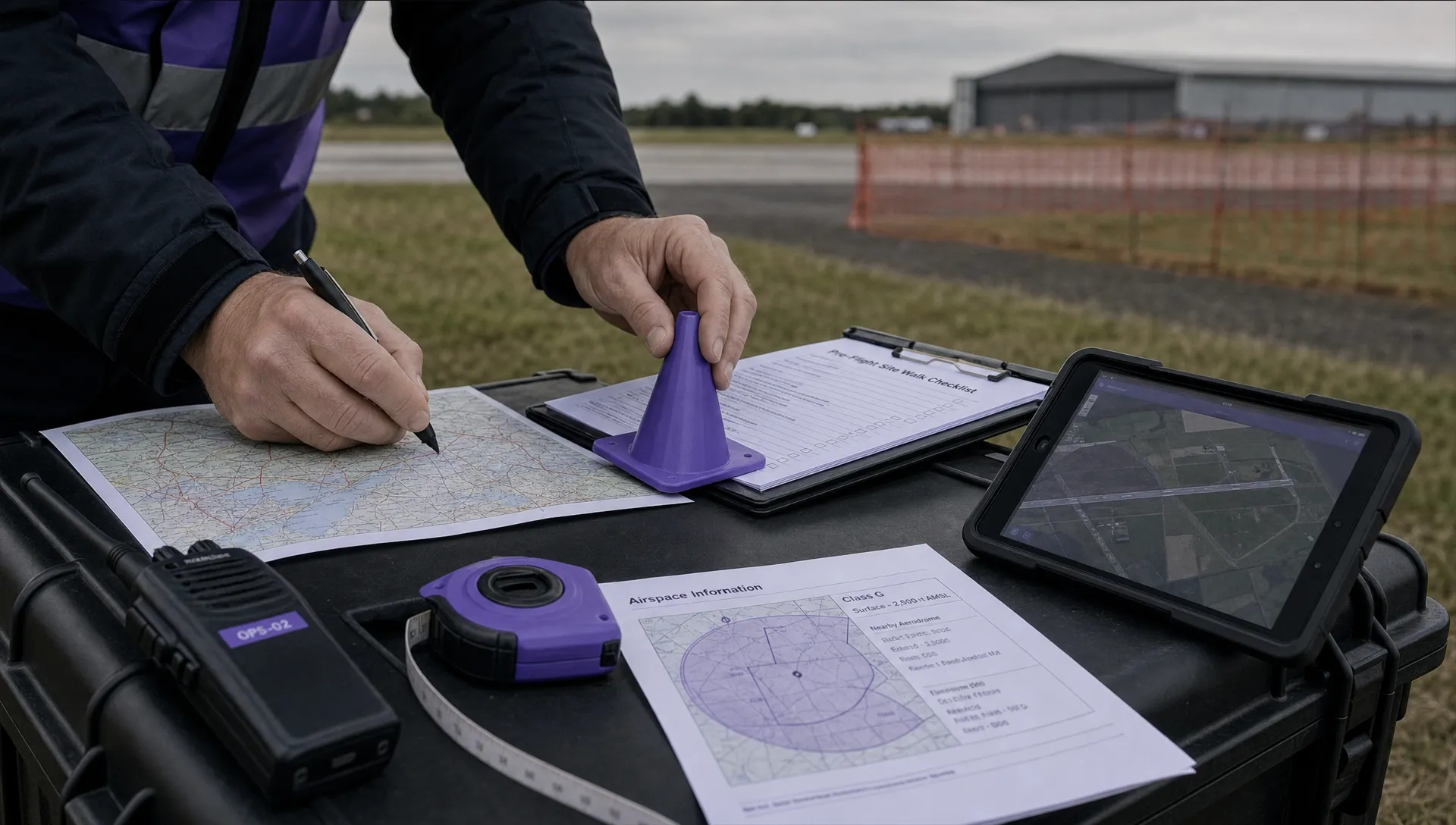
Think of features like built-in airspace maps and detailed terrain data. These are non-negotiable for a proper pre-flight risk assessment. They let you see every potential hazard, from the local airport's traffic pattern to that tricky set of power lines, before your props even start spinning. This kind of proactive planning turns compliance from a headache into a clear, methodical process.
Automated Safety Protocols
Geofencing is a perfect example of automated safety at its best. It’s your digital safety net. You can draw virtual boundaries around a job site, and the drone simply won't cross them. This is brilliant for preventing accidental entry into no-fly zones or making sure you stay within the client's property lines.
Smart software is an incredible co-pilot, but it never replaces the person in charge. It sharpens your awareness and helps you make better decisions, but the ultimate responsibility for a safe flight always lies with the pilot.
Best Practices for Pilots
Even the most sophisticated software needs a competent operator. To keep everything running smoothly and compliantly, every pilot should build these habits into their workflow.
- Perform Regular Updates: Software updates aren't just for new features. They often include critical security patches, bug fixes, and the latest airspace data. Don't skip them.
- Verify Sensor Calibration: Before you take off, every single time, double-check that your sensors—especially the IMU and compass—are properly calibrated. It’s essential for accurate flight.
- Understand System Limitations: Obstacle avoidance is a fantastic tool, but it can struggle in rain, fog, or low light. You have to know the limits of your tech and be prepared to take over.
The challenge of navigating drones in cities is driving huge innovation. In fact, AI-powered systems have been shown to cut collision risks by a massive 70% in cluttered airspace. It's no surprise the urban UAV navigation market is projected to hit USD 9.5 billion by 2025, all thanks to the demand for pinpoint precision in dense environments. You can dive deeper into the trends shaping urban drone navigation on Research Nester.
Platforms like Dronedesk take these best practices and help you lock them into repeatable, professional workflows. When you integrate your flight data with a management system, you create a clear, auditable record of every flight. That paper trail is absolutely vital for proving your due diligence. You can learn more about the role of dedicated drone compliance software in our full guide.
How to Choose the Right Drone Navigation Software
Picking your drone navigation software is a huge decision. Get it right, and your efficiency and safety improve. Get it wrong, and you’re stuck with a tool that just gets in the way. It’s not about grabbing the one with the longest feature list; it’s about finding the software that fits your specific job like a glove. A solo filmmaker’s needs are worlds apart from a team managing a fleet for large-scale industrial surveys.
So, where do you start? Look at your main use case first. Are you shooting sweeping aerials for a creative project, or are you mapping a construction site where every centimetre counts? The filmmaker will want slick, intuitive flight controls and deep camera settings. The surveyor, on the other hand, needs rock-solid waypoint planning and the ability to work with RTK or PPK data for pinpoint accuracy. This one question will immediately cut your list of options in half.
Assess Your Operational Scale and Hardware
Next up, think about the size of your operation. If you’re a one-person show, a single, powerful app might be all you need. But if you’re managing a whole fleet of drones and pilots, you’ll need software that plays nice with management platforms like Dronedesk. That gives you a single place to see flight logs, check maintenance schedules, and manage pilot assignments.
And then there's the deal-breaker: hardware compatibility. Make absolutely sure that any software you're looking at fully supports the drones you fly, especially if you're in a popular ecosystem like DJI. There's nothing worse than software that constantly drops the connection or locks you out of key drone functions. It's basically useless at that point.
Try to look past the flashy marketing claims. What really matters are the fundamentals: is it reliable? Is the interface easy to figure out? Can you get help when you need it? And does it slot into your current workflow without causing a headache?
At the end of the day, your navigation software should feel like a natural extension of your drone—an invisible partner. It’s there to make complex jobs simple, keep you flying safely, and feed all that valuable flight data back into your wider operational systems. Choose wisely, and you're not just buying a tool for today's flights; you're investing in a system that will help you grow tomorrow.
Frequently Asked Questions
When you're getting to grips with drone software, a few questions always pop up. Let's clear up some of the most common ones pilots ask, so you can fly with more confidence and know what's happening under the hood.
What Is the Difference Between Onboard and Ground Station Software?
Think of it like the difference between a drone's reflexes and its mission commander.
Onboard software is the brain that lives inside the drone, running on its flight controller. This is the stuff that handles the immediate, real-time tasks: keeping the drone stable, interpreting sensor data, and firing off the obstacle avoidance system. It’s what makes the aircraft fly smoothly and react in a split second.
Ground station software, on the other hand, is what you're interacting with on your laptop, tablet, or controller. This is your command center. You use it for the big-picture thinking: planning out a waypoint mission, keeping an eye on live flight data, and telling the drone where to go and what to do. One is all about the "how," while the other is focused on the "what" and "where."
How Does Navigation Software Handle GPS Signal Loss?
Losing GPS doesn't mean your drone is about to fall out of the sky. Modern drone navigation software is smart enough to have a backup plan, using a technique called sensor fusion to stay in control.
The moment the GPS signal drops, the software instantly starts relying on other sensors for information.
- The Inertial Measurement Unit (IMU) acts like the drone's inner ear, providing constant data on its movement and orientation.
- Vision sensors use cameras to lock onto features on the ground, allowing the drone to figure out its position and how it's moving.
By blending this data together, the drone can hold its position, hover in place, or trigger a pre-set failsafe like landing automatically until the GPS signal comes back. This multi-sensor approach is a critical safety net, especially when you're flying in tricky spots like between tall buildings or under a dense tree canopy.
This fusion of data is the key to resilience. The software doesn't depend on a single source of truth, ensuring the drone can maintain control and execute safety protocols even when its primary positioning system is compromised.
Can I Use Third Party Navigation Apps with My DJI Drone?
Yes, absolutely. In fact, many professional pilots rely on third-party apps to access advanced features that aren't available in the standard DJI software. This is all possible thanks to DJI's Software Development Kit (SDK), which gives other developers a way to build their own apps that can control DJI drones.
Apps like DroneDeploy for mapping, Litchi for creative flight paths, and of course, operations platforms like Dronedesk, all use the SDK to provide powerful, industry-specific tools. But a word of caution: always double-check that any third-party app is fully compatible with your specific drone model and its current firmware before you trust it on an important job.
Ready to connect your navigation data to a powerful operations hub? See how Dronedesk simplifies flight logging, ensures compliance, and gives you a complete picture of your drone operations. Get started with Dronedesk today!
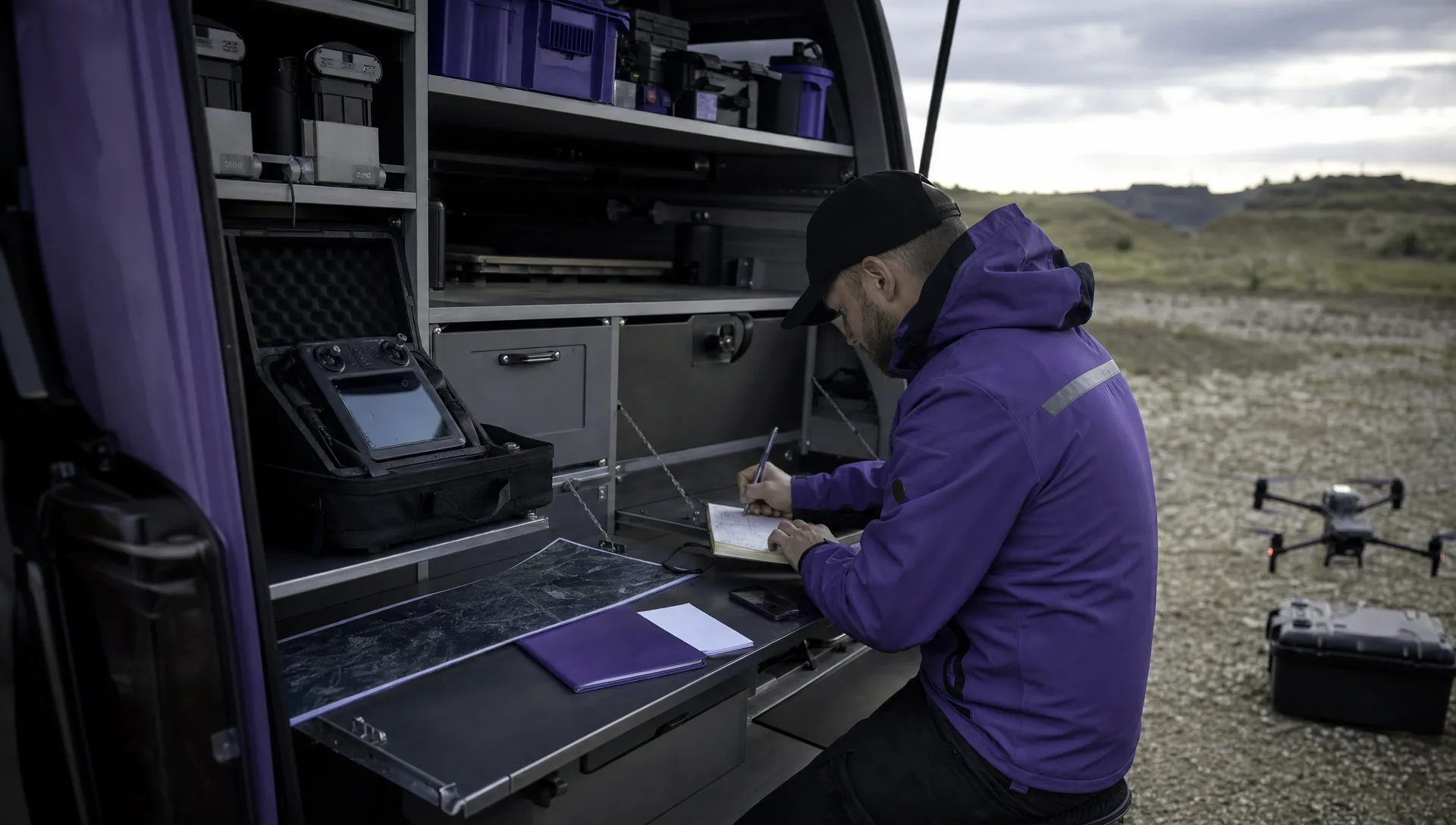 How to Evaluate a Free Drone Logbook Before Using It →
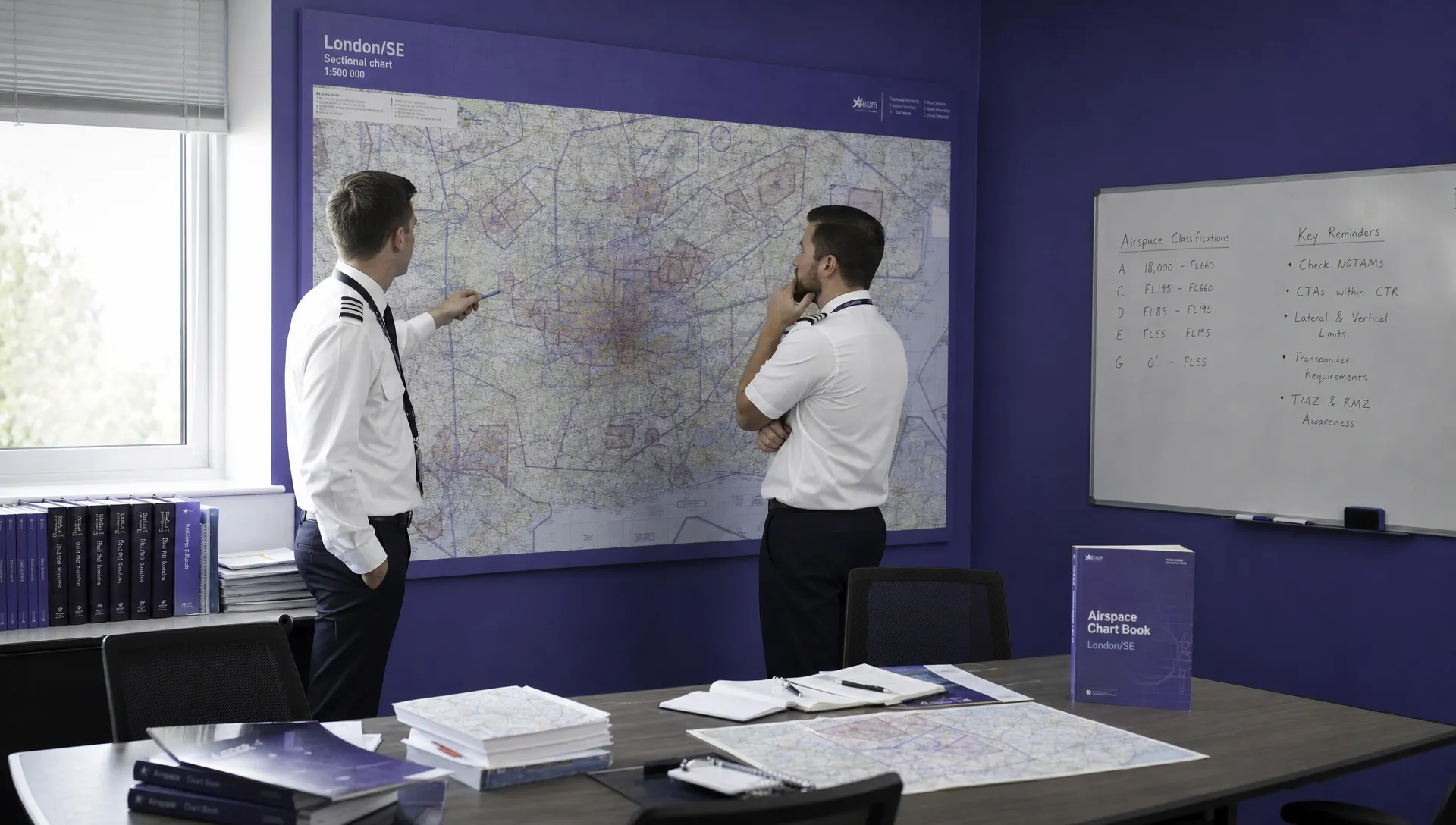 FAA Part 107 Test: How to Master Airspace Questions →
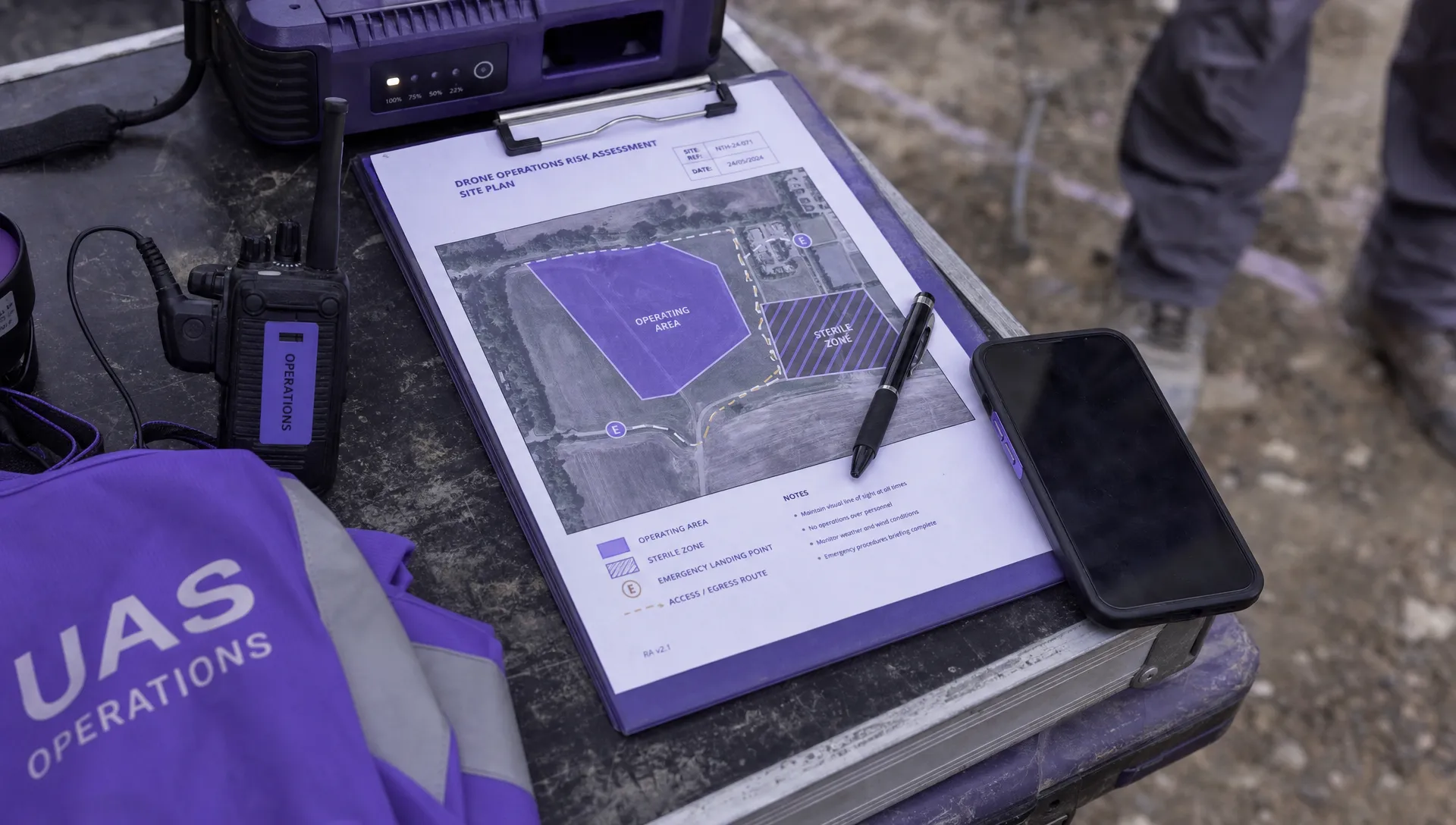 Drone Risk Assessment Controls That Work in the Field →
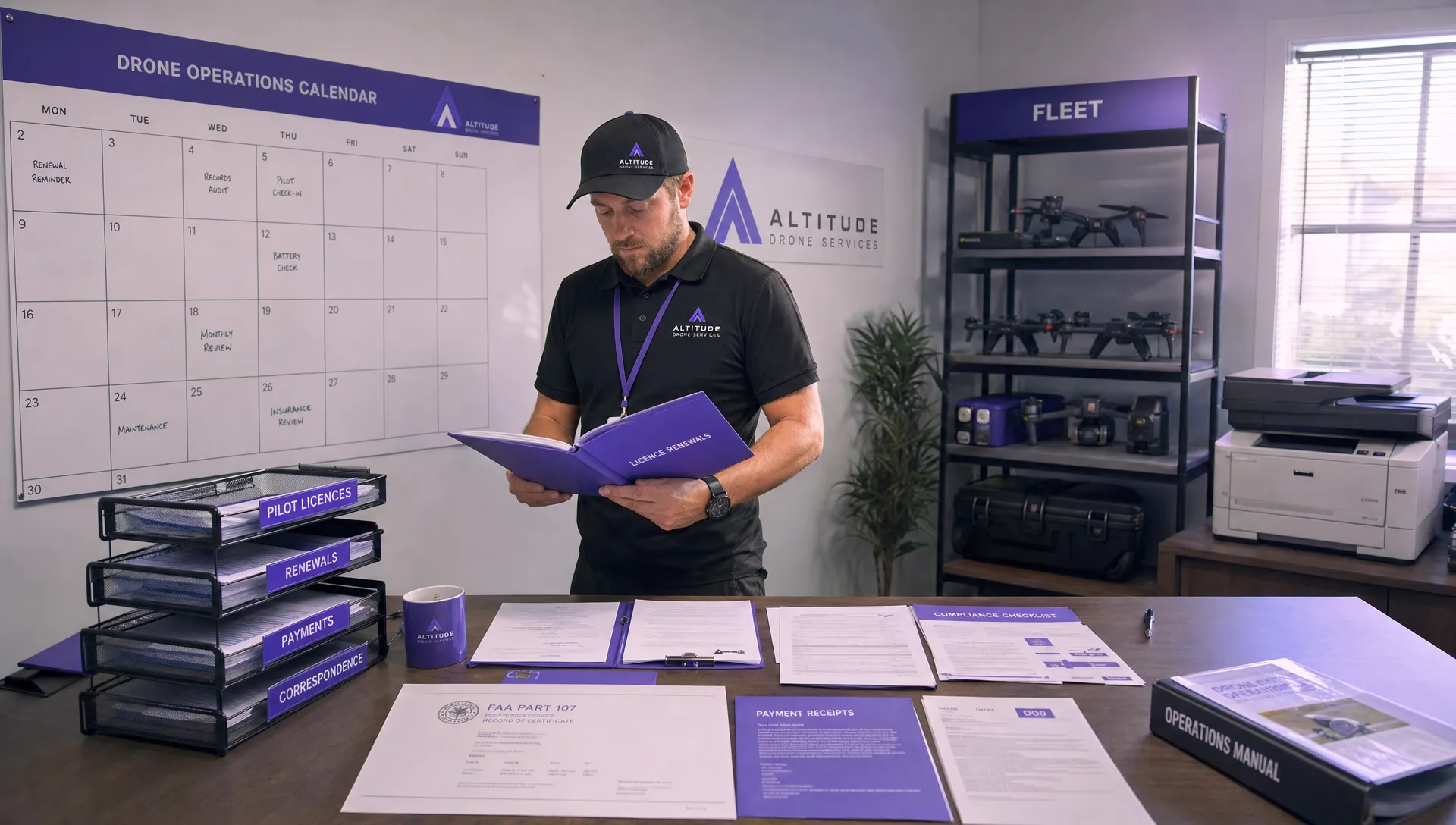 FAA Drone License Costs Beyond the Knowledge Test →
 Drone Part 107 Operations: When a Waiver May Be Needed →
 Drone Operating Rules for Managing Contractors and Employees →
 BVLOS Drone Requirements for Building a Safety Case →
 Drone Pilot Test Mistakes That Cost Candidates Marks →
 FAA 107 License vs Part 107 Certificate: What’s the Difference? →
 Drone Airport Rules: A Field Checklist for Site Assessments →