
7 Success Stories - Cutting Admin & Fighting Risk with Dronedesk
From Paperwork to Payloads: The New Era of Drone Operations
The drone industry has moved beyond novelty, becoming a critical tool for efficiency, safety, and data collection across global sectors. With this power comes complexity: mounting administrative tasks, labyrinthine regulations, and significant operational risks. Managing flight logs, ensuring compliance, planning missions, and coordinating teams can quickly become a full-time job, diverting focus from the actual task of flying. This logistical drain highlights the importance of automating critical administrative tasks like data entry to maintain operational momentum.
This article delves into how Dronedesk is enabling professional drone teams to conquer these challenges. We'll go beyond marketing claims and explore tangible, real-world examples of organizations successfully Cutting Admin and Fighting Risk: Real-Life Stories from Drone Teams Using Dronedesk. These aren't just case studies; they are blueprints for efficiency. Each story breaks down the specific strategies used, from transforming wind farm inspections to optimizing emergency response. Prepare to see how industry leaders are not just using drones, but mastering their deployment with smarter management. This list provides a strategic look at how centralizing operations transforms a drone program from a logistical burden into a streamlined, high-value asset.
1. Wind Farm Inspection Transformation at Orsted
The renewable energy sector, particularly wind energy, presents a high-stakes environment where operational efficiency and safety are paramount. For global leader Orsted, managing vast offshore wind farms involves complex, repetitive, and high-risk drone inspections of massive turbines. The administrative burden of planning these missions, ensuring regulatory compliance, and managing risk was a significant bottleneck, consuming valuable time and resources. This is a prime example of where Dronedesk has been instrumental in cutting admin and fighting risk, leading to a comprehensive operational transformation.
The Challenge: High-Volume, High-Risk Operations
Orsted's challenge was twofold. First, the sheer volume of turbine inspections created a mountain of paperwork for flight planning, risk assessments, and compliance checks. Second, the offshore environment introduces severe operational risks, from unpredictable weather to the inherent dangers of working at height over water. Manually managing these factors for hundreds of flights was not just inefficient; it was a critical risk management liability.
The Dronedesk Solution: Centralized Command and Automated Compliance
Orsted integrated Dronedesk as its central drone operations management platform. This move shifted them from disparate manual processes to a unified, automated system. The platform's strength lies in its ability to streamline the entire mission lifecycle from a single dashboard.
- Automated Planning: Dronedesk automated pre-flight checks, airspace analysis (including VFR charts and NOTAMs), and weather forecasting. This drastically reduced the time pilots spent on manual planning.
- Standardized Risk Assessments: The platform allowed Orsted to create and deploy standardized Risk Assessment Method Statements (RAMS) specific to wind turbine inspections. This ensured every mission adhered to the same high safety standards, making compliance consistent and auditable.
- Asset and Team Management: All assets, including drones, batteries, and pilot certifications, were tracked within the system. Automated alerts for maintenance schedules or expiring licenses ensured the team was always compliant and flight-ready.
Actionable Takeaway
For organizations managing large-scale, repetitive inspection tasks, the key takeaway is to standardize and automate your pre-flight and risk management processes. Start by identifying your most common mission type, like Orsted’s turbine inspections. Use a platform like Dronedesk to build a master template for that job, including pre-populated risk assessments, equipment checklists, and client details. By cloning this template for each new mission, you reduce administrative time from hours to minutes, ensure consistent safety compliance, and create a scalable, auditable operational framework.
2. Emergency Response Optimization at Los Angeles Fire Department
For first responders, situational awareness is a matter of life and death, and every second saved in administrative tasks translates directly to a more effective, safer emergency response. The Los Angeles Fire Department (LAFD), operating across a vast and complex urban landscape, faces immense challenges in coordinating drone missions during high-stakes events. From wildfires to structural collapses, the need for rapid deployment, seamless data sharing, and robust documentation is critical. LAFD's adoption of Dronedesk showcases how a centralized platform is pivotal in cutting admin and fighting risk in the dynamic world of emergency services.

The Challenge: Coordinated Chaos and Critical Compliance
In an emergency, multiple drone teams may be deployed to a single incident, creating a complex command and control challenge. LAFD needed to manage real-time video feeds, track flight paths, ensure airspace deconfliction with other aerial assets, and log all activities for post-incident analysis and legal compliance. Handling this with manual systems or disparate software tools during a crisis is not only inefficient but also introduces significant operational risk, potentially delaying vital intelligence from reaching the incident commander.
The Dronedesk Solution: Unified Command and Rapid Deployment
LAFD integrated Dronedesk to serve as the nerve center for its Unmanned Aerial System (UAS) program. This provided a single source of truth, enabling immediate and coordinated action. The platform directly addresses the core needs of emergency response, transforming how missions are managed from the initial call to the final report.
- Incident Command Integration: Dronedesk allows for the creation of incident-specific flight plans in minutes. During the 2023 Fairfax District apartment fire, teams used it to quickly establish flight zones for structural assessments, streaming live thermal imagery to commanders on the ground.
- Real-Time Situational Awareness: The platform facilitates secure, low-latency video streaming, ensuring incident command has a live "eye in the sky." This was crucial during the Getty Fire for identifying hot spots and planning safe evacuation routes for residents and ground crews.
- Automated Logging and Reporting: Every flight detail, from pilot information and battery usage to flight duration and video evidence, is automatically logged. This simplifies post-incident debriefing and provides an unassailable record for review and training. To learn more about how drone operations are transforming emergency services, see this in-depth article on the Dronedesk blog.
Actionable Takeaway
For public safety agencies, the key strategy is to build a library of pre-planned mission templates for common emergency scenarios. Identify your most frequent incident types (e.g., structure fire, hazmat spill, search and rescue) and use a platform like Dronedesk to create corresponding mission templates. Pre-load these with specific risk assessments, standard operating procedures (SOPs), airspace considerations for known locations, and required equipment checklists. When an incident occurs, pilots can select the relevant template, make minor adjustments, and deploy in minutes, bypassing administrative bottlenecks when time is most critical.
3. Agricultural Precision Management at Cargill
The agricultural industry, a cornerstone of the global economy, is increasingly turning to technology to boost yields, optimize resource use, and enhance sustainability. For a global powerhouse like Cargill, managing vast agricultural operations across continents involves immense logistical complexity. Their drone teams are on the front lines, conducting regular field surveys to monitor crop health and guide precision agriculture. The administrative overhead for planning these widespread missions, from the Iowa corn belt to Brazilian soybean farms, presented a significant operational drag. This scenario is a powerful illustration of how Dronedesk helps in cutting admin and fighting risk in the complex world of modern farming.

The Challenge: Scalability and Data Consistency
Cargill's primary challenge was managing a high volume of drone flights across diverse geographical locations and crop types while ensuring data consistency. A drone survey for pest management on a 50,000-acre soybean farm in Brazil requires different parameters than a yield forecasting mission over Ukrainian wheat fields. Managing flight plans, risk assessments, pilot schedules, and equipment maintenance manually across these operations was inefficient and introduced a high risk of error and non-compliance.
The Dronedesk Solution: A Unified Agricultural Operations Hub
By implementing Dronedesk, Cargill centralized its global drone-based agricultural operations into a single, cohesive platform. This provided a unified system to manage everything from initial flight planning to final data delivery, ensuring consistency and safety regardless of the location or mission objective.
- Templated Mission Planning: Dronedesk enabled Cargill to create specific mission templates for different crops and tasks, such as yield forecasting or pest detection. This pre-filled critical details, standardized procedures, and dramatically cut down on planning time for agronomists and pilots.
- Integrated Asset and Maintenance Tracking: All specialized agricultural assets, including multi-spectral sensors and RTK-enabled drones, were tracked in the system. Automated reminders for sensor calibration and equipment maintenance ensured data accuracy and operational readiness.
- Streamlined Compliance and Risk Management: The platform provided standardized Risk Assessment Method Statements (RAMS) that could be adapted for specific farm locations. This ensured every flight, whether over a Minnesota sugar beet field or an Iowa cornfield, met the same rigorous safety and compliance standards. For more information on how technology is revolutionizing this sector, explore how drone operations are transforming agriculture.
Actionable Takeaway
For drone service providers in agriculture, the key takeaway is to create mission-specific templates to standardize data collection and safety protocols. Identify your core services, such as NDVI analysis for crop health or stand count analysis for yield prediction. In Dronedesk, build a master project template for each service that includes pre-set flight parameters, equipment checklists with specific sensors, and standardized risk assessments. When a new job comes in, simply clone the relevant template and adjust the location-specific details. This approach guarantees consistent, high-quality data for your clients, slashes administrative time, and builds a scalable, risk-averse operation.
4. Infrastructure Monitoring at Network Rail UK
Managing a nation's railway infrastructure is a monumental task defined by constant vigilance and zero tolerance for error. For Network Rail UK, which oversees 20,000 miles of track, the challenge lies in conducting exhaustive inspections safely and efficiently without disrupting train services. Traditional methods involve "boots on ballast" and costly track possessions, creating logistical nightmares and safety hazards. By integrating Dronedesk, Network Rail and its service providers have revolutionized their approach to infrastructure monitoring, demonstrating a powerful case study in cutting admin and fighting risk across a vast, linear network.
The Challenge: Unprecedented Scale and Zero-Fail Safety
Network Rail's primary hurdles were the sheer scale of its network and the absolute necessity of maintaining safety. Conducting regular track surveys, bridge inspections, and vegetation management assessments manually was slow, expensive, and exposed personnel to the dangers of live railway lines. Coordinating these activities, securing track access, and managing the associated paperwork for countless individual sites created a significant administrative bottleneck that hampered proactive maintenance efforts.
The Dronedesk Solution: Streamlined Planning and Enhanced Situational Awareness
By adopting Dronedesk, Network Rail's drone teams gained a unified platform to manage complex, geographically dispersed operations. The system provided the structure needed to plan, execute, and log missions with precision, ensuring every flight complied with strict rail industry and aviation regulations. This created a cohesive operational picture, from the West Coast Main Line's comprehensive surveys to post-storm damage assessments on the East Coast route.
- Geospatial Mission Planning: Dronedesk enabled planners to map out long, linear inspection flights along railway corridors, automatically checking for airspace restrictions, ground hazards, and NOTAMs specific to the route. This was critical for projects like the London orbital rail network's bridge inspection program.
- Integrated Risk Management: The platform facilitated the creation and enforcement of standardized risk assessments tailored for railway environments. This included protocols for operating near high-voltage overhead lines and coordinating with railway signaling systems, which is a key part of how drone operations are transforming infrastructure inspections.
- Complete Audit Trail: Every aspect of a mission, from pilot currency and equipment maintenance history to the final flight logs and data deliverables, was recorded in one place. This provided Network Rail with an unimpeachable audit trail for regulatory compliance and operational review.
Actionable Takeaway
For organizations managing inspections across extensive linear assets like railways, pipelines, or power lines, the strategy is to build a library of mission templates for specific route segments and asset types. Identify recurring inspection requirements, such as a 10-mile track survey or a standard bridge assessment. Within Dronedesk, create a master job template for each, pre-loading relevant risk assessments, airspace considerations, and checklists. When a new task arises, clone the appropriate template and adjust the specific coordinates. This modular approach dramatically reduces administrative overhead, ensures safety protocols are consistently applied, and allows your team to respond to maintenance needs with greater speed and agility.
5. Mining Safety Enhancement at Rio Tinto
The mining industry operates on a colossal scale, where the slightest oversight in safety or compliance can have catastrophic consequences. For a global mining giant like Rio Tinto, managing operations across vast, remote sites from the Pilbara iron ore mines to Chilean copper operations involves immense logistical and safety challenges. The administrative overhead required to plan, execute, and document drone missions for surveying, inspection, and environmental monitoring was a significant drain on resources. This is a critical case study of how Dronedesk facilitates cutting admin and fighting risk in one of the world's most hazardous industries.
The Challenge: Dispersed Teams and Extreme Environments
Rio Tinto's primary challenge was managing a globally dispersed drone program in harsh, often isolated, environments. Each site, whether an Australian bauxite mine or Canadian oil sands operation, had unique risks and regulatory requirements. Without a unified system, sharing best practices, ensuring consistent safety standards, and maintaining a clear line of sight on all drone activities was nearly impossible. This fragmented approach created administrative silos and amplified operational risks, particularly in activities like tailings dam inspections or daily pit progression monitoring where accuracy and consistency are vital.
The Dronedesk Solution: Global Standardization and Centralized Oversight
By implementing Dronedesk, Rio Tinto established a centralized platform for its entire global drone program. This provided a single source of truth, enabling them to standardize procedures and manage risk consistently across all operations, regardless of location. The platform’s features were perfectly suited to the complexities of large-scale mining.
- Standardized Job & Risk Templates: Rio Tinto created and deployed master templates for common tasks like stockpile measurements and rehabilitation monitoring. This ensured that every pilot, whether in Australia or Canada, followed the same rigorous, pre-approved safety and operational protocols.
- Comprehensive Asset Tracking: The platform’s robust asset management capabilities allowed for meticulous tracking of industrial-grade drones, specialized sensors, and pilot certifications. Automated maintenance alerts and license expiry notifications were crucial for maintaining fleet readiness and compliance in remote locations.
- Centralized Data & Reporting: All flight logs, risk assessments, and mission data were automatically synced to the central dashboard. This provided management with real-time global oversight and created a rich, auditable data repository for analyzing trends, improving safety protocols, and demonstrating regulatory compliance.
Actionable Takeaway
For organizations with geographically dispersed teams operating in high-risk environments, the lesson is to centralize your drone operations management to enforce global standards. Begin by identifying your most frequent and highest-risk mission types. Use a platform like Dronedesk to build standardized job templates complete with pre-set risk assessments, required equipment, and compliance checklists. By mandating the use of these templates across all teams, you eliminate procedural inconsistencies, drastically reduce site-level administrative work, and create a unified, transparent, and safer global operation.
6. Construction Progress Monitoring at Skanska
In the high-stakes, fast-paced world of large-scale construction, international giant Skanska faces the constant challenge of tracking progress, ensuring quality, and maintaining stringent safety standards across multiple complex sites. From the LaGuardia Airport renovation to major highway infrastructure projects, their drone teams are vital for capturing aerial data. The administrative overhead of planning frequent flights in busy urban airspace and managing the associated risks was a significant operational drag. Skanska’s adoption of Dronedesk demonstrates how to effectively deploy a drone program for cutting admin and fighting risk in demanding construction environments.
The Challenge: Dynamic Sites and Complex Compliance
Construction sites are constantly evolving environments, making manual risk assessments and flight planning a daily, time-consuming task. Skanska needed a system to manage daily progress monitoring flights at sites like the Seattle waterfront, where environmental compliance was critical, while also handling stakeholder reporting for developments in London. The challenge was to create a standardized, repeatable, and compliant workflow that could adapt to the unique hazards and airspace restrictions of each project without overwhelming pilots with paperwork.
The Dronedesk Solution: Streamlined Workflows and Data Integration
Skanska integrated Dronedesk to centralize its drone operations, creating a unified system that streamlined the entire process from planning to data delivery. This provided a single source of truth for all flight-related activities, ensuring consistency and accountability across projects.
- Templated Project Set-up: For recurring tasks like earthwork verification, Skanska established project templates in Dronedesk. These templates included pre-defined risk assessments, equipment checklists, and airspace considerations specific to urban construction, drastically cutting down on daily administrative tasks.
- Integrated Safety Management: Dronedesk's automated airspace checks and risk assessment tools allowed pilots to quickly evaluate site conditions. This ensured every flight, whether for daily progress shots or precise surveys using ground control points, was conducted under a consistent and documented safety framework.
- Seamless Data Flow: By managing flight logs and data records within the platform, Skanska streamlined the pipeline from data capture to analysis. Integrating this data with project management software like DroneDeploy enabled project managers to gain deeper insights. Effective drone data integration can significantly improve project outcomes by facilitating precise clash detection and coordination in complex construction environments.
Actionable Takeaway
For construction companies using drones, the strategic takeaway is to align flight operations directly with project milestones and management software. Begin by identifying key phases in your construction timeline, such as foundation work, structural erection, or facade installation. Create corresponding mission templates in Dronedesk for each phase, embedding specific safety protocols and data requirements. By coordinating flight schedules with project milestones and integrating the captured data into your existing BIM or project management tools, you transform drones from a simple imaging tool into a core component of your project management and risk mitigation strategy.
7. Maritime Security Operations at Maersk
The global shipping industry, a cornerstone of modern commerce, operates in a complex web of logistical challenges and security threats. For a titan like Maersk, ensuring the safety and integrity of vessels, cargo, and port facilities across international waters is a monumental task. The administrative overhead for managing drone-based security surveillance and inspections, especially across different jurisdictions, can be overwhelming. This is a critical area where Dronedesk has proven invaluable for cutting admin and fighting risk, enabling Maersk to enhance its maritime security framework.
The Challenge: Global Compliance and Coordinated Response
Maersk's core challenge lies in coordinating drone operations across a vast network of ports, from Rotterdam to Singapore, each with unique regulations and security protocols. Their teams perform vital tasks like automated container inspections, vessel traffic monitoring, and emergency response. Manually managing flight logs, risk assessments, and compliance documentation for teams operating in different countries and time zones created significant inefficiencies and heightened the risk of non-compliance, jeopardizing both safety and operational continuity.
The Dronedesk Solution: Unified Operations and Standardized Protocols
By implementing Dronedesk, Maersk established a centralized command center for its global drone program. This provided a single source of truth, standardizing operations and ensuring every mission, regardless of location, met the company's stringent safety and compliance benchmarks. The platform delivered a unified system for managing a complex, multinational security apparatus.
- Jurisdiction-Specific Compliance: Dronedesk allowed Maersk to create and assign location-specific flight plans and risk assessments. A mission template for the Port of Los Angeles, for example, could include pre-approved flight zones and FAA-compliant checklists, while one for Hamburg could incorporate EASA regulations.
- Asset and Team Readiness: The platform tracks all assets, including specialized saltwater-resistant drones and sensors, alongside multilingual pilot certifications and training records. This ensures that the right team with the right equipment is deployed for every operation, fully compliant and prepared.
- Incident Documentation: In the event of a security breach or an emergency, Dronedesk provides a clear, auditable trail. Flight data, photographic evidence, and incident reports are logged against the specific mission, creating a robust documentation package for internal reviews and reporting to port authorities.
Actionable Takeaway
For businesses conducting drone operations across multiple sites or international borders, the key is to establish a centralized, location-aware operational framework. Identify the unique regulatory and environmental factors for each operational area. Use a platform like Dronedesk to build distinct, pre-configured mission templates for each location, incorporating local airspace rules, specific risk assessments (e.g., operating near active shipping lanes), and required equipment checklists. This approach ensures global consistency in safety standards while accommodating local compliance needs, drastically reducing administrative burdens and operational risk.
7 Case Studies: Admin Cuts & Risk Reduction with Dronedesk
| Use Case | 🔄 Implementation Complexity | ⚡ Resource Requirements | ⭐ Expected Outcomes | 💡 Ideal Use Cases | 📊 Key Advantages |
|---|---|---|---|---|---|
| Wind Farm Inspection Transformation at Orsted | High: Specialized maritime drones, trained pilots | Maritime-grade drones, offshore weather systems | Dramatic inspection time reduction; improved defect detection | Offshore wind turbine inspection and maintenance | 70% cost reduction; eliminated at-height risks; 4x inspection frequency |
| Emergency Response Optimization at LAFD | High: 24/7 certified pilots, complex airspace coordination | Advanced sensors, multi-agency communication | 60% faster incident assessment; better situational awareness | Urban wildfire, hazmat, search & rescue emergency response | $2.3M annual cost savings; enhanced firefighter safety; multi-agency coordination |
| Agricultural Precision Management at Cargill | Medium: Sensor calibration, agronomist training | Multi-spectral sensors, weather integration | 12-15% yield increase; early pest detection | Large-scale crop monitoring and precision agriculture | 20% reduction in input costs; improved water and pest management |
| Infrastructure Monitoring at Network Rail UK | High: Regulatory coordination, specialized training | GPS-precise drones, AI defect detection | 80% track possession time reduction; faster damage response | Railway track, bridge inspections, vegetation monitoring | 40% cost reduction; enhanced safety; 10x faster surveys |
| Mining Safety Enhancement at Rio Tinto | High: Extreme environment drones, satellite comms | Industrial-grade drones, global communication | Zero personnel incidents; 95% measurement accuracy | Remote pit safety, stockpile measurement, compliance | 50% inspection cost reduction; improved environmental monitoring |
| Construction Progress Monitoring at Skanska | Medium: Urban airspace coordination, multi-contractor collaboration | BIM integration, automated photo documentation | 70% less documentation time; better stakeholder communication | Large construction projects with safety and quality focus | 60% cost savings; faster dispute resolution; 98% stakeholder approval |
| Maritime Security Operations at Maersk | High: International regulations, multilingual operators | Saltwater resistant drones, global comms | 300% container inspection throughput increase | Vessel inspection, port security, emergency maritime ops | 45% cost savings; improved compliance; enhanced security monitoring |
The Takeaway: From Flying Drones to Managing a Strategic Asset
The real-life stories from industry leaders like Orsted, the Los Angeles Fire Department, and Skanska paint an undeniable picture. The evolution of professional drone operations is no longer about the drone itself, but about the intelligent, streamlined management of the entire operational ecosystem. These organizations have moved beyond simply flying drones; they are executing highly structured, data-driven aerial programs.
The common thread weaving through each success story is a deliberate migration from fragmented systems. They abandoned cumbersome spreadsheets, scattered paper logs, and siloed manual planning. In their place, they adopted a centralized, digital-first platform. This strategic shift, facilitated by Dronedesk, is what allowed them to transform their drone teams from a collection of individual pilots and equipment into a predictable, scalable, and powerful business asset.
The Twin Pillars of Operational Excellence: Admin and Risk
The primary benefits revealed in these case studies are twofold and deeply interconnected.
- Drastically Reduced Administrative Burden: The "death by a thousand cuts" that plagues so many drone programs is the relentless administrative overhead. The time spent on flight planning, creating risk assessments, logging flight hours, managing maintenance schedules, and generating compliance reports is immense. By automating and centralizing these tasks, these teams have liberated their pilots and managers to focus on what truly matters: executing high-value missions and analyzing the data they collect.
- Proactive and Systemized Risk Mitigation: By embedding safety protocols directly into their workflow, these teams are proactively fighting risk instead of reacting to it. Dronedesk provides a framework for standardized risk assessments, pre-flight checklists, and airspace intelligence. This creates an unshakeable culture of compliance and accountability, backed by a complete, immutable digital audit trail that stands up to regulatory scrutiny.
Actionable Next Steps for Your Drone Program
The lesson for any organization, from a solo operator to an enterprise fleet, is crystal clear: to scale your drone operations effectively, you must first invest in the system that manages the mission. The challenges of Cutting Admin and Fighting Risk are universal, and the real-life stories from drone teams using Dronedesk prove that a solution is not just possible, but essential for competitive success.
To begin this transformation in your own operations, consider these steps:
- Audit Your Current Workflow: Identify every manual touchpoint, from initial client request to final report delivery. Where are the bottlenecks? Where does human error pose the greatest risk?
- Prioritize a Single Source of Truth: Commit to eliminating data silos. Your team needs one central hub for all job planning, asset tracking, pilot logs, and compliance documentation.
- Embrace Templated Risk Assessments: Stop reinventing the wheel for every mission. Build a library of templates for common operations to ensure consistency and speed up deployment, as demonstrated by teams like Network Rail and Rio Tinto.
Mastering this operational approach moves your drone program from a cost center to a strategic advantage. It builds client confidence, satisfies regulatory demands, and empowers your team to deliver exceptional results safely and efficiently. The technology to achieve this is no longer a futuristic concept; it’s a present-day necessity.
Ready to see how a centralized platform can slash your administrative workload and solidify your safety protocols? Explore how Dronedesk provides the complete system for Cutting Admin and Fighting Risk, just like the real-life drone teams featured in these stories. Start your free trial today and transform your drone operations from a task into a strategic asset.
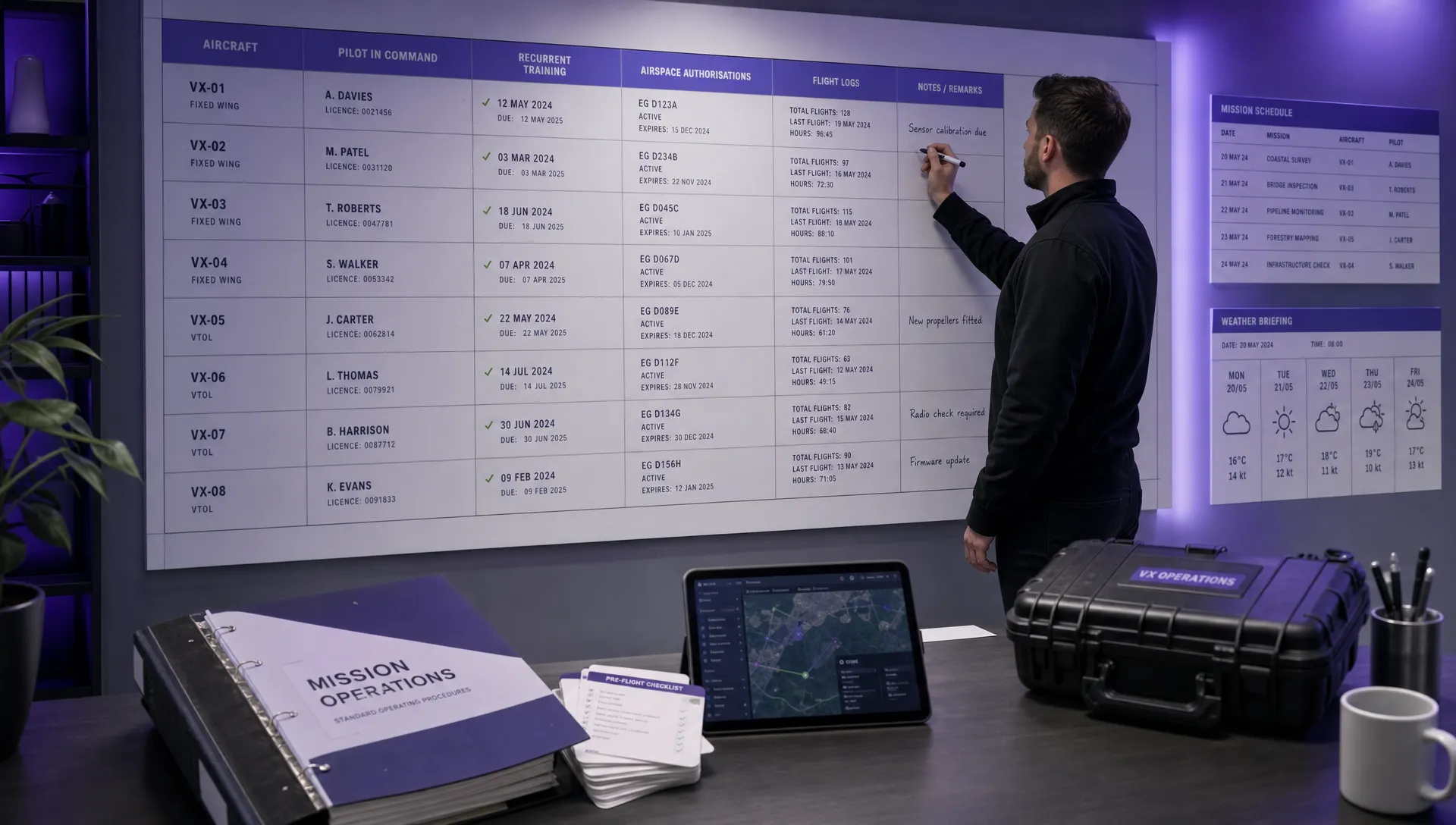 FAA Drone Licence Requirements for Commercial Pilots →
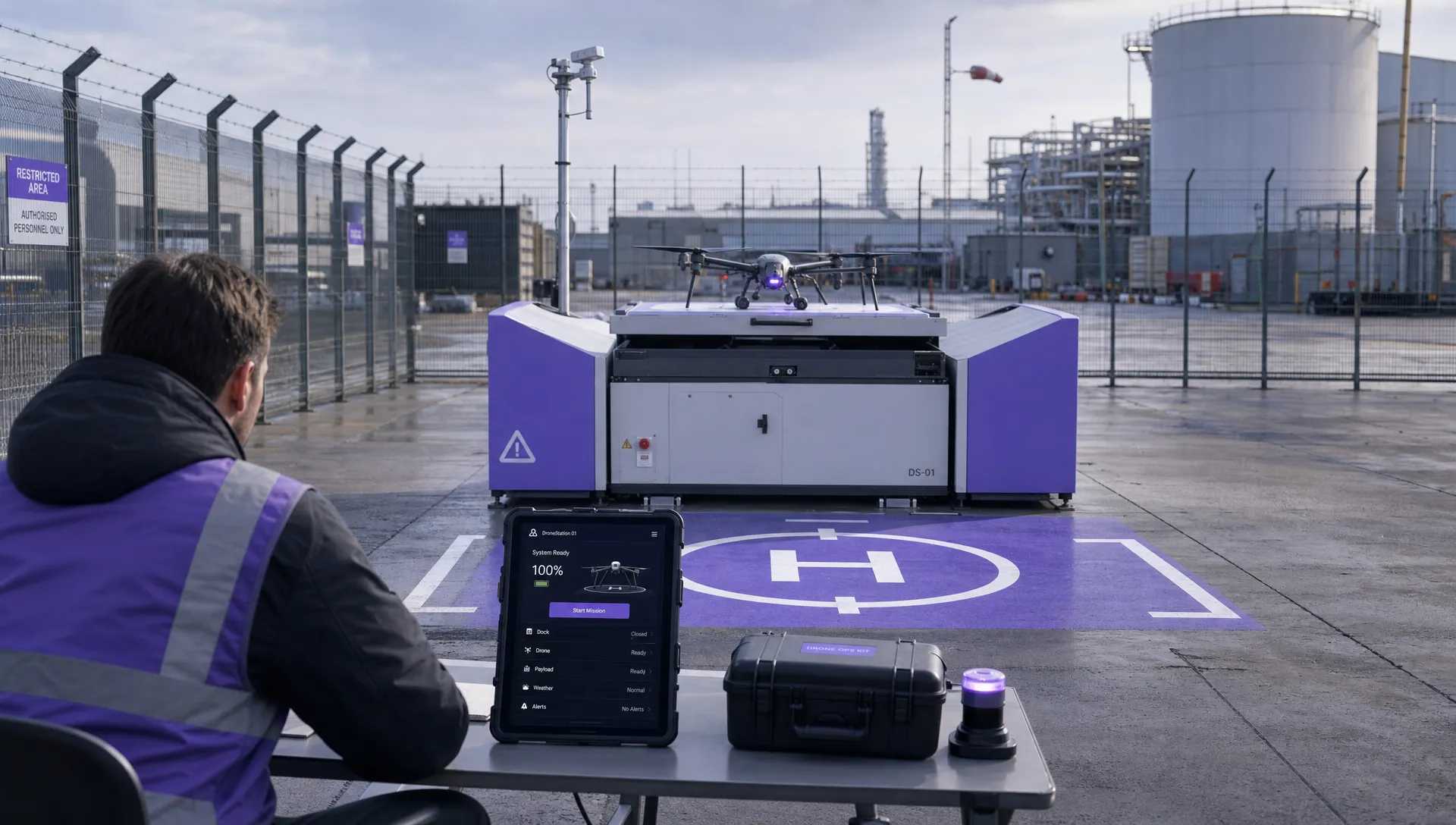 FAA BVLOS Waivers Granted: What Successful Cases Show →
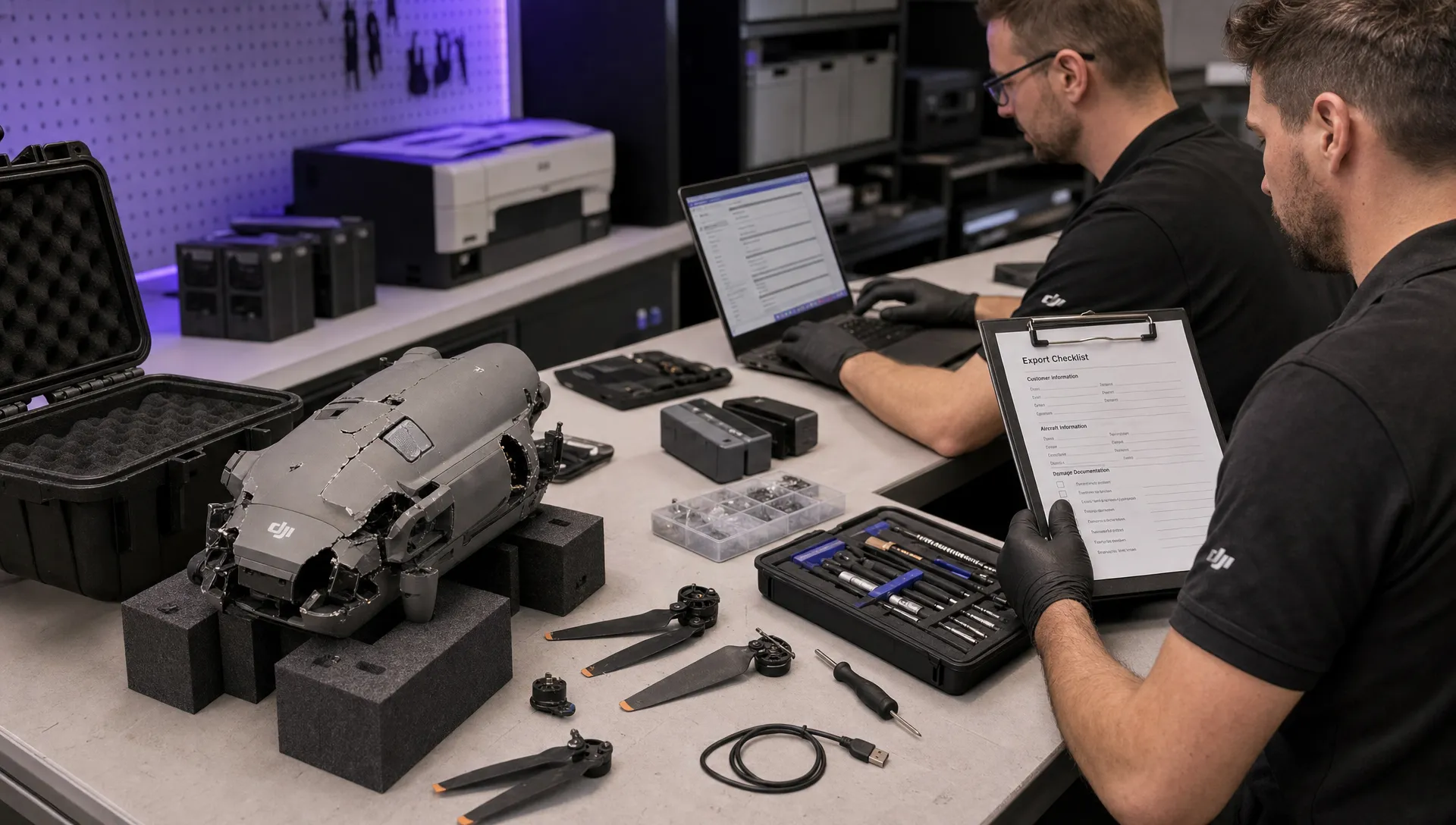 How to Export DJI Flight Logs for Incident Reviews →
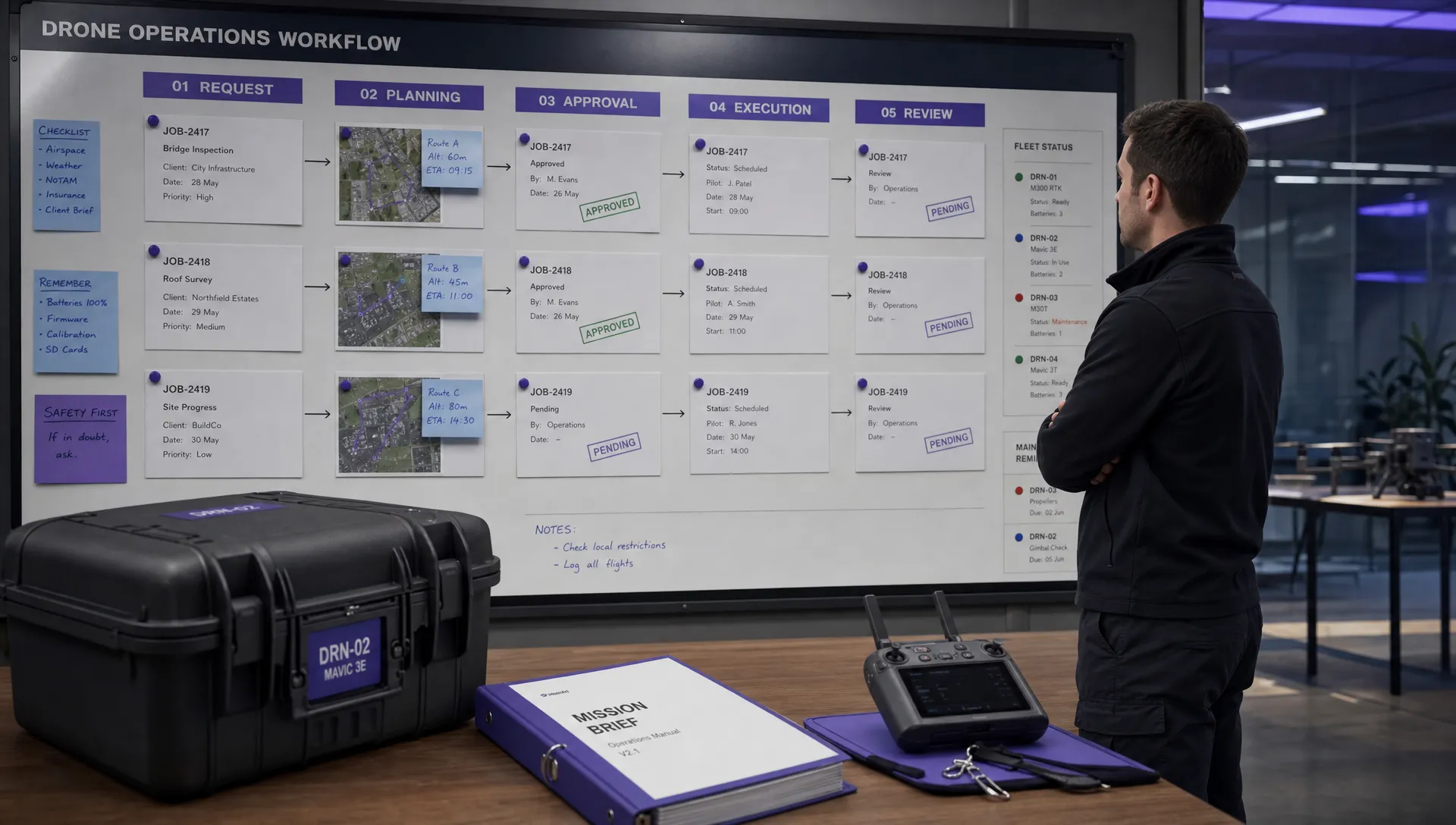 Drone Safety and Legal Duties for Business Operations →
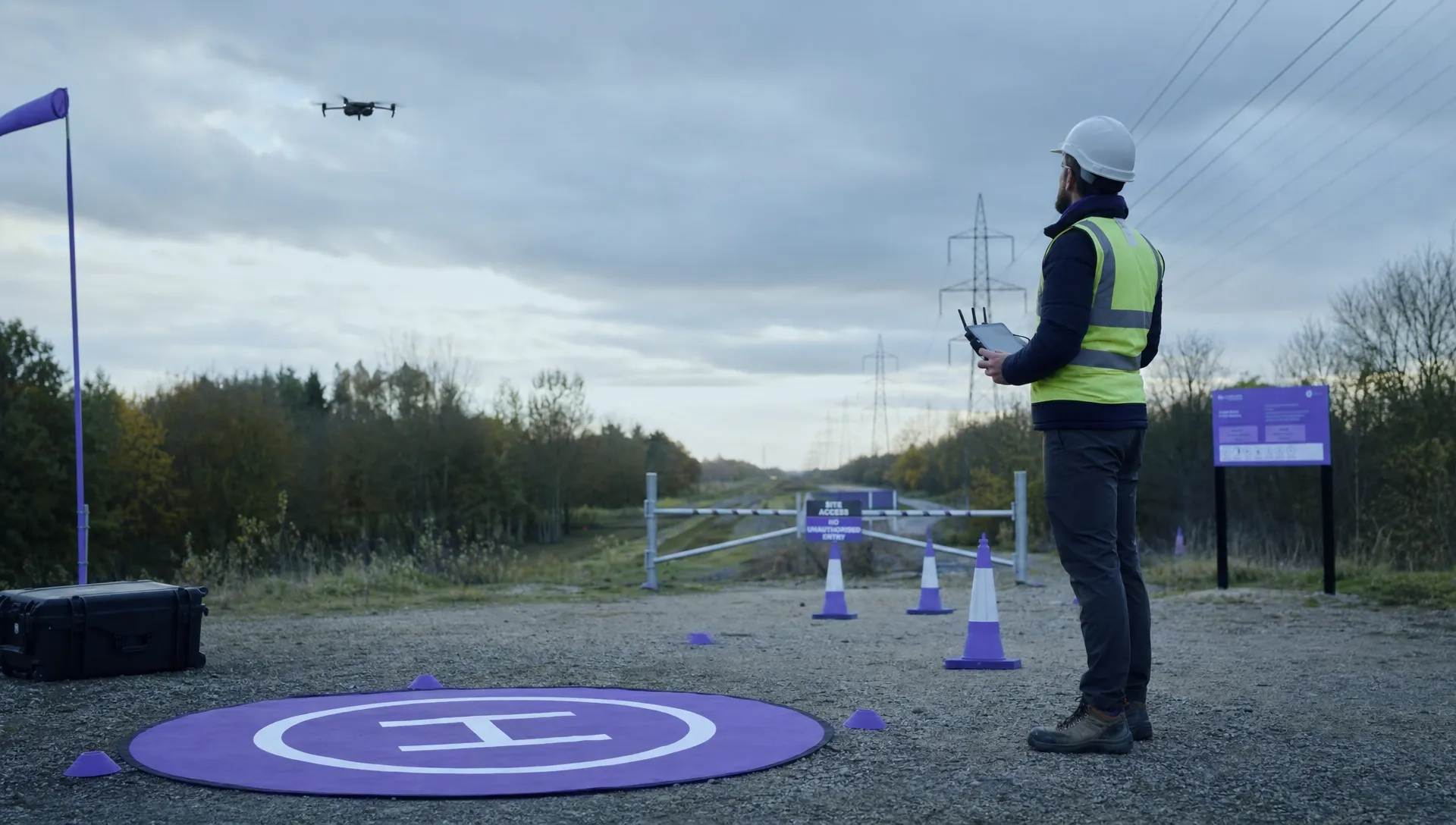 EASA Drone Regulations: Open, Specific and Certified Categories →
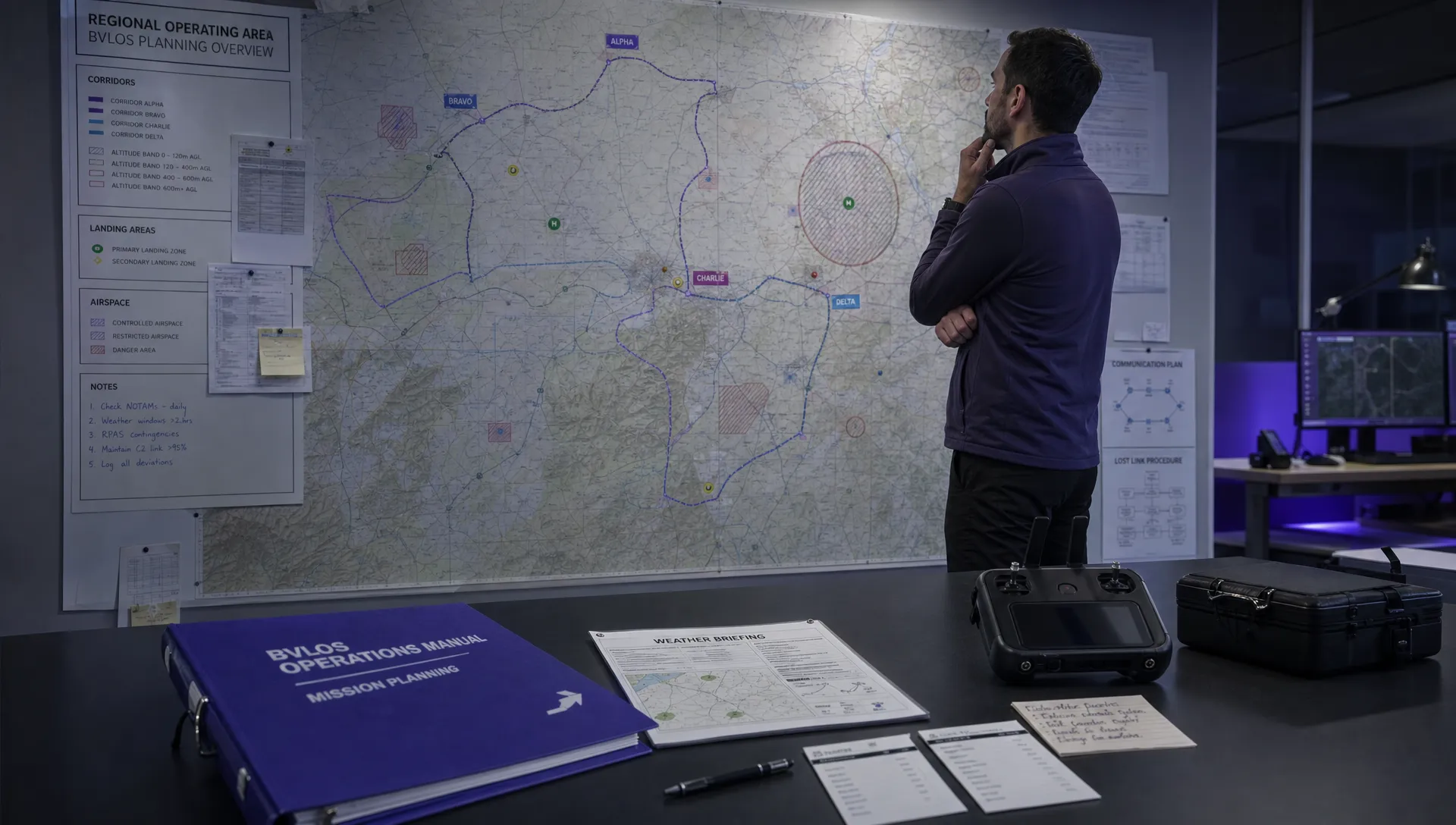 What the BVLOS ARC Report Means for UAS Operators →
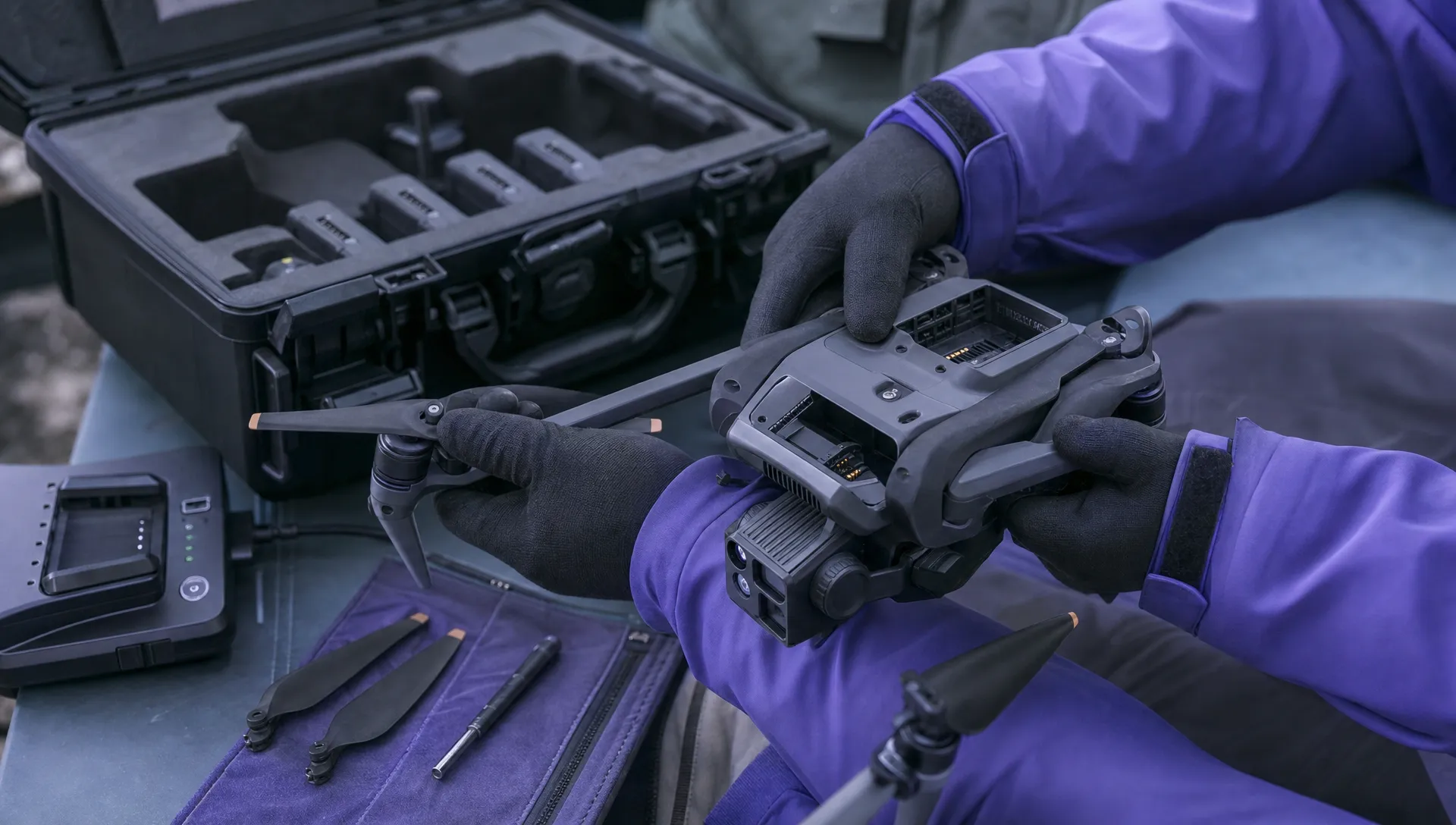 Free Drone Pre-Flight Checklist for Commercial Missions →
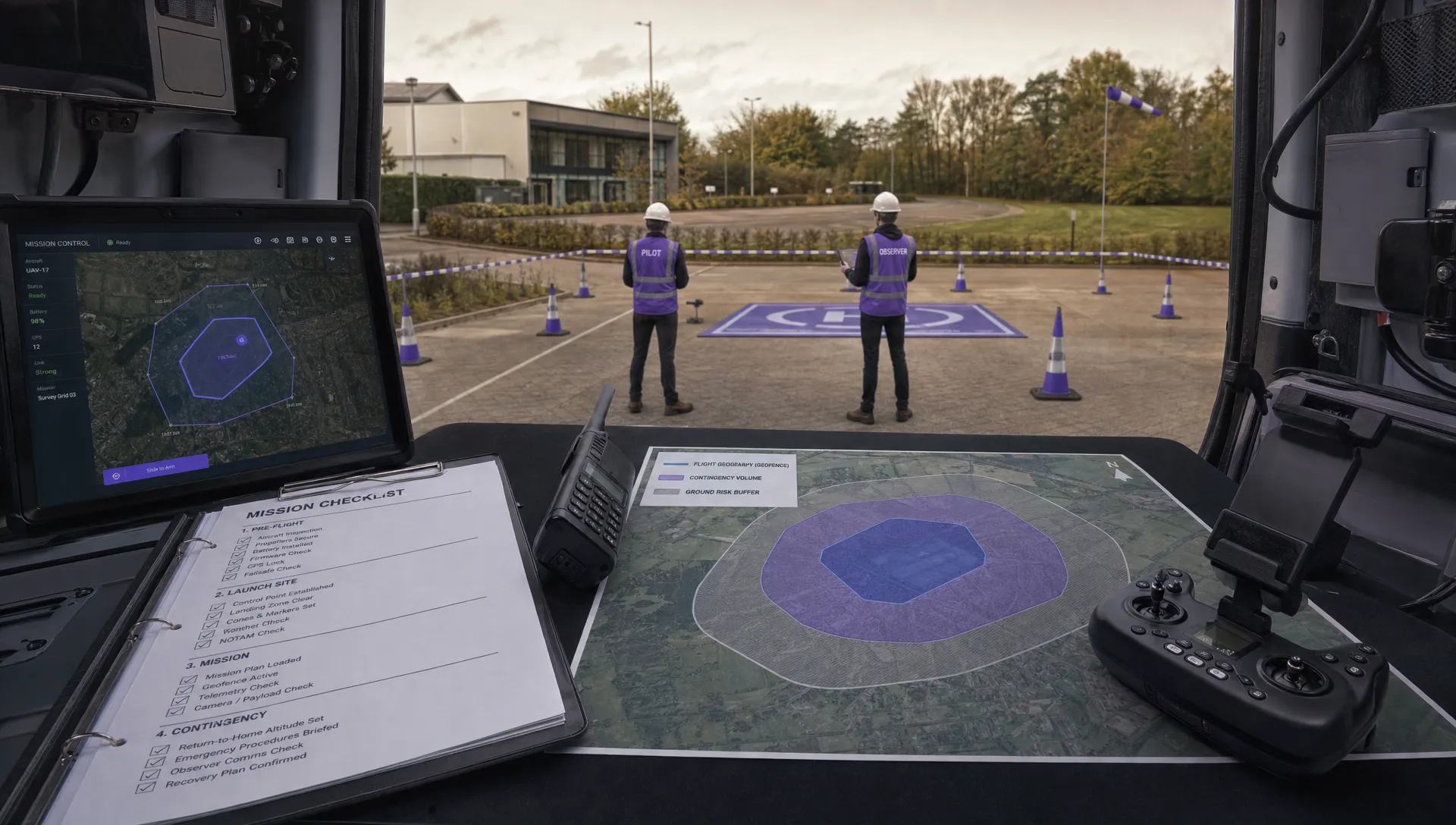 Contingency Volume and Flight Risk Buffer Explained →
 FAA Policy Changes That Commercial Drone Teams Should Track →
 Drone Night Flying Rules and Pre-Flight Checks →