
The Drone Pilot's Guide to the Class G Airspace Map
Think of a Class G airspace map less as a specific chart you pull out and more as the "blank space" you find on FAA sectional charts and digital aviation apps. After you've identified all the other controlled airspace, what's left over is generally Class G.
It's where most of us can fly our drones without needing a direct green light from air traffic control. This makes it, by far, the most important airspace to get your head around for the vast majority of your missions.
What Class G Airspace Means for Drone Pilots
Let’s use an analogy. Imagine the national airspace system is like our road network. The airspace around big, busy airports (like Class B, C, and D) is like a major city's freeway system—congested, complex, and you definitely need permission to merge.
Class G airspace? That’s all the local roads and quiet country lanes. It's the massive network where you have the most freedom to operate.
For both Part 107 pros and recreational flyers, understanding where to find Class G is the key to unlocking thousands of safe and legal flying spots. It's often called uncontrolled airspace, but don't let the name fool you. It simply means Air Traffic Control (ATC) isn't actively directing traffic within its boundaries. That distinction is everything when it comes to your pre-flight planning.
The Freedom of Uncontrolled Airspace
The biggest advantage of flying in Class G is that you don't need direct authorization. Unlike controlled airspace where you're often chasing a LAANC approval, Class G generally lets you fly up to 400 feet above ground level (AGL) right off the bat, as long as you're following all the other FAA rules.
This makes it the perfect spot for countless jobs:
- Real Estate Photography: Getting those killer property shots in suburban or rural spots.
- Agricultural Surveys: Flying over endless fields to check on crop health.
- Recreational Flying: Just having fun at a local park or open field, far away from any airports.
This idea of "uncontrolled" airspace isn't new. The modern system we use was officially adopted in 1990 to standardize how countries manage their skies. Class G grew out of the simple reality that there are huge areas with so little air traffic that constant oversight just isn't necessary.
The term "uncontrolled" doesn't mean "unregulated." All FAA rules regarding altitude, line of sight, and flying over people still apply. Think of it as driving on a road with no traffic lights—you still have to follow the speed limit and rules of the road.
To really fly smart in Class G, you first need a solid grasp of the general FAA requirements for airspace that apply everywhere. Knowing these fundamentals is your ticket to operating safely, no matter what class of airspace you're in.
Before we dive into how to find it, taking a moment to fully understand https://blog.dronedesk.io/class-g-airspace/ will give you the context you need for compliant flight planning. This background is the perfect setup for the next step: learning to pinpoint these prime flying locations on your maps.
Here’s a quick-glance table to summarize the key takeaways for drone pilots.
Class G Quick Reference for Drone Operations
| Characteristic | What It Means for Drone Pilots |
|---|---|
| Uncontrolled Airspace | No direct Air Traffic Control (ATC) authorization needed. Simplifies pre-flight planning. |
| Default Altitude | You can typically fly up to 400 feet AGL without needing a specific waiver. |
| Wide Availability | Covers the majority of the US, especially in rural and suburban areas away from airports. |
| Standard FAA Rules Apply | You must still maintain visual line of sight, avoid flying over people, and follow all other Part 107 or recreational rules. |
| "Blank Space" on Maps | Identified by the absence of other controlled airspace markings on sectional charts. |
Think of this table as your mental checklist. If you're in Class G, these are the core principles guiding your flight.
How to Read Sectional Charts to Find Class G
Cracking open an FAA sectional chart for the first time can be a bit of a shock. It's a dizzying mess of lines, colors, and symbols. But here's the good news: finding Class G airspace on this map is actually way easier than it looks.
The trick isn’t to look for a big letter "G" plastered everywhere. Instead, you need to master the art of identifying everything else.
Think of it as finding the negative space. Class G is basically the default airspace. It’s what’s left over when you account for all the controlled zones like Class B, C, D, and E. Learn to spot the boundaries of those controlled areas, and the wide-open Class G zones will jump right out at you.
You're essentially looking for the "gaps" in the controlled airspace puzzle. Once you train your eye to see the blue and magenta lines boxing off controlled zones, what remains is your operational sweet spot.
Spotting the Controlled Airspace Boundaries
So, to find Class G, your first job is to find the more restrictive airspace. Each one has a distinct look on a sectional chart, which makes them pretty easy to spot once you know what you’re looking for.
Here’s a quick visual cheat sheet:
- Class B Airspace: This is the big league, surrounding major international airports like LAX or JFK. On a chart, you'll see solid blue lines forming concentric circles, kind of like an upside-down wedding cake. See solid blue? You're looking at a very busy, highly controlled area.
- Class C Airspace: Found around busy regional airports, Class C is marked with solid magenta lines. Just like Class B, these are usually shown as two or more circles on the map. Spotting those magenta circles is a dead giveaway that you're near a controlled terminal area.
- Class D Airspace: This airspace typically surrounds smaller airports that have a control tower. It’s marked by a single dashed blue line circle, usually about 4 nautical miles across.
- Class E Airspace: This one's a bit of a shapeshifter. When it starts right at the surface, it’s shown with a dashed magenta line. More often, though, you'll see it starting at 700 feet AGL (marked by a fuzzy-edged magenta circle) or 1,200 feet AGL (a fuzzy-edged blue line).
Anything that falls outside of these colored and dashed lines is almost always what you're after: Class G airspace. For a much deeper dive into all the chart symbols, check out our complete guide on how to read sectional charts. It’s the perfect next step.
This visual process makes finding Class G a straightforward task on any aeronautical map.

This simple, three-step method—spot the controlled zones, find the gaps, and confirm you’re clear to fly—is the bedrock of safe drone operations in uncontrolled airspace.
The Vertical Dimension of Class G
Now, don't forget that airspace is three-dimensional. Class G isn’t just a shape on a map; it also has a ceiling. On a sectional chart, the floor of the airspace sitting on top of Class G—usually Class E—defines its upper limit. This is typically either 700 feet or 1,200 feet above the ground.
This transition altitude is a critical detail. As a drone pilot, you’re already staying under the 400-foot AGL ceiling, which keeps you well within Class G’s vertical limits. But knowing exactly where that ceiling is helps build your overall situational awareness.
Class G is the foundational layer of the airspace system, but its vertical boundaries aren't the same everywhere. Most commonly, it extends from the surface up to either 700 ft or 1,200 ft AGL, with controlled airspace stacked above it.
This simple rule helps keep the sky organized and safe.
Using Digital Tools to Map Class G Airspace
Forget the old days of spreading a massive paper chart across the hood of your truck, trying to make sense of all the lines and colors. Today’s drone pilots have a massive advantage: a whole suite of powerful digital tools that make identifying Class G airspace almost ridiculously easy.
These apps and websites take the complex job of airspace analysis and boil it down to a simple tap on your screen. This isn’t just about convenience; it’s a fundamental shift in how we approach pre-flight planning, making it faster, more accurate, and frankly, a lot less stressful. They pull real-time data from the FAA, so you’ve always got the latest info on airspace, TFRs, and any other surprises waiting for you.
Your Go-To Digital Airspace Map Tools
For most of us in the field, a few key apps have become the gold standard. They're built with drone operators in mind, translating dense aeronautical data into a straightforward, easy-to-read format. Instead of you having to interpret the chart, the app gives you a clear "go" or "no-go" for your flight location.
Here are the tools you’ll find on almost every pro’s phone:
- B4UFLY: This is the FAA's official app, so you can consider it the ultimate source of truth. It gives you a simple, interactive map with clear status updates. It's the perfect first stop for any pre-flight check.
- Aloft (formerly Kittyhawk): Think of this as the Swiss Army knife for commercial pilots. It does more than just mapping; it handles LAANC authorizations, risk assessments, and even fleet management, rolling airspace data into your entire operational workflow.
- SkyVector: While it feels more like a tool for traditional pilots, SkyVector is an amazing web-based resource for looking at up-to-date VFR Sectional Charts. It's fantastic for getting a "pilot's eye view" and understanding the bigger airspace picture around your mission area.
Think of these apps as your digital co-pilot. Making them a non-negotiable part of your standard procedures adds a serious layer of safety and professionalism to every single flight.
A Step-by-Step Guide to B4UFLY
Let's walk through a real-world example using the FAA's B4UFLY app. It’s hands-down one of the quickest ways to confirm if you’re in Class G.
- Open the App and Find Your Spot: When you launch B4UFLY, it’ll use your phone's GPS to zero in on your current location. You can also type in an address or just drop a pin right where you plan to take off.
- Look at the Map: The map will show your position and any nearby airspace advisories. The key thing to look for is an absence of color. Areas with no colored overlays or airport markers are usually a good sign you're in Class G.
- Check the Status Indicator: This is the most important part. B4UFLY gives you a big, clear message right at the top. If you're in uncontrolled airspace, you’ll usually see a reassuring message like "Clear for Takeoff."
- Review the Advisories: Always tap on the "Advisories" tab. This is where you’ll see any nearby TFRs, national park rules, or other notices that could affect your flight, even if you’re in Class G.
This whole process takes maybe 30 seconds, but it gives you the confidence to fly safely.

This is what it's all about—having a clear, real-time Class G airspace map right in the palm of your hand. This instant access to critical flight data is what modern, safe drone operations are built on.
Key Takeaway: Digital tools have made airspace knowledge accessible to everyone. What once took specialized training to read on a paper chart is now available to any pilot with a smartphone, dramatically lowering the barrier to flying safely and by the book.
While standalone apps are great, the most efficient workflow comes from integrating this intelligence directly into your mission planning software. To get a better sense of how all these pieces fit together, check out our deep dive into the complete drone FAA map ecosystem.
Comparing Digital Airspace Mapping Tools
The right tool for the job really depends on what you're doing. A hobbyist just needs a quick check with B4UFLY, but a commercial operator juggling multiple projects will get more out of a complete platform like Aloft.
To help you decide, here’s a quick breakdown of the most popular options.
| Tool | Primary Use Case | Key Feature for Class G Identification | Best For |
|---|---|---|---|
| B4UFLY | Quick field checks and simple flight planning. | Clear "Clear for Takeoff" status indicator in uncontrolled airspace. | Recreational pilots and quick on-site pre-flight checks. |
| Aloft | Comprehensive commercial flight operations. | Integrated LAANC and detailed airspace advisories within mission plans. | Professional pilots and drone teams. |
| SkyVector | Detailed aeronautical chart review. | Displays official VFR charts, allowing manual identification of Class G. | Pilots wanting to cross-reference with official charts. |
Honestly, the smartest approach is to have a couple of these in your digital toolkit. Use a primary app like Aloft for your detailed planning and then do a final on-site sanity check with B4UFLY before the props start spinning. This layered approach to verification ensures you never miss a thing and can fly with total confidence.
Navigating The Vertical Boundaries Of Class G
It’s easy to look at a class g airspace map and only think in two dimensions—left, right, forward, back. But the sky above us is a three-dimensional space, with layers stacked like floors in a building. To fly safely and stay compliant, you have to understand the vertical limits, the "ceiling," of Class G airspace.
Class G doesn't just go up forever. Think of it as the ground floor of the national airspace system. It typically starts at the surface and rises to a specific altitude where controlled airspace, usually Class E, takes over. This transition isn't arbitrary; it’s a carefully designed system to separate local, low-flying traffic from aircraft operating at higher altitudes under air traffic control.

This vertical separation is a cornerstone of aviation safety. It allows all kinds of aircraft to share the sky without needing constant direction from ATC at lower levels.
The Two Common Ceilings Of Class G
Across most of the United States, the ceiling of Class G is set at one of two standard altitudes above ground level (AGL). Figuring out which one applies to your flight location is a non-negotiable part of pre-flight planning.
The two most common boundaries you'll run into are:
- 700 Feet AGL: Around many airports, Class G extends from the surface up to 700 feet. Above that, Class E airspace begins, creating a safer, controlled environment for planes approaching or departing the airport.
- 1,200 Feet AGL: In most other places, especially rural and open areas, the Class G ceiling is much higher, reaching up to 1,200 feet AGL.
This difference is exactly what creates those fuzzy magenta and blue shaded circles you see on sectional charts. They show you where the floor of controlled Class E airspace dips down, which in turn lowers the ceiling of the Class G airspace beneath it.
For drone pilots, this is a critical concept for building good situational awareness. Even though your legal flight ceiling is 400 feet AGL, understanding these boundaries gives you a complete mental picture of the airspace around you.
Crucial Insight: You could be flying your drone completely legally at 350 feet in Class G, while a manned aircraft directly above you at 800 feet is operating under a totally different set of rules inside Class E airspace. This layering is fundamental to how the entire system works.
Flight Rules Within The Vertical Boundaries
Knowing you're in Class G is only half the job. You also have to follow the specific flight rules that apply within its vertical and horizontal limits. These rules are all about ensuring safety and predictability in an environment where there's no air traffic controller telling people what to do.
Your number one altitude limit as a drone pilot is always 400 feet AGL. This rule keeps you well below the typical 700-foot or 1,200-foot Class G ceilings and provides a healthy buffer from most manned aircraft.
On top of that, you have to meet certain weather minimums to make sure you can see and avoid other aircraft. For Part 107 flights below 10,000 feet MSL, the general requirements are:
- 3 statute miles of visibility.
- Stay 500 feet below, 2,000 feet horizontally from, and 1,000 feet above clouds.
These visibility and cloud clearance rules give every pilot in uncontrolled airspace enough time and space to see each other and get out of the way if needed. By understanding both the vertical dimensions from your class g airspace map and the rules within that space, you set yourself up for a safe and compliant mission every single time.
Putting It All Into Practice: Real-World Flight Planning
Theory is one thing, but applying it is what separates the pros from the amateurs. Let's walk through two common flight planning scenarios to turn your knowledge of the class g airspace map into a repeatable, real-world skill. Think of this as your go-to workflow for any mission that comes your way.
First up, we'll tackle a simple rural flight, where the name of the game is quick confirmation and spotting any hidden gotchas. Then, we’ll dive into a more complex suburban job, right on the edge of controlled airspace, where precision is everything.
Scenario One: Rural Property Photoshoot
Picture this: you've been hired to shoot marketing photos of a big farm in a wide-open, rural area. Your gut tells you, "This has got to be Class G," but assumptions can get you in serious trouble in aviation. Your job is to prove it and check for any less obvious restrictions.
Here's a step-by-step process you can make your own:
- Quick Digital Check: Pop open a tool like the FAA's B4UFLY app or Aloft. Drop a pin on the farm's address. You should get an instant "Clear for Takeoff" message, your first sign that you're in uncontrolled airspace.
- Sectional Chart Sanity Check: Next, pull up the location on a digital sectional chart like SkyVector. What you're looking for here is what isn't on the map. You see no solid blue or magenta circles (Class B or C) and no dashed blue or magenta lines that would signal surface-level Class D or E.
- Find the Ceiling: You do, however, spot a faint, fuzzy blue line nearby. This is the floor of Class E airspace starting at 1,200 feet AGL in this area. That confirms the ceiling of your Class G airspace is way above your planned 400-foot flight altitude. Plenty of room.
- Scan for Hidden Hazards: While you're still looking at the sectional, zoom in and hunt for any small magenta circles with an "R" inside. These mark private airstrips. Even if they're uncontrolled, these spots see a lot of low-altitude manned aircraft traffic. You'll also want to look for any marked obstructions like cell towers or power lines.
- Final Pre-Flight Briefing: On the day of the flight, do one last check for any pop-up Temporary Flight Restrictions (TFRs) or active NOTAMs (Notices to Air Missions) in the area using your favourite app.
By following this quick but disciplined process, you’ve not only confirmed you’re good to go in Class G, but you’ve also built solid situational awareness of your operating environment.
Scenario Two: Suburban Roof Inspection
Now for something a little trickier. You need to inspect the roof of a commercial building in a busy suburb. Your initial check on a class g airspace map shows the location is just half a mile outside the dashed blue line of a Class D airport. This means you’ll be flying right on the boundary of controlled airspace.
In a situation like this, precision is everything. Accidentally drifting into controlled airspace isn't just a mistake; it's a serious safety violation. Your entire flight plan needs to be built around a clearly defined and respected boundary.
Your workflow needs to be much more buttoned-up:
- Define Your Boundary: Using a tool like Aloft or Dronedesk, draw a very precise geofence around your target property. Visually confirm that this entire operational area is outside the marked Class D ring. This digital line in the sand is your guide.
- Lock in Your Flight Parameters: In your drone's flight control app (like DJI Fly or Autel Sky), set a hard maximum altitude of 350 feet and a maximum flight distance that keeps the drone well inside your geofence. This creates a technological safety net.
- Plan for the Worst: Your risk assessment must include a plan for a "fly-away" or loss of signal. Make sure your drone's return-to-home (RTH) altitude is set below your max flight altitude and, crucially, that the RTH path doesn't cut across into the Class D airspace.
- Brief Your Team: If you’re working with a visual observer (VO), they need to know exactly where that airspace boundary is. Their main job is to keep eyes on the drone and act as another layer of defence against any accidental drift toward the controlled zone.
This suburban job shows how a class g airspace map is for more than just finding wide-open spaces; it’s for navigating the tight spots between them with confidence. By using digital tools to set firm boundaries and programming your drone with safety limits, you can tackle missions that other pilots might shy away from, all while staying safe and compliant.
Common Questions About the Class G Airspace Map
Once you start using a class g airspace map regularly for your pre-flight planning, a few common questions always seem to surface. This is the place where we tackle those points of confusion head-on, giving you clear, direct answers so you can fly with more confidence.
Think of this as your quick-reference cheat sheet for the practical stuff every drone pilot needs to know about uncontrolled airspace.
Is Airspace That Is Not B, C, D, or E Always Class G?
For drone pilots, the answer is a solid yes, most of the time. The US airspace system is set up so that any area not specifically marked as Class A, B, C, D, or E is, by default, Class G. This is exactly why the best way to find it is to first learn what controlled airspace looks like on a map.
But—and this is a big "but"—you always have to check for other restrictions that can be layered on top of any airspace, including Class G.
- Temporary Flight Restrictions (TFRs): These can spring up with little warning for things like wildfires, VIP movements, or big sporting events, turning a perfectly good Class G area into a no-fly zone.
- Special Use Airspace: Think Military Operations Areas (MOAs) or Restricted Areas. These places have their own rulebook. An MOA might be "cold" (inactive) and safe to fly in, but you absolutely have to verify its status before you even think about taking off.
The bottom line? Always, always use a current chart and check your NOTAMs (Notices to Air Missions) before every single flight. No exceptions.
Do I Need LAANC to Fly in Class G Airspace?
Nope. Absolutely not. This is probably the single biggest advantage of flying in Class G. LAANC, which stands for Low Altitude Authorization and Notification Capability, is the system we use to get quick, automated FAA approval to fly in controlled airspace near airports.
Since Class G is uncontrolled by definition, there's no Air Traffic Control tower to ask for permission. That’s what makes operating here so simple. As long as you’re sticking to the 400-foot ceiling and following all the other Part 107 rules, you’re good to go—no LAANC required.
LAANC is your key to getting into controlled airspace. Class G is your freedom from needing that key. Nailing down this difference is fundamental to planning efficient, compliant flights.
How Can I Trust the Accuracy of a Digital Airspace Map?
That’s a smart question. The reliability of any digital map boils down to its data source and how often it's updated. The good news is that reputable aviation apps like B4UFLY, Aloft, and ForeFlight don't just guess; they pull their aeronautical data directly from official FAA sources.
These tools are updated on the same 56-day cycle as the official VFR sectional charts, so the information stays fresh. To make sure you're always looking at the right picture:
- Keep Your Apps Updated: Pretty basic, but make sure you’re running the latest version from the app store.
- Download Current Data: Most pro-level apps will bug you to download the latest chart data when a new cycle kicks in. Do it.
- Cross-Reference: For really important jobs, it never hurts to double-check your main app against a second source, like the official FAA B4UFLY tool or a web chart on SkyVector.
Follow these simple habits, and you can be confident that the digital class g airspace map on your screen is a tool you can count on.
What Happens if I Accidentally Fly Out of Class G?
Flying from Class G into controlled airspace like Class D or E without authorization is called an airspace incursion. It’s a serious breach of FAA regulations and poses a real safety risk, especially to manned aircraft that are following instructions from ATC.
For Part 107 pilots, an incursion can trigger an FAA enforcement action. That could be anything from a stern warning letter to hefty fines or even having your remote pilot certificate suspended. This is precisely why meticulous pre-flight planning and discipline in the air are non-negotiable, especially when you're flying close to an airspace boundary.
A great pro tip is to use the geofencing features in your drone's flight software. Setting up a virtual boundary is a fantastic way to prevent accidental slip-ups and keep your operation safely inside Class G.
Take your operational planning to the next level. Dronedesk integrates advanced airspace intelligence directly into your workflow, making it simple to plan, manage, and log compliant flights every time. Start streamlining your missions today at https://dronedesk.io.
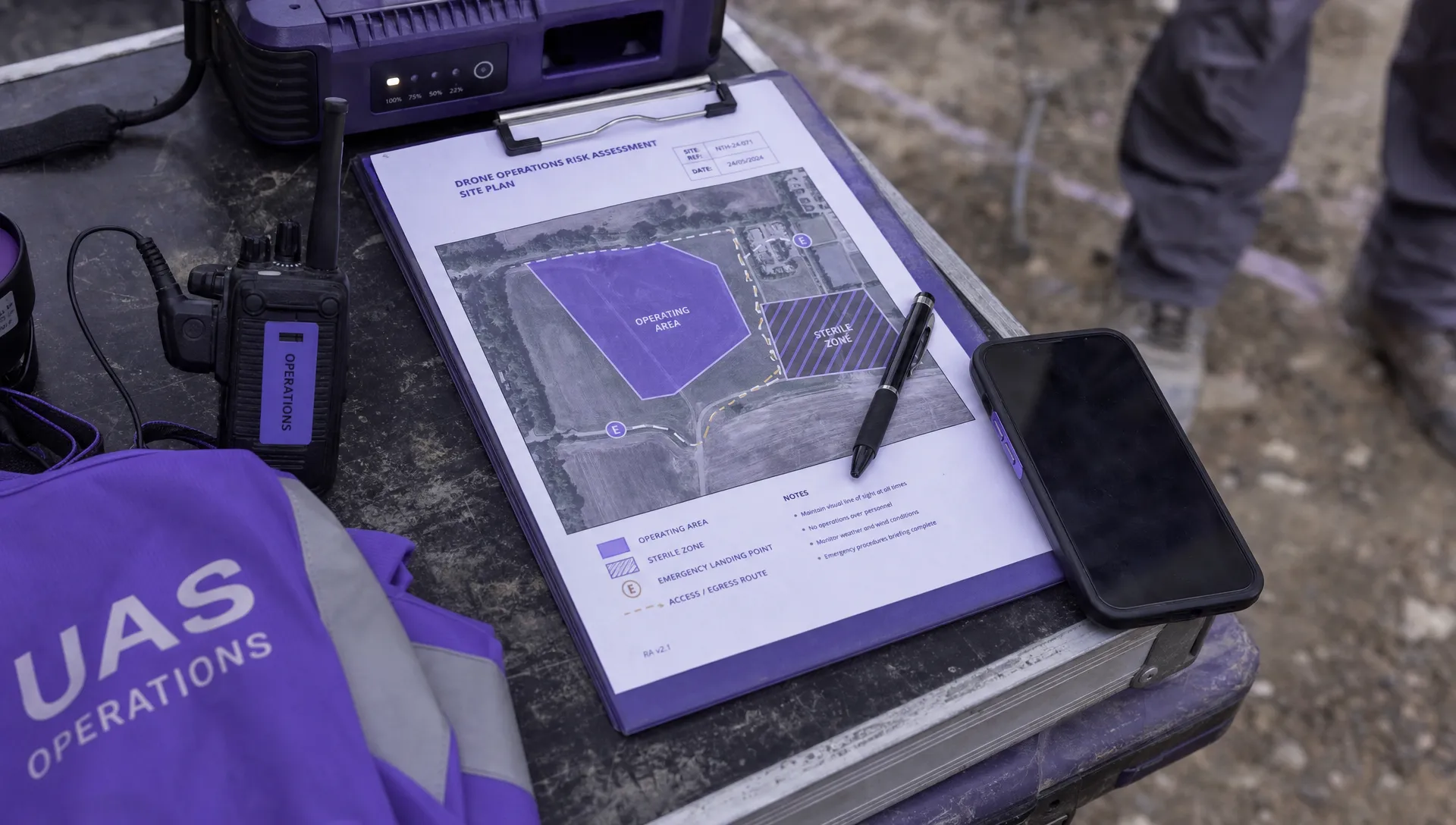 Drone Risk Assessment Controls That Work in the Field →
 FAA Drone License Costs Beyond the Knowledge Test →
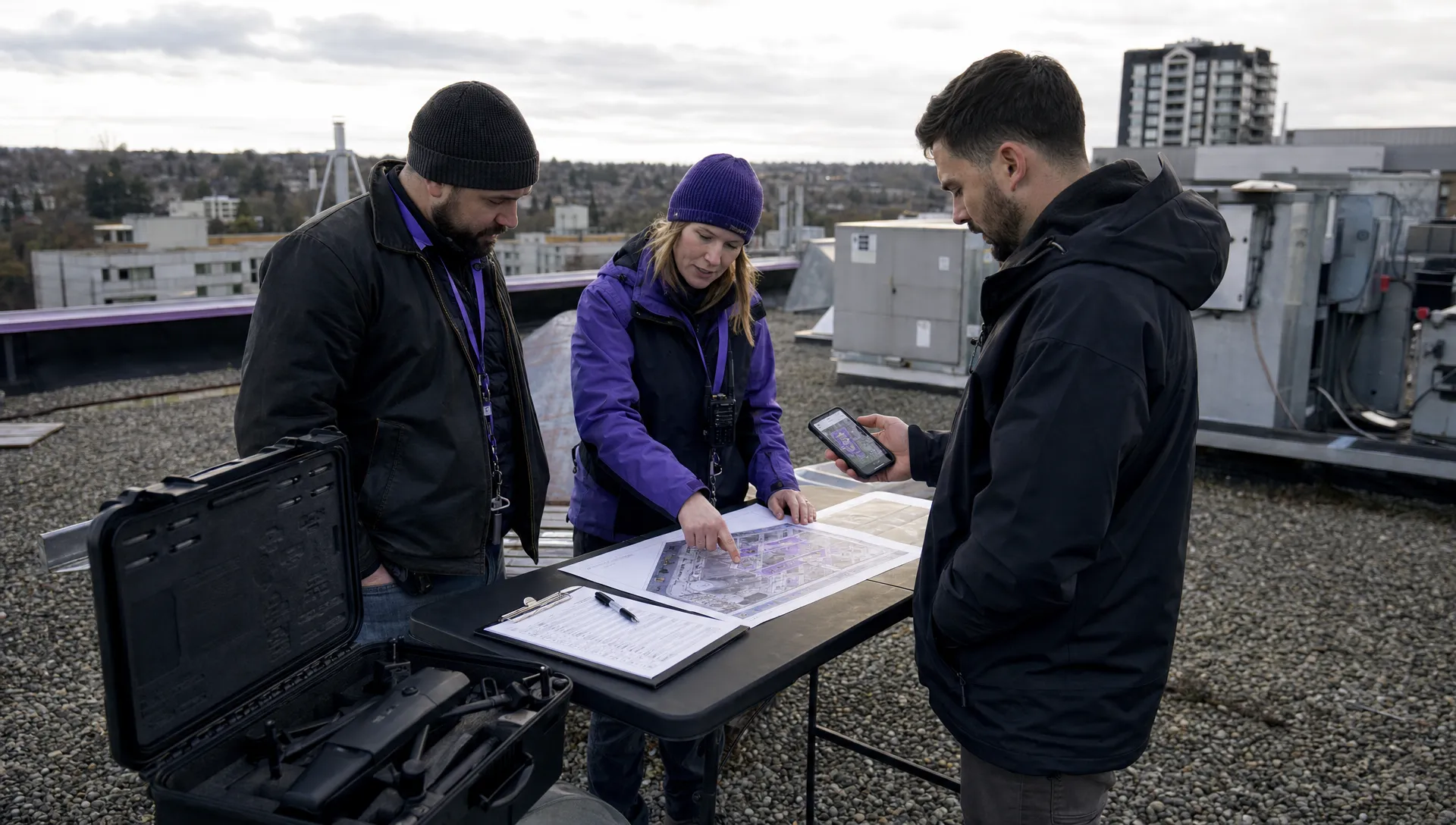 Drone Part 107 Operations: When a Waiver May Be Needed →
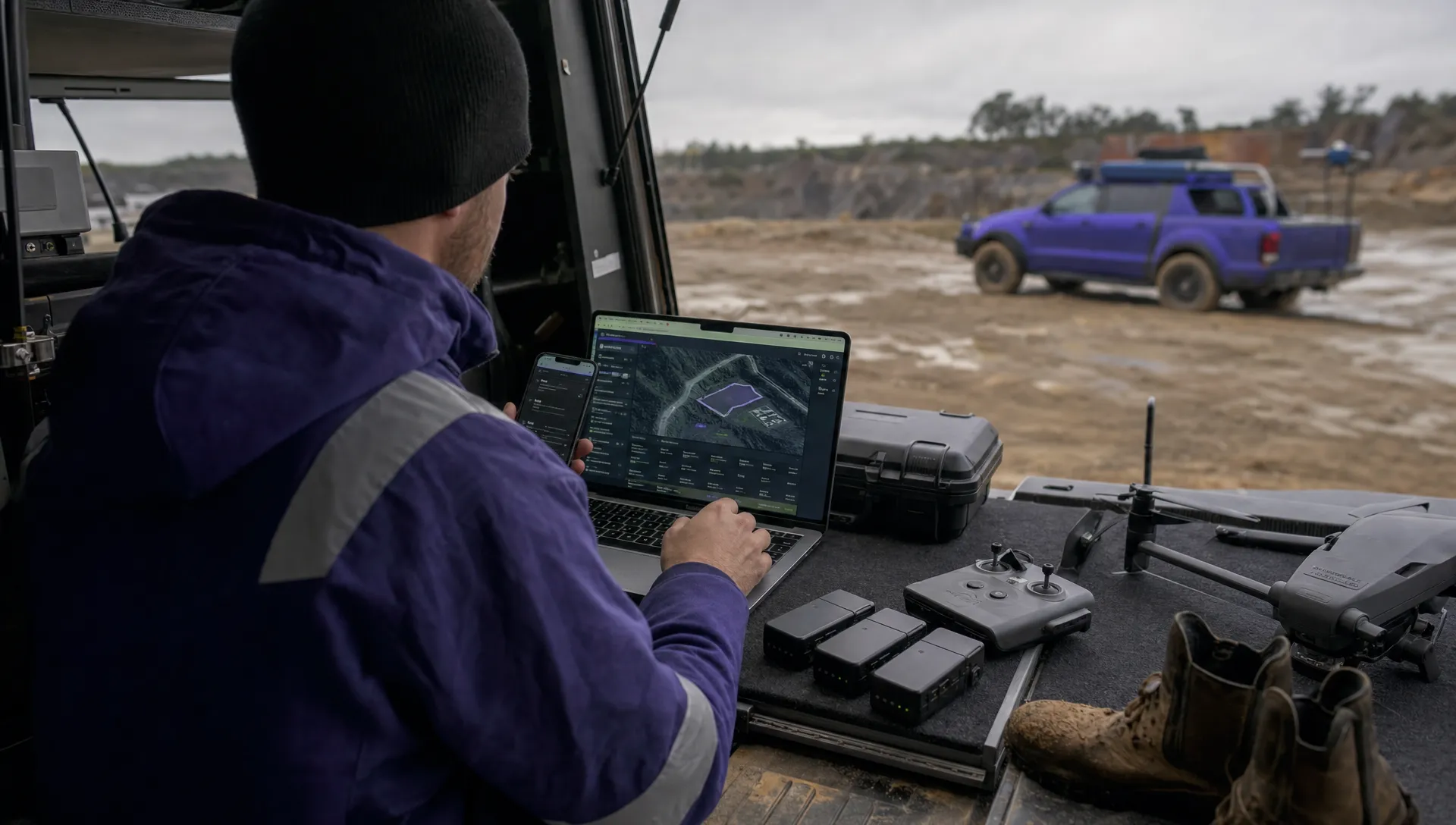 Drone Operating Rules for Managing Contractors and Employees →
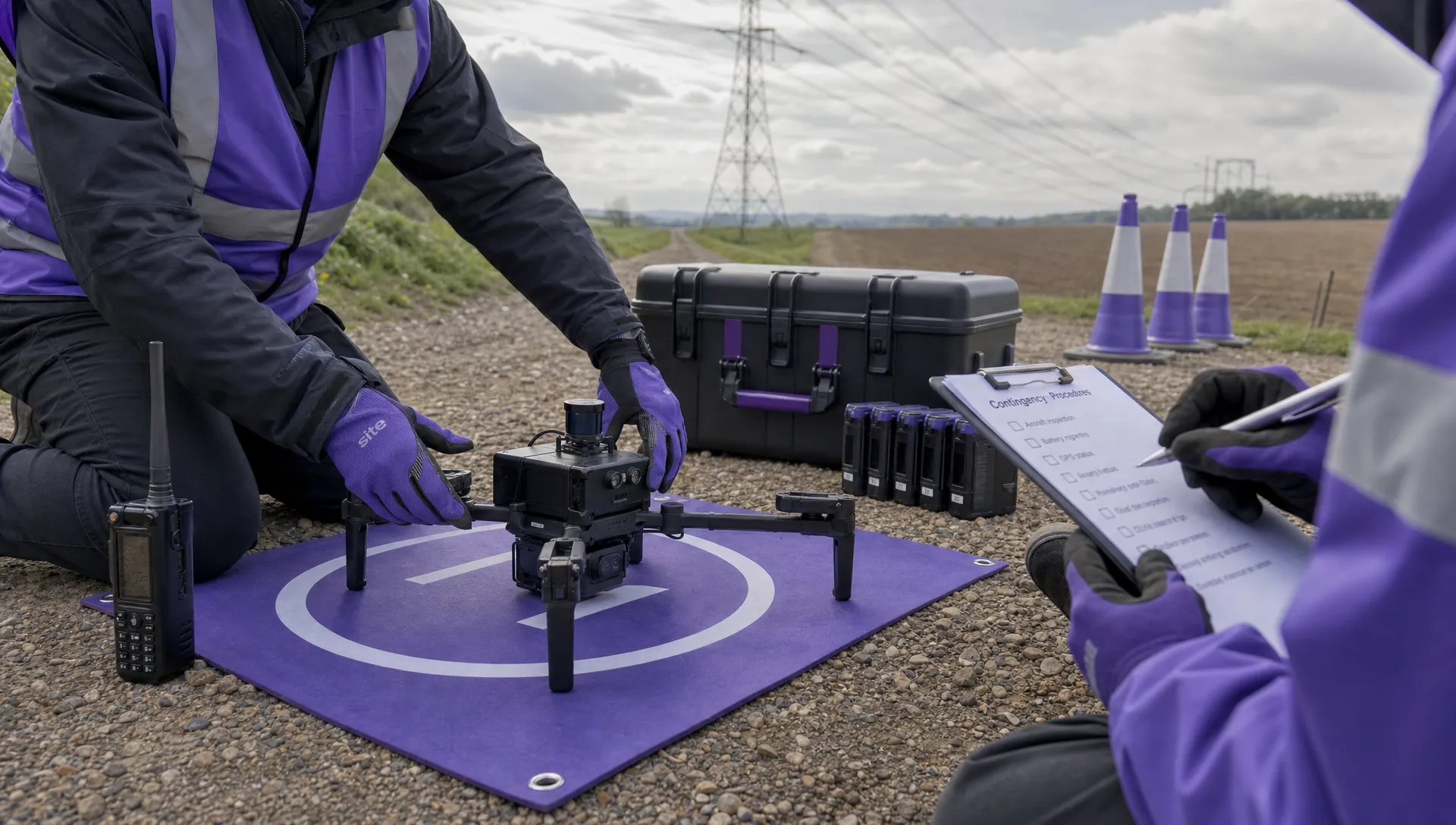 BVLOS Drone Requirements for Building a Safety Case →
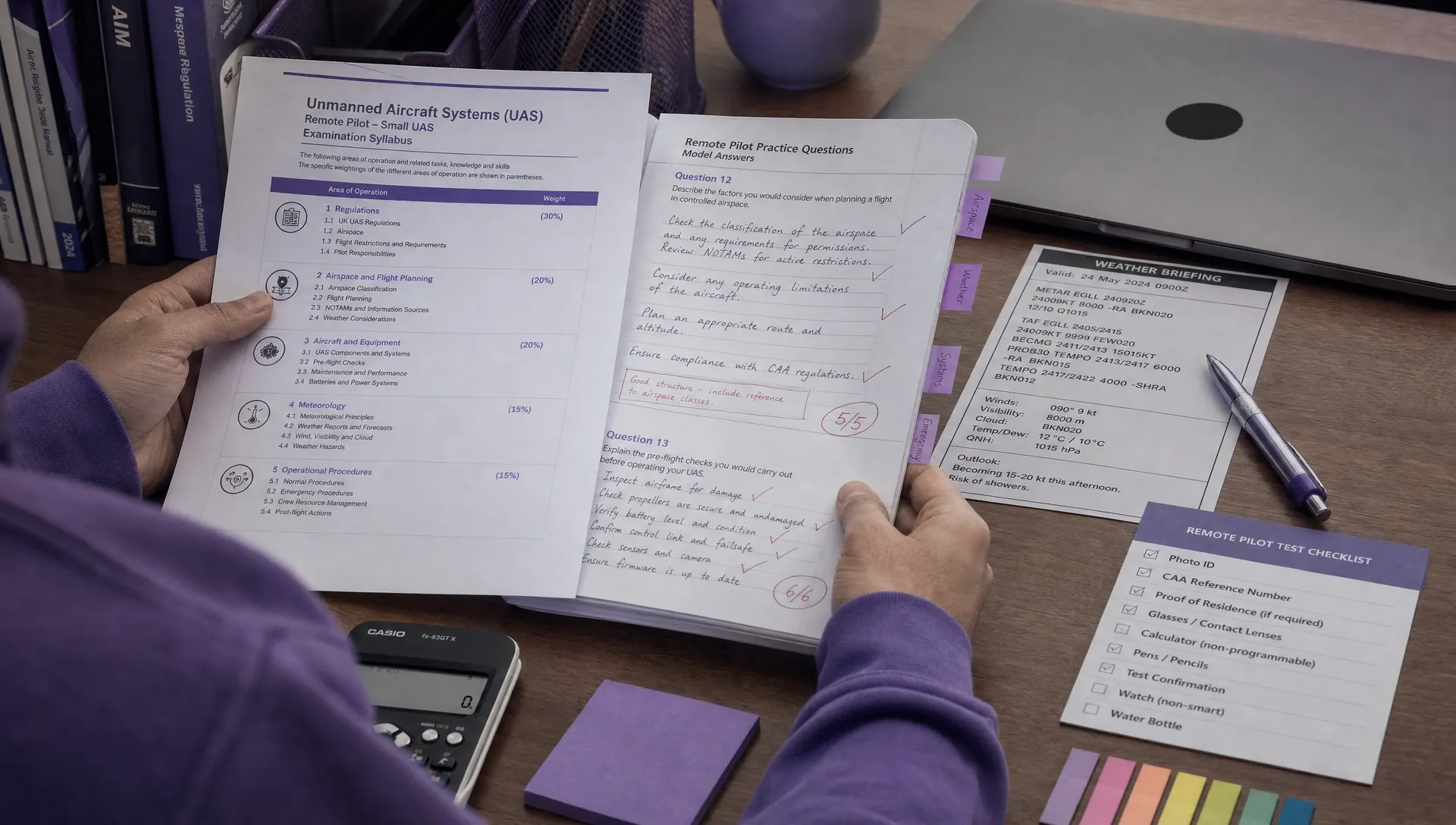 Drone Pilot Test Mistakes That Cost Candidates Marks →
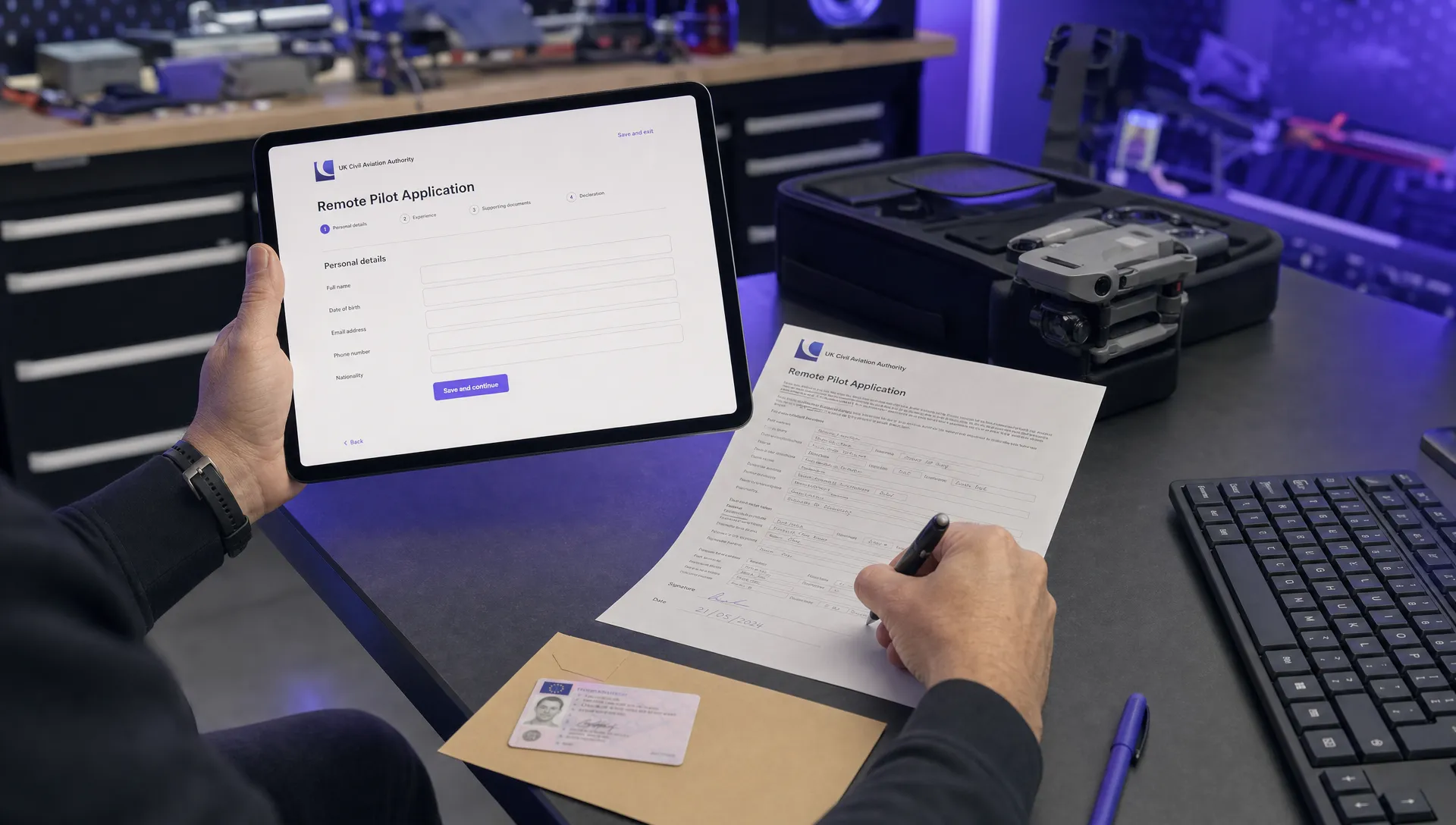 FAA 107 License vs Part 107 Certificate: What’s the Difference? →
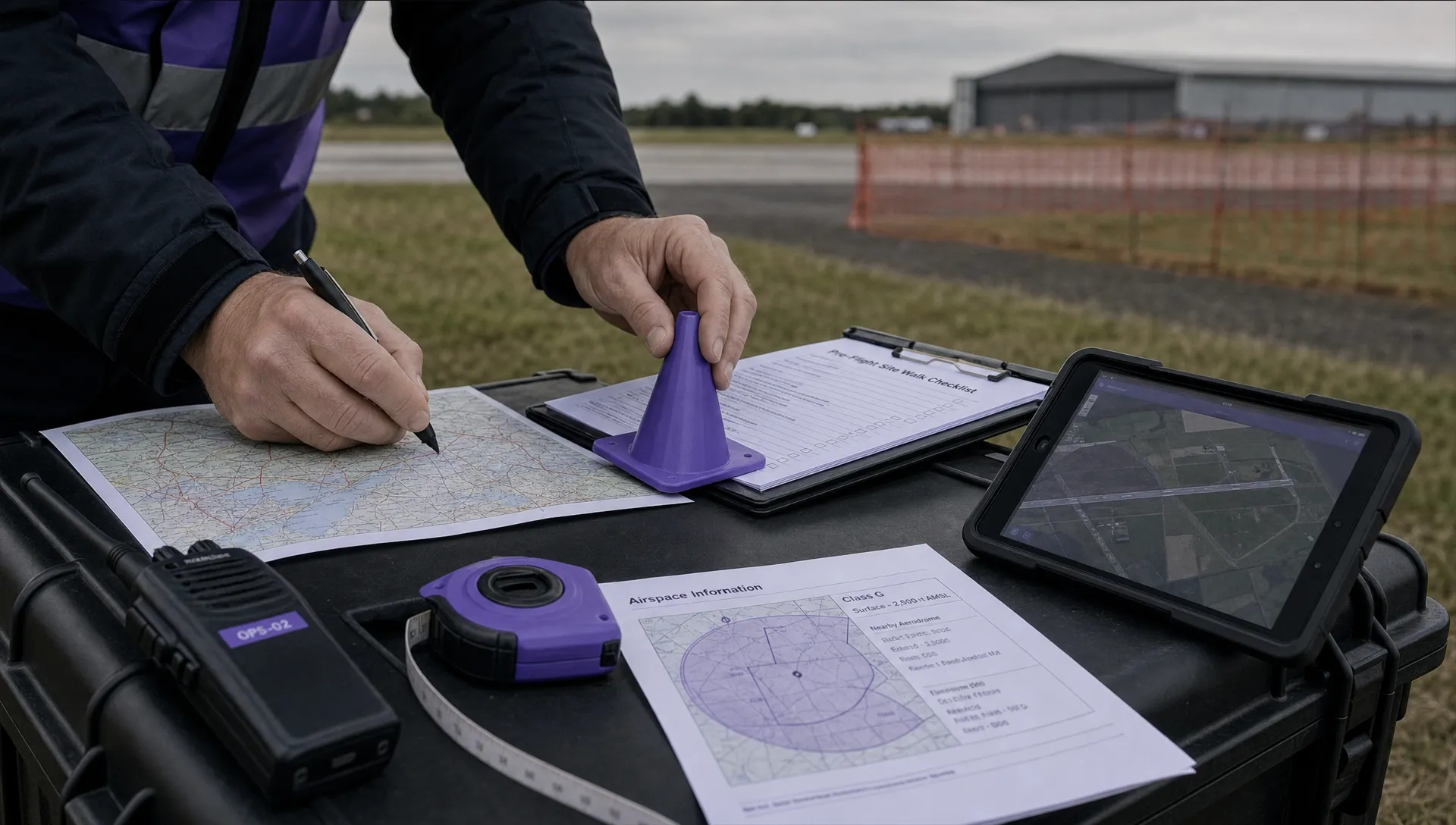 Drone Airport Rules: A Field Checklist for Site Assessments →
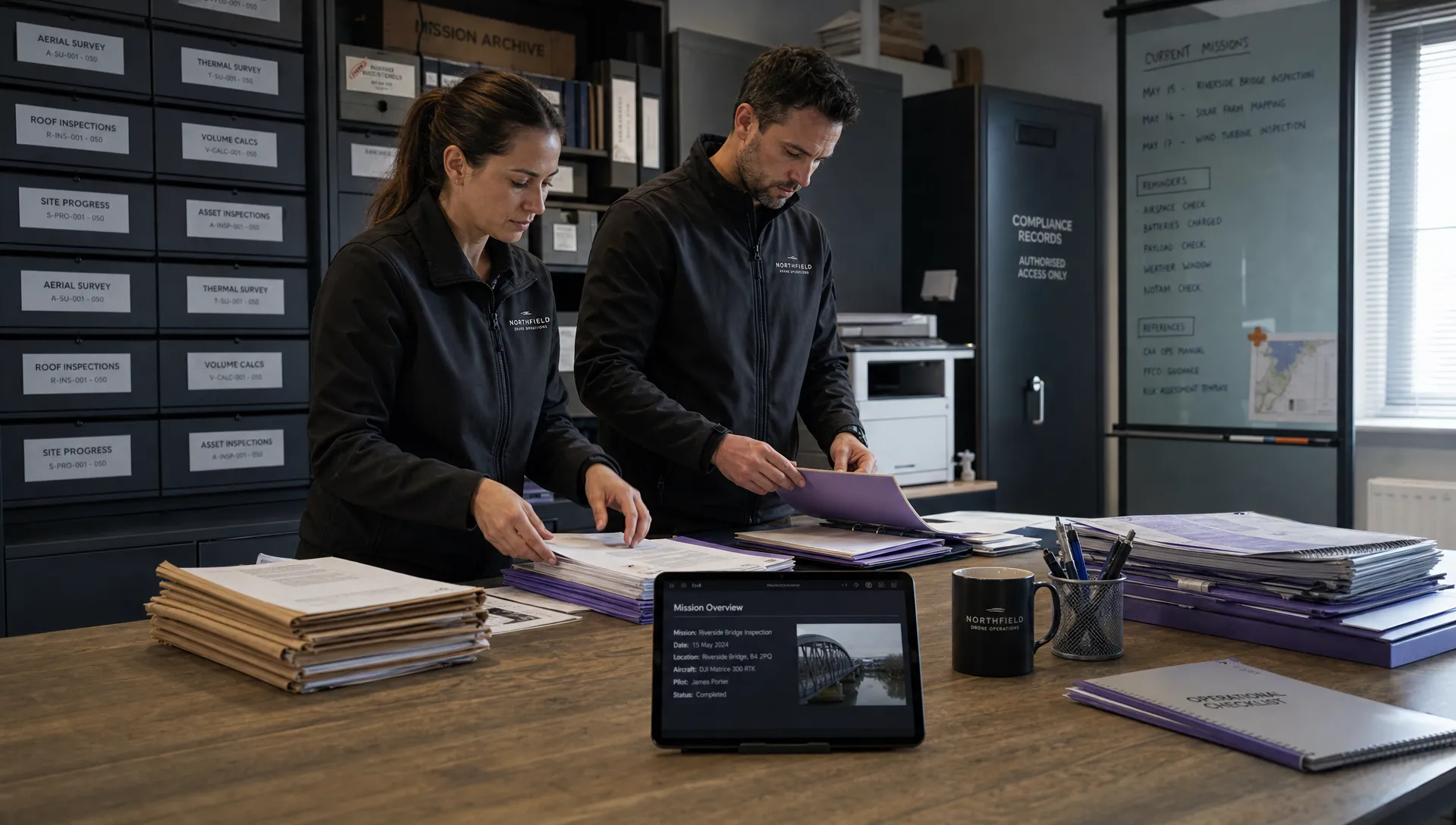 FAA Part 107 Record-Keeping Rules for Commercial Teams →
 How to Review a DJI Flight Log After an Unexpected Event →