
Choosing the Best CAA Compliance Software
Think of CAA compliance software as your digital co-pilot, an essential tool for any serious drone operator. It takes the headache out of navigating the maze of Civil Aviation Authority (CAA) regulations. From planning your flights and assessing risks to logging everything post-mission, it ensures every operation is safe, legal, and thoroughly documented.
What Exactly Is CAA Compliance Software?

Trying to manage CAA regulations with spreadsheets and paper is a bit like trying to sail across an ocean with a paper map and a compass. You might get there, but it's slow, risky, and incredibly stressful. One small mistake or overlooked rule could push you way off course and land you in serious trouble.
CAA compliance software is the modern-day GPS for your drone operations. It’s not just one tool; it’s a complete system built to handle every regulatory detail of a mission. This software centralises your flight planning, automates safety checks, and keeps a perfect digital trail of all your activities. It turns a mountain of confusing rules into a simple, manageable workflow.
Beyond a Simple Checklist
At its heart, this software is an operational command centre. Forget static checklists and binders full of paper. This is a dynamic, living system where compliance is built into every single step of your workflow. Before a drone even spins up, the software is already working for you.
Here are a few of the foundational tasks it handles:
- Automated Risk Assessments: Instead of manually wrestling with complex forms, the software guides you through a digital process. It spots potential hazards specific to your flight area and the job you're doing.
- Airspace Intelligence: The platform pulls in real-time data on airspace restrictions, like temporary flight restrictions (TFRs), airports, and other no-fly zones, helping you avoid accidental—and costly—incursions.
- Digital Documentation: It creates and organises all your crucial paperwork, from pilot certificates to drone maintenance logs. Everything is stored securely and ready for an audit at a moment's notice.
This proactive way of working is a game-changer in an industry where the rules are always shifting. It’s no surprise the demand for these tools is exploding. The global compliance software market hit USD 100 billion in 2023 and is on track to double by 2030. You can get more details on this growth over at Global Banking & Finance Review.
The Digital Co-Pilot in Action
Let’s say you’re a surveyor inspecting a remote wind farm. Your CAA compliance software would start by scanning the location for nearby airfields or restricted zones. It would then help you generate a site-specific risk assessment, flagging things like high winds or tricky terrain.
This software is fundamentally about shifting the operator's focus from administrative burdens to operational safety. By automating the paperwork, pilots can concentrate on flying safely and executing the mission effectively.
During the flight, the system logs all the telemetry data. Once you're done, it packages it all up into a complete mission report. This end-to-end management doesn't just keep you compliant; it makes every flight fully auditable. For any business, this creates a verifiable track record of professionalism and safety, which is exactly what clients and regulators want to see.
Core Features Every Drone Operator Needs
Let's move beyond a simple list of functions. The real value of CAA compliance software isn't just what it does, but the why behind each tool. These features aren't just bells and whistles; they're built from the ground up to solve the specific, high-stakes problems drone operators like you face every single day.
Think of these components as the backbone of a solid compliance system. Each one tackles a critical piece of your workflow, turning complicated regulatory hoops into simple, automated steps. Understanding these core capabilities is the key to seeing how this software can protect your business and make your life easier.
Essential Features in CAA Compliance Software
To really grasp the impact, it helps to connect a feature directly to the problem it solves. The table below breaks down the must-have tools and shows exactly how they address specific CAA compliance headaches.
| Feature | Primary Function | CAA Compliance Benefit |
|---|---|---|
| Automated Flight Logging | Automatically captures and stores detailed telemetry and mission data. | Provides an indisputable, audit-proof record of every flight, eliminating human error. |
| Real-Time Airspace Intel | Integrates live airspace data, including TFRs and NOTAMs. | Prevents accidental airspace violations by providing up-to-the-minute awareness. |
| Pilot & Equipment Management | Tracks pilot qualifications, drone maintenance schedules, and battery health. | Ensures only certified pilots fly airworthy equipment, meeting key safety and compliance mandates. |
| Risk Assessment Tools | Provides templates and workflows for creating standardized risk assessments. | Systematizes safety planning and demonstrates due diligence to regulators. |
| Document Management | Acts as a central repository for all compliance-related documents. | Keeps critical paperwork like insurance and certifications organized and instantly accessible. |
These features work together, creating a safety net that lets you focus more on flying and less on paperwork. They're designed to handle the tedious, repetitive tasks that, if missed, can lead to serious consequences.
Automated Flight and Mission Logging
Let's be honest, manual logbooks are a liability. One forgotten entry, a slightly off coordinate, or a misplaced decimal point can create major compliance gaps. Automated flight logging takes human error out of the equation by creating a perfect, unchangeable record of every single mission, pulled directly from your drone's telemetry.
This digital log is your watertight evidence in an audit. It captures everything that matters:
- Flight Duration: Exact takeoff and landing times are logged down to the second.
- Telemetry Data: Your drone's maximum altitude, speed, and complete flight path are all recorded.
- Pilot and Equipment: The record automatically links the specific pilot and drone used for the job.
Picture this: a CAA inspector questions a flight you conducted near a sensitive location. Instead of fumbling through a messy paper logbook, you can instantly pull up a detailed digital map showing the precise flight path, proving you were operating well within legal limits. That single feature can be the difference between a clean audit and a hefty fine.
Good CAA compliance software doesn't just record what you did; it builds an indisputable history of your professionalism and commitment to safety, one flight at a time.
Real-Time Airspace Intelligence
The sky is constantly changing. Temporary flight restrictions (TFRs) and no-fly zones pop up all the time for public events, emergencies, or VIP movements. Relying on outdated maps is just asking for trouble, which is why real-time airspace intelligence is a non-negotiable feature.
This tool plugs live data feeds directly into your mission planning software, giving you an up-to-the-minute picture of the airspace you're about to fly in. For example, a real estate photographer planning a shoot near a city centre might get an instant alert about a temporary restriction for a local festival. That simple warning prevents a serious airspace bust and keeps their compliance record spotless. To learn more about how this fits into your day-to-day work, check out our guide on effective drone operations management.
Pilot and Equipment Management
Your compliance duties go way beyond the flights themselves—they cover your pilots and your gear, too. A proper software solution acts as a central command centre, tracking every asset and team member so nothing ever slips through the cracks.
This management hub keeps a close eye on the details:
- Pilot Certifications: It monitors expiration dates for licenses and ratings, sending out automated reminders when it's time to renew.
- Drone Maintenance Schedules: The system logs flight hours for each drone and pings you when routine maintenance is due, helping prevent a potential failure in the air.
- Battery Health: It also tracks charge cycles and performance, helping you safely retire batteries before they become a risk.
Imagine a large surveying firm with a dozen drones and multiple pilots. Trying to manually track every service interval and pilot qualification would be a full-time nightmare. This software automates the entire process, guaranteeing that only certified pilots are assigned to missions and that every drone in the air is in top condition. This kind of systematic approach is the bedrock of a strong safety culture and a key CAA compliance requirement.
The Strategic Value of Compliance Software

It’s easy to look at CAA compliance software and see it as just another line item on the expense sheet. But that's like calling a top-tier drone just a flying camera. The reality is much bigger. This software is a strategic investment that pays real dividends, transforming your operation from simply following the rules to proactively leading the pack in professionalism.
Think of it as the engine that powers not just your compliance, but your profitability, reputation, and ability to scale. It’s less about ticking boxes for the CAA and more about building a business that’s efficient, resilient, and trusted by clients. The software handles the grunt work, strengthens your safety protocols, and creates a bulletproof record that’s your best defence against legal or financial trouble.
Mitigating Risk and Building Trust
The first, most obvious payback you’ll see is in risk mitigation. Let's be honest, non-compliance isn't a minor slip-up. It can lead to eye-watering fines, your entire fleet being grounded, and a damaged reputation that’s hard to rebuild. Good compliance software is your first line of defence, an automated safety net catching mistakes before they turn into disasters.
Picture a small drone outfit, let’s call them "AeroView," starting out with paper logs and manual checklists. As they got busier, a pilot almost flew into a temporary flight restriction zone that had just popped up. A last-minute phone call was the only thing that stopped him. That near-miss was their wake-up call.
Once they brought in compliance software, their pre-flight planning was transformed. The system instantly flagged the restricted airspace, automatically preventing the flight plan from getting the green light. That single feature didn't just save them from a potential fine; it protected their client relationship and their professional standing.
From Administrative Chaos to Operational Efficiency
Paperwork is the silent killer of productivity. Every hour your team spends filling out forms, logging flight times, or chasing maintenance records is an hour they’re not flying missions or winning new business. It’s the administrative quicksand where many growing drone operations start to sink.
CAA compliance software pulls you out by automating the whole process.
- Job Planning: Client details, site assessments, and mission goals are all in one place, slashing planning time.
- Data Logging: Flight data is captured automatically, wiping out manual entry and the human errors that come with it.
- Report Generation: It produces slick, professional reports for your clients with just a few clicks, proving your diligence.
For AeroView, this shift was massive. Their lead pilot went from spending almost a third of his week buried in admin to focusing on business development. The result? A 20% jump in new contracts within six months. The software didn't just pay for itself by preventing fines; it unlocked real growth. You can dive deeper into this topic by exploring how SaaS platforms simplify drone compliance.
Fostering a Culture of Safety and Professionalism
A strong safety culture isn't just a nice-to-have; it's a massive competitive advantage. It proves to clients, insurers, and regulators that you're a serious, professional operator they can count on. Compliance software is the bedrock of that culture, standardizing your safety procedures and weaving them into every single mission.
By building safety checks and balances directly into the daily workflow, the software makes doing the right thing the easiest thing. Best practices stop being an abstract goal and become a concrete, daily habit.
This shift towards structured, software-driven compliance is happening everywhere. The broader compliance management software market is expected to rocket from USD 34.99 billion in 2025 to USD 56.99 billion by 2030, a surge driven by increasingly complex regulations worldwide. For drone operators, the message is clear: this is the key to building a business that’s sustainable, scalable, and genuinely respected in the industry.
How to Choose the Right Software for Your Fleet
Picking the right CAA compliance software can feel a lot like adding a new drone to your hangar. The options seem endless, and a bad choice can be a costly mistake. To get it right, you need a clear game plan that looks past the flashy features and zeroes in on what you actually need day-to-day.
A solution that's perfect for a massive enterprise is probably way too much for a solo pilot, and what works for a freelancer will hamstring a growing team. The real trick is matching the software's muscle to your operation's needs, keeping an eye on how it will grow with you, play nice with your other tools, and how it feels to use. Will a pilot with cold fingers and a spotty signal be able to use it on-site? Getting answers to these questions is the first step.
Define Your Operational Needs
Before you sit through a single product demo, you've got to map out your own requirements. Every drone operation has its own quirks, and knowing your specific pain points is the only way to properly judge what's on offer. Start by thinking about who’s using the software and what their main job is.
Let's break it down by looking at three common types of drone operators:
- The Solo Freelance Pilot: This operator lives and dies by simplicity and efficiency. Their world revolves around core compliance tasks—flight logging, basic risk assessments, and quick airspace checks. The perfect software for them is mobile-friendly, affordable, and takes next to no time to set up.
- The Small Surveying Firm: With a few drones and a handful of pilots, this business needs more structure. They're looking for team management features, standardised risk assessment workflows, and solid reporting to share with clients. If it integrates with their existing surveying software, that’s a huge win.
- The Large Enterprise Fleet: An enterprise-level operation is a different beast altogether. They need powerful, scalable tools with advanced security, custom reporting, and API access to plug into other business systems. Comprehensive audit trails are non-negotiable for satisfying corporate governance.
Figure out which of these personas sounds most like you. Doing that will instantly help you cut through the noise and focus on software that's actually built for your scale.
Key Evaluation Criteria for Any Fleet Size
No matter how big or small your operation is, a few universal checks should be at the top of your list when looking at any CAA compliance software. These are the things that will determine whether a platform becomes a helpful part of your daily workflow or a frustrating roadblock.
Here are the essential questions you need to be asking every vendor:
- Scalability: As my business grows, can this software easily handle more pilots, more drones, and more missions without breaking a sweat?
- Integration: Does it connect with my drone manufacturer's flight apps (like DJI) and other critical business tools I already depend on?
- User Experience (UX): Is the interface intuitive for both the team in the office and the pilots out in the field? A complicated system that nobody wants to use is a complete waste of money.
- Support and Training: What kind of customer support do they offer? Are there resources to get my team up and running quickly?
Your choice of deployment—SaaS, on-premise, or hybrid—often comes down to your company's size and IT resources. This visual guide can help you figure out which model is the best starting point for you.

As you can see, smaller outfits usually benefit from the plug-and-play nature of SaaS, while larger companies have to weigh their internal IT capabilities to decide between on-premise or hybrid solutions.
Software Selection Checklist for Drone Operators
To make this process a bit more concrete, here's a checklist you can use to compare different software options. It helps you see how features stack up against the priorities for different types of drone operations.
| Evaluation Criteria | Solo Operator Priority | Small Business Priority | Enterprise Priority |
|---|---|---|---|
| Cost & Affordability | High | Medium | Low |
| Ease of Use (UX) | High | High | Medium |
| Mobile App Functionality | High | High | High |
| Team Management | Low | High | High |
| API & Integrations | Low | Medium | High |
| Custom Reporting | Low | Medium | High |
| Advanced Security | Low | Medium | High |
| Audit Trails & Logs | Medium | High | High |
| Customer Support | Medium | High | High |
This checklist isn't a rigid formula, but it's a great starting point to make sure you're asking the right questions based on who you are.
Making the Final Decision
Once you’ve sorted out your needs and measured potential platforms against these core criteria, it’s time to get your hands dirty. Pick your top two or three contenders and book some live demos. A demo is your chance to see the software in a real-world context and ask questions that matter to you.
A solo pilot might ask, "Show me exactly how fast I can create a flight plan and risk assessment from my phone." An enterprise manager, on the other hand, might say, "Can you demonstrate pulling a full compliance report for our entire fleet from last quarter?"
Choosing compliance software is more than just a tech purchase; it's a business partnership. Go with a provider who not only has a great product but also truly understands the drone industry and is invested in your success.
Finally, don't just take the salesperson's word for it. Hunt down reviews and case studies from companies that look like yours. Seeing how other operators have successfully adopted the software can give you that last bit of confidence you need to make the call. For a great starting point, check out a detailed breakdown of the top drone management software on the market. It can help you build your shortlist and find a platform that really clicks with your fleet.
Integrating Software Into Your Daily Operations

So, you've invested in the right CAA compliance software. That’s a huge first step. But the real magic happens when you weave it into the fabric of your daily work. It’s about turning that new tool from just another app into the central nervous system of your entire drone operation.
This isn’t just about installing something new. It’s a fundamental shift in how your team thinks about safety and efficiency. A good rollout plan is the difference between software that gathers digital dust and a system that becomes the indispensable hub for every single flight. The end goal? Make compliance an automatic, seamless part of every mission.
Building a Phased Implementation Plan
One of the biggest mistakes you can make is rushing the rollout. It's a surefire way to cause confusion and see your team ignore the new tool. A phased approach works so much better, letting everyone get comfortable with the changes bit by bit and build confidence as they go.
Here's a simple three-phase strategy that works wonders:
- Phase One: System Setup and Data Migration. First things first, get all your existing records into the system. We're talking pilot certifications, drone maintenance history, past flight logs—everything. This creates a single source of truth right from day one.
- Phase Two: Pilot Program with a Core Group. Don't unleash it on everyone at once. Pick a small, tech-savvy group of pilots to act as your champions. Let them kick the tyres on a few real-world jobs, iron out any wrinkles, and figure out the best ways to use it.
- Phase Three: Full Team Onboarding and Training. Now that you have a battle-tested system and some in-house experts, it's time for the full rollout. Use the experiences of your pilot group to train the rest of the team, showing them exactly how the software solves the real problems they face in the field.
Overcoming Adoption Hurdles
Let's be honest: change can be tough. Seasoned pilots who are used to their paper logs and old routines might push back. The key is to stop telling them the software is better and start showing them how it makes their job easier and safer.
You need to frame the benefits in a way that actually matters to them:
- Less Time on Paperwork: Show them how automated flight logging means they get to spend less time filling out forms and more time doing what they're actually paid to do.
- Greater Situational Awareness: Demonstrate how real-time airspace alerts act as a digital safety net, protecting them and the public from accidental slip-ups.
- Simplified Client Reporting: Highlight how they can generate slick, professional reports packed with data in just a few clicks. It makes them look good and adds value for the client.
This move toward automated compliance isn't unique to the drone world. You see it across all sorts of regulated industries. Take healthcare, for example, where the global compliance software market is expected to hit USD 6,503.3 million by 2030, all driven by the need to slash human error. Our industry is on the same path, moving away from manual methods to build more reliable and defensible operations. You can dig into these wider trends in the full report from Grand View Research.
The best way to get pilots on board is to position the software not as a new rule from management, but as a powerful tool built to support them. When they start seeing it as their digital co-pilot, resistance just melts away.
Ultimately, getting this right is about a cultural shift. It's about proving this software is here to empower your team, not just to watch over their shoulder. When your pilots see how it directly benefits their day-to-day work, it stops being a piece of software and becomes an essential part of your operational DNA.
What's Next for Automated Drone Compliance?
The drone world moves at a breakneck pace, and the software we rely on to keep operations safe and legal has to keep up. Today's CAA compliance software is already incredibly capable, but what's coming next is a massive leap forward. We're on the cusp of a shift from tools that simply record what happened to platforms that intelligently predict and manage compliance before the drone even leaves the ground.
It's all about moving from a reactive to a proactive mindset. Instead of just logging the details of a completed mission, the next generation of software will actively shape how that mission unfolds. This evolution is being fueled by huge strides in artificial intelligence, deeper integrations with air traffic systems, and brand-new service models.
Predictive Risk Analysis with AI
The biggest game-changer is undoubtedly going to be artificial intelligence and machine learning. Imagine a system that doesn't just check for known airspace restrictions but actually predicts potential hazards before they even exist. By crunching massive amounts of data—weather patterns, historical flight logs, and real-time environmental sensors—AI will deliver truly predictive risk assessments.
For instance, your software might flag a particular flight path not just because it's near a structure, but because the wind forecast for that specific corridor shows a high chance of dangerous turbulence at your planned altitude. This goes way beyond simple go/no-go checks. It's about getting smart, data-driven advice that helps you make better decisions as a pilot and massively boosts safety.
Deeper Integration with UTM Systems
As our skies get busier with unmanned aircraft, tight integration with Unmanned Traffic Management (UTM) systems isn't just a nice-to-have; it's essential. Future compliance software won't just know about static no-fly zones; it will be in constant, dynamic communication with a wider air traffic control network built for drones.
Think of your software acting like a digital air traffic controller. It will negotiate flight paths, steer clear of other drones in the area, and make sure your flight fits perfectly and safely into the national airspace.
This level of connectivity is what will unlock complex operations like beyond visual line of sight (BVLOS) flights and the urban air mobility we've all been hearing about. Your software stops being a standalone tool and becomes a critical part of a connected aviation ecosystem, making large-scale, autonomous drone operations a genuine possibility.
The Rise of Compliance-as-a-Service
Finally, get ready for the emergence of "compliance-as-a-service." This isn't just about software that logs your flights. We're talking about a platform that can actively plan and even carry out fully compliant missions from start to finish. It'll handle everything from the initial regulatory paperwork and flight authorisations to making dynamic in-flight adjustments and filing post-mission reports automatically.
For drone operators, this is huge. It means offloading the most tedious and complex administrative headaches, leaving you free to focus on what you do best: delivering amazing results for your clients, all while the system ensures every single flight is by the book.
Got Questions About CAA Compliance Software?
Even after seeing all the good stuff a proper CAA compliance software can do, it's natural to have a few practical questions rattling around before you pull the trigger. Let's tackle some of the most common ones we hear from drone operators, with straightforward answers to help you make a solid decision.
Think of it as your final pre-flight check. Getting clarity on cost, security, and compatibility is key to making sure you pick a platform that doesn't just tick the regulatory boxes, but actually fits your business like a glove.
How Much Does This Software Actually Cost?
This is usually the first question on everyone's mind, and the honest answer is: it depends. The price can vary quite a bit based on what you need. Most providers work on a subscription basis, from a pretty reasonable monthly fee for a solo pilot up to custom enterprise pricing for big operations.
Here's a rough idea of what you can expect:
- Solo Operator Plans: These are your most budget-friendly options, often priced per user. They cover the absolute essentials like flight logging, simple risk assessments, and checking airspace.
- Small Team Plans: Built for businesses juggling a few pilots and drones. These add handy features like team management and collaborative mission planning for a higher monthly cost.
- Enterprise Solutions: If you're running a large-scale operation, this is for you. Pricing is usually custom, and you'll get advanced tools like API access, dedicated support, and top-tier security.
Sure, it's an investment. But just remember what the cost of non-compliance looks like—fines, legal battles, and a damaged reputation can dwarf the price of a software subscription.
How Secure Is My Flight and Business Data?
For any professional drone op, data security is non-negotiable. Any decent CAA compliance software provider takes this as seriously as you do. They'll have robust security in place to protect your sensitive info, whether it's client details, flight logs, or your own business documents.
You should be looking for platforms that offer:
- Data Encryption: Your data should be encrypted both when you're uploading it (in transit) and when it's just sitting on their servers (at rest).
- Secure Cloud Infrastructure: They should be using trusted, big-name platforms like AWS or Google Cloud to store everything.
- Access Controls: You need the ability to set permissions for your team, so people only see the data they're supposed to.
Your flight logs and operational data are valuable business assets. A secure platform isn't just about dodging a data breach; it's about protecting your competitive edge and your clients' privacy. That's a huge part of being a professional.
At the end of the day, go with a provider that's open and honest about their security measures. It's fundamental for building trust with your clients and the regulators.
Will This Software Work with My Drones?
For the most part, yes. Most modern compliance platforms are built to be "drone-agnostic," which is a fancy way of saying they work with lots of different models. The slickest integrations are usually with DJI drones, where flight logs can be synced automatically right from the controller app. This is a massive time-saver and cuts out the risk of manual entry errors.
But even if your drone doesn't support that direct sync, you can pretty much always upload your flight logs manually. Before you sign up for anything, just have a look at the provider's compatibility list and ask what drones they're planning to support in the future. You want to be sure it'll work with the gear you have now and the gear you plan to buy later.
Ready to stop wrestling with compliance and start focusing on flying? Dronedesk gives you a complete, all-in-one solution designed to make you more productive, keep you safe, and ensure every single mission is by the book. Start your free trial today and see for yourself.
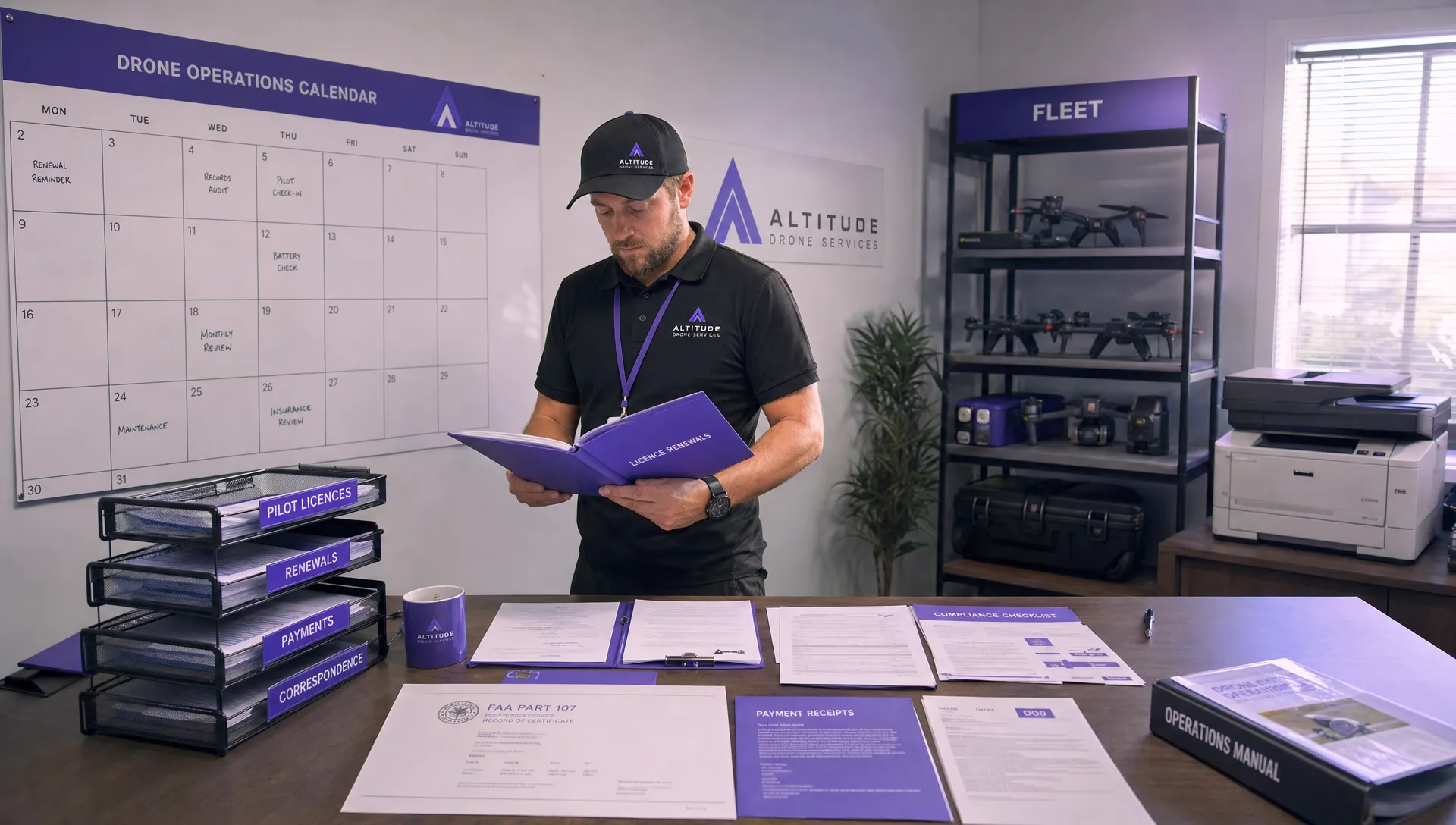 FAA Drone License Costs Beyond the Knowledge Test →
 Drone Part 107 Operations: When a Waiver May Be Needed →
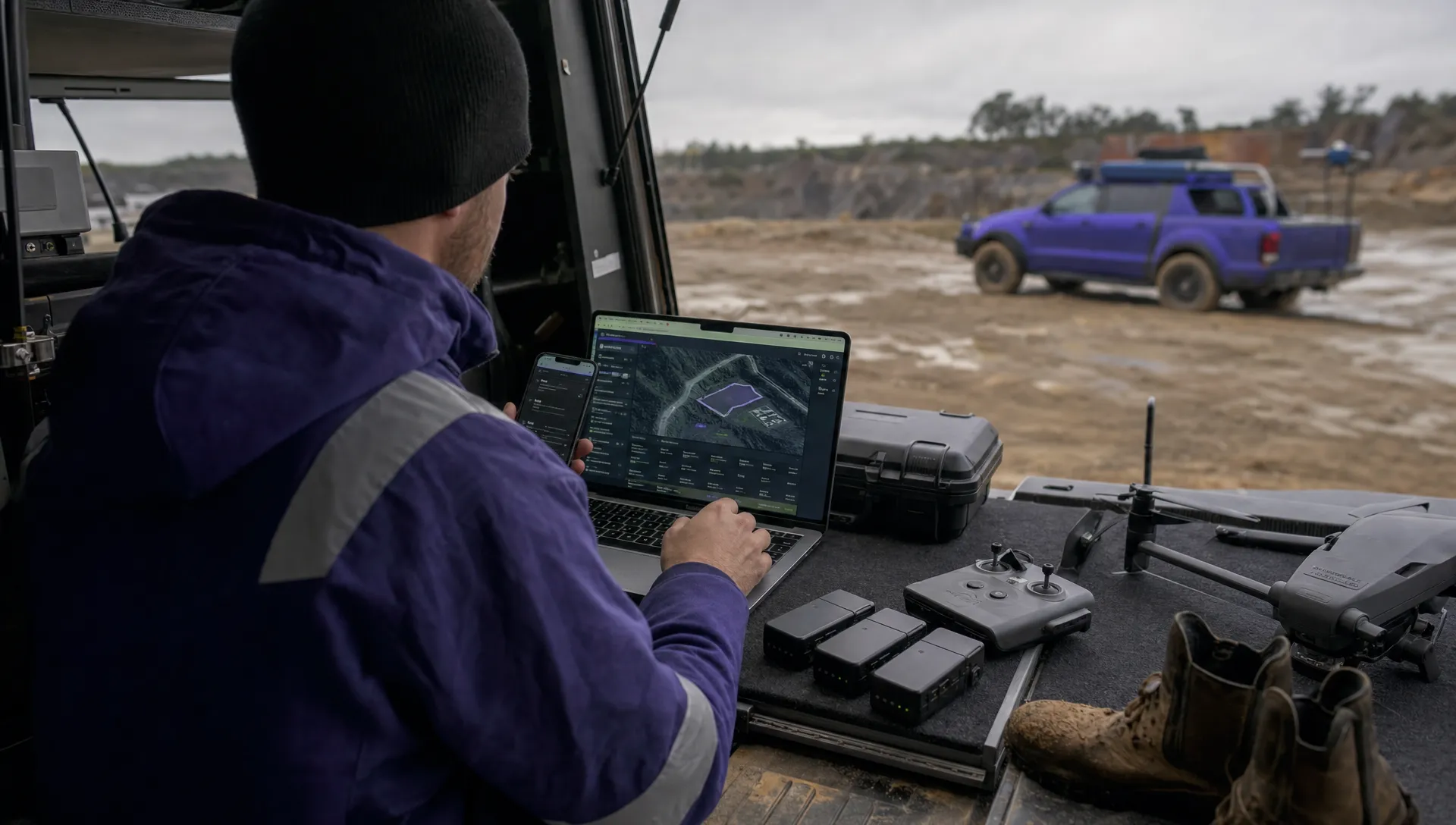 Drone Operating Rules for Managing Contractors and Employees →
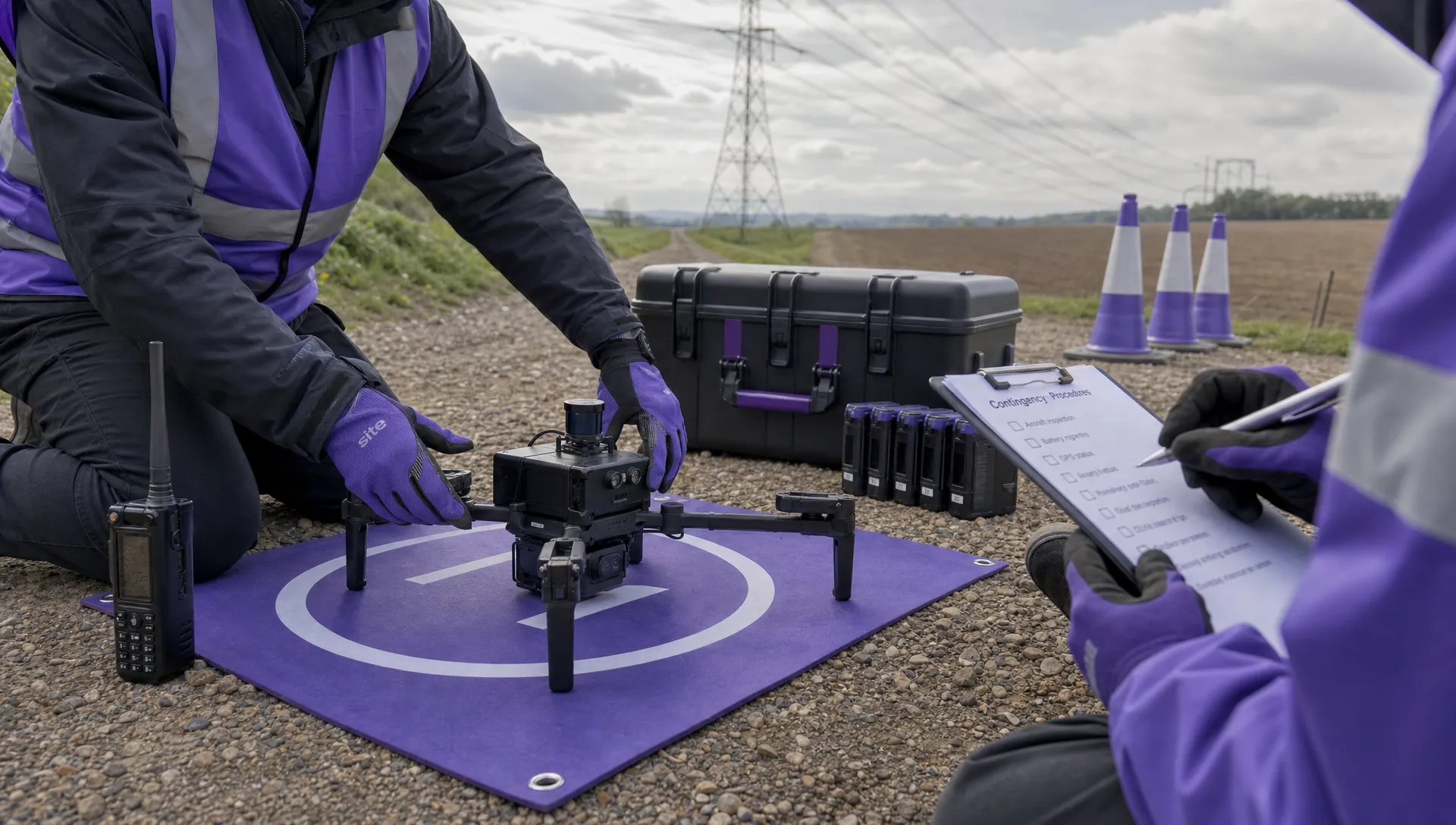 BVLOS Drone Requirements for Building a Safety Case →
 Drone Pilot Test Mistakes That Cost Candidates Marks →
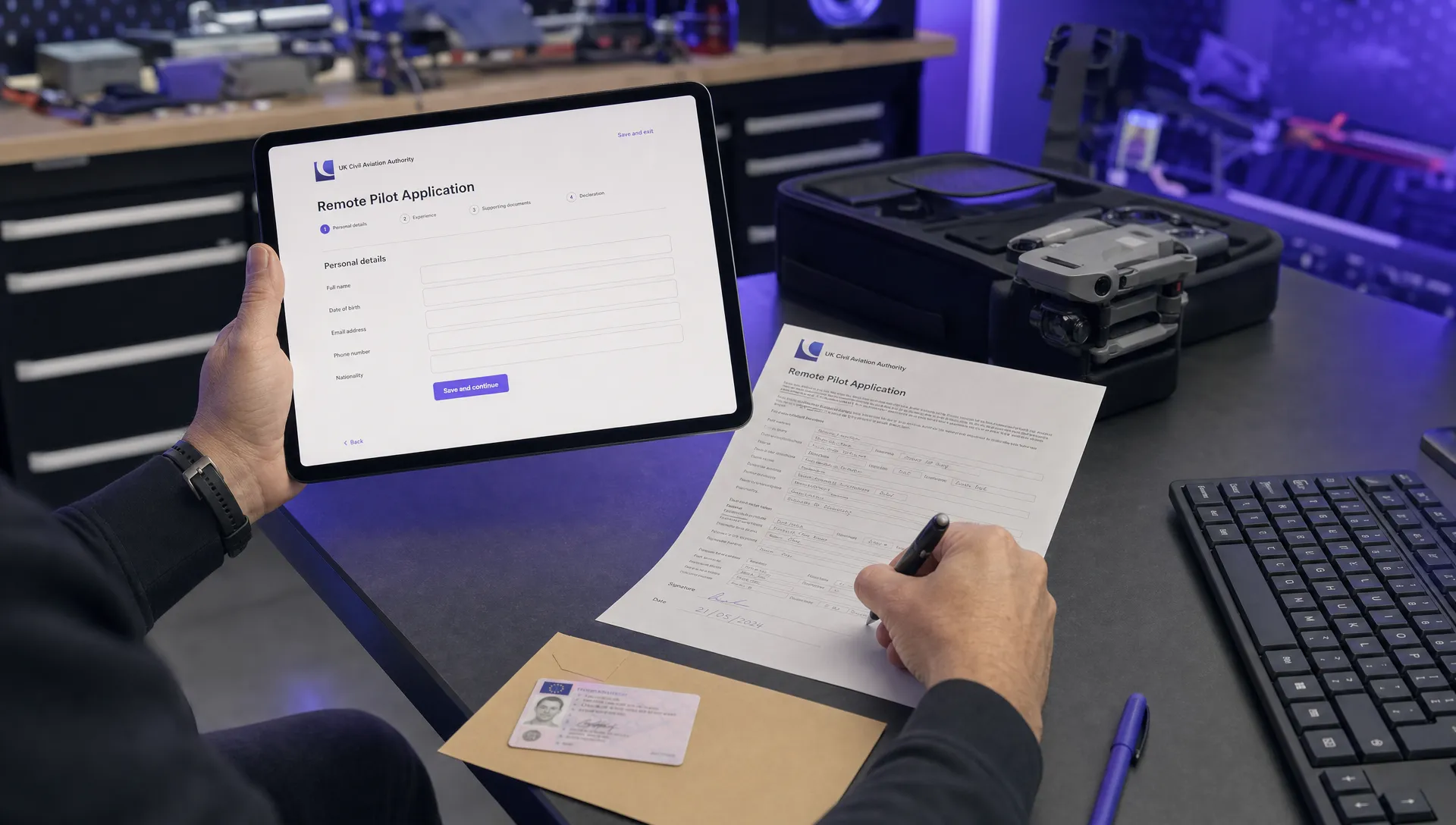 FAA 107 License vs Part 107 Certificate: What’s the Difference? →
 Drone Airport Rules: A Field Checklist for Site Assessments →
 FAA Part 107 Record-Keeping Rules for Commercial Teams →
 How to Review a DJI Flight Log After an Unexpected Event →
 Drone Laws Around the World: A Pre-Flight Research Framework →