
UAV Fleet Management System A Complete Guide
At its core, a UAV fleet management system is the software that lets you monitor, command, and look after your entire drone collection from a single screen. It’s the essential hub you need to grow your drone program beyond just one pilot and one drone.
Think of it as the air traffic control tower for your own drone operations.
Understanding Your Digital Command Center
Imagine trying to lead an orchestra without a conductor. Sure, each musician can play their part, but the result is going to be chaos, not music. A UAV fleet management system is that conductor. It turns individual drones into a coordinated, intelligent unit, all working together to hit your project goals.
This is the system that takes you from managing drones one-by-one to orchestrating an entire fleet.
Instead of wrestling with messy spreadsheets, paper logbooks, and endless back-and-forth texts to check on pilots, this system becomes your single source of truth. It pulls every vital piece of your operation into one clean, simple dashboard.
Core Functions of a Management System
At the end of the day, a fleet management system is built to give you instant answers to the big questions:
- Where are all my assets? Real-time tracking shows you exactly where every drone, battery, and piece of gear is at any moment.
- Are my pilots compliant? The system automatically logs flight hours and tracks certifications, making sure the right pilot is on the right job.
- Is my equipment ready to fly? It handles maintenance schedules, logs every check, and flags potential issues before they ground a mission.
- How are we actually performing? It crunches the numbers on flight efficiency, how much your gear is being used, and project outcomes so you can make smarter decisions.
This kind of oversight is no longer a "nice-to-have." The global unmanned systems market is expected to rocket from USD 28.02 billion in 2025 to USD 76.05 billion by 2035. That's a massive signal that drones are becoming serious business across every sector.
A solid fleet management platform isn't just about flying drones—it's about building a drone operation that's scalable, safe, and actually profitable. It's the skeleton you need to grow from a couple of UAVs to a fleet of hundreds without losing your grip on safety or control.
The Shift From Hobbyist To Enterprise
If you're a single operator with one drone, life is pretty simple. But what happens when your business grows to five, ten, or even fifty UAVs? Manual management becomes a nightmare. This is exactly where a dedicated system goes from a luxury to an absolute necessity.
Our complete guide to UAV fleet management dives deeper into how these platforms make that critical jump possible.
By automating the tedious stuff—like pre-flight checklists, compliance reports, and maintenance reminders—these systems give your pilots and managers their time back. They can finally stop drowning in admin and start focusing on what really matters. This is the tech that makes true, enterprise-level drone operations a reality.
Understanding Core System Components
To really get what makes a UAV fleet management system tick, you have to look under the hood. It’s not some single piece of magic software; it’s a collection of specialized modules all working together to give you total command over your entire drone program.
Think of it like the different departments in a company—each has a distinct role, but they all need to collaborate to hit the main goal. A solid system is usually built on four foundational pillars, each tackling a critical stage of your operations, from the initial plan to the final data crunch. Nothing gets left to chance.
This is what it looks like in practice—a single, centralized command center built for maximum fleet efficiency.

From that single screen, an operator can oversee everything: mission planning, live monitoring, data processing, and maintenance. That's the key to scaling your operations without losing control.
So, what are these core components? Let's break down the essential functions of a typical UAV fleet management platform. Each part plays a specific role, but they all interconnect to create a seamless operational workflow.
Key Components of a UAV Fleet Management System
| Component | Core Function | Primary Benefit |
|---|---|---|
| Mission Planning | Defines mission objectives, generates flight paths, and runs pre-flight safety and compliance checks. | Ensures every flight is safe, efficient, and perfectly aligned with operational goals before takeoff. |
| Real-Time Monitoring | Provides a live dashboard of all active drones, tracking telemetry data like location, altitude, and battery. | Delivers complete situational awareness, allowing for immediate intervention and proactive problem-solving. |
| Data Management | Ingests, processes, organizes, and analyzes the vast amounts of data collected during missions. | Turns raw sensor data (images, LiDAR, etc.) into actionable intelligence and structured reports. |
| Maintenance & Compliance | Tracks equipment health (flight hours, component wear) and personnel records (licenses, certifications). | Keeps the fleet airworthy and ensures all operations are audit-ready and compliant with regulations. |
Each of these modules is indispensable for a professional-grade drone program. Let's dig a little deeper into what each one actually does on a day-to-day basis.
Mission Planning and Execution
This is where every successful flight begins. Long before a drone gets off the ground, this component helps you map out the entire operation with serious precision. We’re not just talking about drawing a line on a map. It’s about defining your goals, setting flight parameters, and making damn sure the mission is both safe and compliant.
For example, an agricultural company surveying a 500-acre farm isn't going to manually plot thousands of waypoints. Instead, they use the mission planning tool to simply outline the field's boundary. The system then automatically generates the most efficient flight path—a perfect grid pattern—to guarantee complete sensor coverage. This saves hours of manual work and ensures there are no blind spots in the data.
This module almost always includes:
- Automated Flight Path Generation: Creates the best routes for all sorts of tasks, whether it's surveys, inspections, or deliveries.
- Pre-Flight Checklists: A digital, mandatory checklist that forces pilots and crews to run through safety checks before launch.
- Airspace Intelligence: Hooks into aviation authority data to check for flight restrictions, TFRs, and other air traffic in the area.
Real-Time Monitoring and Control
Once a mission is live, this component becomes your eyes and ears in the sky. It gives you a live, centralized dashboard showing the status of every single active drone. And it's more than just a video feed; it’s a rich stream of telemetry data giving operators complete situational awareness.
Picture a logistics company managing a whole fleet of delivery drones across a city. One operator isn't stuck juggling a dozen different screens or controllers. From a single command center, they can monitor the battery levels, altitudes, and locations of every UAV at once. If a drone hits unexpected high winds or throws a low battery warning, the system flags it instantly. The operator can then step in, redirect the UAV, or trigger a safe return-to-home.
This real-time oversight is the core of what separates professional fleet management from hobbyist flying. It transforms reactive problem-solving into proactive, data-driven operational control.
Data Management and Analytics
A drone’s main job is to collect data—whether that’s high-resolution images, LiDAR scans, or thermal readings. This component is the workhorse responsible for securely pulling in, processing, and organizing that mountain of information. Without it, you’d be drowning in terabytes of unstructured data that’s next to useless.
Take a bridge inspection. A single flight might come back with thousands of images. The data management module automatically logs every photo, tags it with GPS coordinates, and files it under the correct mission. Even better, more advanced systems can use AI to stitch those images into a detailed 3D model or even flag potential cracks and defects for an engineer to review.
Maintenance and Compliance
Finally, this pillar makes sure your fleet stays airworthy and your operations stay on the right side of the law. Drones are complex aircraft that need regular maintenance, and pilots have to keep their certifications up to date. This component automates the headache of tracking all of it.
The system logs every single flight hour for each drone, automatically pinging you with maintenance alerts for things like battery cycles, propeller replacements, or motor inspections based on the manufacturer’s schedule. It also tracks pilot flight logs and certification expiry dates, ensuring only qualified and current pilots are assigned to jobs. This kind of proactive management prevents expensive equipment failures and makes sure you’re always ready for an audit.
Key Benefits for Your Drone Operations
 Okay, let's move past the technical nuts and bolts. The real question is, what can a UAV fleet management system actually do for your business? The answer is simple: it delivers real, measurable results that hit your bottom line, strengthen safety, and unlock your potential to grow.
It’s the crucial difference between just using drones and running a truly strategic, high-performing drone operation. By bringing everything under one roof, these platforms make things possible that you could never achieve with spreadsheets and manual tracking. They turn a disconnected group of drones into a coordinated, intelligent force.
Drive Down Operational Costs
One of the first things you'll notice is a serious drop in what it costs to keep your fleet running. This isn't about cutting corners; it's about plugging the leaks and making every single flight as efficient as possible.
For example, automated mission planning makes sure your drones take the most direct routes, which saves precious battery life and reduces wear and tear. Instead of pilots burning valuable time on manual pre-flight checks and paperwork, the system handles it, getting drones airborne and on task faster.
Proactive maintenance is another huge money-saver. By keeping tabs on how much each component has been used, the system flags potential problems before they turn into catastrophic failures. This helps you dodge expensive emergency repairs and mission-killing downtime. These small wins add up to massive savings over time. We cover more of this in our deep dive into drone operations management.
Enhance Safety and Ensure Compliance
Running a drone fleet comes with a heavy load of safety and regulatory responsibilities. Think of a UAV fleet management system as your digital co-pilot and compliance officer, helping you maintain a spotless record and stay on the right side of aviation authorities.
It’s packed with features designed to keep you safe:
- Geofencing: This creates invisible fences in the sky, stopping drones from accidentally wandering into no-fly zones like airports or over crowded areas.
- Deconfliction Protocols: If you're flying multiple drones in the same airspace, the system acts as an air traffic controller, sending alerts to ensure they keep a safe distance from each other.
- Automated Logging: Every flight is automatically logged with granular detail, creating a bulletproof record for any audits or incident investigations.
This kind of oversight massively cuts down on the risk of human error—a leading cause of drone accidents. It's peace of mind in a box, ensuring every flight is buttoned-up and by the book.
Centralized fleet management is the critical enabler for scaling drone programs. It provides the structure and control necessary to grow from a handful of UAVs to hundreds without sacrificing safety or operational integrity.
Unlock Scalability for Your Business
This might be the most powerful benefit of all: the ability to actually grow your operations. Trying to manage more than a few drones by hand is a recipe for disaster. It’s clunky, risky, and puts a hard ceiling on your growth. A proper system smashes through that ceiling.
With a central platform, a single operator can monitor several missions at once, massively boosting your capacity without needing to hire an army of pilots. This is exactly why the drone fleet management software market is expected to hit USD 2.44 billion in 2025. The trend is clear: these tools are becoming essential for any industry serious about expanding its drone program. You can read the full research on this growing sector for more detailed projections.
Case Study in Action
Picture a large construction firm with dozens of active job sites. Before they got a management system, they were lucky to survey a few sites a week, held back by pilot schedules and the headache of manual data processing.
After adopting a platform, their world changed:
- Schedule Automated Surveys: They could plan and launch daily survey flights across all their important sites, right from head office.
- Centralize Data: All the imagery and data from the drones flowed into one place, automatically processed and ready for project managers to analyze.
- Monitor Fleet Health: They had a real-time dashboard of their entire drone inventory, so they always knew which assets were ready to go.
The result? The firm tripled its site survey capacity, giving project managers a near-instant look at progress. Even better, they did it while cutting related man-hours by 40%, freeing up their team to focus on analyzing data instead of juggling logistics.
Your Step-by-Step Implementation Guide
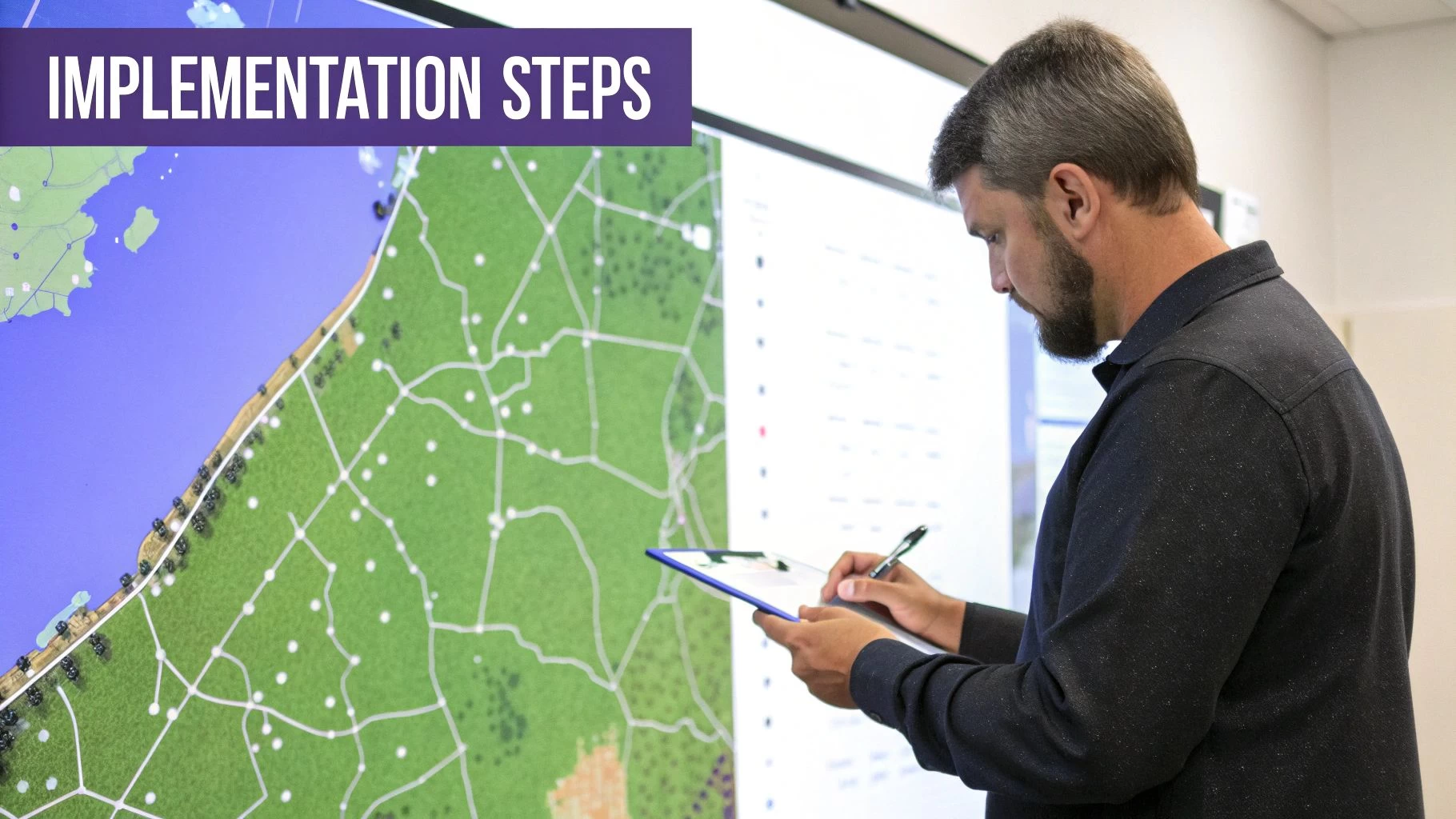
Bringing any new technology into your operation can feel like a monumental task. But rolling out a UAV fleet management system doesn't have to be a headache. With a solid plan, you can make it a smooth transition.
The secret is breaking the process down into logical, bite-sized phases. This isn't just about installing some software; it's about weaving a new operational brain into the very fabric of your daily workflow.
Think of it like building a house. You wouldn't just start hammering away without a detailed blueprint. This guide is your blueprint for successfully integrating a powerful new system into your drone operations.
Phase 1: Define Your Needs and Objectives
Before you even think about looking at software demos, you need to look inward. What, specifically, are you trying to fix? Vague goals like "we want to be more efficient" just won't cut it. You have to get specific and set clear, measurable objectives for your new UAV fleet management system.
Your goals need to be concrete. For instance:
- Cut manual flight logging and reporting time by 50%.
- Slash equipment downtime by 25% using automated maintenance tracking.
- Hit a 100% compliance rate on all pre-flight checklists.
This first phase is all about creating a scorecard. It helps you zero in on platforms that solve your real-world problems, not just the ones with the flashiest features. It also gives you a clear baseline to measure your return on investment down the road.
A successful implementation begins long before you choose a vendor. It starts with a deep understanding of your operational weaknesses and a clear vision for what you want to achieve. This clarity will guide every subsequent decision you make.
Phase 2: Select Your Software Partner
With your objectives locked in, you can start checking out potential software partners. This is about more than just comparing feature lists; it's about finding a platform that fits your operational scale and technical needs. A solo pilot has vastly different requirements than an enterprise managing a fleet of 100 drones.
As you evaluate, put a high priority on integration. Can the system talk to your existing drones, like those from DJI? Does it have an API that can link up with your current project management or accounting software? A platform that operates in a silo is just going to create more busywork.
Make a simple checklist to compare your options:
- Hardware Compatibility: Does it support the specific drone models and payloads you already own?
- Scalability: Can the platform grow with you from five drones to fifty without the price tag exploding?
- Customer Support: What kind of training and technical help do they offer, both during and after the rollout?
Phase 3: Plan a Phased Rollout
Whatever you do, resist the urge to switch everything over at once. A "big bang" approach is a recipe for disaster, risking major disruption to your operations. Instead, go for a phased rollout, starting with a small, controlled pilot group.
Kick things off with one or two of your most experienced teams. Let them get their hands on the new UAV fleet management system for a few non-critical projects. This gives you a safe space to iron out any kinks or workflow issues before they can impact your entire operation.
This pilot phase is also great for building momentum. Once that first group starts seeing the benefits—less paperwork, better organization, quicker reporting—they’ll become your internal champions for the new system. Their success stories are your best tool for getting the rest of the team on board.
Phase 4: Train Your Team and Go Live
With a successful pilot program in the books, it’s time to train everyone else and get ready for the full launch. Make sure the training is role-specific. Your pilots need to master mission planning and flight logging, while your admins need to get comfortable with compliance reports and the fleet maintenance modules.
Once training is complete, you can pull the trigger on the full rollout. Have a clear communication plan so everyone knows the official start date and who to turn to for help. A strong start, backed by solid training and accessible support, is the key to getting everyone to actually use the system and unlock its full potential.
How AI Is Shaping Modern Fleet Management
Artificial intelligence isn't some far-off concept anymore—it's the engine powering the next generation of UAV fleet management. We're seeing a fundamental shift where these systems are evolving from simple organisational tools into intelligent, autonomous command centres that can think, predict, and adapt on their own.
This is about more than just automating tasks; it's about giving your drone operations a brain. Instead of just following a pre-programmed script, an AI-powered UAV fleet management system can weigh up complex situations in real time and make smart calls without a human constantly looking over its shoulder.
Predictive Maintenance and Mission Planning
One of the most immediate wins with AI is its knack for spotting problems before they actually become problems. By constantly crunching data from every part of a drone—from motor vibrations to battery discharge cycles—machine learning algorithms can pick up on tiny anomalies that signal a future failure. This is predictive maintenance in its purest form.
So, instead of sticking to a rigid, calendar-based maintenance schedule, the system might flag a specific motor that's showing early signs of wear. It'll recommend a replacement before it fails mid-flight, slashing unexpected downtime and helping to prevent costly accidents.
AI also brings a whole new level of smarts to mission planning. A modern system can:
- Analyse real-time weather and airspace data to dynamically reroute drones, always finding the safest and most efficient path.
- Optimise battery usage by calculating the most energy-efficient flight profiles based on factors like wind speed and payload.
- Assess terrain and obstacles using 3D mapping data to create flight plans that are not only effective but, crucially, safe.
Automated Data Analysis at Scale
Drones are incredible at collecting data, but the sheer volume of information they gather can quickly become overwhelming for any human team. AI is the key to unlocking the real value hidden in all that data by automating the analysis.
Picture a drone inspecting hundreds of miles of pipeline. Instead of a human analyst spending weeks poring over thousands of images, an AI algorithm can scan the footage in a matter of hours. It can automatically identify, classify, and flag potential issues like corrosion or leaks, serving up a concise report of only the critical areas that need a human expert's attention.
AI transforms data from a raw, overwhelming flood into a stream of clear, actionable insights. This frees up human experts to focus on high-level decision-making rather than getting lost in the weeds of manual data review.
The Emergence of Drone Swarms
Perhaps the most exciting application of AI in fleet management is the idea of "drone swarms." This involves using sophisticated algorithms to let multiple UAVs communicate and collaborate on a single, complex mission as one cohesive unit.
Think of a search and rescue operation across a large, dense forest. Instead of one drone methodically covering the ground, you could deploy a swarm of ten. They work together, intelligently dividing up the search area, sharing information in real time, and coordinating their patterns to ensure no patch of ground is missed. If one drone spots something, it can instantly relay its findings to the rest of the swarm and the human operator. Our guide on how AI and automation are revolutionising drone operations digs deeper into these capabilities.
This collaborative power unlocks a level of efficiency and capability that would be impossible with manually controlled drones. This technological leap is a major reason why the UAV market is projected to grow from USD 26.12 billion in 2025 to USD 40.56 billion by 2030. You can learn more about these market findings and see how AI is a key driver of this expansion.
How to Calculate Your Return on Investment
Bringing a UAV fleet management system into your operation isn't just a technical upgrade—it's a serious financial decision. To get the green light, you need to build a rock-solid business case that speaks in the language of the bottom line: money. Calculating your Return on Investment (ROI) is how you translate all those cool operational improvements into a financial argument that stakeholders can't ignore.
The whole process boils down to mapping out your initial costs against your projected savings. When you get a clear picture of these figures, you can pinpoint the exact moment the system stops being an expense and starts generating pure profit. It’s the single most important step for getting that budget approved.
Tallying Up the Direct Costs
First things first, you need to get real about what this is actually going to cost. It's almost never just the software subscription. To get an accurate starting point for your ROI calculation, you have to look at the full scope of expenses.
- Software Licensing: This is usually a recurring cost, paid monthly or annually. It's often priced based on how many drones or users you have on the platform.
- Hardware and Integration: Don't forget any new gear you might need, like tablets for pilots or specific servers. You also need to account for the cost of getting the new system to play nicely with your existing drones and software.
- Team Training: Your people need to learn how to use the new tool. Factor in the man-hours it'll take to get your pilots and admin staff completely up to speed.
A huge part of this initial investment is, of course, the drones themselves. When you're planning your budget, it's critical to understand how you'll acquire them; for many businesses, this means you'll have to explore equipment financing options to manage the capital spend without crippling your cash flow. This is a key piece of your initial cost structure.
Identifying Your Tangible Savings
Once you've got your costs nailed down, it's time for the fun part: identifying the direct, measurable savings the system will bring. These are the hard numbers that hit your budget directly and are the easiest to prove.
Think about it this way: a construction company can easily calculate savings by comparing the old method—a two-person survey team spending a full day on-site—versus the new one, where a single automated drone mission gets the same job done in two hours. The difference in labor, fuel, and time is a direct, tangible saving you can take to the bank.
The most powerful ROI calculations connect system features directly to cost reductions. For instance, automated maintenance alerts reduce equipment downtime, which has a clear and calculable financial benefit in preventing lost revenue from grounded missions.
Accounting for Indirect Benefits
Finally, don't sleep on the indirect benefits. These are a bit tougher to stick a price tag on, but they often deliver the most significant value in the long run. They represent the bigger, strategic wins that a proper fleet management system unlocks for your entire business.
Consider these game-changing value drivers:
- Improved Safety: Fewer on-site accidents means lower insurance premiums and avoiding the massive costs that come with fines or project delays. That's real money.
- Faster Project Completion: When you can deliver crucial data to clients days or even weeks ahead of schedule, you gain a massive competitive edge. That leads directly to winning more contracts.
- New Revenue Streams: Suddenly, you have the capability to offer new, data-driven services that were impossible before. Think advanced analytics, 3D modeling, or specialized inspections—entirely new lines of business for your company.
Frequently Asked Questions
Even after seeing all the pieces laid out, you probably have a few practical questions about what these systems look like in the real world. Let's tackle some of the most common ones we hear from operators on the ground.
Our aim here is to clear up any lingering doubts so you can feel confident about finding a platform that genuinely makes your life easier.
How Does the System Handle Different Drone Models?
This is a big one. Most professional-grade systems are built to be hardware-agnostic, meaning they play nicely with a whole range of drone models from different manufacturers. You aren't locked into one brand.
They usually pull this off through direct API integrations, especially with the big names like DJI, or by supporting standardized flight log formats. The goal is simple: get all the telemetry and flight data from any drone into one unified interface. This means you can manage your mixed fleet—quadcopters, fixed-wings, and specialized sensor platforms—all from a single dashboard.
What Is the Typical Learning Curve for Pilots?
Honestly, it’s usually pretty gentle. Modern UAV fleet management systems are designed with the user in mind. For day-to-day stuff like logging flights, running through pre-flight checklists, and checking out mission plans, most pilots are up and running in just a few hours.
A well-designed platform shouldn't feel like another layer of bureaucracy. It should feel like a tool that removes administrative friction, allowing pilots to spend less time on paperwork and more time focused on the mission.
Now, for administrative users who are diving deeper into compliance tracking, maintenance schedules, and pulling detailed reports, there's a bit more to learn. But any reputable software provider will have your back with solid onboarding, tutorials, and customer support to make it a smooth transition.
Is My Operational Data Secure in the Cloud?
Data security is non-negotiable, and any credible platform will treat it that way. We're talking about everything from your flight logs and client details to the high-res imagery you capture on a job. It all needs to be locked down tight.
You should expect to see multiple layers of protection:
- End-to-End Encryption: This keeps your data safe whether it's in transit to the server or sitting on it.
- Secure Cloud Infrastructure: Platforms should be built on established, secure cloud providers that meet international security standards.
- Access Controls: This lets you set specific permissions for your team, ensuring people only see the data they absolutely need to for their role.
These security measures are all about protecting your operational integrity and keeping your clients' information confidential.
Ready to stop juggling spreadsheets and start managing your drone operations with clarity and control? Dronedesk provides the end-to-end platform you need to ensure safety, boost productivity, and maintain perfect compliance. See how Dronedesk works and take command of your fleet.
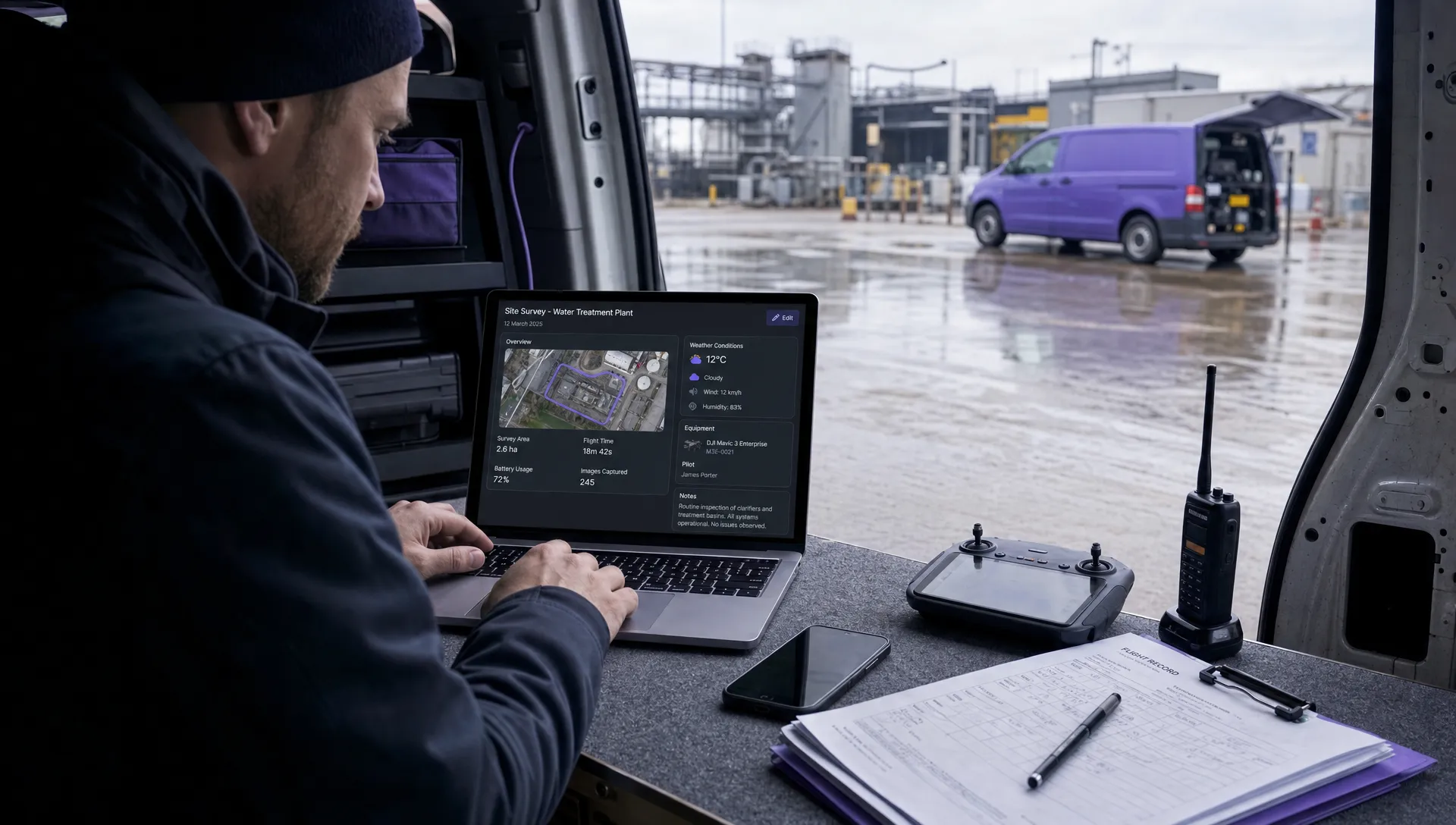 Drone Airspace Rules: How to Document Your Site Checks →
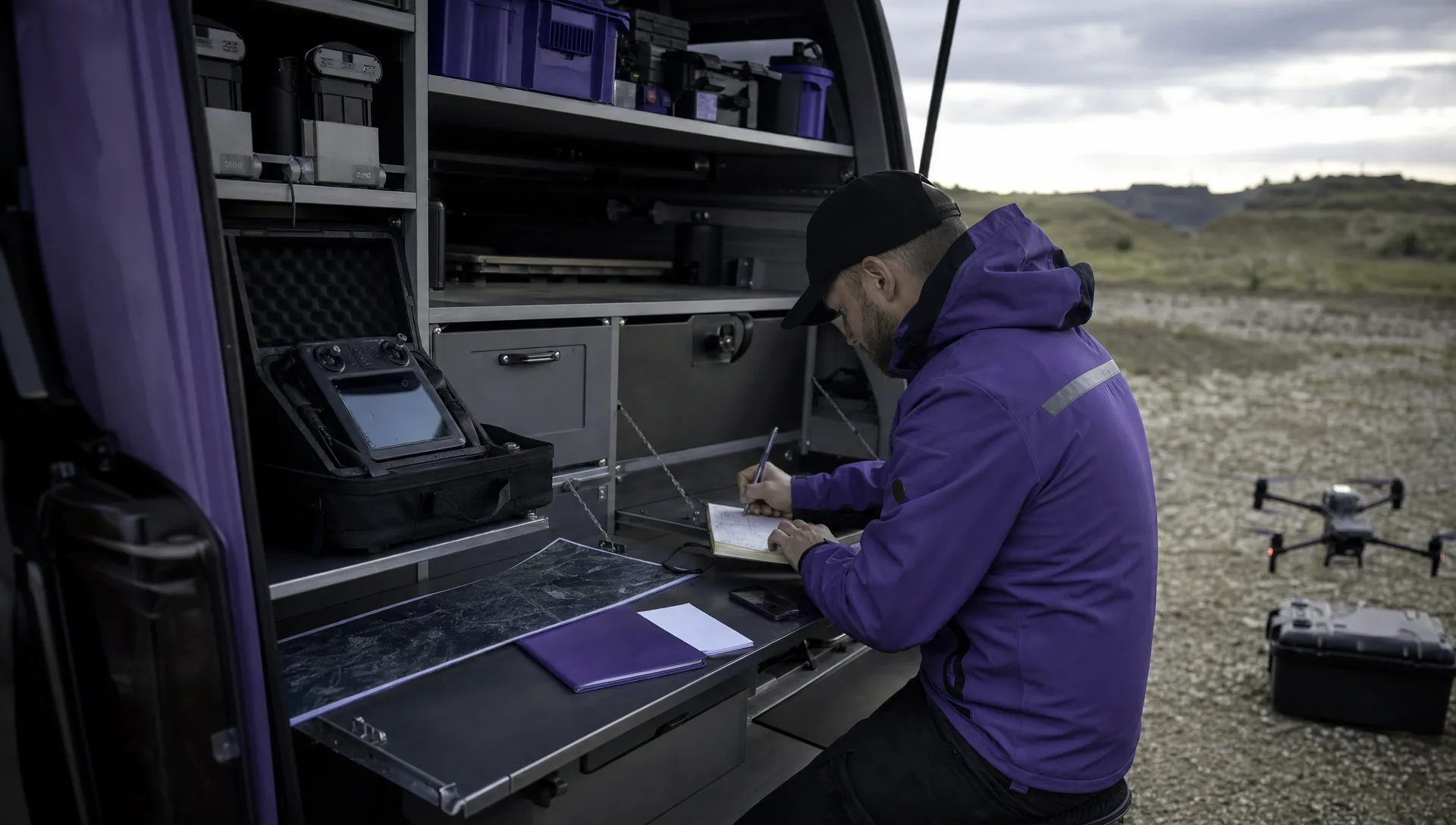 How to Evaluate a Free Drone Logbook Before Using It →
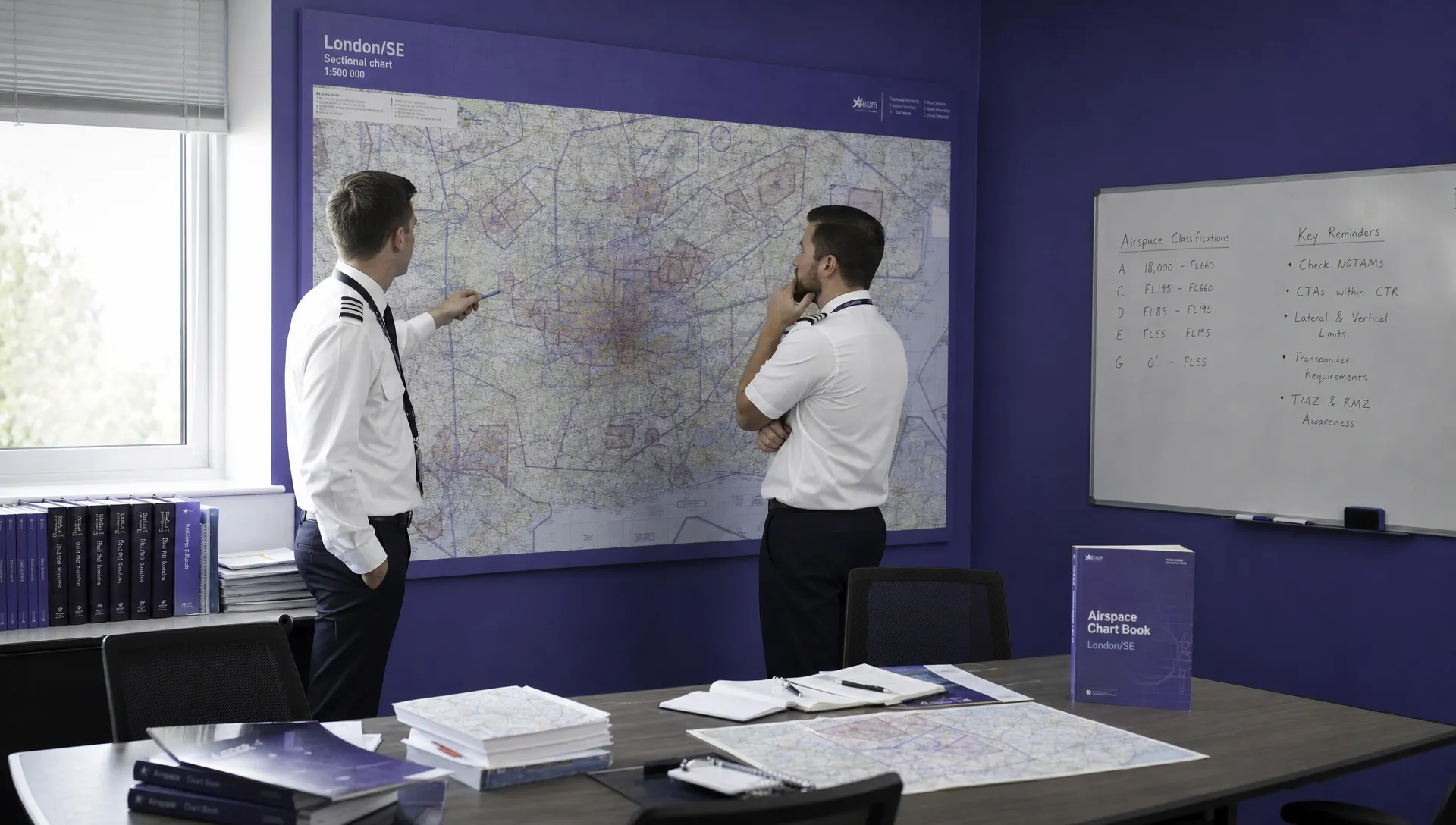 FAA Part 107 Test: How to Master Airspace Questions →
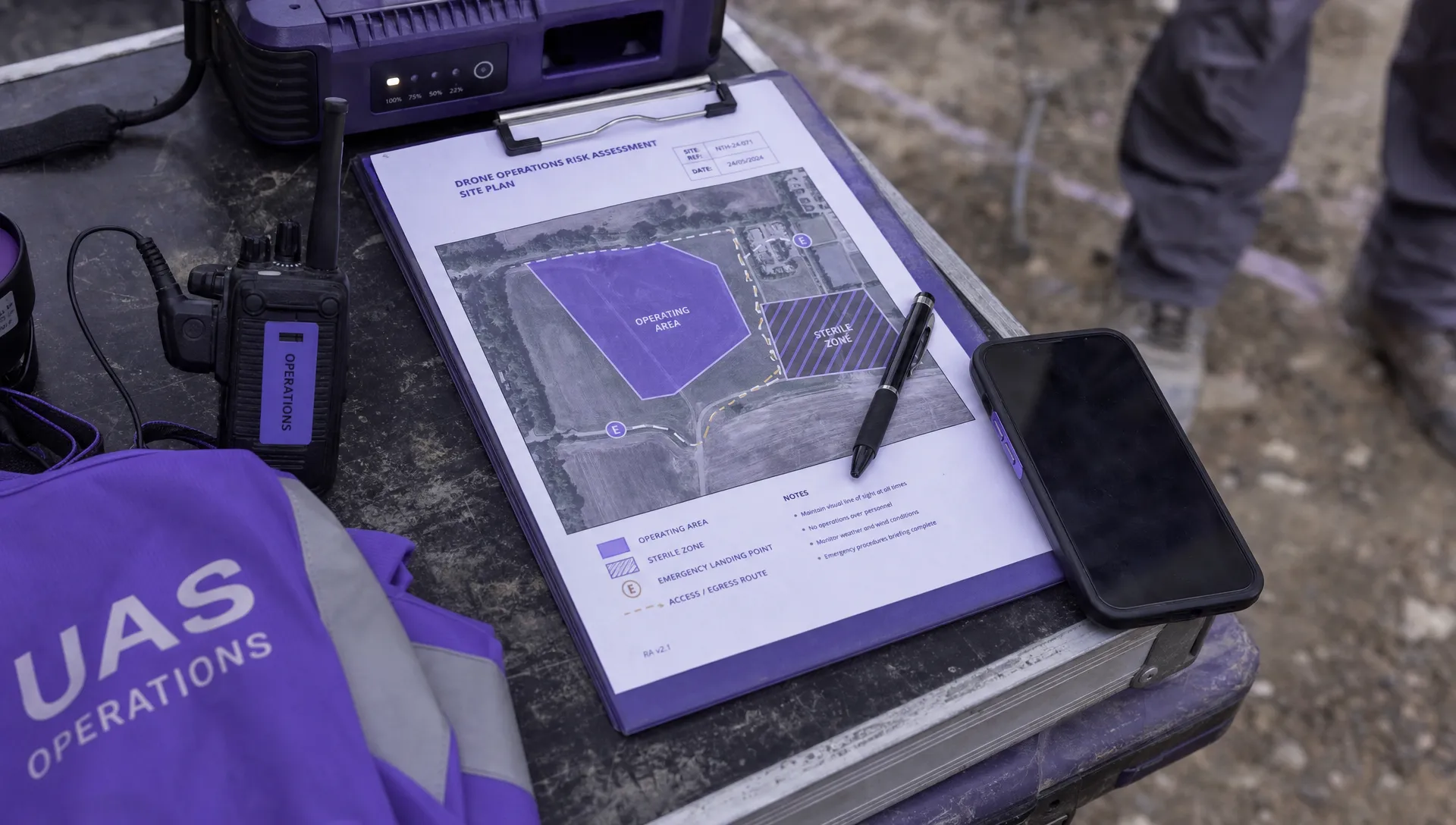 Drone Risk Assessment Controls That Work in the Field →
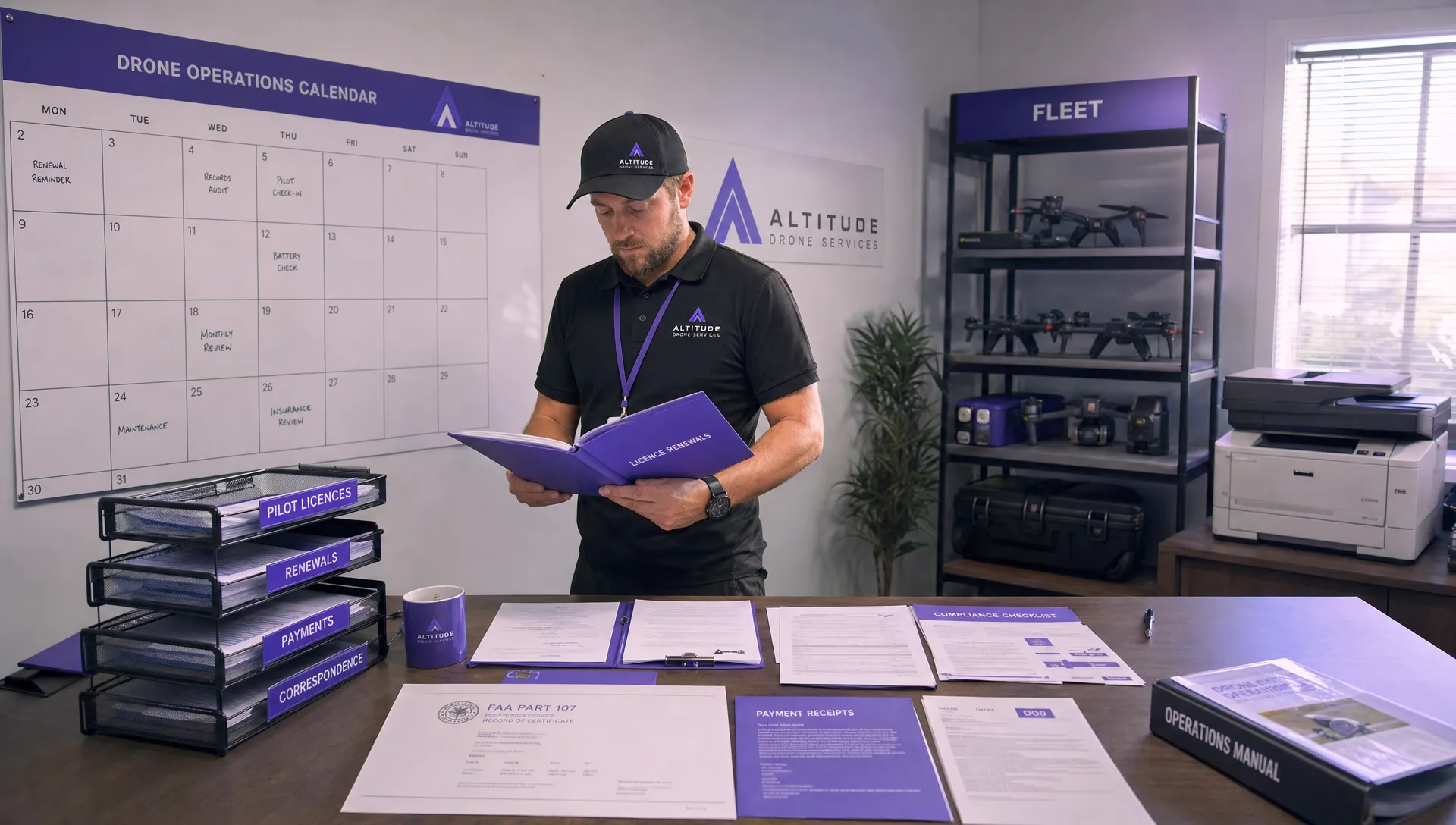 FAA Drone License Costs Beyond the Knowledge Test →
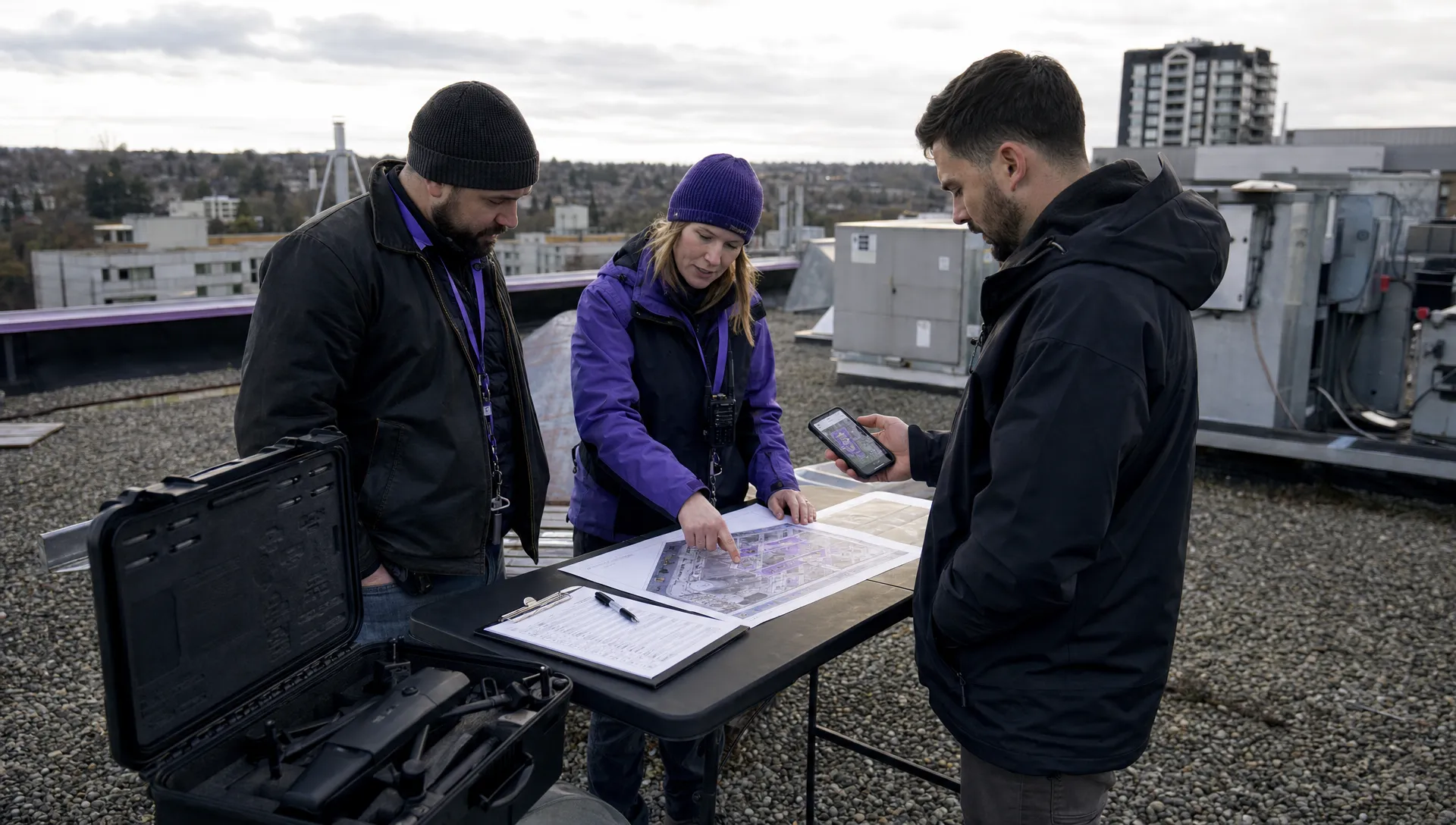 Drone Part 107 Operations: When a Waiver May Be Needed →
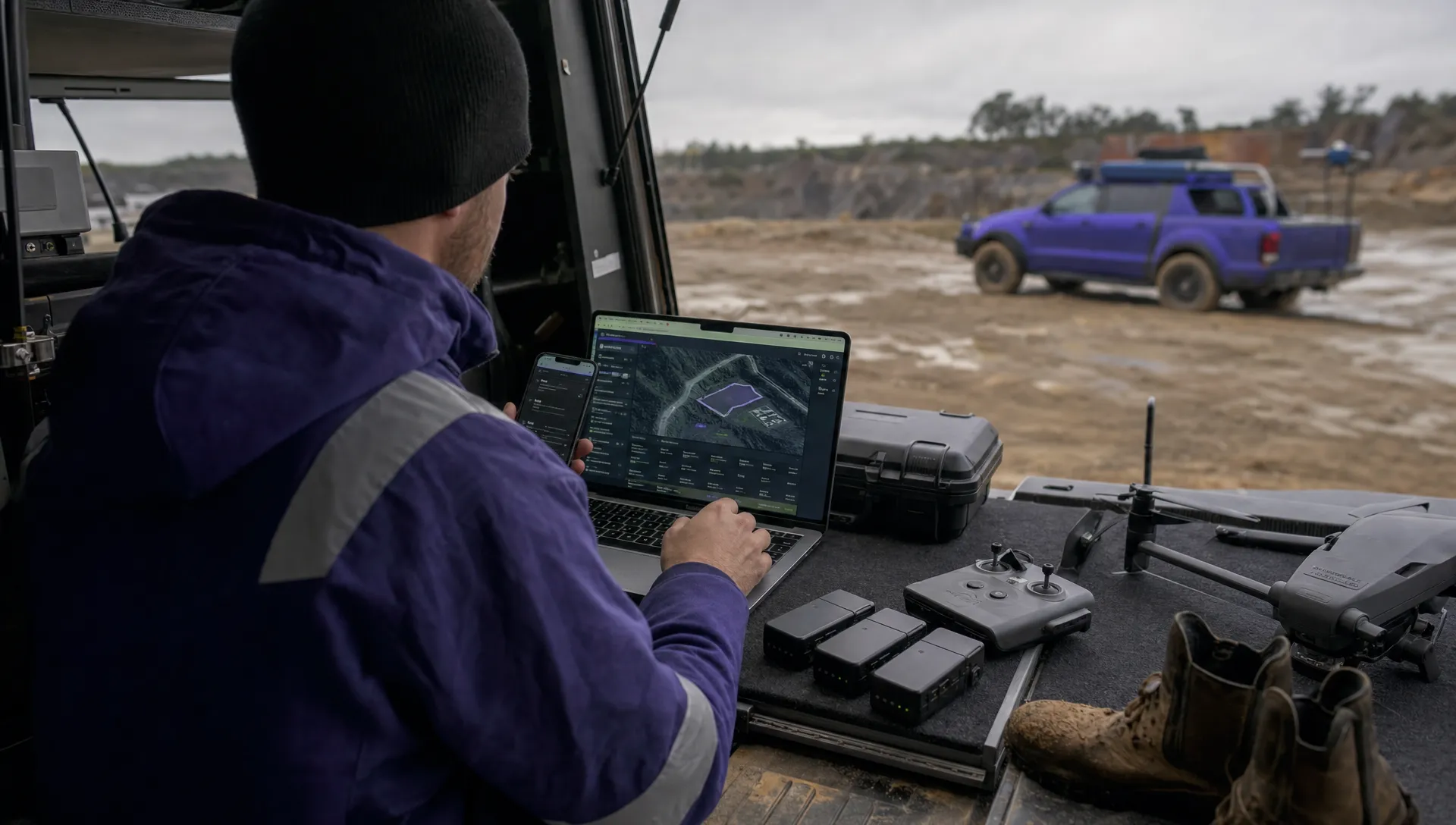 Drone Operating Rules for Managing Contractors and Employees →
 BVLOS Drone Requirements for Building a Safety Case →
 Drone Pilot Test Mistakes That Cost Candidates Marks →
 FAA 107 License vs Part 107 Certificate: What’s the Difference? →