
UAS Pilot Jobs: Your 2026 Career Guide
A client calls at 6:30 a.m. The site superintendent needs updated progress imagery before the owner meeting at noon. The airspace is tight, the weather is changing, and one missing battery log can stop the whole job. That is what professional UAS work looks like in practice. The flight is only one part of it.
New pilots often focus on stick time first. The market pays for something broader. UAS pilot jobs reward people who can scope a mission correctly, check airspace and site constraints, manage risk, brief stakeholders, collect clean data, document the work, and deliver on schedule without creating extra problems for the client.
That shift is significant because a sustainable drone career is built on trust, repeatability, and judgment. A pilot who can fly well but misses a waiver requirement, sends unusable files, or shows up without a clear plan will not last long. The pilots who keep getting called back operate like professionals on the ground before they ever lift off.
If you want to break into this field, ask a better question. Do not ask how to get paid to fly. Ask how to become the operator a construction manager, utility coordinator, inspector, or public agency can trust with a deadline, a budget, and a risk profile. That is the standard. That is also where the better careers usually start.
The Sky's the Limit An Introduction to UAS Pilot Careers
A pilot shows up on site with a new aircraft, a fresh certificate, and plenty of confidence. Then the client asks three simple questions. Can you work near controlled airspace? What is your turnaround time on deliverables? How do you document battery health, maintenance, and incident history? That moment reveals what this career rewards.
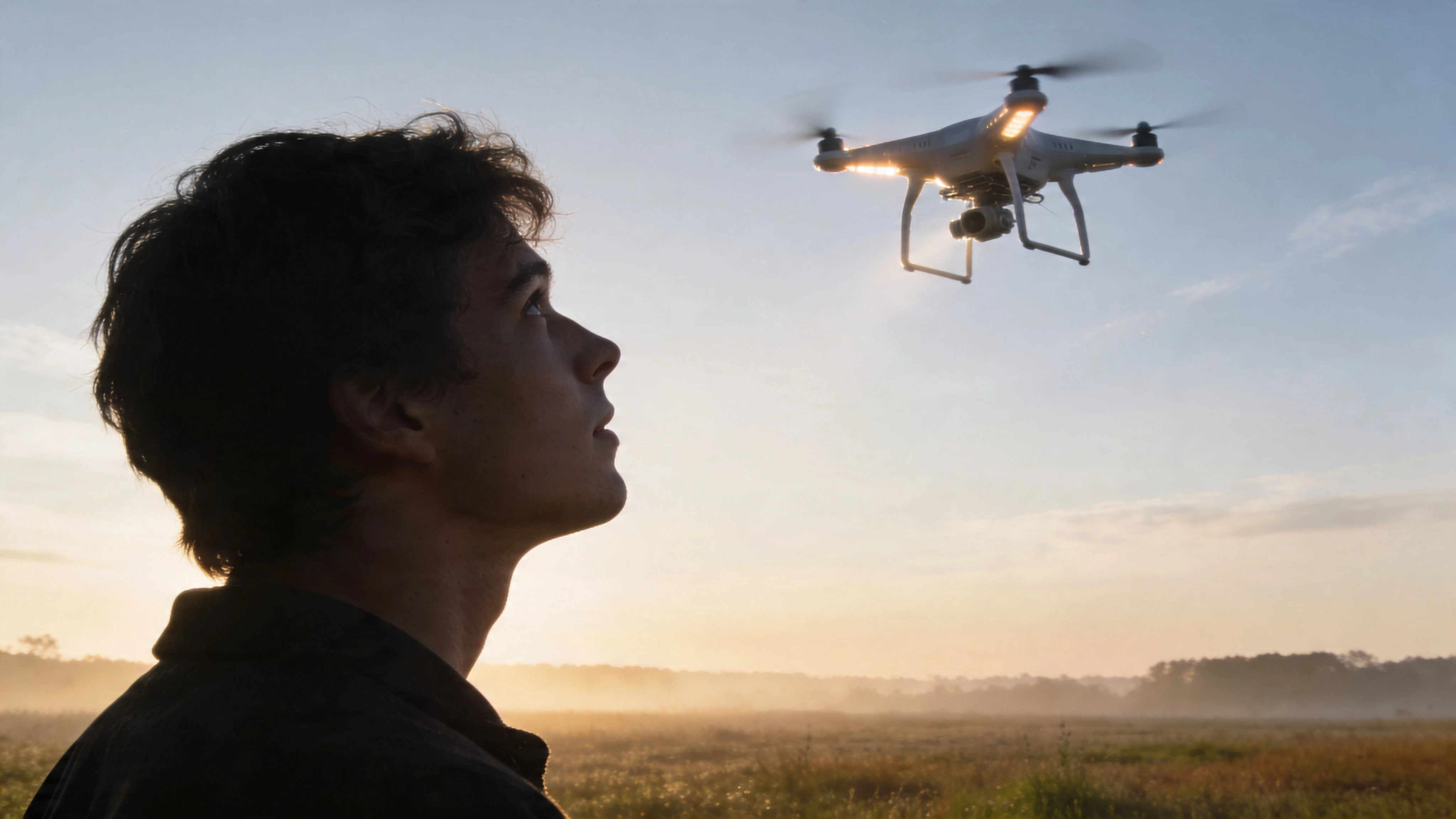
Why this career is getting real fast
UAS work is no longer a novelty service. Construction firms use it to track progress and document disputes. Utilities use it to inspect assets without putting crews in unnecessary positions. Public agencies use it because fast aerial awareness can save time when conditions change by the hour.
That demand creates room for good operators. It also raises the standard.
As noted earlier in the article, labor projections and registration trends point to a growing market for commercial drone work. The practical takeaway is more important than the headline numbers. There is work available, but the better opportunities usually go to pilots who can run a reliable operation, protect margins, and deliver usable results without constant supervision.
I have seen this play out repeatedly. Clients rarely hire a pilot because the pilot loves drones. They hire because they need better data, faster documentation, lower field risk, or a clearer record of what happened on a site that day.
Practical rule: Build your career around solving an expensive problem. Flight skill gets you in the door. Operational discipline gets you hired again.
What new pilots often miss
A lot of new pilots spend their early money on aircraft, filters, screens, and accessories. Some of that is necessary. Much of it can wait.
The primary gap is usually business judgment.
A working UAS pilot needs to understand scope, pricing, scheduling, client communication, insurance expectations, data handling, and what "done" means for a paying customer. If a roof inspection requires annotated imagery by 5 p.m., raw files in a cloud folder are not a finished job. If a construction client needs weekly consistency, changing altitude, angle, and file naming every visit creates friction they will remember.
That is why sustainable uas pilot jobs tend to favor operators who think like project leads. They know which jobs fit their aircraft, their experience, and the site conditions. They know when to decline work that carries legal, safety, or profitability problems. They know that a clean preflight process, a repeatable capture standard, and a clear delivery workflow are part of the product.
The ceiling in this field is high. The path to it is more practical than glamorous. Treat each mission like a business operation, not a flying session, and you put yourself in the group clients trust with larger budgets and tighter deadlines.
Beyond the Joystick What a UAS Pilot Really Does
A commercial pilot doesn’t just launch, fly, land, and go home. The same is true in small UAS work. The flight itself is often the shortest part of the mission. The rest of the value comes from planning, execution discipline, and what happens after the props stop.
Pre-flight is where professionals separate themselves
Before takeoff, a working pilot is already making decisions that affect safety, quality, and profit.
That includes checking airspace, assessing the site, reviewing weather, confirming client objectives, selecting payloads, verifying firmware and batteries, and making sure the planned output matches the job. If the client needs a roof condition report, a cinematic orbit package won’t help. If they need orthomosaic coverage, random manual passes create rework.
A solid pre-flight routine usually includes:
- Mission objective review: Know whether the customer needs inspection imagery, mapping data, thermal results, or simple visual documentation.
- Site risk assessment: Identify obstacles, people, traffic, signal interference, changing light, and any nearby hazards that can affect safe operations.
- Aircraft and payload checks: Confirm batteries, props, sensors, storage media, controller status, and calibration needs before arriving on site if possible.
- Client expectation control: Lock down deliverables, file formats, turnaround time, and access conditions before launch.
In flight you’re managing more than stick inputs
Flying smoothly is only one part of the job. During a mission, the pilot is also managing aircraft position, visual line of sight, crew communication, image overlap, subject framing, sensor settings, battery margins, and changing site conditions.
That means different things in different markets. On a media job, you may be focused on timing and camera movement. On a mapping job, consistency matters more than creativity. On an inspection mission, the main task is often getting complete, readable, repeatable data without exposing the aircraft to unnecessary risk.
The client rarely remembers your smoothest turn. They remember whether the deliverable answered the question they hired you to solve.
Post-flight is where business value gets locked in
A lot of pilots undersell themselves because they treat post-flight work like admin. It isn’t. It’s part of the product.
After landing, professional pilots organize media, back up files, review data quality, log flights, flag anomalies, write concise notes, and package outputs in a way the client can use. If you skip this discipline, you create confusion, rework, and doubt about your reliability.
Three post-flight habits matter more than most new pilots expect:
- Review before leaving the site so you don’t discover coverage gaps back at your desk.
- Keep clean records because logs, notes, and maintenance history protect you when questions come up later.
- Deliver with context so the client understands what they’re looking at, what it means, and what action it supports.
A drone pilot who only flies is easy to replace. A drone pilot who runs dependable field operations is not.
Exploring the Top Industries for UAS Pilot Jobs
If you’re serious about uas pilot jobs, don’t ask which niche sounds exciting. Ask which niche matches your tolerance for field conditions, technical complexity, client expectations, and repeatability of work. Some sectors look attractive from the outside and become exhausting once you see the travel, weather exposure, reporting burden, or procurement cycle.
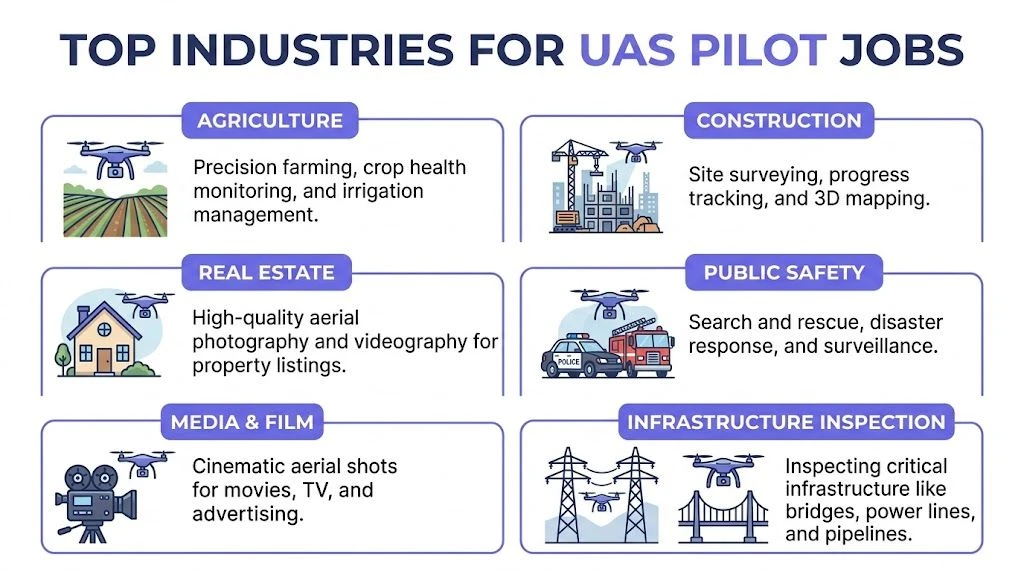
Construction and surveying
This is one of the clearest paths for pilots who like repeatable workflows. Construction clients often need progress imagery, site overviews, mapping outputs, stockpile visibility, and records that help teams compare planned work against actual site conditions.
The work rewards consistency. If your image capture changes every visit, your comparisons become weaker. The pilots who do well here build standard operating routines and deliver on schedule, not just pretty aerials.
Energy and utilities
The job quickly becomes technical. Utilities and energy operators use drones for inspections on power lines, solar assets, and pipelines because aircraft can collect data faster, reduce field exposure, and provide precise asset visibility.
The trade-off is that the margin for sloppy work shrinks. Pilots should maintain at least 100 feet of clearance from power lines to reduce electromagnetic interference risk, and thermography skill matters because EMI-induced failures account for about 15% of inspection incidents according to this drone industry job guide. In practice, that means calibrations matter, flight paths matter, and the pilot has to understand the sensor, not just the aircraft.
If you’re considering inspection work, this list of top UAV employment opportunities gives a useful snapshot of the kinds of roles that keep appearing.
Energy clients don’t care that a site is difficult. They assume you planned for difficult before you arrived.
Agriculture
Agriculture suits pilots who are comfortable working around large areas, changing weather, and practical rather than flashy deliverables. A grower doesn’t need cinematic footage. They need useful observations about field conditions, irrigation patterns, crop variability, and where to look next.
This sector rewards pilots who can communicate clearly with non-aviation clients. If you can’t explain what the imagery shows in plain language, the value gets lost.
Public safety
Public safety work is mission-driven and often high pressure. The environment may change quickly, the crews may be working under stress, and the flight supports a broader incident response rather than a standalone deliverable.
That means professionalism counts even more. You need good crew communication, controlled decision-making, and respect for chain of command. Pilots who like structure and accountability often fit well here.
Media and real estate
These jobs are visible, accessible, and often how people first enter the market. They can build flight confidence and client skills quickly. They also teach an early business lesson. Visual work is crowded, and buyers compare operators on responsiveness, consistency, and turnaround just as much as footage quality.
For many pilots, these sectors are a starting point, not the final destination. They’re useful because they teach client handling, scheduling, editing discipline, and on-site professionalism. They’re less useful if you stay stuck competing only on low-price visuals.
Your Flight Plan for UAS Certification and Training
You can’t build a commercial drone career on enthusiasm alone. The first gate is legal qualification. In the US, that means the FAA Part 107 Remote Pilot Certificate for most commercial operations. Treat it as your entry credential, not your finish line.
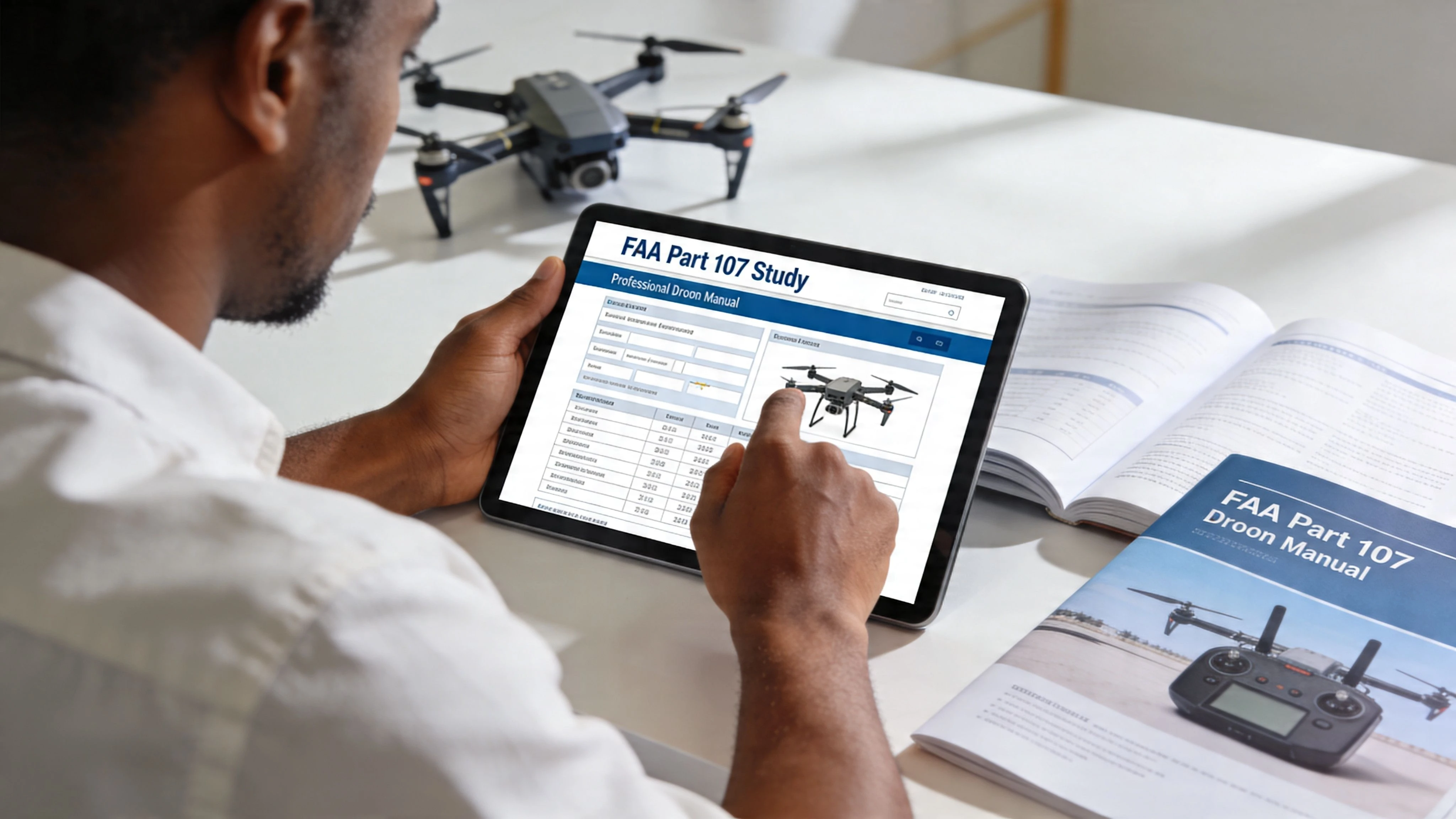
What the test actually asks of you
The exam has a reputation that scares some newcomers and gets underestimated by others. Both reactions are unhelpful. It’s manageable if you study the right way.
The FAA Part 107 exam requires passing the 60-question UAG test with a 70% score. It costs $175, covers nine domains, and gives particular weight to airspace at 20% and weather at 11 to 16%. After certification, recurrent online training is required every 24 months according to this FAA certification checklist.
What trips people up isn’t usually memorization alone. It’s weak judgment under scenario-style questions. You need to understand why an answer is correct, not just recognize terms.
A better way to prepare
Don’t study like you’re cramming trivia. Study like you’re preparing to make field decisions without guessing.
A practical training sequence looks like this:
- Learn the airspace system first. Airspace confusion causes hesitation in real work and errors on the test.
- Build weather literacy early. You don’t need to become a meteorologist, but you do need to recognize conditions that affect safe small UAS operations.
- Drill sectional chart reading until it feels ordinary. If charts feel slow and painful, you haven’t done enough reps.
- Use scenario questions, not just flashcards. Real missions don’t present themselves as vocabulary quizzes.
- Pair book study with field observation. Watch wind, light, obstacles, and location constraints every time you fly recreationally or in training.
If you want a structured place to sharpen those fundamentals, drone flight training resources can help you connect certification prep with practical operations.
Certification gives you legal standing to work. It does not give you field judgment automatically.
What happens after you pass
New pilots often relax too much after the certificate arrives. That’s backward. Once you’re certified, the intensive training starts.
Now you need repetition in mission planning, checklist discipline, sensor use, file handling, client communication, and calm decision-making when conditions shift. The pilots who become employable fastest are usually the ones who keep a study habit after the exam. They review incidents, tighten procedures, and treat every flight as part of a professional standard, even before anyone is paying them.
Decoding UAS Pilot Salaries and Earning Potential
Pay in this field is uneven. That’s the first thing to understand. Someone searching uas pilot jobs will find salary figures that look inconsistent because they are. The market pays for specialization, reliability, domain knowledge, and the value of the deliverable. It does not pay everyone the same just because they hold a certificate.
What the salary data shows
In 2026, the average drone pilot salary is around $130,916, but sector pay varies sharply. Aerospace and defense leads at $215,663, surveying and mapping comes in at $115,000, construction at $95,168, and film and video at $69,107 according to industry salary data compiled by UAV Coach.
That spread tells you a lot. The closer the work gets to technical data, regulated environments, or specialized asset inspection, the stronger the earning potential tends to be. The closer the work gets to widely available visual services, the more crowded pricing becomes.
2026 Average UAS Pilot Salary by Industry
| Industry | Average Annual Salary |
|---|---|
| Aerospace and defense | $215,663 |
| Surveying and mapping | $115,000 |
| Construction | $95,168 |
| Film and video | $69,107 |
What actually moves your income
Three factors matter in practice.
- Specialization: A pilot who can support mapping, thermography, or technical inspection usually has a stronger business case than a generalist selling generic drone footage.
- Employment model: Full-time roles can provide stability. Contract work can give flexibility and more varied field experience. Each route rewards different habits.
- Professional maturity: Employers and clients pay more when they trust your planning, reporting, and consistency. The aircraft alone doesn’t justify premium rates.
A lot of new pilots chase the average figure and miss the mechanism behind it. The better approach is to choose a niche where your work reduces cost, risk, or delay for the client. That’s how six-figure roles become realistic. Not by flying more. By becoming harder to replace.
Building a Standout Resume and Flight Portfolio
Most drone resumes read the same. Part 107 certificate. Equipment list. Editing software. Maybe a short note about safety and reliability. That’s fine as a baseline, but it won’t carry you far. In this field, a portfolio beats a resume because buyers want evidence that you can execute a mission from briefing to deliverable.
Build a mission-based portfolio
A weak portfolio is just a gallery. A strong one shows how you think.
For each sample project, include the pieces that prove operational competence:
- Mission objective: State the client-style problem clearly. Roof assessment, progress monitoring, corridor review, marketing footage, or thermal inspection.
- Planning material: Add a flight area overview, your checklist logic, and any notes on site constraints or operational considerations.
- Data capture sample: Show representative imagery, video frames, map outputs, or inspection stills that reflect the actual purpose of the mission.
- Final deliverable: Include the report, map, clip package, or summary the client would receive.
- Short debrief: Explain what worked, what had to change on site, and how you handled it.
That format tells employers and clients you understand the whole job, not just the airborne part.
No clients yet Use spec missions
You don’t need paid work to create a credible portfolio. You do need discipline.
Choose legal, safe locations and build sample missions around realistic business use cases. Document a mock construction progress visit. Create a property marketing package. Build an inspection-style image set for a non-sensitive structure. Produce a simple mission summary that shows you can gather and organize data with intent.
A portfolio should answer one question fast. Can this pilot be trusted with a real assignment next week?
Use your background to stand out
This industry still has a representation gap. Women and minorities hold less than 10% of UAS pilot roles, and programs such as the FAA’s Youth Access Taskforce recommendations and ND3 Cares are opening training pathways and scholarship opportunities according to the FAA Youth Access Taskforce report.
If you’re part of an underrepresented group, don’t frame that only as an obstacle. It can also help you build a distinctive profile and connect with programs, mentors, and networks that many applicants overlook. If you’re not part of that group, the lesson still applies. The market notices people who bring a clear point of view, not just generic credentials.
For the resume itself, presentation still matters. If you want a solid reference on formatting credentials cleanly, How To List Certifications On a Resume is useful because it helps you present your training without burying the details recruiters scan for.
How to Land Your First Professional Drone Pilot Job
Your first paid job usually comes from one of two paths. You either get hired into someone else’s operation, or you join a contract network and start taking missions. Both paths work. They just require different habits.
The full-time route
If you want stable employment, focus your search on companies that already treat drones as part of a larger workflow. Survey firms, construction technology providers, utilities, engineering companies, inspection contractors, and public agencies often care less about flashy footage and more about dependability.
When you apply, tailor your material to the mission type. A mapping employer doesn’t care much about your cinematic reel. A media company won’t spend long studying your neat maintenance logs unless they also need a disciplined field operator.
A sample posting like this Mechanical and Electrical Specialist Drone Pilot role is useful to study because it shows how some employers blend piloting with technical problem-solving and field responsibility.
The contract route for solo operators
For freelancers and small operators, pilot networks can be the fastest bridge into real assignments. Networks like FlyGuys match Part 107 certified pilots with local contract work in energy, construction, and agriculture, which matters because traditional job sites often skew toward full-time roles in hubs like Dallas according to this UAS job market listing page.
This model is practical for early career growth because it gives you exposure to real client expectations, scheduling discipline, and field repetition. It also teaches a hard truth quickly. Contract work rewards responsiveness, consistency, and clean deliverables. If you’re disorganized, the network won’t keep feeding you missions.
How to interview like an operator
Many candidates prepare for technical questions and ignore business questions. That’s a mistake.
Expect questions such as:
- Operational judgment: What would you do if conditions changed after arrival?
- Safety process: How do you handle checklist discipline under time pressure?
- Data handling: How do you organize files and protect client information?
- Client communication: What do you do when the requested deliverable doesn’t match site reality?
- Incident response: How would you document and escalate an operational problem?
The strongest answers are short, calm, and procedural. Don’t try to sound heroic. Sound reliable.
Hiring managers and clients are not just evaluating whether you can launch. They’re deciding whether they can trust you to represent their company, protect their timeline, and avoid preventable mistakes.
The Professional Edge Thriving with an Operations Platform
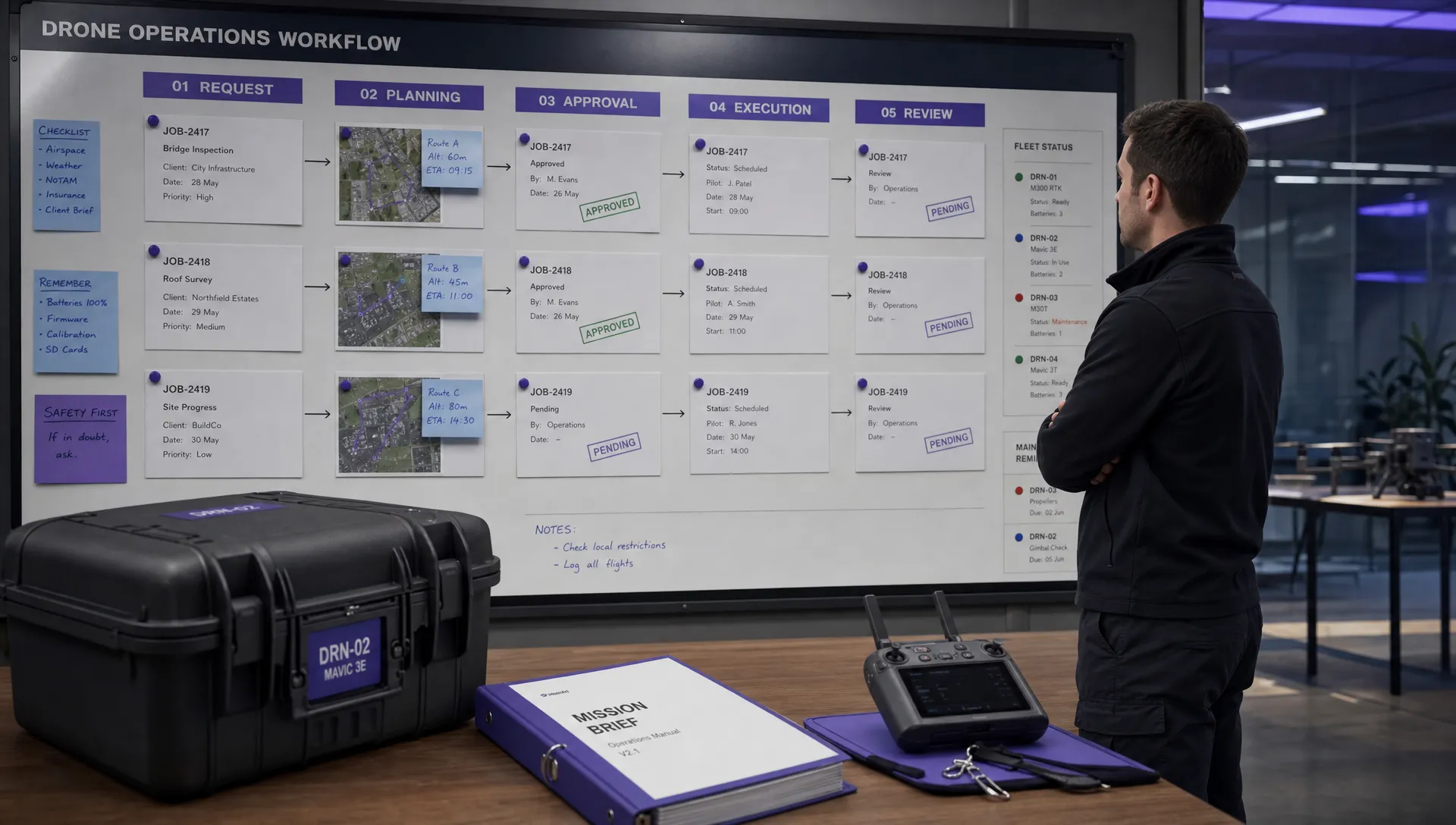
Once you’ve flown enough jobs, the bottleneck stops being stick skill. It becomes administration. Flight planning, crew coordination, maintenance records, site notes, client details, compliance checks, and reporting can turn even a small operation into a mess if you manage it from scattered apps and memory.
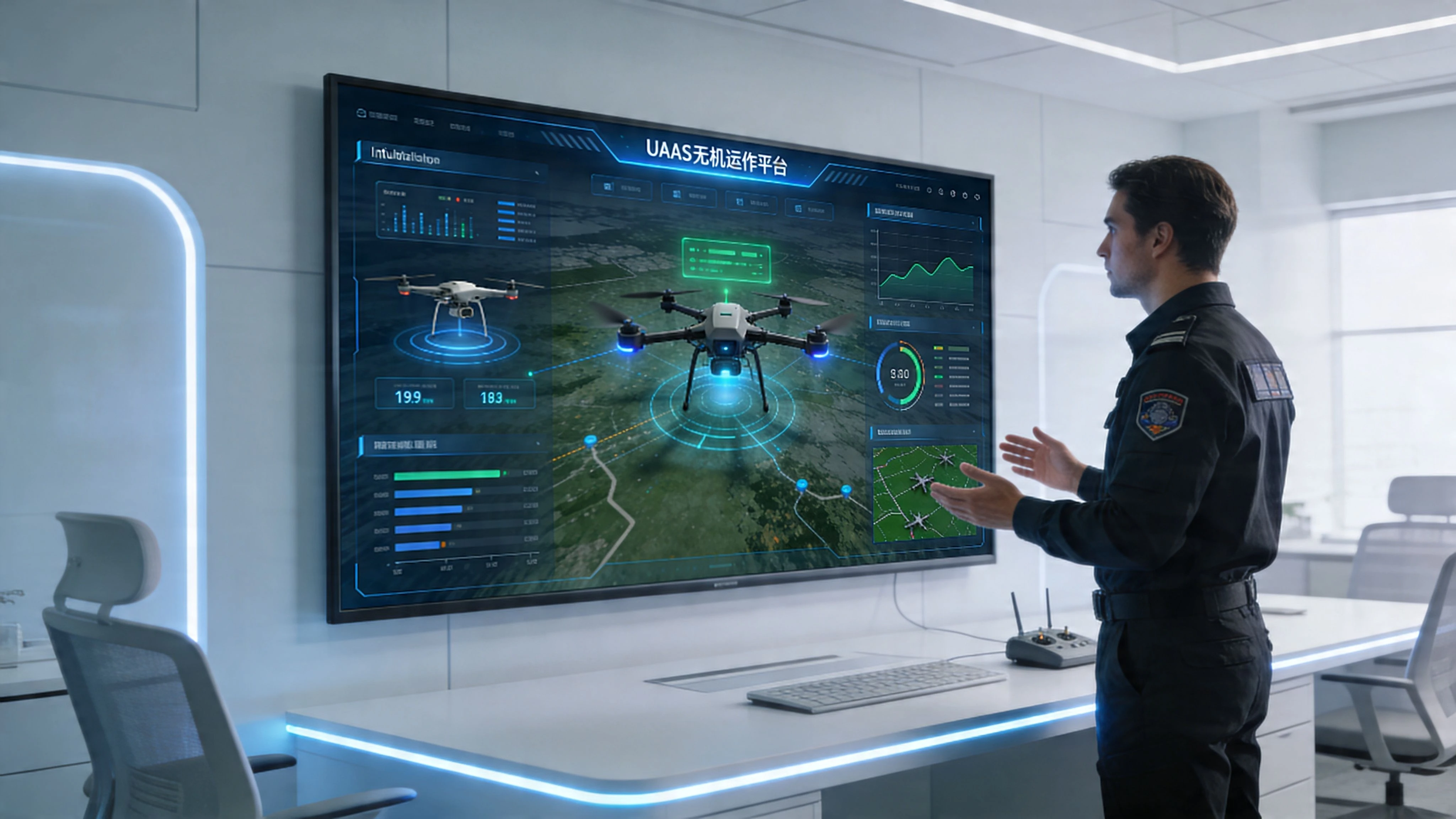
Why good pilots still lose work
A surprising number of capable pilots look unprofessional because their systems are weak. They miss certificate dates. They can’t retrieve old flight records quickly. Their maintenance history lives in one spreadsheet, job notes in a phone app, and client communication in an email thread nobody can find in the field.
That creates friction the client can feel, even if they never see the back end. Slow quoting, vague records, uneven reports, and inconsistent job prep all signal risk.
The shift from pilot to operator
The pilots who last in this market build repeatable systems. They know where every record lives. They can brief a job clearly, assign aircraft and crew correctly, and produce a clean report without a scavenger hunt through folders.
That’s where an operations platform becomes practical, not optional. A system such as a drone operations platform helps bring flight planning, logging, airspace awareness, client records, and reporting into one operational workflow. Dronedesk is one example in this category, and the point isn’t branding. The point is that professional pilots need a system that reduces admin drift.
The more serious the client, the less patience they have for improvised operations.
What actually improves when your workflow is tight
The biggest gains aren’t flashy. They’re operational.
- Compliance gets easier: Certificates, records, and recurring requirements are easier to track before they become urgent.
- Field prep improves: Aircraft, batteries, payloads, and site details are easier to assign without last-minute confusion.
- Reporting looks sharper: Clients receive organized outputs that feel like they came from a professional service business, not a hobbyist who got paid once.
- Growth becomes possible: A process that works for one pilot can scale to a team. A pile of disconnected notes can’t.
That’s the difference between getting jobs and building a career. One depends on availability. The other depends on trust, systems, and repeatability.
If you want to move from occasional flying to a durable drone business, Dronedesk is worth evaluating as part of your workflow. It’s built to help pilots and teams manage planning, compliance, fleet records, logging, and client reporting in one place, which is exactly the operational discipline that separates working professionals from capable amateurs.
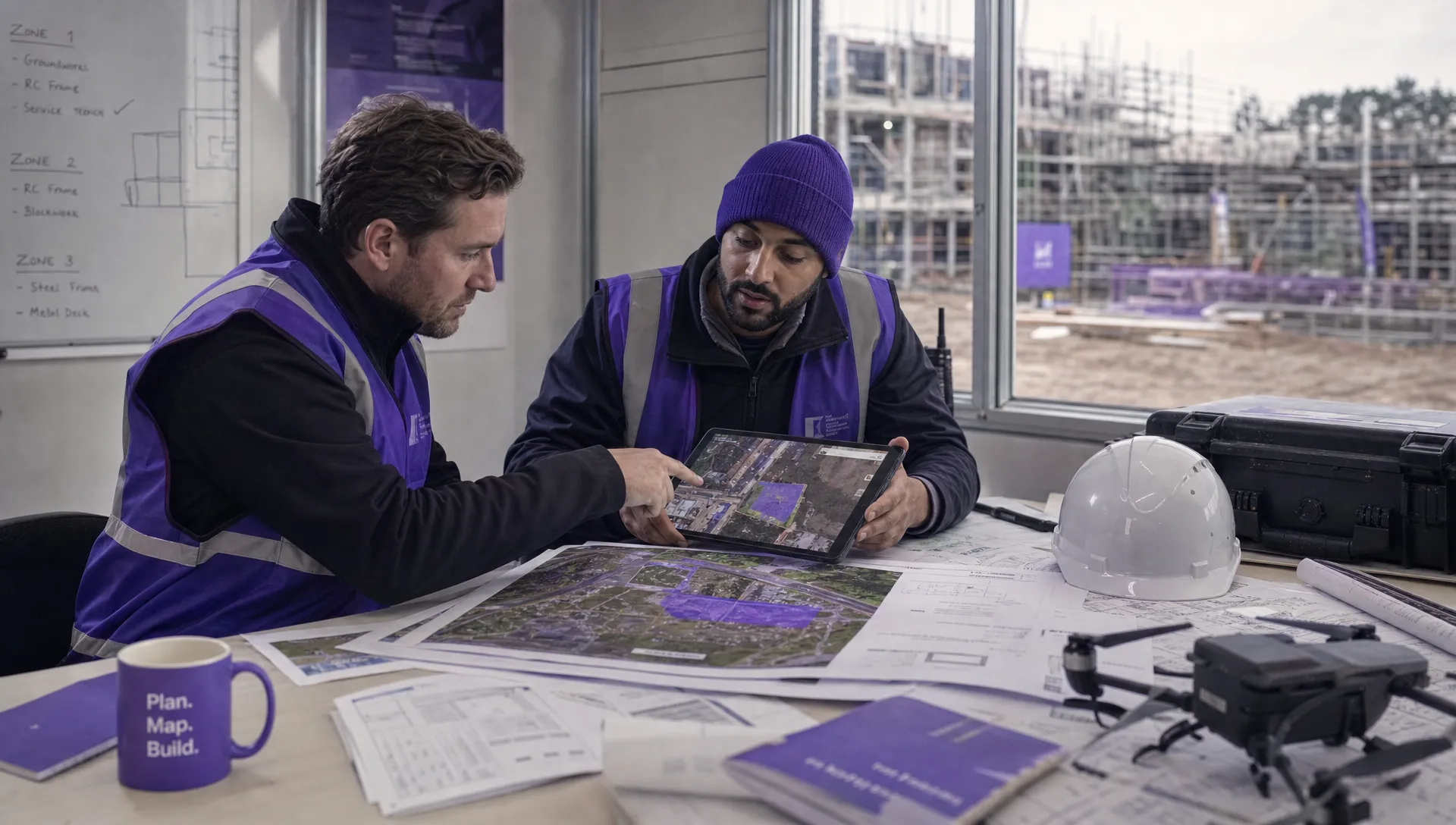 How to Start a Drone Mapping Business With a Clear Workflow →
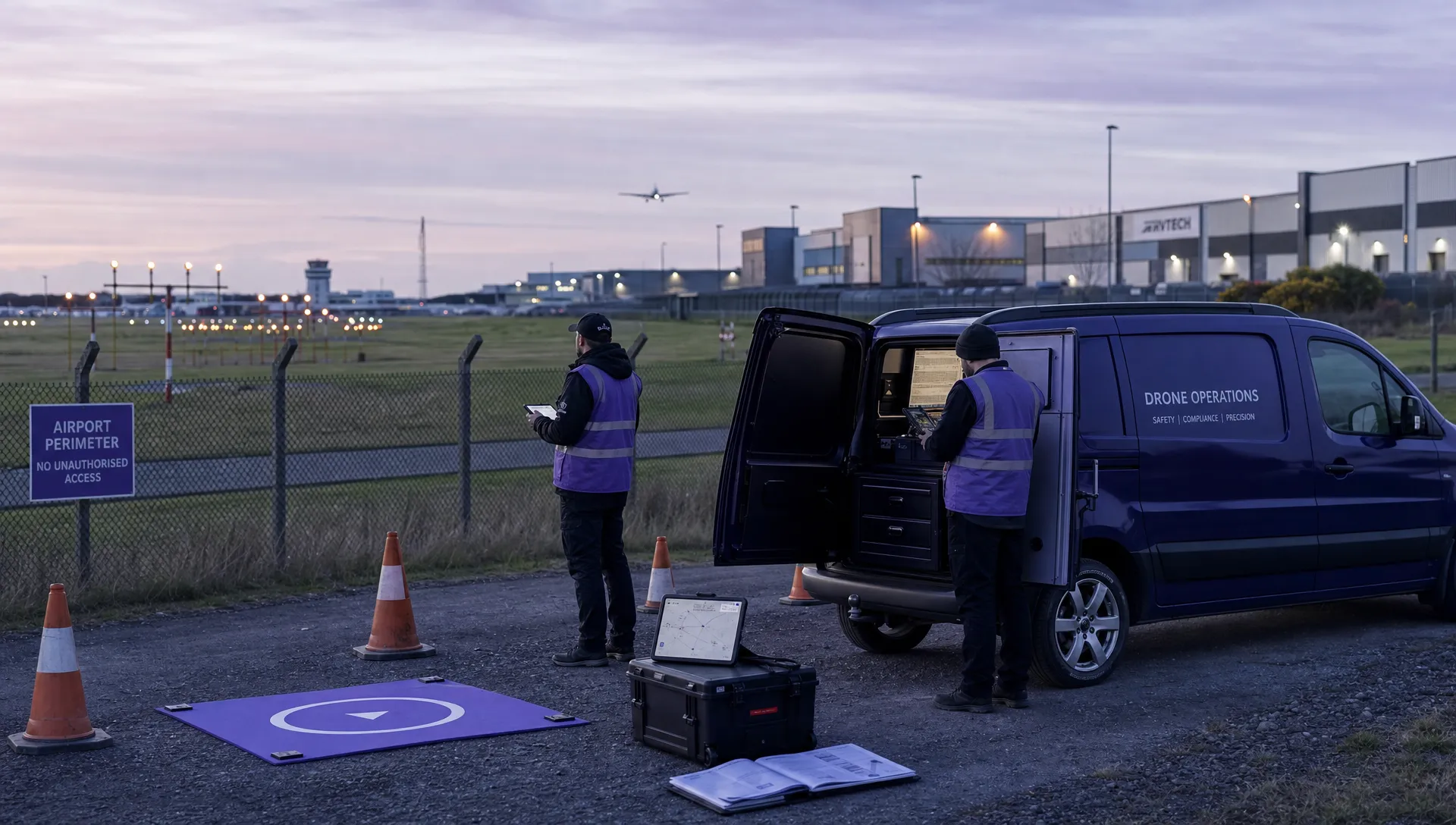 Class C Airspace Drone Rules for Commercial Flights →
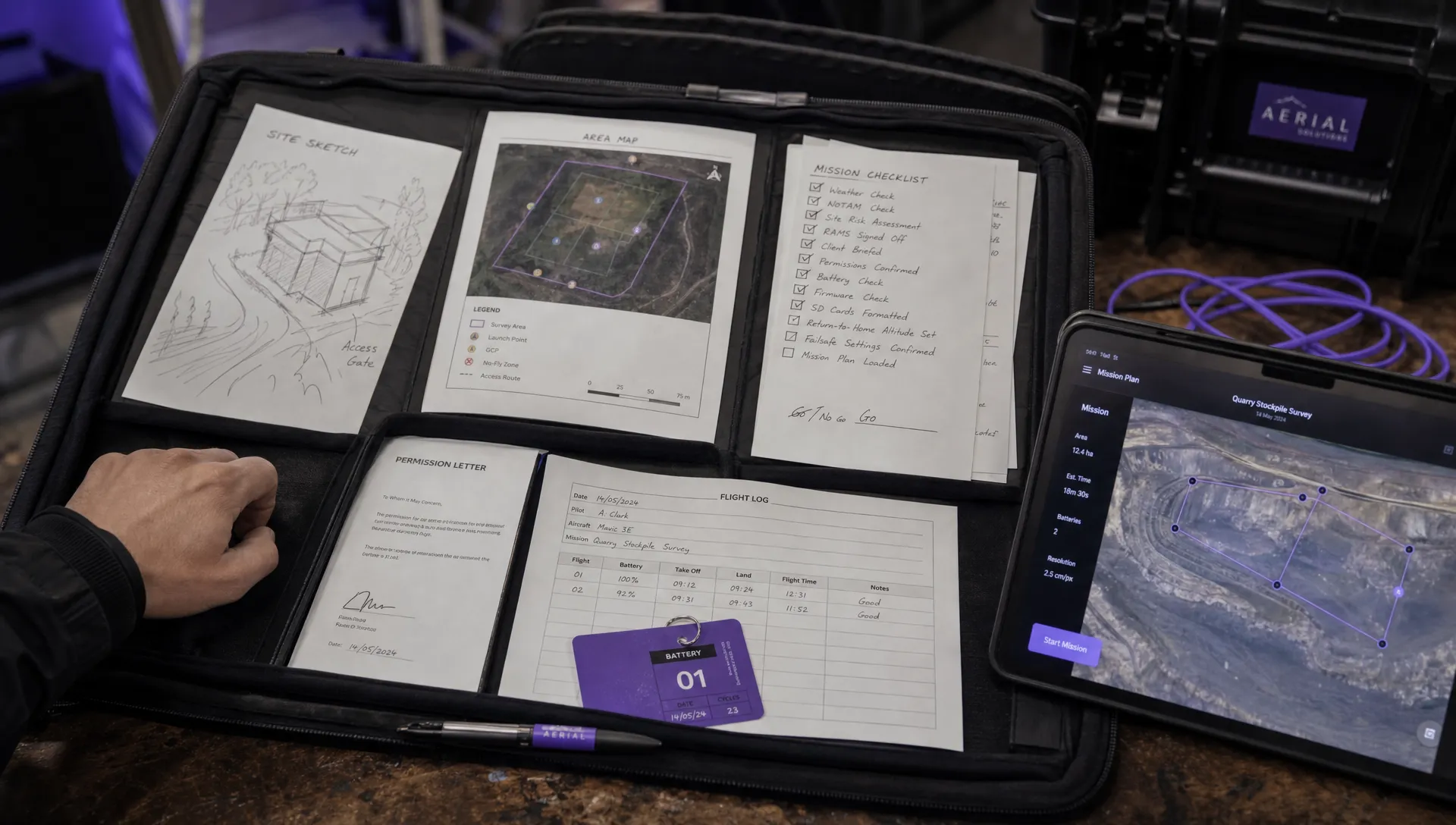 How to Create a Drone Job Pack for Every Mission →
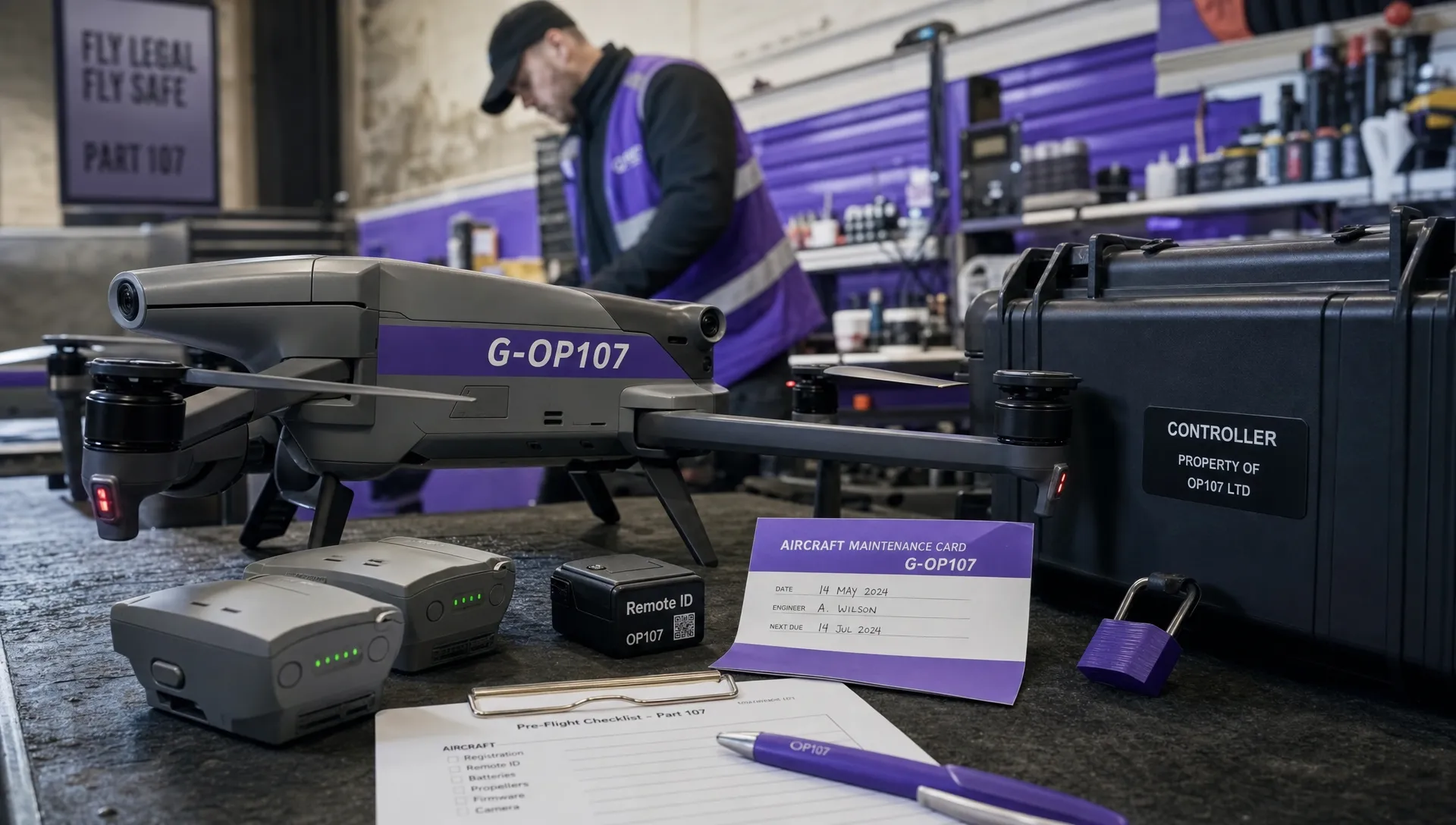 FAA Small UAS Rule: Key Requirements for Operators →
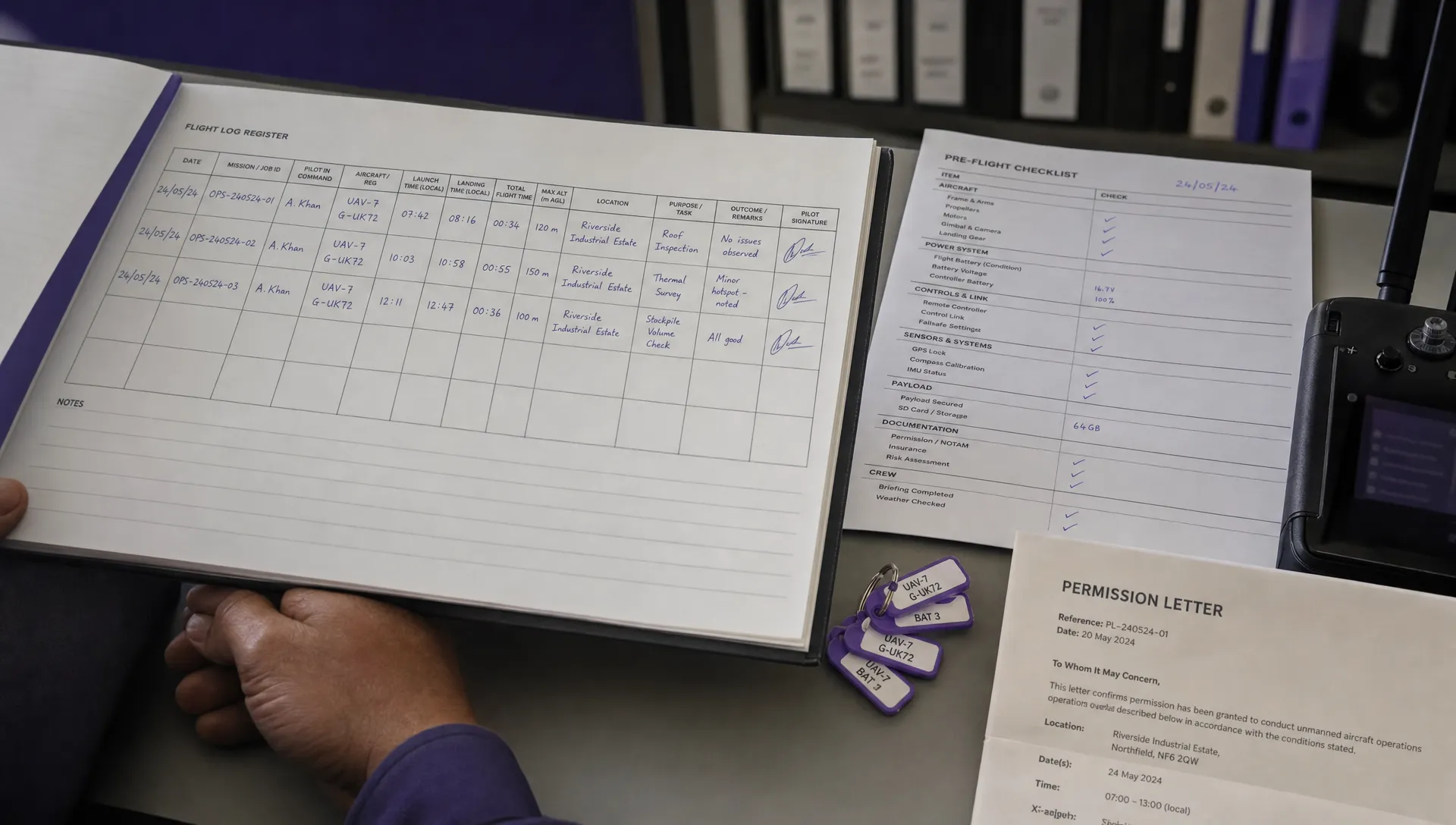 How to Build a Drone Pilot Flight Log That Is Audit Ready →
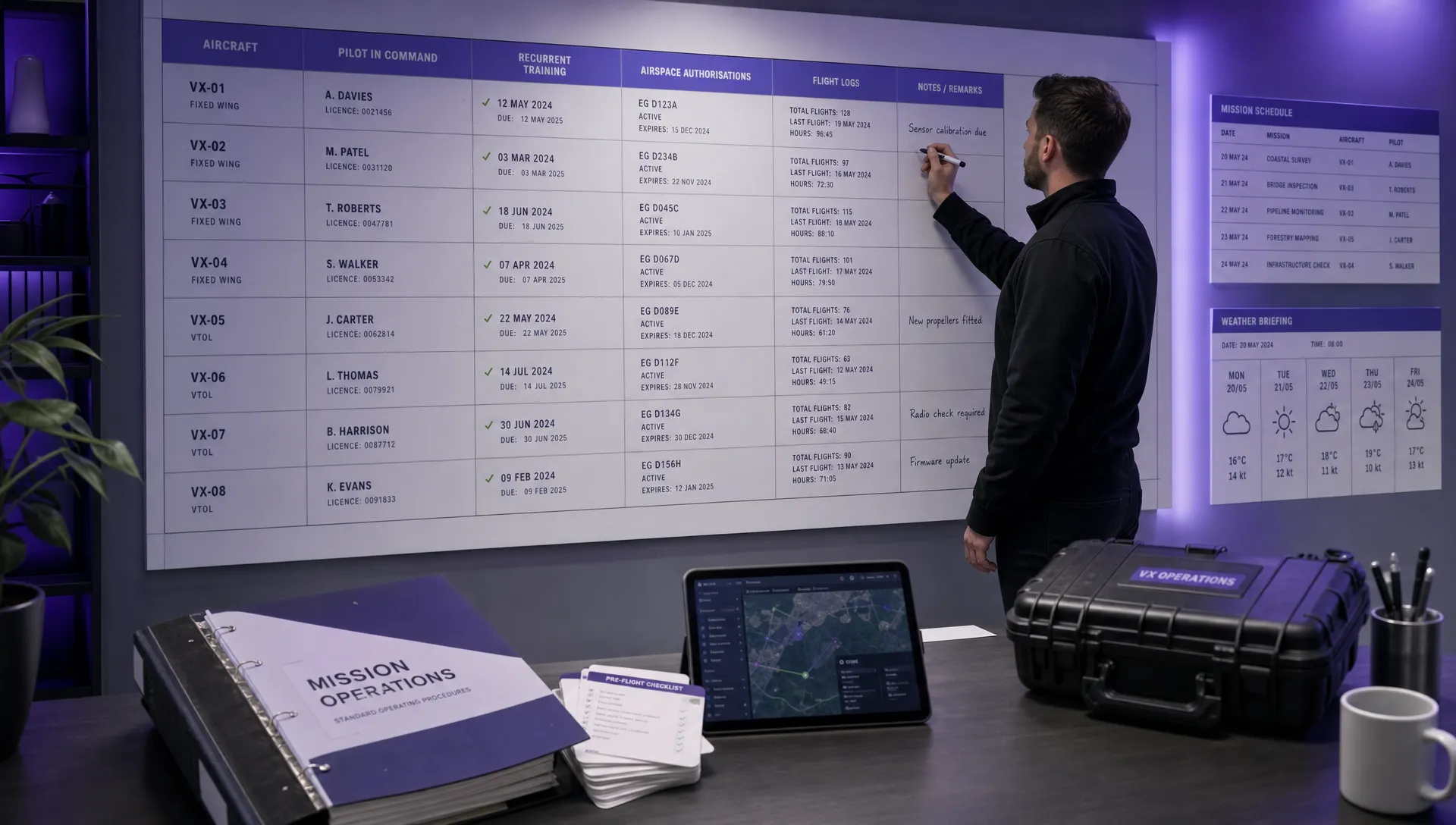 FAA Drone Licence Requirements for Commercial Pilots →
 FAA BVLOS Waivers Granted: What Successful Cases Show →
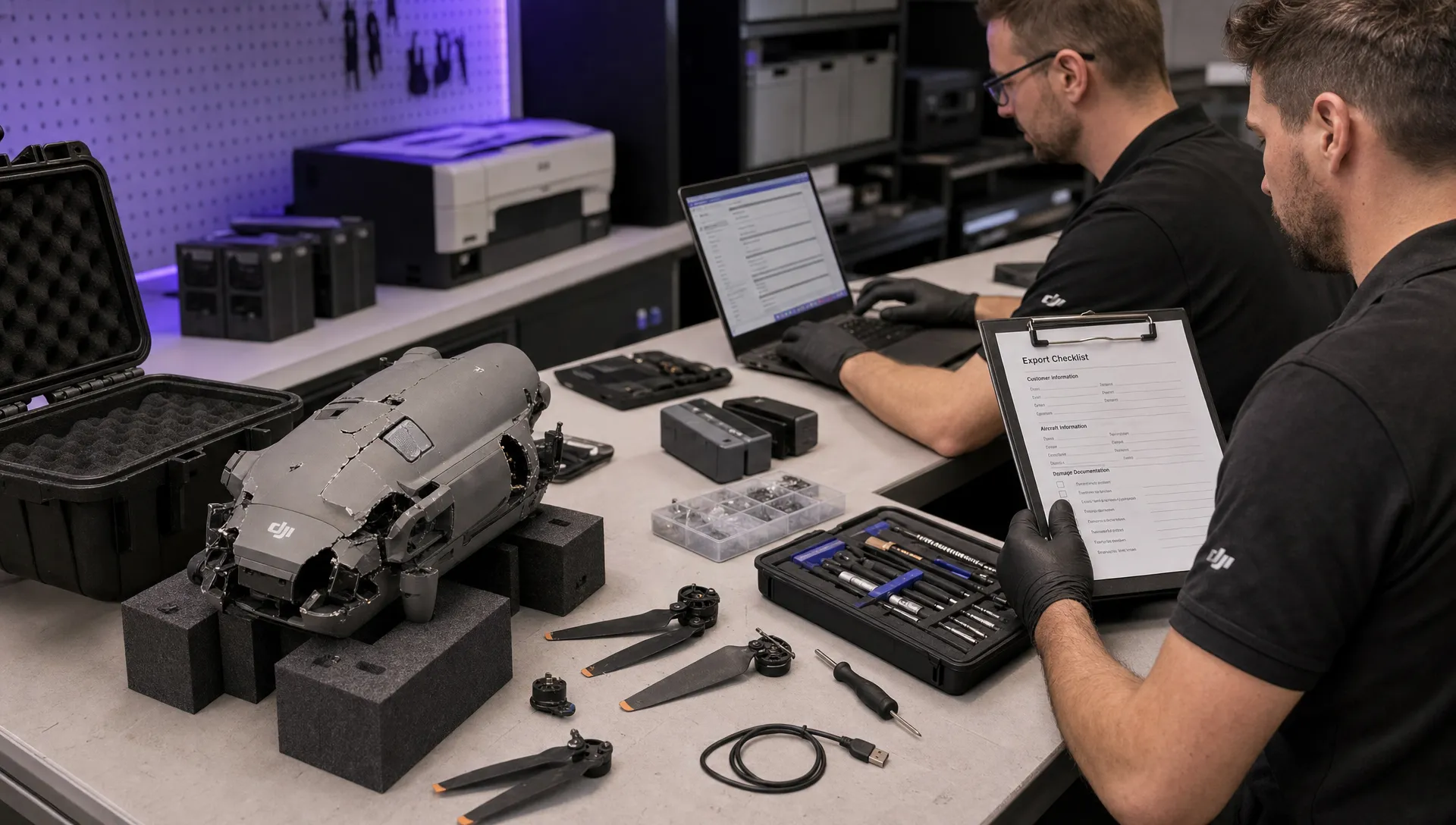 How to Export DJI Flight Logs for Incident Reviews →
 Drone Safety and Legal Duties for Business Operations →
 EASA Drone Regulations: Open, Specific and Certified Categories →