
Top 7 Flight Planner Drone Apps for Pros in 2025
Unlock Peak Drone Performance: Your Guide to Flight Planners
Effective and safe drone operations demand smart planning. A powerful flight planner drone app is essential for optimizing routes, managing airspace, ensuring compliance, and achieving mission success. These tools streamline your workflow, saving time and enhancing productivity. This guide presents seven leading flight planner drone applications available in 2025, helping you select the best fit for your needs, whether for photography, surveying, or complex commercial missions.
1. Dronedesk
Dronedesk stands as a comprehensive all-in-one drone operations management platform, built for professionals demanding efficiency, safety, and compliance. Trusted by over 2,400 pilots across 650+ companies since 2019, it streamlines complex drone operations. Its features span client, fleet, and team management, significantly augmented by real-time airspace and proximity intelligence. For those needing a robust flight planner drone solution that also manages the entire operational workflow, Dronedesk presents a compelling option.

At its core, Dronedesk excels as a sophisticated flight planner drone tool. The platform facilitates intuitive flight planning by integrating multiple data sources, including live NOTAMs (Notices to Airmen), to provide thorough airspace awareness. This real-time intelligence is paramount for ensuring safe and compliant operations, assisting pilots in avoiding restricted zones, Temporary Flight Restrictions (TFRs), and other potential aerial hazards. A standout feature is its direct integration with DJI drones for data syncing, which automates the logging of intricate flight details, thereby substantially reducing the manual data entry workload. This seamless data flow not only enhances productivity but also guarantees precision in record-keeping, a crucial aspect for regulatory compliance and post-flight operational analysis.
However, Dronedesk's utility extends significantly beyond its function as a mere flight planner drone application. It is engineered as a complete ecosystem designed to manage the entire lifecycle of any drone-related job:
- Client Management: Users can efficiently manage client databases, generate professional quotes and invoices, and meticulously track project progress, all centralized within the platform. This consolidates client communication and financial administration, saving valuable time.
- Fleet Management: Maintain detailed and accurate records of all drones and associated equipment. This includes tracking flight hours, scheduling maintenance, and recording service history to ensure optimal airworthiness and extend the life of valuable assets.
- Team Management: For businesses operating with multiple pilots, Dronedesk offers robust tools for team coordination. This includes assigning pilots to specific jobs, managing certifications and training records, and ensuring all team members adhere to consistent operational protocols and safety standards.
Practical Applications and Use Cases:
Dronedesk’s adaptable design makes it an invaluable asset for a diverse range of drone professionals:
- Solo Drone Operators: For the freelance pilot, Dronedesk functions as a complete business management tool. It covers the entire workflow: initial client engagement and quoting, meticulous flight planner drone tasks like pre-flight risk assessments and airspace checks, through to post-flight logging and invoicing. This significantly reduces administrative overhead, enabling solo operators to concentrate on flight operations and business growth.
- Small to Medium Drone Teams: Growing drone businesses find immense value in Dronedesk’s collaborative features. Standardized procedures for flight planning, risk assessment, and reporting ensure team-wide consistency and quality. The fleet and pilot management utilities are vital for maintaining compliance and operational readiness as the workload scales.
- Enterprise Drone Operations Managers: Large organizations with extensive drone programs can leverage Dronedesk for comprehensive oversight and scalable drone programs. Its reporting features offer deep insights into operational metrics, financial performance, and compliance adherence across diverse teams and geographical locations. The capability to manage extensive fleets and numerous pilots with detailed audit trails is essential for effective enterprise governance.
- Professional Photographers and Videographers: These creative users benefit from streamlined client project management and simplified pre-flight preparations. The flight planner drone aspects ensure they can safely and legally capture stunning aerial imagery by providing full awareness of airspace restrictions and potential ground hazards. Easy logging of flight data also enhances professionalism and simplifies compliance reporting to clients.
- Surveyors and Utility Inspectors: For professionals engaged in precision surveying or the inspection of critical infrastructure, Dronedesk offers robust tools for planning intricate and often complex missions. Detailed flight logging and proactive fleet maintenance features are crucial for ensuring accuracy, reliability, and adherence to stringent industry standards. The integrated airspace intelligence is particularly vital when operating near sensitive sites or in controlled airspace.
Key Features and Benefits Deep Dive:
A key attraction is Dronedesk's proven ability to slash job planning time by at least 50%, an efficiency gain stemming from its intuitive design and powerful integrations. The real-time airspace and proximity intelligence, drawing from diverse sources like live NOTAMs, is a cornerstone for safety and compliance. For DJI users, the direct drone sync automates the often laborious task of flight logging, ensuring accuracy and easy access to records. Beyond flight data, its detailed reporting tools offer crucial insights into finances, asset maintenance schedules, and overall operational metrics, facilitating informed, data-driven decision-making.
Pricing and Scalability:
Dronedesk offers scalable pricing plans tailored to meet the varied needs of its user base, accommodating everyone from solo operators to large enterprise teams. While specific pricing details for advanced or enterprise-tier plans necessitate direct contact with their sales team—which could be a minor inconvenience for immediate budget finalization—they provide a risk-free trial. This allows potential users to thoroughly test the platform's capabilities. This "try before you buy" model, reinforced by a 100% money-back guarantee, demonstrates confidence in their product.
Implementation and Setup Tips:
To maximize the benefits of Dronedesk, new users should consider the following:
- Leverage the Risk-Free Trial: Dedicate time to thoroughly explore the features most relevant to your specific operational demands.
- Prioritize Initial Data Entry: Start by inputting comprehensive details for your drone fleet, ancillary equipment, and pilot certifications. This foundational data is key to unlocking many of the platform's powerful management features.
- Activate DJI Sync Promptly: If your operations involve DJI drones, configure the synchronization feature early to immediately benefit from automated flight logging and data integrity.
- Test Airspace Intelligence: Conduct several hypothetical flight plans in varied locations to become comfortable with the airspace intelligence tools and the reports they generate.
- Utilize Customer Support: Dronedesk is noted for its responsive customer support. Do not hesitate to engage with them for guidance during the setup phase or when exploring more advanced functionalities.
Pros:
- Comprehensive end-to-end management covering client, fleet, team, flight planning, and reporting needs.
- Exceptional real-time airspace and proximity intelligence, integrating multiple data sources including live NOTAMs, crucial for any flight planner drone activity.
- Direct DJI drone sync for effortless flight logging and seamless data integration.
- Scalable pricing plans catering to solo operators, growing teams, and enterprise-level businesses.
- Proven to reduce job planning time by at least 50%, backed by a 100% money-back guarantee.
- Strong customer support and user-friendly interface.
Cons:
- Pricing details beyond basic tiers require direct contact, which may slow immediate budget planning.
- Some advanced features and dedicated enterprise support are gated behind higher-tier plans and may involve additional fees.
Dronedesk secures its place as a leading flight planner drone tool by extending its capabilities into a holistic operational management system. It effectively addresses the core needs of today's drone professionals: efficiency, stringent safety measures, and comprehensive compliance. Its scalability, catering to solo flyers and large enterprises alike, combined with a strong record of time-saving and administrative relief, makes it an indispensable asset for serious drone operations.
For more information or to start a trial, visit their website: https://dronedesk.io
2. DJI Ground Station Pro (DJI GS Pro)
For professionals deeply integrated into the DJI ecosystem, DJI Ground Station Pro (GS Pro) stands out as a powerful and feature-rich flight planner drone application. Specifically engineered for commercial and enterprise drone operations, GS Pro transforms compatible DJI drones into sophisticated tools for data acquisition and automated flight. It's an iPad-based application that provides a comprehensive suite of mission planning capabilities, real-time flight monitoring, and advanced mapping features, making it indispensable for complex tasks in surveying, inspection, construction, agriculture, and public safety.

At its core, GS Pro excels in automating drone flights with precision. Its mission planning tools are diverse and cater to a wide array of professional needs:
- Waypoint Flight: This foundational feature allows operators to define a custom flight path by setting individual waypoints on a map. For each waypoint, parameters like altitude, speed, heading, gimbal pitch, and camera actions (e.g., start/stop recording, capture photo) can be specified. This is ideal for tasks requiring specific flight patterns, such as infrastructure inspections, creating cinematic aerial footage, or security patrols.
- Virtual Fence: A critical safety feature, Virtual Fence enables users to define a specific geographic boundary for the drone's operation. The drone will not fly beyond this pre-set perimeter, preventing accidental flyaways into restricted areas or unsafe zones. This is particularly useful when operating in complex environments or near sensitive infrastructure.
- 3D Map Area (Photogrammetry): This is arguably one of GS Pro's most powerful features for mapping and surveying. The application automatically generates efficient flight paths (typically a grid pattern) over a user-defined area to capture overlapping photos suitable for creating high-resolution 2D orthomosaics and 3D models using photogrammetry software. Users can set parameters like camera model, desired ground sample distance (GSD), overlap percentages (front and side), and flight altitude. The app then calculates the optimal flight lines, ensuring comprehensive data capture. This is invaluable for land surveyors, construction site managers tracking progress, and environmental monitoring.
- Corridor Mission: Designed for mapping linear infrastructure, such as roads, railways, rivers, or pipelines. Users define a central path, specify the corridor width and flight altitude, and GS Pro generates flight lines parallel to the central path, ensuring consistent data capture along the entire length of the asset.
- KML/SHP File Import: For advanced users and GIS professionals, GS Pro supports importing KML (Keyhole Markup Language) and SHP (Shapefile) files to define flight areas or waypoints, streamlining the workflow from GIS software to flight execution.
Beyond planning, GS Pro provides real-time flight monitoring, displaying crucial telemetry data such as drone altitude, speed, battery level, GPS signal strength, and live video feed. This comprehensive feedback loop allows operators to maintain situational awareness and intervene if necessary. The app also logs detailed flight data, which is essential for record-keeping, regulatory compliance, and post-mission analysis.
Practical Applications and Use Cases:
The versatility of GS Pro as a flight planner drone tool makes it applicable across numerous industries:
- Surveying and Mapping: Generating accurate topographic maps, digital elevation models (DEMs), digital surface models (DSMs), and 3D site models for land development, volume calculations (e.g., stockpiles), and construction progress tracking.
- Infrastructure Inspection: Automating the inspection of wind turbines, solar farms, bridges, power lines, and building facades. Repeatable flight paths ensure consistent data capture over time, allowing for effective change detection and predictive maintenance.
- Agriculture: Creating detailed field maps for precision agriculture, monitoring crop health, assessing plant stress, and optimizing irrigation or fertilization strategies using multispectral imagery (with compatible drone/sensor combinations).
- Construction: Monitoring site progress, conducting as-built surveys, and ensuring safety compliance with automated and repeatable flights.
- Public Safety & Search and Rescue: Planning systematic search patterns over large areas, mapping incident scenes, and providing aerial reconnaissance.
- Professional Photography and Videography: Executing complex, pre-programmed aerial shots with smooth, repeatable movements that would be challenging to achieve manually.
Technical Requirements and Setup:
- Platform: DJI GS Pro is an iOS application and requires an iPad for full functionality. It is not available for Android or desktop operating systems for field mission planning and execution.
- Compatible Drones: GS Pro is optimized for DJI's enterprise and professional drone series, including the Matrice series (e.g., M300 RTK, M200 series), Phantom 4 series (Phantom 4 Pro, Phantom 4 RTK, Phantom 4 Multispectral), and Mavic 2 Enterprise series. Compatibility may vary, so always check the latest DJI specifications.
- Setup Tips:
- Download GS Pro from the Apple App Store.
- Ensure your DJI drone and remote controller firmware are up to date.
- Create or log in to your DJI account within the app.
- Connect your iPad to the drone's remote controller.
- Familiarize yourself with the interface and different mission types in a safe, open area before undertaking critical operations. DJI provides tutorials and documentation.
- Always perform pre-flight checks, including GPS lock, battery levels, and obstacle avoidance sensor status.
Pricing:
The core DJI GS Pro application is generally free to download and use for individual mission planning and execution. However, DJI offers "Team" licenses and advanced features that come with a cost. These premium features often include capabilities like multi-drone fleet management, cloud-based data storage and synchronization, user role management, and advanced data processing options. This aligns with its positioning as an enterprise-grade solution where collaborative and scalable features are often subscription-based.
Why DJI GS Pro Deserves its Place:
For operators committed to the DJI drone ecosystem, particularly its enterprise lineup, GS Pro is an unparalleled flight planner drone solution. Its deep integration with DJI hardware ensures reliable performance, access to unique drone capabilities, and a streamlined user experience. The comprehensive suite of mission planning tools, especially for mapping and automated inspections, combined with regular updates and robust data logging, makes it a cornerstone for professional drone service providers and enterprise drone programs. While it has a learning curve and is platform-specific, its power and reliability for demanding tasks are undeniable.
Pros:
- Seamless integration with DJI drone ecosystem: Offers optimized performance and access to specific drone features.
- Professional-grade mapping and surveying tools: Features like 3D Map Area and Corridor Mission are specifically designed for high-quality data acquisition.
- Reliable performance and regular updates: Backed by DJI, ensuring ongoing development and support.
- Comprehensive flight data logging: Essential for professional record-keeping, analysis, and compliance.
- Robust feature set for automated flights: Minimizes manual piloting errors and increases efficiency.
Cons:
- Limited to DJI drones only: Not suitable for operators using mixed drone fleets from different manufacturers.
- Requires iPad for full functionality: No Android or desktop client for field operations, which can be a limitation for some teams.
- Steep learning curve for beginners: The wealth of features and options can be overwhelming for new users.
- Premium pricing for advanced features: While the basic app is free, team collaboration and certain specialized modules may require paid licenses.
Website: https://www.dji.com/ground-station-pro
3. Litchi
For DJI drone pilots seeking to unlock a new realm of autonomous flight capabilities beyond what standard manufacturer apps offer, Litchi emerges as a leading third-party flight planner drone application. It has carved a significant niche by providing an intuitive interface coupled with powerful, advanced features specifically tailored for DJI's popular drone ecosystem. Litchi empowers users to transform their drones into sophisticated tools for capturing stunning aerial imagery, conducting automated missions, and exploring innovative flight modes.

Litchi earns its place in this list due to its exceptional balance of user-friendliness and robust autonomous flight control. While DJI's native apps like DJI Fly or DJI Go 4 provide good basic functionality, Litchi steps in to fill the gap for users demanding more intricate control and automation. Its one-time purchase model with lifetime updates also presents a compelling value proposition compared to subscription-based services, making it an accessible yet powerful flight planner drone tool.
Advanced Flight Planning and Creative Freedom
At the heart of Litchi's appeal as a comprehensive flight planner drone app is its sophisticated waypoint mission planning. This feature allows pilots to pre-program complex flight paths by setting a series of GPS waypoints on a map. At each waypoint, you can define altitude, speed, heading, gimbal pitch, and even camera actions like starting/stopping recording or capturing photos. Practical applications are vast:
- Real Estate Videography: Create smooth, cinematic fly-throughs of properties, highlighting key features with pre-programmed camera movements. This is invaluable for professional photographers and videographers aiming for polished results.
- Construction Site Monitoring: Small to medium drone teams can automate weekly flights over a site to track progress consistently from the same vantage points, ensuring data continuity.
- Landscape Photography/Videography: Solo drone operators can design intricate paths to capture dramatic sweeping shots of natural scenery or create compelling hyperlapses that would be difficult to achieve manually.
- Agricultural Scouting: Program grid patterns for initial visual inspections of crop fields. While surveyors might use more specialized tools for detailed analysis, Litchi provides a good entry for automated visual data collection.
Beyond waypoints, Litchi offers several other intelligent flight modes:
- Follow-me Mode: The drone autonomously follows a GPS-enabled device (typically the pilot's smartphone or tablet), ideal for capturing dynamic action shots of oneself or another moving subject, a boon for solo creators.
- Orbit Mode: Enables the drone to circle a point of interest smoothly, keeping the camera focused on the subject. This is perfect for creating professional-looking establishing shots or showcasing a central feature in architectural or event videography.
- Focus Mode: Allows the pilot to manually fly the drone while Litchi automatically controls the gimbal to keep a selected subject in frame, simplifying complex shots.
- Virtual Reality (VR) and FPV Flight Modes: For an immersive flight experience, Litchi supports VR goggles, offering a first-person view that can enhance situational awareness or simply make flying more engaging for enthusiasts.
- Panorama Mode: Automates the capture of multiple images required for stunning 360-degree panoramas, streamlining a typically time-consuming process.
Mission Hub and Practical Considerations
A standout feature is the Litchi Mission Hub, a web-based platform where users can plan, save, and manage their missions on a larger screen. More importantly, it allows users to share their flight plans with the Litchi community and download missions created by others. This fosters collaboration and can be a great source of inspiration or pre-configured flight paths for popular locations, beneficial for drone service providers looking to standardize operations. The offline map support is crucial for planning and executing missions in areas without internet connectivity, and the integrated flight simulator lets pilots practice complex missions virtually, reducing the risk of real-world errors—a key consideration for enterprise drone operations managers focused on safety and training.
Pricing, Compatibility, and Setup
Litchi is available for a one-time purchase, typically around $25-$30 (USD), depending on the mobile platform (iOS or Android). This attractive pricing model makes advanced flight planning accessible without recurring fees.
Technical Requirements:
- Drone Compatibility: Litchi is exclusively for DJI drones. It supports a wide range of models, including many from the Mavic, Phantom, Inspire, Mini, and Air series. However, it's crucial to check the Litchi website for the most up-to-date list of supported drones and firmware versions before purchasing the app, as compatibility can vary, especially with newly released models or significant firmware updates from DJI.
- Device Compatibility: Requires a compatible iOS or Android smartphone or tablet powerful enough to run the app smoothly and manage the connection to the drone.
Implementation Tips:
- Verify Compatibility: Before purchasing, meticulously check Litchi's official website to confirm your specific DJI drone model and its current firmware are fully supported.
- Download and Install: Purchase and download Litchi from the Apple App Store or Google Play Store onto your chosen mobile device.
- Initial Setup: Connect your drone to its controller, then connect your mobile device to the controller. Launch Litchi; it should automatically detect your drone.
- Calibrations: Ensure all drone calibrations (IMU, compass) are up to date as per DJI's recommendations and perform them in Litchi if prompted or if you've traveled to a new location.
- Explore the Simulator: Dedicate time to familiarize yourself with mission planning and flight controls using Litchi's built-in flight simulator. This is invaluable for safely practicing complex waypoint missions without risking your equipment.
- Start Simple: Begin with basic waypoint missions in an open, safe area with minimal obstacles to understand how the app controls your drone and to build confidence.
- Thorough Pre-Flight Checks: Always perform comprehensive pre-flight checks, including GPS signal strength, battery levels (drone and controller), return-to-home settings, and obstacle awareness.
Comparison with Alternatives
Compared to DJI's own apps (DJI Fly, DJI Go 4), Litchi offers a far more extensive and customizable suite of autonomous flight planning tools, particularly for waypoint missions with intricate camera controls. While DJI has gradually introduced some similar features into its native apps, Litchi often provides deeper customization options, a more focused interface for these advanced functions, and features like the Mission Hub that DJI apps lack. For users whose primary need is a robust flight planner drone app for creative videography, repeatable automated flights for inspections, or general-purpose autonomous tasks without needing the high-end photogrammetry features of specialized surveying software (like DroneDeploy or Pix4Dcapture), Litchi offers an excellent balance of power and usability. Learn more about Litchi and how it stacks up against other control apps.
Pros:
- Intuitive and relatively user-friendly interface considering the complexity of tasks it handles.
- Powerful advanced autonomous flight capabilities, especially its highly configurable waypoint missions.
- Strong community support and mission sharing platform via the Mission Hub.
- Cost-effective one-time purchase with lifetime updates, offering excellent long-term value.
- Includes valuable supporting features like offline map support and a flight simulator.
Cons:
- Strictly limited to supporting only DJI drones, excluding pilots of other brands.
- Some features, particularly Mission Hub synchronization and downloading new map tiles, require a stable internet connection.
- There can occasionally be compatibility issues or delays in supporting the very latest drone models or newest firmware updates from DJI.
- Customer support, being a third-party app, may not be as comprehensive or immediately responsive as direct manufacturer support from DJI.
In conclusion, Litchi stands out as an indispensable flight planner drone app for a wide range of DJI pilots, from solo hobbyists and professional videographers requiring cinematic control, to small drone teams and drone service providers needing consistent, automated data capture. Its rich feature set, particularly its sophisticated waypoint mission capabilities, unlocks creative potential and operational efficiencies that are hard to achieve with standard manufacturer apps alone, making it a worthy investment for serious drone operators.
Website: https://flylitchi.com
4. DroneDeploy
DroneDeploy has firmly established itself as a leading cloud-based drone flight planning and mapping platform, specifically engineered for demanding commercial applications. It’s more than just a tool to tell your drone where to fly; it's a comprehensive ecosystem designed to transform aerial data into actionable insights. For businesses in agriculture, construction, mining, surveying, and energy, DroneDeploy offers a sophisticated yet user-friendly solution for automated flight planning, real-time mapping, and in-depth data analysis. Its ability to streamline complex workflows makes it an indispensable flight planner drone solution for professionals seeking efficiency and precision.

What sets DroneDeploy apart and earns its place on this list is its powerful combination of accessibility, robust features, and strong industry adoption. It democratizes professional-grade aerial mapping, allowing users without extensive GIS or photogrammetry experience to generate high-quality maps and 3D models. The platform's core strength lies in its automated flight path generation. Users can define an area of interest on a map, and DroneDeploy intelligently calculates the optimal flight path, altitude, overlap, and sidelap to ensure comprehensive data capture for various missions, whether it's a standard grid pattern for 2D orthomosaics, a corridor scan for linear infrastructure, or a circular flight for 3D modeling of specific structures. This automation significantly reduces pilot workload and ensures data consistency across multiple flights.
One of its standout features is Live Map, which provides real-time map generation during the flight. As the drone flies, a 2D map is stitched together on the operator's mobile device. This allows for immediate on-site quality checks, identification of potential issues, or quick assessment of site conditions without waiting for lengthy cloud processing. For instance, a construction manager can quickly verify material placement or identify safety hazards during the flight itself.
The cloud-based nature of DroneDeploy is central to its power. All captured imagery is uploaded to DroneDeploy's servers for processing. This offloads the computationally intensive task of photogrammetry from local computers, meaning users don't need high-end hardware to process large datasets. The cloud also facilitates seamless data storage, organization, sharing, and collaboration among team members, regardless of their location. This is particularly beneficial for enterprise drone operations managers overseeing multiple projects and teams.
Practical Applications and Use Cases:
DroneDeploy's versatility makes it a valuable flight planner drone and data analysis tool across numerous sectors:
- Agriculture: Farmers and agronomists use DroneDeploy for crop scouting, creating plant health maps (using NDVI and other indices), stand count analysis, and identifying areas requiring irrigation or fertilization. The automated flight planning ensures consistent data collection for tracking changes over time.
- Construction: Site managers leverage it for progress monitoring against schedules, generating as-built surveys, calculating stockpile volumes with impressive accuracy, conducting safety inspections, and creating detailed 3D models for stakeholder communication.
- Mining & Aggregates: DroneDeploy is used for frequent volumetric calculations of stockpiles and pits, haul road inspections, and monitoring environmental compliance. The speed and accuracy of drone-based surveys significantly outperform traditional methods.
- Surveying & Mapping: While not replacing traditional survey-grade equipment for all tasks, DroneDeploy provides a rapid and cost-effective way to create detailed topographic maps, orthomosaics, and 3D point clouds for preliminary surveys, site assessments, and progress tracking.
- Energy & Utilities: Inspections of solar farms (thermal and visual), wind turbines, and power line corridors are made safer and more efficient. The platform can help identify anomalies like damaged panels or vegetation encroachment.
Pricing and Technical Requirements:
DroneDeploy operates on a subscription-based pricing model, with various tiers catering to different needs, from individual professionals to large enterprises. Plans typically vary based on features, processing capacity, user numbers, and storage limits. While specific pricing is available on their website and can change, it's generally considered an investment, particularly for the more advanced plans. For small or infrequent users, the cost might be a significant factor.
Technical requirements include:
- A compatible drone (DroneDeploy supports a wide range of DJI drones and others).
- A smartphone or tablet (iOS or Android) running the DroneDeploy flight control app.
- A stable internet connection is crucial for syncing flight plans, uploading imagery, and accessing cloud-processed data and full platform functionality. Limited offline capabilities exist for flight execution, but data processing and analysis are cloud-dependent.
Implementation and Setup Tips:
Getting started with DroneDeploy is relatively straightforward:
- Create an account on the DroneDeploy website and choose a suitable subscription plan.
- Ensure your drone’s firmware is up to date.
- Download and install the DroneDeploy mobile app on your control device.
- Connect your drone to the mobile app.
- Before your first commercial flight, familiarize yourself with the interface by planning and executing a few test missions in a safe, open area.
- Utilize DroneDeploy’s extensive knowledge base, tutorials, and webinars to understand best practices for mission planning, data capture, and analysis.
- Always perform thorough pre-flight checks, including airspace authorizations and weather assessments.
Comparison with Similar Tools:
Compared to desktop-based photogrammetry software like Agisoft Metashape or Pix4Dmapper, DroneDeploy offers a more integrated end-to-end cloud workflow, from flight planning with its flight planner drone app to processing and analysis. While desktop solutions might offer more granular control over processing parameters for advanced users, DroneDeploy prioritizes ease of use, automation, and collaboration. For pure flight planning, some simpler or free apps might suffice for basic waypoint missions, but they lack DroneDeploy's sophisticated mapping algorithms and integrated data platform.
Pros:
- Versatile Drone Compatibility: Works with a wide array of popular commercial drones.
- Powerful Cloud Processing: Eliminates the need for expensive local hardware for data processing.
- Professional Outputs: Delivers high-quality orthomosaics, 3D models, and analytical reports.
- User-Friendly Interface: Relatively easy to learn and use, even for beginners.
- Excellent Support: Offers comprehensive customer support, training resources, and a large user community.
- Real-time Mapping: Live Map feature provides immediate in-field insights.
Cons:
- Subscription Cost: Can be expensive, especially for smaller operations or infrequent users.
- Internet Dependency: Requires a good internet connection for most functionalities, including data upload and processing.
- Limited Offline Capabilities: While flights can be executed offline if planned beforehand, data processing and full analytics are cloud-based.
For solo operators, small to medium drone teams, and enterprise operations managers looking for a comprehensive, reliable, and scalable flight planner drone and data analytics solution, DroneDeploy is a top-tier choice. Its focus on automation and cloud-based workflows significantly streamlines the process of turning drone data into valuable business intelligence. Learn more about DroneDeploy and its capabilities to see if it fits your operational needs.
Website: https://www.dronedeploy.com
5. Pix4Dcapture
Pix4Dcapture stands out in the realm of flight planner drone applications as a powerful, free tool developed by the Swiss company Pix4D, a leader in photogrammetry software. Specifically engineered for capturing optimal aerial data for 2D mapping and 3D modeling, this app automates complex flight paths, making professional-grade photogrammetry accessible to a wide range of drone operators. Whether you're a surveyor, construction manager, or agricultural specialist, Pix4Dcapture simplifies the data acquisition process, laying the groundwork for high-quality outputs.

The core strength of Pix4Dcapture lies in its specialized design for photogrammetry. Photogrammetry is the science of making measurements from photographs, and in the context of drones, it involves capturing numerous overlapping aerial images that are later processed to create accurate maps and 3D models. For successful photogrammetry, the flight planner drone app must ensure consistent image overlap (both front and side), maintain a stable altitude, and often, capture imagery from various angles. Pix4Dcapture excels here by offering several automated flight patterns tailored for these requirements:
- Grid Missions: Ideal for mapping large, relatively flat areas like agricultural fields, open-pit mines, or large construction sites. The drone flies in a systematic back-and-forth pattern, ensuring comprehensive coverage and consistent image overlap, crucial for creating accurate orthomosaics and digital elevation models.
- Double Grid Missions: This is an enhanced version of the grid mission, where the drone flies a second grid pattern perpendicular to the first. This captures the area from multiple perspectives, significantly improving the quality and detail of 3D models, especially for areas with vertical structures or complex terrain.
- Circular Missions: Perfect for creating detailed 3D models of individual objects or structures, such as buildings, statues, towers, or stockpiles. The drone orbits the target at one or multiple altitudes, with the camera typically pointed towards the center of interest, capturing the object's facades from all sides.
- Polygon Missions: For mapping irregularly shaped areas where a simple rectangular grid isn't efficient. Users can define custom polygonal boundaries, and the flight planner drone app calculates an optimal flight path within those confines, ensuring complete coverage.
- Free Flight Missions (Manual): While automation is key, Pix4Dcapture also supports manual flight for capturing specific oblique images or points of interest that automated plans might miss, particularly useful for detailed inspections or highlighting specific features for a 3D model.
These predefined missions are meticulously optimized to feed data seamlessly into Pix4D's suite of processing software (like Pix4Dmapper, Pix4Dmatic, or Pix4Dcloud), ensuring that the images captured are perfectly suited for generating high-accuracy geospatial deliverables.
Practical Applications and Use Cases
The versatility of Pix4Dcapture as a flight planner drone tool opens up a multitude of practical applications across various industries:
- Construction: Project managers and site surveyors use it for regular site monitoring, tracking construction progress against plans, conducting as-built surveys, and performing volumetric calculations for stockpiles (e.g., earthworks, gravel). The ability to quickly generate 3D models helps in visualizing site conditions and identifying potential issues early.
- Surveying and Mapping: Land surveyors leverage Pix4Dcapture to create high-resolution orthomosaics, Digital Surface Models (DSMs), Digital Terrain Models (DTMs), and dense 3D point clouds for topographic mapping, boundary surveys, and cadastral applications, often more efficiently and safely than traditional methods.
- Agriculture: In precision agriculture, it's used for crop health monitoring by generating NDVI (Normalized Difference Vegetation Index) maps (when using appropriate sensors and processing), assessing plant vigor, identifying areas needing irrigation or fertilization, and optimizing farm management practices.
- Real Estate and Architecture: Professionals can create stunning aerial imagery, videos, and interactive 3D models of properties for marketing purposes, site analysis, and architectural visualization.
- Public Safety and Emergency Response: For accident scene reconstruction, disaster area mapping, and search and rescue operations, Pix4Dcapture enables rapid data acquisition to create accurate maps and models for analysis and planning.
- Infrastructure Inspection: Inspecting assets like bridges, building facades, roofs, power lines, and pipelines becomes safer and more efficient. The circular and grid missions can be adapted to capture detailed imagery for identifying defects or wear and tear.
Key Features & Benefits
Pix4Dcapture is more than just a free app; it’s a gateway to professional mapping. Its key benefits include:
- Optimized Data Acquisition: The automated photogrammetry flight patterns ensure optimal image overlap, camera angles, and flight lines, leading to higher quality data and reducing the chances of mission failure or re-flights due to human error. This is a critical benefit for anyone serious about using a flight planner drone for mapping.
- Real-time Flight Monitoring and Control: During the mission, operators have access to real-time telemetry, including drone location, altitude, speed, battery level, and image capture progress. This allows for immediate intervention if necessary, enhancing safety and mission reliability. You can pause, resume, or abort missions directly from the app.
- Seamless Integration with Pix4D Processing Software: This is arguably its most significant advantage for users invested in the Pix4D ecosystem. Flight logs and images are structured for easy import into Pix4Dmapper, Pix4Dmatic, Pix4Dfields, Pix4Dinspect, or Pix4Dcloud. This streamlined workflow saves considerable time and effort in post-processing.
- Broad Drone Platform Support: Pix4Dcapture is compatible with a wide array of popular drones from manufacturers like DJI (e.g., Mavic series, Phantom series, Inspire series) and Parrot (e.g., Anafi series). Always check the official Pix4D website for the most up-to-date list of supported models and any specific firmware requirements.
- Free to Use: The app itself is completely free to download and use for planning and executing flights, lowering the barrier to entry for professional photogrammetry data acquisition.
Implementation and Setup Tips
Getting started with Pix4Dcapture is straightforward:
- Download and Install: The app is available for both iOS and Android devices from their respective app stores.
- Drone and Firmware: Ensure your drone model is supported and its firmware, as well as the remote controller firmware, are up-to-date. Outdated firmware is a common source of connectivity or flight issues.
- Connection: Power on your drone and remote controller. Connect your mobile device (running Pix4Dcapture) to the remote controller, typically via a USB cable.
- Select Mission Type: Launch Pix4Dcapture. It should automatically detect the connected drone. Choose the appropriate mission type based on your project requirements.
- Define Mission Parameters: This is a crucial step. Adjust settings like flight altitude (AGL), image overlap (frontlap and sidelap, typically 70-80%), and camera angle. For area-based missions, define the flight area on the map interface.
- Pre-flight Checklist: Before takeoff, perform all standard pre-flight checks: ensure clear airspace, check weather conditions, verify GPS lock, sufficient battery levels (drone and controller), and clear takeoff/landing zone.
- Start Mission: Once all parameters are set and checks are complete, initiate the mission. The drone will autonomously execute the flight plan. Always fly legally and responsibly, adhering to local airspace regulations.
Pricing
Pix4Dcapture itself is a free flight planner drone application. However, to process the captured images into professional outputs (orthomosaics, 3D models), one of Pix4D's commercial processing software solutions (e.g., Pix4Dmapper, Pix4Dmatic, Pix4Dcloud) is required. These are available via subscription or perpetual licenses. Some advanced in-app features or cloud synchronization may also require a paid Pix4D account.
Technical Requirements
- Compatible Drone: Check Pix4D's official list.
- Mobile Device: iOS or Android smartphone/tablet meeting OS requirements.
- Internet Connection: For setup, map downloads, and optional cloud sync.
- Good GPS Signal: For accurate autonomous flight.
Comparison with Similar Tools
While Pix4Dcapture excels in photogrammetry, general-purpose flight planner drone apps like Litchi or DroneDeploy (which also has strong, subscription-based mapping features) might offer more diverse flight modes beyond photogrammetry. However, for users within the Pix4D ecosystem, Pix4Dcapture's specialized optimization provides a distinct advantage for producing high-quality mapping data efficiently.
Pros:
- Completely free app for flight planning and execution.
- Optimized mission types for high-quality photogrammetry.
- Wide drone compatibility (DJI, Parrot).
- Seamless integration with Pix4D processing software.
Cons:
- Limited advanced flight modes compared to general-purpose planners.
- Full workflow benefits require paid Pix4D processing software.
- Interface can be initially complex for photogrammetry newcomers.
- Some features may require Pix4D cloud subscriptions.
Why it Deserves its Place
Pix4Dcapture earns its spot as a top flight planner drone tool by offering unparalleled, free access to specialized photogrammetry flight automation. It’s an indispensable asset for professionals and enthusiasts aiming to create high-quality 2D maps and 3D models, seamlessly integrating with a leading processing software suite.
Website: https://www.pix4d.com/product/pix4dcapture
6. Mission Planner
Mission Planner stands as a titan in the world of open-source drone operations, offering a comprehensive ground control station (GCS) solution specifically tailored for, but not limited to, ArduPilot-based autopilot systems. It is far more than just a simple flight planner drone tool; it's an entire ecosystem for designing intricate missions, monitoring aircraft in real-time, and meticulously analyzing post-flight data. Its open-source nature and robust feature set have made it a favorite among DIY drone builders, researchers, and professional operators who require deep control and customization over their UAV operations.

At its core, Mission Planner empowers users to move beyond manual flight. Its practical applications span a wide array of industries. For surveyors and mappers, it allows the creation of precise survey grids for photogrammetry and LiDAR data acquisition, ensuring consistent overlap and altitude for high-quality outputs. Agricultural users leverage it to plan automated flights for crop scouting, health monitoring using multispectral sensors, and precision spraying. In search and rescue operations, Mission Planner can be used to generate efficient search patterns over large or difficult-to-access areas, maximizing coverage and minimizing flight time. Researchers and developers appreciate its extensive customization options, allowing them to integrate novel sensors, test custom flight algorithms, and push the boundaries of drone capabilities. For the vast community of DIY drone builders, Mission Planner is often the default GCS, providing the necessary tools to configure, calibrate, and fly custom-built multirotor and fixed-wing aircraft powered by ArduPilot flight controllers like the Pixhawk or Cube.
The reason Mission Planner earns its distinguished place in any list of top flight planner drone software is its unparalleled depth and control, especially for ArduPilot users. While many GCS options exist, Mission Planner offers a unique combination of being completely free, incredibly powerful, and backed by a massive, active global community. This community contributes to its continuous development, provides extensive documentation, and offers invaluable support through forums and groups.
Delving into its features, the "comprehensive mission planning" is not an overstatement. Users can create complex missions using a variety of waypoint types, including standard navigation points, region of interest (ROI) commands to keep the camera focused on a specific target, timed delays, conditional commands, and automated takeoff and landing sequences. It supports survey grid tools for automated mapping missions, spline waypoints for smooth, cinematic flight paths, and geofencing to restrict the drone's operational area for safety. Real-time telemetry monitoring is another cornerstone, providing a live feed of crucial flight data such as GPS status, battery voltage and current, altitude, speed, attitude, and system messages. This information is often displayed on a customizable heads-up display (HUD) and a moving map. Post-flight, the software excels in flight data analysis. It can read and interpret detailed telemetry logs (.tlog) and dataflash logs (.bin) recorded by the autopilot, allowing users to graph various parameters, replay flights in 3D, diagnose issues, and assess performance. The ability to integrate Python scripting opens up a world of automation possibilities, from custom pre-flight checks to complex mission logic.
Pros:
- Completely Free and Open-Source: No licensing fees or subscriptions, with the source code openly available for modification.
- Highly Customizable and Feature-Rich: Offers a vast array of tools and settings, allowing users to tailor it to very specific needs.
- Strong Community Support and Documentation: Extensive wikis, forums, and user groups provide a wealth of information and assistance.
- Works with Various ArduPilot Systems: Designed to be the primary GCS for the widely adopted ArduPilot firmware, supporting a range of compatible flight controllers.
Cons:
- Steep Learning Curve and Complex Interface: The sheer number of features and options can be daunting for new users.
- Primarily Designed for Technical Users: While usable by many, it caters more to those with some technical understanding of drone systems.
- Requires Compatible Autopilot Hardware: Its full potential is realized with ArduPilot-compatible flight controllers (e.g., Pixhawk, CubePilot, Matek systems running ArduPilot).
- Can Be Overwhelming for Casual Users: Those looking for a very simple point-and-fly experience might find it more complex than needed.
Pricing and Technical Requirements: Mission Planner is completely free to download and use. Technically, it is primarily a Windows application, though workarounds exist for other operating systems (like using Mono on Linux/macOS, albeit with potential limitations). Key requirements include:
- A Windows-based PC (Windows 7 or later recommended).
- An ArduPilot-compatible flight controller (e.g., Pixhawk series, CubePilot series, various F4/F7/H7-based boards flashed with ArduPilot).
- Telemetry radios (e.g., SiK radios like the RFD900x or Holybro Transceivers) for wireless communication between the drone and the GCS, or a direct USB connection for setup and local testing.
- Basic understanding of UAV components, flight dynamics, and the ArduPilot ecosystem is highly beneficial.
Comparison with Similar Tools: While other open-source GCS like QGroundControl offer broad compatibility (including ArduPilot and PX4), Mission Planner is often considered the most deeply integrated and feature-complete option for ArduPilot users. QGroundControl might offer a slightly more polished or intuitive UI for some beginners, but Mission Planner's strength lies in its exhaustive toolset and direct access to ArduPilot's advanced parameters. Compared to proprietary GCS solutions from manufacturers like DJI, Mission Planner provides far greater flexibility and customization but lacks the plug-and-play simplicity of closed ecosystems.
Implementation or Setup Tips:
- Download the latest version from the official ArduPilot website: https://ardupilot.org/planner/
- Ensure all necessary drivers for your flight controller and telemetry radios are installed on your Windows PC.
- Connect to your flight controller (initially via USB) and perform the initial setup: load the correct ArduPilot firmware for your airframe, calibrate accelerometers, compass, radio control, and ESCs.
- Familiarize yourself with the interface by exploring the different views: Flight Data, Flight Plan, Initial Setup, Config/Tuning, Simulation.
- Utilize the built-in simulation features to practice mission planning and simulated flights before flying a real drone.
- Always refer to the extensive ArduPilot and Mission Planner documentation (Copter, Plane, Rover wikis) for detailed guidance.
- Backup your parameters regularly, especially after making significant configuration changes.
For those looking to delve deeper into the principles of UAV flight planning and how tools like Mission Planner fit into the broader ecosystem, you can Learn more about Mission Planner and explore advanced mission types. Its comprehensive capabilities make it an indispensable flight planner drone software for serious operators who demand control and versatility.
7. UgCS (Universal Ground Control Software)
For professionals and enterprises seeking a robust, versatile, and highly capable flight planner drone solution, UgCS (Universal Ground Control Software) by SPH Engineering stands out as a leading choice. It's not just a simple waypoint navigator; UgCS is a comprehensive mission planning, execution, and data management ecosystem designed for demanding commercial applications where precision, reliability, and the ability to manage complex operations are paramount. It empowers solo drone operators, small to medium drone teams, and large enterprise operations managers alike.

UgCS earns its prominent place in any serious discussion of flight planner drone tools due to its powerful combination of hardware agnosticism and sophisticated mission planning capabilities. Unlike many proprietary solutions tied to specific drone manufacturers, UgCS supports a vast array of popular drone platforms. This includes extensive support for DJI's commercial drones (Mavic, Matrice, Phantom series), drones running ArduPilot or PX4 autopilots (like those based on Pixhawk hardware), and other MAVLink-compatible systems. This "universal" approach provides organizations with the crucial flexibility to select the optimal drone and payload for each specific job, rather than being constrained by a single ecosystem.
The software's core strength lies in its Advanced 3D mission planning with terrain following. UgCS allows operators to import various terrain elevation data formats (Digital Elevation Models - DEM, Digital Surface Models - DSM) or utilize pre-existing online elevation sources to create true 3D flight paths. The critical "terrain following" feature automatically adjusts the drone's altitude to maintain a consistent height above ground level (AGL). This is indispensable for:
- Surveying and Mapping: Ensuring consistent image overlap and ground sampling distance (GSD) for accurate photogrammetry and LiDAR data acquisition, especially over undulating or complex terrain.
- Inspection: Safely navigating close to complex structures like bridges, wind turbines, or power lines while maintaining optimal sensor distance for high-quality data.
- Agriculture: Enabling precise low-altitude flights for crop spraying or multispectral imaging, adapting to varying field elevations for uniform application or data capture.
Beyond single drone operations, UgCS excels in Multi-drone fleet management and coordination. This enterprise-grade feature allows a single operator to plan, monitor, and control multiple drones simultaneously from one ground control station. This significantly boosts efficiency for large-scale surveys where several drones can cover different sections of an area concurrently, or for security operations requiring coordinated aerial surveillance over broad areas. UgCS provides tools to deconflict airspace and manage complex multi-UAV missions safely and effectively.
Payload integration and camera control are also central to UgCS's utility. The software provides comprehensive support for controlling a wide variety of payloads, including standard RGB cameras for photogrammetry and videography, thermal cameras for inspections and search and rescue, multispectral sensors for agriculture, and LiDAR scanners for creating highly accurate 3D point clouds. It allows for precise camera triggering based on time, distance, or waypoints, which is essential for systematic and high-quality data collection.
Practical Applications and Use Cases:
The versatility of UgCS makes it suitable for a wide spectrum of professional applications:
- Surveying and Geomatics: Creating detailed orthomosaics, 3D models of terrain and structures, volumetric calculations for mining or construction stockpiles, and corridor mapping for infrastructure like roads, railways, or pipelines. Specific tools like linear flight planning with custom turn types and facade scanning capabilities are invaluable here.
- Infrastructure Inspection: Performing detailed visual and thermal inspections of power lines, wind turbines, bridges, cell towers, and building facades. The ability to plan precise, repeatable flight paths is crucial for change detection and monitoring asset conditions over time.
- Precision Agriculture: Mapping fields, assessing crop health with multispectral sensors, and planning variable-rate application flights for fertilizers or pesticides.
- Security and Surveillance: Automating perimeter patrols, providing aerial oversight for events, and supporting incident response with single or multiple drones.
- Environmental Monitoring: Conducting coastal erosion studies, forestry management surveys, and wildlife population tracking.
- Professional Photographers and Videographers: Designing complex, smooth, and repeatable camera movements for high-end cinematic productions, ensuring perfect shots every time.
Pricing and Technical Requirements:
UgCS is a professional software solution, and its pricing reflects its advanced capabilities. It's offered via a licensing model, typically with annual subscriptions, and various tiers cater to different needs (e.g., UgCS PRO, UgCS EXPERT, UgCS ENTERPRISE). Prices can range from several hundred to several thousand dollars annually. For current pricing, it's best to consult the official UgCS website or an authorized reseller.
Technical Requirements: UgCS is a desktop application, primarily for Windows (64-bit recommended). It demands a reasonably powerful computer:
- Processor: Modern multi-core processor (e.g., Intel Core i5/i7 or AMD Ryzen equivalent).
- RAM: Minimum 8GB, but 16GB or more is highly recommended for handling large 3D missions and datasets.
- Graphics Card: A dedicated graphics card (NVIDIA GeForce or AMD Radeon) with OpenGL 4.1+ support is crucial for smooth 3D rendering.
- Storage: SSD for faster performance, with sufficient space for software, mission data, and terrain models.
Comparison with Similar Tools:
While free or lower-cost flight planner drone tools like Mission Planner (open-source, highly customizable but technically demanding) or DJI's native apps (user-friendly but hardware-locked and less feature-rich for complex scenarios) exist, UgCS distinguishes itself by offering a professional, hardware-agnostic platform with superior 3D mission planning and fleet management. Compared to software like PIX4Dcapture, which is excellent for photogrammetry data acquisition, UgCS provides a broader suite of tools for general mission planning and control across diverse applications.
Implementation and Setup Tips:
- Invest in Training: Due to its extensive features, UgCS has a steeper learning curve. Official training courses are highly recommended.
- Verify Compatibility: Ensure your drones and payloads are fully supported by checking the latest compatibility lists on the UgCS website.
- Use Simulation: Always simulate complex missions, especially those involving terrain following or multiple drones, to catch potential issues before flying.
- Start Simple: Master basic waypoint missions before tackling advanced features like facade scans or multi-drone operations.
Pros:
- Supports wide variety of drone platforms (DJI, Pixhawk, etc.)
- Advanced 3D flight planning capabilities, including true terrain following
- Professional-grade features for enterprise use, like multi-drone control
- Excellent technical support and training resources
Cons:
- Expensive licensing fees
- Complex interface requiring dedicated training
- Overkill for simple recreational use
- Requires powerful computer hardware for optimal performance
In summary, UgCS is a formidable flight planner drone software engineered for professionals and enterprises that demand precision, extensive hardware compatibility, and advanced control over their aerial operations. Its capacity to manage diverse drone types, plan intricate 3D missions with terrain awareness, and coordinate entire drone fleets makes it an invaluable asset for challenging projects in surveying, inspection, security, and many other commercial sectors.
Website: https://www.ugcs.com
Flight Planner Drone Tools Comparison
| Platform | Core Features / Flight Planning | User Experience / Quality ★★★★☆ | Value Proposition 💰 | Target Audience 👥 | Unique Selling Points ✨ |
|---|---|---|---|---|---|
| 🏆 Dronedesk | Client, fleet, team mgmt; real-time airspace intelligence; DJI sync | User-friendly; reduces job planning time by 50% | Scalable plans; money-back guarantee | Solo pilots to large enterprises | End-to-end ops mgmt; integrated reporting |
| DJI Ground Station Pro | Automated mission planning; 3D mapping; multi-drone mgmt | Professional-grade mapping; reliable but steep learning | Premium pricing; iPad required | DJI commercial & enterprise users | Seamless DJI integration; advanced mapping |
| Litchi | Waypoint missions; follow-me, orbit modes; VR & FPV | Intuitive UI; powerful autonomous flight | One-time purchase; lifetime updates | DJI drone enthusiasts & pros | Autonomous flights; strong mission sharing |
| DroneDeploy | Automated mapping flight paths; cloud processing; analytics | Robust cloud tools; high customer support | Subscription-based; pricey for small ops | Agriculture, mining, construction | Multi-brand support; real-time mapping |
| Pix4Dcapture | Automated photogrammetry missions; multi-drone support | Free app; optimized for 3D mapping | Free app; some paid software features | Photogrammetry & mapping professionals | Free with Pix4D ecosystem integration |
| Mission Planner | Waypoints & commands; telemetry; data analysis | Free & open-source; complex, technical | Free | DIY drone builders, researchers | Highly customizable; multi-autopilot support |
| UgCS | Multi-platform support; advanced 3D missions; payload control | Professional features; requires training | Expensive licensing | Commercial/enterprise drone operators | Multi-drone coordination; payload integration |
Choosing Your Co-Pilot: Which Flight Planner Drone App is Best?
Selecting the optimal flight planner drone app is a pivotal decision that can transform your aerial missions from complex undertakings into streamlined successes. As we've explored throughout this article, the market offers a spectrum of solutions, each with unique strengths. We've seen tools like Litchi and DJI Ground Station Pro, which excel in providing specific automated flight modes and creative control, alongside powerful data-centric flight planner drone applications such as DroneDeploy and Pix4Dcapture, tailored for mapping and surveying. Additionally, we've touched upon the highly customizable open-source Mission Planner, the sophisticated UgCS for intricate scenarios, and comprehensive operational platforms like Dronedesk.
The core takeaway is that the "best" flight planner drone tool isn't a one-size-fits-all solution; your ideal choice hinges on your specific operational demands and the scale of your work. Are you a solo photographer needing intuitive waypoint navigation and flexible flight paths? Or perhaps a surveying team where precise data acquisition is paramount? For larger teams or enterprise operations, a flight planner drone system that integrates comprehensive job management, fleet tracking, advanced airspace intelligence, and robust reporting—as offered by platforms like Dronedesk—often provides a distinct advantage.
When implementing any new flight planner drone software, it's crucial to consider its compatibility with your existing hardware, the learning curve involved, its ability to ensure regulatory compliance (such as airspace authorisations and flight logging), and how it supports your data management workflows and deliverables. A well-chosen flight planner drone app will not only enhance flight execution but also contribute significantly to the safety, efficiency, and overall professionalism of your drone services. As you professionalize your drone operations with an advanced flight planner drone app, managing the administrative side of your work becomes equally important, especially for services like drone photography. Efficiently handling client inquiries, bookings, and overall communication can significantly impact your success. For those in the aerial imaging field, exploring tools for streamlining their drone photography business operations can provide a valuable competitive edge and complement your enhanced field capabilities.
Ultimately, by carefully evaluating your requirements against the features and capabilities of the flight planner drone solutions discussed, you empower yourself to make an informed choice. This decision will ensure your drone operations are not only efficient and compliant but also strategically positioned for future growth, helping you fly smarter, safer, and achieve more with every mission.
Ready to take your drone operations to the next level with a truly comprehensive flight planner drone and management solution? For an integrated platform that handles everything from mission planning and airspace checks to fleet management and client reporting, consider exploring what Dronedesk offers. See how Dronedesk can centralize your workflows and support the growth of your drone business.
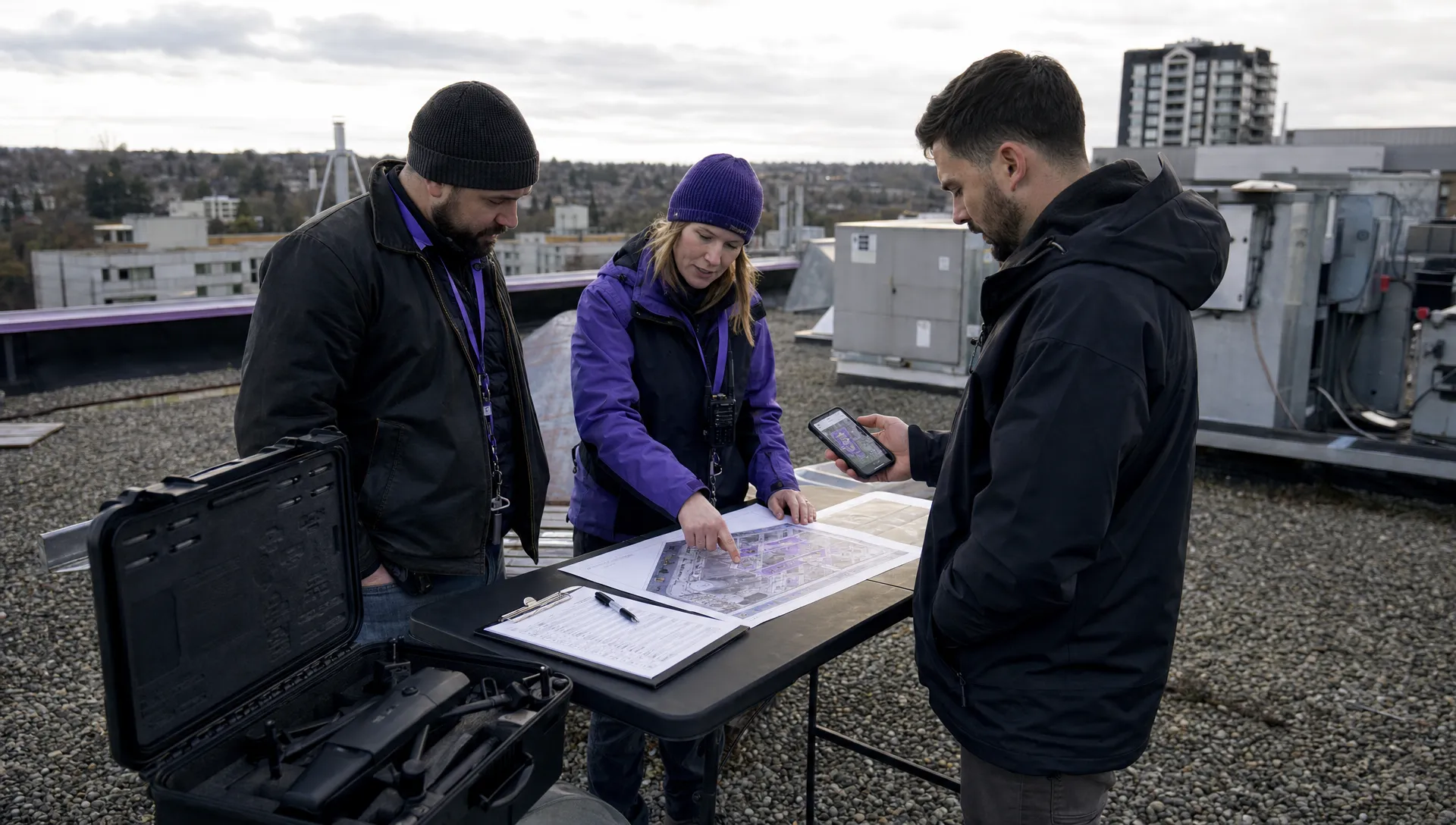 Drone Part 107 Operations: When a Waiver May Be Needed →
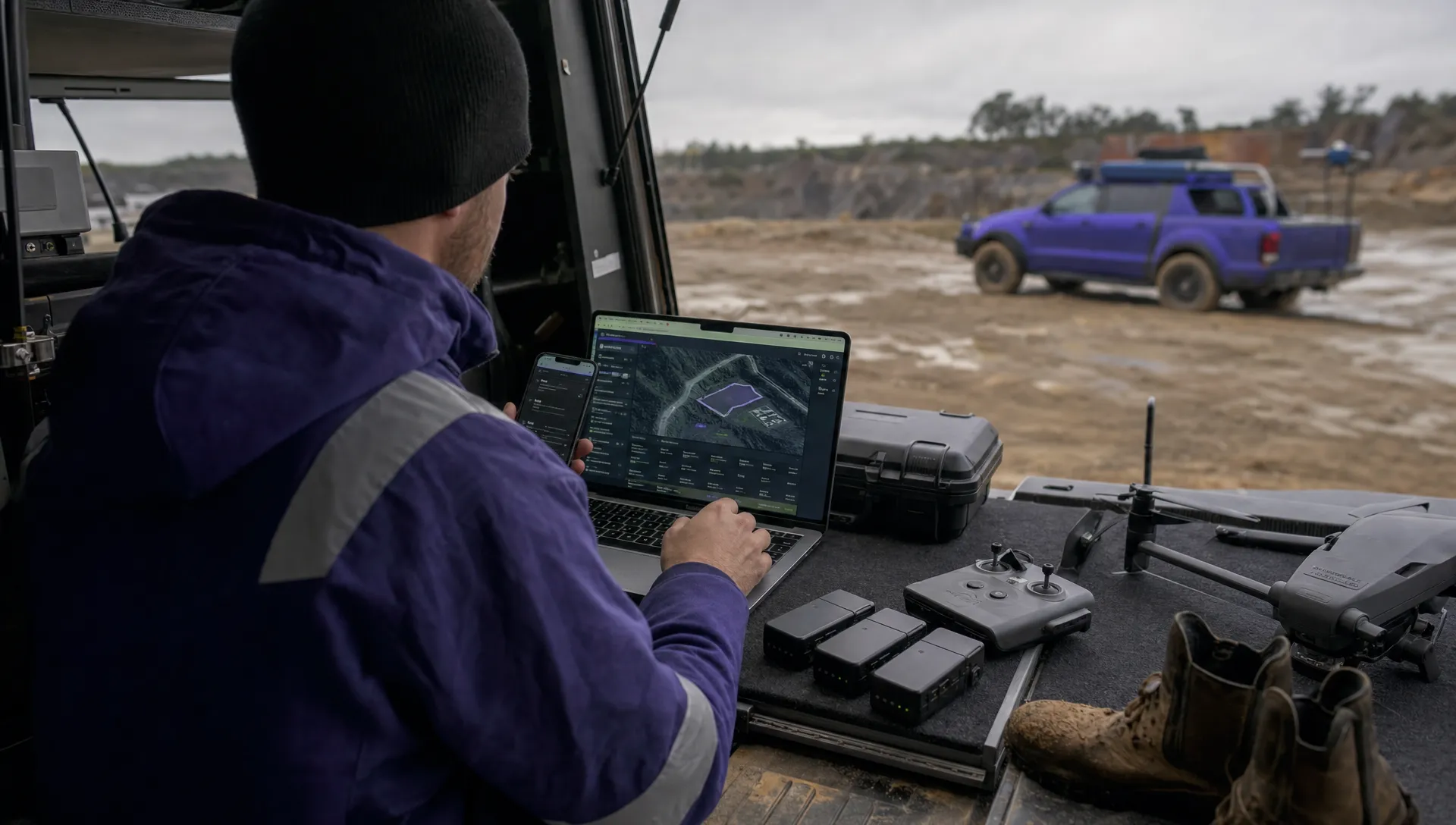 Drone Operating Rules for Managing Contractors and Employees →
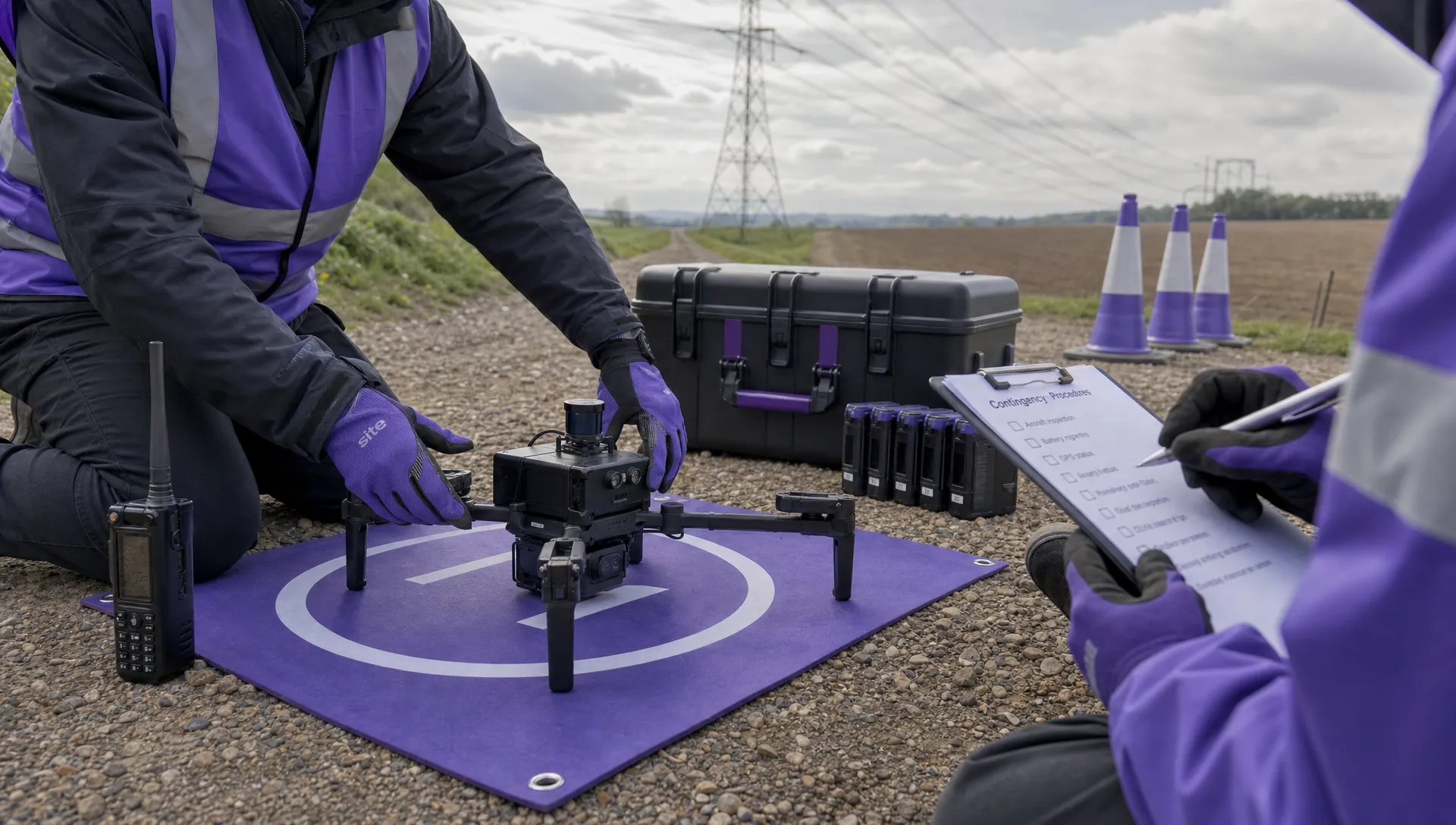 BVLOS Drone Requirements for Building a Safety Case →
 Drone Pilot Test Mistakes That Cost Candidates Marks →
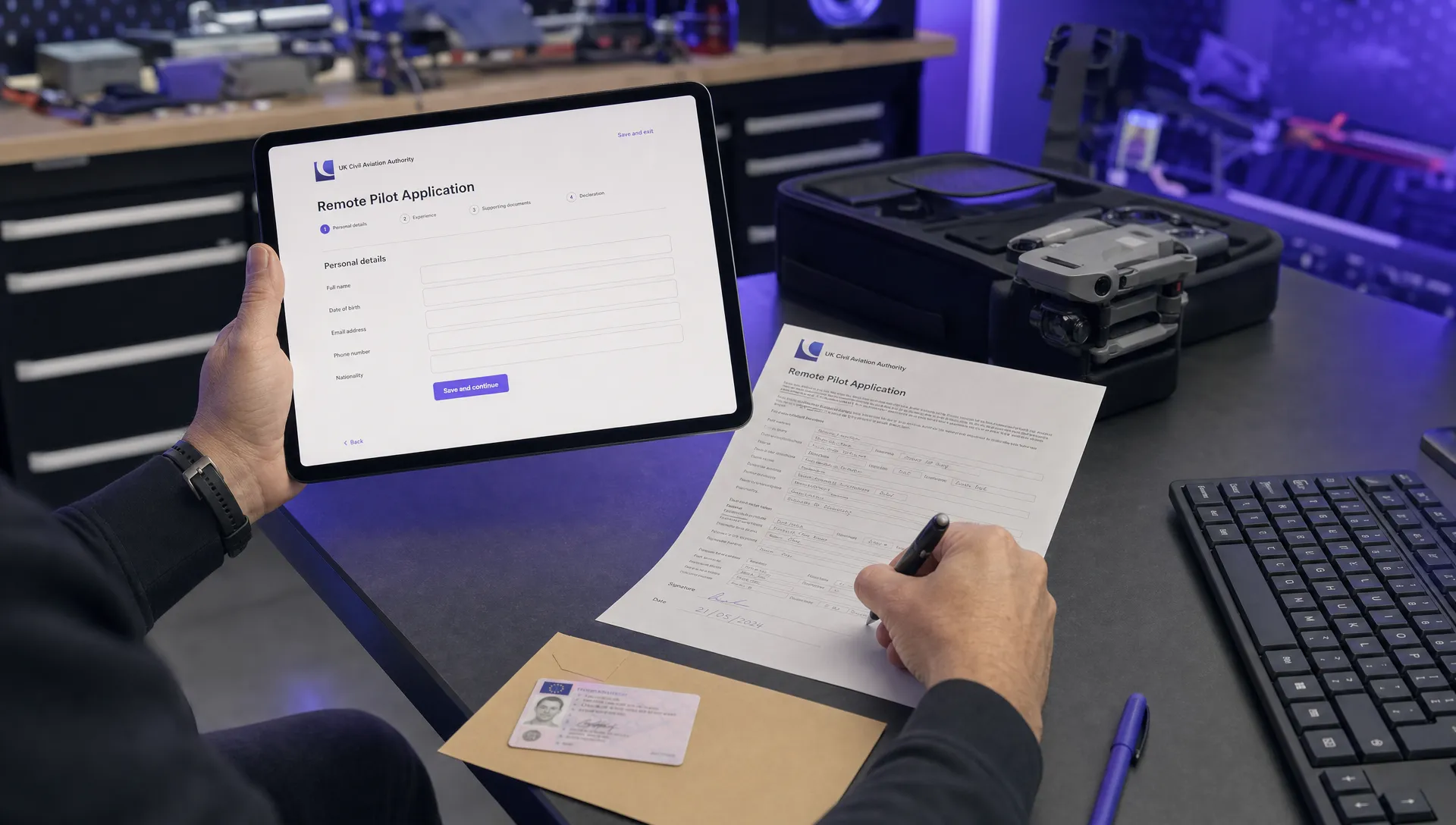 FAA 107 License vs Part 107 Certificate: What’s the Difference? →
 Drone Airport Rules: A Field Checklist for Site Assessments →
 FAA Part 107 Record-Keeping Rules for Commercial Teams →
 How to Review a DJI Flight Log After an Unexpected Event →
 Drone Laws Around the World: A Pre-Flight Research Framework →
 How to Compare Drone Survey Services for Complex Sites →