
Mastering Flight Navigation Logs for Safer Drone Operations
A flight navigation log is the official storybook for every drone mission. It’s the definitive record, documenting the entire journey from your first pre-flight check right through to shutdown. You can think of it as a critical tool for ensuring safety, maintaining regulatory compliance, and gathering operational intelligence. It's the verifiable account of a flight's history.
The Role of Flight Navigation Logs in Modern Operations
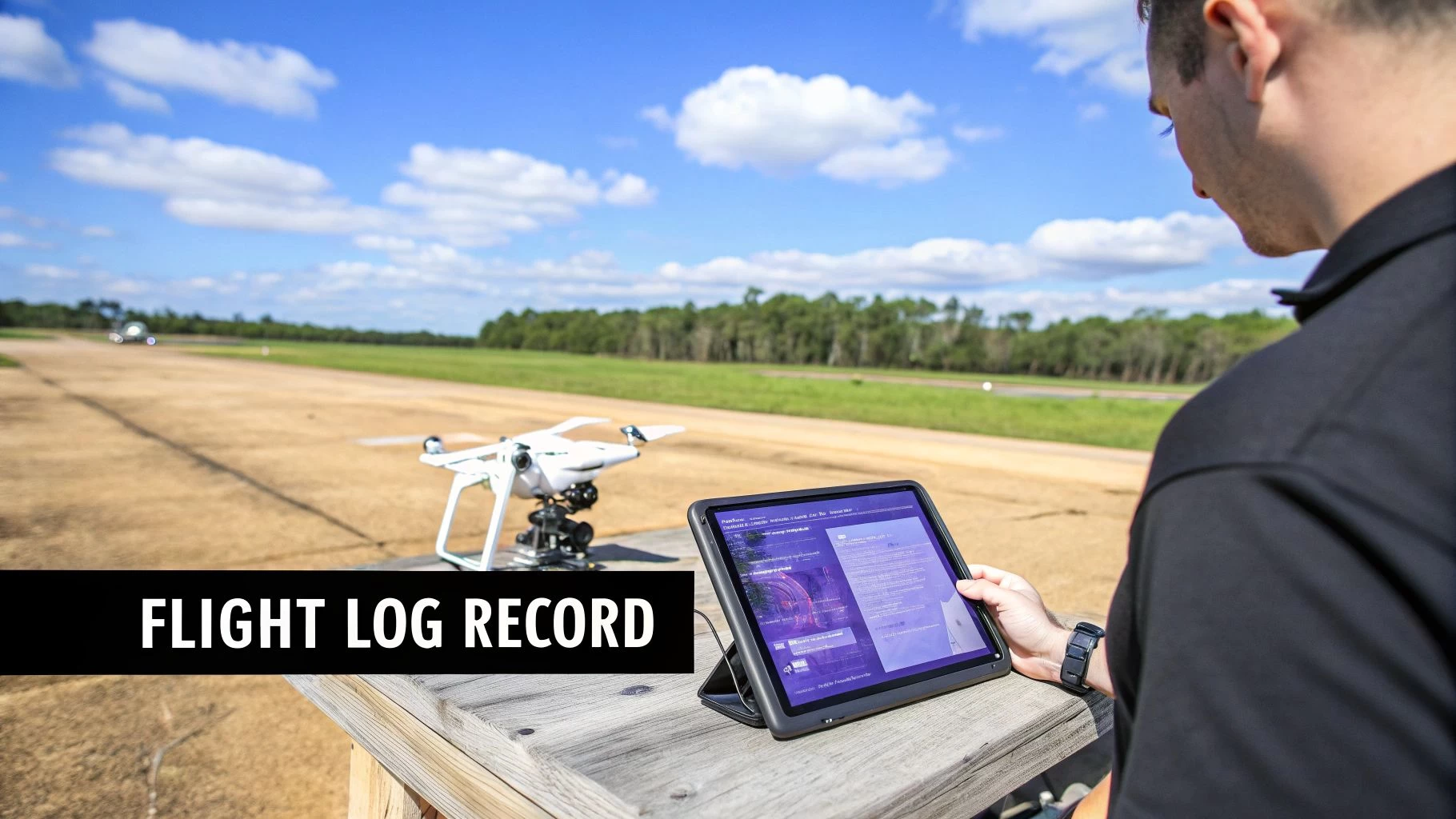
At its core, a flight log is much more than just paperwork; it’s the cornerstone of professional accountability. Just like a ship's captain keeps a detailed log of every voyage, a drone pilot uses a flight log to create an indisputable record of each mission. This documentation is completely non-negotiable for aviation authorities like the FAA, who view it as a primary tool for ensuring safe, responsible operations.
Without a detailed log, a drone flight is essentially an undocumented event. That lack of a paper trail creates significant risk, both for you as the operator and for the public.
Why Meticulous Logging Is Essential
Properly kept flight navigation logs serve several critical functions that elevate your operation from a hobbyist activity to a professional enterprise. They provide a clear, chronological history that proves invaluable in all sorts of situations.
A few key benefits really stand out:
- Regulatory Compliance: Logs provide the verifiable proof you'll need during any audit or inspection by aviation authorities, showing that all your flights were conducted by the book.
- Incident Investigation: In the unfortunate event of an accident, the flight log becomes the primary source of truth. It details the aircraft's status, environmental conditions, and the pilot's actions leading up to the event.
- Operational Improvement: By reviewing past logs, you can spot patterns in equipment performance, pilot efficiency, and mission timelines. This is how you start making smarter, more effective plans for the future.
- Maintenance Scheduling: Accurately tracking flight hours and component usage is vital for proactive maintenance, helping you prevent equipment failures before they even happen.
A flight log transforms abstract flight data into a concrete narrative. It tells the story of what happened, where it happened, and why it happened, providing a level of clarity that memory alone can never match.
The Shift to Digital and Automated Records
Fortunately, the days of tedious, manual logbooks are fading fast. Modern drone management platforms have turned this crucial task into a seamless, automated process. Systems like Dronedesk can sync directly with your drone hardware, automatically capturing precise telemetry data without you having to lift a finger.
This shift doesn't just save a massive amount of time; it also dramatically increases accuracy by eliminating the human error that’s unavoidable with handwritten records. This makes keeping a complete and reliable flight data history easier than ever, turning what was once a compliance chore into a powerful strategic asset for any drone business.
The Journey From Paper Charts to Digital Automation

Flight navigation logs aren't some new invention; they're the direct descendants of the meticulous records kept by the earliest aviation pioneers. Picture navigating not with GPS, but with a compass, a watch, and the stars. Early aviators depended on hand-drawn charts and painstakingly recorded logs to track their position, fuel consumption, and heading.
These paper logs were the single source of truth—the vital thread connecting a pilot to their course over vast, featureless landscapes. They were the original black box, documenting every decision and observation in an environment where a single miscalculation could have dire consequences. Understanding this history is key to appreciating why modern logging is so critical.
Navigating by Pen and Paper
In the golden age of aviation, these logs were the unsung heroes keeping pilots on course. Back in the 1930s, for example, transatlantic flights on aircraft like Imperial Airways' Handley Page HP.42 relied entirely on them. Pilots would meticulously record dead reckoning positions every 15 minutes, constantly adjusting for wind drifts of up to 50 knots that could push a flight off course by over 200 nautical miles in just four hours.
By 1939, these detailed flight logs had documented 1,247 successful crossings under the Empire Air Mail Scheme. The navigation error rates averaged under 5%—a remarkable feat achieved by also logging celestial fixes at dawn and dusk using sextants. You can dig into more historical aviation data insights from The OpenSky Network.
This manual process continued right through complex military missions in WWII and into the jet age, forming the bedrock of aviation safety.
The core principle has never changed: a flight without a log is a flight without a history. Early paper logs established a standard of accountability and operational discipline that persists today in their digital counterparts.
The Digital Revolution in Flight Logging
The arrival of the Global Positioning System (GPS) completely changed the game. What once required complex manual calculations and constant vigilance could now be determined with incredible precision in real-time. This leap in technology paved the way for the shift from paper to digital flight logs.
But this evolution wasn't just about swapping paper for screens; it was about transforming the nature of the data itself.
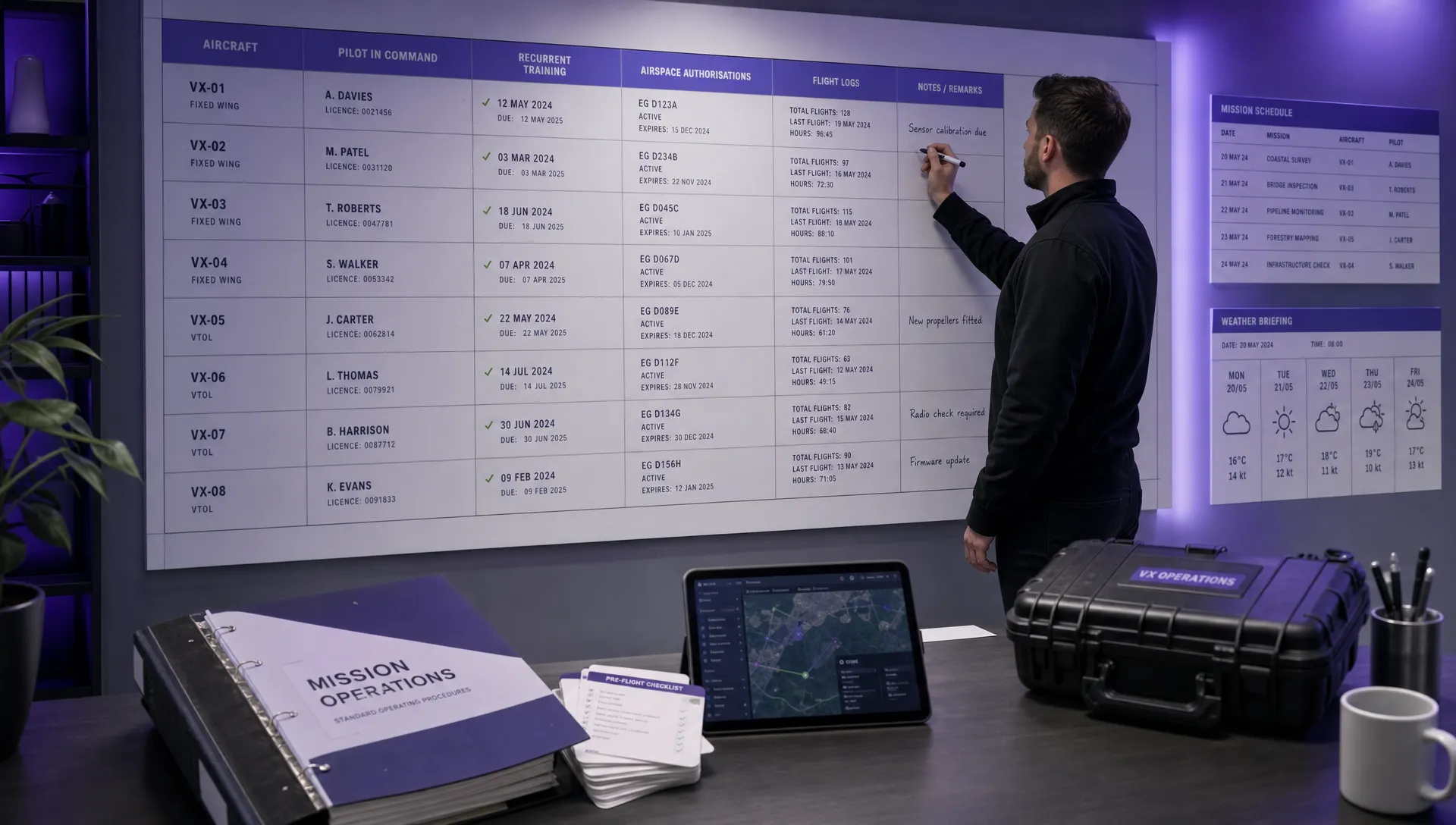
- Manual Entry to Automated Sync: Instead of a pilot scribbling down coordinates, modern systems like Dronedesk sync telemetry directly from the drone.
- Approximation to Hyper-Accuracy: Where a pilot might estimate wind speed, a digital log captures precise, second-by-second environmental and performance data.
- Delayed Input to Real-Time Capture: Data is logged the instant it happens, eliminating the risk of memory-based errors or omissions that were all too common with post-flight paperwork.
Today’s digital flight navigation logs are the direct heirs of those early paper records. They uphold the same principles of safety and accountability but offer a depth of insight early aviators could only dream of. We've moved from error-prone manual entries to hyper-accurate, automated data streams that form the backbone of modern, professional drone operations.
What Goes Into a Compliant Drone Flight Log?
Think of your flight log as the official story of your mission. It's got a cast of characters (you and your drone), a specific setting (your flight area), and a precise timeline. Every piece of information you record is a crucial plot point. When you put them all together, you have a complete, defensible record.
If you skip any of these core components, it’s like tearing a chapter out of a book. The story is incomplete, confusing, and if you ever face an audit, it just won’t hold up.
To build a truly solid record, your flight navigation logs need to capture a few key categories of information. These aren't just random fields on a form; they’re the building blocks of operational accountability. They answer the big questions: who flew, what they flew, where they flew, when they flew, and what happened along the way.
Identifying the Key Players and Equipment
Before you even think about logging a second of airtime, you need to nail down the basics of the operation. This foundational data provides the essential context for everything that follows. Without it, the rest of your flight data is just floating in a void.
Here are the absolute must-haves:
- Pilot Identification: The full name and certificate number of the Remote Pilot in Command (RPIC). This establishes exactly who was responsible.
- Aircraft Identification: The drone's make, model, and its unique serial or registration number. This ties the flight data directly to a specific piece of hardware.
- Mission or Job Reference: A unique name or number for the project or client. This is a lifesaver for organizing your records and linking flight data back to specific jobs.
Every compliant flight log starts by answering the "who" and "what." This basic identification data is the first layer of accountability, ensuring there’s never any gray area about which pilot and which drone were on a specific mission.
Capturing Flight and Performance Metrics
This is the heart and soul of your flight log—the dynamic data that tells the story of the mission as it unfolds. These numbers document the flight's geographic and time-based boundaries, painting a clear picture of what happened in the air. These are the details aviation authorities will look at first, and they're also what you'll use to analyze your own performance.
A comprehensive log needs to include:
- Date and Time: The date of the flight, plus specific start and end times. Many pros use UTC for standardization, which is a good habit to get into.
- Flight Duration: The total time the aircraft was in the air. This is a critical metric for tracking component wear and tear, not to mention pilot hours.
- Takeoff and Landing Locations: Precise coordinates (latitude and longitude) for where the mission started and finished.
- Maximum Altitude: The highest point the drone reached during the flight. This is crucial for proving you stayed within legal limits (like the 400-foot AGL ceiling in many areas).
Beyond these, tracking battery performance—like start and end voltages and cycle counts—is invaluable for managing the health of your fleet. If you're looking to make this part of the process easier, using a pre-made document can make a huge difference. You can find a detailed flight log template that covers all these essential fields, so you never miss a beat.
Before we dive into the data fields, let's lay out the essential information you'll need. This table breaks down the key data points that form the backbone of a robust and compliant drone flight navigation log.
Essential Data Fields for a Drone Flight Navigation Log
A breakdown of mandatory and recommended data points for comprehensive and compliant drone flight logging.
| Data Field | Description | Importance (Mandatory/Recommended) |
|---|---|---|
| Pilot Name & Certificate # | Full name and official pilot certificate number of the RPIC. | Mandatory |
| Aircraft Make/Model/Serial # | Specific manufacturer, model, and unique identifier of the drone. | Mandatory |
| Mission/Job ID | A unique reference code for the project or client work. | Recommended |
| Date of Flight | The calendar date on which the operation took place. | Mandatory |
| Start & End Time (UTC) | The precise times the drone's motors were started and stopped. | Mandatory |
| Total Flight Duration | The cumulative time the aircraft was airborne. | Mandatory |
| Takeoff & Landing Location | GPS coordinates (Latitude/Longitude) for the start and end points. | Mandatory |
| Maximum Altitude (AGL) | The highest altitude above ground level reached during the flight. | Mandatory |
| Weather Conditions | Wind speed/direction, temperature, visibility, and precipitation. | Recommended |
| Battery Information | Unique battery ID, start/end voltage, and cycle count. | Recommended |
| Operational Notes | Any unusual events, safety concerns, or noteworthy observations. | Recommended |
As you can see, the mandatory fields create the core legal record, while the recommended ones add the rich operational context needed for thorough analysis and safety management.
Documenting Environmental and Mission-Specific Notes
Finally, a truly professional flight log captures the context surrounding the flight. The environment and any unexpected events can have a huge impact on an operation, and writing them down is key to creating a record that’s actually useful.
Think about adding these essentials:
- Weather Conditions: Make a note of the temperature, wind speed and direction, and visibility. This info is vital for any post-flight analysis, especially if something goes wrong.
- Mission Notes: This is your space for real-world observations. Did you have to deal with unexpected obstacles? Was there a momentary signal loss? Any safety concerns pop up? These notes transform a simple data sheet into a valuable operational diary.
And one last thing—if you're managing your flight logs through a mobile app, keeping that data secure is a massive part of compliance. This is sensitive operational data, and you have to protect it from prying eyes. That’s why it’s so important for operators to follow established mobile app security best practices to keep everything locked down.
Best Practices for Accurate and Efficient Logging
Effective logging isn't about just filling in boxes; it’s about creating a reliable, useful data asset that strengthens your entire operation. By adopting a few key best practices, you can transform this task from a chore into a powerful strategic advantage, ensuring your flight navigation logs are always accurate and efficient.
The single most important habit is to log data in real-time. Trying to fill out logs hours or days after a flight from memory is a recipe for disaster. Small but crucial details—like a sudden wind gust or a momentary signal drop—are easily forgotten, yet this is the exact context that makes a log so valuable for future planning.
Standardize Your Logging Process
For any team with more than one pilot, standardization is non-negotiable. When every pilot logs data differently, it becomes impossible to compare performance, track the health of your fleet, or spot operational trends. A standardized process guarantees that every log captures the same critical information in the same format, every single time.
This consistency creates a clean, reliable dataset that can actually be analyzed. It removes guesswork and ensures that no matter who flies the mission, the log they produce contributes to the organization's collective intelligence.
A flight log should be a consistent and predictable record. Standardization turns a collection of individual flight diaries into a unified operational database, making every mission's data comparable and exponentially more valuable.
Embrace Automation to Eliminate Human Error
The most powerful best practice? Take human error out of the equation wherever you can. This is where modern drone management platforms become indispensable. Systems like Dronedesk integrate directly with drone hardware, particularly DJI models, to automate the most tedious and error-prone parts of logging.
This automation works quietly in the background to capture precise telemetry data.
- Automatic Flight Sync: Instantly records start times, end times, and total flight duration without you lifting a finger.
- Precise Telemetry Capture: Logs exact flight paths, maximum altitudes, and speeds, giving you a level of detail manual entry could never hope to match.
- Battery Health Monitoring: Automatically tracks battery voltage, temperature, and cycle counts, offering a crystal-clear picture of your fleet's power source health.
This diagram shows the core components that platforms like Dronedesk help organize and automate.
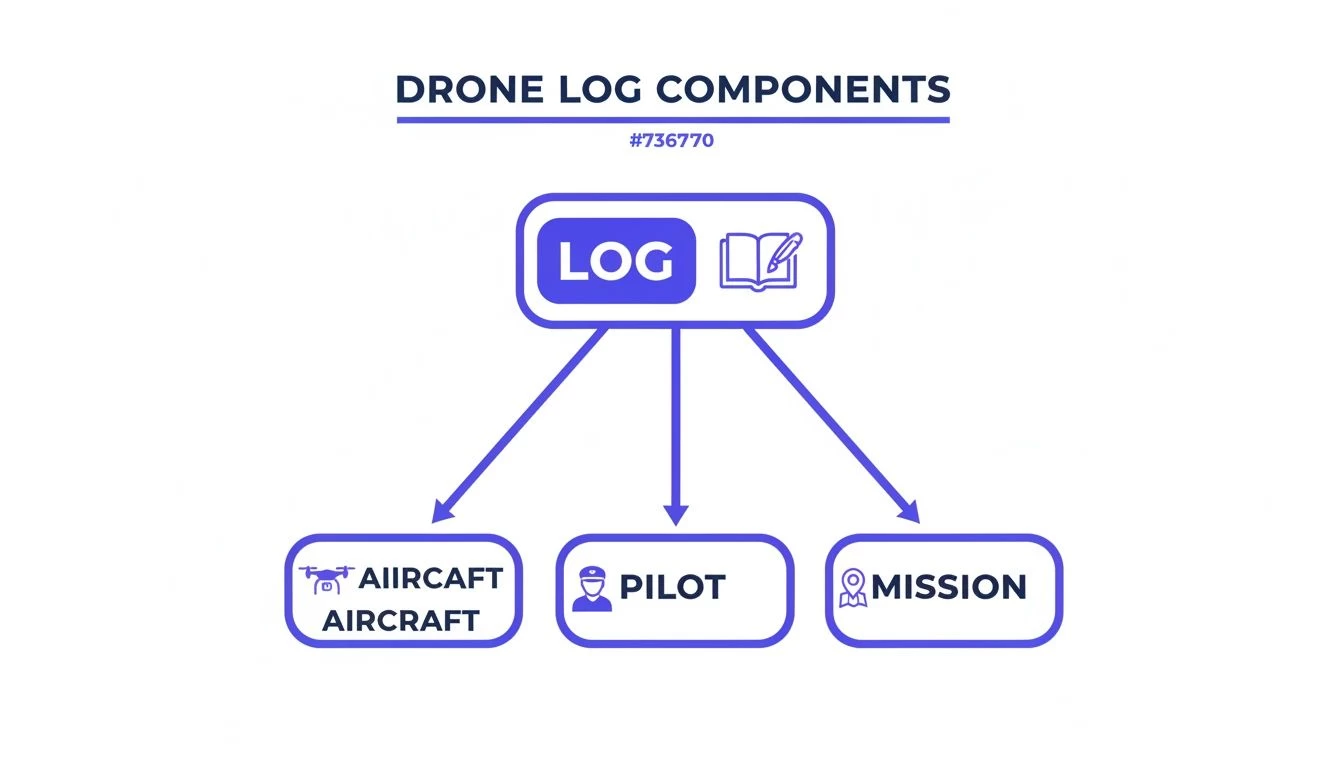
This visual reinforces how every log is built on the foundational pillars of the aircraft, the pilot, and the mission itself.
Add Rich Context with Qualitative Notes
While automation captures the "what," your notes capture the "why." A truly great flight log is more than just a collection of numbers; it's an operational diary. Use the notes section to add the kind of context that telemetry data alone can't provide.
For example, did you run into unexpected interference near a cell tower? Were ground conditions muddier than anticipated, forcing you to change your takeoff spot? These observations provide invaluable insights that inform risk assessments and dramatically improve planning for future missions in similar environments. This is how a simple record becomes a rich, actionable story.
Turning Log Data Into Actionable Drone Intelligence
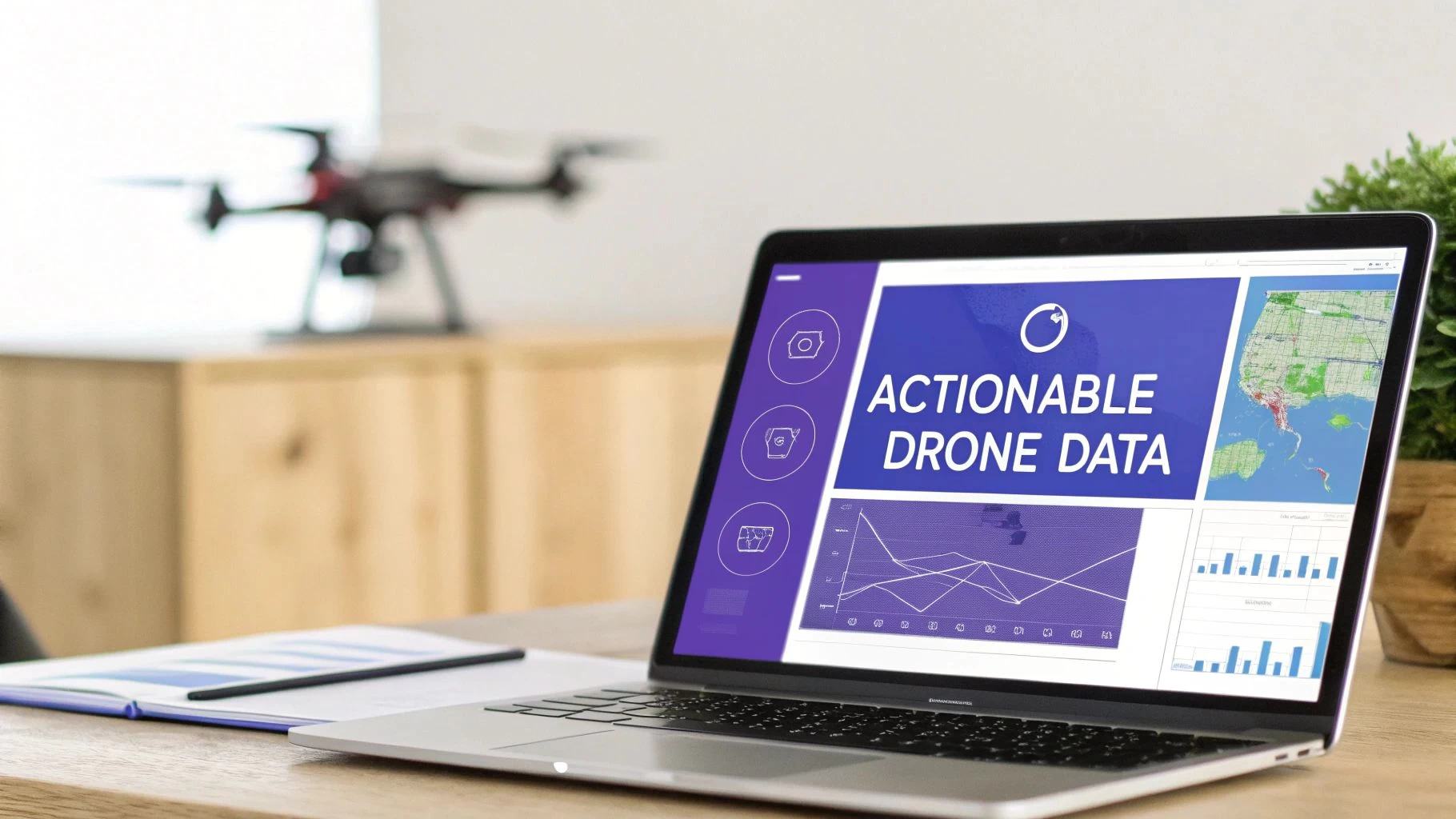
It’s easy to think of your flight navigation logs as just another box to tick for compliance. But the truth is, they're a rich source of business intelligence just waiting to be tapped. Every log entry is a single data point. When you start piling up thousands of these points, powerful trends start to jump out—trends that can shape your strategy, improve safety, and beef up your bottom line.
Think of an individual log as a single pixel. By itself, it doesn't show you much. But when you put thousands of them together, you get the complete, high-resolution picture of your entire drone operation. This is the moment your logs stop being passive records and become an active, strategic asset.
Uncovering Trends in Equipment Performance
One of the first things you'll notice when analyzing your log data is a much deeper understanding of your fleet’s health. By tracking key metrics across all your drones, you can shift from a reactive maintenance schedule to a predictive one. That saves a ton of time and money down the road.
Suddenly, you can answer critical questions like:
- Which drone models are seeing the most battery degradation? Logging cycle counts and performance helps you spot which assets will need replacements first.
- Are certain drones starting to drift or need calibration more often? Analyzing flight path accuracy can tip you off to subtle hardware issues before they become catastrophic failures.
- What's the real operational cost per flight hour for each aircraft? Once you factor in maintenance, new batteries, and downtime, you get a true ROI for your gear.
Your flight log is the maintenance crystal ball for your drone fleet. By analyzing historical flight data, you can predict future needs, prevent unexpected failures, and maximize the lifespan and reliability of your most valuable assets.
This kind of insight helps you make smarter buying decisions and schedule maintenance based on actual wear and tear, not just a generic manufacturer guideline. For a deeper dive, check out our guide on professional https://blog.dronedesk.io/flight-data-analysis/.
Optimizing Pilot Efficiency and Safety Protocols
Your flight logs also tell a pretty detailed story about your team's performance. And no, analyzing pilot-specific data isn't about micromanaging. It's about finding opportunities for training, standardizing best practices, and building a stronger safety culture across the board.
For example, an inspection firm could look at their aggregated logs and find that missions in high-wind conditions consistently drain batteries faster than expected. That insight leads directly to a new safety protocol: increase the required landing battery percentage for any flight where winds are over 15 mph.
Or a survey company might discover one pilot consistently wraps up mapping missions 10% faster because they fly more efficient grid patterns. That's not a reason to scold anyone; it's a perfect new module for the team's training program. To get even more advanced, techniques like machine learning for predictive data analysis can help forecast risks and fine-tune mission parameters before the drone even leaves the ground.
Using Data to Drive Smarter Business Decisions
Ultimately, all the intelligence you gather from your flight logs should feed back into your overall business strategy. The commercial aviation industry has been doing this for decades. Cirium, for instance, monitors 99% of commercial flights worldwide. Their log data revealed that average route deviations are now under two nautical miles. OAG used its log archives to pinpoint gate delays as the cause for 60% of missed on-time targets, which triggered major operational changes.
For a drone business, the scale is different, but the impact is the same. A construction firm can use log data to prove flight efficiency to clients, helping to justify costs and win more bids. A cinematography business can analyze flight times for specific shot types to give clients more accurate quotes. The possibilities are endless once you start seeing your flight logs not just as history, but as a roadmap to a smarter, safer, and more profitable future.
Frequently Asked Questions About Drone Flight Logs
Even when you feel you've got a handle on the basics, a few practical questions always pop up when it comes to keeping proper flight logs. Let's tackle some of the most common ones I hear from operators, clearing up any confusion before you head out on your next job.
Think of this as your final check-in, making sure all those lingering "what ifs" are squared away.
Are Digital Flight Logs Legally Accepted?
Yes, absolutely. In fact, aviation authorities like the FAA not only accept digital flight logs but often prefer them. The critical part isn't the format—it's whether the record is accurate, complete, and can't be tampered with.
Modern drone operations platforms are built from the ground up to meet these exact standards. By pulling telemetry data straight from the drone, they create an immutable record that’s far more reliable and easier to audit than a paper log. Frankly, a digital log is often more defensible because it removes the risk of human error, forgotten details, or sloppy handwriting. Just double-check that whatever system you use meets the specific record-keeping rules for your region.
What Is the Most Common Logging Mistake?
The single biggest mistake I see is inconsistent or delayed logging. It happens all the time. An operator finishes a long day, gets back to the office, and thinks, "I'll log that flight tomorrow." But when tomorrow comes, the small but vital details are already fuzzy.
Accuracy nosedives when you're trying to fill in mission details from memory. Was the wind gusting to 25mph or 30mph? Did that momentary signal loss happen at 200 feet or 250 feet? These are the details that make a log truly valuable, and they're the first to be forgotten.
Another classic error is logging only the bare minimum for compliance. This misses the whole point. You're not just ticking a box; you're gathering priceless operational intelligence that can make you a better, safer pilot.
Failing to note those challenging wind conditions or that brief signal dropout means you lose the context that could inform your next risk assessment or highlight a maintenance issue before it becomes a real problem. Automation is your best friend here—it catches everything, every time, without you having to remember a thing.
How Long Should I Keep My Flight Logs?
The rules can differ depending on where you fly. In the United States, for example, the FAA’s Part 107 rules say commercial drone operators must keep flight records for at least 12 months and have them ready for inspection if asked.
But let's be clear: that’s the minimum. Thinking of it as just a 12-month requirement is short-sighted. The real best practice is to hang onto your flight logs much longer—ideally, forever.
Think of them as a long-term operational asset. They're invaluable for:
- Spotting performance trends across your entire fleet and pilot roster over years, not just months.
- Tracking the full lifecycle and health of every drone and battery you own.
- Providing detailed, concrete evidence if you ever need it for an incident report, insurance claim, or legal issue that crops up years later.
Using a cloud-based platform turns your logs into a permanent, secure archive. They're protected from being lost or damaged and are always accessible, transforming your flight history from a simple compliance task into a powerful business tool.
Ready to turn your flight logging from a chore into a strategic advantage? Dronedesk automates the entire process, syncing directly with your drone to create accurate, compliant, and insightful flight navigation logs without the hassle. Discover how Dronedesk can save you time and elevate your operations.
 FAA Drone Licence Requirements for Commercial Pilots →
 FAA BVLOS Waivers Granted: What Successful Cases Show →
 How to Export DJI Flight Logs for Incident Reviews →
 Drone Safety and Legal Duties for Business Operations →
 EASA Drone Regulations: Open, Specific and Certified Categories →
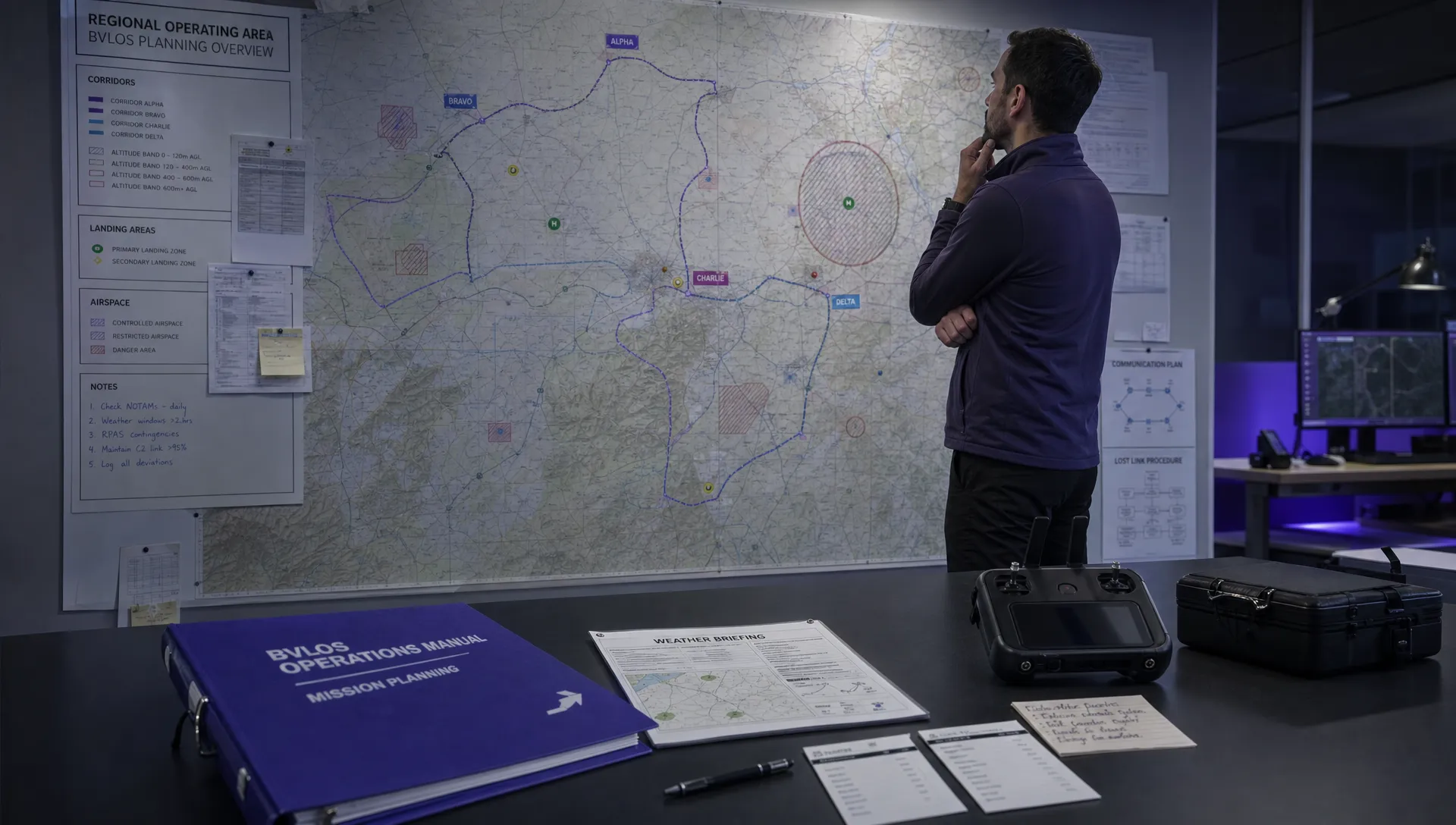 What the BVLOS ARC Report Means for UAS Operators →
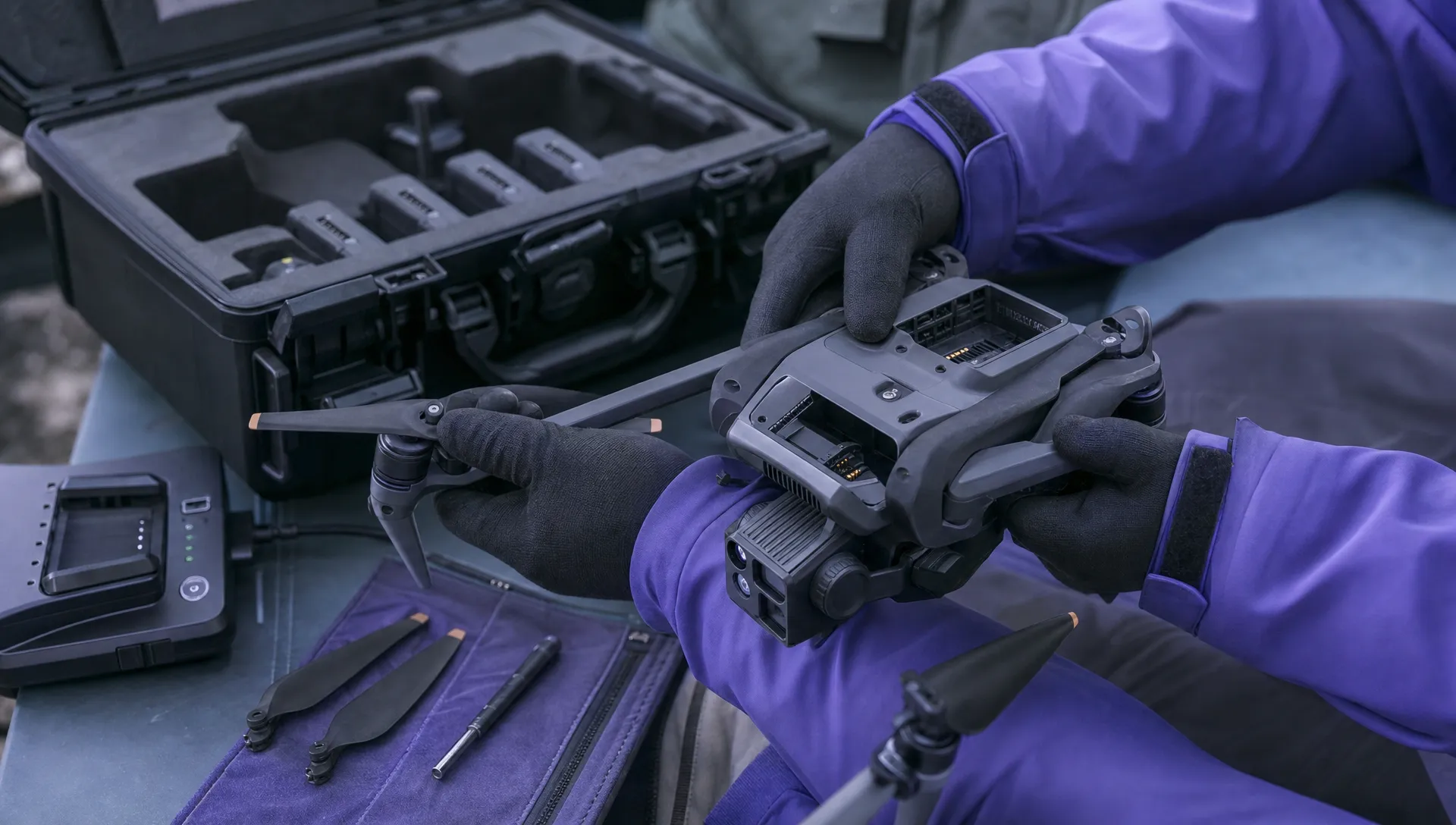 Free Drone Pre-Flight Checklist for Commercial Missions →
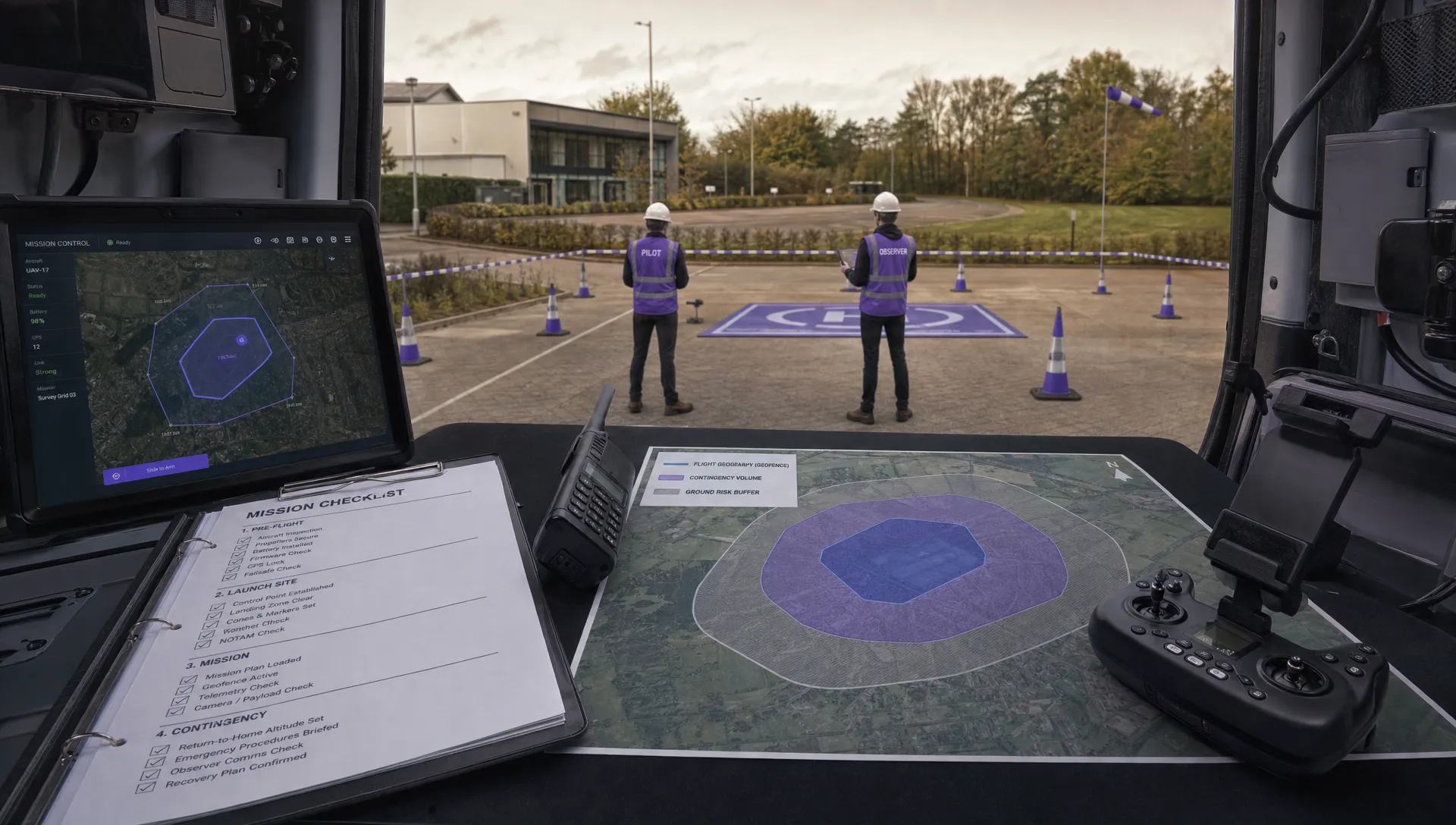 Contingency Volume and Flight Risk Buffer Explained →
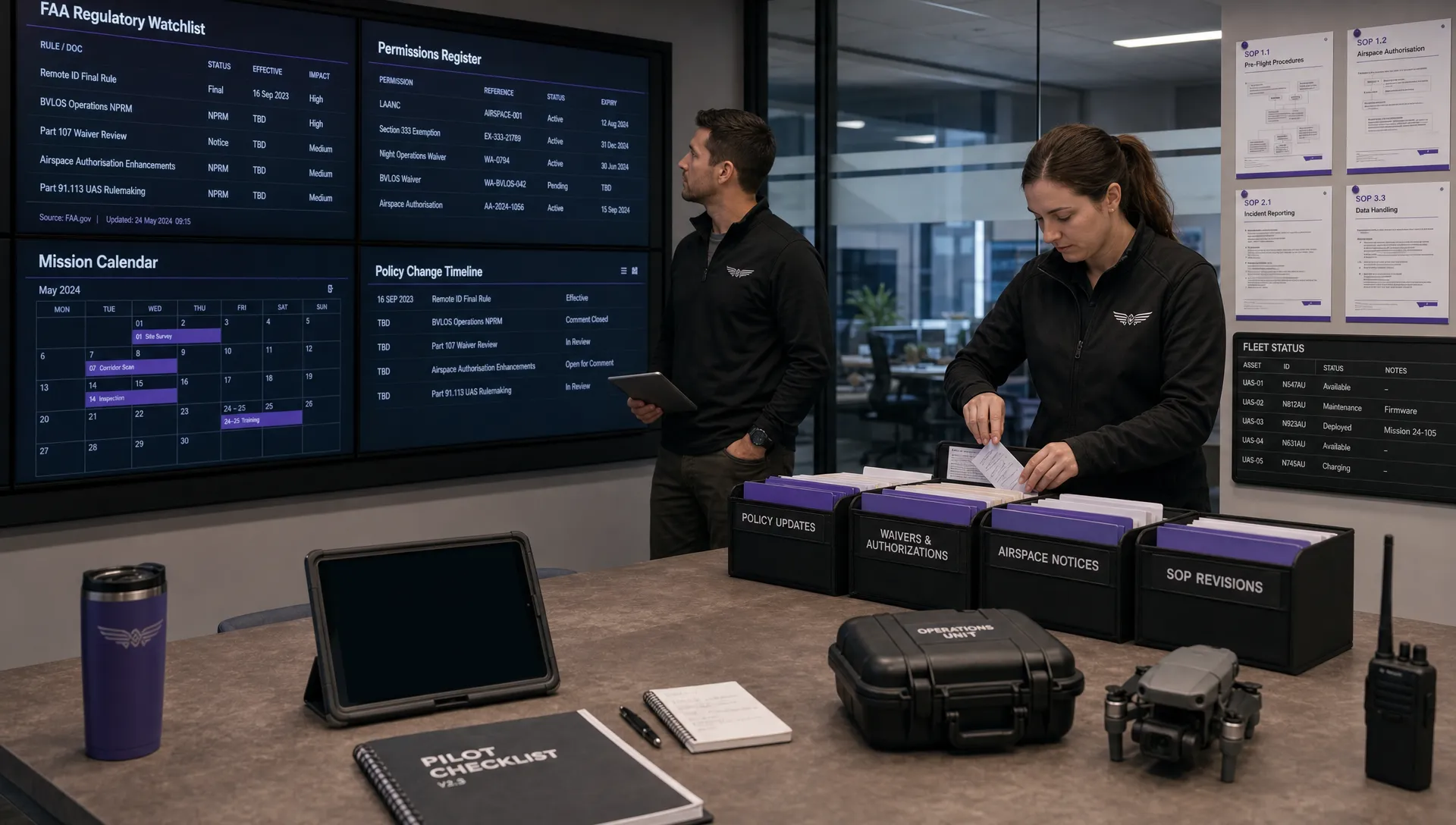 FAA Policy Changes That Commercial Drone Teams Should Track →
 Drone Night Flying Rules and Pre-Flight Checks →