
Your Guide to Understanding Flight Data History
Imagine every flight you conduct leaves a digital breadcrumb trail, a detailed story of its journey from takeoff to landing. This collection of information is what we call flight data history, and for any modern aviation operation, it's an absolutely critical asset. This isn't just your grandfather's paper logbook; it's a rich, high-tech narrative packed with GPS tracks, system performance diagnostics, and pilot commands.
Understanding Your Digital Flight Footprint

At its heart, flight data history is the complete electronic record of an aircraft's operation. A good analogy is an aircraft's "black box," but one that’s far more accessible and useful for day-to-day work, especially in the drone industry. This digital footprint captures an incredible amount of detail, turning a single flight into a goldmine of information.
This record is much more than a simple list of dates and times. It's a dynamic, multi-layered account of everything that happened from the moment the props started spinning to when they stopped. It gives you an objective, second-by-second chronicle of the aircraft's performance and every input from the pilot.
The Bedrock of Modern Aviation
You really can't overstate how important this data is. For any commercial operator, keeping a meticulous flight data history isn’t just a "best practice"—it's a fundamental part of professional responsibility. These records are the raw material you need to build safer procedures, prove you're following the rules, and find ways to run your business more efficiently.
Just think about the sheer scale of global aviation. Back in August 2025, major airlines like American Airlines were running an average of 6,360 daily flights. Every single one of those flights generated its own unique data story, all feeding into a massive historical archive used for spotting trends and planning future operations. The very same principle applies directly to drone operations, whether you're a one-person shop or a massive enterprise.
A complete flight data history isn't just about looking back at what happened. It's a powerful tool for building a safer, smarter, and more compliant future in aviation. It provides the hard evidence for incident analysis and the deep insights needed for operational improvement.
Core Components of Flight Data History
So, what exactly makes up a flight record? While we’ll dig into the nitty-gritty data points later on, a complete flight history generally includes a few key categories of information. Understanding these components makes it clear why every piece of data is so valuable.
Here’s a quick breakdown of what these flight logs typically capture.
| Data Category | What It Includes | Why It Matters |
|---|---|---|
| Telemetry Data | Real-time position (GPS), altitude, speed, and heading. For drones, it also includes critical battery voltage and temperature readings. | Provides a precise, second-by-second account of the aircraft's physical journey and performance. Essential for flight reconstruction and performance analysis. |
| System & Pilot Logs | Every command issued by the pilot, any automated system actions, and all alerts or warnings generated by the onboard systems. | Creates an audit trail of decisions and system behavior. Crucial for troubleshooting, incident investigation, and pilot training. |
| Essential Metadata | Aircraft and pilot identification, mission or job details, and environmental conditions like wind speed and direction. | Adds context to the entire operation. It answers the who, what, where, when, and why of the flight, making the data useful for reporting. |
Together, these elements paint a complete picture, allowing anyone to reconstruct the flight with pinpoint accuracy. This level of detail is absolutely indispensable for analysis, reporting, and proving compliance.
The Key Information Inside Every Flight Log

To really get why flight data history is so powerful, you have to pop the hood and see what's actually being recorded. Think of each flight log like a patient's medical chart; it combines different streams of data to build a complete picture of the operation from start to finish.
This data is captured automatically by the drone's systems, creating an objective, second-by-second account of the entire mission. When you break it down into a few key categories, it's easy to see how each piece contributes to the bigger story of the flight.
Telemetry Data: The Vital Signs
First up, you have telemetry data. This is the non-stop stream of information that describes the drone's physical state and movement through space. In our medical chart analogy, this is the patient's "vital signs"—a real-time check-up on its health and status.
Telemetry is the raw data that lets you reconstruct a flight path with pinpoint accuracy. The key data points here include:
- GPS Position: The exact latitude and longitude coordinates that map out the drone's flight path.
- Altitude and Speed: Critical info on how high the aircraft was and how fast it was moving.
- Battery Levels: For any electric drone, this is non-negotiable. It tracks voltage, current, and temperature, which are essential for safety and performance monitoring.
- Orientation: Data from the gyroscope and accelerometer—like roll, pitch, and yaw—shows the drone's exact attitude in the air.
This continuous stream of data is the bedrock of any analysis, giving you the undeniable "where" and "how" of the flight.
Pilot and System Logs: The Doctor's Notes
If telemetry data is the vital signs, then pilot and system logs are the doctor's notes. This category records every single action taken during the flight, whether it was by the human pilot or the drone's own automated systems. It provides the crucial context to understand why the drone did what it did.
Every command, every system alert, and every automated response is logged. This creates an invaluable audit trail for troubleshooting, incident investigation, and refining pilot training protocols.
For example, if the telemetry shows a sudden drop in altitude, the pilot logs will tell you if it was a deliberate command from the controller or an automated maneuver to avoid an obstacle. These logs capture takeoff and landing times, control inputs, and any system warnings like "low battery" or "high wind." This level of detail is a fundamental part of any robust drone flight logbook.
Metadata: The Patient Information
Finally, there's the metadata. This is the personal information on the top of the patient's chart. It provides the bigger picture for the flight, answering the who, what, and why. Without metadata, a telemetry log is just a squiggly line on a map.
This essential context includes:
- Aircraft and Pilot Identification: The drone's unique serial number and the certified pilot in command.
- Mission Details: The client, job number, or project name tied to the flight.
- Environmental Conditions: Data on wind speed, temperature, and other weather factors that might have affected the operation.
Pulled together, these three pillars—telemetry, system logs, and metadata—create a complete and powerful flight data history. This detailed record is usually compiled into standard file formats, like CSV (Comma-Separated Values) for digging into the numbers in a spreadsheet, or KML (Keyhole Markup Language) for visualizing the flight path in tools like Google Earth.
Why Accurate Flight Records Are Essential
Sure, you know what goes into a flight log, but do you really get why keeping obsessive records is a deal-breaker? Your flight logs aren't just a digital filing cabinet; they're the bedrock of a professional drone operation. Think of it like a business’s accounting books—without them, you can't run an audit, plan for the future, or prove you're in good shape.
It's the same story with your flight data history. You need it for safety audits, you need it to prove you’re flying by the book, and you need it to run a tight ship. It turns things that happened in the past into lessons that stop things from going wrong in the future. That’s what separates the pros from the amateurs.
Strengthening Safety Through Data
The number one reason to keep detailed flight records is, without a doubt, safety. When something goes wrong—whether it's a small glitch or a major crash—that flight data tells the story, second by second, with no bias. Investigators can trace the exact flight path, see every pilot input, and check every system alert to figure out exactly what happened.
But this isn't about pointing fingers. It's about getting smarter. When you spot trends across dozens of flights, like the same battery warning popping up or constant high-wind alerts in one spot, you can get ahead of problems before they turn into incidents. This data-first mindset shifts your safety from reactive to predictive.
A single flight log can tell you what happened yesterday. A collection of flight logs can help you predict what might happen tomorrow. That's the heart of any modern safety management system.
Ensuring Bulletproof Regulatory Compliance
If you're flying commercially, compliance is not a "nice-to-have." Regulators like the Federal Aviation Administration (FAA) in the US have strict rules about logging your flights. These records are your proof that you’re playing within the rules, staying out of restricted airspace, and keeping your aircraft maintained on schedule.
If you ever face an audit or an official inquiry, your flight data history is your best defense. It provides cold, hard evidence of:
- Flight Times and Durations: To prove you’re respecting pilot duty limits.
- Operational Areas: To show you were flying in authorized airspace.
- Aircraft Maintenance: To connect every flight to the aircraft's maintenance log.
Without these records, you're exposed to fines, losing your license, or even legal trouble. A well-kept flight history is your compliance safety net, proving your professionalism and that you respect the law.
Boosting Operational Efficiency and Profitability
Beyond just staying safe and legal, your flight records are a goldmine for making your business run better. By digging into your flight history, you can find small inefficiencies that, when fixed, add up to real savings and a more productive operation. It's all about making smarter decisions backed by data.
For instance, analyzing telemetry from dozens of missions can reveal the most efficient routes for routine jobs, cutting down flight time and saving battery life. You might also discover that some drones in your fleet are overworked while others collect dust, helping you balance the workload. You can even switch from a rigid, calendar-based maintenance schedule to one based on actual flight hours, preventing needless downtime and making your components last longer.
This kind of detail is what separates the leaders from the pack in an industry of massive scale. Just look at the wider aviation world. Between December 30, 2024, and December 14, 2025, an eye-watering 36,541,255 one-way flights were logged—that's an average of 104,403 every day. In a sea of data that vast, things like on-time performance become everything. For example, Aeromexico hit a 91.67% on-time performance across 15,000+ flights in November 2025, a testament to incredible precision. Just as you can dig into detailed airline statistics, you can use your own flight history to sharpen your competitive edge, one mission at a time.
How to Capture and Manage Your Flight Data
Knowing your flight data is valuable is one thing. Actually building a solid system to capture and manage it is a whole different ball game. A messy, disorganized approach is a fast track to lost records, compliance headaches, and missed opportunities to run a smarter operation.
The trick is to build a workflow that's consistent, can grow with you, and is as automated as you can make it. You don't have to boil the ocean on day one. Start simple, and bring in more powerful tools as your business expands. The end goal is to get away from scattered files and create one central, undeniable source of truth for every flight you ever conduct.
Starting with Manual Flight Logging
If you're just getting your wings, manual logging is the most direct way to start. This could be as old-school as a paper logbook or as simple as a spreadsheet. It might feel basic, but this method forces you to be disciplined and intentional about recording the vitals for every single flight.
A decent manual log should, at a bare minimum, include:
- Pilot and Aircraft ID: Who was flying and which drone was in the air?
- Date and Location: When and where did the flight happen?
- Takeoff and Landing Times: Log the start and end to get your total flight duration.
- Mission Purpose: A quick note on the "why," like "real estate photography" or "site survey."
While this works for a handful of flights, manual logging hits its limits fast. It’s a magnet for human error, eats up valuable time, and makes it nearly impossible to analyze your data in any meaningful way. That's when you know it's time to let technology take over.
Automating Data Capture from DJI and Other Platforms
Most modern drones, especially from a giant like DJI, are already recording incredibly detailed flight logs without you lifting a finger. The real challenge is pulling that data out of the manufacturer's app and getting it into a system where you can actually use it. Syncing this data is your first big step toward proper automation.
A lot of pilots just leave their flight history sitting in the DJI Fly or GO 4 apps. Sure, it’s handy for a quick look back at an individual flight, but these apps were never built for professional-grade record-keeping or analyzing an entire fleet's performance. To build a robust flight data history, you have to get that information out and centralized.
This infographic shows just how critical diligent flight records are—from bolstering safety to boosting your bottom line.

As you can see, a disciplined approach to data management is what holds up the core pillars of any professional drone operation: safety, compliance, and efficiency.
There are a few ways to get this done:
- Manual Export: You can usually export logs from the drone app as files (like .txt or .dat) and then upload them somewhere else. It's better than nothing, but it's still a clunky, multi-step chore.
- Third-Party Sync Tools: Some apps are built specifically to pull logs from services like DJI's cloud and bring them all together for you.
- Integrated Drone Management Platforms: This is the gold standard. Using a comprehensive platform that offers direct, automatic syncing is the most efficient and reliable method for any serious operator.
Using a Centralized Drone Management System
A dedicated drone management platform like Dronedesk is the command center for your entire operation. Forget juggling spreadsheets for flight logs, separate calendars for maintenance, and another file for pilot records. Everything lives together in one place, creating a powerful, searchable, and auditable flight data history.
By linking your DJI account directly to a platform like Dronedesk, your flight logs are pulled in automatically after every mission. This kills manual data entry, slashes the risk of errors, and guarantees your records are always complete.
This kind of automated workflow is the bedrock of a scalable drone business. When all your team's flight data flows into a single system, you suddenly unlock the power to analyze fleet-wide trends, monitor component health, and spit out compliance reports in just a few clicks. To dig deeper, you can learn about the benefits of integrated flight data systems and see how they become the backbone of a modern drone program.
A unified dashboard transforms all those scattered data points into a clear operational picture, making it simple to keep an eye on activity and prove compliance. This level of organization is precisely what separates the pros from the hobbyists.
Turning Raw Flight Data Into Actionable Insights

Collecting flight records is really just the starting line. The real magic happens when you turn that raw flight data history into strategic insights—the kind that lead to smarter, safer, and more profitable decisions for your whole operation.
Think of yourself as a detective. Each flight log is a folder full of clues. A single data point, like a battery voltage reading seven minutes into a flight, is just a number on its own. But when you start comparing it with hundreds of other data points from previous flights, a story begins to unfold.
This is all about shifting from just storing data to actively questioning it. It’s how you spot hidden trends, flag potential risks before they turn into real incidents, and create reports that give stakeholders exactly what they need, whether they’re in compliance or on the maintenance team.
Identifying Key Performance Indicators
To make sense of your data, you need to know what you’re looking for. That’s where Key Performance Indicators (KPIs) come in. They’re specific, measurable metrics that act as a health check for your drone program, helping you focus on what actually matters instead of getting lost in a sea of telemetry.
A few solid KPIs for any drone operation include:
- Average Flight Time Per Battery: This is a brilliant way to spot degrading battery performance over time, letting you swap them out proactively before one fails mid-air.
- Operational Density: By mapping where you fly most often, you can identify high-risk areas or figure out more efficient routes.
- Pilot Performance Metrics: Tracking things like hard braking or sharp turns can highlight pilots who might need a bit of extra training.
- Asset Utilization: Knowing how often each drone is flown helps you balance the workload across your fleet and stay on top of maintenance schedules.
Keeping an eye on these KPIs gives you a clear dashboard for your operational health. For a deeper look at the logging practices that make this analysis possible, check out our guide on the essential elements of a modern UAV flight log.
From Data Points to Strategic Reports
Once you’re tracking the right KPIs, the next step is to package those insights into reports that people can actually use. A maintenance manager couldn’t care less about every single flight path, but they absolutely need a report on component flight hours and battery health trends. A compliance officer, on the other hand, needs instant access to logs that prove all flights were conducted within regulated hours and locations.
The goal of analysis isn't to create complicated charts; it's to answer simple, critical business questions. Is our equipment safe? Are our pilots compliant? Are we operating efficiently?
This principle applies on a much larger scale, too. The International Air Transport Association (IATA), for instance, uses similar data analysis to project that global air passenger traffic will grow from 4.98 billion in 2025 to 5.20 billion in 2026. Macro-level analysis helps the entire industry understand its health and plan for the future. You can find more of these powerful insights into passenger air traffic growth on Statista.
You don't have to be an aviation expert to master this, either. The core ideas behind turning numbers into smart decisions are universal. Exploring general guides on business analytics and intelligence can show you how these same principles work across all kinds of industries. At the end of the day, a strong flight data history is the foundation for a smarter, data-driven operation.
Putting Flight Data History to Work in the Real World
It’s one thing to talk about concepts, but it's in the real world where things get interesting. A detailed flight data history isn't just a dusty digital file cabinet filled with numbers and GPS points. It’s a powerful tool professionals lean on every single day to solve problems, prove their work, and sharpen their operations.
Let’s look at how different industries are turning these records into real results. Each scenario highlights a specific challenge and shows how historical flight data provides the solution, turning past performance into a clear roadmap for future success.
From Agriculture to Infrastructure
Picture an agricultural specialist who just spent a long day using a drone for precision crop spraying over hundreds of acres. The client needs proof that every patch of land was covered, and regulators need to know for sure that no spray drifted into protected zones. The drone's flight log, with its second-by-second GPS track laid over a map, offers undeniable proof of both coverage and compliance.
Or think about an infrastructure inspection firm. When a client questions whether a specific cell tower was actually inspected last quarter, the firm can instantly pull up the exact flight record. That record will show the precise flight path, complete with time-stamped, geotagged photos of that specific tower. This same data also helps them manage their own fleet, flagging drones with high flight hours for proactive maintenance before a problem occurs.
Flight data history moves conversations from "I think we did it" to "Here is the exact record of what we did, when we did it, and how." It replaces assumptions with objective proof.
A lot of these applications rely on visualizing flight paths and tracking assets on a map. For developers looking to build these kinds of features into their own software, understanding how to work with mapping services is crucial. This guide on integrating Google Maps for location-based applications is a fantastic resource for getting started.
Enhancing Public Safety and Global Logistics
Now, let's look at public safety. A search and rescue team just finished a mission. Back at base, they review the flight logs from their drones. They analyze the search patterns, check flight durations, and see exactly which areas were covered. This allows them to spot any gaps and fine-tune their coordination for the next call-out, potentially shaving critical minutes off a search when lives are on the line.
This reliance on historical data isn't just for small teams; it scales all the way up to global aviation. In October 2025, scheduled passenger flights worldwide hit around 3.3 million departures, a 2.8% jump from the previous year. An airport like Chicago O'Hare alone managed about 37,500 takeoffs. This colossal volume of flight history is absolutely vital for airlines and airports to manage resources, predict demand, and optimize their schedules. You can dive into a deeper analysis of these global aviation trends to see just how data keeps the entire industry moving.
Answering Your Flight Data Questions
Even when you've got the basics down, a few practical questions always seem to pop up. Let's tackle the most common ones head-on to clear up any confusion and help you put this all into practice.
How Long Should I Keep My Flight Data History?
This is a big one, and the answer depends on local rules and your own business needs. For commercial operators in the U.S. flying under Part 107, the FAA says you need to hang on to inspection and maintenance records for at least one year.
But honestly, that’s just the bare minimum. The smart move is to keep your data indefinitely in a secure, backed-up location. It’s an invaluable resource for long-term safety analysis and spotting operational trends. Thankfully, modern cloud platforms make this both easy and affordable.
Can Flight Data Actually Be Used In Legal Situations?
Yes, absolutely—and you'll be glad you have it if the time comes. A clean, unaltered flight data history is your best friend in a legal dispute or an insurance claim. It can definitively verify where you flew, prove you were compliant, and piece together the timeline of an incident.
Think of it this way: your flight log is an impartial witness. It backs up your professionalism and integrity when everything is on the line, providing objective proof of what really happened.
Is My Flight Data Secure In A Drone App?
That’s a tricky one. The security really hinges on the drone manufacturer and the app you're using. While the big names have decent security, your data is often sitting on their servers, which might not be secure enough for sensitive jobs.
If you're working with confidential client info or flying near critical infrastructure, you really need a dedicated flight management platform that offers proper end-to-end encryption. Always take a minute to read the privacy policy of any service you sync your logs with—it's crucial to know exactly how your data is being stored and protected.
Ready to stop juggling spreadsheets and get your flight data history automated? Dronedesk gives you a single, secure platform to manage your flights, fleet, and compliance without the headache. See how Dronedesk can transform your drone operations today.
 How to Evaluate a Free Drone Logbook Before Using It →
 FAA Part 107 Test: How to Master Airspace Questions →
 Drone Risk Assessment Controls That Work in the Field →
 FAA Drone License Costs Beyond the Knowledge Test →
 Drone Part 107 Operations: When a Waiver May Be Needed →
 Drone Operating Rules for Managing Contractors and Employees →
 BVLOS Drone Requirements for Building a Safety Case →
 Drone Pilot Test Mistakes That Cost Candidates Marks →
 FAA 107 License vs Part 107 Certificate: What’s the Difference? →
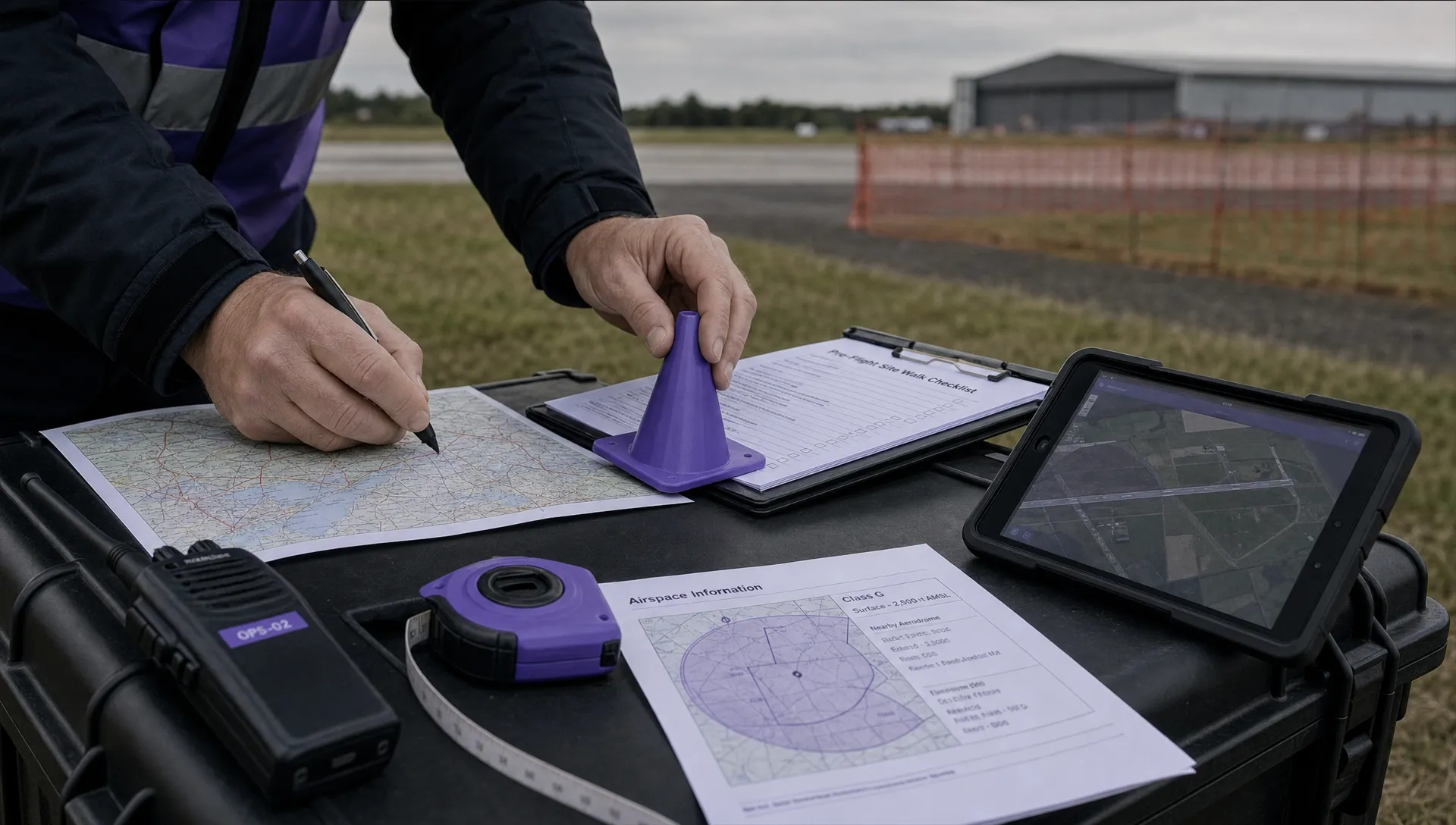 Drone Airport Rules: A Field Checklist for Site Assessments →