
EASA Compliance Software - Streamline Drone Operations
Think of EASA compliance software as your digital co-pilot, laser-focused on keeping your drone operations on the right side of the European Union Aviation Safety Agency's rulebook. It's a platform that automates the tedious-but-critical job of tracking flights, scheduling maintenance, and managing pilot qualifications, making sure every mission is documented, audit-ready, and legal. It becomes the one place you can go for the real story on all your compliance activities.
Navigating EASA Regulations in the Digital Age
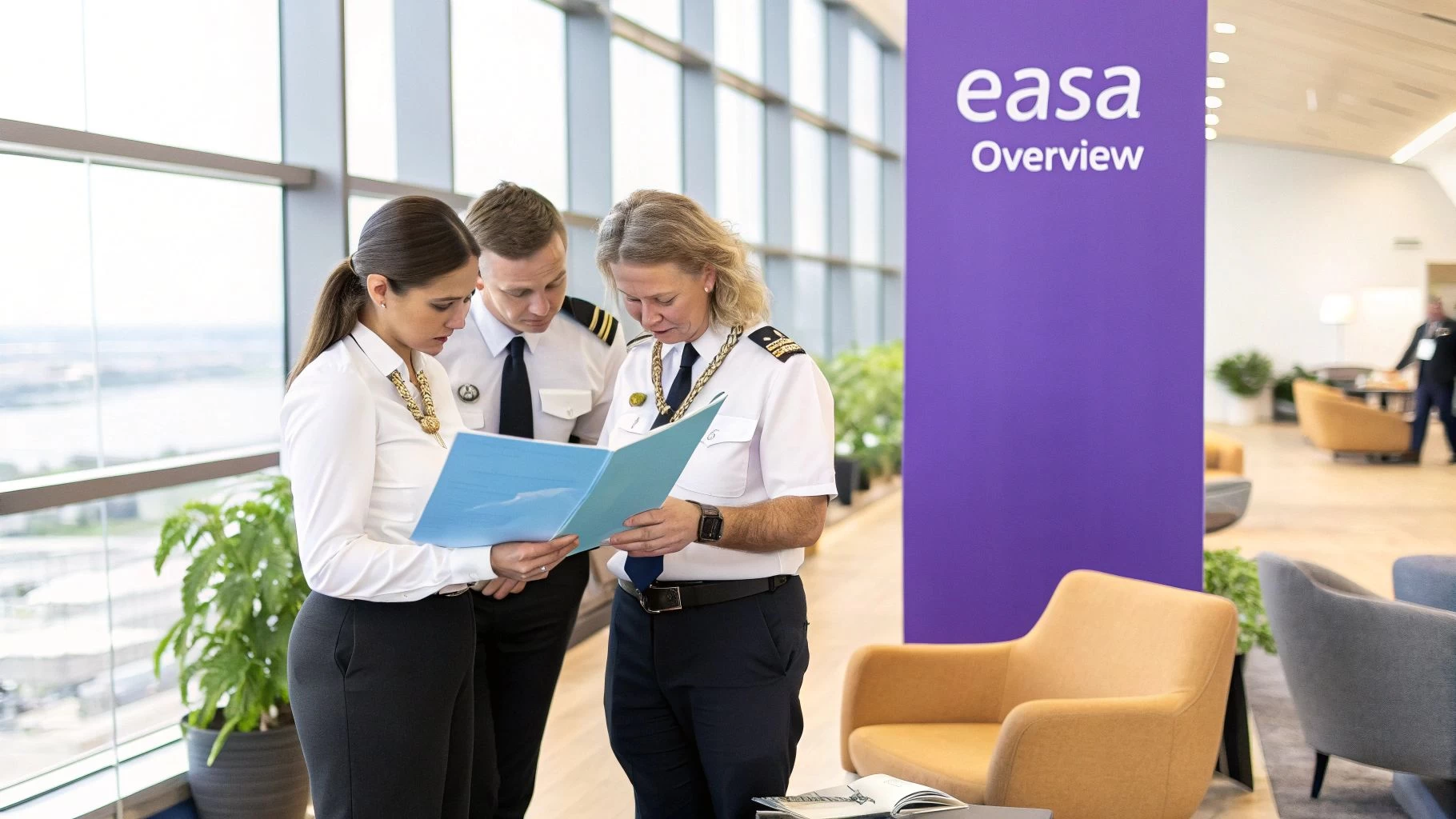
For any professional drone operator, trying to keep up with EASA regulations can feel like flying through a thick fog. The rules are complex, they're always changing, and they touch every single part of your business—from the drone's maintenance schedule to your pilots' training records. Trying to juggle all of this with spreadsheets, paper logs, and files scattered across different computers isn't just inefficient anymore; it's a massive business risk.
A single missed maintenance check or a flight that's logged incorrectly can have serious consequences. We're talking about everything from hefty fines to having your operational authorization suspended, which could effectively ground your entire business. When the stakes are this high, relying on manual tracking is just asking for trouble.
The Shift from Manual to Automated Compliance
This is exactly where EASA compliance software comes in. It's more than just a digital logbook; it's an intelligent operations manager that replaces those clumsy, error-prone manual methods with a smart, automated system.
This modern approach pulls all your critical information into one central hub, making sure nothing gets missed. It gives you a clear, straightforward framework for handling the intricate web of EASA rules, turning a major administrative headache into a smooth background process.
By automating routine compliance tasks, operators can shift their focus from paperwork to what they do best: executing safe and effective drone missions. This software doesn't just manage compliance; it builds a foundation for operational excellence and scalability.
Why a Proactive Approach Is Essential
The simple fact is, the drone industry is under more scrutiny than ever before. As operations get more ambitious—think Beyond Visual Line of Sight (BVLOS) flights or missions over urban areas—the paperwork multiplies. EASA's framework, with its Open, Specific, and Certified categories, requires bulletproof record-keeping to prove that every flight is conducted safely.
Ultimately, this software acts as a vital safety net for your business. It gives you peace of mind by:
- Centralizing Data: All your flight logs, maintenance records, pilot certifications, and risk assessments live in one secure, accessible place.
- Automating Key Tasks: It sends you reminders for upcoming maintenance, keeps tabs on pilot flight hours, and makes generating audit reports a breeze.
- Ensuring Consistency: It guarantees that every person on your team is following the exact same procedures for logging and reporting.
By bringing this kind of technology into your operations, you’re not just buying a piece of software. You're investing in a solid system that protects your business, boosts safety, and shows everyone you're serious about professionalism in an increasingly regulated airspace.
Why This Software Is No Longer Optional

Let's move past the idea of simple flight logging. Trying to manage EASA compliance with spreadsheets and paper trails is a high-stakes gamble in today's professional drone industry. The conversation has shifted. It's not about convenience anymore; it's about necessity.
For any serious drone operator, dedicated software is the dividing line between scaling your business and taking on massive risk.
The fallout from non-compliance is no joke. We're talking about more than just a slap on the wrist. Crippling fines can bring your operations to a dead stop. Even worse, authorities can suspend or flat-out revoke your operational authorisation, grounding your fleet and shutting down your revenue stream overnight.
This isn't just about legal and financial exposure—it's a direct threat to your business's survival. The reputational damage alone can be devastating, making it incredibly difficult to win back client trust or secure future contracts.
A Proactive Shield Against Costly Errors
Think of EASA compliance software as your digital co-pilot—a proactive tool that prevents problems before they even happen. Instead of scrambling to react to a failed audit or an incident investigation, the software builds a framework where compliance is the default, not an afterthought.
This automated oversight is absolutely crucial as drone missions get more complex. Flying Beyond Visual Line of Sight (BVLOS) or over cities generates a mountain of data. Every single flight demands meticulous planning, risk assessments, and detailed logging that you just can't manage effectively with a spreadsheet.
EASA compliance software becomes your single source of truth. It pulls together every flight log, maintenance record, pilot certification, and risk assessment into one unified system. No more scattered data, just complete auditability whenever you need it.
The market for this kind of software is exploding. It's projected to jump from USD 27.8 billion in 2024 to USD 68.8 billion by 2032. That massive growth, highlighted by firms like Credence Research, shows a clear global shift. Aviation authorities like EASA demand perfect documentation, and automation is the only way to keep up.
Gaining a Powerful Competitive Edge
When you adopt a solid compliance platform, you're sending a clear signal to clients, insurers, and regulators. It says you're a professional, safety-first operator who takes their responsibilities seriously. That commitment becomes a massive competitive advantage.
Imagine bidding for a high-value contract. Being able to show a verifiable, digitally managed compliance system instantly puts you leagues ahead of competitors still fumbling with paper logs. It proves you have the infrastructure to handle complex projects safely and efficiently. Insurers notice this too, which can often lead to better premiums.
This is a similar story for operators in the UK, where having the right platform is just as critical. You can learn more about the specifics in our guide on CAA compliance software.
Just take a look at EASA's official portal for civil drones, which details the web of requirements operators have to deal with.
The highly structured information on the EASA site makes one thing crystal clear: you need a systematic approach. Without a dedicated software solution, trying to track all the different rules for every pilot and every drone in your fleet is an overwhelming, error-prone nightmare waiting to happen.
The Features Your Operation Can't Afford to Ignore
Making the jump from a clunky spreadsheet to proper EASA compliance software is a game-changer. Suddenly, you have a whole suite of tools built to tackle the real-world headaches of running a drone operation. But not all platforms are the same, and knowing what to look for is the key to telling a powerful operational hub apart from a simple digital logbook.
Think of these features as the essential instruments in your digital cockpit. Just like a pilot needs an altimeter and attitude indicator, a professional drone operator needs these tools to stay on top of their compliance. They ensure every single mission is safe, legal, and ready for an audit from takeoff to landing.
Automated Flight Logging and Telemetry
Let's be honest, manual flight logging is a thing of the past. It’s slow, full of mistakes, and often misses crucial data. Good EASA compliance software takes this entire burden off your shoulders by connecting directly to your drone's flight controller, pulling in rich telemetry data without the pilot having to lift a finger.
This means every flight gets recorded with surgical precision. We're talking about:
- Precise Flight Paths: GPS coordinates are logged every second, creating a rock-solid, verifiable record of exactly where the drone flew.
- Altitude and Speed Data: This is critical for proving you stayed within your operational limits and didn't stray into restricted airspace.
- Battery Performance: It tracks voltage and cell health, giving you invaluable data that feeds straight into your maintenance schedules.
This isn't just about saving time; it's about creating an unchangeable, audit-proof record that will stand up to any inspection. You can pull a complete flight report in minutes, not hours.
The image below shows how a solid software foundation supports the entire compliance lifecycle, from the initial rule checks right through to final audits.

As you can see, everything builds from that base layer of accurate data and a deep understanding of EASA rules, making sure your training and audits are built on solid ground.
Intelligent Maintenance and Fleet Management
Keeping your drones airworthy isn't just good practice—it's a cornerstone of EASA regulations. An intelligent maintenance module turns this from a reactive headache into a proactive strategy. The software tracks the usage of every single component, from propellers and batteries to motors and airframes, based on flight hours or cycles.
It then automatically flags when a part is getting close to its service limit. This prevents last-minute mission delays and, more importantly, helps you avoid a potential in-flight failure. When you're assessing software options, make sure it also includes robust advanced tech and cybersecurity for business to keep all that sensitive operational data locked down.
Comprehensive Pilot and Team Management
Your pilots are your most valuable assets, and managing their qualifications is just as critical as maintaining your drones. A dedicated pilot management feature brings all your personnel records into one central, easy-to-manage place.
This module is your command center for your team, letting you:
- Track Certifications: Log and monitor every pilot's license, A2 CofC, GVC, or other qualifications, with automatic reminders for upcoming expiries.
- Monitor Flight Hours: Automatically keep tabs on recency requirements, so you know every pilot is current and proficient.
- Assign Roles and Permissions: Control exactly who can plan missions, fly specific aircraft, or sign off on risk assessments.
It gives you a complete picture of your team and guarantees you’re always sending the right pilot with the right qualifications for the job.
By pulling pilot, fleet, and flight data together, EASA compliance software creates a single source of truth for your entire operation. It connects the dots between a pilot's currency, a drone's service history, and a specific mission's risk profile.
Integrated Risk Assessment Tools
If you're flying in the Specific category, you know that completing a Specific Operations Risk Assessment (SORA) or using a Pre-Defined Risk Assessment (PDRA) is non-negotiable. The best EASA compliance software builds these complicated workflows right into the platform.
Instead of battling confusing templates and juggling separate documents, these integrated tools walk you through the process step-by-step. They help you pinpoint ground and air risks, define your mitigation strategies, and generate the proper documentation for your operational authorisation application. It makes one of the most difficult parts of EASA compliance genuinely manageable.
Some platforms are basic, while others are packed with features for larger, more complex operations. Here’s a quick breakdown of what you should consider essential versus what might be a nice-to-have.
Essential vs. Advanced Software Features
| Feature Category | Essential Functionality (Must-Have) | Advanced Functionality (Good-to-Have) |
|---|---|---|
| Flight Operations | Automated flight logging, basic pre-flight checklists, airspace awareness. | Real-time drone tracking, multi-pilot mission planning, advanced weather overlays. |
| Fleet Management | Component-level maintenance tracking, manual service logs, basic inventory. | Automated maintenance alerts based on usage, digital service records, full parts inventory. |
| Pilot Management | Tracking of licenses & expiry dates, logging of flight hours. | Recency tracking, role-based permissions, digital pilot logbooks. |
| Compliance & Docs | SORA/PDRA wizards, basic document storage, incident reporting forms. | Integrated Operations Manual builder, custom checklist templates, audit trail logging. |
| Reporting | Flight summary reports, basic pilot and fleet usage statistics. | Customizable reports, advanced analytics dashboards, compliance health scorecards. |
While the "Essential" column covers the bare minimum you need to stay compliant, the "Advanced" features are where you can really start to optimize your operation for efficiency and safety.
Finally, a centralized document management system ensures all your vital paperwork—your operations manual, insurance certificates, technical specs—is stored securely in one place. No more frantic searches for scattered files; everything is instantly accessible for audits or pre-flight checks, ensuring your team is always working from the latest versions.
How to Choose the Right Compliance Platform

Picking the right EASA compliance software isn't like buying something off the shelf. It's more like bringing on a new business partner. This platform will become the central nervous system for your operations, and it's going to have a direct say in your efficiency, your safety record, and your ability to scale up.
The wrong choice will saddle you with clunky workarounds and a serious case of buyer's remorse. But the right one? It can make your entire workflow feel effortless.
This is a decision you don't want to rush. It demands a serious, clear-eyed look at your own needs before you even think about watching a single demo. A massive platform built for an enterprise running complex BVLOS missions is probably overkill for a solo photographer flying in the Open category.
Start With a Self-Assessment
Before you get dazzled by features and pricing plans, hit the pause button. You need to map out your own operational reality. Answering a few fundamental questions first gives you a blueprint for what you actually need, stopping you from getting sidetracked by shiny features that don’t solve your real-world problems.
Kick off your evaluation by looking at these areas:
- Fleet Size and Type: Are you managing one drone or a diverse fleet of fifty? Different aircraft come with unique maintenance schedules and logging demands that your software absolutely has to handle.
- Operational Complexity: Are your jobs straightforward Open category flights, or are you pushing into the Specific category with SORA or PDRA documentation? The more complex your ops, the more powerful your software's risk assessment tools must be.
- Team Structure: Is it just you, or are you trying to wrangle a team of pilots and admin staff? If you've got multiple people in the mix, things like role-based permissions and collaborative planning tools are essential.
This initial self-checkup creates your personal shopping list. It turns a vague search into a focused hunt for a platform that fits your business perfectly.
Key Evaluation Criteria
Once you’ve got a solid grip on your requirements, you can start sizing up the different EASA compliance software providers. Your job is to look past the slick marketing and get to the heart of the practical functions you'll be using day in and day out.
It's also smart to look at the bigger picture. The demand for regulatory tech is exploding, with the compliance software market expected to jump from USD 36.22 billion in 2025 to USD 65.77 billion by 2030. That kind of growth, highlighted in recent market analysis, shows a huge industry shift toward digital compliance. Choosing a platform that's built for the future has never been more important. You can find more details on this expanding market and its key drivers.
Here are the non-negotiables to measure every platform against:
- Scalability: Can the software grow with you? You need a platform that can handle more pilots, more drones, and more complex missions as your business takes off. If it feels cramped a year from now, it's a bad investment.
- Integration Capabilities: Your compliance tool can't be a silo. Check if it plays nicely with your other essential software, like flight planning apps, accounting systems, or even your DJI flight logs. Smooth integration will save you hundreds of hours of mind-numbing data entry.
- User Experience (UX): A confusing interface is a compliance nightmare. The software has to be dead simple for pilots in the field who need to hammer out pre-flight checklists and log data on a tablet or phone, often in less-than-ideal conditions.
- Customer Support: When you run into a critical compliance question or a tech glitch, you need help, and you need it fast. Scour reviews and ask potential providers about their support channels and average response times.
A truly effective EASA compliance platform doesn’t just store data; it actively helps you use that data to build a safer, more efficient operation. It should feel like an extension of your team, not just another piece of software.
Don't Overlook These Critical Factors
Finally, there are two factors that should be absolute deal-breakers: data security and regulatory updates. You’re trusting this platform with incredibly sensitive operational data, from flight paths to client details. Make sure the provider has rock-solid security protocols to keep your information safe.
Just as critical is the provider’s commitment to staying current. EASA regulations aren't set in stone; they evolve. A top-tier provider will have a proven history of updating their software promptly to reflect any changes, guaranteeing you’re never caught out of compliance. This proactive mindset is the ultimate sign of a partner you can rely on.
Implementing Your New Digital Compliance System
Choosing the right EASA compliance software is a huge step forward, but the real test comes when you start weaving it into your daily operations. That switch from clunky spreadsheets to a smart digital system needs a solid plan. Get it right, and it's a smooth, almost invisible upgrade. Get it wrong, and you'll just create headaches for your team and kill the very efficiency you were hoping for.
A successful rollout is about much more than just installing an app. It's a careful process that involves your data, your people, and your established ways of working. The end goal is to make the new system an essential, background part of how you operate—not just another box to tick.
Migrating Your Historical Data
Your first big task is getting all your existing records into the new platform. Think about it: all those flight logs, maintenance histories, and pilot records are the lifeblood of your compliance history. They're far too valuable to lose in the transition. A clean, complete data migration is non-negotiable for operational continuity and being ready for an audit at a moment's notice.
To make sure nothing gets lost in translation, take it step-by-step:
- Clean Your Data First: Before you even think about importing, get your old spreadsheets in order. Standardize the formats, hunt down and delete duplicate entries, and fix any obvious mistakes. The old saying "garbage in, garbage out" has never been more true.
- Use a Phased Approach: Don't try to boil the ocean by moving everything at once. Start small. Pick a manageable chunk of data—like the full record for a single drone—to test the import process. This is a great way to catch any snags early on.
- Verify the Import: Once a batch of data is in the new system, do a few spot-checks. Pull up a handful of records and compare them line-by-line with the original source. You want to be sure everything, from flight times down to tiny component serial numbers, made the journey perfectly.
This methodical approach helps you avoid the nightmare scenario of accidentally wiping out years of critical compliance history during the switch.
Training Your Team for Success
You could have the most intuitive software in the world, but it’s useless if your team doesn't use it correctly and consistently. Good training is what closes the gap between buying a tool and actually adopting it. Your mission here is to build confidence and make sure every single pilot and admin understands why this new system matters and how it's going to make their job easier, not harder.
It's a classic mistake to treat training as a one-off meeting. Real adoption happens when there's ongoing support and the software becomes the one and only source of truth for everything from pre-flight checks to post-mission reports.
Effective training isn't just a tour of the software's features. It needs to be tailored to specific roles. Show pilots exactly how to run through their checklists on a windy airfield using the app. Show admins how to pull a comprehensive compliance report in two clicks. Hands-on practice with real-world scenarios is what makes the knowledge stick. For a deeper dive into building these kinds of efficient operational frameworks, check out our guide to holistic drone operations management.
Integrating into Daily Workflows
The ultimate sign of success is when your new EASA compliance software becomes so ingrained in your daily routine that your team can't imagine going back to the old way. This means actively replacing old habits—like scribbling on a paper checklist—with new, more efficient digital ones.
For instance, the new workflow isn't just suggested; it's required. A pilot must complete the digital pre-flight checklist in the app before the drone can be armed for takeoff. An admin no longer has to manually tally up maintenance hours from a pile of logbooks; the system does it automatically the second a flight log is synced.
By making the software the official, mandatory channel for these critical tasks, you guarantee 100% adoption and build a rock-solid, indisputable digital audit trail for every single mission.
Where Automated Aviation Compliance is Headed
If you think EASA compliance software is just about record-keeping, think again. The future isn’t about logging what’s already happened; it’s about predicting what comes next and intelligently managing drone operations that are only getting more complex. This shift is turning compliance platforms into the central nervous system for modern aviation, all thanks to some powerful new tech.
Artificial intelligence (AI) and machine learning are leading the charge. Instead of just tracking flight hours to tell you when routine maintenance is due, future systems will comb through performance data from thousands of flights. They'll spot the subtle warning signs of component wear long before a human ever could, paving the way for predictive maintenance that stops failures from grounding your fleet in the first place.
The Rise of Unified Operational Platforms
The next wave of EASA compliance software is all about creating a single, unified ecosystem. Kiss goodbye to the days of juggling separate tools for mission planning, fleet management, data analytics, and compliance. Tomorrow’s platforms will weave all these functions into one seamless interface, giving you a complete, 360-degree picture of your entire operation.
Why does this matter? Because this kind of integration is absolutely essential for tackling the next frontier of drone missions:
- U-space Integration: Communicating effortlessly with air traffic management systems in controlled airspace.
- Autonomous Delivery Networks: Managing whole fleets of drones that are out there delivering goods on their own.
- Large-Scale BVLOS Flights: Safely pulling off complex, long-distance inspections and surveys.
For a deeper look into how modern platforms are already making these challenges more manageable, you can explore how SaaS platforms like Dronedesk are simplifying drone compliance in 2025. This holistic approach shifts compliance from a reactive chore to a proactive, data-driven strategy.
Proactive Risk Analysis and a Booming Market
This leap in technology is lighting a fire under the market. The aviation compliance monitoring software market, valued at a cool USD 1.12 billion in 2024, is expected to more than double to USD 2.34 billion by 2033. This explosion in growth shows just how much the industry is crying out for smarter, more proactive risk management tools that can actually keep up with innovation. You can dig into the numbers on this market's impressive growth trajectory.
The future of aviation compliance is proactive, not reactive. Advanced software will analyze mission plans against historical data and real-time conditions to flag potential risks, allowing operators to adjust their strategy before a single propeller spins.
Picking a software solution is no longer just about ticking boxes for today’s EASA rules. It’s about investing in a platform that's ready for the automated, interconnected, and data-rich airspace of tomorrow. The right choice will be a partner that grows with your operations, making sure you stay compliant, competitive, and safe as the industry continues its rapid ascent.
Frequently Asked Questions
When you're digging into EASA compliance software, a lot of questions can pop up, especially when trying to figure out which platform fits your operation. Let's tackle some of the most common ones drone operators ask.
Does This Software Support All Drone Categories?
Absolutely. Modern EASA compliance software is built to be flexible, covering operations across both the Open and Specific categories.
For pilots in the Open category, it makes logging and record-keeping a breeze. If you're running Specific category operations, you'll get access to more advanced tools like guided SORA and PDRA workflows—which are critical for getting your operational authorization squared away.
Can It Automatically Generate a SORA or PDRA?
While the software won't do the risk assessment for you (that still requires your pilot-in-command expertise), it does act as an intelligent co-pilot. The best platforms use structured workflows that walk you through every single step of the SORA methodology or PDRA requirements.
Think of it as a digital checklist with a brain. The software makes sure you address every necessary risk and mitigation, then pulls all your inputs together into a perfectly formatted, submission-ready document. This massively cuts down on errors and saves a ton of time.
What Is the Typical Cost?
The price tag for EASA compliance software really depends on the scale of your operation. For solo pilots or small teams, you can find monthly subscriptions starting as low as €20-€50.
For larger companies with big fleets and more complex needs, pricing can climb into the hundreds of euros per month. Most providers have tiered plans, so you only pay for the features you’ll actually use.
How Does It Stay Updated with EASA Regulations?
This is where top-tier software providers really earn their keep. Keeping up with regulatory changes is a core part of their service. Their teams are constantly monitoring EASA for any updates to rules, standards, or guidance material.
When a new regulation drops, they update the platform's logic, checklists, and risk assessment tools to match. Those changes are then pushed out to all users seamlessly. It means you're always working with the most current compliance framework without having to become a full-time regulation tracker yourself.
Ready to see how a dedicated platform can transform your operations? Dronedesk provides a complete, end-to-end solution to enhance safety, boost productivity, and guarantee compliance. Start streamlining your drone operations today with Dronedesk.
 BVLOS Drone Requirements for Building a Safety Case →
 Drone Pilot Test Mistakes That Cost Candidates Marks →
 FAA 107 License vs Part 107 Certificate: What’s the Difference? →
 Drone Airport Rules: A Field Checklist for Site Assessments →
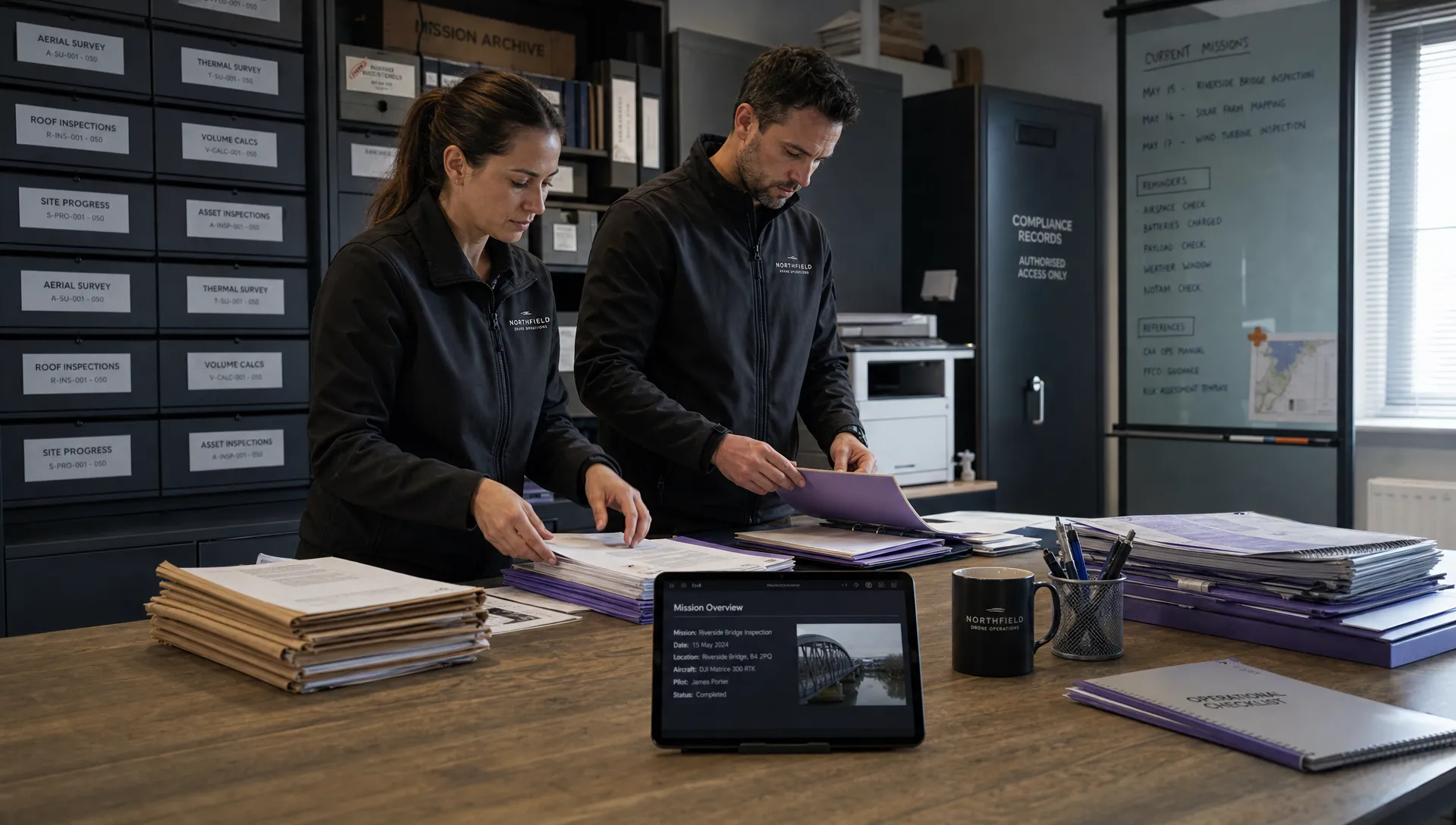 FAA Part 107 Record-Keeping Rules for Commercial Teams →
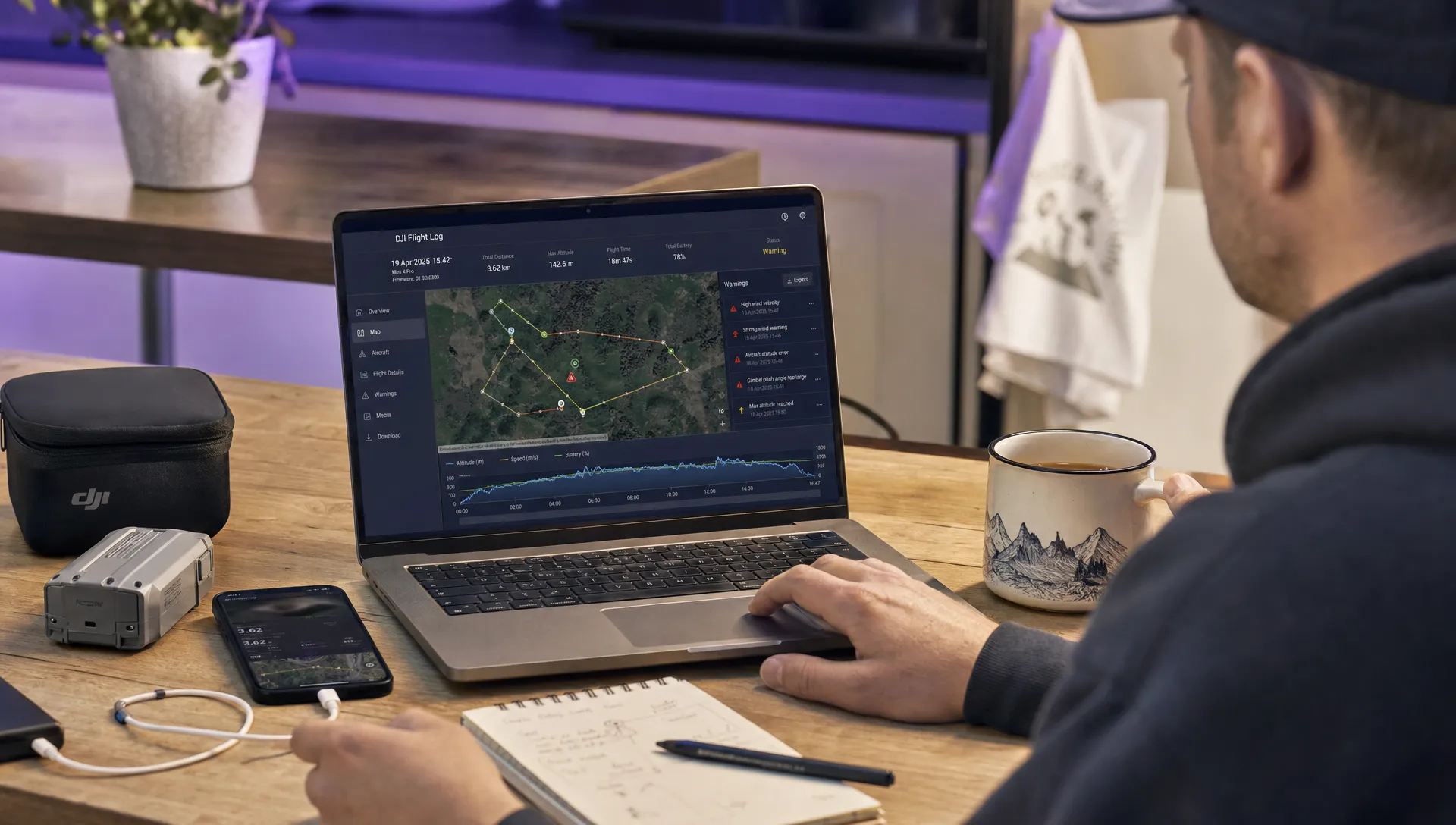 How to Review a DJI Flight Log After an Unexpected Event →
 Drone Laws Around the World: A Pre-Flight Research Framework →
 How to Compare Drone Survey Services for Complex Sites →
 How to Start a Drone Mapping Business With a Clear Workflow →
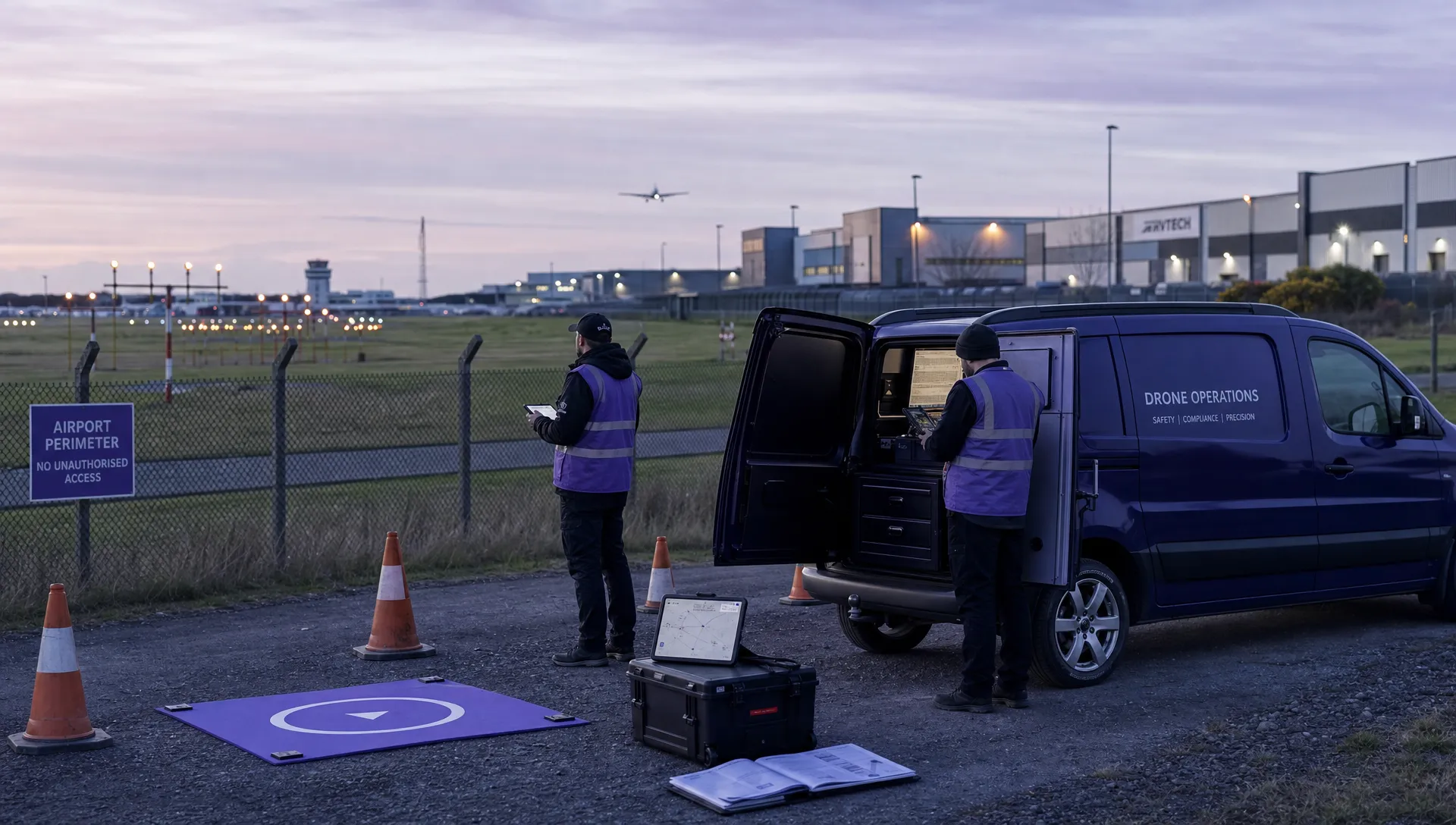 Class C Airspace Drone Rules for Commercial Flights →