
Class C Airspace Drone Rules for Commercial Flights
For commercial drone teams, Class C is where routine jobs can become operationally sensitive very quickly. A mapping sortie near a regional airport, a roof inspection on an industrial estate or an emergency services deployment beside an approach path may be perfectly possible, but only if the airspace permission, pilot requirements and operating limits are handled correctly.
This guide focuses on the United States FAA framework for small commercial UAS operations, because most searches for class c airspace drone rules refer to FAA Class C controlled airspace and Part 107. If you operate in the UK or another jurisdiction, check the local aviation authority rules before applying the process below.
What Class C airspace means for drone operators
Class C airspace is controlled airspace normally established around airports with an operational control tower, radar approach control and a certain level of IFR traffic or passenger activity. For crewed aircraft, entry usually involves two-way radio communication and compliance with ATC instructions.
For Part 107 drone operations, the key point is simpler: you need FAA airspace authorisation before flying in Class C controlled airspace. This requirement comes from 14 CFR Part 107.41, which covers operations in Class B, Class C, Class D and certain Class E airspace designated for an airport.
A common Class C layout has an inner surface area around the airport and an outer shelf that starts above the ground, but the actual shape and vertical limits vary by airport. You should not rely on memory, generic diagrams or the fact that a job is a few miles from the runway. Check current aeronautical data, UAS Facility Maps and any temporary restrictions before each operation.
The core commercial requirements under Part 107
Commercial drone flights in Class C airspace are not approved just because the pilot holds a Remote Pilot Certificate. Certification allows the pilot to conduct Part 107 operations, but controlled airspace still requires a separate authorisation.
For most commercial work, the baseline requirements include:
- A current FAA Remote Pilot Certificate for the person acting as remote pilot in command
- FAA registration for the drone, with the registration marking displayed as required
- Remote ID compliance unless an exception applies
- FAA authorisation to operate in the specific Class C area
- Compliance with Part 107 operating rules, including visual line of sight and altitude limits
- Compliance with any additional conditions attached to the airspace authorisation
The FAA can approve a flight in controlled airspace and still expect you to meet all other Part 107 rules. For example, an airspace authorisation does not automatically allow beyond visual line of sight operations, flight over people in a non-compliant category or operations that conflict with temporary flight restrictions.
LAANC versus FAA DroneZone
Most commercial Class C requests start with LAANC, the Low Altitude Authorization and Notification Capability. The FAA describes LAANC as a system that provides drone pilots with access to controlled airspace at or below approved altitudes at participating airports.
LAANC uses UAS Facility Map grid values. These grid values show altitudes that may be eligible for quicker approval, but they are not permission to fly on their own. If a grid shows 100 ft, 200 ft or 400 ft, that number indicates the maximum altitude the FAA may be willing to approve more routinely in that grid. You still need an authorisation.
If your requested altitude is above the published grid value, or the airport is not LAANC-enabled, you may need to use FAA DroneZone. These requests usually require more lead time because they may involve manual FAA review and coordination.
| Planning question | Practical answer | Why it matters |
|---|---|---|
| Is the site inside Class C? | Check official airspace data, not just distance from the airport | Class C shapes vary and shelves may start above ground level |
| Is LAANC available at the airport? | Use an approved LAANC provider if available | Many low-altitude requests can be processed faster |
| Is the requested altitude within the grid value? | Keep the mission at or below the grid altitude where practical | Higher requests often need further review |
| Are there extra restrictions? | Check TFRs, NOTAMs, security areas and local hazards | Airspace authorisation is not the only constraint |
| Does the job require a waiver? | Identify any Part 107 rule you cannot meet | Waivers and airspace authorisations are different approvals |
Do not treat Class C like a phone-the-tower exercise
One of the most persistent misunderstandings in class c airspace drone rules is the idea that a drone pilot can simply call the control tower and receive verbal clearance. Under Part 107, you should not use a tower phone call as a substitute for FAA airspace authorisation.
Submit the correct request through LAANC or FAA DroneZone, then follow the conditions in the approval. If the authorisation includes a specific contact instruction, follow it. If it does not, do not create your own informal approval chain.
This matters for commercial operators because audit trails are part of professional aviation management. A survey company, utility contractor or public safety unit may need to prove not only that the flight was conducted safely, but that permission existed before take-off.
What a Class C authorisation does and does not allow
An airspace authorisation gives you permission to operate in a defined controlled airspace area, usually with a maximum altitude, date, time window and other operating conditions. It is not a blanket approval for every operational choice.
For example, your Class C approval may still require you to avoid flight over non-participating people unless your drone and operation meet the relevant Part 107 category. Night operations may be allowed under Part 107 if the pilot has completed the required training and the drone has anti-collision lighting visible for at least three statute miles, but the authorisation conditions still apply.
The difference between an authorisation and a waiver is critical. An authorisation lets you access controlled airspace. A waiver lets you deviate from a specific Part 107 operating rule if the FAA has agreed that your mitigation is sufficient. If your job requires both, you need both before the operation.
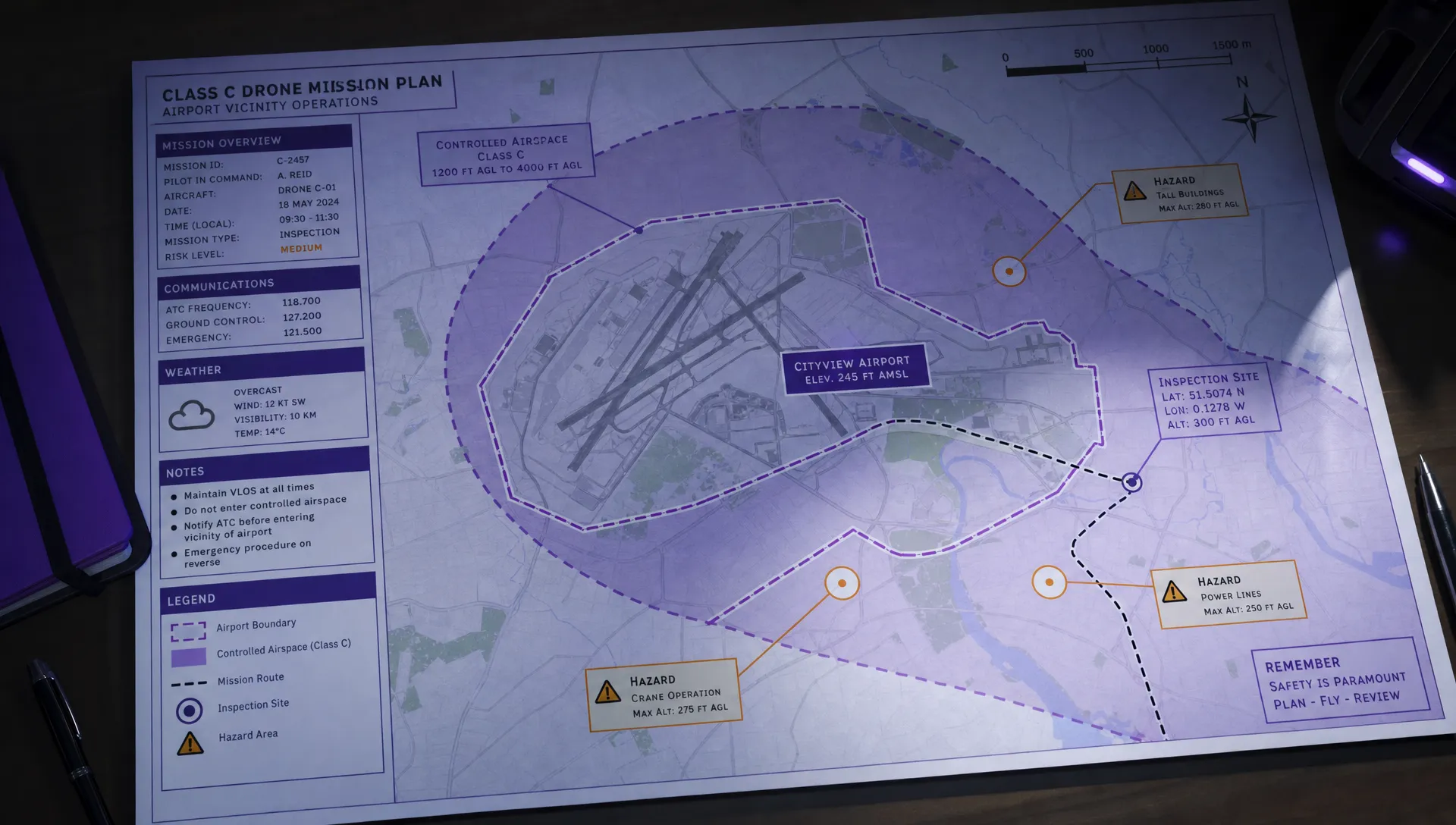
A practical pre-flight workflow for commercial teams
The best way to handle class c airspace drone rules is to build them into your standard operating procedure rather than treating them as an occasional admin task. Class C jobs often involve tighter timelines, client pressure and complex environments, so the workflow should be repeatable.
Start by confirming the exact coordinates of the worksite. Address searches are not precise enough for airspace decisions, especially around airport shelves and approach paths. Use the actual take-off area, operating area and any planned repositioning points.
Next, check the airspace class, vertical limits and LAANC grid altitude. Be careful with units. Sectional charts often show controlled airspace floors and ceilings in feet MSL, while many UAS planning tools focus on feet AGL for drone operations. Mixing those can create avoidable planning errors.
Then assess the job itself. A utility inspection near a substation may introduce security and electromagnetic hazards. A roof survey beside a hospital helipad may involve medical helicopter traffic. An emergency services flight may require rapid coordination, but urgency does not remove the need for the correct approval route unless a specific public aircraft or emergency process applies.
Finally, document the decision. Record who checked the airspace, when it was checked, what authorisation was obtained and which conditions were briefed to the crew. This is where an operations management platform can reduce friction. Dronedesk brings features such as airspace intelligence, proximity intelligence, flight planning, configurable checklists, risk assessments, flight logging, fleet management and team management into one web platform, as described on the Dronedesk features page.
Risk assessment considerations specific to Class C
Commercial operators should treat controlled airspace as a risk amplifier, not just a permission issue. Even if the FAA authorises the flight, the remote pilot in command remains responsible for deciding whether the operation is safe on the day.
Class C environments deserve extra attention in the risk assessment because crewed aircraft may be climbing, descending or manoeuvring at relatively low altitude. The drone may also be operating near roads, industrial premises, public spaces or critical infrastructure.
Your risk assessment should consider:
- Proximity to runway extended centrelines and published approach paths
- Maximum operating altitude compared with the LAANC or FAA-approved ceiling
- Emergency landing areas that do not create new hazards
- Visual observers and their ability to maintain awareness of aircraft traffic
- Lost link behaviour, return-to-home altitude and geofencing settings
- Client site hazards, including cranes, masts, wires and security restrictions
- Weather, visibility and sun position at the planned flight time
A good risk assessment is not a formality. It is the bridge between regulatory approval and a safe, defensible operation. If you need a deeper framework, Dronedesk has a practical guide on building a drone flight risk assessment that works.
Planning around airports without surprises
Class C airports can sit close to commercial property, rail corridors, utilities, campuses and major roads. That makes them common locations for legitimate drone work, but it also means last-minute planning is a poor fit.
For repeat clients near controlled airports, build a site profile. Keep notes on the normal grid altitude, common launch areas, recurring hazards and the time typically needed for authorisation. Do not assume that a previous approval guarantees the next one. Airspace data, airport operations, TFRs and local restrictions can change.
It is also worth briefing clients early. Many non-aviation stakeholders assume a drone flight can happen as soon as the purchase order is signed. Explain that airport-adjacent work may depend on FAA authorisation windows, approved altitudes and weather. Setting this expectation reduces pressure on the remote pilot to take shortcuts.
For broader airport-adjacent planning advice, see Dronedesk's guide to airport drone rules and planning flights without surprises.
Special cases for emergency services and public agencies
Emergency services may operate under Part 107, a public aircraft Certificate of Waiver or Authorization, or another approved arrangement depending on the agency, mission and legal status of the operation. The correct route should be settled before an incident, not during one.
For urgent public safety missions, the FAA has Special Governmental Interest processes for certain time-sensitive operations, such as disaster response, firefighting, law enforcement and search and rescue. These are not a casual shortcut for routine commercial work. Agencies should train staff on when the process applies and what internal approvals are needed before requesting it.
Commercial contractors supporting emergency services should be especially careful. If a private operator is hired to assist, the legal basis for the flight may differ from that of the agency. Agree who is the operator, who is the remote pilot in command and which approval covers the mission.
Common mistakes that cause Class C problems
Most Class C issues are avoidable. They usually come from assumptions, not from complex aviation theory.
The first mistake is using the UAS Facility Map as if it were an authorisation. The map informs the request, but approval must still be obtained and retained.
The second is requesting more altitude than the mission needs. If a roof inspection can be done safely at 120 ft, asking for 400 ft in a sensitive grid may create delay or refusal. Match the request to the operational requirement.
The third is failing to recheck airspace close to the flight time. A plan created days earlier can be affected by temporary flight restrictions, weather changes, airport activity or client site changes.
The fourth is confusing controlled airspace approval with full operational approval. Class c airspace drone rules sit alongside Part 107 rules on people, vehicles, visibility, night operations, aircraft right of way and pilot responsibilities.
Quick checklist before a commercial Class C flight
Use this as a final sense check before dispatching a crew:
- Confirm the flight is being conducted under the correct legal framework, such as Part 107 for commercial work
- Verify the exact operating area and altitude needed for the task
- Check whether the site is inside Class C surface area or an outer shelf
- Obtain LAANC or FAA DroneZone authorisation as appropriate
- Review all conditions attached to the approval
- Check for TFRs, NOTAMs, airport activity and nearby heliports
- Complete and brief the risk assessment
- Confirm Remote ID, aircraft registration, batteries, crew roles and emergency procedures
- Log the flight, approval details and any deviations after the operation
A disciplined checklist helps commercial teams avoid relying on memory. It also creates a consistent record across pilots, projects and clients.
Frequently Asked Questions
Can I fly a commercial drone in Class C airspace? Yes, if you meet Part 107 requirements, obtain FAA airspace authorisation for the specific area and comply with all authorisation conditions and operating rules.
Is LAANC approval the same as ATC clearance? For Part 107 drone operations, LAANC is an FAA-approved authorisation route for participating controlled airspace. You should not call the tower as a substitute for LAANC or FAA DroneZone approval.
Do UAS Facility Map altitudes give me permission to fly? No. They show altitudes that may be eligible for approval, often through LAANC. You still need an actual authorisation before operating in Class C airspace.
Can I fly above the LAANC grid altitude? Possibly, but higher requests usually require further FAA review and may need to be submitted through FAA DroneZone with more lead time. Approval is not guaranteed.
Do emergency services follow the same Class C process? It depends on the legal basis of the operation. Agencies may use Part 107, a public aircraft COA or an emergency process such as Special Governmental Interest where applicable.
Keep Class C flights compliant and easy to evidence
The safest commercial operators treat class c airspace drone rules as part of a wider operating system: permissions, crew briefing, risk assessment, site intelligence, flight logging and client records all need to line up.
If your team regularly flies near controlled airports, Dronedesk can help centralise the admin around planning, risk assessments, checklists, airspace checks, flight logs, fleet records and team management. Explore Dronedesk to see how it supports professional drone operations from first enquiry to completed flight record.
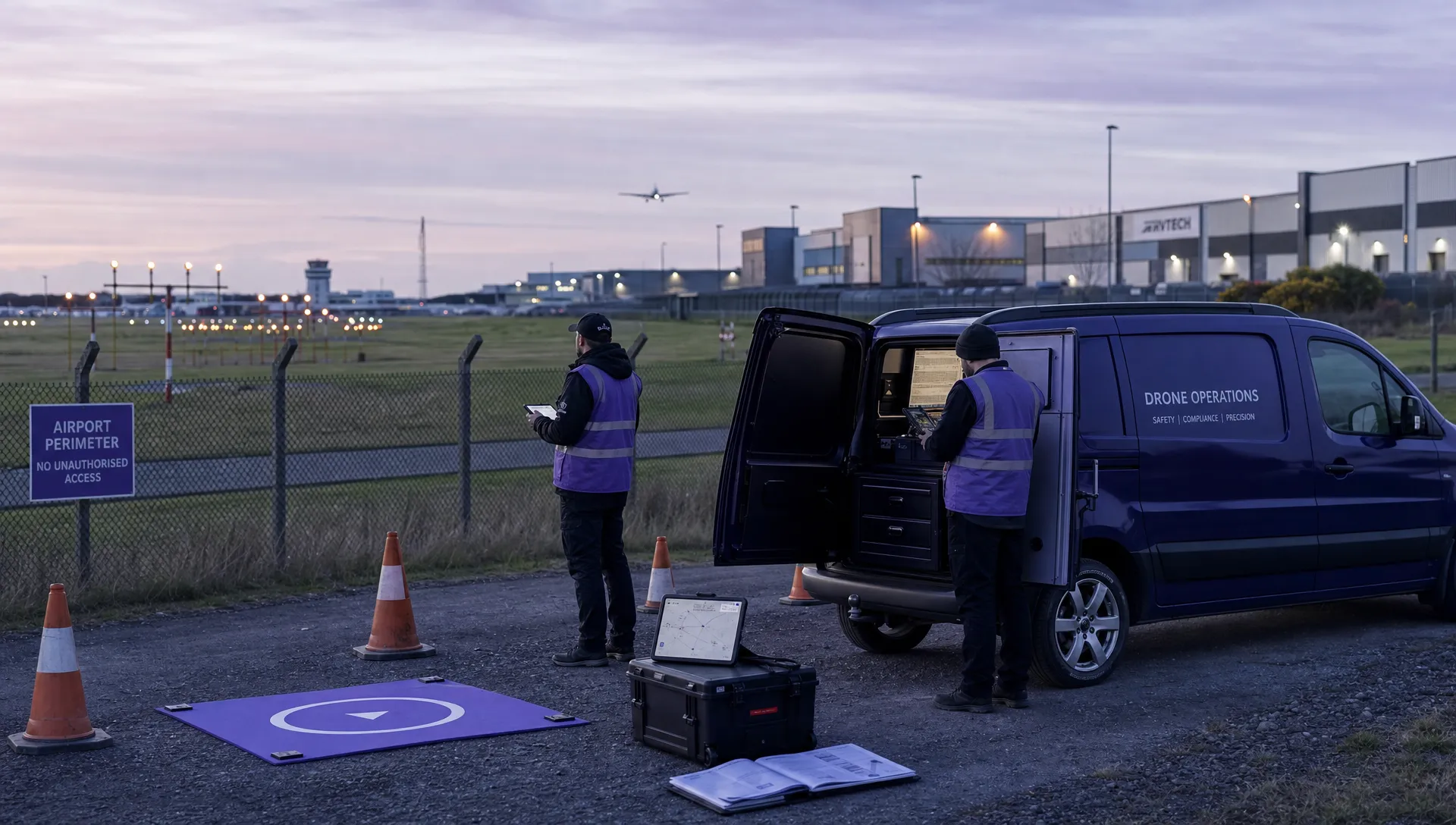 Class C Airspace Drone Rules for Commercial Flights →
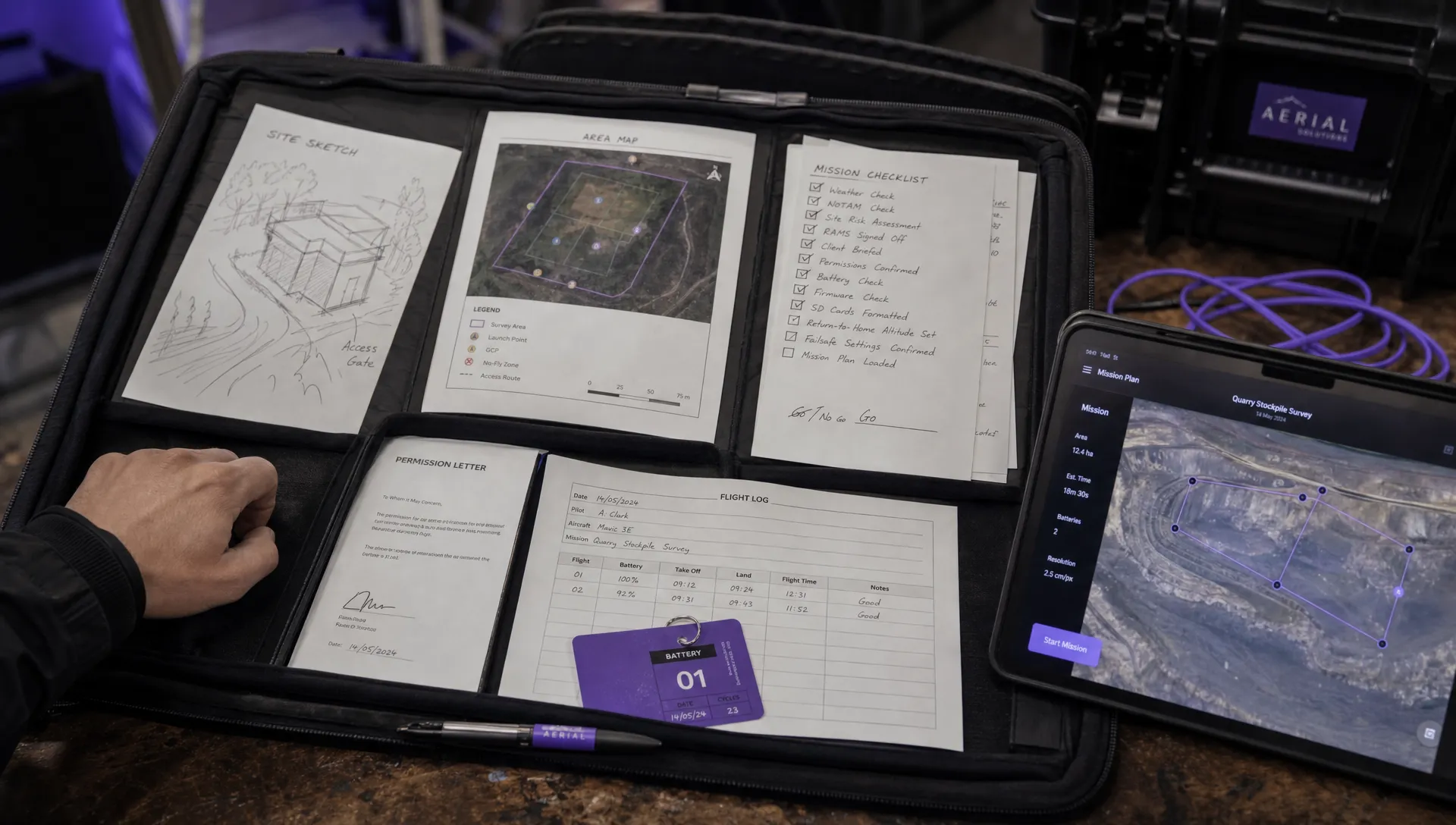 How to Create a Drone Job Pack for Every Mission →
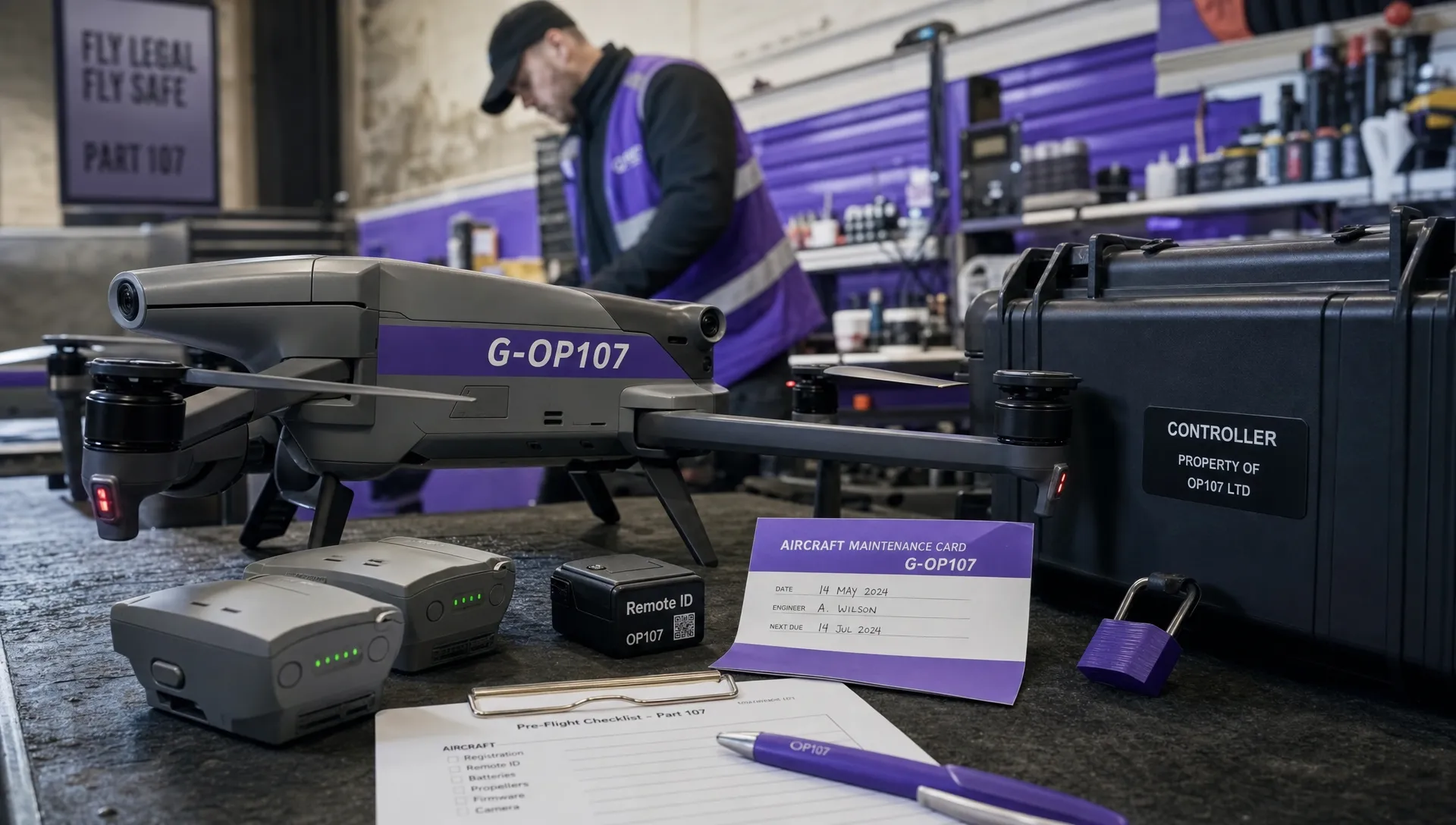 FAA Small UAS Rule: Key Requirements for Operators →
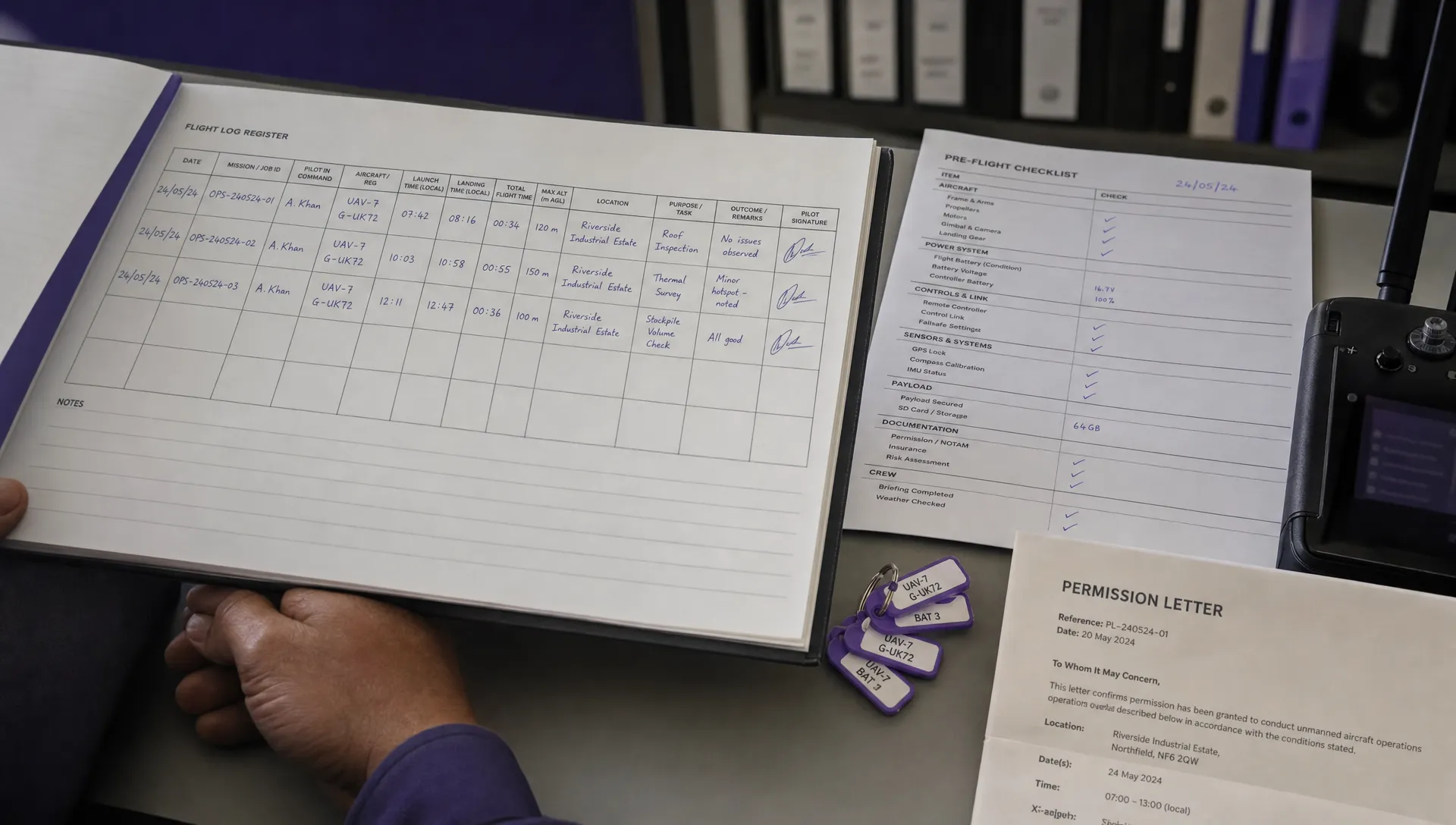 How to Build a Drone Pilot Flight Log That Is Audit Ready →
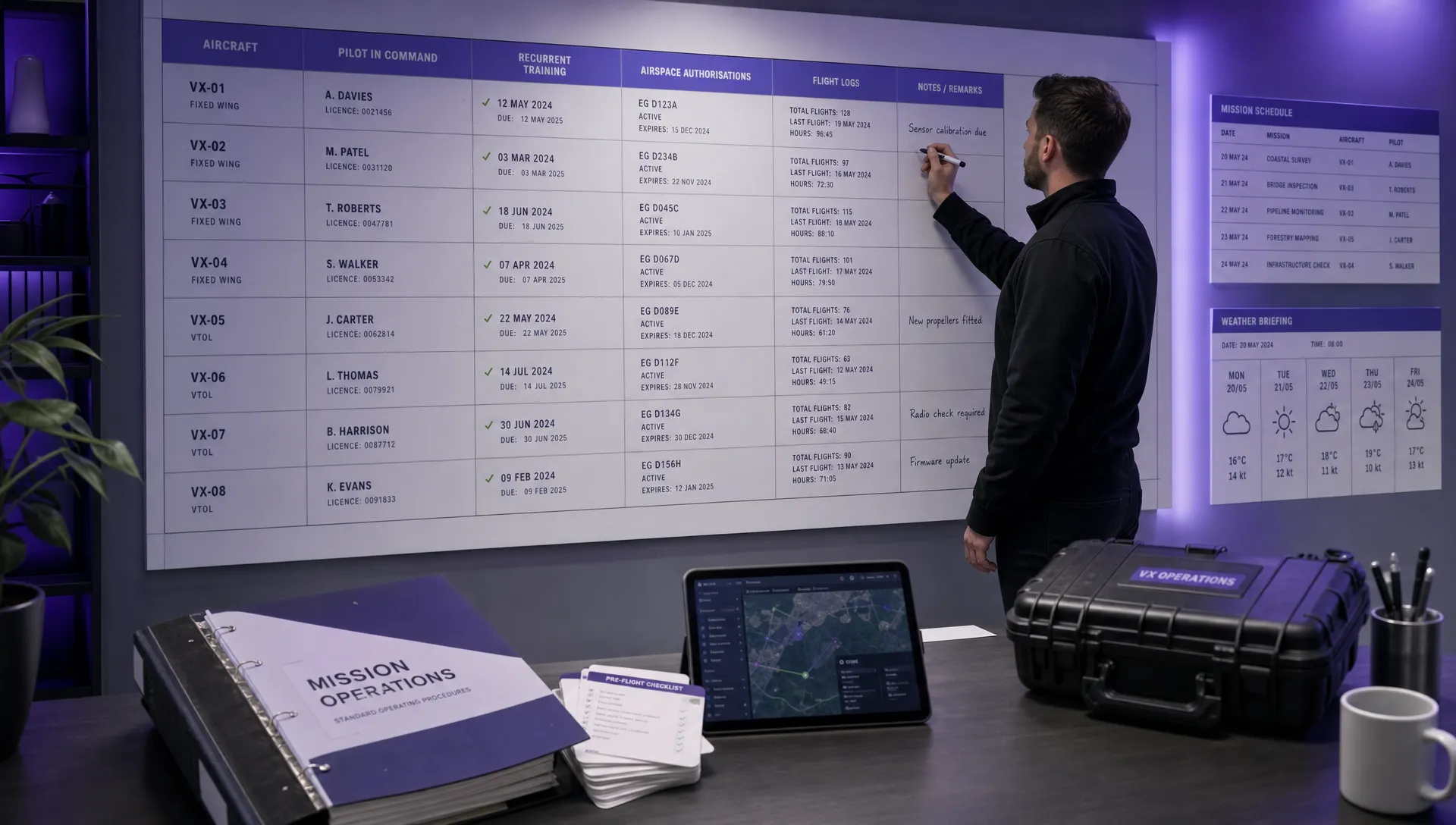 FAA Drone Licence Requirements for Commercial Pilots →
 FAA BVLOS Waivers Granted: What Successful Cases Show →
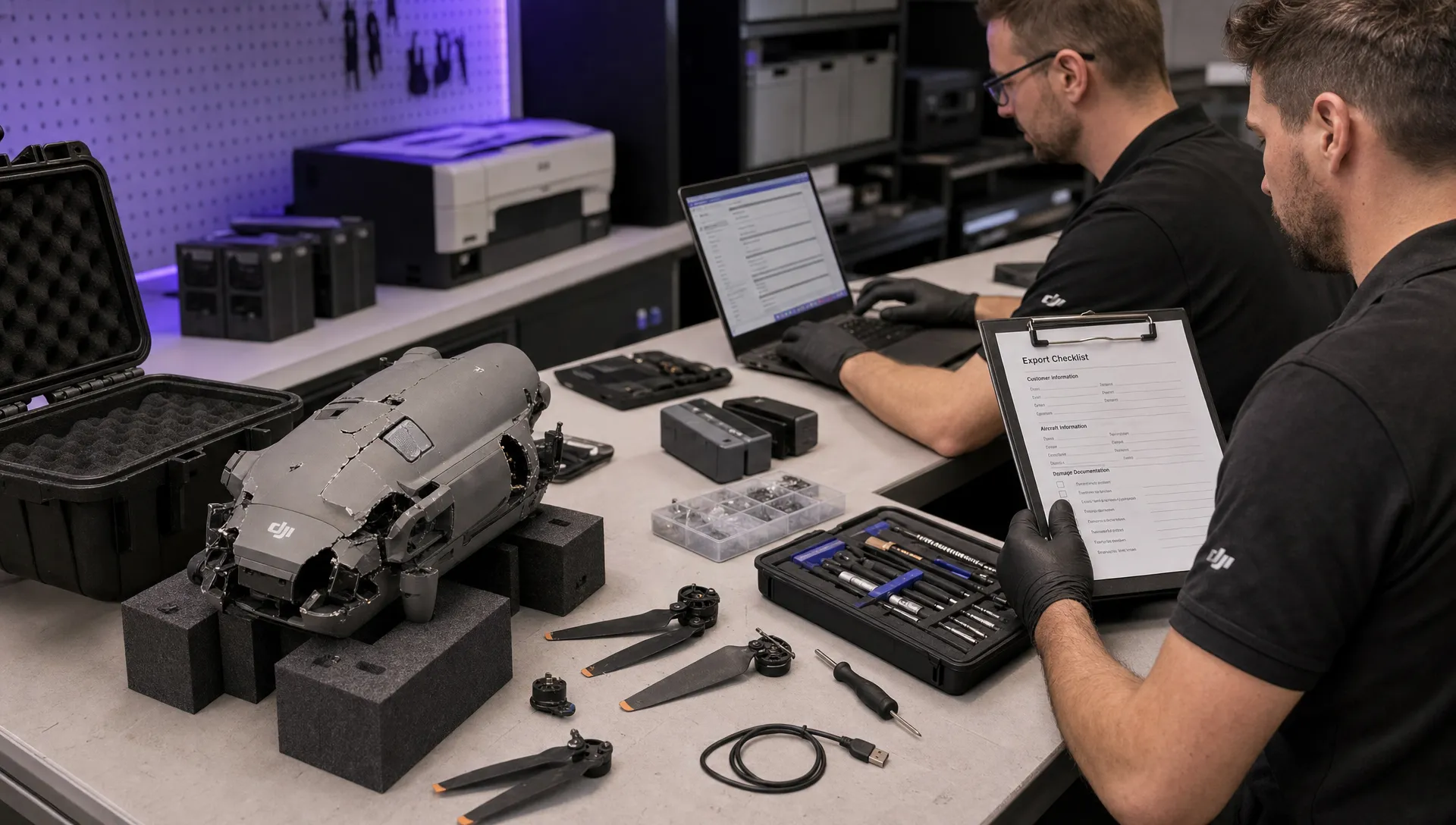 How to Export DJI Flight Logs for Incident Reviews →
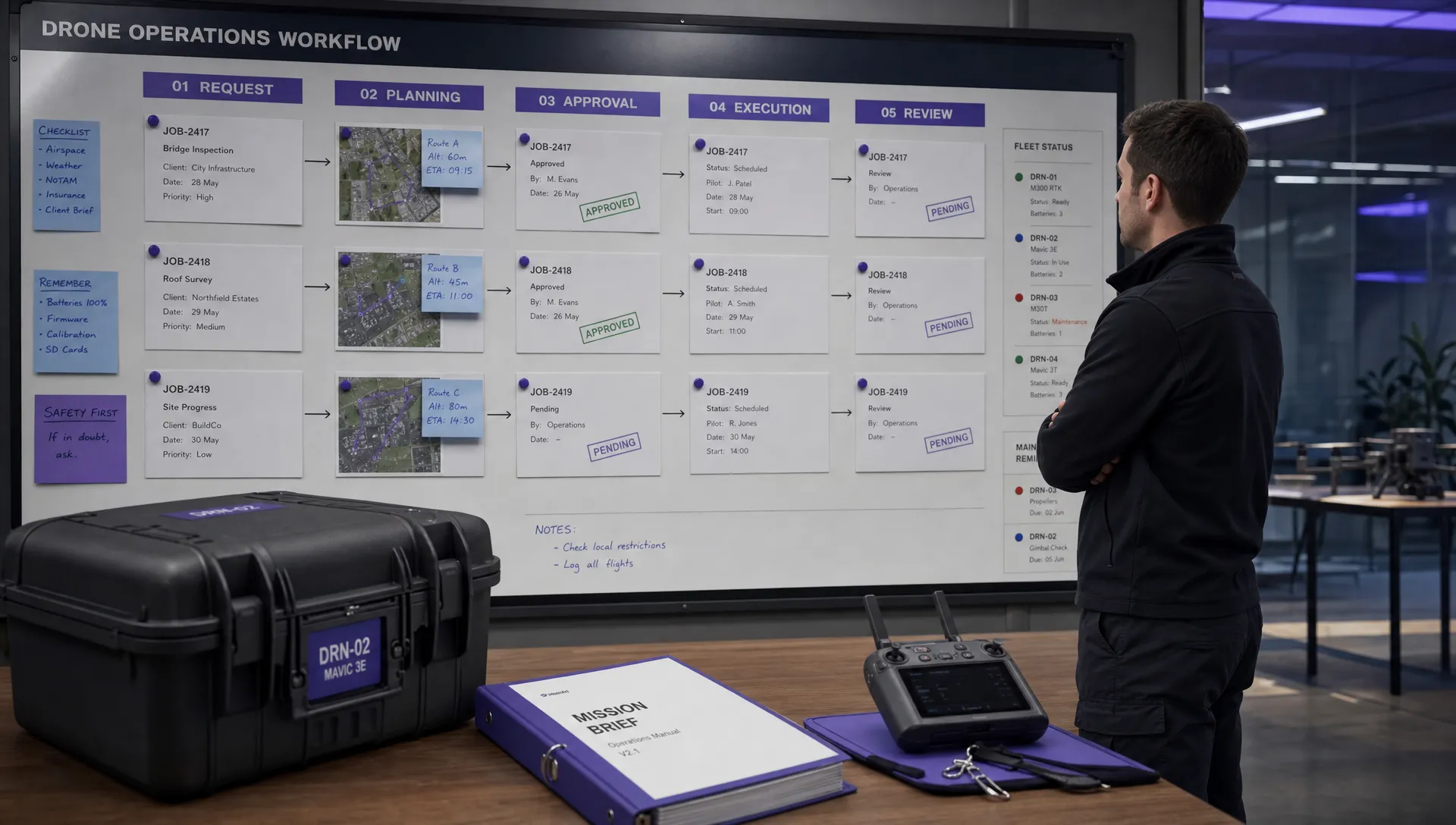 Drone Safety and Legal Duties for Business Operations →
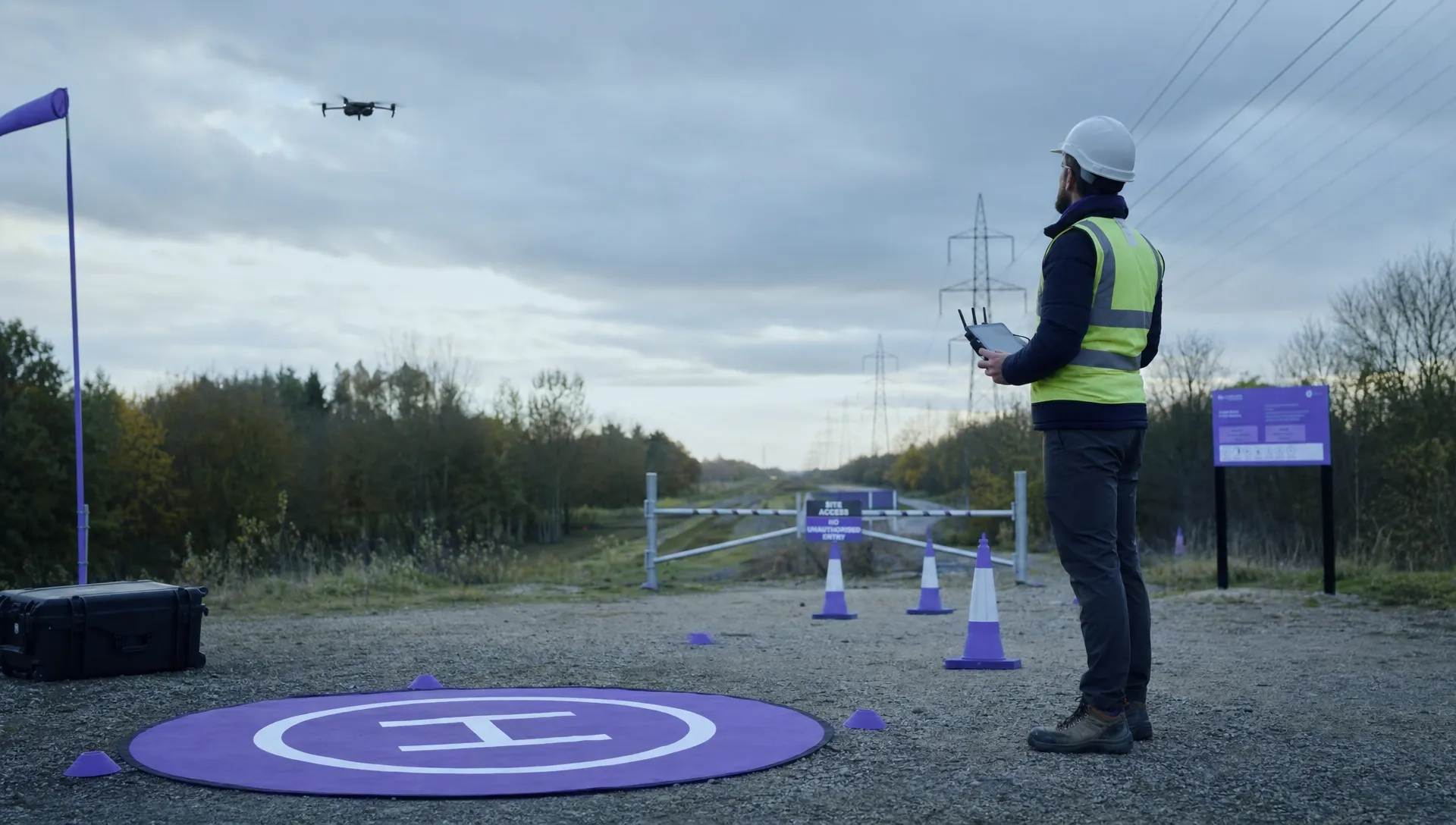 EASA Drone Regulations: Open, Specific and Certified Categories →
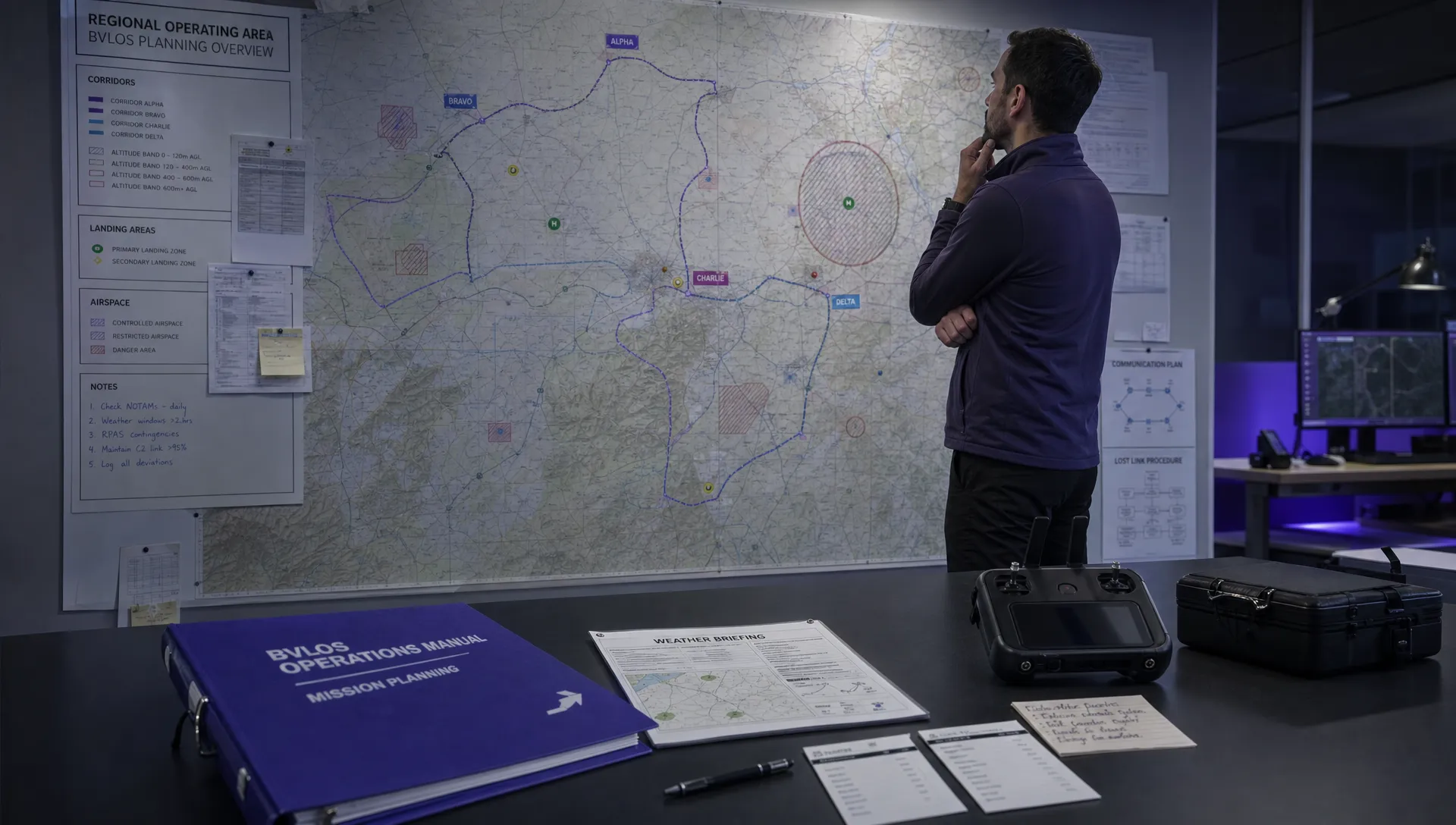 What the BVLOS ARC Report Means for UAS Operators →