
Drone Management Software for Growth | Boost Your Business
Trying to scale a drone business with scattered spreadsheets and manual flight logs is a recipe for disaster. I've seen it happen. True drone management software for growth isn’t just a fancy add-on; it's the operational backbone that turns a few drones into a scalable, profitable enterprise by pulling every piece of your operation into one place.
Why Smart Drone Operations Run on Software
When you go from a single pilot to a small team, the complexity explodes. What was once easy to track becomes a massive bottleneck, fast. A growing fleet brings challenges that a spreadsheet just can't handle, creating very real risks in compliance, safety, and your overall efficiency.
Think about an inspection firm where each pilot uses a slightly different pre-flight checklist, or worse, sometimes forgets it altogether. That inconsistency isn't just sloppy; it introduces serious safety risks and potential liability. Or imagine a surveying company with project data scattered across a dozen hard drives and cloud accounts. Finding a specific file for a client follow-up becomes an impossible task.
These aren’t just what-if scenarios. They are the daily headaches for businesses that have outgrown their manual systems.
The Limits of Manual Management
Without a central system, critical information gets siloed. One pilot knows the maintenance history of a specific drone, while another has the flight logs for a major project on their personal laptop. This fragmentation is a breeding ground for problems:
- Inconsistent Safety Protocols: Manual checklists are a magnet for human error and can vary from pilot to pilot, putting your safety standards at risk.
- Compliance Nightmares: Trying to piece together flight logs, pilot certifications, and maintenance records for an audit can take days of stressful, painstaking work.
- Inefficient Scheduling: Assigning the right pilot with the right certifications and the right drone to a job turns into a logistical nightmare.
- Lost Data and Insights: Valuable data—like flight times, equipment usage, and project profitability—is never collected or analyzed, which means you're flying blind instead of making smart, data-driven decisions.
A dedicated platform solves these pain points by creating a single source of truth for your whole operation. It shifts your business from constantly putting out fires to proactively managing for growth. The industry's massive expansion proves this point; the broader drone software market was valued at USD 9.25 billion and is expected to hit USD 35.76 billion by 2035. This isn't just a trend; it's a fundamental shift toward professionalizing drone operations. You can read the full research about the drone software market's trajectory.
Centralizing Your Entire Drone Program
Using drone management software gives you a unified dashboard to see every part of your business at a glance. It finally brings order to the chaos.
This is a great example from Aloft's Air Control platform, which shows a clean, centralized dashboard.

The interface pulls together airspace advisories, fleet status, and team activity, giving a manager an immediate, high-level view of everything that's happening.
A centralized platform is non-negotiable for growth. It’s the difference between running a professional aviation service and simply flying drones as a hobby. It establishes the repeatable, auditable processes that clients and regulators demand.
For instance, when a new job request comes in, a manager can instantly see which pilots are available, confirm their certifications are current, check the maintenance status of the required drones, and assess the airspace for any restrictions—all from one screen.
This level of coordination is flat-out impossible with manual methods. It's the foundation you build sustainable growth on. By getting this operational framework in place early, you're not just organizing your current work; you're building a system ready to handle double or triple the workload without collapsing under the pressure.
Rethinking Your Daily Drone Workflow

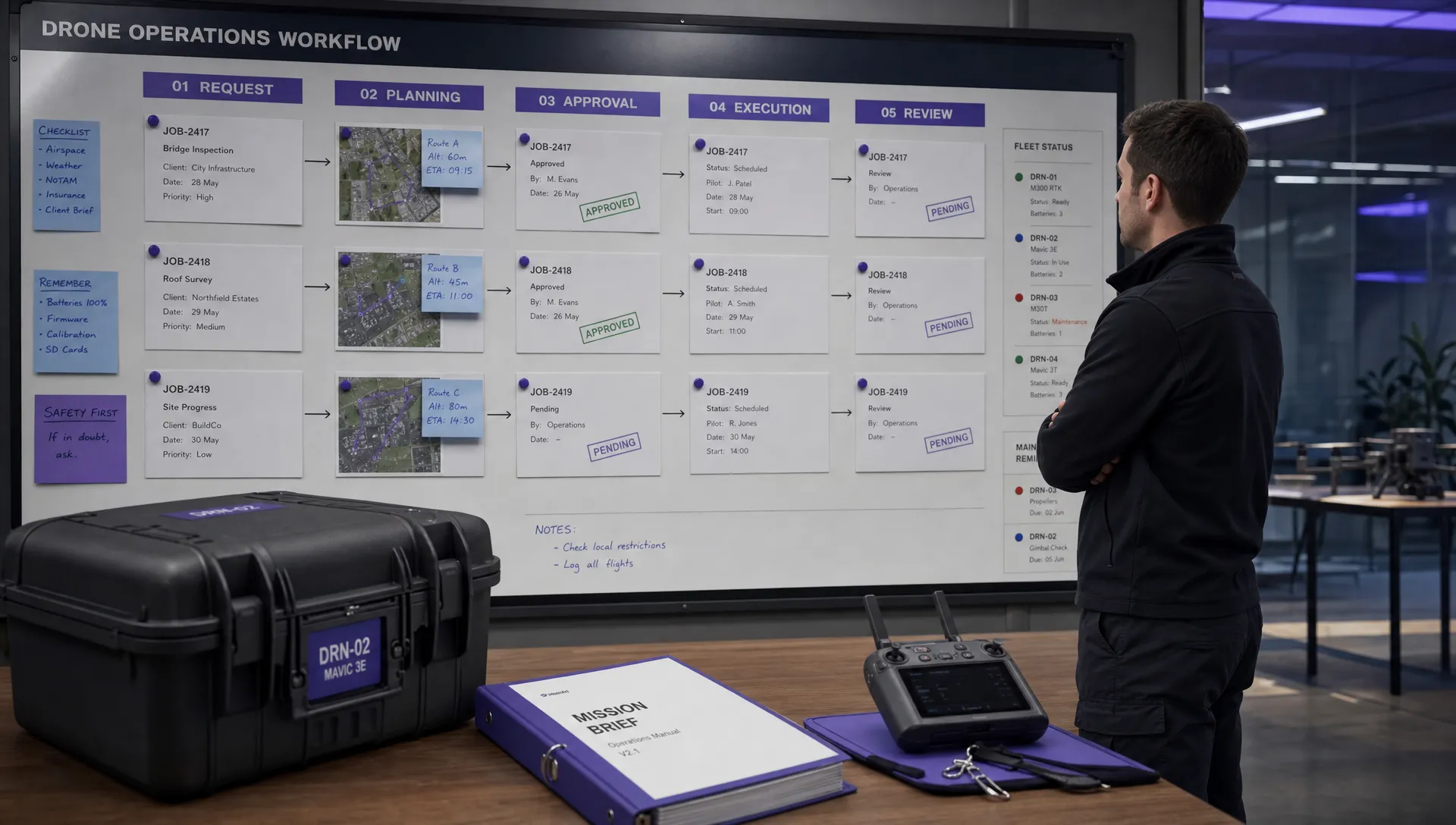
This is where the rubber really meets the road. All the talk about efficiency gets real when you see how the right software completely reshapes your team's day-to-day. It’s the difference between running a disjointed, manual operation and a smooth, connected system.
Let’s look at a classic example: a construction company doing weekly site progression flights. Before using proper software, this is probably a messy mix of emails, phone calls, spreadsheets, and manual data entry. It’s chaotic.
With a dedicated platform, that entire process becomes predictable, repeatable, and a whole lot less stressful.
From Haphazard Requests to Standardized Missions
The first big shift is getting away from reactive, one-off planning for every single job. For something recurring like a construction survey, you can build a standardized mission template.
Think of this template as a pre-built mission-in-a-box. Instead of starting from zero every week, you just load the template and make minor tweaks. It’s that simple.
So, what goes into a typical mission template?
- Flight Plan: The exact, pre-programmed route the drone needs to fly. This guarantees you capture the same data, the same way, week after week.
- Safety Checklists: A required digital pre-flight checklist, tailored to the specific drone and site. No more forgotten steps.
- Risk Assessment: A pre-filled risk assessment that the pilot can quickly review and update based on that day’s actual conditions.
- Client Details: All the contact info and site access instructions are attached right to the mission file.
Using templates ensures every pilot, no matter their experience level, runs the job to the exact same high standard. It removes the guesswork and seriously cuts down on the risk of human error.
Putting Administrative Work on Autopilot
Let's be honest, one of the biggest drags on any drone business is the time sunk into non-billable admin. This is where automation inside a management platform gives you an immediate and powerful return on your investment.
Think about the pre-flight routine. A pilot gets to a site, opens their tablet, and the software walks them through a series of mandatory checks.
Instead of relying on memory or a paper checklist that could get lost in the truck, the software creates a digital, auditable record. It builds accountability right into the process and fosters a much stronger safety culture.
Once the flight is over, the logs are captured automatically. Flight times, telemetry data, and battery cycles sync straight from the drone to the platform. This one step alone can save a pilot 15-20 minutes per flight that they would have spent typing data into a spreadsheet. For a team flying multiple jobs a day, that adds up to hundreds of hours a year.
Smart Resource and Airspace Management
Assigning the right pilot and gear to a mission becomes practically foolproof. The software is your command centre, giving you a complete overview of your entire operation.
When scheduling that weekly construction survey, a manager can instantly:
- Check Pilot Schedules: See which pilots are available on a team calendar.
- Verify Qualifications: The system will flag if a pilot’s certifications are current and right for the mission.
- Assign Equipment: Pick a drone from the fleet inventory and immediately see its maintenance status and total flight hours.
This stops common mistakes in their tracks, like sending an uncertified pilot to a job or using a drone that's overdue for service. Better yet, the best platforms have airspace intelligence built right in. Before you even confirm the mission, you can check for LAANC requirements, TFRs, and nearby airports all within the same planning tool.
No more jumping between five different apps and websites. It becomes a single, logical process from planning all the way through to the final report. If you’re curious to see how a unified platform can slash your admin workload, you can learn more about how Dronedesk reduces drone admin time.
By building these best practices directly into your daily workflow, drone management software does more than just save time. It creates a professional, scalable operational model that gives your team the structure needed to focus on what actually matters: delivering top-quality data to your clients. That’s the real engine for growth.
Mastering Compliance and Mitigating Risk
Let's be honest: navigating the complex maze of aviation regulations is often the biggest headache when you're trying to scale a drone operation. One simple mistake can lead to hefty fines or a grounded fleet, bringing your growth to a dead halt. This is where the right drone management software for growth becomes your most valuable co-pilot, turning a potential nightmare into a clear, manageable process.
This goes way beyond basic flight logging. We're talking about building an unbreakable, audit-proof system of record for every single aspect of your operation. When every flight is automatically logged, every pre-flight checklist is digitally signed off, and every piece of maintenance is recorded, compliance stops being a chore. It just becomes a natural part of your daily workflow.
Building Your Digital Audit Trail
Picture this: the FAA requests your records. Instead of a frantic scramble through dusty binders and disconnected spreadsheets, you generate a comprehensive report covering months of operations in just a few clicks. That's the power of having everything in one place.
A solid software platform becomes the single source of truth for:
- Automated Flight Logging: It captures flight duration, location, telemetry data, and the pilot in command without anyone having to type a thing. This completely eliminates human error and guarantees a perfect record for reporting.
- Pilot and Certification Hub: Think of it as a central dashboard for all pilot licenses, training records, and currency requirements. The best systems will even send you automated alerts when certifications are about to expire.
- Detailed Maintenance Histories: Every battery cycle, propeller change, and firmware update for every single drone gets logged. This not only proves you've done your due diligence but also helps you anticipate future maintenance needs before they become a problem.
This level of detail is a cornerstone of using drone management software for growth. It shows clients and insurers that you're a professional who's serious about safety and regulations.
Proactive Risk Management for Every Mission
Compliance is one half of the coin; proactive risk management is the other. A scalable drone business doesn't just follow the rules—it builds a deep culture of safety that protects its pilots, equipment, and reputation. Software is the key to making this happen consistently, especially as your team grows.
You can create custom risk assessment templates for different kinds of jobs. A flight over a busy urban construction site, for example, carries completely different risks than a survey of a remote farm.
By standardizing risk assessments within your software, you ensure that every pilot, regardless of experience level, evaluates potential hazards using the same rigorous criteria. It removes subjectivity and embeds your company's safety standards into every single mission.
This digital approach to safety provides a clear, documented trail showing you've assessed and mitigated risks before every takeoff. It’s not just good practice; it's a powerful tool for reducing liability and winning more complex, high-value projects. This push toward professionalization is driving massive market expansion; the global drone fleet management software market is projected to hit around USD 2.44 billion with a strong annual growth rate of 17.5%.
To put this into perspective, we've outlined how these core software features directly benefit both compliance and growth.
Core Software Features for Compliance and Growth
| Feature | Compliance Benefit | Growth Impact |
|---|---|---|
| Automated Flight Logs | Creates a perfect, tamper-proof record for regulatory reporting and audits. | Reduces admin time, allowing pilots to focus on revenue-generating flights. |
| Pilot Certificate Tracking | Prevents non-compliant flights by flagging expired credentials. | Demonstrates team professionalism and readiness to clients, building trust. |
| Digital Maintenance Records | Provides a complete, auditable history of every asset's upkeep. | Improves asset reliability and uptime, minimizing costly equipment failures. |
| Standardized Risk Assessments | Enforces a consistent safety protocol across all missions and pilots. | Reduces liability, lowers insurance premiums, and enables bidding on higher-risk jobs. |
| Centralized Data Hub | Consolidates all operational data for easy access during inspections. | Provides key business insights and metrics to identify growth opportunities. |
This table shows it's not just about ticking boxes—it's about building a more efficient and scalable business from the ground up.

The data speaks for itself. Investing in the right platform pays off not just in compliance peace of mind but in real operational improvements that directly fuel your growth.
Ultimately, mastering compliance is about more than just staying out of trouble. It’s about building a trustworthy, professional operation that can scale with confidence. For a deeper dive, check out our guide on drone compliance software. It’s a great starting point for building an operation that’s safe, scalable, and ready for whatever comes next.
Turning Operational Data into Business Intelligence
 Sustainable growth isn't just about logging more flight hours; it’s about making smarter decisions. Your drone management software is a goldmine, constantly collecting a trove of operational data. The trick is to turn that raw info into powerful business intelligence that actually guides your strategy.
This means you’ve got to look past the simple stuff, like total flights. Sure, that number is nice to know, but it doesn't tell you the whole story. Real, game-changing insights come from connecting the dots between different data points to understand the why behind what’s happening, not just the what.
Identifying Key Performance Indicators
First things first: you need to figure out which metrics genuinely matter to your business. A good platform brings all your data into one place, letting you track and analyze these key performance indicators (KPIs) without pulling your hair out. This is how you move from just running a business to intelligently managing it with data.
Here are some of the most impactful KPIs you should be tracking:
- Pilot Efficiency: Which of your pilots nail their missions the fastest or with the fewest hitches? Tracking things like average flight time per project or flights per month can quickly show you who your top performers are and where you might need to offer the team some extra training.
- Equipment Utilization: Is that expensive new drone gathering dust while your older models are being run into the ground? Keeping an eye on the utilization rate for each drone helps you balance the workload and make savvy decisions about your next fleet purchase.
- Maintenance Cost Per Hour: Are certain drone models always in the shop? When you track maintenance costs against flight hours, you can pinpoint any unreliable aircraft that might be costing you more than they’re worth.
- Project Profitability: What kinds of jobs are actually making you the most money? By combining project revenue with operational costs like pilot time and equipment use, you can see which of your services have the highest return on investment (ROI).
When you start analyzing this kind of data, you shift from a reactive to a proactive management style. No more guessing. You know exactly where to put your time and money for the biggest impact.
Turning Insights into Actionable Strategy
Having the data is one thing, but the real magic happens when you use it to make concrete business decisions. A solid drone management software for growth gives you the dashboards and reporting tools to make these connections crystal clear.
For instance, an agricultural consultancy could dig into their data and discover their pilots are averaging 250 acres surveyed per flight hour. That specific number is gold. You can use it to fine-tune your pricing, create dead-accurate project quotes, and even set performance benchmarks for new hires.
This data-driven approach strips the emotion and guesswork out of your strategic planning. It gives you the confidence to make solid decisions on everything from fleet expansion and service pricing to how you allocate your resources and develop your team.
Let's say you're debating whether to invest in a new LiDAR-equipped drone. By checking your equipment utilization data, you might see that your current surveying drones are already running at 90% capacity. Boom. That single insight provides a clear business case for the purchase, justifying the investment with hard evidence of demand.
Optimizing Your Fleet and Team
Your data is also essential for fine-tuning the two biggest assets in your business: your drones and your pilots. A centralized system provides a complete overview of your fleet's health and performance.
You might spot a trend that a specific drone model consistently needs more maintenance after every 50 hours of flight. That information lets you create a predictive maintenance schedule. You can service that drone before it fails in the field, which minimizes expensive downtime and frustrating project delays.
The same logic applies to your team. By identifying your most efficient pilots, you can assign them to your most complex or high-value projects. You can also use the data from their successful missions as a blueprint to train other team members, lifting the skill level across your entire operation.
Ultimately, turning operational data into business intelligence is about creating a feedback loop. Your flights generate data, your software helps you analyze it for insights, and those insights lead to smarter business strategies. This continuous cycle of improvement is what truly fuels intelligent, sustainable growth.
Choosing the Right Software for Your Growth Plan
Picking a software platform isn't just about ticking boxes on a feature list. Think of it as choosing a long-term partner for your business. The wrong choice can actively hold you back, trapping you in workflows that don’t scale or forcing you into a costly, painful migration down the road. The best drone management software for growth is the one that fits where you're going, not just where you are right now.
A platform that’s perfect for a solo real estate photographer will likely buckle under the weight of a ten-pilot inspection team. You have to look past the flashy marketing and really dig into the practical side of things, based on what your company actually needs to grow.
Evaluating Scalability and Integration
The very first question I ask when looking at new software is simple: can this grow with me? And scalability is so much more than just how many drones the platform can handle. It’s about how it manages complexity as you expand.
A truly scalable system should handle 50 drones as easily as it does five. This isn't magic; it's about having the right features baked in from the start:
- Role-Based Access Control: You need the ability to give different permissions to pilots, admins, and even clients.
- Team and Project Grouping: As you grow, you'll want to organize operations by region, client, or project type. This is non-negotiable.
- Bulk Management Features: Imagine updating maintenance logs or assigning checklists to multiple drones at once. This saves a staggering amount of admin time.
Next up is integration. A platform that operates in its own little bubble just creates more work. You need something that plays nice with the tools you already use. Does it connect to your photogrammetry software, like Pix4D? Can it sync with your project management tools, like Procore? Seamless connections are what create a truly unified workflow and stop you from wasting hours on tedious data re-entry.
The right software shouldn't force you to change how you work to fit its limitations. It should be the central hub that connects and improves the tools you already rely on.
This need for connected, scalable solutions is exactly why the market is booming. The drone software for fleet management is projected to grow from USD 1.25 billion to about USD 3.45 billion by 2033. This surge shows just how critical these platforms have become for managing expanding UAV fleets. To get a better handle on this trend, you can discover more insights about the drone fleet management market.
Understanding the Total Cost of Ownership
Pricing models can be intentionally confusing. It's your job to cut through the noise and figure out the total cost of ownership over the long haul. Don't get fixated on the monthly fee; look at how that fee will change as your business grows.
Here are the common pricing structures you’ll run into:
- Per-User: This model can be great if you have a small team but a big fleet. You're paying for each person who needs to log in.
- Per-Drone: Better suited for smaller teams managing a few high-value assets. Your costs are tied directly to the size of your fleet.
- Tiered Subscriptions: These bundle features and limits (flights, users, drones) into different price points. They're predictable, but you have to be careful not to pay for a bunch of features you'll never use.
Pull out your five-year growth plan. If you see yourself hiring ten more pilots, that per-user model could get very expensive, very fast. On the other hand, if you plan to triple your drone fleet but keep your team lean, a per-drone plan might not make sense.
Choosing the right software is a huge decision. For a wider view of what's out there, it's worth taking the time to explore the landscape of drone management software options. By matching the pricing model to your actual growth strategy, you ensure your software becomes a valuable asset, not a financial drain.
Common Questions About Drone Management Software
When you're looking at bringing professional drone management software into your business, it’s natural to have questions. It's a big step, and you want to know what the real-world impact, cost, and practicality look like before you commit.
Let's dig into some of the most common things business leaders ask when they're considering a new platform to help them grow.
How Soon Can I Expect a Return on Investment?
This is always the big one, and for good reason. While every business is different, many operators start seeing a positive return on their investment (ROI) within just 3 to 6 months.
The first wins are usually the most obvious. You'll see immediate time savings from cutting out all that manual admin—things like logging flights by hand, filling out endless paperwork, and pulling together compliance reports. Getting compliance right from the start also helps you sidestep costly fines and builds a huge amount of trust with your clients. Plus, when you can track your gear properly, you get more value out of the equipment you already own.
Long-term, this is about building a foundation for growth. The right software lets you take on more projects, manage more pilots, and track more drones without getting buried in paperwork. That translates directly to a healthier bottom line.
Is This Software Overkill for a Small Operation?
Absolutely not. In fact, getting a proper management system in place early on—even if you're just flying one or two drones—is one of the smartest moves you can make. It builds professional, repeatable processes for safety, maintenance, and flight logging from day one.
Think of it as building the foundation for a skyscraper before you've even laid the first floor. When your business starts to grow rapidly, the system is already in place to handle the increased complexity of more drones, pilots, and demanding clients.
You won't have to scramble to invent processes when you're already swamped with new work. Most modern software providers offer tiered pricing plans specifically for small businesses and solo operators, making it an affordable and strategic investment in your future.
Can This Software Integrate with Other Tools We Use?
It should, and this is a critical feature to look out for. Good integration is what separates a useful tool from a great one. The whole point of a drone management platform is to be the central hub for your operations, not another data silo you have to manage.
Look for solutions that offer APIs or direct connections with the other tools you rely on every day. For example:
- Photogrammetry Engines: Syncing flight data seamlessly with platforms like DroneDeploy or Pix4D is a must.
- Cloud Storage: You'll want to automatically back up project files and reports to services like Google Drive or Dropbox.
- Project Management Software: Connecting drone data with construction management tools like Procore can be a game-changer.
Before you pull the trigger on a platform, make sure you check out its integration capabilities. Making sure it plays nicely with your existing tech stack is the key to creating a workflow that's truly connected from planning to delivery.
Ready to see how a dedicated platform can streamline your operations and set your business up for scalable success? Dronedesk provides the end-to-end solution you need to manage your fleet, team, and compliance with ease. Start your free trial today and discover a smarter way to fly.
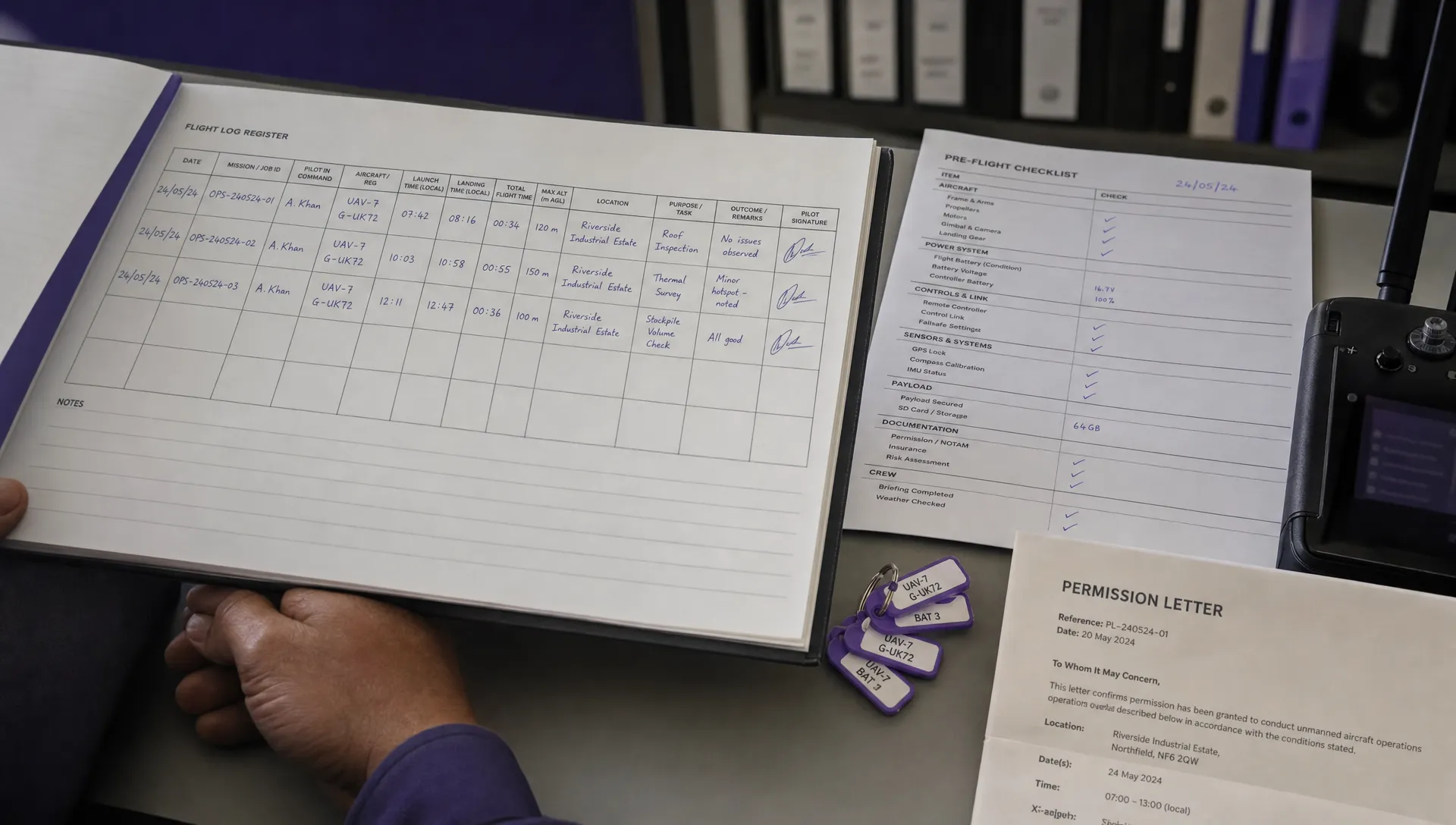 How to Build a Drone Pilot Flight Log That Is Audit Ready →
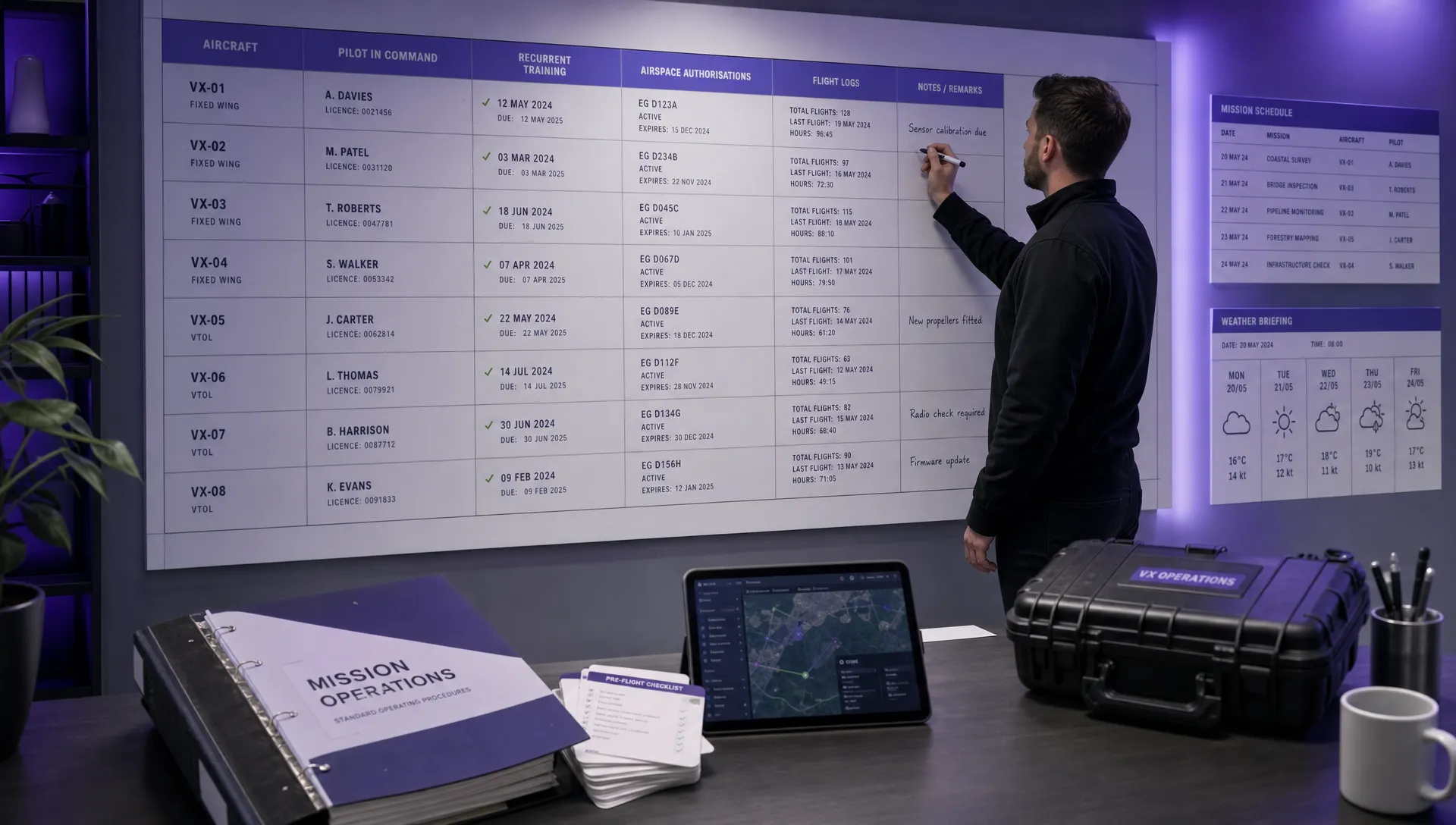 FAA Drone Licence Requirements for Commercial Pilots →
 FAA BVLOS Waivers Granted: What Successful Cases Show →
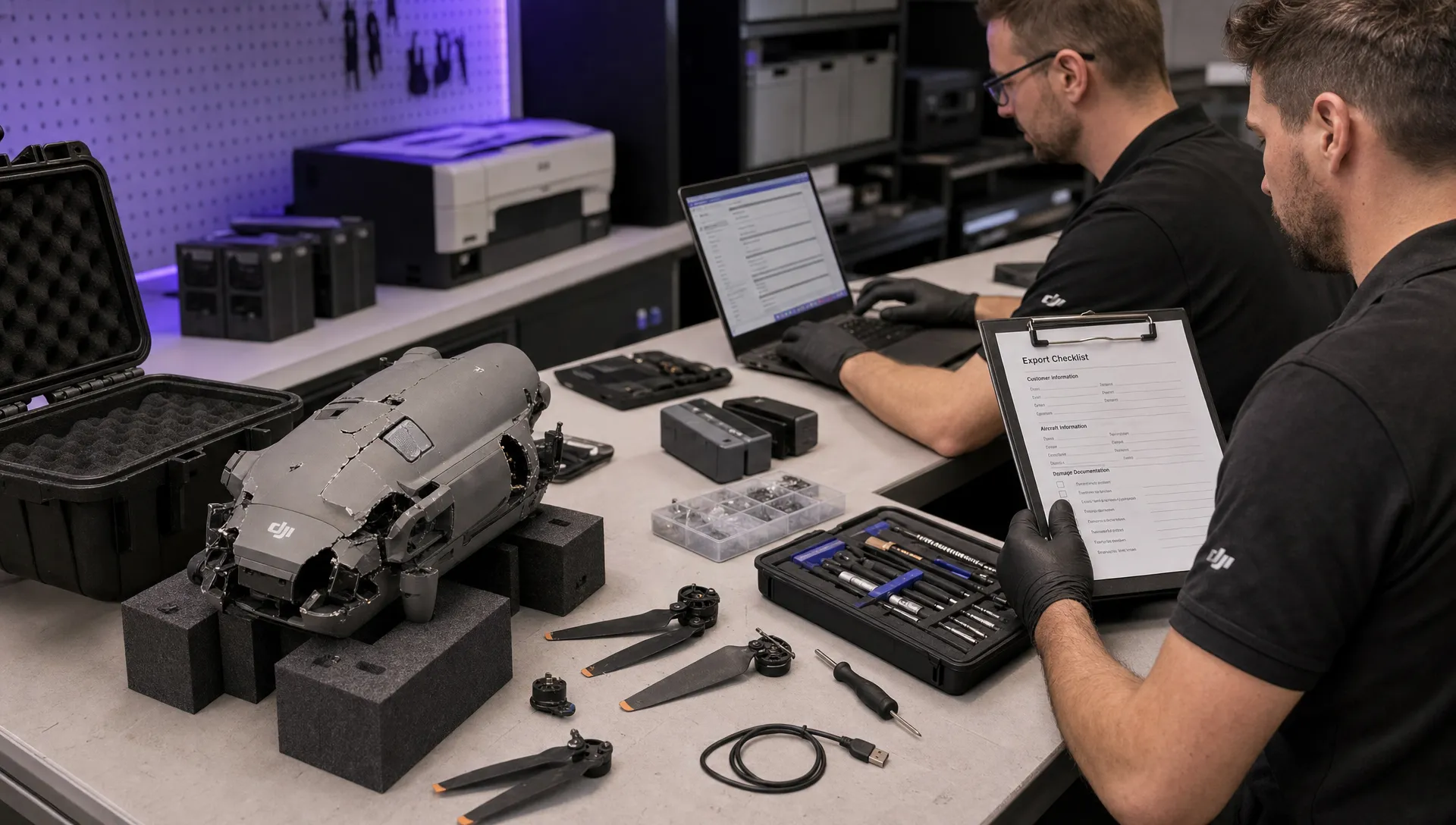 How to Export DJI Flight Logs for Incident Reviews →
 Drone Safety and Legal Duties for Business Operations →
 EASA Drone Regulations: Open, Specific and Certified Categories →
 What the BVLOS ARC Report Means for UAS Operators →
 Free Drone Pre-Flight Checklist for Commercial Missions →
 Contingency Volume and Flight Risk Buffer Explained →
 FAA Policy Changes That Commercial Drone Teams Should Track →