
Compliant Planning For Drone Flight Near Airport
Flying drones just beyond the runway edges isn’t a casual endeavor. Missing a clearance or misreading airspace charts can stall your mission—and can even shut down an airport. Proper planning keeps you airborne and on the right side of the law.
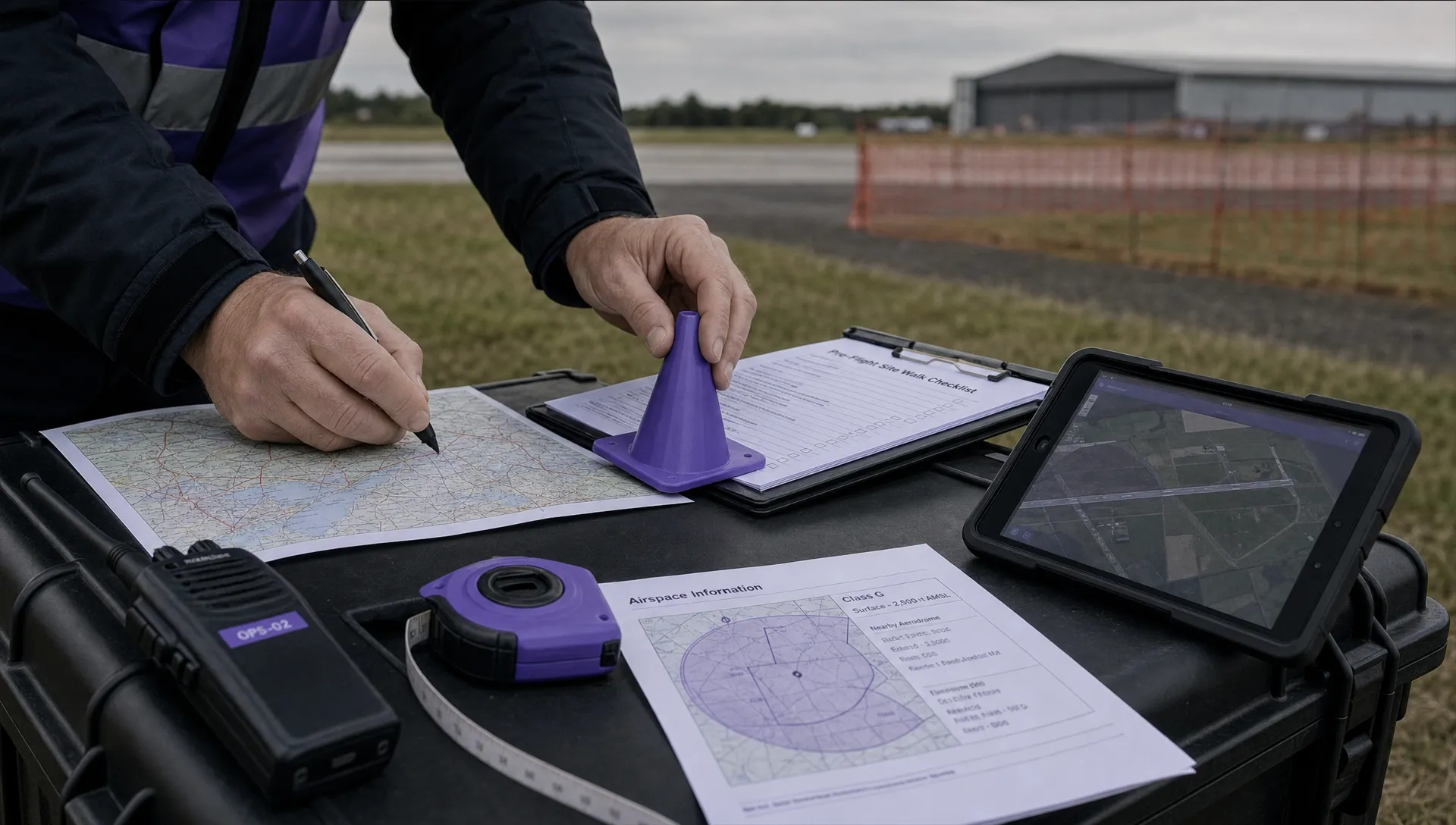
Planning Drone Flight Near Airport
Some of the world’s busiest hubs have gone dark for hours thanks to unauthorized UAV activity. Between 2021 and 2025, what began as occasional sightings snowballed into a near-daily headache. U.S. regulators now log over 2,000 sightings and file more than 100 monthly reports, triggering multi-hour closures and dozens of canceled flights. For a deeper dive, see the European Airport Drone Disruption Report.
Key consequences of flying unprepared:
- Prolonged airport closures that strand travelers.
- ATC holds that ripple through entire schedules.
- Hefty fines and potential legal liability.

That graphic lays out the three planning phases—chart review, NOTAM checks, clearance requests—using clear icons and color cues.
Core Workflow Steps
- Pull up sectional charts and mark Class B/C/D boundaries plus ceiling limits.
- Scan NOTAMs for Temporary Flight Restrictions and hazards.
- File ATC coordination requests and waiver forms.
- Run a site-specific risk assessment, including alternate landing zones and assigning visual observers.
- Log every action in Dronedesk, set alerts and track approvals in real time.
Operational Impact Examples
At a major European airport, nightly drone detections once forced a 36-hour shutdown—stranding over 110,000 passengers and grounding 1,000 flights.
Across the U.S., one regional field saw ATC holds climb 20 percent in just a month as pilots reported unplanned drone incursions, leading to reroutes and extra fuel burn.
These incidents show how a single unauthorized flight can cascade into major operational and financial fallout.
Dronedesk consolidates sectional charts, real-time NOTAM feeds and clearance templates into one dashboard. Your team gains live visibility on airspace changes and can assign tasks without wrestling with spreadsheets.
Essential Planning Tools
- High-resolution sectional charts with Class B/C/D overlays
- Dronedesk’s airspace layer for live warnings
- Mobile NOTAM-alert apps synced to your flight plan
- Reliable ATC radios for direct coordination
Personal Tip: Carry printed class maps as a backup if digital tools ever glitch mid-mission.
I’ve also seen early-warning dashboards flag potential intrusions before they become runway hazards. That extra layer of oversight can save you hours of headaches.
A methodical approach to planning reduces the chance of costly disruptions and fines.
With this workflow in place, you’ll be ready to tackle ATC coordination, draft robust risk-mitigation plans and secure your Section 107 waivers using Dronedesk templates. Up next: diving into ATC communication strategies, contingency planning and efficient recordkeeping so you never miss a compliance beat.
Assessing Airspace Classification And NOTAMs
Before you even power on the controller, pinpointing the airspace around your planned flight keeps surprises—and clearance holdups—at bay. A close look at class boundaries and altitude ceilings lays the groundwork for every compliant takeoff near an airport.
Most pilots start by grabbing the latest sectional charts from the FAA or a trusted provider. With those in hand, you can trace Class B, C, D and E contours, making note of where each zone begins and ends.
Altitude restrictions shift depending on the class and your distance from the airport. Around major hubs, Class B often swallows everything up to 10,000 ft MSL, demanding an explicit “cleared to operate” from ATC before you launch.
Temporary obstacles or special events can override those drawn lines. NOTAMs call out crane lifts, wildfire response zones or VIP arrivals—and ignoring them risks serious violations.
Understanding Class Boundaries
On a recent survey mission, I spotted a NOTAM warning of a temporary flight restriction near Runway 27. The 5 nm radius and 1,200 ft AGL ceiling were impossible to miss once I’d zoomed in on the chart.

By locking in those details before filing any requests, my team avoided last-minute reroutes and kept the project on schedule.
Comparison Of Airspace Classes
Below is an overview of how drone rules change across controlled zones near airports. Use it to check at a glance whether you need extra paperwork before you fly.
| Airspace Class | Altitude Range | Drone Restriction | Authorization Needed |
|---|---|---|---|
| Class B | Surface to 10,000 ft | No flight without ATC clearance | Yes |
| Class C | Surface to 4,000 ft | ATC coordination required | Yes |
| Class D | Surface to 2,500 ft | Establish two-way comms | Yes |
| Class E | 700 ft AGL to uncontrolled | Can fly if outside control zone | No (when outside) |
Even a quick peek at this table reveals which altitudes demand clearances and which you can access more freely. It’s a fast way to spot potential red flags in your flight plan.
Reading And Filtering NOTAMs
NOTAM lists around busy airports easily swell to hundreds per day, so you need a method:
- Spot Temporary Flight Restrictions for events or emergency response
- Watch for wildlife or crane hazards near runways
- Ignore irrelevant Notices but flag any changes inside your planned radius
I always filter by keyword—“TFR,” “CRANE,” “WILDLIFE”—and then narrow it down by a 10 nm circle. For a deep dive on submitting your own alerts, check our guide on how to file a NOTAM with sample templates and FAA form links.
Using Dronedesk Airspace Intelligence
Dronedesk stitches live FAA data into one unified view. In practice, that means:
- Layered maps with clear class overlays and ceiling lines
- Instant push alerts when a NOTAM pops up or expires
- Custom geofences that automatically flag off-limit zones
- Offline sectional charts built into the mobile app
On one corridor survey, our crew spotted a TFR change just 30 minutes before lift-off. A quick reroute by 1.2 nm kept us on time—and avoided a 2-hour ATC delay.
Real-time visibility into airspace classifications and NOTAMs cuts clearance wait times by up to 50% and slashes the risk of regulatory punch-cards.
Bringing these airspace checks into your preflight routine transforms chaos into a dependable process. When class data, NOTAM filters and ATC status feed into a single report, your team moves faster, paperwork errors drop and flights stay safely on course.
Securing Waivers And Authorizations
Flying a drone close to an airport means more than just hitting “launch.” You’ll need the right FAA waivers to turn controlled airspace into your legal airways. From night ops to Class B corridors, solid documentation and clear risk planning make all the difference.
Key approvals often include night operations under Section 107.41 and proximity access for Class B, C, D zones. Your application should spell out:
- Equipment specs and lighting diagrams
- Crew qualifications and training records
- Robust safety measures and fallback procedures
Most FAA offices take 10 to 45 days to process these requests, though a well-organized submission can sometimes get fast-tracked.
- Night Ops Waiver: Lighting schematics plus crew SOPs
- Class B Approval: Detailed corridor mapping and risk analysis
- Class C Waiver: Altitude ceilings and alternate landing plans
- Class D Request: Two-way communication proof with ATC
A recent case saw a drone operator nail a Class D corridor waiver in just 14 days. They scheduled a pre-submission walkthrough at the local FSDO, paired a site survey with a risk matrix, and even ran a live demo of the flight path. That on-site demo didn’t just impress inspectors—it sped up signoff.
Quick Risk Assessment Tips
Before you file, sketch every obstacle and aircraft path within 2 miles of the runway fence. Then use a simple likelihood-impact matrix to rank hazards.
• Document all altitudes and static no-fly pockets
• List mitigation steps for each hazard
• Assign visual observers and set clear bailout triggers
With Dronedesk’s waiver module, forms auto-populate from past submissions, slashing manual errors. Automated reminders flag incomplete fields and track deadlines. Plus, integrated team assignments let managers review drafts before you hit “submit.”
Building FAA Relationships
Reach out early to your nearest Flight Standards District Office. A quick phone call—or better yet, an on-site visit—humanizes your team and builds trust.
“Developing rapport with FSDO inspectors can shave days off your timeline.”
Use client management tabs to log every email, call note, and meeting summary. That single source of truth keeps everyone on the same page and avoids the “Oops, I missed a page” scenario.
| Waiver Type | Typical Review | Notes |
|---|---|---|
| Night Ops | 10–30 days | Must include lighting plan |
| Class B | 20–45 days | Corridor mapping required |
| Class C/D | 10–25 days | Proof of two-way comms needed |
Crafting Winning Applications
Forget generic cover letters. Show exactly how your operation works:
- Annotated maps of flight corridors
- On-site photos of equipment setup
- Signature-ready checklists to minimize follow-ups
Remember Gatwick’s 2018 drone shutdown? It grounded 1,000 flights, stranded 110,000 passengers, and lasted 36–45 hours. Those high-stakes lessons underscore why clarity and completeness matter. For deeper analysis, see the Gatwick findings on MindFoundry.
Streamlining Approval Workflow
Dronedesk integrates FAA portal status checks right into your dashboard. You’ll get alerts on updates or follow-up requests within 24 hours. Built-in templates cover:
- Common FAA risk narratives
- Checklist sections tailored to each waiver type
One mapping firm cut waiver prep time by 50% using these features. After your flight, post-flight data syncs automatically to prove compliance. When audit time rolls around, you can export a complete waiver packet—risk assessments, equipment specs, personnel lists, emergency plans—with a single click.
For a deep dive on Section 107 waivers, explore our guide on Part 107 waivers.
Using Proximity Intelligence
Turn on geo-fence alerts around Class B, C, D airspace to stop breaches before they happen. Live map overlays show:
- Intrusion warnings
- Suggested alternate paths
Tracking And Reporting
Every flight track is recorded against your approved waivers. Generate PDF reports in seconds, complete with GPS logs, risk checklists, and FSDO correspondence.
Team Collaboration
Assign tasks, set review deadlines, and keep feedback in comment threads on each waiver draft. That way, everyone knows who’s responsible and nothing falls through the cracks. Regularly update your templates to reflect new lessons learned—no one wants to relive yesterday’s mistakes.
Communicating With Air Traffic Control And Risk Mitigation
When you’re operating close to an airport boundary, crisp radio calls go a long way in building ATC’s confidence. A well-packed mission brief slots your drone into busy traffic flows with minimal back-and-forth.
Before you hit “Takeoff,” make sure you have:
- Station ID and call sign so controllers know exactly who’s on the frequency
- GPS coordinates of your flight area plus planned altitude for proper separation
- Estimated time on station and return path so ATC can manage traffic sequencing
- Emergency landing area and fallback radius in case you lose link
Sample Radio Call
Begin by stating the airport and your details clearly. An example call might look like this:
- “City Tower, this is Dronedesk One. Request permission to operate at 300 feet over Point Alpha.”
- “Can you confirm current runway activity and any holding patterns?”
- “If approved, Dronedesk One will stay west of the field and immediately report any traffic conflicts.”
These scripts keep your tone professional and guarantee clarity. ATC values brevity—and fewer retransmissions mean smoother clearances.
Key Takeaway Professional radio scripts reduce back-and-forth by 50%
On the ground, safety starts with well-positioned observers. They feed real-time alerts to the pilot via headsets. And don’t forget to map out your contingency landing zones before liftoff:
- Place dual visual observers at opposite ends of your flight area
- Plot two landing radii: a primary pad and an emergency LZ
- Activate geo-fence alerts to block no-go zones automatically
- Stage battery swap points within 1 mile of ATC corridor boundaries
Field Example One
At a midwestern airport, our team avoided a two-hour holding pattern thanks to early coordination. Controllers slipped us in between arriving jets with zero delays. They even praised our cohesive flight logging for the fast clearance.
Insight Real-time flight logs can cut clearance waits by 30 minutes
Aviation databases recorded 63 incidents through 2022 where pilots took evasive action to avoid drones—some as close as 50 feet to departing jets. Read more about drone threat findings on SkySafe.
When a last-minute restriction popped up just before launch, one operator executed an in-flight detour of 1.3 nm to his contingency LZ. That quick pivot kept the mission on track.
Field Example Two
During a coastal survey, our geo-fencing layer flagged a crane intruding into our path before it even showed on radar. Pilots alerted ATC and seamlessly transitioned to the backup zone without losing time.
- Live Class B/C/D boundaries from airspace intelligence layers
- Automated flight logging timestamps every waypoint and comm event
- Team management tracks observer assignments and call sign changes
- Client modules centralize ATC clearances and archive approvals
These features cut manual tracking by up to 70% and fire off integrated alerts so the whole crew stays in sync.
Pro Tip Record every ATC exchange directly in Dronedesk after landing
Solid communication protocols and robust risk plans make drone flights near airports both safe and efficient. Rely on structured scripts, dedicated observers, and geo-fencing to support every mission. Dronedesk brings all these pieces together so your team can focus on flying—not on paperwork.
Next, we’ll dive into tracking equipment, recordkeeping, and reporting workflows.
Best Practices
- Confirm two-way comms remain active before lift-off and after any pause
- Schedule periodic radio checks on longer missions to catch interference early
- Update contingency plans any time airspace conditions or NOTAMs shift
Brief your ground crew on ATC protocols and trigger points before every flight. Run live drills to keep emergency response times razor-sharp. And post-flight, review logs weekly—combine ATC records with telemetry for a complete situational report.
Tracking Equipment And Recordkeeping

Every mission near a controlled airport relies on gear you trust and logs you can defend. One missed maintenance entry or a radio glitch can mean hours of downtime. Over time, I’ve learned that building in redundancies and keeping meticulous records isn’t just about compliance—it’s about staying in the air.
When my primary video link dropped during a windy ridge survey, having a second feed let me finish the job without scrambling for approval again.
Must Have Flight Hardware
- Dependable UAS model with dual cameras for redundancy and sharp visuals
- Portable power stations or extra batteries to extend missions beyond 2 hours
- Backup communication gear such as a secondary radio or satellite link
- Remote controller with built-in geofencing alerts and offline sectional charts
Throw a portable ground station into your kit; it powers your bird, logs telemetry, and archives every clip.
Don’t forget an external tracker that meets FAA Remote ID rules. These small modules stamp each leg with GPS, altitude, and speed data.
Essential Flight Logs
Good logs can be the difference between a quick debrief and a headache with safety officers. I always keep three core records:
| Log Type | Purpose | Frequency |
|---|---|---|
| Pre-flight Check | Verify equipment functionality and safety | Before every flight |
| Maintenance Record | Track repairs, part swaps, firmware updates | After each maintenance task |
| Mission Brief | Outline objectives, hazards, alternate zones | Before filing authorizations |
| Flight Time Tally | Monitor cumulative UAS hours | Monthly review |
When someone spots a missing pre-flight entry, you head off delays rather than chasing signatures.
A spreadsheet can work, but manual logs invite typos. A sudden drop in recorded hours might slip by at 10 p.m. when you’re tired.
Digital Platforms For Audit Ready Documentation
Platforms like Dronedesk plug straight into your workflow and create audit-ready records on the fly. Timestamps, flight telemetry, maintenance notes—all synced automatically when you land.
“Switching to auto logs saved me over 30 minutes per mission and eliminated human errors,” says a survey specialist.
Key automation features include:
- Auto-generated pre-flight checklists with custom fields
- Syncing maintenance records from ground station telemetry
- Flagging overdue maintenance based on flight hours
- Exporting comprehensive reports for FSDO audits
Everything from ATC email chains to NOTAM snapshots lives in a single dashboard.
Redundant Systems And Compliance Tips
Redundancy isn’t just for hardware. On one emergency medical supply drop, my primary radio went silent but the backup link kicked in immediately—no aborted mission.
• Choose trackers approved under FAA Part 89 for Remote ID
• Store offline backups of logs in case cloud services fail
• Label every piece of gear with your UAS registration and last service date
• Rotate batteries systematically and note each swap in your log
Redundancy extends to data, too. Keep a copy of every flight path on a removable SSD. That extra file can settle questions after a flight near an airport.
Moving To Airspace Intelligence
Once you’ve nailed your hardware checklist and recordkeeping, you’re ready to add live airspace alerts and proximity warnings into your routine. Next up, we’ll explore how Dronedesk’s airspace intelligence keeps your routes clear and your flights on track.
Streamlining Compliance With Dronedesk Features

Planning a flight near an airport shouldn’t require a pile of spreadsheets or endless back-and-forths. Dronedesk brings every critical tool into one place, so you can see controlled airspace and notices at a glance. It’s a huge timesaver for teams juggling multiple approvals and airspace checks.
- Real-time proximity alerts warn your crew the moment a drone edges toward runway airspace.
- Layered airspace maps overlay Class B, C, and D boundaries in one view.
- Automated flight logging records GPS tracks, altitude profiles, and pilot inputs without lifting a pen.
- Role-based permissions ensure only the right people file authorizations or adjust risk assessments.
These features collapse what used to take hours of prep into a quick preflight review—no more missed signoffs or hunting through email chains.
Case Study Highlights
A surveying outfit trimmed its Class D waiver prep from 8 hours to 4 hours by using Dronedesk’s prebuilt authorization templates. Automated reminders made sure every DOC was in place before it went live.
Meanwhile, a security contractor tagged each flight log entry with user IDs, boosting mission traceability. Their post-flight reporting time plunged by 70%, delivering polished audit packets instantaneously.
“We cut prep time in half and never missed a signature again,” says an operations manager at GeoMap Surveys.
| Case Study | Time Saved | Error Reduction |
|---|---|---|
| Mapping Company Waivers | 50% | 80% |
| Security Contractor Reports | 70% | 90% |
These real-world wins prove how integrated tools bridge the gap between planning, flying, and compliance.
Best Practices For Custom Workflows
Dial in your proximity thresholds to match local ATC agreements, so you see alerts well before any breach. Then, map out each person’s role—pilot, observer, manager—and assign tasks like NOTAM checks or risk reviews in just a few clicks.
Use webhooks and APIs to sync flight logs with your CRM or GIS platform. That way, data flows automatically into external dashboards and calendars without manual uploads.
- Set up geo-fence alerts at 1 nm from airport perimeters.
- Assign role-based approvals for every stage of your flight plan.
- Link flight data to external dashboards via secure APIs.
- Automate report exports to PDF or CSV for stakeholder reviews.
| Workflow Step | Manual Process | Dronedesk Process |
|---|---|---|
| Notification Setup | Email chains | In-app geo-fence alerts |
| Preflight Review | Paper checklists | Digital checklists |
| Data Sharing | Manual uploads | Automated API integration |
| Final Reporting | Hand-assembled PDF | One-click PDF export |
Key Insight Teams report 40% faster approvals and 60% fewer compliance gaps when using role permissions.
For a deeper dive into these capabilities, check out our guide on Dronedesk compliance features in our compliance deep dive article.
By weaving these modules into your process, you scale safe operations without the manual headache. Whether you’re shooting aerial photos at a busy seaport or surveying infrastructure around active runways, Dronedesk’s customizable dashboards keep compliance humming in the background—and let you focus on the mission.
Frequently Asked Questions
What Is The Minimum Separation Distance When Flying Near Controlled Airspace?
You need a 5-mile buffer from Class B unless you’ve got explicit clearance. Around Class C and D, plan on at least 3 miles of separation. Always double-check your sectional charts and scan NOTAMs before you take off.
How Early Should I File A Waiver For Airport Proximity Operations?
In my experience, submitting your proximity waiver 14 days before the operation gives everyone breathing room. That window covers risk-assessment paperwork, team briefings and any follow-up questions from the FAA. Getting ahead of it means fewer surprises on launch day.
- Class B buffer at 5 miles
- Class C/D buffer at 3 miles
- File waivers 14 days prior
When To File Proximity Waivers
Controlled corridors and Temporary Flight Restrictions can pop up without warning. I once worked with a survey crew in Ohio who kicked off their waiver process 16 days out and avoided a 4-hour hold on launch day. A simple calendar alert in Dronedesk takes the stress out of tracking these deadlines.
What Steps Should I Take If My Drone Leaves Its Planned Route?
First off, head to your pre-briefed contingency landing zone. Then alert ATC immediately and hit your Return-To-Home protocol. Finally, log every twist and turn in your flight record so you can unpack the details afterward.
“Immediate RTH engagement and clear ATC notification confined a deviation to 200 feet and prevented further disruption.”
How Does Dronedesk Satisfy Audit Requirements For Flight Logs?
Dronedesk builds a timestamped, GPS-backed flight log automatically. You’ll find maintenance records and operator checklists all synced to one dashboard. When it’s time for an FAA audit, export a report and hand over a spotless, error-free file.
Quick Checklist
- Verify separation distances on sectional charts
- File waivers at least 14 days before flight
- Establish and rehearse contingency landings
- Log deviations and maintenance in Dronedesk
- Review NOTAMs within 24 hours of launch
Ready to simplify your drone operations? Give Dronedesk a spin today: Dronedesk
 How to Evaluate a Free Drone Logbook Before Using It →
 FAA Part 107 Test: How to Master Airspace Questions →
 Drone Risk Assessment Controls That Work in the Field →
 FAA Drone License Costs Beyond the Knowledge Test →
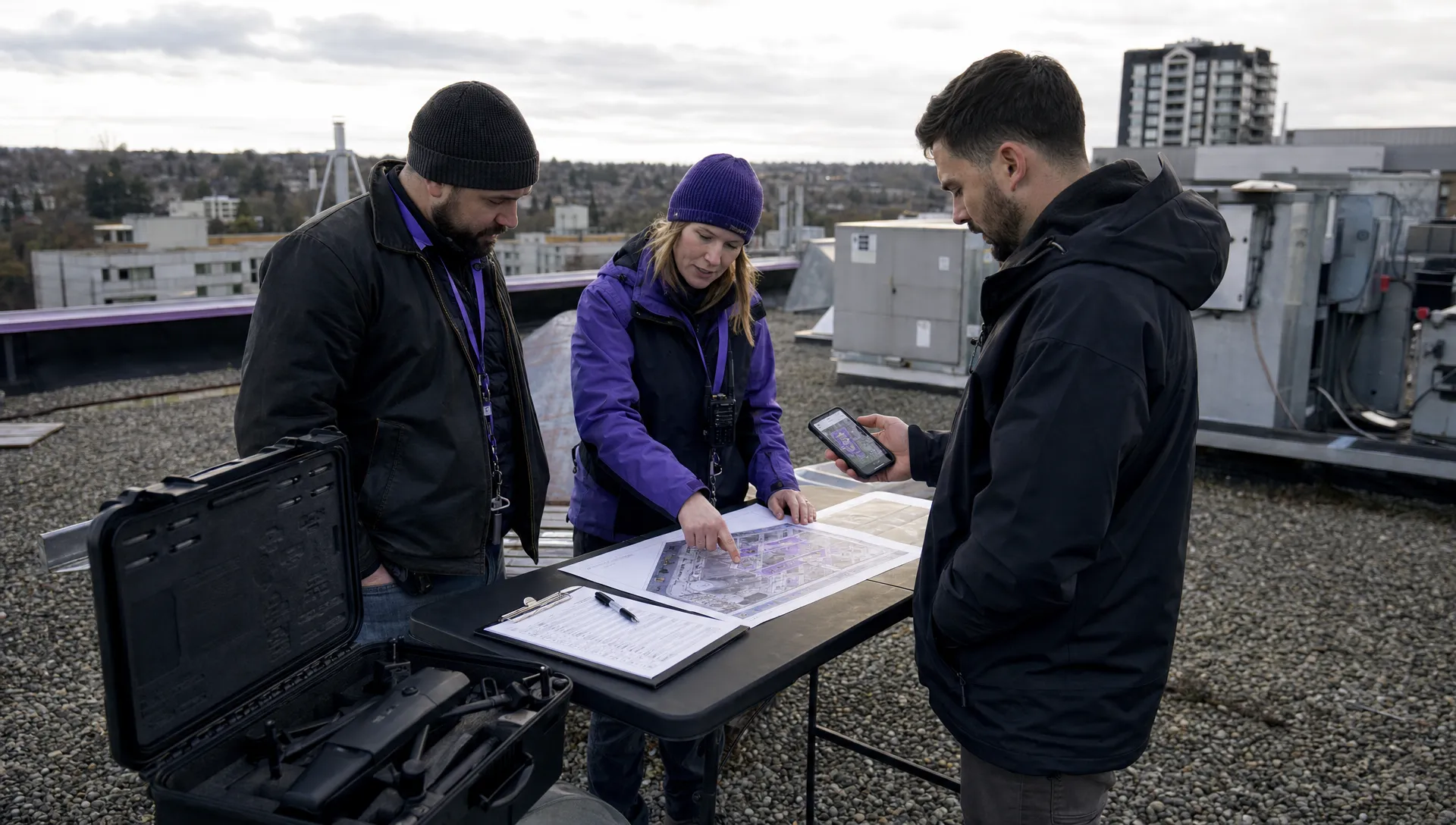 Drone Part 107 Operations: When a Waiver May Be Needed →
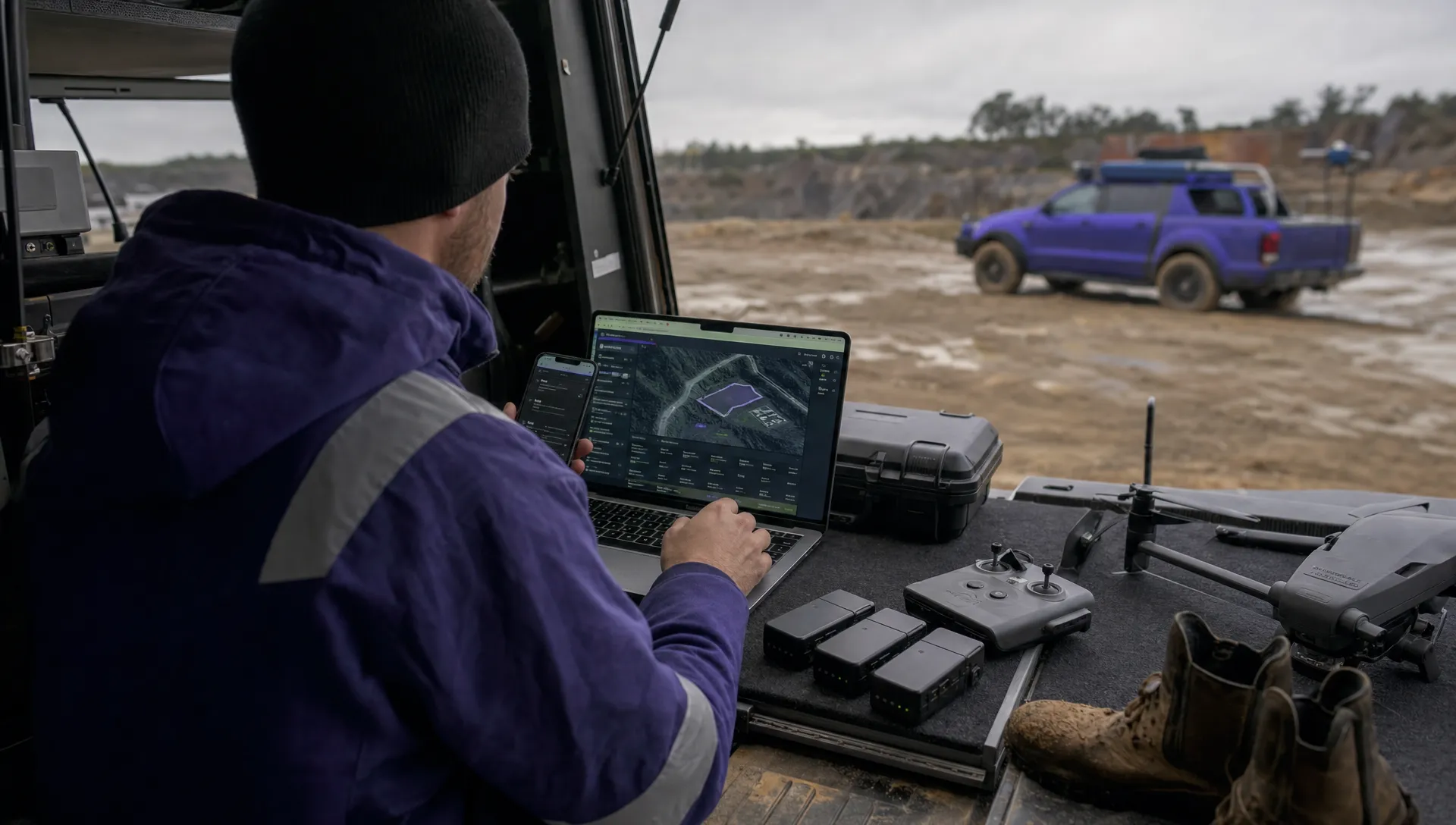 Drone Operating Rules for Managing Contractors and Employees →
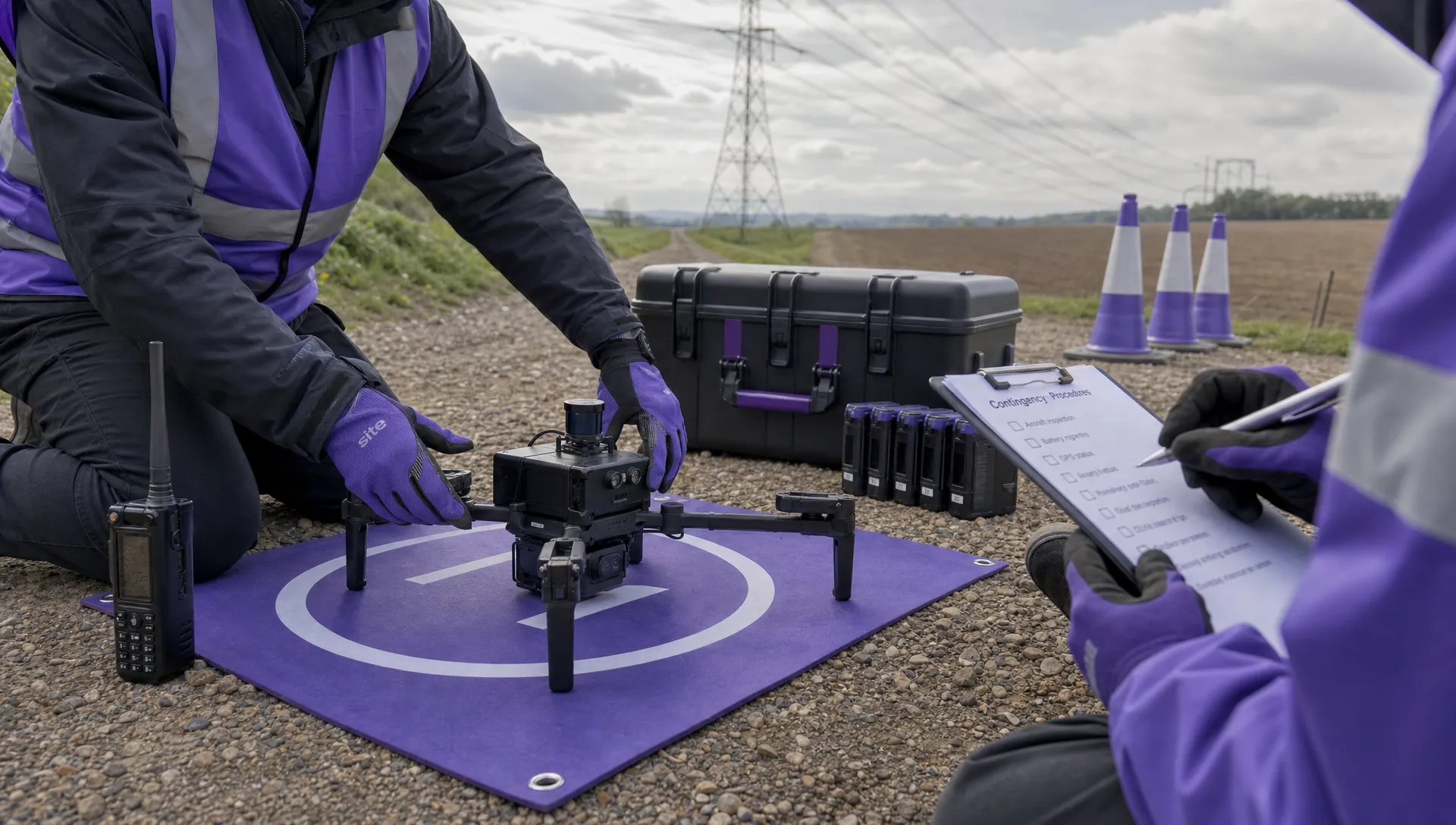 BVLOS Drone Requirements for Building a Safety Case →
 Drone Pilot Test Mistakes That Cost Candidates Marks →
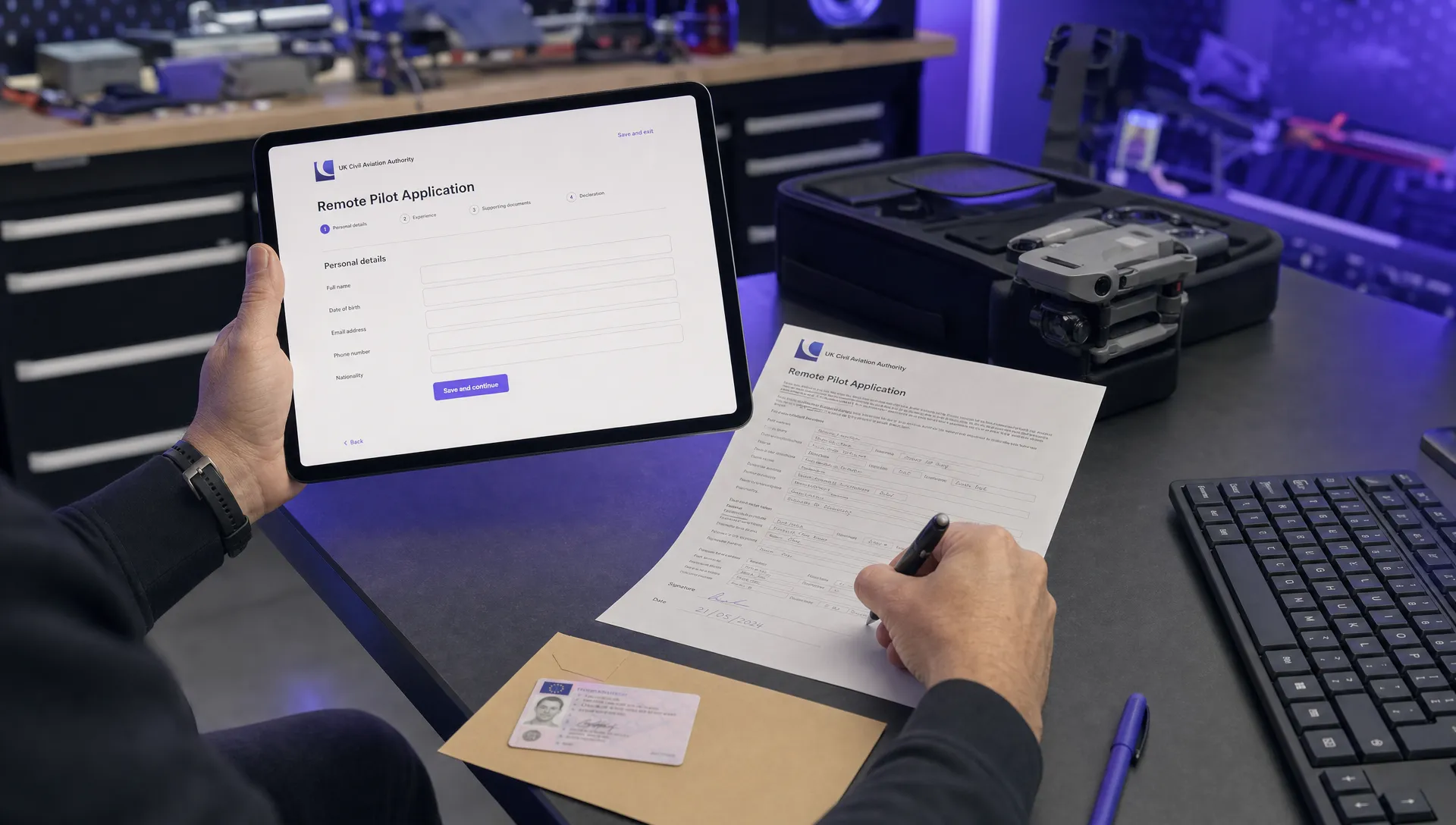 FAA 107 License vs Part 107 Certificate: What’s the Difference? →
 Drone Airport Rules: A Field Checklist for Site Assessments →