
Do I Need to Register My Drone? A Complete Guide
When it comes to the question, "do I need to register my drone?", the answer almost always boils down to one simple thing: weight.
If your drone weighs more than 250 grams (0.55 pounds), the FAA legally requires you to register it. It doesn't matter if you're flying for fun or for paid work—that weight is the magic number.
Understanding the Basics of Drone Registration
Figuring out if you need to register can feel like navigating a maze, but the rules really hinge on two key questions: how much does your drone weigh, and what are you doing with it?
Think of the 250-gram mark as the main dividing line. Heavier drones carry a bit more risk if something goes wrong, so the FAA wants them on the books. It's that simple.
But don't get caught out thinking a lightweight drone is always in the clear. The moment you use a drone of any weight for non-recreational flying—like snapping photos for a real estate agent or inspecting a commercial roof—you've crossed into different territory. Commercial use means you have to register, period. This is a critical distinction for staying on the right side of the law.
This decision tree gives you a straightforward path to follow based on your drone's weight and your flight's purpose.

As you can see, weight is the first hurdle, but what you plan to do with the drone is the final decider.
To make things even clearer, here’s a quick-glance table breaking down the FAA's rules.
Drone Registration at a Glance
| Drone Weight | Flight Purpose | Registration Required? | Key Requirement |
|---|---|---|---|
| Over 250g (0.55 lbs) | Recreational | Yes | Must register under Part 48. |
| Over 250g (0.55 lbs) | Commercial | Yes | Must register under Part 107. |
| Under 250g (0.55 lbs) | Recreational | No | No registration needed. |
| Under 250g (0.55 lbs) | Commercial | Yes | Must register under Part 107. |
Getting this simple framework down is the first—and most important—step toward flying legally and responsibly. It keeps you, and everyone else, safe.
Why Drone Registration Is a Critical Safety Measure
 At first glance, registering your drone might feel like just another piece of paperwork. But it's actually a cornerstone of airspace safety. The best way to think about it is like a license plate for a car—it directly connects an aircraft to its owner, creating a simple but powerful system of accountability that keeps everyone safe.
This isn't about the Federal Aviation Administration (FAA) adding rules for the sake of it. Far from it. They're building a framework to safely manage skies that are getting more crowded by the day, ensuring thousands of drones can coexist with airplanes, helicopters, and emergency responders.
Promoting Accountability and Responsible Flying
The number one reason for registration is accountability. It’s that simple. If a drone is involved in an incident or flown irresponsibly, authorities need a quick and reliable way to identify the person at the controls. This basic requirement naturally encourages pilots to fly more carefully, knowing their actions can be traced back to them.
Registration transforms an anonymous object in the sky into a recognized aircraft with a responsible pilot at the controls. This accountability is the foundation for a safe and cooperative national airspace.
And this framework is more crucial than ever. The popularity of drones has absolutely exploded. To give you some perspective, as of October 2025, the number of registered drones in the U.S. had already soared past 855,860 units. That’s a staggering number of aircraft sharing our skies.
A Key Piece of the Safety Puzzle
Registration also serves as the bedrock for other modern safety technologies. It’s the foundational piece that makes systems like Remote ID work. Remote ID acts like a digital license plate, broadcasting a drone’s identification and location in real-time. The two systems go hand-in-hand.
We dive deeper into this in our detailed guide on Remote ID for drones, explaining how these systems work together to create a safer environment for everyone.
Ultimately, understanding the why behind registration helps shift your mindset. It's not just a chore to tick off a list; it’s your personal contribution to a safer, more organized airspace for hobbyists and professionals alike.
Flying for Fun vs Flying for Work
The FAA draws a clear, bold line in the sand between flying for fun and flying for work. The rules change dramatically depending on which side of that line you're on.
Think of it like driving a personal car versus a commercial truck. Both are on the same road, but the license, registration, and rules of operation are worlds apart. If you're only flying for personal enjoyment, the FAA considers you a recreational pilot.
Keeping it Casual: The Recreational Flyer
This path is refreshingly simple. If your drone weighs over 250 grams, you'll need to register it under what's called the "Exception for Recreational Flyers." The biggest perk here is convenience: you pay one small fee and get a single registration number. That one number covers every drone you own now and in the future. Just stick it on your fleet and you're good to go.
Before you take off, you also have to pass The Recreational UAS Safety Test (TRUST). Don't sweat it—this is a free, online test designed to make sure you've got the basics of safe flying down. Once you pass, you'll get a certificate that you need to have on hand whenever you're flying.
When a Hobby Becomes a Job: Commercial Use
The moment your flight serves any kind of business purpose, you've crossed into commercial operations. This category is much broader than most people realize. It’s not just about a client paying you directly for drone footage.
So, what counts as commercial use? Here are a few common examples:
- Taking aerial shots of a house to help a realtor sell it.
- Conducting a roof inspection for an insurance claim or a repair quote.
- Filming a wedding, even if you’re offering the video as a gift.
- Posting videos on YouTube or other platforms where you earn ad revenue.
The acid test is this: Does the flight further a business or commercial enterprise in any way? If the answer is yes, you're flying commercially. The recreational rules no longer apply.
Gearing Up for Pro Flights: Commercial Pilot Requirements
Flying for work requires you to get a Part 107 Remote Pilot Certificate. This is a much bigger step. You'll need to pass an initial aeronautical knowledge exam at an FAA-approved testing center, covering topics like airspace classifications, weather patterns, and flight regulations.
And here’s another key difference: commercial operators must register each drone individually. Every drone in your professional fleet gets its own unique registration number. This isn't just paperwork; it's a crucial part of legal compliance and operating safely under the correct federal rules.
This split is clearly visible in the FAA's own data. Recreational drones make up 63% of all registrations, while commercial drones account for the other 37%. If you want to dive deeper, you can discover more drone registration statistics to get a better feel for the landscape.
How to Register Your Drone with the FAA
Alright, so you’ve figured out whether or not you need to register. What's next? Thankfully, the FAA has made the actual process pretty painless and cheap. Everything is handled online through the official FAA DroneZone portal.
It's a straightforward, step-by-step system designed to get you in the air legally without a massive headache. This online system is a big reason why drone ownership has exploded—by the end of December 2024, over 1.61 million recreational drone owners had registered.
Your first move is to head over to the FAA DroneZone website and create an account.

This is the main login page, and it's your starting point whether you're flying for fun or for work.
What You Will Need
Before you dive in, it’s a good idea to have a few key details ready. This will make the whole thing go much faster. Don't worry, you won't need anything too complex, just the basics to identify you and your drone.
Have this information handy:
- Your legal name and physical address
- A valid email address
- The make and model of your drone
- A credit or debit card for the $5 registration fee
That's it. The fee is tiny, and it keeps you registered for three years. It's a small price to pay to operate safely and legally in the national airspace.
Crucial Warning: Only ever use the official
faadronezone-access.faa.govwebsite. A quick search will bring up tons of third-party sites that look official but will charge you way more for the exact same service. The real FAA process costs just $5.
Labeling Your Drone Correctly
Once you finish registering, you'll be issued a unique FAA registration number. This number isn't just for your files—it needs to be physically marked on the outside of your drone. This is an absolute must-do for compliance.
Your registration number must be:
- Visible on the outside of the aircraft.
- Legible and easy to read if someone inspects it.
- Durable enough that it won't fall off during flight.
You can use a permanent marker, a label maker, or even a small engraved plate. The main thing is that it's stuck on securely and anyone can read it. People used to put it in the battery compartment, but the FAA now prefers it to be visible on the main body of the drone without having to take anything apart.
For a more detailed walkthrough, check out our guide on how to register your drone.
When Can You Skip the Registration Line?

While registering your drone is standard practice, it's not a hard-and-fast rule for every pilot. The FAA has carved out a few important exceptions, and the biggest one comes down to a simple question of weight and purpose.
If your drone weighs less than 250 grams (that's about 0.55 pounds) and you're flying it purely for fun, you’re in the clear. No FAA registration needed. This is precisely why drones like the DJI Mini series are such a hit with hobbyists; they're engineered to sneak right under that weight limit, letting you get airborne without the paperwork.
But here's the catch, and it's a big one. The moment you use that same tiny drone for something that isn't recreational—say, snapping photos for a client's real estate listing or shooting video for a monetized YouTube channel—it instantly falls under Part 107 rules. That means it needs to be registered. The purpose of the flight, not just the drone’s weight, is the deciding factor.
What About Other Unique Scenarios?
Beyond the simple weight rule, the FAA has specific guidance for a few other situations. It pays to know where you stand to stay compliant.
- International Visitors: If you’re a tourist flying a drone in the U.S., you still have to play by FAA rules. For recreational flights, you'll need to pass the TRUST exam. If you’re flying commercially, you’ll need to secure a foreign aircraft permit under Part 375.
- Students and Educators: Drones used in accredited school programs often get treated like recreational aircraft. The key is that the flights must be for educational purposes only, not for any kind of commercial gain.
Even with these exceptions, registration is a cornerstone of safe airspace in the U.S. With roughly 8% of all Americans now owning a drone, these regulations are more important than ever. Always remember to check for specific drone laws by state too, as local rules can add another layer to your compliance checklist.
Got Questions About Drone Registration? We've Got Answers
Getting to grips with the rules can throw up a few tricky questions. To clear the air, here are some straight answers to the things pilots most often ask when figuring out if they need to register their drone.
How Long Does My Registration Last?
Your FAA drone registration is good for three years from the day it's issued. It's not a one-and-done deal, though.
Before it expires, you'll need to hop back into the FAA's DroneZone portal to renew it. This just means confirming your details are still up to date and paying the registration fee again to stay legal.
What Happens If I Fly an Unregistered Drone?
Flying a drone that needs to be registered without actually doing it is a serious federal offense. The consequences are no joke. The FAA doesn't mess around when it comes to airspace regulations.
Civil penalties can climb as high as $27,500. In more serious cases, criminal penalties could mean even bigger fines and potential jail time. It's a risk that's just not worth taking.
Do I Need One Registration Per Drone?
This all boils down to how you fly. If you're purely a recreational pilot, the FAA keeps it simple: you get one registration number that you can stick on your entire fleet of drones. Easy peasy.
However, things are different if you're a commercial pilot flying under Part 107 rules. In that case, you must register each drone individually. Every single drone in your commercial fleet will have its own unique registration number.
How Is Remote ID Different from Registration?
It's helpful to think of it like this: Remote ID is your drone's "digital license plate," while registration is the title or proof of ownership. They're two sides of the same safety coin.
- Registration is all about linking the drone back to you, the owner.
- Remote ID is a system that broadcasts your drone's ID and location information in real-time while it's in the air, kind of like a beacon for the authorities.
Most new drones that need registering now come with Remote ID built right in. You need both to fly legally and safely in today's skies.
Keeping track of all your compliance details, from registration numbers to flight logs, can feel like a full-time job. Dronedesk pulls it all together, giving you one secure spot for all your operational data so you can focus on what you do best: flying safely and efficiently. See how you can streamline your operations at https://dronedesk.io.
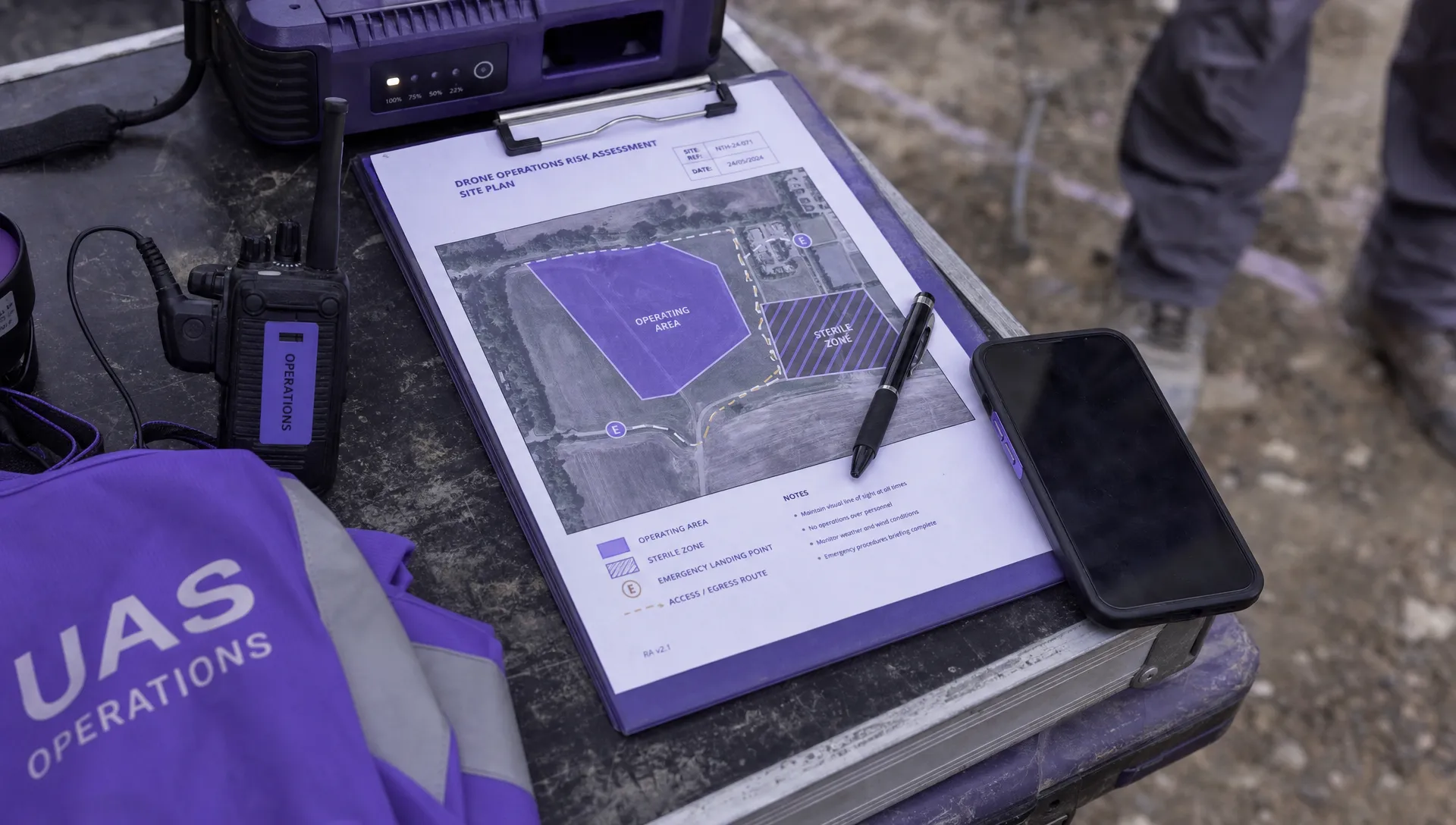 Drone Risk Assessment Controls That Work in the Field →
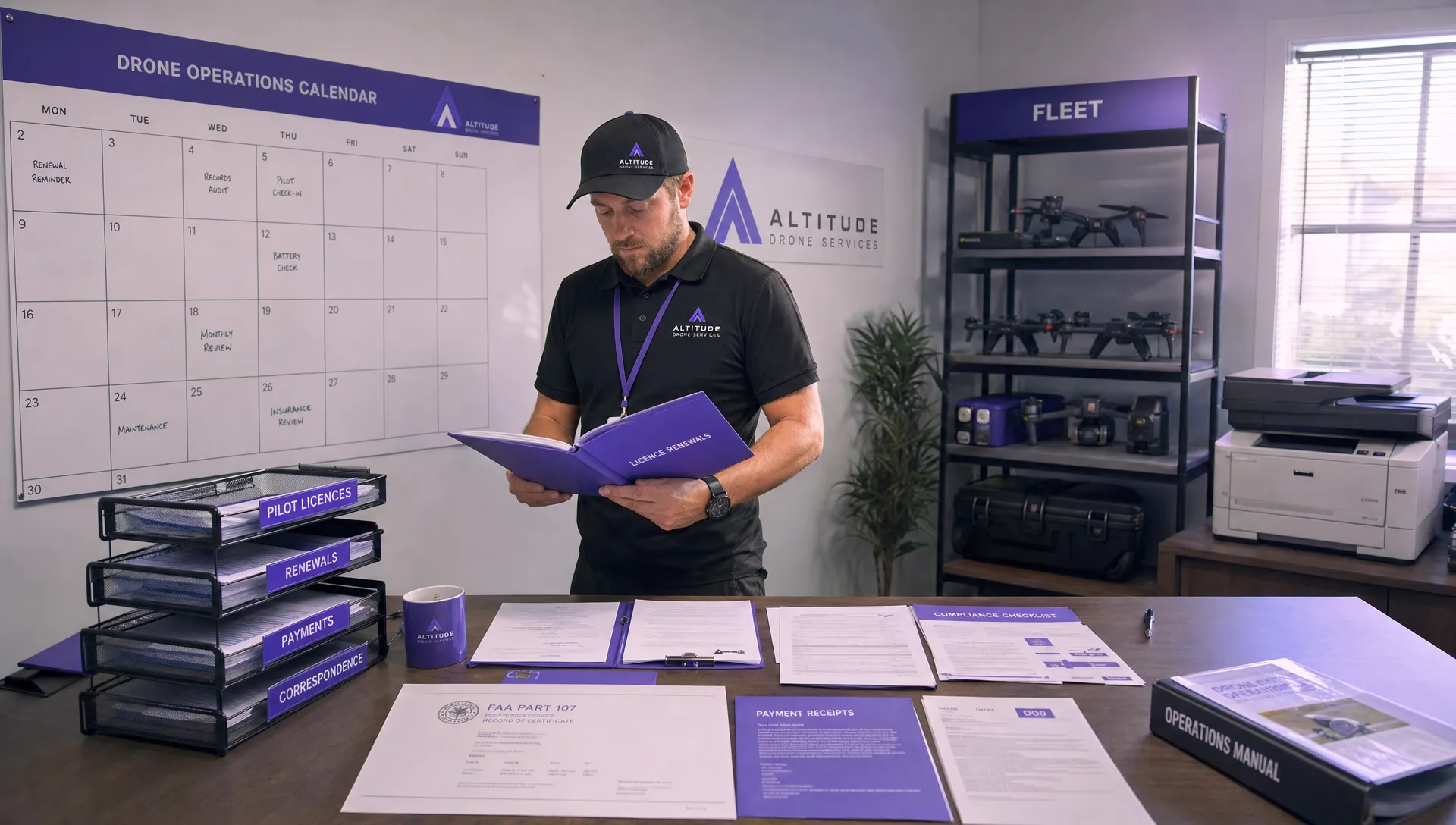 FAA Drone License Costs Beyond the Knowledge Test →
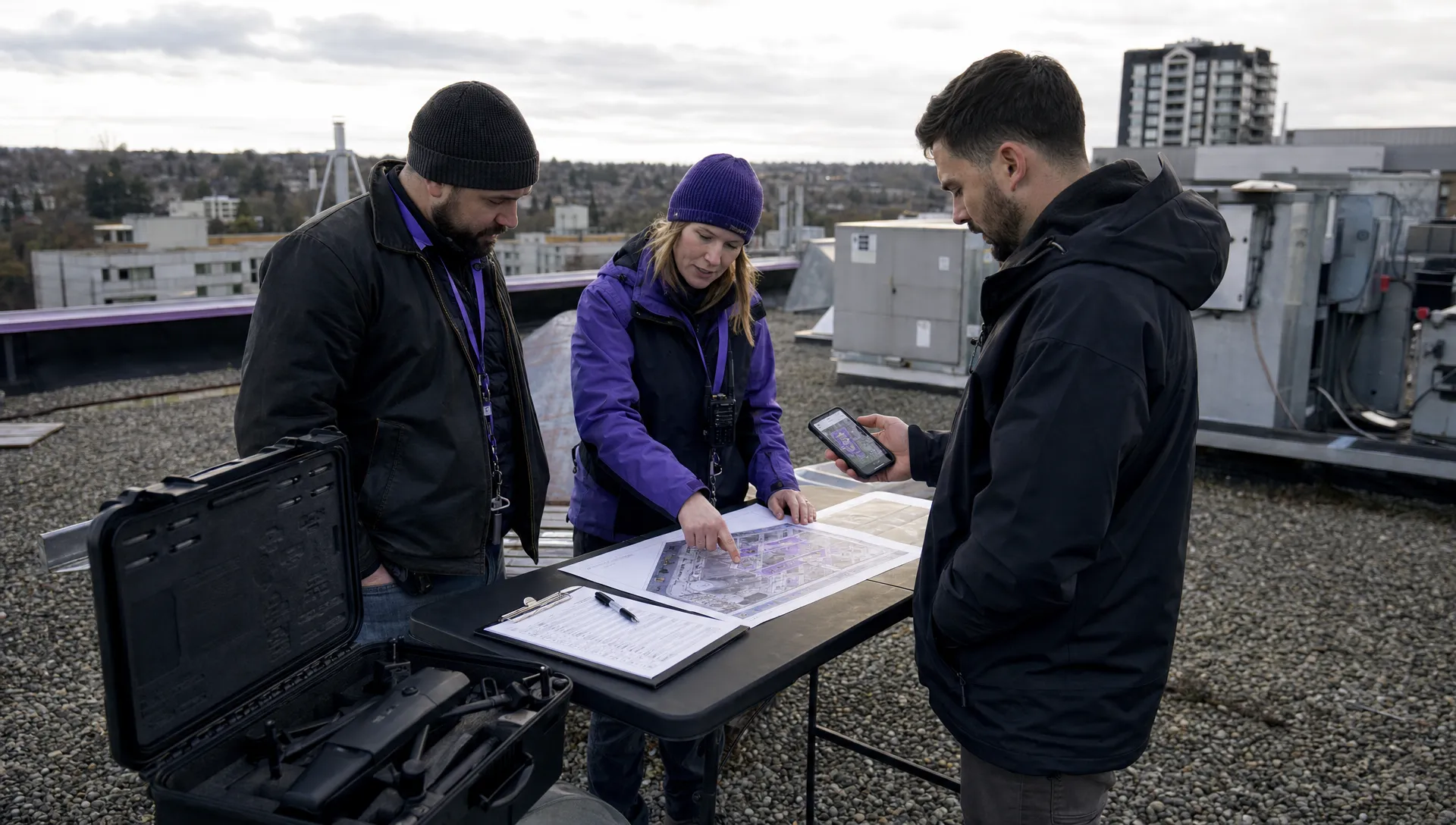 Drone Part 107 Operations: When a Waiver May Be Needed →
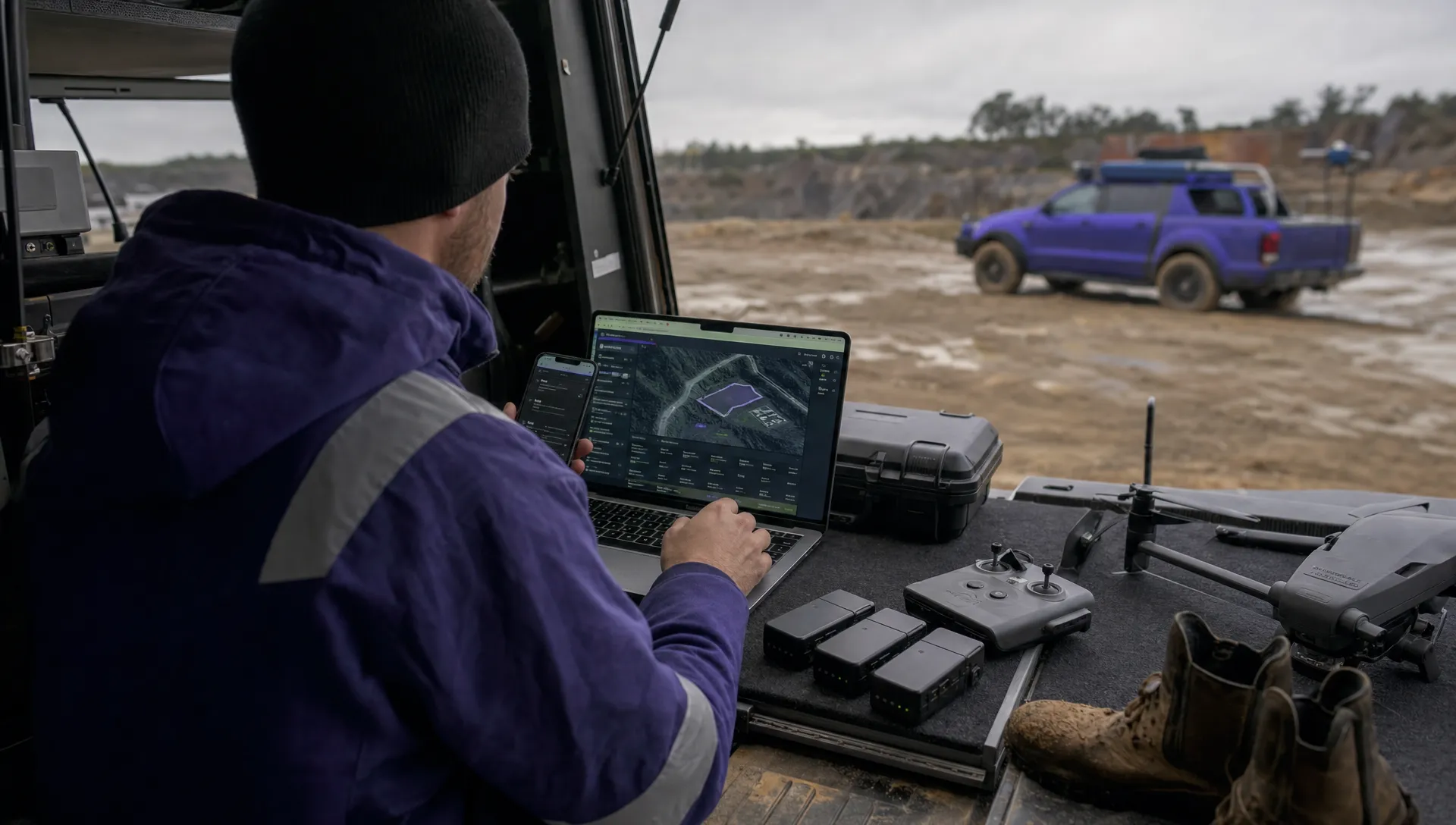 Drone Operating Rules for Managing Contractors and Employees →
 BVLOS Drone Requirements for Building a Safety Case →
 Drone Pilot Test Mistakes That Cost Candidates Marks →
 FAA 107 License vs Part 107 Certificate: What’s the Difference? →
 Drone Airport Rules: A Field Checklist for Site Assessments →
 FAA Part 107 Record-Keeping Rules for Commercial Teams →
 How to Review a DJI Flight Log After an Unexpected Event →