
Digital Pilot Logbook Guide - Simplify Flight Record-Keeping
A digital pilot logbook is exactly what it sounds like: a software application that finally replaces the old-school paper logbooks we all started with. It takes every record of your flying career—from that first shaky solo to your latest type rating—and converts it into a searchable, secure, and always-available digital format. Making this switch is a huge step for any modern pilot.
Moving From Paper Trails to Digital Skies

Think of it like swapping a well-worn, folded paper map for a live GPS. Both get you there, but the GPS offers a level of efficiency, real-time data, and deep insights that a static map just can’t touch. That’s the core promise of adopting a modern flight logging solution.
The traditional paper logbook, for all its nostalgia, is riddled with potential headaches. Smudged ink, misplaced pages, and the mind-numbing, error-prone task of manual calculations are pain points for pilots at every stage. Every new endorsement, aircraft, and flight adds to a physical document that's incredibly vulnerable.
The Problem with Traditional Logs
For decades, paper was the only game in town, but its weaknesses are obvious. A simple coffee spill could wipe out irreplaceable records of thousands of flight hours. Worse, manual math for currency, flight time totals, and experience requirements is a breeding ground for human error. One small slip-up in addition could create major compliance headaches down the road.
All these manual chores add up to a significant administrative drag. The shift to digital logbooks brings powerful benefits, including starting the process of reducing administrative overhead, a goal shared across countless professional fields.
A digital pilot logbook doesn't just record your past; it actively helps you manage your future. It automates the calculations, flags currency issues, and prepares your data for any checkride or job interview with a single click.
A New Standard in Aviation Record Keeping
By contrast, a digital pilot logbook offers an automated, secure, and virtually error-free experience. It becomes the central hub for your entire aviation career, with benefits that go way beyond simple record-keeping.
- Effortless Accuracy: Flights are logged with total precision. Calculations for total time, cross-country hours, and night landings? All done for you, automatically.
- Complete Security: Your records are stored safely in the cloud, protecting them from physical damage, theft, or just plain losing them. You can pull up your data from any device, anywhere in the world.
- Instant Insights: In just a few taps, you can generate detailed reports, see analytics on your flying habits, and track your progress toward that next rating or career milestone.
This guide will walk you through this fundamental shift, showing why adopting a digital solution is no longer a luxury but an absolute necessity for today's aviator.
Why a Digital Logbook is a Career Co-Pilot

It’s easy to think of a digital logbook as just a fancy record-keeper, but that misses the whole point. A much better way to look at it is as your career co-pilot, the one who handles all the admin so you can focus on the flying. It’s working tirelessly in the background to make sure your most valuable asset—your flight time—is accurate, safe, and ready for whatever comes next.
The most obvious win is ditching human error. We’ve all seen it in paper logs: a misplaced decimal or a simple addition mistake that causes a massive headache during a checkride or a job interview. A digital logbook automates all the math, giving you 100% accuracy on your totals, currency, and endorsements.
That alone frees you up from a ton of tedious paperwork.
Fortifying Your Irreplaceable Flight History
Think about it: your logbook is thousands of hours of your life, your training, your investment. With a paper log, that entire history could go up in smoke in a house fire, get ruined by a water leak, or just plain get lost. This is where a digital logbook really proves its worth.
Cloud storage is like a bomb-proof vault for your career. Your flight history is backed up, encrypted, and you can get to it from any device, anywhere in the world. The peace of mind that comes from knowing your records are safe from physical disaster is huge. This shift to secure, digital records is why the market is growing so fast.
The global logbook software market was valued at USD 1.5 billion in 2023 and is projected to hit USD 3.2 billion by 2032. That growth is all about the demand for reliable data that’s ready for an audit at a moment's notice. You can check out more insights on this industry trend over on dataintelo.com.
A digital logbook transforms your flight records from a fragile document into a resilient, dynamic career asset. It protects your past while preparing you for future opportunities.
Simplifying Compliance and Career Advancement
Beyond just keeping your data safe, a digital logbook is a powerhouse for navigating complex regulations and career moves. Forget spending hours flipping through pages to prove your currency or fill out applications. Now, you can generate whatever you need with a single click.
- Effortless Reporting: Instantly pull a perfectly formatted FAA Form 8710-1 or meet EASA requirements without typing a single number.
- Proactive Currency Tracking: The software keeps an eye on your landing currency, instrument approaches, and flight reviews, giving you a heads-up before anything lapses.
- Interview Preparation: Quickly filter and show off your flight experience in a clean, professional format designed for a specific airline or operator.
What used to be a stressful, time-sucking chore becomes a simple, almost instant process. Your digital co-pilot handles all the nitty-gritty details with precision, making sure you always look sharp and prepared for any opportunity that flies your way.
What Features Actually Matter in a Digital Logbook?
Picking a digital pilot logbook can feel a bit like stepping into a new aircraft for the first time. There are buttons and switches everywhere, and it's tough to know which ones you'll actually need. The truth is, not all platforms are created equal. Focusing on the core functions that genuinely make a difference will help you find a tool that grows with you throughout your entire career.
The best features are the ones that do the heavy lifting for you, working quietly in the background to cut down on your admin time. This lets you get back to what you love—flying. These game-changing capabilities generally fall into three main categories.
This infographic neatly sums up the three pillars of a top-notch digital logbook.

You can see how smart automation, solid compliance tools, and a great user experience all come together to create a reliable system for managing your flight time.
Flight Data Automation
The single biggest time-saver you'll get from going digital is automation. A quality digital pilot logbook should slash manual data entry as much as possible. This not only speeds things up but also dramatically reduces the chance of simple human error. Think of it as putting your paperwork on autopilot.
Key automation features to look for include:
- Automatic Flight Logging: Some of the best logbooks use the GPS on your phone or tablet to automatically detect takeoff and landing times, creating a draft entry for you to review.
- Smart Calculations: The software should instantly and accurately calculate everything from total time and cross-country legs to night hours and instrument approaches. No more calculators.
- Built-in Databases: Having pre-loaded databases for aircraft and airports is a huge help. You just need to type a few characters for an aircraft registration or airport code, not the full name.
Compliance and Reporting
Let's not forget: your logbook is a legal document. A digital version absolutely must be able to generate professional, compliant reports at a moment's notice. This is non-negotiable for checkrides, job interviews, and any potential regulatory audits.
The real magic of a digital pilot logbook is turning thousands of individual flight entries into a single, polished, and official document with just one click.
A solid platform will have one-click report generation for standard documents like the FAA 8710-1 form or EASA-compliant summaries. It should also have powerful filtering tools, allowing you to instantly show an interviewer your multi-engine PIC time or prove your instrument currency to an examiner. If you want to dig deeper into this, you can learn more about the industry-wide move to an electronic flight log.
User Experience and Accessibility
At the end of the day, even the most feature-packed logbook is worthless if it's a pain to use. The best tool is the one you’ll actually open up and use after every single flight. That all comes down to a clean, intuitive interface and being able to access it anywhere.
Here’s what makes a great user experience:
- Cloud Sync Across All Devices: Your logbook needs to be perfectly synced and accessible whether you're on your phone, tablet, or home computer.
- Offline Functionality: You have to be able to log a flight from a remote airstrip with zero internet. The app should just save it and sync up automatically when you're back online.
- Intuitive Design: The layout should be clean, logical, and easy to figure out without needing to study a manual.
Comparison of Essential Digital Logbook Features
The features you need will evolve as your flying career progresses. A student pilot has different priorities than a seasoned airline captain. This table breaks down what's a "must-have" versus a "nice-to-have" depending on where you are in your journey.
| Feature | Student/Private Pilot | Commercial/ATP Pilot |
|---|---|---|
| Automatic Flight Logging | Nice-to-have, but manual entry is fine | Essential for high-frequency flying |
| Smart Calculations | Essential for tracking endorsements and requirements | Essential for complex totals and currency tracking |
| Cloud Sync | Essential for data safety and convenience | Essential for access across multiple devices |
| FAA/EASA Report Generation | Important for checkrides | Critical for interviews, insurance, and audits |
| Endorsement Tracking | Critical for training progression | Less critical, but still useful for flight reviews |
| Advanced Filtering | Nice-to-have for reviewing progress | Essential for isolating specific flight time (e.g., turbine PIC) |
| Offline Mode | Important for logging anywhere | Essential for reliable use in all environments |
By prioritizing these three core areas—automation, reporting, and usability—you can cut through the noise. This will help you confidently choose a digital logbook that not only meets your needs today but supports you all the way to the left seat.
Choosing the Right Logbook for Your Flight Path
Now that you've got a handle on the must-have features, it's time to pick the digital pilot logbook that actually fits your mission. Think of it like choosing an aircraft; you wouldn't take a Cessna 172 on a transatlantic flight. Your decision really comes down to your budget, the kind of flying you do, and where you see your career heading.
The first step is to honestly evaluate your own "flight path." Are you a student pilot just trying to rack up hours for your private license? Or are you an airline captain juggling complex duty times and international routes? Each pilot needs a different tool for the job.
Subscription vs. One-Time Purchase
One of the first forks in the road you'll hit is the pricing. A lot of the big names, like LogTen Pro, run on a subscription. You pay a recurring fee, but in return, you get constant updates and support, which means you're always compliant with the latest regulations.
On the other hand, some services might offer a one-time purchase. This can feel better on the wallet upfront, but you might find yourself having to pay again for major upgrades down the line. There’s no right or wrong answer here; it’s just a classic trade-off between a steady investment and a one-off cost.
Your logbook should feel like a natural extension of your flight bag—reliable, intuitive, and perfectly suited to the job at hand. Don't settle for a tool that creates more work than it saves.
The Importance of Test Flying Your Logbook
You wouldn't buy a plane without taking it for a spin, right? The same logic applies to your logbook. Just about every reputable provider will offer a free trial or at least a limited free version. This is your chance to really put the software through its paces in the real world.
Use that trial period to kick the tires. Here’s what you should be doing:
- Log a few flights: How does the data entry feel? Is it quick and intuitive, or are you fumbling through menus?
- Test the sync: Punch in an entry on your phone and see how fast it shows up on your tablet or the web version.
- Generate a report: Try pulling a standard FAA or EASA report. Is it accurate? More importantly, is it fast?
- Explore customer support: Poke around their website for help articles and forums. Good support is a lifesaver when you hit a snag.
Making the most of the trial is a non-negotiable step. For a bit more context on what's out there, our guide on the benefits of an online pilot logbook is a great place to get a broader view.
Ensuring Your Logbook Can Grow with You
Finally, think long-term. The logbook that’s perfect for you as a private pilot should have the horsepower to stick with you as a commercial pilot and beyond. Look for a solution that can handle things like endorsements, complex aircraft types, and detailed duty time tracking, even if you don't need those features today.
Picking a platform that can scale with your career saves you a massive headache later on. It keeps your entire flight history in one seamless, unbroken record, from your very first solo to your final flight. Trust me, you don't want to be migrating thousands of hours of flight data to a new system when you could be flying.
Making a Smooth Transition to Digital Logging
 The thought of switching from a well-worn paper logbook to a digital system can feel a bit overwhelming. Let’s be honest, that paper logbook has been your constant companion. But making the move is a straightforward, one-time project if you approach it methodically.
The biggest hurdle is simply getting your flight history into the new format. You’ve got a couple of solid options here, and the right choice really depends on how much time you have, your budget, and just how many pages of entries you need to transfer over.
Strategies for Migrating Historical Data
Your first option is straightforward: manual entry. While it might sound tedious, typing each flight into your new digital pilot logbook is the absolute best way to guarantee 100% accuracy. Think of it as a great opportunity to review your entire flying career, rediscovering flights you'd forgotten and valuable lessons learned along the way.
But if you’re looking at a stack of logbooks filled with thousands of hours, a professional transcription service is worth every penny. These services are pros at converting handwritten logs into clean digital formats, saving you an incredible amount of time.
No matter how you do it, the end goal is the same: create a single, unified digital record that’s complete, accurate, and ready to serve you for the rest of your career.
Building Reliable Digital Habits
With your history safely transferred, it's time to build new habits. The most important one? Log your flight immediately. Make it a non-negotiable part of your post-flight checklist, right after shutdown when the details are still fresh.
This single habit is the key to keeping your digital record perfect. It’s this push for better, more precise data that’s driving huge growth in aviation tech. The logbook software market is expected to jump from around USD 1.2 billion to over USD 2.5 billion by 2030, largely because pilots and operators need accurate data to navigate complex international rules. You can dig into the numbers and see how the logbook software market is expanding.
Finally, really lean into what your new tool can do. Don’t just use it as a simple ledger.
- Document Endorsements: Scan your instructor endorsements and attach them right to the flight entry. Everything is in one place, instantly verifiable.
- Monitor Currency: Use the dashboards to keep an eye on your landing, approach, and flight review currency. No more last-minute scrambles.
- Analyze Trends: The reporting features can give you incredible insights into your own flying, help you track progress toward a new rating, or even pinpoint areas where you could improve.
Once you get into the swing of things, your digital logbook stops being just a record and becomes a powerful tool for managing your entire flying career.
Where We're Headed: The Future of Pilot Data Management
A digital pilot logbook isn't just a shiny, new version of your old paper one. Think of it as the foundation for the next chapter in aviation data. Making the switch now isn't about playing catch-up; it's about getting ready for what's next, a future where your flight data is an active, intelligent part of your career.
And this shift is already happening, big time. The electronic logbook market is set to climb from USD 1.42 billion in 2024 to an incredible USD 3.87 billion by 2033. This growth is being fired up by the increasing need for smarter flight crew management and staying on top of regulations without the headache. You can discover more insights about this market expansion.
What's on the Horizon for Aviation Data
Looking down the road, a few really interesting trends are starting to take shape, pulling your logbook even deeper into the aviation world.
- AI-Powered Insights: Imagine your logbook doing more than just storing hours. Picture it predicting your flight patterns, nudging you when a particular skill might need a refresh, and flagging currency issues long before they become a problem. This is a leap from simple record-keeping to proactive career management.
- Deeper System Connections: In the near future, your logbook will talk directly to airline scheduling systems, maintenance hubs, and training platforms. This creates a single, smooth flow of information, killing off double-entry for good and giving a complete picture of your readiness to fly.
- Blockchain for Bulletproof Records: For the ultimate in security and trust, blockchain could create a flight record that's impossible to alter and universally accepted. This would make verifying your experience for a new job or insurance a completely foolproof, instant process.
Your logbook is fast becoming a central piece of your digital identity as a pilot. It's shifting from a static document gathering dust on a shelf to a living, connected hub for your entire professional life.
It's not just about flight hours, either. The future of pilot data will pull in real-time information, like live aviation weather conditions, to paint a much richer picture of every single flight. If you want to dive deeper into how this kind of data can be put to work, check out our guide on flight data analysis.
A Few Common Questions About Digital Pilot Logbooks
Thinking about making the jump from paper to pixels? It's a big step, and it's totally normal to have a few questions before you commit. Let's tackle some of the most common ones I hear from pilots.
Are Digital Logbooks FAA Approved?
This is usually the first question on everyone's mind. The short answer? Yes, absolutely.
The FAA and pretty much every other major aviation authority around the globe are perfectly happy with digital pilot logbooks. They're accepted as an official record of your flight time, no questions asked.
What really matters to them is that your logbook is an accurate, complete, and reliable record of your experience. Any decent logbook software will make sure your data is always legible and formatted correctly, ready for a checkride, job interview, or a surprise ramp check.
How Do I Get My Old Entries Transferred Over?
Okay, this is the big one, especially if you've got a few hefty paper logbooks sitting on your shelf. Getting all that history into a new digital system can feel like a huge task, but most of the top platforms have made it pretty painless.
You've got a couple of options:
- Manual Entry: You can just sit down and type in your old entries yourself. I know, it sounds like a lot of work, but it's the best way to guarantee accuracy. Plus, it's actually a pretty cool way to walk down memory lane and review your entire flying career.
- Transcription Services: If you're looking at thousands of hours, this might be the way to go. There are third-party services that will take your paper logs and transcribe everything into a digital format for you. It's a massive time-saver.
Whichever route you choose, make sure you do a thorough audit afterward. You want to be certain that every single hour has been accounted for correctly.
A quick but important note on data ownership: Always choose a service that lets you export your entire logbook. You should be able to download it in a universal format like PDF or CSV, ensuring you're always in control of your own records.
Having that personal backup means your flight history belongs to you, no matter what happens to the software company. It's a critical feature that gives you real peace of mind, knowing your career data is safe and always in your hands.
Ready to manage your drone operations with a platform that simplifies everything from flight logging to compliance? Join thousands of professional pilots who trust Dronedesk to reduce administrative burdens and improve efficiency. Explore our features and start your free trial today.
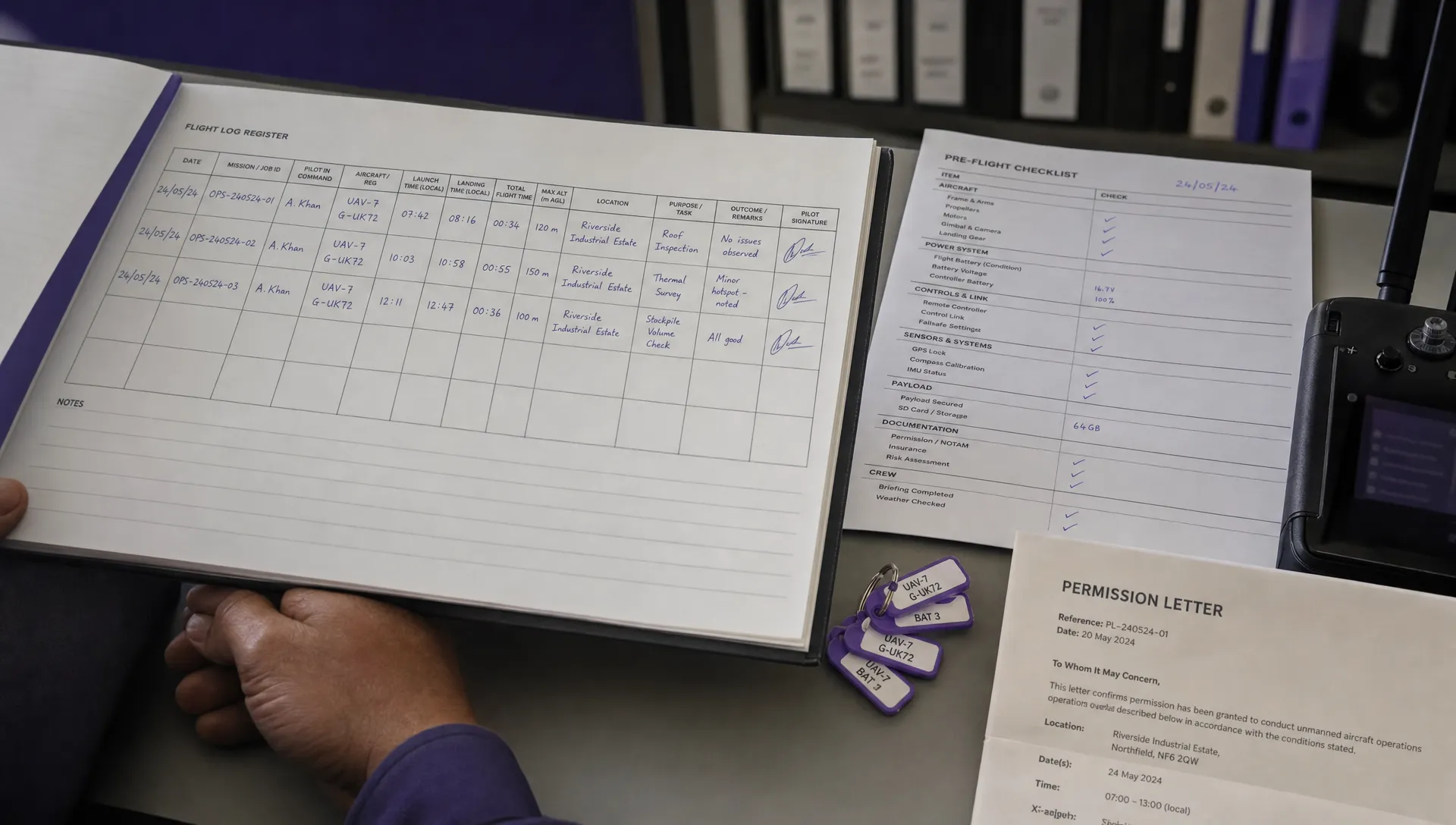 How to Build a Drone Pilot Flight Log That Is Audit Ready →
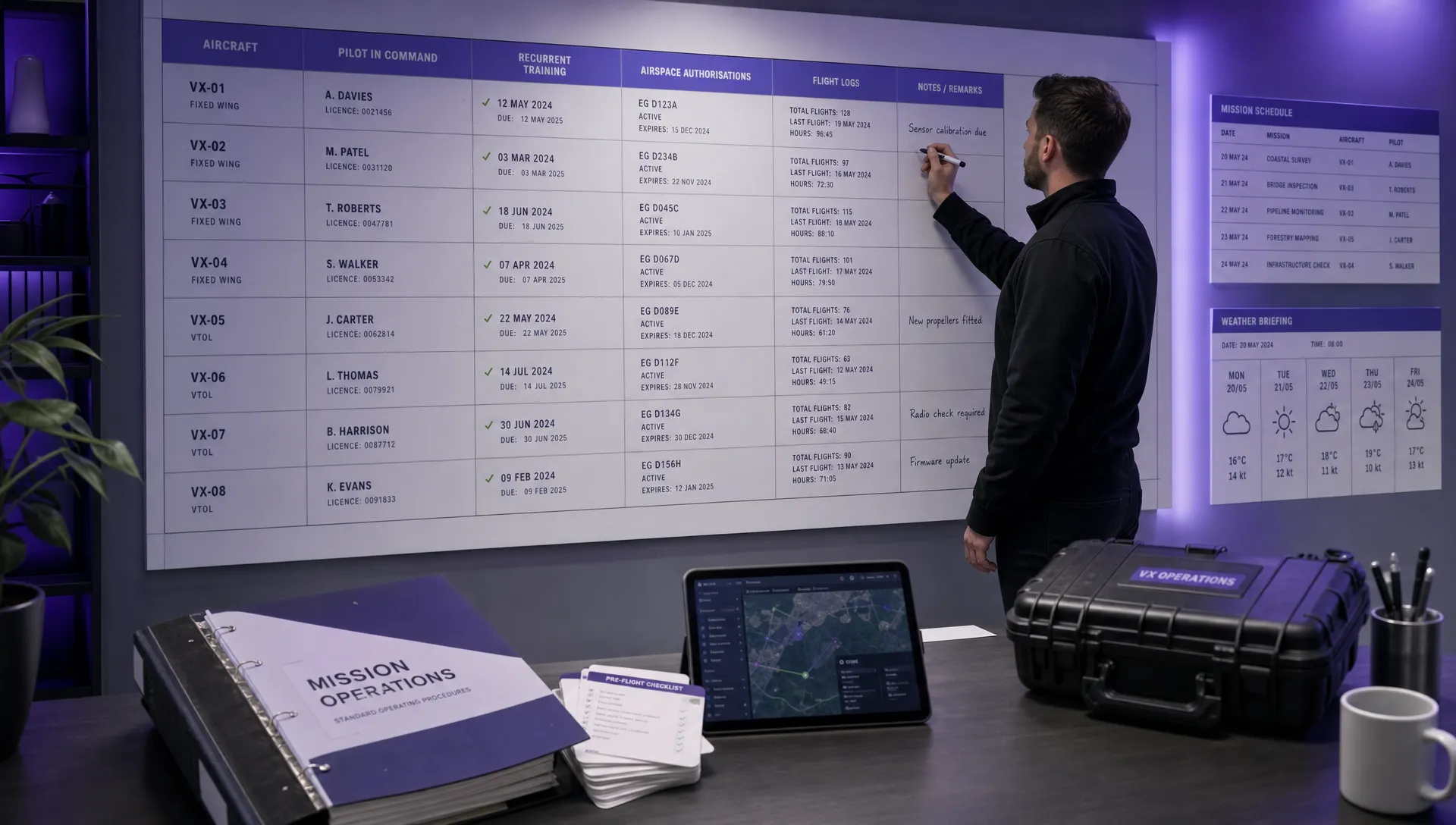 FAA Drone Licence Requirements for Commercial Pilots →
 FAA BVLOS Waivers Granted: What Successful Cases Show →
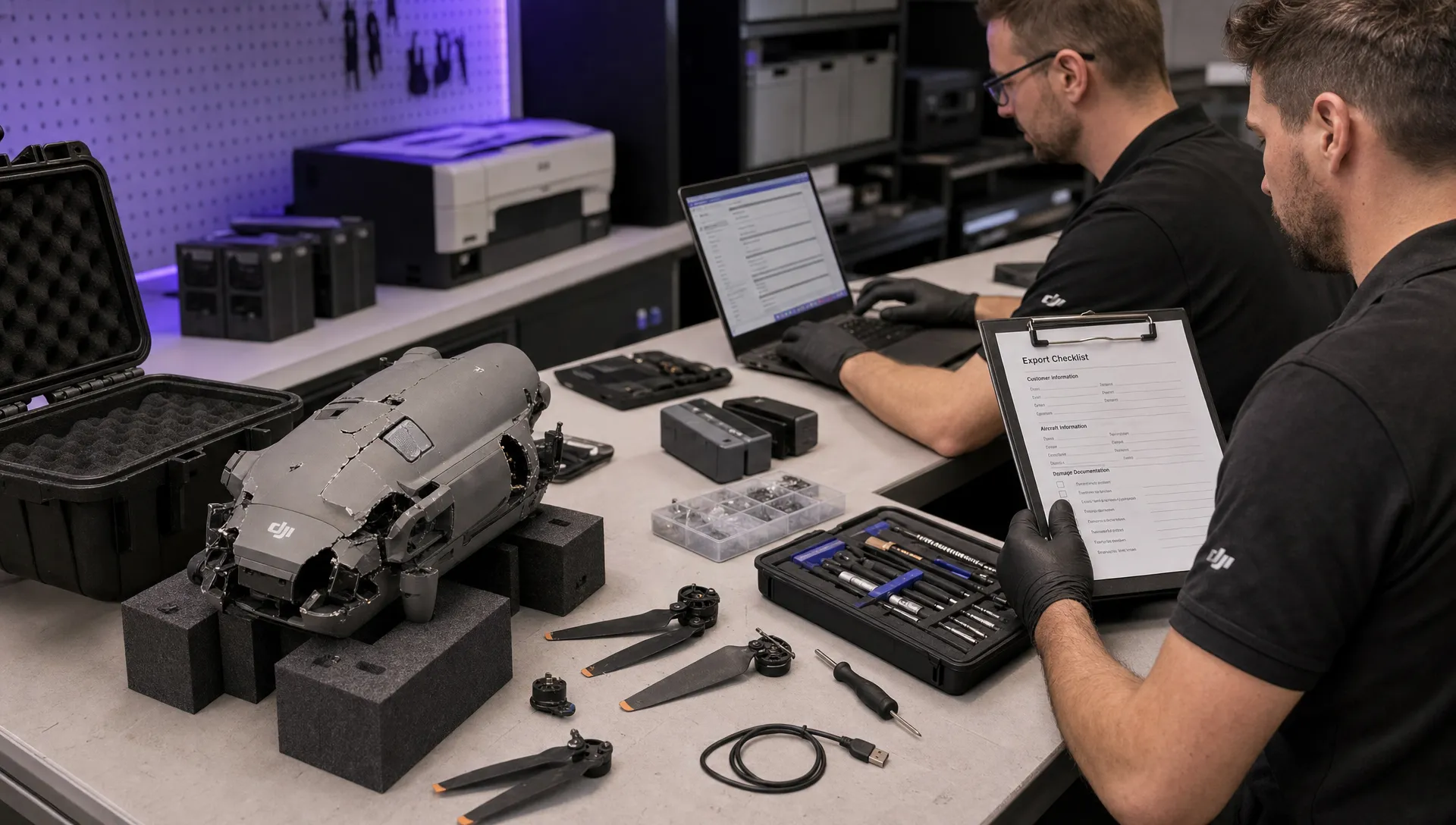 How to Export DJI Flight Logs for Incident Reviews →
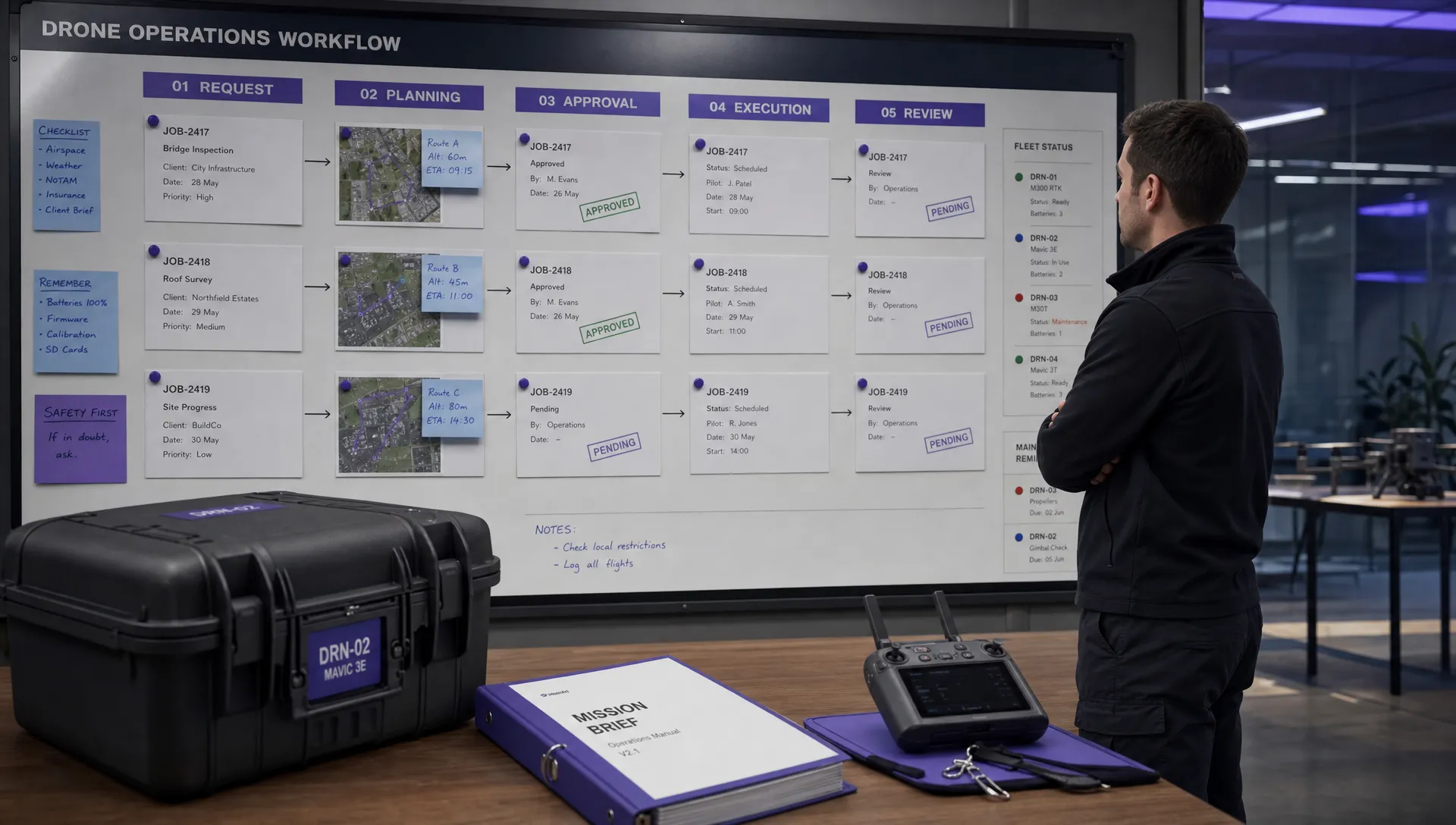 Drone Safety and Legal Duties for Business Operations →
 EASA Drone Regulations: Open, Specific and Certified Categories →
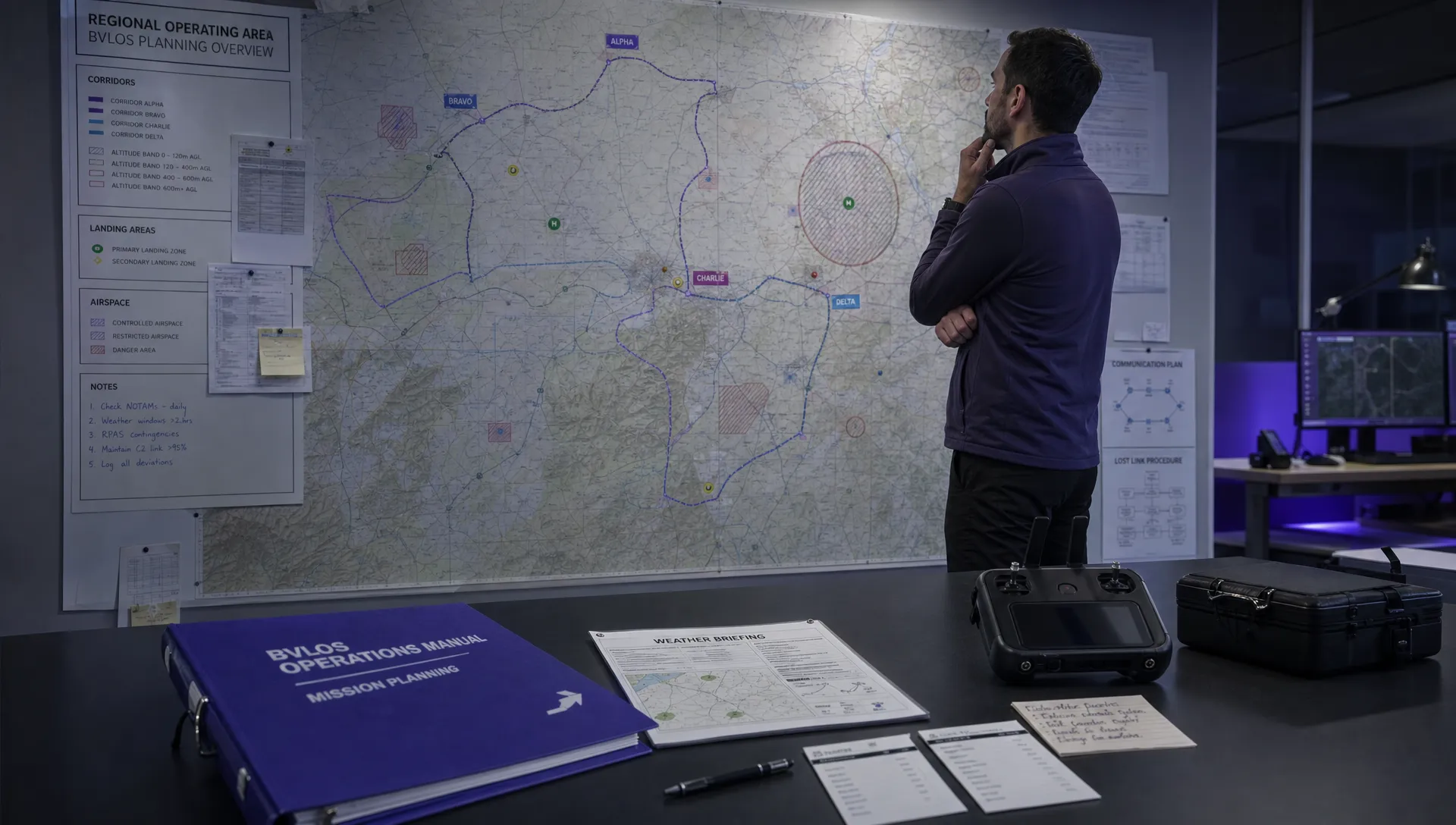 What the BVLOS ARC Report Means for UAS Operators →
 Free Drone Pre-Flight Checklist for Commercial Missions →
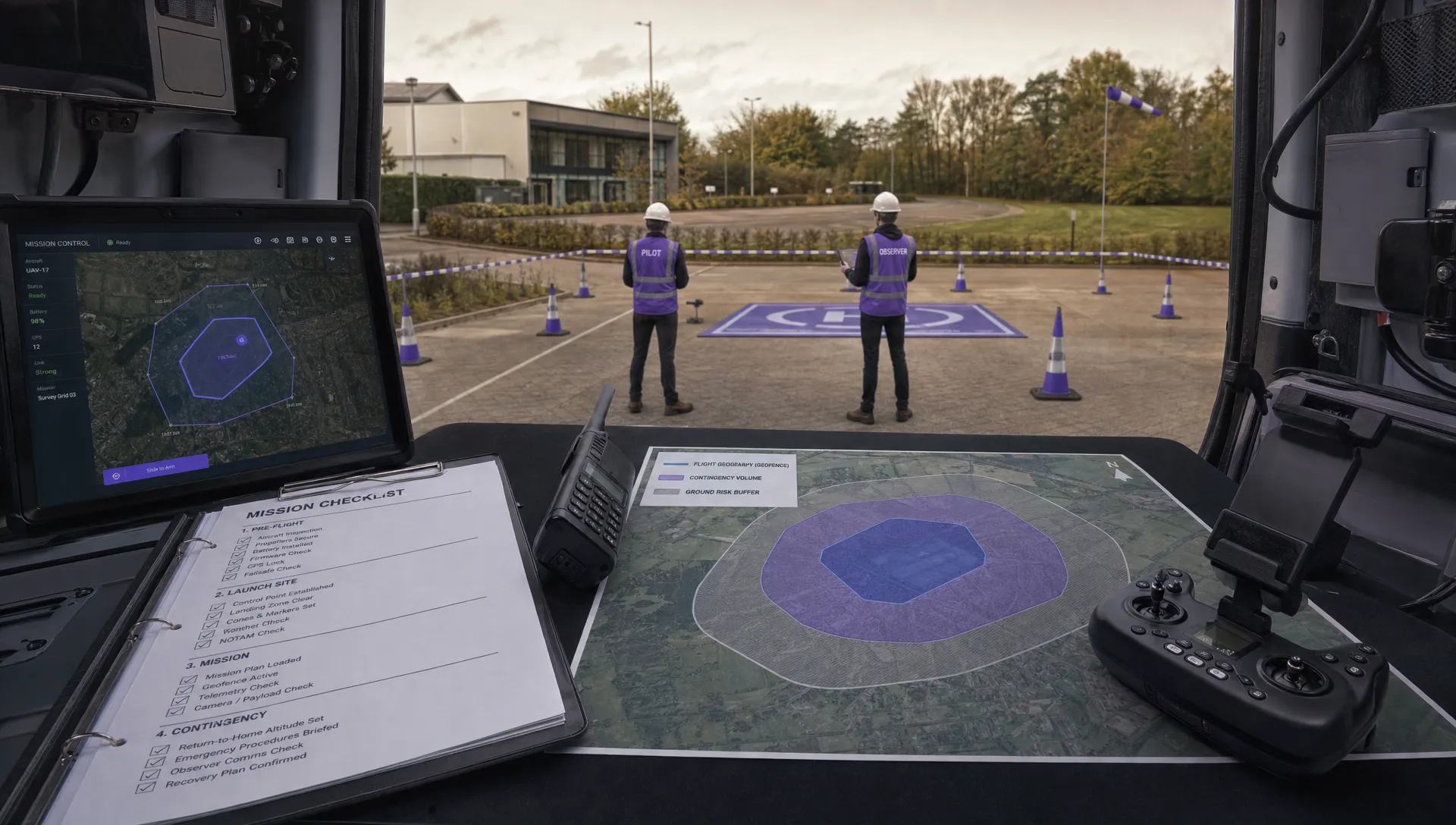 Contingency Volume and Flight Risk Buffer Explained →
 FAA Policy Changes That Commercial Drone Teams Should Track →