
Your Guide to the Best Online Pilot Logbook
An online pilot logbook is essentially a digital app where pilots can record flight hours, keep track of certifications, and manage their flying careers. Unlike the old-school paper logbooks, these cloud-based systems come with features like automated entries, secure backups, and instant calculations, making the whole process of record-keeping a lot smoother and more dependable.
Why Pilots Are Moving From Paper to Digital Logbooks
For decades, the paper pilot logbook was a non-negotiable part of every flight bag—a real, tangible record of a pilot's entire career. But just like we swapped out clunky paper charts for GPS, the move to an online pilot logbook is a huge upgrade in how pilots manage their most critical asset: their flight time. This isn't just about convenience; it's about embracing precision, security, and efficiency in a field that demands all three.
Every pilot knows the headaches that come with paper. A simple coffee spill could wipe out years of carefully logged entries. Misplacing a logbook is enough to cause a full-blown panic, and the risk of fire or theft means a career's worth of data could be gone in a flash. These physical weak spots are a constant source of low-level anxiety.
Beyond the risk of losing it, logging everything by hand is just plain tedious and a magnet for errors. Tallying up total flight hours, tracking night landings for currency, or pulling specific aircraft time for a job application involves a lot of manual addition and double-checking. One tiny math mistake can create compliance headaches or make an interview way more complicated than it needs to be. Plus, storing multiple filled-up logbooks over a long career becomes a real storage problem.
The Clear Advantages of Going Digital
Digital logbooks tackle these problems head-on. With an online pilot logbook, your records are kept safely in the cloud, and you can get to them from any device, anywhere in the world. That alone eliminates the risk of physical damage or loss.
Even better, these systems automate the most boring, time-sucking tasks. They can pull in flight data directly, figure out your currency requirements on their own, and spit out detailed reports in seconds.
The image below really drives home how much time this automation saves pilots.

As you can see, it lifts a massive administrative weight off a pilot’s shoulders, freeing them up to focus on flying, not paperwork.
A New Standard for Aviation
To get a better sense of how the old way compares to the new, let's break it down side-by-side.
Paper Logbook vs Online Pilot Logbook
| Feature | Traditional Paper Logbook | Modern Online Pilot Logbook |
|---|---|---|
| Data Entry | Manual, handwritten entries for every flight. | Automated import from flight schedules and GPS. |
| Security | Vulnerable to physical damage, loss, or theft. | Secure cloud backup with multi-device access. |
| Calculations | Requires manual addition for totals and currency. | Instant, error-free calculations for hours & currency. |
| Reporting | Time-consuming to generate custom reports. | Generates detailed reports in seconds. |
| Accessibility | Limited to the physical location of the book. | Accessible anytime, anywhere with an internet connection. |
| Endorsements | Requires in-person signatures from instructors. | Supports secure digital signatures and endorsements. |
It’s pretty clear that making the switch isn't just a minor improvement—it fundamentally changes the game for pilots.
"If it’s not in the logbook, it’s not ready to fly."
This old aviation saying is just as true for a pilot's personal records as it is for aircraft maintenance. An accurate, easy-to-access logbook is the ultimate proof of your experience and compliance.
Moving to a digital format isn't just a trend anymore; it's become a professional standard. The ability to pull up, verify, and share your flight history in an instant is vital for checkrides, insurance renewals, and airline interviews. Our in-depth guide to the essential features of a flight log book can help you figure out what to look for. Ultimately, adopting an online pilot logbook is a crucial step for any pilot serious about managing their career in the modern world.
Essential Features of a Modern Pilot Logbook
Picking an online pilot logbook can feel like a chore, but the best ones all share a handful of features you just can't do without. These aren't just bells and whistles; they're genuine tools built to save you time, slash the risk of errors, and give you a crystal-clear picture of your flying career. Think of it less like a digital spreadsheet and more like your personal flight operations manager.
It's a bit like this: a simple calculator can do basic math, but a proper financial planning tool spots trends and helps you map out your future. A great logbook does the same thing for your flight hours. It takes raw data and turns it into real insight, helping you stay compliant, prepared, and ahead of the game. Let's dig into the core functions that make this happen.
Automated Flight Logging and Syncing
The single biggest time-saver is automated flight entry. Forget about manually punching in departure times, arrivals, and routes. A modern system does all the heavy lifting for you, usually in a few clever ways:
- GPS Tracking: Many apps use your phone or tablet's GPS to automatically sense takeoff and landing, creating a draft entry with dead-on accurate times and locations.
- Schedule Integration: For airline pilots, this is an absolute game-changer. The logbook pulls in your entire roster from your scheduling software, pre-filling almost every detail of your flights.
- Cross-Device Syncing: Your flight data should be everywhere you are. A quality logbook syncs effortlessly across your phone, tablet, and computer, so your records are always current, no matter which device you grab.
This level of automation cuts out a huge chunk of admin work. In fact, a recent survey found that some pilots spend up to 30 minutes per flight sequence just on manual logging. Automating all that gives you back hours every single month.
Smart Currency and Limit Tracking
Staying current is on you, but a great logbook makes it a whole lot easier. It should actively keep an eye on your flight history and give you clear, at-a-glance warnings for important deadlines. This goes way beyond just counting your landings.
A truly effective online pilot logbook doesn't just record what you've done; it intelligently anticipates what you need to do next to remain safe and legal.
For instance, the system should be tracking your night landings, instrument approaches, and flight reviews, pinging you with reminders long before they expire. It should also monitor flight and duty time limitations, helping you steer clear of accidentally breaking regulations—an absolutely critical feature for professional pilots working under complex rules.
Imagine getting an alert that you've got two weeks to knock out your three night takeoffs and landings. That's the kind of proactive help that prevents last-minute panic and ensures you never find out you've lapsed your currency right before a flight.
Secure Cloud Backup and Reporting
The real peace of mind comes from knowing your entire career's worth of data is safe. A non-negotiable feature for any online logbook is secure cloud backup. This is your safeguard against a lost, stolen, or broken device. If your tablet takes a tumble, you just log in on a new one and your entire flight history is right there, safe and sound.
But it’s not just about safekeeping. A powerful reporting engine is essential. Your logbook needs to be able to spit out professional, compliant reports for any situation with just a few clicks. Key reporting features should include:
- FAA Form 8710-1: Automatically fills out the flight time grid for your certificate and rating applications.
- Airline Applications: Creates tailored summaries that match the specific requirements of different airline hiring portals, saving you hours of tedious work.
- Insurance Renewals: Generates clean, verifiable printouts of total time, time-in-type, and other metrics insurance companies always ask for.
- Custom Reports: Lets you filter and export your data by aircraft type, date ranges, or flight conditions for your own analysis or special requests.
These features turn your logbook from a simple record into an active career management tool. You’ll always be ready for that next checkride, job interview, or ramp check.
Meeting FAA and EASA Regulatory Requirements

It's the first question on every pilot's mind when they think about ditching paper: is it legal? There’s a certain anxiety that comes with the thought of showing up for a checkride or a job interview with a tablet instead of a traditional, ink-signed logbook.
But rest assured, aviation authorities like the FAA and EASA have long given the green light to digital records. The catch? They have to meet specific standards for integrity, accuracy, and accessibility.
An online pilot logbook isn't just a convenient substitute; it's a fully recognized—and often preferred—way to keep records in modern aviation. It’s not about just having your hours on a screen. It’s about proving that the data is authentic, secure, and can be presented in a format that regulators will trust.
This move to digital is getting serious traction. The electronic logbook software market is on track to hit around $2.2 billion by 2025, a jump driven largely by the growing demand for precise, verifiable records. You can dig into the numbers in the full electronic logbook software report from datainsightsmarket.com. That kind of growth shows that both the industry and its watchdogs have real confidence in these systems.
What Makes a Digital Logbook Compliant
For an online pilot logbook to pass muster with the authorities, it has to be a reliable system of record. Think of it like digital evidence in court—its validity hinges on a clear, unbroken chain of custody and proof that it hasn't been messed with.
A few core elements make this possible:
- Data Integrity: The system has to prevent unauthorized or accidental changes to past entries. Once a flight is logged, it should be timestamped, and any corrections need to be tracked transparently.
- Secure Signatures: For things like instructor endorsements or sign-offs from a check pilot, the platform needs a secure way to handle digital signatures that can be easily verified.
- Accessible Reporting: The logbook has to be able to spit out clear, legible, and properly formatted reports that you can print or save as a PDF. An examiner shouldn't have to learn a new app on the spot; they need a document that looks and feels familiar.
Get these things right, and your digital record carries the same legal weight as a handwritten one.
Best Practices for Maintaining Your Records
Even though a good online pilot logbook service offers solid security, the buck ultimately stops with you. Your flight records are your responsibility. A few simple habits will ensure you're always in control of your data, no matter what happens to the service you're using.
Your flight log is the official, legal narrative of your aviation career. Whether on paper or a screen, its integrity is your responsibility to maintain and protect.
First things first: create regular backups. Even with cloud storage, you should periodically export your entire logbook in universal formats like PDF and CSV. Stash these backups somewhere safe and separate, like a personal cloud drive or an external hard drive. A good rule of thumb is to do a full export every quarter or after any big chunk of flying.
Also, when you get an endorsement, make sure your instructor uses the platform’s official digital signature feature. This creates a verifiable link between their credentials and your record, which is vital for any official review. Just like with paper, never accept an endorsement that isn't properly signed and dated. This kind of attention to detail means your digital records will always be audit-ready.
For drone pilots, keeping accurate logs is also critical for staying on the right side of new rules. Our guide on FAA Remote ID requirements dives deeper into why this matters.
Unlocking Advanced Logbook Capabilities
Once you’ve nailed the basics of logging flight time, a premium online pilot logbook stops being a simple record-keeper and becomes more like a powerful career co-pilot. This is where the technology really starts to pay off, turning your data from a static list of flights into a tool you can actually use for analysis and planning.
Think of it this way: a paper logbook is like a shoebox full of receipts. An advanced digital logbook is like having accounting software that shows you exactly where your money is going and how to manage it better. These features aren't just about convenience; they’re about giving you the precision and foresight to turn your flight history into a roadmap for your future.
Seamless Integration With Airline Schedules
For any professional pilot, probably the single most valuable feature is direct integration with airline scheduling software. Manually entering hundreds of flights a year is a huge drag—it’s time-consuming, and it’s easy to make mistakes. This integration changes the game completely.
Instead of typing in city pairs, tail numbers, and flight times for every single leg, the logbook just pulls in your entire schedule automatically. With a couple of clicks, dozens of flights are loaded in with near-perfect accuracy. All you have to do is give it a quick once-over and hit approve.
- Saves a ton of time: Airline pilots can easily save hours every month by cutting out the tedious post-trip data entry.
- Keeps it accurate: It massively reduces the chances of typos or forgetting an entry, ensuring your logbook is a perfect match for company records.
- Tracks duty time: These integrations often pull in your duty and rest periods, too, giving you a crystal-clear overview for staying compliant with complex regulations.
This kind of automation lets you focus on the flying, not the paperwork, and your records are always up-to-date with almost zero effort.
Powerful Data Visualization and Analytics
Beyond just pulling in data, the real magic of an advanced online pilot logbook is how it helps you see your data. It turns all those rows of numbers into charts and graphs that actually tell the story of your flying career. This helps you spot trends, keep an eye on your goals, and get a better handle on your performance.
It's like having your own personal data analyst. You can instantly see your flight time broken down by aircraft type, check your progress toward a new rating, or even see a map of every single airport you've ever flown into.
An advanced logbook doesn't just store your history; it helps you interpret it. It provides the clarity needed to make informed decisions about your training, currency, and long-term career path.
This analytical power is bigger than just one pilot, too. Across the industry, digital logbooks are essential for tracking aircraft hours, maintenance schedules, and pilot flight times to keep everything safe and compliant. The real-time data and predictive analytics built into this software help operators cut down on maintenance time, use their fleet more efficiently, and boost safety standards. If you're curious about the bigger picture, you can find some great insights on the global logbook software market to see how this tech is making waves.
Custom Reporting for Career Advancement
Finally, the best logbooks give you sophisticated reporting tools that go way beyond a standard printout. When you’re applying for a new job or upgrading a certificate, you need to present your experience in a very specific format. A good reporting engine makes this dead simple.
You can spin up custom reports tailored to just about any requirement you can think of, like:
- Time-in-Type Analysis: Instantly pull your total hours in a specific airframe. This is a must-have for job applications and insurance forms.
- Experience Summaries: Create detailed breakdowns filtered by flight conditions (night, IFR), what seat you were in (PIC, SIC), or the type of operation (Part 121, Part 135).
- Goal Tracking: Set a target—like the 1,500 hours for an Airline Transport Pilot certificate—and the software will show you exactly how close you are and even project when you'll hit it.
These features turn your logbook from a simple record into a dynamic asset, ready to produce whatever documentation you need at a moment's notice. That level of preparation can really make you stand out in a competitive aviation job market.
How To Choose The Right Online Pilot Logbook Service

With a ton of digital options out there, picking the right online pilot logbook can feel a bit like picking a flight school. They all promise to be the best, but the right one for you really boils down to your specific needs as a pilot. Making a smart choice now will save you a world of headaches later on.
Think of it like choosing a new flight bag—what a weekend VFR flyer needs is a world away from what an international airline captain requires. To find your perfect match, you need to look past the flashy marketing and focus on what actually matters: core features, cost, and whether it can grow with you.
Define Your Pilot Profile
First things first, you need to get real about what kind of pilot you are today and where you see yourself in the future. Your flying habits will dictate which features are must-haves versus nice-to-haves. Are you just starting out, or are you managing flights across multiple time zones?
- The Student Pilot: You need simplicity, affordability, and a bulletproof way to track endorsements. The best logbook for you will make it dead simple to log training flights and get digital sign-offs from your instructor.
- The General Aviation Aviator: You're flying for fun or business, probably in a few different types of aircraft. You’ll want flexibility, GPS tracking for spot-on flight logging, and solid reminders for things like flight reviews and medicals.
- The Professional or Airline Pilot: Your career is all about efficiency and compliance. You're looking for seamless integration with airline scheduling software, detailed duty time tracking, and powerful reporting for interviews and type ratings.
Figuring out your pilot profile immediately cuts through the noise and helps you zero in on the services built for your kind of flying.
Evaluating Your Online Logbook Options
Once you've nailed down your pilot archetype, it’s time to start comparing your options. A few key factors will make or break your day-to-day experience with any platform and determine its long-term value.
This table breaks down the essentials you should be looking at.
| Consideration | What to Look For | Why It Matters for Your Career |
|---|---|---|
| Pricing Model | Subscription (monthly/annual) vs. one-time purchase. | Subscriptions usually mean constant updates and support, while one-time fees can be cheaper upfront but might lack future-proofing. |
| Platform Availability | Native apps for iOS, Android, and a fully functional web interface. | You need to access your logs on the fly, whether it's on your phone in the cockpit or a desktop when you get home. No excuses. |
| User Interface (UI) | An intuitive, clean, and easy-to-navigate design. | A clunky interface is a deal-breaker. If logging flights feels like a chore, you’ll fall behind, which defeats the whole point. |
| Customer Support | Responsive help via email, chat, or phone, along with good documentation. | When you have a question right before a checkride or an interview, you need quick, helpful support. It's non-negotiable. |
| Data Portability | The ability to easily export your entire logbook to universal formats like CSV or PDF. | This is your ultimate insurance policy. It guarantees you always own your data, no matter what happens to the company. |
The best online pilot logbook isn't the one with the most bells and whistles; it's the one that feels like a natural part of your workflow and reliably protects your career data.
Always take advantage of free trials. Get in there and play around with the user interface to see how it feels. A platform might look great on paper, but if you find it frustrating to use, you'll avoid it. And I can't stress the data export feature enough—it gives you total control over your flight history, forever.
Pilots in specialized fields often have unique logging requirements. For example, operators using drones for agriculture have to track not just flight time but also mission-specific data like acreage covered or chemicals dispersed. A logbook that allows for custom fields or tags is a game-changer in scenarios like this, showing just how adaptable digital logging can be.
Got Questions About Digital Logbooks?
Making the jump to a digital system is a big change, and it's smart to have a few questions. For most pilots, an online pilot logbook feels worlds away from the paper-and-pen records they’ve kept for years. It's only natural to want to clear up any doubts before you trust a new system with your career's most important data.
Let's walk through the most common questions pilots ask when they're thinking about going digital. My goal here is to give you straight, clear answers so you can feel confident that your records will be secure, compliant, and ready for whatever comes next in your aviation journey.
Are Online Pilot Logbooks Actually Legal with Aviation Authorities?
Yes, they absolutely are. Regulatory bodies like the FAA in the United States and EASA in Europe are perfectly fine with electronic logbooks. There's a catch, though: they have to meet specific standards for accuracy, security, and accessibility to be considered the real deal. It’s not just about having numbers on a screen—it’s about keeping a record of your flight experience that is verifiable and trustworthy.
The FAA, for instance, says a digital record is acceptable as long as it's safe from being changed by someone else and can be printed out in a clear, readable format when asked. That means an examiner or a potential employer needs to be able to look at a clean, printed report without having to learn how to use your specific app.
The best online logbooks are built from the ground up to blow past these minimum standards. They offer things like secure digital signatures and generate compliant reports that are universally accepted for checkrides, job interviews, and official audits.
Reputable logbook companies design their platforms around these rules, making sure their reports look just like the familiar formats that officials have been seeing for decades.
What Happens to My Data if the Logbook Company Goes Out of Business?
This is a huge, and very valid, concern. Any logbook service worth its salt has strong protections in place for this exact scenario. The single most important feature you need to look for is the ability to export your entire logbook. And not just in some weird, custom format, but in universal files like PDF and CSV. This is your ultimate safety net, allowing you to create your own independent backups on your computer or a personal cloud drive.
Think of it like making a photocopy of your paper logbook. You wouldn't just have one copy, would you? The same idea applies here.
Get into the habit of exporting your data every few months, or after any big block of flying. It’s a simple step that guarantees no matter what happens to the service provider, you always have a full, accurate, and accessible record of your flight time under your own control. Your career data is just too valuable to leave completely in someone else's hands.
How Hard Is It to Transfer Years of Paper Entries?
The thought of typing in an entire paper logbook can feel overwhelming, but modern logbook services have made this as painless as possible. Yes, it takes some time upfront, but the long-term benefits in security, accuracy, and sheer convenience are massive. You've got a few ways to tackle this.
Many services offer a one-time data entry service for a fee. You mail them your logbook, and they professionally transcribe everything for you. This is a fantastic option if you're short on time and just want it done right.
If you'd rather do it yourself, they provide web tools designed for entering lots of flights quickly. A really popular method is to:
- Add a single entry with the summary totals from your paper logbook up to today's date.
- Start logging each new flight individually from this point forward.
- As you find time, go back and start entering your older, individual flights.
Some platforms even have tools that let you import data from a spreadsheet, which can really speed things up. That initial effort is a small price to pay for having your entire career searchable, secure, and backed up forever.
Can I Use One Logbook for Both Airline and Personal Flying?
Definitely. In fact, this is one of the biggest strengths of a quality online pilot logbook. These systems are built to handle the messy reality of a modern flying career, where you might be flying under different rules or for different reasons on any given week. Trying to juggle multiple paper logbooks for GA flying and airline flying is a recipe for mistakes.
A digital system lets you keep one single, master logbook but still slice and dice your flight time with incredible precision. You can easily tag flights by the type of regulation (like Part 91 for a weekend trip or Part 121 for your airline job) or by aircraft.
This makes pulling custom reports a breeze. Need to show an interviewer just your multi-engine turbine PIC time? A few clicks and you’ve got a perfect report. Need a summary of your instructional time for a CFI renewal? It’s just as simple. This flexibility saves a ton of hassle and ensures you're always showing the right data to the right people.
Ready to manage your drone operations with a system that combines powerful flight logging with comprehensive business tools? Dronedesk offers an all-in-one platform to enhance your safety, productivity, and compliance. Join thousands of professional pilots who trust Dronedesk to streamline their workflow by visiting https://dronedesk.io to learn more.
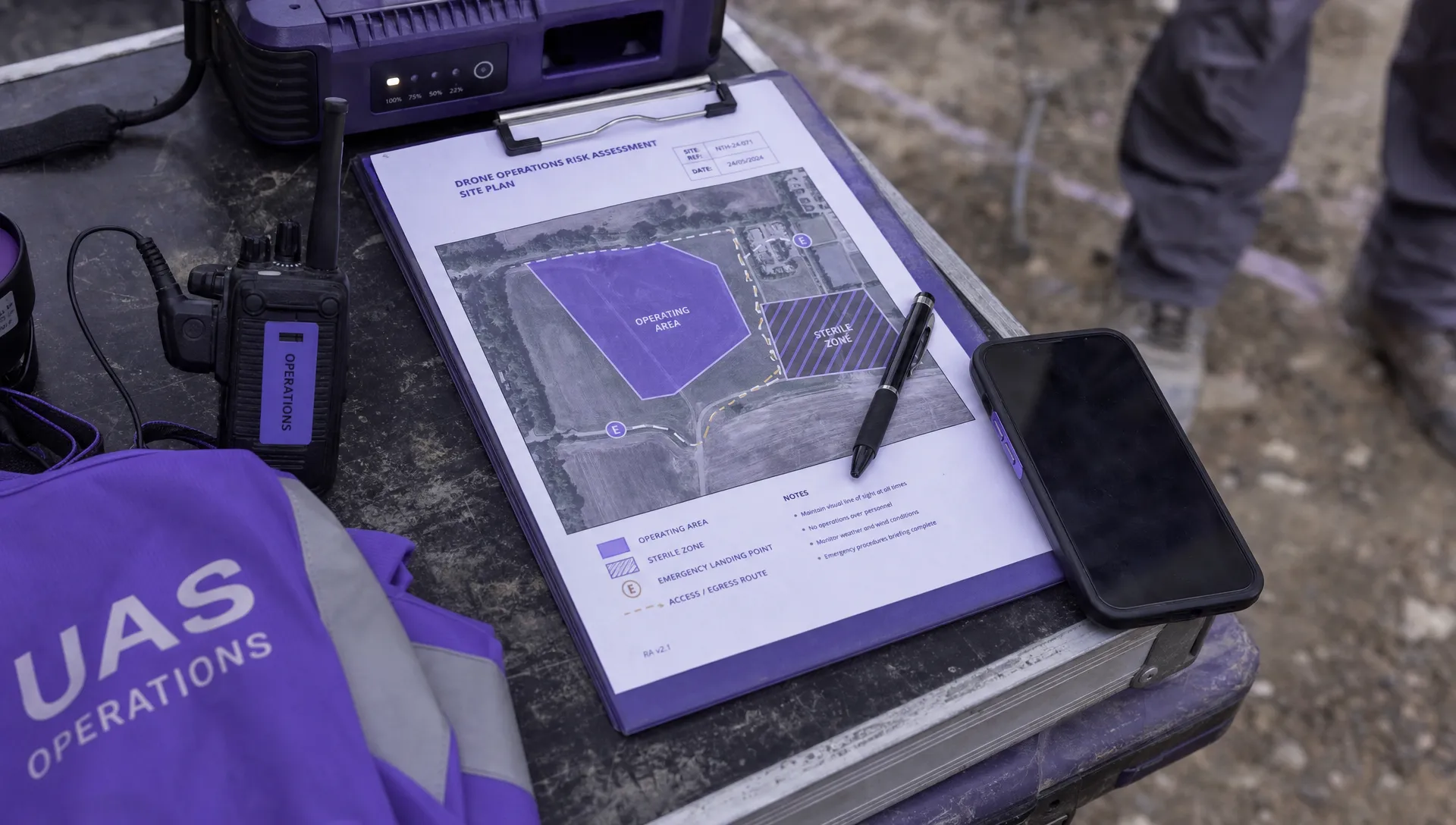 Drone Risk Assessment Controls That Work in the Field →
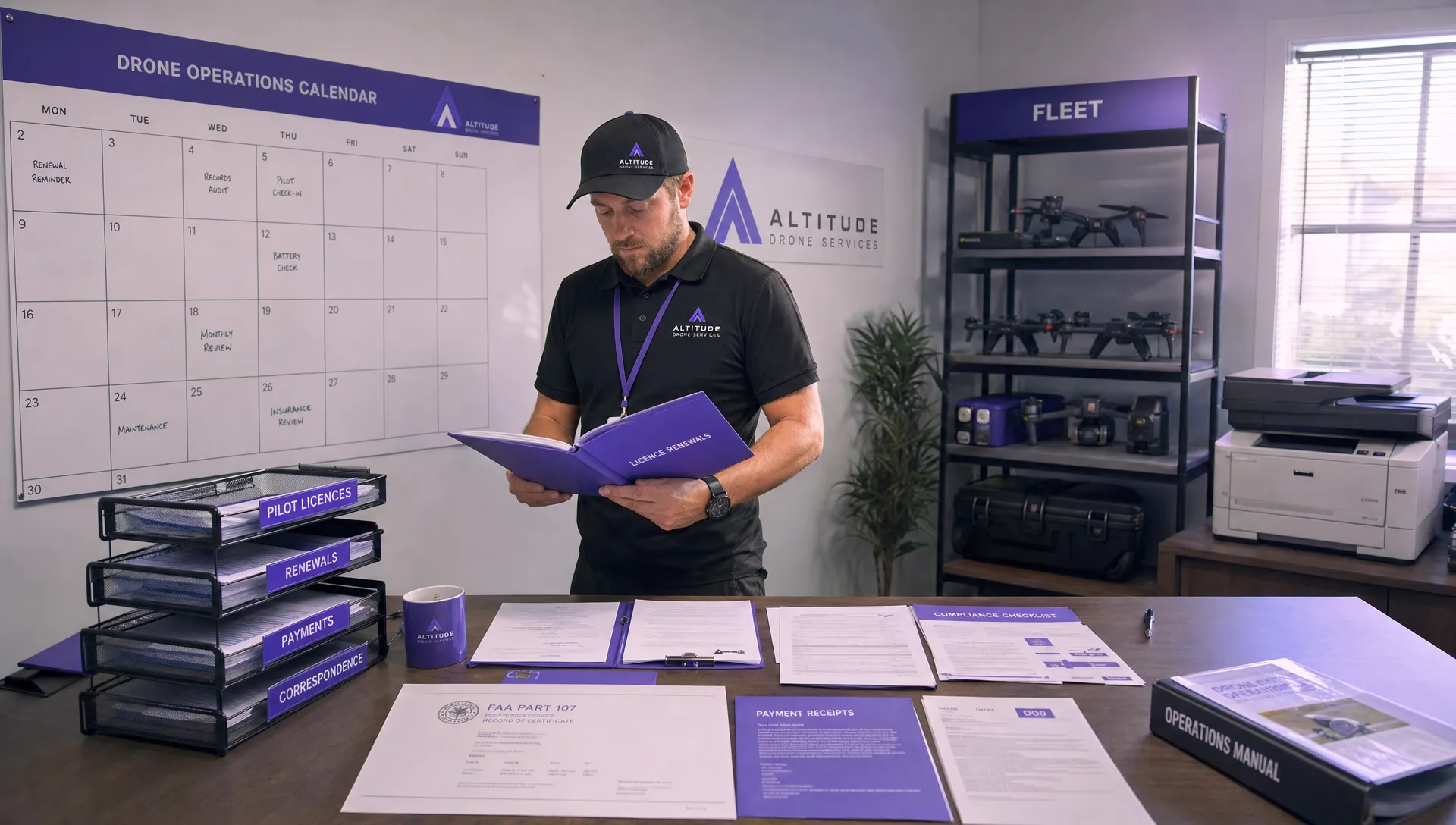 FAA Drone License Costs Beyond the Knowledge Test →
 Drone Part 107 Operations: When a Waiver May Be Needed →
 Drone Operating Rules for Managing Contractors and Employees →
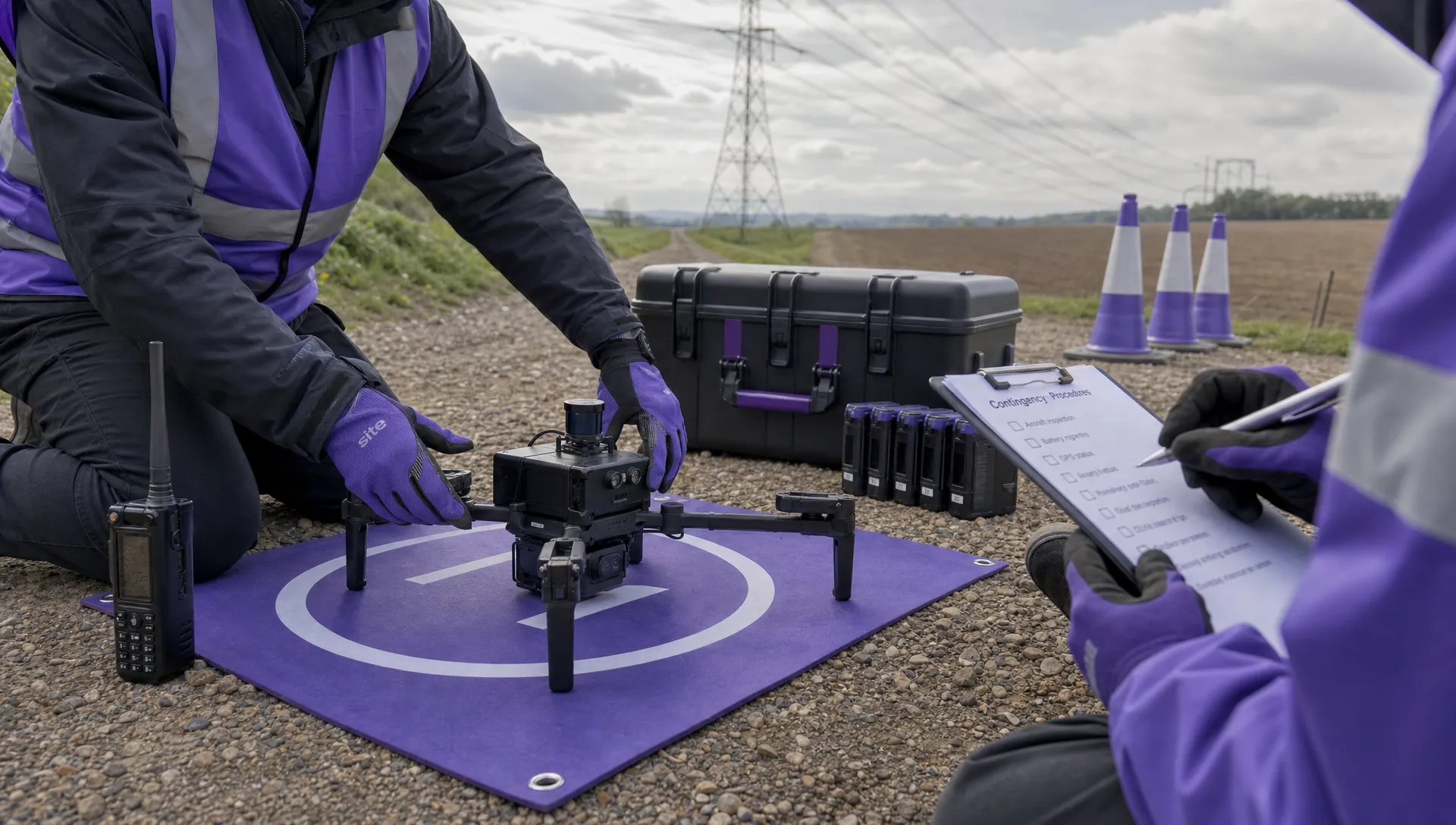 BVLOS Drone Requirements for Building a Safety Case →
 Drone Pilot Test Mistakes That Cost Candidates Marks →
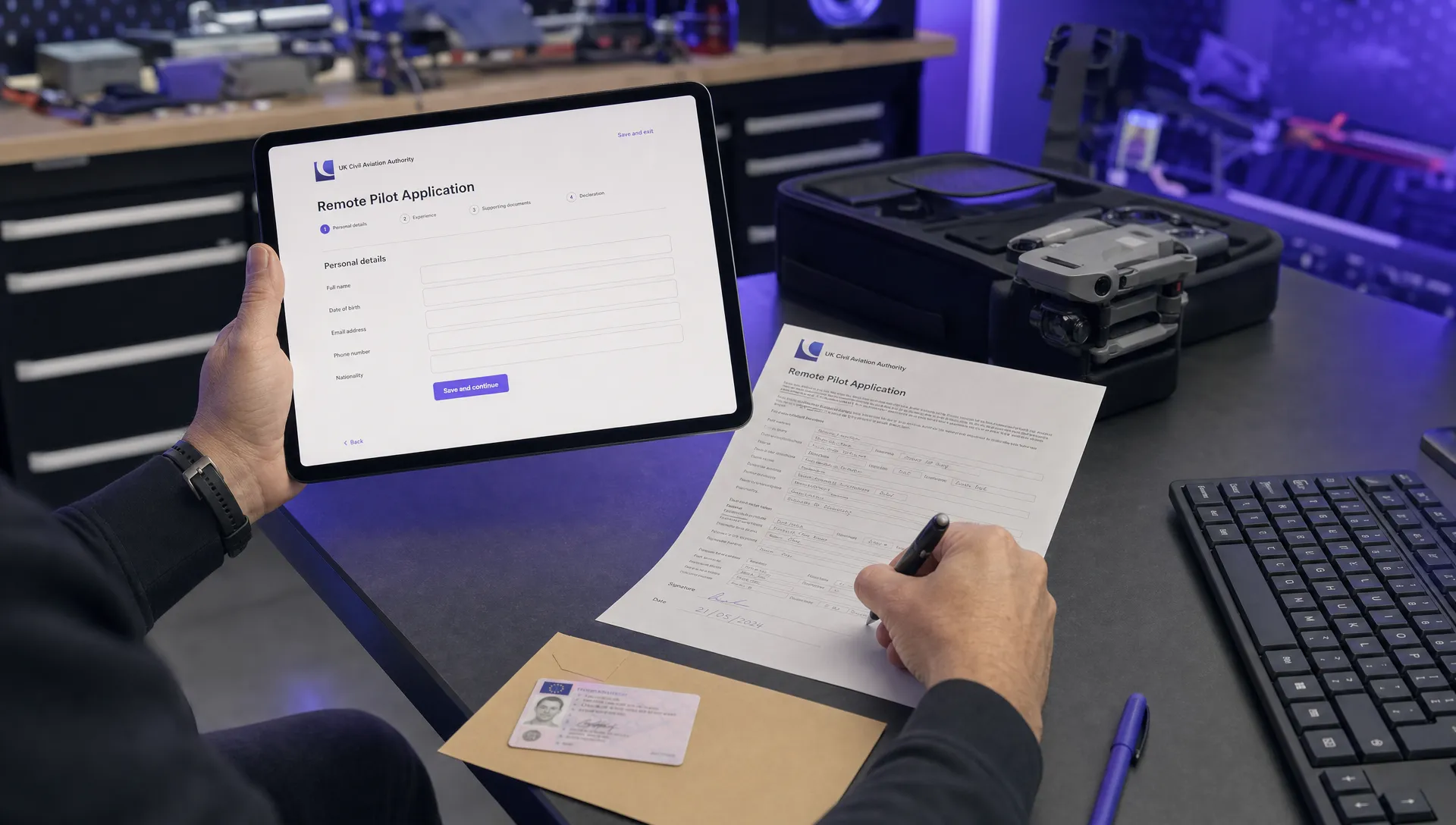 FAA 107 License vs Part 107 Certificate: What’s the Difference? →
 Drone Airport Rules: A Field Checklist for Site Assessments →
 FAA Part 107 Record-Keeping Rules for Commercial Teams →
 How to Review a DJI Flight Log After an Unexpected Event →