
A Guide to Your Drone Data Management Program
At its core, a data management program is a system that pulls together, organizes, secures, and makes sense of all the information your drone business creates. Think of it as a central command centre, turning what was once a jumble of flight logs, client reports, and maintenance records into a clear, unified strategy for safer and more efficient flying.
Your Drone Operations Command Center
Imagine your drone business is a busy airport. Every flight plan, pilot log, client report, and maintenance check is a plane taking off or landing. Without an air traffic control system, you'd have chaos. That's exactly what a data management program is for your operations: it's your very own air traffic control, bringing clarity and order to the madness.
But this system is much more than just a digital filing cabinet. It’s an intelligent hub that transforms raw data points—like battery cycles, equipment status, and airspace reports—into powerful, actionable insights. For any serious drone operator, this is the bedrock for scaling your business safely and efficiently.
From Scattered Data to a Single Cockpit View
A centralized platform gives you a single, clear view of everything, from pre-flight safety checks right through to post-mission analysis. This "single source of truth" gets rid of the guesswork and the administrative headaches that come from juggling information across spreadsheets, emails, and paper logs. With everything in one place, you can answer critical questions in an instant:
- Which of my drones are due for maintenance?
- Are all my pilots current with their certifications?
- What's the complete flight history for a specific project?
- Have all the pre-flight risk assessments been completed and logged?
This kind of oversight isn't just a nice-to-have; it's absolutely essential for staying compliant and keeping your operations tight. If you're curious how this works in practice, check out our guide on building a modern flight operations center.
A proper data management program is what separates a hobby from a professional, scalable business. It provides the structure you need to manage risk, ensure compliance, and deliver consistent quality to your clients, every single time.
Why Data Management Is More Important Than Ever
The need for solid data systems isn't just something we're seeing in the drone world; it's a massive trend across all industries. The global Data Management Market is exploding, which tells you just how critical this has become for modern businesses. Valued at USD 125.66 billion in 2026, this market is projected to skyrocket to USD 352.17 billion by 2035, growing at a powerful compound annual rate of 12.1%. You can dig into more insights on the data management market's growth and see for yourself how seriously businesses are investing in these solutions.
For drone professionals, this trend hammers home a crucial point: managing your data effectively is no longer optional. It's a core business function that directly impacts your safety, efficiency, and ultimately, your bottom line. Bringing a dedicated data management program into your workflow is the first real step toward building a resilient drone operation that's ready for the future.
Core Features Every Drone Data Program Needs
Not all data management software is created equal, especially when it comes to the unique grind of drone operations. A solid platform is much more than a digital filing cabinet; it's a purpose-built tool designed to tackle the real-world challenges drone pros face every day. Getting your head around the core components is the first step to picking a system that actually helps, rather than hinders, your workflow.
These programs aren't just for dumping files. They're dynamic systems that should actively manage every part of your operation, from pre-flight checks in the workshop to delivering the final report to your client. Let's break down the essential pillars you should be looking for.
This diagram shows how a central hub connects the dots between capturing data in the field, organizing it, and keeping it secure.

Think of it as the "brain" of your entire drone business, making sure information flows smoothly from the moment you take off to your final analysis.
When you're vetting potential platforms, you'll find a lot of bells and whistles. But underneath all the marketing speak, there are a few non-negotiable features that form the backbone of any worthwhile system.
The table below breaks down these essential features and, more importantly, explains why they matter for your day-to-day drone work.
Essential Features of a Drone Data Management Program
| Feature | What It Does | Why It's Critical for Drone Operators |
|---|---|---|
| Centralized Fleet & Equipment Management | Tracks drone health, flight logs, battery cycles, and maintenance schedules from a single dashboard. | Shifts you from reactive repairs to proactive maintenance, preventing costly downtime and ensuring your gear is always ready to fly. |
| Integrated Compliance & Safety Tools | Provides automated airspace intelligence, generates risk assessments, and flags potential hazards like TFRs or nearby airports. | Acts as your first line of defense against safety incidents and regulatory fines, creating a digital paper trail to prove due diligence. |
| Seamless Client & Project Management | Links every flight, photo, and report directly to a specific client or job, organizing all project-related data in one place. | Connects your field operations directly to your business outcomes, making it easy to track profitability and manage client communication. |
| Automated Reporting & Analytics | Generates instant reports on flight hours, pilot performance, asset usage, and other key operational metrics. | Turns raw flight data into actual business intelligence, saving you hours of manual spreadsheet work and revealing valuable insights. |
Each of these features works together to solve a critical pain point, turning what can be an administrative headache into a streamlined, professional operation.
A Closer Look at the Must-Haves
Centralized Fleet and Equipment Management
Your drones, batteries, and sensors are the heart of your business. A good program gives you a central dashboard to track aircraft health, flight logs, and maintenance schedules. This isn't just about knowing where your kit is; it's about preventative care and guaranteeing you’re always mission-ready.
Imagine getting an automatic heads-up that a drone is nearing its service interval or that a specific battery's performance is starting to dip. This capability moves you from putting out fires to preventing them in the first place, saving you from expensive downtime and unexpected equipment failures.
Integrated Compliance and Safety Tools
Staying on the right side of aviation regulations isn't optional. A top-tier program has to include built-in tools for automated airspace checks and standardized risk assessments. In practice, this means the software should warn you about temporary flight restrictions, airports, and other hazards before you even pack the van.
These features are your digital co-pilot, ensuring every mission is planned with the latest data and creating a paper trail that proves you did your due diligence if the authorities ever come knocking.
Seamless Client and Project Management
Your flights don't exist in a vacuum—they're tied to jobs and clients. The best systems link every flight log and data file directly to a project, keeping everything from the initial brief to the final deliverables organized in one spot.
This completely changes your workflow. You can easily see how profitable a project was, manage all client communication, and pull reports without having to stitch together information from a dozen different apps. It connects what you do in the field to your bottom line.
The core principle of a good drone data management program is creating a "single source of truth." This means every piece of data, from a single battery's charge cycle to a comprehensive client project file, lives in one unified and interconnected system.
Automated Reporting and Analytics
Let’s be honest, nobody enjoys manually compiling reports on flight hours, pilot performance, or asset depreciation. It’s a massive time sink. A key feature is the ability to generate these reports automatically, turning raw data into actionable intelligence. You should be able to see at a glance which drones get the most use, which pilots have the most airtime, and how your assets are depreciating over time.
This need for a unified data source is a huge trend across all industries. The global Master Data Management (MDM) market was valued at US$ 30.3 billion in 2026 and is expected to hit US$ 81.2 billion by 2033, growing at a blistering 15.1% CAGR. This boom is driven by the exact challenge drone businesses face: merging scattered data into one coherent picture. To dig deeper, check out our guide on data management best practices for drone operators.
A robust drone data program has to be ready to handle everything you throw at it, from flight logs to high-res imagery, which means managing both structured data vs unstructured data effectively. When these features work in concert, they turn your operational data from a simple record into a powerful strategic asset.
Turning Operational Chaos Into Strategic Control
Bringing a dedicated data management program into your drone operations is so much more than a simple upgrade. Think of it as a fundamental investment in your business's efficiency, safety, and ability to grow. It’s what takes the often chaotic, reactive nature of day-to-day drone work and turns it into a streamlined, strategic asset. And these aren't just fluffy, abstract benefits—they have a real, measurable impact on your daily workflow and, ultimately, your bottom line.
Picture this: an auditor knocks on your door and asks for a complete breakdown of your flight and maintenance records for the past year. For most operators, that's a heart-stopping moment. It triggers a mad scramble through scattered spreadsheets, paper logbooks, and a mess of digital files saved in who-knows-what-folder. Now, imagine simply clicking a button and producing a comprehensive, audit-ready report in seconds. That's the kind of control we're talking about.

This shift, from reactive fire-fighting to proactive control, is where the real value is unlocked. Let’s dig into the tangible benefits that turn those operational headaches into genuine strategic advantages.
Dramatically Reduce Administrative Overhead
One of the first things you'll notice is the huge drop in time wasted on manual admin. It’s a silent killer of productivity. Studies show that the average employee can burn 2.4 hours every week just hunting for data they can't find or don’t trust. For a drone pilot, that’s time spent manually logging flights, tracking equipment, and piecing together reports instead of flying.
A proper data management program puts all of that on autopilot. Flight data can sync directly from your drone, maintenance alerts pop up automatically based on flight hours, and client reports can be generated from templates in a flash. This frees up your most valuable resource: your time. If you're tired of admin overload, learn how to streamline your drone fleet with Dronedesk.
Enhance Operational Safety and Compliance
In the world of aviation, safety and compliance are absolutely non-negotiable. A centralized system is your best friend here, creating a rock-solid digital paper trail and standardizing how you operate.
Here’s what that looks like in the real world:
- Automated Pre-Flight Checks: The system can make digital checklists mandatory, ensuring no pilot ever skips a critical safety step before taking off.
- Standardized Risk Mitigation: Built-in risk assessment tools guide your pilots through a consistent evaluation process for every single mission. No more guesswork.
- Effortless Compliance: With every flight log, maintenance record, and pilot qualification stored in one place, you are always ready for an audit from bodies like the FAA or CAA.
This approach creates a "single source of truth" for your entire operation. It ensures every decision—from a routine pre-flight check to a major equipment purchase—is based on data that's accurate, complete, and easy to find.
Unlock Powerful Business Intelligence
Beyond making your day-to-day work easier, a data management program is a powerhouse for business intelligence. When you aggregate all your operational data over time, you start seeing trends and insights that were completely invisible when your information was scattered everywhere.
This is where you can start making smarter, evidence-based decisions.
For instance, you can finally get clear answers to questions like:
- Asset Utilization: Which drones and batteries are getting the most use? This helps you optimize your fleet and know exactly what to buy next.
- Project Profitability: By tying flight hours and equipment usage directly to specific jobs, you can calculate the true cost of each project and sharpen up your pricing.
- Pilot Performance: You can track flight hours and mission success rates to spot where extra training might be needed or to give a shout-out to your top performers.
This analytical power transforms your operational data from a simple record of what happened into a strategic guide for what to do next. It gives you the clarity to scale your business with confidence, knowing your decisions are backed by hard data, not just a hunch.
Choosing the Right Program for Your Drone Business
Picking the right data management program is a huge decision. It's not just another piece of software; it's the central hub that will define your daily workflow and, ultimately, your ability to scale. Get it right, and you turn administrative chaos into a serious competitive advantage. Get it wrong, and you're just creating new bottlenecks for your team.
Before you commit to anything, you need to look past the flashy sales pitches and ask some hard questions. Will this platform actually grow with my business, or will I be looking for a new one in a year? Is it intuitive enough for my pilots in the field and my project managers back in the office? Most importantly, does it actually solve my biggest headaches?
Define Your Core Needs First
The biggest mistake I see companies make is choosing a program based on what it can do, rather than what they need it to do. Your first step should always be to map out your biggest operational challenges.
Are you drowning in manual flight logs? Losing sleep over proving compliance to regulators? Struggling to track maintenance schedules across a growing fleet of drones?
Your answers will form a "must-have" feature list. This simple exercise helps you slice through the marketing jargon and zero in on a tool that will actually make your life easier.
- Compliance and Safety: If this is your top priority, you'll want a program with automated risk assessments, built-in airspace intelligence, and audit-ready reports.
- Team Coordination: For growing crews, things like pilot scheduling, project assignments, and a central communication hub are non-negotiable.
- Client Reporting: If delivering slick, data-heavy reports is a key part of your service, look for platforms with customizable reporting and maybe even a direct client portal.
Key Evaluation Criteria for Any Program
Once you've got your needs down on paper, you can start sizing up potential solutions. A solid data management program for a drone business needs to nail a few key areas that generic business software just can't handle.
The goal is to find a platform that feels like it was built by drone professionals, for drone professionals. So much generic business software just misses the mark because it doesn't understand the unique compliance, safety, and operational workflows of our industry.
To make sure you're picking a winner, it's worth digging into these questions every CTO should ask when choosing a data program to get your technical due diligence right.
Here's what I'd be looking for:
- Drone-Centric Features: Does it have the essentials? Think automated flight log syncing from manufacturers like DJI, battery health tracking, and integrated airspace maps.
- Integration Capabilities: How well does it play with the other tools you already use? You want something that connects smoothly with your accounting software, cloud storage, or project management apps to avoid creating messy data silos.
- User Experience (UX): Is the platform actually easy to use? A clunky, confusing interface will kill adoption, no matter how powerful the features are.
- Customer Support: When things inevitably go sideways, can you get hold of a support team that knows what they're talking about? Look for providers who understand the drone industry inside and out.
The wider Enterprise Data Management market is growing steadily, which tells you something important. It’s projected to hit USD 225.97 billion by 2031, growing at 10.69% annually. This isn't just a tech trend; it shows that smart businesses are investing in a solid data foundation. In a highly regulated industry like ours, that foundation isn't a "nice-to-have"—it's essential for long-term survival and growth.
Data Management Program Selection Checklist
Use this checklist to evaluate and compare different data management solutions for your drone operations.
| Evaluation Criteria | Key Questions to Ask | Your Rating (1-5) |
|---|---|---|
| Drone-Specific Functionality | Does it have automated flight logging, airspace maps, battery management, and equipment tracking? | |
| Compliance & Safety | Are risk assessments customizable? Does it generate audit-ready reports? Is airspace intelligence up-to-date? | |
| Team Management | Can I schedule pilots, assign projects, and track qualifications and currencies easily? | |
| User Experience (UX) | Is the interface intuitive for both office staff and field pilots? Is there a reliable mobile app? | |
| Integration Potential | Can it connect with my existing accounting, CRM, or cloud storage tools (e.g., via API)? | |
| Client Reporting | Can I create professional, branded reports for clients? Is there a client portal feature? | |
| Scalability | Will the system support my business as I add more pilots, drones, and projects? What are the pricing tiers? | |
| Customer Support | Is support readily available? Do they have expertise in the drone industry? What are their response times? |
After rating each platform, you'll have a much clearer picture of which solution truly aligns with your operational needs and long-term vision. This isn't just about finding software; it's about finding a partner that helps you run a safer, more efficient, and more profitable drone business.
How Dronedesk Solves Your Data Challenges

It's one thing to understand the theory behind a data management program, but it's another thing entirely to see it solve the real-world headaches you face every day. Dronedesk was built from the ground up to be the command centre for your drone operations, taking those abstract data concepts and turning them into practical, time-saving workflows.
Forget the messy patchwork of spreadsheets, random cloud folders, and paper logbooks. Dronedesk brings everything together under one roof, giving every piece of your operational data a proper home. This isn't just about being tidy; it's about saving time, cutting down on risks, and gaining the clarity you need to run a safer, more profitable business.
A Single Source of Truth for Your Entire Operation
At its core, Dronedesk establishes a "single source of truth." This is a fancy way of saying everything—from a client's phone number to a drone's total flight hours—lives in one secure, connected place. No more hunting for the right spreadsheet or wondering if you've got the latest version of a flight log.
This central hub pays off immediately:
- Complete Project Visibility: Every flight, risk assessment, and pilot log is linked directly to a client and a job. This gives you a complete, easy-to-track project file for every piece of work.
- Instant Fleet Oversight: Jump onto the dashboard and get a real-time view of your entire fleet. See what needs maintenance, which pilot is on what job, and the status of all your gear.
- Standardized Workflows: Get every member of your team on the same page. Consistent processes for planning, flying, and reporting are crucial for maintaining quality and safety as your business grows.
With Dronedesk, the question "Where is that file?" is a thing of the past. Everything is exactly where it should be, interconnected and ready when you need it. It brings a level of operational clarity that manual systems just can't touch.
Automating the Administrative Burden
Let's be honest, admin is a huge drain. A study by Forrester found that people can spend an average of 2.4 hours a week just looking for data. For a drone pilot, that's time you could be flying, meeting clients, or planning your next job. Dronedesk gives you that time back by automating the most tedious tasks.
The seamless DJI integration is a perfect example. Instead of manually typing in flight times, locations, and telemetry data after every mission, Dronedesk syncs it all automatically. A job that used to take 15-20 minutes now happens in seconds, and with greater accuracy. This one feature alone can save you dozens of hours every month.
Built for Safety and Compliance
Dronedesk is more than just a business management tool; it’s a powerful safety and compliance system. The platform is loaded with drone-specific intelligence that helps you spot and manage risks before you even step out the door.
This includes:
- Advanced Airspace Intelligence: Get instant alerts for controlled airspace, temporary flight restrictions (TFRs), and other hazards right inside your mission plan.
- Standardized Risk Assessments: Use customisable templates to make sure every pilot completes a thorough, documented risk assessment before every flight. This creates a vital audit trail.
- Automated Logging: From pilot flight hours to battery charge cycles, Dronedesk automatically tracks the key metrics required by aviation authorities like the FAA and CAA.
This moves compliance from a reactive, paper-pushing chore to a natural, digital part of your daily routine.
Turning Data into Actionable Business Insights
A great data management program doesn't just store your information—it helps you make sense of it. Dronedesk comes with powerful reporting features that transform your operational data into a genuine business asset. You can pull reports on pilot activity, asset use, and project profitability with just a few clicks.
This lets you answer crucial business questions with real data:
- Which of my drones are getting the most use, and which are gathering dust?
- What's the real cost-per-hour for each piece of equipment?
- Are we pricing our services right, based on actual flight and prep time?
By connecting what you do in the field to your bottom line, Dronedesk gives you the power to make smarter, data-backed decisions. It provides the intel you need to optimise your fleet, refine your pricing, and build a more resilient and profitable drone business, no matter your size.
A Few Questions We Hear All the Time
Even when the benefits seem obvious, bringing in a new system always raises a few good questions. A proper data management program is a big step up from patching things together. It's about moving from scattered, manual tasks to a single, smart command center for your entire operation.
Let's tackle the common, real-world questions we get from drone pros, from solo pilots to large enterprise teams.
Can’t I Just Get By with Spreadsheets and Folders?
Look, when you're just starting out, spreadsheets and a few folders seem fine. It's simple, it's free, and it gets the job done... for a while. But as your business grows, this manual approach quickly goes from a simple tool to a serious liability. It's a system just begging for human error, and it has none of the smarts you need for professional drone work.
Think of it like navigating a cross-country road trip with a paper map instead of live GPS. It technically works, until you hit unexpected traffic, a road closure, or just make a wrong turn.
A manual system falls short in critical ways:
- Zero Automated Safety Checks: A spreadsheet can't warn you about a last-minute TFR or flag a potential hazard before you take off. That's a huge gap in your safety process.
- Painful, Time-Sucking Compliance: Try manually pulling together flight logs, maintenance histories, and pilot hours for an audit. It’s an absolute nightmare that can take days and still be riddled with holes.
- No Real-Time Picture: You’ve got no central dashboard to see the health of your fleet, where your gear is, or how projects are tracking. It's all guesswork.
A dedicated data management program automates all this grunt work. It creates one source of truth that not only saves you countless hours but also grows right alongside you as you add more drones, pilots, and projects.
How Exactly Does This Software Help with Legal Compliance?
This is where a specialised platform really shines. In the highly regulated world of aviation, being able to prove you did everything by the book isn't just a good idea—it’s what protects your license and your entire business. A solid system is your best defense.
It automatically logs every single detail the aviation authorities want to see: flight times, pilot info, precise locations, and a full maintenance history for every piece of gear. It also standardises your risk assessments and gives you instant access to airspace advisories and restrictions.
Picture this: you get a call about an audit or an incident investigation. Instead of a mad scramble through a mess of files, you can generate a complete, professional report in seconds. That right there shows a serious commitment to safety and regulation, and that’s priceless.
Is a Data Management Program Only Worth It for Big Teams?
That's a really common misconception. While a data management program is non-negotiable for coordinating large teams, it's an absolute game-changer for solo operators, too. As a single pilot, you’re already wearing a dozen hats—pilot, admin, salesperson, project manager. It’s exhausting.
A platform like Dronedesk basically acts as your automated business partner. It takes all the tedious admin off your plate, from logging flights to tracking battery cycles, so you can spend more time actually flying. It also helps you look far more professional to clients, with slick, standardised reports and perfectly organised project files. With scalable plans, these powerful tools are affordable for any size operation, helping solo pilots punch well above their weight.
What’s the Real ROI on a Data Management Platform?
The return on investment (ROI) you get from a data management program is huge, and it hits your bottom line in a few different ways that go way beyond the subscription fee.
First, you get a massive amount of your time back. Automating tasks like flight logging, equipment tracking, and report writing frees up hours every single week. One study found that people can waste 2.4 hours per week just looking for data. That's time you could be flying missions, prospecting for new clients, or just taking a well-earned break.
Second, you dramatically lower your financial risk. Automated safety checks and rock-solid compliance features help you sidestep costly fines from regulators or, even worse, the devastating costs of an accident. Finally, the business intelligence you get helps you fine-tune everything from how you use your assets to how you price your jobs, making your whole operation more profitable. For most drone pros, the time saved and risks avoided pays for the platform many times over.
Ready to turn your operational chaos into strategic control? Dronedesk is the command center you need to manage your clients, fleet, and team with unmatched efficiency and safety.
See how Dronedesk can streamline your entire drone workflow today.
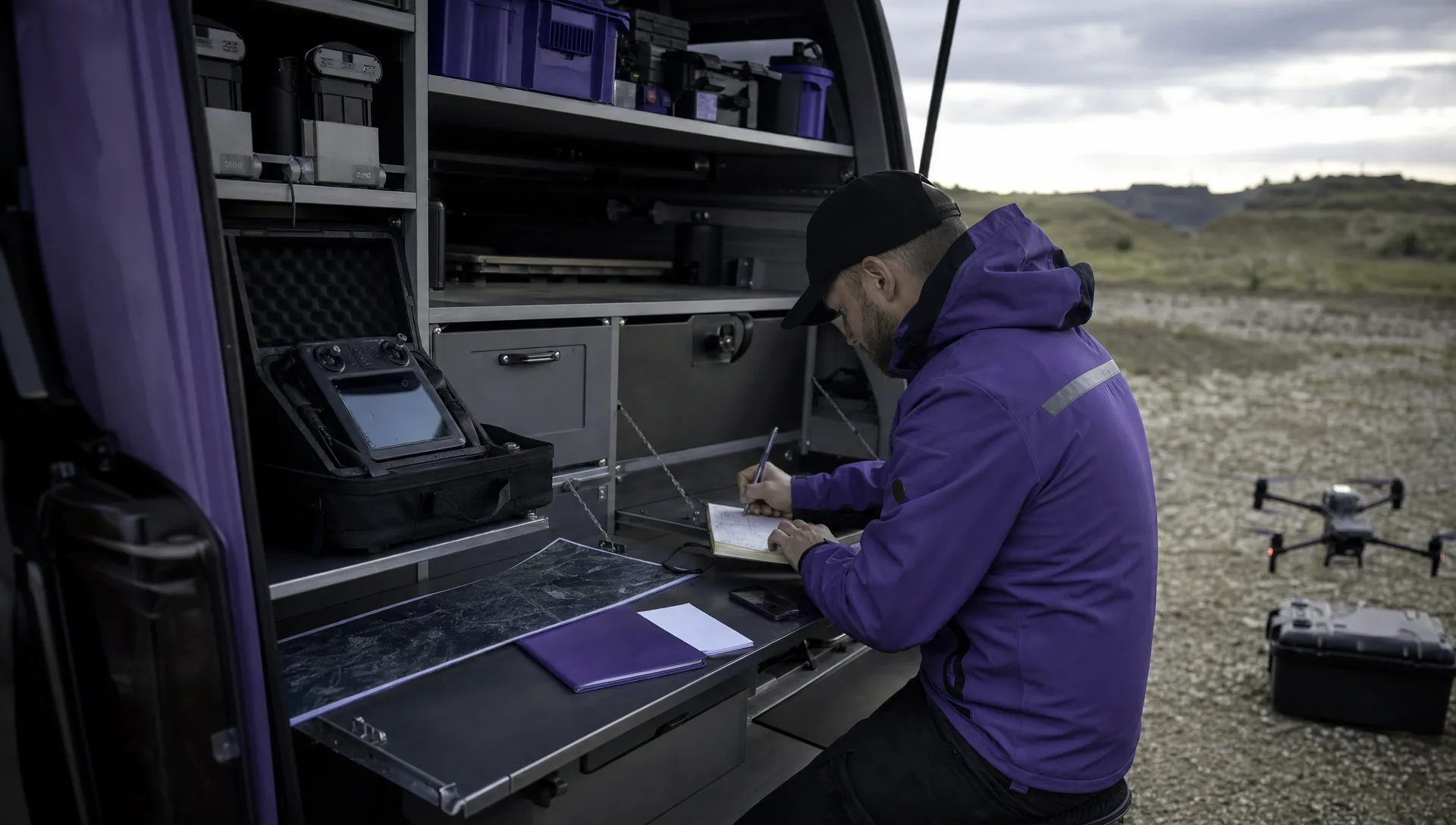 How to Evaluate a Free Drone Logbook Before Using It →
 FAA Part 107 Test: How to Master Airspace Questions →
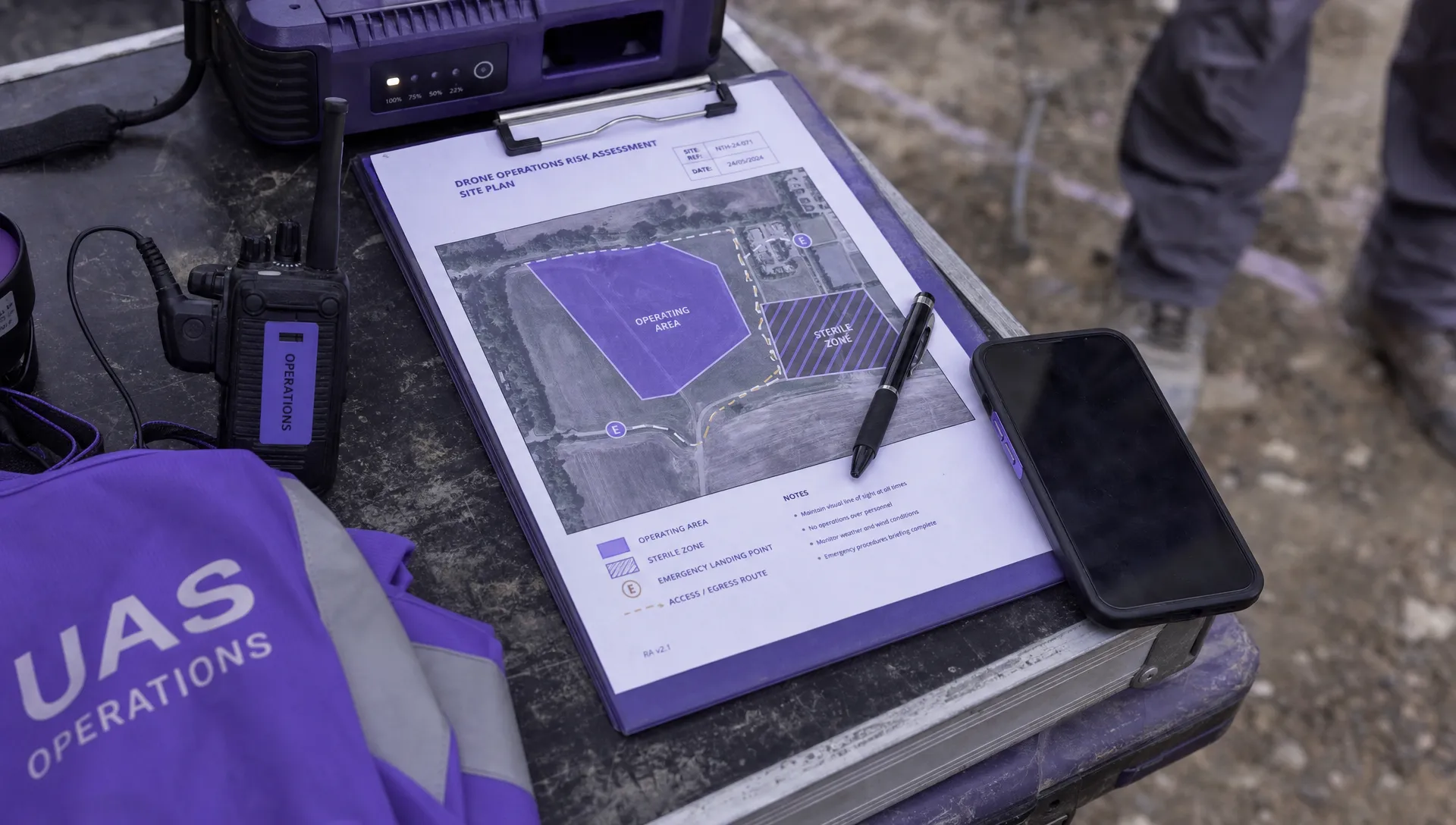 Drone Risk Assessment Controls That Work in the Field →
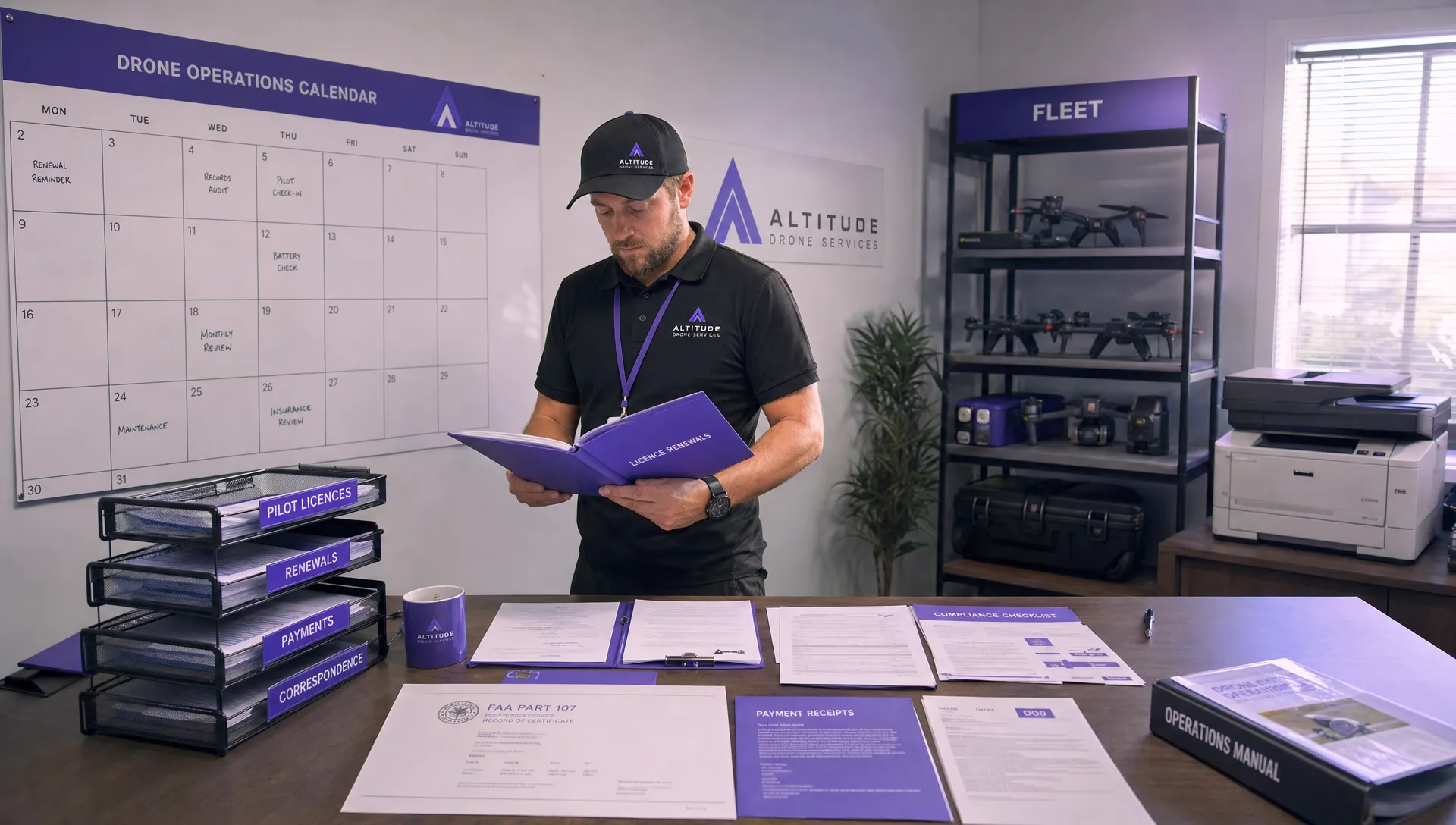 FAA Drone License Costs Beyond the Knowledge Test →
 Drone Part 107 Operations: When a Waiver May Be Needed →
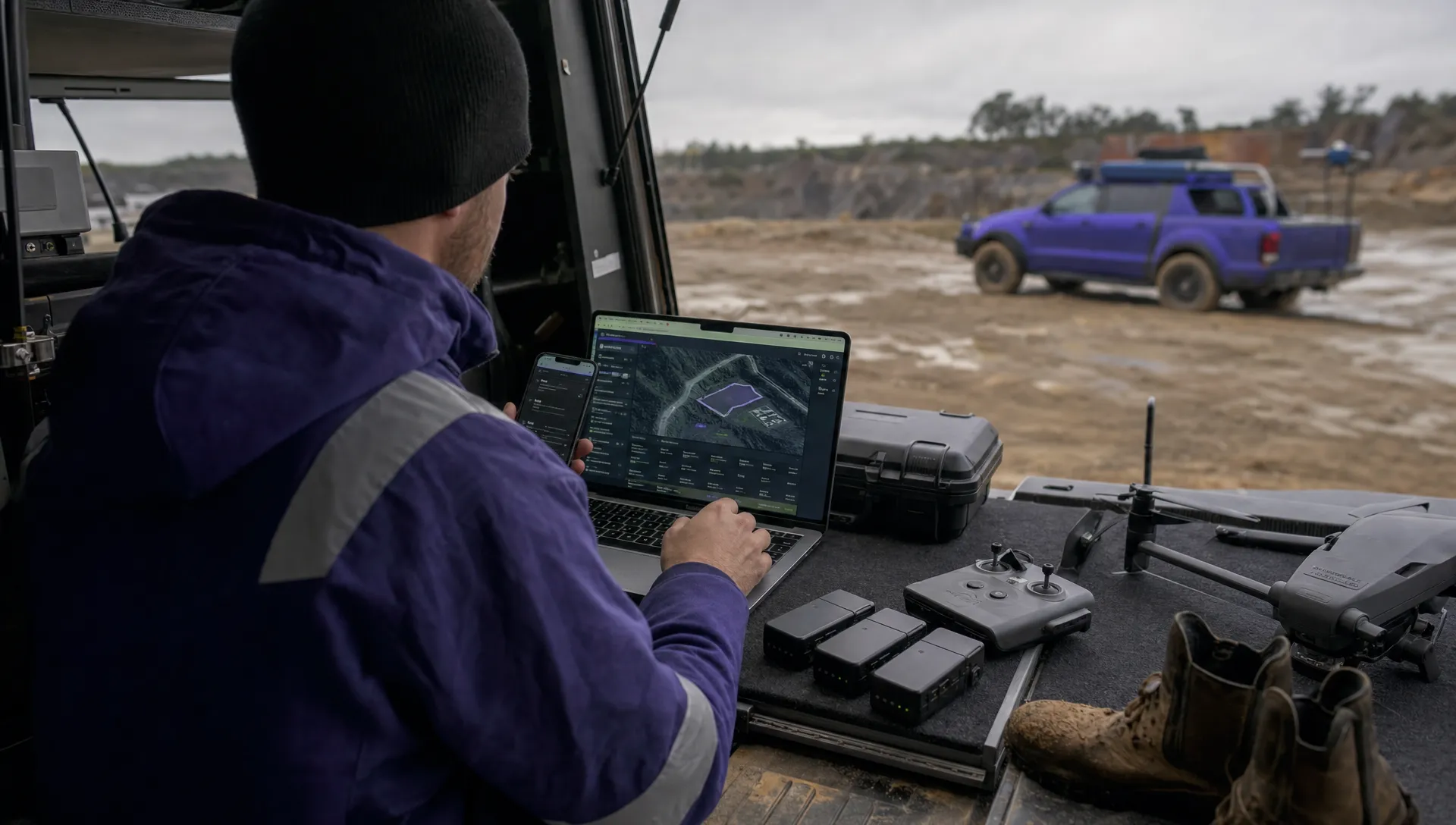 Drone Operating Rules for Managing Contractors and Employees →
 BVLOS Drone Requirements for Building a Safety Case →
 Drone Pilot Test Mistakes That Cost Candidates Marks →
 FAA 107 License vs Part 107 Certificate: What’s the Difference? →
 Drone Airport Rules: A Field Checklist for Site Assessments →