
Top 8 Client Onboarding Best Practices for Drone Ops 2025
A successful drone mission begins long before takeoff. It starts with a seamless client onboarding process that builds confidence, clarifies expectations, and sets the stage for a long-term partnership. For drone operators, a disorganized onboarding experience can lead to miscommunication, project delays, and a tarnished reputation. Conversely, a streamlined, professional process demonstrates competence and lays the groundwork for operational excellence. This guide outlines eight essential client onboarding best practices, tailored for the unique demands of drone operations.
We'll explore actionable strategies you can implement using tools like Dronedesk to ensure every new client relationship starts with clarity, efficiency, and trust. While our focus is on client-specific interactions, the principles of a strong initial experience are universal. For a broader understanding of effective introductory strategies, delving into user onboarding best practices can offer valuable insights beyond the initial contact.
By mastering these steps, from creating structured timelines and comprehensive welcome packages to setting clear success metrics from day one, you can transform your initial engagement into a powerful asset. The following practices are designed to help you secure repeat business and build a reputation for professionalism, ultimately leading to safer and more profitable missions.
1. Develop a Structured Onboarding Timeline and Checklist
A haphazard onboarding process is a recipe for missed expectations, scope creep, and client dissatisfaction. One of the most impactful client onboarding best practices is to establish a structured, time-bound roadmap that details every step, from the moment a contract is signed to full service activation. This ensures every client receives a consistent, high-quality experience and that your team never misses a critical task.
This approach transforms onboarding from a reactive process into a proactive, strategic partnership. By mapping out each activity, you set clear expectations for both your team and the client, fostering transparency and trust from day one.
How to Implement a Structured Timeline
Start by defining key milestones and the tasks required to reach them. Your timeline should account for internal responsibilities (like airspace assessment or equipment allocation in Dronedesk) and client responsibilities (such as providing site access details or key asset information).
- Define Phases: Break down the onboarding journey into logical stages. For drone operations, this could include phases like "Project Kick-off & Data Collection," "Flight Planning & Risk Assessment," and "Execution & Data Delivery."
- Assign Timelines: Allocate realistic timeframes for each phase and task. Incorporate a 10-15% buffer to accommodate unforeseen challenges, like weather delays or client availability issues.
- Use Checklists: Create detailed checklists for each phase. This ensures standardization and accountability. For practical examples, consider how property managers approach creating an effective welcome checklist for guests; the same principles of clarity and comprehensiveness apply to client onboarding.
This visualization illustrates a simplified 90-day onboarding framework, highlighting key milestones that ensure alignment and progress.

This structured timeline ensures momentum is maintained from initial commitment through to the midpoint review and final activation, preventing stalls and keeping the client engaged. Using a project management tool or the job management features within Dronedesk allows you to track progress against this timeline in real-time, providing visibility for your entire team.
2. Assign Dedicated Onboarding Specialists or Success Managers
Without a clear point of contact, clients can feel lost and unsupported, leading to confusion and frustration. One of the most effective client onboarding best practices is to assign a dedicated specialist or customer success manager to guide them through the initial stages. This individual acts as the client's advocate and primary liaison, ensuring a smooth, personalized experience.
This approach centralizes communication and builds a strong, trust-based relationship from the very beginning. The specialist becomes an expert on the client's specific needs, bridging the gap between their expectations and your internal teams, such as flight operations and data analysis.

How to Implement a Dedicated Specialist Model
Start by defining the role's responsibilities and empowering them to manage the client relationship effectively. This role is not just administrative; it's a strategic function focused on delivering initial value and setting the stage for long-term success. SaaS leaders like Slack and Adobe have perfected this model with dedicated implementation and customer success managers who ensure enterprise clients achieve their goals.
- Define Clear Handoffs: Establish a formal process for when the onboarding specialist hands the client over to a long-term account manager. This prevents any drop in service quality or loss of client context.
- Empower Your Specialists: Give them the authority to make decisions and solve problems without unnecessary bureaucratic delays. This autonomy enables them to be more responsive and effective advocates for the client.
- Establish Escalation Paths: Create clear, documented channels for specialists to escalate complex technical or logistical issues that they cannot resolve on their own, ensuring timely support from other departments.
This model transforms onboarding from a series of transactional steps into a guided journey led by a trusted expert. In Dronedesk, you can assign a specific team member as the lead contact for a job, ensuring all client communications and internal tasks related to that project are funneled through one accountable individual.
3. Create Comprehensive Welcome Packages and Resource Libraries
Empowering clients with information from the outset is a cornerstone of effective client onboarding best practices. A well-curated welcome package and a centralized resource library transform the client experience from one of dependency to one of partnership. This approach equips clients with the tools and knowledge they need to understand your processes, access key information, and find answers to common questions independently.
This strategy not only reduces the administrative burden on your team but also builds client confidence. When clients can easily access documents, tutorials, and project updates, they feel more in control and informed, which is crucial for establishing long-term trust, especially in technical fields like drone operations.

How to Implement a Resource Library
Your goal is to create a single source of truth that is easy to navigate and accessible 24/7. This repository should contain everything a client might need, from initial setup guides to post-flight data explanations. For drone service providers, a Dronedesk client portal can serve as the perfect foundation for this.
- Develop a Welcome Kit: Create a digital package that includes a welcome letter, a guide to your processes, key contact information, and a clear outline of the next steps. This sets a professional tone immediately.
- Centralize Key Documents: Use the client portal to store and share all essential project files, such as flight plans, risk assessments, insurance certificates, and final deliverables. This ensures both parties are always working from the most current information.
- Build an FAQ or Knowledge Base: Compile a list of frequently asked questions about your services, data formats, safety procedures, and timelines. Platforms like HubSpot Academy demonstrate the power of a comprehensive resource center in educating users at scale.
- Include Multiple Formats: Cater to different learning styles by providing a mix of content, including written guides, video tutorials explaining how to interpret aerial data, and checklists for pre-flight site preparation.
By centralizing these resources, you streamline communication, minimize repetitive inquiries, and provide a consistently high-quality experience for every client. This proactive approach ensures clients are well-informed and engaged throughout the project lifecycle.
4. Implement Regular Check-ins and Milestone Reviews
Leaving a client in the dark between the initial kick-off and final delivery is a common onboarding mistake that breeds uncertainty and erodes trust. One of the most critical client onboarding best practices is to establish a cadence of regular, structured communication touchpoints. This ensures progress is transparent, potential issues are identified early, and the client relationship is continuously nurtured.
This proactive approach transforms onboarding from a one-way information flow into a collaborative dialogue. By scheduling reviews at key milestones, you demonstrate commitment, manage expectations effectively, and reinforce the value of your partnership long before the final data is delivered.
How to Implement Regular Check-ins
Begin by integrating communication milestones directly into your onboarding timeline. These check-ins should be purposeful, with clear agendas and desired outcomes, not just casual "how's it going" calls. This is a practice perfected by enterprise software teams, like those at Atlassian and ServiceNow, who use milestone-based reviews to ensure complex implementations stay on track.
- Set a Cadence: Establish a predictable schedule for communication. This could be a weekly 15-minute sync-up during the flight planning phase or more significant milestone reviews after completing preliminary site surveys and before final mission execution.
- Prepare an Agenda: Never go into a check-in unprepared. Create a structured agenda covering progress against the timeline, any client-side dependencies needed, potential roadblocks, and next steps.
- Document and Share: After each meeting, send a brief summary documenting key decisions, action items, and assigned responsibilities. The notes feature within Dronedesk job records is an ideal place to keep a centralized, accessible log of all client communications.
By formalizing your check-ins, you create a system of accountability and open communication. This reassures clients that their project is a priority and provides a forum to address questions or concerns proactively, preventing small misunderstandings from escalating into significant problems.
5. Provide Comprehensive Training and Education Programs
Simply giving clients access to a new system or service isn't enough; you must empower them to use it effectively. A key client onboarding best practice is to develop structured training programs that equip them with the knowledge and skills to maximize value. This approach reduces long-term support tickets, increases client self-sufficiency, and deepens their engagement with your solution from the very beginning.
This proactive educational strategy transforms the client from a passive user into a confident, competent partner. By investing in their success, you demonstrate a commitment that goes beyond the initial sale, fostering loyalty and ensuring they achieve their desired outcomes with your services. For drone operations, this could mean training them on how to interpret data deliverables or access project updates in Dronedesk.
How to Implement Training and Education
Begin by assessing your clients' current knowledge levels and learning preferences to tailor the educational experience. The goal is to create accessible, relevant, and engaging content that builds skills progressively, much like a pilot undergoes structured flight training.
- Offer Multiple Formats: Cater to different learning styles by providing a mix of formats. This can include live webinars for interactive Q&A, on-demand video tutorials for self-paced learning, and detailed written guides or knowledge bases for quick reference.
- Create Progressive Pathways: Structure your training in a logical sequence, starting with fundamentals and advancing to more complex features. For instance, an initial session might cover creating a new job in Dronedesk, while a later module could focus on advanced risk assessment protocols.
- Measure Outcomes: Track training engagement and effectiveness. Use simple quizzes, post-training surveys, or feedback sessions to gauge comprehension and identify areas for improvement. Tie these learning outcomes to business impact, such as faster project approvals or reduced client-side errors. For those interested in the foundations of pilot competency, you can explore the essentials of UAS pilot training.
This structured approach ensures that clients don't just understand your service, but are fully equipped to integrate it into their workflows. By building their confidence and competence, you create powerful advocates for your business and set the stage for long-term success.
6. Set Clear Expectations and Success Metrics from the Start
Ambiguity is the enemy of a successful client partnership. One of the most critical client onboarding best practices is to collaboratively establish and document project scope, responsibilities, and, most importantly, what success looks like. This process eliminates guesswork and ensures both your team and the client are working toward the same tangible outcomes from day one.
This approach moves beyond simply delivering a service to delivering measurable value. By defining success metrics upfront, such as data accuracy percentages or turnaround times, you create a transparent framework for accountability and build a strong foundation of trust that prevents misunderstandings and scope creep down the line.
How to Implement Clear Success Metrics
Begin the conversation about success during the kick-off meeting. Ask the client, "What needs to happen for you to consider this project a huge success?" This opens the door to defining specific, measurable, achievable, relevant, and time-bound (SMART) goals that will guide the entire engagement.
- Define Key Performance Indicators (KPIs): Work with the client to identify the metrics that matter most. For a survey operation, this might be achieving a specific Ground Sample Distance (GSD) or delivering processed orthomosaics within 48 hours. For an inspection, it could be the percentage of critical defects identified.
- Establish a Communication Cadence: Schedule regular check-in meetings specifically to review progress against these defined metrics. This keeps everyone aligned and allows for course corrections if needed.
- Document Everything: Capture the agreed-upon scope, responsibilities, and success metrics in a shared document. This "Success Plan" serves as a single source of truth for both parties, much like how Salesforce uses Success Criteria definitions in their implementation projects to ensure mutual understanding.
By formalizing this process, you transform client relationships from transactional to strategic. Using a tool like Dronedesk, you can link job reports and data delivery directly back to these initial goals, providing clients with a clear, data-backed view of the value you've provided and solidifying your role as an indispensable partner.
7. Gather and Act on Continuous Feedback Throughout the Process
Onboarding is not a one-way street where you simply dictate steps to a new client. Treating it as a dynamic, two-way conversation is one of the most effective client onboarding best practices you can adopt. By implementing systematic feedback loops, you can identify friction points, address concerns in real-time, and demonstrate a deep commitment to the client’s success and satisfaction.
This proactive approach turns onboarding from a static checklist into an evolving, client-centric experience. Instead of waiting until a post-project survey to discover problems, you can course-correct on the fly, reinforcing the value of your partnership and ensuring the client feels heard and valued from the very beginning.
How to Implement Continuous Feedback
Integrating feedback collection should feel like a natural part of the onboarding process, not an intrusive series of interrogations. The goal is to make it easy for clients to share their thoughts and to act on that input swiftly.
- Schedule Feedback Touchpoints: Don't leave feedback to chance. Schedule brief check-ins after key milestones, such as after the project kick-off call or following the initial data collection phase. This is similar to how a business maintains operational readiness, as consistent checks ensure everything runs smoothly. For more insights on maintaining high standards, you can learn about staying audit-ready with Dronedesk.
- Use a Mix of Methods: Vary your approach to avoid survey fatigue. Use short, one-question pulse surveys via email, schedule quick 5-minute calls for more detailed feedback, or even use informal check-ins within your project management tool.
- Ask Specific, Actionable Questions: Instead of asking "How is everything going?", ask targeted questions like, "Was the pre-flight briefing clear enough?" or "Did you find the initial data upload process straightforward?" This elicits more useful responses.
- Close the Loop: The most critical step is to acknowledge the feedback and communicate what you're doing about it. If a client points out a confusing document, thank them, revise it, and let them know you've made the change based on their input. This action builds immense trust and shows you are truly listening.
8. Establish Smooth Handoff Processes to Ongoing Support Teams
The client onboarding process doesn't end when the initial setup is complete; it concludes with a seamless transition to the team that will manage the long-term relationship. A clunky or abrupt handoff can undo all the trust and rapport you’ve built, leaving clients feeling like just another account number. One of the most critical client onboarding best practices is to formalize the transition from the onboarding team to the ongoing support or account management team.
This structured process ensures continuity of service and preserves the client relationship. By treating the handoff as a key milestone, you guarantee that crucial knowledge is transferred, and the client feels supported throughout their entire journey with your company, not just during the initial "honeymoon" phase.
How to Implement a Smooth Handoff
The goal is to make the transition feel like a natural next step, not a sudden change. This requires careful planning and clear communication between your internal teams and the client. A well-executed handoff, similar to those perfected by enterprise software companies like HubSpot or Salesforce, ensures the client never has to repeat themselves.
- Document Everything: Create a comprehensive client profile within Dronedesk that details the client’s goals, communication preferences, key stakeholders, and any unique operational requirements discussed during onboarding. This serves as a single source of truth for the account manager.
- Facilitate a Warm Introduction: Schedule a joint meeting with the onboarding specialist, the new account manager, and the client. The onboarding specialist should lead the introduction, recap the progress made, and formally introduce the new point of contact.
- Define Clear Transition Triggers: Establish specific criteria that mark the end of onboarding and the start of ongoing support. This could be the completion of the first three missions, the delivery of the initial data package, or a 30-day post-kickoff review.
By implementing these steps, you create a system that prioritizes the client experience above all else. This approach transforms a potentially awkward moment into a confidence-building event, reinforcing the client’s decision to partner with you for the long term. Effective transitions are a cornerstone of successful drone operations management; you can explore more strategies for managing your drone operations on our blog about drone operations management.
8 Best Practices Comparison Guide
| Onboarding Approach | Implementation Complexity 🔄 | Resource Requirements ⚡ | Expected Outcomes 📊 | Ideal Use Cases 💡 | Key Advantages ⭐ |
|---|---|---|---|---|---|
| Develop a Structured Onboarding Timeline and Checklist | Medium (initial setup time, ongoing updates) | Moderate (tools and team coordination) | Consistent onboarding, reduced delays | Structured processes, high-volume clients | Improves efficiency, clarity, and resource planning |
| Assign Dedicated Onboarding Specialists or Success Managers | High (specialized roles, coordination) | High (personnel costs and training) | Strong client relationships, accountability | Complex B2B onboarding, high-touch client management | Builds trust, expertise, and clear client contact |
| Create Comprehensive Welcome Packages and Resource Libraries | Medium to High (content creation, maintenance) | Moderate (content development resources) | Scalable self-service, reduced support load | Self-service models, large client bases | Enables autonomy, 24/7 access, and reduces repetitive queries |
| Implement Regular Check-ins and Milestone Reviews | Medium (scheduling and preparation) | Moderate (meeting time and coordination) | Real-time issue resolution, engagement | Projects requiring close monitoring | Prevents issues, builds trust, facilitates course correction |
| Provide Comprehensive Training and Education Programs | High (development and delivery expertise) | High (instructional design, trainers) | Increased proficiency, faster value realization | Complex products, subscription services | Improves proficiency, reduces support, drives retention |
| Set Clear Expectations and Success Metrics from the Start | Medium (collaborative planning, tracking) | Moderate (tools and monitoring effort) | Aligned objectives, measurable success | Dynamic projects needing clarity | Prevents scope creep, builds accountability, enables data-driven decisions |
| Gather and Act on Continuous Feedback Throughout the Process | Medium (feedback systems and analysis) | Moderate (feedback tools and staffing) | Continuous improvement, stronger relationships | Customer-centric models, agile environments | Enables rapid course correction and client-centric improvements |
| Establish Smooth Handoff Processes to Ongoing Support Teams | Medium (coordination and documentation) | Moderate (team collaboration effort) | Continuity of service and relationships | Complex lifecycle management | Preserves knowledge, reduces client anxiety, ensures smooth transition |
Elevating Your Operations from Onboarding to Mission Success
The journey from initial client contact to a successful mission completion is paved with critical touchpoints, and none are more foundational than the onboarding process. Implementing a deliberate and structured approach is not merely an administrative checkbox; it’s a strategic imperative that sets the tone for the entire client relationship. By moving beyond a simple welcome email, you transform onboarding into a powerful engine for client satisfaction, retention, and operational excellence.
The eight client onboarding best practices detailed in this article are not isolated tactics but interconnected components of a holistic strategy. From developing a structured checklist and assigning a dedicated onboarding specialist to creating a comprehensive resource library, each practice works to build client confidence and clarity from the very first interaction. You are proactively addressing potential issues before they arise, ensuring that every stakeholder is aligned on objectives, timelines, and success metrics. This preemptive alignment is what distinguishes professional drone service providers from the rest of the field.
From Good Intentions to Great Execution
Mastering your client onboarding workflow directly translates into tangible business benefits. A seamless process reduces the administrative burden on your team, minimizes the risk of miscommunication, and accelerates the time-to-value for your clients. When clients feel supported, informed, and confident in your capabilities, they are more likely to become repeat customers and enthusiastic advocates for your brand.
To begin, don't feel pressured to implement all eight practices at once. Start with the areas that will have the most immediate impact on your current operations.
- If you struggle with consistency, begin by creating a standardized onboarding checklist within your project management system.
- If clients seem confused or ask repetitive questions, focus on building out a welcome package and resource library.
- If projects often drift from their original scope, prioritize setting crystal-clear expectations and success metrics during the kickoff meeting.
By incrementally refining your process and consistently gathering feedback, you will build a world-class onboarding system that not only impresses clients but also streamlines your internal workflows. Ultimately, a stellar onboarding experience is the launchpad for successful missions and enduring partnerships, proving that how you begin a project is just as important as how you finish it.
Ready to transform your client onboarding from a complex chore into a streamlined, professional experience? Dronedesk provides an all-in-one platform to manage every aspect of your client relationships, from initial quotes to final mission reports, ensuring every step aligns with these best practices. Explore how Dronedesk can centralize your operations and elevate your client success today.
 How to Evaluate a Free Drone Logbook Before Using It →
 FAA Part 107 Test: How to Master Airspace Questions →
 Drone Risk Assessment Controls That Work in the Field →
 FAA Drone License Costs Beyond the Knowledge Test →
 Drone Part 107 Operations: When a Waiver May Be Needed →
 Drone Operating Rules for Managing Contractors and Employees →
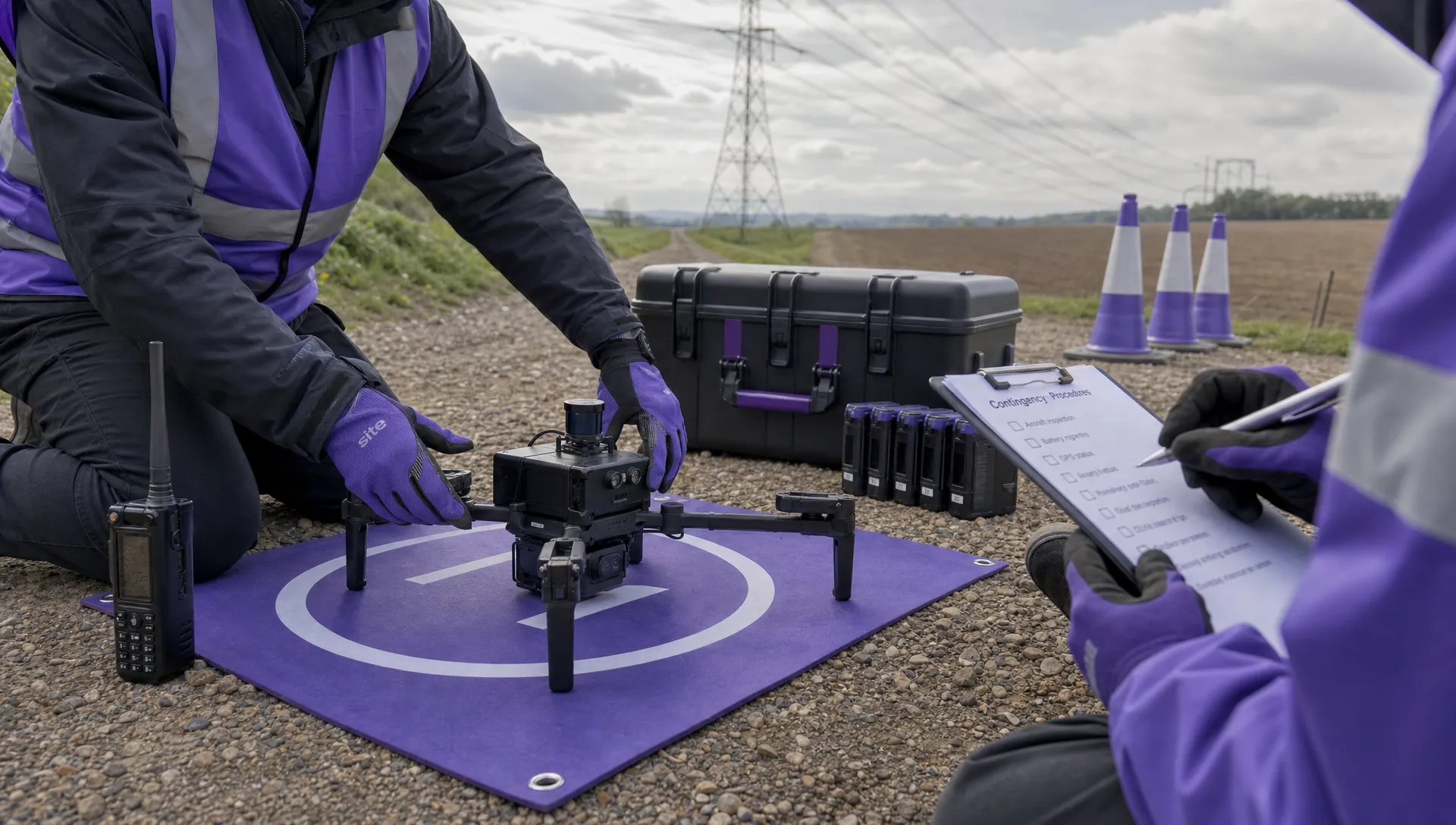 BVLOS Drone Requirements for Building a Safety Case →
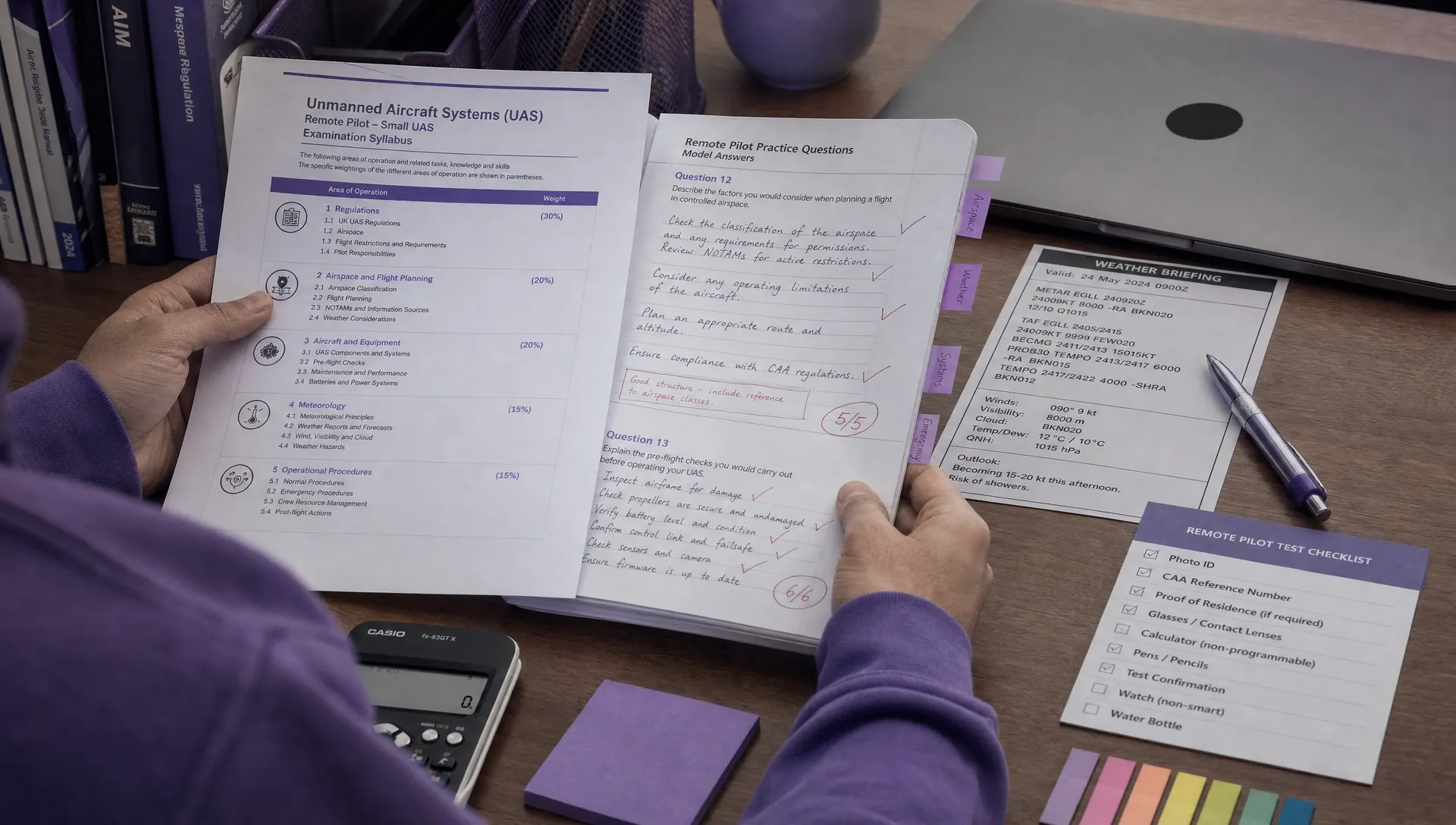 Drone Pilot Test Mistakes That Cost Candidates Marks →
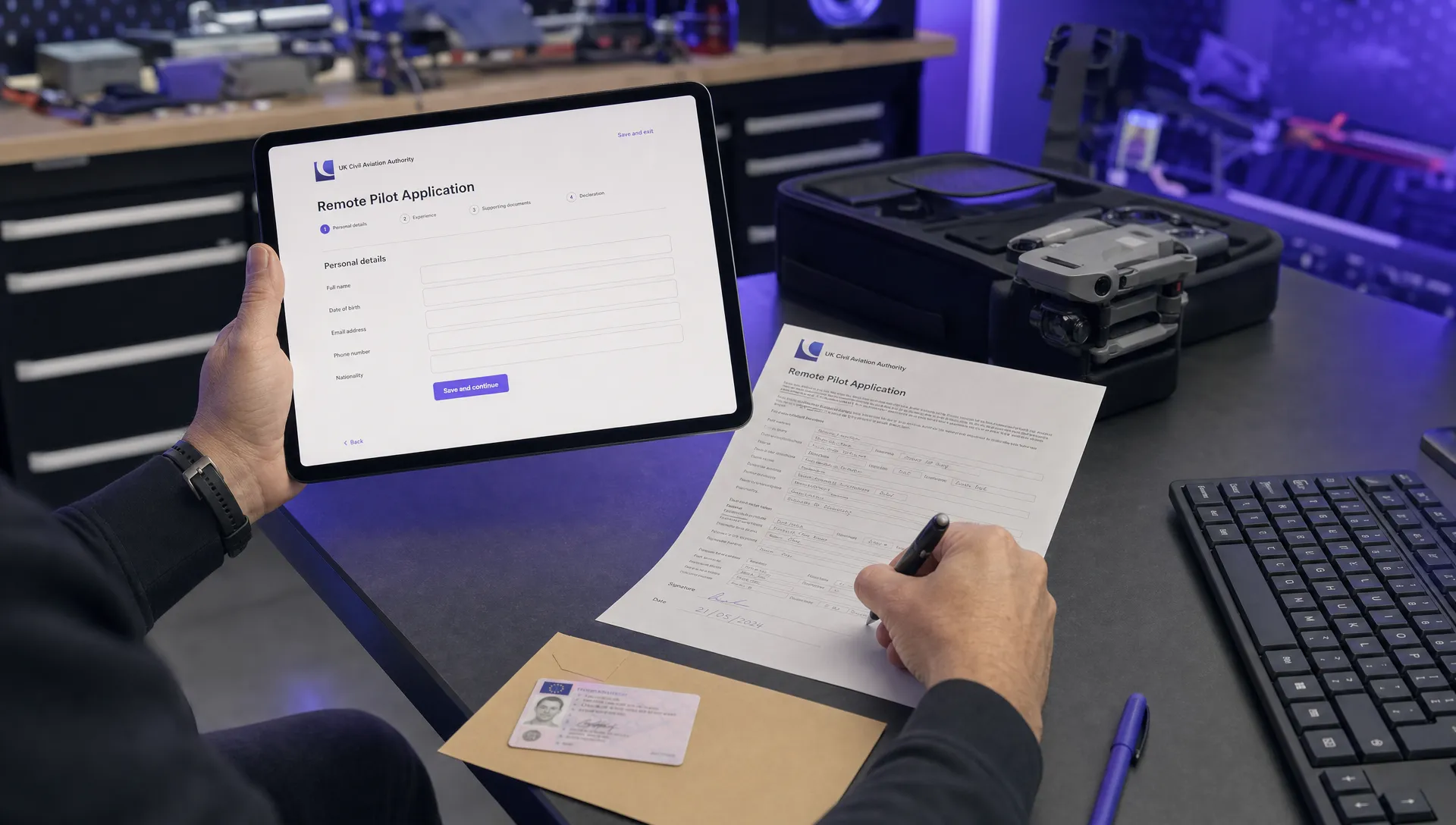 FAA 107 License vs Part 107 Certificate: What’s the Difference? →
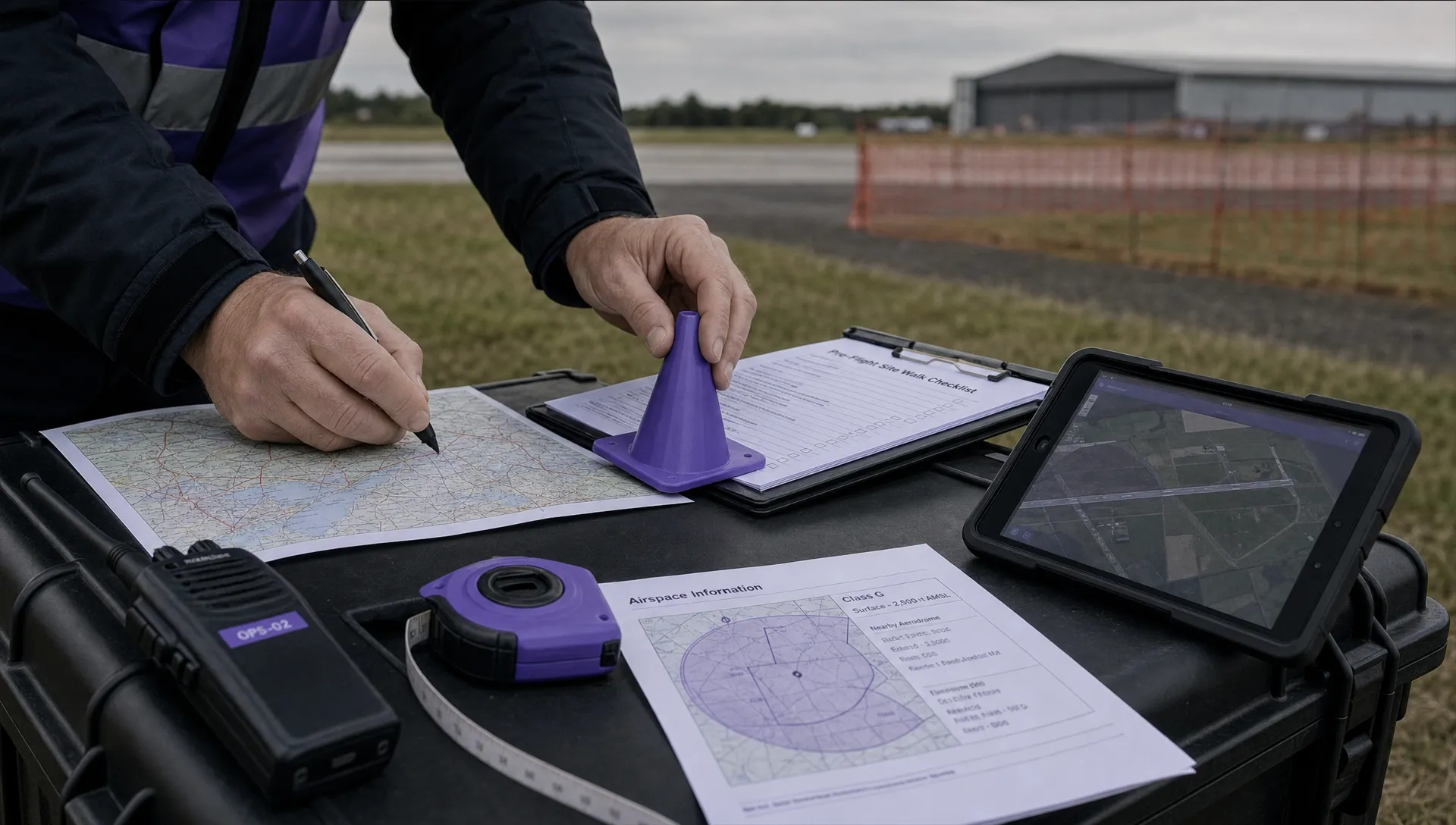 Drone Airport Rules: A Field Checklist for Site Assessments →