
Client communication best practices for drone projects: Boost trust and clarity
In the professional drone industry, technical skill and advanced equipment are only half the battle. World-class client communication is what separates a single job from a long-term partnership, preventing costly misunderstandings and building a reputation that attracts high-value projects. Managing this effectively across multiple clients, complex airspace rules, and tight deadlines is a major operational challenge. This is where mastering client communication best practices becomes a critical business function, not just a soft skill.
This guide provides 10 actionable strategies specifically designed for drone professionals. We move past generic advice to deliver concrete workflows, templates, and protocols that you can put into practice immediately. You will learn specific methods for everything from pre-flight expectation setting and stakeholder mapping to secure data sharing and post-flight reporting.
Our goal is to help you build trust, demonstrate expertise, and improve your entire client management process. We'll show you how to ensure every interaction is as precise and professional as your flight operations, including how to use tools like Dronedesk to support these communication efforts. You'll gain practical insights on:
- Setting up clear communication channels from day one.
- Establishing Service Level Agreements (SLAs) for response times.
- Creating transparent reports and invoices.
- Handling feedback and managing escalations professionally.
By applying these targeted best practices, you can turn communication from a potential point of friction into your most powerful business-building tool.
1. Establish Clear Communication Channels and Preferences
Miscommunication often begins with a simple mismatch of expectations. One of the most effective client communication best practices is to proactively define how, when, and where conversations will happen. This means moving beyond assumptions and formally agreeing on primary contact methods, response times, and channels for different types of information. It sets a professional tone from the start and prevents the anxiety that comes from a client sending urgent texts while you're focused on your email inbox.

By documenting these preferences, you create a reliable system. For example, a land surveying firm might specify that initial data reports are always delivered via a secure Dronedesk portal link within 24 hours post-flight, while critical, time-sensitive issues (like discovering an unexpected structural hazard) warrant an immediate phone call. This documented clarity ensures everyone is on the same page, which is crucial for building trust and managing multiple projects efficiently.
How to Implement This Practice
Successfully setting up communication channels involves more than a quick chat. It should be a key part of your client intake process. For a deeper dive into structuring this initial phase, our guide on client onboarding best practices offers a complete blueprint.
- Create a Communication Plan: During onboarding, present clients with a simple document or form. Ask them to designate their preferred contact methods for routine updates, urgent matters, and final deliverables.
- Centralize Information: Store these preferences directly within the client's profile in your management software. Dronedesk’s client management module is built for this, allowing you to record contact details, preferred channels, and key stakeholders in one accessible location.
- Assign a Point Person: For larger enterprise accounts, assign a dedicated team member as the primary point of contact. This prevents the client from being bounced between different people and ensures consistent communication.
- Use Templates: Prepare email and message templates for common scenarios such as project kickoffs, weather delays, flight schedule confirmations, and project completion notifications. This saves time and guarantees a consistent, professional message every time.
2. Provide Proactive Project Updates and Status Reports
A silent service provider is a source of anxiety for any client. One of the most vital client communication best practices is to send regular, unsolicited updates about project progress, milestones, and potential issues before the client feels the need to ask. This proactive approach demonstrates professionalism, builds immense confidence, and prevents clients from feeling neglected or wondering if their project is a priority. For drone operations, this can be as simple as a pre-flight notification, a quick heads-up about a weather delay, or a confirmation that a flight is complete.
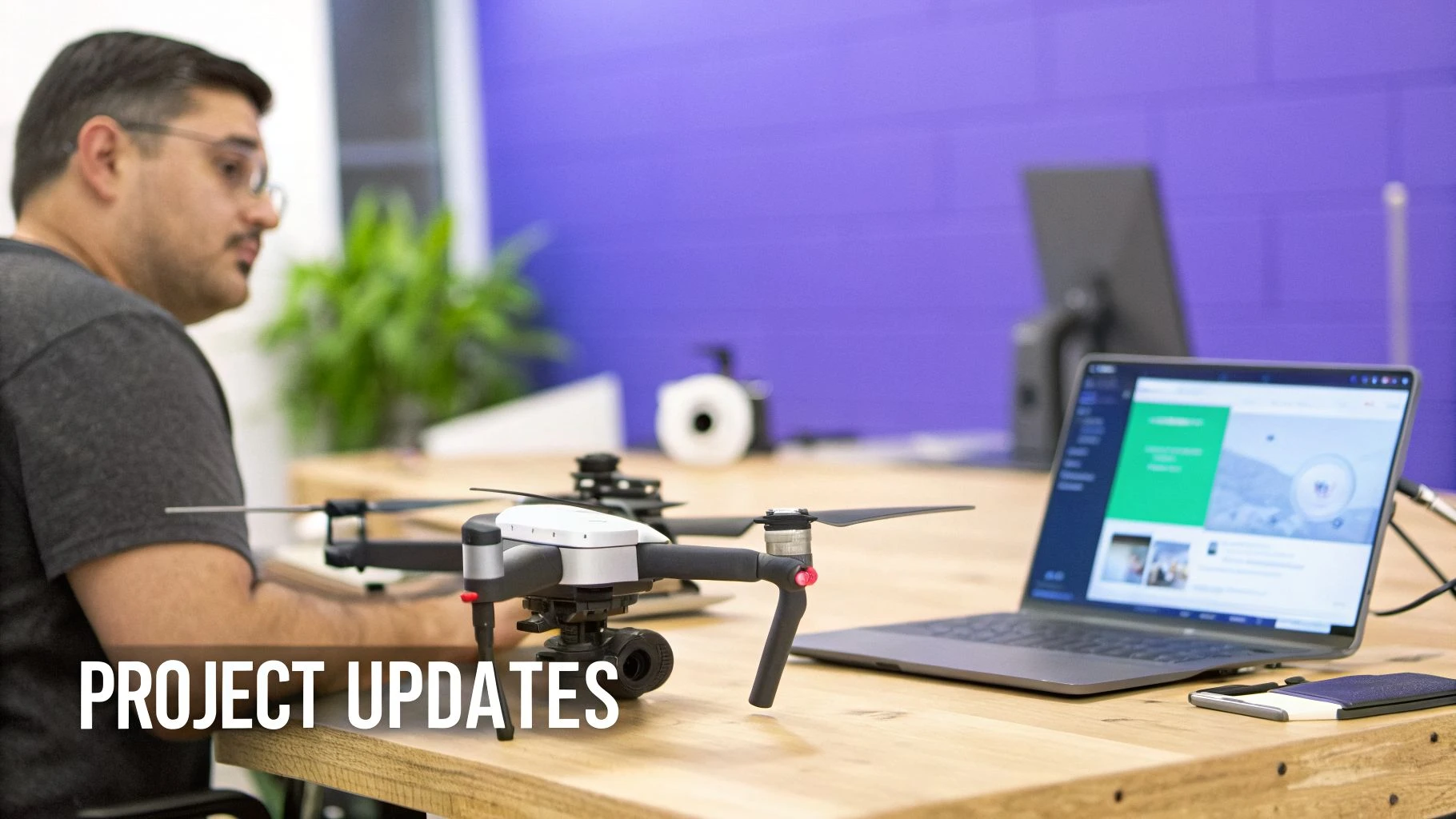
Keeping clients informed manages their expectations and keeps them engaged in the project's success. For instance, an infrastructure inspection firm can build significant goodwill by sending clients a few preview images within two hours of flight completion. Likewise, enterprise drone teams can maintain stakeholder alignment by distributing weekly progress dashboards that detail key metrics like footage collected and assets processed. This consistent flow of information transforms the client relationship from a simple transaction into a collaborative partnership.
How to Implement This Practice
Integrating proactive updates into your workflow requires a system, not just good intentions. By making it a standard part of your operations, you ensure no client is left in the dark.
- Schedule Updates Consistently: Set a predictable cadence for your communications, whether it's a daily end-of-day summary, a weekly progress report, or milestone-based notifications. This helps clients know when to expect information from you.
- Automate Where Possible: Use your operational software to trigger status notifications. Dronedesk's automated flight logging and job status features can send clients updates when a flight is scheduled, completed, or if there’s a delay, ensuring timely communication without manual effort.
- Report on Key Metrics: Don't just say "we made progress." Quantify it. Include specific data like acres surveyed, gigabytes of footage captured, or the number of assets inspected. This provides tangible proof of your work.
- Pair Problems with Solutions: If you encounter a delay or an issue, always present it alongside a proposed solution or a clear next step. For example, if a weather front moves in, inform the client immediately and provide a rescheduled flight window. This shows you are in control of the situation.
3. Implement Clear Scope of Work and Expectation Setting
Vague project goals are a primary source of client friction. A crucial client communication best practice is to formally document a detailed Scope of Work (SOW) before any operational activity begins. This document moves beyond a simple verbal agreement to precisely define project deliverables, timelines, data formats, and known limitations. For drone professionals, this is essential, as factors like weather, airspace rules, and data processing times can directly influence outcomes.

A well-defined SOW acts as a foundational agreement that prevents misunderstandings. For instance, a utility inspection company should document which specific assets will be captured, the inspection standards to be followed (e.g., thermal and visual), and the exact turnaround time for the final analysis report. Similarly, a land surveyor can specify an orthomosaic resolution of 2cm GSD, the precise coverage area, required coordinate systems, and provisions for rescheduling due to bad weather. This clarity ensures both parties share the same vision for the final product, building confidence and reducing the risk of disputes.
How to Implement This Practice
Integrating a detailed SOW should be a non-negotiable step in your project kickoff process. It’s the best tool for translating client needs into concrete operational plans. For a complete look at how this fits into pre-flight preparations, our guide to advanced drone flight planning offers valuable context.
- Create SOW Templates: Develop standardized scope of work documents for your most common services, such as real estate photography, topographical surveys, or facade inspections. This saves time and ensures consistency.
- Define Weather Contingencies: Explicitly state your policies for weather-related delays and rescheduling. Outline how and when decisions will be made and communicated to the client.
- Specify Data and Deliverables: Be exact. Detail the number of images, video length, file formats (e.g., .JPG, .TIFF, .LAS), data ownership, and retention periods.
- Include a Change Request Process: No plan is perfect. Document the formal process for how a client can request modifications mid-project, including how it will affect cost and timelines.
- Require a Sign-Off: The most important step. Always have the client review and sign the SOW before any work begins. This signature confirms mutual agreement and becomes your single source of truth for the project.
4. Practice Active Listening and Clarifying Questions
One of the most powerful client communication best practices involves shifting focus from talking to listening. Active listening isn't just about hearing words; it's about deeply understanding the client's goals, challenges, and unspoken needs. This approach, championed by figures like Stephen Covey, emphasizes seeking to understand before seeking to be understood. In the technical field of drone services, where clients may not know what is possible or how to ask for it, this practice prevents costly rework and demonstrates profound respect for their objectives.
When a client requests a "site survey," they might mean anything from a simple aerial photo to a complex 3D model for a digital twin. By asking clarifying questions, you uncover the true intent behind the request. For an inspection provider, this means asking a surveyor: "Which specific assets need inspection? What resolution imagery do you need, and what is your decision-making timeframe?" This proactive questioning shows expertise and ensures the final deliverable solves the client's actual problem, rather than just fulfilling a vague order.
How to Implement This Practice
Integrating active listening into your workflow transforms initial conversations from simple Q&As into strategic discovery sessions. It's about digging deeper to find the "why" behind every client request.
- Conduct Pre-Project Discovery Calls: Mandate a discovery call for all new projects. Use this time to ask open-ended questions like, "What problem are you ultimately trying to solve with this data?" instead of closed questions like, "Do you need a video?"
- Summarize and Confirm in Writing: After a call, send a follow-up email summarizing your understanding. Start with a phrase like, "To confirm our conversation, my understanding is that you need [objective] to achieve [goal]. The key deliverables will be [details]." This gives the client a chance to correct any misunderstandings.
- Use Detailed Intake Forms: Create project intake forms that prompt clients to think about their needs in detail. Include fields for project goals, intended audience, required data formats, and critical success factors.
- Document Everything in Your CRM: Record all client requirements, goals, and specific preferences directly in their Dronedesk client profile. This centralizes crucial information, making it accessible to your entire team and ensuring everyone from the pilot to the data processor understands the mission's objectives.
5. Use Data Visualization and Accessible Reporting
Dense, text-heavy reports filled with technical jargon are a fast track to client confusion. An essential client communication best practice is to translate complex drone data into clear, visual formats. Dashboards, interactive maps, and annotated imagery make project progress and results immediately understandable, especially for non-technical stakeholders. This visual approach empowers clients to grasp key findings at a glance, speeding up their decision-making process.
Presenting data visually demonstrates your value far more effectively than a wall of text. For instance, an infrastructure inspection firm can provide a color-coded damage severity map with interactive hotlinks to high-resolution images of each fault. Likewise, a surveyor can deliver a 3D model with measurement overlays, allowing the client to explore the site virtually. This method transforms raw data into actionable intelligence, showcasing the tangible impact of your work and reinforcing the client’s confidence in your services.
How to Implement This Practice
Effective visual reporting should be a standard part of your deliverable process, not an afterthought. It turns your data into a compelling story of progress and results. For more on creating professional outputs, explore our guide on how to create a drone report.
- Prioritize Visuals Over Text: Your drone imagery is your strongest asset. Make it the centerpiece of every report. Use before-and-after comparisons, annotated photos, and embedded video to communicate findings.
- Use Color-Coding for Status: Implement a simple color-coded system to indicate project status. For example, green for completed tasks, yellow for items in progress, and red for issues or areas needing attention. This gives clients an instant overview.
- Generate Visual Summaries: Use your management software to create project-specific dashboards that highlight the key metrics clients care about most. Dronedesk's reporting features can help auto-generate these visual summaries, saving you time while delivering a professional product.
- Offer Layered Reporting: Provide clients with a concise, one-page executive summary that highlights the most critical findings. Accompany this with a more detailed report for those who want to dig deeper into the data.
- Ensure Mobile Accessibility: Always test your reports and dashboards on mobile devices. Clients frequently review deliverables on the go, and ensuring your reports are accessible and easy to navigate on a smaller screen is a crucial part of modern client service.
6. Establish a Formal Feedback and Complaint Resolution Process
Negative feedback is inevitable, but how you handle it defines your professionalism. One of the most critical client communication best practices is to create a formal, documented process for receiving and resolving complaints. This isn't about hoping problems don't arise; it's about being prepared when they do. A structured system shows clients you take their concerns seriously, demonstrates a commitment to continuous improvement, and can turn a moment of dissatisfaction into an opportunity to build even stronger loyalty.
Without a clear procedure, complaints can get lost, responses can be inconsistent, and clients feel ignored. This leads to frustration and potential loss of business. In contrast, a well-defined process provides a predictable path to resolution. For example, a drone inspection firm might guarantee a formal written acknowledgment within 24 hours of a complaint, followed by a resolution plan. This structure removes uncertainty and reassures the client that their issue is a priority, turning a negative experience into a testament to your customer service.
How to Implement This Practice
A formal feedback system should be transparent and easy for clients to use. It transforms complaints from liabilities into valuable data for improving your services.
- Create a Simple Feedback Channel: Design a straightforward online form or dedicated email address for feedback and complaints. Make it easily accessible on your website or in your client portal.
- Set Acknowledgment SLAs: Establish a service-level agreement (SLA) for acknowledging all complaints, such as a 24-hour response window. This first step is crucial for managing client expectations.
- Document Everything: Record every complaint, the steps taken to investigate it, the final resolution, and the client's response. A centralized system like Dronedesk’s job notes feature allows you to attach this information directly to the relevant project for future reference.
- Empower Your Team: Give front-line team members the authority to resolve minor issues on the spot, such as offering a partial refund or a quick re-flight for a missed shot, without needing managerial approval.
- Review and Learn: Conduct monthly or quarterly reviews of all feedback to identify recurring problems or trends. Use these insights to refine your operations and prevent future issues.
- Close the Loop: After resolving an issue, follow up with the client a week or two later to ensure they remain satisfied. This final touch reinforces your commitment to their success.
7. Maintain Transparency About Limitations, Risks, and Contingencies
One of the most effective ways to build lasting client trust is to be upfront about what you can't do. Superior client communication best practices involve proactively discussing potential risks, operational limitations, and contingency plans. Honesty about these factors prevents unrealistic expectations, demonstrates professionalism, and shows clients you are prepared for potential challenges, which is far better than explaining a problem after it has already occurred.
For drone professionals, this means openly addressing variables like airspace restrictions, weather dependencies, and equipment capabilities. For instance, a surveyor might explain, "The requested flight area is near controlled airspace, which requires a LAANC authorization. While usually instant, there's a small chance it could be delayed, in which case we'd reschedule for the following day." This level of transparency frames you as a credible expert who manages risk, not just a service provider hoping for the best.
How to Implement This Practice
Integrating risk communication into your workflow is a sign of a mature operation. For a full breakdown of identifying and mitigating these factors, our guide on comprehensive drone risk management provides an essential framework.
- Add a 'Limitations & Contingencies' Section: Include a dedicated clause in all proposals and statements of work. Clearly state potential issues like weather delays, regulatory hurdles, or data resolution limits. For example: "Images will have a ground sampling distance of 2cm/pixel, limiting the clear identification of defects smaller than 10cm."
- Proactive Weather Alerts: Check forecasts 48-72 hours before a mission. If there's a significant chance of high winds or rain, alert the client immediately. Frame it as a proactive measure: "The forecast shows a 50% chance of winds exceeding our 25 mph safety limit. We will make a final call 12 hours prior."
- Use Airspace Intelligence: Before quoting, use Dronedesk’s airspace tools to check for restrictions. If you find a potential issue, communicate it early. "This site is in a restricted zone requiring a waiver, which typically adds 2-3 weeks to the project timeline. We can submit the application tomorrow."
- Establish Fair Rescheduling Policies: Document your policy for weather-related postponements. Specify if there are any associated costs and how quickly you will aim to reschedule, ensuring the terms are fair to both you and the client.
8. Personalize Communication Based on Client Type and Preferences
Effective client communication is not one-size-fits-all. A key best practice is to adapt your communication style, frequency, and level of detail to the specific client you are serving. Treating every client identically overlooks their unique roles, technical knowledge, and organizational cultures, which can lead to disengagement or frustration. Personalizing your approach shows respect for their time and expertise, making your updates more impactful.
For instance, a C-suite executive at a construction firm likely wants a high-level executive summary with key metrics and ROI, not a dense report filled with raw photogrammetry data. Conversely, the project engineer on that same site needs the detailed technical specifications to do their job. Adjusting your communication to fit the recipient is a hallmark of professional service and is crucial for building strong, lasting client relationships.
How to Implement This Practice
Adapting your communication style requires a deliberate effort to understand each stakeholder. This means going beyond a single point of contact and recognizing the different needs within a client’s organization.
- Create Detailed Client Profiles: Use your client management software to document more than just contact information. In Dronedesk, you can add notes to a client’s profile detailing their industry, key decision-makers, technical expertise level, and specific communication preferences. Note who needs the executive summary versus who needs the raw data.
- Ask Directly: During onboarding, don't be afraid to ask, "How do you prefer to receive updates? What level of detail is most helpful for you and your team?" This simple question provides immense clarity.
- Adjust Your Jargon: Tailor your language to the audience. For a non-technical marketing manager at a real estate agency, avoid highly technical drone or camera terms. Instead, focus on the visual and emotional impact of the imagery. For a survey team, use precise, technical language they understand and expect.
- Develop Persona-Based Templates: Create a few core communication templates for different client personas, such as "The Executive," "The Technical Specialist," and "The Project Manager." This allows you to maintain consistency while quickly adjusting the content and tone for each stakeholder.
- Document 'Dos and Don'ts': For major enterprise accounts, keep a running list of communication nuances in their Dronedesk client notes. This could include things like "Always cc the project coordinator on reports" or "Avoid calling on Fridays unless urgent," ensuring your entire team communicates effectively.
9. Practice Responsive, Timely Communication
Radio silence is a primary source of client anxiety and project friction. One of the most critical client communication best practices is to establish and consistently meet clear response time commitments. In an on-demand world, clients expect quick acknowledgements and updates, and failing to provide them can erode trust, even if the work itself is progressing perfectly. For drone operators juggling multiple projects, systematizing responsiveness is essential for scaling a professional operation.
This practice isn't about being available 24/7; it's about managing expectations. A drone inspection firm might guarantee a response to urgent airspace questions within two business hours, while a solo real estate photographer might use an autoresponder promising a reply within 24 hours. The key is setting a clear, achievable standard and then meeting it without fail. This reliability demonstrates professionalism and respect for the client's time, preventing small uncertainties from escalating into major frustrations.
How to Implement This Practice
Building a reputation for responsiveness requires a structured approach, not just good intentions. It involves creating systems that ensure no client inquiry is ever ignored or delayed.
- Publish Response Time SLAs: Formally include response time commitments in your Service Level Agreements (SLAs) or contracts. For example: "Routine inquiries will be answered within one business day; urgent operational issues will receive a response within 4 hours."
- Acknowledge Receipt Immediately: Use email templates or Dronedesk's automated notifications to instantly confirm receipt of a client's message. A simple "We've received your request and will be back with you shortly" provides immediate peace of mind.
- Schedule Communication Blocks: Instead of reactively answering messages as they arrive, which kills productivity, schedule dedicated time blocks in your day specifically for client communication. This ensures you are focused and can provide thoughtful responses.
- Establish a Triage System: For teams, a shared inbox or a simple ticketing system helps track all incoming client inquiries. This creates a central queue, preventing messages from getting lost in an individual’s inbox and allowing team members to see what has been addressed.
- Set After-Hours Expectations: Clearly define your business hours and provide an emergency contact method. A voicemail or autoresponder can state, "Our business hours are 9am to 5pm. For emergencies, please call 555-XXXX. All other inquiries will be answered by 9am the next business day."
10. Demonstrate Expertise and Educate Clients
Effective client communication goes beyond project updates; it's an opportunity to solidify your position as an expert partner. Rather than simply delivering data, use your interactions to educate clients on the capabilities, limitations, and nuances of drone technology. Many clients are new to drone services and will appreciate clear explanations, which builds trust and underscores the value you provide beyond just piloting a drone.
This approach transforms your service from a commodity into a strategic consultation. Explaining the "why" behind your operational decisions is a powerful way to manage expectations and demonstrate professionalism. For instance, when a real estate client questions a flight time, you can explain how specific lighting conditions at that time will produce the most flattering images and highlight property features, directly impacting their sales potential. This educational layer is a key component of superior client communication best practices.
How to Implement This Practice
Integrating education into your communication should be a standard part of your workflow, from the initial proposal to the final report. This positions you as a guide, helping clients make better, more informed decisions.
- Explain the Technical Details in Simple Terms: Use analogies to make complex concepts understandable. For example, explain ground sample distance (GSD) to a construction client by comparing it to pixel resolution in a photograph: "A 2cm GSD means each pixel in our map represents a 2cm square on the ground, giving us the detail needed to spot small cracks in the foundation."
- Create 'Drone 101' Resources: Develop simple, one-page guides or short documents for common client questions. Topics could include "Understanding Weather Limitations," "What is an Orthomosaic Map?" or "Flight Safety and Regulations." Share these during onboarding to set a strong foundation.
- Justify Your Recommendations: In proposals and conversations, always explain the reasoning behind your chosen methods. For example: "We are recommending a LiDAR scan instead of photogrammetry for this forested area because LiDAR can penetrate the canopy to give an accurate model of the ground beneath, which is critical for your drainage analysis."
- Incorporate Expertise into Reports: Don't just deliver a map or a video. Add a section in your Dronedesk reports that includes a brief analysis or interpretation of the findings, explaining what the data means for the client's specific goals. This frames the deliverable as a solution, not just a file.
Client Communication: 10-Point Comparison
| Item | Implementation Complexity 🔄 | Resource Requirements ⚡ | Expected Outcomes ⭐ | Ideal Use Cases 📊 | Key Advantages 💡 |
|---|---|---|---|---|---|
| Establish Clear Communication Channels and Preferences | Moderate — define policies, templates, CRM fields | Low–Moderate — documentation, CRM configuration, training | Consistent contact points, fewer missed messages | Multi-client operators, recurring projects, scaling teams | Standardized contact methods and measurable SLAs |
| Provide Proactive Project Updates and Status Reports | Moderate — cadence and automation setup | Moderate — reporting tools, data feeds, maintenance | Greater transparency, fewer inbound inquiries, earlier issue detection | Time-sensitive operations, large projects, stakeholder oversight | Builds trust via automated, regular touchpoints |
| Implement Clear Scope of Work and Expectation Setting | Moderate–High — templated scopes and legal review | Moderate — contract templates, sign-off workflows | Reduced scope creep, clearer deliverables, fewer disputes | Complex/regulatory projects, contractual engagements | Legal protection and predictable delivery criteria |
| Practice Active Listening and Clarifying Questions | Low–Moderate — adopt discovery frameworks | Low — time for calls, documentation, note-taking | Better requirement fit, less rework, stronger relationships | New clients, ambiguous briefs, consultative services | Uncovers hidden needs and enables tailored solutions |
| Use Data Visualization and Accessible Reporting | Moderate–High — dashboard/report design and tooling | Moderate–High — visualization tools, imagery processing skills | Faster decisions, higher engagement, clearer insights | Data-heavy projects, non-technical stakeholders, executive reporting | Makes complex data digestible and highlights trends |
| Establish a Formal Feedback and Complaint Resolution Process | Moderate — policy, escalation workflows | Moderate — tracking system, dedicated follow-up resources | Improved service quality, complaint containment, continuous improvement | High-volume clients, enterprise accounts, regulated sectors | Converts complaints into learning and builds accountability |
| Maintain Transparency About Limitations, Risks, and Contingencies | Low–Moderate — risk documentation and training | Low — risk templates, preflight assessments | Greater trust, fewer surprises, informed client planning | Weather/airspace-constrained ops, safety-critical missions | Sets realistic expectations and reduces liability disputes |
| Personalize Communication Based on Client Type and Preferences | Moderate–High — segmentation and templates | Moderate — client profiling, CRM customization, training | Higher engagement, faster approvals, improved satisfaction | Diverse client portfolios, enterprise vs. SMB differentiation | Delivers right message to right stakeholder; increases value |
| Practice Responsive, Timely Communication | Low–Moderate — SLA definitions and tools | Moderate — staffing, coverage plans, automation | Reduced frustration, faster resolutions, better retention | Time-critical support, mission updates, client-facing ops | Perceived reliability and competitive differentiation |
| Demonstrate Expertise and Educate Clients | Moderate — create guides and training materials | Moderate — content development, reference materials | Higher perceived value, better client decisions, upsell opportunities | New-to-drone clients, complex technical services, sales enablement | Positions team as trusted advisor and reduces unrealistic expectations |
Integrating Communication Excellence into Your Drone Operations
Mastering client communication is not a one-time task but a continuous process of refinement. The best practices detailed throughout this article represent the foundational pillars of a resilient, client-centric drone business. Moving beyond generic advice, we have explored the specific, actionable strategies that separate satisfactory service from truly exceptional partnerships. From establishing clear channels and proactive reporting to practicing active listening and demonstrating deep expertise, each element plays a critical role in shaping client perception and ensuring project success.
The core principle is to transform communication from a reactive necessity into a proactive, strategic asset. This means systematically embedding these practices into your daily workflow, making them second nature for you and your team. When you consistently set clear expectations, maintain transparency about risks, and deliver data in an accessible format, you build an unshakable foundation of trust.
From Principles to Practice: Your Actionable Roadmap
The true value of these client communication best practices is realized through consistent application. Merely understanding these concepts is not enough; integrating them into your operational DNA is what drives results.
Here are your next steps:
- Conduct a Communication Audit: Review your last five projects. Where did communication excel, and where did it fall short? Use the ten practices from this article as your scorecard. Identify one or two key areas for immediate improvement.
- Systemize Your Workflow: Create templates for your most common communication touchpoints, such as project proposals, pre-flight checklists, status updates, and post-project feedback requests. Don't reinvent the wheel for every client.
- Invest in the Right Tools: Manual communication management is inefficient and prone to error. A dedicated platform can automate many of these best practices, from scheduling updates to centralizing all client-related files and correspondence, freeing you to focus on high-value interactions.
Key Takeaway: Excellent communication is not about being available 24/7. It's about being proactive, predictable, and professional. It’s about managing expectations so effectively that your client feels informed and confident at every stage of the project.
Ultimately, these strategies are designed to do more than just prevent problems. They are your primary tools for building lasting relationships and creating a powerful reputation in a competitive market. When a client feels heard, respected, and well-informed, they are more likely to become a repeat customer and a vocal advocate for your brand. This is the essence of turning professional communication into a significant competitive advantage.
For instance, when a client has a deeper understanding of the technical aspects of your work, your communication becomes more impactful. To truly integrate communication excellence, understanding the practical applications of drones in engineering for site assessments is crucial for generating data that informs clear client updates. This level of shared knowledge elevates the conversation from simple service delivery to a collaborative partnership. By dedicating yourself to these client communication best practices, you are not just improving a single skill; you are investing in the long-term health and growth of your entire drone operation. The goal is to make every client feel like your only client, building the trust that fuels success.
Ready to put these principles into action and eliminate communication bottlenecks? Dronedesk is the all-in-one management platform designed specifically for drone operators to automate workflows and centralize client communication. See how you can implement these best practices with a free trial of Dronedesk today.
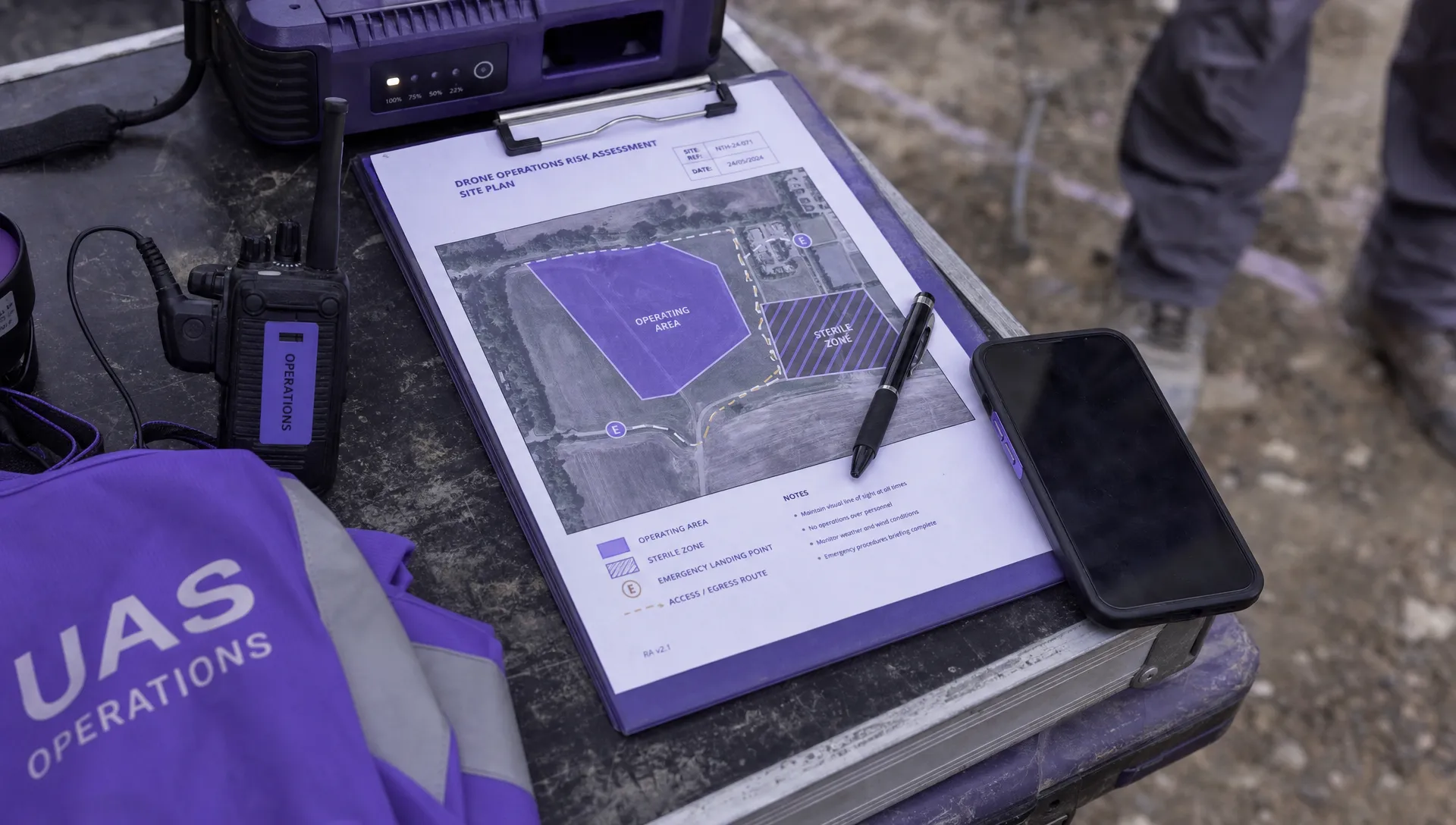 Drone Risk Assessment Controls That Work in the Field →
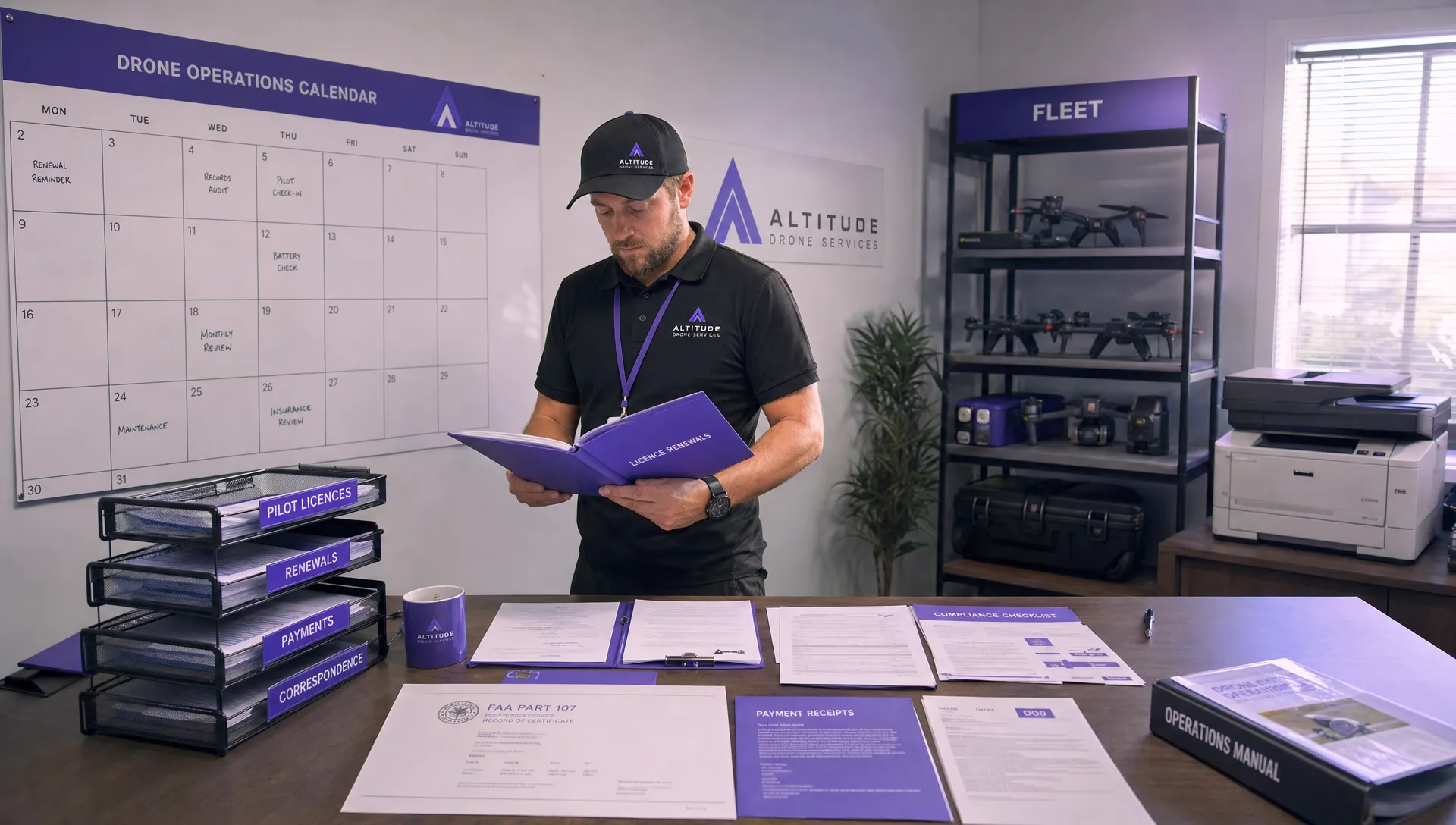 FAA Drone License Costs Beyond the Knowledge Test →
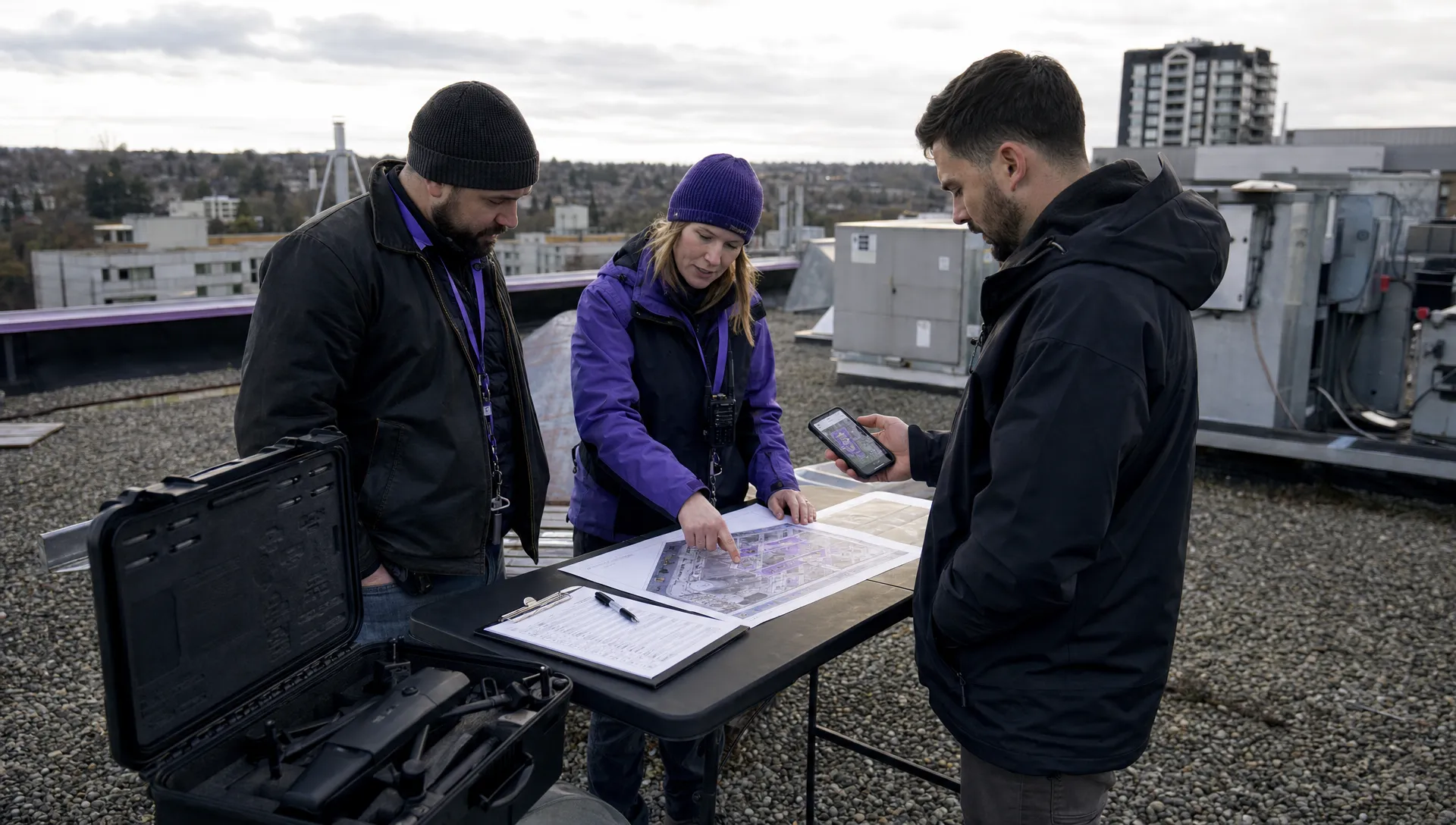 Drone Part 107 Operations: When a Waiver May Be Needed →
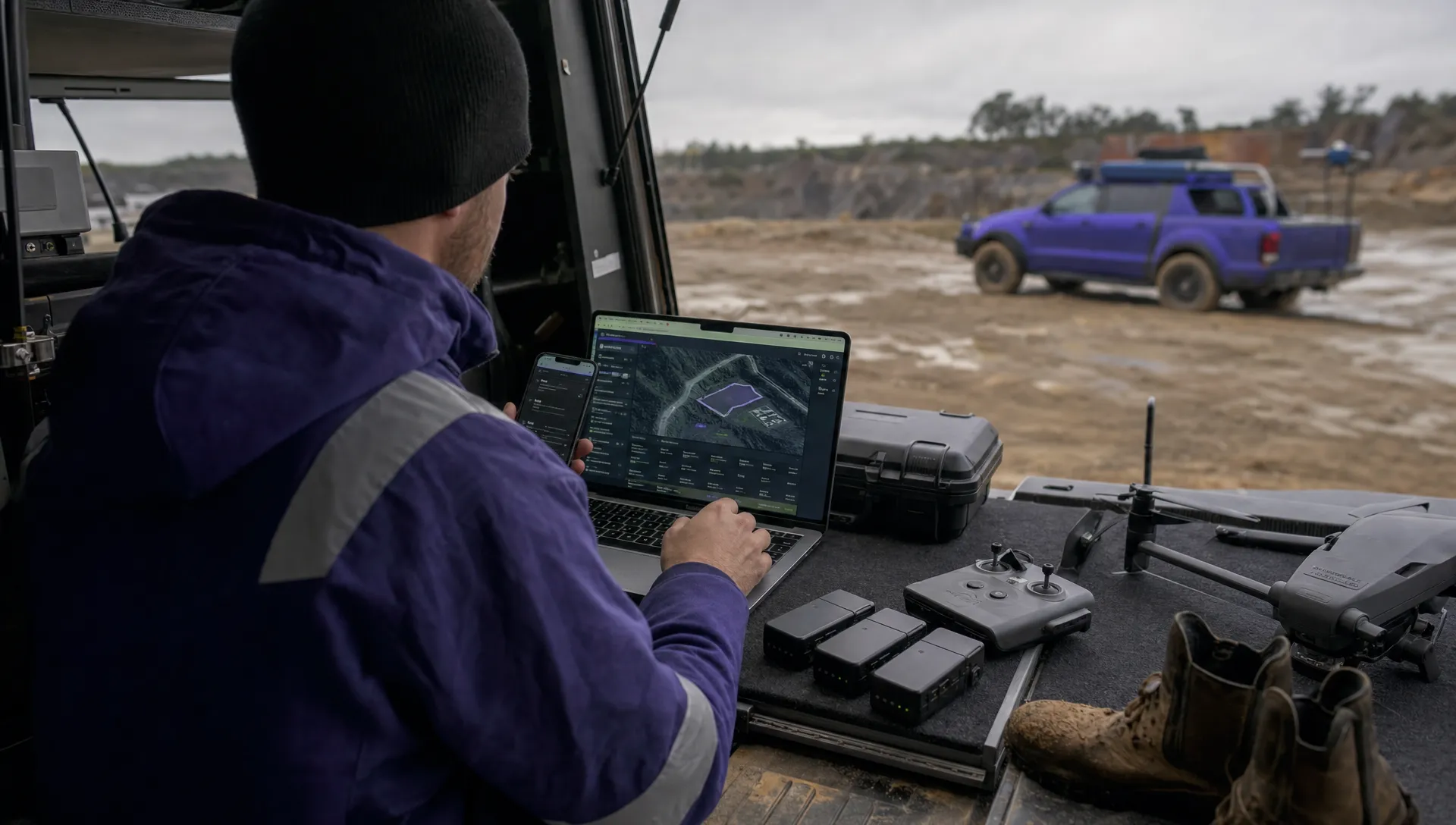 Drone Operating Rules for Managing Contractors and Employees →
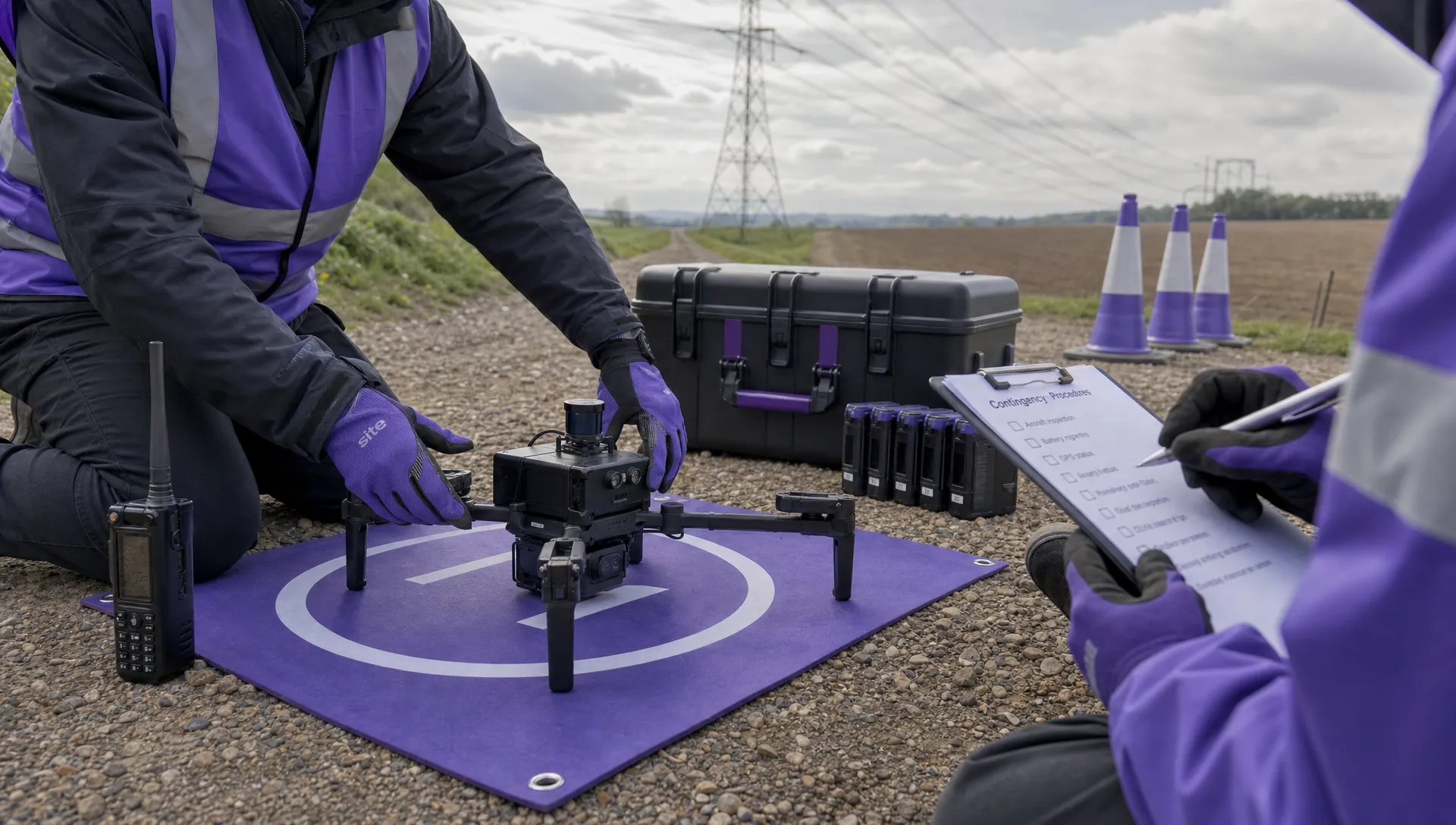 BVLOS Drone Requirements for Building a Safety Case →
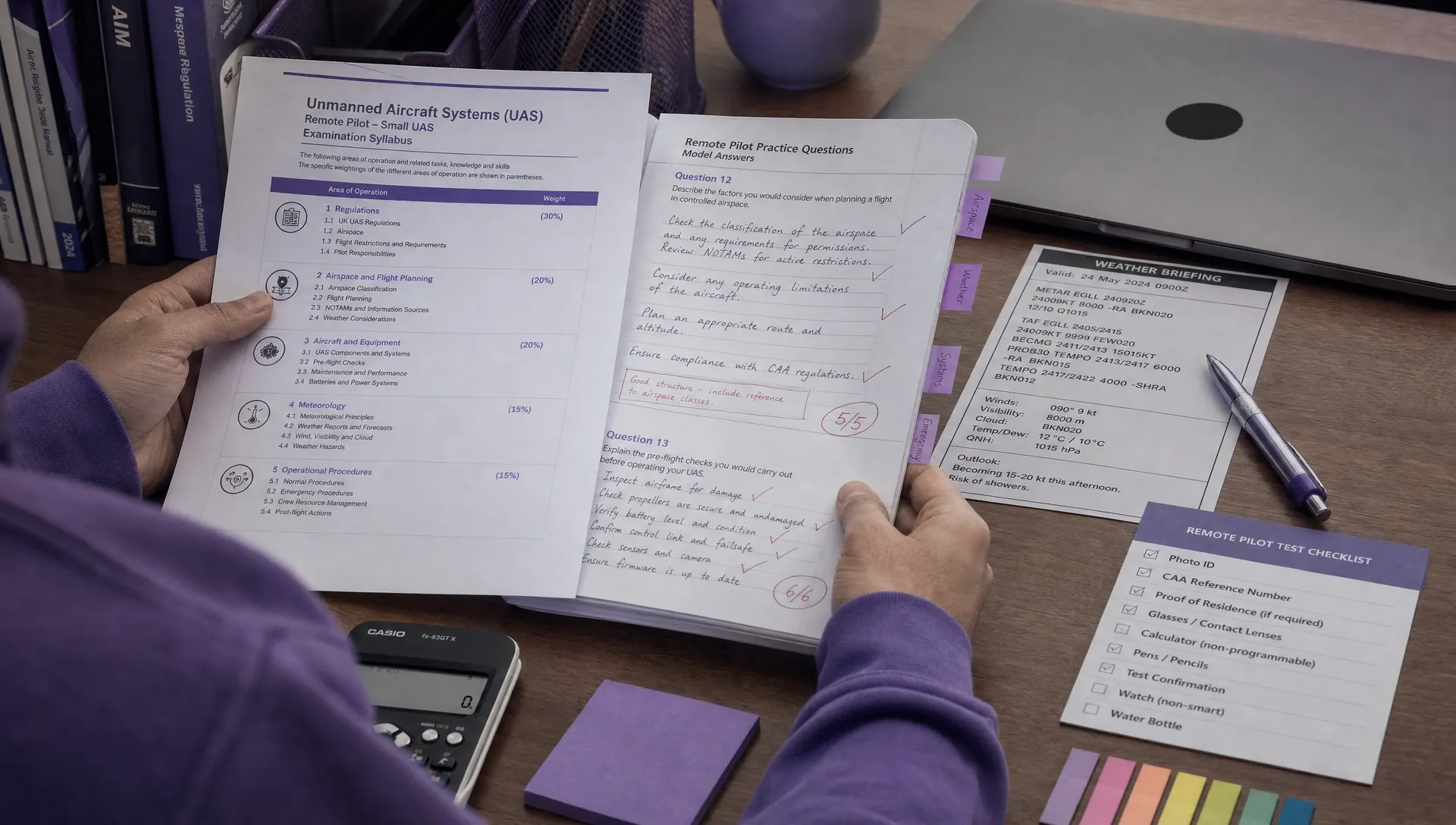 Drone Pilot Test Mistakes That Cost Candidates Marks →
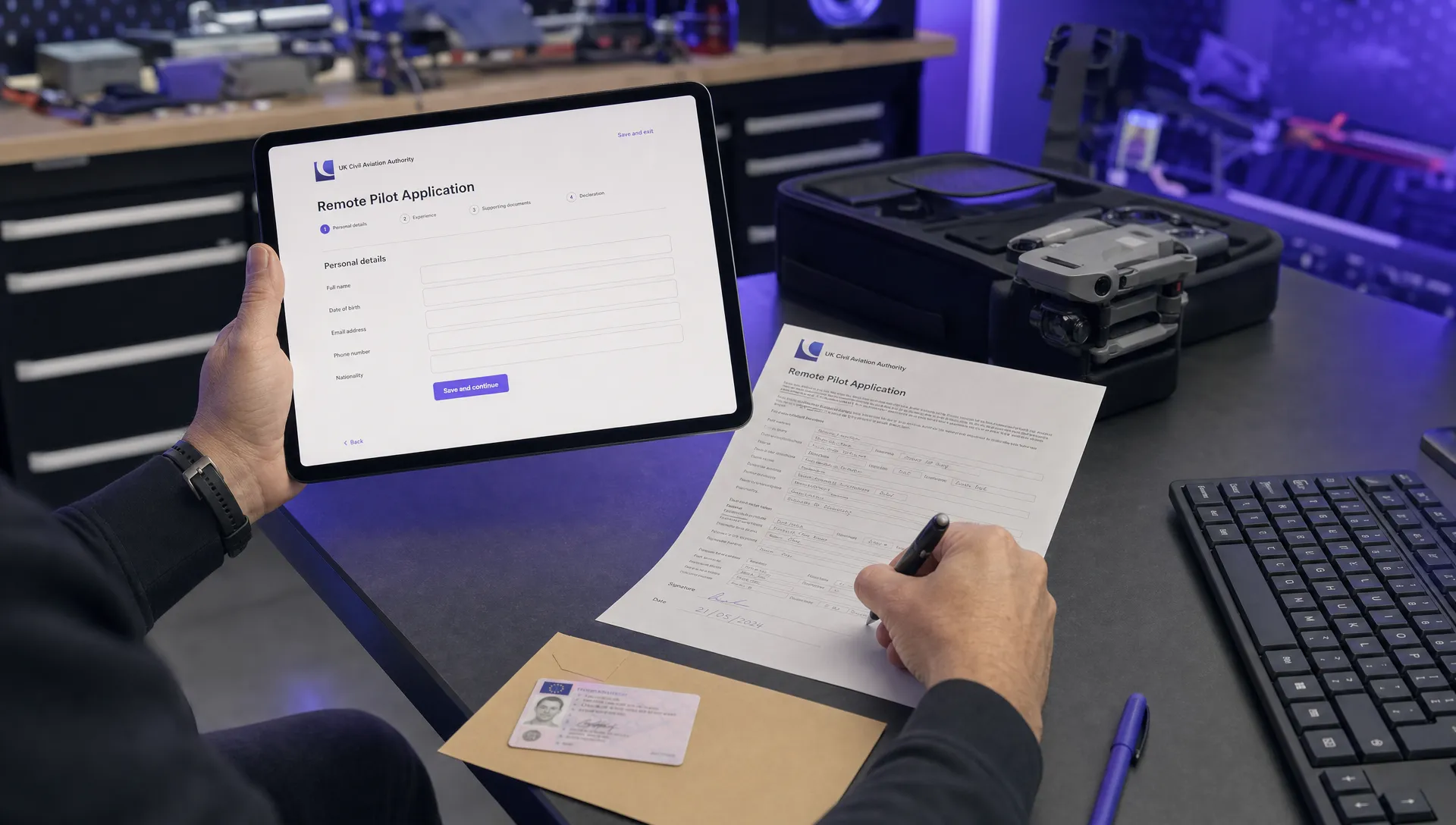 FAA 107 License vs Part 107 Certificate: What’s the Difference? →
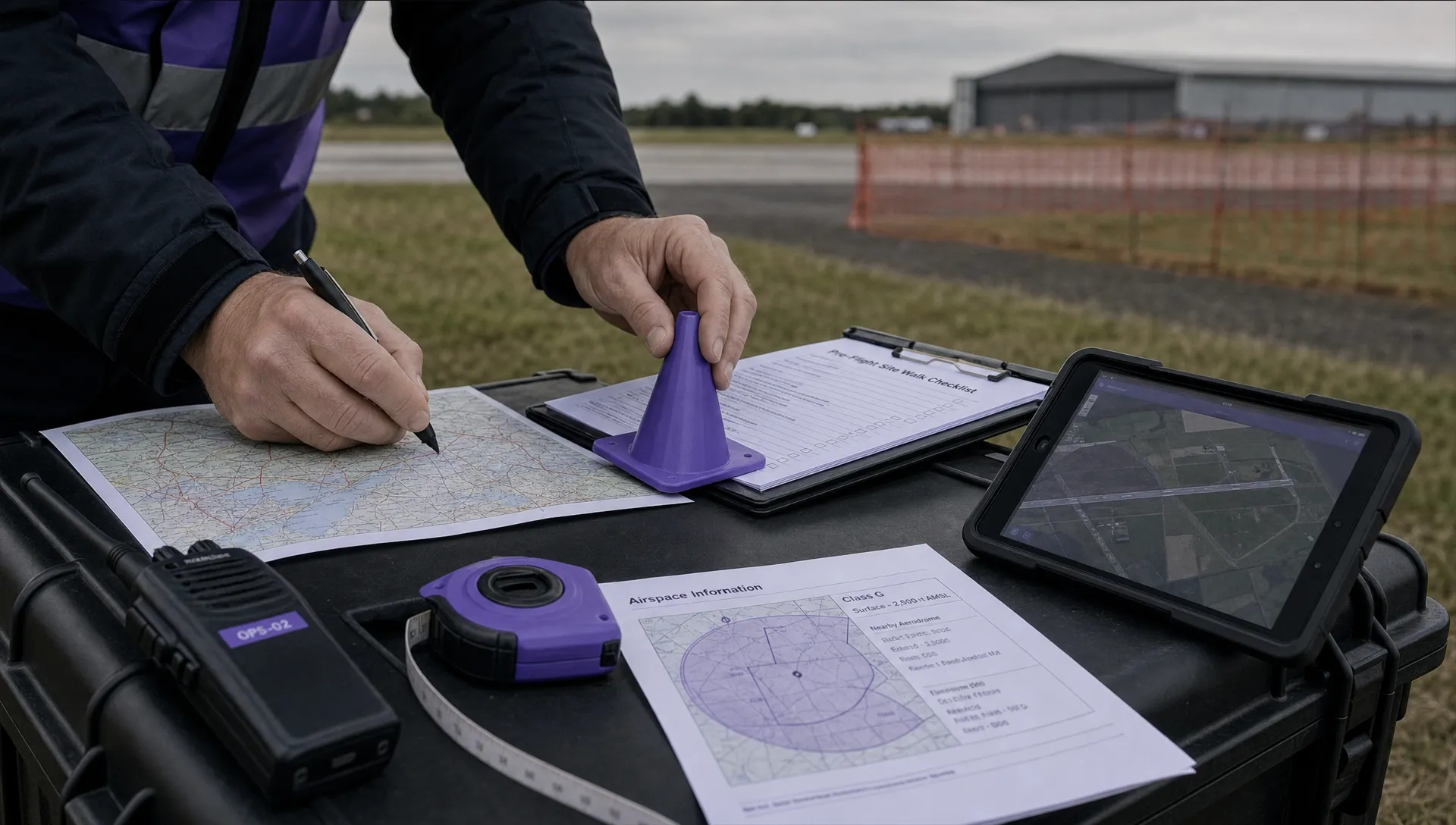 Drone Airport Rules: A Field Checklist for Site Assessments →
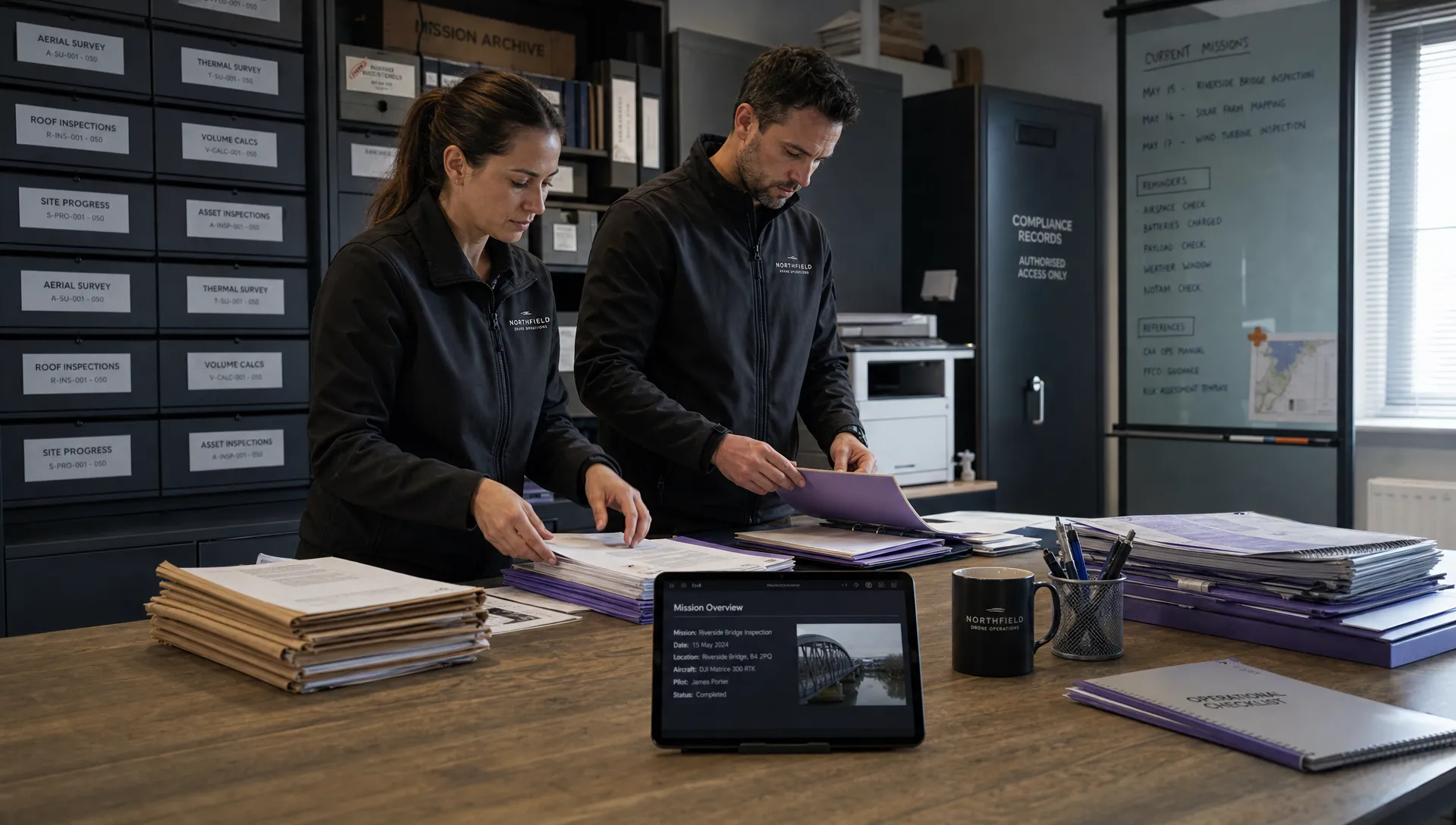 FAA Part 107 Record-Keeping Rules for Commercial Teams →
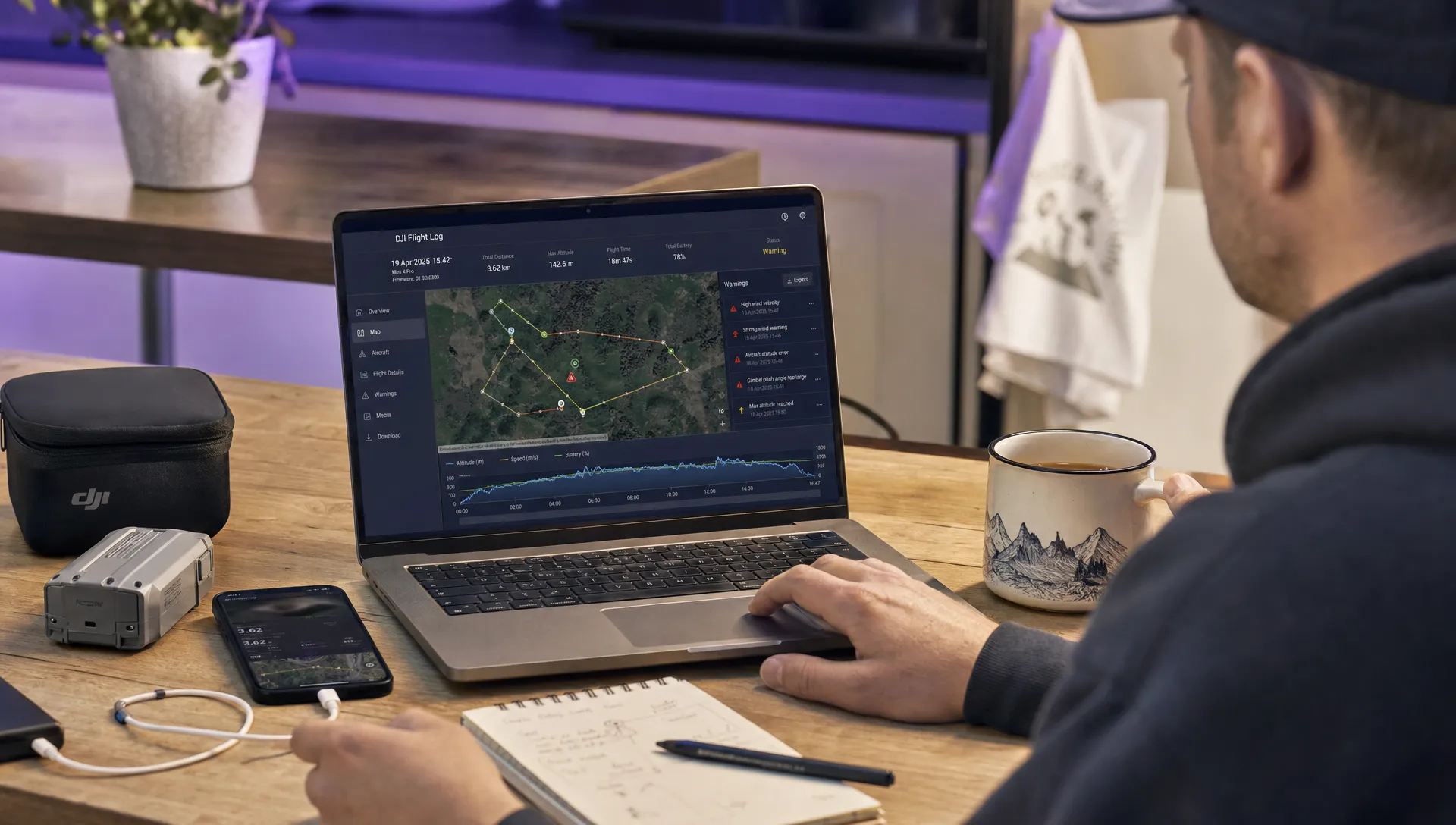 How to Review a DJI Flight Log After an Unexpected Event →