
What Is Remote ID for Drones and Why It Matters
Let's get right to it. The simplest way to think about Remote ID is to picture it as a digital license plate for your drone. It's a straightforward system that broadcasts key information about your drone while it's in the air, helping to create a safer and more transparent airspace for everyone involved.
What Is Drone Remote ID? A Digital License Plate Explained
The "digital license plate" analogy really is the best way to grasp what Remote ID is all about. Much like a license plate identifies a car on the road, Remote ID offers a clear, electronic method for identifying a drone in the sky. This isn't about constant surveillance; it's about fostering accountability and safely integrating drones into our national airspace.
This technology gives authorities, fellow pilots, and even the public a way to tell the difference between a legitimate, safe flight and one that might pose a risk. By broadcasting this data, it builds a foundation of trust that benefits the entire drone community.
What Information Does Remote ID Broadcast?
The system is pretty simple in practice. Your drone sends out a low-power radio signal, much like Bluetooth or Wi-Fi, that can be picked up by common devices like smartphones. The information it sends is very specific and limited, designed purely for identification and safety.
This rule applies to all drones weighing between 0.55 and 55 pounds, and it became a firm requirement in the United States on September 16, 2023. Think of it as a fundamental part of flying responsibly.
To give you a clearer picture, this table breaks down the essential data your drone transmits via Remote ID, helping you understand exactly what information is being shared during flight.
Remote ID Broadcast Information at a Glance
| Data Element | Description | Why It's Important |
|---|---|---|
| Unique Identifier | The serial number of the drone or the add-on broadcast module. | This is the drone's "license plate number," directly linking the aircraft to its registration. |
| Drone Location & Altitude | Real-time GPS coordinates showing exactly where the drone is flying. | Provides crucial situational awareness for air traffic and public safety. |
| Drone Velocity | The current speed and direction of the drone. | Helps predict the drone's flight path and assess any potential conflicts. |
| Control Station Location | The GPS coordinates of the pilot's controller or the drone's take-off point. | Pinpoints the location of the person responsible for the drone's operation. |
| Time Stamp | A marker indicating when the data was recorded. | Ensures the broadcasted information is current and accurate. |
As you can see, the information is focused and purposeful. It’s all about creating a transparent operating environment.
This data helps law enforcement and aviation officials see who is operating in a specific area, ensuring flights are conducted responsibly and within legal boundaries. For a more detailed breakdown of the regulations, check out our complete guide: https://blog.dronedesk.io/what-is-remote-id/
Why This Matters for Every Pilot
Getting a handle on Remote ID is essential for any modern drone operator. It's a core part of flying that impacts everything from your pre-flight checks to your operational planning. It’s not just another box to tick; it’s a shift in how we share the skies.
While the rules are specific to drones, it can be helpful to see how similar concepts work in other fields. For example, understanding a practical guide to remote camera monitoring shows how remote data transmission is used for security and accountability, placing drone technology within a larger context of responsible remote operations.
The Story Behind the FAA's Remote ID Rule
Remote ID wasn't just pulled out of thin air. It’s the result of years of conversations, planning, and careful thought about how to keep our skies safe as they get more crowded. The drone world exploded in popularity, both for fun and for business, which created a genuine need for a better way to manage airspace.
As thousands of new drones started flying, the FAA and other aviation authorities saw a big problem on the horizon: accountability. With no way to identify a drone in the air, it was impossible to tell a responsible pilot from someone causing trouble. That realization was the spark that ignited the push for a new set of rules.
The Path to Regulation
The journey to the rule we have today was a long one. It started years ago, with initial talks about how to safely bring unmanned aircraft into the same airspace as traditional planes. Those early conversations eventually grew into serious regulatory action.
The final Remote ID rule was published in January 2021, but its story really starts much earlier with things like the FAA Modernization and Reform Act of 2012. This wasn't a decision made behind closed doors, either. The FAA received and reviewed more than 53,000 public comments before finalizing the rule. It was a massive undertaking.
You can actually dive into the full legislative timeline and see how public input shaped the final outcome on the official Remote ID Wikipedia page.
The screenshot above paints a clear picture of this journey, highlighting the key milestones and the sheer volume of public feedback involved. This back-and-forth was essential; it helped the FAA strike a balance between national security needs and the practical concerns of everyday drone pilots.
When you understand the history, you see that Remote ID isn't just another bureaucratic hurdle. It's a foundational building block for the future of drones, designed to support innovation while keeping everyone safe.
The compliance deadlines were rolled out in stages to give the industry time to catch up. Drone operators had to be compliant by September 16, 2023, though the FAA gave everyone a grace period until March 16, 2024, to get their systems in order. This phased approach gave pilots and manufacturers the breathing room they needed to understand the new rules and get the right technology in place.
Ultimately, the story of Remote ID is about adapting to new technology and thinking ahead. It’s what will make advanced operations, like package delivery and flying beyond visual line of sight, a reality.
Choosing Your Path To Remote ID Compliance
So, you need to comply with Remote ID rules. The good news is the FAA gives you a few different ways to do it. It’s not a one-size-fits-all situation. You’ve got three distinct paths to choose from, and each one strikes a different balance between convenience, cost, and flexibility.
The right choice for you will probably depend on the drones you already own and where you typically fly. Getting a handle on these options is the first step to flying legally and with complete peace of mind.
Option 1: Standard Remote ID
This is, by far, the simplest route. Standard Remote ID means the technology is already built directly into the drone's hardware. Most newer drones weighing over 250 grams, especially from major players like DJI and Autel, come with this feature right out of the box.
If you have one of these drones, getting compliant is as easy as turning it on. There are no extra gadgets to buy or complicated setups to wrestle with. If you're in the market for a new drone, just make sure it has Standard Remote ID, and you’ll be set from day one. It's the most straightforward path.
Option 2: Remote ID Broadcast Module
What if you have an older drone that you still love to fly? Or maybe you've built a custom rig that doesn't have any of this new tech integrated. That's exactly what the Remote ID Broadcast Module is for. Think of it as a small, lightweight device that you simply attach to your drone.
This module acts like a self-contained digital license plate, broadcasting all the required identification information just as a Standard ID system would. You’ll just need to register the module's serial number with the FAA and associate it with your drone's registration in your FAA DroneZone account.
The real advantage here is flexibility. You can move a single broadcast module between different drones in your fleet, making it a pretty smart, cost-effective fix if you have multiple older aircraft that aren't compliant.
These modules come in various shapes and sizes. Some have their own internal batteries, while others can be wired to draw a tiny bit of power from the drone itself.
This image helps visualize the difference between the two main types of Remote ID systems: Broadcast and Network.
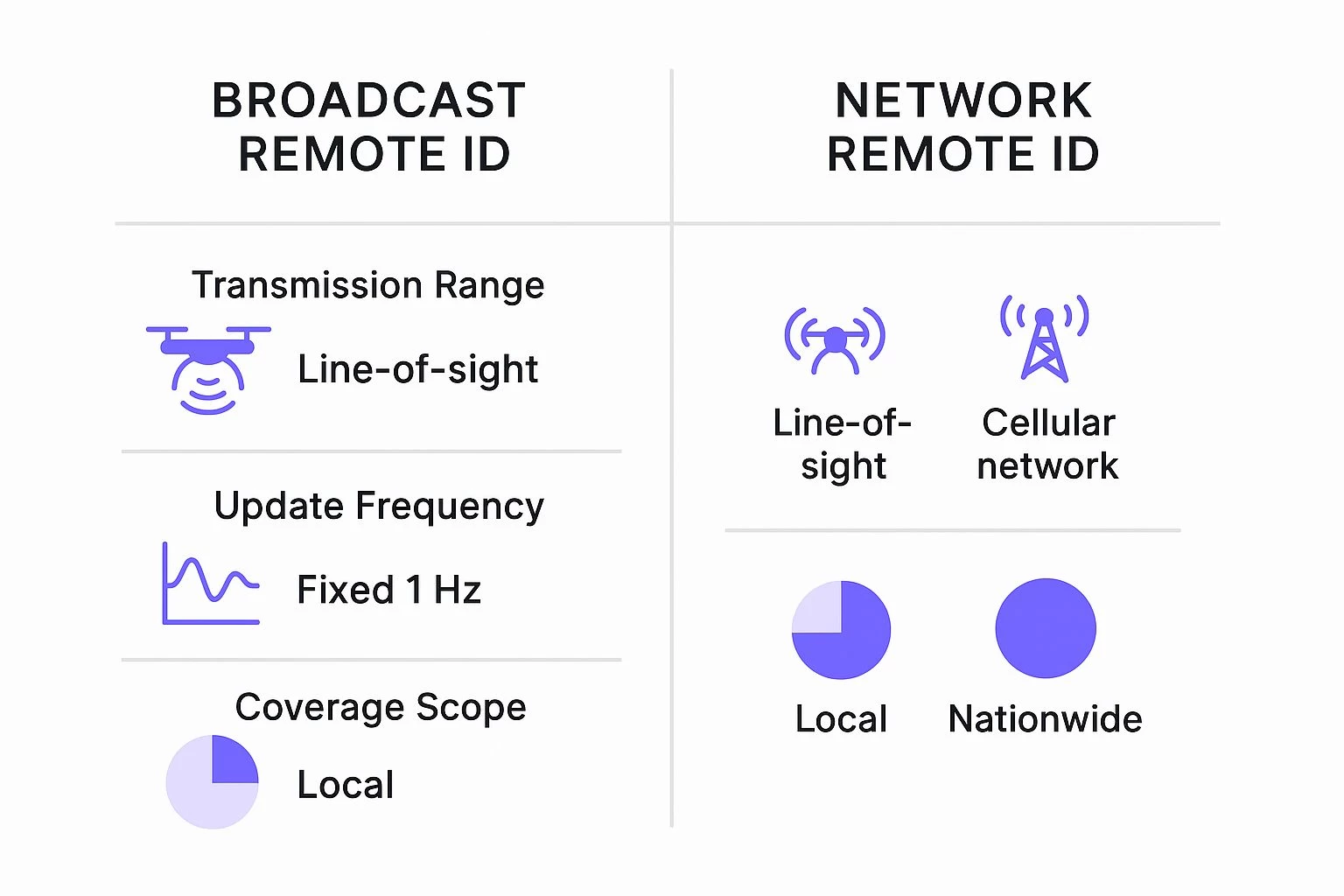
As you can see, the FAA's rule requires Broadcast Remote ID, which is like a local radio signal from your drone, not a system that relies on cell towers or the internet.
Comparing Remote ID Compliance Methods
To help you decide which path is best for you, here’s a quick side-by-side comparison of the options based on your drone and flying needs.
| Compliance Method | Best For | Key Considerations |
|---|---|---|
| Standard Remote ID | Pilots buying new drones or those whose current drones already have it built-in. | The easiest, most seamless option. No extra hardware or setup required. Check for compliance before you buy. |
| Broadcast Module | Pilots with older, custom-built, or non-compliant drones. | A flexible and cost-effective way to upgrade your existing fleet. One module can be used on multiple drones. |
| Flying in a FRIA | Recreational and educational pilots who consistently fly at a single, established location. | No equipment needed, but you are strictly limited to flying within the FRIA's boundaries. Not practical for commercial work. |
Ultimately, the best choice depends entirely on your specific situation, balancing the upfront cost and setup against the flexibility you need for your operations.
Option 3: Flying In A FRIA
There's one more way to fly without any Remote ID equipment, but it comes with a big string attached. You can operate your drone inside an FAA-Recognized Identification Area (FRIA). These are specific, geographically defined zones, often run by community-based organizations like the AMA, schools, or local flying clubs.
So, who are FRIAs really for, and how do they work?
- They are mainly designed for recreational flyers and educational programs that operate out of established flying fields.
- Within the official boundaries of a FRIA, the requirement to broadcast Remote ID is simply waived.
- The catch? You can only fly inside that specific zone without a module. The moment you take your drone outside the FRIA, you’re no longer compliant.
This is a fantastic solution for hobbyists who have a go-to spot at their local club. However, it’s not a viable option for commercial pilots who need the freedom to fly at different job sites. For a much deeper look at these requirements, check out the comprehensive breakdown of the FAA Remote ID rule on our blog.
How Remote ID Benefits Every Drone Pilot
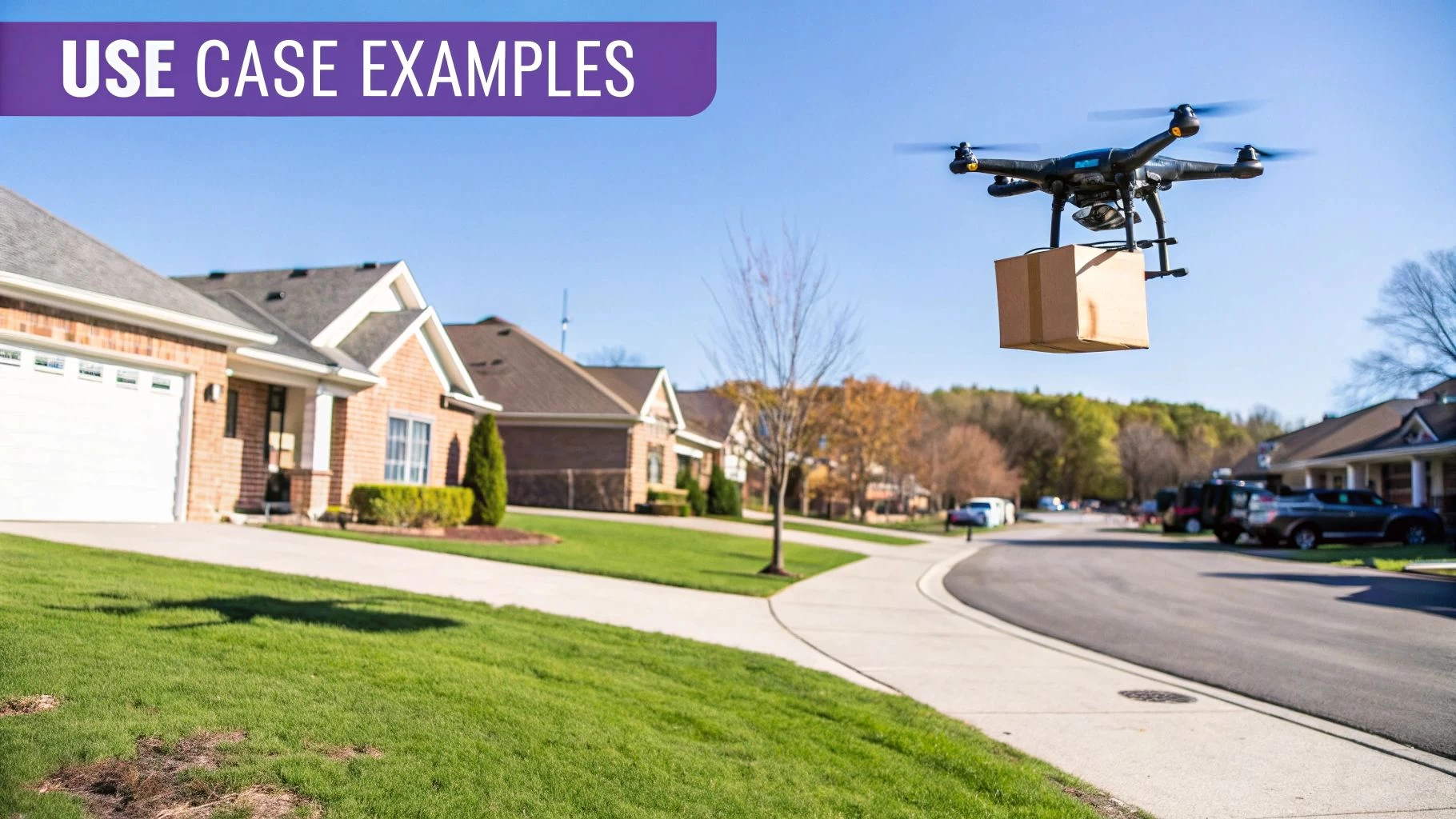
It’s easy to look at Remote ID as just another FAA requirement to check off the list, but that view misses the bigger picture. Think of it less as a rule and more as a foundational upgrade for the entire drone industry. When you see it as an advantage instead of a burden, its real value for every type of pilot becomes clear.
For commercial drone professionals, Remote ID is the ticket to unlocking more advanced, high-value operations. It’s the electronic visibility that authorities need to confidently approve complex flight waivers. Without it, flying Beyond Visual Line of Sight (BVLOS) or conducting operations over people would be practically impossible for most.
This system also introduces a crucial layer of accountability that helps build public trust. When law enforcement and the general public can easily distinguish a compliant, professional pilot from a rogue operator, it goes a long way toward reducing suspicion and fostering wider acceptance of drones in our communities.
A Foundation for Advanced Operations
Imagine Remote ID as the bedrock for the next generation of drone work. It's the essential framework needed to build future air traffic management systems, what the industry calls Unmanned Traffic Management (UTM). These are the systems that will make widespread drone delivery and automated inspections a daily reality.
Remote ID provides the transparent data needed for safe, automated deconfliction in busy airspace, ensuring that a delivery drone and a news-gathering drone can operate in the same area without incident.
This transparency doesn’t just help regulators; it gives your business a direct advantage. As you plan for the future, you'll find that FAA Remote ID isn't just red tape. In fact, embracing compliance can actively boost your drone business by positioning you as a forward-thinking professional ready for the most valuable jobs.
Strengthening The Entire Community
The ripple effects of Remote ID benefit the entire drone community. By creating a clear standard for accountability, the system helps to self-police the airspace. It effectively isolates careless or malicious flyers, preventing their actions from damaging the reputation of the thousands of pilots who operate safely and responsibly every day.
This improved safety and security landscape opens doors for everyone. It encourages more organizations to adopt drone technology in critical fields like:
- Emergency response
- Infrastructure inspection
- Precision agriculture
Ultimately, Remote ID is paving the way for a more integrated and opportunity-rich future for every single person who flies a drone.
Here is the rewritten section, designed to sound like an experienced human expert:
Keeping Your Drone Fleet Compliant
When you're managing a fleet of drones, compliance isn't just a pilot's problem—it's a core business function. Trying to manually track every drone's registration and Remote ID status is a recipe for headaches. It quickly gets messy, opens you up to risk, and just plain wastes time.
This is exactly where a good drone management platform like Dronedesk shifts from being a "nice-to-have" to an absolute necessity. It turns that scattered, manual checklist into a single, automated system that works for you.
A Single Place for Everything
Think of it as a central hub for your entire fleet. A platform like Dronedesk gives you a dedicated profile for every aircraft you own. Inside that profile, you simply log the drone's unique Remote ID serial number, whether it’s a Standard ID built into the drone or from a broadcast module you've attached.
That one simple action—logging the ID—creates a single source of truth for your entire operation. Forget digging through spreadsheets or shuffling papers to find a serial number before a flight. Everything is right there.
This means management gets a bird's-eye view of fleet compliance instantly. Pilots can also quickly confirm their assigned drone is good to go during pre-flight checks, all within the same system they use for mission planning.
By integrating Remote ID data directly into your asset management, you're doing more than just storing information. You're building a proactive compliance engine that ensures no drone ever gets off the ground without meeting its legal requirements.
This system provides a clear, auditable trail proving every drone in your fleet meets FAA regulations. Compliance becomes a natural part of your daily workflow, not an annoying afterthought. This saves a massive amount of administrative time and nearly eliminates the risk of costly human error.
Ultimately, this level of organization is about more than just ticking a regulatory box. It’s about building a professional, scalable operation where safety and compliance are baked in from the start. For example, when you're setting up a new job, the system can link a compliant drone directly to the mission plan, creating a seamless record from planning all the way through to the final report.
It removes the guesswork and gives you the solid documentation you need if you're ever faced with an audit or operational review.
Got Questions About Remote ID? We’ve Got Answers.
Let's tackle some of the most common questions and sticking points we hear from pilots about Remote ID. Think of this as a quick, no-nonsense guide to help you get your facts straight and fly with confidence.
Do I Really Need Remote ID for My Tiny Drone Under 250g?
This is probably the number one question out there, and the answer isn't just about weight—it’s about why you're flying.
If your drone is under 250 grams (that's 0.55 pounds) and you're just flying for fun, you're in the clear. No Remote ID needed. Enjoy the flight!
But—and this is a big "but"—the moment you fly that same drone for commercial work under Part 107, the rules flip. Whether it's for a real estate shoot or a quick roof inspection, that sub-250g drone must have Remote ID. It's the purpose of the flight, not the size of the drone, that matters here.
Can Anyone See Exactly Where I’m Standing When I Fly?
This is a huge privacy concern for a lot of pilots, and understandably so. The good news is that Remote ID isn't a live tracker for you.
The system broadcasts the location of the control station or the drone’s takeoff point.
In other words, it pinpoints a fixed spot—either where you started the flight or where the controller is—not your every step. This information is primarily for the FAA and law enforcement to ensure accountability in the airspace, not for the general public to follow you around.
So, What’s the Big Deal If I Fly Without It?
Flying without a functioning Remote ID when you're required to have one is a serious violation of FAA regulations. Honestly, the potential penalties just aren't worth the risk.
If you get caught, the FAA has a few ways it can respond, and none of them are pleasant:
- Official warnings or letters of correction.
- Hefty fines that can really hurt, especially for a small business.
- Suspension or even revocation of your Part 107 pilot certificate.
At the end of the day, making sure your gear is compliant and working properly before you take off is just part of being a professional pilot. It protects your license, your business, and the overall safety of our skies.
Keeping track of all this for a single drone is one thing, but managing an entire fleet is another challenge altogether. That’s where a tool like Dronedesk comes in. Our platform makes it easy to log Remote ID serial numbers, run automated pre-flight checks, and keep flawless records, so you know every flight is 100% compliant. You can see how Dronedesk simplifies compliance on our website.
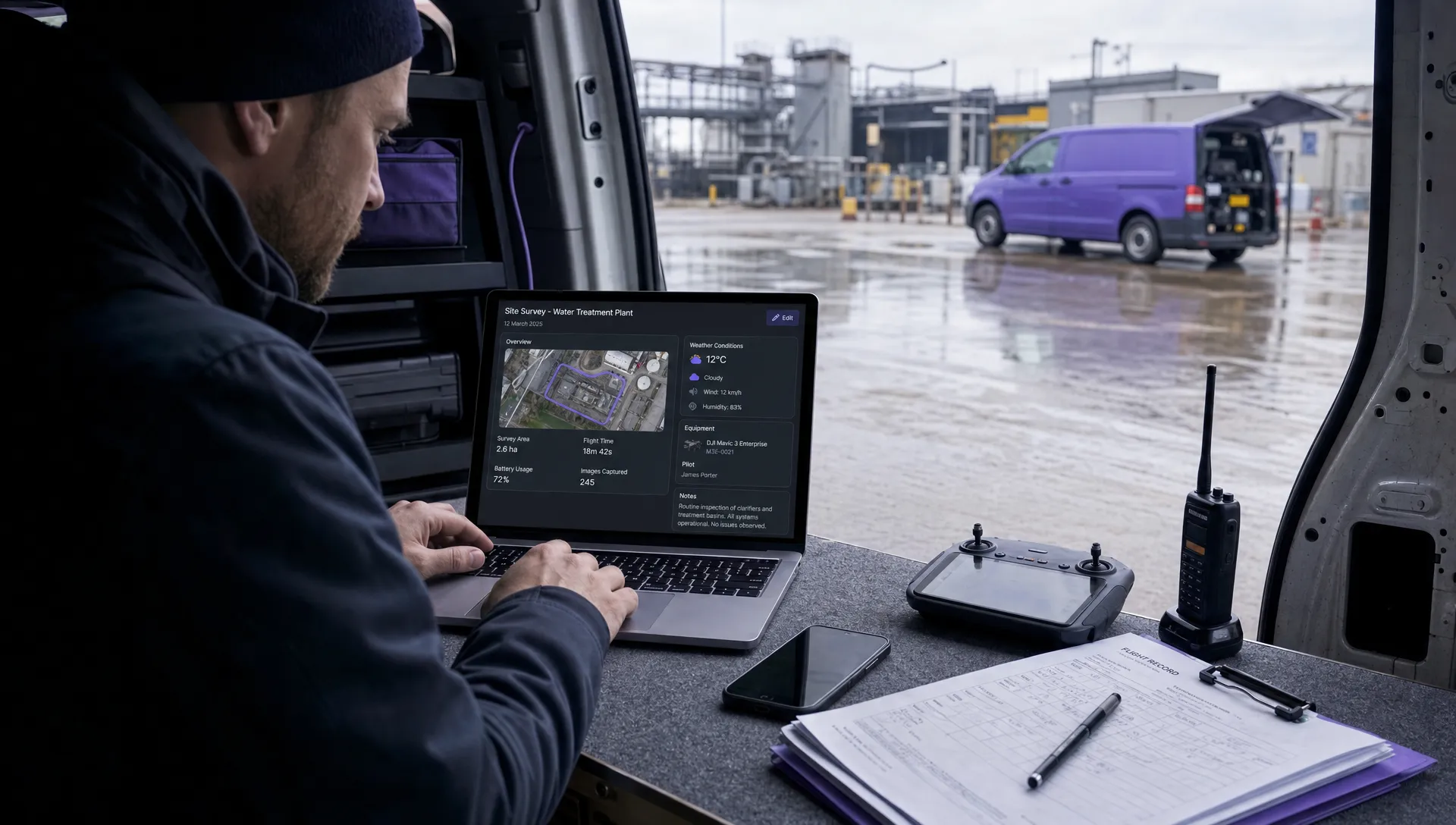 Drone Airspace Rules: How to Document Your Site Checks →
 How to Evaluate a Free Drone Logbook Before Using It →
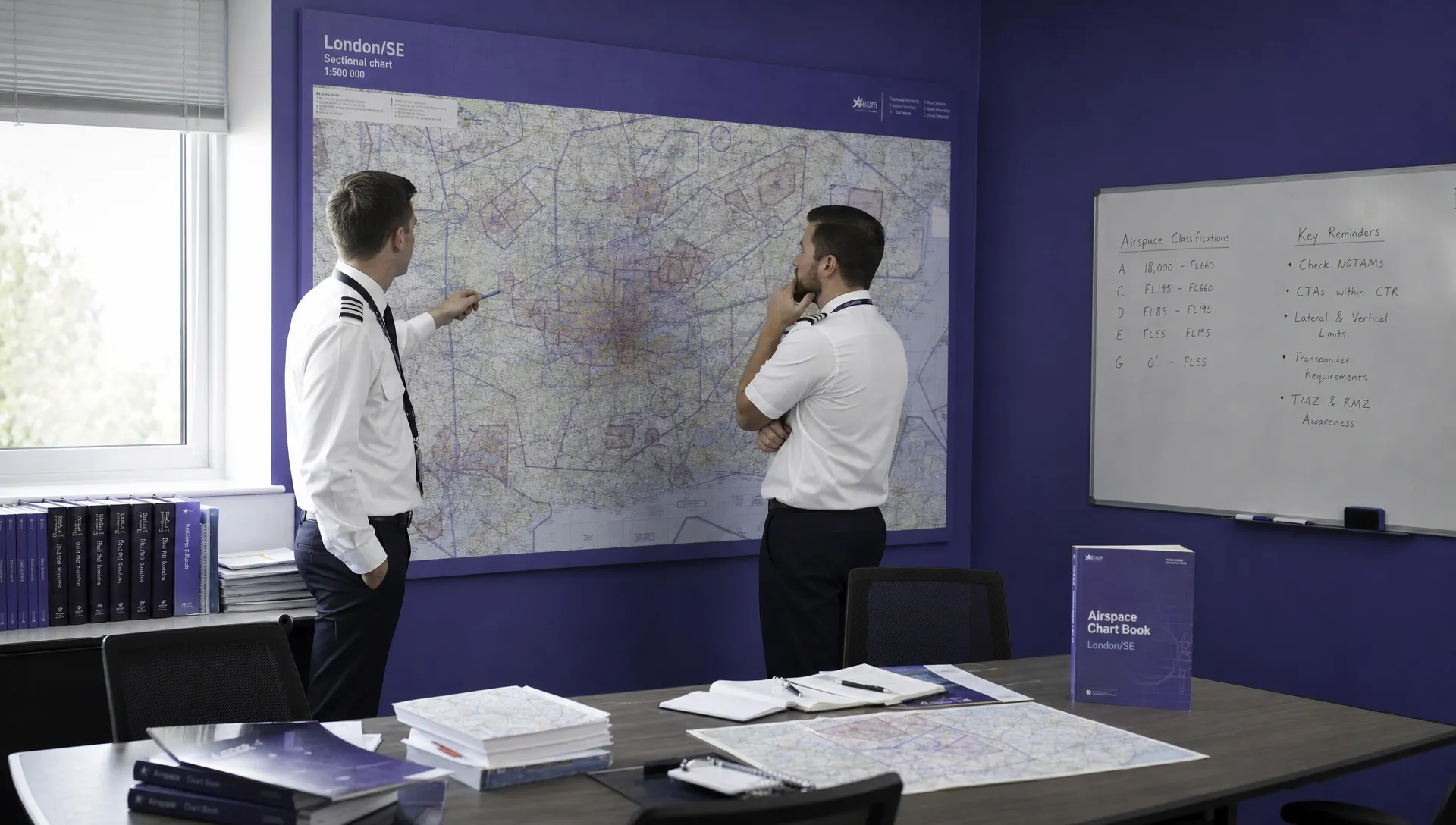 FAA Part 107 Test: How to Master Airspace Questions →
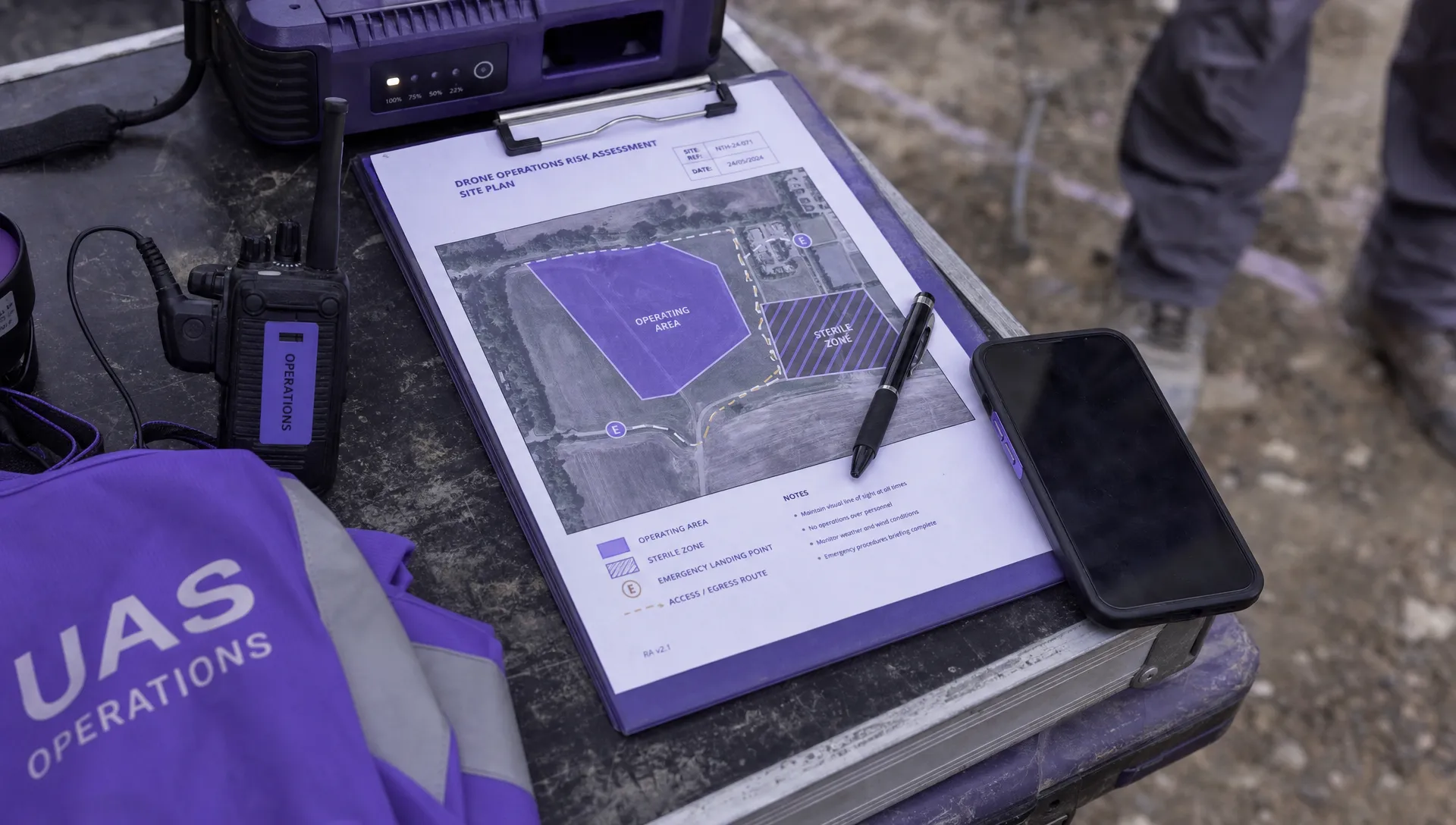 Drone Risk Assessment Controls That Work in the Field →
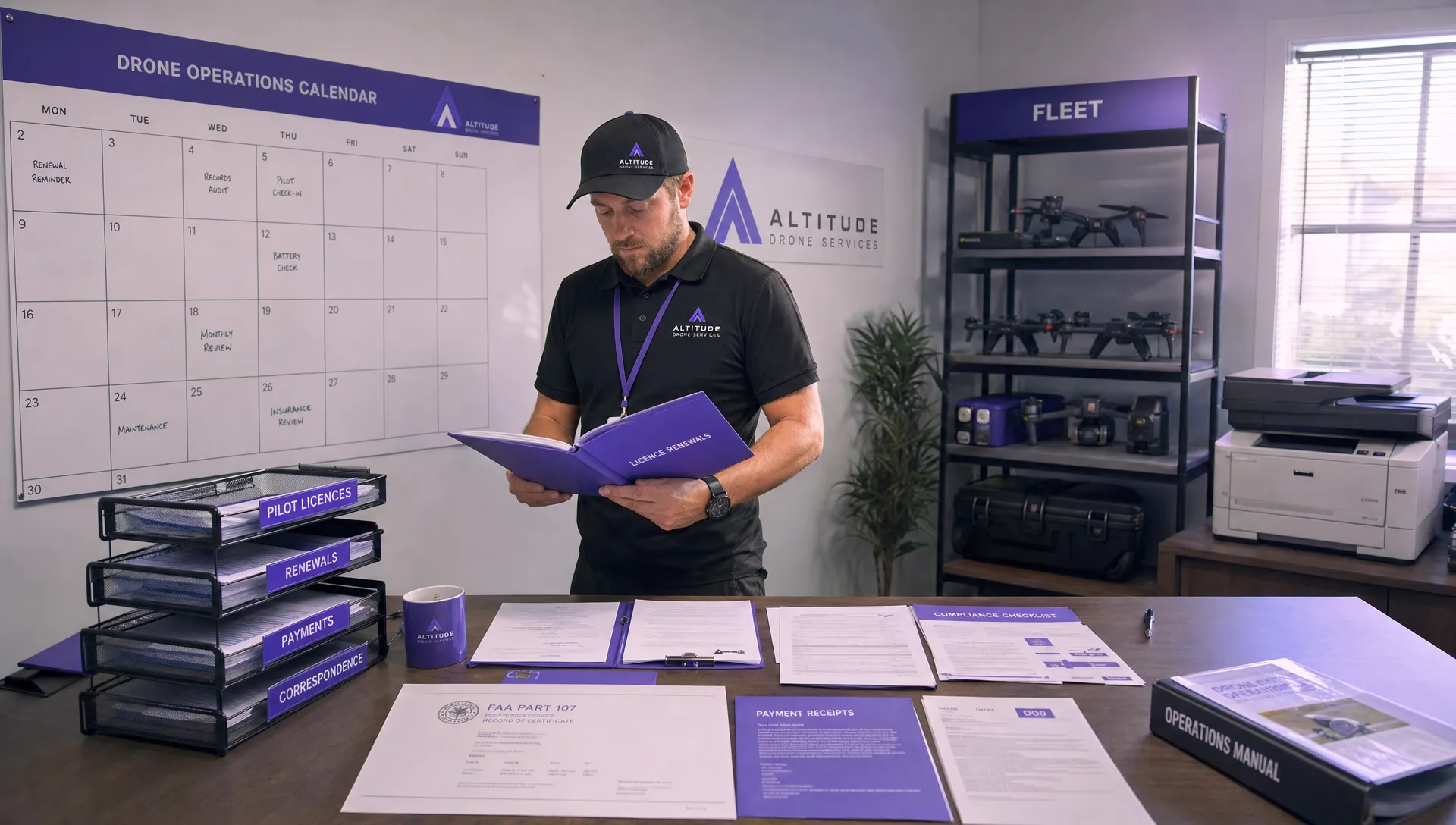 FAA Drone License Costs Beyond the Knowledge Test →
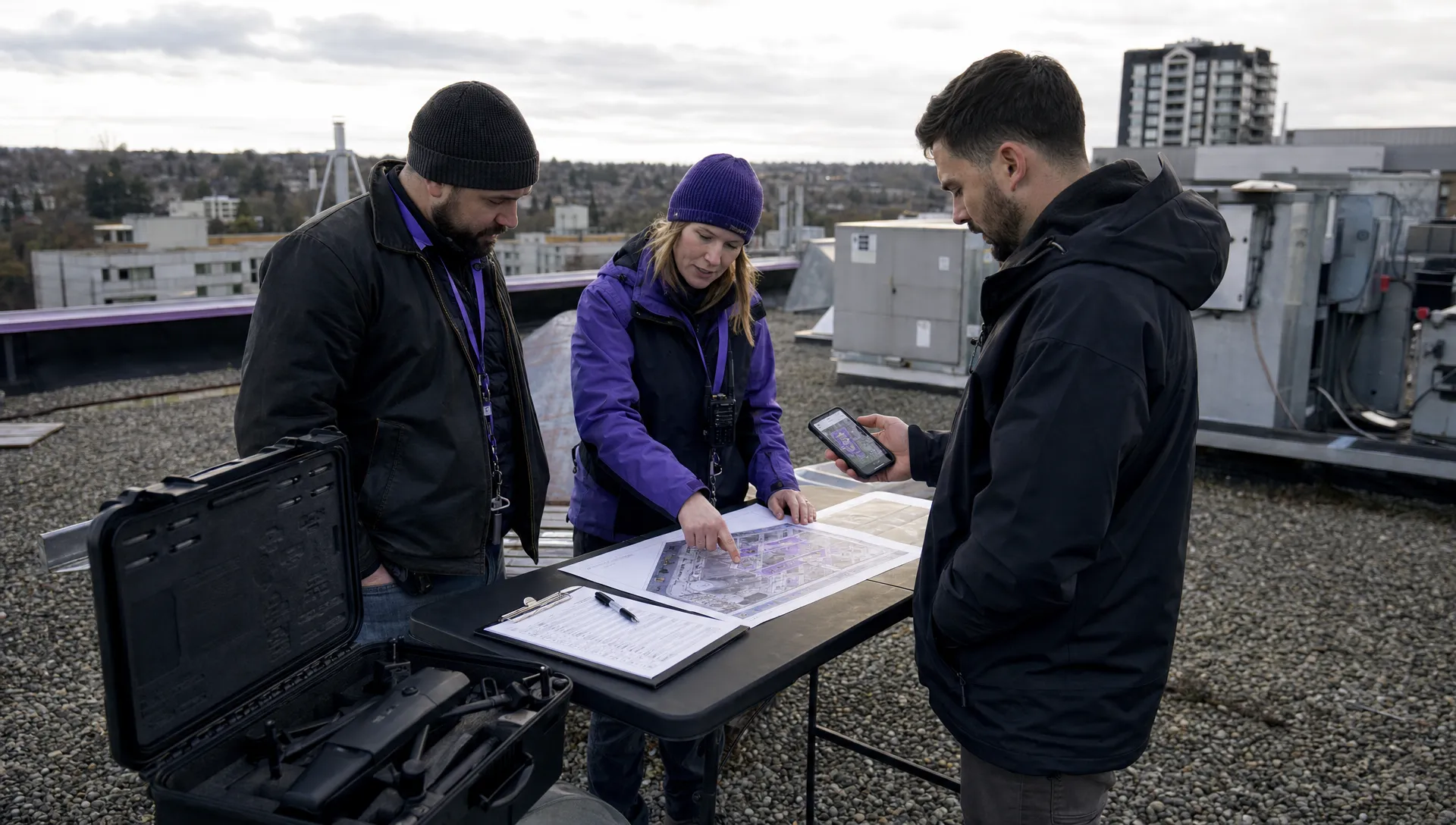 Drone Part 107 Operations: When a Waiver May Be Needed →
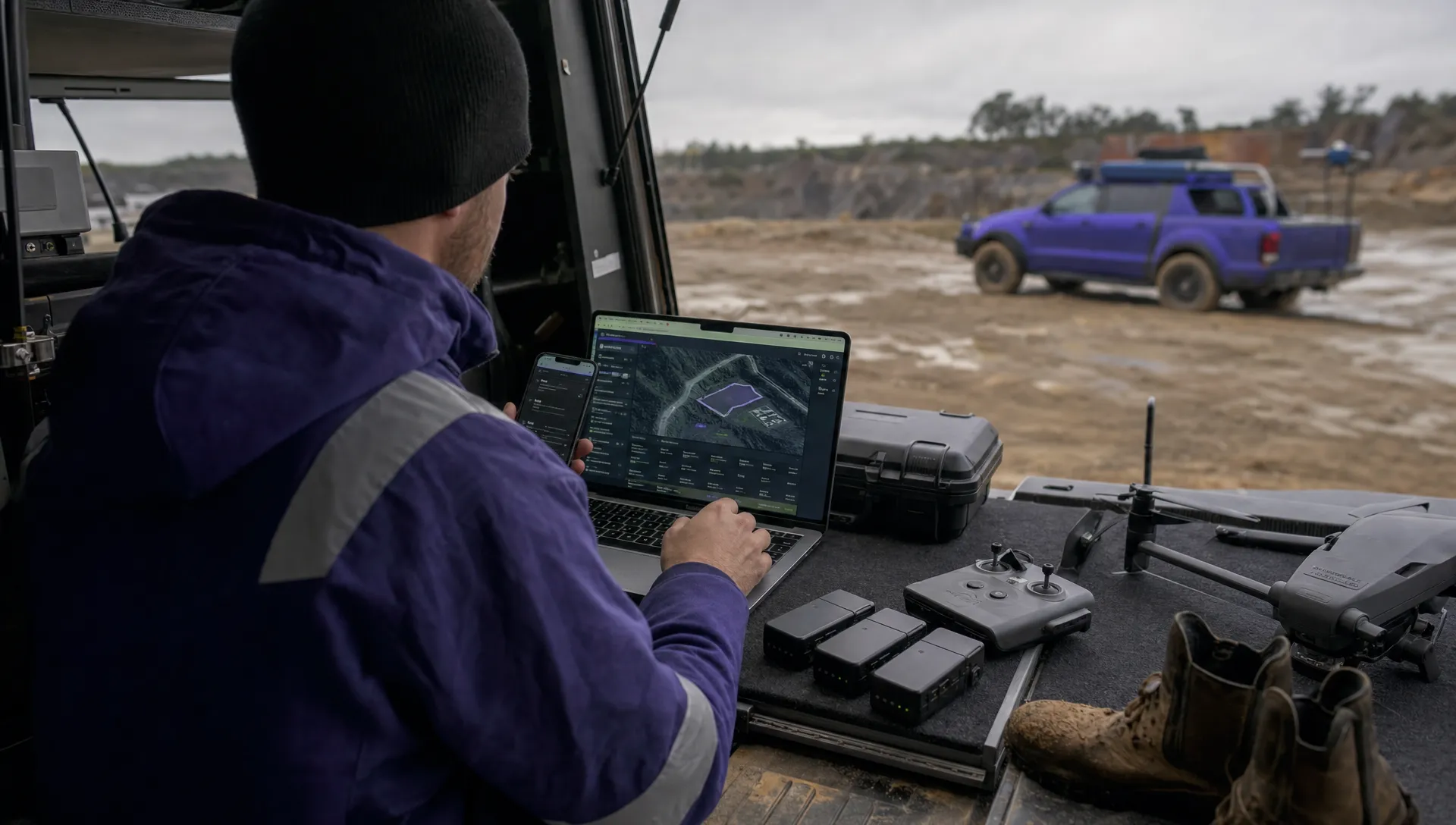 Drone Operating Rules for Managing Contractors and Employees →
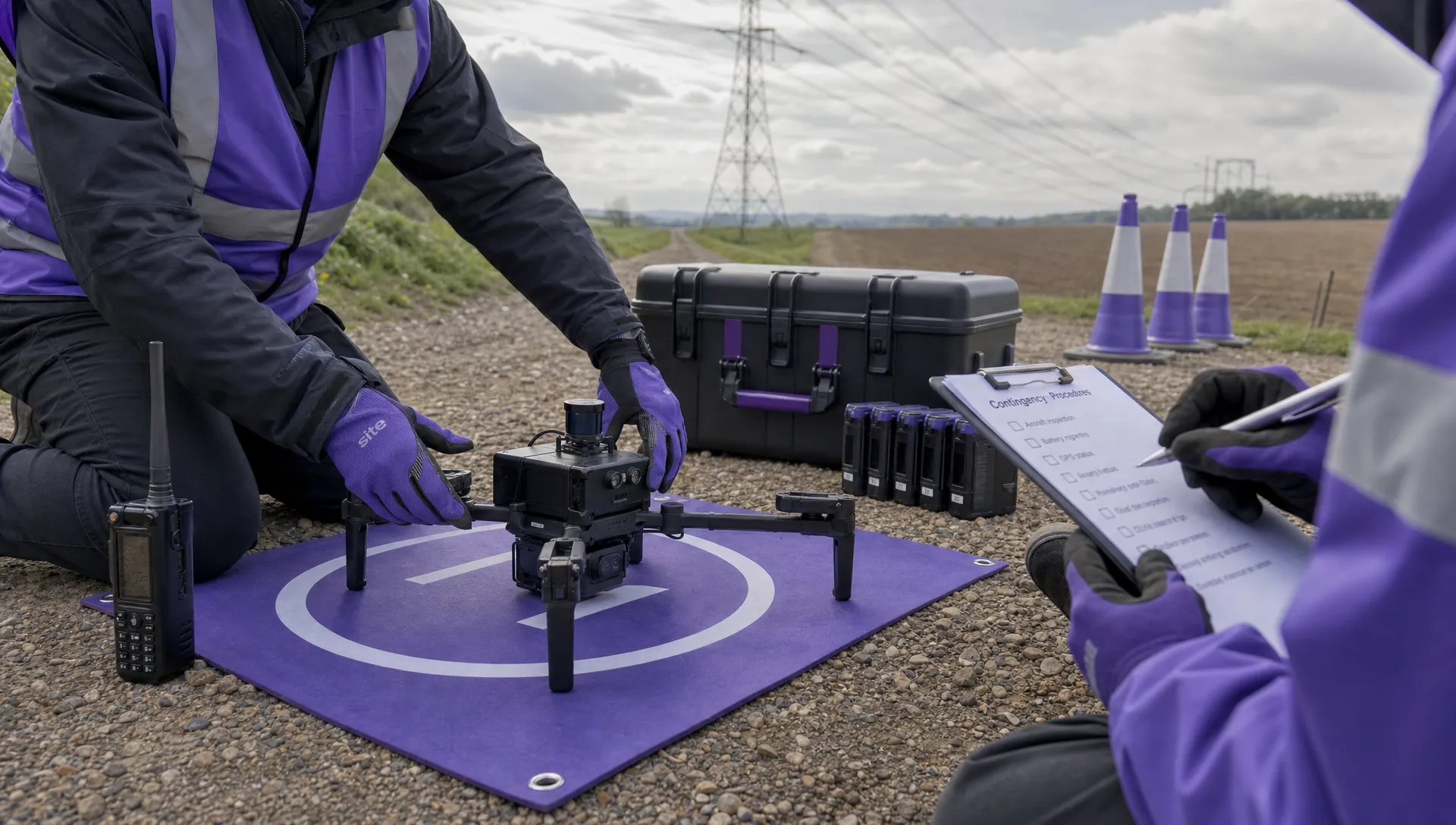 BVLOS Drone Requirements for Building a Safety Case →
 Drone Pilot Test Mistakes That Cost Candidates Marks →
 FAA 107 License vs Part 107 Certificate: What’s the Difference? →