
Scaling Drone Operations for Business Growth
Growing your drone operation is an exciting prospect, but here's a hard-won piece of advice: success hinges on building a robust operational framework before you even think about adding more hardware.
It's a fundamental shift in thinking. You have to move from a reactive, single-pilot mindset to a structured, team-based system that's built for growth. This foundation is all about having clear goals, standardized procedures, and the right tech in your corner.
Building Your Foundation for Scalable Growth
Before you purchase a single new drone, the smartest thing you can do is step back. Design the system that will support your bigger fleet. Scaling isn't just about doing more of the same; it's about creating a repeatable, predictable, and professional framework. This ensures that every single mission—no matter the pilot or the location—meets the exact same high standard.
This proactive approach is what separates smooth scaling from the chaos that often comes with rapid growth. It turns expansion into a strategic advantage, not an operational headache.
The global drone market is absolutely booming, and that's largely because businesses are figuring out how to scale effectively. The market was valued at around USD 30.7 billion and is expected to hit USD 74.8 billion by 2033, growing at an annual rate of about 10.41%. This isn't just hype; it's fueled by better tech making drones more reliable for complex, large-scale work. You can dig into more on this drone market growth on imarcgroup.com.
Defining Clear Expansion Goals
So, what does "scaling" actually mean for your business? Without a clear target, you're just getting busier, not necessarily better. Pinpointing specific, measurable goals is the crucial first step.
Your goals might look something like this:
- Entering New Industries: Maybe you're moving from real estate photography into more complex sectors like utility inspections or agricultural mapping.
- Handling Larger Projects: This could mean taking on multi-site construction progress monitoring instead of just single-location jobs.
- Increasing Geographic Reach: Expanding your services from your local area to a regional or even national footprint.
- Improving Service Level Agreements (SLAs): Guaranteeing faster data turnaround times for a much larger volume of clients.
Each of these goals demands a different operational structure. Knowing your destination from the outset dictates the kind of foundation you need to build. For a deeper look at these early planning stages, check out our guide on how to start a drone business.
Before you jump in, it's worth taking stock of where you are now versus where you need to be. This simple checklist can help clarify the systems you need to build.
Scaling Readiness Checklist
| Operational Area | Single-Pilot Approach (Ad-hoc) | Scalable Fleet Model (Systematized) |
|---|---|---|
| Mission Planning | Manual, inconsistent pre-flight checks. | Standardized digital checklists and risk assessments. |
| Compliance | Pilot is solely responsible for tracking their own certs. | Centralized records for all pilot qualifications & insurance. |
| Asset Management | Mental notes or spreadsheets for drone maintenance. | A central log for all hardware, batteries, and maintenance. |
| Data Delivery | Emailing files or using generic cloud storage. | Automated workflows for data processing and client delivery. |
| Client Reporting | Inconsistent report formats for each job. | Templated, professional reports for all clients. |
Seeing the contrast makes it clear: what works for one person quickly falls apart with a team. A scalable model is all about creating systems that anyone can step into and execute perfectly.
The Power of Standardized Operating Procedures
Think of your Standardized Operating Procedures (SOPs) as the official playbook for your entire operation. They eliminate guesswork and ensure that safety, quality, and compliance are baked into every single flight. A solid set of SOPs is the absolute bedrock of any professional drone program aiming to grow.
A common failure point in scaling drone operations is inconsistency. SOPs are the antidote, creating a uniform standard of excellence that every team member can follow, ensuring clients receive the same quality service every time.
Your SOPs need to cover every phase of a mission, from the initial client call all the way through to the final data delivery.
This process flow shows you the core steps for scaling: assess your assets, automate workflows, and monitor performance.

This visual really highlights how a systematic approach—evaluating what you have, systemizing how you work, and measuring the results—creates a sustainable growth cycle. Without this structure, scaling just becomes disorganized and inefficient.
This is where a dedicated platform like Dronedesk becomes invaluable. It's designed to centralize these workflows, giving you a single source of truth for your entire operation—from jobs and compliance to team management—which is essential for maintaining control as you expand.
Expanding Your Fleet and Defining Team Roles
Growing your drone operation is an exciting step, but success is about far more than just buying more drones. It’s a strategic game of expanding your hardware and, just as crucially, your team. When you start out, you and your drone are likely jacks-of-all-trades. But as you scale, you have to start thinking like a specialist, deploying the right assets—both people and equipment—for specific, high-value jobs.
This isn't something you can just wing. A random collection of drones quickly becomes an expensive maintenance headache, and a team without clearly defined roles creates bottlenecks and chaos. The real goal here is to build a versatile toolkit and a clear organizational chart that work together to fuel your growth, not hold it back.

Building a Specialized Drone Fleet
Your first drones were probably multi-purpose workhorses, great for dipping your toes into different kinds of jobs. But once you start pushing into more specialized sectors like infrastructure inspection or precision agriculture, your fleet has to evolve. Adding new drones isn’t just about having backups; it's about adding brand-new capabilities to your service offerings.
Think about it this way: inspecting a wind turbine is a completely different ballgame from mapping a 500-acre farm. The turbine job needs a nimble multirotor drone with a killer zoom camera to spot tiny cracks on blades from a safe distance. For the farm, you'd be much better off with a fixed-wing drone that can efficiently cover huge areas in a single flight.
Here’s how you might match the right hardware to the job:
- LiDAR Missions: To create those incredibly precise 3D models of terrain or buildings, you'll need a drone with serious payload capacity to carry a hefty LiDAR sensor.
- Thermal Inspections: Finding hotspots on solar farms or tracking heat loss from a commercial building? That requires a drone fitted with a radiometric thermal camera.
- Photogrammetry Projects: For high-resolution maps and models, you need a drone with a top-notch sensor (like a full-frame) that can execute automated flight plans without a single hiccup.
A common mistake I see is operators buying specialized gear without a solid business case. Every new drone you add to your fleet should solve a specific client problem or open up a new revenue stream. That’s how you guarantee a real return on your investment.
As your inventory of drones, sensors, and batteries grows, keeping track of it all becomes a major challenge. This is where a robust system for UAV fleet management becomes an absolute necessity. It helps you track maintenance schedules, log flight hours, and know where every piece of equipment is, maximizing the life and return on every asset you own.
Defining Critical Team Roles for Growth
As your fleet gets bigger, so does the operational complexity. The "one-pilot-does-it-all" model that worked so well at the beginning just won't cut it anymore. To scale without everything falling apart, you have to start delegating responsibilities and creating specialized roles.
Even if you’re not ready to hire just yet, defining these roles early helps you structure your growth. You might wear all these hats yourself to start, but having the responsibilities clearly laid out makes it much easier to hire the right specialist when the time is right.
Key Roles in a Scaled Drone Operation
This table breaks down the core functions you'll need to cover as your team expands.
| Role | Primary Responsibility | Why It's Crucial for Scaling |
|---|---|---|
| Chief Pilot | Standardizes all flight operations, safety protocols, and pilot training. | Ensures consistent quality and safety across every single mission, no matter who's flying. This is your key to maintaining standards. |
| Data Manager | Oversees the entire data workflow—from capture in the field to processing and final delivery to the client. | Prevents data from becoming a chaotic mess. They make sure the massive influx of information from multiple jobs gets processed and delivered on time. |
| Compliance Officer | Manages all the red tape: pilot certifications, aircraft registrations, airspace authorizations, and insurance. | Keeps your operation legal, insurable, and safe from costly fines. This role becomes absolutely vital as the volume and complexity of your flights increase. |
| Maintenance Lead | Responsible for the health of the entire fleet, scheduling repairs, and managing the inventory of parts and batteries. | Maximizes equipment uptime and protects your investment. A good maintenance lead prevents unexpected—and expensive—failures in the field. |
This kind of structure is what turns a loose group of pilots into a professional, coordinated operation. A Chief Pilot makes sure a brand-new hire flies with the same discipline as a seasoned veteran. A Data Manager ensures that data from five simultaneous projects is handled just as smoothly as the data from one.
This division of labor is the human side of scaling. It ensures that as your business gets bigger, it also gets better, allowing you to confidently take on those larger, more lucrative projects you've been aiming for.
Mastering Compliance and Airspace Management
As your flight hours and project count start to climb, so does your regulatory responsibility. This isn't just about sidestepping fines; it's about building a professional, insurable operation that high-value clients will trust.
When you're a solo pilot, compliance feels pretty straightforward. But once you start scaling with multiple pilots and a fleet of drones, that simple checklist can quickly become a tangled web of certifications, registrations, and airspace authorizations. This is the non-negotiable side of growth. Get it right, and compliance transforms from a nagging source of stress into a serious competitive advantage.

Tracking Certifications and Registrations at Scale
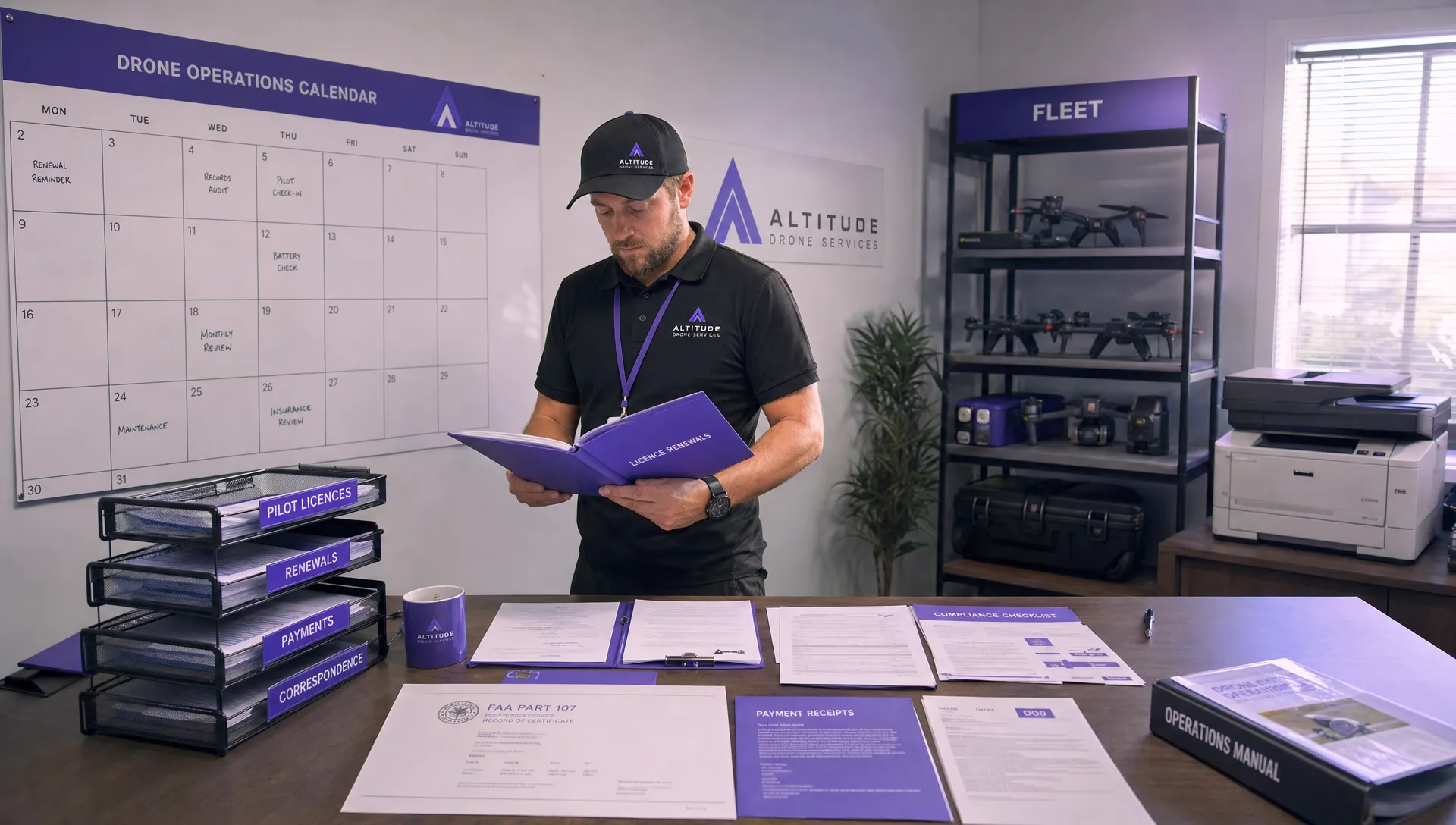
For a one-person crew, keeping tabs on your Part 107 certificate and drone registration is easy. Now imagine you have a team of five, ten, or even twenty pilots. The complexity just exploded. You're suddenly managing a whole portfolio of pilot certifications, each with its own expiration date.
On top of that, every aircraft in your fleet needs to be properly registered, and you need a bulletproof system for tracking recurrent training and pilot currency. Letting a single renewal slip can ground a pilot—or an entire project—leading to costly delays and a hit to your reputation. This administrative headache is one of the first major growing pains you'll feel.
This challenge reflects the massive expansion of the wider UAV market, which is estimated at USD 26.12 billion and projected to hit USD 40.56 billion within five years. That growth means more drones are flying more complex missions, making airtight compliance an absolute must.
Navigating Complex Airspace and Risk Assessments
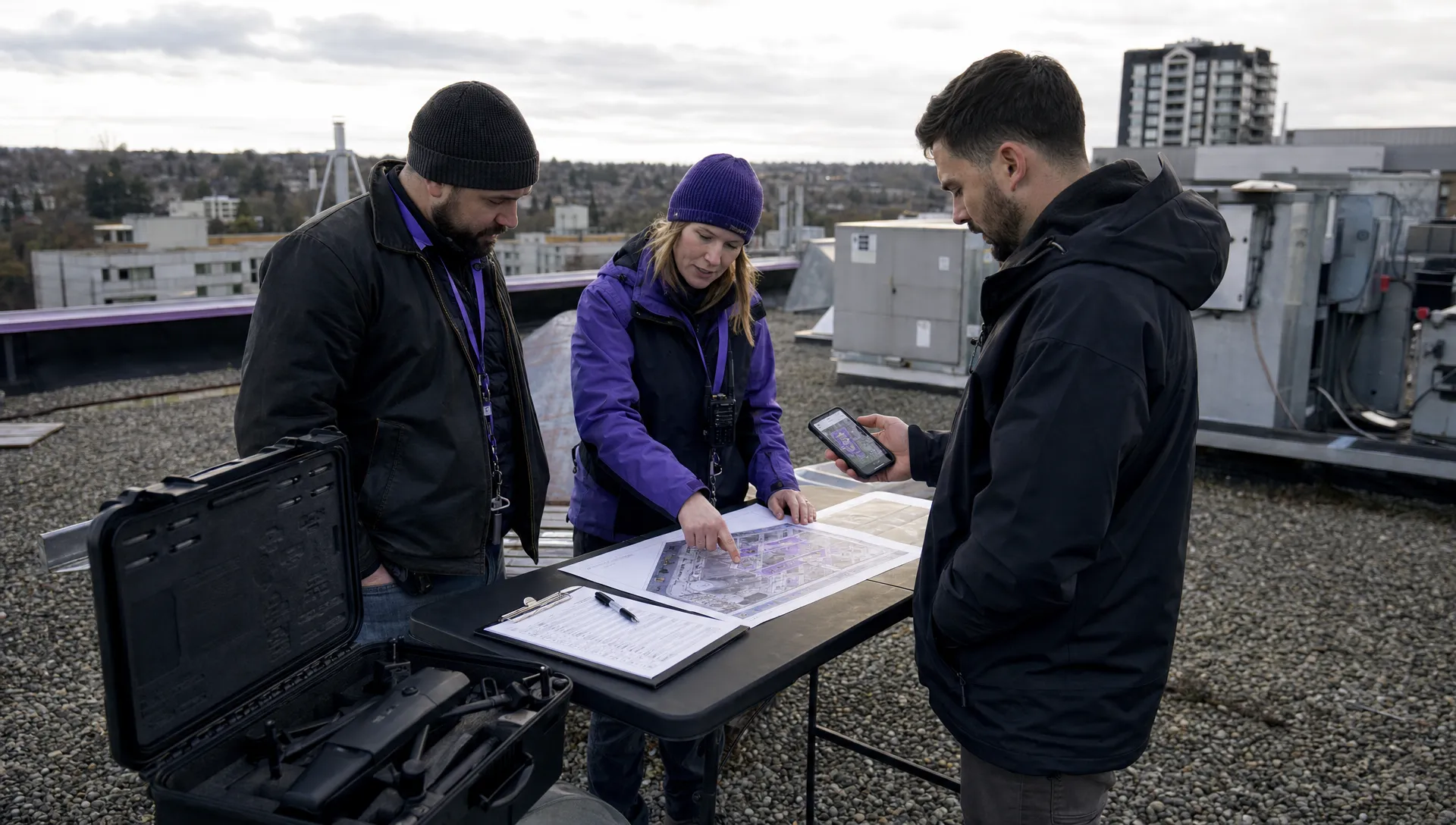
As your projects get more ambitious, you'll find yourself flying in tougher environments. You’ll graduate from open fields to congested urban centers, controlled airspace near airports, or sensitive industrial sites. Every new location demands a meticulous approach to airspace authorization and risk assessment.
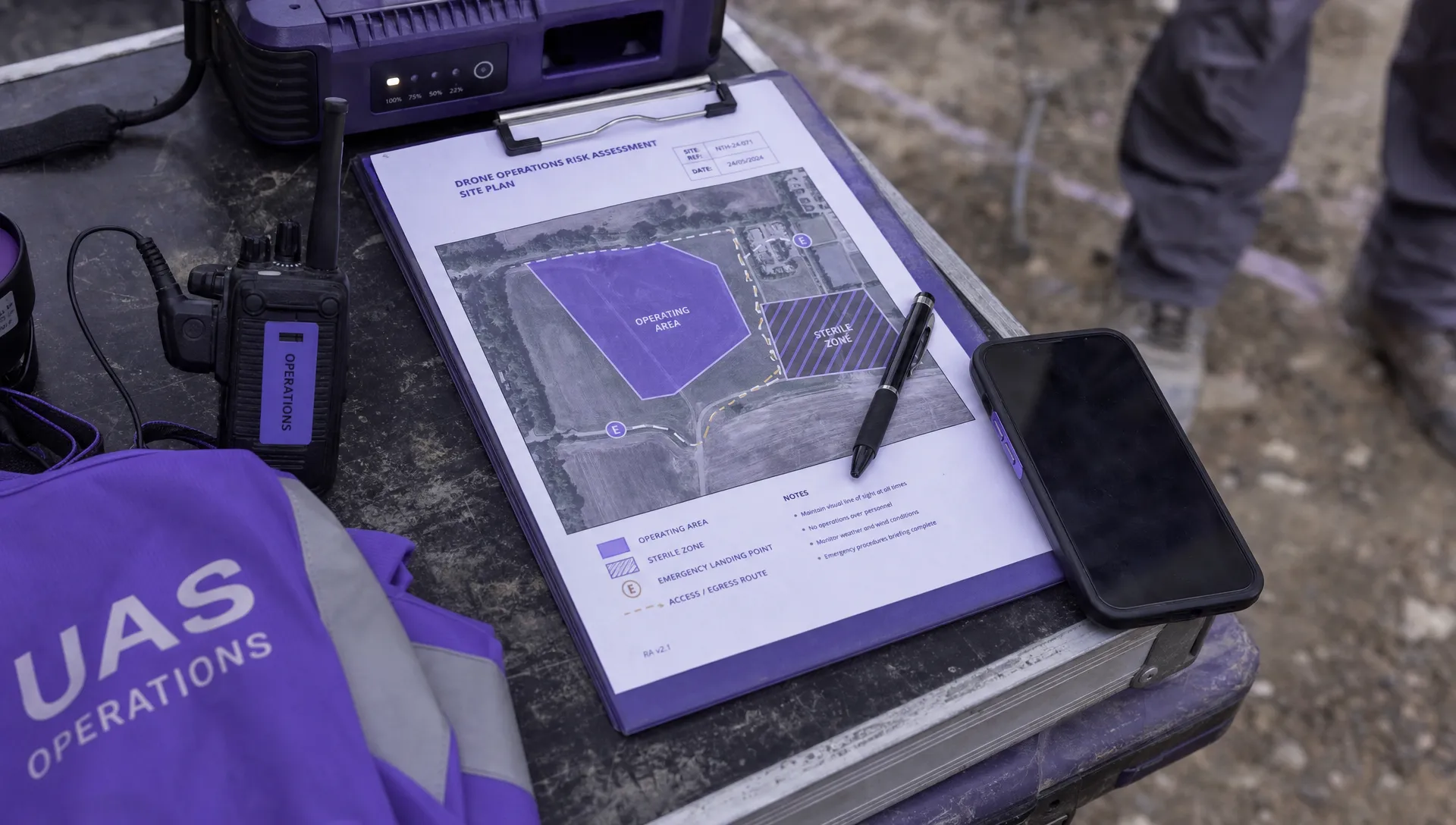
Submitting a single LAANC request is one thing. Coordinating simultaneous authorizations for multiple teams across different cities? That's a whole different ball game. Your risk assessments have to evolve, too, moving beyond simple checklists to detailed, site-specific analyses that account for every potential hazard.
The real test of a scalable drone program isn't just flying more missions, but flying more complex missions safely and legally. A robust system for airspace management and risk assessment is the bedrock of that capability.
You absolutely need a standardized process. Every pilot must conduct risk assessments the same way, using the same criteria. This consistency is vital for maintaining a clean safety record and ensuring your operations remain insurable as you grow.
How a Platform Transforms Compliance Management
Trying to manage all this escalating complexity with spreadsheets and calendar alerts is a recipe for disaster. Important dates get missed, documents get lost, and you run the risk of a pilot inadvertently flying with expired credentials. This is where a dedicated drone operations platform stops being a "nice-to-have" and becomes essential.
A system like Dronedesk centralizes every piece of the compliance puzzle, turning a potential nightmare into a smooth, repeatable process.
- Centralized Pilot Records: All pilot certifications, flight hours, and training logs are kept in one accessible place. You can even get automated alerts for upcoming expirations.
- Automated Flight Logging: Flights are logged automatically, creating an accurate and defensible record of every operation. This data is invaluable for proving pilot currency and satisfying insurance requirements.
- Integrated Risk Assessments: Standardized risk assessment templates are built right into the mission planning workflow, making sure no crucial steps are skipped.
- Streamlined Airspace Checks: Integrated airspace intelligence tools show you potential restrictions and simplify the authorization process, all from within the platform.
By embedding these checks and balances directly into your daily workflow, you practically eliminate human error. The system ensures compliance isn't an afterthought but a core, automated part of every single mission. We've detailed many of the key Dronedesk compliance features that help operators scale with confidence.
Ultimately, mastering compliance is what buys you the freedom to focus on growth, knowing your operational foundation is solid, secure, and completely professional.
Optimizing Your Data and Project Workflows
When you scale up your drone operations, you’re also scaling your data output—and I mean massively. If you don't have a rock-solid workflow, you’re practically inviting data chaos, missed deadlines, and seriously unhappy clients. Just think about it: a single mission can spit out gigabytes of high-res images, thermal data, or LiDAR clouds. Now, multiply that by a growing fleet and a bigger team. It's a data tidal wave.
This section is all about building a seamless data pipeline, from the moment the drone touches down to the final delivery. The aim is to create a system where information flows effortlessly, quality never dips, and your team isn’t drowning in admin.

Building Your Data Pipeline
The journey of your data kicks off the second the props stop spinning. A proper pipeline ensures this valuable asset is transferred, processed, and handed over securely and on time. Trying to scale with manual methods like swapping hard drives or using basic cloud storage just doesn't work. It breaks down fast.
What you need is a standardized process that every single pilot follows, no exceptions. This might look something like this:
- On-site Data Triage: A quick check in the field to make sure the data captured is actually usable. This simple step can save you from the headache of a costly re-flight.
- Secure Data Transfer: Using encrypted methods to get data from the field to your central processing hub. This is non-negotiable for protecting sensitive client info.
- Automated Processing: Setting up triggers so that as soon as the data is uploaded, software workflows kick in to start stitching orthomosaics or generating 3D models.
A structured approach like this takes the guesswork out of the equation. It creates a predictable turnaround time for clients, which is a massive competitive edge when you’re trying to grow your drone business.
The biggest bottleneck in scaled drone operations often isn't flight time; it's data processing time. Optimize this part of your workflow, and that's where you'll find the most significant gains in efficiency and profit.
To handle the sheer volume of data, you'll need to adopt some solid digital asset management best practices. These principles are key to keeping your data organized, easy to find, and secure.
The Single Source of Truth
As your team expands, communication gets exponentially harder. You’ve got a pilot in the field, a data analyst in the office, and a project manager talking to the client. All three need to be on the same page. Without a central hub, critical details get lost in a mess of emails, texts, and spreadsheets.
This is exactly why a platform-based system becomes essential for scaling. It creates a single source of truth for every project, making sure everyone on your team is completely aligned.
Imagine a project manager updates a client brief with a new area to survey. That update is instantly visible to the pilot planning their flight and the analyst who will process the data. No confusion. No outdated information. Just smooth, seamless collaboration.
The table below really drives home the difference between clinging to manual methods and embracing a modern, platform-based system.
Manual vs. Platform-Based Workflow Comparison
| Task | Manual Method (Spreadsheets & Email) | Platform Method (e.g., Dronedesk) |
|---|---|---|
| Project Briefing | Details are scattered across emails, notes, and calls. Easy for things to get missed. | A centralized project brief is accessible to the entire team, anytime. |
| Flight Planning | Pilots plan in isolation. Records are inconsistent and hard to track. | Standardized planning tools with built-in compliance checks for consistency. |
| Data Handoff | Manual uploads and links shared via email. Prone to error and version control issues. | Direct upload to the project file, which can trigger automated next steps. |
| Client Delivery | Delivery methods and formats are all over the place. Can look unprofessional. | Professional, branded client portals ensure secure and consistent data delivery. |
This comparison makes it pretty clear: as you grow, manual processes become a liability, while a platform becomes a strategic asset.
Connecting Workflows for Maximum Value
At the end of the day, your clients aren't just buying drone data—they're buying actionable insights. The last piece of the puzzle is integrating your data directly into their systems. This is how you go from being just another service provider to an indispensable partner.
This could mean delivering orthomosaic maps as a layer in their GIS software or providing 3D models compatible with their engineering platforms. A robust drone management platform makes these integrations happen, turning the final handoff into a smooth, professional experience that reinforces the value you bring. This commitment to an end-to-end solution is what will allow you to maintain quality as your project volume skyrockets.
Using Technology to Get Ahead of the Competition
Let's be honest, scaling a drone business isn't just about doing more work. It's about working smarter. The real leap forward happens when you ditch the manual grind and embrace technology that streamlines your operations. This is the moment you stop being just a drone pilot collecting data and become a business partner delivering critical, actionable insights.
Making this technological jump is what will give you a real competitive edge, lock in long-term profitability, and fuel sustainable growth. It's all about automating the boring stuff and speeding up the complex analysis. This frees up your team to focus on what really matters: high-value work and building solid client relationships.
The Power of AI in Data Analysis
As you grow, the sheer amount of data you're capturing can become a massive headache. Manually combing through thousands of images to find one tiny fault just doesn't scale. This is where Artificial Intelligence (AI) and machine learning completely change the game, turning a data bottleneck into a slick, automated process.
Think about it: instead of a human analyst spending hours poring over images, an AI algorithm can do the same job in minutes, and often with incredible accuracy. This isn't some far-off future concept; it's happening right now and is a must-have for modernizing your workflow.
Here are a few real-world examples of how this plays out:
- Infrastructure Inspections: An AI model can automatically scan imagery and flag signs of corrosion, tiny microfractures on wind turbine blades, or damaged insulators on power lines. Your team can then jump straight to the verified issues.
- Construction Site Monitoring: AI can analyze orthomosaic maps to automatically calculate stockpile volumes, track building progress against architectural plans, and even spot potential safety hazards on site.
- Agricultural Analytics: For precision farming, AI algorithms process multispectral imagery to pinpoint areas of crop stress, disease, or irrigation problems, giving farmers the exact data they need to take targeted action.
By automating issue detection, you fundamentally change your value proposition. You're no longer just delivering a folder of raw images; you're delivering a prioritized, actionable report that solves a direct business problem for your client.
Adding More Value with Industry-Specific Software
Beyond general AI tools, another huge win is integrating with the software your clients are already using every single day. When you make your data slot seamlessly into their existing workflows, your service becomes incredibly valuable and "sticky." You're removing a major point of friction for the client and embedding your drone operation directly into their core business processes.
Take the construction industry, for example. Firms in this space live and breathe software like Autodesk or Procore. If you can deliver your 3D models and progress reports directly into these platforms, you've just saved their project managers a ton of time and hassle. That kind of deep integration is a massive differentiator.
The construction sector is leaning heavily into this tech shift. The market for construction drones is set to more than double, growing from USD 4.6 billion to USD 10.3 billion over the next ten years. This boom is being driven by firms that are using drones with intelligent analytics for everything from site mapping to material management. You can dive into the full report on the construction drone market on futuremarketinsights.com to see the numbers for yourself.
From Data Collector to Insights Provider
Ultimately, technology is the bridge that takes you from being a simple service provider to a strategic partner. When you combine automated AI analysis with deep software integration, you're not just handing over data points; you're delivering genuine business intelligence.
This transition is the final piece of the puzzle for truly scaling your drone operations. You've already built a solid foundation with standardized procedures, expanded your fleet and team, and mastered compliance. But it's the smart use of technology that really amplifies all that effort, allowing you to deliver better insights, faster and more efficiently than competitors who are still stuck doing things the old-fashioned way. This is how you build a resilient, high-growth drone business that leads the market.
A Few Common Questions About Scaling Up
Even with the best-laid plans, growing your drone operations is going to throw some tricky questions your way. Expanding your program means wrestling with everything from operational logistics to team dynamics. Let's tackle some of the most common queries we hear from operators, giving you clear answers to handle the growing pains with confidence.
What's The Biggest Mistake to Avoid?
The most frequent and costly mistake I see is scaling the hardware before scaling the systems. So many ambitious operators rush out to buy more drones without first building the operational backbone to actually support them. They drop a ton of cash on new kit but completely neglect to create standardized operating procedures (SOPs), a central hub for data management, or clearly defined team roles.
This approach pretty much always ends in chaos. You get inconsistency in the field, safety risks creeping up, disorganized data, and compliance gaps that bring your growth to a screeching halt. The key is to build a rock-solid operational framework first, and only then expand your fleet to work within that proven system.
Rushing to add drones without a system is like hiring more delivery drivers without a dispatch center or a map. You're just creating more activity, not more efficiency. Build the system, then add the assets.
How Does a Platform Specifically Help with Scaling?
This is where a dedicated platform like Dronedesk really comes into its own. Think of it as the central nervous system for your entire operation; its true value shines the moment you start to grow. For scaling, the biggest wins are automation and centralization, which directly fight the complexity that comes with getting bigger.
It automates the tedious but critical compliance tasks by keeping track of pilot currency, maintenance schedules, and flight logs, which slashes the administrative overhead. This means you can add more pilots without needing to hire more admin staff just to keep on top of the paperwork.
It also centralizes all your project management. From the first client call and flight planning right through to delivering the final data, the platform ensures everyone on the team is looking at the exact same information. This single source of truth gets rid of the data silos and communication breakdowns that become more and more common as a team expands. You can simply manage a higher volume of projects and pilots far more efficiently.
When Should I Create Roles Like a Chief Pilot or Data Manager?
You'll want to start thinking about these specialized roles once you have more than two or three pilots flying regularly. You might not need to hire for them right away, but just defining the responsibilities sets the stage for much smoother growth down the line.
- Chief Pilot: This role becomes absolutely essential for maintaining consistent safety standards and operational discipline across your team. Without a Chief Pilot, you run the risk of each pilot developing their own habits, leading to inconsistent quality and safety.
- Data Manager: You need a dedicated Data Manager when your data volume starts to put a strain on your processing times, or when clients begin asking for complex data integrations. This person makes sure the massive amount of data you're collecting is processed efficiently and delivered on schedule.
Defining these roles proactively—even if one person wears multiple hats at the start—prepares you for what's next. It makes it crystal clear who owns what, making it a whole lot easier to hire the right specialist when the workload finally demands it.
How Do I Ensure Consistent Data Quality and Safety?
Consistency across a growing team really boils down to two things: standardization and training. You just can't leave quality or safety to chance.
First up, you have to develop and document crystal-clear Standard Operating Procedures (SOPs) for every single phase of a mission. This covers everything from pre-flight checklists to the specific data capture settings for different jobs, like a roof inspection versus a stockpile measurement.
Second, roll out a regular training program to make sure every pilot not only knows these SOPs but can execute them flawlessly. Finally, use a management platform to enforce these standards with things like mandatory digital checklists and built-in quality controls. Don't forget that regular field audits by a Chief Pilot are also crucial to check that your documented procedures are actually being followed correctly in the real world.
Ready to build the operational foundation that will fuel your growth? Dronedesk provides the end-to-end platform you need to manage your clients, fleet, team, and compliance, all in one place. Stop letting administrative chaos hold you back and start scaling with confidence. Find out more about Dronedesk.
 Drone Risk Assessment Controls That Work in the Field →
 FAA Drone License Costs Beyond the Knowledge Test →
 Drone Part 107 Operations: When a Waiver May Be Needed →
 Drone Operating Rules for Managing Contractors and Employees →
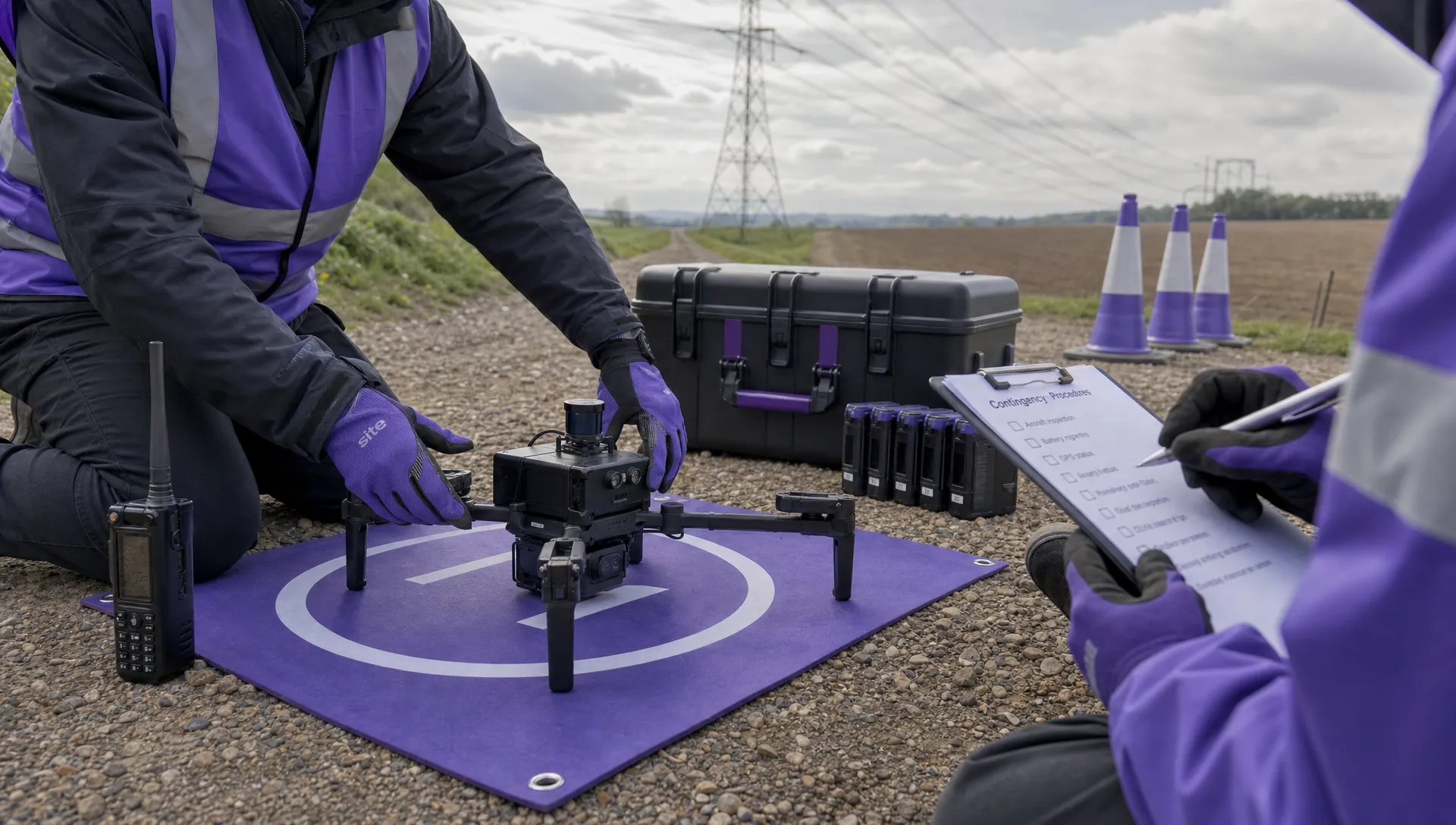 BVLOS Drone Requirements for Building a Safety Case →
 Drone Pilot Test Mistakes That Cost Candidates Marks →
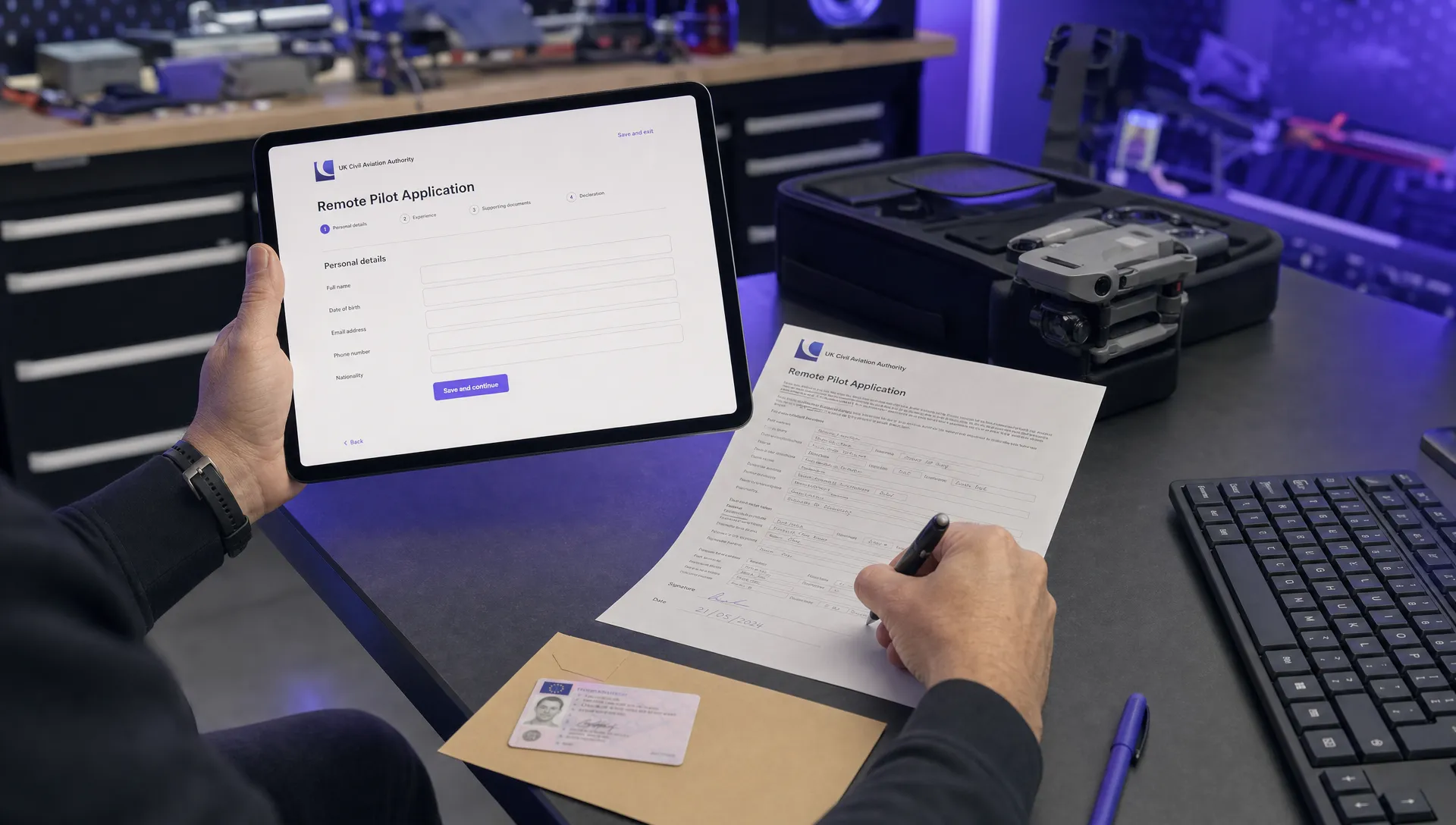 FAA 107 License vs Part 107 Certificate: What’s the Difference? →
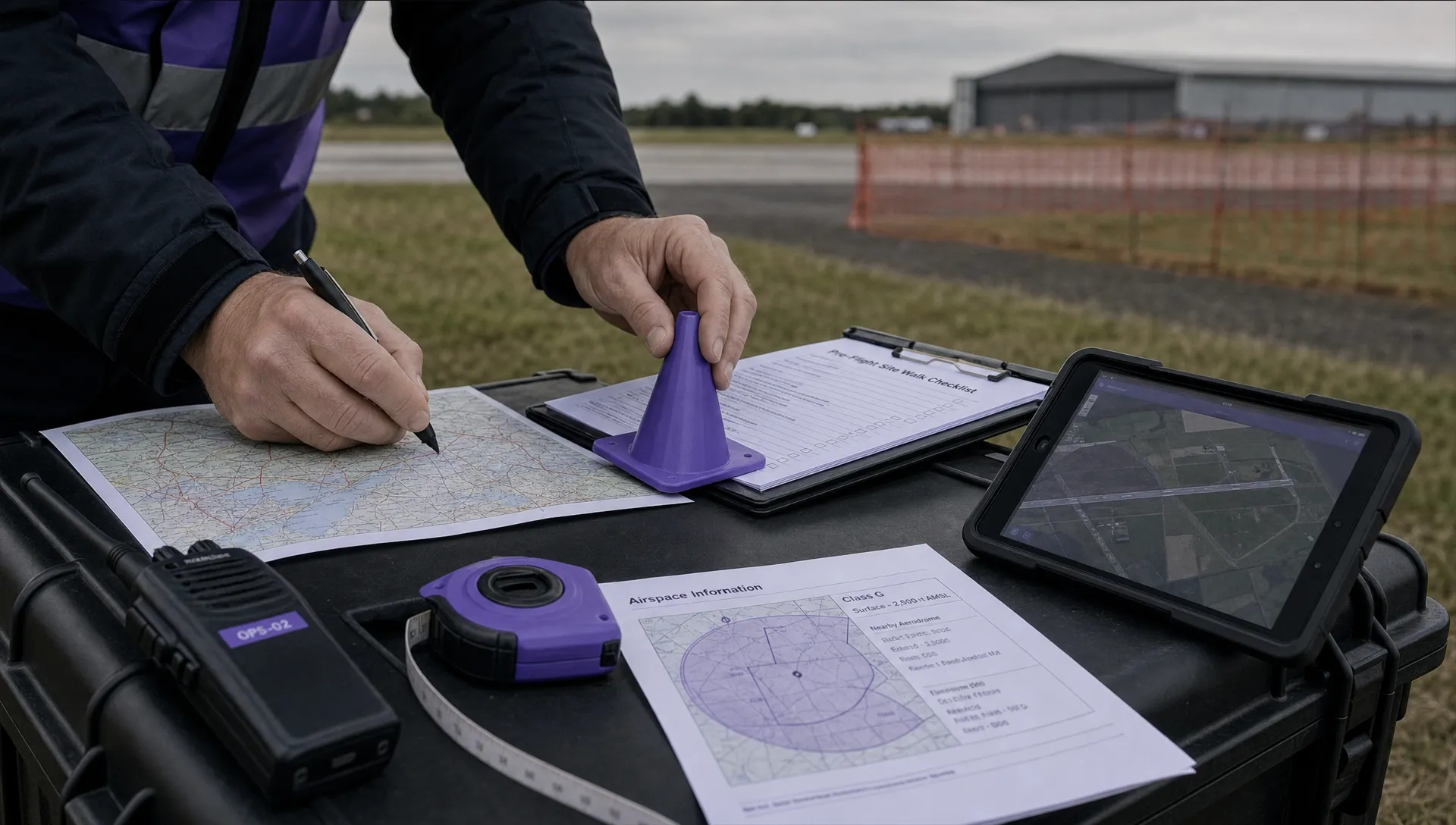 Drone Airport Rules: A Field Checklist for Site Assessments →
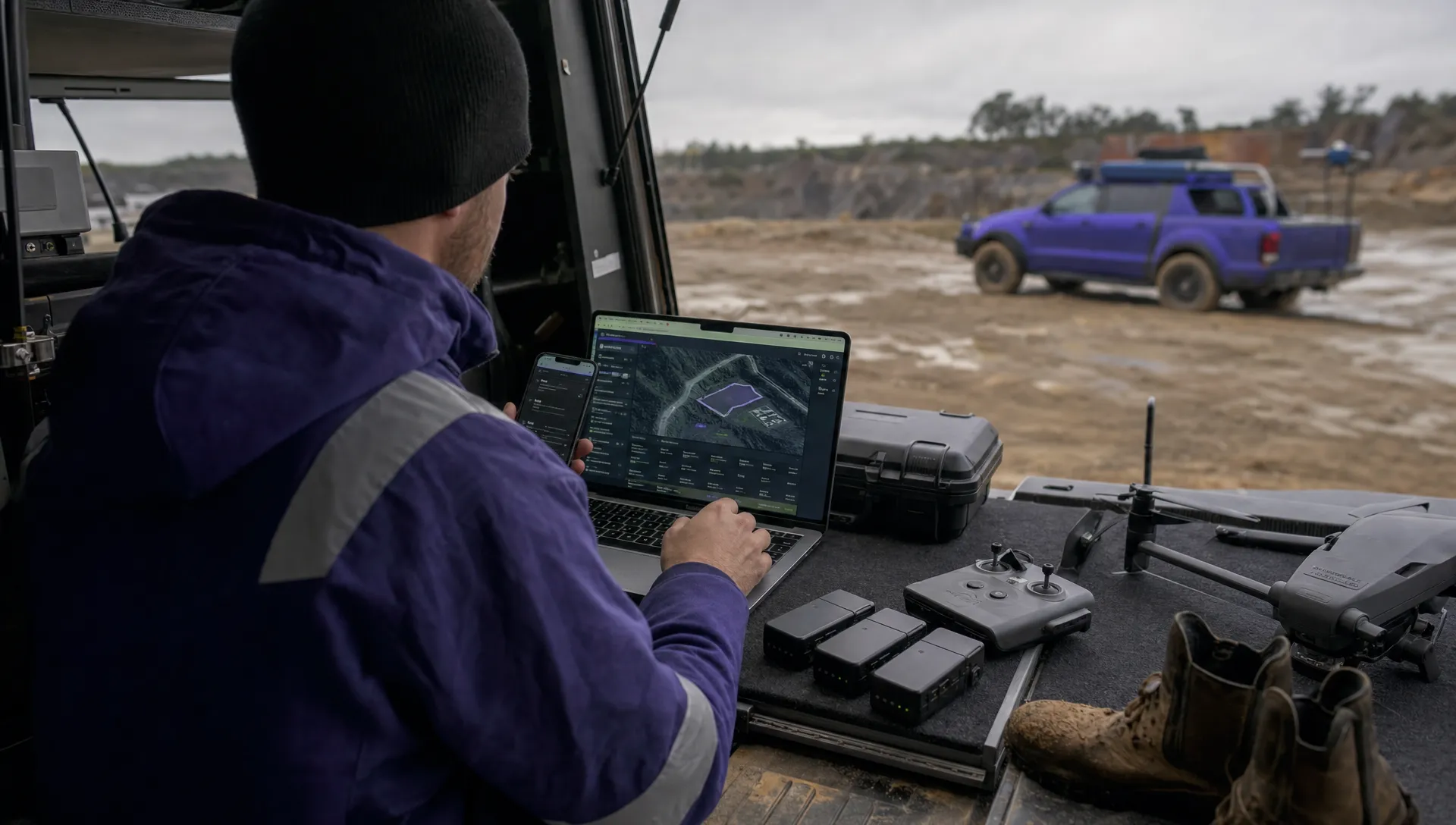
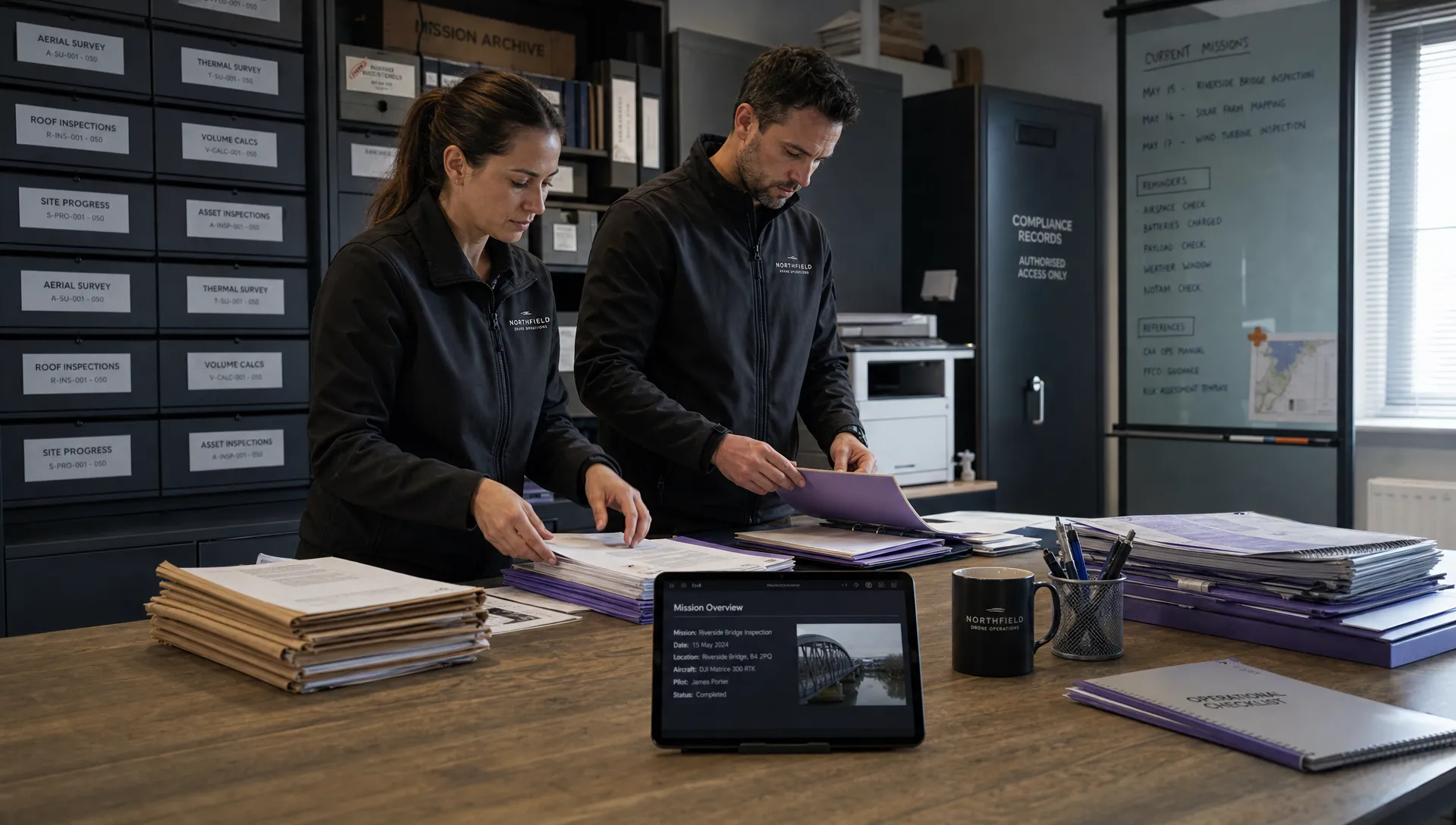 FAA Part 107 Record-Keeping Rules for Commercial Teams →
 How to Review a DJI Flight Log After an Unexpected Event →