
Renewing drone license: A Guide to Staying Compliant and Airborne
Letting your drone license expire isn't just a bit of bad admin; it's a surefire way to ground your entire commercial operation. The moment that FAA Part 107 certificate lapses, you are legally forbidden from doing any paid work, putting client contracts and your hard-earned reputation on the line.
Why Renewing Your Drone License Is Mission-Critical
Forgetting to renew might seem like a small slip-up, but the ripple effects can be massive.
Picture this: you're all set for a major infrastructure inspection, a job you've been lining up for weeks. The day before, you realize your certificate expired. Suddenly, the whole project screeches to a halt. This is more than just an administrative headache—it's a direct hit to your revenue and your reliability as a professional.
In today's competitive market, clients simply won't wait around. They’ll move on to the next certified operator, and you'll lose not just that single job, but potentially a valuable long-term client.
The fallout goes beyond the immediate financial sting. Your professional reputation is everything. Staying on top of compliance shows you’re a serious, safety-conscious professional, which is exactly what high-value clients look for. An expired certification screams disorganization and can make potential customers think twice before trusting you with their high-stakes projects.
The Growing Stakes in a Booming Industry
The drone industry is absolutely exploding, which makes staying compliant more vital than ever. Just look at the numbers in the United States, where the FAA is tracking 855,860 registered drones. A huge and growing chunk of those—316,075 to be exact—are registered for commercial use. For any professional outfit, a missed renewal could ground an entire fleet, triggering huge productivity losses and project delays.
This growth means more competition and higher client expectations. Being out of action for a week because of a lapsed license is a self-inflicted wound that your competitors will happily take advantage of. Keeping your credentials current isn't just about dodging fines; it’s a core business strategy that keeps you in the game.
Protecting Your Operations and Reputation
At the end of the day, renewing your drone license is all about safeguarding your business. It ensures you're current on the latest regulations, which is fundamental for flying safely and legally.
Of course, the license is just one piece of the puzzle. As contractors, professional drone operators also need other protections in place, like the right liability insurance for contractors.
Staying compliant is the bedrock of a sustainable drone business. A current license is your ticket to fly, bid on contracts, and build a reputation for excellence and reliability.
Thankfully, you don't have to rely on sticky notes and calendar alerts anymore. Modern drone management platforms can turn this nagging task into a simple, automated process. Tools like Dronedesk will send you automated reminders, track expiration dates for your whole team, and keep all your compliance documents in one central place. This kind of proactive management kills the risk of human error and makes sure your operations fly on, uninterrupted.
To get the full picture, check out our detailed guide on drone license requirements.
Mastering the FAA Part 107 Renewal Process
For US-based pilots, keeping your Part 107 certificate current is a must. Thankfully, the days of heading to an in-person testing center are long gone. The renewal process is now handled entirely through the FAA's free online training course: the Part 107 Small UAS Recurrent (ALC-677).
This isn't just about checking a box for compliance. The recurrent training is designed to get you up to speed on crucial regulatory changes, particularly around night operations and flying over people. The FAA periodically updates these rules, and this course is how they ensure every certified pilot is flying with the latest information.
Think of it as a mandatory software update for your pilot brain. It keeps your knowledge fresh and confirms you understand the newest protocols, making you a safer and more professional operator in the field.
Navigating The FAASTeam Portal
The entire renewal happens on the FAA Safety Team (FAASTeam) website. Your first step is to log in, and this is where a simple mistake can cause major headaches.
You must use the exact same email address that's tied to your original Part 107 certificate.
If you use a different email, the system will just create a new, separate profile. It won't be able to link your renewal training to your existing pilot certificate, leading to frustrating delays and a lot of back-and-forth to get it sorted.
Once you’re logged in, you'll need to enroll in the "Part 107 Small UAS Recurrent (ALC-677)" course. The whole thing, including the exam at the end, should take about two hours. The good news is you can pause and come back to it whenever you need to.
Before we dive into the details, here’s a quick overview of what you can expect.
FAA Part 107 Renewal At a Glance
The process is straightforward, but it helps to see the key components laid out clearly. This table breaks down exactly what's required and when you need to do it.
| Requirement | Details | Timeline |
|---|---|---|
| Eligibility | Must hold a current Part 107 Remote Pilot Certificate. | Renew every 24 calendar months. |
| Training Course | Complete the free online "Part 107 Small UAS Recurrent (ALC-677)" course. | Approximately 2 hours to complete. |
| Platform | All training and testing is done on the FAASTeam website. | Accessible 24/7 online. |
| Exam Score | Must achieve a 100% score on the final exam (retakes are allowed). | Immediately upon finishing the course. |
| Proof of Renewal | Download and save your completion certificate immediately after passing. | Your new certificate is valid for 24 calendar months. |
Having this checklist handy makes it easy to track your progress and ensure you don't miss a step.
What To Expect From The Training And Exam
The course itself is broken down into modules that cover the essential topics that have likely changed since you first got your license. You’ll want to pay close attention to the sections covering:
- Night Operations: The latest requirements and best practices for flying when the sun goes down.
- Operations Over People and Moving Vehicles: Critical rules for Category 1, 2, 3, and 4 drone operations.
- Remote ID: A deep dive into the compliance requirements for broadcasting your drone's identification info.
The final exam is open-book, and yes, you need a perfect score—100% to pass. Don't let that number scare you. If you get a question wrong, the system shows you the right answer and prompts you to review the material before trying again. The goal is to ensure you actually know the material, not to fail you.
Once you ace the exam, you need to save and print your completion certificate right away. This is your official proof of renewal, so don't close the window without it!
Pro Tip: Your renewal is good for 24 calendar months, starting from the end of the month you complete the training. For example, if you pass the recurrent training on June 10, 2024, your certificate will be valid until June 30, 2026.
Letting your certification lapse is more than just an inconvenience; it has real business consequences.

As you can see, a simple administrative slip-up can ground your fleet, cost you clients, and seriously damage your professional reputation.
And one last thing—remember this renewal process is for your pilot certificate. It's completely separate from your drone's registration, which runs on its own three-year cycle. If you want to brush up on the rules before taking the recurrent training, our comprehensive Part 107 study guide is a great place to start. A little prep can make the whole renewal process that much smoother.
How to Prepare for a Smooth Renewal

A successful Part 107 renewal doesn't start on the FAA's website. It begins with solid preparation well before your expiration date is even on the horizon. If you treat this process just like a pre-flight check, everything will go off without a hitch. You'll stay compliant and airborne without any of that last-minute panic.
Before you even think about logging into the renewal course, get your essential credentials lined up. It’s a simple step, but trust me, it saves a surprising amount of frustration down the line.
You’ll want to have these handy:
- Your current Remote Pilot Certificate number. This is the unique ID for your license.
- Your FAA Airman Tracking Number (FTN). This number is what links your training to your official FAA record, so it's absolutely critical.
Having these details ready means you won't be digging through old emails or files when you should be focusing on the training itself.
Strategic Timing and Reminders
When it comes to renewing your drone license, timing is everything. Sure, you can technically complete the process any time before your certificate expires, but waiting until the last minute is just asking for trouble. An unexpected glitch with the FAA portal or a suddenly packed schedule can easily cause your certification to lapse.
A proactive approach is your best defense against compliance gaps. We recommend starting the renewal process 30 to 60 days before your expiration date. This buffer gives you plenty of time to complete the training and handle any unforeseen issues without risking downtime.
First things first, you need to know your deadline. You can find the expiration date printed right on your Part 107 card. It's valid for 24 calendar months and expires at the end of that 24th month. For example, a certificate issued on June 10, 2024, is good until June 30, 2026.
Set a calendar reminder—or better yet, a few of them—to get the ball rolling. Many pilots also find it helpful to stay sharp by exploring educational courses as part of their prep.
For professional teams, trying to track this stuff manually is a non-starter. Imagine juggling expiration dates for five, ten, or even fifty pilots on a spreadsheet—it's a recipe for disaster. This is where a dedicated platform like Dronedesk becomes indispensable. It automates the tracking for every pilot's license, aircraft registration, and insurance policy, sending out alerts well in advance. It turns a recurring headache into a seamless, automated task, ensuring your entire operation stays flight-ready.
Common Renewal Mistakes and How to Avoid Them
Even a process that seems straightforward can hit unexpected turbulence. When it comes to renewing your drone license, a few common slip-ups can cause serious delays, grounding you just when you need to be in the air. The good news is, avoiding these pitfalls is simple once you know what to look for.
The Email Address Trap
The single biggest mistake I see pilots make is trying to renew with the wrong email address. This one is critical. You must use the same email you originally used for your Part 107 certificate when you log into the FAASTeam portal.
If you use a different one, the system just creates a new, unlinked account. The FAA will have no way of connecting your completed training to your existing pilot record, and your renewal will go nowhere. It's the leading cause of renewal headaches, so always double-check which email you have on file before you start.
Pilot Certificate vs. Drone Registration
Another classic mix-up is confusing your pilot certificate renewal with your drone's registration. They sound similar, but they're two completely separate things with different deadlines.
- Your Part 107 Remote Pilot Certificate: This is all about you, the pilot. It needs to be renewed every 24 months by taking the free online FAA recurrent training.
- Your Drone Registration: This is tied to the aircraft itself. That little sticker on your drone has to be renewed every three years through the FAA DroneZone portal.
Getting these two confused can leave you non-compliant even when you think you’ve done everything right. I recommend putting both dates on your calendar, or better yet, using a system that tracks them for you.
Nailing the Training and Documentation
Once you're logged in with the correct email, make sure you pick the right training module. The FAA portal has several courses, but for your standard renewal, you need to find and enroll in the "Part 107 Small UAS Recurrent (ALC-677)" course. Accidentally taking a different one won't count, and you'll have to start all over again.
Finally, don’t slam your laptop shut in celebration the second you pass the exam. You have to immediately download and save your completion certificate.
Forgetting to save your certificate is like completing a mission but failing to hand over the data. This document is your official proof of renewal. You'll need it ready to show clients or authorities that you're current.
I always save a digital copy in a secure cloud folder and print a physical one to keep in my flight kit. Taking care of these small details makes the whole renewal process smooth and stress-free, keeping you compliant and ready for the next job without any drama.
Automating Compliance with Drone Management Software

Sure, keeping your own Part 107 renewal on track is straightforward enough. But what happens when you’re in charge of a team of five, ten, or even fifty pilots? That one simple task suddenly explodes into a massive administrative headache.
Trying to juggle all those dates with spreadsheets and calendar pop-ups is a high-stakes gamble. It only takes one missed renewal to ground a pilot and throw your entire operation into chaos.
This is exactly where dedicated drone operations software changes the game. It takes you from manually chasing down expiration dates for pilot certificates, aircraft registrations, and insurance policies to an automated, centralized system. Compliance stops being a reactive scramble and becomes a proactive, set-and-forget part of your workflow.
Centralized Command for Total Compliance
Picture this: a single dashboard that gives you an immediate, color-coded status update on your whole team's compliance. That's the power of a platform like Dronedesk. With just a glance, you know who’s current, whose certificate is coming up for renewal next month, and which drone needs its registration updated.
The system sends out automated alerts well ahead of time, giving pilots and managers plenty of breathing room to get credentials renewed without any last-minute panic. For a surveying firm with 15 pilots, this means never having to worry about a project getting derailed because someone’s paperwork is out of date. The admin burden practically disappears, freeing your team to focus on what actually makes money: flying.
A lapsed license isn’t just a tick-box exercise; it's a direct threat to your operational continuity and profitability. Automated tracking slashes that risk to almost zero, making sure your business stays airborne and reliable.
This kind of organization isn't just about convenience; it's a critical business advantage. Efficiently renewing drone licenses is key to scaling your operations in a market projected to nearly double from $63.6 billion to $127 billion by 2032.
With commercial drone registrations in the US already at 316,075, a lapsed renewal can carry serious risk, especially as operations become more advanced. An automated system that syncs flight logs and tracks expirations is vital as the drone inspection market alone is set to surge from $3.98 billion to $12.34 billion. You can dig into more of these FAA aerospace forecasts on their official data site.
Beyond Renewals: A Complete Operational Picture
But a truly effective drone management platform does more than just ping you with reminders. It weaves compliance right into the fabric of your daily operations.
These platforms often include features that:
- Link Pilot to Aircraft: Automatically prevent a pilot from being assigned to a mission if their certification isn't current.
- Store Documentation: Act as a single, secure hub for digital copies of licenses, registrations, and insurance certificates, accessible anytime.
- Generate Reports: Create detailed compliance reports for internal audits or client requirements with just a few clicks.
By connecting all these dots, the software creates a solid framework that helps you grow while keeping risk in check. It’s an essential tool for any professional operation that wants to maintain the highest standards of safety and reliability.
If you’re keen to see how this can transform your business, learn more about how drone compliance software puts you back in control.
Answering Your Drone License Renewal Questions
Figuring out the rules for renewing your drone license can feel a bit like trying to read an aeronautical chart for the first time—a little intimidating. Let's clear the air and run through some of the most common questions pilots ask. My goal is to give you the quick, direct answers you need to stay compliant and confident in the air.
One of the biggest worries I hear from other pilots is about what happens if you miss that deadline.
What Happens If I Let My Part 107 License Expire?
Let's be crystal clear on this: if your Part 107 certificate expires, you are immediately and legally grounded from all commercial drone operations. Period. You can't fly again until you complete the renewal.
There is absolutely no grace period. The second your license lapses, your authority to fly for work is gone.
This isn't just a paperwork problem; it's a business problem. That downtime means lost income and potentially canceled jobs. The actual renewal process doesn't change—you’ll still just need to complete the same free online training—but the hit to your business can be a big one. This is exactly why having a reliable reminder system in place is non-negotiable for any professional.
Is My Pilot License Renewal the Same as My Drone Registration?
Nope, they're two totally separate things, and it's a common point of confusion. Getting this wrong can lead to serious compliance issues, so it's critical to know the difference.
- Your Remote Pilot Certificate (Part 107 license) is about you, the pilot. It proves you know the FAA's rules and has to be renewed every 24 months by taking the FAA's online recurrent training.
- Your Drone Registration is for the aircraft itself. It's tied to a specific drone and must be renewed every three years through the FAA DroneZone portal.
Here's a simple way to remember it: your Part 107 certificate is your driver's license, and the drone registration is the vehicle's license plate. You need both to be current for any legal commercial flight, and you have to track their expiration dates separately.
Does This Renewal Process Apply Outside the US?
No, everything we've talked about here is specific to the US Federal Aviation Administration (FAA) and the Part 107 certificate. Aviation rules are handled country by country, so every nation or economic bloc has its own system for pilot certifications and renewals.
For example, if you're flying in the UK, the Civil Aviation Authority (CAA) makes you renew your Operator ID every year. Across the European Union, pilot certificates like the A2 Certificate of Competency (A2 CofC) are good for five years before you have to renew. Always, always check with your local aviation authority to make sure you're following their specific rules.
Stop juggling spreadsheets and calendar reminders. Dronedesk puts your compliance tracking on autopilot for pilot licenses, aircraft registrations, and insurance, making sure your entire team stays flight-ready without the admin headache. See how Dronedesk can protect your operations today.
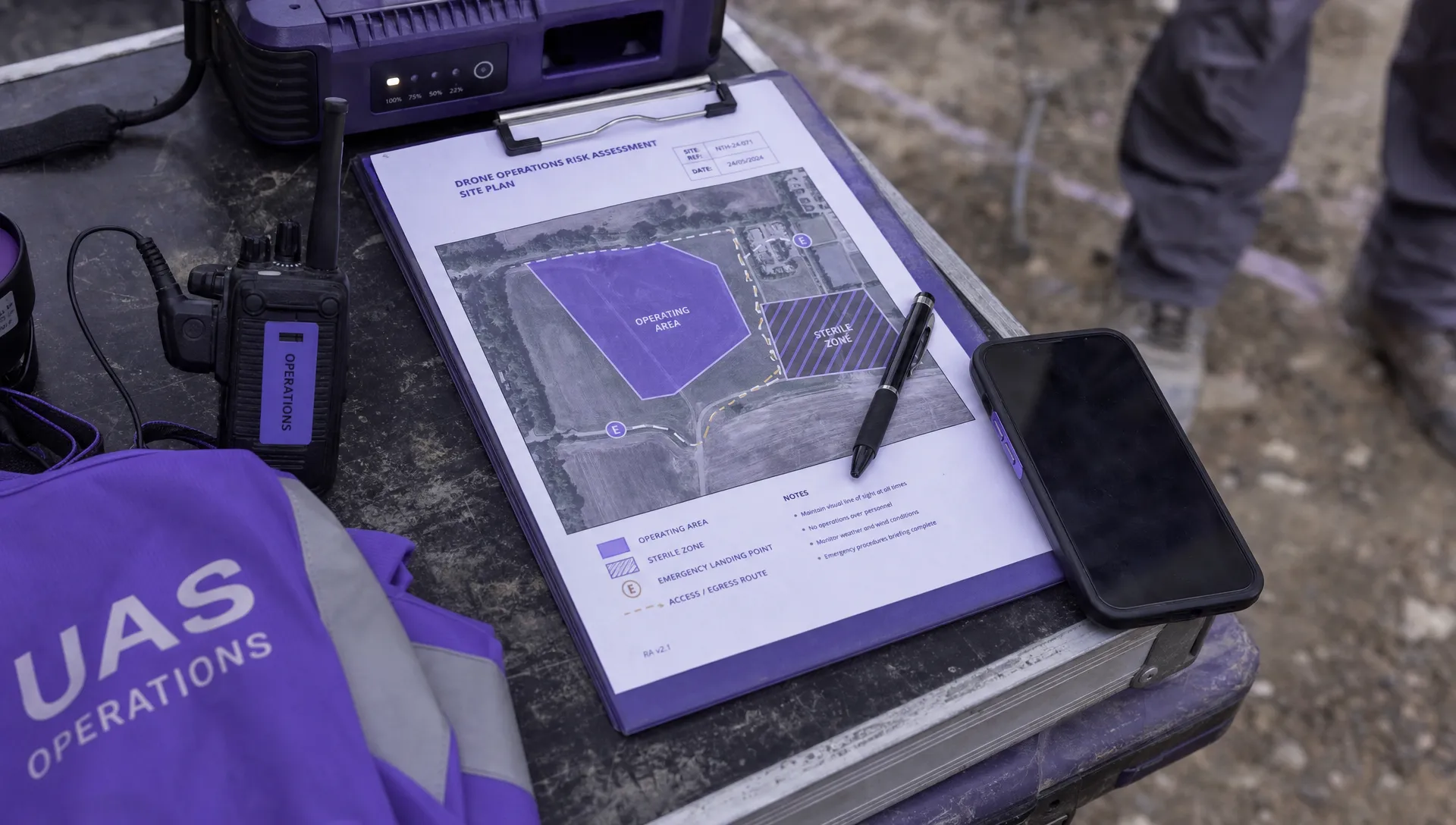 Drone Risk Assessment Controls That Work in the Field →
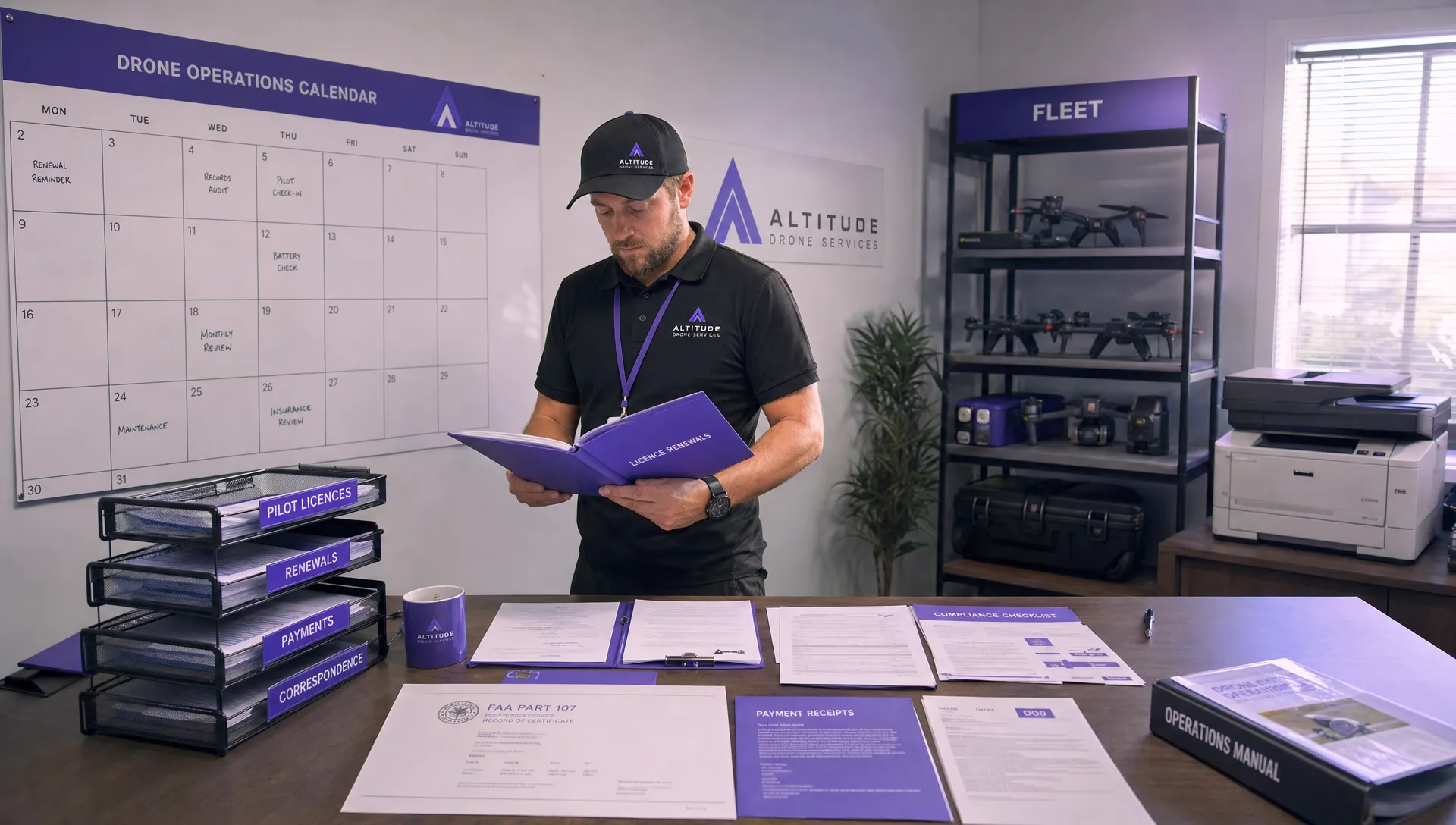 FAA Drone License Costs Beyond the Knowledge Test →
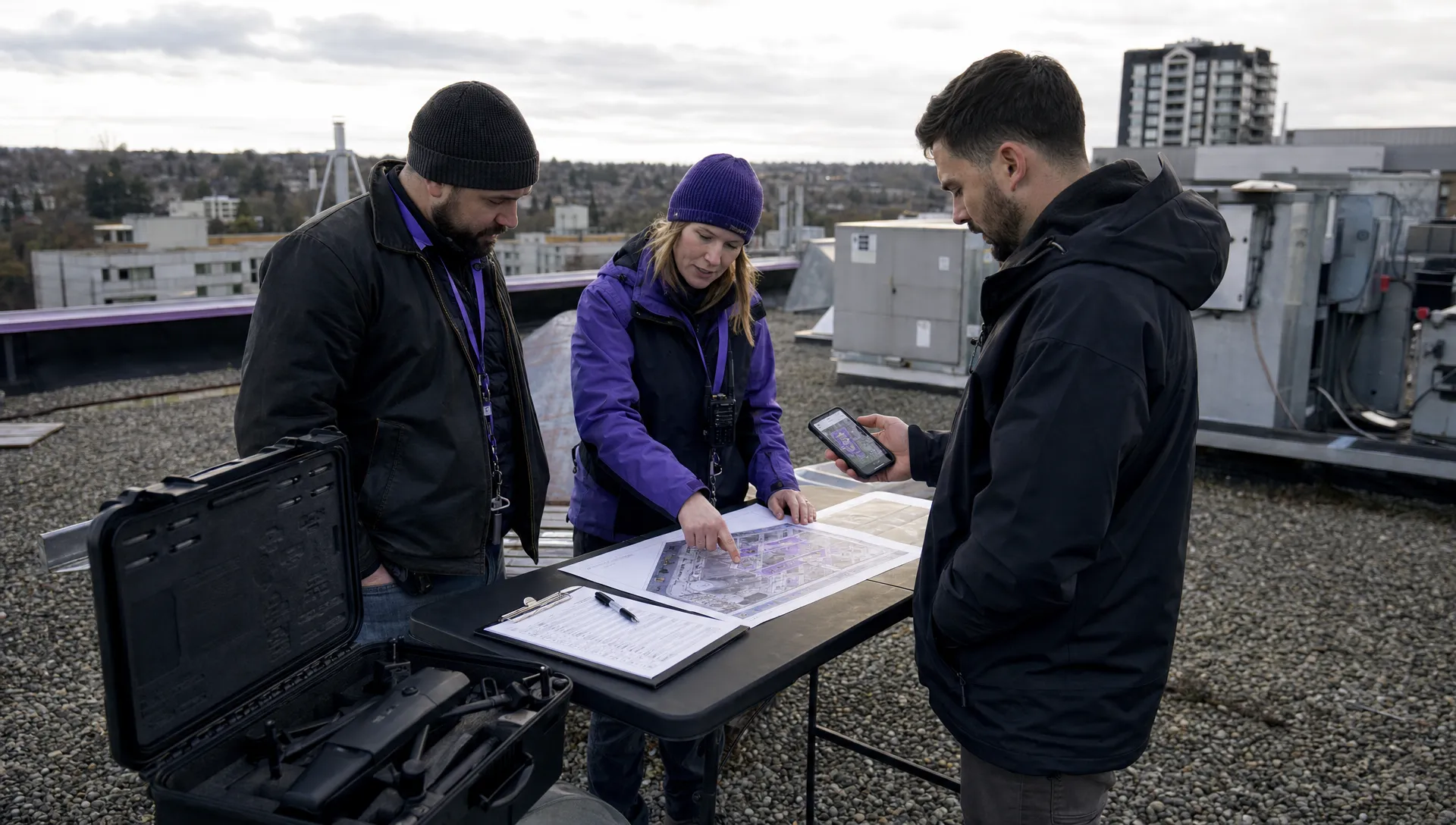 Drone Part 107 Operations: When a Waiver May Be Needed →
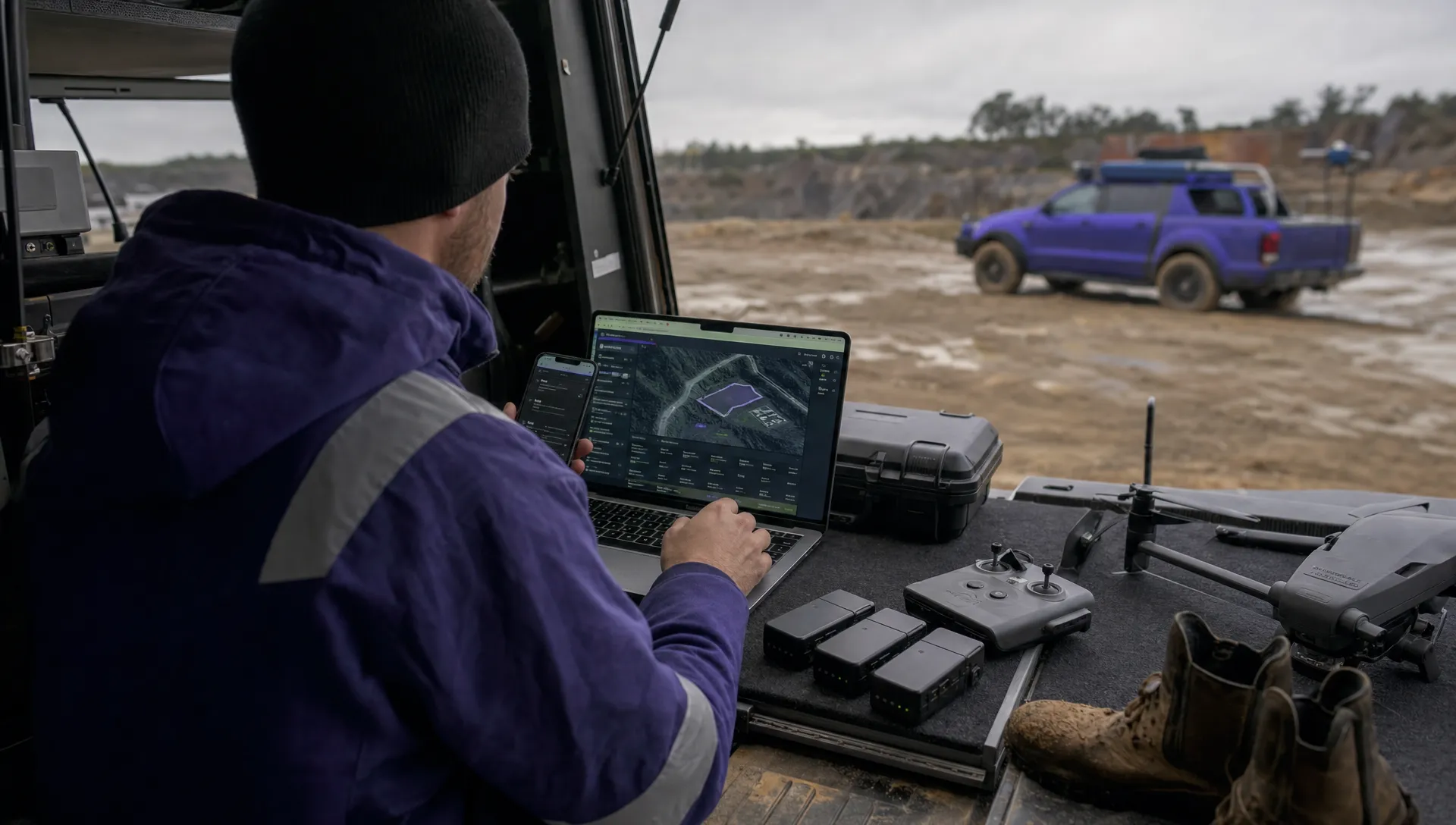 Drone Operating Rules for Managing Contractors and Employees →
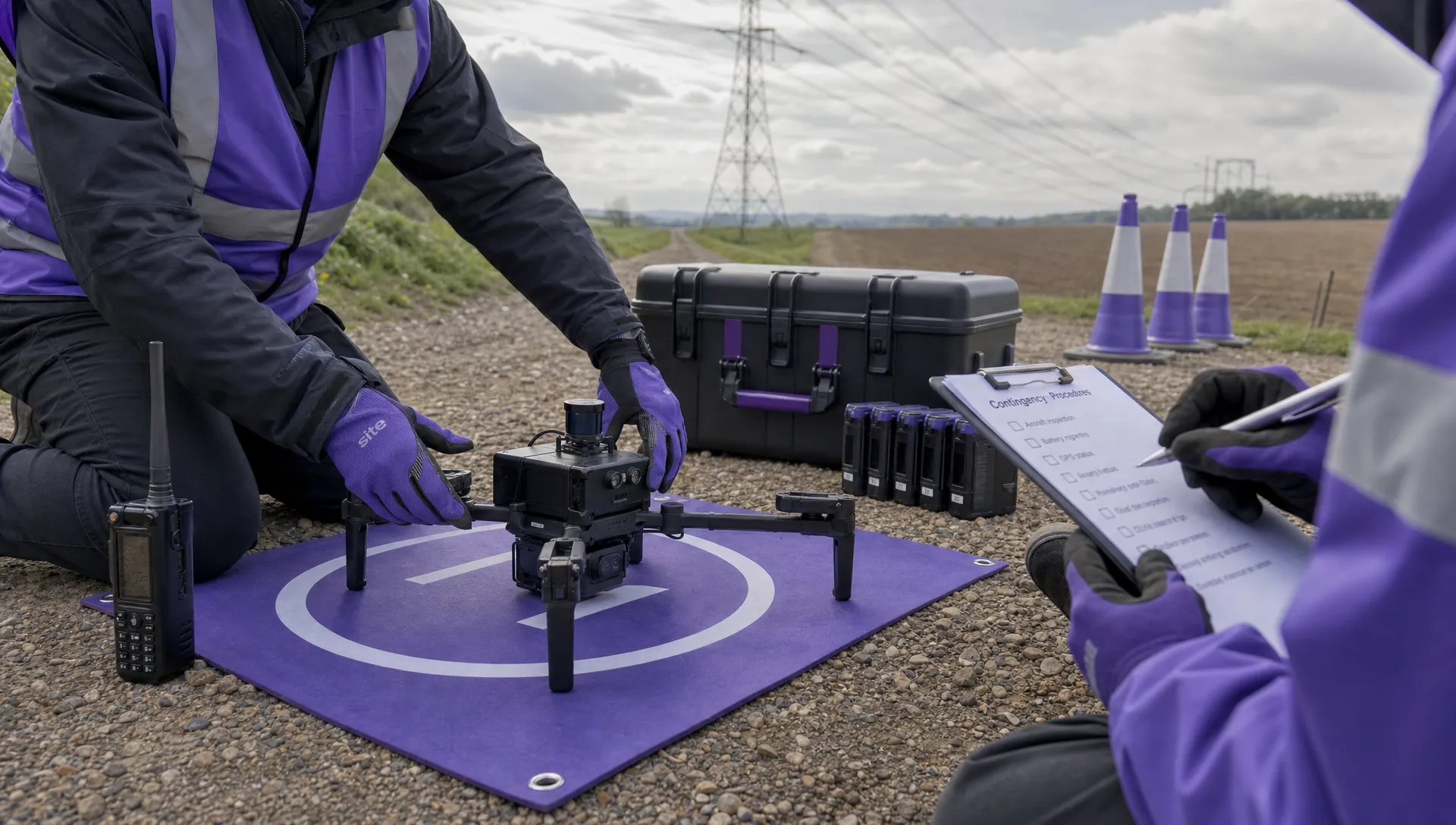 BVLOS Drone Requirements for Building a Safety Case →
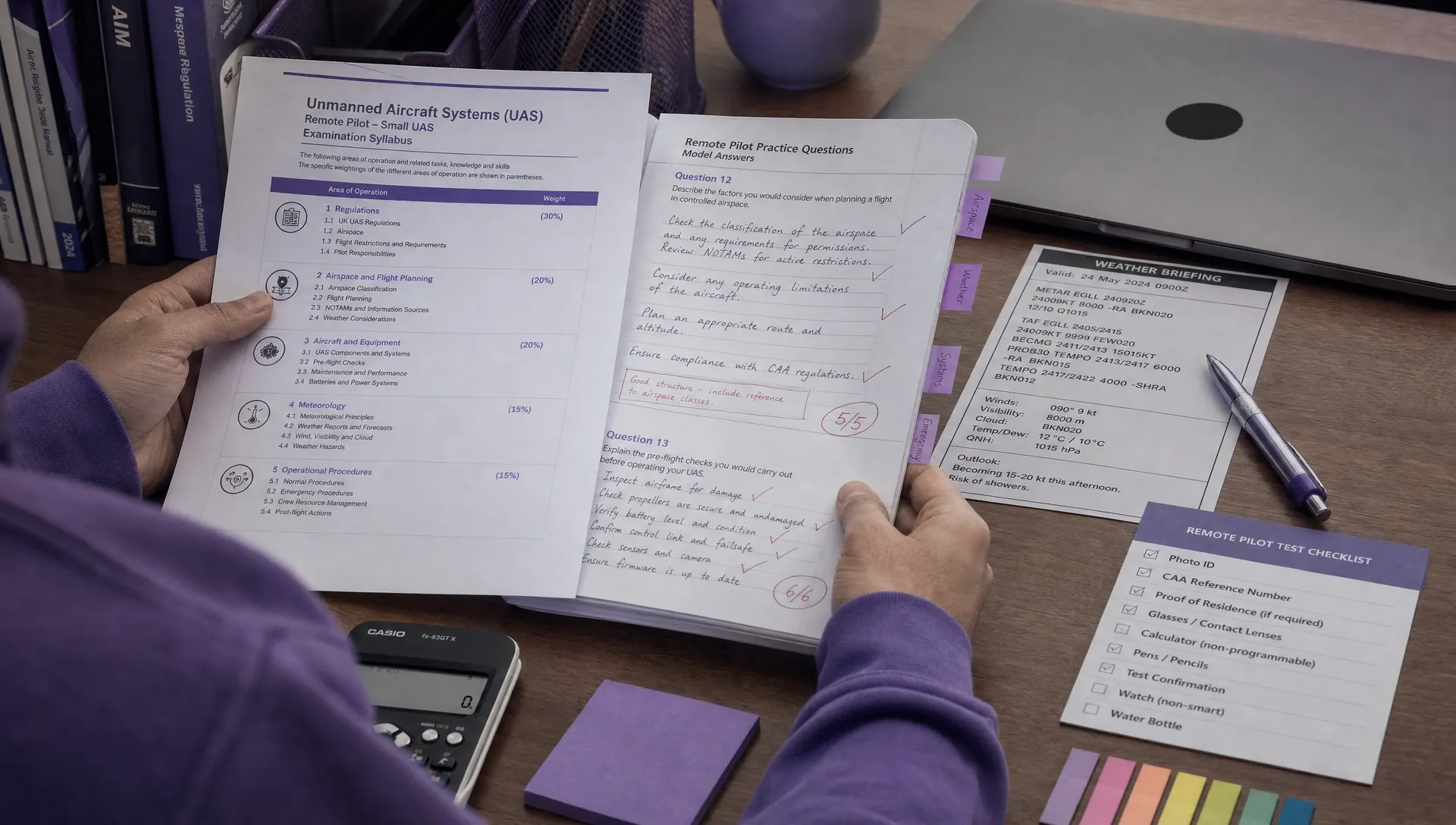 Drone Pilot Test Mistakes That Cost Candidates Marks →
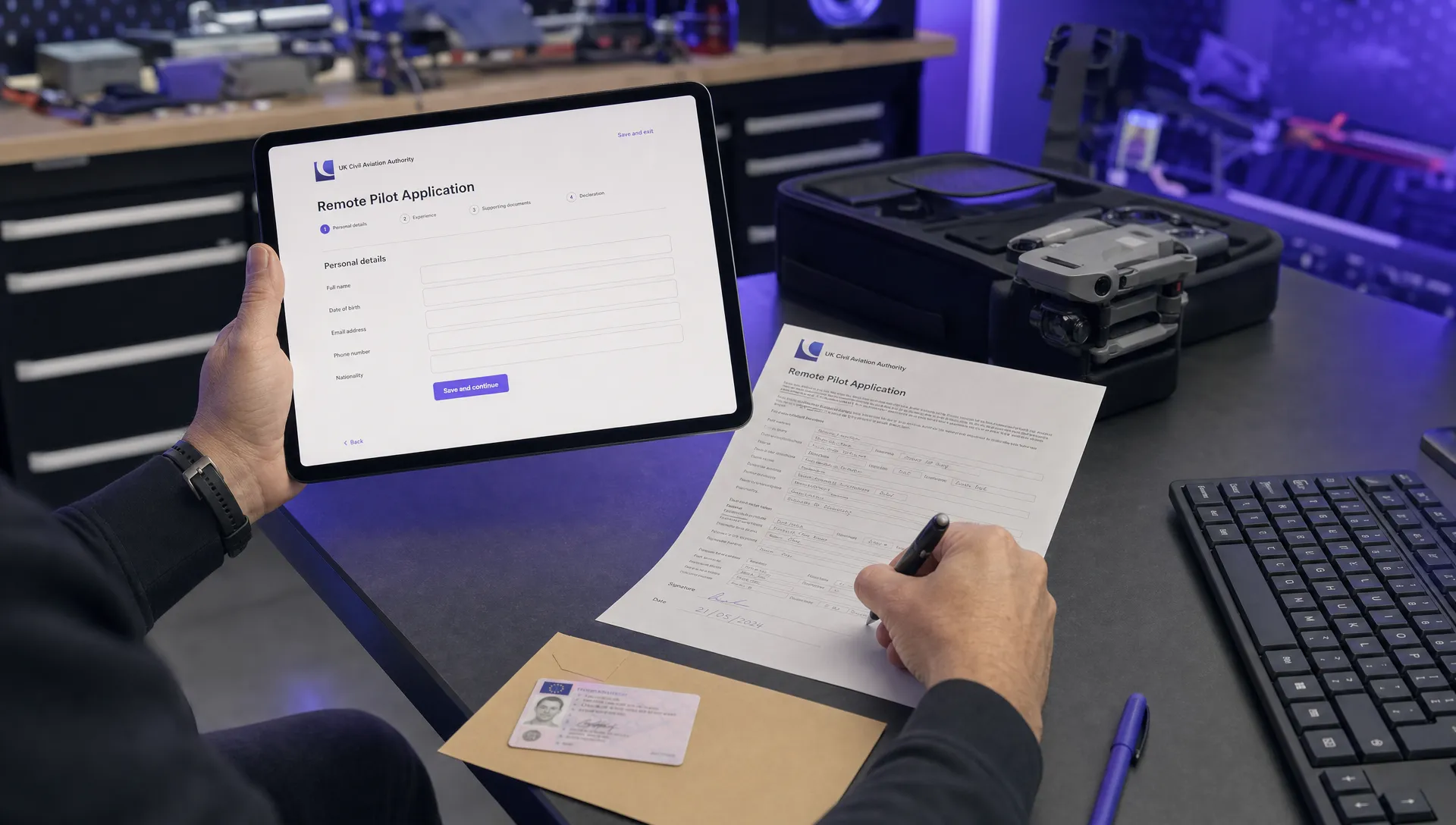 FAA 107 License vs Part 107 Certificate: What’s the Difference? →
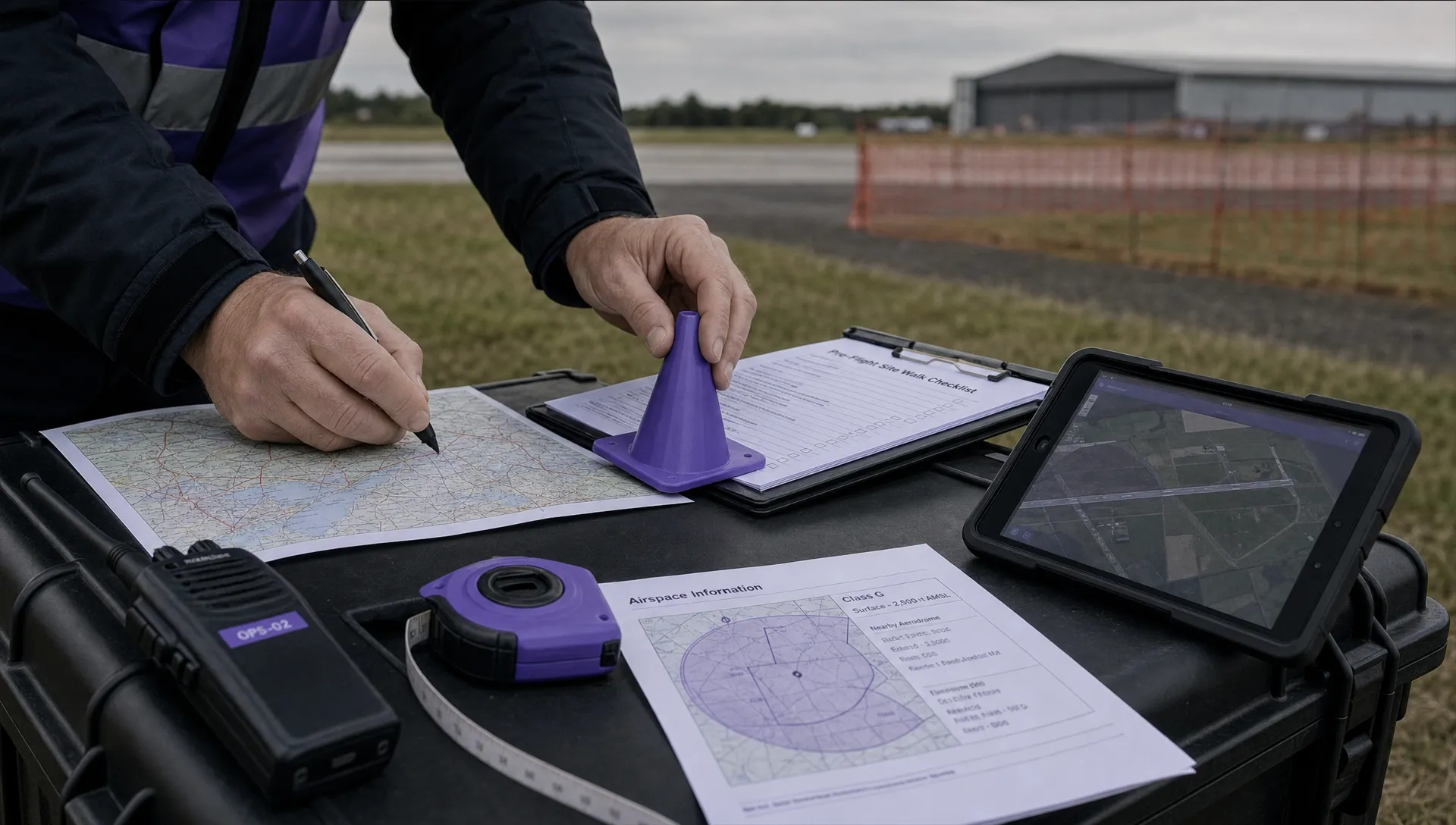 Drone Airport Rules: A Field Checklist for Site Assessments →
 FAA Part 107 Record-Keeping Rules for Commercial Teams →
 How to Review a DJI Flight Log After an Unexpected Event →