
A Practical Guide to Registering a Drone
Alright, let's get one thing straight from the jump: if your drone weighs more than 250 grams (0.55 lbs), you almost certainly need to register it. This isn't just a suggestion; it's a legal requirement in most parts of the world. Think of it as your official entry into the world of responsible aviation—the first step you take to show you’re serious about safety.
Why Registering Your Drone Is a Big Deal
I get it. To a lot of new pilots, registration feels like another piece of bureaucratic red tape designed to slow you down. But it’s so much more than that. It’s the foundational block of a huge, interconnected safety system.
It's less like filling out paperwork and more like getting a license plate for your car. That little registration number connects your drone back to you, a real person. This simple link is absolutely crucial for accountability and helps keep everyone safe—pilots, people on the ground, and other aircraft in the sky.
The Real-World Impact
These rules weren't dreamed up in a vacuum; they exist to stop bad things from happening. An unregistered drone buzzing around an airport or a crowded festival is a genuine threat, mostly because there's no quick way to track down the operator if things go wrong. Registration solves that problem instantly.
Here are a couple of situations where it really matters:
- Your drone gets lost: It happens. If a Good Samaritan finds your drone, that registration number is their best bet for getting your expensive gear back to you.
- An accident happens: Let's say your drone malfunctions and clips a roof tile. Being registered shows you’re operating above board and makes things much simpler for insurance and liability claims.
- Keeping the skies safe: Manned aircraft pilots depend on a predictable airspace. Knowing that the drones sharing that space are registered by educated operators brings a massive sense of security.
What Happens If You Don't Bother?
Flying an unregistered drone isn't a slap-on-the-wrist offense—the consequences can be severe. Aviation authorities like the FAA in the United States have the power to levy some eye-watering fines that can make the cost of your drone look like pocket change.
In the U.S., civil penalties for flying unregistered can climb as high as $27,500. In serious cases, especially those involving reckless flying, criminal penalties can skyrocket to $250,000 and even include jail time.
Those numbers aren’t just scare tactics; they show how seriously regulators take this. When you stack that up against the tiny $5 registration fee, it’s a no-brainer.
Beyond the fines, flying unregistered can torch your reputation, especially if you want to fly commercially. Clients expect professionalism and 100% legal compliance. Ignoring this basic step pegs you as an amateur at best, or a reckless operator at worst. It’s just not worth the risk.
Figuring Out If Your Drone Needs Registration
So, you've got a new drone. Before you rush outside to get it in the air, let's pump the brakes for a second. The very first question you need to answer is whether it even needs to be registered.
It’s not a one-size-fits-all answer. Everything boils down to two simple but critical questions: how much does your drone weigh, and what are you flying it for? These two factors—weight and intent—will determine exactly what you need to do next.
The drone world is absolutely booming, and regulators are scrambling to keep up. Just look at the numbers from the Federal Aviation Administration (FAA). As of October 2025, there were 855,860 drones registered in the U.S. alone. That tells you just how crowded the skies are getting. Of those, about 63% are flying just for fun, while the other 37% are out there working.
The Magic Number: 250 Grams
When it comes to drone registration, weight is the single most important factor. Both the FAA in the United States and EASA in Europe have settled on a magic number: 250 grams (0.55 pounds). If your drone, with its battery and any extras like a camera, tips the scales at more than 250g, you can bet that registration is mandatory.
Why that specific weight? The logic is that a sub-250g drone poses a much lower risk to people and property if it happens to fall out of the sky. It's why you see models like the DJI Mini series marketed so heavily on their weight—they’re designed to sneak just under that threshold, which means fewer regulatory hoops for hobbyists to jump through.
But don't get too comfortable. Owning a sub-250g drone doesn't give you a free pass to do whatever you want. The moment you use that feather-light drone for any kind of commercial work, the rulebook gets thrown out and a new one takes its place.

As you can see, making the wrong choice here isn't something to take lightly. Flying an unregistered drone that should be registered can land you in hot water with some pretty hefty fines.
Recreational Fun vs. Commercial Work
Your reason for flying is just as crucial as your drone’s weight. Regulators draw a very clear, hard line between flying for personal enjoyment and flying for business, and the requirements are worlds apart.
Flying for Recreational Purposes
This is the simple one. You’re flying purely for the fun of it. You’re not getting paid, and the flight doesn't support any kind of business venture.
- Weight is Key: If your drone is over 250g, you absolutely must register.
- One Number Fits All: In the U.S., recreational pilots register themselves once. You get a single registration number that you can put on every drone you own.
Flying for Commercial Purposes
This category is way broader than most people think. If your flight benefits a business in any way, it’s commercial. This obviously covers things like real estate photography or power line inspections, but it also includes some less obvious scenarios.
Real-World Example: Imagine a farmer using a drone to check on crops or livestock. The FAA considers this a commercial operation. Even though no money is changing hands for that specific flight, it’s being done to help their business. The same goes for a roofer inspecting storm damage to prepare a quote for a client.
For commercial pilots, the rules get a lot stricter:
- All Drones Must Be Registered: That 250-gram weight threshold? It doesn't apply here. Every single drone you use for work, no matter how small, has to be individually registered.
- Licensing is Required: On top of registration, you'll need to get a Remote Pilot Certificate (what most people call a Part 107 license in the U.S.). To get fully prepared, you should dig into the latest 2025 drone license requirements.
Drone Registration Requirements At a Glance
Feeling a bit lost? This table should help clear things up by putting the recreational and commercial rules side-by-side.
| Factor | Recreational Pilot (Hobbyist) | Commercial Pilot (Part 107) |
|---|---|---|
| Weight Threshold | Registration required ONLY for drones over 250g. | Registration required for ALL drones, regardless of weight. |
| Registration Type | Register yourself once as a pilot; apply one number to all drones. | Each drone must be registered individually with its own unique number. |
| Pilot Certification | Must pass The Recreational UAS Safety Test (TRUST). | Must obtain a Remote Pilot Certificate (Part 107 license). |
| Example Scenario | Flying your Mavic 3 at a local park for fun. | Using a DJI Mini 4 Pro to capture footage for a client's website. |
Ultimately, understanding these distinctions is the key. It ensures you’re flying legally, safely, and without risking any unexpected fines from the authorities.
Your Pre-Registration Checklist

A smooth registration is all about having your ducks in a row. Trying to register your drone unprepared is a recipe for frustration—you'll get it done, but it'll be a headache. If you gather a few key details before you start, you can knock out the whole process in minutes.
Think of it like a mission briefing before you fly. Getting everything sorted now means no frantic searching for serial numbers or credit cards while an online form times out on you. A little prep work goes a long way.
Personal and Contact Information
First up, the authorities need to know who you are and how to get in touch. The info is basic, but having it ready to copy and paste makes things fly by.
You'll need to provide:
- A Valid Email Address: This is crucial. Your registration certificate and any confirmations will land here almost instantly, so use an email you actually check.
- Your Full Legal Name: Make sure it's exactly as it appears on your government-issued ID.
- A Physical Address: This needs to be your main residence. If you use a different mailing address, like a P.O. Box, have that handy too.
- A Phone Number: Often used for account verification or as a backup contact method.
Pro Tip: I recommend creating a specific folder in your email for all drone-related stuff. It keeps your registration certificate, renewal reminders, and other official messages from disappearing into the chaos of your main inbox.
This part is simple but non-negotiable. It officially ties your identity to the drone, which is the whole point of registration.
Your Drone’s Specific Details
Next, it's time for the drone's vitals. This is where people usually get tripped up, especially when it comes to finding the serial number. Do yourself a favor and locate it before you even open the registration website.
Here's what to have on hand:
- Drone Make and Model: Something like DJI Mavic 3 Pro or Autel EVO II. You'll find this printed right on the drone's body or its original box.
- Drone Serial Number: This is the unique ID for your aircraft. Check inside the battery compartment or on one of the arms. You can also find it within the drone's flight app, like DJI Fly.
- Remote ID Serial Number (if applicable): Newer drones come with built-in Remote ID, and this number is essential for compliance. It's often different from the main drone serial number, so make sure you grab the right one.
Getting these details ready saves you the inevitable mid-registration scramble. It's just as important as the checks a pilot runs before every flight. For a deeper look into those pre-operation routines, our guide on the essential drone pre-flight checklist is a fantastic resource.
Payment Method for the Fee
Finally, registering your drone does have a small cost. In the United States, for example, the FAA charges a $5 fee for a registration that lasts for three years. That same fee covers you whether you're flying for fun or for commercial work.
To wrap things up, you’ll need a valid payment method. Official portals like the FAA’s DroneZone typically accept all major credit or debit cards. Have your card handy to finalize the payment without a hitch. As soon as the payment goes through, your registration is official, and you'll get your certificate delivered straight to your email.
Taking Care of the Official Registration
Alright, you've got your documents and info lined up. Now it's time for the main event: actually registering your drone. This part can feel a bit daunting, but the online systems are actually pretty user-friendly. We'll walk through the process using the FAA's DroneZone portal, which is what millions of pilots in the U.S. use.
Even if you're registering somewhere else, like with an EASA member state in Europe, you'll find the core steps and the information they ask for are remarkably similar. The goal is always the same: to officially link your drone to you, the person responsible for flying it safely.
Setting Up Your Account
Your first port of call is the official government website. For pilots in the States, that's the FAA DroneZone. And a quick but important heads-up: make absolutely sure you're on the official .gov site. You'll find plenty of third-party sites that look official but will happily charge you extra fees for doing what you can easily do yourself. There's no reason to pay more than the government fee.
When you get to the homepage, you'll need to create an account. It’s a simple process, no different from signing up for any other online service. Pop in your email address, create a strong password, and then click the verification link they send to your inbox to confirm everything.
A Quick Note on Age: In the U.S., you have to be at least 13 years old to register a drone yourself. If the pilot is younger than 13, a parent or another responsible adult needs to register the drone in their own name.
Once your email is verified, you can log in to your DroneZone dashboard. Think of this as your command center for all things FAA-related—from this first registration to renewals down the road.
Choosing Your Registration Type
Once you’re in the dashboard, the system will ask you what kind of pilot you are. This is a crucial step because it dictates how you'll register your drone. The FAA lays out two main paths:
- Register under The Exception for Recreational Flyers: This one's for hobbyists. If you're flying purely for fun and personal enjoyment, this is your lane.
- Register under Part 107: This is the route for anyone flying commercially. That includes any flight that supports a business, whether you're shooting photos for a real estate agent or inspecting your own farm's crops.
Let’s dig into what happens next for each path, because they're quite different.
Recreational Registration (Flying for Fun)
If you're flying for fun, the process is nice and simple. You are essentially registering yourself as a pilot, not a specific drone. The system will just need your basic details—name, mailing address, and phone number.
After you confirm your information and pay the $5 fee, the FAA issues you a single registration number. This one number covers your entire fleet of recreational drones. It's then up to you to label every drone you own that weighs over 250 grams with that number. Easy.
Part 107 Registration (Flying for Work)
Choosing the Part 107 path is a bit more involved, as commercial operations are held to a higher standard. Instead of registering yourself, you have to register each individual drone you plan to fly for work.
For every commercial drone, you'll need to enter its specific details:
- Make and Model: For instance, "DJI Mavic 3 Enterprise."
- Serial Number: The unique identifier for that specific drone.
- Remote ID Serial Number: If your drone has Standard Remote ID, you’ll need to enter this number too.
You'll repeat this for every drone in your commercial fleet. Each one gets its own unique registration number and certificate. The fee is still just $5 per drone, and the registration is good for three years.
Finalizing Payment and Getting Your Certificate
The last step, for both recreational and Part 107 pilots, is payment. The DroneZone portal takes all major credit and debit cards, and the transaction is secure and processes right away.
The best part? As soon as your payment goes through, you're done. No waiting for a certificate to show up in the mail. Your official registration certificate is available for download immediately from your dashboard, and they'll email you a copy as well.
This certificate is your proof of registration. The law requires you to have it with you whenever you're flying—a digital copy on your phone is perfectly fine. It shows your name, registration number, and the expiration date. With this certificate in hand, you're one giant step closer to getting in the air. The only thing left to do is label your drone.
What to Do After You Get Your Registration Number

Seeing that registration number pop up in your email is a great feeling. It’s an official milestone that confirms you're part of the regulated airspace community. But don't mistake that email for the finish line; it’s more like the final call to the starting gate.
Before you're truly flight-ready and fully compliant, there are a few essential things you need to sort out. Getting the number is one thing, but now you have responsibilities that come with it—like displaying it correctly, carrying your certificate, and keeping an eye on renewals.
Properly Labeling Your Drone
First things first: you have to physically mark your drone with its new registration number. This isn't just a friendly suggestion—it's a strict legal requirement. Think of the number as a license plate, allowing your drone to be identified by authorities or even a helpful stranger if it ever gets lost.
The rules for labeling are specific and you've got to follow them to the letter:
- Visibility is Key: The number must be legible and placed on an exterior surface of the drone. You can't just tuck it away in the battery compartment anymore.
- Secure Attachment: The label needs to be durable and stay put. A piece of paper taped on won't cut it; it has to withstand the elements and the vibrations of flight.
So, how do you make this happen? You have a few great options. Many pilots opt for a simple label maker, which creates a clean, durable, and easy-to-read sticker. Others prefer custom-engraved metal plates or vinyl decals for a more professional and permanent solution. Whichever method you choose, just make sure it's easy to read and securely attached before your next flight.
Keep Your Registration Certificate Handy
That certificate you received is your official proof of registration, and you're required to have it with you any time you fly. Just like a driver's license, you must be able to present it to any federal, state, or local law enforcement official if they ask.
Luckily, you don't need to carry a crumpled piece of paper around. A digital copy is perfectly acceptable and far more convenient.
My Personal System: I keep a PDF of my registration certificate in a dedicated "Drone Docs" folder on my phone's home screen. It’s also saved to my cloud storage, so I can access it from any device. This way, it's always just two taps away, whether I'm in a remote field or a busy park.
This simple habit ensures you're always prepared and can instantly prove your compliance. It’s a small step that demonstrates professionalism and responsibility. This also ties into the broader push for digital accountability in aviation, where what is Remote ID for drones is becoming a critical piece of technology acting as a digital license plate.
Understanding Expiration and Renewals
Your drone registration doesn't last forever. In the United States, an FAA registration is valid for three years. This period is designed to ensure the FAA's database stays current with active and responsible pilots.
Forgetting to renew is a common mistake that can instantly ground you. An expired registration is legally the same as having no registration at all, putting you at risk of the same hefty fines and penalties.
Here's how to stay on top of it:
- Mark Your Calendar: As soon as you get your registration, set a reminder on your phone or calendar for about two months before it expires. This gives you plenty of time to get it sorted.
- Keep Your Email Updated: The FAA sends renewal notices to the email address on file. If you change your email, make sure you update your DroneZone account immediately.
- Renew Early: The renewal process is quick and can be done entirely online through the same DroneZone portal where you first registered. Don't wait until the last minute.
Staying current is a core part of being a responsible pilot. By properly labeling your drone, carrying your certificate, and managing your renewal schedule, you ensure every flight is safe, legal, and compliant from takeoff to landing.
Common Drone Registration Questions Answered
Even with the process laid out, you’re bound to have questions. It happens to everyone. While registering a drone is mostly straightforward, some of the finer points can be a little confusing, especially when the rules change depending on why you're flying.
To clear things up, I’ve pulled together some of the most common questions I hear from new pilots. Think of this as your go-to FAQ for getting registered with confidence.
What’s The Worst That Can Happen If I Don’t Register?
Let’s get the big one out of the way first. Flying a drone that’s heavy enough to require registration without actually doing it is a big deal in the eyes of aviation authorities.
In the U.S., for example, the FAA doesn't mess around. They can hand out some hefty civil penalties—we're talking fines that can easily run into the thousands of dollars. Suddenly that $5 registration fee doesn't seem so bad, does it?
In more serious situations, especially if an unregistered drone flight puts people or other aircraft at risk, you could be looking at criminal charges. That means even bigger fines and, in extreme cases, jail time.
Do I Have To Register Every Single Drone I Own?
This is a classic point of confusion, and the answer comes down to one simple thing: are you flying for fun or for work?
- Flying for Fun (Recreational): The process couldn't be easier. You just register yourself as a pilot one time. The FAA will give you a single registration number, and you can stick that same number on every hobby drone you own.
- Flying for Business (Part 107): This is where it gets stricter. For any commercial work, you have to register each drone individually. Every aircraft you use for your business gets its own unique registration number and its own certificate.
Knowing the purpose of your flight before you take off is absolutely critical to staying on the right side of the law.
Your reason for flying—recreation or commercial—is what matters. Recreational pilots register once for their whole fleet. Commercial pilots have to register every single drone they use for work.
How Long Does The Registration Process Take?
If you're picturing a long, painful government process, don't worry. The online systems are built to be quick.
Most pilots can get through the online forms and payment in about 15-20 minutes. The best part? As soon as your payment goes through, your official registration certificate and number are usually emailed to you almost instantly. No waiting around. You can label your drone and get in the air legally right away (assuming you're following all the other rules, of course).
Can I Use My Registration In Other Countries?
First, a quick note on the financial side. While registration fees are pretty small, if you're running a business, you might be curious about understanding the tax deductibility of registration fees to get a broader perspective on vehicle-related expenses.
Now, for pilots who travel: can you take your FAA registration from the U.S. and fly in Europe?
The answer is a hard no. Drone registrations don't transfer between countries. An FAA registration is only good within the United States. If you want to fly in Europe, you'll need to register with the aviation authority of the first European Union Aviation Safety Agency (EASA) country you plan to fly in. The good news is that once you're registered in one EASA country, that registration is valid across all EASA member states.
Bottom line: always check the local drone laws of any country you're visiting before you even think about flying.
Ready to streamline your entire drone operation, from flight planning to compliance tracking? Dronedesk provides a complete management system that saves you time and reduces administrative headaches, letting you focus on what you do best—flying. Manage your fleet, team, and jobs all in one place. Explore how Dronedesk can elevate your operations at https://dronedesk.io.
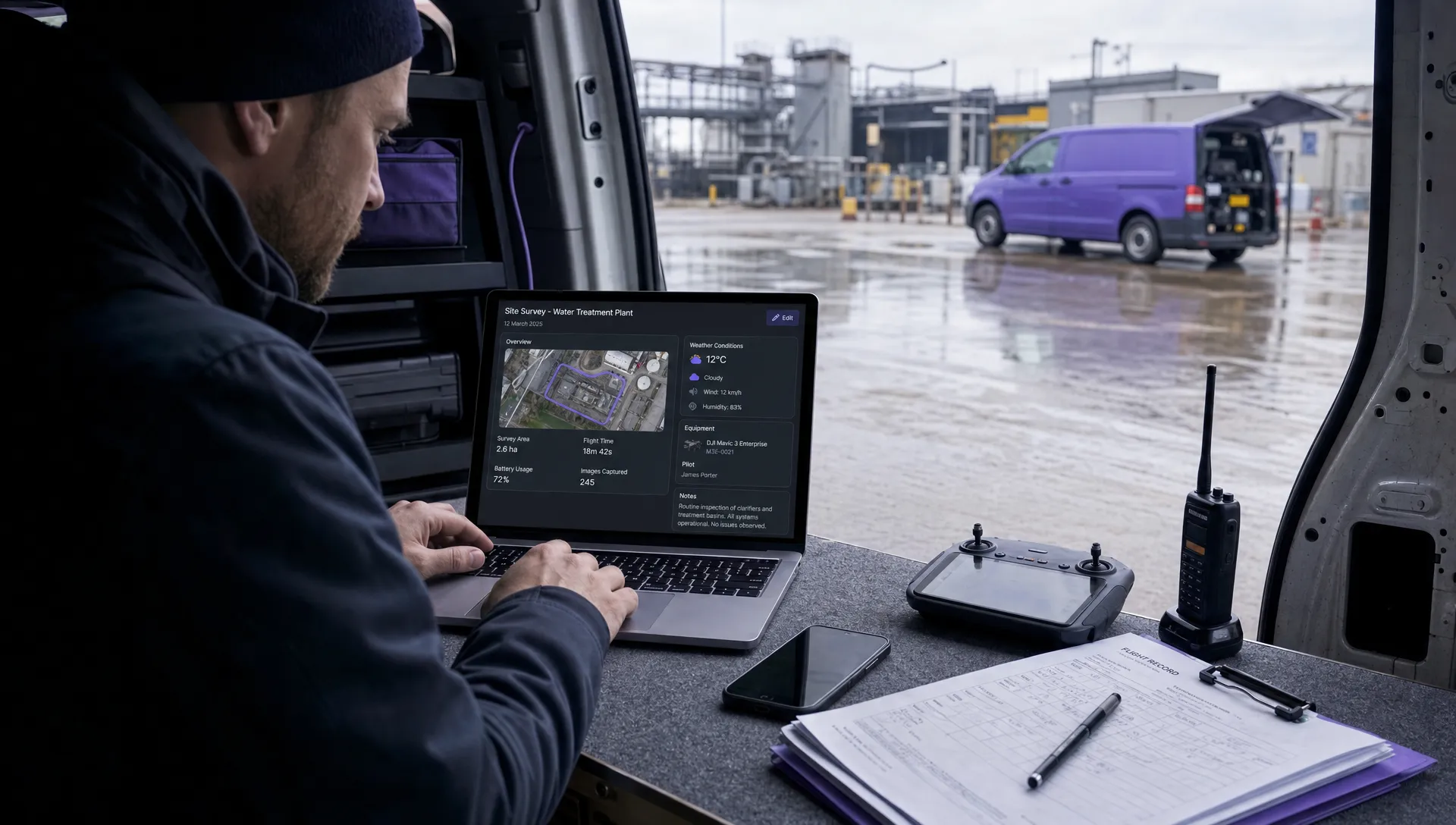 Drone Airspace Rules: How to Document Your Site Checks →
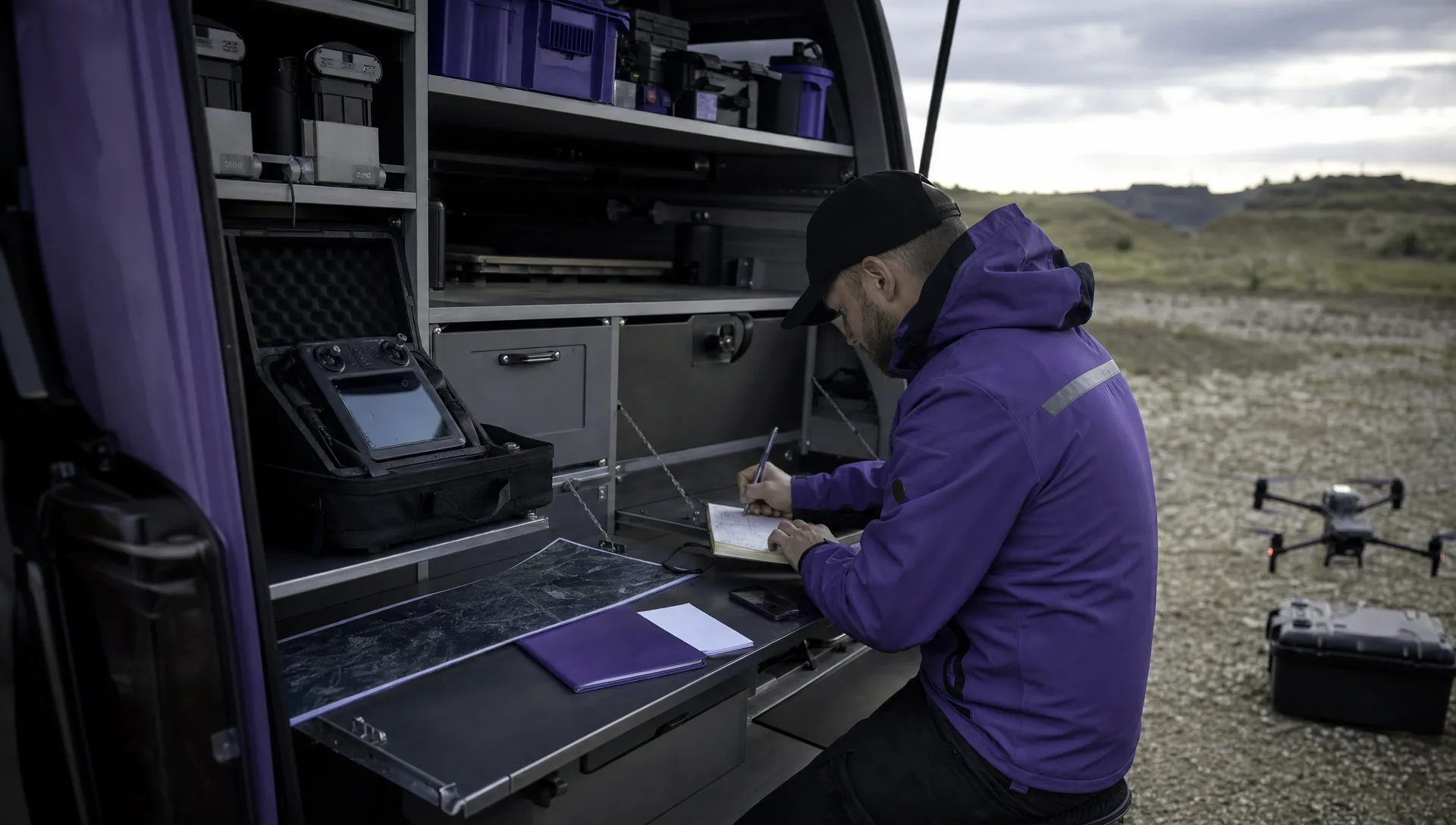 How to Evaluate a Free Drone Logbook Before Using It →
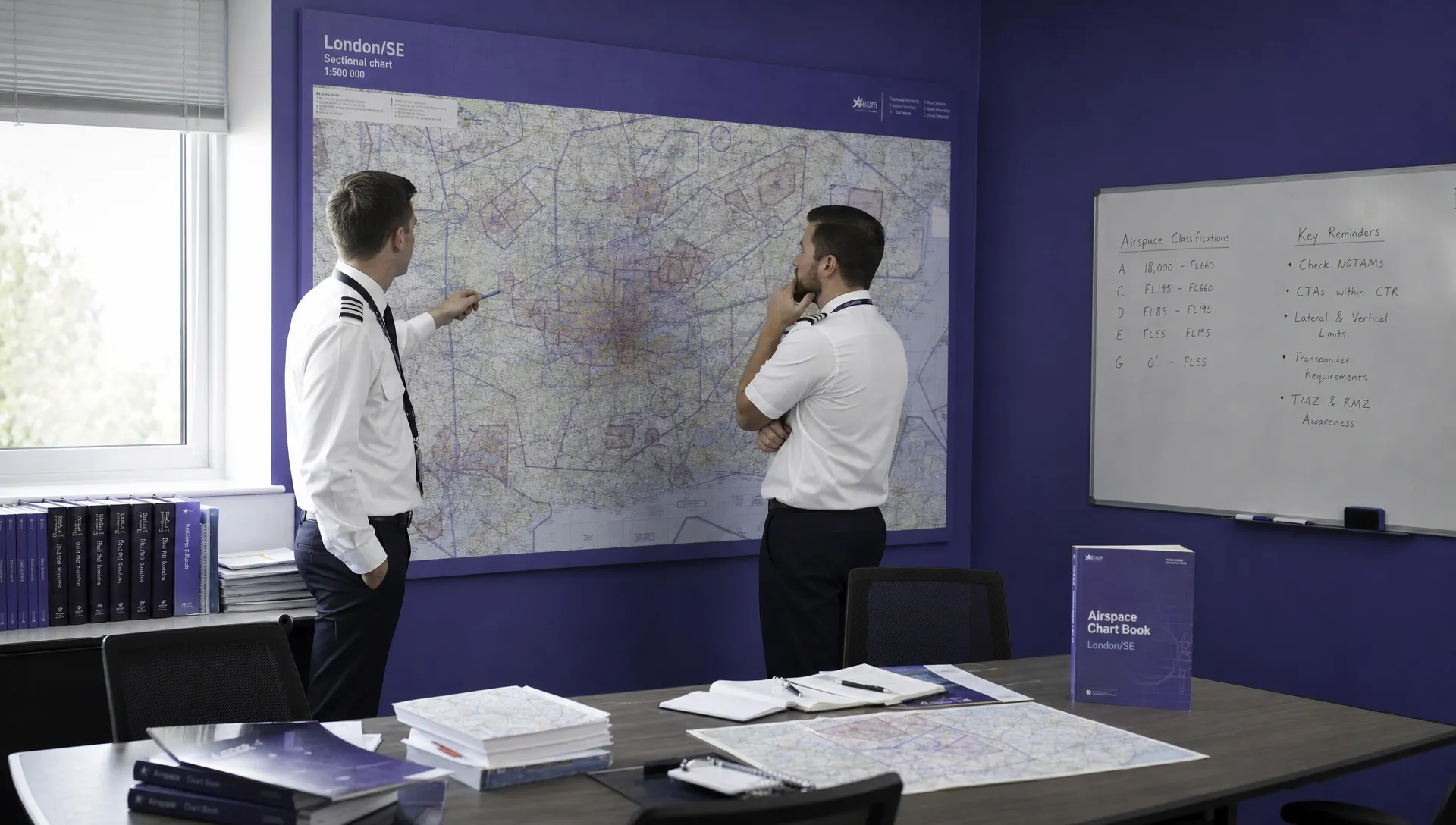 FAA Part 107 Test: How to Master Airspace Questions →
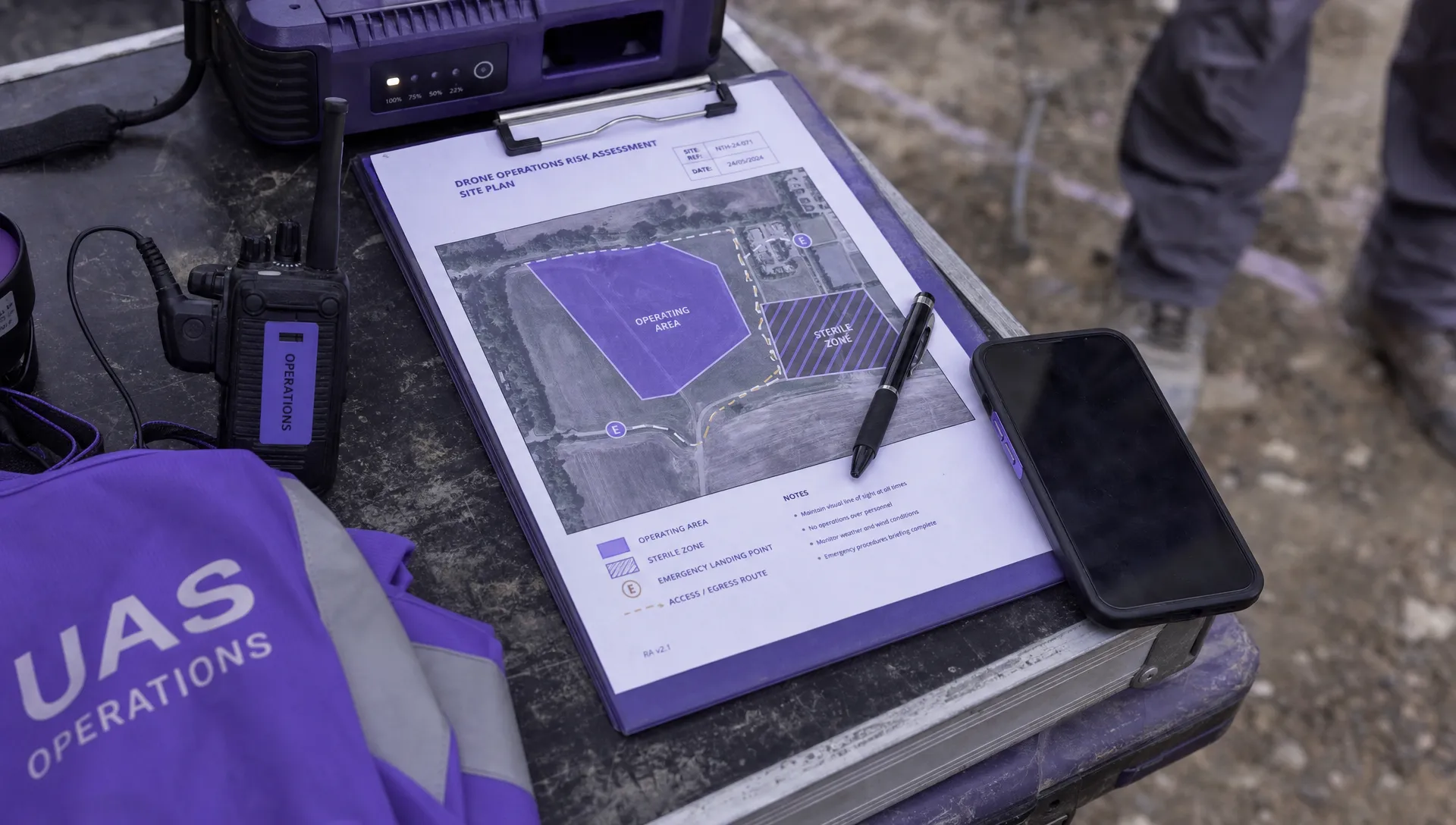 Drone Risk Assessment Controls That Work in the Field →
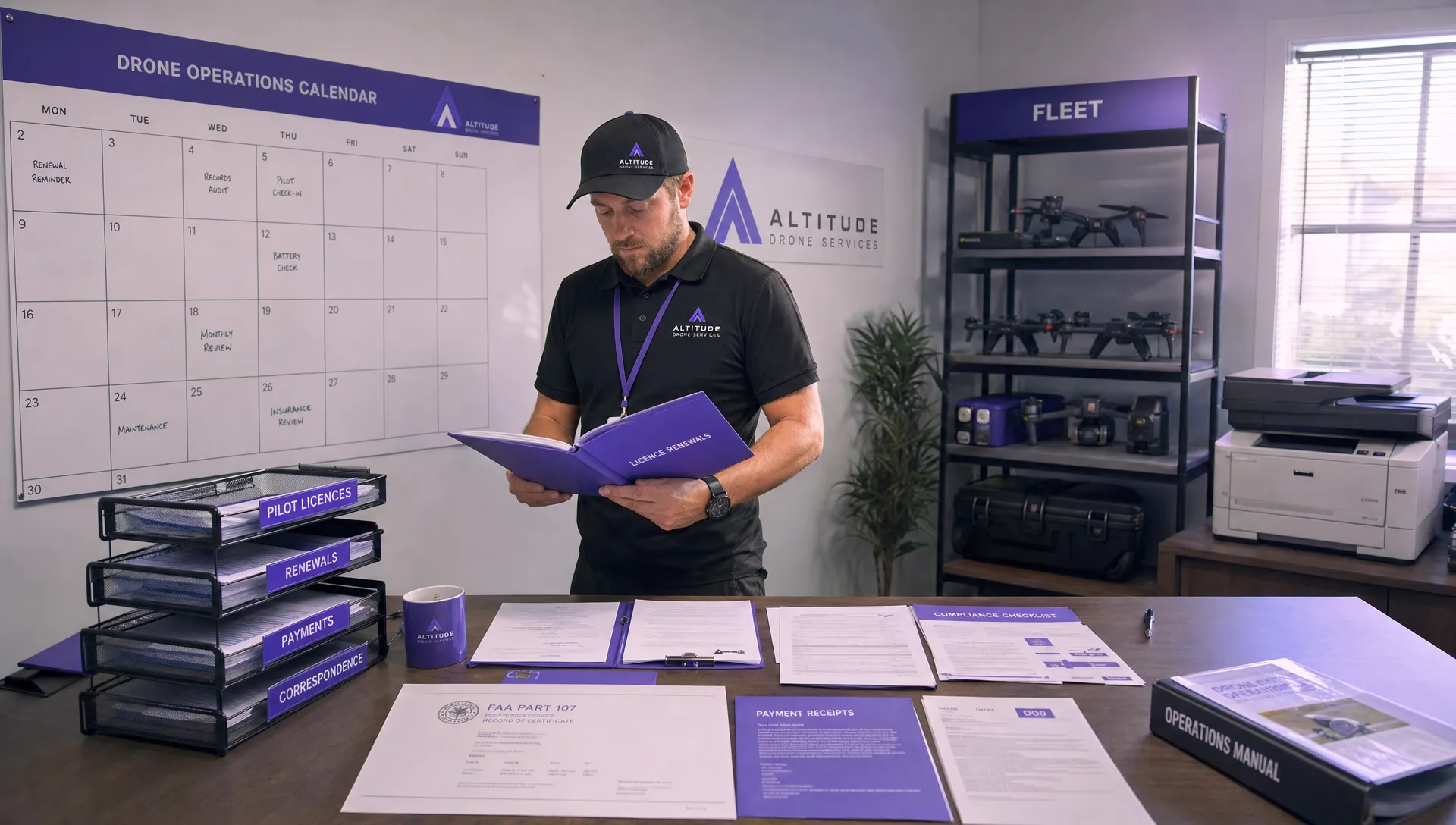 FAA Drone License Costs Beyond the Knowledge Test →
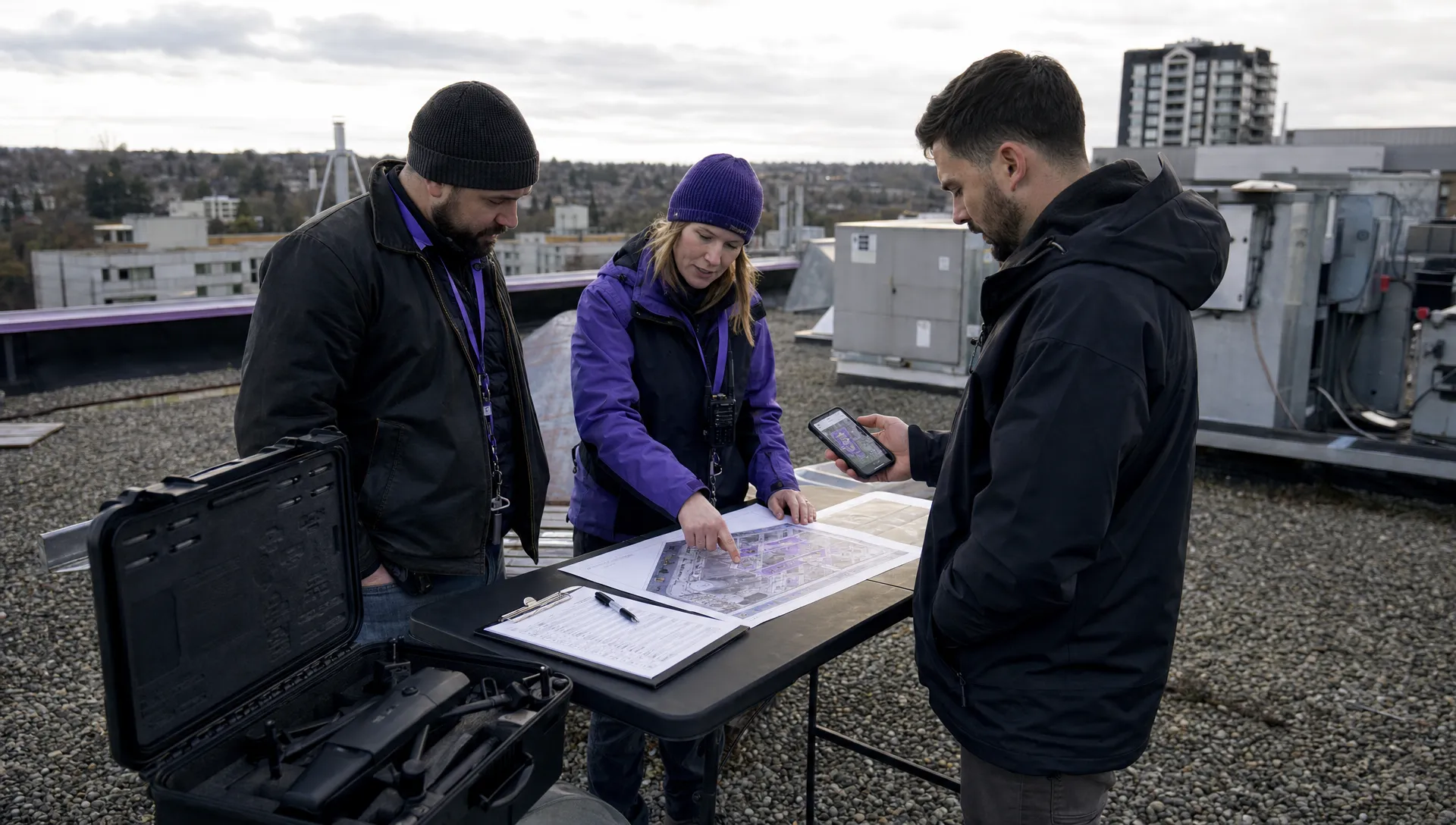 Drone Part 107 Operations: When a Waiver May Be Needed →
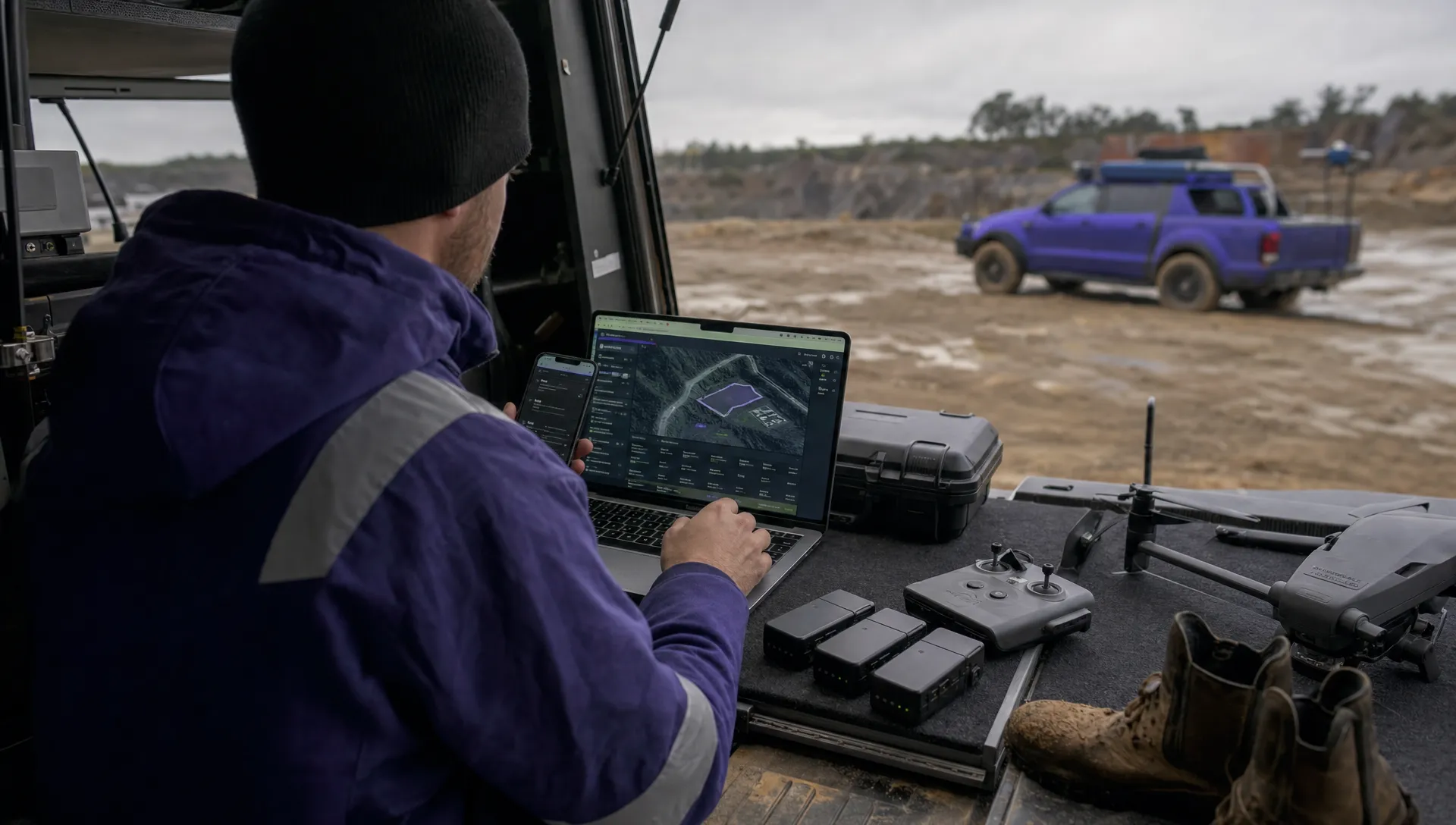 Drone Operating Rules for Managing Contractors and Employees →
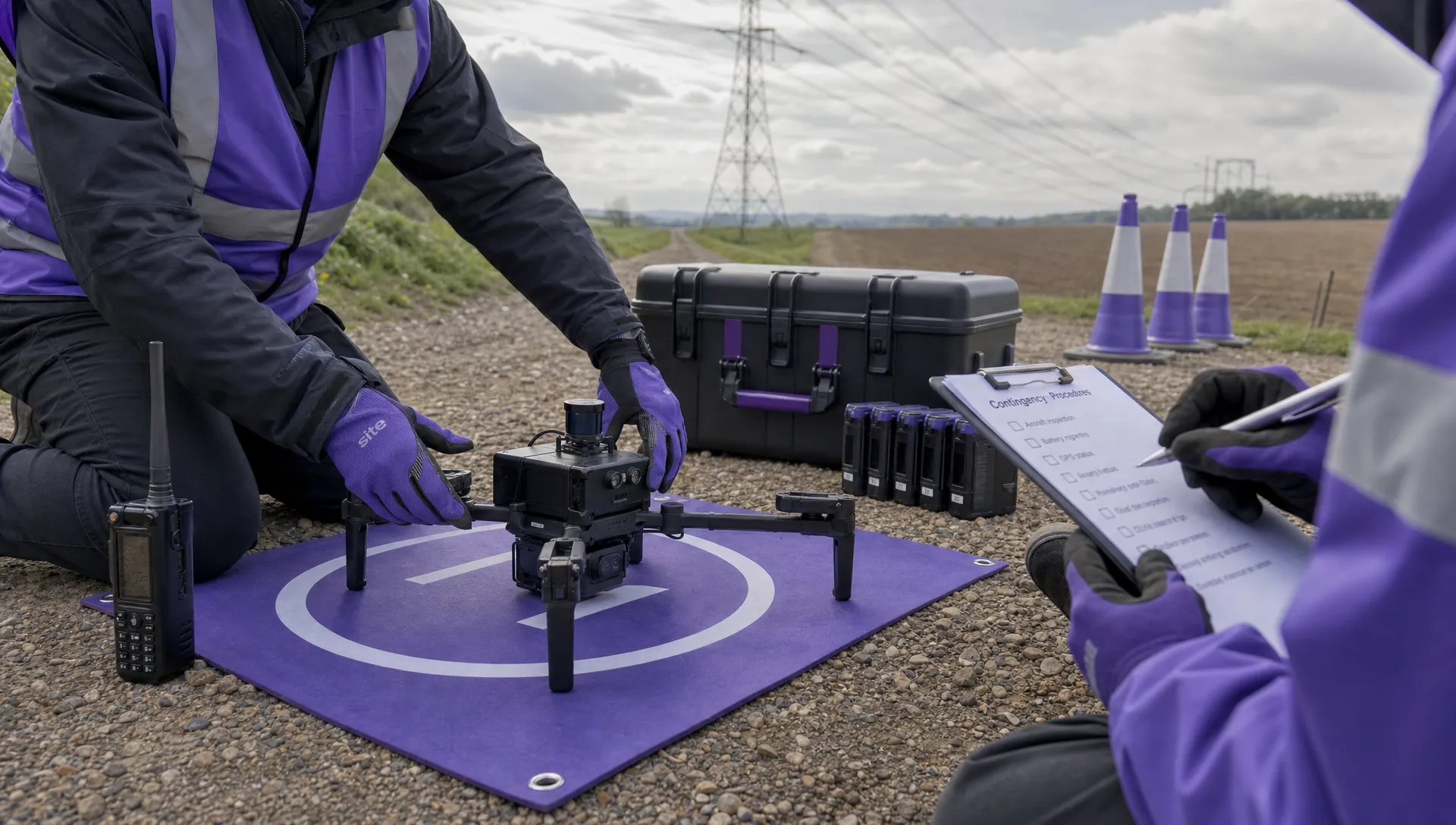 BVLOS Drone Requirements for Building a Safety Case →
 Drone Pilot Test Mistakes That Cost Candidates Marks →
 FAA 107 License vs Part 107 Certificate: What’s the Difference? →