
Mastering My Flight Logbook for Drone Pilots
For a lot of pilots, the words "my flight logbook" bring to mind a tedious chore—just another record you have to keep for compliance. But that's a huge missed opportunity. The truth is, a detailed, professional logbook is one of the most powerful business tools you can have. Think of it as your professional resume, safety record, and proof of experience all rolled into one.
Shifting your mindset from seeing it as an administrative task to a strategic asset can directly boost your career and your bottom line.
Your Logbook Is More Than Just a Record
Let's be real—most pilots see their logbook as just another box to check. But that point of view completely overlooks its immense value. A meticulously kept logbook is your single most important professional document. It’s the definitive proof of your skills, your experience, and your commitment to safety.
Picture this: two pilots are bidding for a lucrative aerial survey contract. Pilot A shows up with a messy, incomplete paper logbook. Pilot B presents a clean, detailed digital report from a system like Dronedesk, showcasing hundreds of hours of relevant flight time, proactive maintenance records, and detailed mission notes. Who do you think lands the job?
From Chore to Strategic Asset
The mental switch happens when you stop seeing logging as a backward-looking task and start treating it as a forward-looking strategy. Every single entry you make is building a bigger picture of your operational capabilities.
- Winning Contracts: High-value clients in real estate, inspections, and cinematography aren't just going to take your word for it—they want proof of experience. A comprehensive logbook is undeniable evidence that you know what you're doing.
- Insurance and Liability: In the unfortunate event of an incident, your detailed flight records are your first line of defense. They can prove you followed all pre-flight checks and operated safely, potentially saving you from serious financial and legal trouble.
- Regulatory Audits: When the aviation authorities come calling, a well-organized digital logbook makes the whole process smooth and painless. Instead of frantically digging through stacks of paper, you can generate a complete report in seconds.
This is especially true for pilots breaking into specialized fields. For instance, if you're exploring niches like using drones in wedding photography, a detailed logbook demonstrates a level of professionalism that builds crucial client trust.
A pilot's logbook is their story. It tells an auditor, an insurer, or a potential client everything they need to know about their professionalism, attention to detail, and commitment to safety.
It helps to look at the bigger picture. The global airline industry has seen massive turbulence. In 2019, there were about 38.9 million flights worldwide. That number plummeted by 46.42% in 2020. Yet by 2024, flight levels had not only recovered but surpassed pre-pandemic numbers by 5.46%.
These trends, which you can explore on platforms like AirNav Radar, show just how resilient the aviation sector is. Your logbook is a personal reflection of your own journey through these industry shifts, proving your consistency and experience through thick and thin.
Digital vs Paper Logbooks at a Glance
Choosing between a digital and a paper logbook isn't just about preference; it's about efficiency, professionalism, and future-proofing your operations. While a paper logbook might feel simple, a digital solution like Dronedesk is built for the modern pilot.
Here’s a quick breakdown to help you see the difference.
| Feature | Digital Logbook (e.g., Dronedesk) | Paper Logbook |
|---|---|---|
| Accessibility | Access anywhere, on any device. | Physical book must be present. |
| Data Entry | Often automated or semi-automated. | Entirely manual and time-consuming. |
| Reporting | Instant, detailed reports for clients or audits. | Requires manual compilation and calculation. |
| Backup & Security | Cloud-based, secure, and backed up. | Susceptible to loss, damage, or theft. |
| Integration | Links to flight plans, maintenance, and risk assessments. | Standalone document, no integration. |
| Professionalism | Clean, professional, and easily shareable. | Can appear disorganized or incomplete. |
At the end of the day, a digital logbook does more than just record flights—it actively manages and presents your entire operational history in a way that paper simply can't match. It’s an investment in your professionalism.
Setting Up Your Digital Logbook for Success
Staring at a brand-new digital logbook can feel a bit like looking at a blank canvas. Where do you even begin? The trick is to build a solid foundation right from the start by methodically adding detailed profiles for every single asset in your operation. Don't just settle for the default fields—this is your chance to build a system that genuinely works for you.
Think of it less like data entry and more like creating a complete digital twin for each physical asset you own. This means setting up distinct, detailed profiles for every pilot, each aircraft, and yes, even individual batteries. When you get this right, logging a flight becomes more than just punching in numbers; you're connecting that flight to a rich, living history of asset performance and pilot experience.
This infographic breaks down how to get your digital logbook set up for maximum detail from day one.

As you can see, it all starts with asset creation and customizing your fields before you even think about logging that first flight.
Creating Detailed Asset Profiles
First things first, you need to get every piece of hardware and every pilot on your team into the system. I won't lie, this initial setup is the most time-consuming part of the whole process, but the payoff down the road is huge. For each item, you need to go beyond the basics.
- Aircraft Profiles: Don't just put "Mavic 3." Include the serial number, the date you bought it, and its total flight hours to date. This simple step creates a crucial baseline for all future maintenance tracking.
- Battery Profiles: Every single battery needs a unique name or number. Log its purchase date and its initial number of charge cycles. This is absolutely essential for monitoring battery health and avoiding those dreaded in-flight power failures.
- Pilot Profiles: For each person on your team, add their certification numbers, crucial renewal dates, and total flight experience. This makes crew assignments and compliance checks a breeze.
Using a comprehensive digital pilot logbook makes this so much easier by keeping all of your asset and personnel data in one easy-to-reach place.
Customizing Fields for Your Missions
The real magic of a good digital logbook is its flexibility. The standard fields are a great starting point, but your specific operations almost certainly require unique data points. You have to think about the kind of work you do and tailor your logbook to match.
For instance, an agricultural drone pilot might add a custom field to track the specific type and volume of spray they used on a mission. A cinematic pilot, on the other hand, could create custom fields to log the exact lens, filter, and camera settings used for a particular shot.
By customizing your data fields, you transform a generic logbook into a powerful business intelligence tool. It stops being a simple record and starts providing operational insights specific to your niche.
Spending this time upfront establishes a consistent data entry habit that captures everything you need without creating extra work later. It ensures every flight is logged perfectly, giving you clean, actionable data for compliance, maintenance, and business analysis.
What to Log for Every Single Drone Flight

So, what details really need to make it into your logbook after a flight? It's about more than just noting the date and how long you were in the air. A truly professional logbook entry is a complete snapshot of the entire operation. This is the kind of meticulous record-keeping that separates the pros from the hobbyists, and it's absolutely essential for staying compliant and running a tight ship.
The goal here is to create a record so thorough that an auditor, or even yourself months later, could grasp the entire mission just from reading the entry. It’s not just about logging what happened, but also capturing the why and the how.
The Non-Negotiable Core Data
Every single flight, no matter how quick or straightforward, has a baseline of information you have to record. These details are the backbone of your flight history and are the first thing any regulator or client will want to see.
Whether it’s a simple real estate shoot or a complex mapping mission requiring multiple battery swaps, they all share a common set of foundational data points. You’ll want to log:
- Pilot and Crew Information: Who was the Remote Pilot in Command (PIC)? Log their name and certificate number.
- Aircraft and Battery Identification: You need to know which drone was flying. Record its serial number along with the unique IDs for every battery used on the job.
- Location and Time: Get specific with the takeoff and landing locations, along with the local start and end times.
- Total Flight Duration: This one is a biggie. It’s critical for tracking airframe hours and staying on top of your maintenance schedule.
A good flight log template can make this whole process second nature, ensuring you never miss a critical field.
Logging Critical Environmental Data
This is an area where I see a lot of pilots cut corners. The weather you feel on the ground is often completely different from the conditions 300 feet up. Capturing detailed environmental data isn’t just good practice; it's vital for safety, analyzing performance, and investigating any incidents.
For instance, just writing down "windy" doesn't cut it. You should be recording the sustained wind speed and, just as importantly, the maximum wind gusts. A drone might handle a 15 mph sustained wind without issue, but a sudden 30 mph gust could lead to a serious loss of control. Likewise, logging temperature, humidity, and barometric pressure allows you to calculate the density altitude, a key factor that directly impacts your drone's performance.
Your environmental logs are the context for every flight. They justify your operational decisions and serve as proof that you were flying within the aircraft's—and your own—limitations.
This level of detail is standard across the entire aviation industry, which we're a part of. To put it in perspective, the International Air Transport Association (IATA) projects that a staggering 5.2 billion passengers will fly this year. Even seemingly small industry shifts, like a 4.7% capacity reduction from some carriers, have ripple effects on airspace management and safety protocols. You can discover more insights about these air travel trends on IATA.org, which helps frame why our own meticulous logging is part of a much bigger culture of safety.
Turn Your Logbook into a Proactive Maintenance Machine
A good flight logbook does more than just track where you've been; it's a crystal ball for predicting where your drone is headed, especially when it comes to its mechanical health. Making the switch from a reactive to a proactive maintenance mindset is one of the most important steps any professional pilot can take. It’s what turns my flight logbook from a simple history book into a living system that catches failures before they ever happen.
The goal is to stop waiting for something to go wrong. Instead, you use the flight data you've gathered on individual drone parts to get ahead of their service needs. This isn't a new idea—it's the very principle that has made commercial aviation one of the safest forms of travel on the planet.
Get Granular: Track Component-Level Flight Hours
Your drone isn't just one big piece of equipment. It's a complex assembly of individual parts, and each one has its own lifespan. A truly professional logbook needs to reflect that reality. This is why meticulously tracking the flight time on critical components is the bedrock of any solid maintenance program.
When you log a flight, you're not just adding hours to the aircraft as a whole. You're also adding that exact same amount of flight time to its motors, propellers, batteries, and even pricey payloads. This is how you measure their real-world usage against what the manufacturer recommends for service intervals. For instance, if a motor manufacturer says to inspect them every 50 flight hours, your logbook will tell you exactly when that's coming up. No more guesswork.
A proactive maintenance schedule, fueled by detailed logbook data, is your single best defense against an unexpected in-flight failure. It replaces hunches with hard data.
This attention to detail is a hallmark of professionalism across all of aviation. Safety is everything, and the steadily declining accident rates prove these principles work. The International Civil Aviation Organization's 2025 Safety Report highlighted that the global accident rate had dropped to an all-time low of 0.77 accidents per million flights. For professional drone pilots, this culture of safety is directly reflected in how we maintain our gear and document every action. You can dive into the full ICAO safety report here.
Document Everything: Maintenance, Repairs, and Incidents
Every single time you perform maintenance, that action needs to be logged with the same level of care you'd give to logging a flight. This creates a complete, verifiable history that proves your drone's airworthiness—something that becomes invaluable during an audit, for an insurance claim, or if you decide to sell the aircraft.
A proper maintenance entry should always include:
- Date of Service: When the work actually happened.
- Component ID: The specific part that was serviced, repaired, or replaced.
- Action Taken: A clear, simple description of the work (e.g., "Replaced all four propellers," or "Calibrated IMU after firmware update").
- Technician: Who did the work.
Even minor incidents need to be jotted down. A hard landing, a minor prop strike with a twig—anything out of the ordinary gets a note. That little bit of context can be crucial if a component fails earlier than expected down the line.
To give you a better idea of what to track, here are some common industry recommendations for UAS maintenance intervals.
UAS Maintenance Tracking Checklist
This table provides a solid starting point for tracking your components based on flight hours. Always defer to your specific manufacturer's guidelines, but this checklist covers the basics for most commercial drones.
| Component | Recommended Inspection Interval (Flight Hours) | Recommended Replacement Interval (Flight Hours) |
|---|---|---|
| Propellers | Before every flight (visual check) | 200-300 hours or after any damage |
| Motors | 50-75 hours (check for noise, vibration) | 500-1000 hours (manufacturer dependent) |
| Batteries (LiPo) | Before and after every flight | 300-500 cycles or when performance degrades |
| Airframe | 25-50 hours (check for stress fractures) | As needed, based on inspection findings |
| Gimbal/Camera | 50 hours (check for smooth movement) | As needed |
| Landing Gear | 25-50 hours (check for cracks, wear) | As needed |
Remember, these are just guidelines. Harsher operating environments—like flying in dusty conditions or extreme temperatures—will likely require more frequent checks.
Ultimately, keeping a dedicated drone maintenance log is the best way to stay on top of all this. This disciplined approach transforms your flight logbook from a simple record into a comprehensive aircraft management system, guaranteeing safety and compliance across your entire fleet.
Turning Logged Data Into Business Intelligence
Your flight logbook is so much more than a simple record of past missions. Think of it as a deep well of operational data, just waiting to be tapped. For any drone professional, the details captured in my flight logbook can be turned into some seriously powerful business intelligence. This is a big mindset shift—from seeing it as a chore for compliance to a strategic business tool—and it's what separates the thriving drone businesses from those just scraping by.
Believe it or not, the data you've been diligently collecting holds the keys to optimizing just about every part of your operation. It has the answers to critical business questions you might not even know you should be asking yet.

From Flight Time to Financial Insight
The most immediate win is finally getting a grip on your true operational costs. When you start analyzing flight hours against maintenance logs and battery cycles, you can move beyond pure guesswork and calculate a precise cost-per-hour for each aircraft in your fleet.
Imagine you run two different drone models. You might assume the newer, pricier drone has a higher operating cost. But what if your logbook reveals it needs less maintenance and is more efficient on its batteries? Suddenly, you see its true cost-per-hour is 15% lower than your older "workhorse" model. That kind of insight lets you price your jobs with surgical precision.
This financial clarity helps you:
- Refine Project Quotes: You'll know exactly how much to charge for a job based on the aircraft needed and the flight time you project, locking in profitability on every single mission.
- Identify Profitable Services: Discover which mission types, like real estate photography versus agricultural surveys, actually give you the highest return on your time and equipment.
- Optimize Your Fleet: Make smart, data-driven calls on when to retire older drones or invest in new models, all based on real-world performance and maintenance costs.
Your Logbook as a Powerful Sales Tool
Beyond just crunching numbers for yourself, a polished and professional logbook is a massive asset in your sales process. When you're bidding for those high-value contracts, clients want more than just your word—they demand proof of experience and reliability. A messy paper log just isn't going to cut it.
Handing a potential client a detailed, instantly generated report from a platform like Dronedesk makes a powerful statement. It shows a level of professionalism and meticulous attention to detail that immediately sets you apart from the competition.
This approach is especially effective when you're talking to clients in heavily regulated industries, like infrastructure inspection or public safety. They don't just want to see that you can fly; they need to see you operate with a documented culture of safety and compliance. Your logbook becomes the ultimate proof of your capabilities.
It basically serves as your verified resume, showcasing not just your total flight hours but your specific experience in tough conditions or with specialized gear. This documented history can be the one thing that tips the scales and wins you the contract, turning your administrative records into a direct source of revenue and a cornerstone of your business's reputation.
Answering Your Flight Logbook Questions
Even when you've got a great system humming along, questions always pop up in the day-to-day grind. These are the real-world headaches and "what ifs" that pilots bump into all the time when managing their flight records. Let's dig into some of the most common ones.
How Long Should I Keep My Records?
Regulations can vary depending on where you fly, but the unofficial industry standard is to hang onto your flight logbook records for at least two years. But honestly, for any serious professional, the real answer is forever.
With digital logbooks like Dronedesk, storage is basically free and unlimited. Why wouldn't you keep everything? A complete operational history is gold when you need to show off your long-term experience, deal with any potential liability claims, or even argue for better insurance rates. A deep, verifiable history is a massive professional asset.
Logging Training and Simulator Flights
It's absolutely essential to log your training flights, but you have to be crystal clear about separating them from your "pilot in command" time. Getting this wrong, even by accident, can land you in serious trouble if someone thinks you're inflating your experience.
The cleanest way to handle this is by using a specific category or tag in your digital logbook.
- Label these entries clearly as "Simulator Training" or "Recurrency Flight."
- In the notes, get specific about the skills you practiced, like running through emergency procedures or getting the hang of a new camera payload.
This approach proves you're committed to staying sharp without muddying the waters of your actual flight hours. It sends a powerful message to clients and regulators that you take professional development seriously.
A dedicated section for training in my flight logbook demonstrates a culture of safety and continuous improvement—qualities every high-value client looks for in a pilot.
Can I Backdate Entries If I Forget to Log a Flight?
Look, it happens to the best of us. You get back from a long day, and logging the flight slips your mind. The most important thing to remember is that logging a flight late is a hundred times better than not logging it at all.
If you have to add an entry for a past flight, transparency is your best friend.
Just use the actual date and time of the flight, not the date you're creating the entry. Then, pop a quick note in the comments field like, "Entry logged on [current date] from flight notes." Honesty and accuracy are always the right call. This is one of those areas where automated digital logging really saves your bacon, as it makes these little memory lapses a thing of the past.
Do I Need to Log My Recreational Flights Too?
While the rules for flying purely for fun are usually more relaxed, logging every single flight is a powerful professional habit to build. It gives you a few key advantages.
For one, it’s the only way to accurately track the total time on your airframe for maintenance schedules, which is a big deal for safety. It also builds a complete, unbroken picture of your experience as a pilot. That continuous record is always impressive and shows a high level of professionalism if you ever decide to pursue more commercial work or find yourself facing a regulatory audit.
Ready to manage my flight logbook with the precision of a professional? Dronedesk simplifies everything from flight logging and maintenance tracking to client management, giving you more time to fly and less time on paperwork. Discover how Dronedesk can transform your drone operations today.
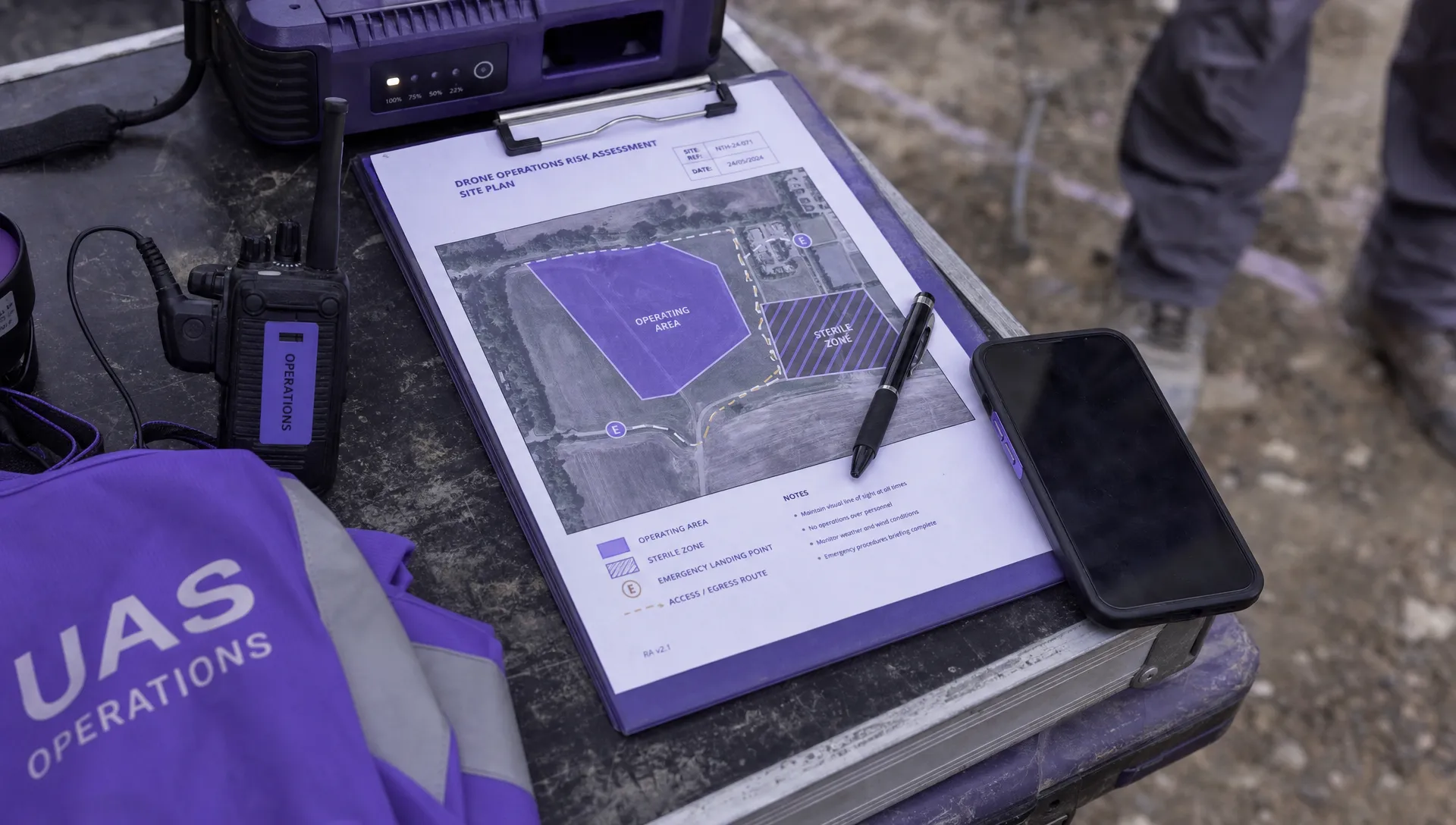 Drone Risk Assessment Controls That Work in the Field →
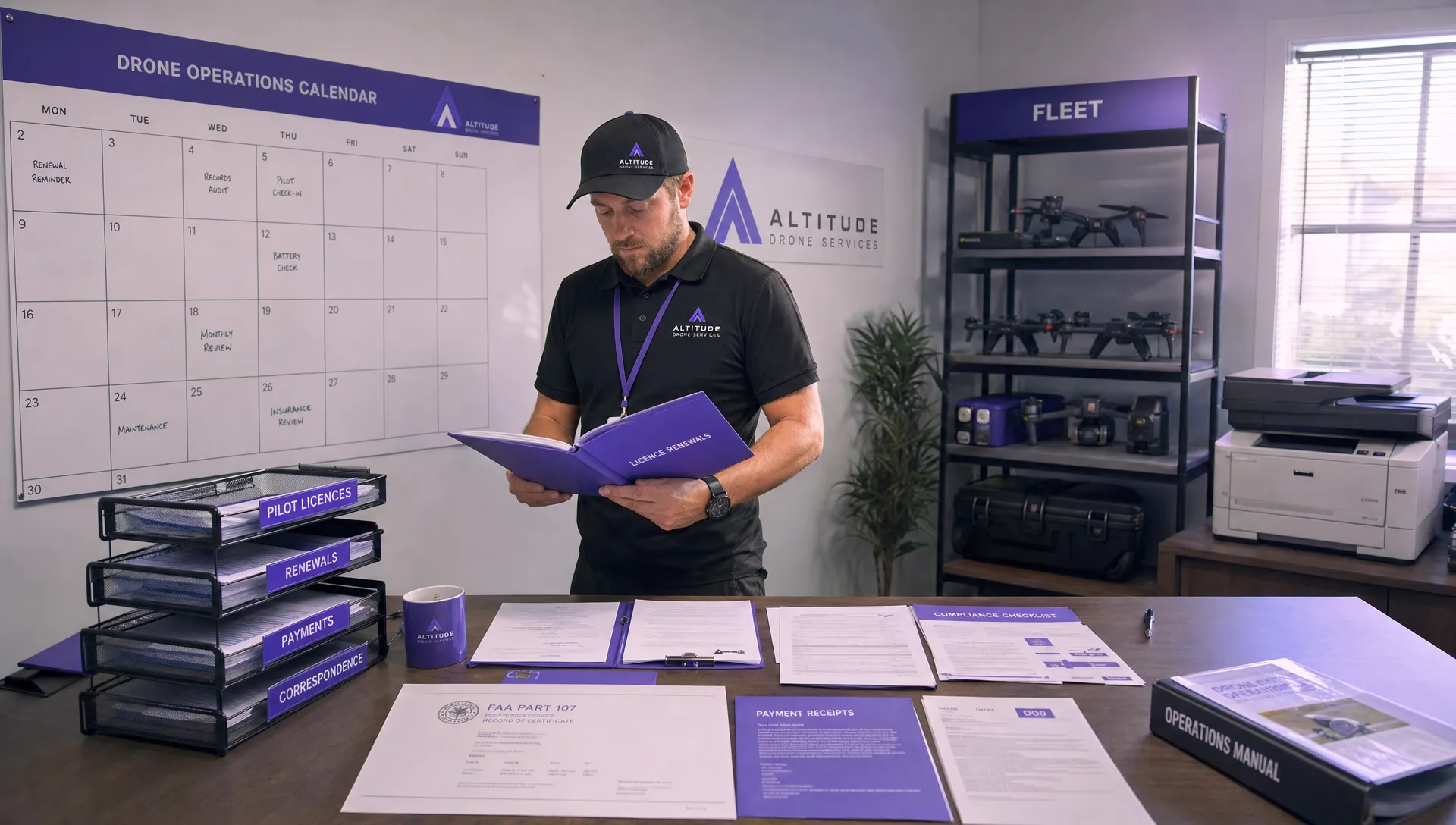 FAA Drone License Costs Beyond the Knowledge Test →
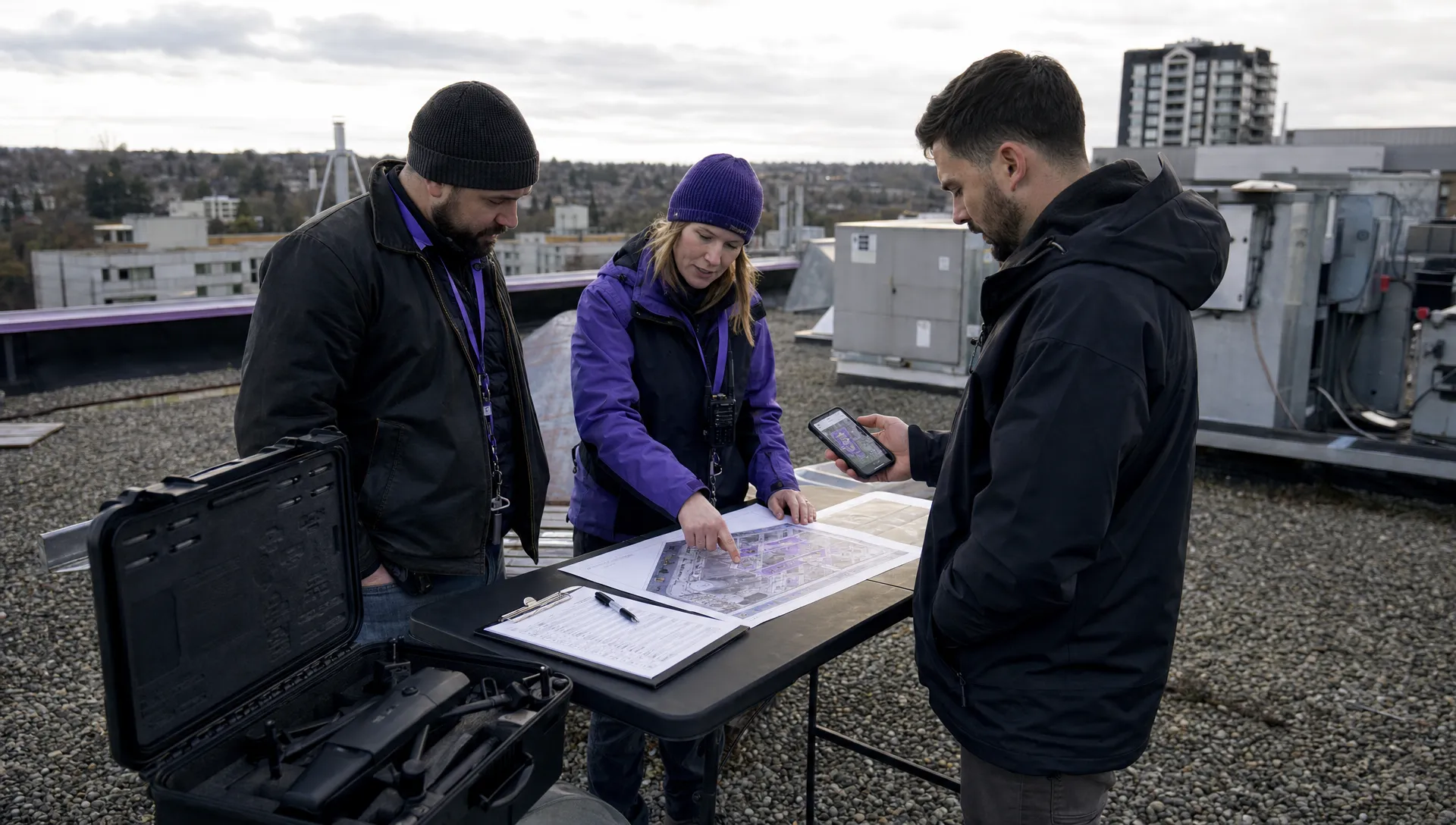 Drone Part 107 Operations: When a Waiver May Be Needed →
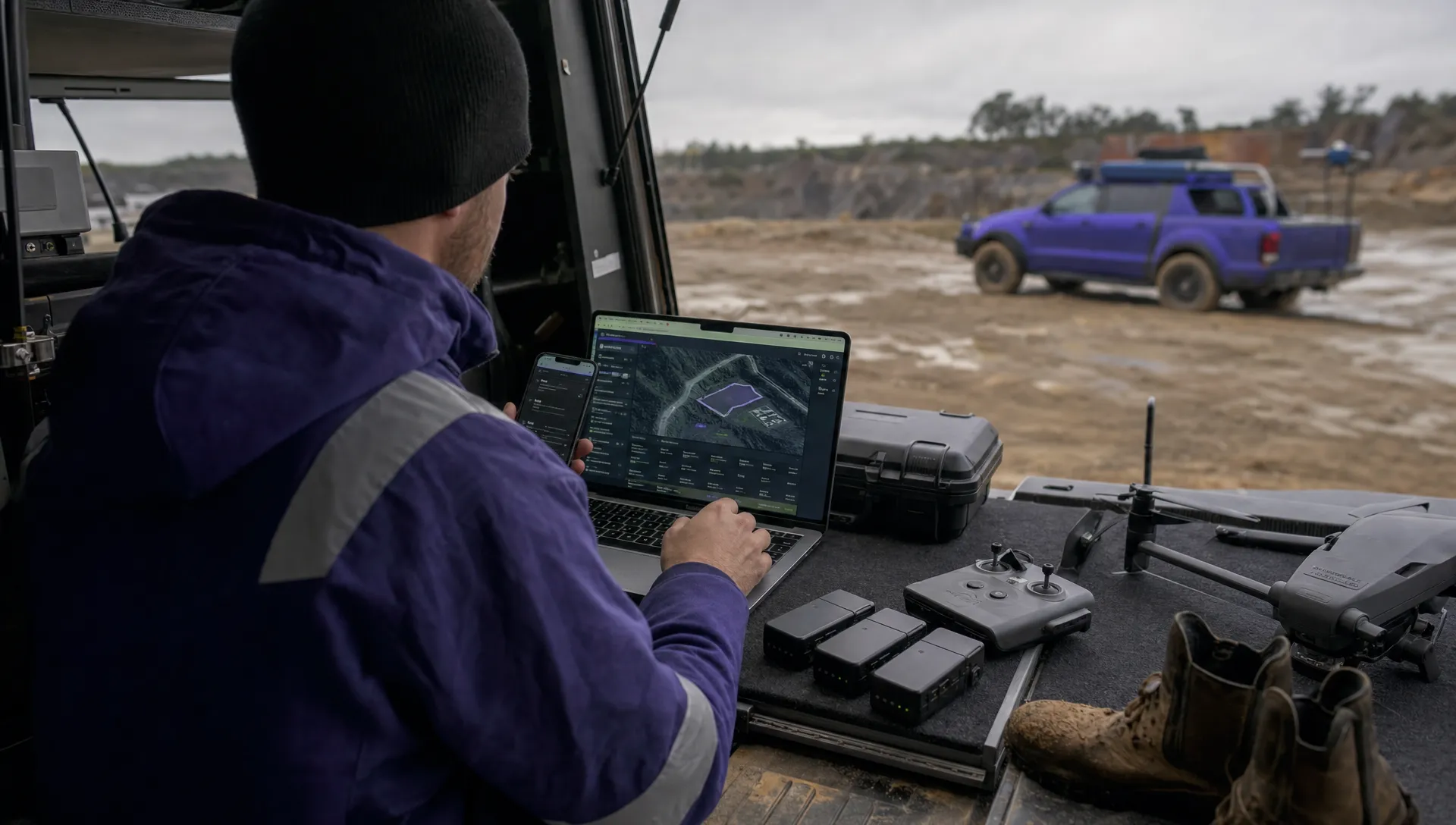 Drone Operating Rules for Managing Contractors and Employees →
 BVLOS Drone Requirements for Building a Safety Case →
 Drone Pilot Test Mistakes That Cost Candidates Marks →
 FAA 107 License vs Part 107 Certificate: What’s the Difference? →
 Drone Airport Rules: A Field Checklist for Site Assessments →
 FAA Part 107 Record-Keeping Rules for Commercial Teams →
 How to Review a DJI Flight Log After an Unexpected Event →