
How to Pass Your Drone Pilot License Test
If you searched for “drone pilot license test”, the first thing to know is that there is no single universal exam. The test you need depends on where you operate, what aircraft you fly, how close you fly to people, and whether your work falls into the Open, Specific or equivalent operational category.
What every good drone pilot exam has in common, however, is its purpose. It is not designed to catch you out with obscure rules. It is designed to prove that you can make safe, legal and well-documented decisions before, during and after a flight.
For professional operators, survey teams, utilities and emergency services, passing the test is only the start. The real goal is to build habits that stand up in live operations, client audits and regulator scrutiny. Here is how to prepare properly.
Start by choosing the right drone pilot licence route
Before you buy a course or start revising, confirm which licence, certificate or authorisation you actually need. In the UK, “licence” is often used casually, but the Civil Aviation Authority framework is based on registration, competence certificates and operational authorisations.
The CAA Drone and Model Aircraft Code is the best official starting point for UK rules. If you operate in the United States, the FAA’s guide to becoming a certificated remote pilot is the relevant official route.
| Route | Best suited to | What the test usually checks |
|---|---|---|
| UK Flyer ID | Basic Open category flying where a Flyer ID is required | Understanding of the Drone Code, safe distances, legal responsibilities and basic operating rules |
| A2 CofC | Open category operations in the A2 subcategory, subject to aircraft and distance rules | Air law, operating procedures, meteorology, flight performance and risk awareness |
| GVC | UK Specific category operations and applications for Operational Authorisation | More formal theory, operations manual knowledge, practical flight competence and risk management |
| FAA Part 107 | Commercial or non-recreational drone operations in the United States | Airspace, weather, regulations, loading, emergency procedures, crew resource management and aeronautical decision-making |
| EASA Open A1/A3 or A2 | Drone operations in many European states | Open category rules, operational limitations, safety procedures and A2 additional competence where applicable |
If you are a commercial operator in the UK, do not assume that “paid work” automatically means you need the same approval as every other business. Since the move to risk-based regulation, the category of operation matters more than whether money changes hands. A low-risk Open category job may need less formal approval than a complex flight near people, infrastructure or controlled airspace.
That said, clients in sectors like construction, utilities, policing, fire services, quarrying and surveying often expect evidence of competence, procedures, insurance, logs and risk assessments. So choose the minimum legal route, but prepare to operate above the minimum standard.
What the drone pilot license test is really testing
Most candidates revise facts. Successful candidates revise decisions.
Aviation exams test whether you can apply rules to a scenario. For example, you may not simply be asked what controlled airspace is. You may be shown a planned flight near an aerodrome, a temporary restriction, a road, a crowd, a railway or a congested area and asked what you should do next.
The core knowledge areas usually include:
- Air law and pilot responsibilities, including registration, permissions, privacy and legal operating limits.
- Airspace, NOTAMs and flight restrictions, including how to identify when additional permission is needed.
- Meteorology, especially wind, visibility, precipitation, temperature and how weather affects drone performance.
- Aircraft performance, batteries, payload, return-to-home behaviour, GNSS limitations and manufacturer limits.
- Human factors, including fatigue, distraction, pressure from clients and decision-making under stress.
- Operational planning, including site surveys, risk assessment, emergency planning and crew briefing.
- Incident response, including flyaways, lost link, battery warnings, people entering the operating area and aircraft defects.
Treat these as practical skills, not just revision headings. If you can explain how each topic changes your go or no-go decision, you are much closer to passing.
Build a study plan that mirrors real flights
A common mistake is to study the course notes once, take a few mock tests, then hope the real exam feels familiar. A better approach is to revise in the same order you would plan a real job.
Start with the regulatory framework. You need to know what category the flight falls into, who is responsible for the aircraft, what permissions may be required and what records should be kept. Then move to the operating environment, airspace, nearby hazards, people, property, roads, railways, utilities, livestock and emergency access.
After that, study the aircraft. Know its limits, maintenance status, firmware considerations, payload effect, wind tolerance and failsafe behaviour. Finally, revise the human side: crew roles, communication, fatigue, distractions, public interaction and the pressure to “just get the shot”.
A simple two-week plan works well for most candidates:
| Day range | Focus | Outcome |
|---|---|---|
| Days 1 to 2 | Read the official syllabus and regulator guidance | Understand the test scope and remove outdated assumptions |
| Days 3 to 5 | Study air law, operating categories and pilot responsibilities | Know what you can do, what you cannot do and when permission is needed |
| Days 6 to 7 | Practise airspace and map-based questions | Build confidence reading real operating environments |
| Days 8 to 9 | Revise weather, aircraft performance and batteries | Understand how conditions affect flight safety |
| Days 10 to 11 | Work through risk assessment and emergency scenarios | Practise operational decision-making, not just recall |
| Days 12 to 13 | Take mock exams and review every wrong answer | Find weak topics and fix the cause, not the symptom |
| Day 14 | Light review only | Arrive rested and confident rather than overloaded |
If you are studying for a GVC or other professional route, allow longer than two weeks if you are new to aviation. The theory is manageable, but you also need time to become fluent in operational planning and practical flight assessment standards.
Use mock exams the right way
Mock exams are useful, but only if you treat them as diagnostic tools. If you simply memorise answers, you may struggle when the real question is worded differently.
After every mock exam, create three categories: questions you knew confidently, questions you guessed correctly and questions you got wrong. The guessed-correctly category is the one many candidates ignore, but it is often where exam-day mistakes come from.
For each weak question, ask yourself why you missed it. Was it a knowledge gap, a misread question, a unit conversion issue, an airspace interpretation problem or a poor understanding of the scenario? Fixing the reason is far more valuable than re-reading the same paragraph repeatedly.
Pay particular attention to questions that include words such as “nearest”, “maximum”, “minimum”, “unless”, “must” and “should”. Drone exams often test the exact condition under which a rule applies.
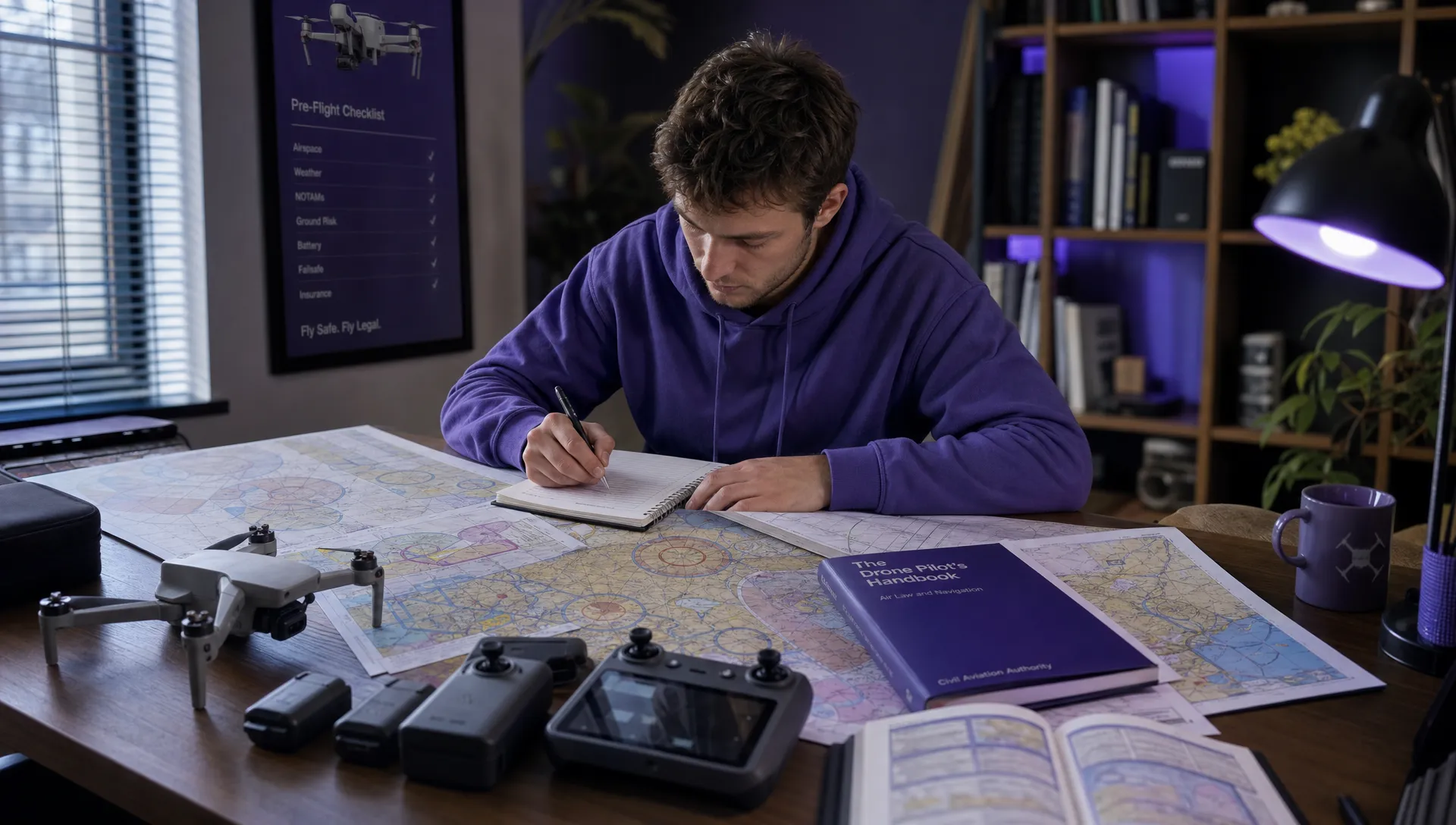
Prepare for the practical assessment, not just the theory
If your route includes a practical flight assessment, the examiner is not only watching how smoothly you fly. They are assessing whether you operate like a safe remote pilot in command.
That starts before the aircraft leaves the ground. You should be able to explain the job objective, the site, airspace considerations, ground hazards, weather limits, take-off and landing area, emergency procedures, crew roles and abort criteria. You should also be able to show that the aircraft is fit to fly and that the operation has been planned proportionately.
For professional operators, risk assessment is one of the most important habits to develop early. A weak risk assessment is often generic, copied from a previous job and disconnected from the actual site. A strong one identifies specific hazards, assesses who or what could be harmed, applies practical mitigations and makes the final decision clear. If this is an area you want to strengthen, Dronedesk has a detailed guide on how to build a drone flight risk assessment that works.
During the flight, expect to demonstrate controlled manoeuvres, situational awareness, safe positioning, communication and emergency response. If something changes, such as a person entering the area or the wind increasing, say what you are doing and why. Examiners are usually more impressed by safe decision-making than by flashy flying.
Practise with real operational scenarios
The best way to make theory stick is to build small planning exercises around realistic jobs.
For example, plan a roof inspection in a town centre, a linear infrastructure survey near a road, a search support flight for an emergency service, a quarry stockpile survey or a rural mapping job near an aerodrome traffic zone. For each scenario, decide what permissions may be needed, what the main hazards are and what would make you cancel.
This kind of practice helps because commercial drone work rarely happens in perfect textbook conditions. Clients may change the location, the weather may shift, members of the public may approach you, or a nearby helipad may affect your plan. The test rewards candidates who can think within the rules, not just recite them.
If you already work in a team, use short verbal briefings as practice. Explain the mission in two minutes, then ask a colleague to challenge your assumptions. What if the landing area becomes unavailable? What if the drone reports a compass error? What if the client asks for an extra shot outside the planned area? These conversations build the judgement that regulators and assessors want to see.
Avoid the mistakes that cause candidates to fail
Most failures come from avoidable habits. Candidates often know enough to pass, but lose marks because they rush, make assumptions or fail to apply their knowledge to the scenario.
| Mistake | Why it hurts | Better approach |
|---|---|---|
| Memorising sample answers | Real questions may use different wording | Learn the principle behind each answer |
| Ignoring airspace practice | Map and restriction questions can be scenario-heavy | Use real planning examples before the exam |
| Treating weather as a minor topic | Wind, visibility and temperature directly affect safety | Link weather to aircraft limits and go or no-go decisions |
| Using generic risk assessments | Practical assessments expect site-specific thinking | Identify actual hazards and practical mitigations |
| Overlooking human factors | Many incidents involve pressure, fatigue or distraction | Build personal minimums and clear abort criteria |
| Cramming the night before | Tired candidates misread questions | Use the final day for light review and rest |
One simple exam technique is to answer the question before looking at the options. This prevents a plausible but wrong answer from pulling you away from what you know. If two answers seem possible, return to the exact wording of the question and identify the safest legally compliant option.
Set up your admin before you pass
A passed test does not make an operation compliant by itself. You still need good records, clear procedures and reliable admin. This matters even more when you manage multiple pilots, aircraft, batteries, clients or sites.
At a minimum, professional operators should be ready to manage pilot competence, aircraft details, maintenance records, insurance information, flight plans, checklists, risk assessments, permissions, incident notes and flight logs. Spreadsheets may work for a single pilot at first, but they become harder to control as the operation grows. For teams building more structured processes, Dronedesk’s drone fleet management guide explains what to consider as operations scale.
Dronedesk is designed for drone operations management and includes features such as client management, fleet management, team management, airspace intelligence, proximity intelligence, flight planning, flight logging, data reporting, configurable checklists and risk assessments. You can review the full list on the Dronedesk features page.
Using an operations platform while you train can help you practise the workflow you will need after qualification: plan the job, check the site, assess the risk, brief the team, fly the mission and log the outcome.
What to do on test day
For a theory exam, arrive with the correct identification, know the exam format and avoid last-minute panic revision. Read every question slowly, especially scenario-based ones. If you are allowed to flag questions for review, answer the easy ones first, then return to the harder ones with more time and less pressure.
For a practical assessment, prepare as if it is a real client job. Charge batteries, update only what needs updating well in advance, check firmware and app access, bring spare equipment, confirm weather and airspace, and print or save any documents you may need. Do not rely on mobile signal at the site.
Most importantly, be willing to make a no-go decision. A remote pilot who can calmly explain why a flight should not proceed is demonstrating competence, not failure.
Frequently Asked Questions
Is the drone pilot license test hard? It is very manageable if you study the official material and practise scenario-based questions. Most candidates struggle when they memorise answers without understanding how the rules apply to real operations.
What is the best way to revise for a drone licence exam? Study the syllabus in operational order: rules first, then airspace, weather, aircraft performance, risk assessment, emergency procedures and human factors. Use mock exams to find weak areas, not just to chase a pass mark.
Do I need a drone licence for commercial work in the UK? Not always in the way people expect. UK requirements depend on the category and risk of the operation, not simply whether the flight is commercial. Check current CAA guidance and consider whether an A2 CofC, GVC or Operational Authorisation is appropriate for your work.
How long should I study before taking the test? For a basic online test, a few focused study sessions may be enough if you understand the rules. For A2 CofC, GVC or professional assessments, allow more time so you can practise applying the knowledge to real flight scenarios.
What should I bring to a practical drone assessment? Bring the aircraft, controller, charged batteries, spares, identification, relevant documents, site planning notes, risk assessment, checklists and any evidence requested by your training provider or assessor. Confirm the exact requirements before assessment day.
Can operations software help me pass? Software will not replace studying, but it can help you practise professional workflows such as flight planning, risk assessment, checklists and flight logging. That is especially useful if your assessment or future work involves structured operational procedures.
Build the habits that make passing easier
Passing your drone pilot license test is not about becoming an expert overnight. It is about proving that you understand the rules, can manage risk and can make safe decisions under real-world conditions.
If you are preparing for professional drone work, start building those habits now. Plan every practice flight properly, document your decisions and review what you could improve.
Dronedesk helps operators manage the admin around safer, more organised drone operations, from planning and risk assessments to checklists, logging and reporting. When you are ready to move from exam preparation to repeatable professional workflows, explore Dronedesk and build the operational discipline clients and regulators expect.
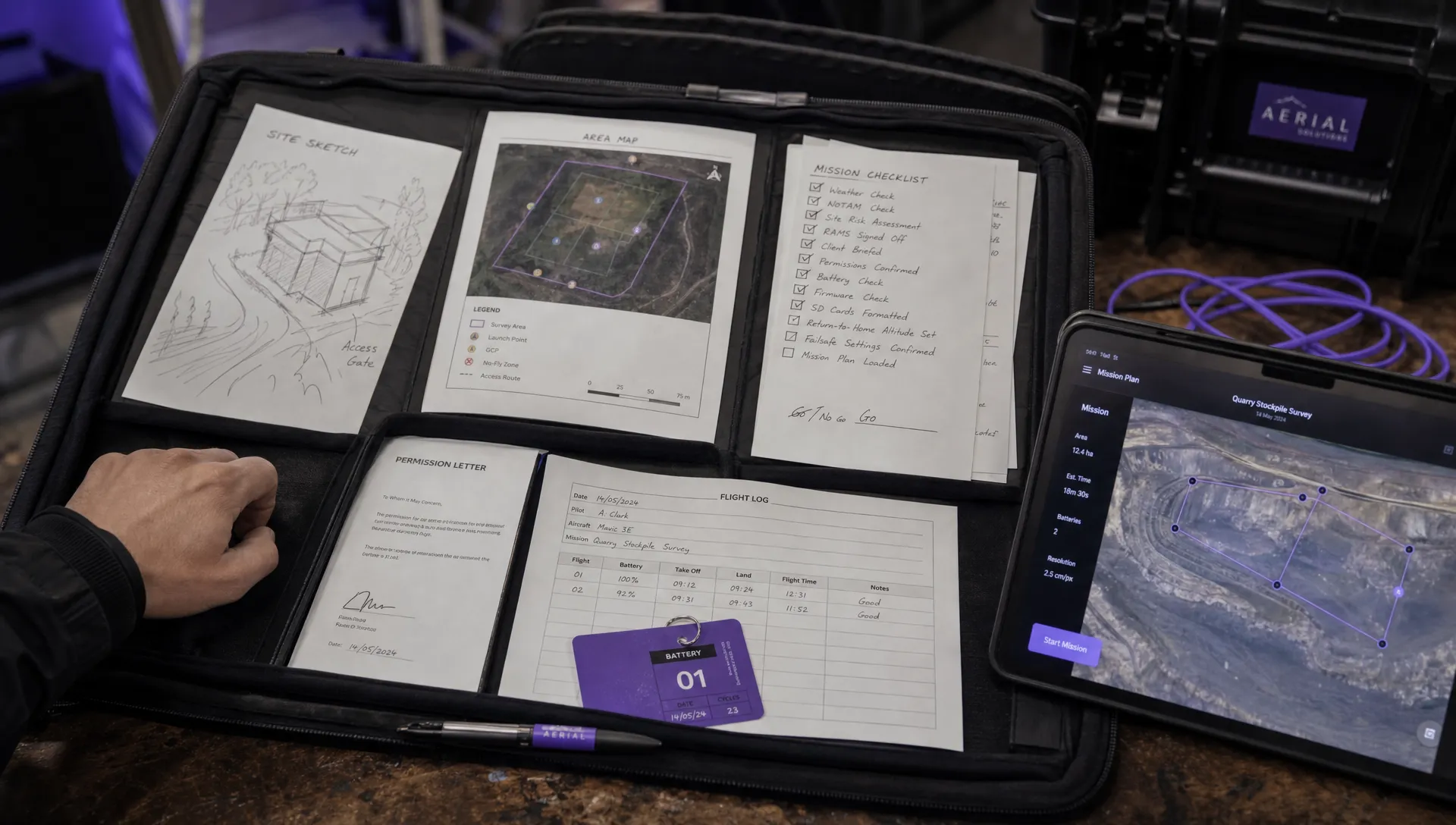 How to Create a Drone Job Pack for Every Mission →
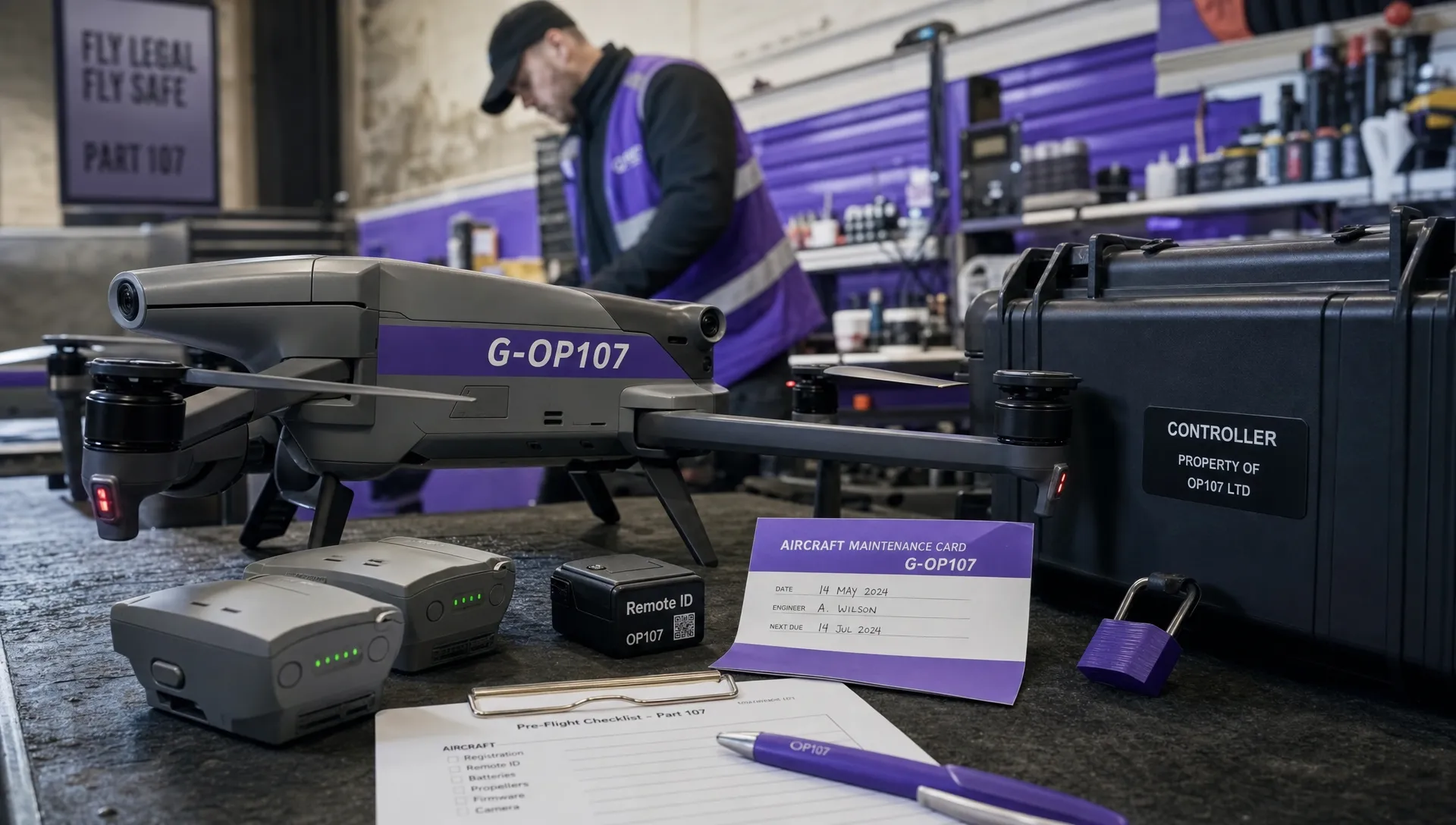 FAA Small UAS Rule: Key Requirements for Operators →
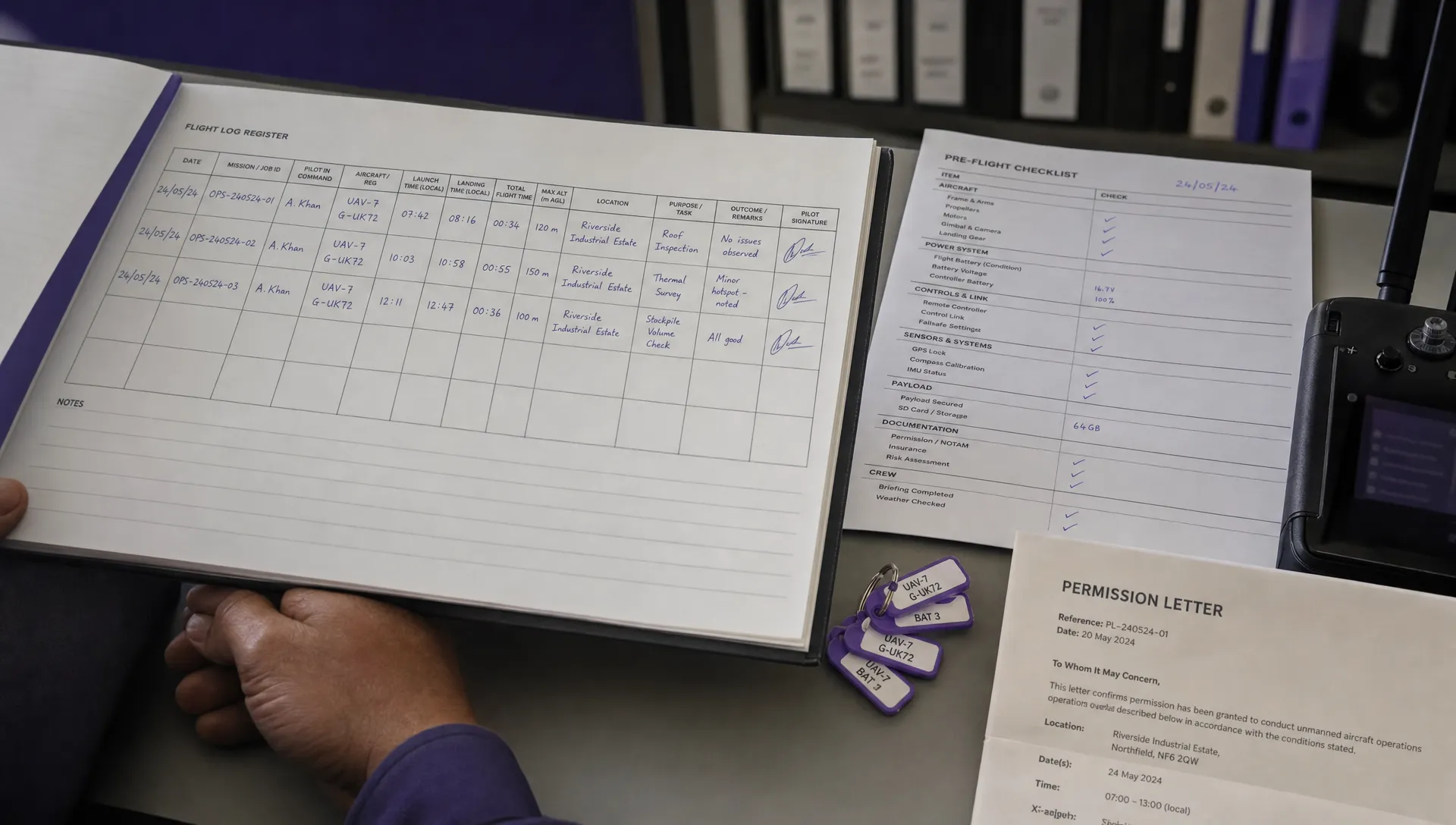 How to Build a Drone Pilot Flight Log That Is Audit Ready →
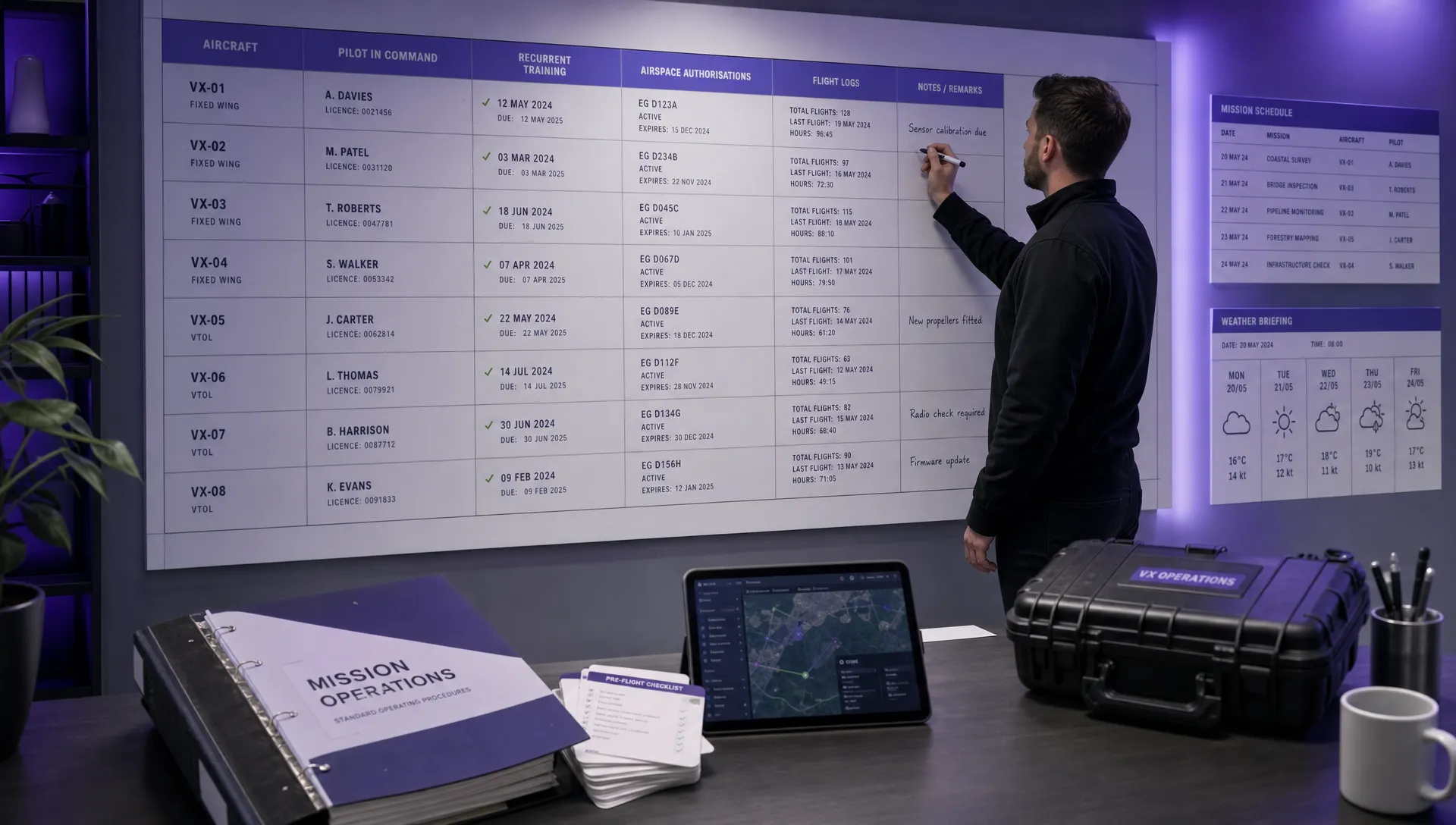 FAA Drone Licence Requirements for Commercial Pilots →
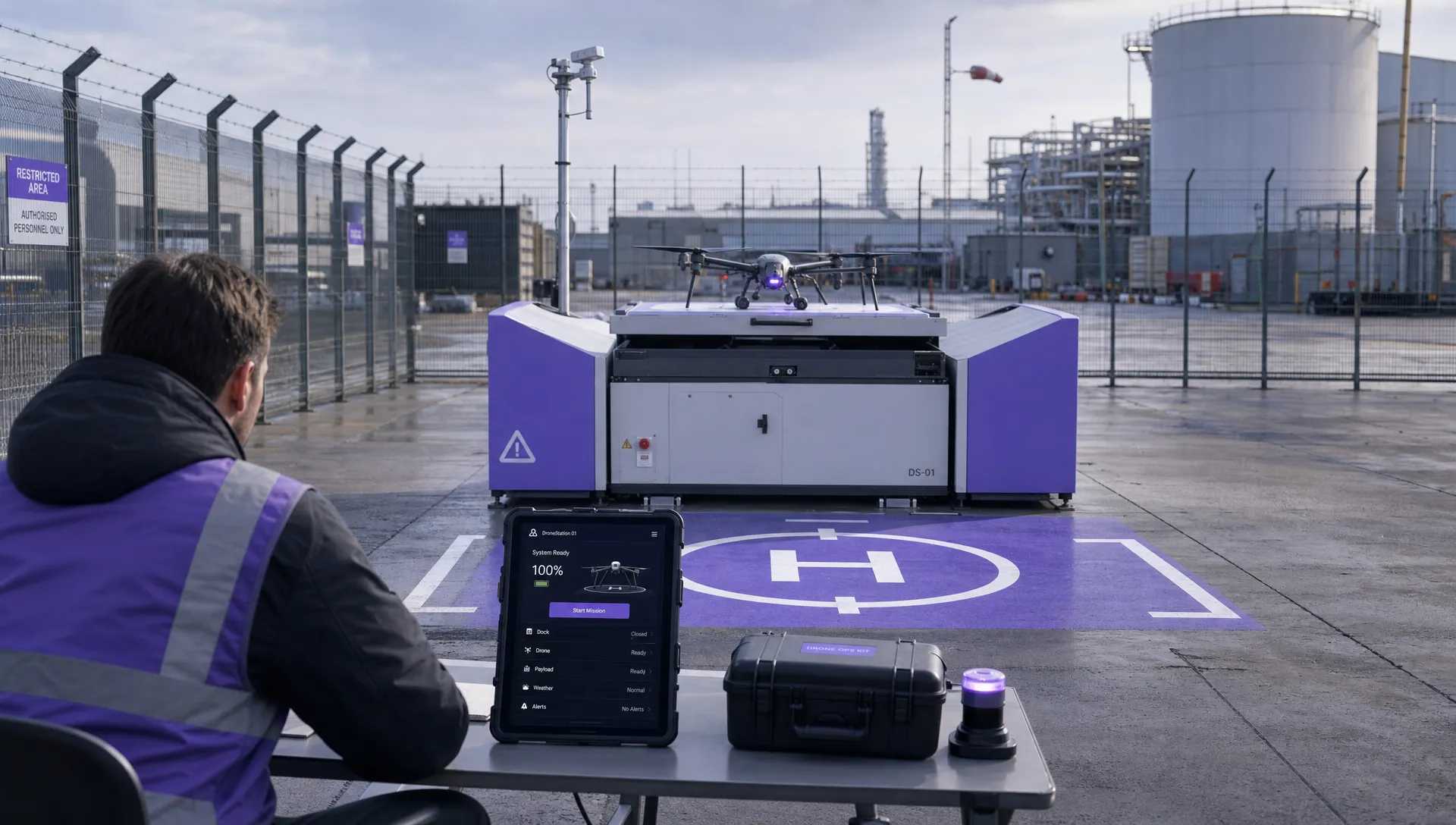 FAA BVLOS Waivers Granted: What Successful Cases Show →
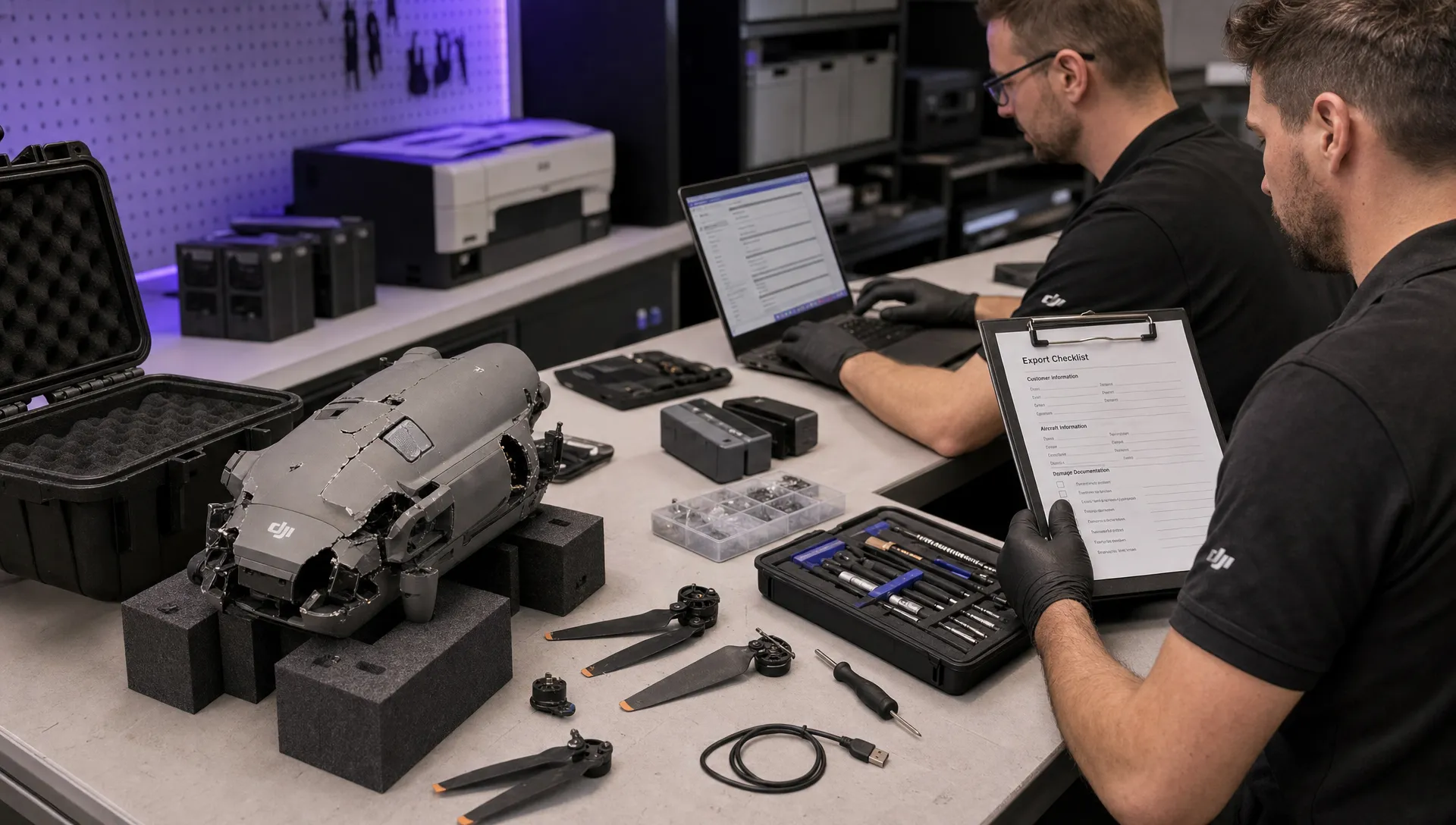 How to Export DJI Flight Logs for Incident Reviews →
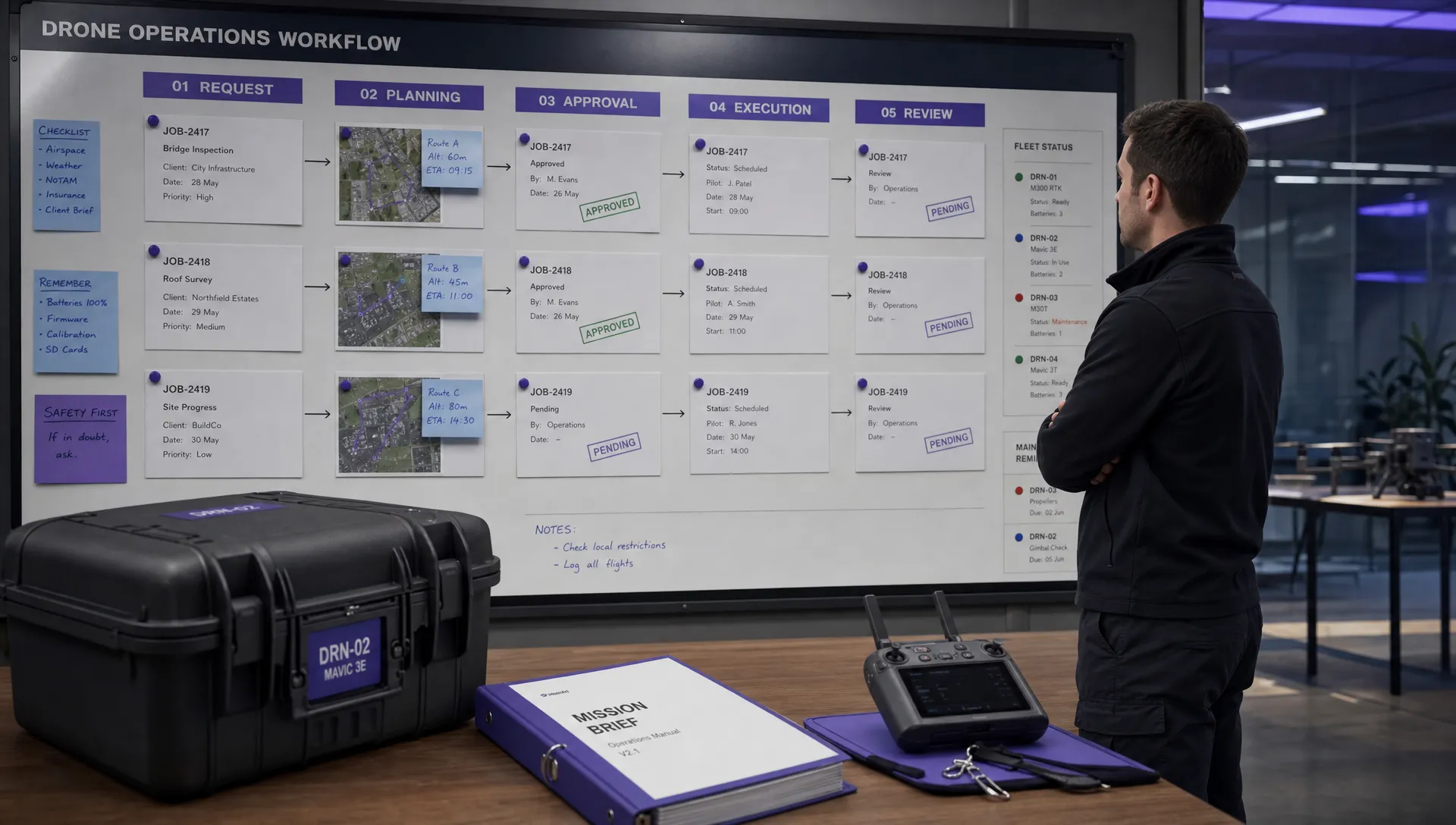 Drone Safety and Legal Duties for Business Operations →
 EASA Drone Regulations: Open, Specific and Certified Categories →
 What the BVLOS ARC Report Means for UAS Operators →
 Free Drone Pre-Flight Checklist for Commercial Missions →