
Flight logbook online - Streamline Your Pilot Workflow
Let's be honest, staring at a stack of paper flight logs feels like a relic from a bygone era—because it is. For any serious drone pilot today, making the switch to a flight logbook online isn't just about convenience. It’s about survival. You're not just digitizing a chore; you're upgrading your entire operation from a static, error-prone notebook to a dynamic intelligence hub.
Why Paper Logbooks Just Don't Fly Anymore
Think of a paper logbook like an old-school accountant's ledger. Sure, it gets the job done, but it’s painfully slow, riddled with potential human error, and completely siloed from the rest of your business. Every single flight is a manual entry, every calculation is done by hand, and digging up specific info means flipping through endless pages.
An online flight logbook, on the other hand, is like modern accounting software. It pulls in data automatically, syncs everywhere you need it, and gives you insights in an instant. This isn't just a minor tweak; it's a fundamental shift in how you manage your most critical operational data.
The Real-World Risks of Sticking to Paper
The problems with paper logs aren't just small annoyances. They introduce serious risks that can ground a professional drone operation for good. These are genuine points of failure that digital systems are specifically designed to eliminate.
- Data Loss and Damage: A spilled coffee, a misplaced notebook, or a single torn page can instantly wipe out months—or even years—of legally required flight history.
- Audit Nightmares: When the authorities come knocking, messy handwriting or inconsistent entries can turn a routine compliance check into a full-blown crisis. Trying to prove your flight hours and maintenance history becomes a frantic scavenger hunt.
- Crippling Inefficiency: Manually adding up total flight hours, tracking pilot currency, or calculating maintenance intervals is a tedious grind that’s just begging for mistakes. This admin headache eats up time that you should be spending on flying and making money.
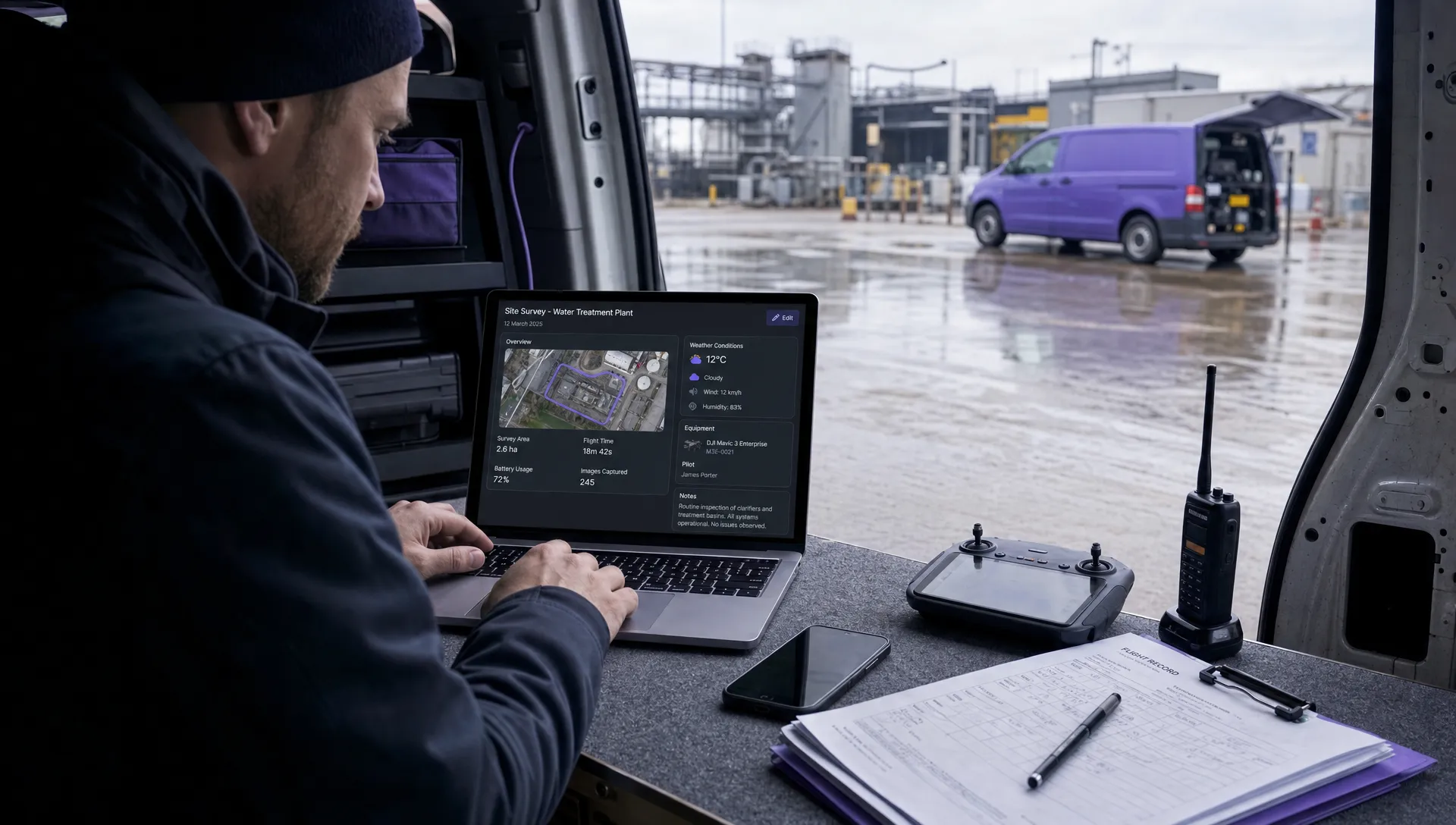
Just take a look at the Dronedesk dashboard. It pulls all your critical flight data into one clean view.
This kind of interface instantly shows you the power of a digital system, where your most important metrics are right there at a glance.
The core problem with paper is that it’s a static, isolated record. It can tell you what you’ve done, but it offers zero help in planning what you should do next or how you can operate more safely and efficiently.
The entire industry is moving in this direction, and for good reason. The electronic logbook market is on track to hit USD 2.2 billion by 2025, a surge driven by huge efficiency gains. Airlines that mandated digital logs saw the time spent on logging cut by 50%, while manual entry errors dropped from a shocking 12% to under 2%. You can learn more about the market trends for online pilot logbooks right here on the Dronedesk blog. This isn't a fad; it's a recognition that solid, reliable data is the foundation of safe aviation.
Ultimately, clinging to paper is like using a paper map when you have a GPS in your pocket. While traditional flying log books had their day, the advantages of a modern online platform—in security, accessibility, and analytical power—are simply too big for any serious operator to ignore.
What Makes a Great Digital Logbook?
Moving from a paper logbook to a flight logbook online is a massive step up, but let's be honest—not all digital options are the same. Some are just glorified spreadsheets, while others can act as a genuine command centre for your entire drone operation. Knowing what separates a basic app from a true operational tool is the key to picking a system that actually solves problems instead of just digitizing an old, clunky workflow.
A professional-grade digital logbook is built around features designed to improve safety, lock down compliance, and make you more efficient. These aren't just flashy extras; they’re essential components that give you a complete picture of your operations. Let's break down the non-negotiable features you should be looking for.
Automated Flight Data Synchronization
Without a doubt, the single biggest time-saver is automatic data syncing. Manually typing in flight times, locations, and drone details after every single job is not only mind-numbing but also a recipe for mistakes. One wrong number can throw off your entire maintenance schedule or cause a major headache during an audit.
The best platforms fix this by talking directly to your drone. A system with DJI integration, for example, can automatically pull detailed flight records from the DJI cloud the second your drone touches down.
- No More Manual Entry: Say goodbye to sore thumbs and typos. Every flight is captured perfectly without you having to do a thing.
- Rich Metadata Capture: It’s not just about flight time. This sync grabs all the important details like GPS coordinates, altitude data, and exact timestamps.
- Guaranteed Consistency: Automatic logging means every mission is recorded in the same, clean format, making your entire flight history easy to search and analyse.
This one feature alone turns logging from a post-flight chore into something that just happens in the background, letting you focus on the actual mission.
One-Click Compliance Reporting
The thought of an audit from the FAA or EASA is enough to make any operator sweat, especially if your records are a mess. A top-tier online logbook transforms this potential nightmare into a simple, stress-free task by generating audit-ready reports with a single click.
Instead of spending hours digging through paperwork and spreadsheets, you can instantly produce detailed summaries formatted for specific regulatory needs. This includes pilot flight hours, aircraft maintenance histories, and mission-specific data that proves you’re flying by the book (like Part 107 in the US).
Think of a professional online logbook as your digital legal counsel. It meticulously organises every piece of evidence you need to prove compliance, ensuring you’re always ready for an audit and can demonstrate your professionalism at a moment's notice.
This flowchart really highlights the different risks involved when you rely on a cloud-based system versus sticking with old-school paper methods.

As you can see, online systems are built for security and easy access, while paper logs come with the built-in risks of being lost, damaged, or just plain incomplete when you need them most.
Integrated Fleet and Team Management
If your operation involves more than one drone or one pilot, this is an absolute must-have. A basic logbook tracks flights. A high-performance system manages your entire operation. You need a central dashboard where you can see every asset and team member at a glance.
Fleet management tools let you track total flight hours for each drone, monitor the health of your batteries, and even set up automatic reminders for scheduled maintenance. This proactive approach helps you catch problems before they happen, preventing expensive repairs and keeping your gear in the air longer.
At the same time, team management features give you a clear overview of your pilots. You can track their individual flight hours, make sure they’re meeting currency requirements, and keep all their certifications in one place. It’s the easiest way to ensure your entire team is compliant and ready for any job.
Essential Online Logbook Features vs Traditional Paper Logs
When you put them side-by-side, the advantages of a modern digital system become crystal clear. It's not just about convenience; it's about running a smarter, safer, and more professional operation.
| Feature | Online Flight Logbook | Traditional Paper Logbook |
|---|---|---|
| Data Entry | Automated sync from DJI cloud; minimal manual input needed. | 100% manual entry for every flight; prone to human error. |
| Compliance | One-click, audit-ready reports for FAA, EASA, etc. | Manual compilation of data, which is time-consuming. |
| Fleet Tracking | Real-time monitoring of aircraft hours & maintenance schedules. | Manual tracking in separate logs; easy to miss things. |
| Accessibility | Secure cloud access from any device, anywhere, with offline sync. | Physical book must be present; risk of loss or damage. |
Ultimately, choosing a flight logbook online with these core features means you’re investing in a system that doesn't just record your past—it actively helps you build a safer and more profitable future.
Mastering Compliance and Audit Preparedness
In the world of professional aviation, your logbook is far more than a simple record of your flights. Think of it as your primary legal defense, your operational black box, and the ultimate proof of your professionalism. Switching to a flight logbook online turns this critical document from a source of anxiety into your single greatest asset for staying compliant and perpetually audit-ready.
Picture this: a routine ramp check by a CAA or FAA inspector. With a paper logbook, that often means a frantic search through a binder, praying every entry is legible and every calculation is spot on. With a digital system, you can pull up a complete, immaculate record on your phone or tablet in seconds, showing total control and airtight adherence to regulations.
This instant accessibility isn't just convenient; it’s a powerful statement. It shows authorities you take compliance seriously and have robust systems in place to manage it effectively.

From Anxiety to Automation
The real magic of a modern online logbook is how it shifts compliance from a reactive, manual chore into a streamlined, automated part of your daily workflow. The best platforms are built around specific regulations like FAA Part 107, making sure the data you need is captured automatically and accurately from the get-go.
This isn't just a minor tweak; it's a massive industry shift. The global logbook software market, valued at USD 1.5 billion in 2023, is on track to more than double to USD 3.2 billion by 2032. This growth is fueled by tangible results: in logistics, online logbooks are proven to slash manual errors by up to 40%. FAA mandates for electronic logging post-2010 cut audit times from weeks to hours, and today, over 70% of commercial fleets in the U.S. rely on these digital systems. You can read more about the evolution of the global logbook software market and its impact.
This automation covers several crucial areas:
- Automatic Data Capture: Essential details like flight duration, location, and aircraft used are logged without you lifting a finger, wiping out manual errors.
- Regulatory Templates: Platforms generate reports formatted specifically for bodies like the CAA or FAA, so you provide exactly what they need, every time.
- Immutable Records: Digital entries are timestamped and secure, creating a tamper-proof history that stands up to the toughest scrutiny.
Navigating a Post-Incident Investigation
The true value of an online flight logbook really hits home in the unfortunate event of an incident or accident. After something goes wrong, investigators will meticulously review every aspect of the operation, and your records will be front and centre.
A disorganised or incomplete paper logbook can create ambiguity and suspicion, muddying the waters and complicating the investigation. A detailed digital record, on the other hand, provides a clear, chronological account of your actions.
An online logbook serves as your impartial witness. It presents a factual, data-driven narrative of your flight history, pilot qualifications, and maintenance activities, leaving no room for doubt about your commitment to safe and compliant operations.
In a high-stakes scenario like this, having immediate access to the following data is non-negotiable:
- Pilot Currency and Qualifications: Instantly prove the pilot was certified and current for that specific operation.
- Aircraft Maintenance History: Provide a complete, auditable trail of all maintenance, inspections, and repairs performed on the drone.
- Pre-Flight Checklist Completion: Show timestamped proof that all required safety checks were completed before takeoff.
- Mission-Specific Flight Data: Present detailed telemetry and location data for the flight in question.
The Foundation of a Proactive Safety Culture
At the end of the day, mastering compliance is about more than just passing an audit. It’s about building a proactive safety culture where best practices are baked into your workflow. A flight logbook online makes this happen by making the right way to operate the easiest way.
When compliance is automated, you and your team can focus on the mission at hand, confident that your records are secure, accurate, and always accessible. This transforms compliance from a burden into a competitive advantage, proving to clients and regulators alike that your operation is built on a rock-solid foundation of professionalism and safety.
Weaving Your Logbook into Daily Drone Operations
A powerful online flight logbook shouldn't feel like just another piece of software you have to manage. Think of it more as the central nervous system for your entire drone workflow. To really get the most out of it, the logbook has to blend seamlessly into your daily operations, acting as a hub that connects planning, flying, and reporting. The goal is to build an efficient system where data flows automatically, saving time and cutting out the friction at every step.
For operators used to paper or spreadsheets, making the switch can feel like a big leap. The biggest worry is often losing a valuable flight history built up over years. But modern platforms are designed to make this migration process straightforward and painless, ensuring you get a clean and complete transfer of all your records.
Migrating Your Flight History Without Losing Data
Making the switch absolutely does not mean starting from scratch. Today’s online logbook platforms give you a few simple ways to bring your past flight data into its new digital home. The best method really just depends on how you've been tracking your hours up until now.
-
Spreadsheet Imports: If you've been using Excel or Google Sheets, this is by far the easiest route. Most professional platforms let you import a CSV file. You just need to format your existing spreadsheet to match the platform's template, upload it, and your entire flight history populates in a matter of seconds.
-
Summary Entries: For those coming from paper logbooks, don't worry—you don't have to transcribe every single flight. The standard practice is to create a single "catch-up" entry. In this one entry, you'll record your total historical flight hours, total hours per aircraft type, and any other key metrics. This sets your baseline and lets you move forward with digital logging for all new flights.
Once your historical data is in place, you can start to feel the real power of a connected system. A great online logbook doesn't just sit there storing information; it actively communicates with the other tools you rely on every day.
Your online logbook should function like a universal adapter, allowing different parts of your business—from project management to invoicing—to plug into a single, reliable source of flight data. This connectivity is what transforms it from a simple record into an operational powerhouse.
Building a Connected Operational Hub
True efficiency comes from integration. When you connect your flight logbook to your other software, you create an automated workflow that slashes your admin work. This allows critical information to move between systems without you having to lift a finger.
Think about these powerful connections:
-
Manufacturer Ecosystems (DJI Sync): This is the most fundamental integration. By linking your logbook directly to the DJI cloud, every flight gets logged automatically with detailed telemetry. This completely removes the need for manual data entry and ensures your records are always 100% accurate and up-to-date.
-
Project Management Tools: Imagine connecting your logbook to platforms like Trello or Asana. When a flight for a specific project is completed, the flight hours and relevant notes can automatically pop up on the project card. This keeps clients and team members in the loop without you sending a single email.
-
Accounting Software: Link your logbook to invoicing tools like QuickBooks or Xero. Flight hours logged for a client can automatically generate draft invoices, making sure you bill accurately for every minute of airtime. It completely closes the gap between your operations and your finances.
By weaving your flight logbook online into the fabric of your daily operations, you do more than just digitize a record. You create a smart, interconnected system that minimizes administrative drag and maximizes your time in the air. For a deeper look, check out our guide on how automated flight logging can save drone teams hours every week.
Turning Flight Data into Business Intelligence
Your flight logbook online is so much more than a record of where you've been; it’s a powerful tool for figuring out where your business is going. Once you’ve got your flight data flowing automatically into a central hub, you can stop thinking about logging as a chore for compliance. Instead, start seeing it for what it really is: a goldmine of strategic insight.
This is the point where you graduate from simply counting flight hours to turning raw data into real, actionable business intelligence. It’s all about spotting the Key Performance Indicators (KPIs) that actually measure the health and efficiency of your drone operations. A good online logbook gives you everything you need to track these metrics, transforming a dusty old history book into a dynamic dashboard for growth.
That's a level of awareness that paper logs could never, ever provide.

From Simple Logs to Strategic KPIs
To kick things off, focus on the numbers that connect your flying directly to your bottom line. These KPIs help you understand not just what you flew, but how effectively you flew it. It’s a shift in mindset from being a pilot to being a business owner.
Here are a few of the most impactful KPIs you can start tracking:
- Cost-Per-Flight-Hour: Tally up the total operational cost of a drone—think maintenance, insurance, batteries—and divide it by its flight hours. This number reveals the true expense of your gear and helps you price your jobs with pinpoint accuracy.
- Pilot Efficiency by Mission Type: How many hours do different pilots log for similar jobs, like a roof inspection versus a sprawling agricultural survey? This can shine a light on who your specialists are or where a bit of extra training might be needed.
- Asset Utilization Rate: This is a simple one: how often is each drone actually flying versus collecting dust on a shelf? A low utilization rate might mean it’s time to sell some underused equipment or get more aggressive with your marketing.
By tracking these operational metrics, your online logbook becomes a crystal ball for your business. It allows you to spot trends, predict future needs, and make data-driven decisions that improve profitability and reduce risk.
The industry behind this kind of data analysis is absolutely booming. Flight data monitoring (FDM), a field closely tied to online logbooks, is on track to become a USD 5.82 billion market by 2025. Drone operators are the fastest-growing part of this, with over 5 million commercial drone flights logged each year in the U.S. alone for things like logistics.
These platforms are essential for securing insurance, providing auditable records of battery life cycles (which typically last around 300 flights), and keeping precise GPS tracks of every single mission.
Predictive Maintenance and Resource Planning
One of the most valuable things you can do with all this data is get ahead of maintenance. Instead of waiting for a component to fail mid-job—which is always a disaster—your logbook can help you see problems coming before they ground your operations. It’s a huge leap from reactive, calendar-based service schedules.
Think about these practical examples:
- Battery Cycle Forecasting: Your online logbook automatically counts every charge cycle for every battery in your fleet. By looking at this data, you can accurately predict when a battery is getting close to the end of its reliable life and order replacements before you have a failure in the field.
- Component Wear Analysis: By connecting flight hours with the specific conditions you were flying in (like high winds or dusty construction sites), you can spot patterns that cause faster wear on things like motors or propellers. This allows you to tweak your inspection schedules to match reality.
This data-driven approach goes way beyond just maintenance. By analyzing your logs, you can identify which projects and clients are actually your most profitable, helping you aim your sales and marketing efforts where they’ll have the biggest impact. For a deeper dive into this topic, check out our complete guide on professional flight data analysis to unlock even more from your logs.
Ultimately, turning your flight logbook online into a business intelligence tool is all about asking the right questions. With all your data finally in one place, you have the power to find the answers.
How to Choose the Right Online Logbook Platform
Picking the perfect online flight logbook can feel like a chore, but it doesn't have to be. If you know what to look for, the process gets a whole lot simpler. Forget the marketing fluff and endless feature lists for a moment and focus on what actually makes a difference in your day-to-day work. The right platform should feel less like another piece of software you have to wrestle with and more like a dependable copilot.
First things first, look at the user interface. A slick design is nice, but an intuitive one is absolutely critical, especially when you're out in the field. Can you log a flight, run through a checklist, or check airspace on your phone with just a couple of taps? If the app is cluttered or makes you jump through hoops, it’s going to be a real headache on a busy job site.
Core Capabilities for Professional Operators
Next up, you need to dig into the platform's core features. A lot of professional drone work happens in places with dodgy or non-existent signal. That makes solid offline functionality a complete deal-breaker. Your app has to let you get all your critical tasks done without an internet connection and then reliably sync everything up once you're back online.
You also need to think about where your business is heading. A tool that's fine for a solo pilot might completely fall apart as you bring on more people and aircraft. Look for features that let you scale:
- Fleet Management: How easy is it to track maintenance schedules and flight hours across multiple drones?
- Team Collaboration: Can you manage pilot qualifications, assign jobs, and review your team's flight logs from one central place?
- Data Export: Is your data locked in, or can you easily pull it out if you ever need to switch platforms or run your own analysis?
Think of your chosen platform as a long-term investment in your operational efficiency. You need a system that not only solves today’s problems but is flexible enough to grow with you, whether that means adding more drones, more pilots, or entirely new services down the line.
Evaluating Support and Long-Term Value
Finally, don't underestimate the importance of good customer support. When you’ve got a pressing compliance question or run into a technical glitch, you need a support team that actually gets the pressures of professional drone operations. Look for providers who offer quick, knowledgeable help from real people.
For example, a platform like Dronedesk is built from the ground up for drone pros, blending an easy-to-use field app with powerful tools for managing your fleet and staying compliant. By using this kind of framework to weigh your options, you can confidently pick an online flight logbook that truly fits your budget, workflow, and future goals, turning it into a genuine asset for your business.
Your Questions Answered
Making the leap to a digital flight logbook is a big step, and it's totally normal to have a few questions buzzing around. Pilots often ask about the legal side of things, how to handle old paper records, and what happens when you’re off-grid. Let's tackle those head-on.
We'll cut through the noise and give you straight answers to the most common queries we hear. The goal is to show you exactly how a professional platform works in the real world, so you can feel confident about making the switch.
Are Digital Logbooks Legally Accepted?
This is the big one: do aviation authorities like the FAA and EASA actually accept digital records? The answer is a clear and simple yes.
Aviation authorities are fully on board with digital logbooks, as long as the platform creates a permanent, accurate, and unchangeable record of your flight history. Professional-grade platforms are designed from the ground up to meet these tough standards, making your digital entries just as valid—and a whole lot more secure—than old-school ink on paper.
Transferring Your Old Paper Records
The thought of typing up years of handwritten logs is enough to give anyone a headache. Don't worry, you don't have to. The best online logbook platforms make this a quick and painless process.
- If you're using spreadsheets: Got your logs in Excel or something similar? Most platforms let you import a simple CSV file. Your entire flight history can be transferred in minutes.
- If you're using paper logs: The standard approach is to create one single summary entry. You just log your total historical flight hours to set a baseline, and from that point on, every new flight is logged digitally.
It's a small, one-time task that pays for itself immediately in time saved and better accuracy on every flight going forward.
What About Internet Connectivity in the Field?
It's a fair question. What happens when you’re on a remote job and the internet connection drops? This is exactly why any professional flight logbook online has to have solid offline capabilities.
The top systems come with mobile apps that work perfectly without a signal. You can log your flights, run through checklists, and record maintenance notes right on your phone or tablet. The app keeps all that data safe and then automatically syncs it to the cloud the moment you're back online, ensuring nothing ever gets lost.
After addressing common questions about online flight logbooks, you might also be interested in exploring a broader collection of frequently asked questions for more general inquiries.
Ready to upgrade your operations with a flight logbook online that’s built for professionals? Join thousands of pilots who trust Dronedesk to streamline their workflow, master compliance, and turn flight data into business intelligence. Start your free trial today and see the difference for yourself.
 Drone Airspace Rules: How to Document Your Site Checks →
 How to Evaluate a Free Drone Logbook Before Using It →
 FAA Part 107 Test: How to Master Airspace Questions →
 Drone Risk Assessment Controls That Work in the Field →
 FAA Drone License Costs Beyond the Knowledge Test →
 Drone Part 107 Operations: When a Waiver May Be Needed →
 Drone Operating Rules for Managing Contractors and Employees →
 BVLOS Drone Requirements for Building a Safety Case →
 Drone Pilot Test Mistakes That Cost Candidates Marks →
 FAA 107 License vs Part 107 Certificate: What’s the Difference? →