
Your fleet maintenance manager - Guide to Drone Fleet Upkeep
At the heart of any serious drone program, you’ll find a drone fleet maintenance manager. This isn't just a fancy title; they're the strategic command center for the entire fleet's health, safety, and compliance. Their work directly ensures every drone is ready for its mission, which has a massive impact on your operational efficiency and, ultimately, your return on investment.
What Does a Drone Fleet Maintenance Manager Do?
It’s easy to think of this role as a glorified mechanic, but that misses the point entirely. A better analogy is an air traffic controller for asset health. While a mechanic is there to fix what’s broken, the fleet maintenance manager is tasked with building a system that stops things from breaking in the first place. Their main job is to shift the entire operation from a reactive, "fix-it-when-it-fails" model to a proactive, predictive maintenance strategy.
This shift is a game-changer. A grounded drone isn't just a piece of idle hardware; it represents lost revenue, a delayed project, and a potential safety headache. The manager's core mission is to keep those drones in the air as much as possible, making sure every flight is just as safe and compliant as the last one.
Beyond Simple Repairs
The responsibilities of a drone fleet maintenance manager go way beyond just scheduling a few fixes. They are the linchpin holding together several critical pillars of the drone operation:
- Preventative Maintenance Scheduling: They're the ones setting up and enforcing the schedules for all the routine checks—things like battery health analysis, propeller integrity inspections, and sensor calibrations based on flight hours or simple calendar time.
- Compliance and Record-Keeping: Meticulous documentation is a non-negotiable part of the job. This means logging every single repair, tracking the lifecycle of components, and ensuring every aircraft is up to snuff with strict regulatory standards.
- Inventory and Parts Management: Nothing grinds an operation to a halt faster than a missing part. They oversee the stock of spares, from batteries and props to landing gear, making sure critical components are always on hand to slash downtime.
- Data Analysis for Predictive Health: This is where the magic happens. By digging into flight logs and service histories, they can spot patterns that scream "potential failure." This allows them to service a drone before it decides to fail in the middle of a job.
The importance of this role is only getting bigger as the industry expands. The global fleet management market is expected to nearly double, jumping from USD 28.28 billion in 2025 to USD 55.6 billion by 2028. The maintenance segment alone is projected to hit a staggering USD 89.2 billion by 2032. You can dig into more of these fleet management statistics from recent industry reports.
Orchestrating Operational Readiness
When you boil it all down, the fleet maintenance manager is an orchestrator. They're constantly coordinating with pilots, technicians, and the operations team to guarantee that when a mission gets the green light, there's a fully functional and compliant drone ready to go. This job demands a unique mix of technical know-how, sharp organizational skills, and a forward-thinking mindset.
This is where platforms like Dronedesk come into play. They provide a single, centralized dashboard to manage all these moving parts, effectively turning well-laid policies into automated, repeatable actions.

Having this kind of centralized view allows managers to see the health of their entire fleet at a glance, making it far easier to spot potential issues and schedule the necessary upkeep. It’s all about turning complex data into clear, actionable intelligence.
So, what does a drone fleet maintenance manager actually do all day? It's a role that's far less about turning wrenches and much more about strategic planning, quick-fire problem-solving, and non-stop communication. The day doesn't start with an oil can; it starts with a dashboard.
First thing, they’ll be checking the fleet's overall health status. A manager might log into a platform like Dronedesk and immediately see an automated alert pop up: "UAS-07 is 10 flight hours away from its scheduled motor inspection." That single notification kicks off a whole chain of organized activity, setting the tone for a day built around stopping problems before they even start.
Morning Proactive Planning
The morning is prime time for the strategic, preventative work that keeps the whole fleet airworthy. This isn't just about fixing what’s broken—it’s about making sure nothing breaks in the first place when it's out on a job.
A typical morning workflow involves a few key moves:
- Jumping on Automated Alerts: They’ll dig into notifications for upcoming service milestones, whether they’re triggered by flight hours, battery cycles, or just the calendar. This data-first approach takes all the guesswork out of maintenance.
- Scheduling Downtime: Based on those alerts, the manager coordinates with pilots and technicians to book specific drones in for maintenance, all while making sure it causes the least disruption to planned operations. It could be as simple as scheduling a firmware update for next Tuesday or a full sensor calibration at the end of the month.
- Checking the Parts Bin: The manager also has to make sure the right parts are on the shelf for any upcoming jobs. If UAS-07 needs that motor inspection, they'll check that replacement parts are in stock and get them ordered if not, nipping any potential delays in the bud.
This kind of structured morning routine turns maintenance from a chaotic scramble into a well-oiled machine. It’s the difference between being a firefighter and being an architect of operational reliability.
A proactive, data-driven maintenance strategy can slash equipment downtime by up to 50% and cut maintenance costs by 18-25%. The fleet maintenance manager is the person who makes those numbers a reality.
Afternoon Reactive Responses and Reporting
If the morning is all about the plan, the afternoon is often about dealing with the unexpected. This is where a fleet maintenance manager has to switch gears to handle immediate issues that crop up in the real world, showing just how crucial it is to be able to think on your feet.
An urgent call might come in from a pilot: "UAS-04 had a hard landing and the gimbal is dead." The manager's focus flips instantly. They need to coordinate the drone's safe return, log the incident in painstaking detail, and line up a priority inspection and repair. This means trying to diagnose the problem remotely, dispatching a backup drone to keep the project on track, and kicking off the repair process for the damaged one.
Beyond putting out fires, the afternoon is also crunch time for documentation and analysis. This usually includes:
- Logging Service Records: Every single repair, part replacement, and inspection gets logged against the specific drone's history. This creates a detailed service record that’s gold dust for compliance audits and troubleshooting down the line.
- Analyzing Performance Data: The manager will be diving into recent flight logs to spot any weird patterns. Are certain batteries draining faster than others? Is one model of drone flagging more motor errors? This kind of analysis shapes future buying decisions and helps tweak maintenance schedules.
- Preparing Reports: They pull together data on key metrics like fleet uptime, mean time between failures (MTBF), and maintenance cost per flight hour. These reports give the leadership team a clear, no-nonsense picture of the fleet's health and the value the maintenance program is delivering.
The day for a fleet maintenance manager is a constant loop of planning, doing, reacting, and analyzing. It's a role that demands a rare mix of technical know-how, logistical wizardry, and a strategic eye—all focused on one single goal: keeping the fleet flying safely and efficiently.
How To Build Your Drone Maintenance Program
Alright, let's move from theory to action. Building a solid drone maintenance program isn't about getting tangled up in complicated spreadsheets. It’s about setting up a dependable system that turns your maintenance policies into automated, everyday practice. The ultimate goal here is to create a single, reliable source of truth for your fleet's health, making maintenance predictable, compliant, and—most importantly—efficient.
The whole thing starts with a meticulous asset inventory. This is way more than just a list of your drones. Every single asset—from the aircraft itself to individual batteries, controllers, and expensive payloads like LiDAR sensors—needs to be logged as its own unique item. Think of it like a vehicle's title and registration; every critical piece of gear needs its own digital identity.
Using a platform like Dronedesk, you can create a complete digital hangar. For each asset, you'll want to log its make, model, serial number, purchase date, and initial flight hours. This detailed inventory is the foundation for everything that comes next, ensuring every check and repair is tracked against the right component.
Establish Your Maintenance Triggers
Once you have all your assets logged, the next step is to figure out what actually triggers a maintenance event. A strong program doesn't depend on someone's memory or manual calendar reminders. Instead, it uses data-driven triggers that automatically flag when an asset needs a little TLC.
These triggers usually come down to three key metrics:
- Flight Hours: This is the big one for parts that wear down with use, like motors and props. For instance, you might set a rule to inspect rotors every 50 flight hours.
- Time-Based Intervals: Some maintenance just has to happen on a schedule, regardless of how much you fly. Calibrating sensors every six months or doing a full annual airframe check are classic examples of time-based tasks.
- Cycles: For things like batteries, the number of charge cycles is a massive indicator of health. Setting an alert to perform a deep-cycle test every 50 charge cycles can be the difference between a smooth flight and a sudden power failure.
When you set up these automated alerts in your management software, you're transforming your maintenance policy from a static document into a living, automated system. It ensures no task slips through the cracks, seriously cutting down the risk of human error.
Create Custom Checklists For Every Mission
Standardisation is your best friend when it comes to consistency and safety. Every drone flight should kick off with a pre-flight checklist and wrap up with a post-flight inspection. But let's be real, a generic, one-size-fits-all checklist just doesn't work for a diverse fleet.
Your program needs custom checklists tailored to specific aircraft models and the types of missions you're flying. A heavy-lift drone doing a survey job needs a different pre-flight inspection than a small quadcopter shooting real estate photos. Dronedesk lets you build and assign these specific checklists, so pilots are always performing the exact checks needed for their gear.
By digitizing and customizing your checklists, you're not just improving compliance—you're creating an invaluable data trail. Every completed checklist becomes a permanent record, proving that you did your due diligence before every single flight.
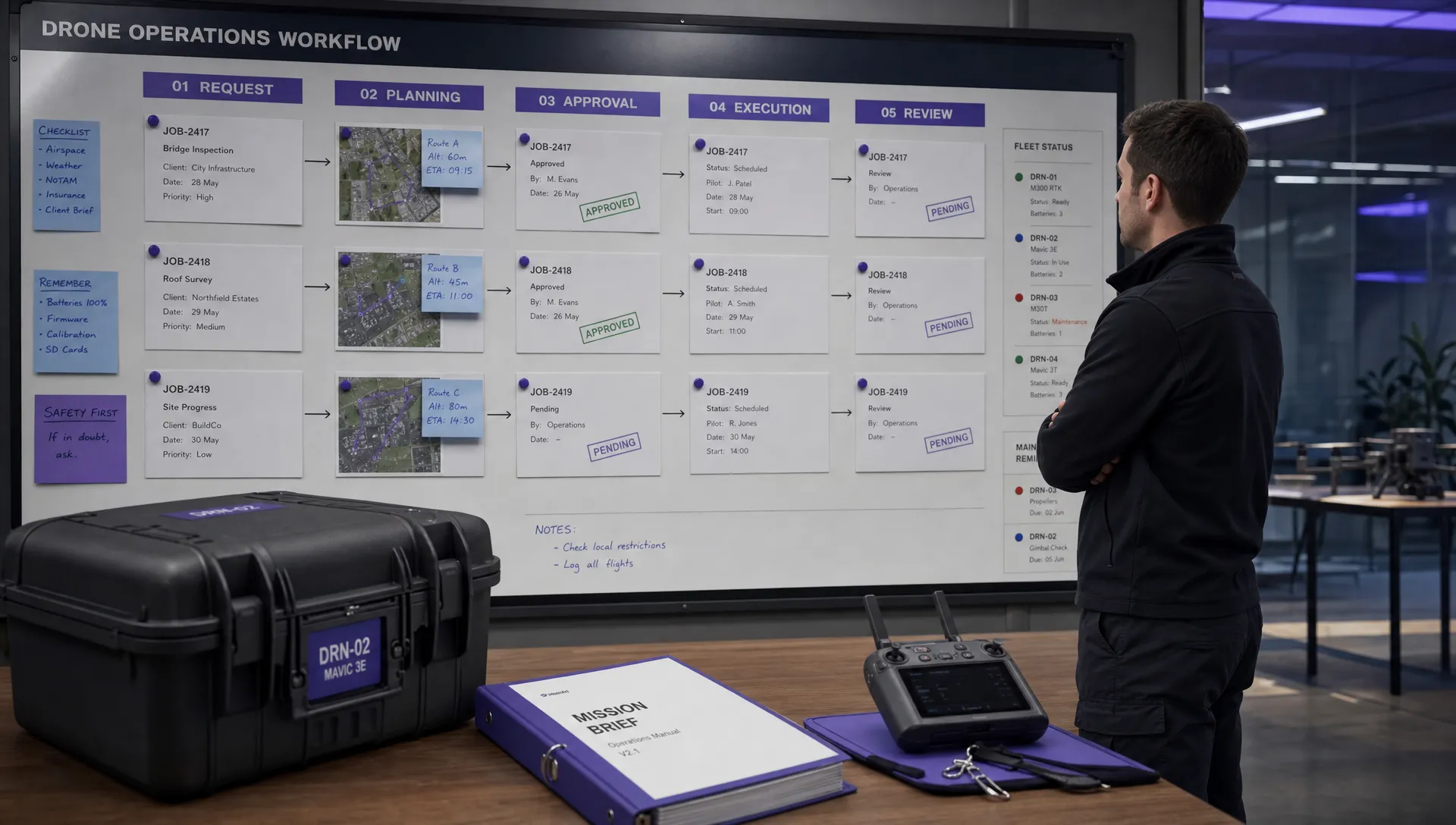
The diagram below shows the simple, three-step workflow a fleet maintenance manager follows when an automated alert pops up.

This workflow shows how the platform handles the initial alert automatically, freeing up the manager to focus on the important stuff: scheduling the work and getting the issue resolved.
Implement a Full Lifecycle Management Approach
A truly great maintenance program looks at the entire life of an asset, from the day you buy it to the day you retire it. This means more than just tracking repairs; it's about understanding when a piece of equipment is no longer cost-effective or safe to fly. If you want to dive deeper, check out our detailed guide on drone equipment lifecycle management.
This big-picture view is more important than ever. The fleet maintenance management sector in the United States alone was valued at US$9.5 billion in 2024 and is on track to explode to over US$35 billion by 2030. That kind of growth highlights just how critical professional, lifecycle-focused asset management has become.
As you build out your drone maintenance program, don't forget about the end of the line. Factoring in the responsible disposal and recycling of camera drones when they reach their end-of-life is a key part of the process. Planning for retirement ensures your program is not just operationally sound but environmentally sound, too, completing the circle of responsible fleet management.
To help you get started, we've put together a checklist for implementing your drone maintenance SOPs within Dronedesk. This table breaks down the essential steps to get your program up and running.
Drone Maintenance SOP Implementation Checklist
| Step | Action Item | Dronedesk Feature to Use | Key Outcome |
|---|---|---|---|
| 1 | Inventory All Assets | Equipment Hangar | A complete digital record of every drone, battery, controller, and payload. |
| 2 | Define Maintenance Triggers | Maintenance Schedules (Time, Hours, Cycles) | Automated alerts for scheduled maintenance, eliminating manual tracking. |
| 3 | Create Standardized Checklists | Custom Checklists | Consistent pre-flight and post-flight inspections tailored to each asset. |
| 4 | Log All Maintenance Activities | Maintenance Log | A full, auditable history of all repairs and inspections for each piece of gear. |
| 5 | Track Pilot & Technician Qualifications | Team Competencies | Assurance that only qualified personnel are performing maintenance and flights. |
| 6 | Schedule and Assign Tasks | Job Planning & Scheduling | Clear assignment of maintenance tasks to specific team members with deadlines. |
| 7 | Review Performance & Generate Reports | Dashboard & Reporting | Data-driven insights into fleet health, maintenance costs, and operational uptime. |
Following these steps will provide a rock-solid foundation for your drone maintenance program, ensuring your fleet is always safe, compliant, and ready to fly.
Tracking KPIs for Optimal Fleet Performance
If you can't measure it, you can't improve it. That old business saying is gospel for a drone fleet maintenance manager. To really prove the value of your maintenance program and start making smart, data-driven decisions, you've got to move beyond simple flight logs. It's time to track the key performance indicators (KPIs) that truly define your fleet's health and efficiency.

This isn't just about churning out reports for the higher-ups. It's about getting real, actionable insights. The right data helps you spot unreliable drone models before they become a major headache, justify budget requests for new gear with cold, hard facts, and shift your entire strategy from reactive firefighting to predictive maintenance.
Essential Maintenance KPIs to Monitor
You could track dozens of data points, but let's be realistic—focusing on a few critical KPIs will give you the most bang for your buck. These metrics provide a clear, immediate snapshot of your operational readiness and financial health, turning a sea of abstract data into a powerful management tool.
Here are the non-negotiables for any serious drone maintenance program:
- Aircraft Uptime Rate: This is your big one—the percentage of time your drones are actually available and ready to fly. A high uptime rate, ideally 95% or better, is a direct reflection of a successful maintenance program. It shows your fleet is reliable and not constantly grounded by surprise repairs.
- Mean Time Between Failures (MTBF): This metric is all about reliability. It calculates the average time a drone operates before something goes wrong. Tracking MTBF helps you pinpoint which models or even specific components are your workhorses and which might need a bit more TLC or preventative attention.
- Maintenance Cost Per Flight Hour: Here’s where you get a crystal-clear financial picture. Just divide your total maintenance costs (parts, labour, the works) by the total flight hours over a set period. This simple number tells you exactly how cost-effective each asset in your fleet really is.
These core KPIs are the bedrock of solid performance management. When you consistently track them in a central hub like Dronedesk, you start to see trends emerge over time. And that’s crucial for smart, long-term strategic planning.
By tracking KPIs, a fleet maintenance manager moves from making educated guesses to making data-backed decisions. This transformation is key to optimizing budgets, proving ROI, and ensuring the highest levels of safety and reliability.
Turning Data into Actionable Insights
Knowing your numbers is one thing, but the real magic happens when you use that data to make better decisions. Is the MTBF for a particular drone model tanking? That might be a clear signal to start phasing it out. Is the Maintenance Cost Per Flight Hour for an older drone creeping up? That bird is likely becoming a money pit, and a newer, more reliable model would be a much smarter investment.
This all starts with meticulous record-keeping. Every single repair, every part replacement—it all needs to be logged accurately and consistently. This is where a dedicated platform is a game-changer because it makes logging simple and foolproof. Our guide on creating a comprehensive drone maintenance log dives deep into how keeping detailed records is the essential first step to unlocking these powerful insights.
Using Dronedesk for KPI Reporting
Honestly, who has time for spreadsheets? A platform like Dronedesk handles most of this tracking for you. By simply logging your flights, repairs, and costs within the system as you go, you’re building a rich database of your fleet's entire operational history. The reporting tools can then crunch the numbers and automatically calculate your most important KPIs.
Instead of getting buried in manual calculations, you can generate reports that visualize your fleet's performance at a glance. You can instantly see which drones are your workhorses and which are your hangar queens, letting you allocate resources much more effectively. This data-driven approach empowers a fleet maintenance manager to not just maintain the fleet, but to actively improve its performance and prove the program's value to the entire organization.
Tackling the Toughest Drone Fleet Management Challenges
Running a drone fleet is about more than just keeping the batteries charged and the props spinning. As your operation grows, you'll inevitably run into a handful of stubborn problems that can ground your aircraft, blow your budget, and even put you on the wrong side of compliance. These aren't just minor headaches; they're systemic issues that demand smart, proactive solutions.
The good news? These challenges are entirely predictable. If you see them coming, you can put the right systems and workflows in place to solve them before they ever become a real crisis. The secret is moving away from chaotic, reactive firefighting and embracing a structured, preventative maintenance strategy—and a centralized platform is your best friend in that fight.
The Problem of a Mixed Fleet
Most growing drone operations look less like a uniform squadron and more like a collection of specialized tools. You might have heavy-lift octocopters for complex surveys, nimble quadcopters for quick visual checks, and maybe even a fixed-wing for large-scale mapping. The problem is, each one has its own unique maintenance schedule, service intervals, and pre-flight checks. Trying to juggle all that with a spreadsheet is a recipe for disaster.
This kind of variety can easily lead to serious mistakes. A pilot might grab a checklist meant for a different model, or a manager could apply the wrong service schedule, putting a very expensive piece of kit at risk.
The fix is surprisingly simple: use model-specific templates. In Dronedesk, for example, a fleet manager can create and assign unique checklists and maintenance schedules to each type of drone. This ensures every pre-flight inspection is actually relevant, and automated service alerts pop up based on what the manufacturer recommends for that specific model. It’s all about guaranteeing consistency, no matter how diverse your hangar gets.
Ensuring Pilot Compliance and Consistency
Making sure every pilot follows every single protocol on every mission can feel like a constant battle. Manually checking that pre-flight inspections were done right, or that post-flight logs were filled out, is a massive time-sink and riddled with potential for human error. Without a solid system, those small compliance gaps can quickly turn into major operational and legal risks.
A recent report found that a staggering 87% of fleet managers are directly responsible for overseeing maintenance compliance. With over half of them juggling multiple software platforms, the risk of inefficiency and oversight is immense, especially as rising costs become a primary concern. To dive deeper into these findings, you can explore the full 2025 State of Fleet Management report.
Automated, mandatory checklists solve this problem head-on. By making a digital checklist a required step before a pilot can even log a flight, you build a system of forced compliance. This doesn't just ensure your protocols are followed; it also creates an automatic, auditable digital paper trail for every single mission. You get proof of due diligence without having to look over anyone's shoulder.
Tracking Component Lifecycles Accurately
A drone isn't just one thing; it's a collection of critical parts, and each one has its own lifespan. Batteries, propellers, gimbals—they all wear out. Manually tracking the flight hours or charge cycles for every single battery across a fleet of dozens is next to impossible. It's a gamble that could easily lead to an in-flight failure.
This is where detailed component tracking becomes a game-changer. By logging each battery pack or set of props as its own distinct asset, you can monitor its usage separately from the drone it’s attached to. You can set specific maintenance alerts—like a reminder to perform a deep cycle test after 50 charges—for each individual component. Our guide on asset tracking best practices offers more strategies for keeping your equipment in top shape. This level of detail shifts your maintenance from reactive to predictive, helping you replace parts before they fail and keeping your entire fleet safer and more reliable.
Challenges vs. Dronedesk Solutions
Let's break down how a dedicated platform like Dronedesk directly addresses these common pain points, turning potential chaos into controlled, efficient operations.
| Common Challenge | Impact on Operations | Dronedesk Solution |
|---|---|---|
| Managing a Mixed Fleet | Inconsistent checks, incorrect maintenance schedules, and increased risk of asset damage or failure. | Create and assign model-specific checklists and maintenance schedules to each drone type, ensuring the right procedures are always followed. |
| Inconsistent Pilot Compliance | Skipped pre-flight checks, poor post-flight logging, and a lack of auditable records for regulators. | Implement mandatory, digital checklists that must be completed before a flight can be logged, creating a foolproof compliance workflow. |
| Inaccurate Component Tracking | Unexpected in-flight failures (e.g., batteries, props), increased downtime, and higher replacement costs. | Log individual components as separate assets with their own usage metrics, setting automated alerts for specific lifecycles (e.g., charge cycles, flight hours). |
| Lack of Centralized Records | Scattered maintenance logs, difficulty proving compliance during an audit, and inefficient reporting. | A single, centralized dashboard provides a complete, auditable history of all maintenance, flights, and compliance checks for the entire fleet. |
By anticipating these hurdles and using the right tools, you can build a maintenance program that not only prevents problems but also makes your entire operation more professional, reliable, and profitable.
What to Look for When Hiring a Fleet Manager
Hiring the right fleet maintenance manager might just be the most critical decision you make for the future of your drone program. This role is so much more than just fixing things; it’s a unique mix of deep hardware knowledge, obsessive organizational skills, and clear, effective communication.
Finding someone who balances all three is the key to building a drone operation that’s not just efficient, but also safe and compliant. The perfect candidate is part technician, part data analyst, and part project manager, all rolled into one. They need a genuine passion for UAS and an almost fanatical attention to detail. This isn't just about diagnosing a tricky hardware problem; it's about keeping the flawless records that aviation authorities demand.
Technical Prowess and Analytical Thinking
At its heart, this is a hands-on, technical role. A top-tier manager needs a deep-seated understanding of UAS hardware—airframes, propulsion systems, flight controllers, and all the various payloads you might use, from LiDAR to thermal cameras. They have to be comfortable troubleshooting everything from a fried ESC to a sensor that needs recalibrating.
But technical chops alone aren't enough. The best managers are also sharp analytical thinkers who can see patterns others miss. They don’t just log flight hours; they dig into the data to spot trends that can predict future failures. That analytical mindset is what allows you to move from simply reacting to problems to proactively preventing them.
When you're interviewing candidates, try asking questions like these:
- "How would you use flight data to create a predictive maintenance schedule for a brand-new drone model?" This gets to the heart of their ability to turn raw numbers into a smart, actionable strategy.
- "Walk me through your process for investigating a recurring technical issue that keeps popping up across multiple drones in the fleet." This will show you how systematic and logical their troubleshooting process really is.
Organizational and Communication Skills
Think of the drone fleet manager as the central hub for everything related to the health of your aircraft. They have to work closely with pilots to schedule maintenance downtime, update leadership on fleet readiness, and sometimes even negotiate with vendors for parts. Crisp, clear communication is absolutely essential.
Just as important are their organizational skills. This person is responsible for creating a perfect, audit-proof paper trail for every single inspection, repair, and component swap. A slip-up in record-keeping can lead to serious headaches, from failing a regulatory audit to causing an incident in the field that could have been prevented. They need to be methodical and systematic in how they handle documentation.
The best fleet maintenance manager builds systems of accountability. They ensure that compliance isn't just a policy written in a manual, but a daily, ingrained practice for every member of the team.
To truly shine, a fleet maintenance manager also needs a solid grounding in general management skills and best practices. This expertise helps them handle team dynamics, report effectively to stakeholders, and make sure maintenance goals line up with the company's bigger picture. At the end of the day, you're hiring a leader who can take complete ownership of the fleet's operational integrity.
Frequently Asked Questions
Even with the best systems in place, some questions always pop up when you're getting into the nitty-gritty of drone fleet maintenance. Here are a few of the most common ones we hear, along with some straightforward answers.
What Is The Most Critical Skill For A Drone Fleet Maintenance Manager?
You might think it's deep technical knowledge of UAS hardware, and while that's certainly important, the single most critical skill is meticulous attention to detail. It's an almost obsessive focus on getting every last detail right.
This means every maintenance log, pre-flight check, and compliance document is flawless and up-to-date. In a tightly regulated world like aviation, that diligence is the foundation of a safe, legal, and efficient drone program. Tiny oversights in record-keeping can snowball into major compliance headaches or, even worse, a preventable failure out in the field.
How Does Dronedesk Help Small Teams Without A Dedicated Manager?
For smaller outfits or solo pilots, Dronedesk essentially steps in as a "virtual" fleet maintenance manager. It automates the kind of critical, time-sucking tasks that a dedicated manager would normally be wrestling with every day.
The platform will automatically ping you with maintenance reminders based on flight hours or time, digitize your pre-flight checklists to make sure they actually get done, and keep all your flight and service records in one tidy place. This lets a lead pilot or the business owner effectively manage the fleet and maintain high safety standards without needing to hire a full-time person for the role.
By automating routine oversight, a platform empowers small teams to achieve a level of safety and compliance that was once only possible for large, enterprise-level operations with dedicated staff.
Can Flight Logs Truly Predict When A Drone Needs Maintenance?
Absolutely. This is the whole idea behind a predictive maintenance strategy. When you consistently analyze data points like total flight hours, battery performance trends over dozens of cycles, and motor error logs, a clear pattern of wear and tear starts to emerge.
A platform like Dronedesk pulls all this data together, allowing a manager to spot the subtle warning signs of a potential failure long before it becomes a real problem. This data-first approach means you can schedule service proactively, preventing expensive mission failures and keeping your aircraft in the air where they belong.
How Do I Calculate Maintenance Cost Per Flight Hour?
Calculating this crucial KPI is actually pretty simple. First, add up all your maintenance-related costs over a specific period—this includes spare parts, a technician's labor, and even your software subscriptions.
Next, just divide that total cost by the total number of hours your entire fleet flew during that same period. A platform that logs both your expenses and your flight time can often do this math for you automatically, giving you a clear, ongoing picture of how efficient your operation really is.
Ready to turn your drone maintenance from a chore into a strategic advantage? Dronedesk gives you the tools to automate scheduling, nail your compliance, and get data-driven insights into your fleet's health. Start your free trial today and see how easy professional drone fleet management can be.
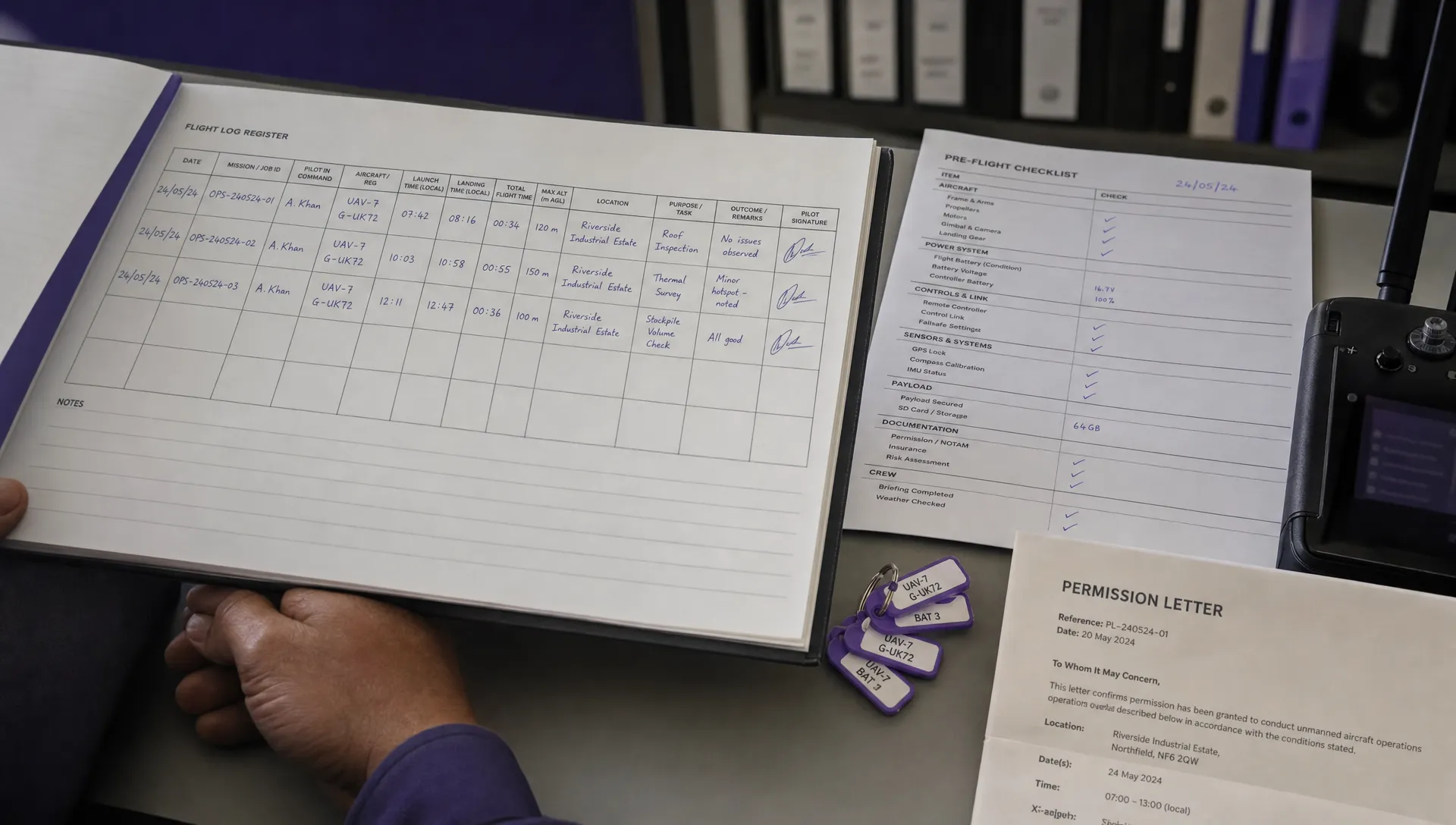 How to Build a Drone Pilot Flight Log That Is Audit Ready →
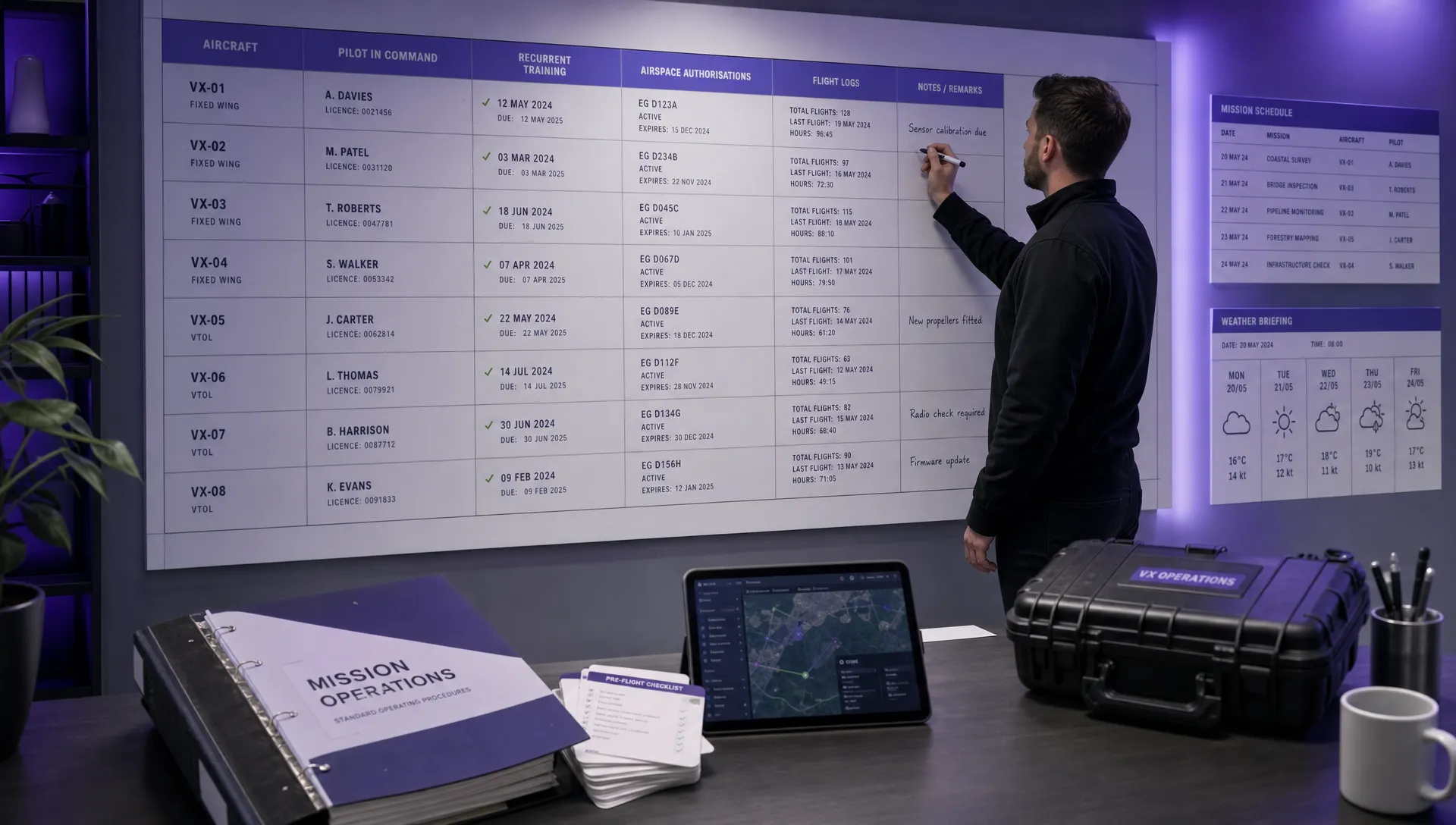 FAA Drone Licence Requirements for Commercial Pilots →
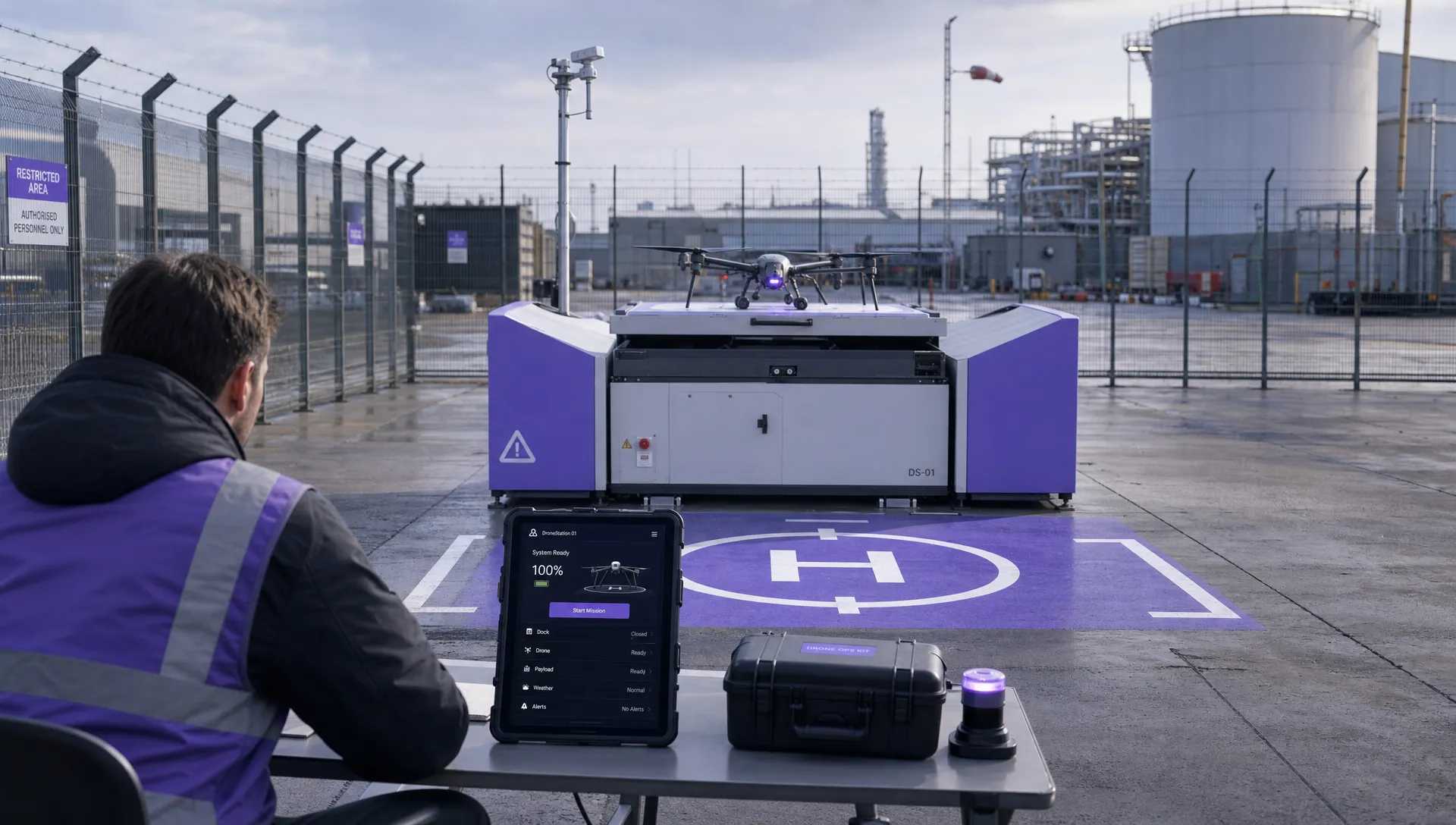 FAA BVLOS Waivers Granted: What Successful Cases Show →
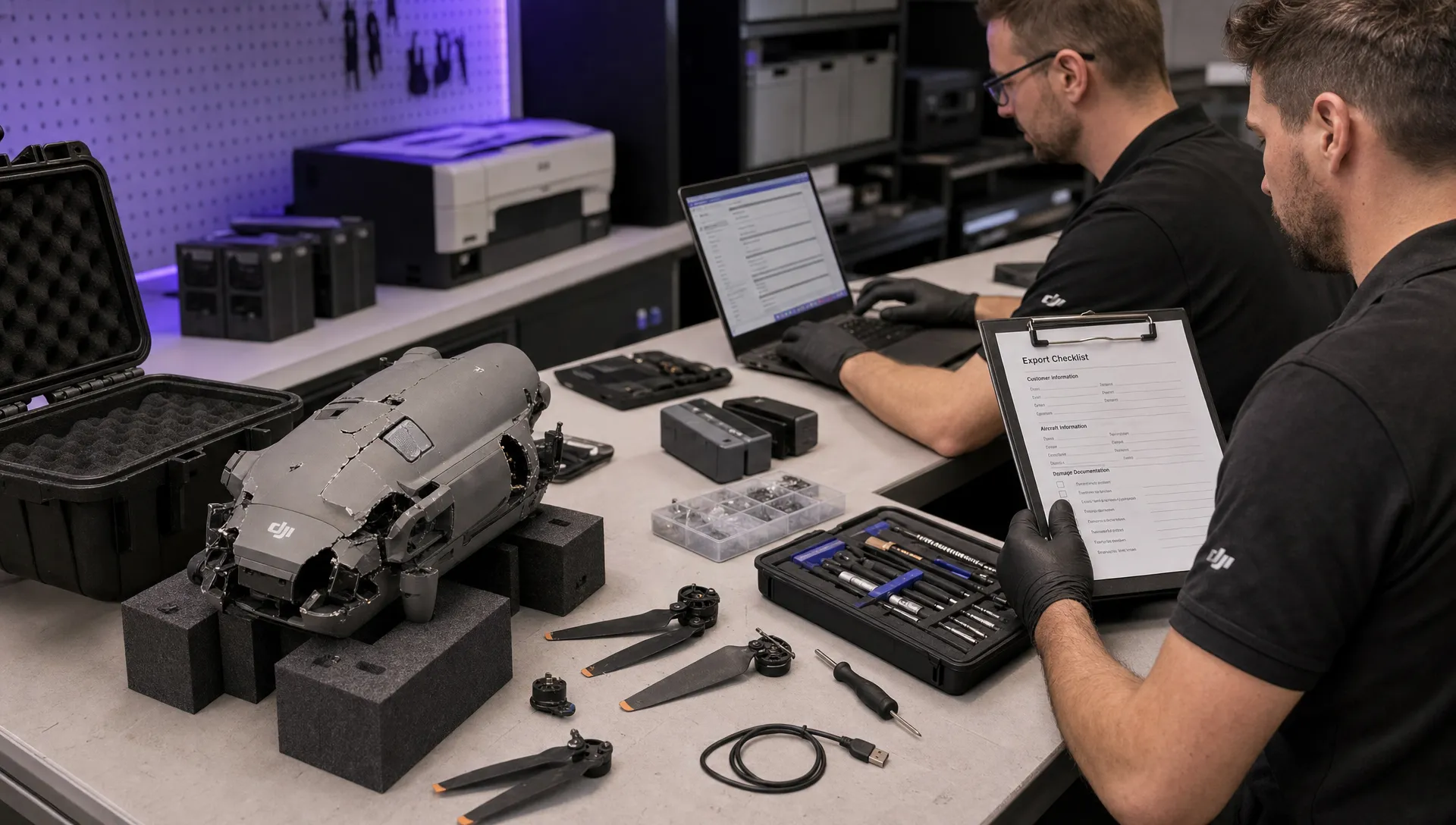 How to Export DJI Flight Logs for Incident Reviews →
 Drone Safety and Legal Duties for Business Operations →
 EASA Drone Regulations: Open, Specific and Certified Categories →
 What the BVLOS ARC Report Means for UAS Operators →
 Free Drone Pre-Flight Checklist for Commercial Missions →
 Contingency Volume and Flight Risk Buffer Explained →
 FAA Policy Changes That Commercial Drone Teams Should Track →