
FAA Compliance Software - Streamline Drone Operations
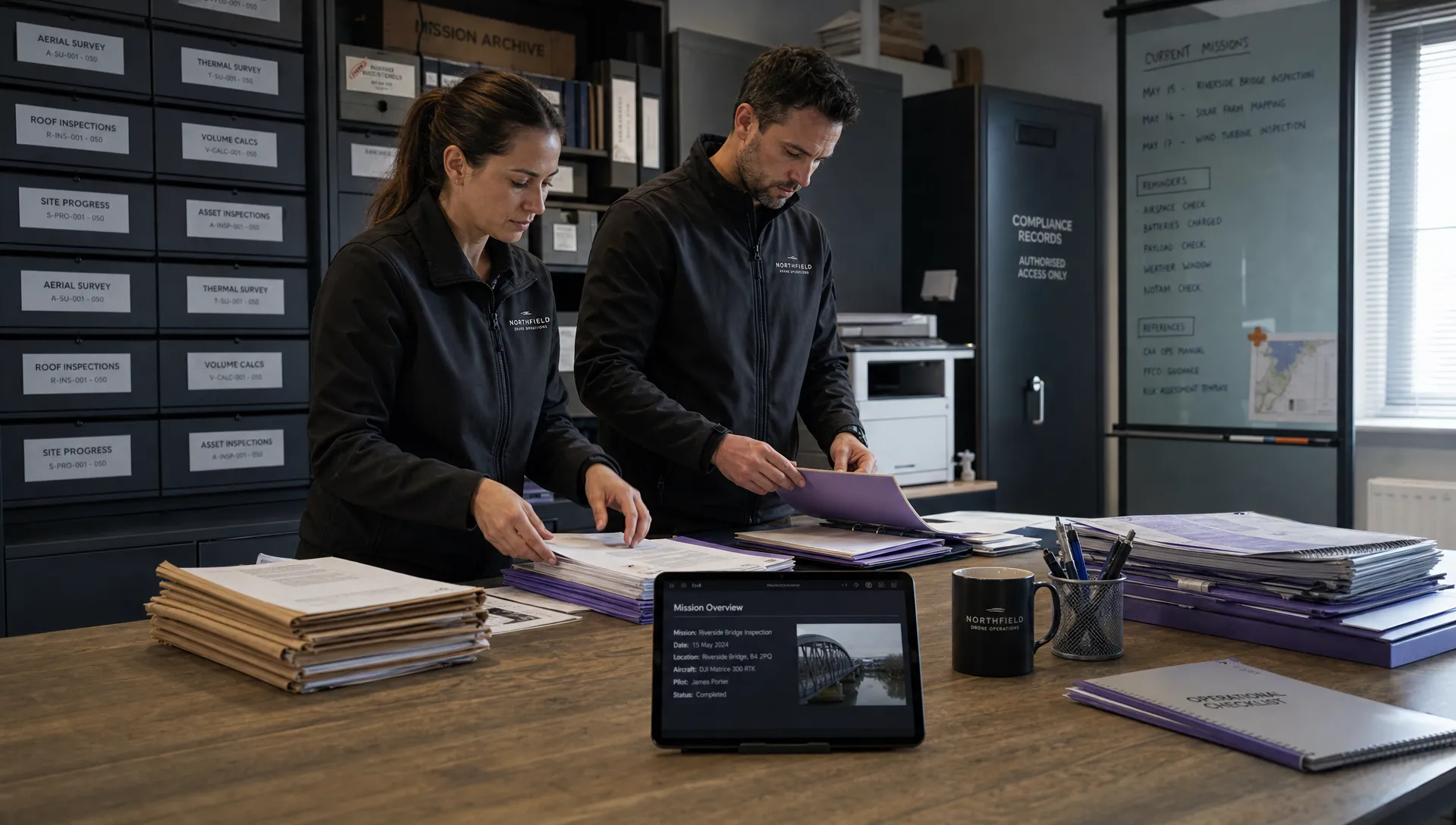
Think of FAA compliance software as your digital co-pilot. It’s there to help manage the maze of drone regulations, automate your logging, and make sure every flight you conduct is safe, legal, and above board. It effectively replaces that teetering pile of paper logs and complex spreadsheets with a smart, proactive system designed to keep risk at bay.
Why FAA Compliance Software is Your Digital Co-Pilot
Imagine trying to navigate a cross-country flight using just a paper map and a compass. You could do it, but it would be incredibly inefficient and dangerously prone to error. For today's professional drone pilots, trying to manage complex Federal Aviation Administration rules with old-school spreadsheets and physical logbooks is pretty much the same—an unnecessary risk.
But let's be clear: FAA compliance software is much more than just a digital flight log. It’s a dedicated operational hub built to handle the immense administrative weight of staying on the right side of the law. This kind of platform directly tackles the biggest headaches that professional drone operators deal with every single day.
The Problem With Manual Tracking
As drone regulations get more and more layered, manual tracking methods just can't keep up. They’re a breeding ground for human error, they eat up a ton of time, and they leave you wide open if you ever face an audit. One misplaced log or a single forgotten pre-flight check can spiral into serious trouble.
This manual approach throws up several major challenges:
- Increased Risk of Fines: It's frighteningly easy for simple record-keeping mistakes to lead to hefty financial penalties from the FAA.
- Operational Inefficiency: Every hour you spend buried in paperwork is an hour you're not flying, earning revenue, or growing your business.
- Lack of a Credible Audit Trail: When your records are scattered across different formats, presenting them as solid proof of due diligence during an audit is a nightmare.
Before we look at the software solution, let's put the two approaches side-by-side. The difference is stark.
Manual vs Automated FAA Compliance at a Glance
| Compliance Aspect | Manual Tracking (Spreadsheets, Paper Logs) | FAA Compliance Software (Automated) |
|---|---|---|
| Record Keeping | Time-consuming, prone to typos, easy to lose or damage. | Instant, automated flight logging. Centralised and secure digital records. |
| Pre-Flight Checks | Relies on memory or paper checklists. No real-time verification. | Guided, mandatory digital checklists. Ensures no steps are missed. |
| Airspace Awareness | Requires manually checking multiple sources (LAANC, sectional charts). | Integrated, real-time airspace maps and automated authorisation requests. |
| Audit Trail | A jumble of documents that's hard to assemble and defend. | A clean, cohesive, and instantly accessible audit trail for every flight. |
| Maintenance Tracking | Often an afterthought, leading to missed service intervals. | Automated alerts for scheduled maintenance based on flight hours or time. |
It's pretty clear that sticking with manual methods is like choosing to walk when everyone else is driving. You'll get there eventually, maybe, but it's going to be a long, hard road full of potholes.
A Proactive Solution for Modern Pilots
This is where dedicated FAA compliance software becomes an absolute game-changer. It shifts compliance from a reactive chore you dread into a proactive, seamless part of your daily workflow. Instead of just recording what happened, the software actively guides you through what needs to happen for a safe and compliant flight.
The market's growth tells the whole story. The wider Aviation Compliance Monitoring Software market is expected to jump from USD 139.64 billion in 2023 to nearly USD 195.89 billion by 2032. This surge is fueled by ever-increasing regulatory complexity and an industry-wide push for safer skies. You can explore more about these market trends to see where things are headed.
By automating routine checks, pulling all your records into one place, and giving you real-time airspace intelligence, this software is your safety net. It makes sure crucial steps are never skipped and creates a standardized, repeatable process for every single mission. It's the definitive way to manage risk and protect your business from expensive mistakes.
Essential Features of High-Performing Compliance Platforms
When you start looking at FAA compliance software, it's easy to get lost in a fog of marketing buzzwords. But the real difference between a glorified digital logbook and a genuine operational powerhouse comes down to a few non-negotiable features. These are the tools that actually solve real-world problems and slash your admin time.
Think of it like this: a simple hammer can drive a nail, sure. But a professional-grade nail gun does it faster, more consistently, and with way less effort. The best compliance platforms are the nail guns of the drone world. They're built for efficiency and reliability, turning complex tasks into simple, repeatable actions.
The goal isn't just to jot down what happened after a flight. It’s about building a proactive system that guides every single step of your operation. Let’s break down the essential components that make this a reality.
Automated Flight and Telemetry Logging
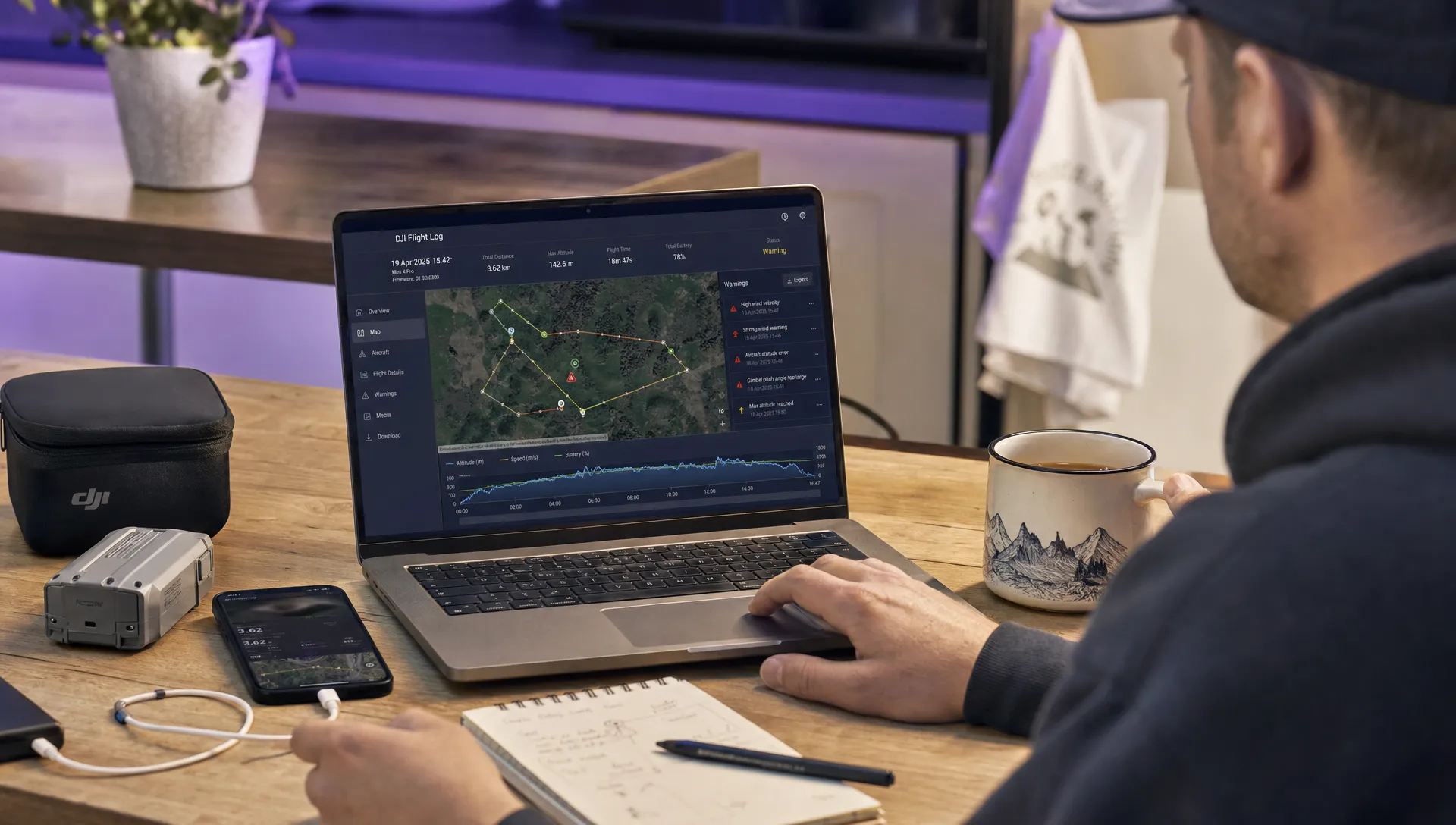
At a bare minimum, any platform should log your flights. But that's table stakes. High-performing software goes way beyond simply noting flight times and locations; it should automatically pull detailed telemetry data straight from the drone. This creates an indisputable, second-by-second record of the entire flight.
This granular data is crucial and typically includes:
- Precise GPS coordinates mapping the entire flight path.
- Altitude and speed readings at every single point.
- Battery voltage and temperature to keep an eye on equipment health.
This level of detail is your best friend in an audit. It shifts your records from "I wrote down what I did" to "Here is the verified, unalterable data of exactly what happened."
Integrated Airspace Intelligence and LAANC
One of the most nail-biting parts of pre-flight planning is making sure you have the legal green light to fly. A top-tier FAA compliance software absolutely must have integrated airspace intelligence. No more juggling five different apps just to check for restrictions.
The most critical piece of this puzzle is built-in Low Altitude Authorization and Notification Capability (LAANC). This feature lets you request and get near-instant authorization to fly in controlled airspace, all from within the platform. It turns a clunky, multi-step headache into a few simple clicks.
This integration is a massive time-saver and dramatically cuts the risk of accidentally flying where you shouldn't. For any serious commercial operator, it’s a foundational feature.
Comprehensive Pilot and Equipment Management
Your compliance duties don't end when the drone lands. They cover your pilots and your gear, too. A truly effective platform acts as a central command center for these critical assets, making sure your team and your fleet are always mission-ready.
For instance, robust software will keep track of:
- Pilot Certifications: It logs Part 107 renewal dates and other qualifications, sending out automated reminders so nothing ever lapses.
- Equipment Maintenance Schedules: It tracks flight hours on each drone and its components, pinging you when routine service is due.
- Battery Health: By monitoring charge cycles and performance, it helps you spot a failing battery before it becomes a safety risk in the field.
This kind of proactive management helps you dodge mission cancellations from an expired certificate or an unexpected equipment failure, keeping your operations running like clockwork.
Dynamic Checklists and Risk Assessments
Static, one-size-fits-all paper checklists are a relic of the past. Modern compliance platforms give you dynamic pre-flight checklists that you can customize for specific jobs, locations, or aircraft. This makes certain that every single relevant safety check is completed and, more importantly, documented.
On top of that, these systems often include guided risk assessment tools. They'll walk you through identifying potential hazards—from weird weather to nearby obstacles—and help you document how you plan to mitigate them. This creates a clear, standardized process that proves your commitment to safety. If you want to dive deeper into these workflows, our complete guide to drone operations management is a great resource.
Ultimately, these core features aren't just a list of bells and whistles; they work together to create a single, cohesive ecosystem. They replace fragmented, manual processes with an integrated system that manages every facet of compliance, freeing you up to focus on what you do best—flying.
The Real-World Benefits of Adopting Compliance Software

It’s easy to get lost in a list of features, but what real results can you expect when you actually bring FAA compliance software into your day-to-day work? This isn't just about ticking boxes on a form. It's about changing the very foundation of how your drone program operates.
The payoff really boils down to three key areas: making your operation more efficient, building a rock-solid safety culture, and protecting your profits.
Think about all the time you currently sink into admin. Manually filling out pre-flight checklists, logging flight times in a clunky spreadsheet, or hunting through old files for an audit. All of that is non-billable time, and it’s a direct hit to your bottom line. Good compliance software takes these tedious jobs off your plate, turning dead time into productive time.
For instance, getting instant LAANC authorization and having your pre-flight planning streamlined means your crew can get airborne faster. Instead of burning an hour on paperwork and juggling multiple apps, a pilot can be ready for a mission in minutes. That reclaimed time stacks up fast, leading to more flights, happier clients, and a healthier business.
Unlocking Operational Efficiency
At its core, efficiency means getting more done with less fuss. The right compliance platform acts like a force multiplier for your team. It gathers every piece of critical data—pilot certificates, maintenance logs, flight records, risk assessments—into one single, easy-to-access place.
This puts an end to the frantic scramble to find a pilot's Part 107 renewal date or trying to remember the last time a drone's propellers were swapped out. The system keeps track of everything and sends you automated reminders, heading off those last-minute hiccups that can ground a mission.
This shift from reactive scrambling to proactive management is where the real value lies. It allows you to run a leaner, more agile operation where resources are focused on flight operations, not administrative overhead.
Building a Stronger Safety Culture
A strong safety culture is your best line of defense against accidents. FAA compliance software provides the very framework you need to build and reinforce that culture, day in and day out. It standardizes your procedures, making sure every pilot on your team follows the exact same safety protocols on every single flight.
Digital checklists remove guesswork and slash the odds of human error. Automated maintenance alerts ensure your gear is always in prime condition. By creating a documented, repeatable process for assessing and mitigating risk, you're showing a serious commitment to safety—something insurance companies love to see.
This systematic approach also creates an ironclad audit trail. If the FAA ever decides to pay a visit, you'll have a complete, organised record of your due diligence right at your fingertips, proving you operate with the highest standards of care.
Protecting Your Financial Bottom Line
The financial impact of good compliance software is huge, and it comes from several directions. The most obvious benefit is dodging those eye-watering penalties. FAA fines for non-compliance can easily hit six figures, which would be a catastrophic blow for almost any drone business. A solid software platform is an incredibly cheap insurance policy against that kind of risk.
But the financial upside goes way beyond just avoiding fines. By meticulously tracking equipment usage and maintenance, you can extend the life of your expensive drones. Proactive care prevents costly failures in the field and cuts down on long-term replacement costs.
The growing investment in this area really tells the story. Market analysis shows the Aviation Compliance Monitoring Software sector was valued at USD 9.31 billion in 2024, and it's projected to nearly double to USD 16.91 billion by 2031. Businesses are adopting these tools to get a handle on regulations and cut down on manual mistakes. You can read the full research on aviation compliance software growth to see the trend for yourself.
In short, investing in compliance isn't just an expense; it's a strategic move to secure your business's future.
How to Choose the Right Software for Your Drone Program
Picking the right FAA compliance software isn't just about ticking boxes on a feature list. It’s more about finding the platform that fits your operation like a glove. A solo real estate photographer has a world of different needs compared to a multinational industrial inspection firm, and what works for one could be a frustratingly complex burden for the other.
This decision is a strategic one, and it'll directly impact your efficiency, your safety record, and your ability to grow. Get it right, and you'll spend less time drowning in admin and more time in the air. The secret is to start with a crystal-clear understanding of your own program before you even glance at a single product page.
This quick decision tree can help you visualize whether adopting dedicated software is the right move for your current operational scale.
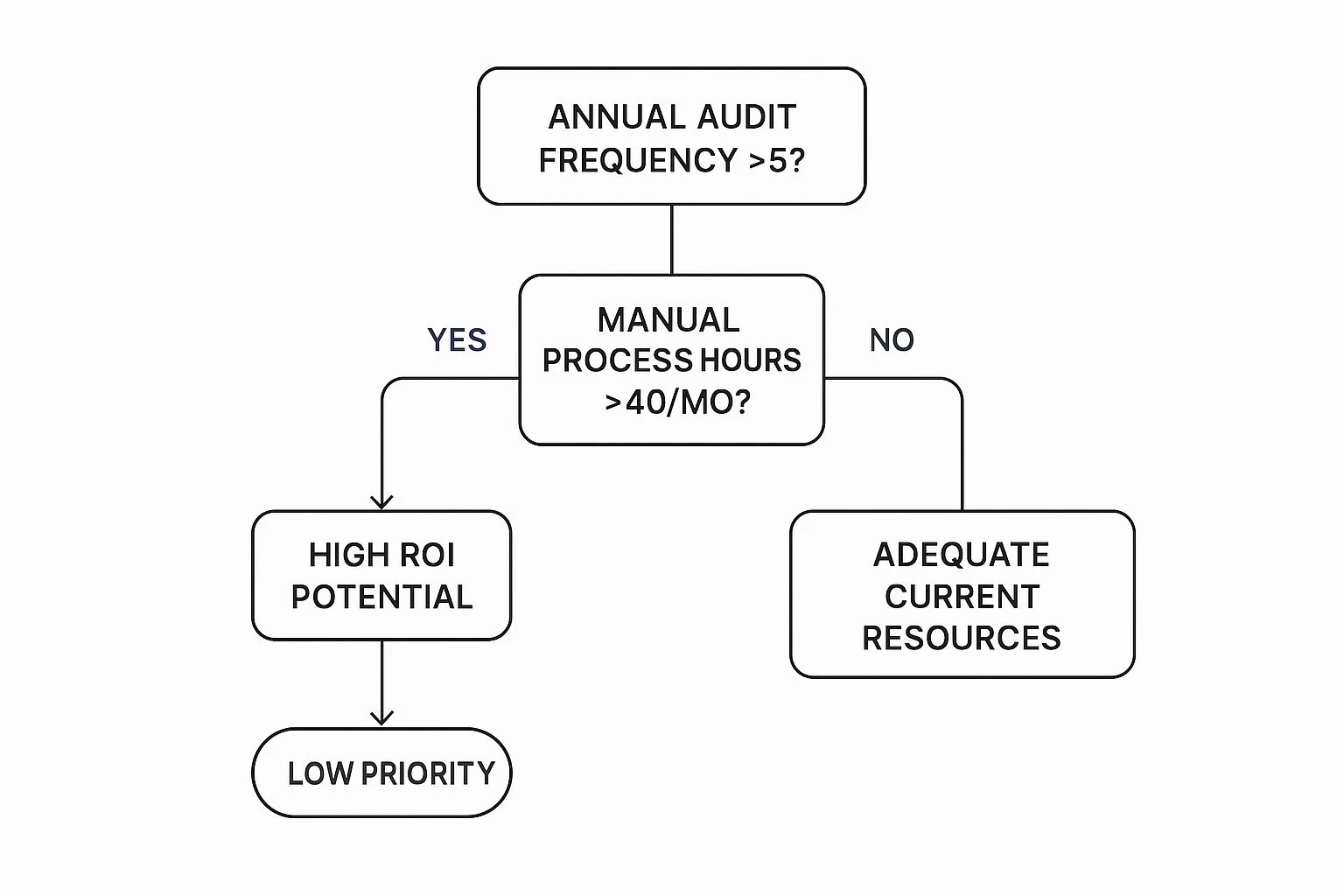
As you can see, the need for proper software becomes glaringly obvious when manual processes start eating up your time, especially if your operations are subject to regular audits. This framework helps shift the decision from a vague "maybe" to a data-driven choice.
Evaluate Your Operational Scale and Complexity
Before you can pick the right tool, you need to measure the job. Start by asking some fundamental questions about your drone program. Your answers will build a unique profile that points you toward the ideal software solution.
-
Fleet Size: How many drones are you managing? A single pilot with one drone has simple needs. But a team juggling 10 or more aircraft needs robust fleet management to track maintenance schedules, flight hours, and component health for every single asset.
-
Team Structure: Are you a lone wolf or part of a larger pack? Multi-pilot operations require features for assigning roles, keeping pilot certifications up-to-date, and making sure everyone follows the same procedures.
-
Mission Complexity: Are your flights simple, open-field jobs, or are you navigating complex airspace? Think about work near airports that might require a drone Certificate of Authorization (https://blog.dronedesk.io/drone-certificate-of-authorization/). The thornier your missions, the more you'll need advanced tools like integrated risk assessments and automated LAANC.
An honest assessment here will save you from the most common mistake: paying for an enterprise-level beast when a simpler, more focused tool would do the job better and for less money.
Prioritize Scalability and Future Growth
The software you choose today has to support your business tomorrow. Getting locked into a system that can’t grow with you is a recipe for frustration and, eventually, a costly data migration nightmare. A good platform should be able to scale seamlessly from a one-person show to a multi-state enterprise.
This is especially vital in a market that's expanding so quickly. The global aviation safety compliance market was valued at around USD 8 billion in 2024 and is expected to soar to about USD 13 billion by 2034. That growth highlights the increasing need for adaptable, tech-driven tools that can handle evolving regulations and bigger operational demands.
Look for flexible pricing tiers that let you add pilots, aircraft, and features as your revenue grows. A platform that supports you at every stage is a true partner in your success.
Software Selection Checklist for Drone Operators
To help you stay objective during your search, use this checklist. It will guide you through comparing different platforms based on what really matters for your specific operation.
| Evaluation Criteria | Questions to Ask | Importance (High/Medium/Low) |
|---|---|---|
| Core Compliance Features | Does it automate LAANC? Does it have built-in risk assessments (SORA/RAMS)? Does it track pilot certifications? | High |
| Fleet Management | Can I track maintenance, flight hours, and battery cycles for each drone? | High |
| Operational Scale | Does it support multi-pilot teams with different roles and permissions? | Varies (High for teams) |
| Scalability & Pricing | Does the pricing scale fairly as my team/fleet grows? Are there hidden costs? | High |
| User Experience (UX) | Is the interface intuitive? How steep is the learning curve for my team? Is there a mobile app? | High |
| Integrations | Does it connect with tools I already use (e.g., DJI, weather services, client software)? | Medium |
| Reporting & Analytics | Can I easily generate compliance reports for audits? Does it provide insights into my operations? | Medium |
| Customer Support | What level of support is offered (email, phone, chat)? What are their response times? | Medium |
| Future-Proofing | Does the company have a clear roadmap for new features and regulatory updates? | Low |
This checklist forces you to think beyond the flashy sales pitch and focus on how a tool will perform day-to-day.
Focus on User Experience and Integrations
Finally, even the most powerful software is useless if your team finds it too clunky to use. An intuitive, user-friendly interface isn't a luxury; it's essential for getting your team on board and ensuring they use it consistently. If a platform requires days of training, it will slow you down and create resistance.
Equally important are integrations. Your FAA compliance software shouldn't be an isolated island. Look for platforms that can talk to the other tools you already rely on.
Key integrations to look for include:
- Weather Services: Pulling real-time, aviation-specific weather data directly into your flight plan.
- DJI Sync: Automatically importing flight logs and telemetry from DJI aircraft, which eliminates tedious manual entry.
- Client Management Systems: Connecting job data with your compliance records for seamless, end-to-end project oversight.
By carefully matching your operational needs with a platform's features, scalability, and usability, you can choose a software solution that doesn't just keep you compliant—it becomes a powerful engine for your business's growth.
Seeing It All Come Together: A Real-World Mission Workflow
It's one thing to talk about features and benefits in theory, but where the value of a solid software platform really hits home is when you see it in action on a real job. This isn't just a list of what the software does; it's a look at how an integrated system like Dronedesk turns a jumble of stressful, disconnected tasks into one smooth, repeatable process.
Let's walk through a common scenario. You've just landed an urgent roof inspection. The client needs it done yesterday, the clock is ticking, and there's zero room for error on compliance. Instead of frantically opening half a dozen different apps and digging through folders, you simply create a new job in your dashboard. That's it. That one action kicks everything off and creates a central home for every single piece of information for that mission.
From this point on, you’ll see how a connected workflow handles the tedious admin that used to eat up hours, letting you focus on what you're actually paid to do: fly the mission and get the data.
From Job Creation to Wheels Up
The second you create that job and plug in the property address, the system gets to work. It automatically pulls up detailed airspace maps, laying them right over the location. There’s no more jumping between different sources to check for controlled airspace, NOTAMs, or TFRs. You get an instant, crystal-clear picture of your operational area.
This kind of built-in intelligence is what modern FAA compliance software is all about. It gives you immediate answers to mission-critical questions, turning what used to be a lengthy research project into a quick visual check.
The Dronedesk dashboard gives you a clean, at-a-glance overview of everything—from the airspace analysis right through to team assignments.
Having everything in one spot means no critical compliance step gets missed. All the information you need is organized and right there on one screen.
With airspace confirmed, it's time to assign your pilot and gear. The platform shows you which pilots are available and have the right certifications, and which drones in your fleet are serviced and ready to fly. You can pick the best person and the right aircraft for the job, knowing all their records are up-to-date right there in the system.
Automated Risk Assessments and Checklists
Next up is the crucial safety planning. Instead of staring at a blank document, the software generates a pre-populated risk assessment based on the job details you've already entered. It walks you through identifying potential hazards—things like nearby power lines or foot traffic—and helps you document how you'll manage them.
This isn't just about ticking a box; it's a structured process that makes sure nothing falls through the cracks and creates a professional, auditable record that you've done your homework. It’s a practical application of the Safety Risk Management (SRM) principles the FAA is so keen on, transforming a complex requirement into a simple, guided workflow.
A good system doesn't just let you list risks; it actively helps you manage them. This is what shifts safety from a reactive headache to a proactive, seamless part of every single mission.
Once the risk assessment is nailed down, a dynamic pre-flight checklist is created. This isn't some generic, one-size-fits-all list. It's tailored specifically to the drone you assigned and the type of mission you're flying. This ensures every relevant check—from propeller condition to battery levels—is completed and logged before you even think about taking off.
Capturing Logs and Compiling Reports
As soon as the drone is airborne, the system can automatically sync flight logs and telemetry data. This is huge. It completely removes the chance of errors from manual data entry and creates a perfect, unchangeable record of the flight path, altitude, and duration. This data is your ultimate proof of a compliant flight.
When the mission is done, all the data—from the first airspace check to the final flight log—is pulled together effortlessly. With just a few clicks, you can generate a complete report for your client or for your own records. This isn't just a simple flight log; it's a full compliance package containing:
- Pre-flight risk assessments
- Completed safety checklists
- Pilot and equipment details
- Verified flight telemetry data
This whole sequence, from the initial client call to handing over the final report, happens in one connected environment. This is how modern drone operators get rid of the administrative grind, guarantee rock-solid compliance, and build a business that's ready to scale.
The Future of Drone Compliance and Smart Operations
The world of drone regulation never stands still, and the tools you rely on for compliance have to keep pace. Just meeting today's standards isn't enough anymore. The best FAA compliance software is built with an eye on the horizon, ready to adapt to whatever comes next so your operations stay legal, safe, and ahead of the curve.
This isn't just about better record-keeping. The real leap forward is in creating smarter, more predictive safety systems. Imagine a platform that doesn't just log a flight after the fact but actively analyses its telemetry data using AI to anticipate problems. This shift is turning compliance from a reactive, box-checking chore into a proactive safety strategy.
Predictive Safety and AI Integration
The next wave of compliance software will lean heavily on AI and machine learning to spot high-risk situations before they ever unfold. By crunching data from thousands of flights, these systems can identify subtle patterns that might point to a potential equipment failure or a pilot who's starting to develop risky habits.
What does that look like in practice? Your software could flag a battery that’s showing early signs of degradation or notice a flight path that consistently skirts the edge of a geofence. It’s a powerful move away from simply documenting what went wrong to actively preventing incidents from happening in the first place.
This predictive power is what a mature Safety Management System (SMS) is all about. It’s what allows operators to go beyond just meeting the baseline FAA rules and build a genuine, proactive safety culture where risks are managed before they have a chance to escalate.
Adapting to New Regulations and Technologies
As drone technology gets more advanced, so do the rules. Two massive developments are shaping the compliance software of tomorrow: Remote ID and Beyond Visual Line of Sight (BVLOS) operations.
- Remote ID Compliance: The FAA now requires most drones to broadcast identification and location information, much like a digital license plate. Forward-thinking software has to do more than just support this; it needs to integrate it seamlessly into your workflow. You can get the full rundown in our guide to understanding FAA Remote ID.
- BVLOS Operations: Flying drones beyond the pilot's direct line of sight opens up huge possibilities, but it also comes with immense operational complexity and much stricter rules. Future-proof software will need to handle advanced mission planning, integrate with detect-and-avoid systems, and feature sophisticated risk assessment tools built specifically for these long-range flights.
At the end of the day, top-tier FAA compliance software is more than just a tool for keeping up with current regulations. It's the foundation for navigating the future of aviation, giving your operation the agility it needs to adapt, innovate, and lead in a constantly changing industry.
Answering Your Top Questions About FAA Compliance Software
Whenever you're looking at new technology, you're going to have questions. It's just part of the process. For pilots and operations managers, figuring out exactly how FAA compliance software fits into the day-to-day workflow is the most important part. Let's tackle some of the most common questions head-on to give you clear, straight answers.
This isn't about reciting dense legal jargon. These are practical answers to the real-world questions that come up when pilots start exploring these platforms for the first time.
Is This Software Required for Recreational Pilots?
This is a great question, and we hear it a lot. The short answer is no; it’s not legally mandatory if you're a purely recreational flyer operating under The Recreational UAS Safety Test (TRUST) guidelines. Those rules are intentionally straightforward for hobbyists.
However, the moment your flights get more complex or start to look like commercial work, that line gets blurry. While not required, using compliance software is an excellent habit for any serious hobbyist to get into. It helps you build the same documentation and safety-first mindset that professionals rely on, setting you up for more advanced operations down the road. For anyone flying under Part 107, it’s pretty much an essential piece of kit.
Can This Software Guarantee I Won't Be Fined?
No software on earth can offer a legal guarantee against FAA enforcement. At the end of the day, the ultimate responsibility for every flight—and for following every rule—always falls on the Remote Pilot in Command (RPIC). Think of the software not as a legal shield, but as your armor and your evidence.
It provides the comprehensive documentation and proof of due diligence you need to show your commitment to safe and legal operations. If the FAA ever comes knocking, having a detailed, verifiable record of your risk assessments, pre-flight checks, and flight logs is your strongest defense.
This organized paper trail proves that you took every reasonable step to fly safely, which can make all the difference in the outcome of any review.
What Is the Typical Cost of FAA Compliance Software?
The price tags on FAA compliance software can vary quite a bit, so there isn't one single answer. The good news is that most platforms run on a subscription model, which makes them affordable for operations of all sizes.
You'll typically see a few common pricing structures:
- Monthly or Annual Subscriptions: This is the most popular model, giving you predictable costs for budgeting.
- Tiered Plans: Often, plans are based on the number of pilots, the size of your fleet, or how many flights you're logging.
- Feature-Based Tiers: Some platforms offer a basic plan with the core features, with more advanced tools like airspace analysis or team management available on higher-priced plans.
This kind of flexibility means a solo operator can start with a budget-friendly plan and scale up to a full-blown enterprise solution as their business grows.
Does the Software Automatically Send My Data to the FAA?
This is a persistent myth that causes a lot of unnecessary worry. Let's be clear: your flight data is your own. The software is a private, secure record-keeping system built for your benefit and protection. It absolutely does not automatically send your flight logs or operational data to any government agency.
Its whole purpose is to help you keep your records organized and ready if the FAA requests them during an official investigation or audit. The only real exception is for specific, mandated tech like Remote ID, which is designed by rule to broadcast information locally—but that's a function of the drone's hardware, not the management software itself.
Ready to see how a dedicated platform can transform your drone operations? Dronedesk simplifies everything from flight planning to compliance reporting, saving you time and reducing risk. Start your free trial today and experience a smarter way to fly.
 FAA Drone License Costs Beyond the Knowledge Test →
 Drone Part 107 Operations: When a Waiver May Be Needed →
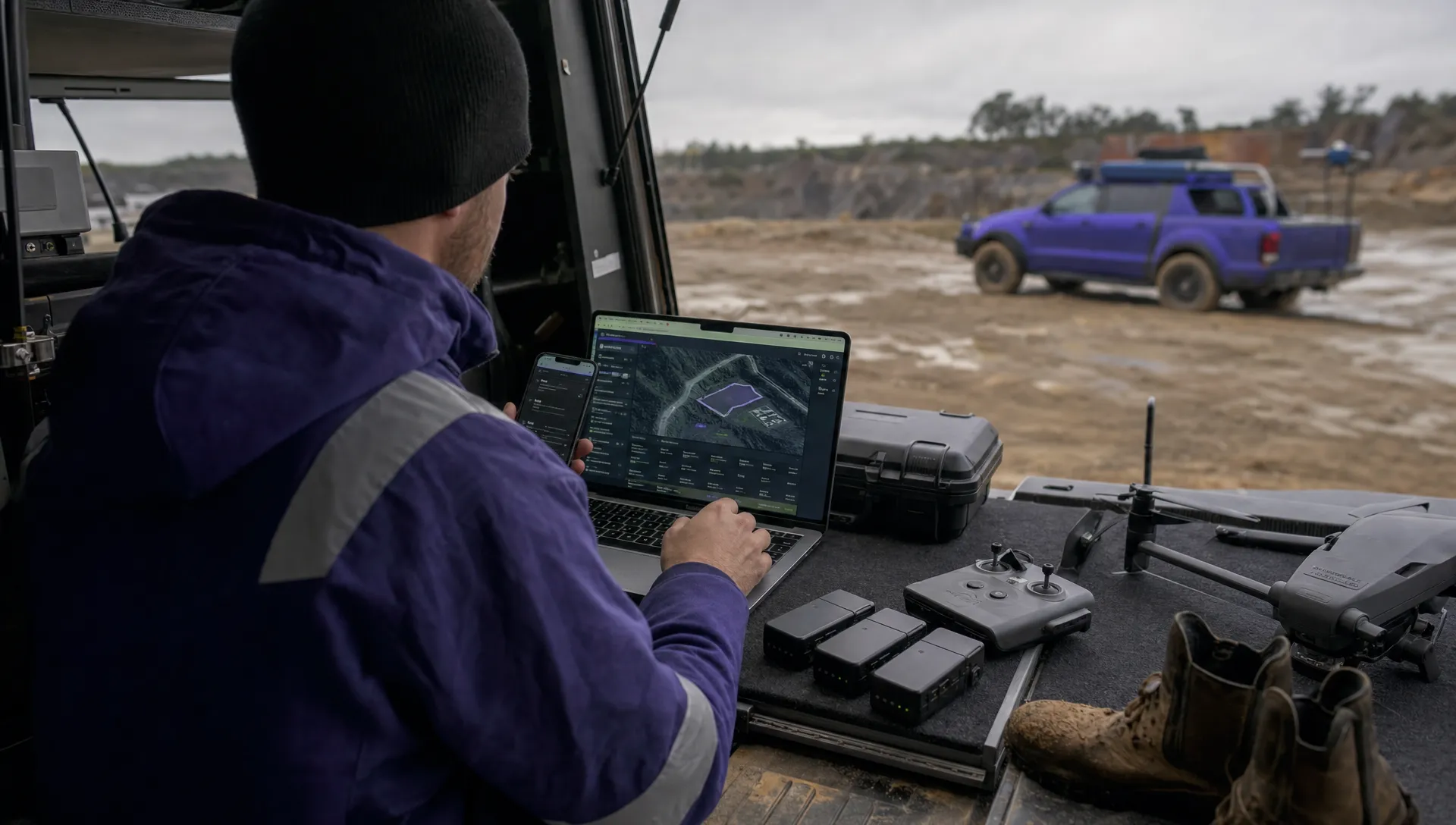 Drone Operating Rules for Managing Contractors and Employees →
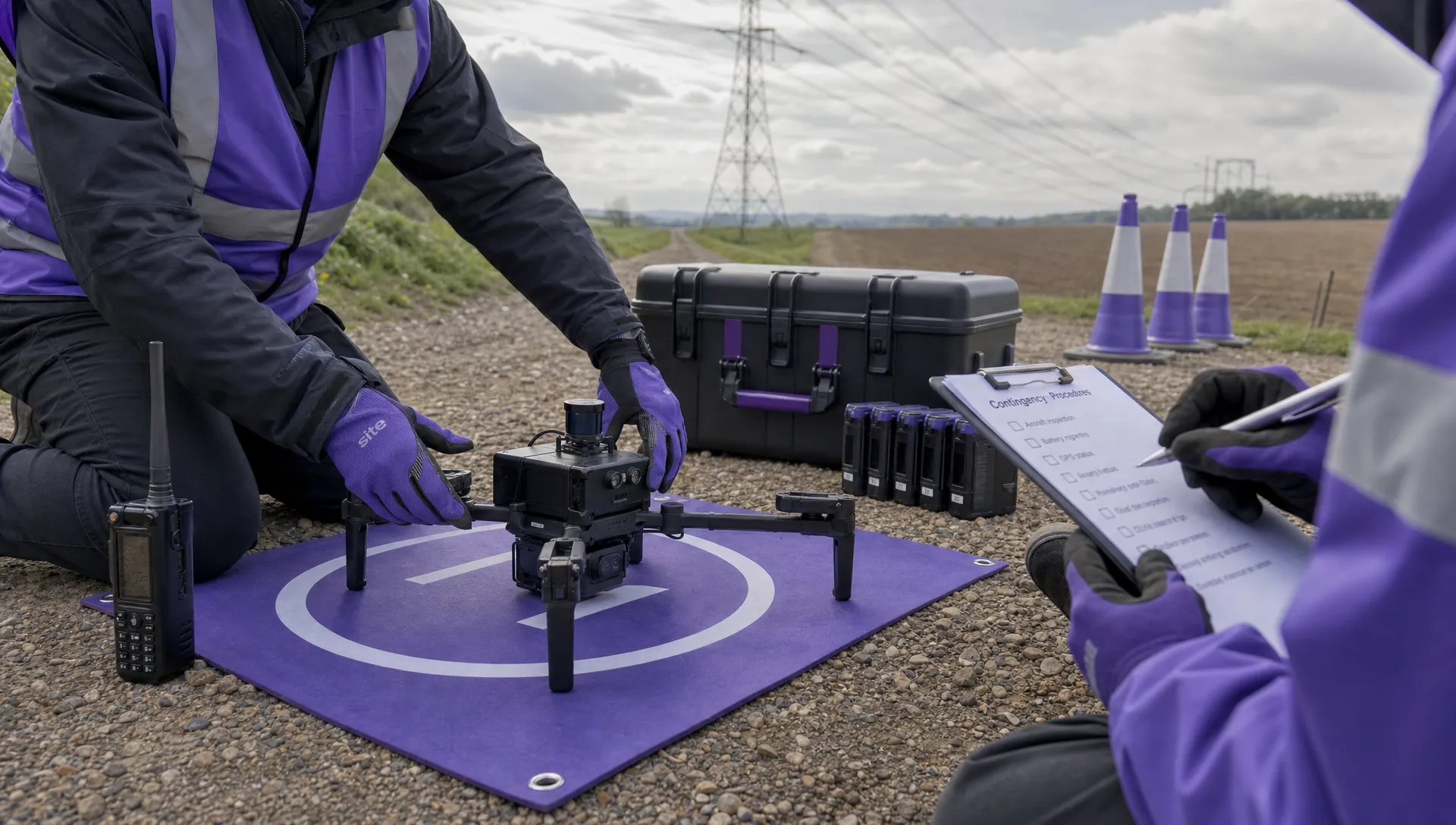 BVLOS Drone Requirements for Building a Safety Case →
 Drone Pilot Test Mistakes That Cost Candidates Marks →
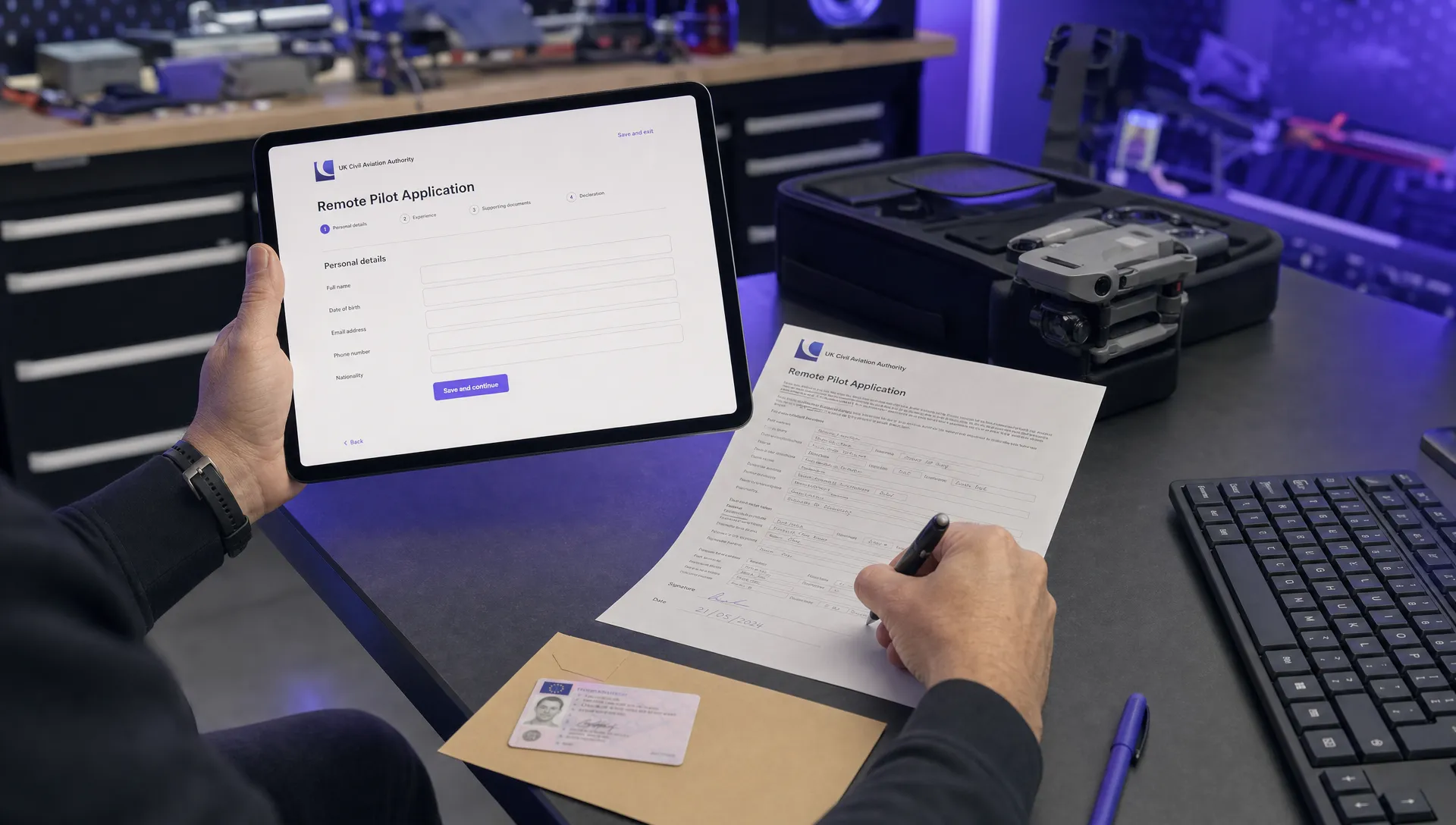 FAA 107 License vs Part 107 Certificate: What’s the Difference? →
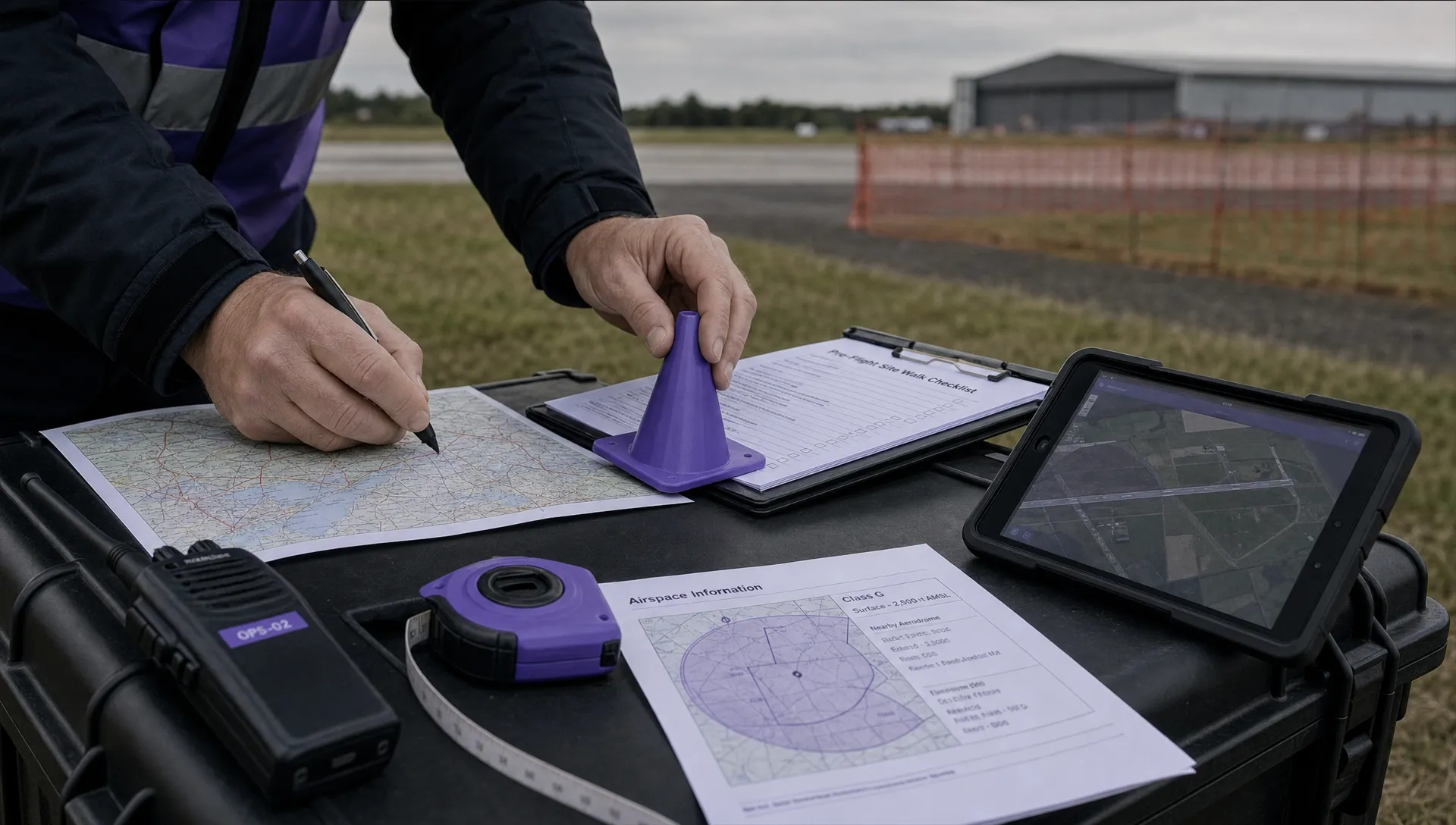 Drone Airport Rules: A Field Checklist for Site Assessments →
 FAA Part 107 Record-Keeping Rules for Commercial Teams →
 How to Review a DJI Flight Log After an Unexpected Event →
 Drone Laws Around the World: A Pre-Flight Research Framework →